Backpacking Gear
Best Backpacking Gadgets 2025: Nine Top Picks for Camp and Trail
Nine community-tested backpacking gadgets, from stoves and headlamps to satellite communicators, with the weights, prices and trade-offs that matter.
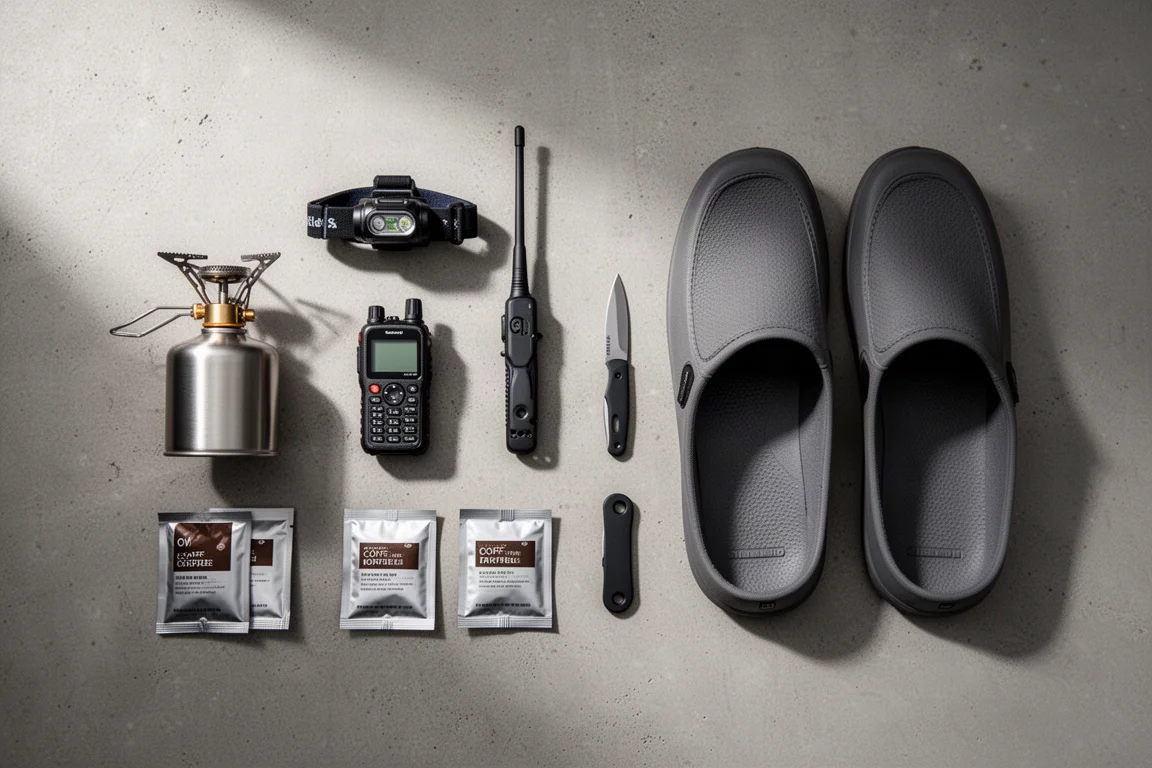
Introduction
Backpacking gear decisions get easier when a large group of hikers agrees on what actually works. The picks in this guide come from a 2025 backpacking gear survey in which more than 2,000 hikers voted across eleven categories, from stoves and headlamps to camp shoes and coffee.
The winners share a few traits. They are light, they solve a specific problem on trail, and they keep working when the weather changes faster than the forecast. Some are inexpensive. A few cost real money. All of them earned their place by doing a job well.
Below are nine category winners worth knowing about, with the weights, prices and practical details that matter when you are packing a bag.
How These Picks Were Chosen
Categories were set by gear function: cooking, safety, camp comfort, lighting and tools. Hikers voted for the equipment they actually carry, and the results favor gear that is light enough to justify its place in a pack and durable enough to survive a full season.
Weight is listed per item or per pair, because a few ounces matter most on long days. Prices reflect typical retail, and several of these items regularly sell for less.
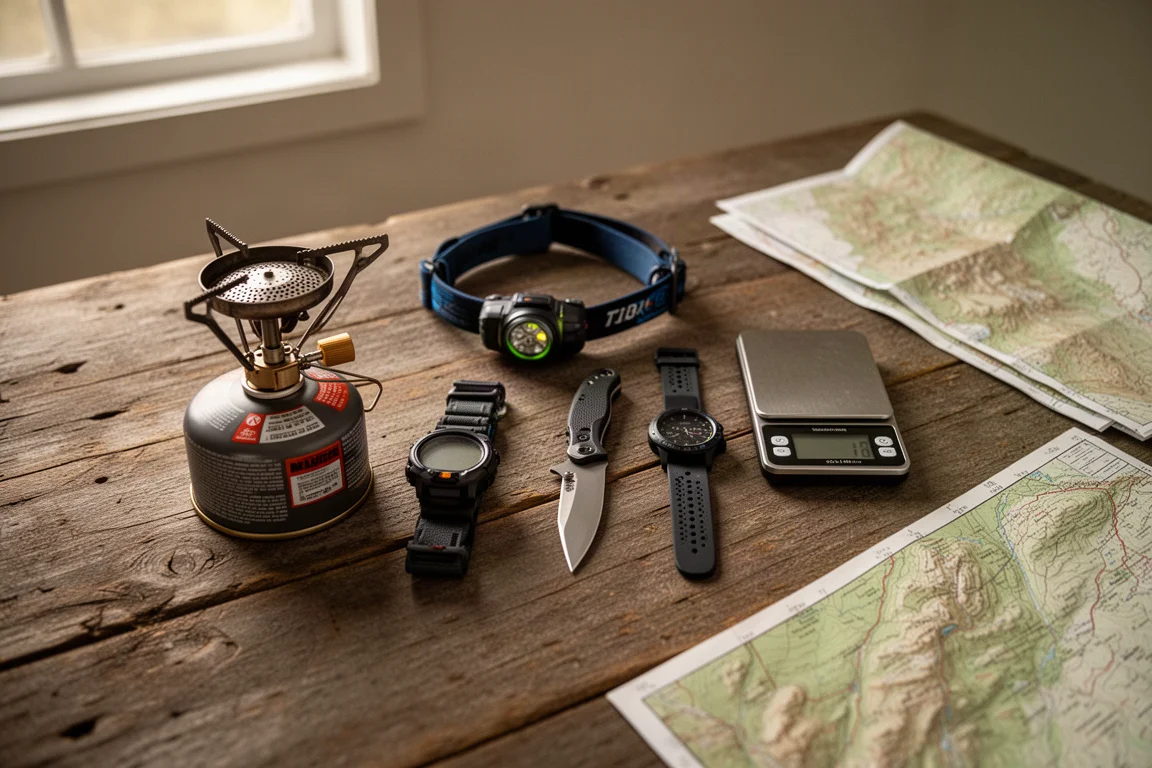
Two patterns stand out in the results. Reliability matters more than a spec sheet, which is why regulated stoves and long-battery devices did well. And several winners replace two items with one, which is usually a better trade than shaving grams.
Best Coffee: Starbucks VIA
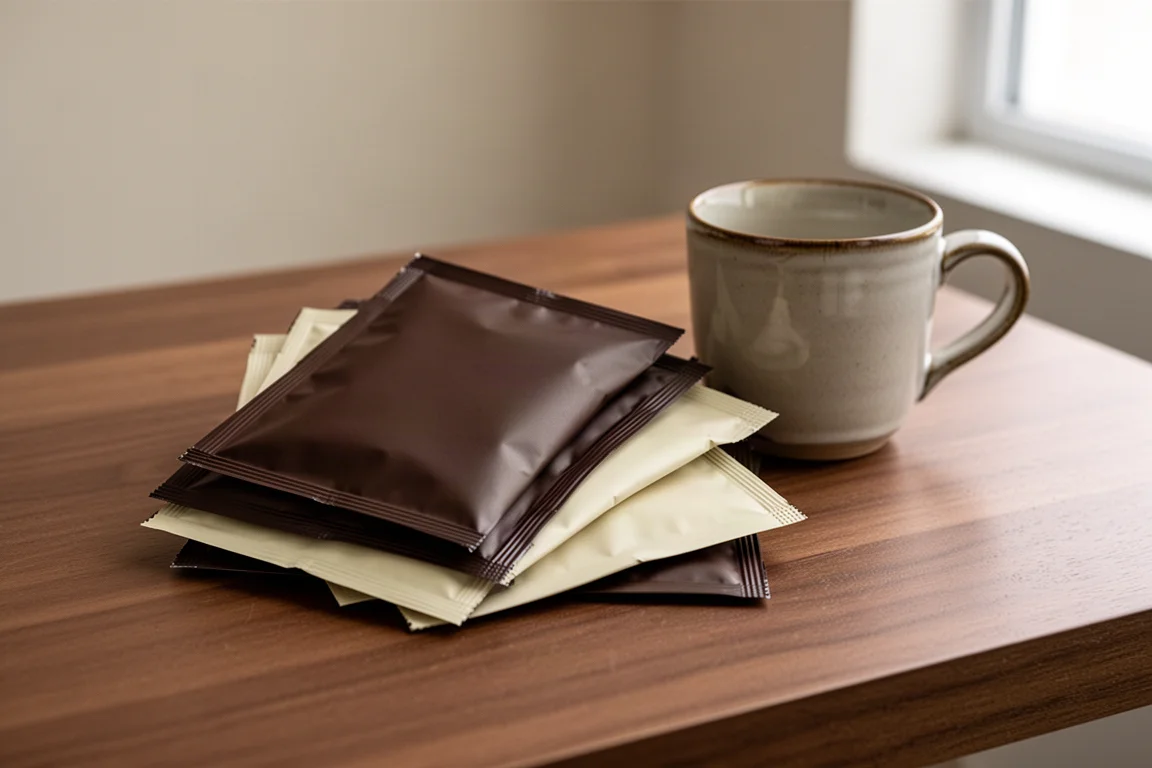
Coffee drew the largest share of votes of any category, and the winner was instant. Starbucks VIA comes in single-serve packets that weigh about one ounce each and are ready in seconds once you add hot water. An eight-pack runs around $8.
That combination is hard to beat on a long trip. There is no brewer to clean, no filter to pack out, and no risk of grounds in your cup after a cold, windy morning. For hikers who treat coffee as non-negotiable, a few packets add almost nothing to pack weight.
Pour-over and reusable filter setups still have their fans, but they add weight and cleanup. For most trips, single-serve packets are the pragmatic answer.
Best Satellite Communicator: Garmin inReach Mini 2
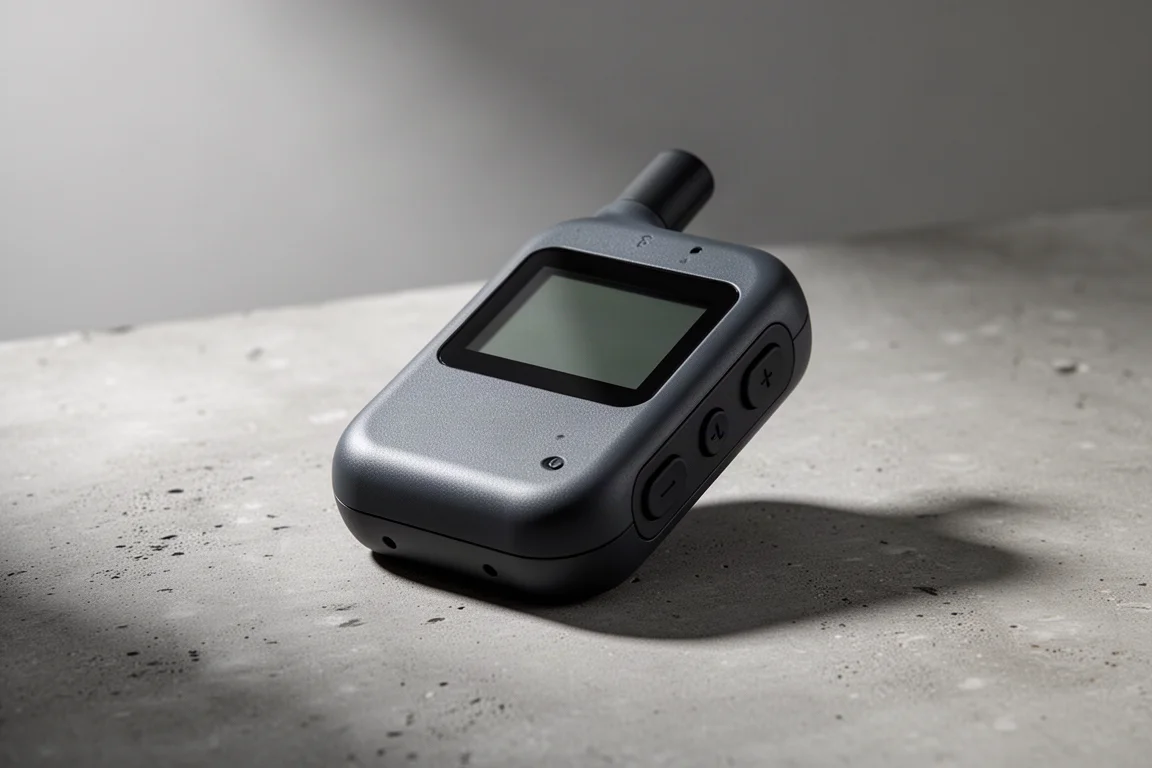
A satellite communicator is the piece of gear you hope never to need, and the one you are glad to have when plans change. The Garmin inReach Mini 2 sends messages and SOS signals from places with no cell coverage, and it does so from a device small enough to live in a hip belt pocket.
Battery life is up to 14 days, which covers a long trip without a recharge. The unit weighs 3.5 oz and has a rugged body with a screen built into the front, so you can read and send messages without pulling out a phone.
It is not a cheap item, and it costs noticeably more than entry-level satellite messengers. What that money buys is compact hardware, a clear interface and messaging that works far from the trailhead.
Best Fuel Saver: FlipFuel Transfer Device
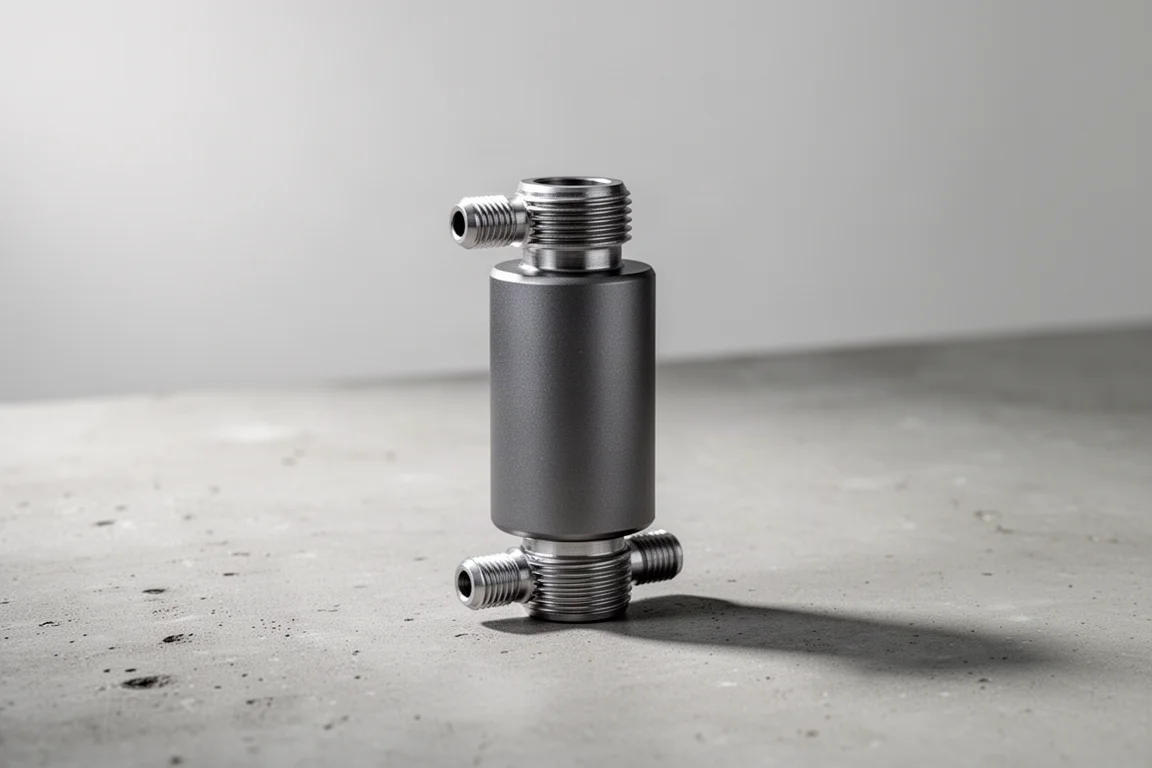
Canister fuel is one of the quiet costs of backpacking. Half-empty canisters get left behind, and every trip starts with a new purchase. The FlipFuel Transfer Device moves fuel from one canister into another through a secure threaded valve, so partly used canisters can be topped up instead of abandoned.
At 1.4 oz and $35, it is small enough to keep in a repair kit and simple enough to use at home before a trip. The payoff is less waste and fewer canisters bought over a season.
It works best when you plan ahead and consolidate fuel before you leave rather than trying to manage it on the trail.
Best Camp Shoes: Zpacks Ultralight Camp Shoes
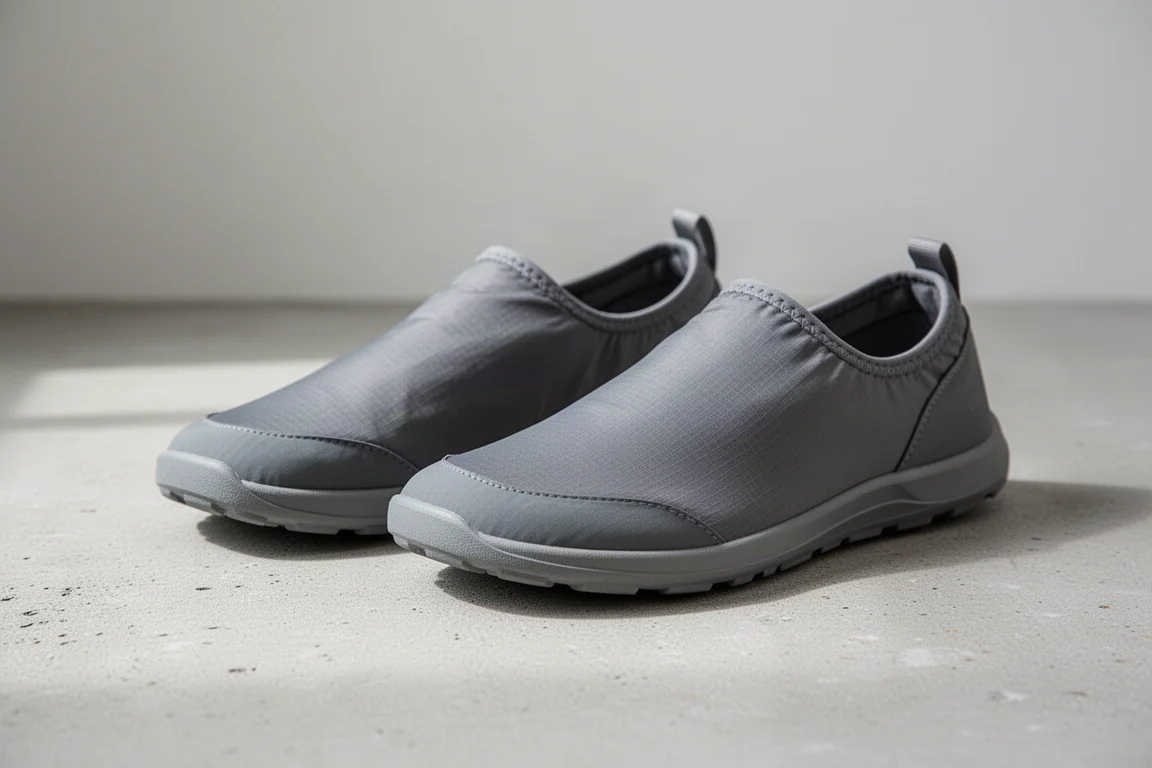
Taking off damp trail runners at the end of the day is one of the small luxuries of backpacking. Zpacks Ultralight Camp Shoes weigh 2.4 oz per pair in a large size and pack down small, which is why they took the top spot in this category.
The build uses 100D nylon uppers with foam soles, so they hold up better than disposable alternatives. They also work for low-flow stream crossings, though fast water can pull them off your feet.
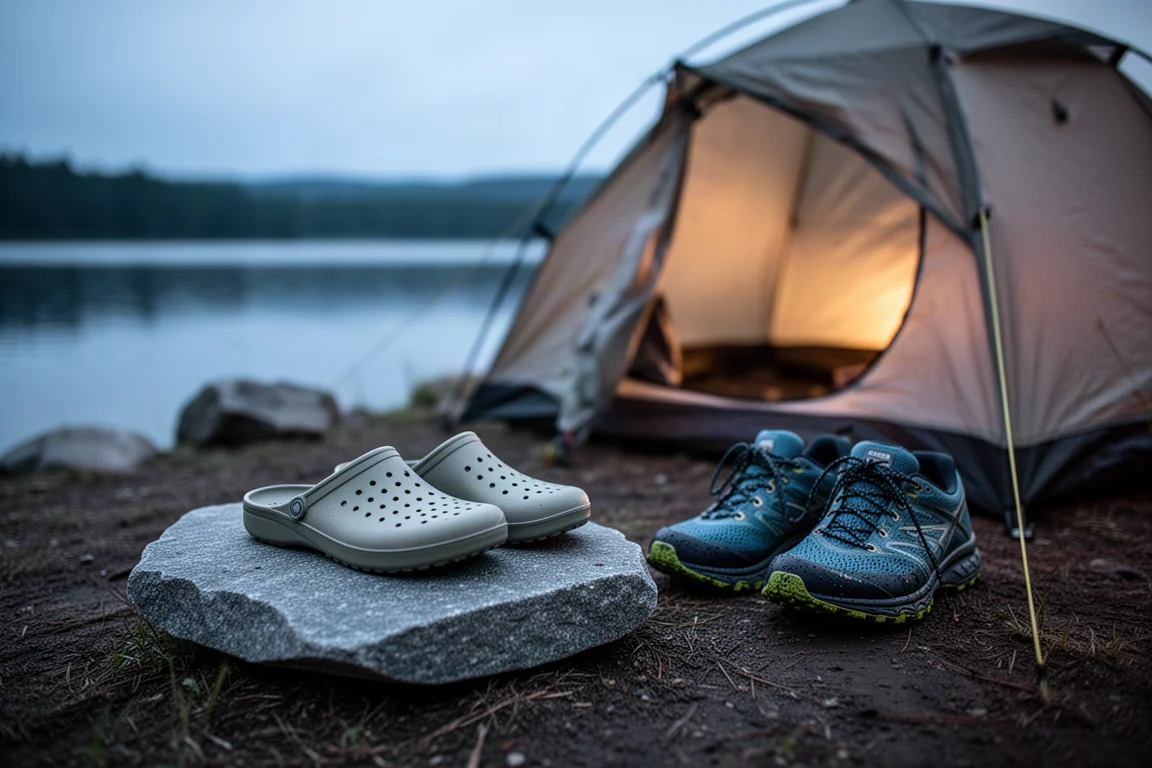
They cost $35, which is more than a basic pair of slip-on sandals, but the packed size and low weight make them easy to justify for anyone counting ounces.
Best Knife: Victorinox Classic SD
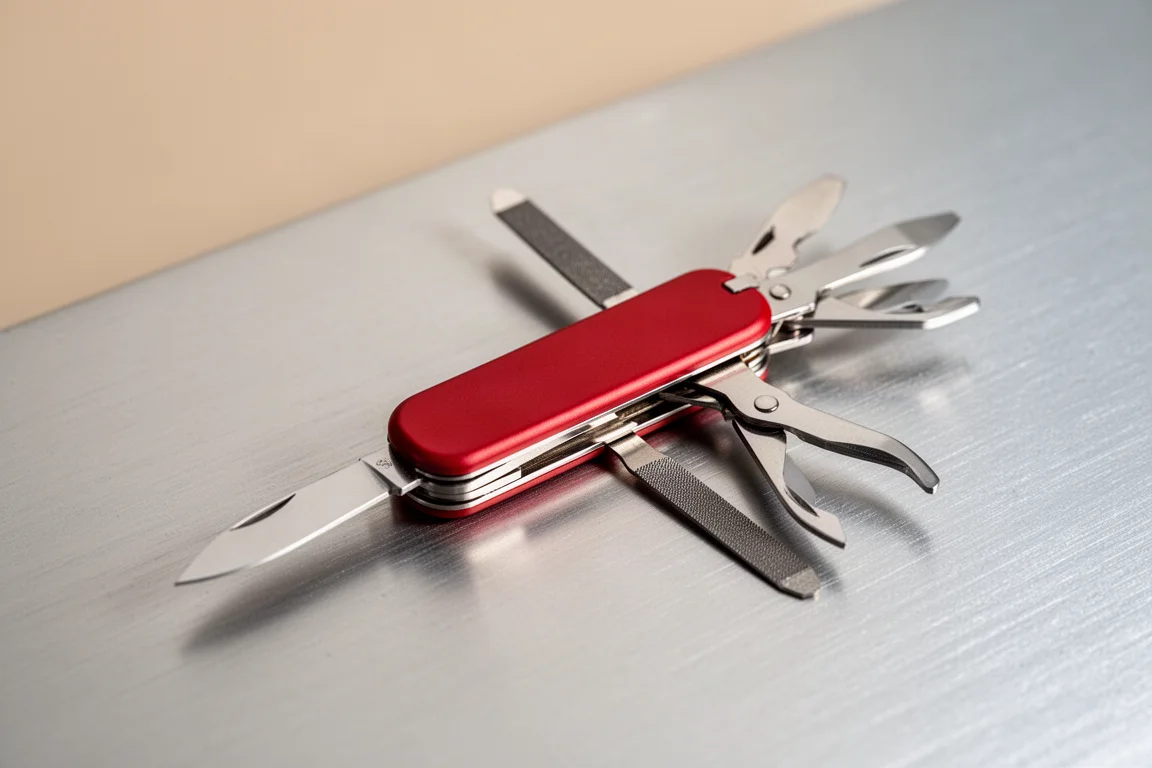
A small knife or multi-tool earns its place on almost every packing list. The Victorinox Classic SD weighs 0.7 oz and packs seven functions, including a blade, scissors and a file. It costs about $20, and often less when it is on sale.
That range of tools covers the small jobs that come up constantly: trimming tape, cutting cord, opening food packaging and repairing a strap. Because it is so light, it tends to stay in a pocket instead of buried at the bottom of a pack.
Hikers who need a longer blade for food prep may prefer a full-size folding knife, but for everyday trail tasks the Classic SD is the more versatile option.
Best Watch: Garmin Instinct 2
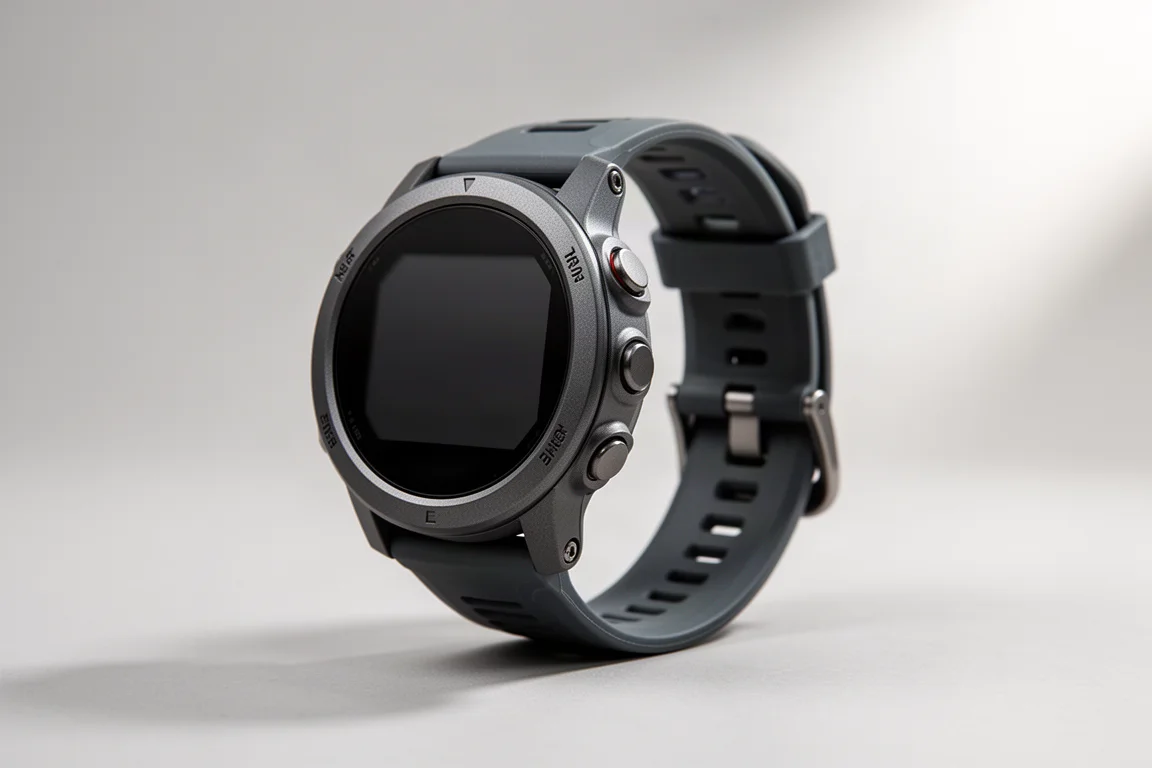
A watch on trail has to do two things well: track where you are and keep running. The Garmin Instinct 2 has GPS and heart rate tracking, a 10 ATM water rating and a battery life of up to 28 days. It weighs 1.8 oz and costs $299.
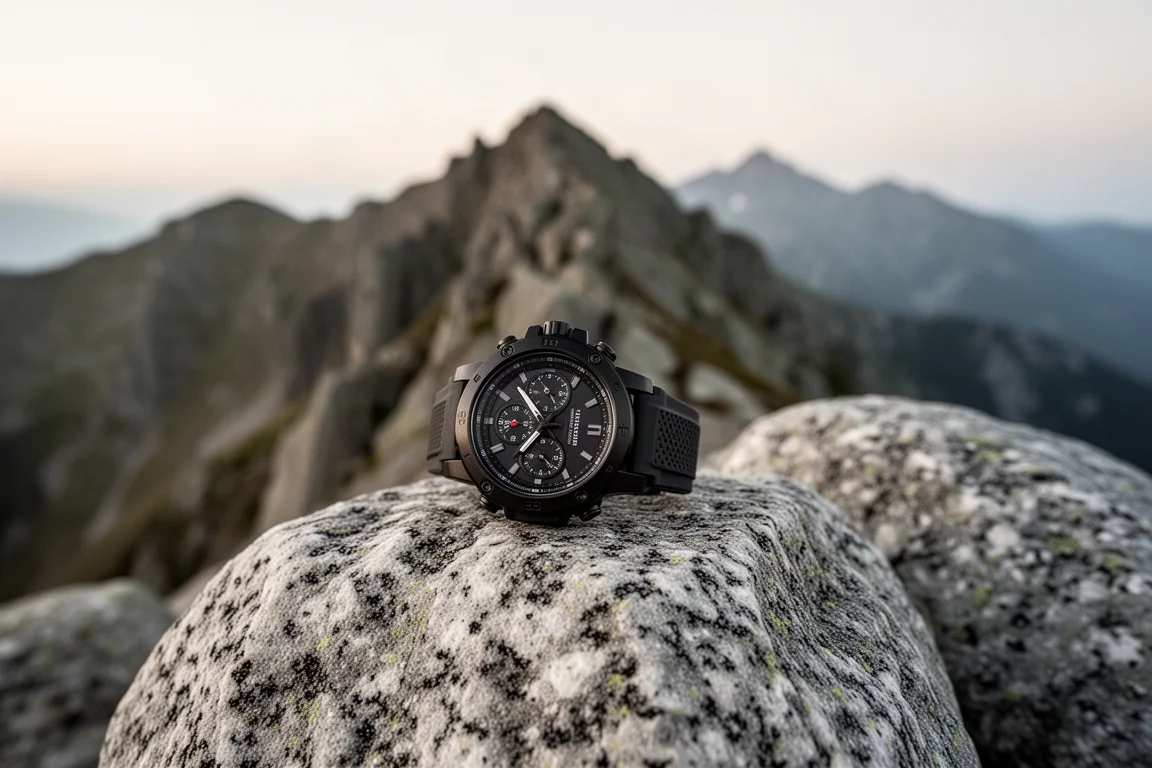
That battery figure is the headline. Hikers who dislike charging devices mid-trip can leave the cable at home on most routes, and the watch still handles navigation and activity tracking. It offers fewer smartwatch apps than a mainstream smartwatch, which is a fair trade for backpackers who want battery life and durability over notifications.
Best Pad Pump: Flextail Zero Pump
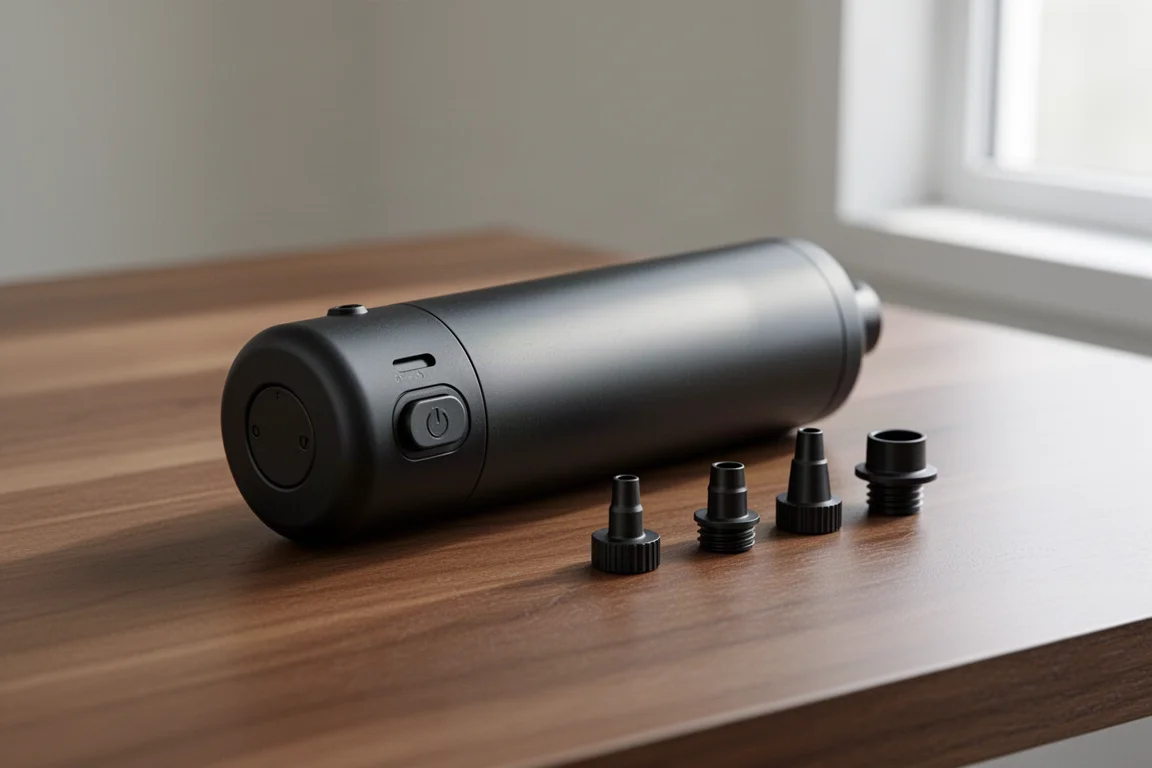
Inflating a sleeping pad by mouth at the end of a long day is tedious, and moisture inside the pad is a problem over time. The Flextail Zero Pump inflates pads quickly, weighs 1.2 oz without the battery, and costs $50.
It also doubles as a fire bellows, which is unusual for a pump this small. The trade-off is that it needs a separate battery, so the total weight in your pack is a little higher than the figure on the box.
Hikers who inflate pads by hand and do not mind the effort can skip it. Everyone else tends to appreciate the speed.
Best Headlamp: Nitecore NU20 Classic 360L
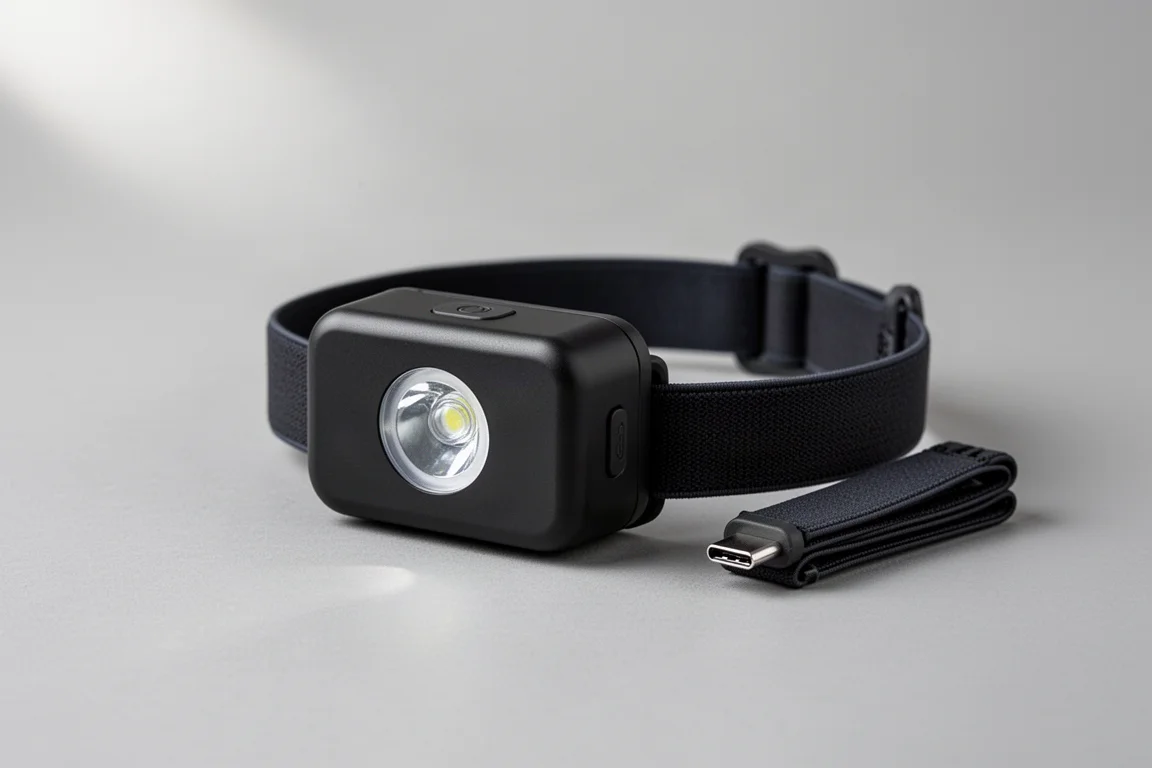
A headlamp is one of the few items that goes on every trip regardless of season. The Nitecore NU20 Classic 360L weighs 1.3 oz, costs $25 and recharges over USB-C, so it shares a cable with most of the other electronics in your pack.
Recharging rather than carrying spare batteries keeps the kit simple and the pack lighter. The design is straightforward, and it has stayed popular because it is hard to fault at this weight and price.
The trade-off is that a rechargeable headlamp depends on a power source on longer trips, so bring a battery bank if you are out for more than a few nights.
Best Stove: MSR PocketRocket Deluxe
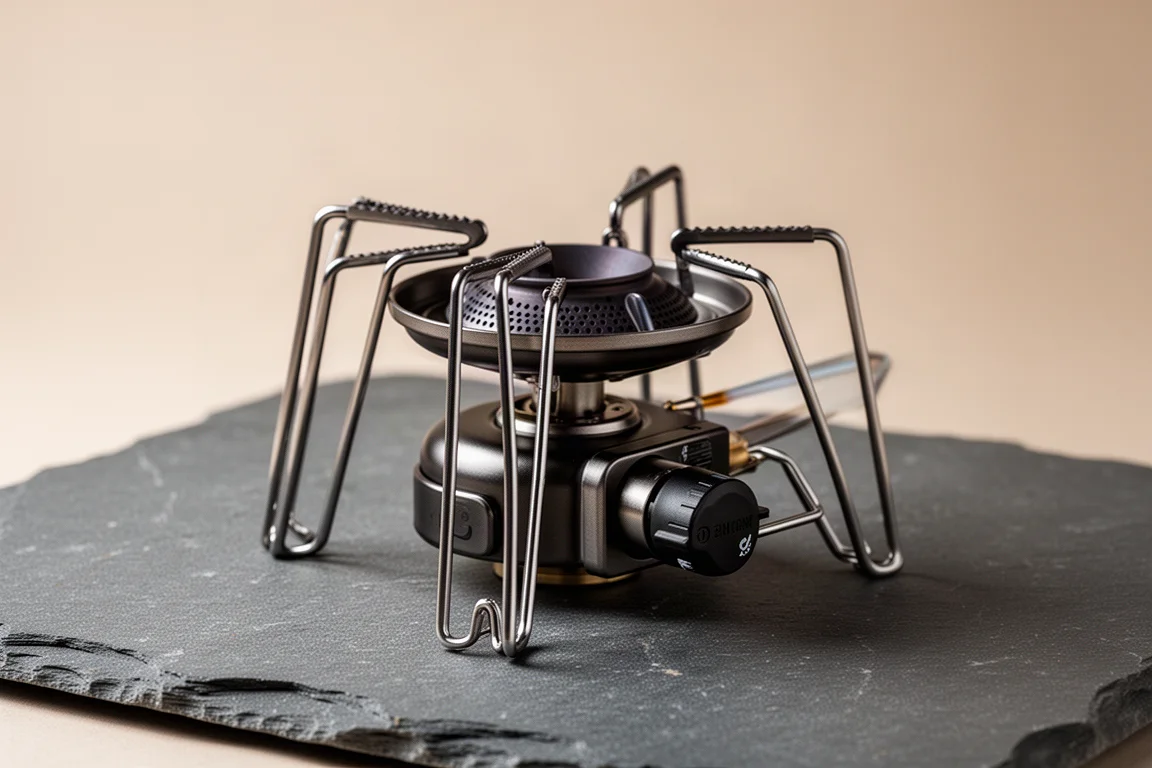
Cooking in wind, cold or at altitude is where cheap stoves fall apart. The MSR PocketRocket Deluxe uses a pressure regulator to keep output consistent as conditions and elevation change, which makes meal planning more predictable.
It weighs 2.9 oz, costs $85 and fits inside a 750 ml pot along with a small gas canister, so it packs into space you already have. Among the canister stoves in this category, it has the strongest record for reliability.
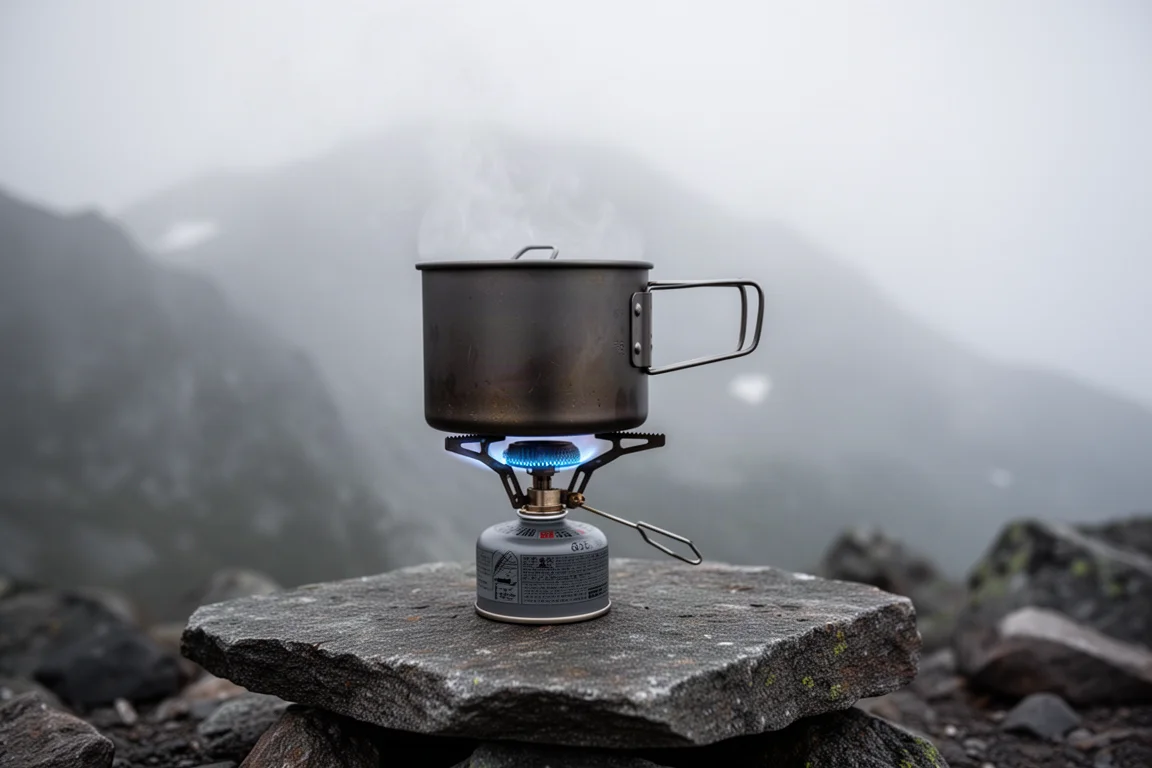
Price is the main objection. A basic canister stove costs a fraction of this, but it will struggle in exactly the conditions where a regulated burner matters most. For backpackers who cook at camp on every trip, the Deluxe is the safer long-term buy.
Buying Advice
Start with the items you use every day: a stove, a headlamp, and something to sleep on. Those three earn their weight on every trip, and reliability matters more than saving a few grams.
Safety gear comes next. A satellite communicator is the one category where a higher price buys a real capability, and it only takes one change of plans to justify carrying it.
Camp comfort items such as shoes, pumps and coffee are personal. Buy them when a specific annoyance from your last trip comes to mind, not because a list says so.
Finally, check weights in the units you will actually carry. Per-pair figures and weights without the battery are useful, but they are not the number that ends up on your back.
Conclusion
The gear that wins a large community vote tends to share the same qualities: it is light, it works when the weather turns, and it does not need babysitting. The nine items above cover cooking, safety, lighting, camp comfort and tools, and each one has a clear job on a backpacking trip.
Pick the categories that match the trips you actually take, and let the rest wait until a real need shows up.
Further reading
Related Reviews

Backpacking Gear
Building a 10 lb Base Weight: An Ultralight Backpacking Gear List
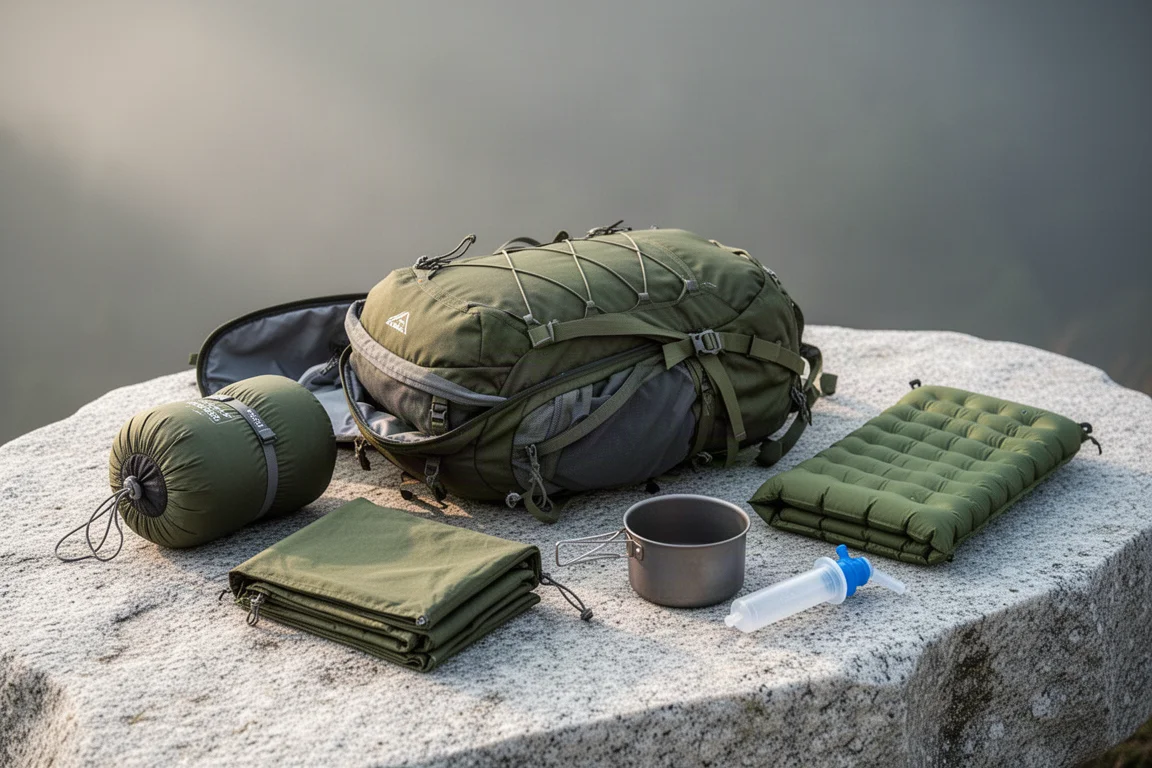
A practical walkthrough of the ultralight pieces behind a 10 lb base weight, from a 765 g pack and a roomy one-person tent to a full camp chair and a dependable water filter.
Backpacking Gear
A 15-Pound Lightweight Backpacking Gear List for Solo Trips
A beginner-friendly 15-pound backpacking setup built from easy-to-find gear, with notes on what each piece does, how it packs, and where to spend your attention.
Backpacking Gear
8 Ultralight Backpacking Gear Upgrades Worth Carrying
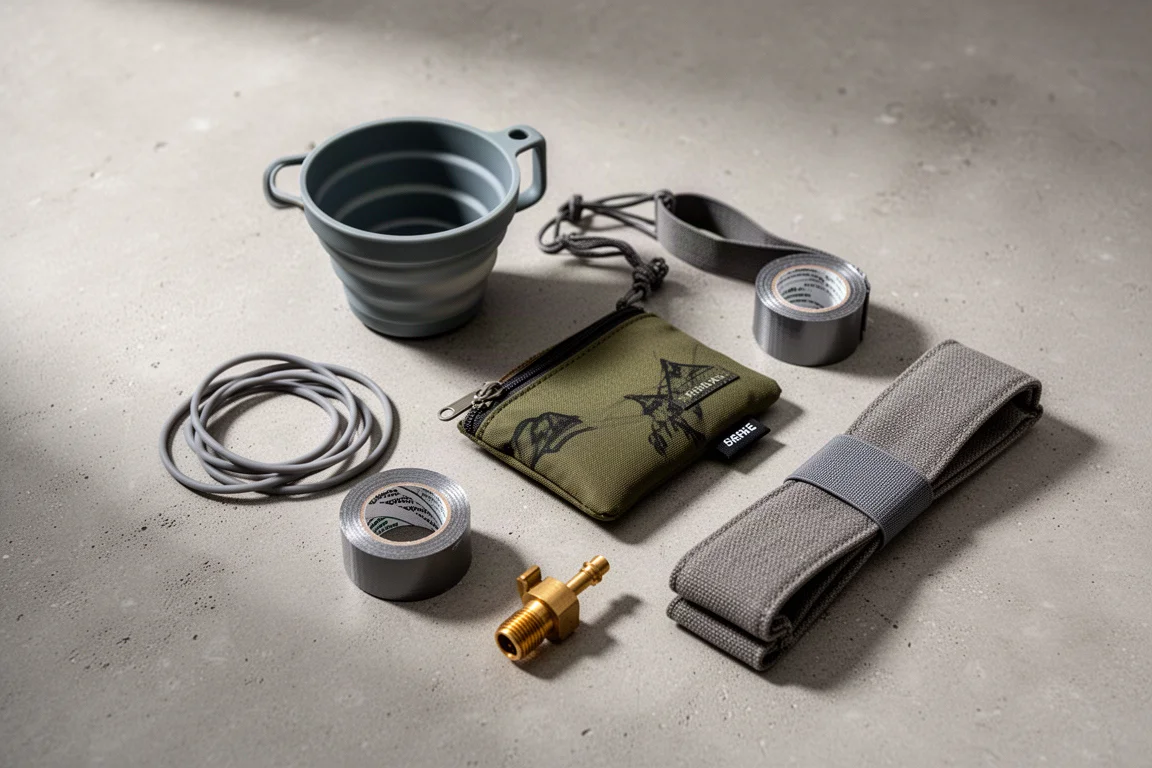
Eight small, affordable backpacking upgrades that solve real trail annoyances, from a pillow that stays put to a fuel valve that rescues leftover canister gas.