Backpacking Electronics
Best Backpacking Electronics: 10 Award-Winning Picks Worth the Weight
Ten field-tested backpacking electronics that earn their place in a pack, from a $25 headlamp to a satellite communicator, plus the trade-offs to weigh first.
Introduction
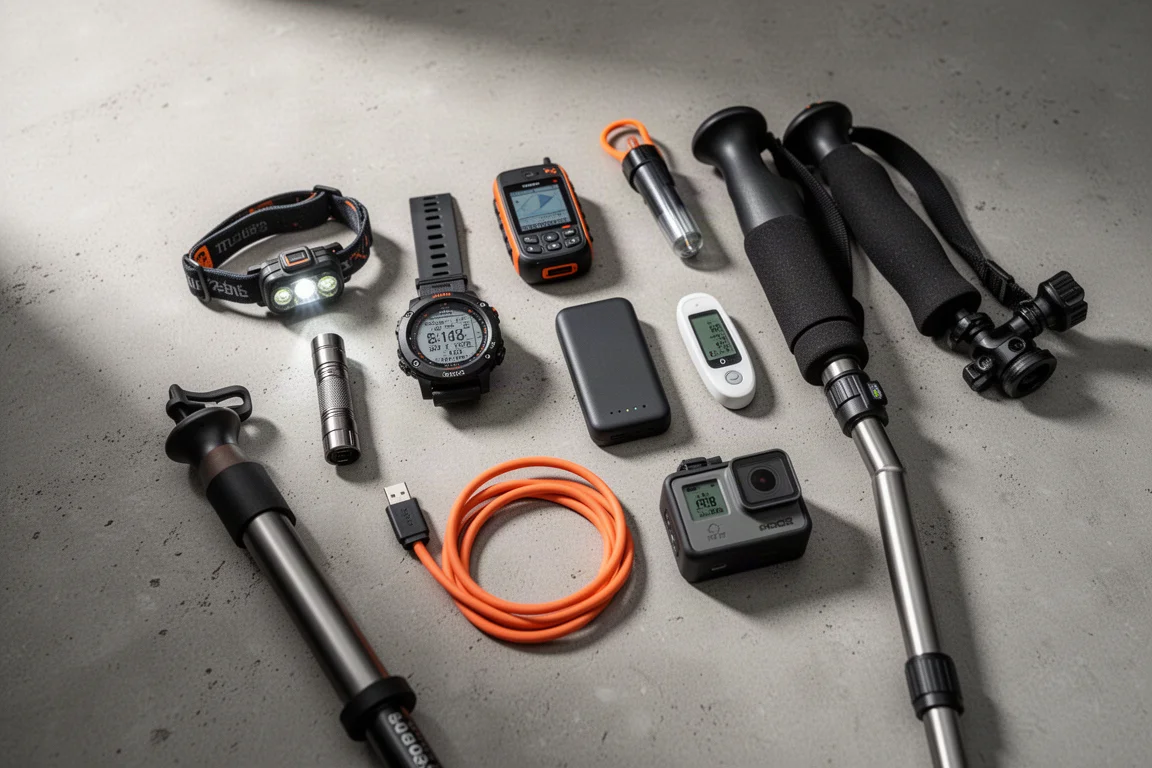
Electronics are usually the heaviest category of gear a backpacker carries, and every item in the pack has to earn its place. The ten products below cover the categories that matter most on trail: light, navigation and timekeeping, emergency communication, temperature tracking, power, sleep systems and recording. Each one was selected for how it behaves in the field rather than how it reads on a spec sheet.
How These Picks Were Chosen
The evaluation focused on the things that actually change a trip: weight, reliability, battery behaviour, and whether a device solves a problem that would otherwise force a compromise. Price mattered too, but only in relation to how often a product gets used. A headlamp that costs $25 and weighs 34 g is a very different proposition from a watch that costs several times more but is worn every single day.
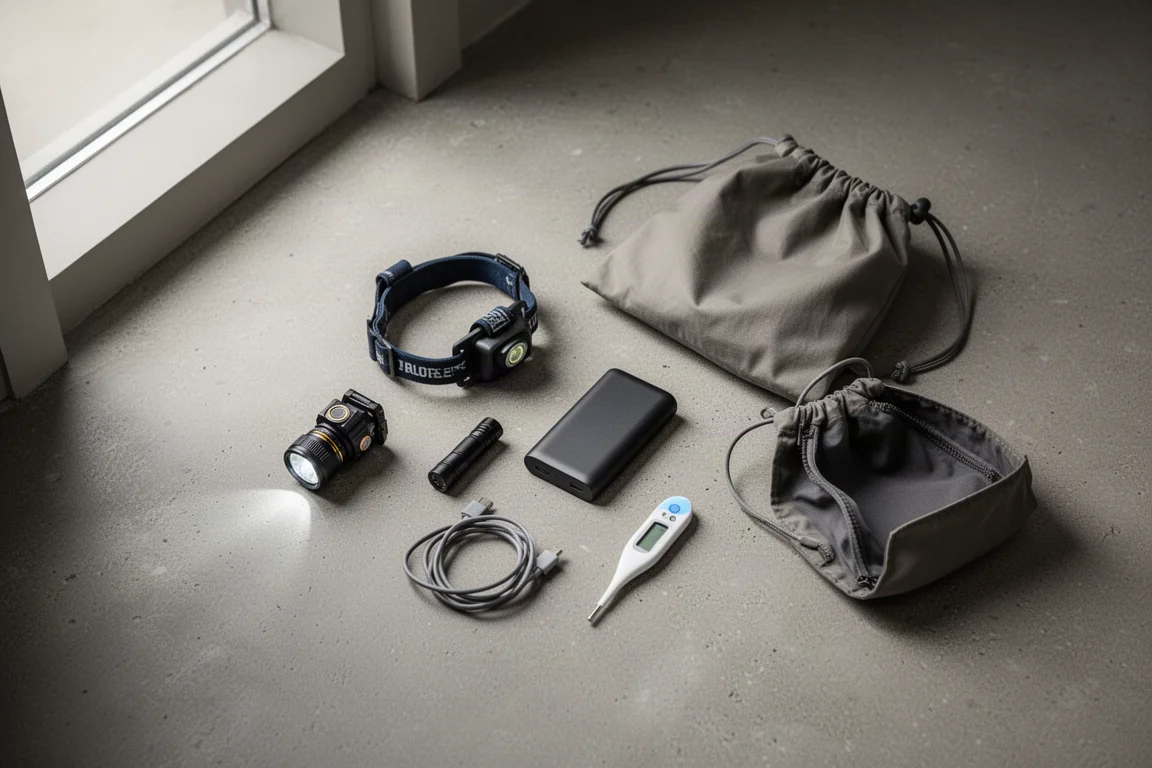
Each category also has an alternative worth knowing about, because the right choice depends on how and when you travel. A summer weekend hiker and a winter mountaineer need very different things from the same category, and the notes below flag where that difference shows up.
Best Headlamp: Nitecore NU20 Classic
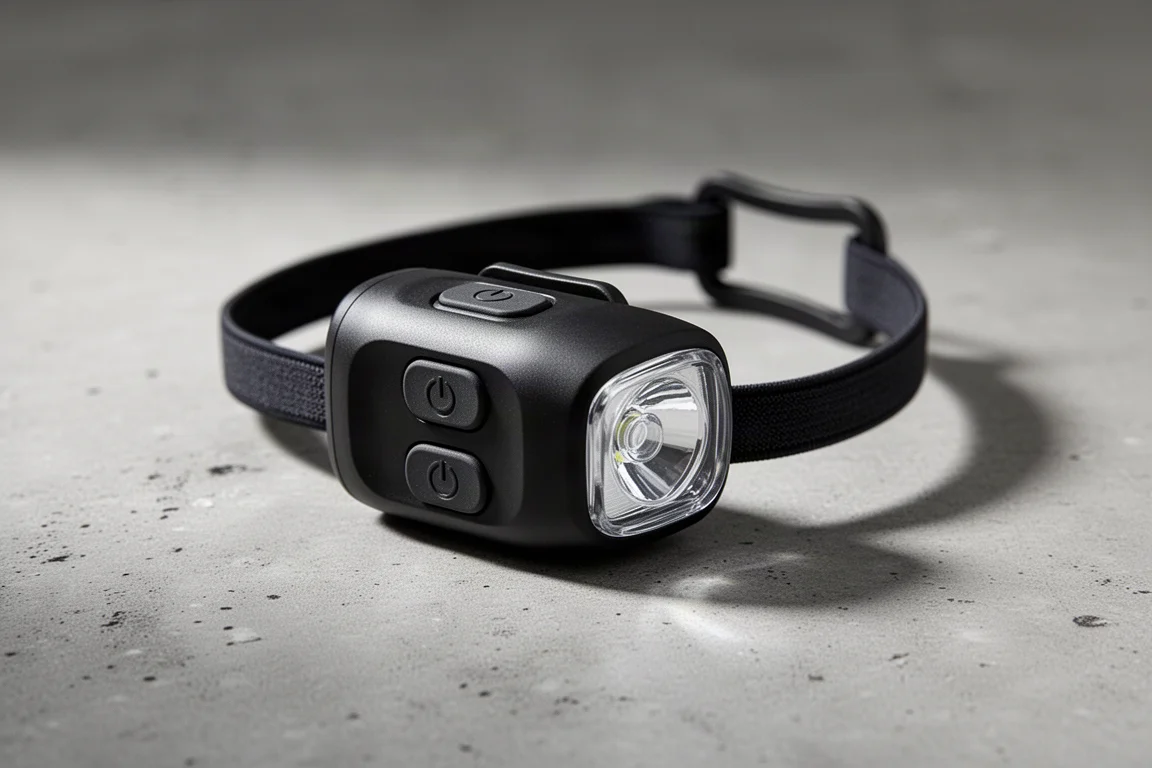
The Nitecore NU20 Classic takes the headlamp category on a combination of price, weight and function. It recharges over USB-C, uses two separate buttons for white light and red light, and delivers 360 lumens from a body that weighs just 34 g. At $25 it is one of the least expensive ways to solve lighting on trail.
The trade-offs are specific rather than vague. The headband that ships with it is not the strongest part of the package, and 360 lumens is modest for anyone night hiking or spending long hours in the dark during winter camping. For those trips, the Petzl Swift RL offers 1,000 lumens and a removable battery with a charging port built into the battery itself, so one cell can recharge while the other powers the lamp.
Best Flashlight: RovyVon A5
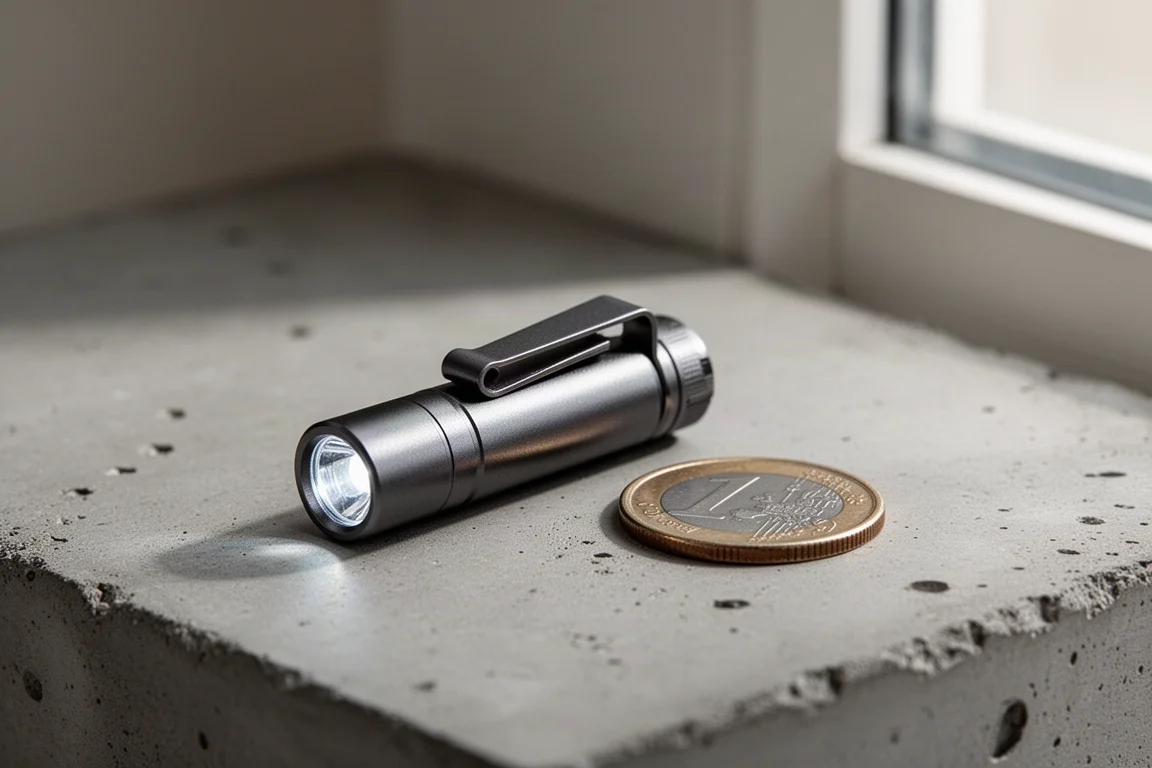
For summer trips where darkness arrives late, a full headlamp can be more than you need. The RovyVon A5 matches the NU20’s brightness while weighing only 14 g, less than half as much, and it is compact enough to disappear into a ditty bag until the middle of the night. A small clip lets you attach it to a hat and use the hat as a headband.
The limits are brightness and battery life. It will not carry you through a full night of night hiking, and without a hat the clip has nothing to hold on to.
Best Watch: Garmin Fenix 8
Garmin watches keep earning their place on the wrist, and the Fenix 8 is the most complete option in the line. Two functions matter most on trail. The first is navigation: routes can be uploaded to the watch and followed directly, which is especially useful in winter or on trails that are not well defined. The second is activity tracking, with pace and distance visible throughout the day. Knowing that 20 km of a 30 km day is behind you makes planning the rest of it far easier, and that information makes for a noticeably more efficient hike.
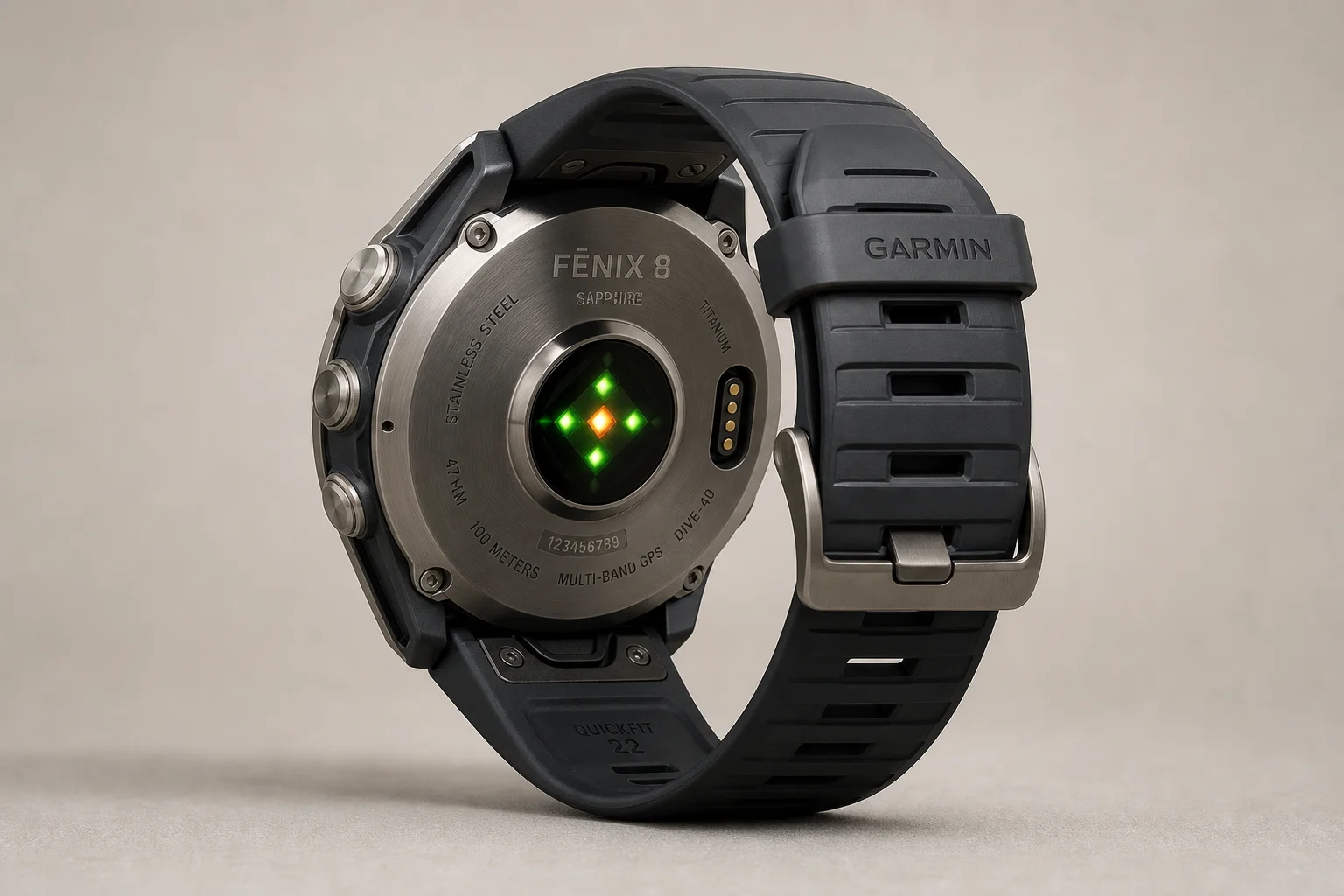
Battery life is a genuine advantage, with more than two weeks of use under consistent daily wear. A built-in flashlight on the back of the case gets used constantly.
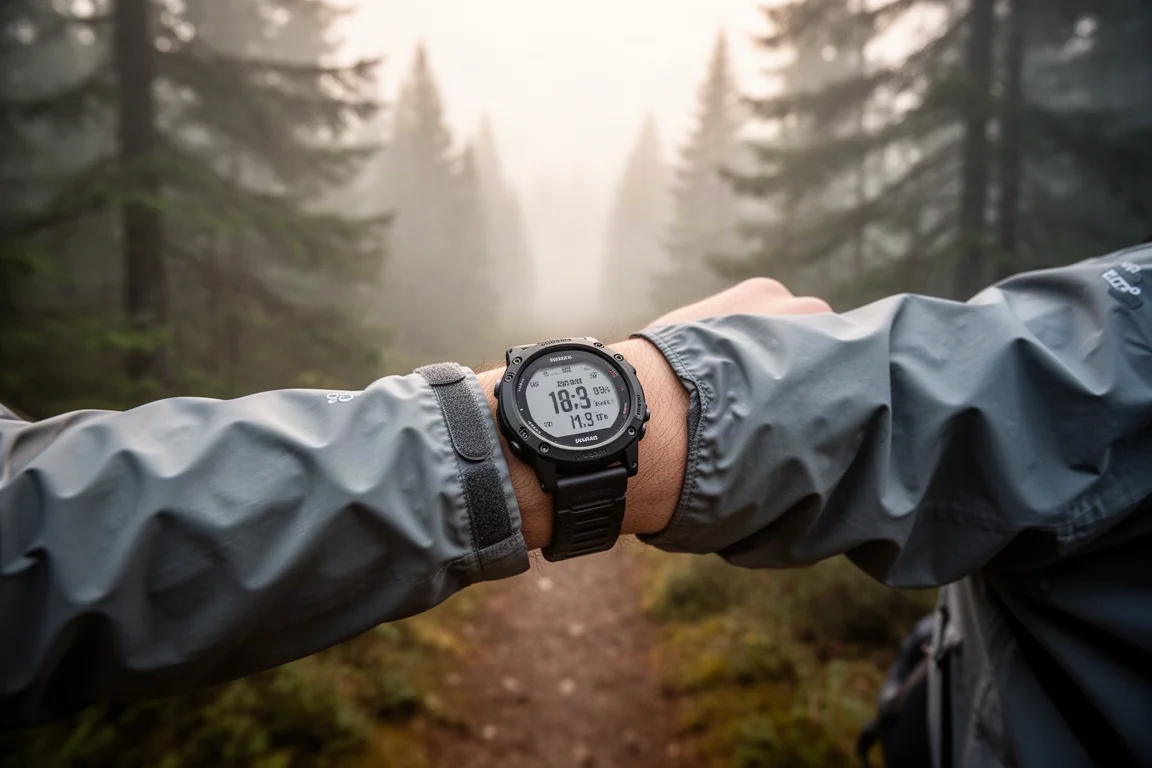
The obvious downside is price. Garmin’s Instinct line costs less and shares the same reputation for reliability, but it drops features such as on-device music and mapping. For a watch worn every day, the Fenix 8 can justify the cost. For occasional use, it may not.
Best Satellite Communicator: Garmin inReach Messenger Plus
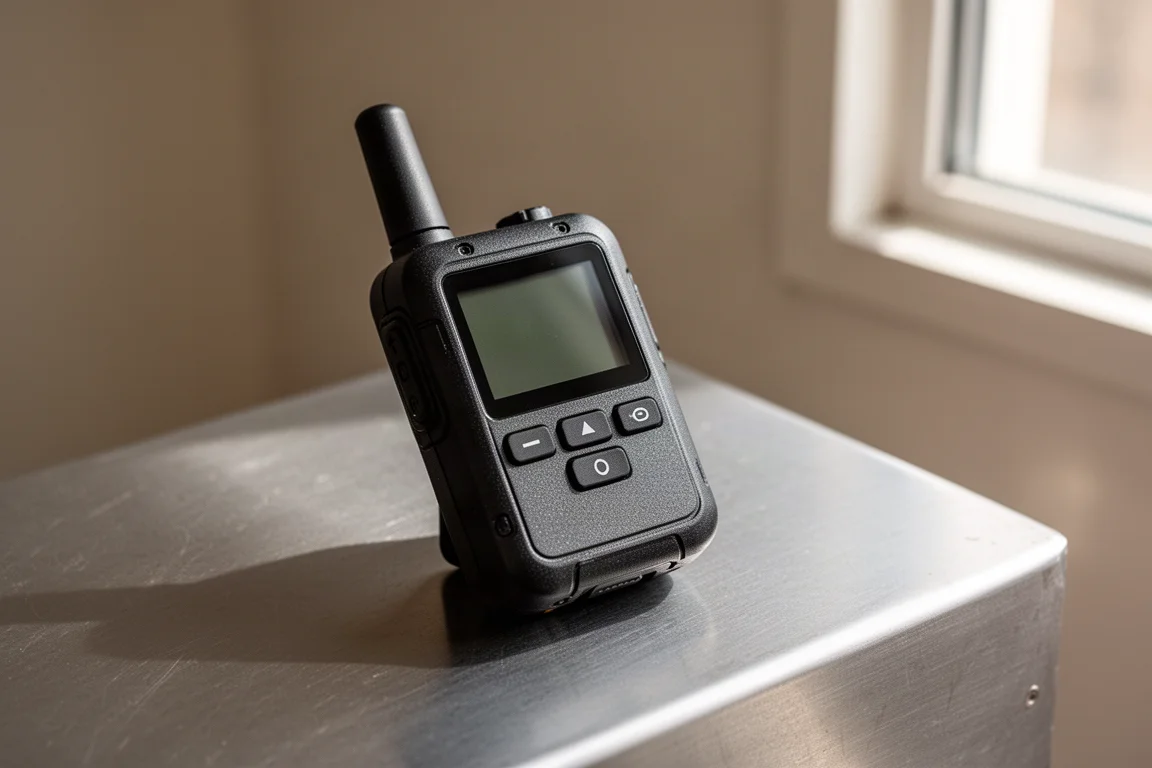
Satellite messaging built into phones is improving, but a stand-alone device still holds clear advantages: direct on-device messaging, strong battery life, and a rugged body that survives the backcountry. The inReach Messenger Plus adds an SOS button for fast access to help and allows two-way messages with friends and family at home, even if a phone dies or breaks.
The Messenger Plus also supports picture and voice messaging. If those features are not needed, less expensive inReach Messenger options work just as well. The catch is the required subscription, the need to recharge on longer trips despite roughly two weeks of battery life, and one more device to carry and keep topped up.
Best Thermometer: ThermoDrop Thermometer
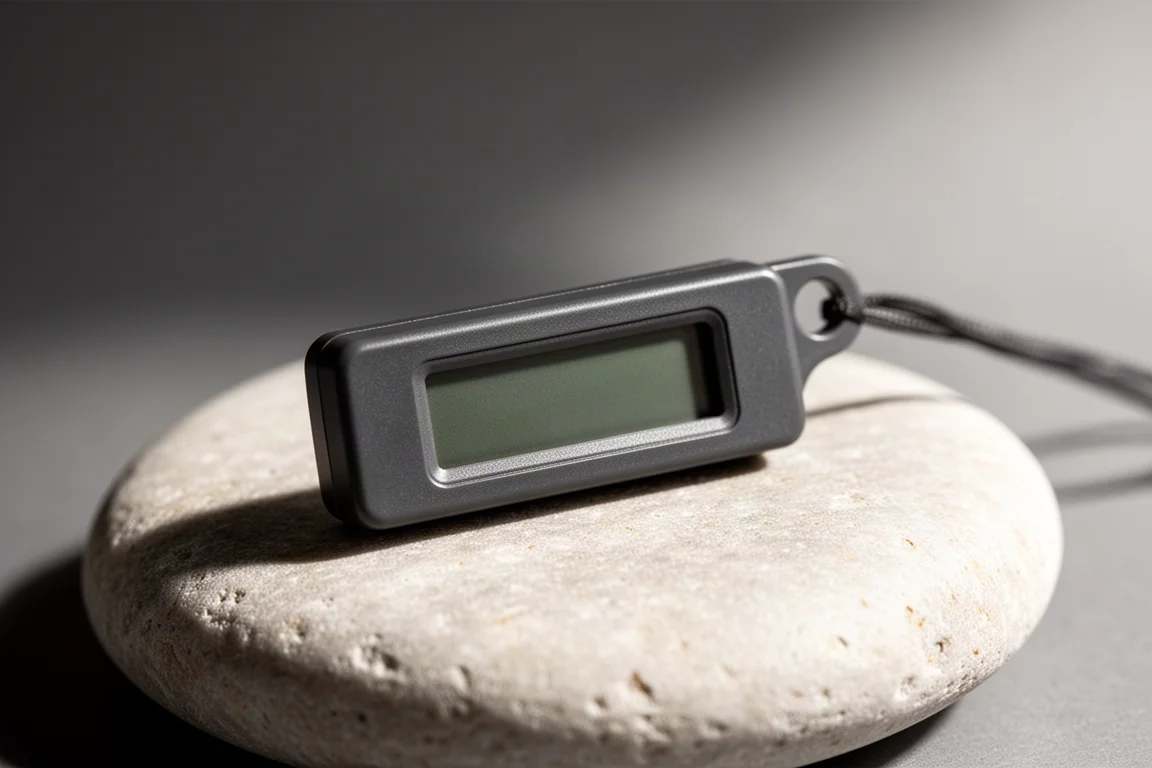
A thermometer is a small item that pays off over time. The ThermoDrop is very small and very light, and it records the minimum and maximum temperature across a session. That data turns a guess about overnight conditions into something concrete: if the forecast called for freezing and the ThermoDrop logged -5°C (20°F), you know exactly how your sleeping pad, quilt or sleeping bag performed and can adjust for the next forecast.
Its limitations are equally clear. It is not rechargeable and runs on a small watch battery that lasts roughly a year, and it does not record continuously, so you only see the min and max values. The Inkbird TH2 Plus is the alternative for anyone who wants continuous logging: it tracks temperature and humidity, syncs to a phone so a full day of variation is visible, and covers a wider temperature range, having continued to send sensor data at -30°C even when its screen stopped working.
Best Power Bank: Veektomax Power Bank
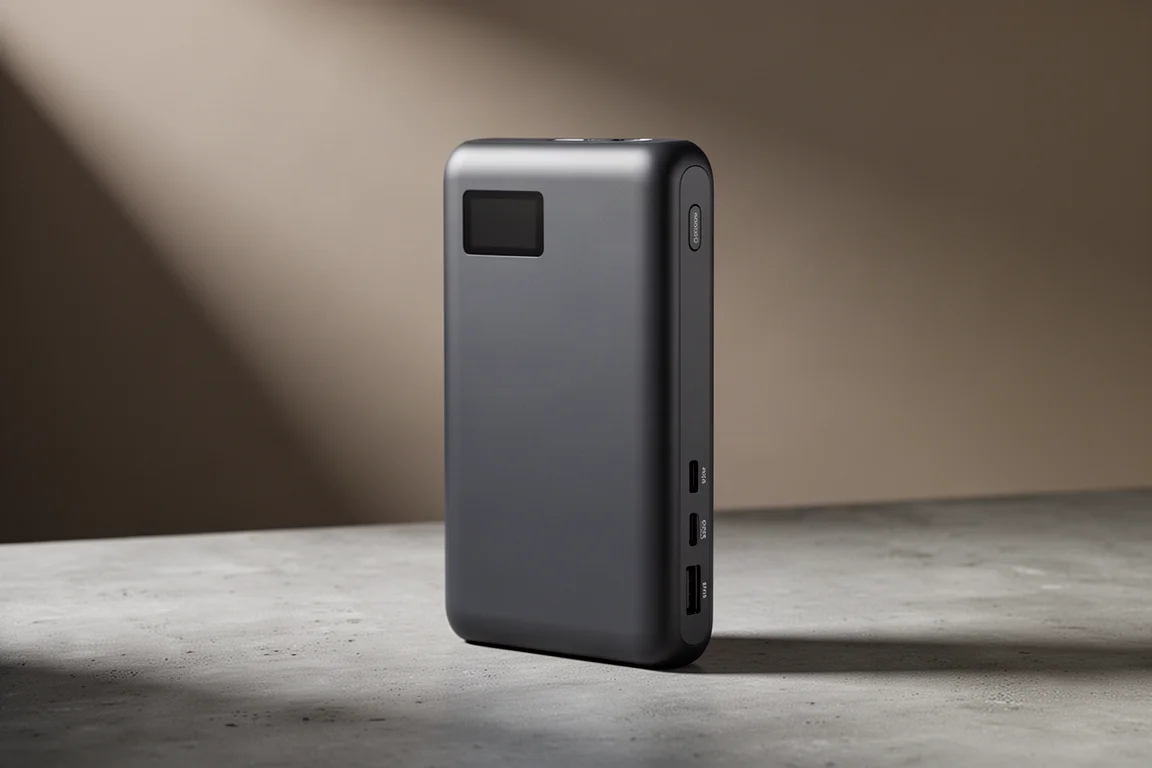
Power banks are a crowded category, and the Veektomax wins on balance. It is a 10,000 mAh pack with USB-C input and output, a USB-A output, a micro USB input, and a small screen that shows how much charge remains. At 165 g and $25, it undercuts many more advanced options by half or more.
The compromises are a single USB-C port, slower charging than the fastest packs, and slightly more weight than some rivals. The Flextail Zero Pump power bank is the step up for anyone who wants two USB-C ports and a better output charging rate at only 146 g, but it costs about twice as much.
Best Sleeping Pad Pump: Flextail Max Pump 3
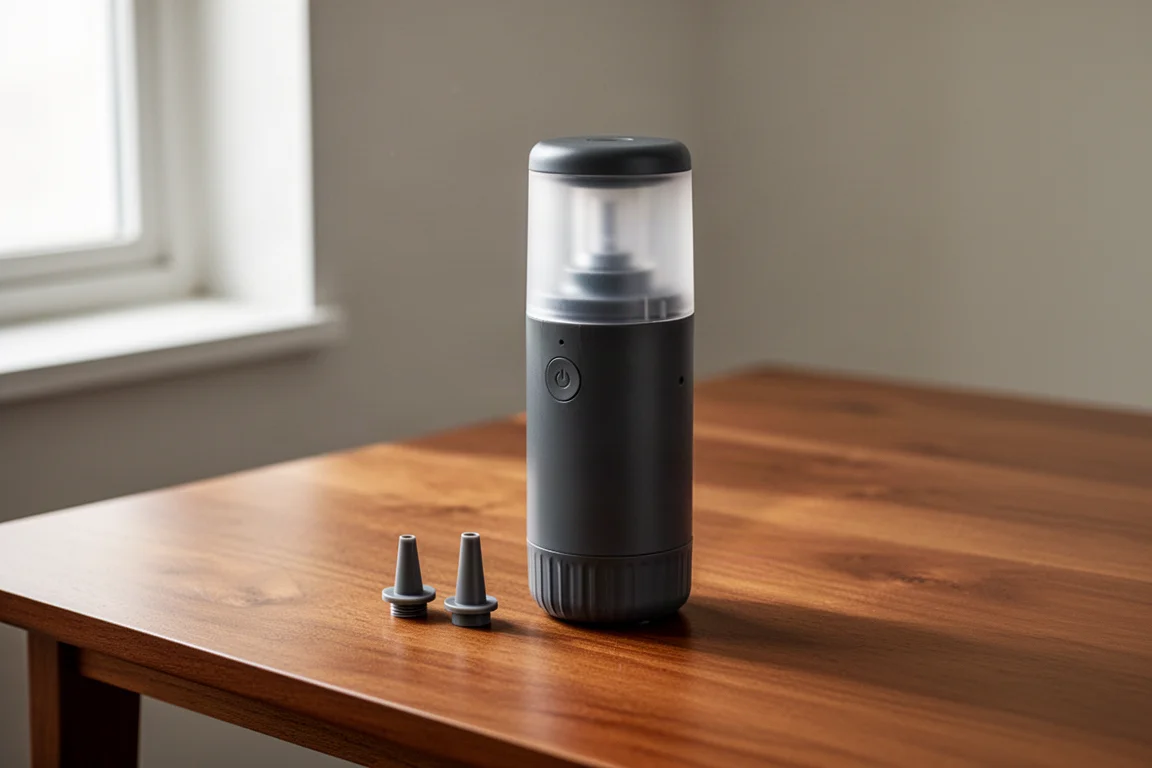
The Max Pump 3 earns its place by removing effort from camp setup. It moves a large volume of air quickly and inflates pads to a genuinely high PSI, so no follow-up breaths are needed to get a firm pad. A built-in lantern adds hands-free light inside the tent, and the pump runs quietly. It also carries a built-in battery, so it does not depend on anything else in your kit.
Weight is the trade-off. The Max Pump 3 is heavy for what it does, and both it and its closest alternative cost more than a simple inflation bag. The Era Gogo Giga Air drops the built-in battery and runs from a phone or an external power bank instead. It weighs roughly a third as much, costs slightly less, and still inflates quickly to a surprisingly high PSI without much noise.
Best Charging Cable: Anker Silicone USB-C Cable
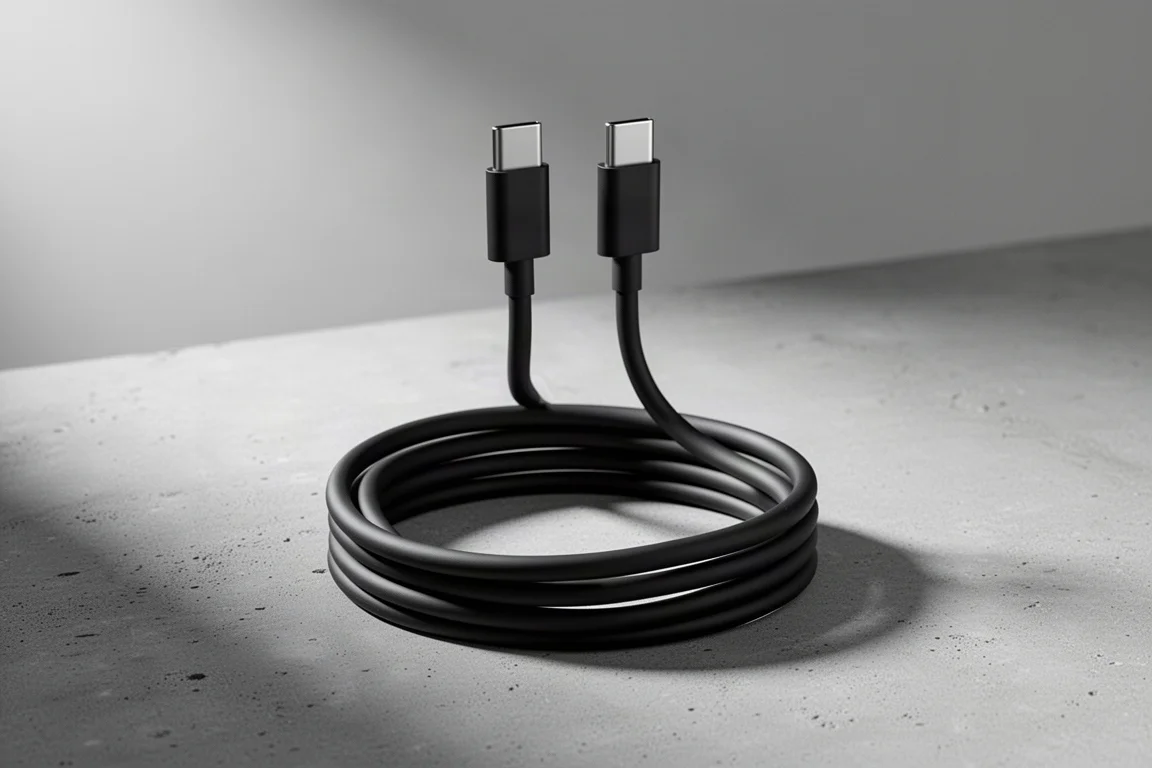
Cables are easy to overlook and easy to get wrong. Silicone is the material that makes the difference outdoors: it stays flexible, resists tangling, and does not stiffen up when temperatures drop. This Anker cable is USB-C to USB-C with strong power transfer, which makes it practical for charging a phone while you are still using it.
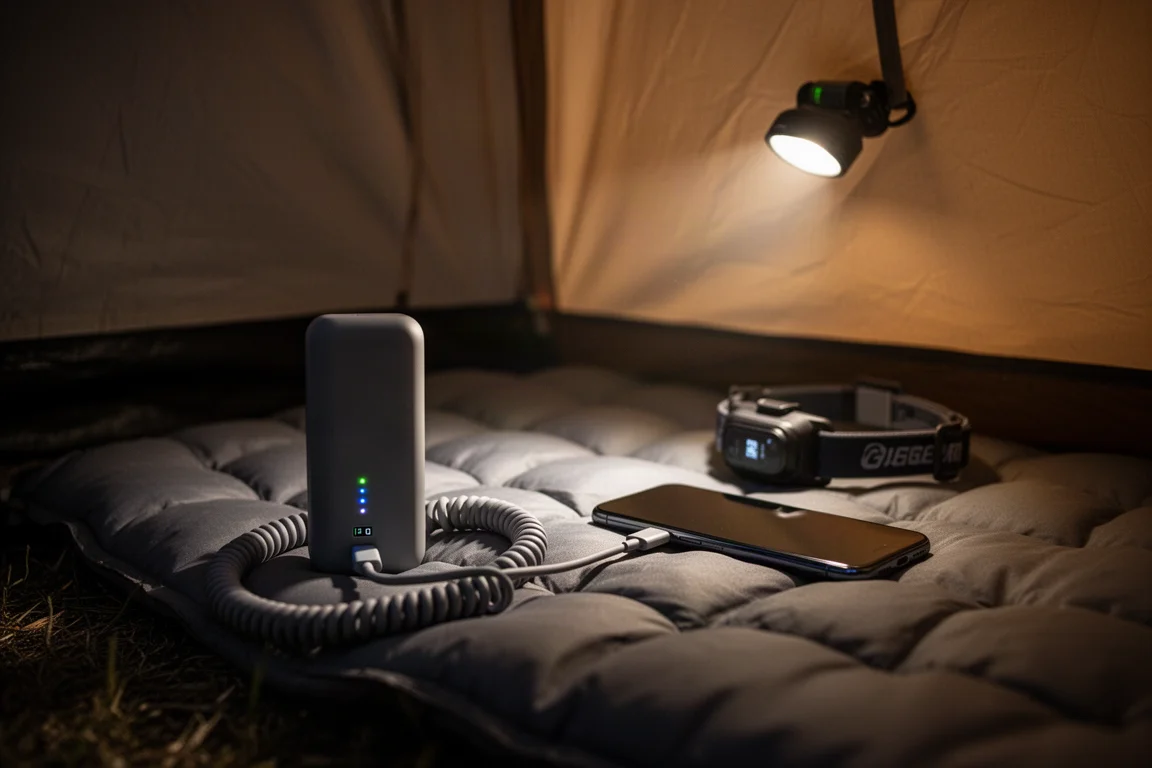
A smaller option is worth carrying alongside it. A magnetic cable such as the Nitecore model weighs far less and packs down much smaller, and the magnetic connection keeps it tidy rather than tangled, while still delivering capable power transfer.
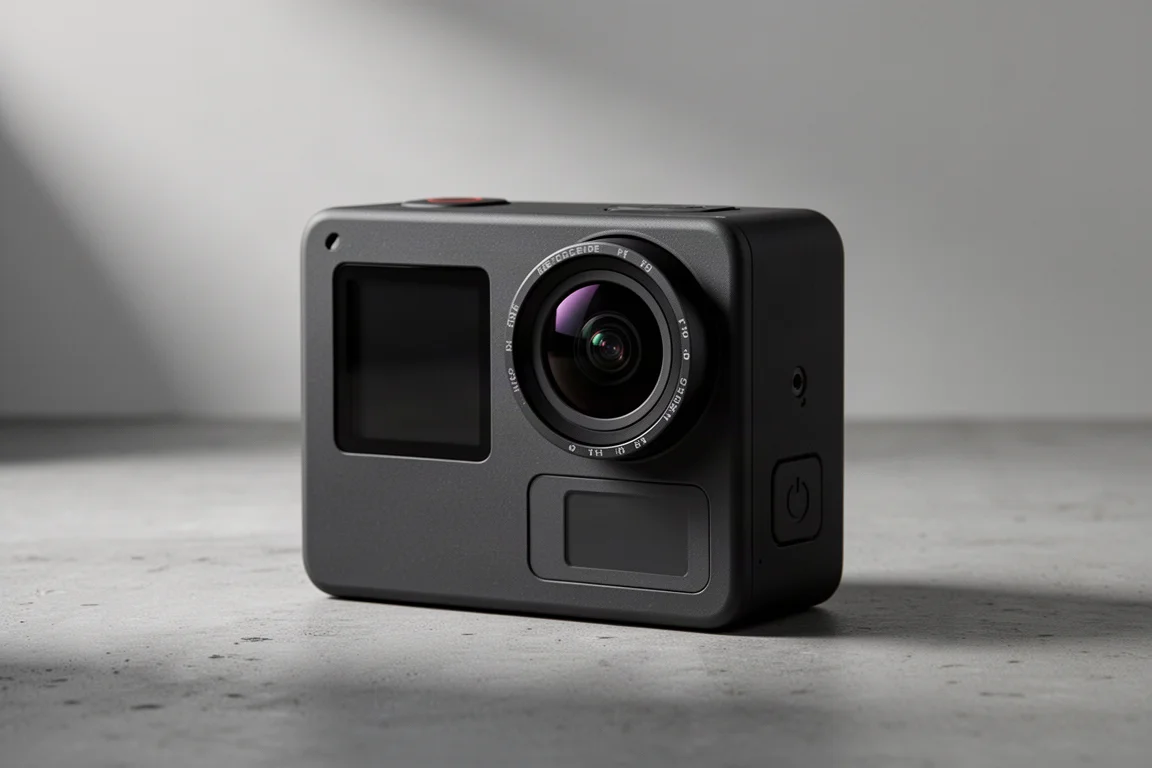
Best Action Camera: DJI Osmo Action
Action cameras remain the most practical way to record skiing, wakeboarding, canoeing, backpacking and hiking. They are waterproof and rugged, they shoot good quality footage, and they pack down small and light. The DJI Osmo Action stands out for a replaceable lens, which matters when a camera gets knocked over onto hard ground, along with strong battery life and a compact body.
The honest caveat is that not every trip needs one, and an action camera is just another device to carry. A modern phone covers a lot of the same ground, and both Pixel and iPhone cameras handle video well. The action camera is worth its weight when the conditions are wet, rough or genuinely hard on a phone.
Best Electronics Accessory: Duram Trekking Pole
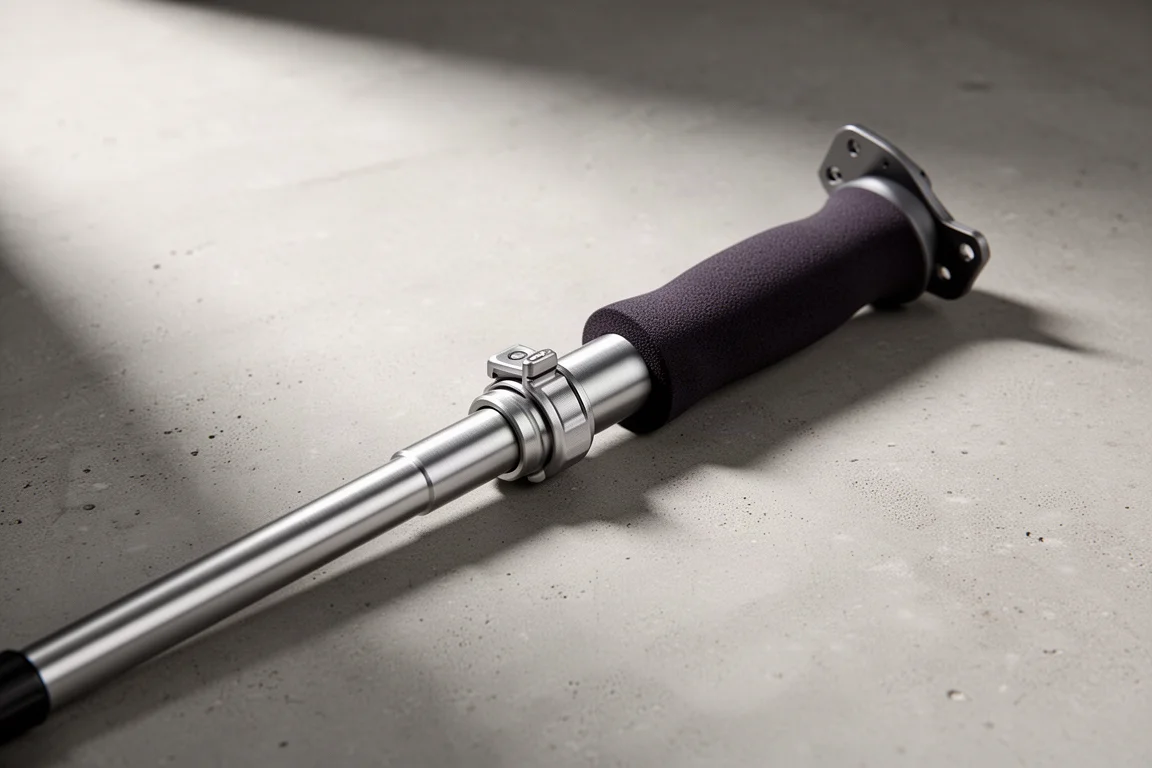
This one is not an electronic device, but it changes how easily your electronics get used. The Duram trekking pole extends through solid connection points with one of the most secure locking mechanisms around, and the aluminium shaft is paired with a foam handle that is comfortable to grip and lets your hand slide up or down as the terrain changes.
What makes it an electronics accessory is the mounting hardware on top. A phone mount or an action camera mount attaches directly to the pole, turning it into a tripod you were already carrying. That means no separate stand to dig out of the pack and fewer missed moments when conditions change quickly.
Buying Advice
The right electronics kit depends less on budget than on how and when you travel. Summer hikers who rarely see real darkness can go lighter: a compact flashlight such as the RovyVon A5 covers late-evening camp chores, and a simple thermometer still tells you how your sleep system performed. Winter and shoulder-season trips push the balance the other way, where higher output lighting, a removable battery system and a watch you can navigate from earn their weight.
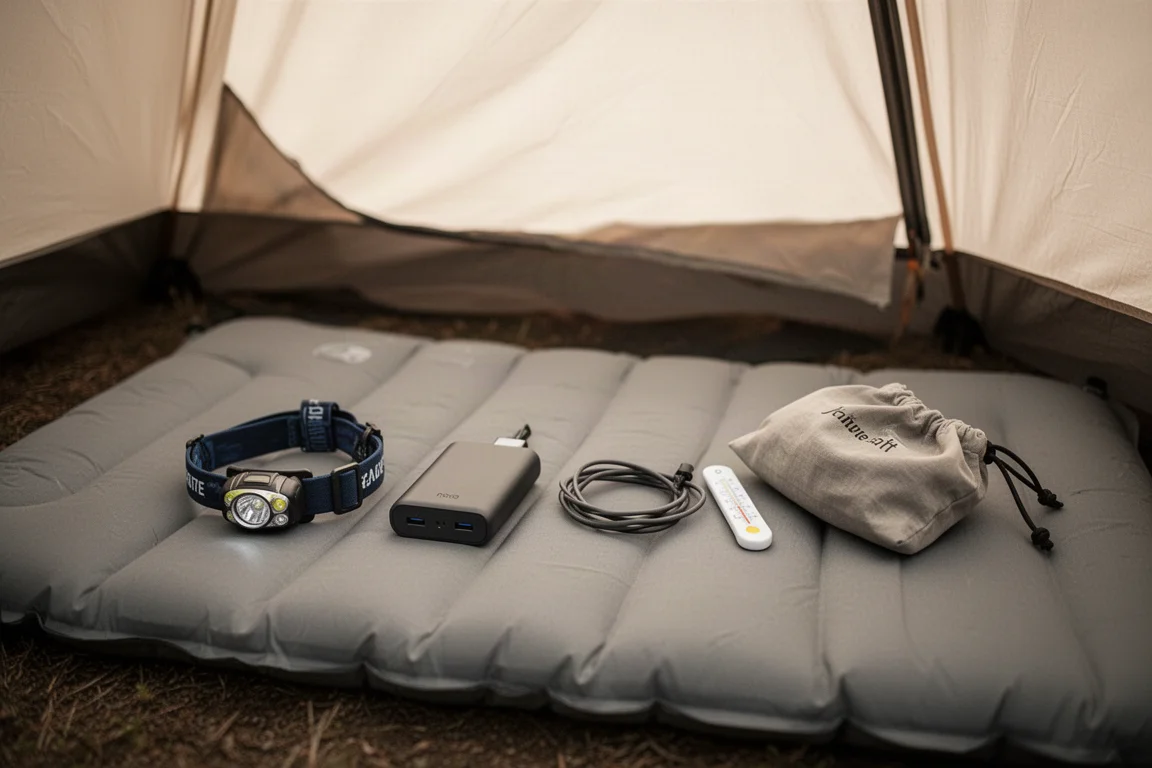
Three questions sort most decisions. How often will you use it? A watch worn daily justifies a much higher price than a headlamp used a few nights a season. Does it need to work when it is cold and wet? Silicone cables, rugged communicators and pumps that finish the job in one pass all matter more in poor conditions. And can it share a job with something you already carry? A trekking pole with a camera mount, or a pump with a built-in lantern, removes an item from the pack instead of adding one.
Conclusion
Ten categories, ten picks, and the same principle behind all of them: gear has to earn its weight. The Nitecore NU20 Classic and the RovyVon A5 cover lighting for very little money, the Garmin Fenix 8 and inReach Messenger Plus handle navigation and emergency communication, and the smaller items, from the ThermoDrop and the Veektomax power bank to the Max Pump 3, the Anker cable, the Osmo Action and the Duram pole, quietly make the rest of the kit easier to live with. Start with the categories you use most, and build from there.
Further reading
Related Reviews

Backpacking Gear
Building a 10 lb Base Weight: An Ultralight Backpacking Gear List
A practical walkthrough of the ultralight pieces behind a 10 lb base weight, from a 765 g pack and a roomy one-person tent to a full camp chair and a dependable water filter.

Road Bikes
10 New Road Bikes Worth Watching: Aero, Titanium, Steel and Endurance Standouts
A practical roundup of 10 new road bikes, from aero flagships chasing single-watt gains to titanium, steel and endurance platforms built for real roads.
Bikepacking Gear
11 Bikepacking Essentials for Long-Distance Cycling
Eleven bikepacking essentials for long-distance cycling, from a steel gravel frame and a two-person tent to helmet lights, packable gloves, and a frame bag that puts weight in the right place.