Backpacking Electronics
Best Backpacking Electronics: Award-Winning Gear for the Trail
A roundup of standout electronics for backpacking and camping, from headlamps and watches to power banks and action cameras, with pros, cons, and alternatives.
Introduction
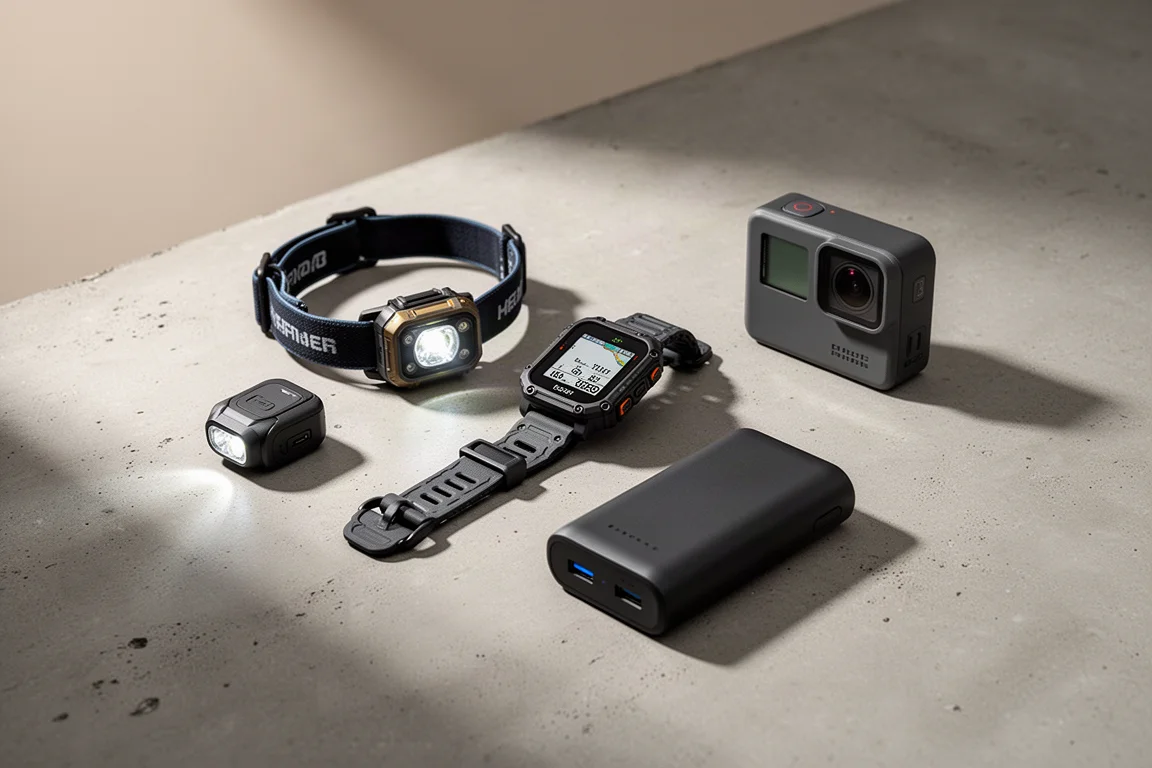
When you are miles from the trailhead, every ounce in your pack needs to earn its place. Electronics are no exception. After testing market leaders across nine essential categories, these are the award winners that have earned a permanent spot in a backpacking setup. Each pick balances performance, weight, and value, with clear strengths and trade-offs to consider.
Best Headlamp: Nitecore NU20 Classic
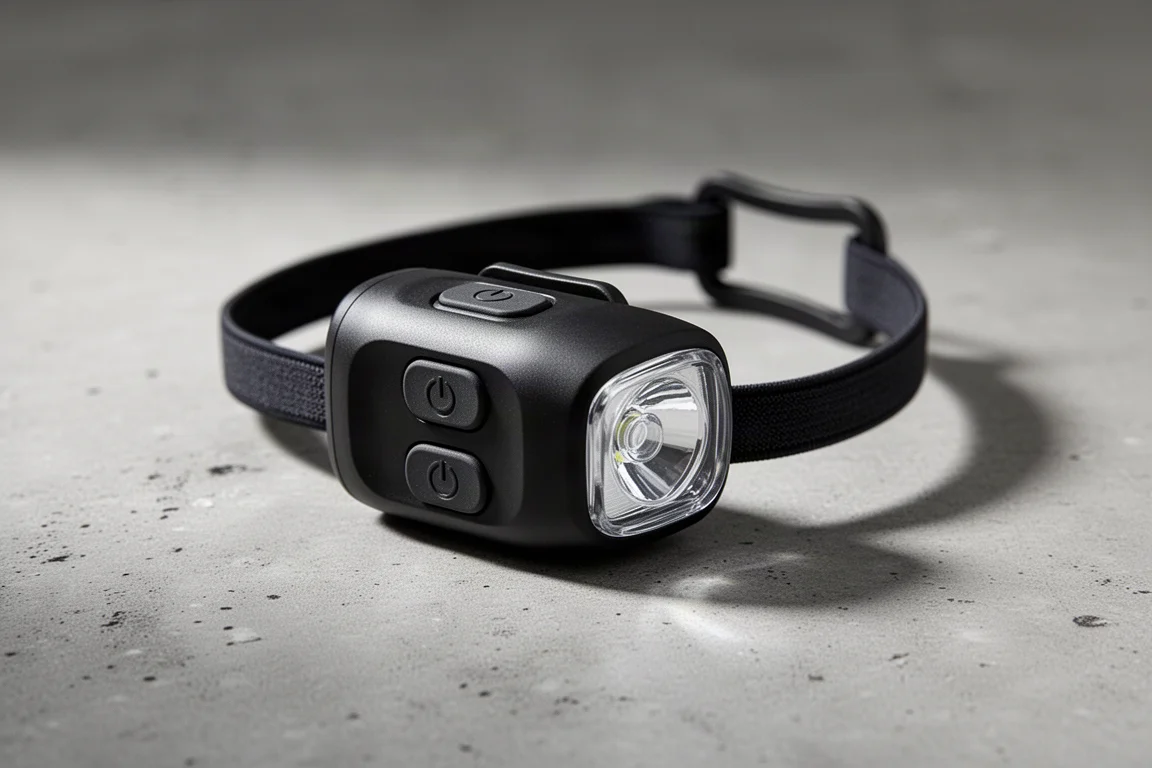
The Nitecore NU20 Classic is a USB-C rechargeable headlamp with two buttons for independent white and red light control. It delivers 360 lumens and weighs just 34 grams, making it very affordable at $25. The red light is useful for preserving night vision, and the white light covers most camp tasks.
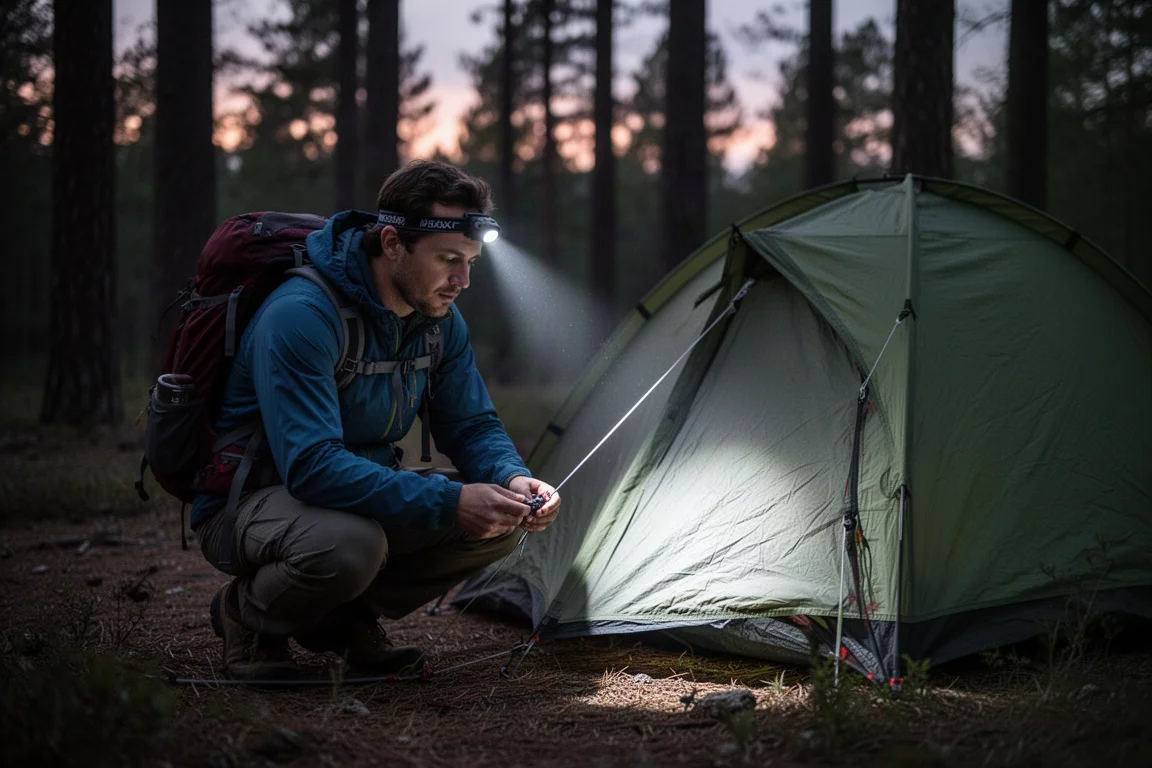
One trade-off is the included headband, which some users find less comfortable than aftermarket options. Also, 360 lumens may not be enough for extended night hiking or winter camping where higher output is helpful. For those situations, the Petzl Swift RL offers 1,000 lumens and a removable battery with a charging port on the battery itself, allowing you to recharge one battery while the other powers the light.
Best Ultralight Flashlight: RovyVon A5
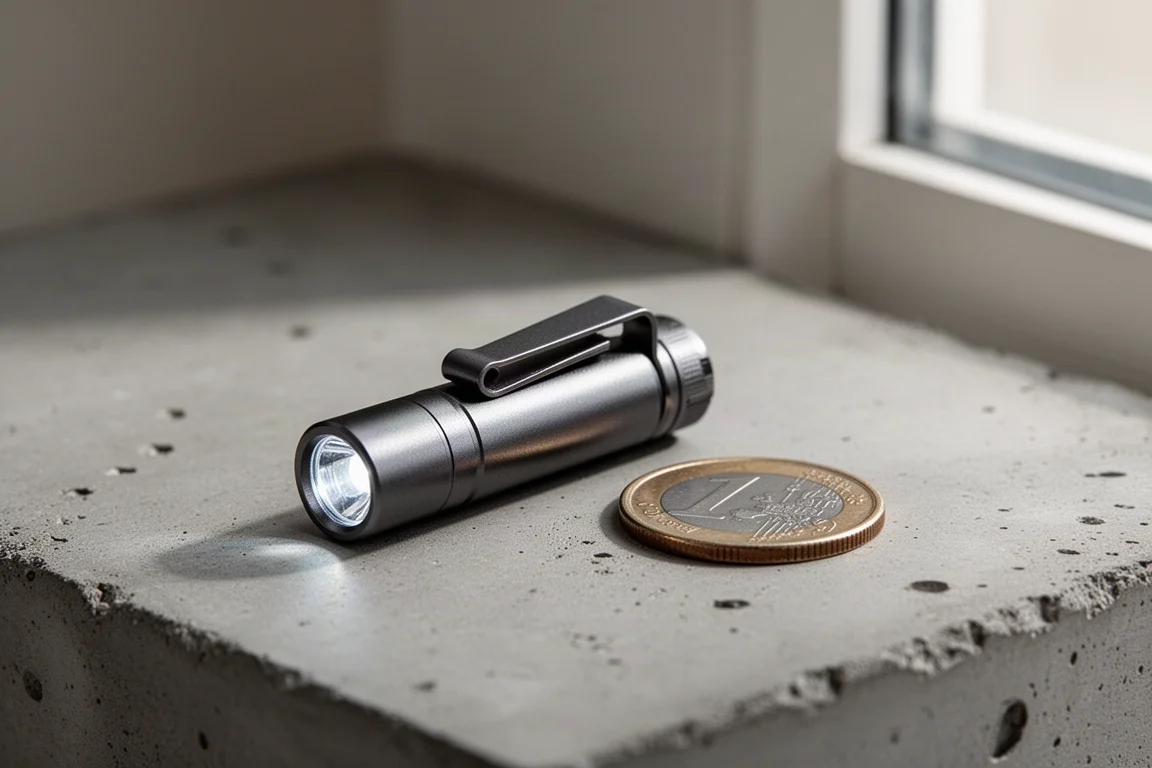
For summer nights when a full headlamp is overkill, the RovyVon A5 is a compelling alternative. It matches the brightness of the NU20 Classic but weighs only 14 grams, less than half the weight, and is very compact. You can toss it in a ditty bag and forget it is there until you need a quick burst of light. A built-in clip lets you attach it to a hat, using the hat as a headband.
The downsides are limited brightness and battery life, so it is not suited for all-night hiking. It also lacks a headband, and the clip requires wearing a hat to be useful.
Best GPS Watch: Garmin Fenix 8
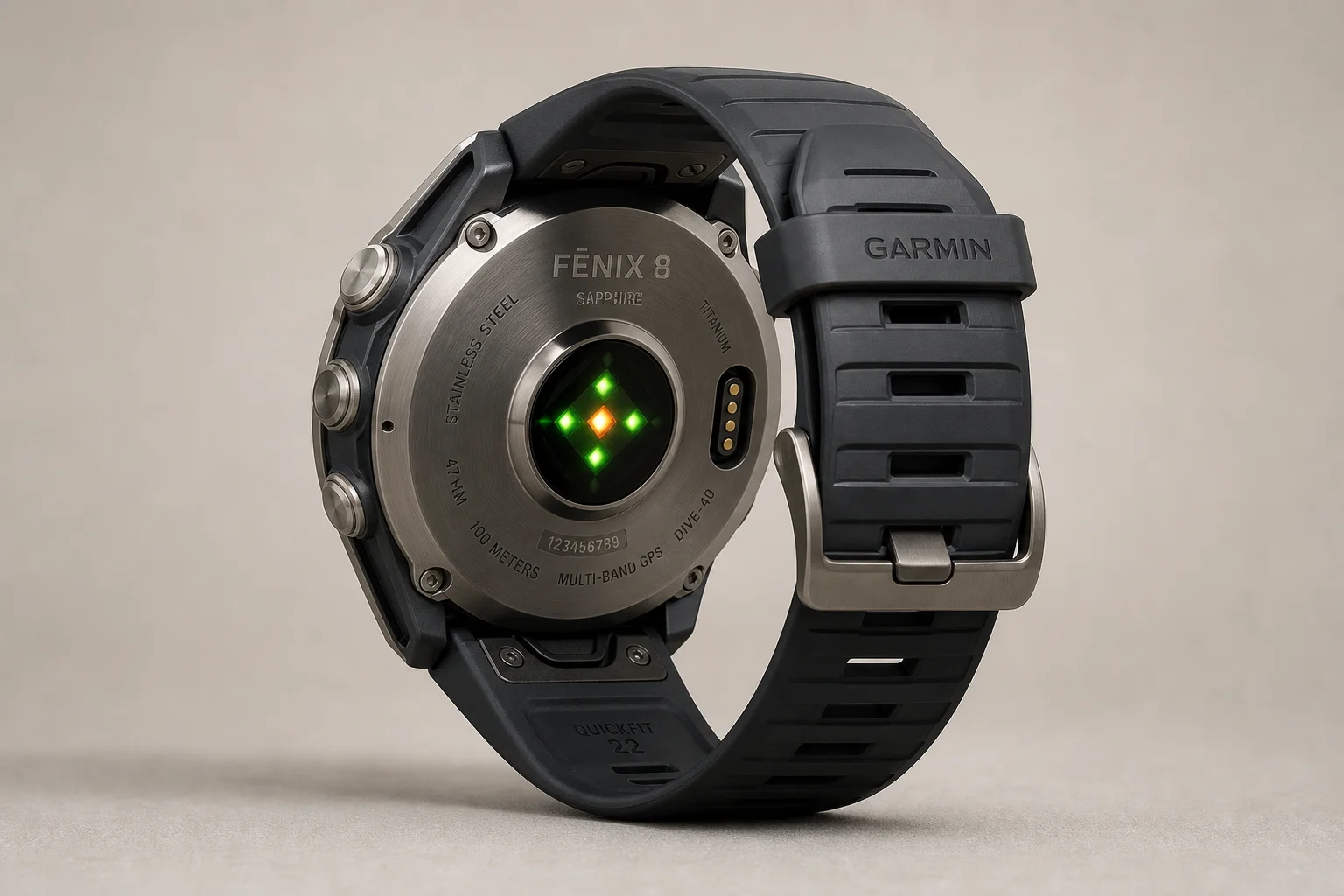
Garmin watches have a long-standing reputation for reliability and feature depth. The Fenix 8 is the top pick for navigation and activity tracking. You can upload tracks to the watch and follow them on the trail, which is especially helpful in winter or on faint paths. It also tracks pace and distance, giving you real-time feedback on progress.
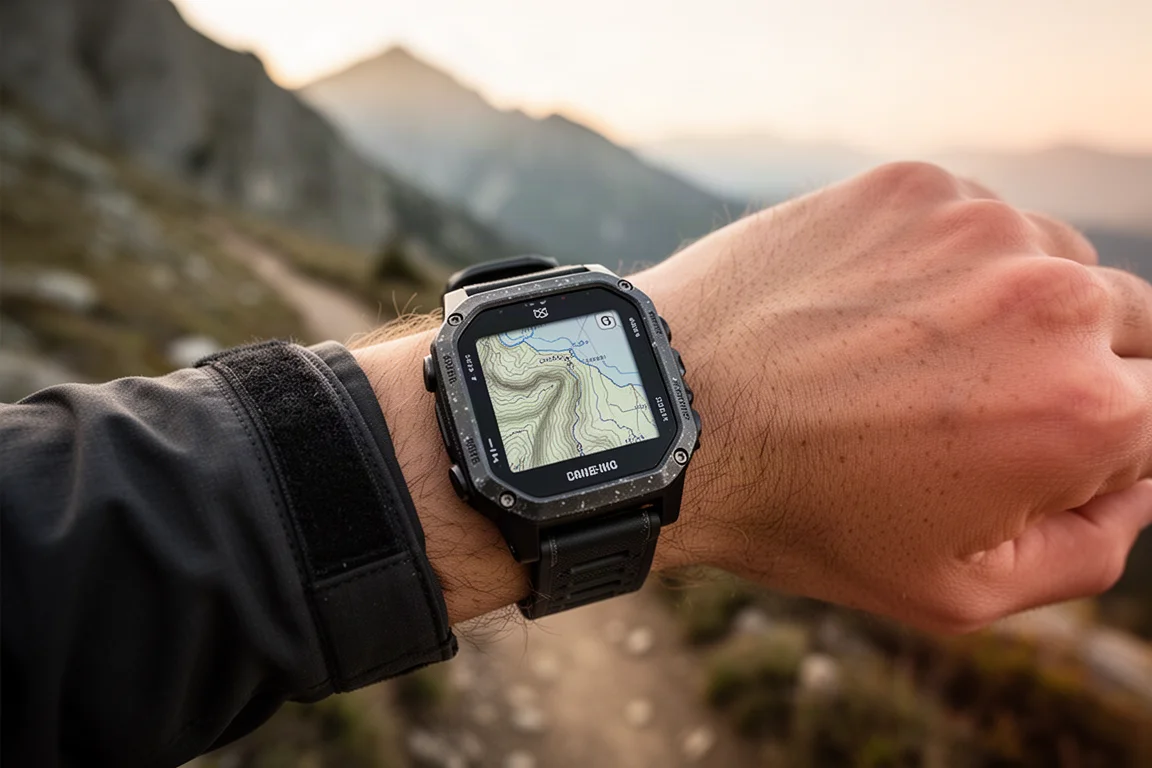
Battery life is a standout: over two weeks with consistent use. The built-in flashlight on the back is a handy bonus for camp chores or nighttime checks. The main drawback is price. Garmin also offers more affordable options like the Instinct line, though those lack features such as on-device music and mapping.
Best Satellite Communicator: Garmin inReach Messenger Plus
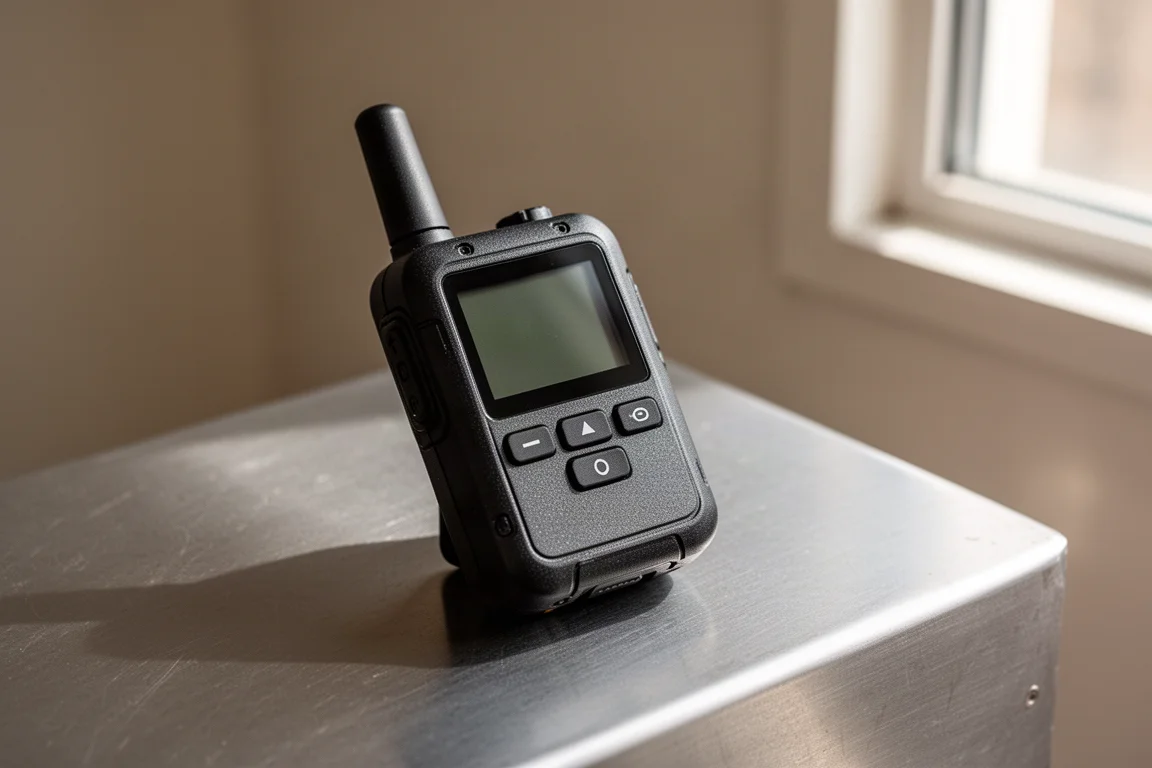
For backcountry safety, a standalone satellite communicator is more dependable than phone-based options. The Garmin inReach Messenger Plus allows on-device messaging, has good battery life, and is built rugged. The SOS button can summon help quickly, and you can exchange messages with friends and family even if your phone dies or breaks. It now supports picture and voice messaging.
The main considerations are the required subscription, the need to recharge on longer trips, and the fact that it is another device to carry and maintain. Cheaper alternatives exist if you do not need picture and voice messaging.
Best Thermometer: ThermoDrop
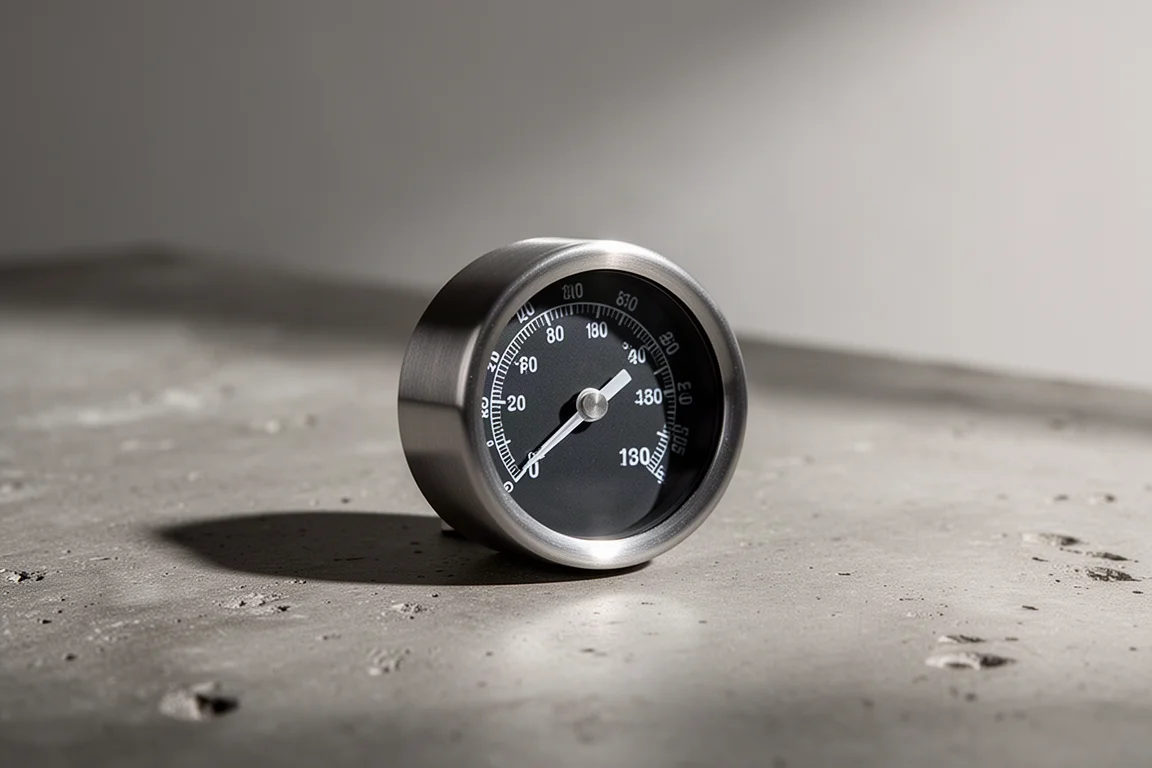
A small thermometer can help you understand conditions and evaluate gear performance. The ThermoDrop is tiny and lightweight, and it records minimum and maximum temperatures over a session. This lets you see if your sleep system was warm or cold at a given temperature, so you can adjust for future trips.
It is not rechargeable; it uses a watch battery that lasts about a year. It also lacks continuous recording, showing only the min and max. For continuous tracking, the Inkbird TH2 Plus records temperature and humidity, syncs to your phone, and has a wider temperature range. It has been used down to -30°C, where the screen may stop working but the sensor continues to transmit data.
Best Power Bank: Veektomax Power Bank
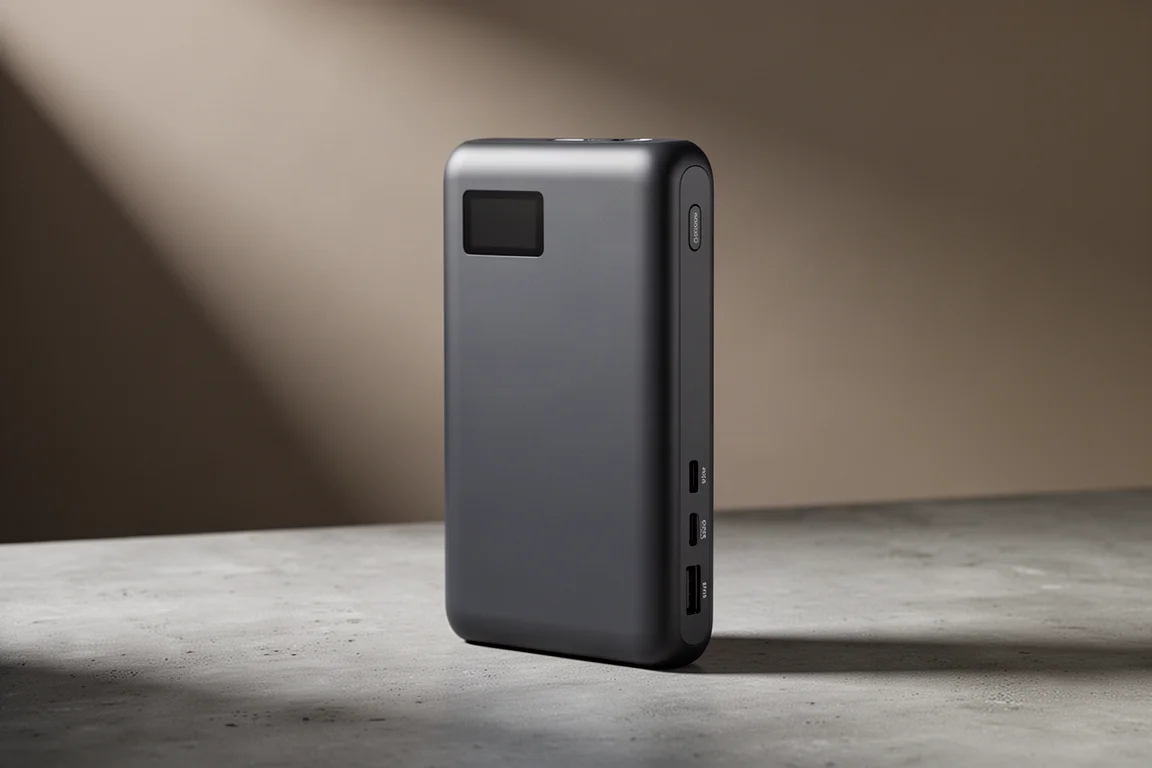
The Veektomax power bank is a 10,000 mAh battery with USB-C input and output, a USB-A output, and a micro USB input. A small screen shows remaining battery life. It weighs 165 grams and costs $25, making it a strong value compared to more advanced options.
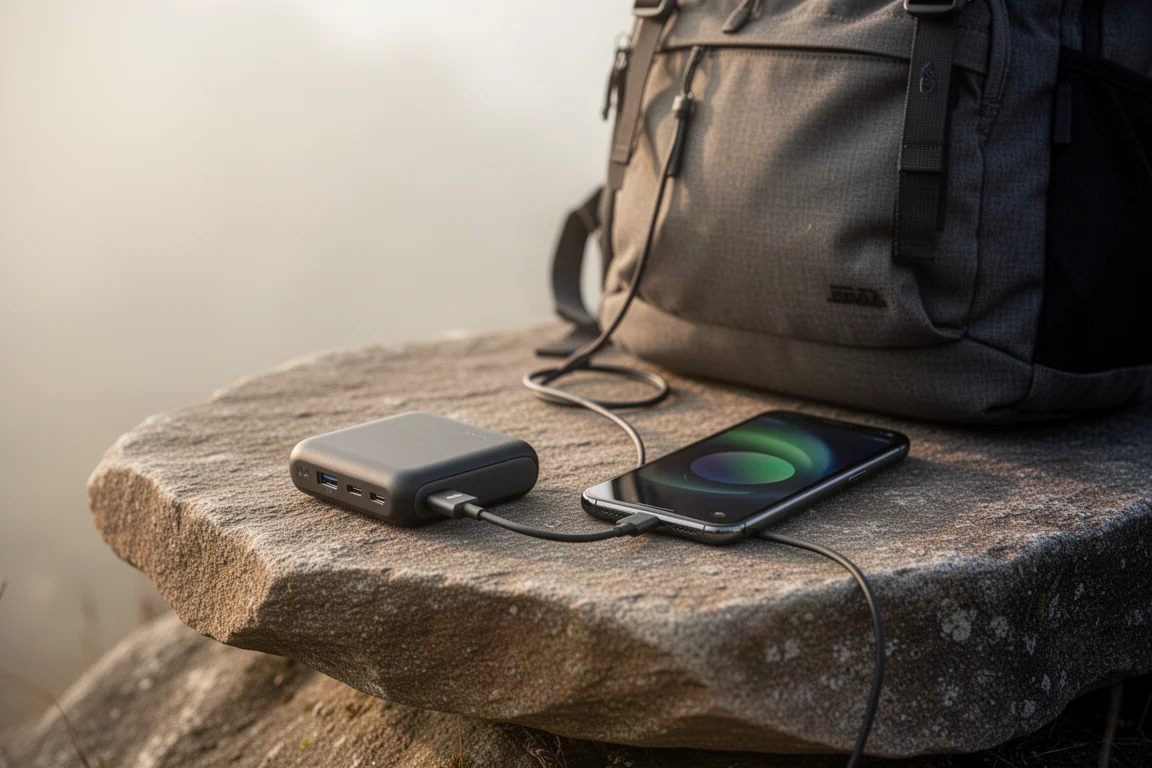
The trade-offs are a single USB-C port, slower charging speeds, and slightly higher weight than some alternatives. If you need two USB-C ports and faster output, the Flextail Zero Pump weighs 146 grams and costs twice as much. For cables, silicone options like Anker’s are flexible, resist tangling, and stay pliable in cold, while compact magnetic cables like Nitecore’s save space.
Best Sleeping Pad Pump: Flextail Max Pump 3
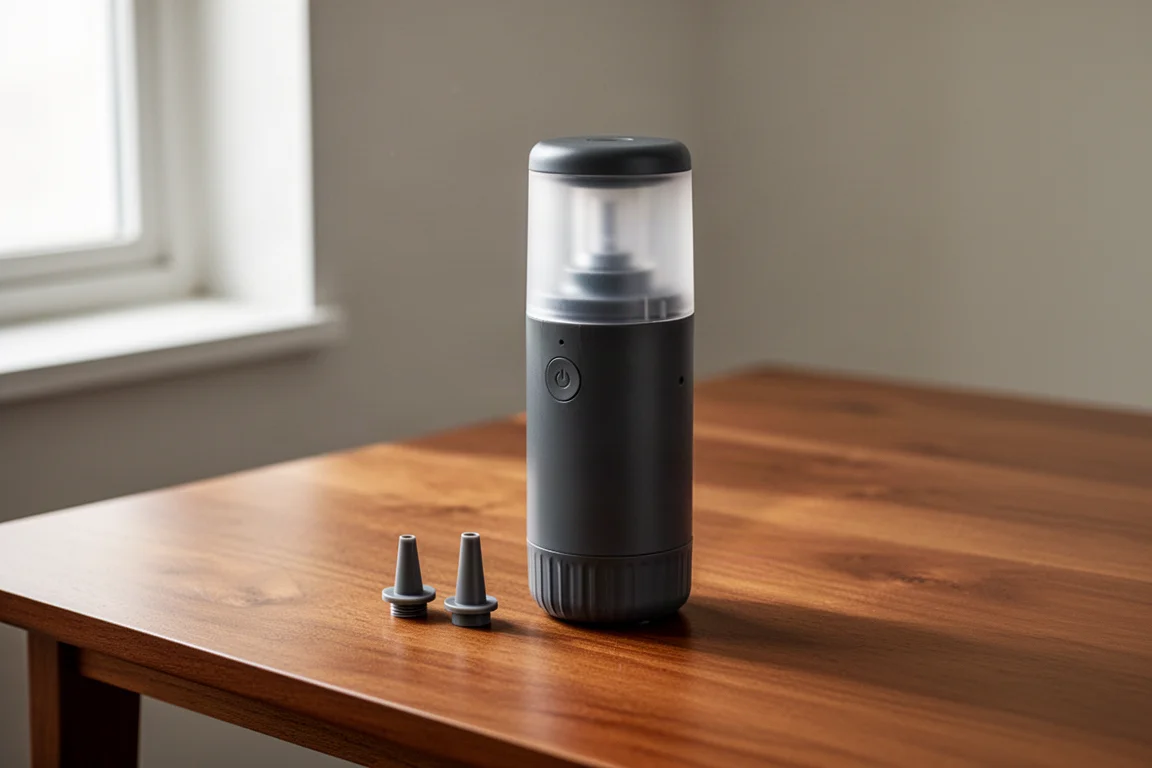
The Flextail Max Pump 3 inflates sleeping pads quickly and to a high PSI, so you do not need to add extra breaths. It also has a built-in lantern, providing hands-free light inside a tent. The main downside is weight; it is very heavy compared to other options.
For a lighter setup, the Era Gogo Giga Air uses your phone or an external battery bank instead of a built-in battery. It is about a third the weight, slightly less expensive, and inflates almost as well to a surprisingly high PSI, quickly and without being very loud. Both pumps are quieter than many alternatives, but both cost more than a simple inflation bag.
Best Action Camera: DJI Osmo Action
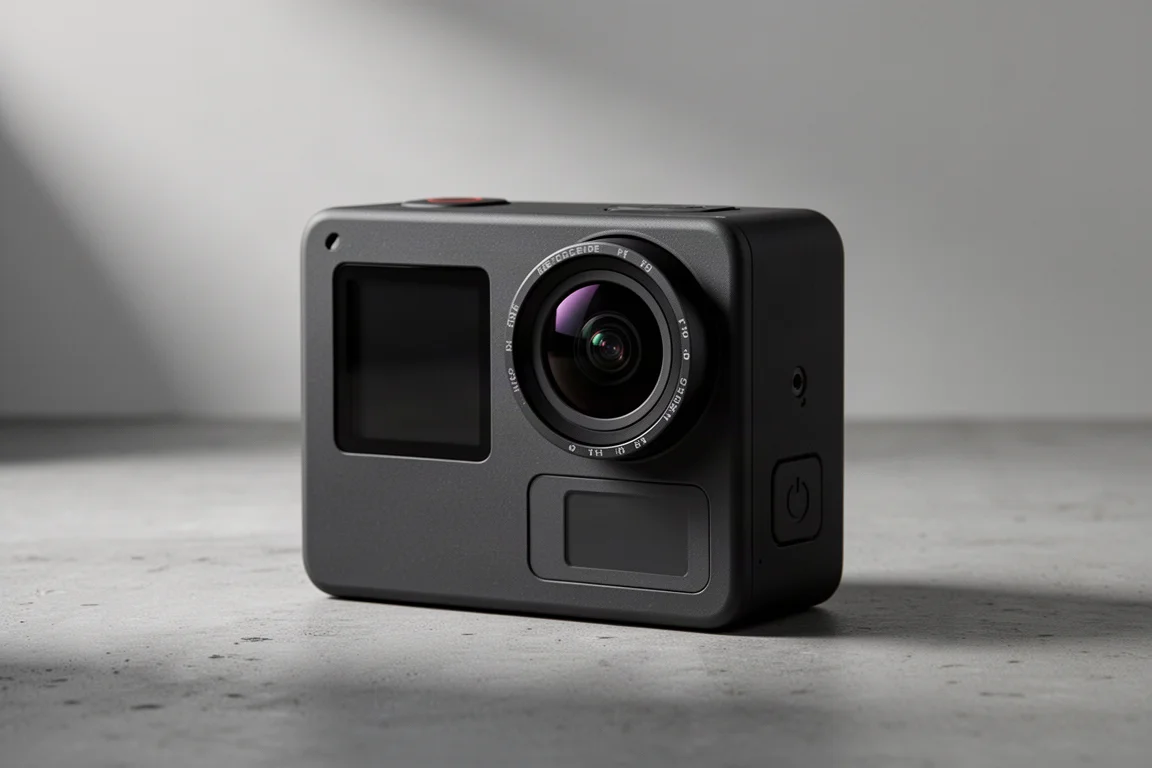
The DJI Osmo Action is a rugged, waterproof action camera that captures good-quality footage in a compact, lightweight package. A key feature is the replaceable lens, which can be swapped if it gets shattered. Battery life is solid, and the camera is easy to carry.
The main consideration is whether you need a dedicated action camera, as it is another device to carry. A modern phone, such as a Pixel or iPhone, can also capture high-quality video. For mounting, a trekking pole with a built-in tripod mount can double as a camera support, helping you deploy a phone or action camera quickly.
Buying Advice
Choosing the right electronics for backpacking comes down to matching features to your specific needs. If you often hike after dark or camp in winter, prioritize a headlamp with higher lumens and a removable battery. For summer trips, a lightweight flashlight may be enough. A GPS watch is valuable if you rely on navigation and tracking, but consider whether you need advanced features like mapping and music. A satellite communicator is essential for remote areas, but factor in subscription costs. For power, a simple power bank may suffice, while a more advanced model with dual USB-C ports can be worth the extra cost. Sleeping pad pumps save breath and time, but weigh the trade-off between built-in battery and ultralight design. Finally, an action camera adds capability but only if you will use it regularly.
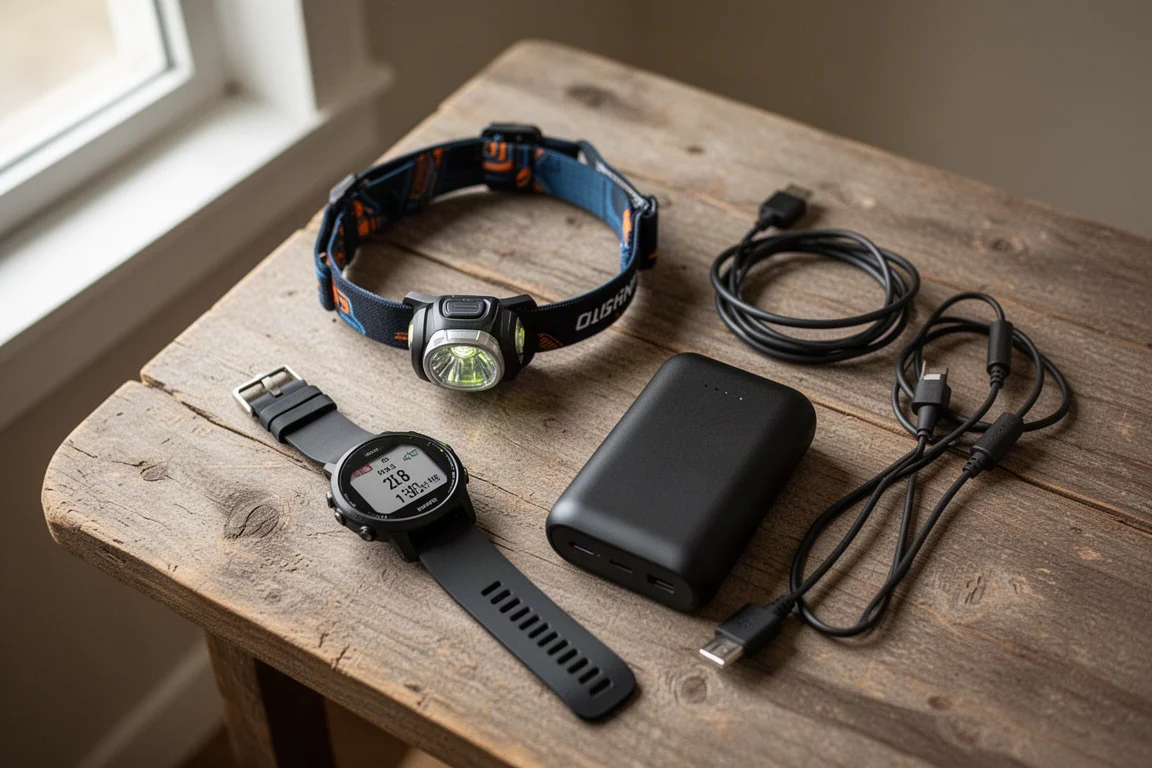
Think about the full system: cables, mounts, and accessories can make or break the experience. A flexible silicone cable and a compact magnetic cable cover most charging needs. A trekking pole with mounting options can reduce the number of separate tripods you carry. Ultimately, the best electronics are the ones you will actually bring and use, so prioritize reliability and weight savings that matter to you.
Conclusion
These award-winning electronics have proven their worth across nine categories, from illumination and navigation to power and documentation. Each has clear strengths and trade-offs, and alternatives exist for different priorities. By focusing on the features that matter most for your trips, you can build a reliable, lightweight electronics kit that earns its place in your pack.
Further reading
Related Reviews
Backpacking Electronics
Best Backpacking Electronics: 10 Award-Winning Picks Worth the Weight
Ten field-tested backpacking electronics that earn their place in a pack, from a $25 headlamp to a satellite communicator, plus the trade-offs to weigh first.

Backpacking Gear
Building a 10 lb Base Weight: An Ultralight Backpacking Gear List
A practical walkthrough of the ultralight pieces behind a 10 lb base weight, from a 765 g pack and a roomy one-person tent to a full camp chair and a dependable water filter.

Road Bikes
10 New Road Bikes Worth Watching: Aero, Titanium, Steel and Endurance Standouts
A practical roundup of 10 new road bikes, from aero flagships chasing single-watt gains to titanium, steel and endurance platforms built for real roads.