Backpacking Cookware
Best Backpacking Cook Systems: MSR WindBurner vs Fire Maple Petrol G3 and Ultralight Alternatives
A value-focused comparison of three backpacking cook setups: the MSR WindBurner, the Fire Maple Petrol G3 with a Green Peak stove, and a Toaks 550 ml pot with a BRS stove.
Introduction
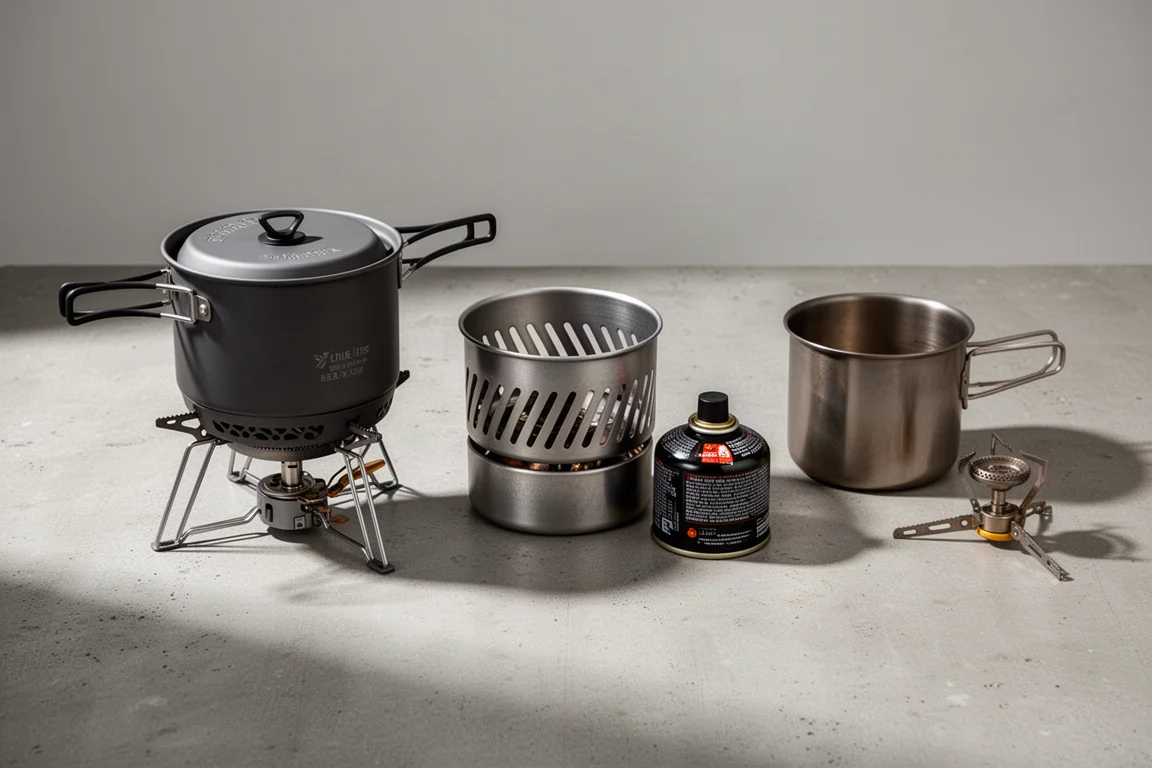
Choosing a backpacking cook system usually comes down to a tug of war between three things: weight, fuel efficiency, and price. An all-in-one design such as the MSR WindBurner Cook System sits at the premium end of that trade-off at $190 USD, while the Fire Maple Petrol G3 heat exchanger pot paired with the Green Peak canister stove delivers a very similar boil time for roughly $47. A third route, the Toaks 550 ml titanium pot with the BRS stove, pushes weight savings even further at the cost of speed and fuel economy.
This comparison looks at what each setup includes, how each one performs in a straightforward boil test, and which type of trip each system suits best. The goal is simple: work out where the real value sits.
What Matters in a Backpacking Cook System
Four factors do most of the work when comparing cook systems. The first is carried weight, because every ounce in a pack competes with food, water, and shelter. The second is fuel efficiency and boil time, which decide how long a single canister lasts and how quickly a meal is ready after a long day. The third is wind and cold-weather performance, where burner design and pressure regulation make a visible difference. The fourth is capacity and packability, meaning whether the pot holds the right amount of water and whether the stove and canister nest inside it.
To keep the comparison practical, each system was tested by boiling 12 oz of water, which is a cup and a half and a standard amount for most freeze-dried and dehydrated meals. Fuel consumption was measured over the same test.
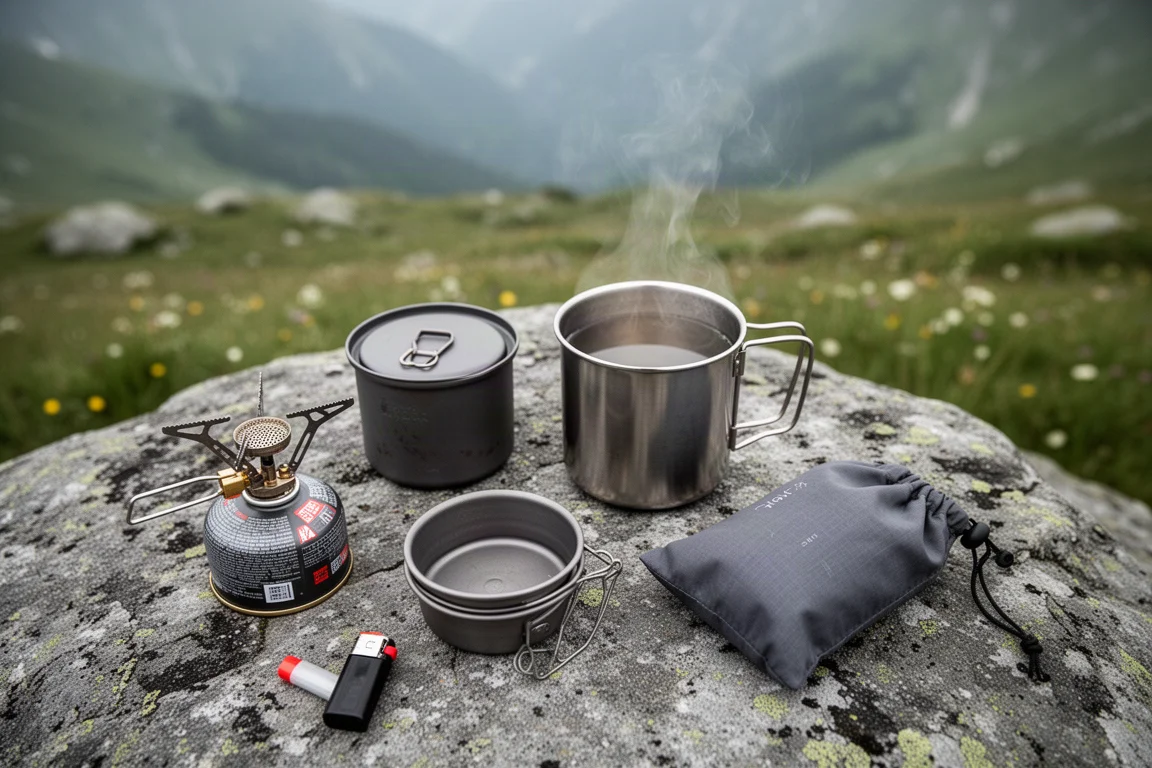
Boil times measured this way carry a small margin of error, since the exact moment water reaches a rolling boil varies from one test to the next. Differences of a few seconds are best read as a tie rather than a decisive gap, while fuel consumption figures tend to be the more telling number over a multi-day trip.
MSR WindBurner Cook System: Premium Windproof Performance
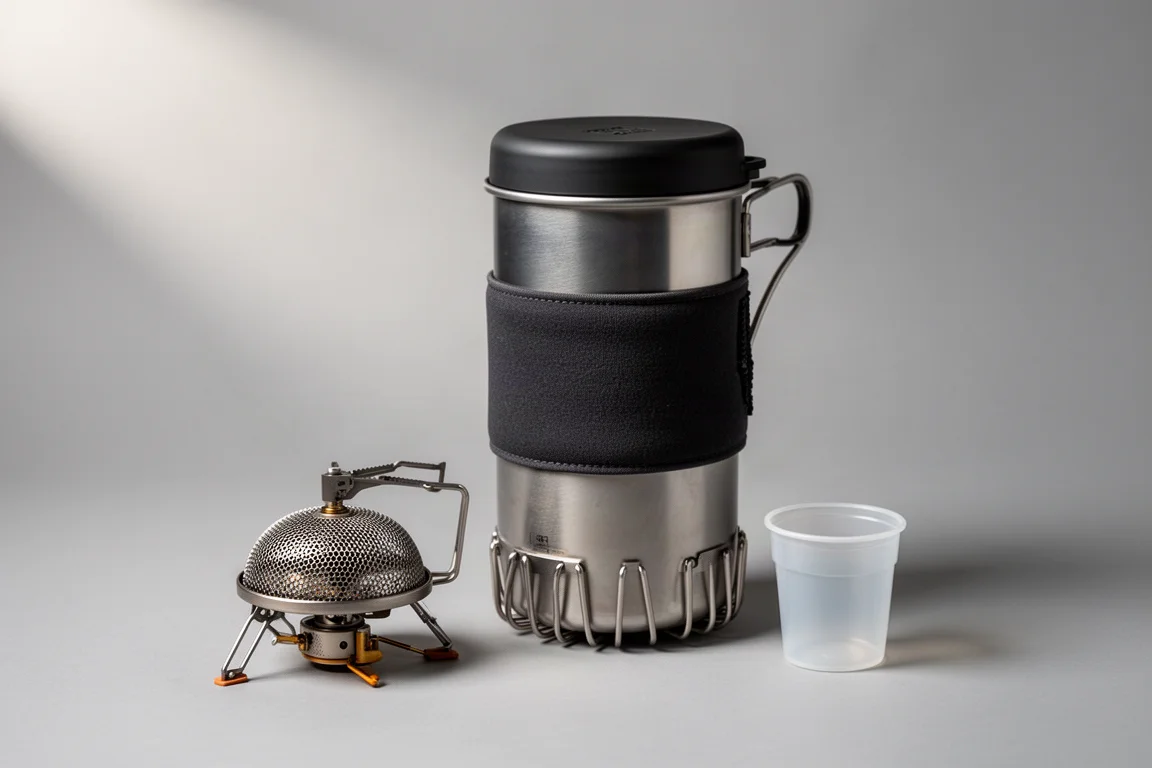
The WindBurner arrives as a complete kit. It includes a 1 litre heat exchanger pot, a small plastic cup of around 500 ml that works for eating or measuring liquids, the burner itself, a lid, and a pot support for the canister. Full retail sits at $190 USD, although it is often discounted, so that figure represents the high end of the price range.
The stove is the centrepiece. It uses a radiant, dome-shaped burner made from a mesh material rather than an open flame, so heat reaches the pot base in a more controlled way. A metal ring around the top of the burner closes the gap once the pot is seated, and a mesh section around the base adds further wind resistance. A pressure regulator is built in, which helps performance in cold temperatures and at higher elevation while using less fuel.
The pot matches that design. It is aluminium with heat exchanger fins shaped to follow the dome of the burner, an insulated ring for holding it, a pouring handle, and a lid. As a complete system it weighs 16 oz, which is roughly double the lighter alternatives here, and the 1 litre pot is generous for a single person unless the plan involves melting snow or boiling large volumes of water.
In testing, the WindBurner boiled 12 oz of water in 1 minute 32 seconds while consuming 5 g of fuel.
Fire Maple Petrol G3 Heat Exchanger Pot: Light and Compact
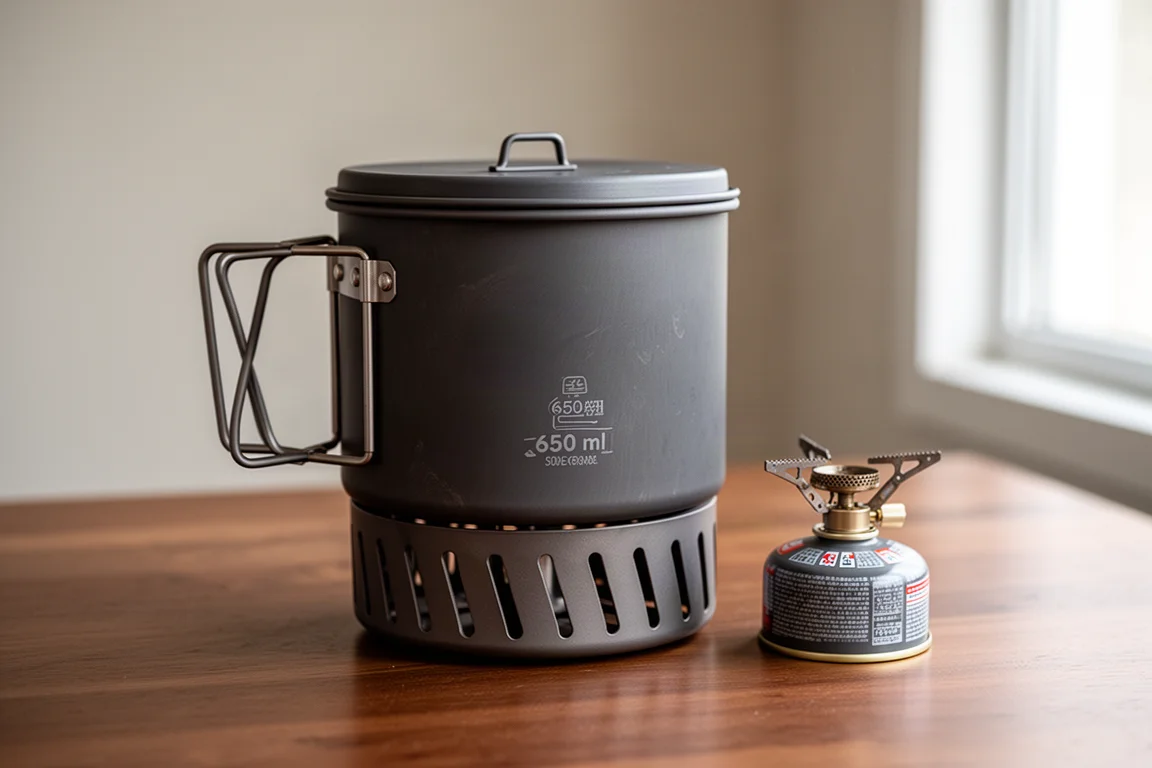
The Petrol G3 pot is sold as a kit with the Green Peak stove, and the two together total about $47. The pot can also be bought on its own. Capacity is 650 ml in total, with roughly 600 ml of usable space, which is comfortable for one person and covers the 12 oz of water that most dehydrated meals require.
The heat exchanger on the base uses aluminium fins, but the design adds slots that the stove nests into. That arrangement pulls the burner closer to the bottom of the pot, which improves wind protection and shortens boil times. The pot also swallows the stove and a 100 g canister inside, so the whole setup packs as a single unit.
Small details round it out: graduation lines for measuring water, a handle that flips over the lid, and a lid that seals firmly. That lid can pull down onto the pot as the plastic expands, a minor quirk that is easily solved by storing the pot on its side.
Paired with the Green Peak stove, the system weighs 8.7 oz, close to half the weight of the WindBurner, and it boiled 12 oz of water in 1 minute 28 seconds using 8 g of fuel.
Green Peak Canister Stove: Strong Value at the Entry Price
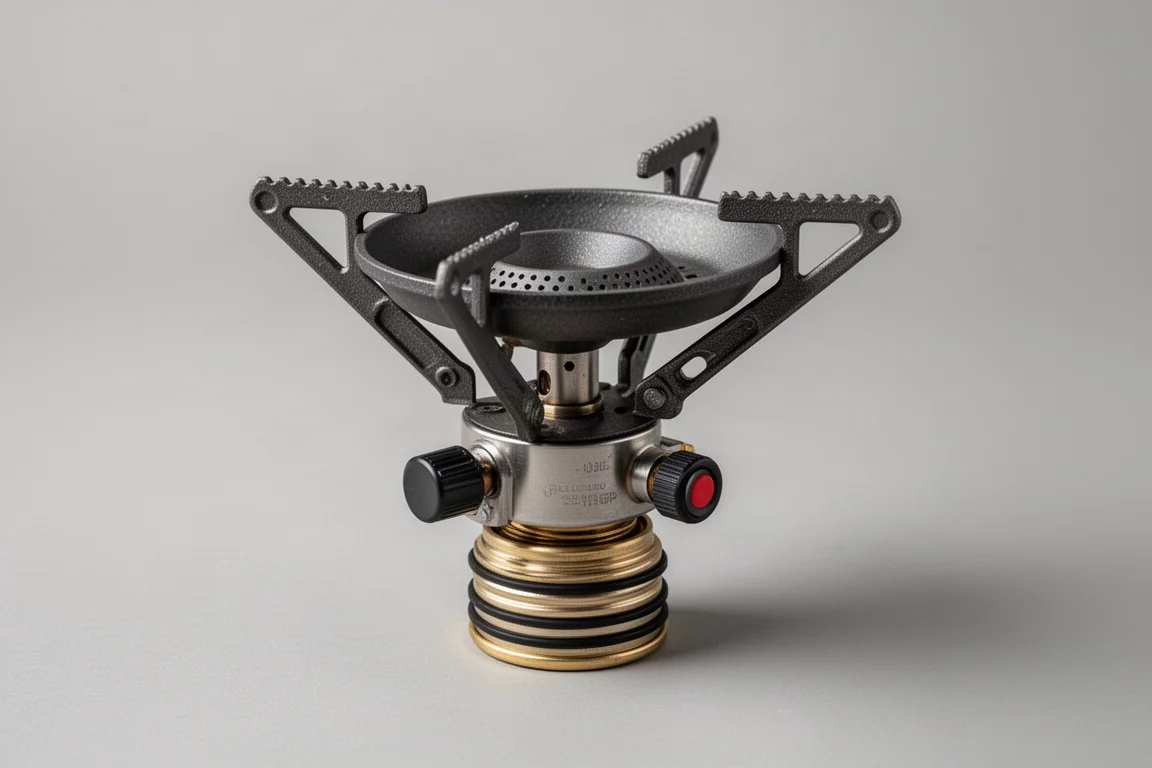
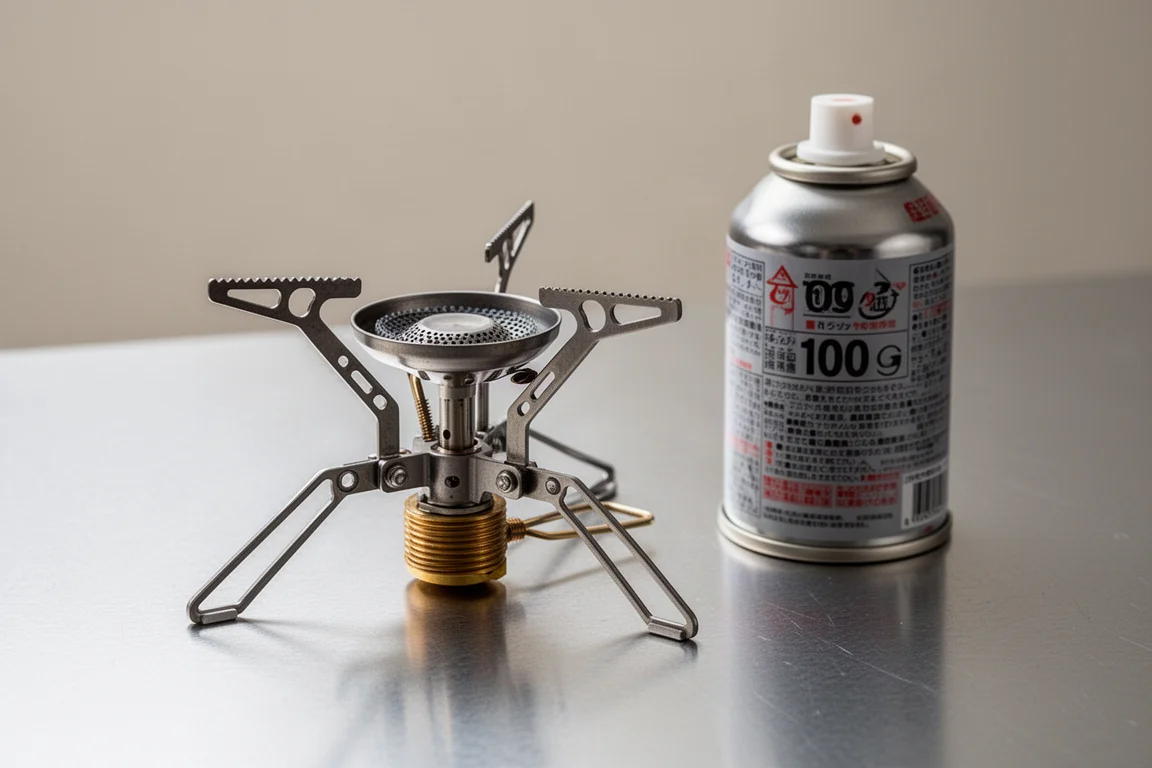
At around $20, the Green Peak stove is the value anchor of this comparison. It has a piezo igniter, a fairly large burner head that spreads the flame well, and double O-rings at the base that create a reliable seal with the canister. Those are details usually reserved for more expensive stoves.
In use it burns hot, boils quickly, and has stayed reliable across months of trips in a range of conditions. Output in BTU terms is not as high as some premium stoves, and there is no pressure regulator, so the design leans on efficiency rather than raw output.
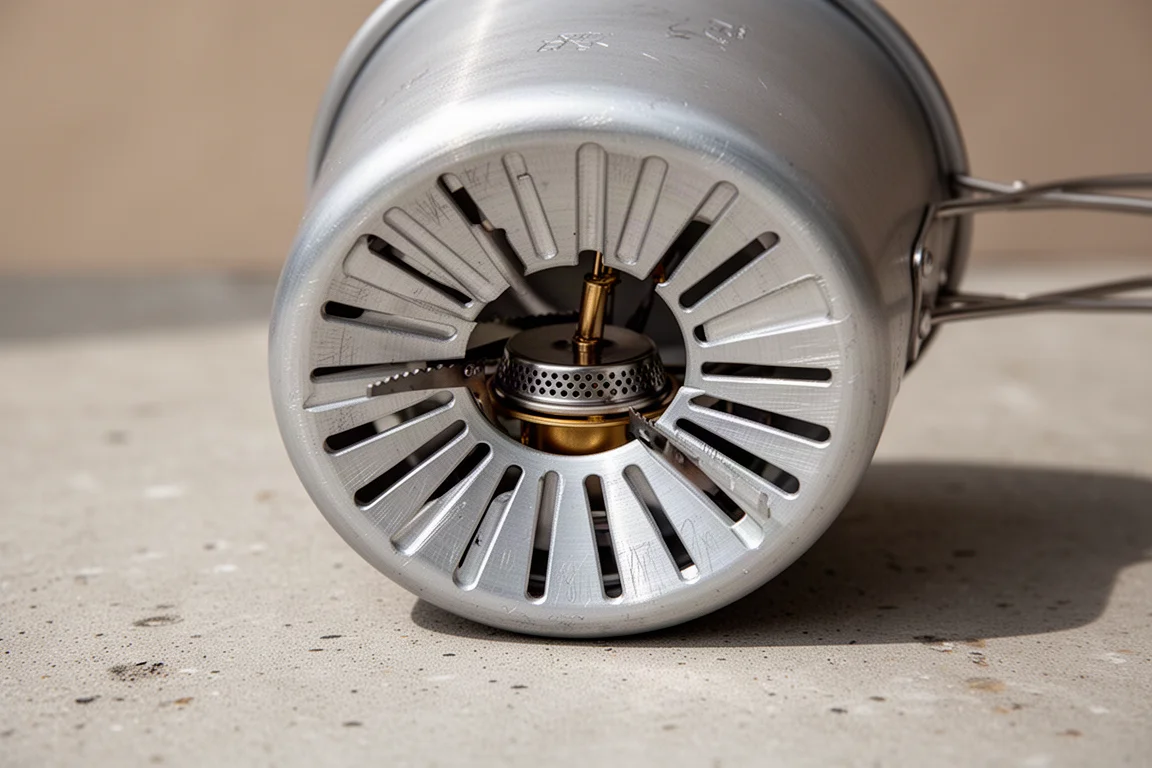
One practical limitation follows from that: without a regulator, strong wind can still reach the heat exchanger on the base of the pot, which adds to fuel consumption on blustery days. In ordinary conditions the stove is more than sufficient.
Toaks 550ml Titanium Pot: Ultralight Capacity for One
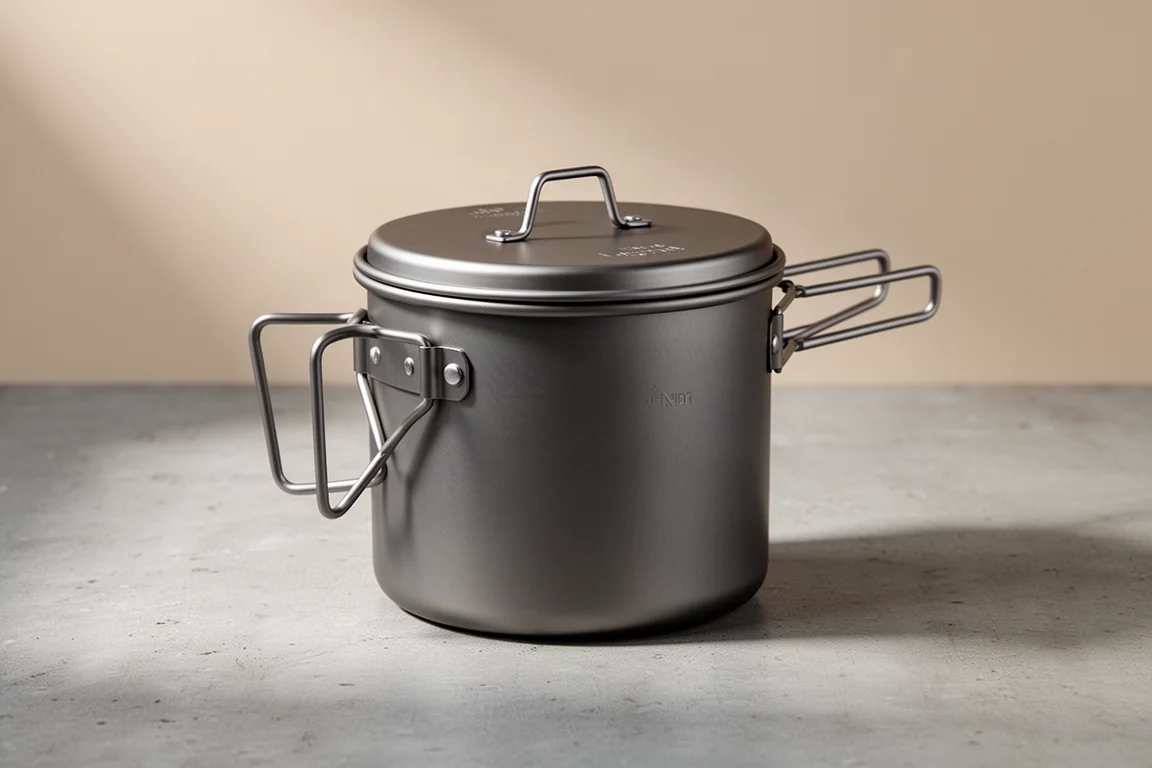
For anyone who counts grams, the Toaks 550 ml titanium pot is a long-standing ultralight option. The 550 ml capacity is enough to boil the water needed for a solo meal, and the pot is inexpensive, coming in under $30.
Matched with the BRS stove, the entire cooking setup weighs just 3.4 oz. That is by far the lightest combination covered here, and it is the reason this pairing remains popular with weight-focused backpackers.
BRS Stove: The Minimalist Ultralight Burner
The BRS stove costs about $20 and is built around a very small burner head. It is compact, light, and simple, with the modest flame spread that comes with a minimal design.
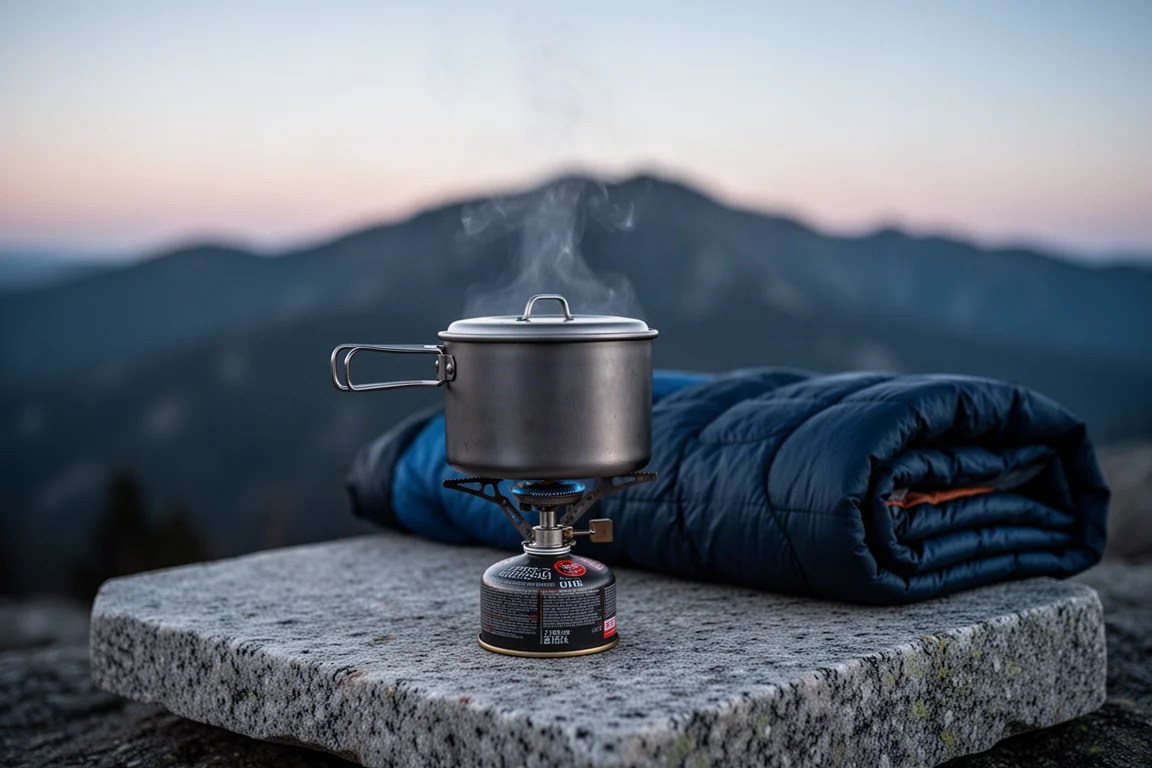
That minimalism shows in the boil test. The BRS stove with the Toaks 550 ml pot took 2 minutes 23 seconds to boil 12 oz of water and used 10 g of fuel, so it consumed more fuel than the Petrol G3 system and needed noticeably longer to reach a rolling boil.
The trade-off is straightforward. The BRS setup gives up speed and fuel efficiency in exchange for the lowest weight of the three systems compared here.
Boil Test Results and Fuel Efficiency
Across the three systems, the numbers tell a clear story. Boiling 12 oz of water, the MSR WindBurner finished in 1 minute 32 seconds on 5 g of fuel. The Fire Maple Petrol G3 with the Green Peak stove finished in 1 minute 28 seconds on 8 g of fuel. The Toaks 550 ml pot with the BRS stove finished in 2 minutes 23 seconds on 10 g of fuel.
The headline result is how close the two main systems are on time. A four second gap between the WindBurner and the Petrol G3 falls inside normal test variance, so the two can be treated as effectively equal on boil speed. The WindBurner is the more fuel-efficient of the pair and the stronger performer when conditions turn windy or cold, thanks to its radiant burner and pressure regulator.
Fuel efficiency alone rarely decides a purchase, though. The Petrol G3 uses more fuel per boil but remains efficient enough that a single canister can last a long stretch of trips, which is what matters for most three-season backpacking.
Buying Advice: Matching the System to Your Trips
The WindBurner is the system to choose when fuel economy and weather resistance come first. Its radiant burner, sealed pot interface, and pressure regulator make it the better option for very low temperatures and genuinely windy exposed campsites, and the 1 litre pot helps if melting snow is part of the plan.
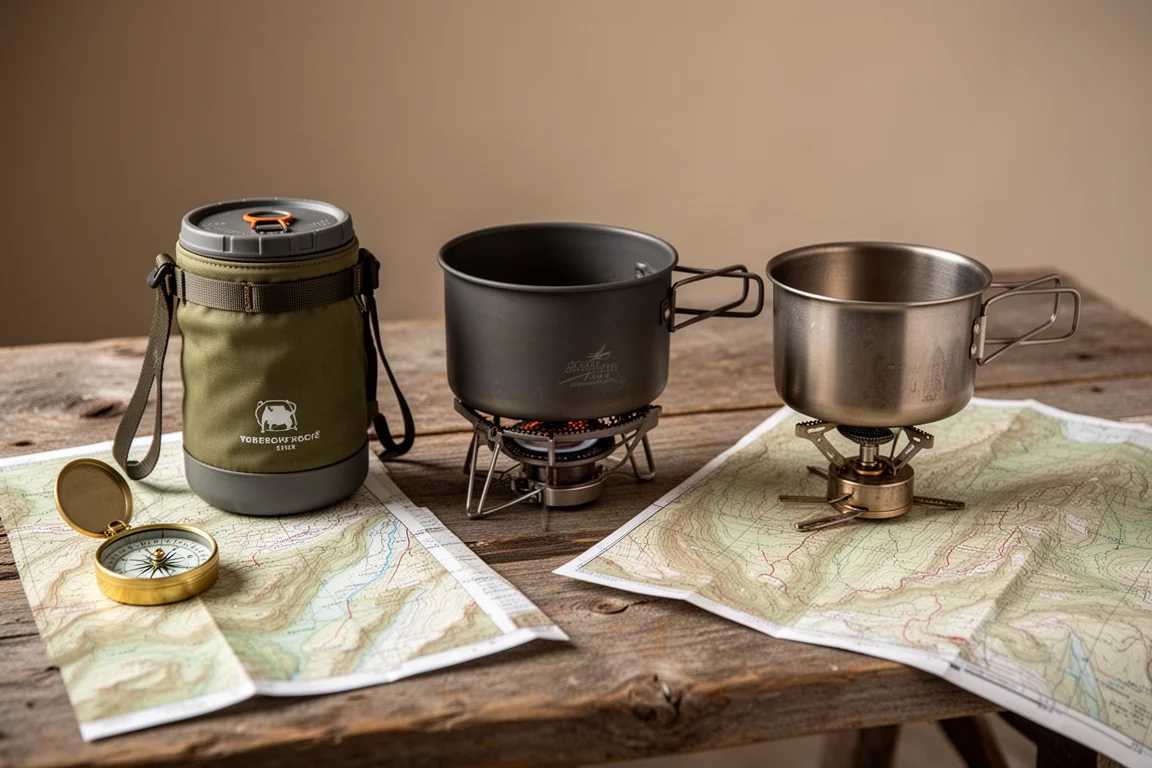
For the majority of trips, the Fire Maple Petrol G3 pot with the Green Peak stove makes the stronger value case. It matches the WindBurner on boil time, weighs close to half as much as a system, packs into a single unit with the stove and a 100 g canister inside, and costs a fraction of the price. The compromise is the lack of a pressure regulator and reduced wind protection on very exposed days.
If weight is the single most important number, the Toaks 550 ml pot with the BRS stove is the lightest path at 3.4 oz, and the penalty is a longer boil and higher fuel use.
Weighed against each other, the Petrol G3 pot with the Green Peak stove stands out as the best overall value of the three setups, while the WindBurner remains the choice for harsh conditions and the Toaks and BRS pairing remains the ultralight specialist.
Conclusion
All three systems can boil the water for a backcountry meal, and the differences come down to priorities rather than quality. The MSR WindBurner earns its premium price with windproof design, pressure regulation, and the lowest fuel consumption in the test. The Fire Maple Petrol G3 with the Green Peak stove delivers nearly identical boil times at a fraction of the cost and close to half the weight. The Toaks 550 ml pot with the BRS stove trades speed and fuel economy for the lightest possible kit.
Match the system to the conditions you actually camp in, and any of the three will serve well.
Further reading
Related Reviews
Backpacking Cookware
Best Backpacking Cook Kits and Stoves: Pots, Canister Stoves, and a Budget Setup That Works
A practical guide to backpacking pots and stoves, from ultralight titanium and solid fuel tablets to an all-in-one system and a budget kit that costs about as much as a takeout dinner.
Backpacking Cookware
Best Backpacking Cook Kits: Stoves and Pots for Simple, Reliable Meals
Nine stoves and pots that pair into dependable backpacking cook kits, from a budget canister stove to a heat exchanger pot built for fast, fuel-efficient boils.
Backpacking Cookware
Best Backpacking Cook Systems and Stoves: From Boiling Water to Backcountry Baking
Nine backcountry cook systems and stoves, from tiny alcohol burners and a budget canister stove to an all-in-one kit and cookware built for real backcountry baking.