Backpacking Gear
Best Backpacking Comfort Gear: 12 Lightweight Picks for Camp and Trail
A comfort-first backpacking kit built around four priorities: camp comfort, trail comfort, ease of use, and a sensible cost.
Introduction
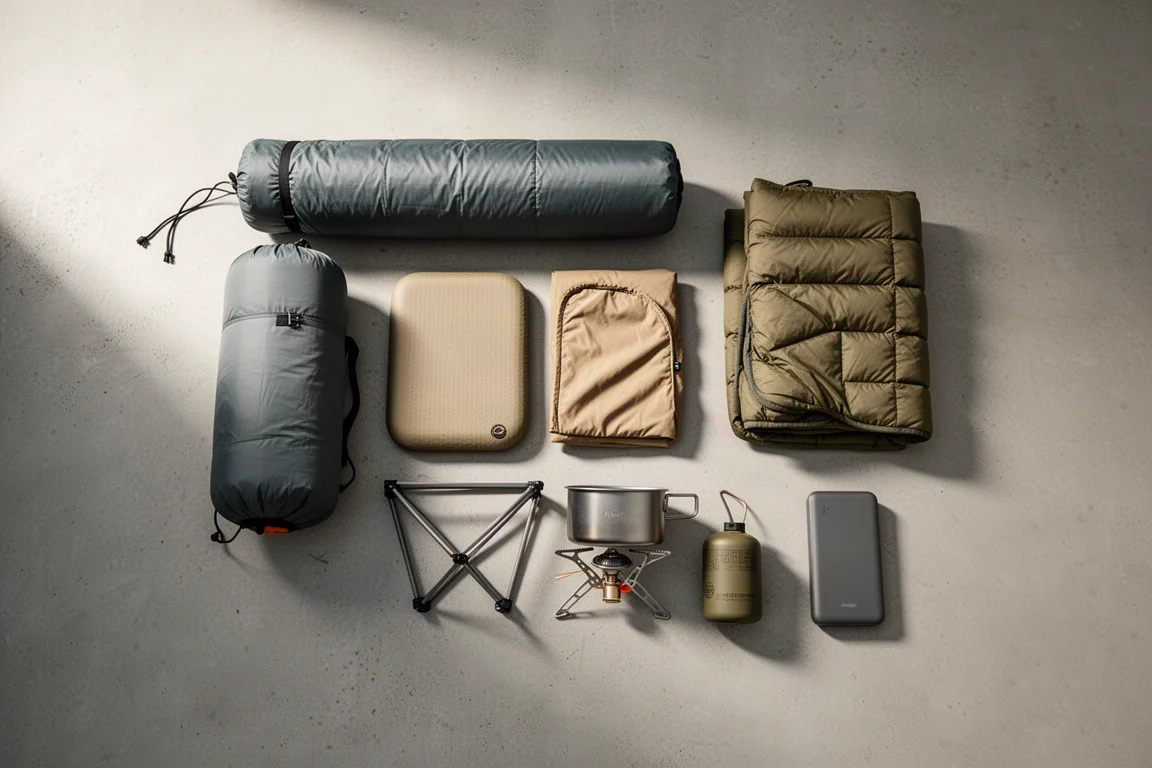
A backpacking kit that prioritizes comfort has to work in two different places. On the trail, every item is weight you carry, so anything that is not pulling its weight becomes a burden by the afternoon. At camp, the same gear has to deliver real rest: a sleep system you do not fight with, somewhere to sit, a way to eat well, and enough power to keep the small conveniences running.
The kit below is built around that idea. It leans toward gear that is light enough to carry comfortably, simple enough to use without fuss, and affordable enough that the whole list does not demand an extreme budget. A few items here are genuinely premium, but each one earns its place for a specific reason.
How This Kit Was Chosen
Four priorities shaped this list, and they are ranked in a deliberate order.
Camp comfort comes first, because a kit that leaves you restless at night is not really a comfort kit no matter how light it is. Trail comfort comes second, which in practice means keeping weight down so the hiking itself stays enjoyable. Ease of use is third. Gear that requires fiddling, readjusting, or a long setup routine adds a kind of friction that has nothing to do with grams. Cost is fourth, but it still matters: the goal was a kit that feels worth the money rather than a showcase of the most expensive options available.
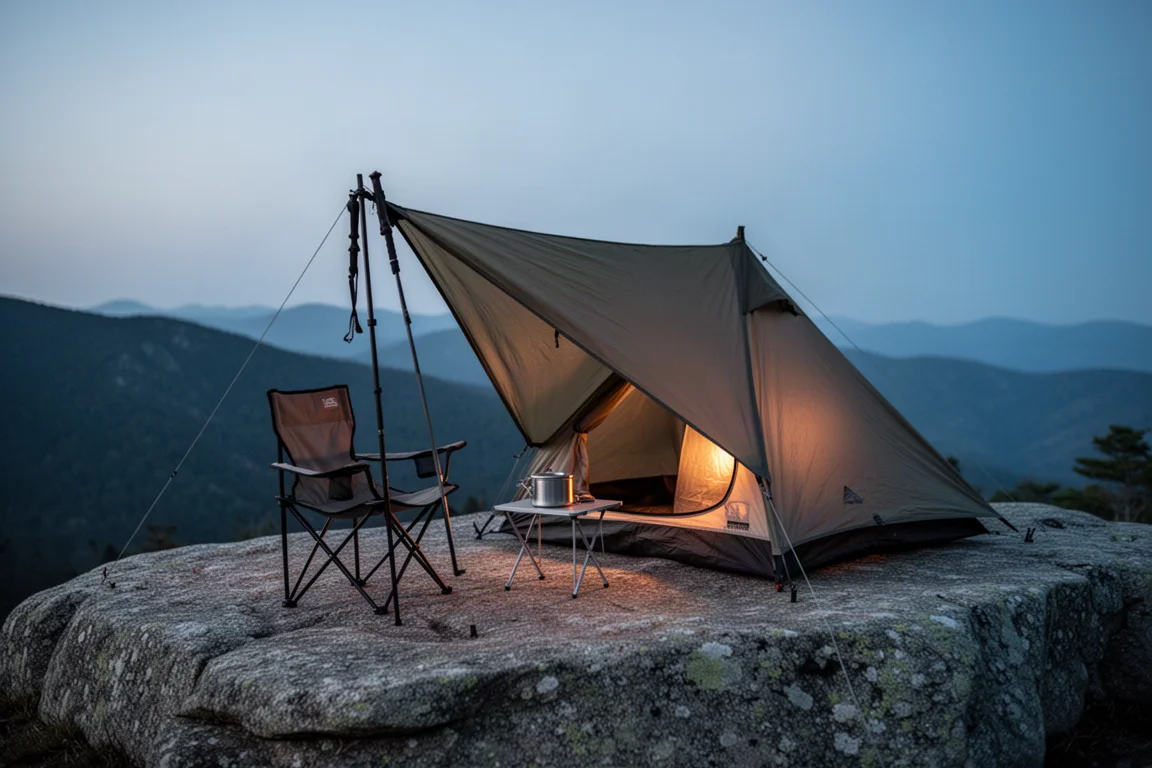
Those priorities sometimes pull against each other. A lighter shelter is often a more expensive shelter. A more comfortable sleep system usually weighs more. The picks below represent the points where that tension resolves in a way that makes sense for real trips.
The Big Three
The shelter, the sleep system, and the pack carry most of the weight in a backpack and most of the comfort on a trip. If those three are not dialed in, nothing else in the kit can compensate.
Best Pack: REI Flash 55
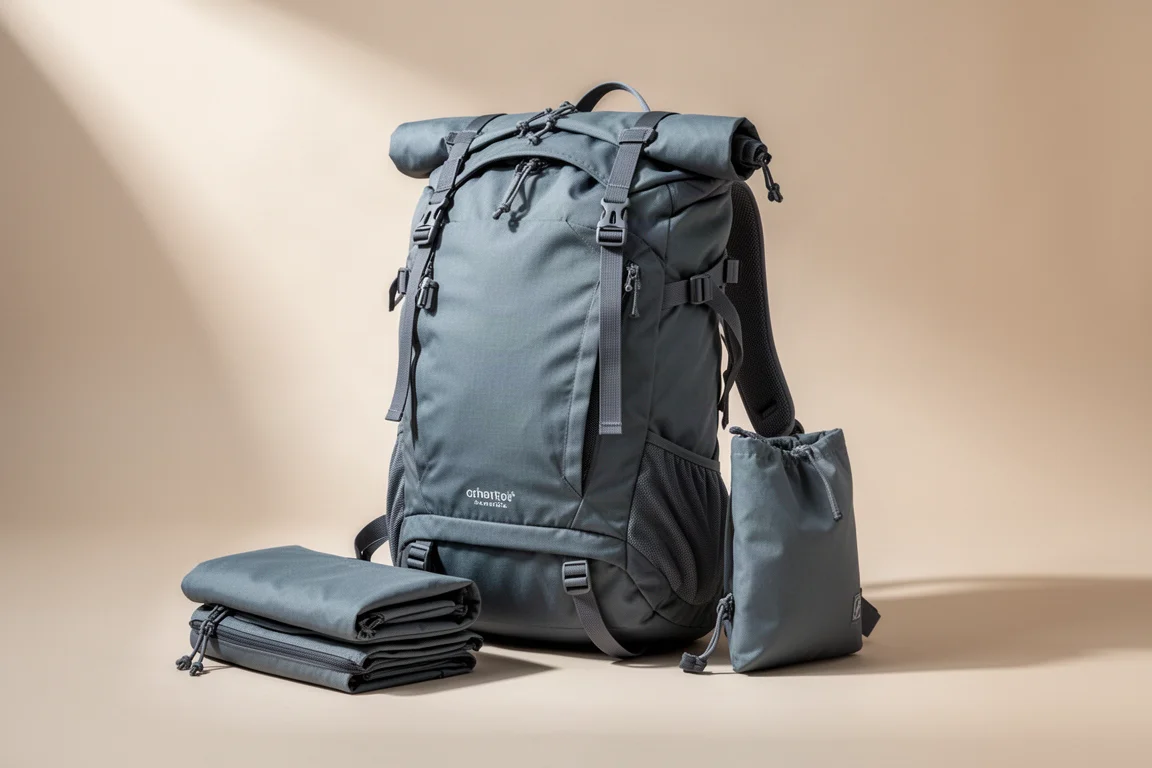
The Flash 55 handles weight well for its class. An adjustable torso lets you lock in the fit, and the frame, back padding, and hip belt all contribute to a carry that stays stable when the load is heavier than a purely ultralight setup would normally allow.
The standout feature is the water bottle pocket placement. The pockets sit forward of the side pockets, so reaching for a bottle does not require wrenching a shoulder around or contorting an arm. It is a small design decision that makes a genuine difference over a long day.
At roughly 1.2 kg, the pack is light but not ultralight, and that is the main trade-off. The nylon fabric is also fairly basic: it can abrade over time, and it absorbs water and gains weight when it gets wet. Buyers who catch it on sale tend to get strong value for the volume and carrying capacity on offer.
Best Tent: Durston X-Mid 1P
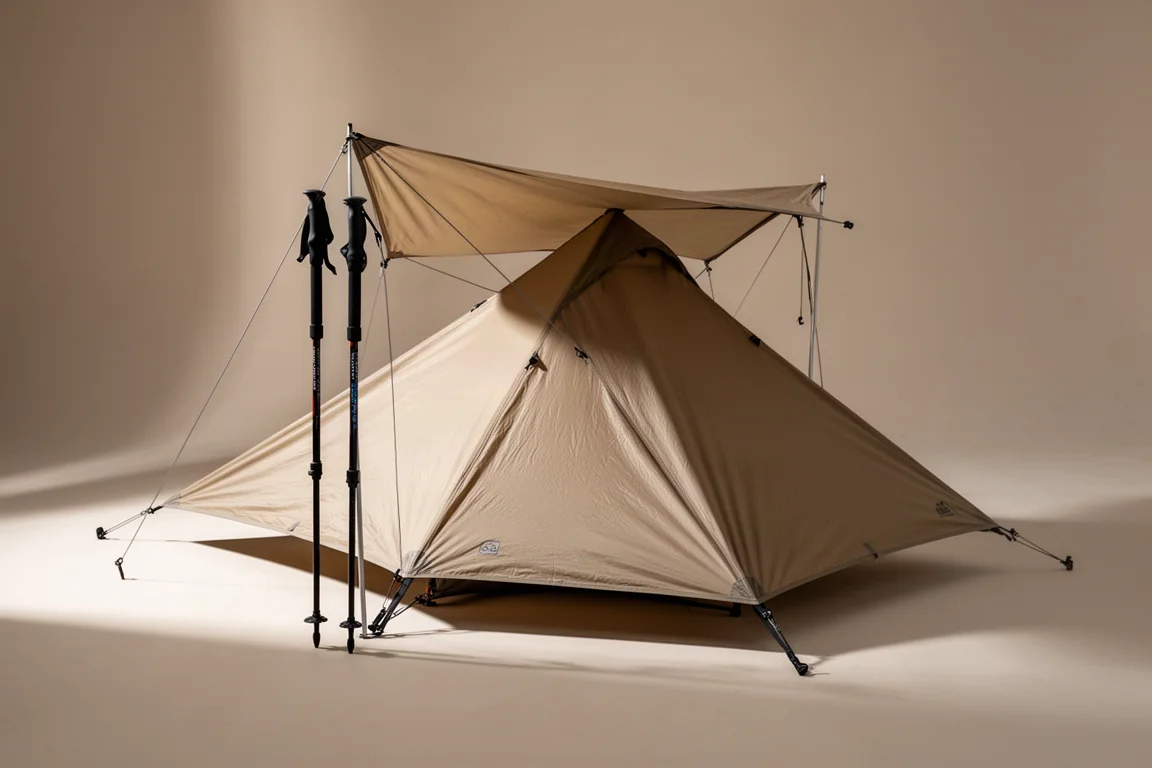
The X-Mid 1P stands out for interior space. The wider end gives you room to spread out gear, while the narrower foot end still fits a 30-inch wide sleeping pad. Headroom is generous, and the vertical walls combined with a wide brow pole create usable space around the shoulders and head, which makes changing clothes inside far less cramped.
At under a kilogram, it is among the lightest one-person tents available. It is also notably solid in weather: it has been tested in a wind tunnel at 100 km/h and survived, and a fully staked-out pitch should handle more than that. The sil-poly fabric does not stretch or sag when wet, and it can simply be stuffed into a sack at the end of a trip rather than folded and rolled.
There is very little to criticize here. It is heavier than some Dyneema single-wall tents that rely on trekking poles, but that is a narrow comparison rather than a real weakness.
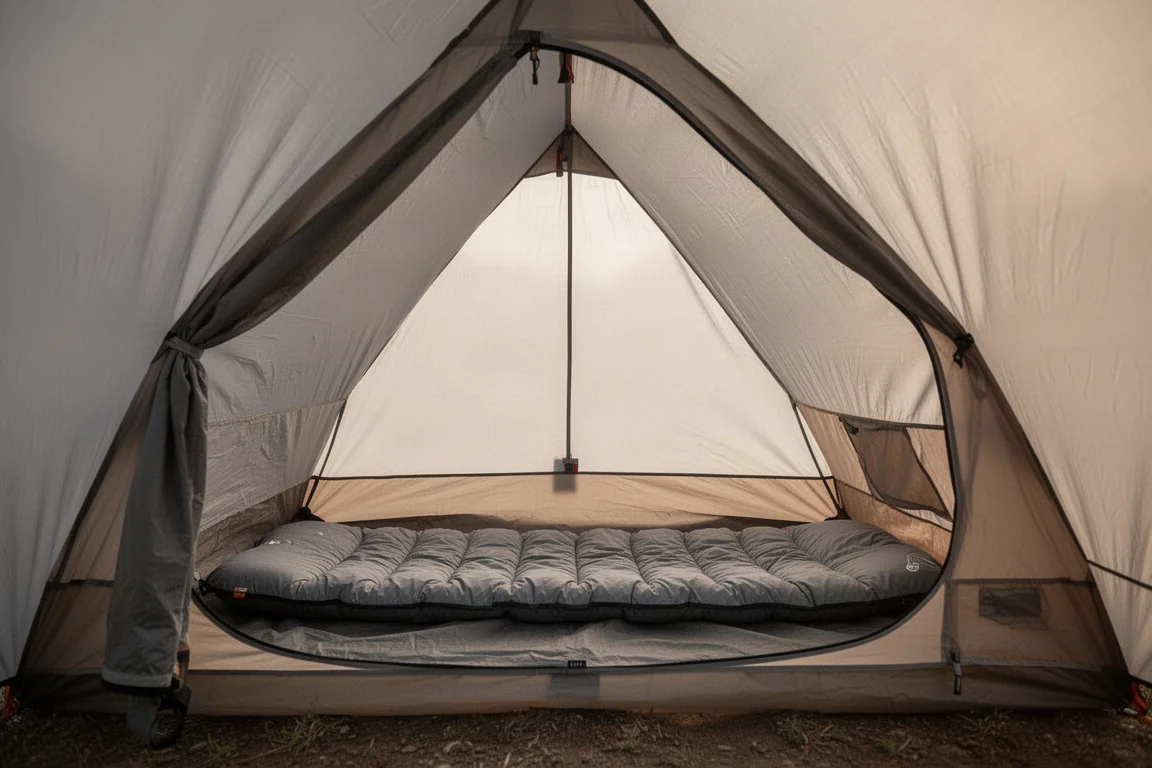
For backpackers who want a shelter that feels roomy without adding meaningful weight, this is one of the strongest options in its category. The combination of livable interior volume and proven wind performance is what makes it a comfort pick rather than just a lightweight one.
Best Sleeping Pad: Nemo Eclipse
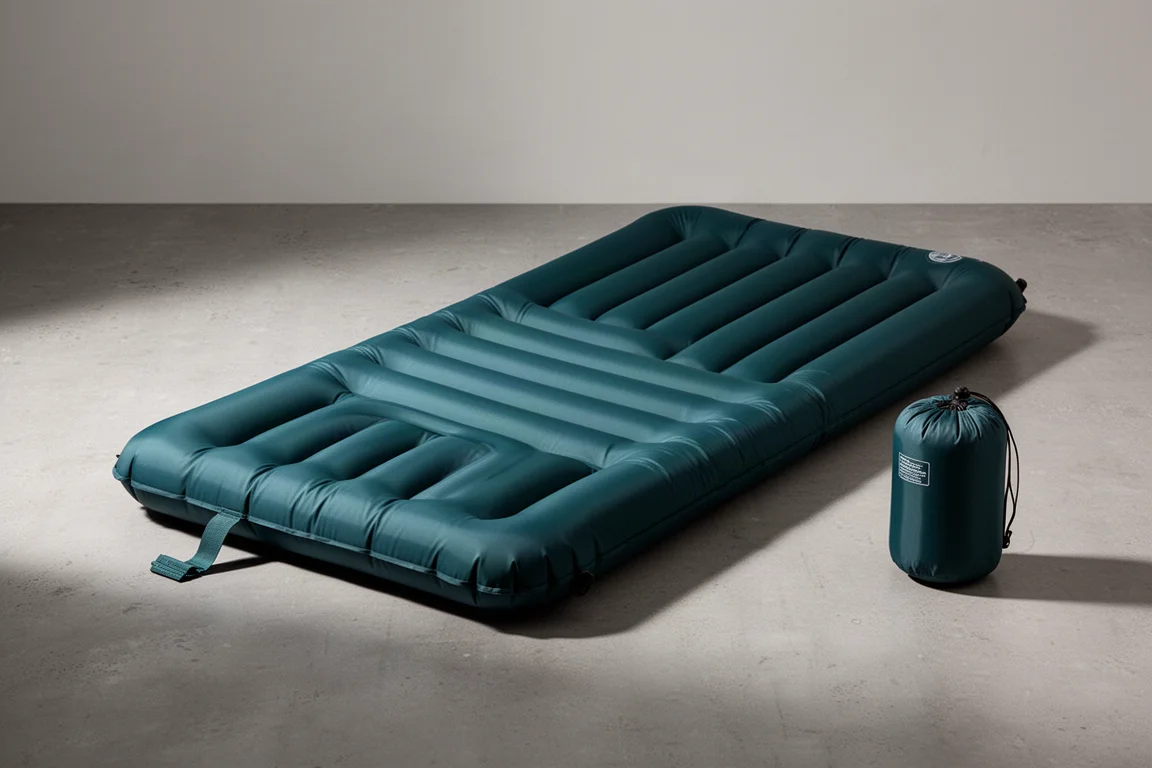
The Eclipse delivers one of the best comfort-to-weight ratios available. It weighs 558 g, yet it is four inches thick, so you are unlikely to bottom out even as a side sleeper. The slightly dimpled vertical baffle system is a big part of why it feels as comfortable as it does.
Price is another point in its favor. The regular wide version comes in under $200, which is increasingly unusual as sleeping pads climb in cost.
Warmth is the compromise. The pad carries an R-value of 6.2, but in practice it stays comfortable only down to roughly -3 to -4 degrees Celsius on relatively warm ground, so it should not be pushed as far as the rating alone might suggest.
Best Top Insulation: Zenbivy Ultralight Quilt
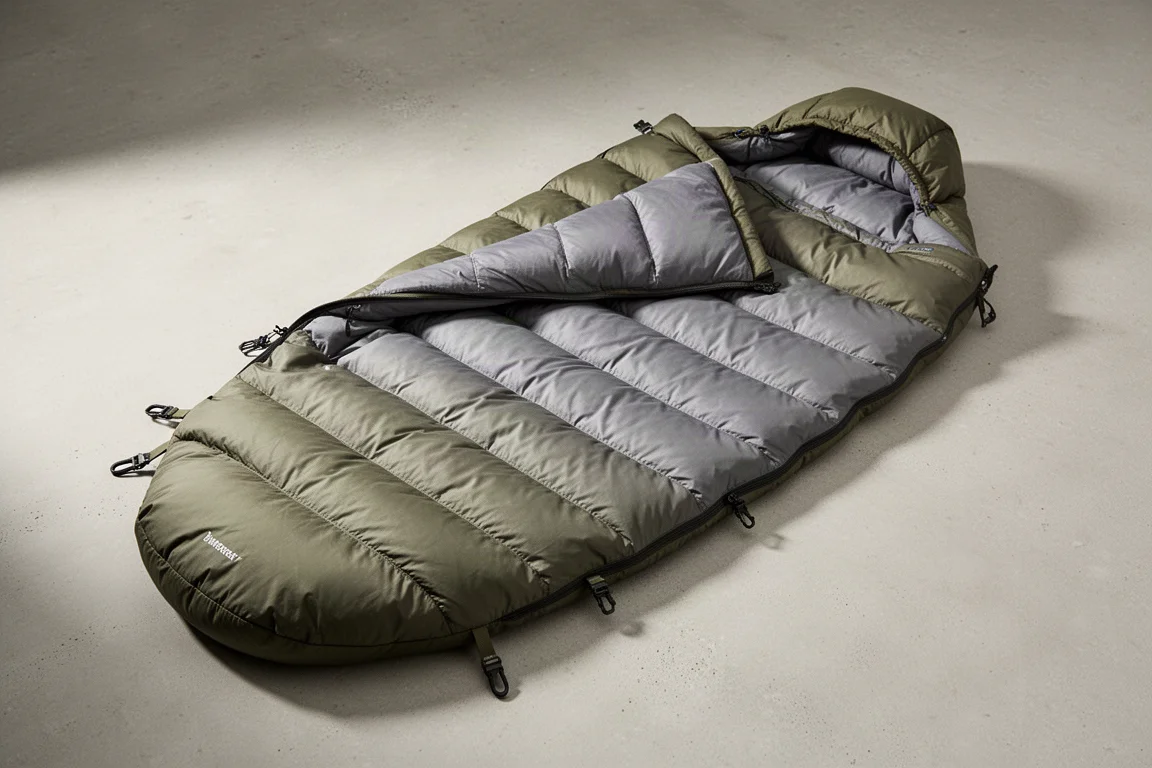
The Zenbivy system pairs a sheet that covers the sleeping pad with a quilt that clips onto it. Two things make it comfortable. First, because it is a quilt, you can shift and roll underneath it freely instead of getting tangled the way you might in a sleeping bag. Second, a flap on the side of the sheet clips into the quilt, which locks the insulation in place over the pad and helps prevent drafts.
This particular setup combines the full-length sheet from the heavier Light Bed with the lighter Ultralight Quilt. The full-length sheet is more comfortable, especially when sleeping in minimal clothing, while the quilt keeps the weight down.
The trade-offs are price and complexity. This is not the cheapest sleep system you can buy, and the sheet, clips, and quilt add up to a fair number of small components to manage, particularly for a mid-night trip out of the tent. For the quality of sleep it produces, that fuss is often worth it.
Best Pillow: Zenbivy Soft Top Pillow
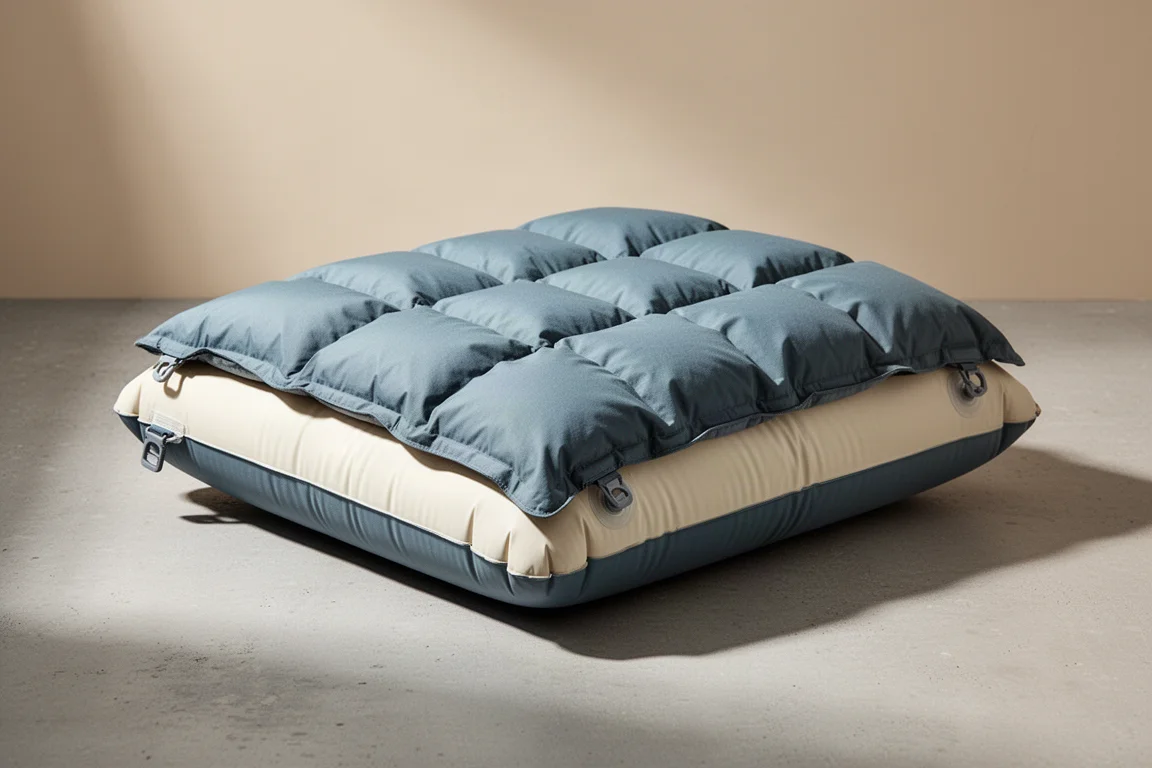
The Soft Top Pillow is built from three parts: an air bladder that provides height and structure, a down topper that adds softness, and a pillowcase that holds everything together. A refreshed pillowcase design makes the whole thing easier to assemble and use.
The pillowcase clips into the sheet, so the pillow stays put through the night instead of sliding away. The down topper makes it one of the softer backpacking pillows around while still offering solid support.
Camp Comfort
Camp furniture is where a comfort kit becomes obvious. Getting off the ground and having a stable surface to cook on changes how an evening at camp feels, and both of the pieces below are light enough that leaving them at home becomes harder than bringing them.
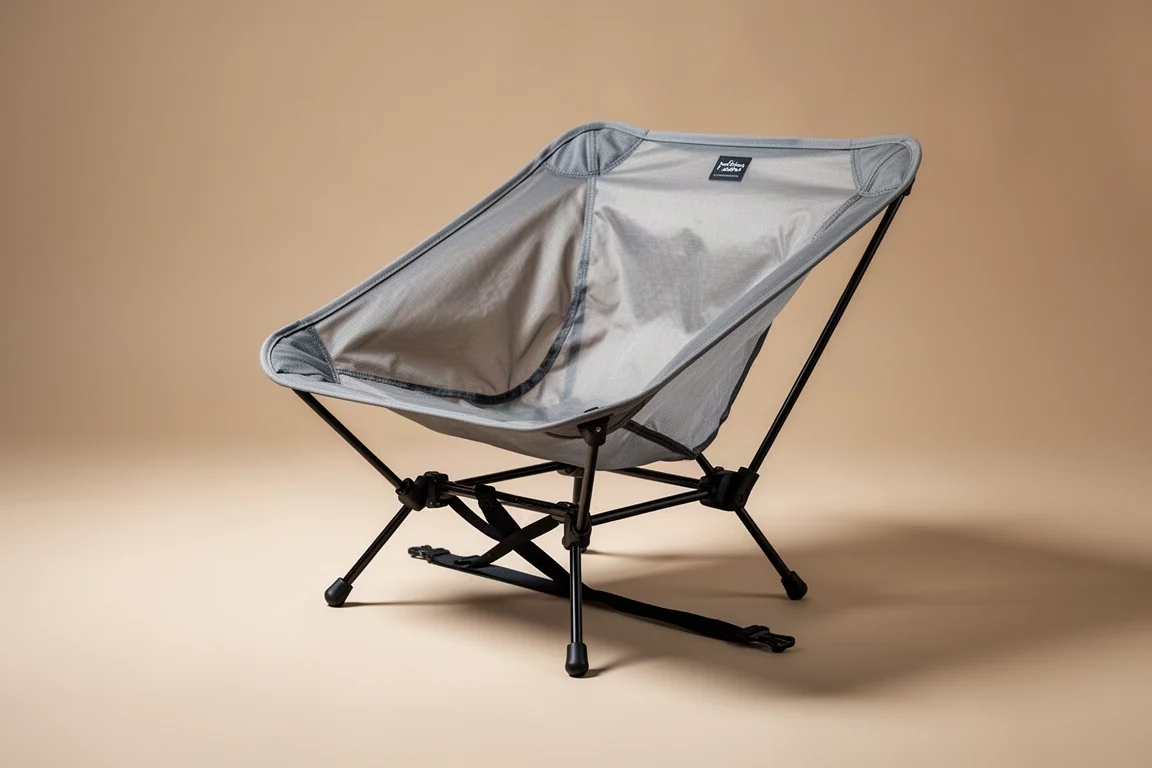
Best Camp Chair: Helinox Chair Zero LT
The Chair Zero LT uses the same aluminum frame and overall shape as earlier versions, with a slightly lighter fabric that is also described as more durable. The weight is the headline: it is one of the lightest camp chairs available.
The included X-Strap is what makes it work on soft ground. It spreads the load at the base so the legs do not sink into sand or loose gravel, and it adds only 19 g.
The compromise is posture. This is a lounger rather than an upright chair, so sitting up straight is not easy. It is also priced at the premium end for what it is.
Best Camp Table: Helinox Table Zero
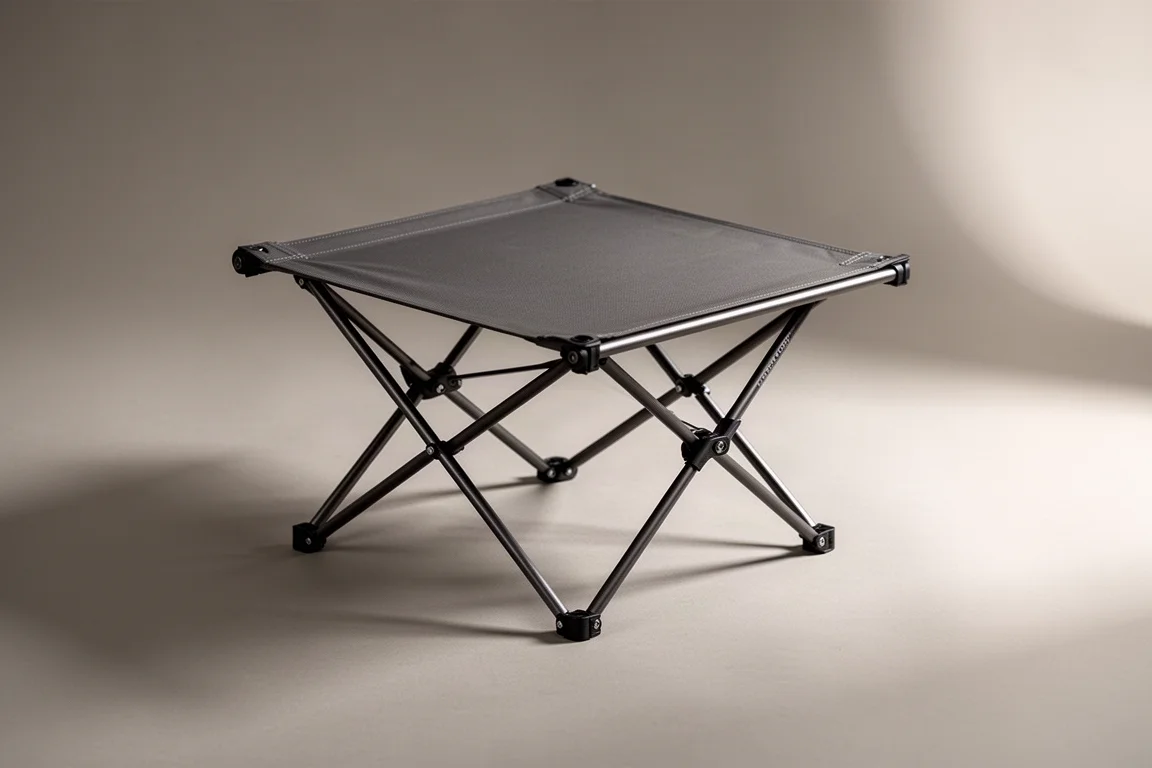
The Table Zero does something simple and useful: it gets your cooking and eating off the ground. It is stable enough to cook on without feeling like a pot of hot water is about to tip, which matters more than it sounds.
It is also very light and very compact, compact enough that it is easy to justify packing on almost every trip.
The limitations are size and features. It is not a large table, and there are no cup holders, so its uses are fairly focused. The price is also high, which is the main reason to think carefully before adding it.
Cook and Water
Eating well at camp is part of comfort, and doing it without a lot of cleanup or waiting makes it better. The two items below cover water treatment and cooking.
Best Water Filter: Platypus QuickDraw Gravity
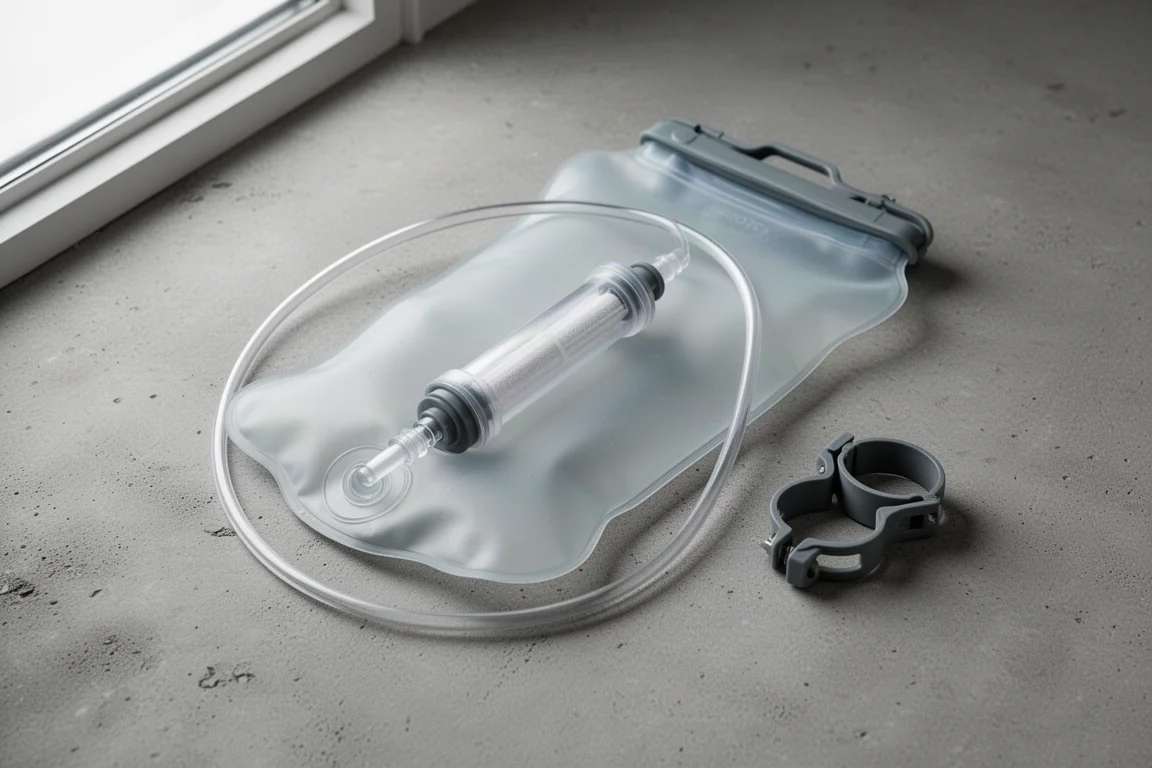
Gravity filtration makes sense on comfort-oriented trips, where you tend to spend more time at camp and want a steady supply of water without repeated chores. The QuickDraw Gravity uses a three-liter bladder with an inline clamp. Release the clamp and water flows through the filter, filling a liter in about two minutes with no attention required.
That hands-off quality is the real benefit. A squeeze filter is faster per liter, but a gravity setup removes the task entirely, and a larger bladder can serve a group.
The trade-off is weight and setup. A gravity system is noticeably heavier than a dedicated squeeze filter and takes a little more fiddling to hang and manage.
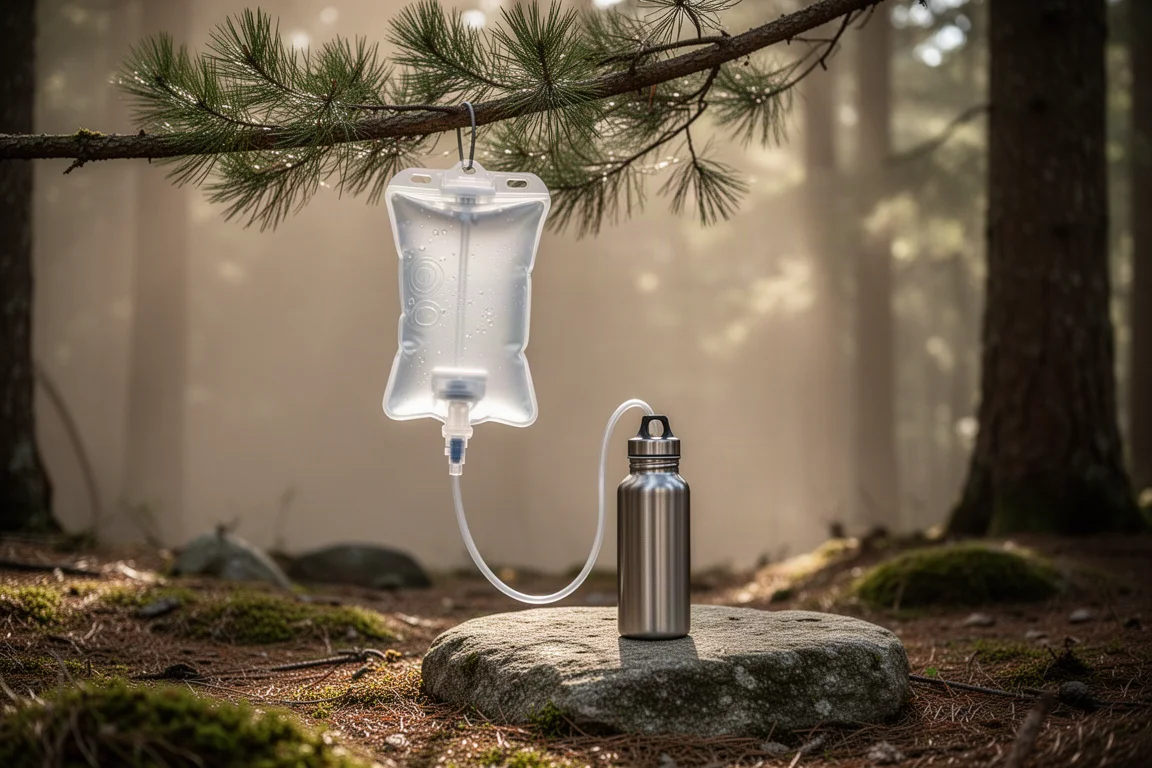
For anyone who camps rather than just sleeps and moves on, the convenience tends to outweigh the extra grams. It is a piece of gear that quietly improves an evening.
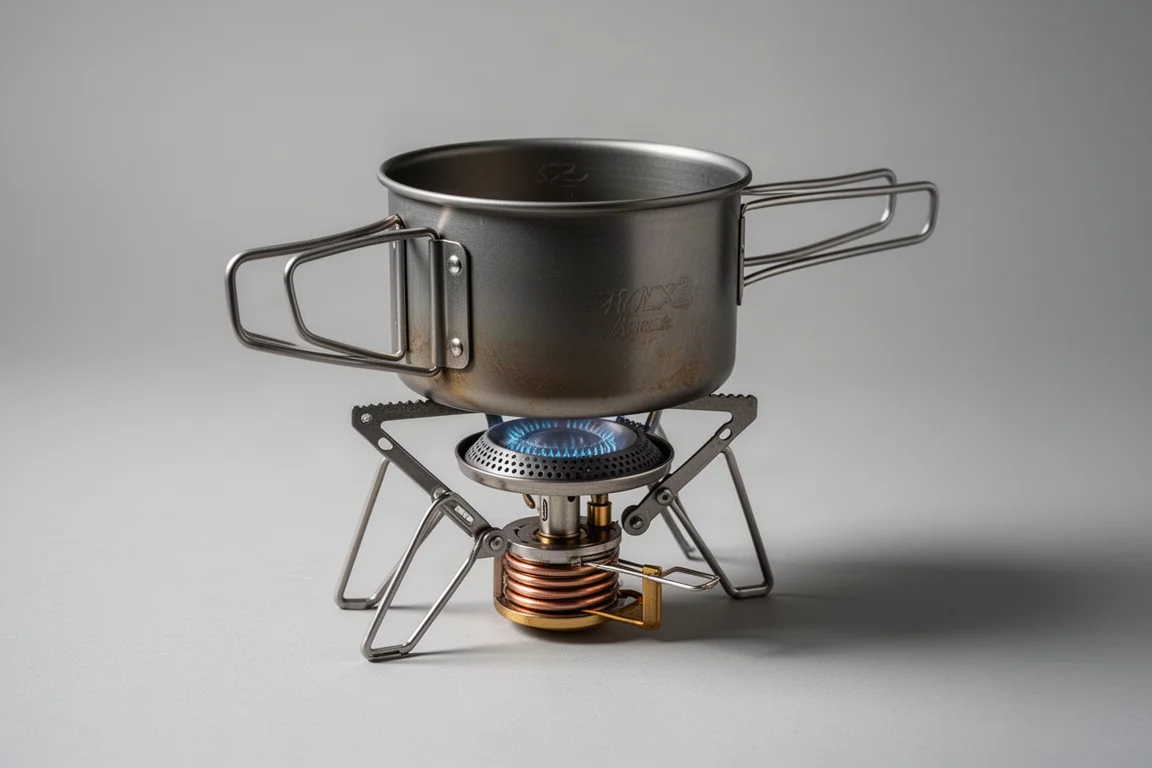
Best Stove: MSR WindMaster
The WindMaster is an all-in-one stove system, and the appeal is that everything needed to boil water and cook a meal lives in one container. It is also notably quiet, which matters in a shared campsite.
Efficiency is the other strength. A radiant burner and a heat exchanger reduce fuel use and help the stove perform in wind, so it keeps working when conditions are less than ideal.
The compromise is weight. It is heavier than it looks like it should be, and lighter, cheaper combinations exist, such as a simple titanium pot paired with a small canister stove. That alternative works, but it gives up the wind performance and the integrated convenience.
Electronics
Electronics are not essential to backpacking, but they make trail life easier. Navigation, music, and messaging all live on a phone, and a few small accessories keep that phone and the rest of the kit running.
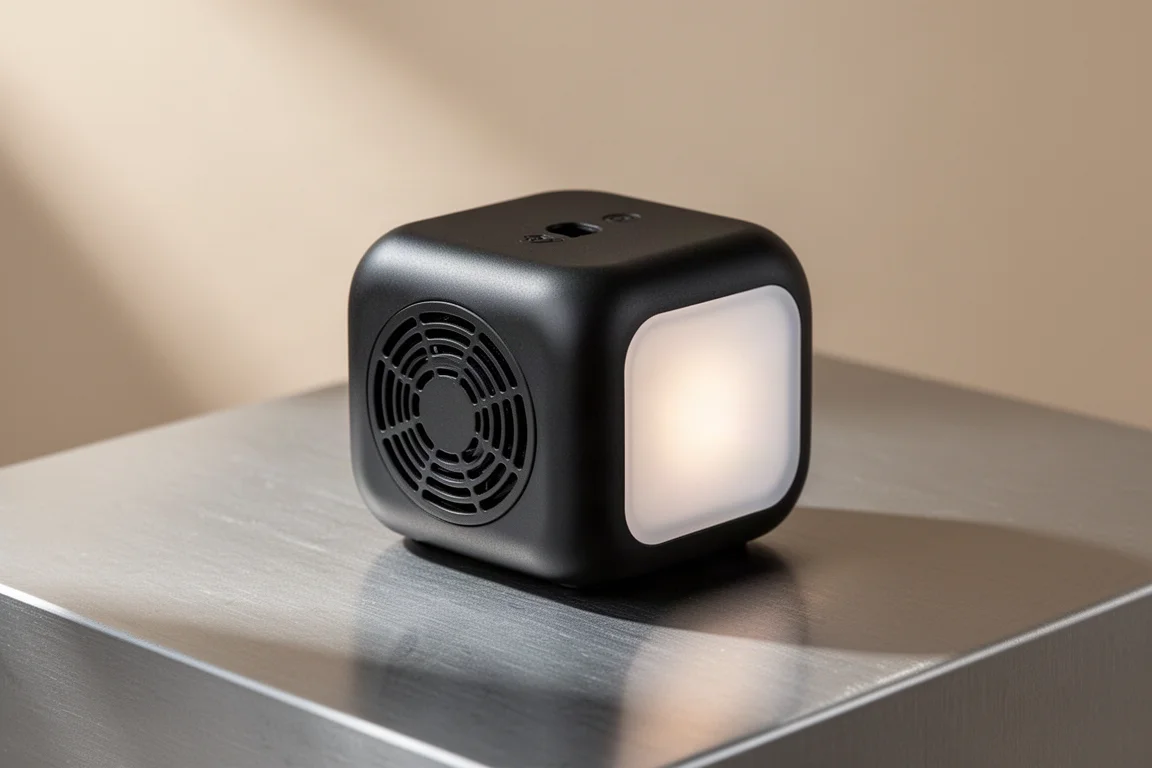
Best Pump: FlexTail Tiny Pump 3X
Inflating a sleeping pad by hand is one of the more tedious camp chores. The Tiny Pump 3X handles it quickly and relatively quietly, and it offers comparable power to a larger pump at roughly half the weight.
The built-in light is a genuinely useful bonus. It can sit on a table at camp for a bit of ambient light or hang inside a tent, which is a lot of function in a very small package.
The trade-off is the integrated battery, which makes it heavier than pumps that run without one.
Best Satellite Communicator: inReach Mini 3 Plus
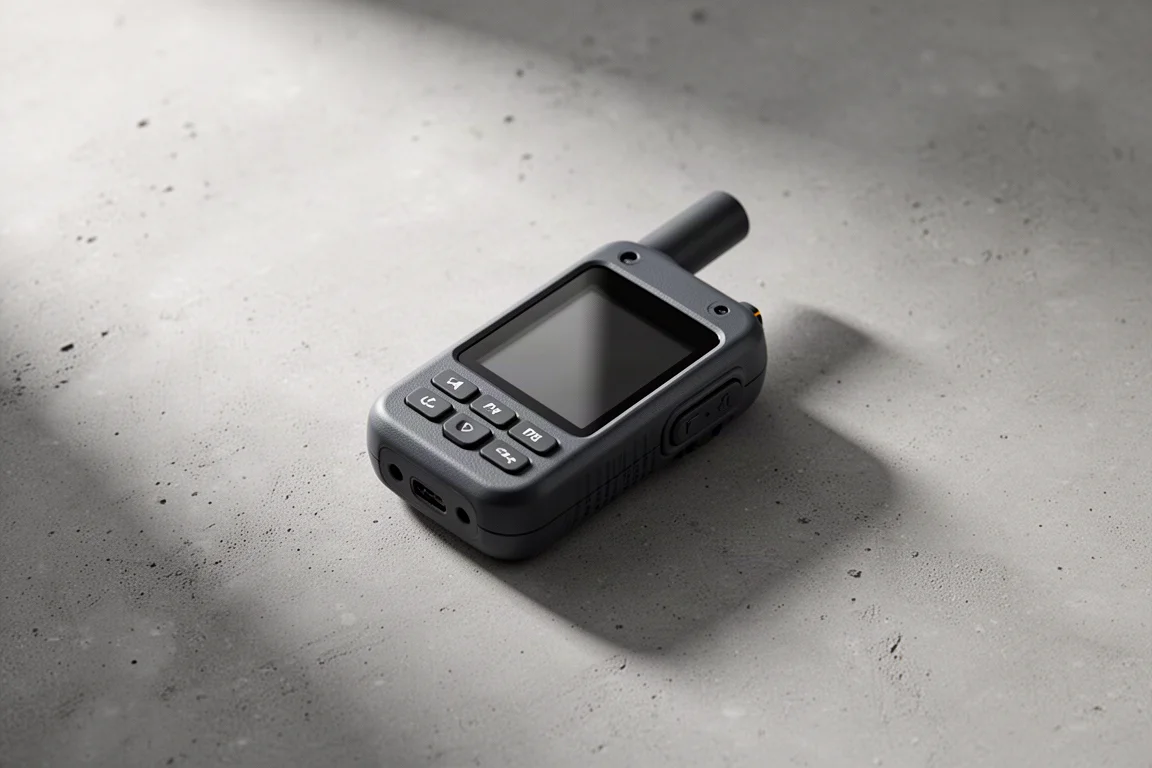
A satellite communicator is the item you hope never to need and are very glad to have. Beyond emergencies, the ability to send and receive messages from the backcountry keeps you connected to home, and receiving a photo from family partway through a long trip can genuinely turn a hard day around.
Voice dictation is a meaningful safety feature as well. Messages, including those to emergency services, can be dictated rather than typed, which matters if you are injured and working one-handed.
The cost is the main drawback. The device itself is expensive, and it requires a subscription. For backpackers who get out regularly through the year, that ongoing cost is easier to justify.
Best Power Bank: FlexTail Zero Power
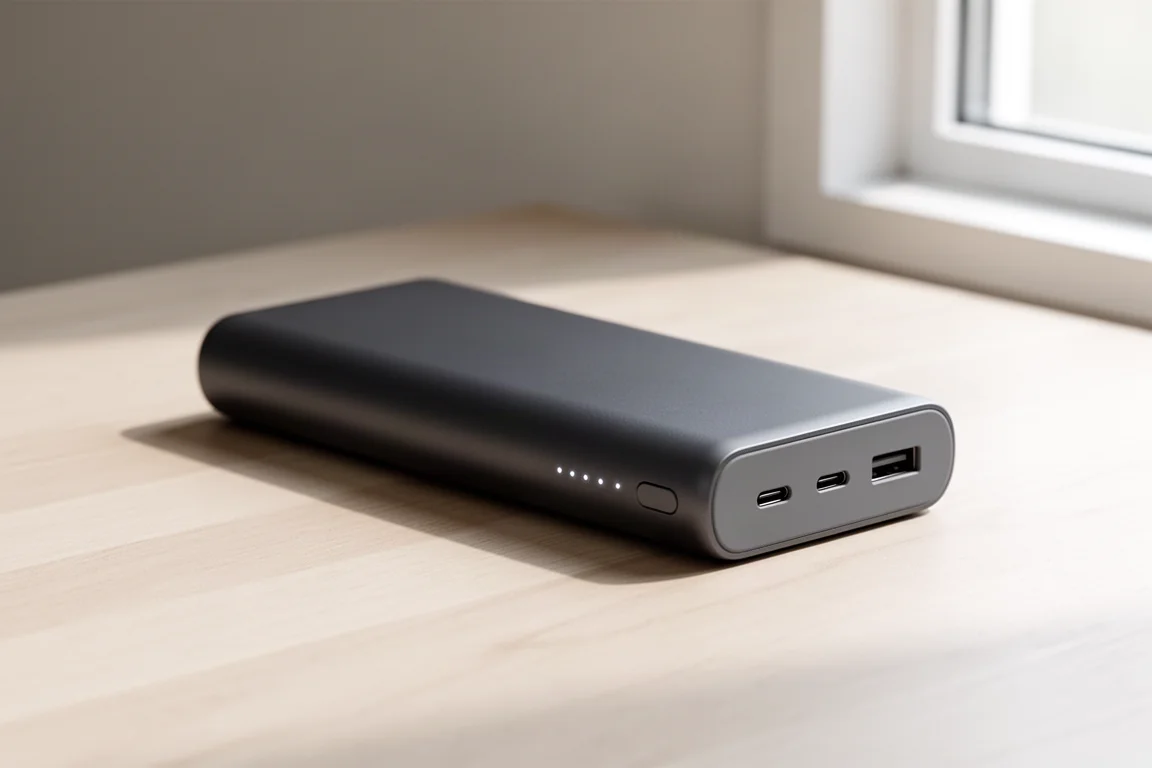
A small power bank keeps a phone and a headlamp topped up over a multi-day trip. The FlexTail Zero Power line includes a 5,000 mAh version and a 10,000 mAh option, with two USB-C ports, fast charging, and small indicator lights for checking remaining capacity.
They are compact, simple, and inexpensive relative to most backpacking electronics, which is exactly what a power bank should be.
Buying Advice
The right way to use a list like this is to pick the categories where your own trips fall short rather than buying everything at once. Sleep is usually the highest-value place to start, because a bad night affects everything the next day. A sleeping pad and a quilt system that keeps you warm and untangled will do more for a trip than any other single upgrade.
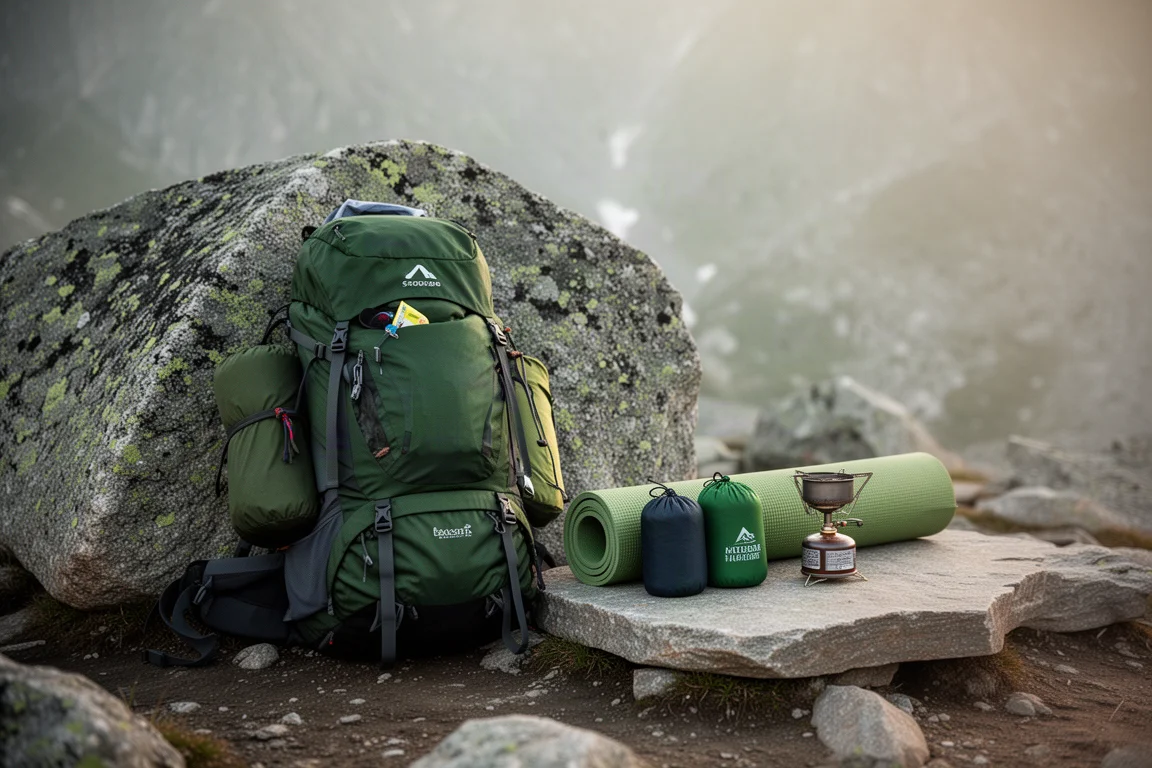
Shelter and pack come next. If you are carrying heavier loads or longer food carries, a pack that distributes weight well is worth prioritizing over saving a few hundred grams. If you spend a lot of time in exposed or windy terrain, a shelter that stays solid in weather is worth more than one that pitches slightly faster.
Camp furniture and electronics are the last tier. They are the items that turn a functional trip into a comfortable one, and they are also the easiest to add gradually as budget allows. Weight adds up quickly once you start including a chair, a table, and a pump, so it is worth deciding early whether your priority is the lightest possible pack or the most comfortable camp.
Conclusion
Comfort-focused backpacking is a balancing act, not a single purchase. The gear here is chosen because it resolves that balance in a practical way: light enough to carry without resentment, simple enough to use without frustration, and comfortable enough that camp is something to look forward to. Start with the sleep system and the big three, then build out camp comfort and electronics as your trips and budget allow.
Further reading
Related Reviews

Backpacking Gear
Building a 10 lb Base Weight: An Ultralight Backpacking Gear List
A practical walkthrough of the ultralight pieces behind a 10 lb base weight, from a 765 g pack and a roomy one-person tent to a full camp chair and a dependable water filter.
Backpacking Gear
A 15-Pound Lightweight Backpacking Gear List for Solo Trips
A beginner-friendly 15-pound backpacking setup built from easy-to-find gear, with notes on what each piece does, how it packs, and where to spend your attention.
Backpacking Gear
8 Ultralight Backpacking Gear Upgrades Worth Carrying
Eight small, affordable backpacking upgrades that solve real trail annoyances, from a pillow that stays put to a fuel valve that rescues leftover canister gas.