Backpacking Gear
Best Backpacking Chairs Tested: Five Options From Luxury to Budget
Five backpacking chairs tested on real trips. One is a gold standard, one is an underdog bargain, one is a classic, one is essential minimalism, and one to avoid.
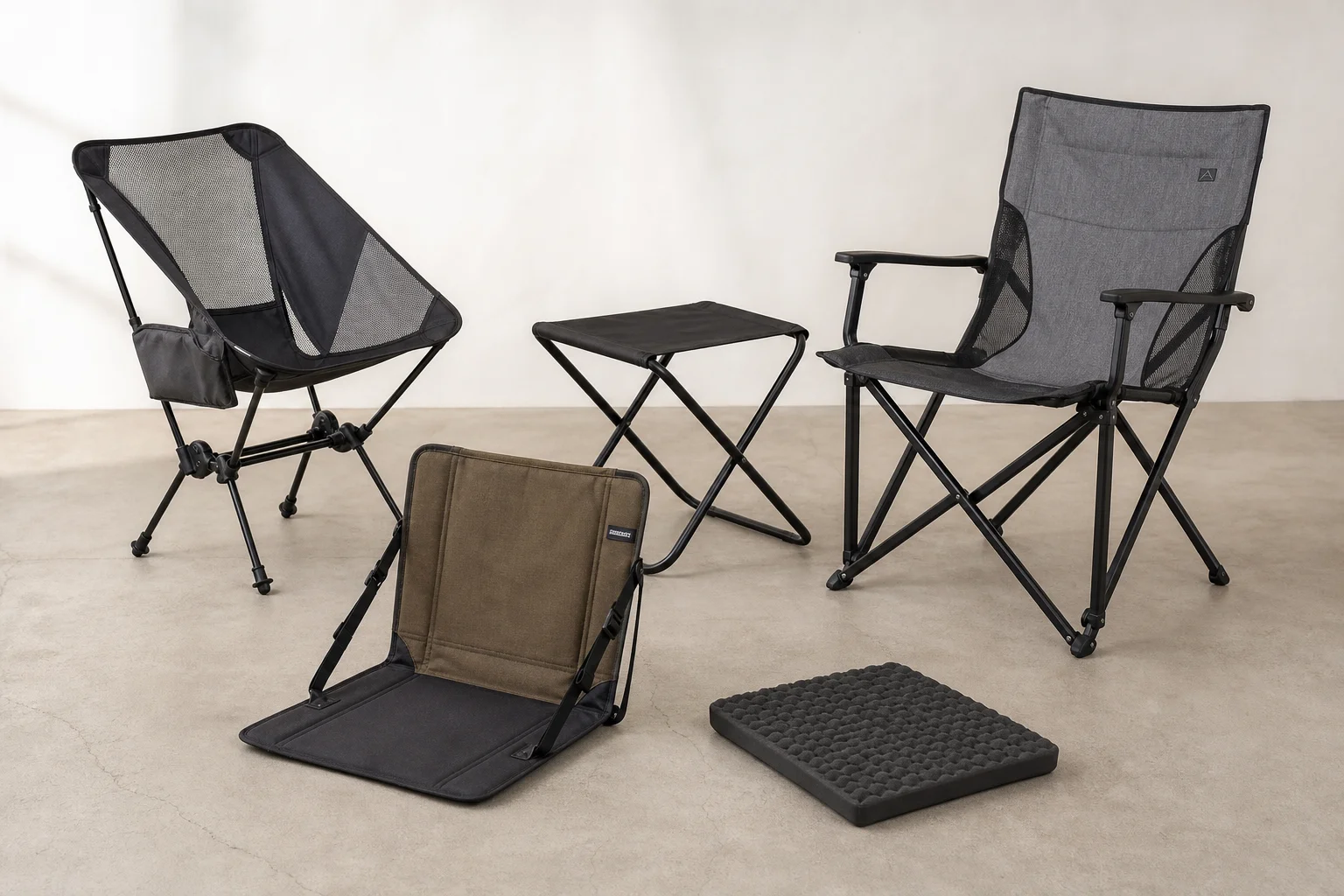
Introduction
Backpacking chairs feel like a luxury until your knees ache or the ground is soaked. Most hikers skip them, thinking they are too heavy, too bulky, or simply not worth the pack space. After testing five different chairs on real trips, I found that comfort depends entirely on your priorities and use case. Some chairs earn their place in every pack. Others are better left at home. Here is what I carry, what I regret, and the chair I will never take backpacking again.
Helinox Chair Zero: The Gold Standard
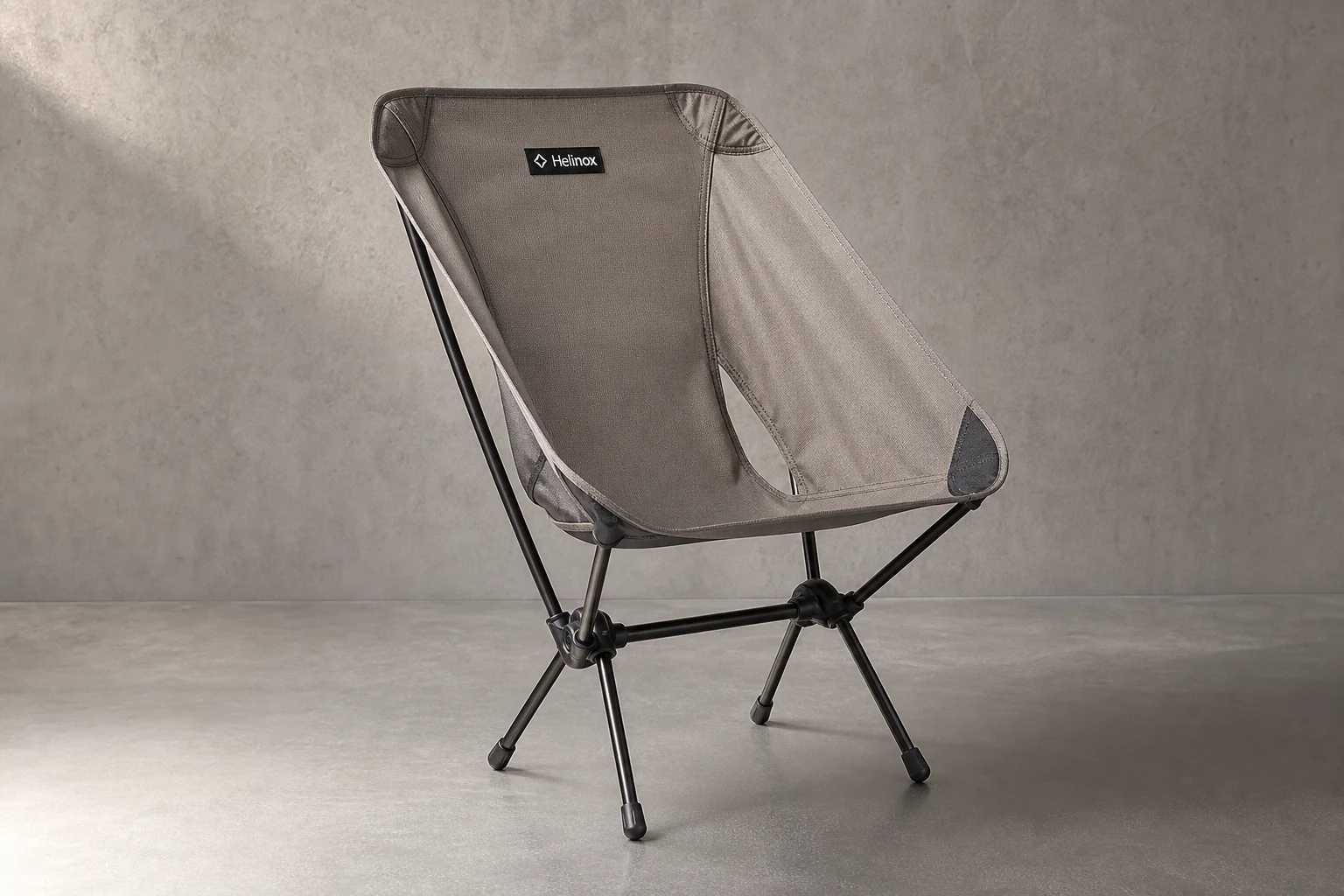
The Helinox Chair Zero is the gold standard in backpacking chairs. It weighs just over one pound, packs down to roughly the size of a water bottle, and delivers real back support while lifting you completely off the ground like a proper chair. For the weight, it is ridiculously comfortable. You can lean back, eat dinner, relax at camp, or simply give your knees and hips a break after a long day. Being able to sit down without getting your shorts wet or cramping up in a squat is a level of comfort that makes a genuine difference on multi-day trips.

Setup is quick. The poles are shock-corded together like tent poles, so they snap together in seconds. You then stretch the fabric over the frame and you are done. It is far easier than it looks, and after a few times it becomes muscle memory. The frame is surprisingly sturdy for a one-pound chair.
One real downside is that the legs can sink into soft ground like loose dirt, mud, or sand. Helinox does offer a ground sheet attachment that spreads pressure and keeps the chair stable on those surfaces, but it is sold separately and bumps the price higher. At around $150, this chair is not cheap. It is a splurge, but for many people the comfort payoff is worth it. I held off for a long time, trying other options, but I always missed that combination of back support and elevation. Eventually I caved and bought it, and I have not looked back. The Chair Zero now comes on every trip.
Stansport Folding Camp Stool: The Underdog
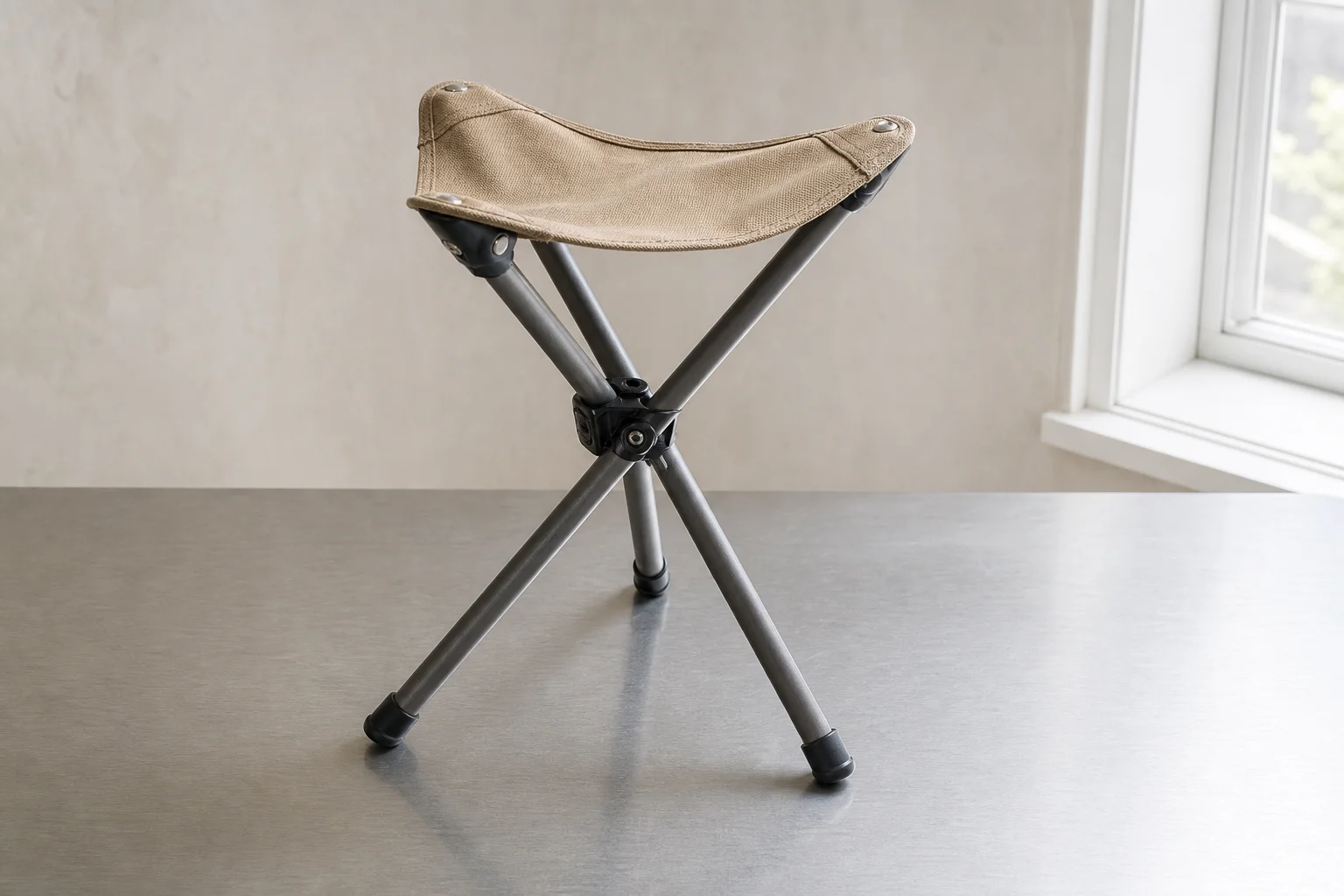
On the complete opposite end of the spectrum is the Stansport folding camp stool, the scrappy underdog that somehow keeps making the team. This thing feels like it should not work, but somehow it does. It is probably the most underestimated piece of gear I own. It is one of those items you do not expect to love, but after a few trips you start wondering why it does not get more attention.
It weighs virtually the same as the Chair Zero, right at one pound, but costs around $30. That is nearly one-fifth the price with way more versatility than you would expect for something this simple. Unlike a foam sleep pad or ground-level chairs, this stool lets you get fully off the ground. That means dry shorts, less crouching, and actual knee relief at the end of a long day.
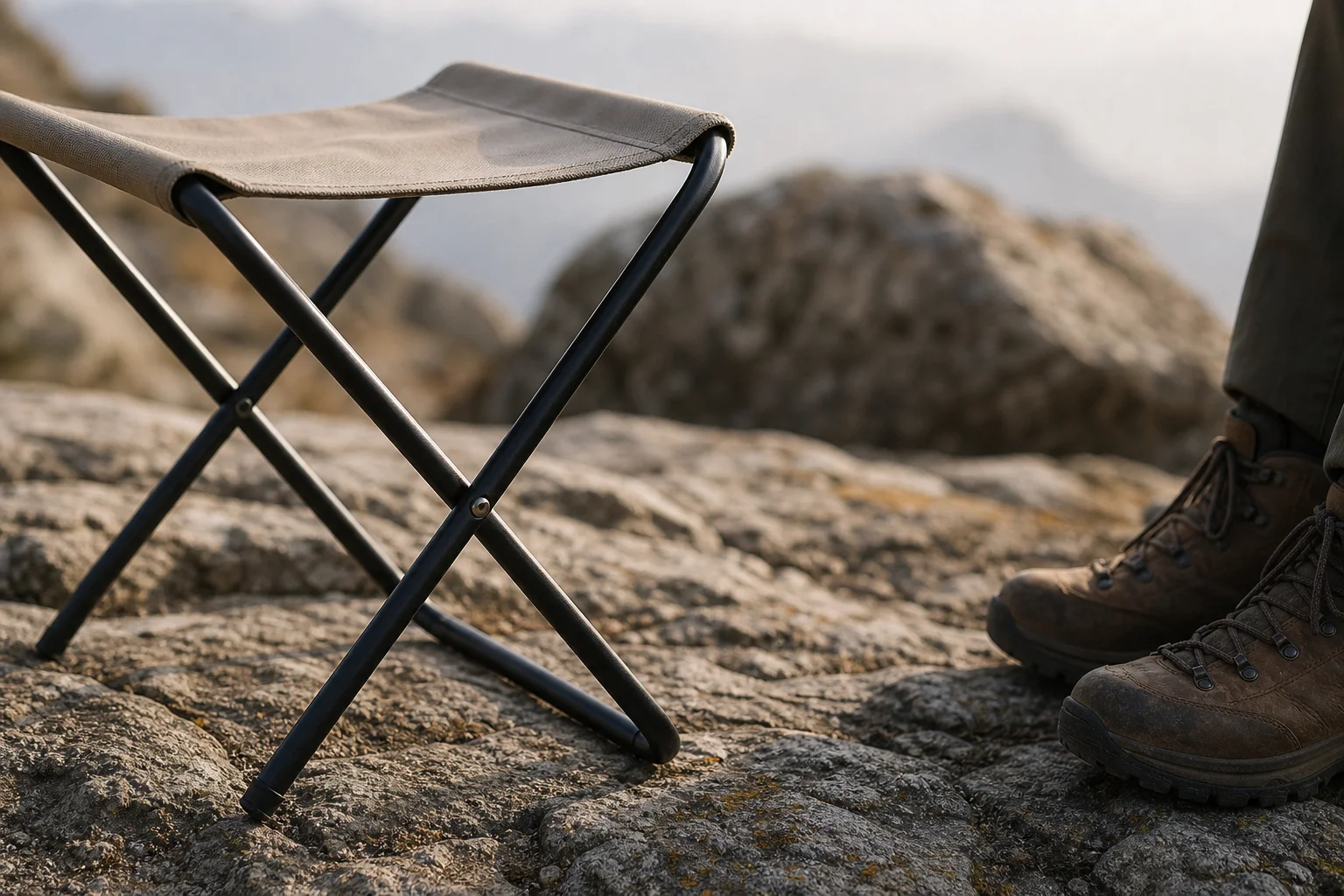
There is no back support, so it is not a chair you will lounge in for hours. But when it comes to actual function—camp chores, gear sorting, changing layers, tying your shoes—it is kind of perfect. Setup is super easy. You just flip it open and sit down. If you are cold, tired, or just do not want to deal with assembling multiple pieces like you do with the Chair Zero, that instant usability comes in clutch. I usually strap mine to the outside of my pack, and then it is just right there whenever I need it.
In cold, wet, or rocky conditions, sitting directly on the ground is not ideal. This stool gives you clean separation from the terrain without adding too much bulk or complexity. You are upright, stable, and dry, and that is a huge comfort boost for just one pound. For the weight and price, it might be one of the most functional upgrades you can make to your camp comfort.
Crazy Creek Camp Chair: The Classic
Before I ever touched a stool or a framed chair, there was the Crazy Creek camp chair, the classic that started it all. I still have a soft spot for it. It gives you real back support without the bulk, weight, or setup hassle of framed chairs. It is also just around one pound, so it is light enough to justify on most trips. At around $45, it is solid value if you want comfort and back support without shelling out over $100.
Setup is about as instant as the stool. You just unfold it and sit down. You do need to adjust the straps a little to get your preferred angle of back support and find the position that is most comfortable for you. But once you dial that in, you can set it and forget it. From that point on, you have a super easy seat for quick breaks, meals, or just sipping your morning coffee as you lean back and take in the views.
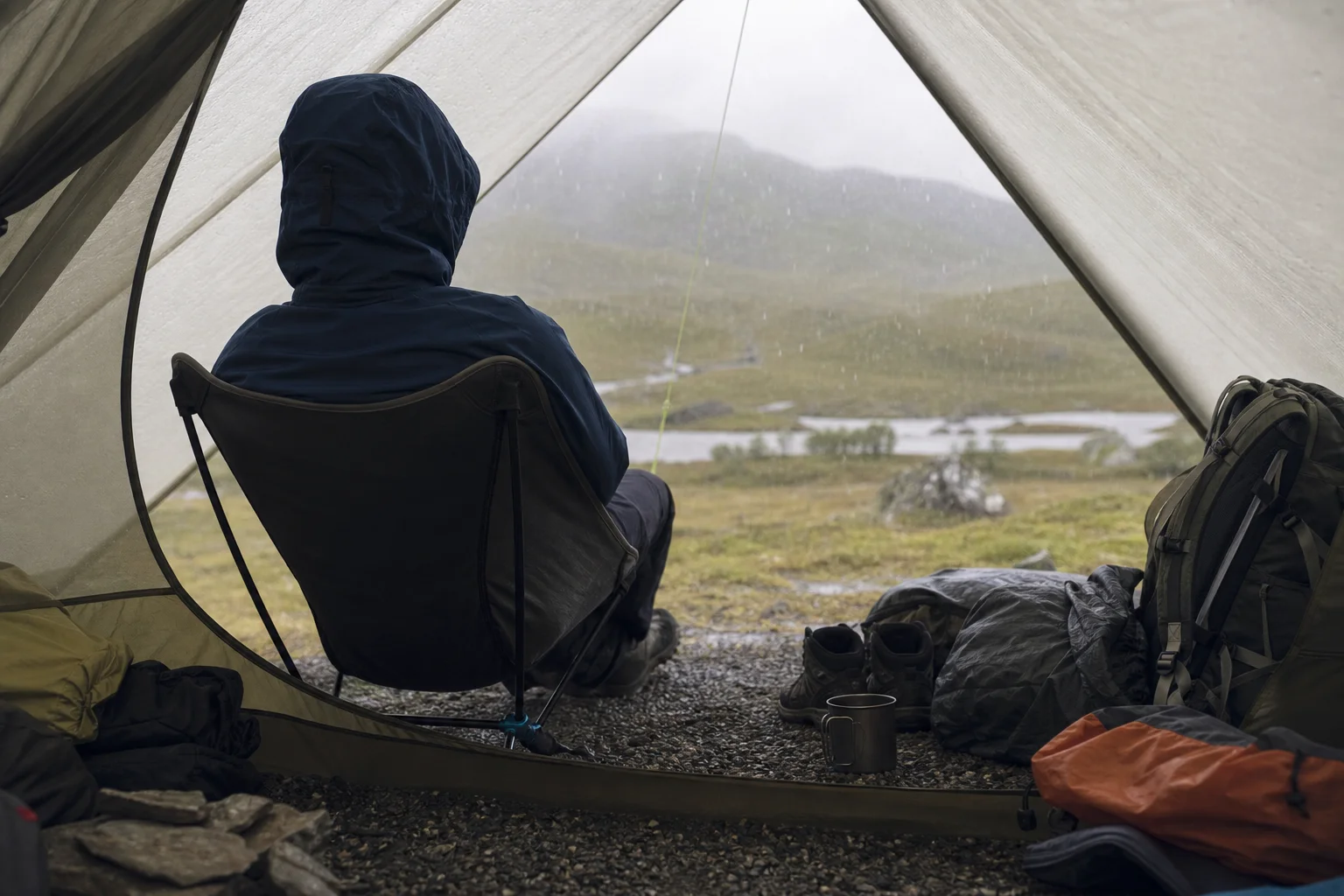
It does something that most backpacking chairs cannot do: it works anywhere. You can use it inside your tent, on rocky terrain, on platforms, even inside shelter structures. There are no legs to balance, no stability issues, just a stable ground-hugging seat with a backrest wherever you are. It folds flat, so it can be easily strapped to the bottom, top, or sides of your pack.
This style of chair served me well for a long time, but eventually I wanted to get off the ground entirely, especially on trips where the ground was cold, wet, or uneven. That is when I switched to the Stansport stool for the added elevation. But even now, I still think the Crazy Creek chair holds up. It is simple, decently affordable, and a lot more comfortable than just sitting on a rock or leaning against your pack.
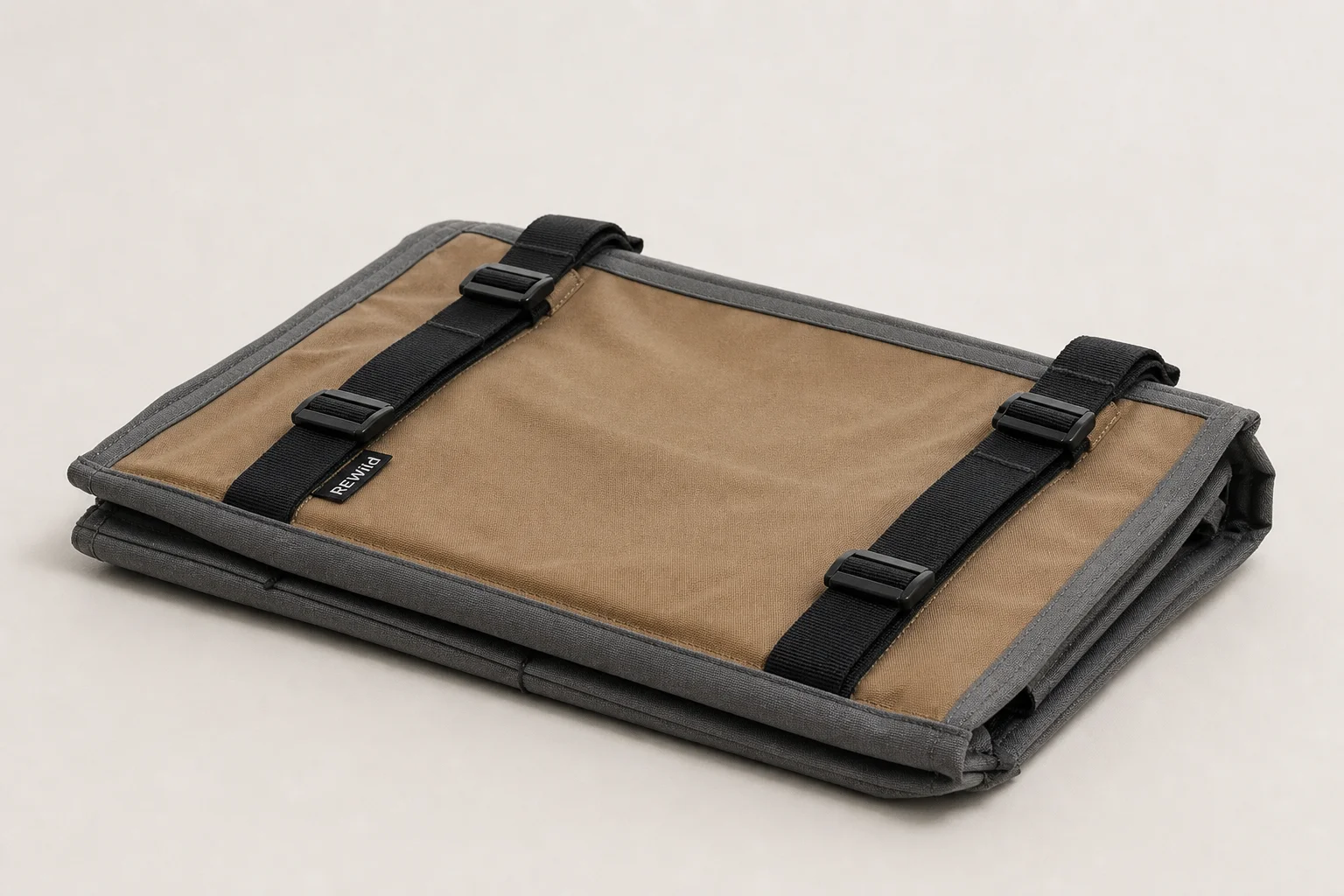
Therm-a-Rest Z Seat: The Minimalist Essential
For all the times I do not want to carry an actual chair, I still always bring something to sit on. The Therm-a-Rest Z Seat is not technically a chair, but I bring a sit pad like this on every single trip no matter what else I am carrying. The one I use is actually just three panels cut from an old Therm-a-Rest Z Lite sleeping pad, weighing about 2 ounces. The Therm-a-Rest Z Seat is totally affordable at around $30, and you can also find budget versions available online.
At first glance it does not look like much, but it serves way more purposes than you would think. Yes, it gives you a dry, insulated place to sit for lunch breaks or around camp. But it is also a multi-functional piece of gear that works as extra insulation under your sleep system, especially if you underestimated overnight temperatures or your pad just is not quite cutting it. It also doubles as a clean surface to organize gear, a kneeling pad for water filtering or cooking, and even padding inside a frameless pack. I have used mine as a windshield, a pot rest, and even a backrest against a tree.
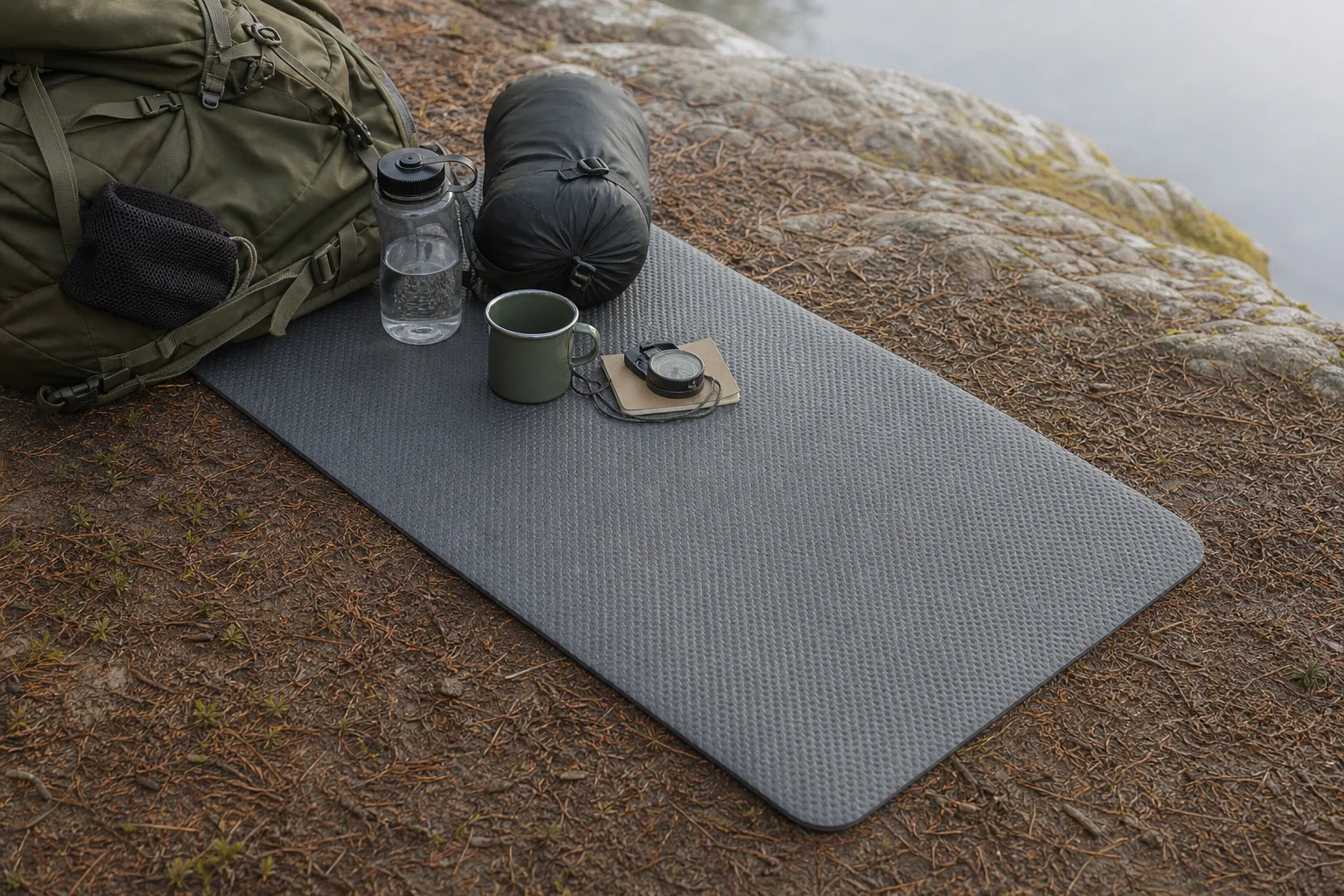
It folds up accordion style, so it is easy to stash in an outer pocket or lash to the top of your pack for quick access. Crucially, since it does not absorb water, you are not dealing with a soggy foam sponge if the ground is wet or if it rains. I use this thing constantly, even on trips where I bring a full chair like the Chair Zero. It is just too useful to leave behind. If you are going ultralight or just want to keep things simple, the Z Seat is a classic. It may not be glamorous, and it is definitely not a real chair, but it earns its place every single time.
Marchway Folding Chair: The One to Avoid
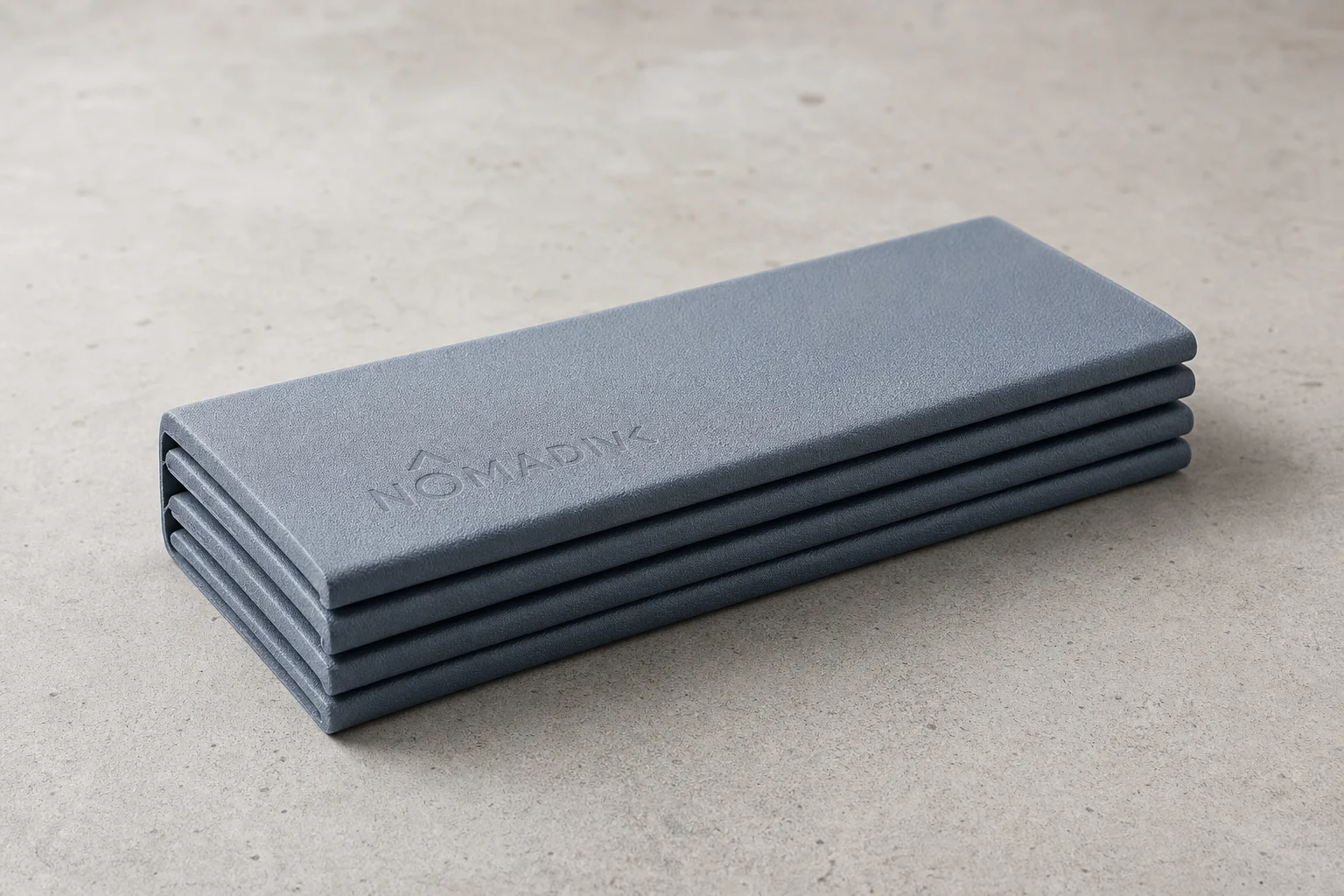
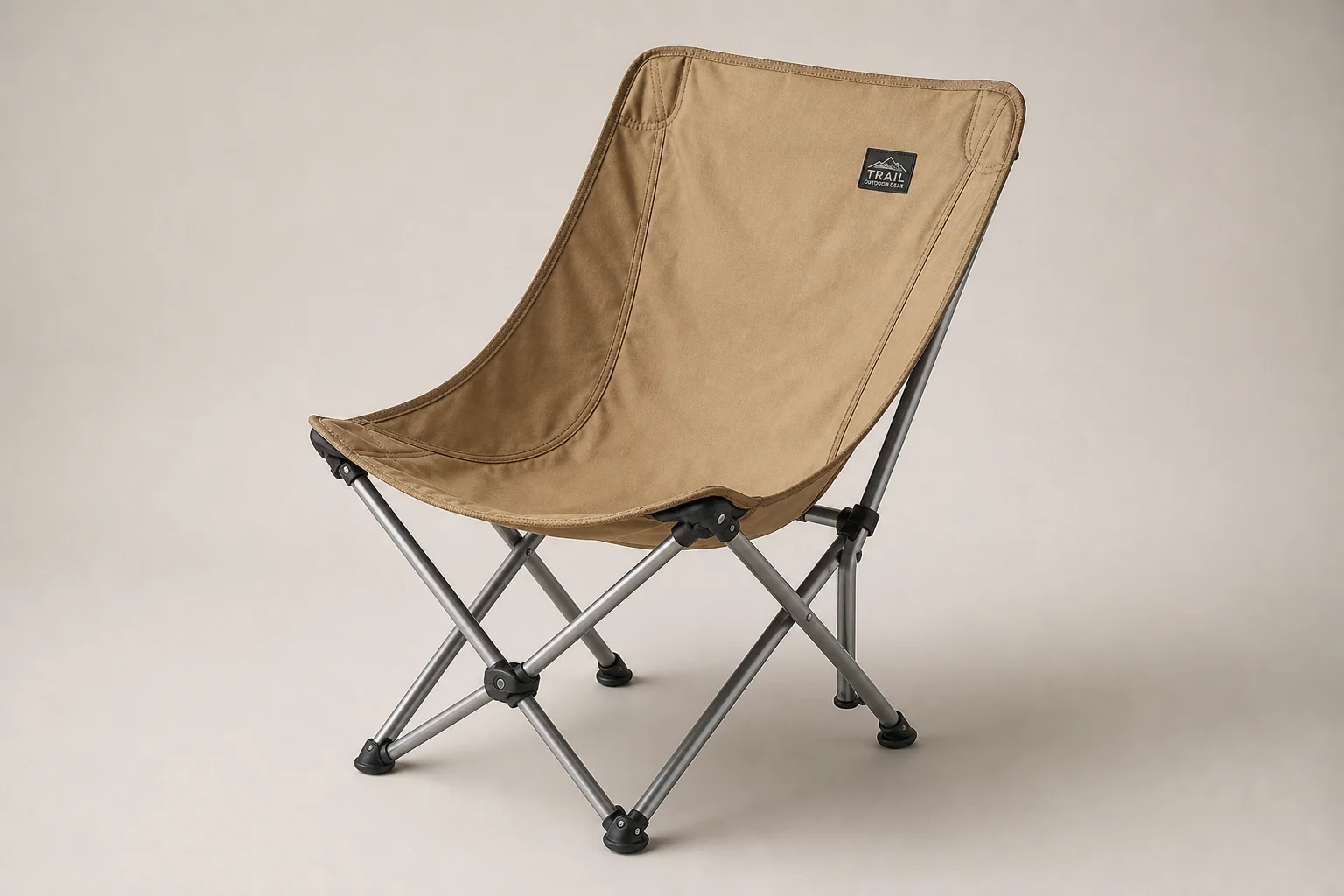
Not every chair I have tested earned a permanent place in my pack. The Marchway folding chair is the one chair I would never bring backpacking again. I picked this one up off Amazon as a budget option, and to be fair, it was not a bad product in terms of build or comfort. There are dozens of other chairs in this category with the same style, same weight, and same price. They all look kind of like the Chair Zero but come in at about a third of the cost and more than double the weight.
This one costs about $35 but weighs around 2.5 pounds. On paper that does not sound like a dealbreaker, but on the trail, that kind of weight becomes noticeable fast. Setup is virtually identical to the Chair Zero. It is a shock-corded frame with a fabric seat. It is pretty stable once assembled and is super comfortable. It has solid back support, and I had no issues with durability. It does what it is supposed to do, but the weight-to-function ratio just is not ideal for most backpackers.
If you are okay adding 2 to 3 extra pounds to your setup and you want a true camp-style chair, something like this might be worth it for the right person. For car camping, trailhead chilling, or just a portable backyard chair, it is totally fine. But if you are hiking more than a mile, it is just a bit outside my weight comfort. It is not that the Marchway is a bad chair. It is just not the best fit if you are trying to keep pack weight low. If you are counting ounces and trying to keep your base weight manageable, this one usually will not make the cut.
Conclusion
The trade-off with all chairs is the same: comfort is great, but only if it justifies the weight. The Helinox Chair Zero is my MVP for trips where I want real relaxation. The Stansport stool is the bargain underdog that delivers surprising function. The Crazy Creek chair is the versatile classic that works anywhere. The Therm-a-Rest Z Seat is the minimalist essential that earns its place on every trip. And the Marchway is a reminder that budget does not always mean value when weight is on the line. Choose based on your priorities, and your camp comfort will follow.
Further reading
Related Reviews
Backpacking Gear
Bear-Proof Food Storage Methods: A Complete Guide to Backpacking Food Protection
Explore seven proven methods for protecting your food from bears and smaller wildlife while backpacking, from hard-sided bear cans to specialized desert rat sacks.
Backpacking Gear
Best Backpacking Chairs: Helinox Chair Zero vs REI Co-op Flexlite Air
Two lightweight backpacking chairs compared side by side. One is a proven classic; the other offers surprising comfort at half the price.
Backpacking Gear
Best Backpacking Packs 2026: Eight Tested Options for Every Trip Type
Eight backpacking packs tested on a 5-day trip in Southern Utah, covering ultralight, budget, organizational, and versatile options for different backpacking needs.