Backpacking Jackets
Best Backpacking and Camping Jackets 2026: Six Down and Synthetic Picks Compared
A practical comparison of six backpacking and camping jackets, from a deep-winter down parka to a $90 budget pick and a 1,000 fill ultralight flagship.
Introduction
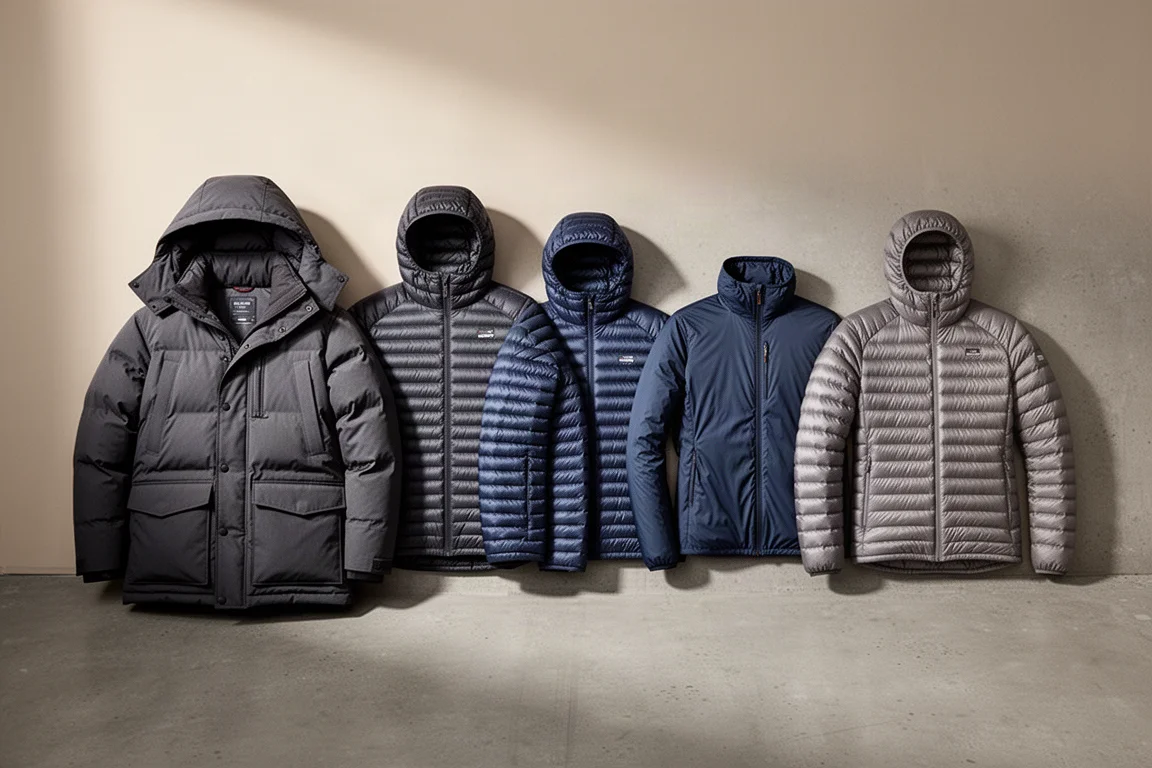
Backpacking and camping jackets tend to get sorted into two camps: down, which delivers the most warmth for the least weight, and synthetic, which keeps its loft when conditions turn damp. The right answer depends less on the material than on where and when you actually sleep outside.
The six jackets below cover the full spread of that decision. Two are built for serious cold, two are synthetic layers that work across a wide range of trips, and two are ultralight down pieces where every gram was argued over. There is also one budget option that costs a fraction of the rest and still keeps pace with jackets several times its price.
The down jackets here use RDS certified down, and most of the models in this group are also offered in women’s sizes.
How to Choose: Down vs Synthetic Insulation
Fill power is the number that matters most when comparing down jackets. A higher fill power means the down lofts more for a given weight, so a jacket with 900 or 1,000 fill down can reach the same warmth as a 600 fill jacket while carrying noticeably less insulation. That is why the lightest jackets in this group use very high fill counts and still stay warm.
Synthetic insulation behaves differently. It is almost always heavier than down for the same amount of warmth, but it resists moisture far better and holds its loft when it gets wet, which matters on multi-day trips where a jacket may spend hours damp. It also dries out quickly. Down has closed much of that gap in recent years, since feathers can now be treated so they stay lofted when wet, but synthetic remains the safer choice for consistently wet climates.
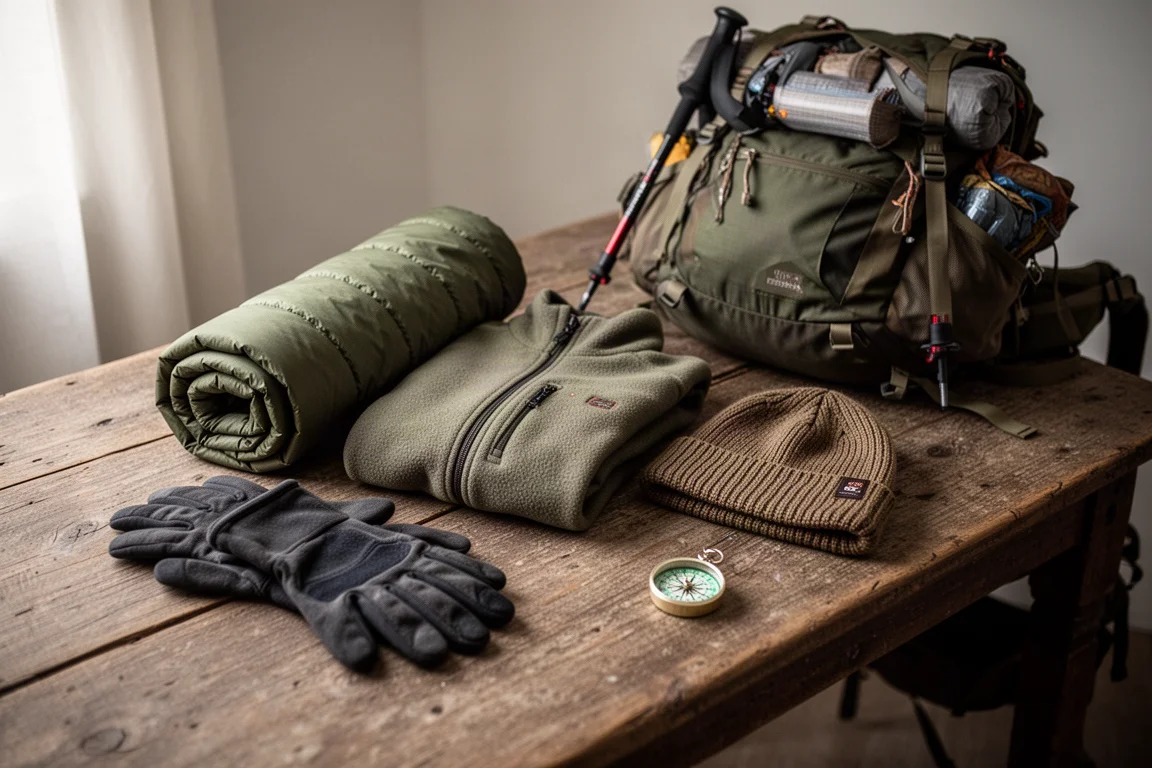
Beyond insulation, the small details separate these jackets. Hood size and adjustability, hem drawcords, underarm vents, thumb loops, and pocket layouts all change how a jacket feels on a long day. None of them show up in a fill-power spec sheet, but they are often what decides whether a jacket gets worn or stays in the pack.
Rab Neutrino Pro: Built for Deep Winter
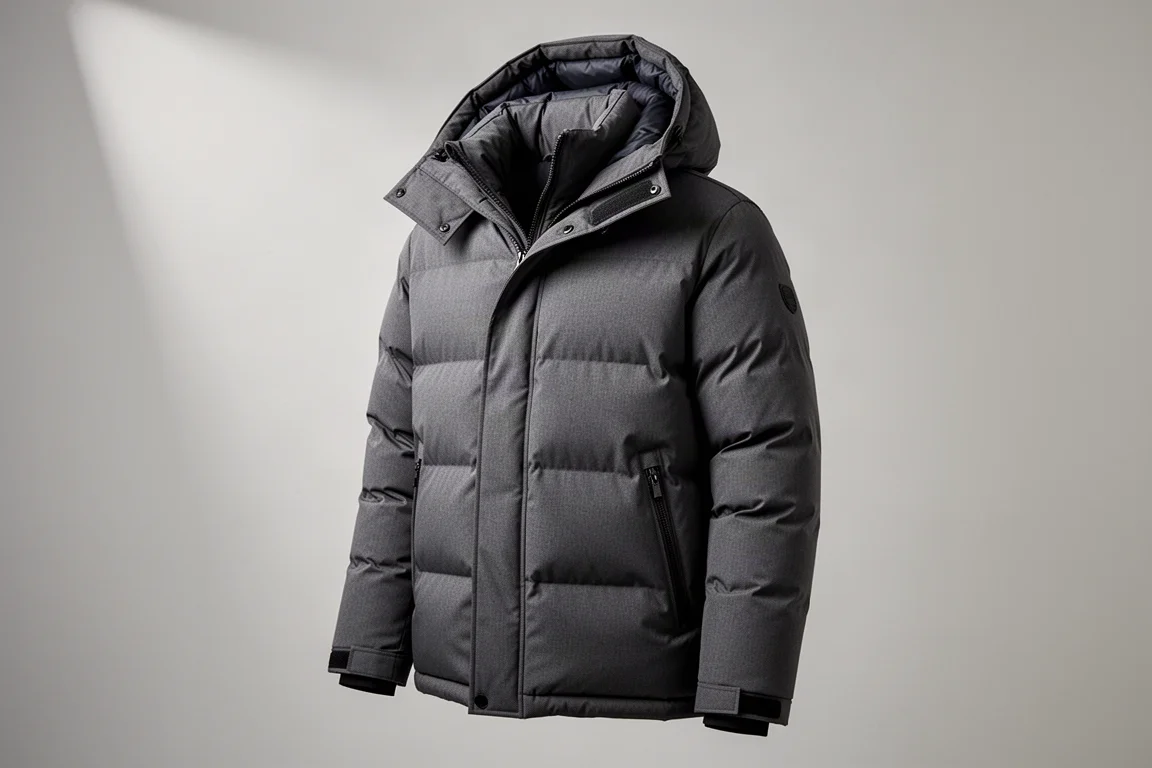
The Rab Neutrino Pro is the deep-winter option in this group. It is the jacket to reach for when snow is certain, temperatures are well below freezing, and the hike in is short enough that weight is not the main concern. Despite its bulk, it is light for the warmth it provides.
The most distinctive feature is the hood, which is oversized enough to fit a bulky winter hat underneath and still cinch down tight. Combined with a roomy cut that leaves space for layering, that makes it a genuinely comfortable jacket for winter camping. It has been used in extreme cold and remains the first choice for that kind of trip.
The trade-off is bulk. It fits loosely and looks heavily quilted rather than streamlined, which is the price of the extra loft. It uses RDS certified down, and it is available in women’s sizes as well.
Arc’teryx Atom LT: The Proven Synthetic Option
The Arc’teryx Atom LT is the long-running synthetic standard. It has been in the lineup for years and has a reputation built on consistency rather than novelty. For backpacking and camping it is warm enough to handle temperatures down into the 30s, particularly with another layer underneath.
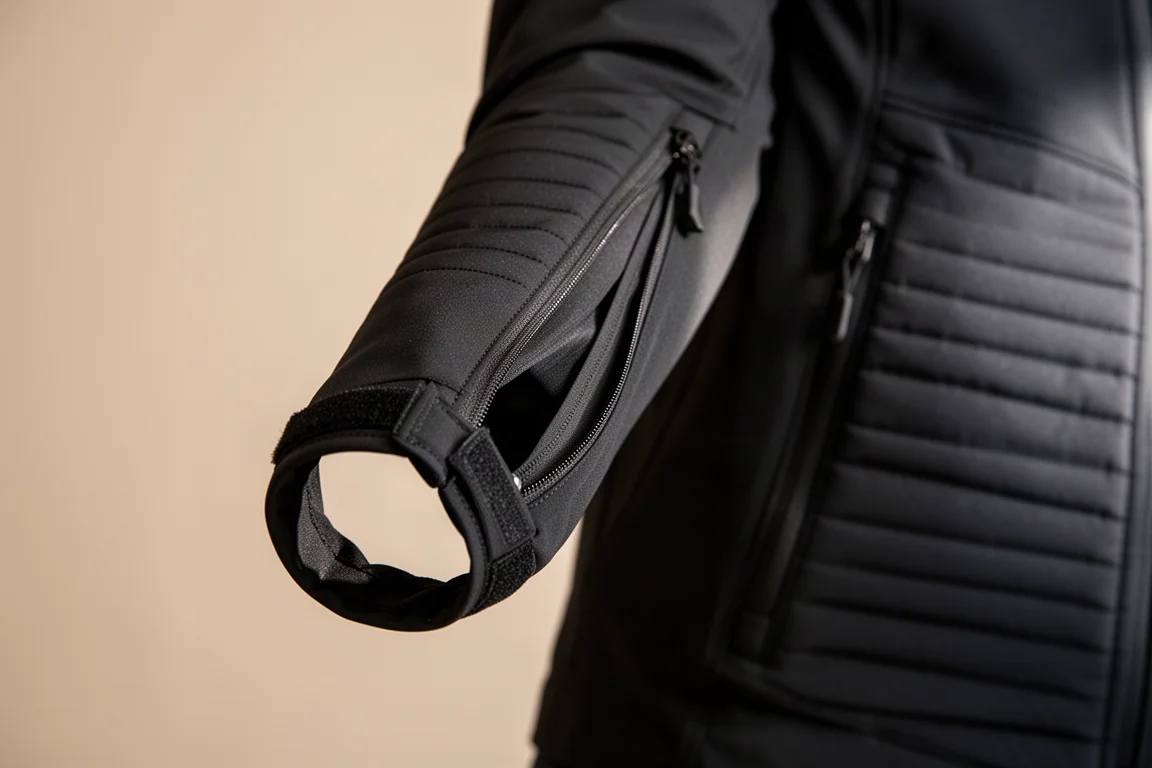
It is not an especially puffy jacket, but it carries enough loft to be useful across a wide range of conditions. Because it is synthetic, it is a little heavier than a comparable down jacket, and that is the trade-off: in exchange it keeps its loft when wet and dries out easily. It is also fully featured, with hand pockets, a hem drawcord, and a fitted hood that has its own drawstring at the back for cinching it down around the head.
The main drawback is price. It sits at the top of the synthetic options here, which is why the next jacket on this list is worth a serious look.
Outdoor Vitals Vario Jacket: A Lighter Synthetic Alternative
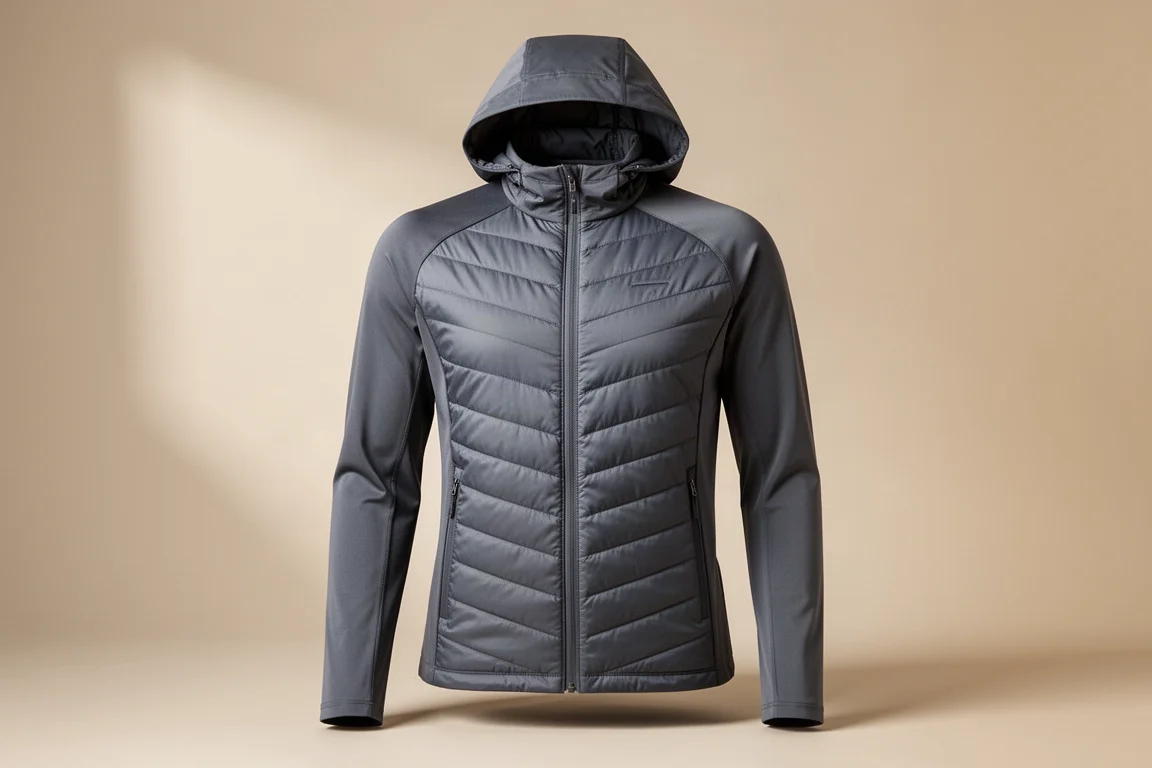
The Outdoor Vitals Vario Jacket is a lighter synthetic alternative that lands close to the Atom LT in feel while costing meaningfully less. It uses strategic insulation placement, with more warmth where it counts and vented openings under the arms that let heat escape on the move. The vents are genuinely noticeable.
The face fabric is thinner than the Atom LT’s and the overall build is lighter, but it is still a warm jacket. It includes thumb loops at the cuffs, hand pockets, and a hem drawcord that keeps cold air from working its way up underneath. The hood is fitted rather than adjustable.
It has collected a number of awards from backpacking publications. For anyone who wants most of the Atom LT’s capability without the price, this is the closest match in this group.
Mountain Hardwear Ghost Whisperer UL: Ultralight Down
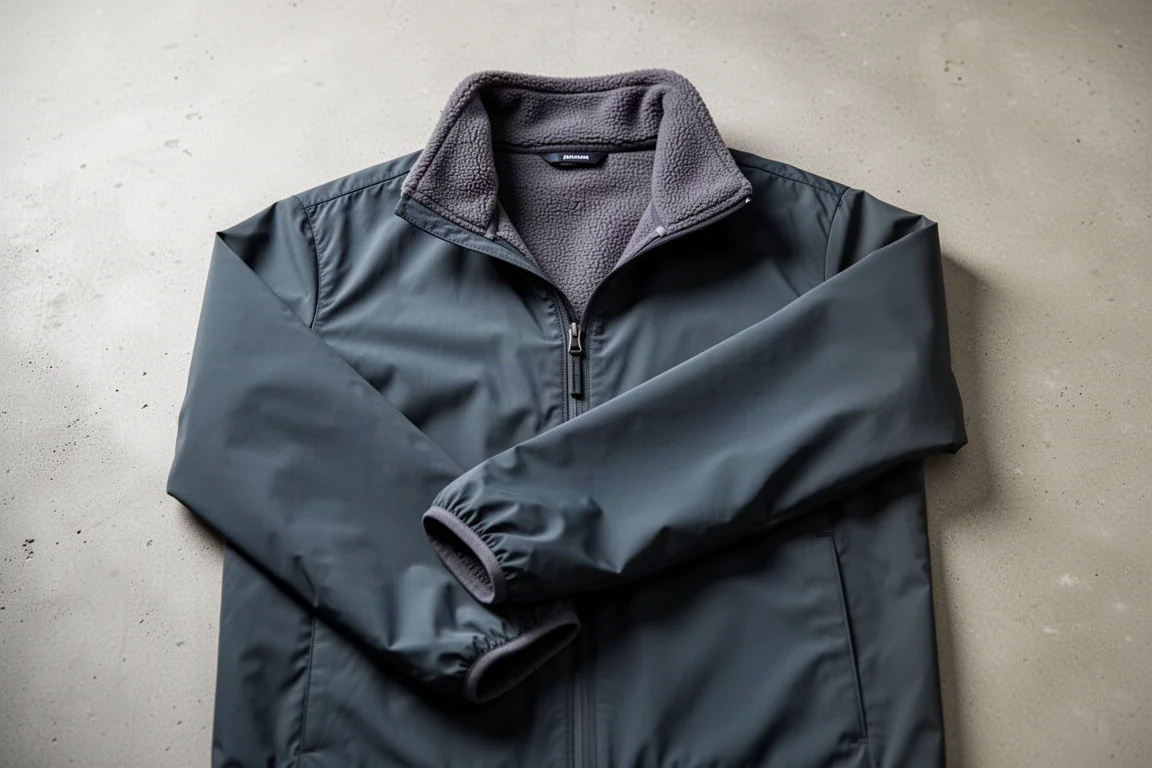
The Ghost Whisperer UL is the ultralight down jacket that has been a backpacking staple for years. It uses 1,000 fill down inside a very thin denier nylon shell and weighs in at roughly 7 ounces for a fully featured jacket.
The high fill count is what makes that possible. Very fine, very lofty down means the jacket needs less total insulation to stay warm, which is why it packs down small and disappears into a pack. It handles temperatures into the low 40s, and into the mid-30s with proper layering.
What it gives up is adjustability. There are no drawcords to cinch anywhere, including around the hood, which is a deliberate weight-saving choice. In practice the lack of a hem cinch has not caused noticeable drafts. The bigger obstacle is the price, which is high even by ultralight standards.
Decathlon Forclaz Trek 100: The Budget Pick
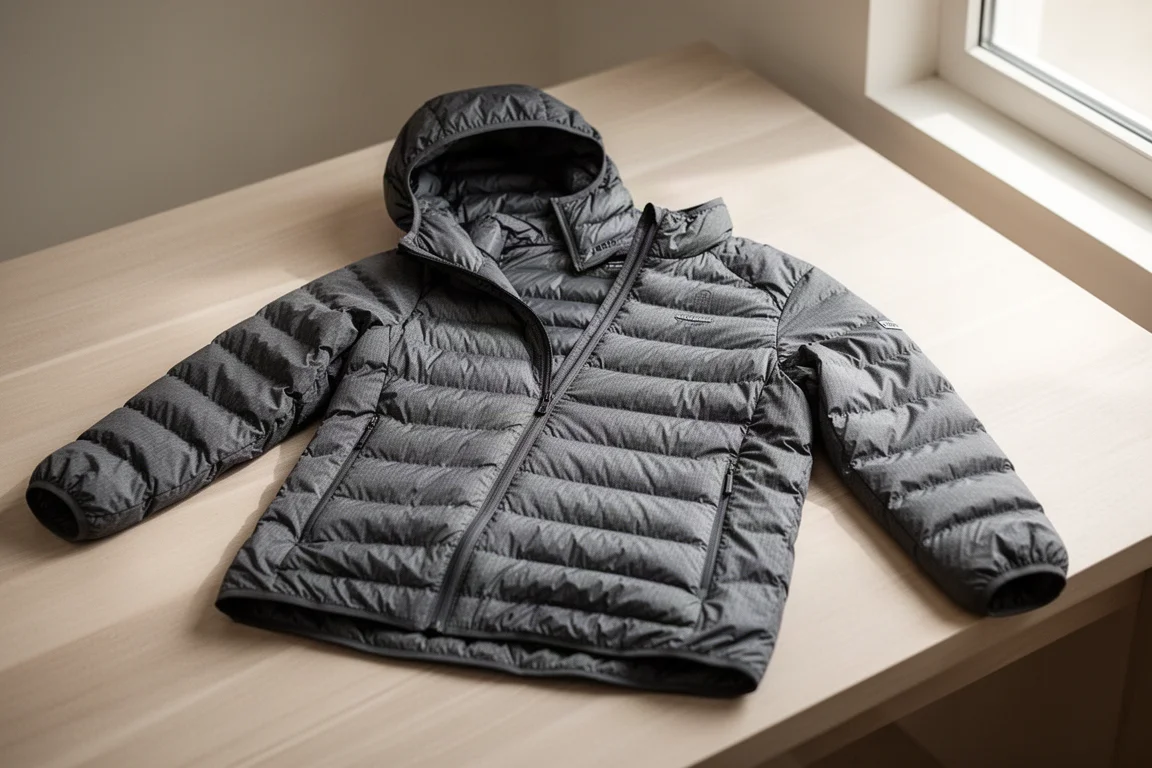
If there is one jacket here to recommend to someone buying a first backpacking or camping jacket, it is the Decathlon Forclaz Trek 100. It looks and feels remarkably close to the Ghost Whisperer, with the same general shape and feature set, and the most obvious visual difference is that its baffles are angled slightly downward instead of running straight across.
It is filled with 800 fill down, and it is every bit as warm as the more expensive jacket it resembles. At $90 it undercuts the ultralight option by more than $200, which makes it the clear value pick in this group.
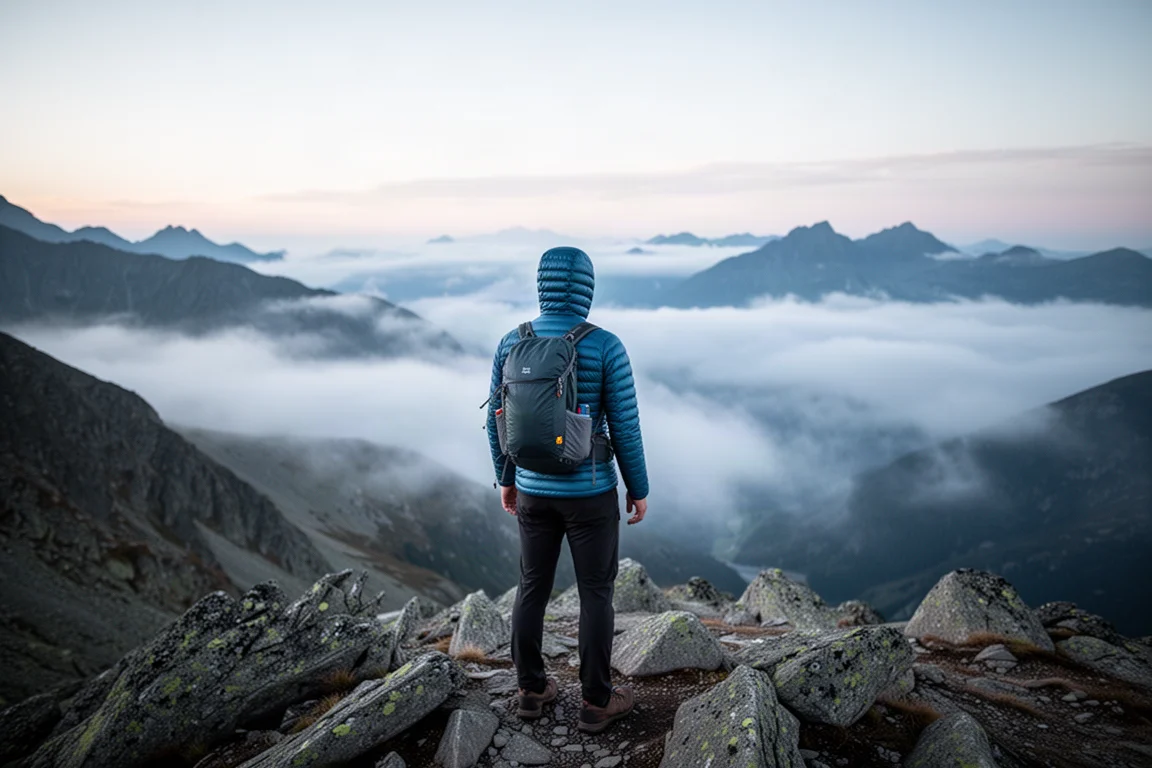
The one caveat is that this is not a $30 no-name jacket. It comes from an established brand with a long track record in outdoor gear, which matters for both durability and support, and the brand is becoming more widely known outside its home market.
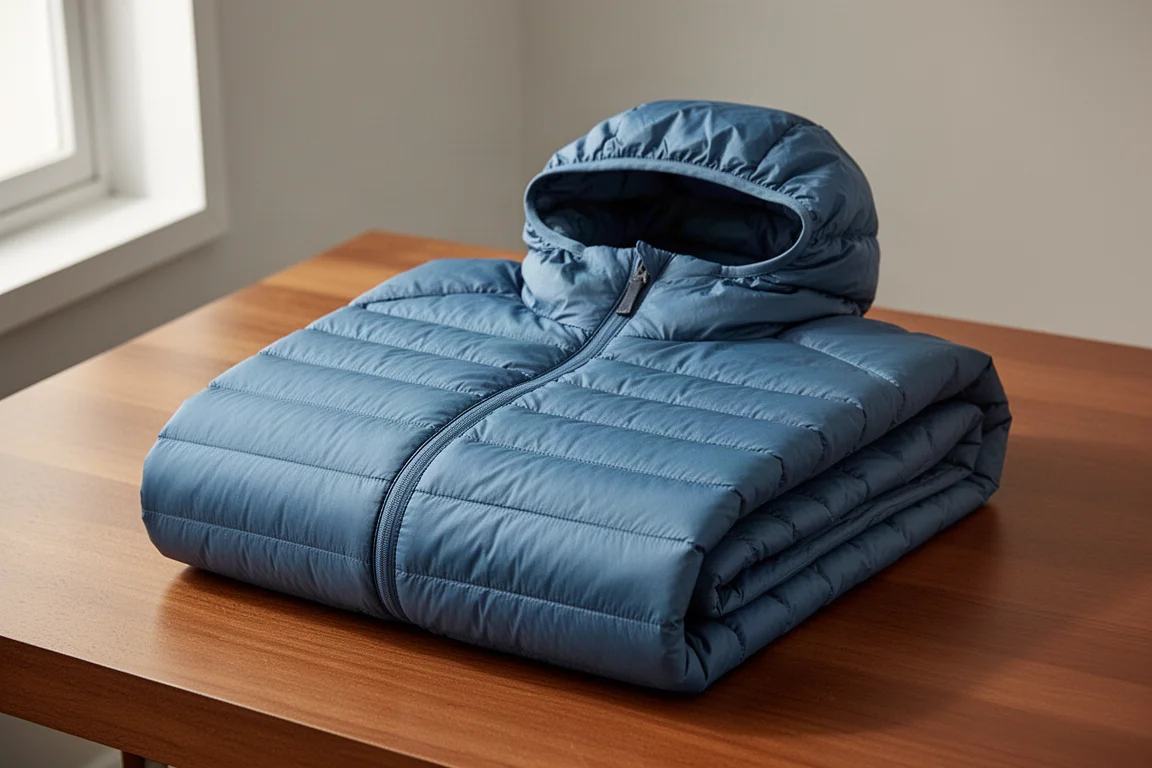
Montbell Plasma 1000: The Ultralight Flagship
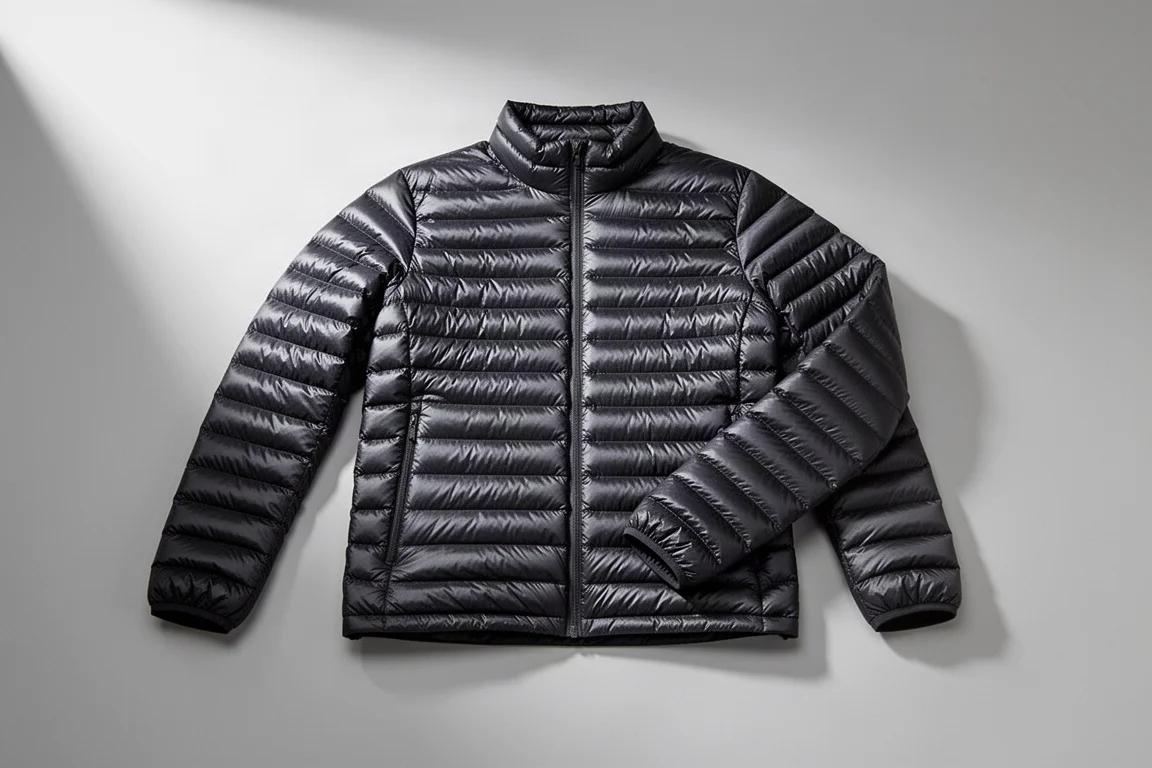
The Montbell Plasma 1000 is the flagship of this group and the most impressive jacket here in pure warmth-to-weight terms. It carries 1,000 fill down with roughly 3.4 ounces of fill inside a 7 denier nylon shell, and the whole jacket weighs under 9 ounces.
That combination of fill weight and shell weight is unusual. Most jackets using 1,000 fill down carry closer to 2 ounces of insulation, so the Plasma 1000 is loftier and warmer than its weight suggests. It is fully featured, and it is warm enough to be worn across almost the entire year when layered, including on cooler summer trips where it can simply be opened up to ventilate.
The downside is the price, which is steep by any measure. If budget is the deciding factor, the Forclaz above delivers most of the practical benefit for a small fraction of the cost. If it is not, this is the jacket that sets the current standard.
Overall Buying Advice
Start with the conditions rather than the spec sheet. If the trips you have planned involve real winter cold and short approaches, the Rab Neutrino Pro is the jacket that will keep you comfortable, and its weight penalty is irrelevant when you are not carrying it far.
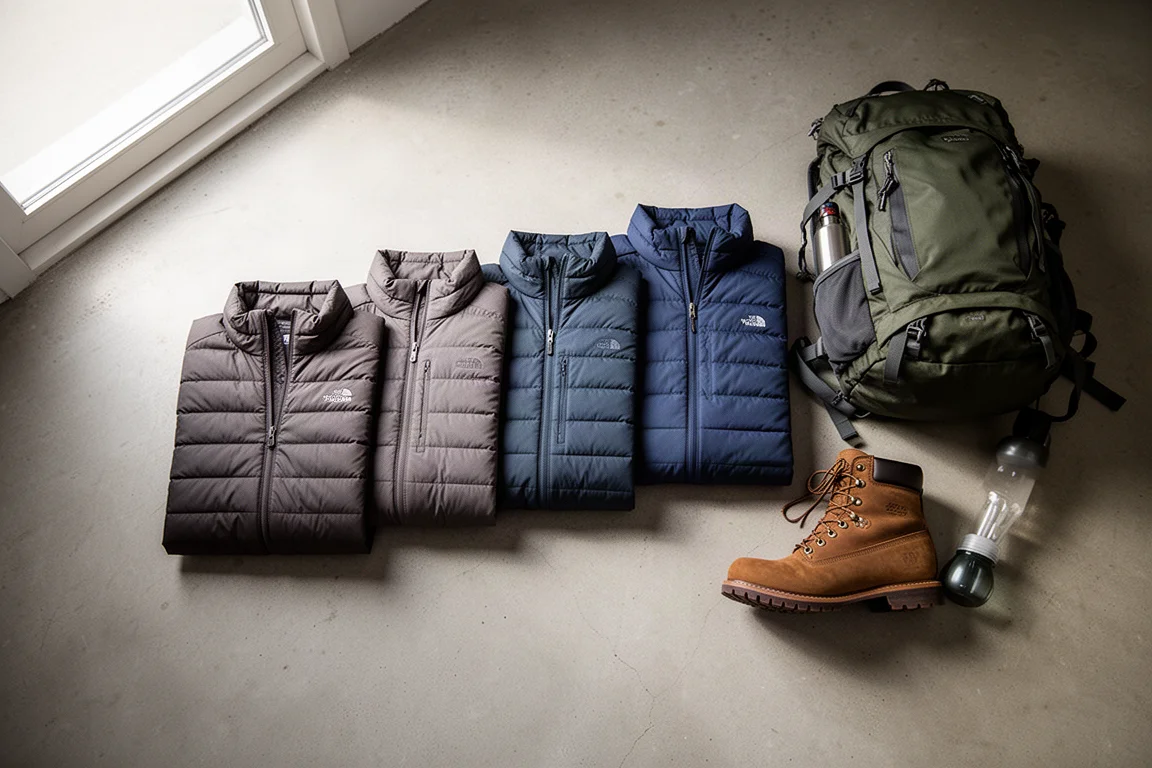
For three-season backpacking in mixed weather, the synthetic options make more sense. The Arc’teryx Atom LT is the safest long-term bet if the budget allows, and the Outdoor Vitals Vario Jacket gets you most of the way there for less.
For warm-weather and high-mileage trips, the ultralight down jackets are the ones that disappear into a pack. The Decathlon Forclaz Trek 100 is the value pick and the easiest recommendation for a first jacket, while the Mountain Hardwear Ghost Whisperer UL and the Montbell Plasma 1000 are for buyers who want the lowest possible weight and are willing to pay for it.
One last note: most of the jackets in this group are available in women’s sizes as well as men’s.
Conclusion
There is no single best backpacking jacket here, only the best one for a given trip. The Rab Neutrino Pro covers deep winter, the synthetic pair covers damp three-season conditions, and the ultralight down options cover everything where weight matters more than features. Match the jacket to the conditions and to the budget, and any of these six will do the job.
Further reading
Related Reviews

Backpacking Gear
Building a 10 lb Base Weight: An Ultralight Backpacking Gear List
A practical walkthrough of the ultralight pieces behind a 10 lb base weight, from a 765 g pack and a roomy one-person tent to a full camp chair and a dependable water filter.

Road Bikes
10 New Road Bikes Worth Watching: Aero, Titanium, Steel and Endurance Standouts
A practical roundup of 10 new road bikes, from aero flagships chasing single-watt gains to titanium, steel and endurance platforms built for real roads.
Bikepacking Gear
11 Bikepacking Essentials for Long-Distance Cycling
Eleven bikepacking essentials for long-distance cycling, from a steel gravel frame and a two-person tent to helmet lights, packable gloves, and a frame bag that puts weight in the right place.