Backpacking Gear
The Best Backpacking Big Three: One Pack, One Tent, One Sleep System for Most Trips
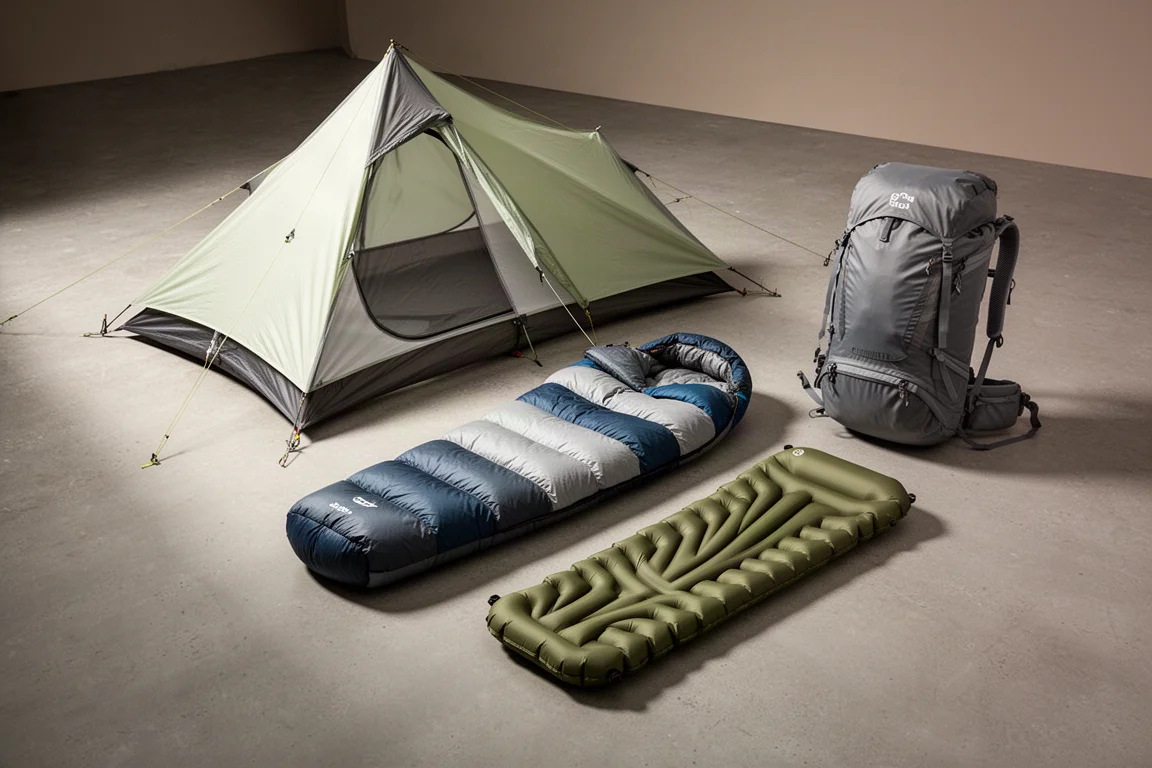
One pack, one shelter, and one sleep system that can cover most backpacking trips, plus the supporting gear that rounds out a complete kit.
Introduction
Most backpackers end up owning more than one of everything. A high-volume pack for winter, a lighter one for summer, a roomy shelter for two, a tarp for solo trips. That collection is expensive, and it quietly turns every trip into a decision.
So here is a different exercise: pick one pack, one shelter, and one sleep system that could handle almost everything, from a rainy coastal weekend to a long dry stretch with heavy water carries.
The picks below share a theme. Each one is genuinely capable, and each one stays approachable in price relative to the most expensive options on the market. That was deliberate. If you are only going to own one of something, it should be the version that works for most people in most conditions without asking them to spend like a sponsored athlete.
A few supporting items round out the kit: trail shoes, a sun hoodie, and an ultralight stove. Together they make a complete three-season setup that is comfortable, durable, and easy to live with.
What Makes a Good Big Three
Start with the loads you actually carry. On trips with long water carries and extra layers for cold weather, a pack can reach 40 pounds, roughly 18 kilograms. A do-everything pack has to stay comfortable at that weight, and it still has to feel reasonably light when the load is small. A five-pound winter hauler is the wrong answer, and so is a frameless sack that collapses under a heavy load.
Water access matters more than most spec sheets suggest. Side pockets that cannot be reached while the pack is worn force you to stop and take the pack off, and they make items like bear spray much slower to reach than they should be. Quick access is not a luxury, it is part of how a pack carries.
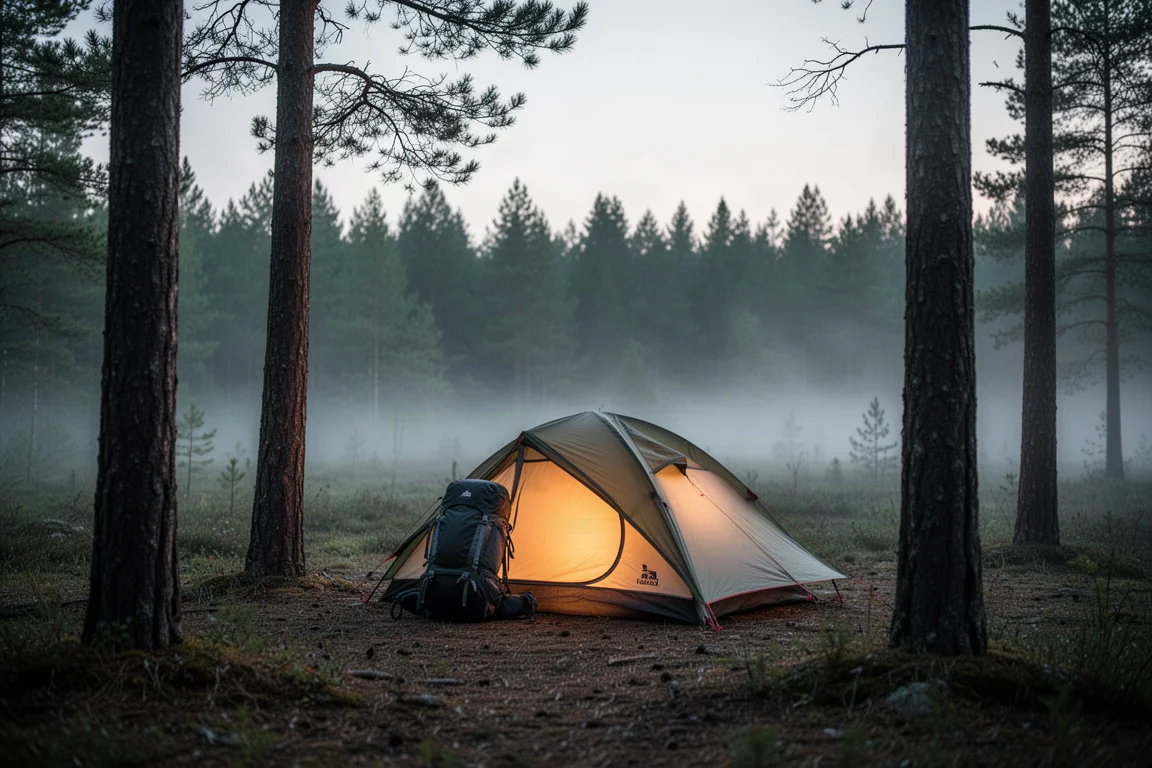
For shelter, look for a design that pitches as one unit so the interior stays dry in rain, handles sustained wind and rain, and fits two wide sleeping pads side by side. For the sleep system, the order of priorities is comfort first, warmth second, and weight third.
That order is worth repeating, because it is not the order most ultralight lists use. A pad you sleep badly on costs you more than a few saved grams, and a shelter you dread pitching is often the reason a trip gets cut short.
The Pack: REI Flash 55
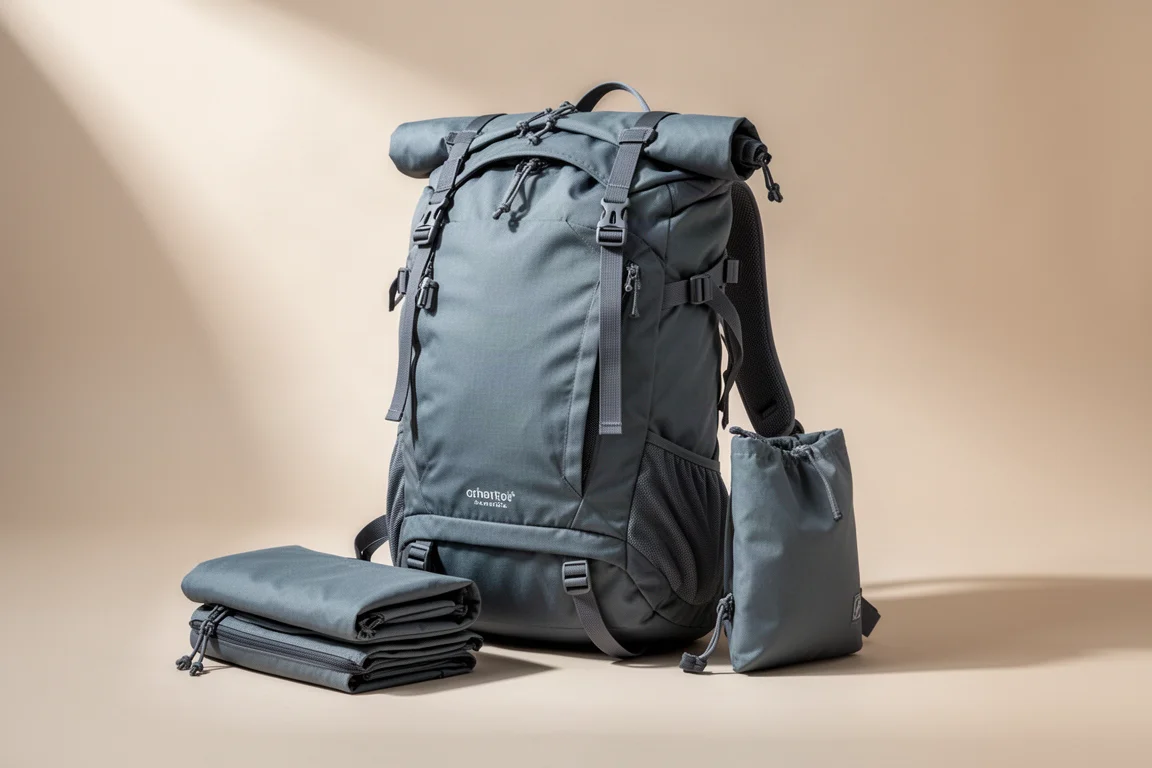
The Flash 55 handles 40 pounds without complaint, and it does so at just over 1.2 kilograms, which is light for a pack with this much load capacity. Two details make it work. The first is the adjustable torso, added on the 2023 version, which lets you tune the fit so weight sits properly on the shoulders and hips. The second is the stiff foam in the back panel and hip belt, which transfers load onto the hips instead of letting it hang from your shoulders.
The pocket layout is the part you use every hour of every day. The Flash 55 places bottle pockets in front of the side pockets. Water bottles come out and go back without stopping, and because the bottles move forward, the main side pockets stay free for bulkier items such as tent poles or a camp chair. In grizzly country the front pockets are also a sensible home for bear spray, where it can be grabbed in seconds rather than after a pack comes off.
The Tent: X-Mid 2-Person Tent
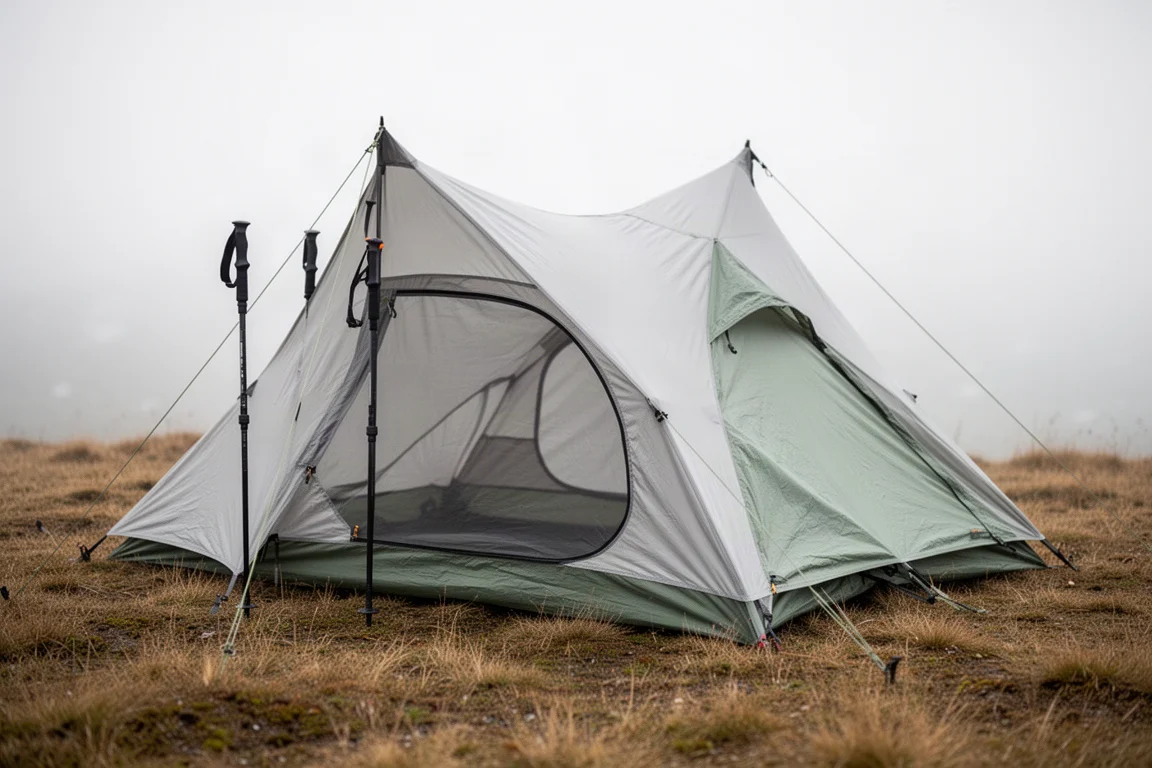
The regular version of the X-Mid 2-person tent, not the lighter Pro version, is the shelter here. It is a trekking pole tent, which means the inner and the fly go up together in a single pitch. In rain that is the difference between a dry interior and a wet one, because there is no stage where the inner sits exposed while you wrestle with the fly.
The X-Mid is light, handles serious rain and wind, and fits two 25-inch wide sleeping pads side by side without drama. That last point matters if the tent is sometimes shared and sometimes used solo. It has covered everything from couples trips in the Canadian Rockies to solo trips on the west coast.
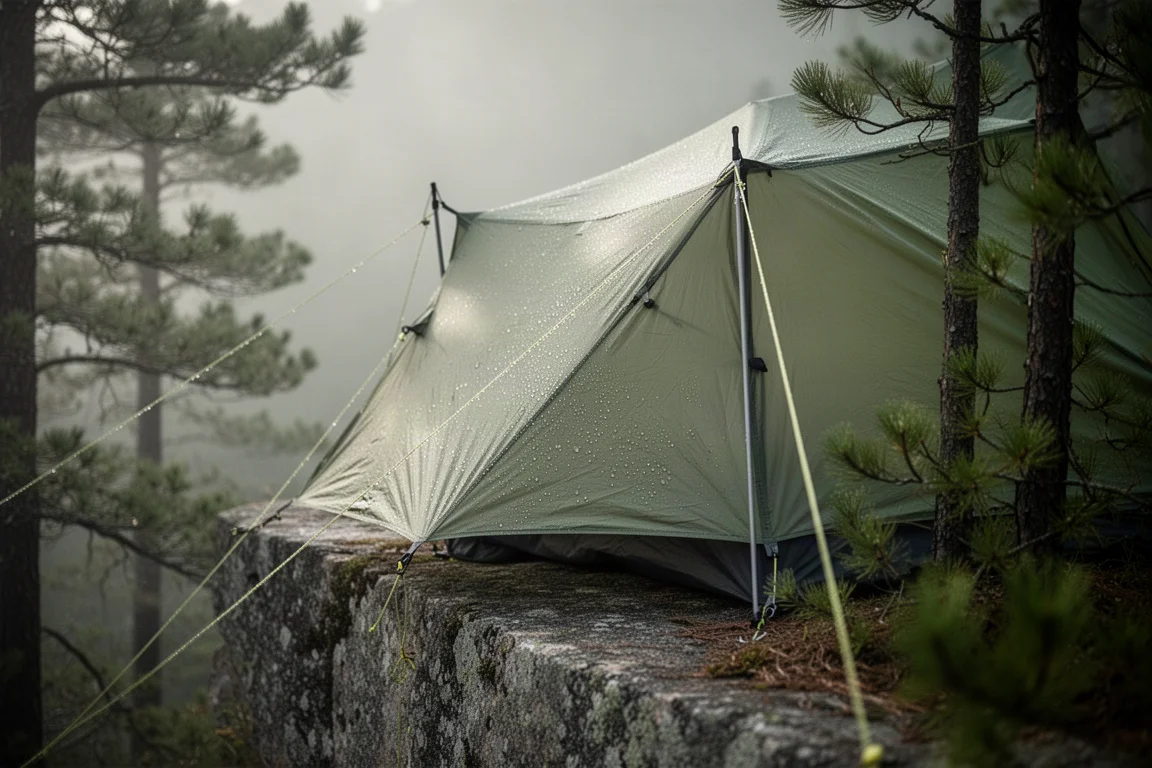
Trekking pole shelters feel unfamiliar the first few times out. Pitching gets fast with repetition, and the payoff is a quicker, simpler setup than a traditional two-stage tent. If this style is new to you, practise once at home before your first trip. Ten minutes in a garden removes most of the frustration on a wet evening at camp.
The Sleeping Pad: REI Helix
Sleeping pads involve a trade-off between comfort, warmth, and weight. On a long trail where every gram counts, a lighter pad can make sense. For a single pad that covers most trips, comfort comes first and warmth follows close behind.
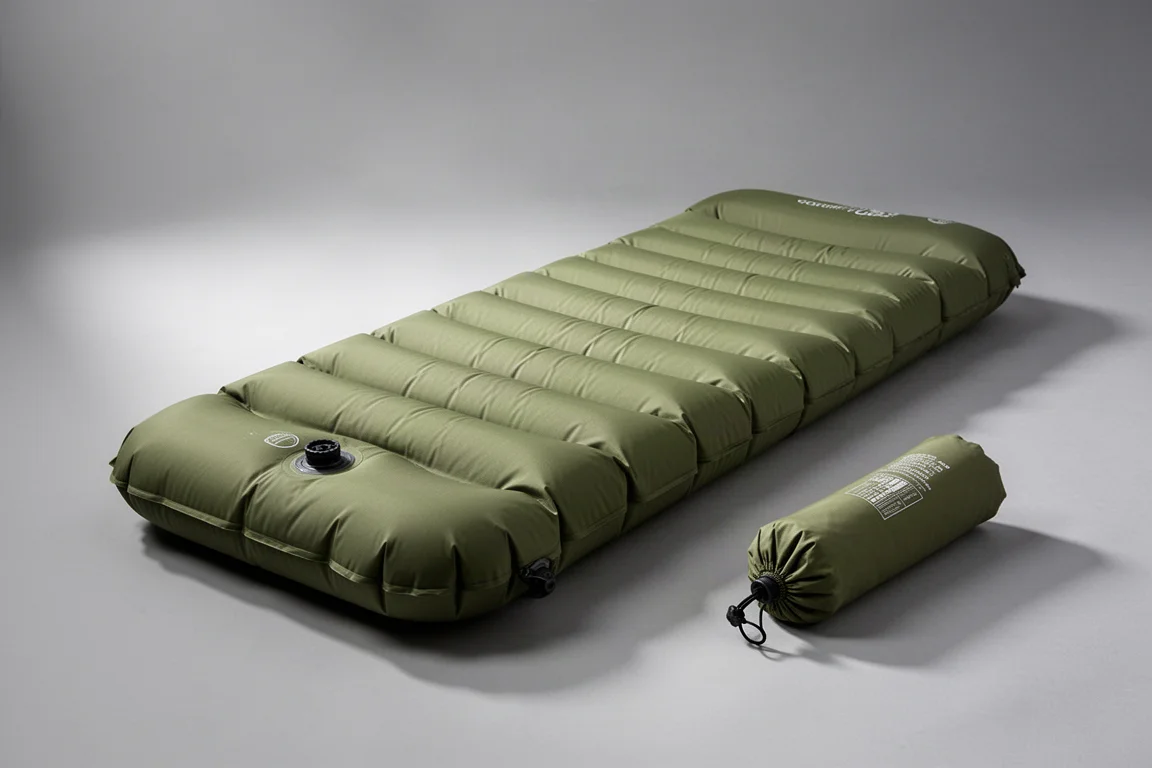
The REI Helix is warm enough for three-season use without hesitation, and it is likely warm enough for winter in warmer parts of the world. More importantly, it is extremely comfortable, among the most comfortable pads available. Other all-rounders such as the Sea to Summit Ether Light XT, the Nemo Tensor, the Rab Ionosphere, and the Exped Ultra 5R are good pads, but none of them is as comfortable, and all of them cost considerably more. The Helix is $160.
The Quilt: Hammock Gear Econ Burrow
For most backpacking trips a quilt beats a sleeping bag, for three reasons.
First, weight. A quilt has no insulated bottom and no zipper, so it saves the material and hardware a bag carries without adding warmth.
Second, range. A quilt is comfortable across a much wider band of temperatures than a bag. The Econ Burrow is rated to 20 F, and it has been comfortable from that rating all the way up to about 60 F. In warm weather you can leave it open and drape it like a blanket, or push an arm or a leg out to dump heat. When the temperature drops, pad straps lock it onto the sleeping pad, a snap closes the top, and the neck cinches down to seal warmth in.
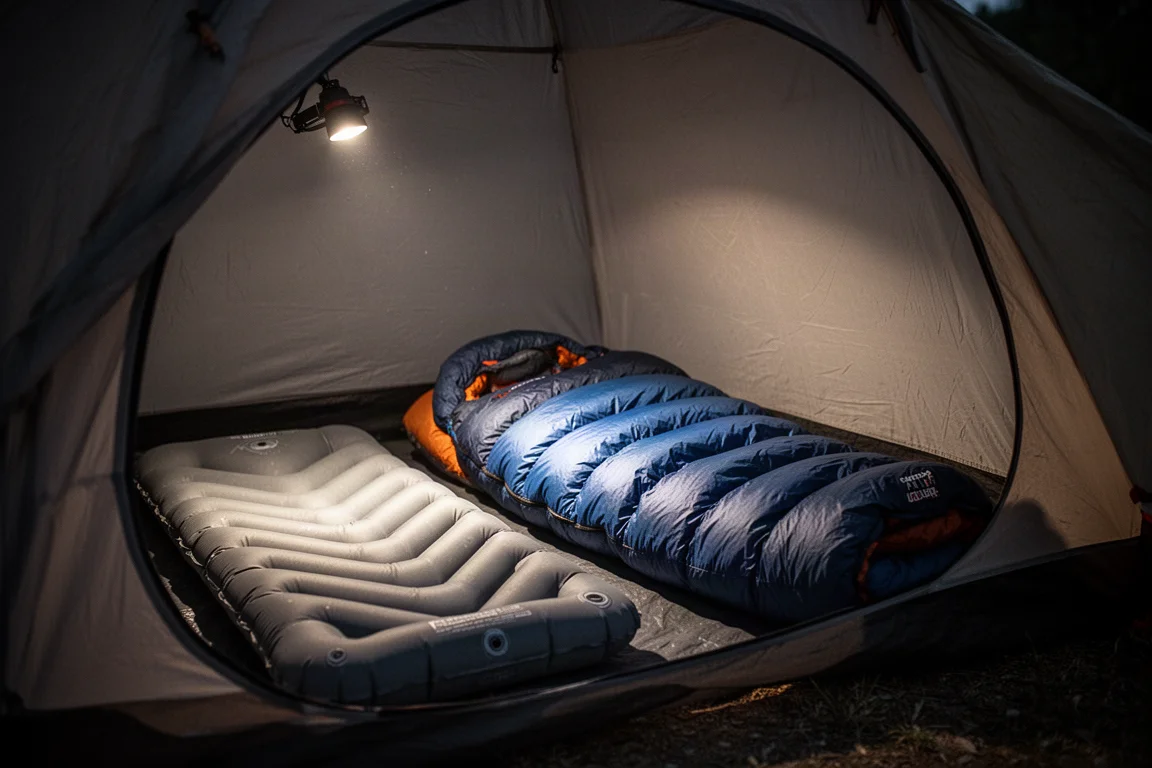
Third, movement. Inside a quilt you can roll from one side to your back to the other without getting tangled the way you do in a bag, which makes camp sleep feel much closer to sleep at home. The Econ Burrow is also an affordable quilt, which matters when it is the one you plan to keep for years.
Pad straps are the piece people skip, and they are the reason a quilt holds heat on a cold night. Use them.
The Sleeping Bag Alternative: Decathlon MT900
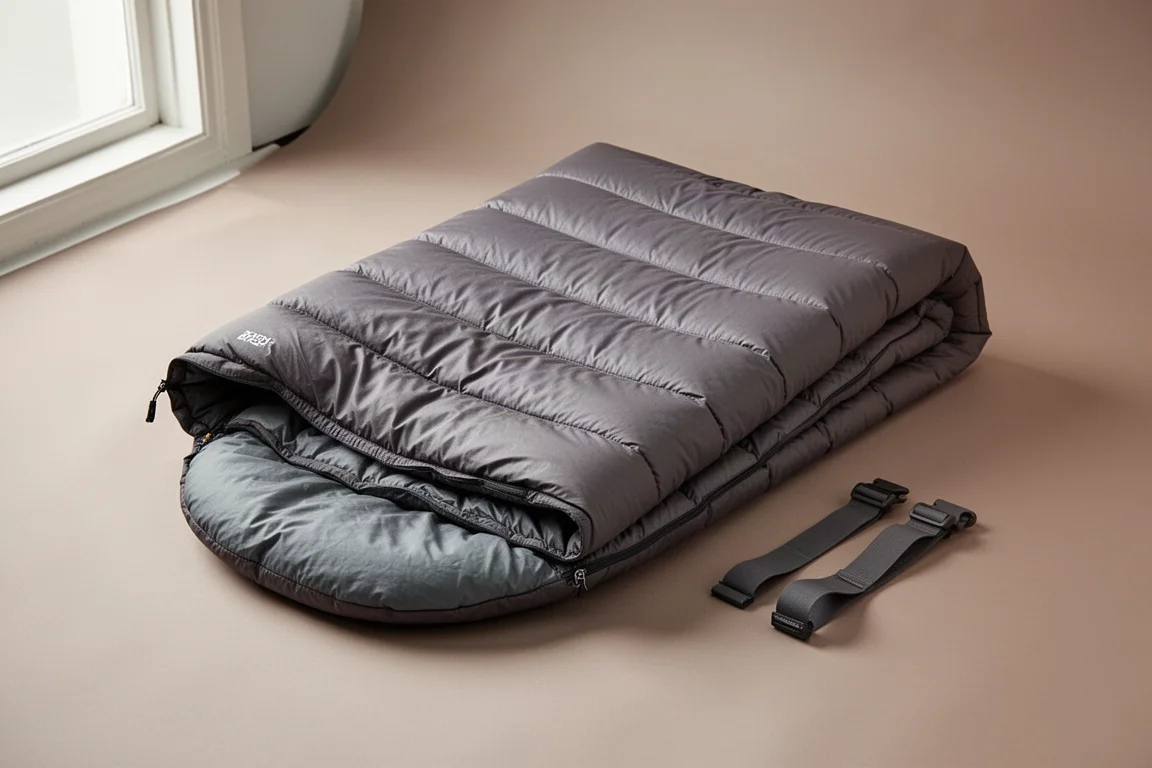
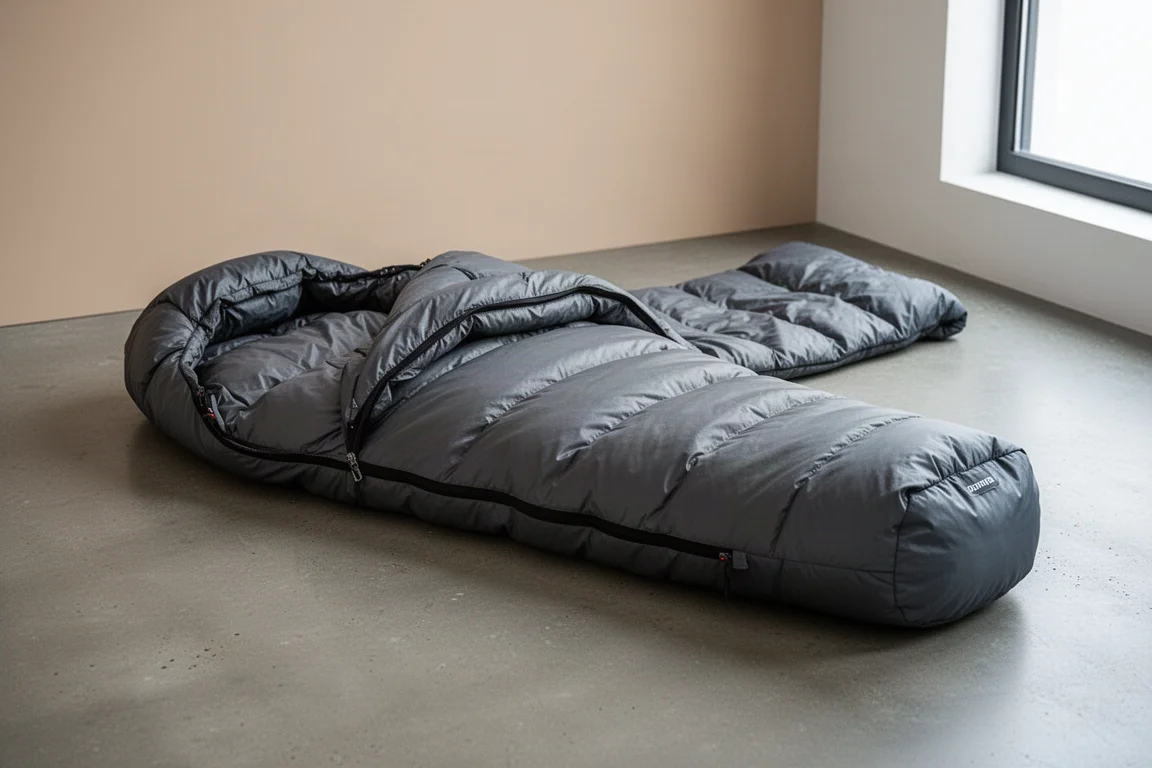
Not everyone wants a quilt. If being fully enclosed matters to you, the Decathlon MT900 is the sleeping bag to look at. It carries a comfort rating of freezing, or zero degrees Celsius, which covers three-season nights in most conditions.
Its real strength is value. Sleeping bags as light as the MT900 usually cost two to three times as much, which makes it an unusual combination of low weight and low price.
The Shoes: Hoka Speedgoat 5
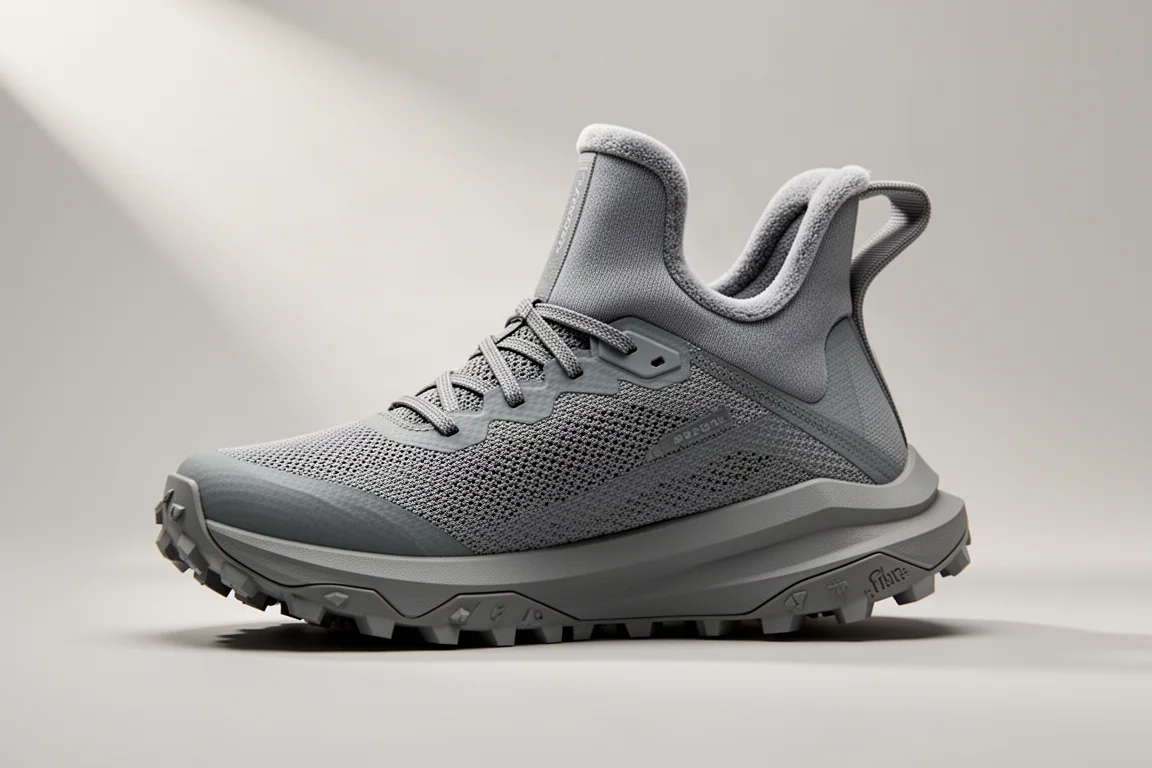
Trail shoes decide whether a long day feels good or grinds you down. The Speedgoat 5 is grippy on rough, loose ground, and comfortable enough that feet still feel fine after consecutive long days on tough trails and tough terrain.
The Hoodie: Appalachian Gear Company 80/20 Hoodie
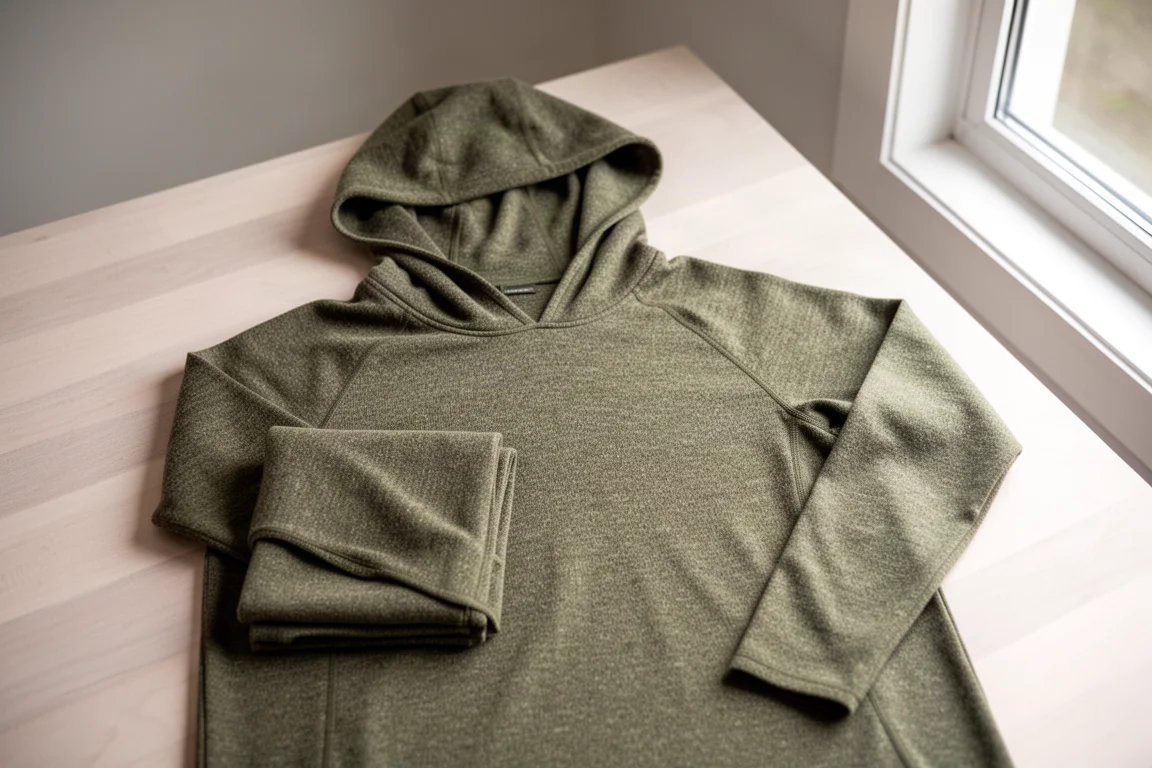
A sun hoodie earns its place on almost every trip, and this one is made with alpaca wool. Alpaca wool resists odour remarkably well, even after five straight days of hiking and sleeping in the same layer. It is also more durable than merino wool, holds on to less moisture, and dries faster.
The Stove: BRS 3000
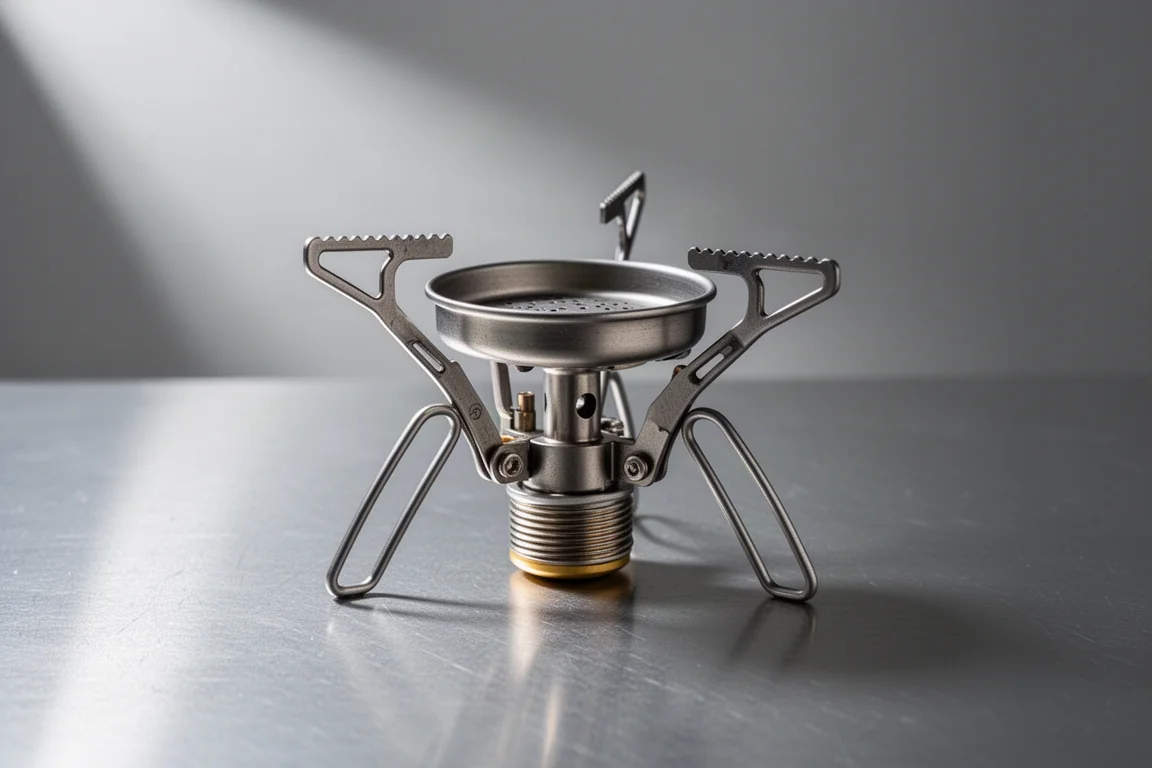
Cooking does not need to be complicated or heavy. The BRS 3000 is an ultralight stove that is simple to use, and it pairs well with a titanium pot for a boil-and-eat dinner. One small tip worth knowing: a collapsible mug can double as a lid for a titanium pot, which adds a cup to the kit and keeps the lid firmly in place while you eat.
Buying Advice: Building Your Own Big Three
Start from your heaviest realistic load rather than your lightest. If your trips involve long water carries or cold-weather layers, choose the pack that stays comfortable at 40 pounds and accept the small weight penalty. If your trips are short and light, a lighter pack will serve you better.
Check reachable pockets in person before you commit. Reach back with the pack on, at the fit you would actually wear, and confirm that a water bottle or a canister of bear spray comes out without a struggle. This is the single easiest thing to verify and the hardest thing to fix later.
For shelter, decide whether you are happy carrying trekking poles. A trekking pole tent pitches as one unit and keeps the interior dry in rain, but it depends on those poles being with you on every trip. Then confirm the floor will fit your sleeping pads side by side if you sometimes share the tent.
For the sleep system, weigh how much you move at night. If you roll from side to back to side and hate getting tangled, a quilt is the more comfortable and more versatile answer across a wide temperature range. If you sleep better fully enclosed, choose a bag and prioritize a low weight for the money.
Conclusion
A single pack, a single shelter, and a single sleep system can cover a surprising amount of ground. The REI Flash 55 carries heavy loads without punishing your shoulders, the X-Mid 2-person tent pitches in one go and shrugs off weather, and the REI Helix puts comfort ahead of grams. The Hammock Gear Econ Burrow quilt adds temperature range and freedom of movement, with the Decathlon MT900 as the enclosed alternative if that suits you better.
Add grippy trail shoes, an odour-resistant alpaca hoodie, and an ultralight stove, and the kit is complete. None of it is the most expensive option in its category, and that is the point: this is gear you can buy once and keep reaching for.
Further reading
Related Reviews

Backpacking Gear
Building a 10 lb Base Weight: An Ultralight Backpacking Gear List
A practical walkthrough of the ultralight pieces behind a 10 lb base weight, from a 765 g pack and a roomy one-person tent to a full camp chair and a dependable water filter.
Backpacking Gear
A 15-Pound Lightweight Backpacking Gear List for Solo Trips
A beginner-friendly 15-pound backpacking setup built from easy-to-find gear, with notes on what each piece does, how it packs, and where to spend your attention.
Backpacking Gear
8 Ultralight Backpacking Gear Upgrades Worth Carrying
Eight small, affordable backpacking upgrades that solve real trail annoyances, from a pillow that stays put to a fuel valve that rescues leftover canister gas.