Backpacking Gear
Best Backpacking Big Three Gear 2026: Bests and Go-To Picks
A practical guide to the big three: backpack, shelter, and sleep system, with nine picks covering weight, comfort, and cold-weather use.
Introduction
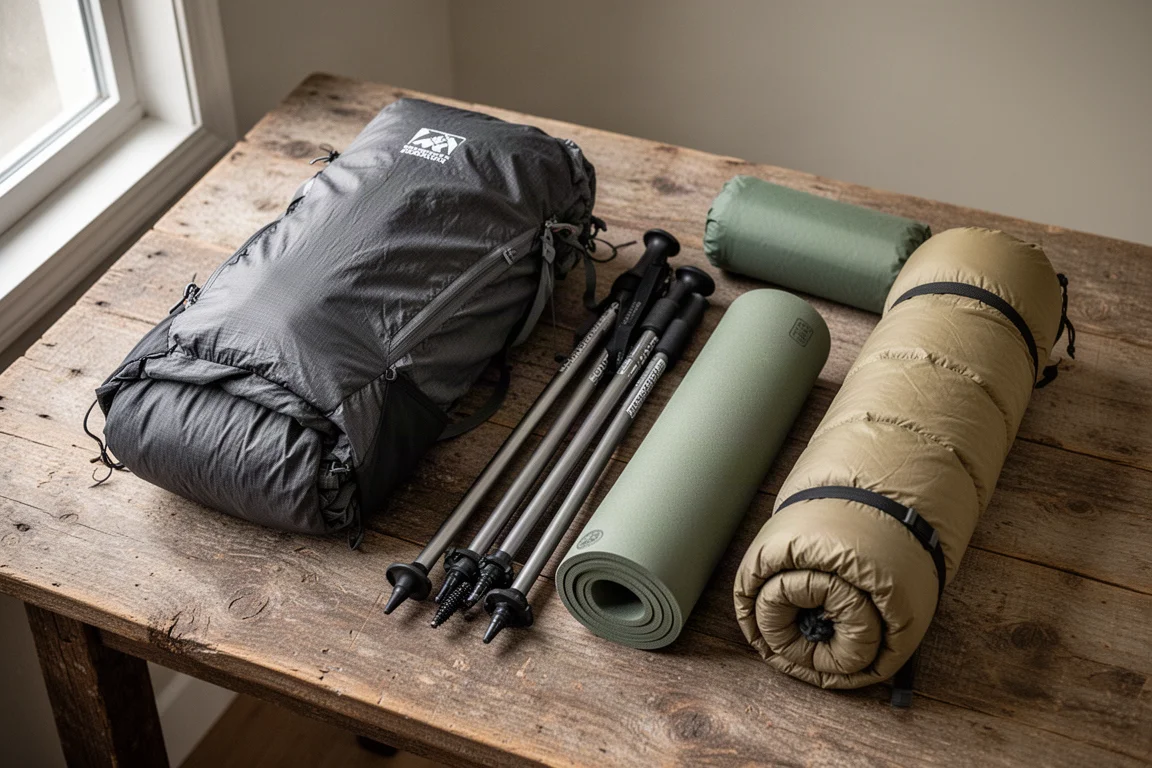
Packing for a backpacking trip usually comes down to three decisions: what carries the load, what you sleep under, and what you sleep on. Get those right and the rest of the kit tends to fall into place.
This roundup covers nine pieces of gear that have earned a permanent place in a dialled-in three-season setup, plus a zero-degree bag for colder trips. The list spans two very different shelter philosophies, three sleeping pads with distinct comfort profiles, and three quilts and bags that cover everything from summer nights to sub-freezing mornings.
None of these picks is arbitrary. Each one is here because it does something specific well, and each comes with a trade-off worth understanding before you buy.
How These Picks Were Chosen
Weight and packed volume matter, but they are not the whole story. A shelter that saves 300 grams and will not stand up on slickrock is a bad trade for the wrong trip. The picks below were weighed against four practical questions: how much does it weigh, how small does it pack, how comfortable is it in real use, and how much fiddling does it demand at camp?
Three-season versatility carried the most weight in the final selection. A pad that stays comfortable down to freezing, a quilt that actually holds its stated temperature, and a shelter that works on both forest floors and exposed rock all earn their place faster than a specialist item that only performs in one scenario.
Durability also shaped the list, particularly with the ultralight materials. The lighter the construction, the more the long-term wear question matters, and that is reflected in the notes on each product below.
Waymark Thru: The Go-To Frameless Pack
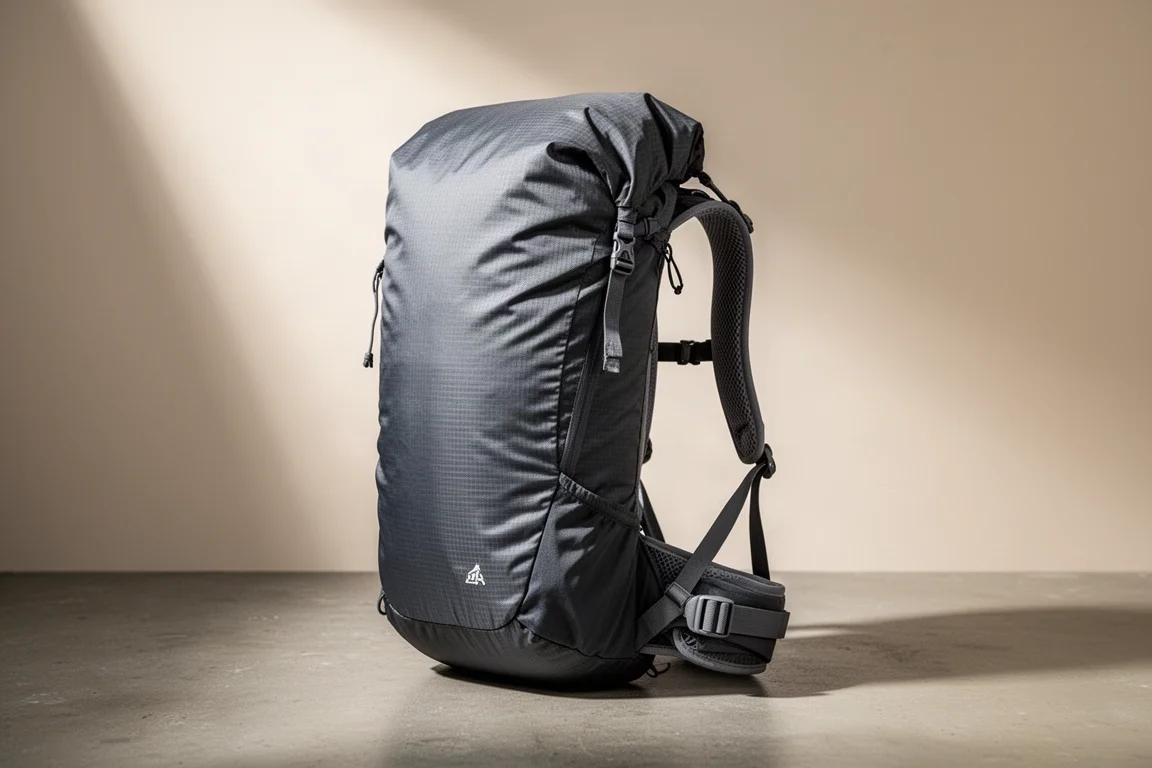
The Waymark Thru is a frameless pack that weighs under two pounds and, importantly, does not feel like a compromise. Frameless designs make some hikers nervous, and reasonably so: without a frame, the load has nowhere to go except your hips and shoulders. The Thru handles that with a well-shaped padded hip belt that genuinely holds weight, carrying as comfortably as a framed pack with loads of 30 pounds or less.
Construction is the other reason it stands out. The build is burly for a sub-two-pound pack, which is the difference between an ultralight pack you tolerate and one you trust season after season. It has become the default choice here, ahead of framed alternatives.
Big Agnes Copper Spur: The Freestanding Shelter
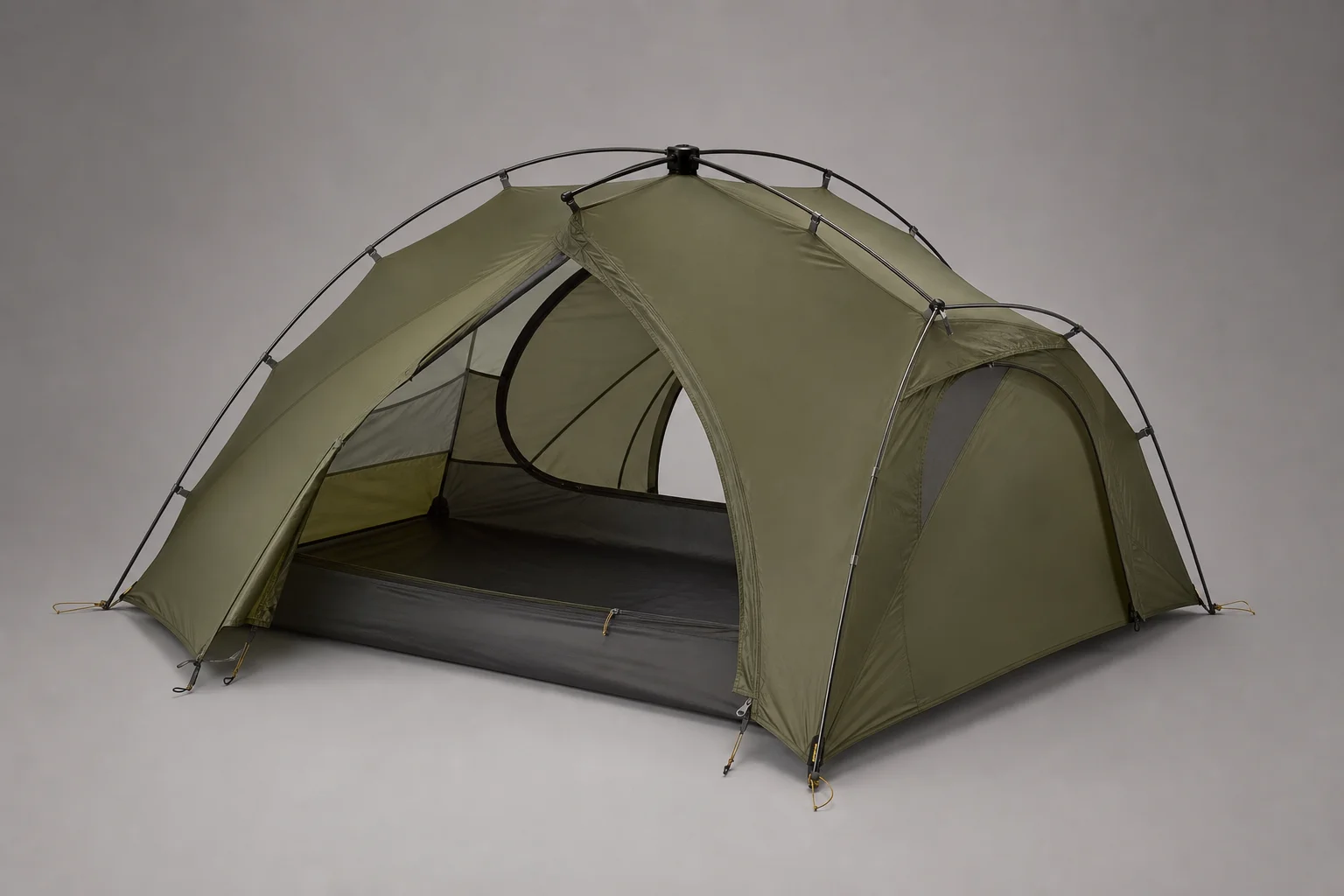
If you want a shelter that pitches almost anywhere without a second thought, the Copper Spur is the one. It is fully freestanding, so it does not depend on stakes or trekking poles to hold its shape, and the double-wall design helps manage condensation in cool, humid conditions.
Interior storage is generous, with plenty of pockets for organising small items. Two doors and two vestibules make it workable for two people plus gear, and there is enough room for two adults or one adult and a child. It is heavier than a Dyneema shelter, and that is the trade: more liveable space and simpler pitching in exchange for grams.
Tarptent Double Rainbow Li: The Dyneema Shelter
The Double Rainbow Li takes the opposite approach. Dyneema construction brings the complete package, everything needed to pitch included, to 29 ounces, which is remarkable for a shelter this roomy. It is a single-wall design, so it is lighter and simpler than a double-wall tent, with the usual trade-off that condensation management depends more on ventilation and site choice.
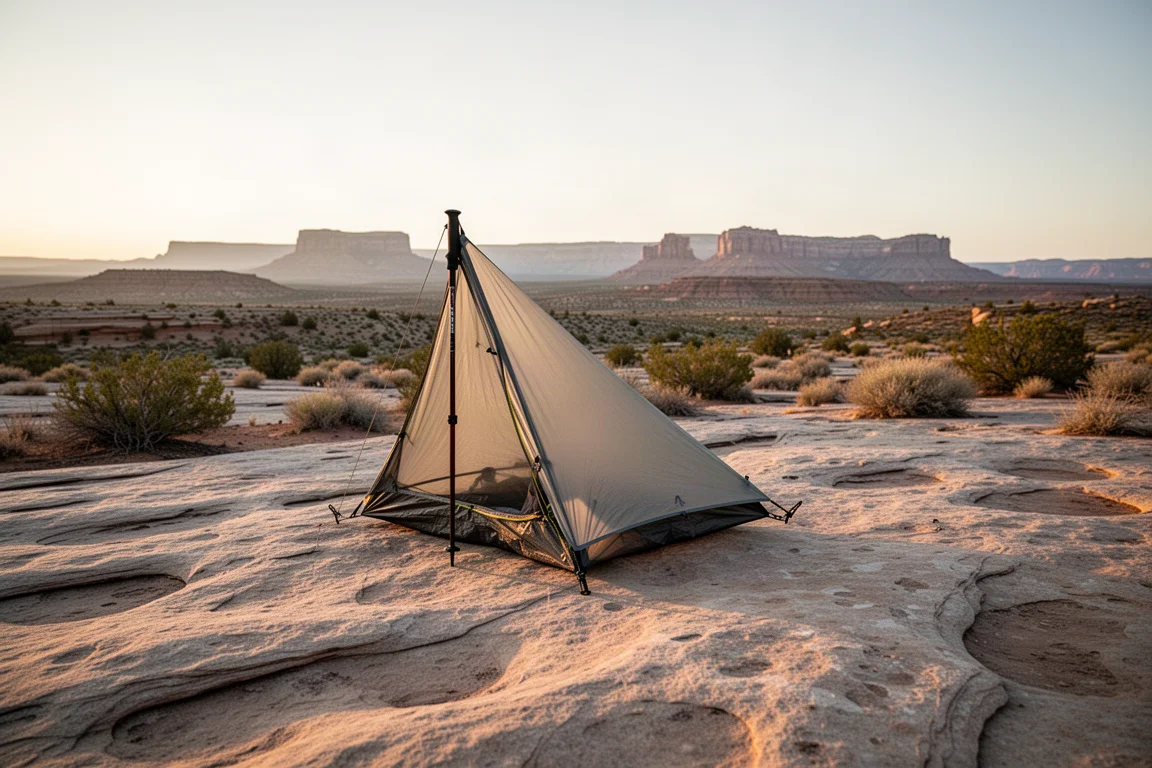
The main practical caveat is freestanding capability. Making this shelter fully freestanding requires trekking poles, which is a real consideration if you do not normally carry them. For trips where you will be pitching on slickrock or other ground where stakes are unreliable, that capability is worth the extra item in the pack.
Floor durability is the other long-term question. Treated with reasonable care, the Dyneema floor should serve well over a long period, but it is a material that rewards attention rather than neglect.
Nemo Tensor: The Lightweight Three-Season Pad
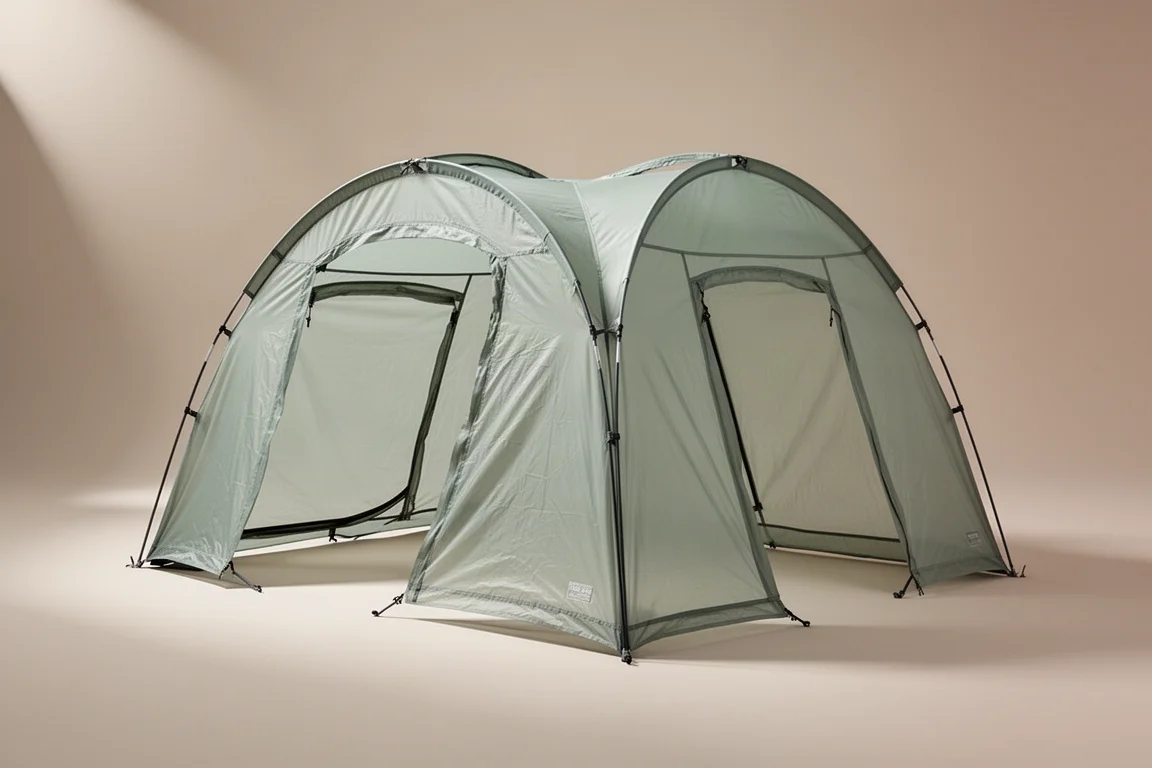
The Nemo Tensor is the pad to reach for when packed size and weight are the priority. This is the 20-inch wide, 72-inch regular length version, which makes it easy to combine with other pads: three 20-inch pads fit side by side in a three-person tent, a genuinely useful arrangement for family trips.
Comfort is solid for a lightweight pad, and side sleepers get on well with it. The three-season rating holds down to freezing temperatures without drama, and it rolls down small enough to disappear into a pack.
Sea to Summit Ether Light XT: The Comfort Pick
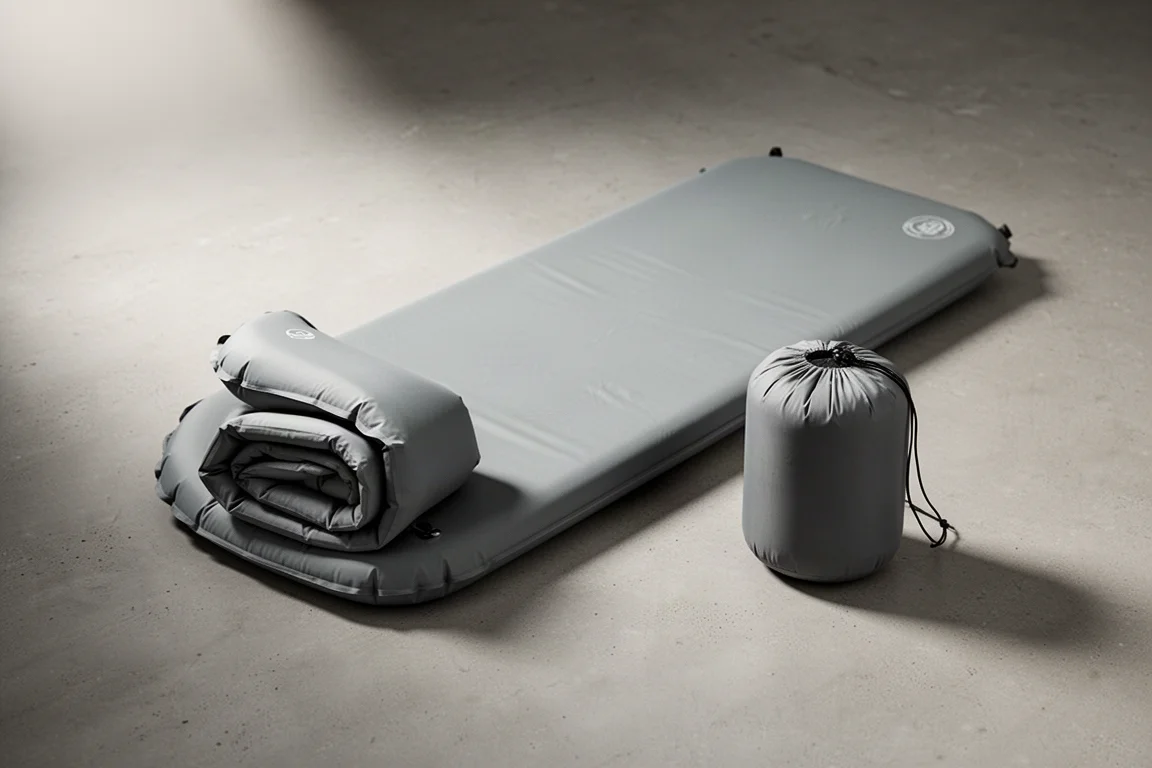
When comfort matters more than every last gram, the Ether Light XT is the pad to beat. At 25 inches wide and 72 inches long, it offers noticeably more sleeping surface than a standard 20-inch pad, and the cushioning is the best of the three pads here.
One thing to know before buying is the material. It squeaks against a tent floor, which is a small annoyance rather than a functional problem, but it is worth factoring in if you sleep lightly or share a tent. Everything else about it works very well for three-season use.
Big Agnes Q-Core SLX: The Third Pad Option
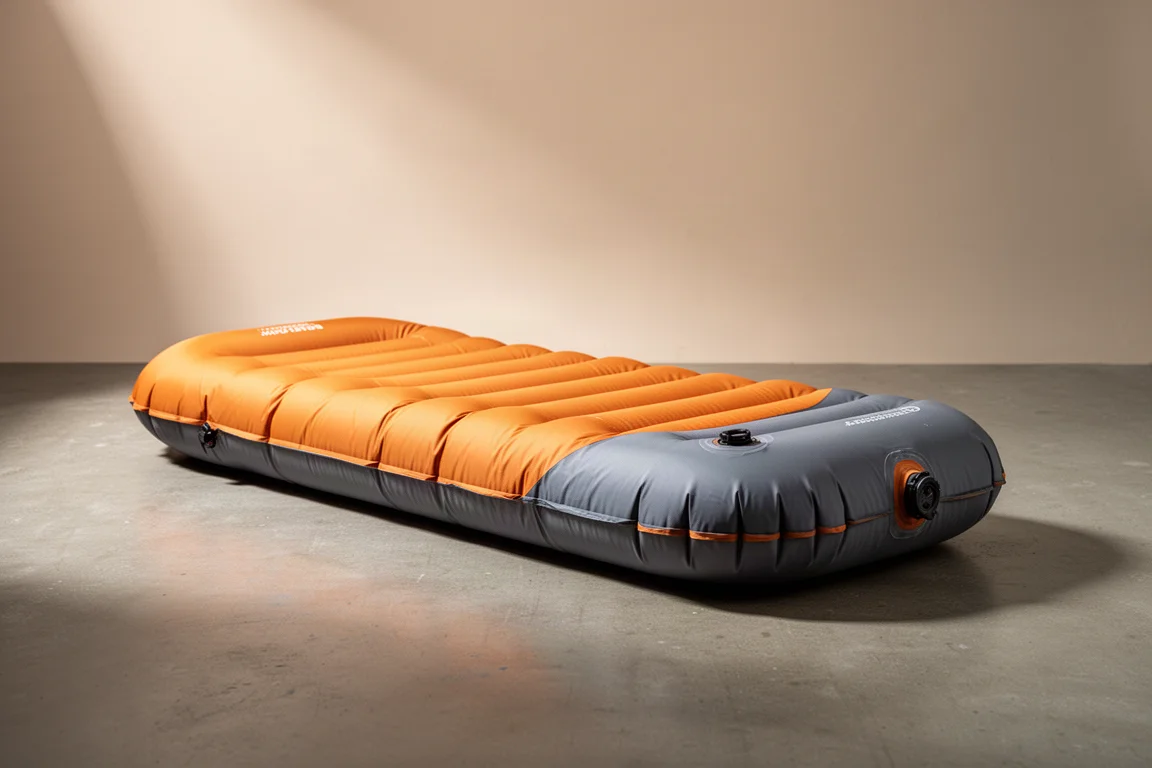
The Q-Core SLX rounds out the pad lineup as a strong alternative with its own features and a different size profile from the other two. It fills the same three-season backpacking role, and it is worth a look if you want a third option to weigh against the Tensor and the Ether Light XT.
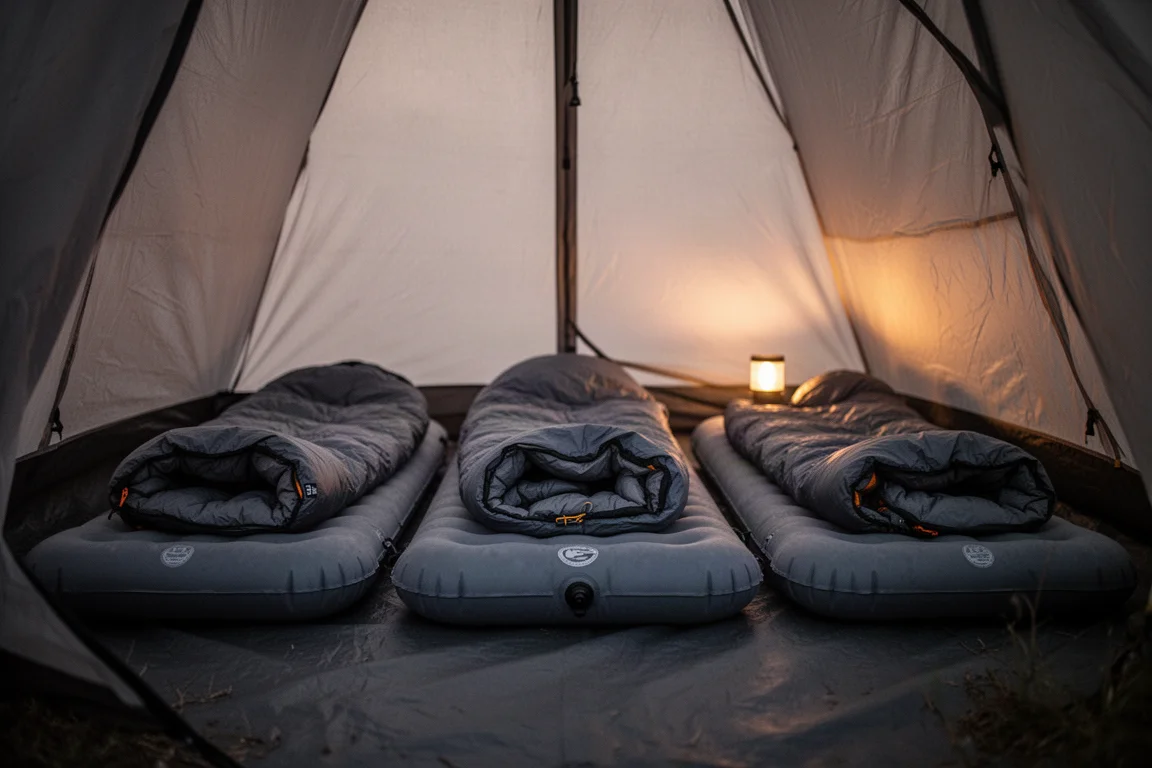
Keeping more than one pad on the shelf is a practical strategy rather than a collector’s habit. Each has its own balance of weight, packed size, and comfort, so the choice can shift depending on whether the trip is a fast solo overnighter or a relaxed basecamp with the family.
UGQ Bandit: The Quilt That Holds Its Rating
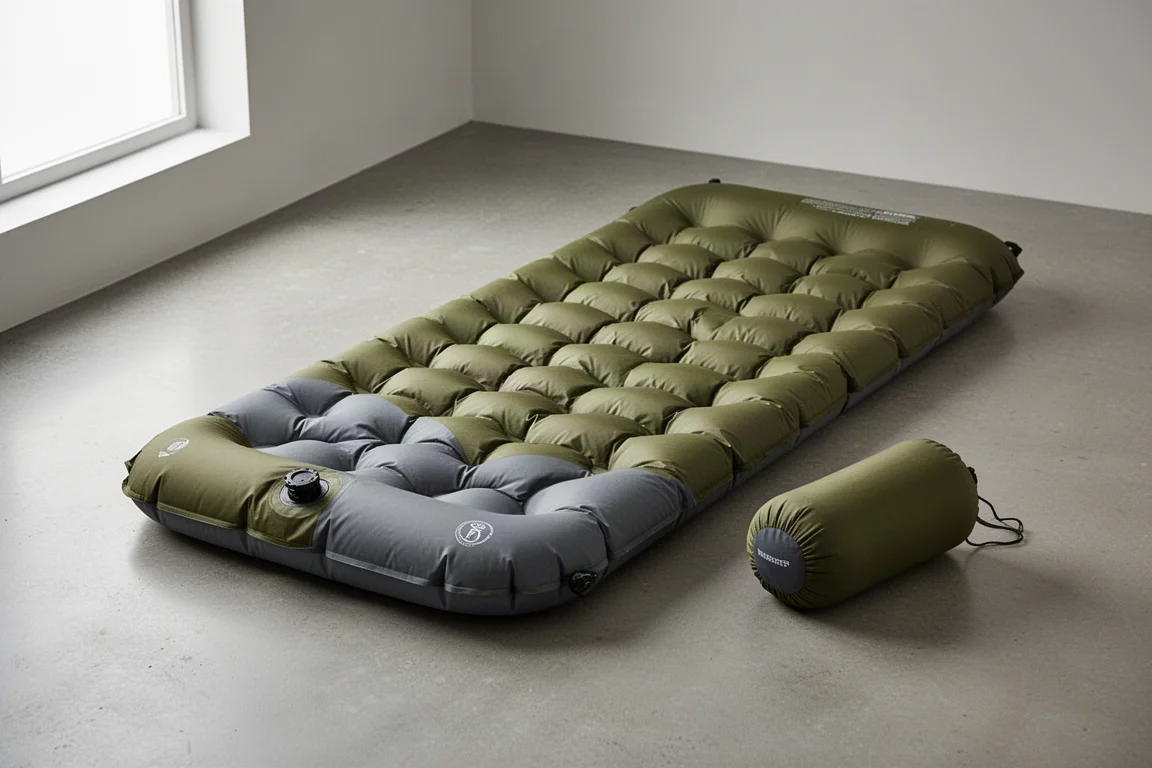
The Bandit is a top quilt, and it remains the favourite of everything used in this category. The headline feature is a dynamic tension control system that hugs the quilt around you and pulls in the edges, eliminating the draft points that make some quilts feel colder than their rating suggests.
That rating is also trustworthy. This is a 30-degree quilt, and it keeps you warm down to 30 degrees without the margin of error some quilts carry. It is light, very well made, and a convincing argument for the quilt format for anyone still weighing it against a traditional bag.
Sea to Summit Spark: The Cold-Weather Bag
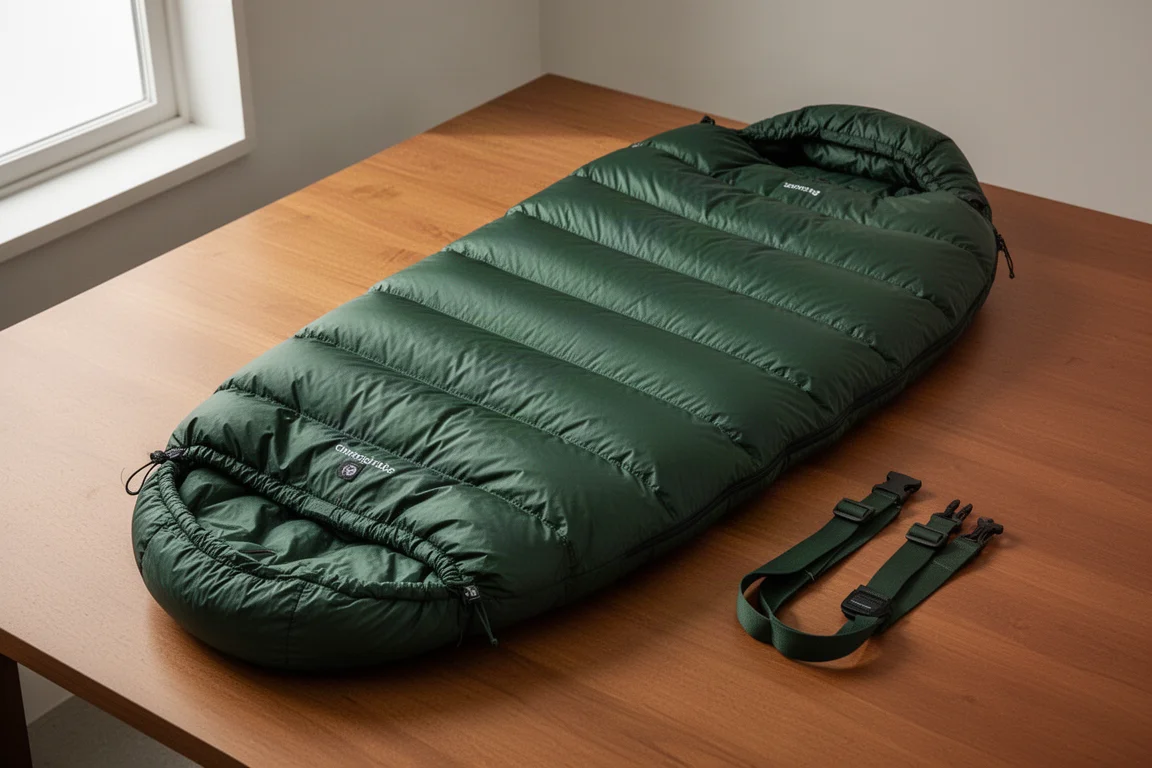
For genuinely cold trips, the Spark is the bag that gets packed. This is a zero-degree rated bag, and it stays comfortable at very low temperatures, which makes it the pick when the trip pushes into four-season conditions.
It is expensive, and there is no way around that: this is a several-hundred-dollar bag approaching the six-hundred-dollar mark. What you get for it is a small packed size, generous width through the shoulders, and a baffle system that keeps down where it needs to be. The zipper runs the full length of the bag rather than stopping at mid-torso, so you can open it up and vent on warmer nights, and the hood is excellent.
Therm-a-Rest Hyperion: The Warm-Weather Bag
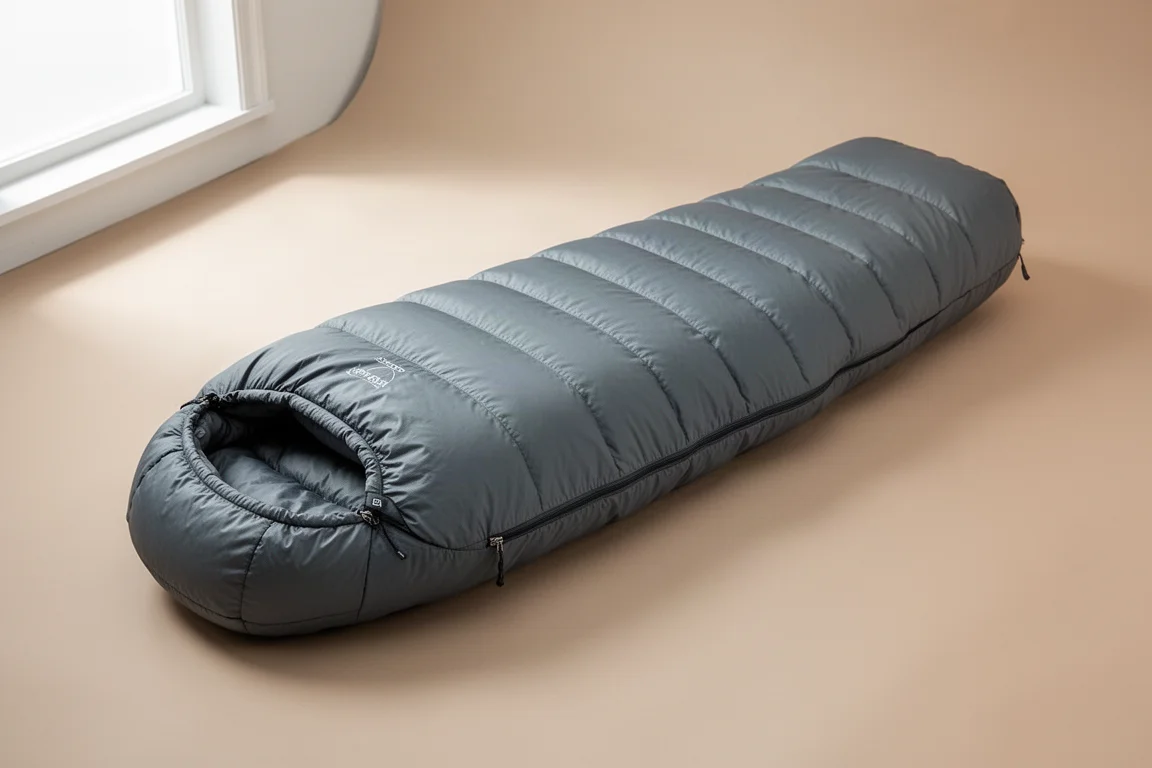
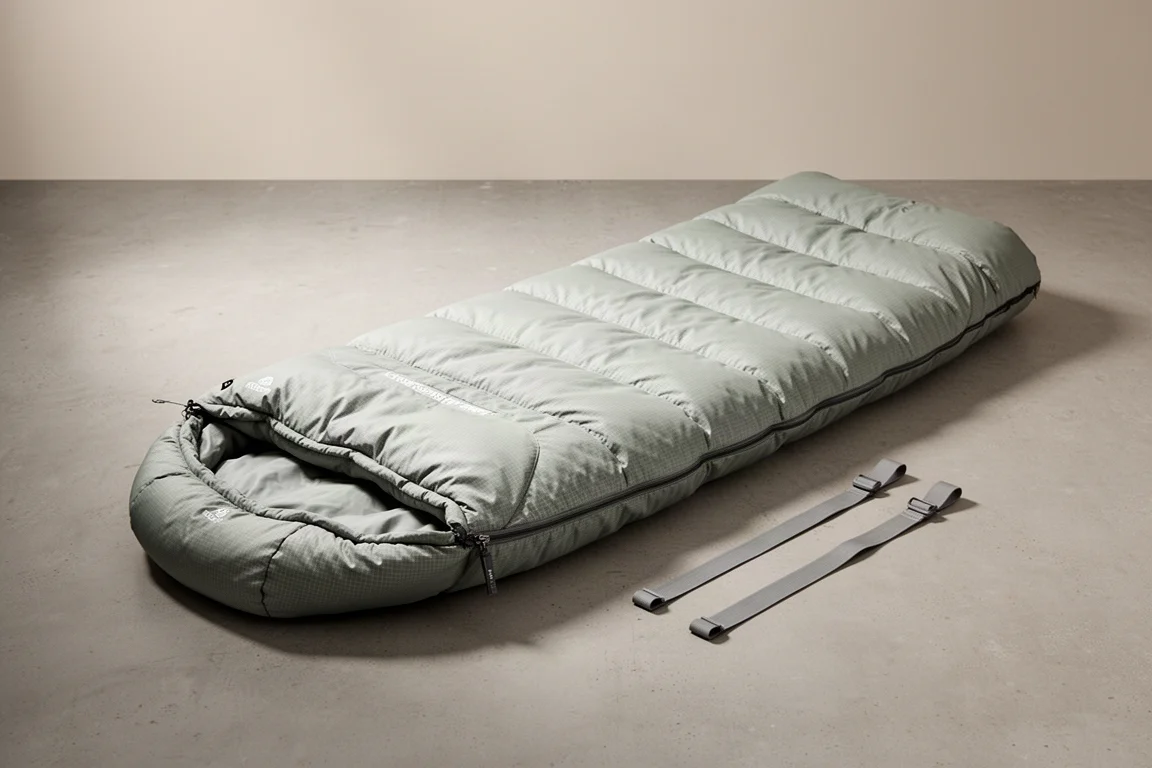
The Hyperion is the lightest sleeping bag in this lineup at around 18 to 19 ounces, and it uses 900 fill down to get there. It is rated to 32 degrees, but it is realistic to treat it as a 45-degrees-and-above bag: 30 percent of the fill sits on the back panel and 70 percent on top, so the insulation underneath you comes largely from your sleeping pad.
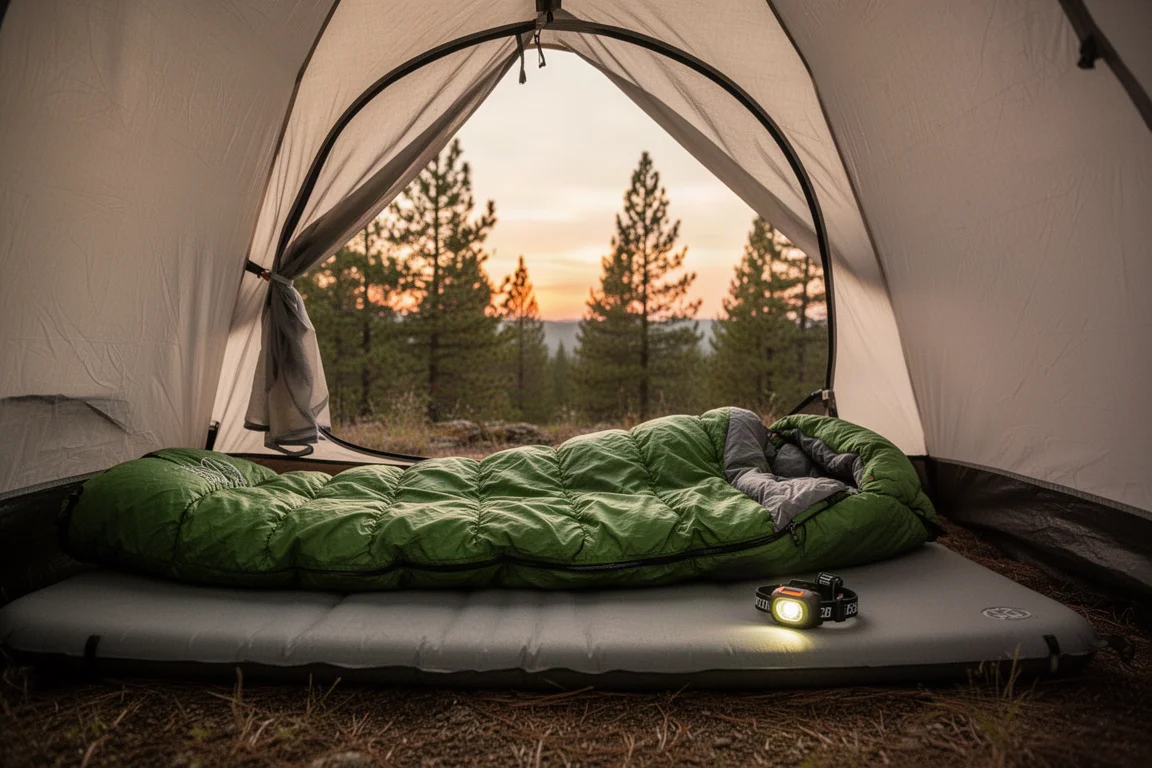
That design is deliberate and it works well when paired with a warm pad. Pad straps keep the bag in place overnight, and the result is a bag that is comfortable, extremely light, and ideal for summer and shoulder-season trips where a colder-rated bag would be overkill.
Buying Advice: Matching the Big Three to the Trip
Shelter comes first, because it shapes everything else. If you want the simplest possible pitch and the most liveable interior, the Copper Spur is the safer choice. If you already carry trekking poles and count every gram, the Double Rainbow Li delivers far more shelter per ounce.
For the pack, the deciding question is total load. A frameless design like the Thru works well up to about 30 pounds, and if your kit lands under that, there is no real penalty for leaving the frame at home.
The sleep system is where personal preference matters most. The Tensor is the light, compact choice, the Ether Light XT is the comfort choice, and the Q-Core SLX sits alongside them as a third option. On top, the Bandit quilt covers three-season trips down to 30 degrees, the Spark handles genuine cold, and the Hyperion is the bag for warm weather when weight is the priority.
Conclusion
The big three are worth getting right, because they set the weight, the comfort, and the cost of everything else in the pack. The picks here cover a wide range of trips without overlapping more than they need to: a sub-two-pound frameless pack, a freestanding tent for easy pitches, a Dyneema shelter for gram counters, three pads with different strengths, and three quilts and bags for three-season through four-season use.
Match each piece to the trips you actually take, and the rest of the kit tends to sort itself out.
Further reading
Related Reviews

Backpacking Gear
Building a 10 lb Base Weight: An Ultralight Backpacking Gear List
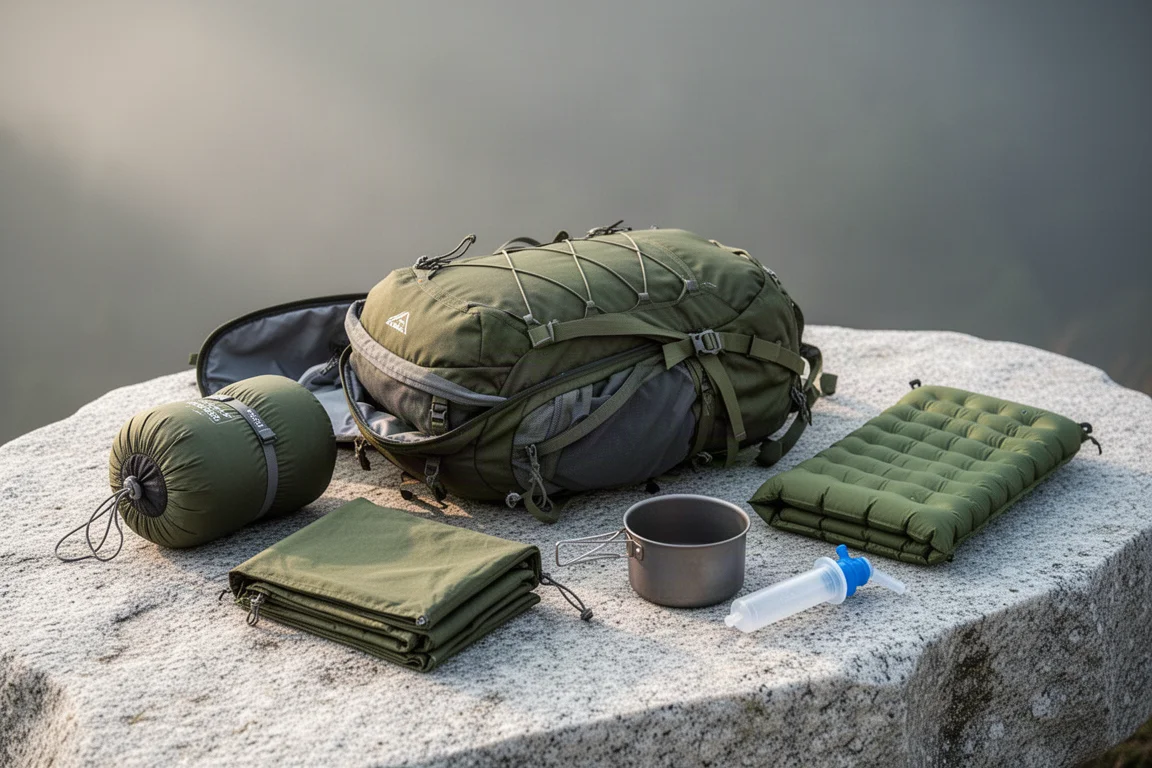
A practical walkthrough of the ultralight pieces behind a 10 lb base weight, from a 765 g pack and a roomy one-person tent to a full camp chair and a dependable water filter.
Backpacking Gear
A 15-Pound Lightweight Backpacking Gear List for Solo Trips
A beginner-friendly 15-pound backpacking setup built from easy-to-find gear, with notes on what each piece does, how it packs, and where to spend your attention.
Backpacking Gear
8 Ultralight Backpacking Gear Upgrades Worth Carrying
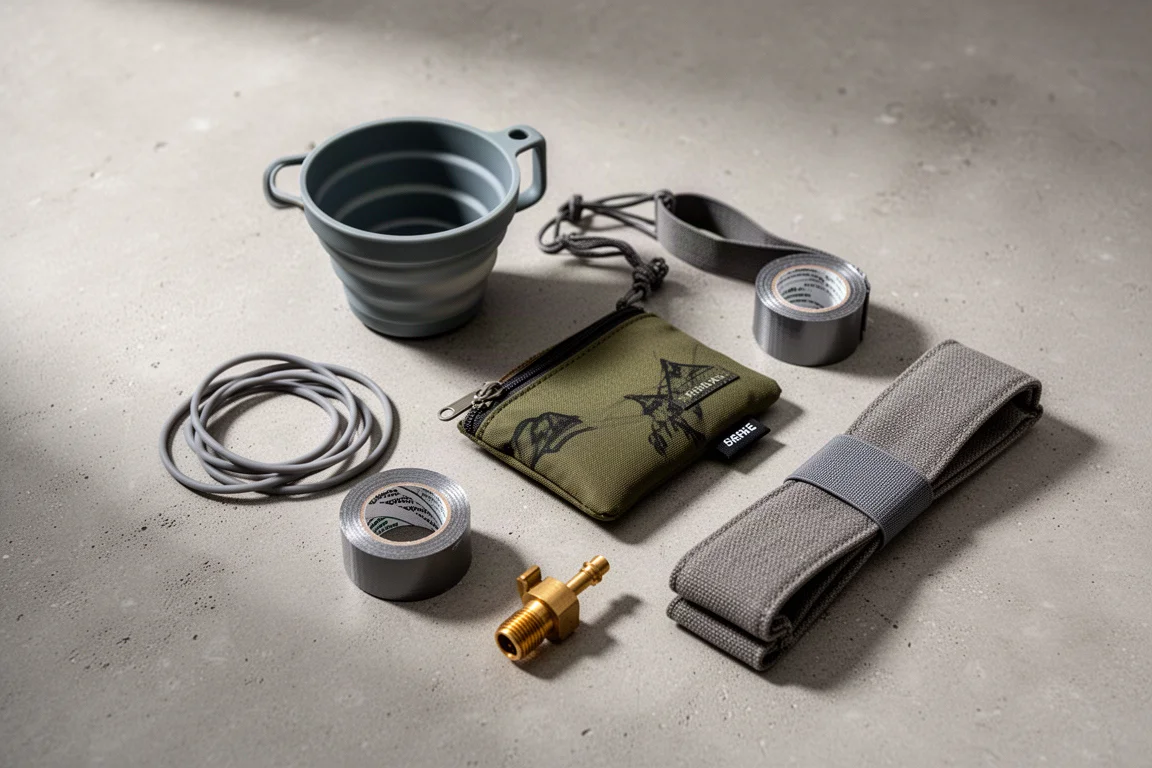
Eight small, affordable backpacking upgrades that solve real trail annoyances, from a pillow that stays put to a fuel valve that rescues leftover canister gas.