Backpacking Gear
Best Backpacking Accessories: Nine Gear Upgrades That Make Trips Easier
Nine backpacking accessories that add comfort, hydration, coffee, and reliable power on trail, with the trade-offs worth checking before you buy.
Introduction
Backpacking has two kinds of gear. There is the kit you need to survive: shelter, food, water treatment, and a way to stay warm. Then there is the second layer, the accessories that quietly make a trip more comfortable, easier, or simply more enjoyable once the essentials are covered.
This guide looks at nine accessories that earn their place on a pack list. Some solve a specific problem, like filtering water faster or staying charged on a multi-day route. Others are small luxuries, like a chair that reclines at camp or a cup of coffee that tastes like the real thing. Each one is described in plain terms, with the strengths and the trade-offs worth knowing before you buy.
What These Accessories Have in Common
Every item here addresses a real moment on trail: the hotel night before a trip, the long climb where hydration slips, the evening when a comfortable seat matters more than another ounce saved. That makes the criteria practical rather than theoretical. Weight matters, but so does whether a piece of gear is annoying to use when you are tired.
Packability is the first filter. Anything that travels to a trailhead and back has to fit an airline carry-on or compress into a pack without fighting for space. Durability is the second, because trail use is hard on fabric, plastic, and electronics. The third is simplicity: gear that takes two hands and five minutes to assemble tends to stay in the pack.
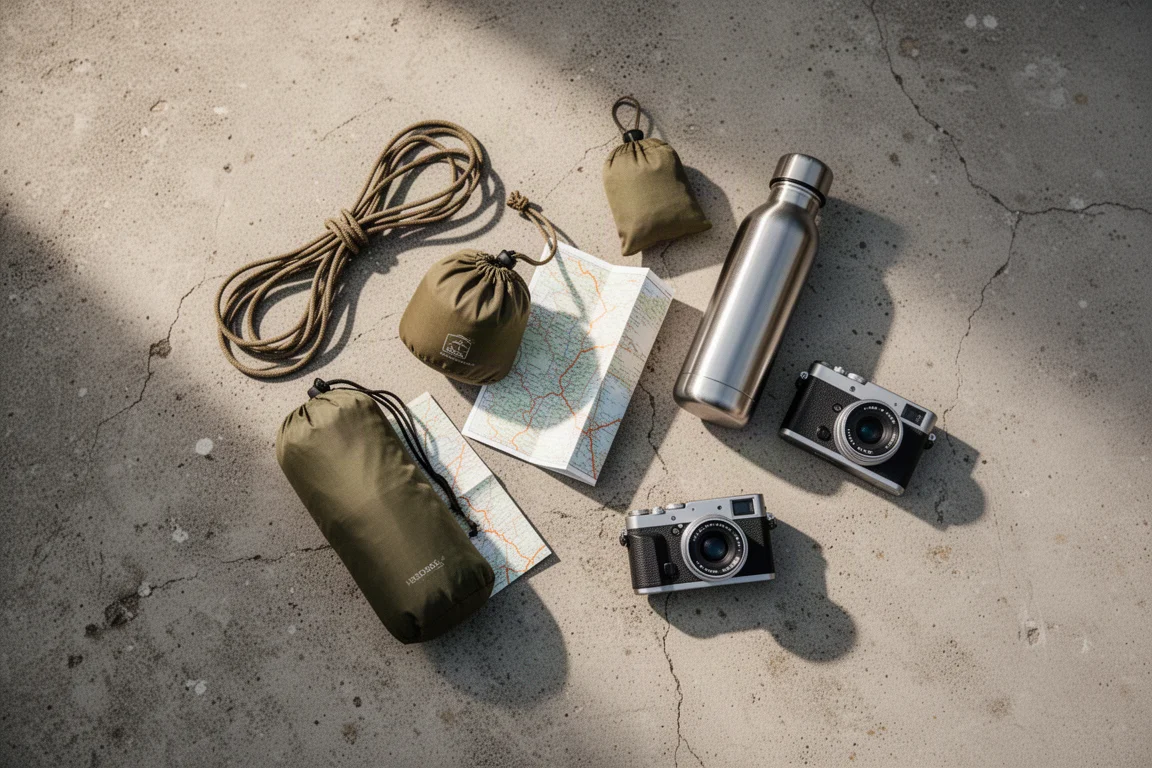
The final consideration is versatility. The strongest accessories here do more than one job, whether that is a travel bag that converts into a framed pack, a chair stuff sack that doubles as a ground pad, or a water bladder that pairs with the filter you already own. Multi-purpose gear is easier to justify, both in cost and in pack weight.
Theota UL Backpack: A Travel Bag That Doubles as a Framed Pack
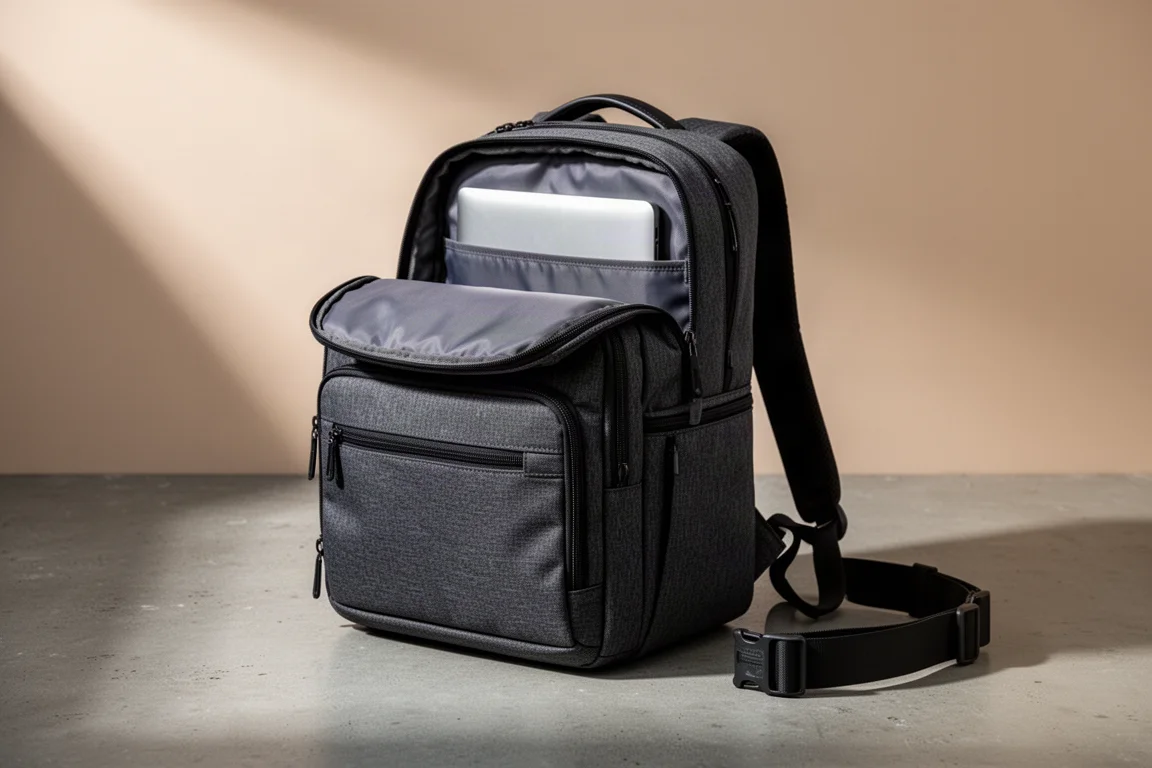
Trips rarely begin at the trailhead. There is usually a hotel night before or after, which means clothing that never goes into a backpacking pack and a second bag to carry it. The Theota UL Backpack is built for exactly that situation. It is sized to work as a carry-on on any airline, so it travels without a checked bag.
What makes it more than a duffel is the frame. The Theota UL has a removable frame and hip belt, which turns it into a framed backpacking backpack when you want to carry it on trail. Inside there is a dedicated laptop sleeve and a generous number of pockets for organizing smaller items. The bag also opens wide, giving full access to the interior the way standard luggage does, rather than forcing you to dig from the top.
Nemo Moonlight Elite Chair: An Ultralight Seat That Reclines
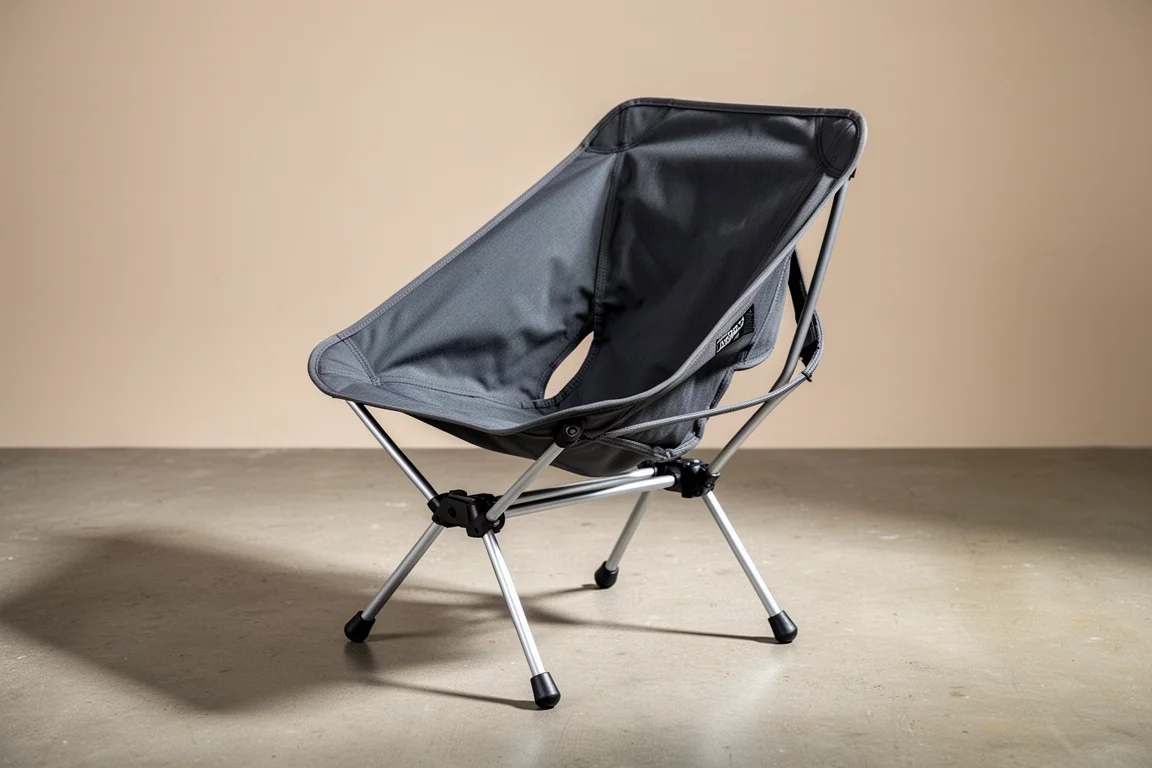
Camp chairs have become a common sight on backpacking trips, but genuinely ultralight options remain limited. The Nemo Moonlight Elite is a new addition to that small category, and it reclines, which is unusual for a chair in this weight class. Among ultralight chairs, it stands out as the most comfortable option.
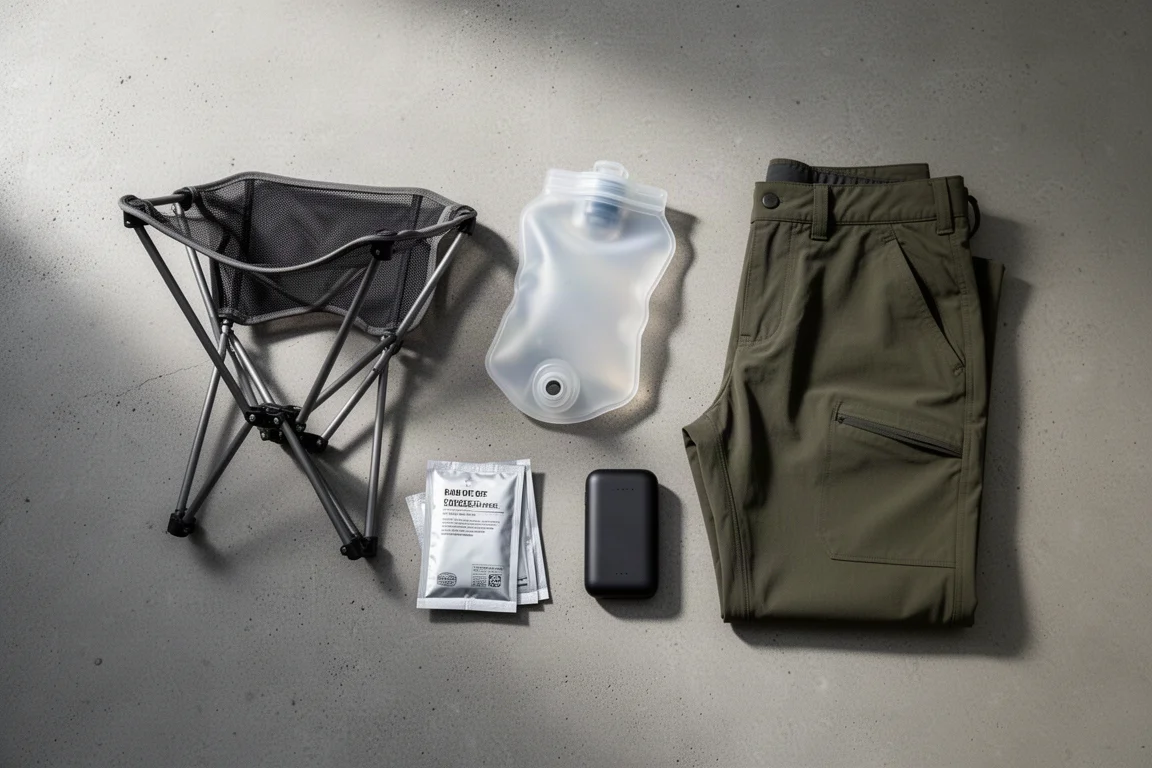
Setup is straightforward thanks to color-coded corners that make it obvious where each pole end belongs. The included case doubles as a pad, which keeps the legs from sinking into soft dirt or mud. The chair is rated to hold up to 250 pounds.
LMNT Drink Mix: Replacing Sodium and Electrolytes
Hydration is the part of backpacking that is easiest to underestimate. Long days on trail dehydrate you, and the symptoms show up as headaches, lightheadedness, and the early signs of altitude sickness. Thirst is an unreliable guide at altitude and in cold weather, because you can feel less thirsty while still losing fluids and electrolytes.
LMNT Drink Mix is a way to replace those electrolytes deliberately. Each serving provides 1,000 mg of sodium, 200 mg of potassium, and 60 mg of magnesium. It has been a fixture on strenuous trips for three years, particularly when the first signs of elevation sickness appear. Drinking beyond thirst, within reason, is one of the few cases where a deliberate hydration protocol with electrolytes makes practical sense.
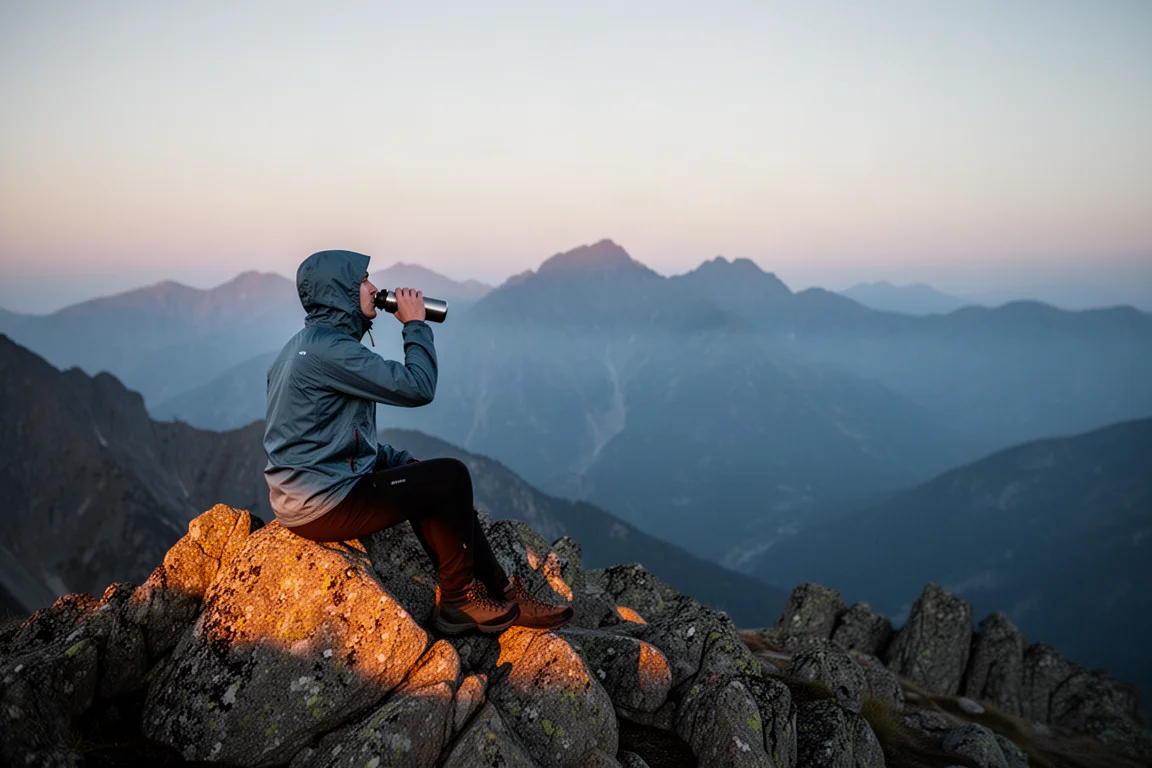
The main consideration is habit: an electrolyte mix only helps if you actually drink it, so it is worth testing a serving on a training hike before relying on it for a long route.
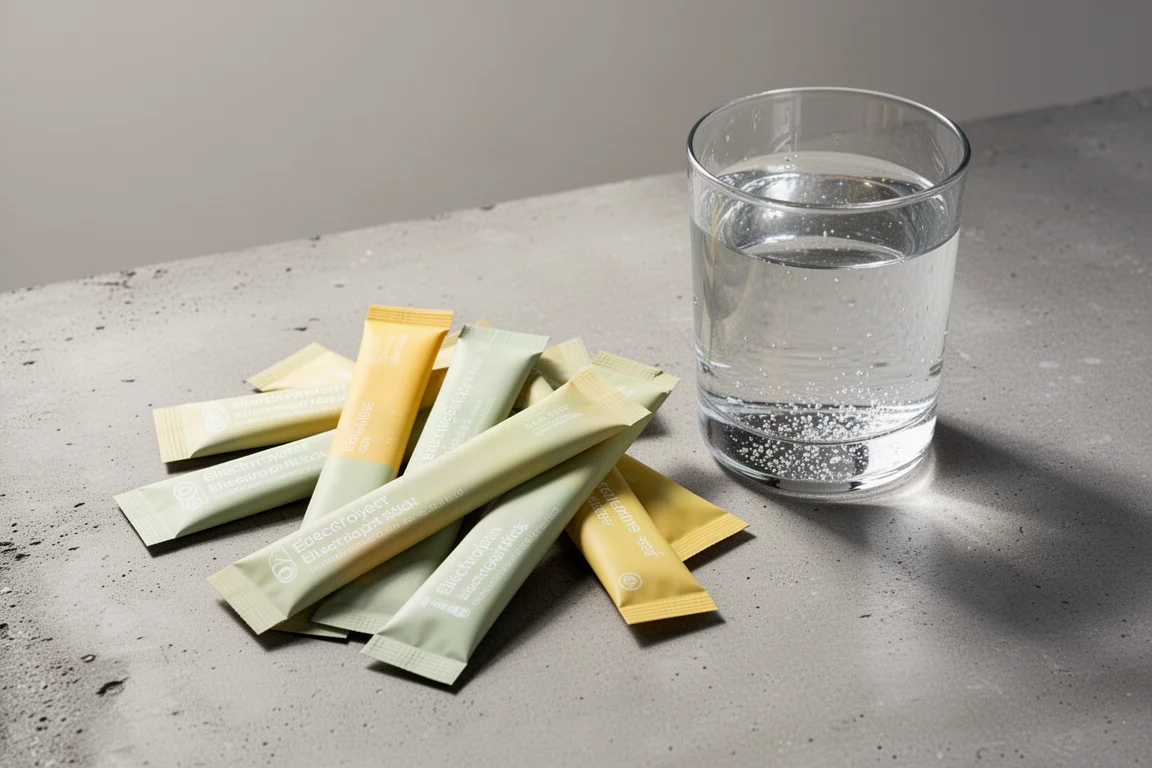
Starbucks VIA: Dependable Instant Coffee on Trail
Good coffee at home sets a high bar, and instant coffee on trail rarely clears it. Starbucks VIA is the practical compromise: it is quick to prepare on trail and it tastes like coffee rather than hot brown water. For backpackers who want a reliable cup without carrying brewing equipment, it remains an easy choice among the many instant coffees available.
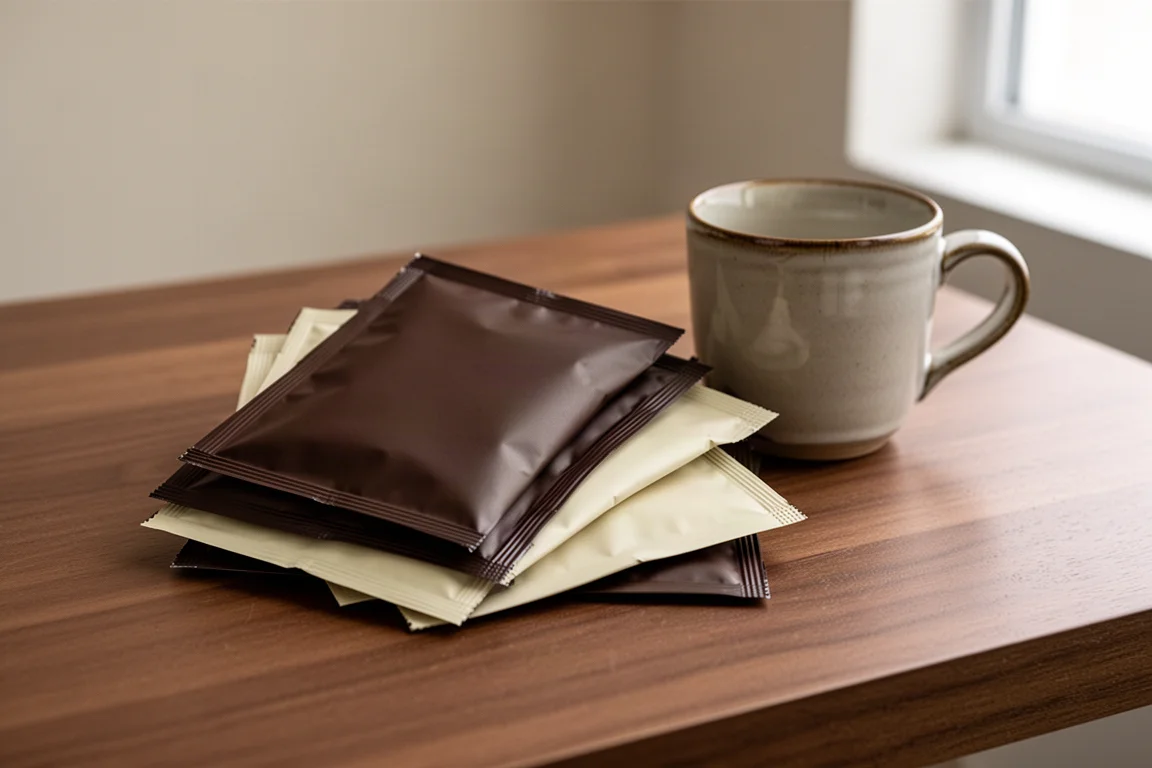
Swift Coffee: Specialty Instant Coffee From a Small Roaster
Swift Coffee approaches instant coffee from the specialty end of the market. The company is a small operation of about a dozen people based in Lancaster, Pennsylvania, and it produces instant coffee for a number of leading specialty brands while also selling its own.
The appeal is in the cup. Swift Coffee processes high-quality coffees and turns them into instant format, and the result tastes like instant coffee without the sharp, acidic edge that cheap instant coffee often has. For backpackers who care about coffee but not about carrying a grinder and a pour-over setup, it is a meaningful step up.
Anker 20,000 mAh Battery Bank: Power You Can Count On
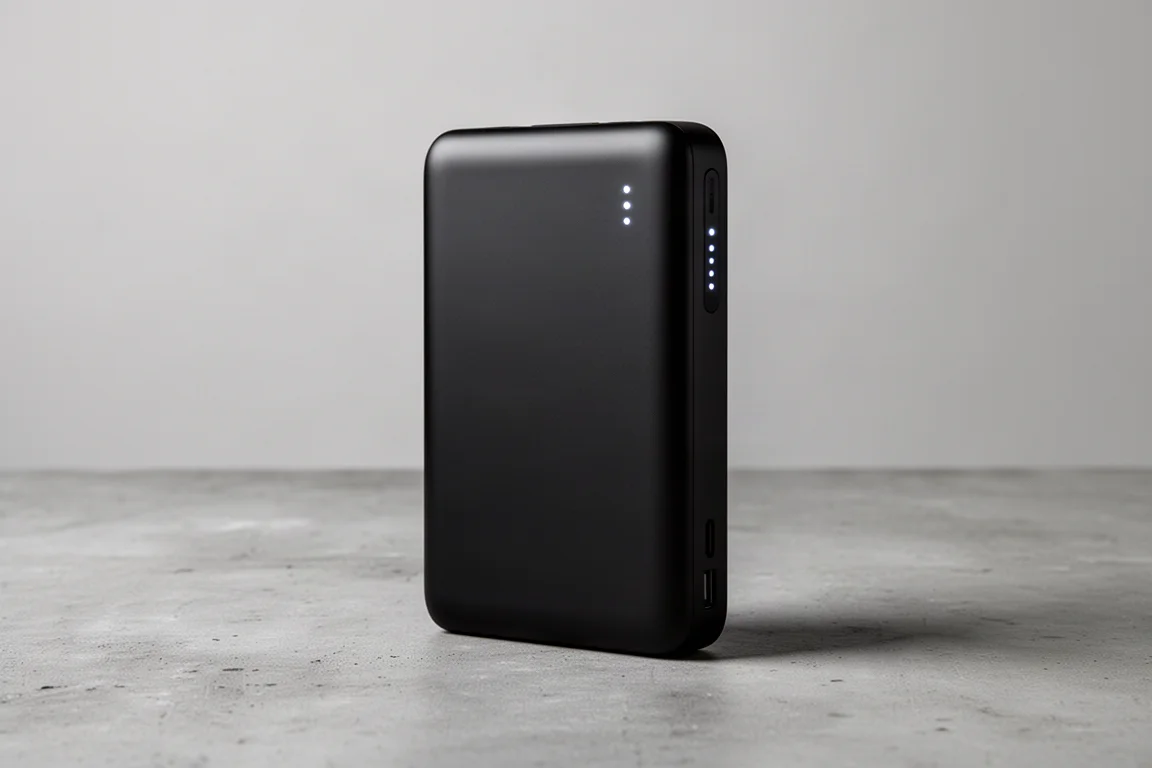
Staying charged on trail matters for navigation, communication with family back home, and keeping a phone alive for photos. The Anker 20,000 mAh battery bank has been in regular use for a few years and continues to work well. The most useful trait is honesty in capacity: the bank delivers the capacity stated on the label, which is not something every power bank manages.
The 20,000 mAh size suits longer trips or heavier phone use. For shorter routes, Anker also makes a range of smaller battery banks that are lighter to carry.
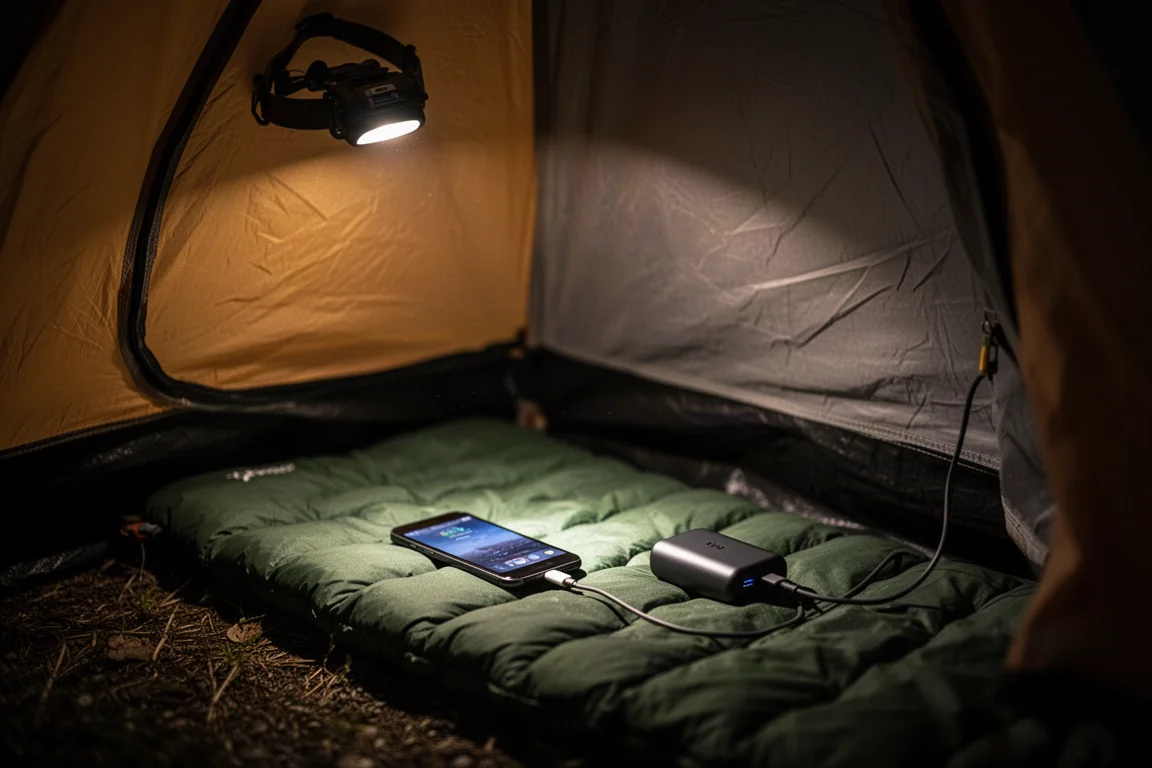
Worth noting: a high-capacity bank is only useful if you keep it topped up, so charging strategy matters as much as capacity on multi-day routes.
Fjällräven Abisko Lite Trekking Zip-Off Pants: Comfort on Long Days
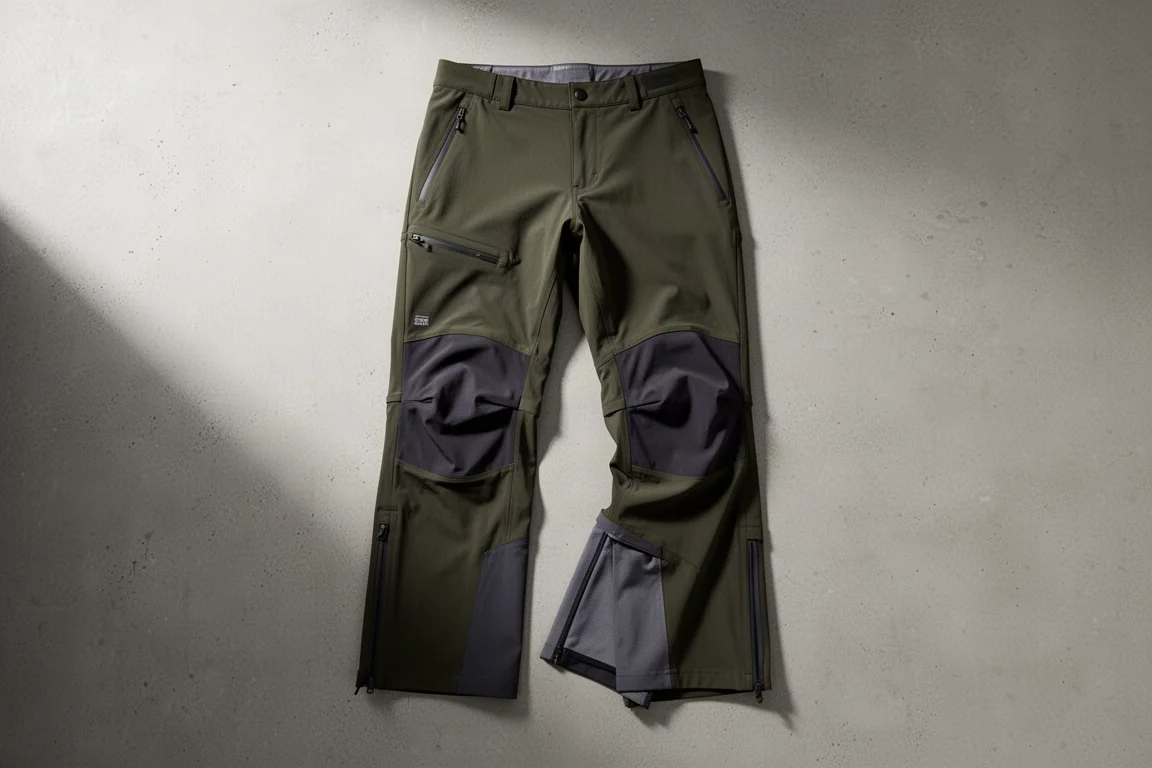
Pants are the piece of clothing that gets noticed most on a long hike. The Fjällräven Abisko Lite Trekking Zip-Off Pants have been the go-to trail pants for about a year, and they are the most comfortable option worn so far. The fabric uses a four-way stretch with a G-1000 polyester blend, which dries quickly after rain or river crossings.
Small details matter here. The darker panels are reinforcement areas placed where you kneel or sit, and the knees are pre-shaped so you can kneel down without the fabric riding up onto your calves. The zip-off design adds flexibility when temperatures climb during the day.
Fjällräven Keb Trousers: More Reinforcement for Colder Trips
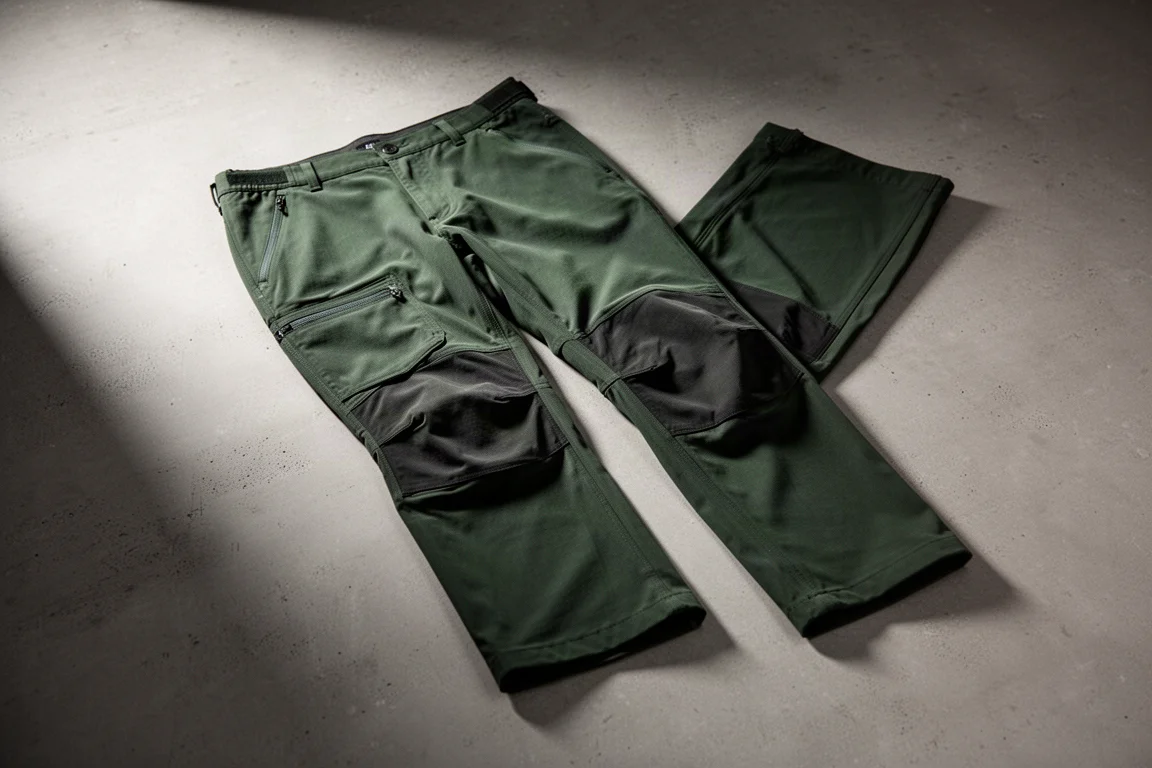
For colder adventures, the Fjällräven Keb Trousers are a close relative of the Abisko pants with a different balance of durability and warmth. They share the general design but carry more reinforcement and feel a bit more robust overall. That makes them the better pick when the route involves colder conditions or more abrasive terrain, at the cost of some of the lighter feel of the Abisko pair.
CNOC Vecto Water Bladder: Faster Water Filtering
Filtering water is one of the least enjoyable chores of backpacking, and the CNOC Vecto Water Bladder makes it noticeably easier. It is available in 1-liter, 2-liter, and 3-liter capacities, and it works with virtually any water filter on the market because it comes with either a 28 mm or 42 mm thread.
The feature that changes the routine is the wide opening, which lets you scoop water directly from a stream or lake instead of trying to fill through a narrow bottle mouth. The bladder is also robust enough to strap to the top of a backpack, so you can carry extra water for cooking or for long dry stretches between sources.

How to Choose Backpacking Accessories That Earn Their Place
The right accessory is the one that solves a problem you actually have. Start with the trips you take most often. If you fly to trailheads, a travel bag that converts into a framed pack removes a real logistical headache. If your routes are long and exposed, hydration and electrolyte support move from nice-to-have to essential. If you camp above treeline, a comfortable chair is worth more than the weight it costs.
Budget matters too, and it helps to think in terms of cost per trip. An item used on every outing for several years is easier to justify than a piece of gear that only suits one specific route. Buy for the trips you take, not the trips you imagine, and the pack list tends to stay lean.
Conclusion
None of these nine accessories are strictly required for survival, and that is the point. They are the items that make a backpacking trip easier to plan, more comfortable at camp, and less punishing on long days. Choose the ones that match how you actually travel, and the rest of the kit will do the job it was bought for.
Further reading
Related Reviews

Backpacking Gear
Building a 10 lb Base Weight: An Ultralight Backpacking Gear List
A practical walkthrough of the ultralight pieces behind a 10 lb base weight, from a 765 g pack and a roomy one-person tent to a full camp chair and a dependable water filter.
Backpacking Gear
A 15-Pound Lightweight Backpacking Gear List for Solo Trips
A beginner-friendly 15-pound backpacking setup built from easy-to-find gear, with notes on what each piece does, how it packs, and where to spend your attention.
Backpacking Gear
8 Ultralight Backpacking Gear Upgrades Worth Carrying
Eight small, affordable backpacking upgrades that solve real trail annoyances, from a pillow that stays put to a fuel valve that rescues leftover canister gas.