Backpacking Gear
Best Backpacking Accessories 2026: Eight Gear Upgrades That Make Trips Easier
Eight backpacking accessories that solve real trail problems, from a carry-on bag that doubles as a framed pack to electrolytes, specialty instant coffee, and a water bladder that fills in seconds.
Introduction
Backpacking gear divides neatly into two groups. The first group keeps you alive: shelter, insulation, food, water treatment. The second group is everything that makes a trip easier, more comfortable, and more enjoyable once the essentials are sorted. That second group is what this guide covers.
The eight items below are accessories in the best sense. None of them replaces a core kit, and none is strictly required. Each one removes a specific friction point that shows up on real trips, whether that is carrying a day or two of clothing before a hike, staying hydrated on a long climb, or filling a water bladder without fighting a narrow bottle opening.
What Makes a Backpacking Accessory Worth Carrying
An accessory earns pack space when it solves a problem the core kit cannot, and when it keeps solving that problem after a hundred trips. The most useful ones share a few traits: they are multi-purpose, they keep weight and packed size reasonable, and they hold up in wet, cold, or dusty conditions.
Compatibility matters as much as specifications. A water bladder that fits the filter you already carry, or a battery bank that charges the devices already in your pack, is worth more than a marginally lighter alternative that forces a new routine. Reliability is the other half of the equation. An accessory that behaves the same way every time is easier to trust than one that needs attention.
OTA UL: A Travel Backpack That Doubles as a Framed Pack
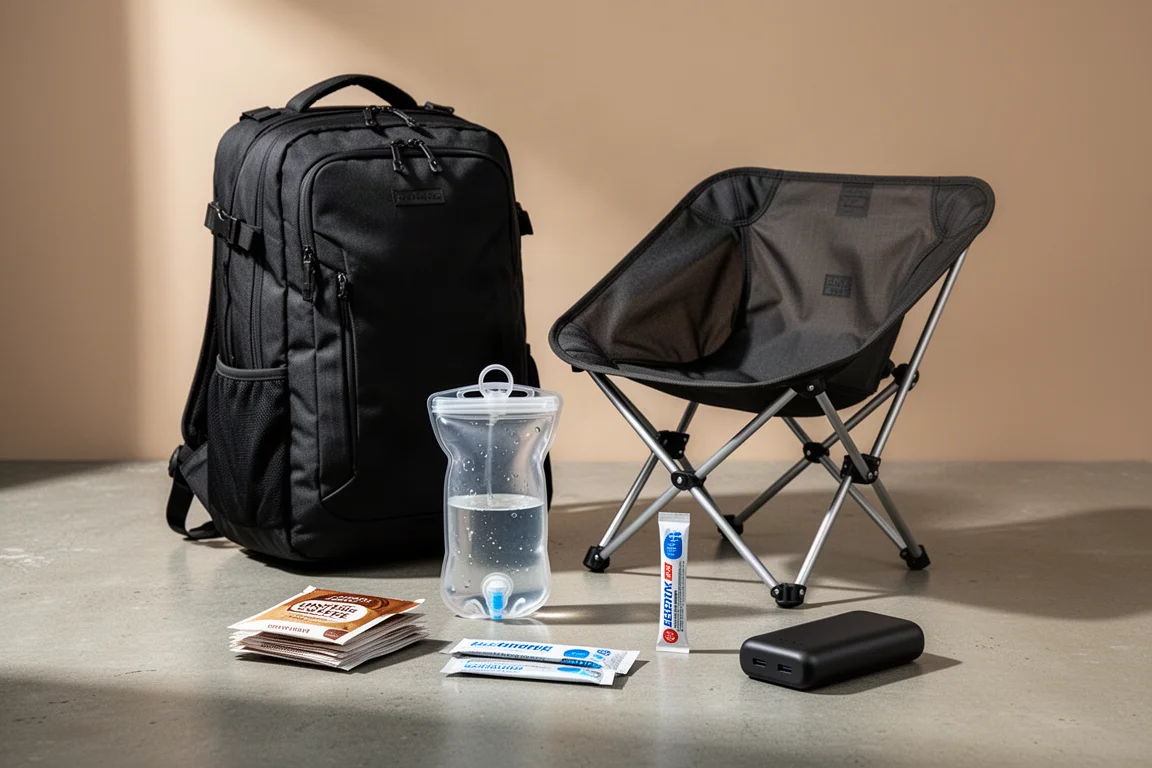
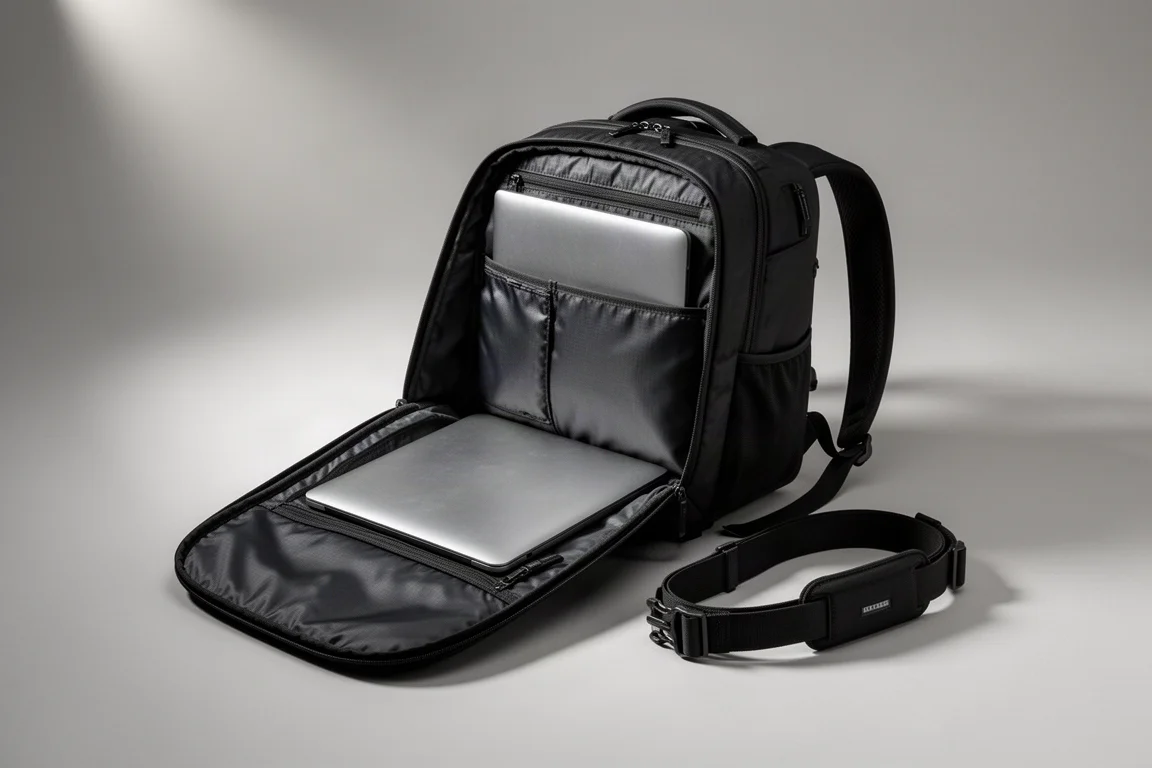
Trips rarely begin at the trailhead. There is usually a flight, a hotel night, and a day or two of clothing that never makes it onto the hike. The OTA UL handles both halves of that problem. It is sized to work as a carry-on on any airline, and it also converts into a framed backpacking pack once the frame and hip belt are fitted.
Inside, a dedicated laptop sleeve and a wide set of pockets keep travel items organized, and the bag opens wide the way standard luggage does, so you can see and reach everything without unpacking the whole thing. Remove the frame and hip belt and it behaves like a travel bag again. For backpackers who fly to their routes, that flexibility removes the need to own two separate bags.
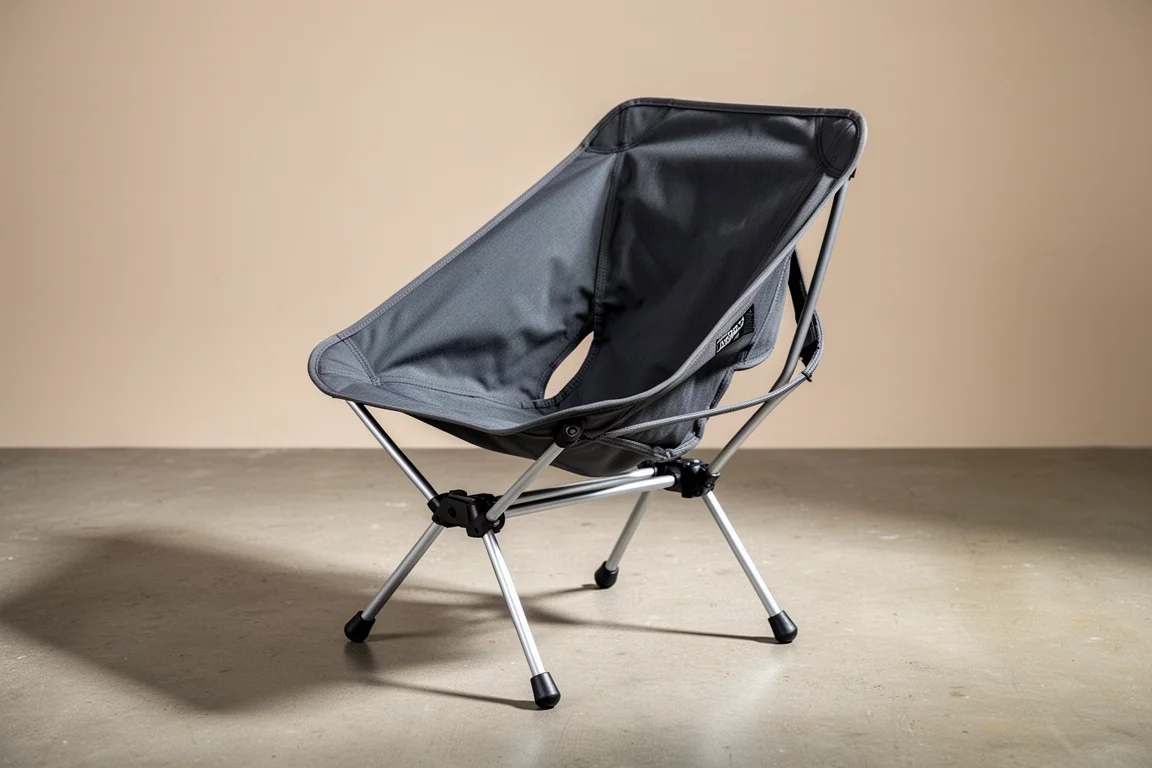
Nemo Moonlight Elite: An Ultralight Chair That Reclines
A chair is a luxury item on paper and a morale item in practice. The Nemo Moonlight Elite is a new ultralight option, and it reclines, which is unusual in this category. Among the ultralight chairs available, it stands out for comfort rather than for shaving the last gram.
Setup is straightforward thanks to color-coded corners that make it obvious where each pole goes. The included carry case doubles as a pad, which keeps the legs from sinking into soft dirt or mud, a small detail that matters on wet ground. It is rated to hold up to 250 lb.
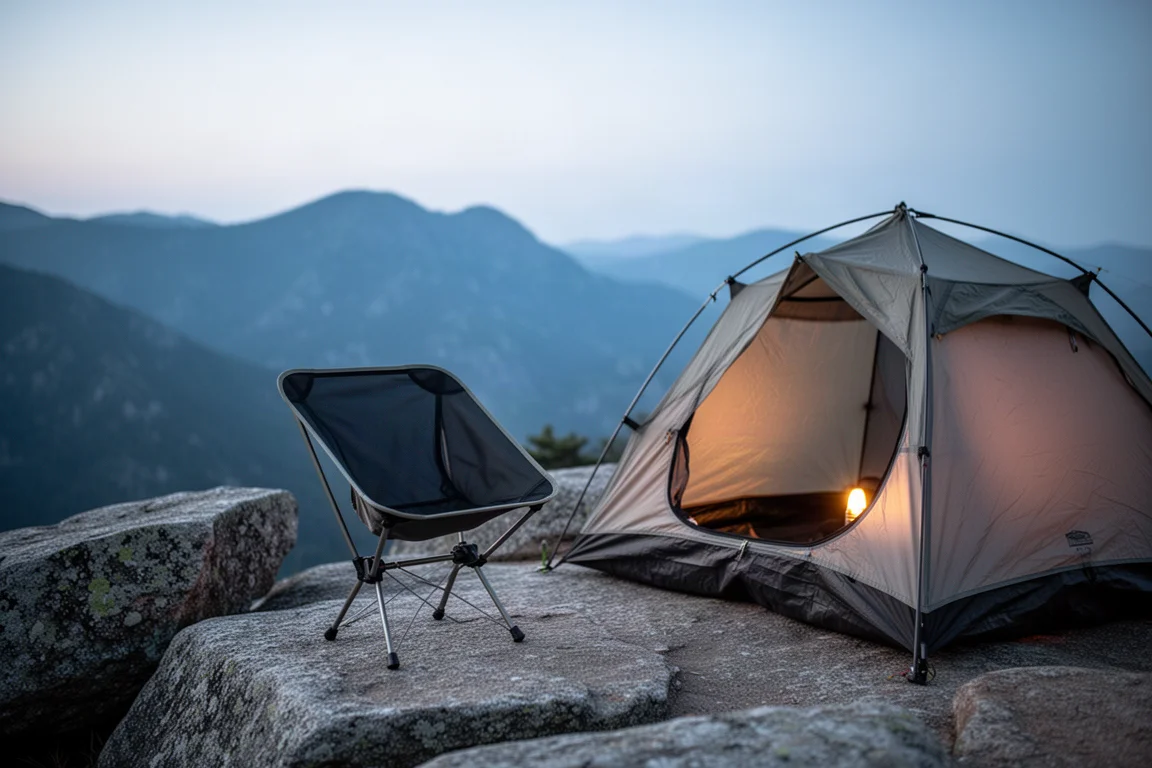
The case-as-pad design also means one less thing to improvise at camp, and the reclining seat makes it genuinely pleasant to sit through a long evening rather than perching on a rock.
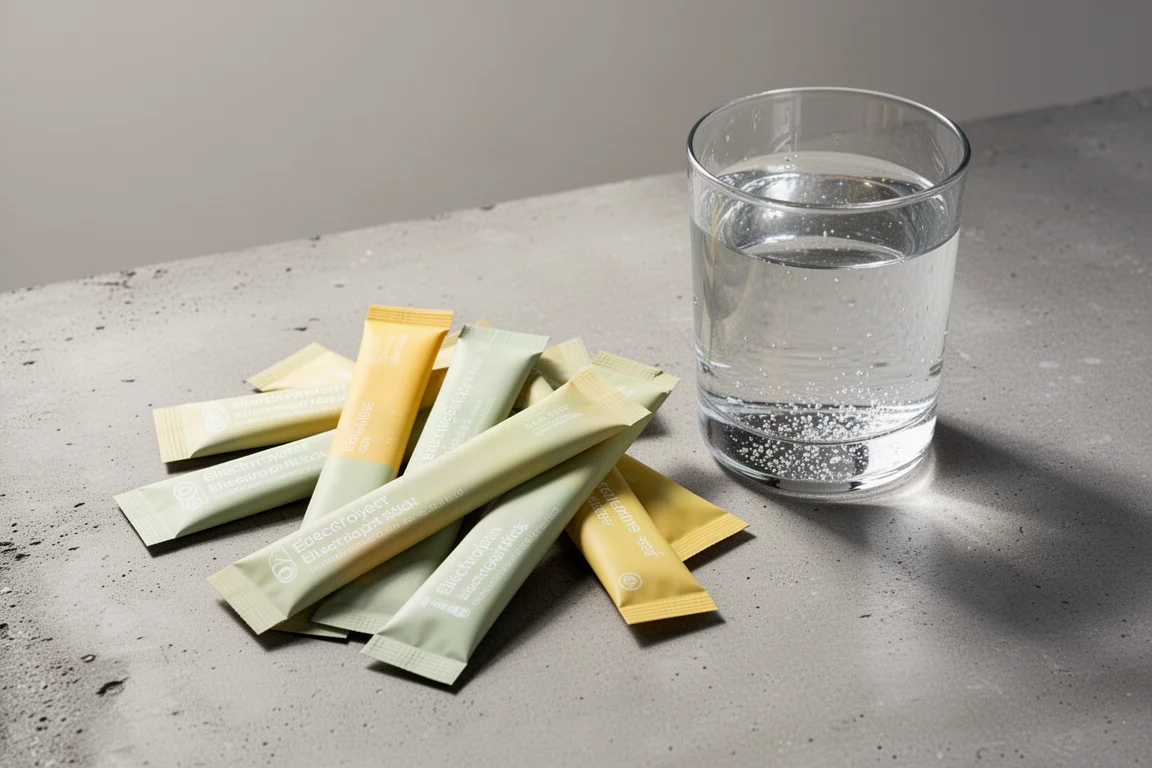
LMNT: Electrolytes for Strenuous Days
Dehydration on a long hike rarely announces itself. Headaches, lightheadedness, and the early signs of altitude sickness tend to build quietly, and thirst is an unreliable guide: in cold weather and at high elevation you often feel less thirsty while still losing fluids and electrolytes.
LMNT is an electrolyte drink mix built around a high sodium dose, with 1,000 mg of sodium, 200 mg of potassium, and 60 mg of magnesium per serving. It is easy to carry in single-serve sticks and quick to mix when you stop. On strenuous days, especially at altitude, replacing both fluid and electrolytes is a practical habit rather than an optional one.
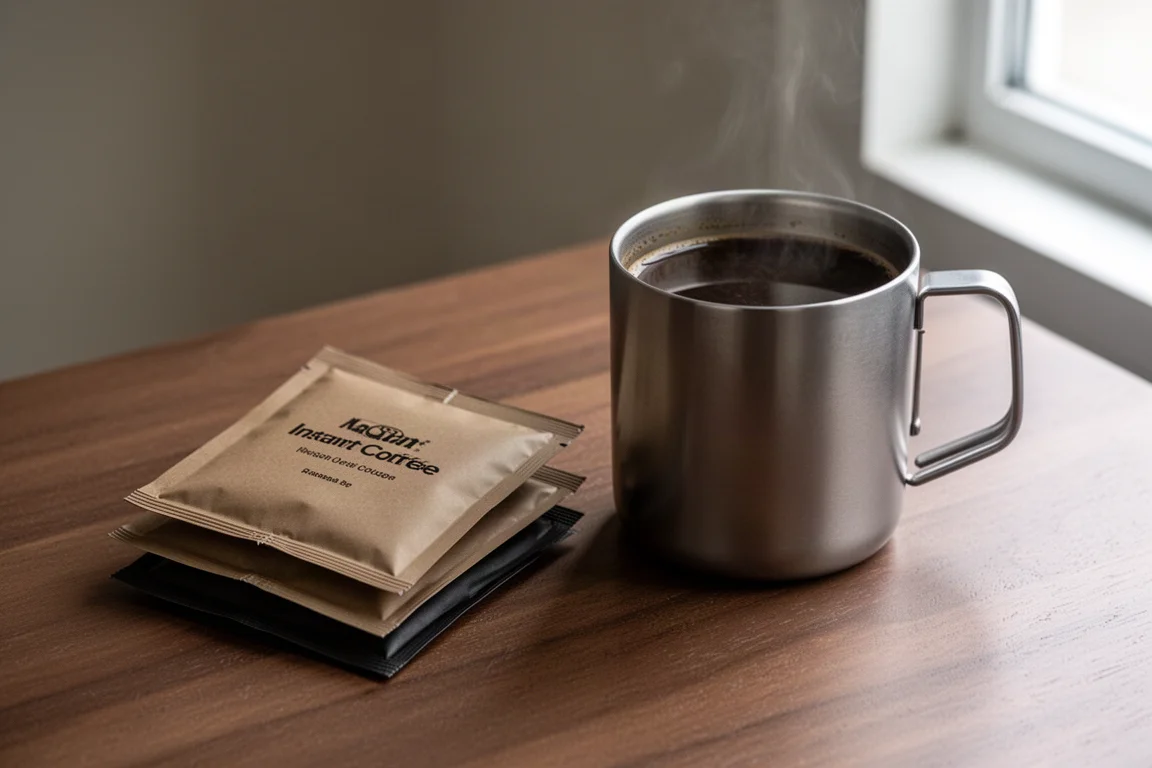
Swift Coffee: Specialty Instant Coffee for the Trail
Good coffee at camp is a small thing that changes the tone of a morning. Swift Coffee is a specialty instant coffee producer based in Lancaster, Pennsylvania, working with a team of roughly a dozen people. The company makes instant coffee for a number of leading specialty roasters and also sells its own.
The appeal for backpackers is straightforward. It tastes like coffee rather than like the thin, acidic instant options many hikers learn to tolerate, and it takes nothing more than hot water to prepare. If coffee is part of how you start a day, this is one of the easier upgrades to justify in a pack.
Anker 20,000 mAh: Power You Can Count On
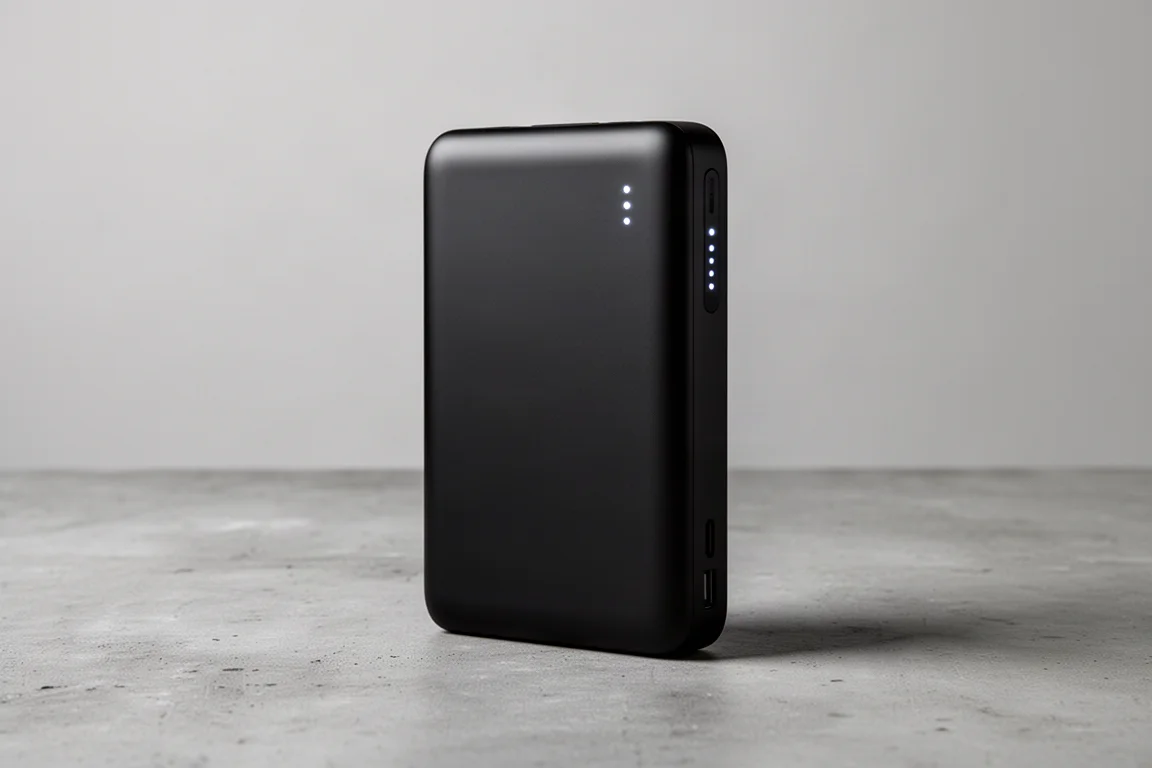
Staying charged on the trail is about more than convenience. A phone is often the link back home, and it is also the camera, the map, and the emergency contact. Anker has become the reliable default for that job, largely because its banks deliver the capacity they claim.
A 20,000 mAh bank has proven itself over several years of use and will keep a phone topped up across a multi-day trip. Not every trip needs that much capacity, and the same range includes smaller, lighter banks for shorter outings or lighter loads.
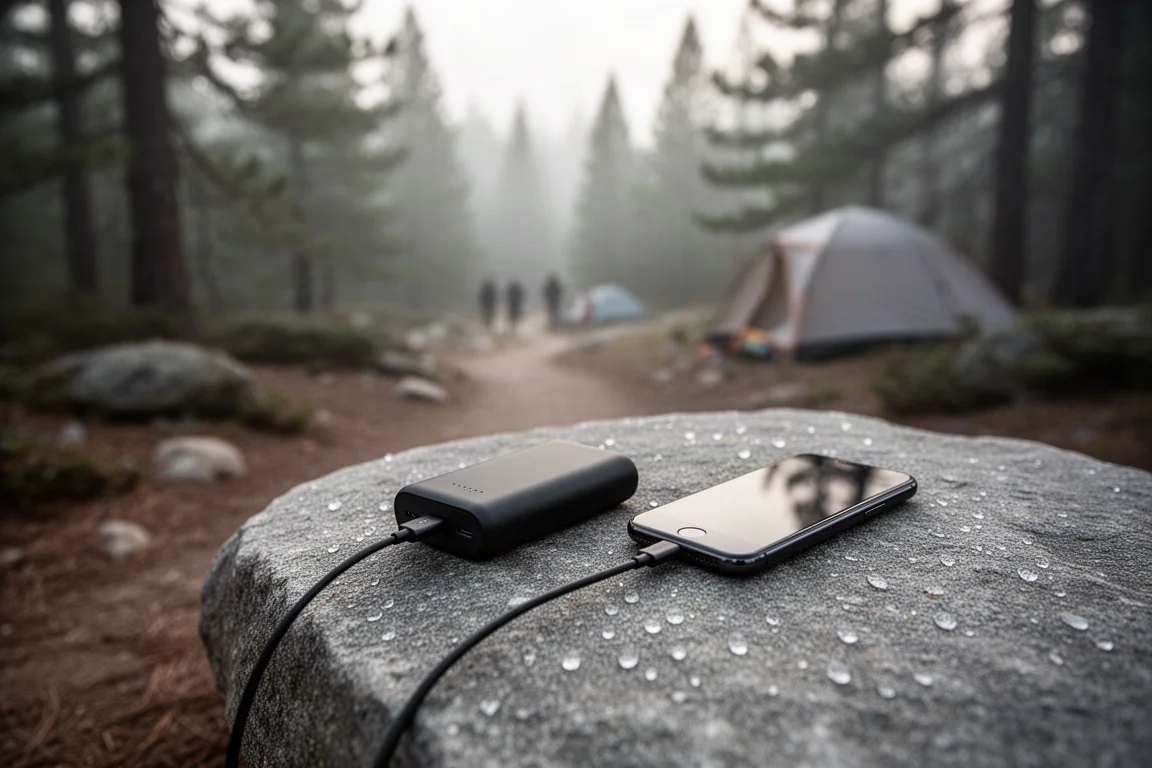
Choosing between them comes down to trip length and how many devices you carry. Matching capacity to the itinerary keeps the pack lighter without leaving you short on the last day.
Fjällräven Abisko Lite Trekking Zip-Off Pants
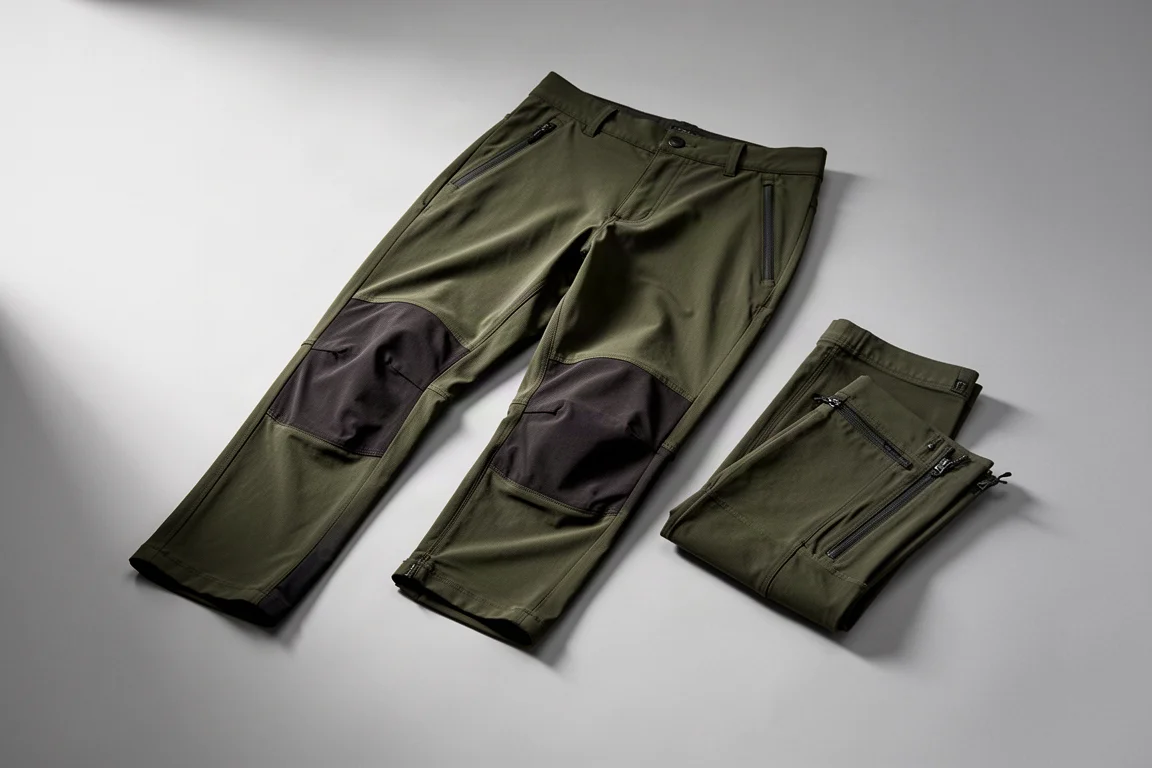
Few pieces of clothing earn as much trail time as a good pair of trekking trousers, and the Abisko Lite Trekking Zip-Off Pants have become a default choice for warm-weather and shoulder-season hikes. The fabric is a four-way stretch blend with G-1000 polyester, which makes for a fast-drying pair that moves with you on steep ground.
The darker panels are reinforcement zones placed where you kneel and sit, so abrasion lands on the tougher material. The knees are pre-shaped as well, which lets you kneel down without the fabric pulling tight against your calves. The zip-off lower legs turn them into shorts when the day warms up.
Fjällräven Keb Trousers: More Reinforcement for Colder Trips
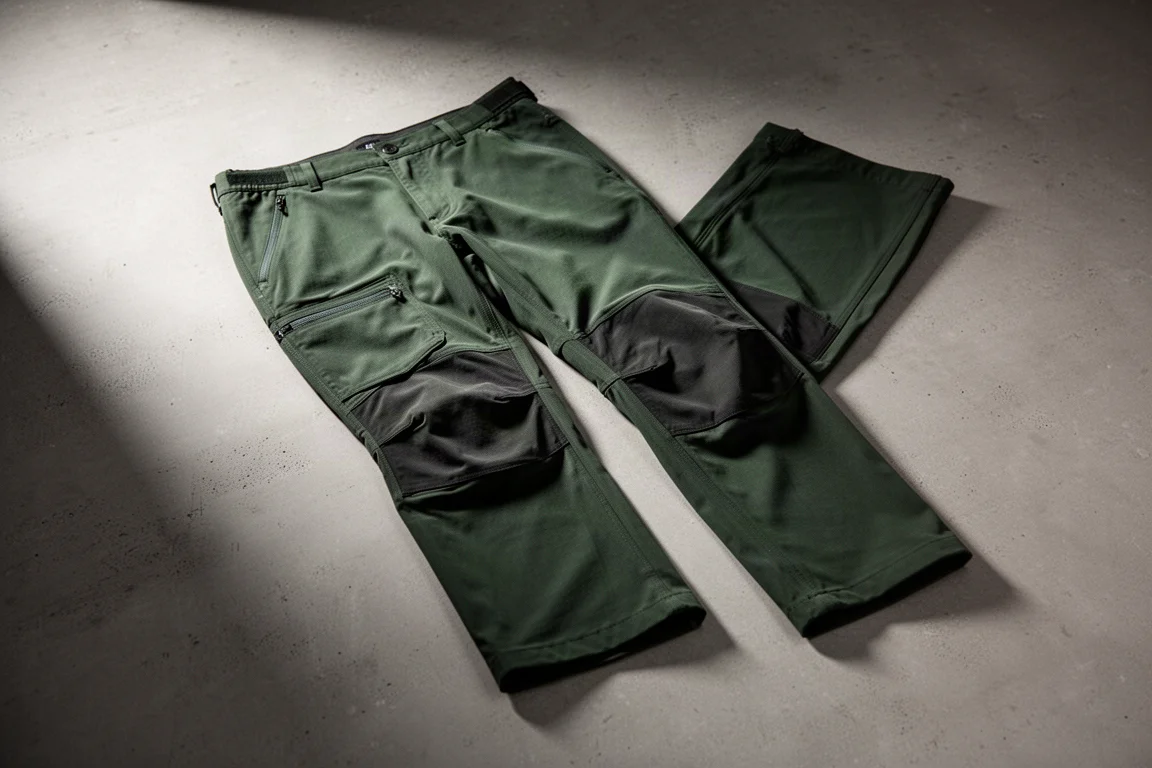
The Keb Trousers follow the same design thinking as the Abisko Lite pair but with more reinforcement and a more robust build. That makes them the better choice for colder adventures and rougher terrain, where durability and a bit more fabric matter more than saving weight.
The trade-off is straightforward: extra reinforcement and a heavier construction mean a warmer, sturdier trouser that suits winter conditions better than summer ones. Between the two models, the decision usually comes down to the season you hike in most.
CNOC Vecto: Simple Water Storage for Longer Days
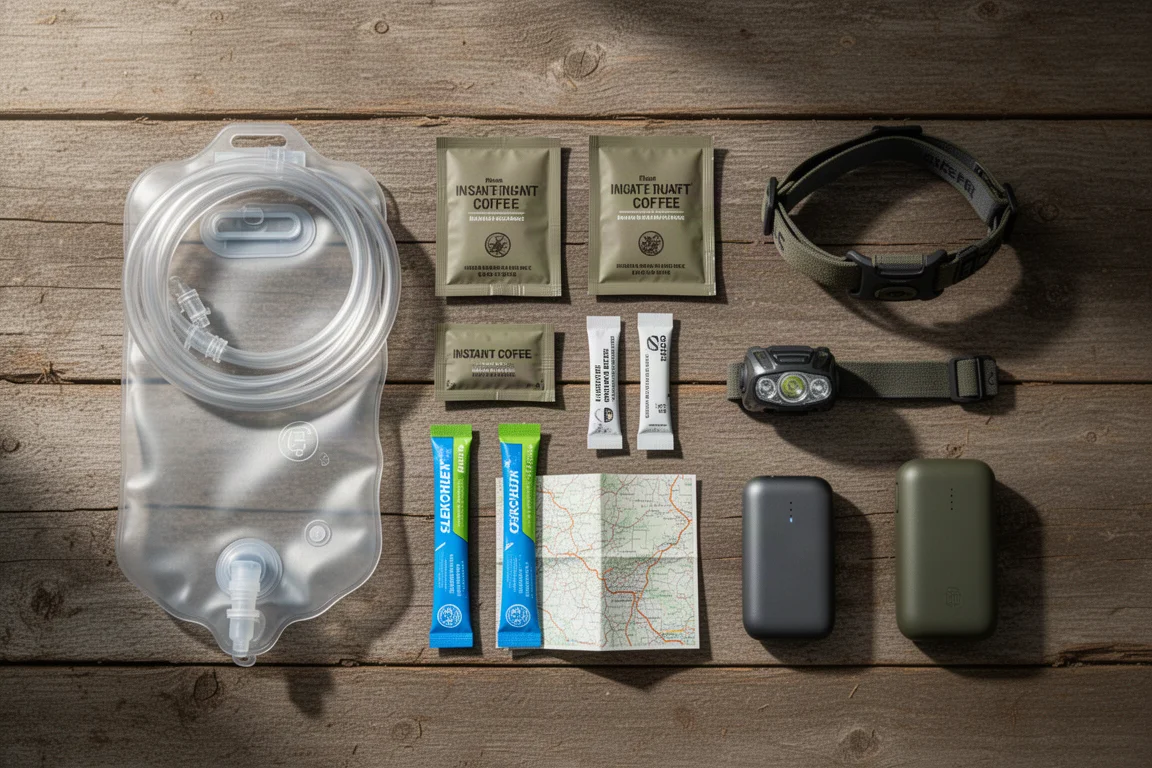
Filtering water is rarely the highlight of a trip, but the CNOC Vecto makes the job noticeably less annoying. The bladder comes in 1 L, 2 L, and 3 L capacities, and it is available with either a 28 mm or 42 mm thread, so it works with virtually any water filter on the market.
The wide opening is the real improvement. Scooping water from a stream or a shallow pool becomes a single motion instead of a wrestling match with a narrow bottle mouth. The bladder is also sturdy enough to strap to the top of a pack, which makes it easy to carry extra water for cooking or for long dry stretches between sources.

Buying Advice: Matching Accessories to Your Trips
The right accessories depend less on gear trends and more on the trips you actually take. Backpackers who fly to trailheads get the most value from a dual-purpose bag. Hikers who climb hard and sweat heavily benefit most from an electrolyte mix and a chair that makes camp comfortable. Long, dry routes reward better water storage, and multi-day trips with navigation and photos justify a larger battery bank.
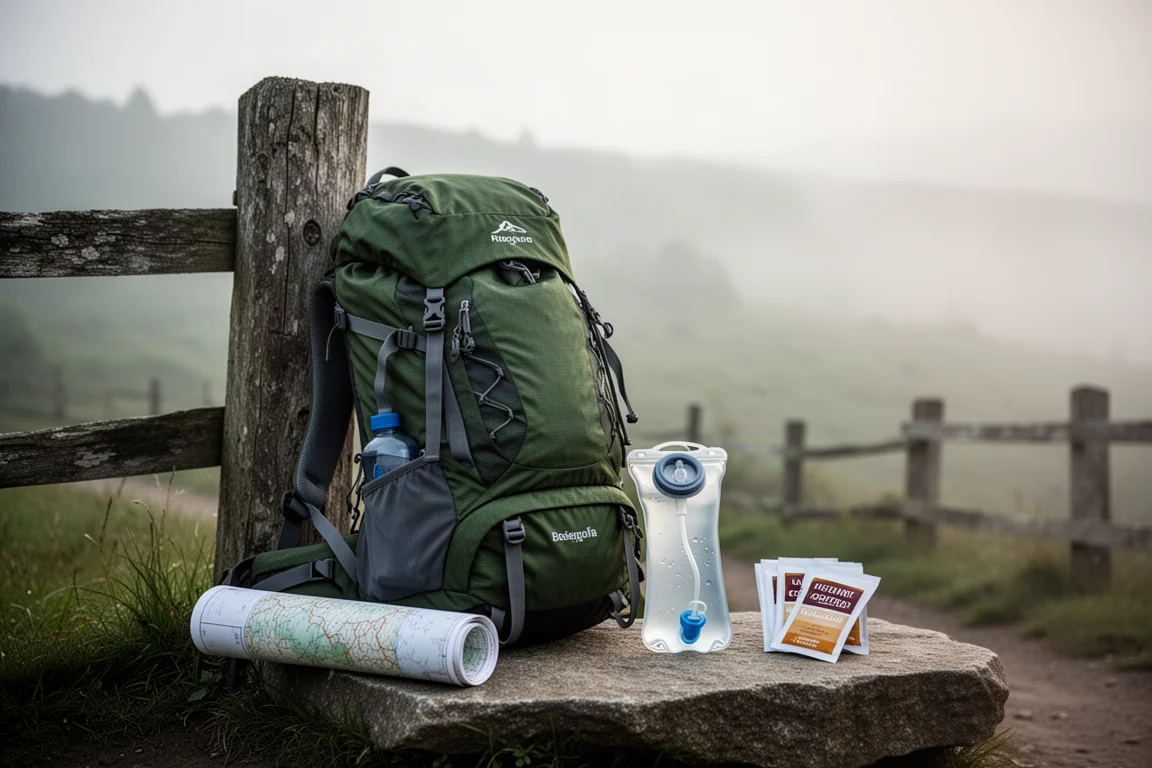
A practical approach is to add one item at a time and see whether it earns its place. Gear that quietly improves every trip tends to stay in the pack, while gear that only makes sense in theory tends to get left at home.
Conclusion
None of these eight items is essential to survival, and that is the point. They are the accessories that make backpacking trips smoother: a bag that works for travel and for the trail, a chair that reclines at the end of a long day, electrolytes for strenuous climbs, coffee worth waking up for, power you can rely on, trousers built for the season, and a water bladder that fills without a fight.
If you are building out a kit, start with the problem you notice most often. That is usually the accessory worth buying first.
Further reading
Related Reviews

Backpacking Gear
Building a 10 lb Base Weight: An Ultralight Backpacking Gear List
A practical walkthrough of the ultralight pieces behind a 10 lb base weight, from a 765 g pack and a roomy one-person tent to a full camp chair and a dependable water filter.

Backpacking Gear
A 15-Pound Lightweight Backpacking Gear List for Solo Trips
A beginner-friendly 15-pound backpacking setup built from easy-to-find gear, with notes on what each piece does, how it packs, and where to spend your attention.

Backpacking Gear
8 Ultralight Backpacking Gear Upgrades Worth Carrying
Eight small, affordable backpacking upgrades that solve real trail annoyances, from a pillow that stays put to a fuel valve that rescues leftover canister gas.