Backcountry Electronics
Best Backcountry Electronics for Thru-Hiking: Five Essentials Worth Packing
Five rechargeable devices that cover safety, navigation, and entertainment on remote thru-hikes, from satellite SOS to wrist maps and lightweight USB power.
Introduction
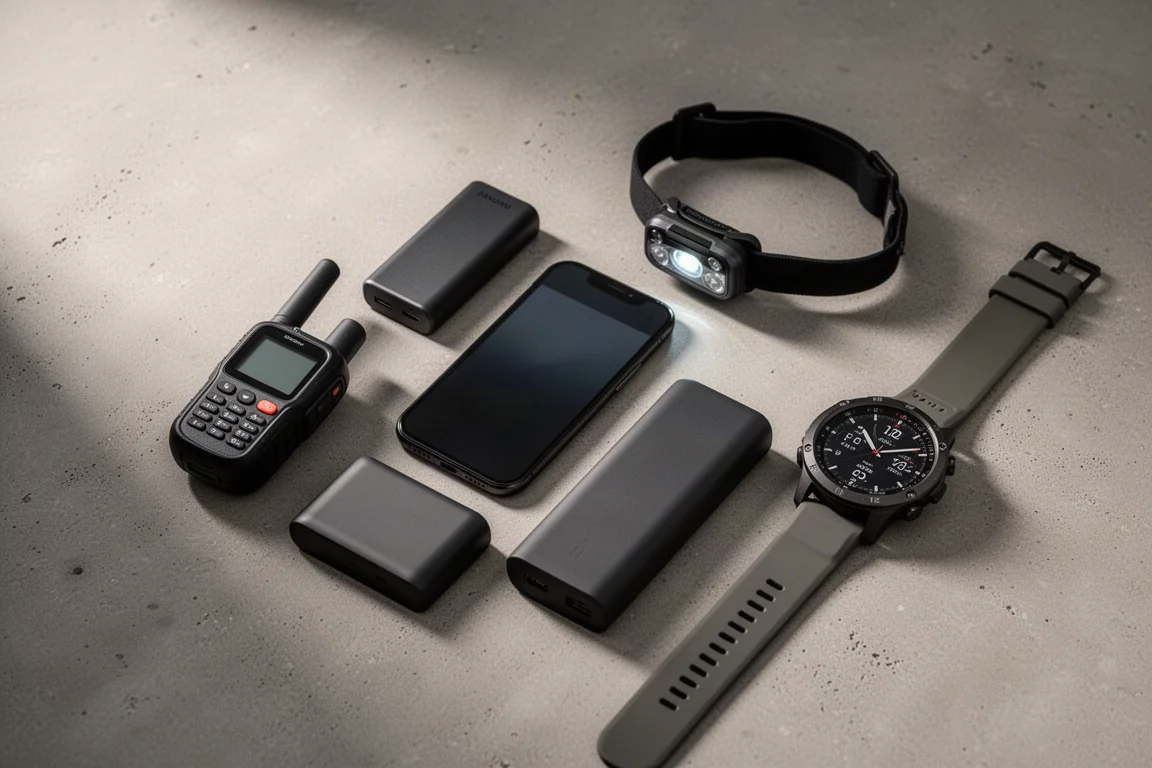
Backcountry electronics have moved from optional extras to core safety gear for a lot of long-distance hikers, and that shift makes sense on a route like the 1,100 km Great Divide Trail. Creek crossings, bushwhacking, and wildlife are all part of a normal day out there, so being able to call for help, check in with family, and confirm your position carries real weight.
The setup below is built around one simple rule: everything charges over USB. No spare batteries, no single-purpose chargers, and no device that only works with its own cable. What follows is a practical kit for safety, navigation, and entertainment on trail, with a little extra battery capacity reserved for longer trips.
What Matters in Backcountry Electronics
Three things shape every choice here. First, redundancy: the devices that matter most for safety should not depend on a single cable or a single power source. Second, weight: grams add up over a thousand kilometres, and small differences in how you carry the same capacity can matter more than the capacity itself. Third, interoperability: when every device charges over USB, one cable type and a couple of adapters can cover the whole kit.

There is also a practical argument for keeping a phone out of the primary navigation role. A dedicated device with maps and routes loaded ahead of time is quicker to check and uses less battery than waking a phone screen every few minutes. The phone then stays available for photos, video, and audio without draining at the same rate. The rest of this guide walks through each device in that light.
Garmin inReach Mini: Satellite SOS and Preset Check-Ins
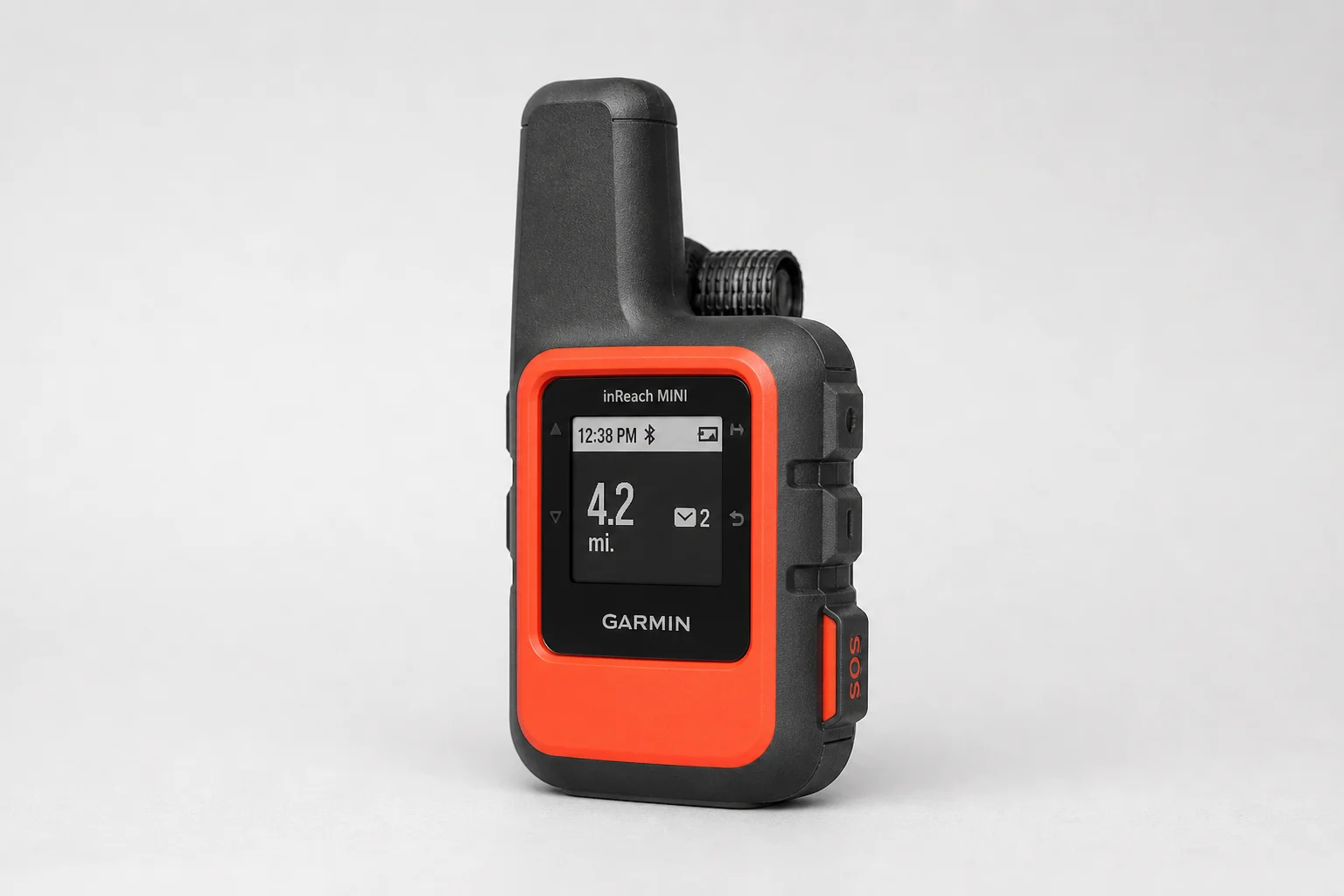
The Garmin inReach Mini is the satellite communication device at the centre of this kit. Its headline feature is the SOS button: press it and the unit sends a signal to a satellite, which relays the request to search and rescue operations. On a remote thru-hike, that is the difference between waiting for another hiker to pass and getting help moving.
The inReach Mini also handles everyday communication. Unlimited preset messages make it straightforward to check in with family or a support team at home, and those messages can cover practical requests such as mailing something to a resupply stop. The device does support on-device messaging, though pairing it with a phone makes longer conversations considerably easier. It charges over micro-USB, so a USB-C to micro-USB adapter is worth carrying as a backup.
Samsung Galaxy S10e: A Compact Phone for Backup Navigation and Media
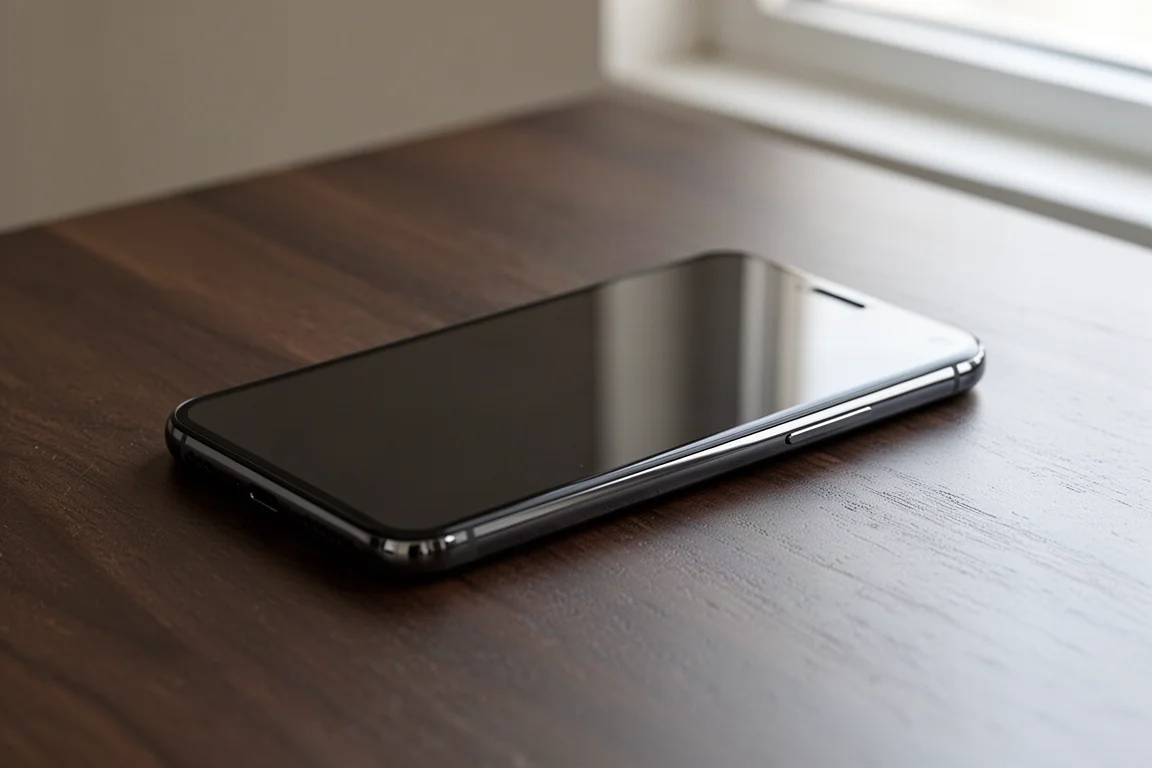
The Samsung Galaxy S10e earns its place by staying small without feeling slow. It is compact enough to disappear into a hipbelt pocket, but it still has the processing power to handle video editing on trail and a camera good enough for documenting a long route.
It serves as a secondary navigation tool rather than the primary one, which keeps its battery in reserve for the parts of a trip where a phone is genuinely useful.

The 3.5 mm headphone jack is a detail worth noting: it allows a small wired microphone with a wind muff to be plugged straight in, which helps tame wind noise in recordings. The same jack works with wired headphones, and a single wireless earbud can cover audiobooks, podcasts, or music on long, monotonous stretches of road and ATV track.
Used this way, the phone is a media and documentation tool first and a map second, which is a sensible division of labour when a watch already handles routing.
Nitecore NU25 Headlamp: Small, Light, and Rechargeable
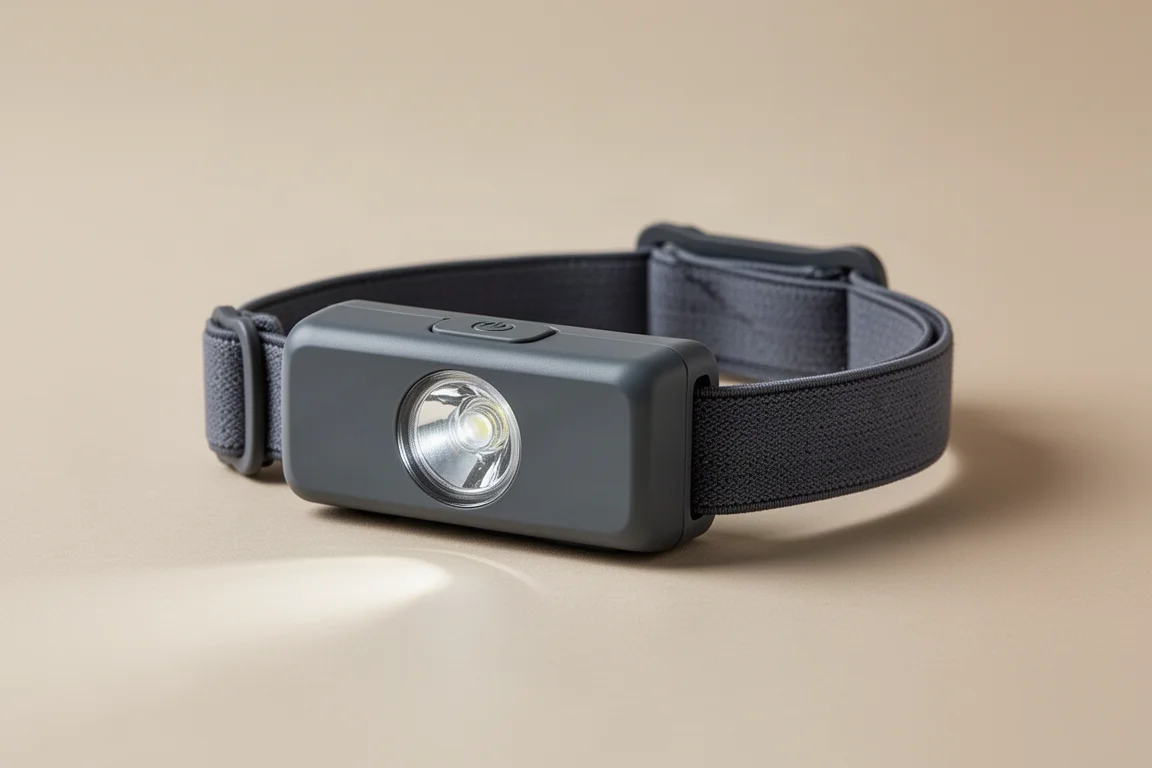
The Nitecore NU25 is a very light rechargeable headlamp, and it fits the USB-only rule of this kit. It runs on an internal battery rather than disposables, so no spare cells are needed. A shock cord adapter replaces the standard headband and trims a few more grams.
For trips where night hiking is rare, a light like this is more about camp chores and early starts than about illuminating hours of trail. Long northern summer days mean the headlamp may barely be used, but when it is needed it delivers serious output for its size. It charges over micro-USB, so it shares the same adapter as the satellite communicator.
Nikkor NB10000 Power Bank: Two Light Cells Beat One Heavy One
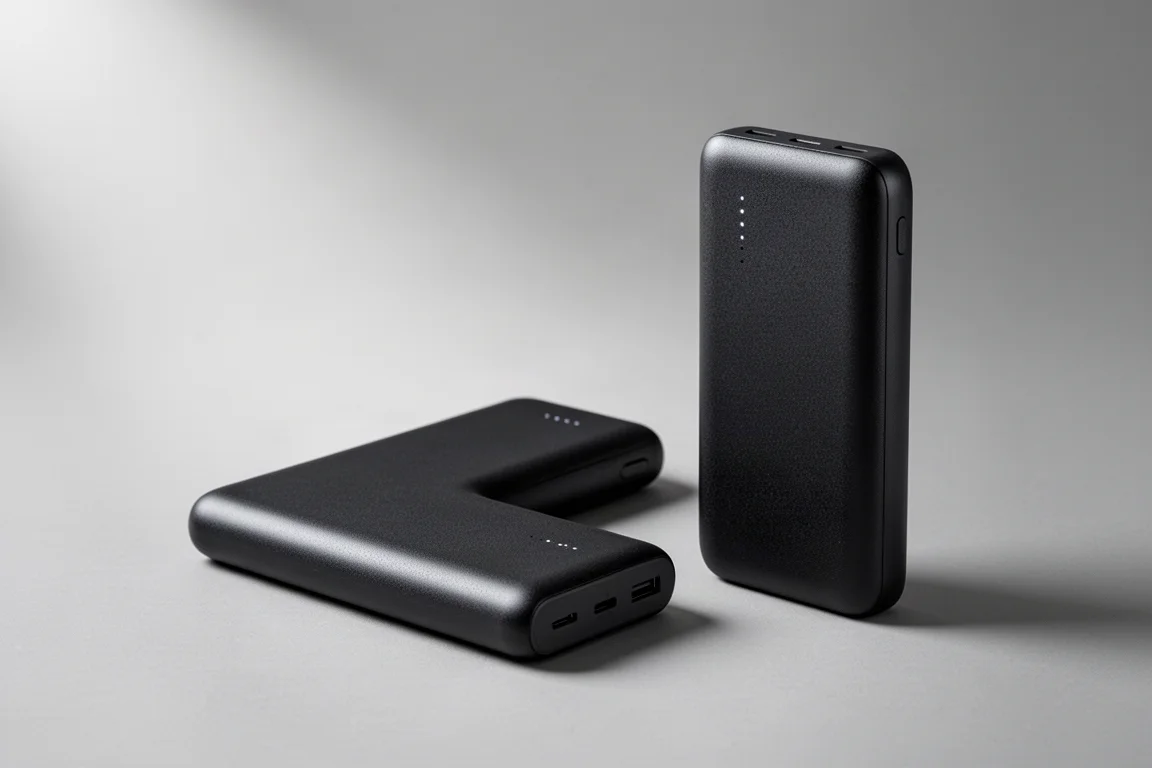
The Nikkor NB10000 is a 10,000 mAh power bank that weighs around 150 grams, which puts it among the lightest options in its class. Carrying two of them rather than a single 20,000 mAh unit is a deliberate choice: the pair is lighter and more compact overall, and it splits the risk if one bank fails.

There is a workflow benefit too. Running one bank down completely before switching to the second makes it obvious which unit still has charge, and it avoids guessing at partial capacities. The banks output over USB, so USB-C to USB-C cables cover most devices, with USB-C to micro-USB adapters for the headlamp and the satellite communicator. Carrying a spare adapter for the communicator is cheap insurance. For town stops and any access to mains power, a small 30 W wall charger with two USB-C ports refills the whole kit quickly.
Garmin Fenix 6 Pro Solar: Wrist-Based Navigation
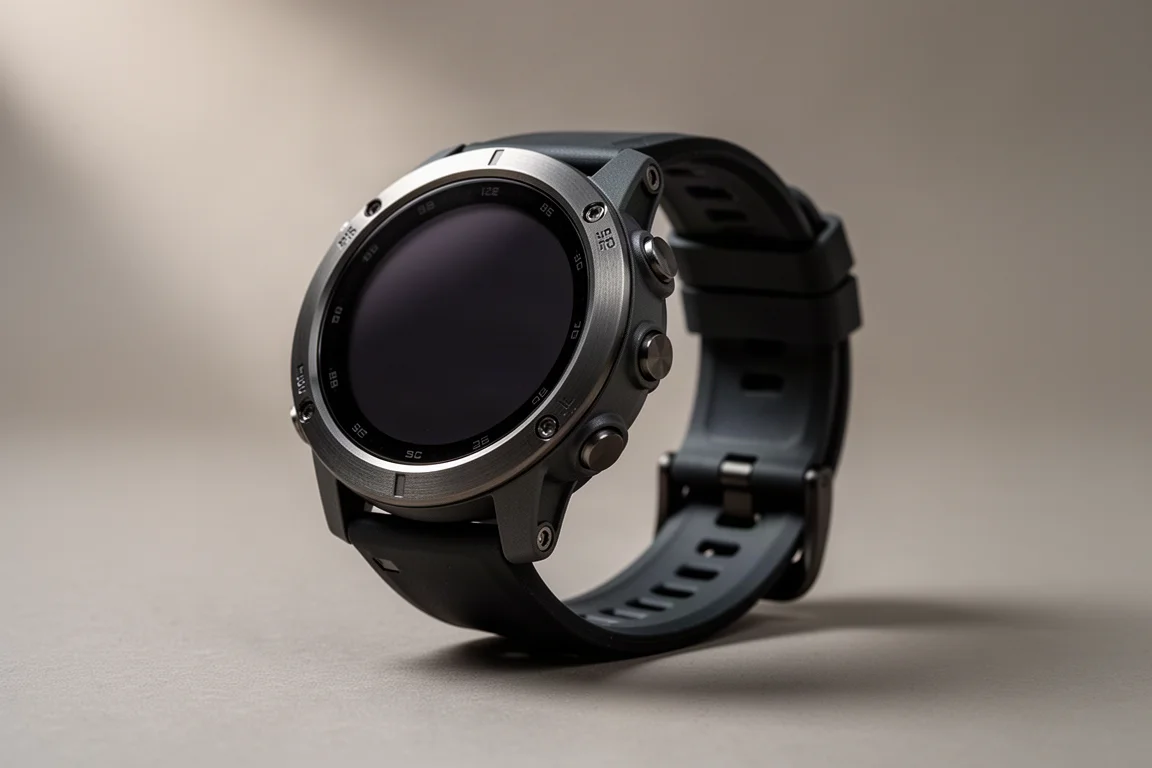
The Garmin Fenix 6 Pro Solar takes over as the primary navigation device. Topographic maps are built in, and daily routes can be loaded before the trip so each day’s line is ready to follow on the wrist. Checking a watch is faster than pulling out a phone, and it uses far less battery.
The watch also surfaces elevation information, which is useful on a route that rolls through the Canadian Rockies, and it tracks pace so you can tell whether you are moving too fast or too slow for the day’s plan. Combined with the satellite communicator for messaging and the phone for media, it completes a setup where each device has one clear job.
Overall Buying Advice
If you are building a similar kit, start with the safety layer. A satellite communicator with SOS and preset messaging is the piece most hikers will not want to leave behind on a remote route, and it is the one item where redundancy in cables and adapters is worth the few extra grams.
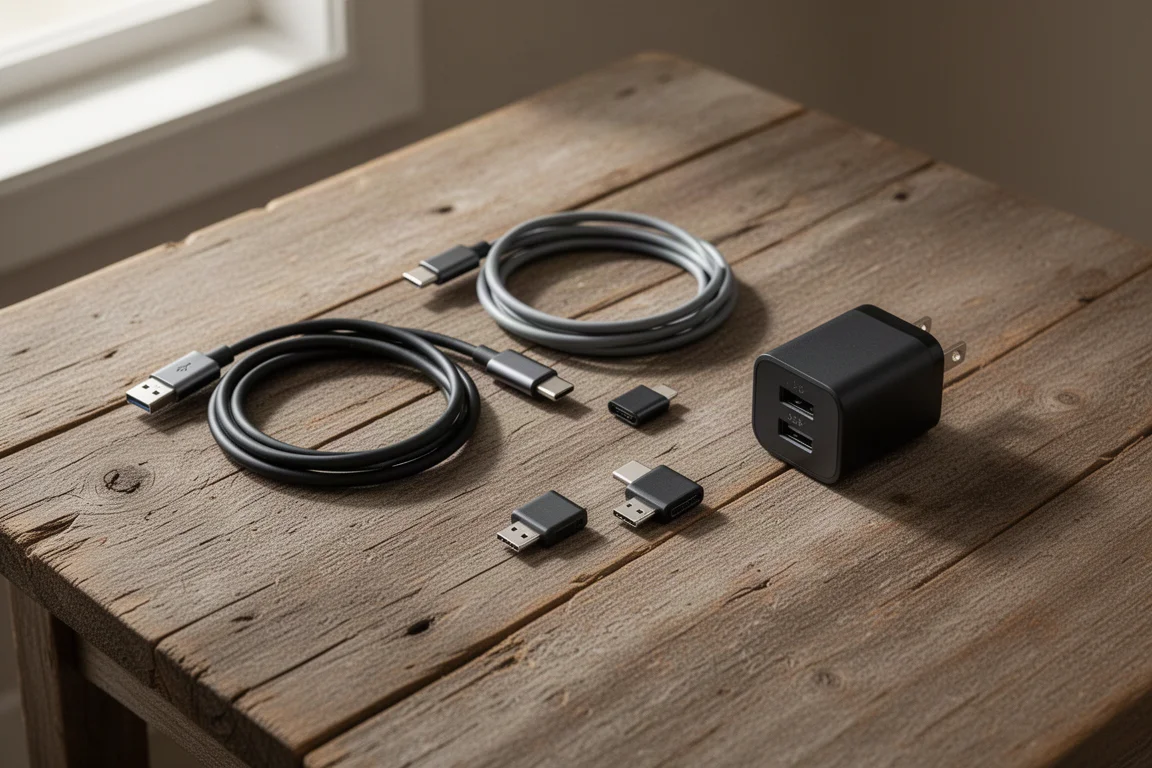
From there, choose between a watch and a phone for primary navigation based on how much you value a glanceable screen and battery life. The phone can then be specified for media and documentation rather than map duty, which makes a compact model a reasonable choice. A light rechargeable headlamp and enough USB power bank capacity to cover the longest gap between resupply stops round out the kit. Every item here charges over USB, so the whole system shares one cable standard with a couple of inexpensive adapters.
Conclusion
A backcountry electronics kit does not need to be complicated, but it does need to be coherent. The five devices here each handle a distinct job: satellite SOS and check-ins, a compact phone for media and backup navigation, a light rechargeable headlamp, two featherweight power banks, and a GPS watch with topographic maps on the wrist. Because they all charge over USB, the supporting kit stays small, and the redundancy that matters most sits with the device you would least want to lose.
Further reading
Related Reviews

Backpacking Gear
Building a 10 lb Base Weight: An Ultralight Backpacking Gear List
A practical walkthrough of the ultralight pieces behind a 10 lb base weight, from a 765 g pack and a roomy one-person tent to a full camp chair and a dependable water filter.

Road Bikes
10 New Road Bikes Worth Watching: Aero, Titanium, Steel and Endurance Standouts
A practical roundup of 10 new road bikes, from aero flagships chasing single-watt gains to titanium, steel and endurance platforms built for real roads.
Bikepacking Gear
11 Bikepacking Essentials for Long-Distance Cycling
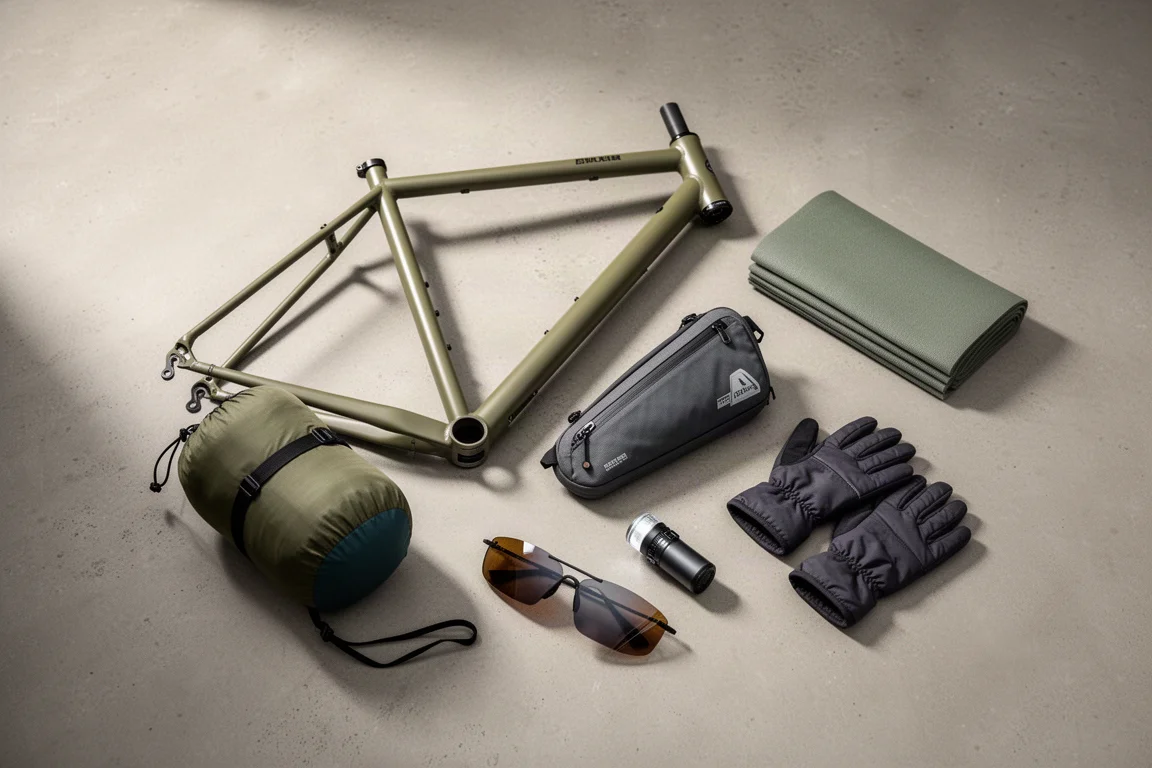
Eleven bikepacking essentials for long-distance cycling, from a steel gravel frame and a two-person tent to helmet lights, packable gloves, and a frame bag that puts weight in the right place.