Hi-Fi Audio
Best Audio Gear Under $150: 11 Affordable Hi-Fi Components Worth Buying
Eleven budget-friendly speakers, amplifiers, DACs and sources that deliver real hi-fi value, plus the trade-offs to check before you buy.
Introduction
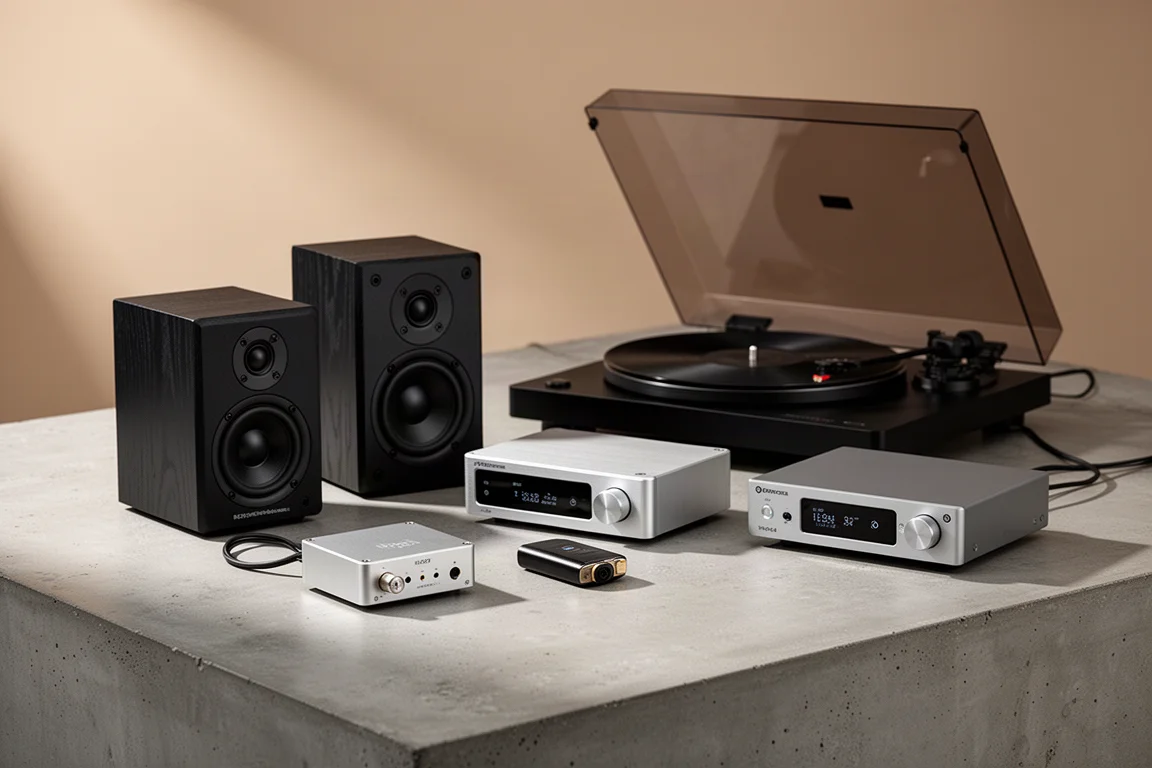
Building a genuinely good hi-fi system does not have to be expensive. Every component in this roundup sits under $150, and most of them are discounted right now as part of holiday promotions, which makes this an unusually good moment to start a system or to fill a gap in an existing one. The list covers the three essentials: speakers, amplifiers and sources.
The other reason these products deserve attention is that most of them leave room to grow. A small amplifier can later become a pair of monoblocks. A streamer can accept a better outboard DAC. A modest pair of bookshelf speakers can carry a system for years while you improve what feeds them. That upgrade path is what separates a cheap setup from a smart one.
What to Look For in an Affordable Hi-Fi System
Three things matter most at this price. First, sensitivity and impedance, because a low-sensitivity speaker demands more amplifier power than a budget amplifier can comfortably supply. Second, inputs, since the number and type of connections decide how many sources you can run without adding a switch box. Third, tone control, because none of these speakers is perfectly neutral, and a small amount of bass and treble adjustment often makes a bigger difference than swapping a component.
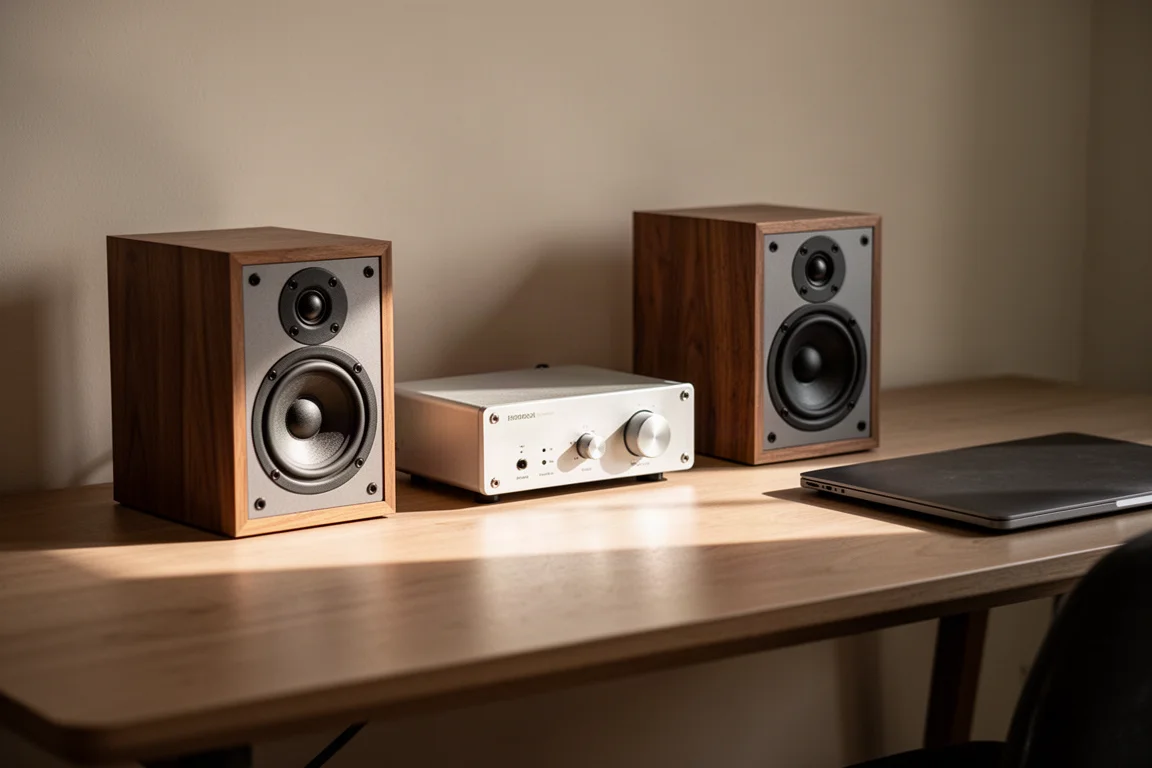
It also helps to think in stages rather than in one purchase. A streamer with volume control and an analog input can act as a preamp now and as a pure transport later. A bridgeable amplifier can start as a stereo unit and finish as a pair of monoblocks. Buying with that in mind keeps the total spend low while leaving the door open for better sound down the line.
Best Small Speaker Value: Neumi BS5
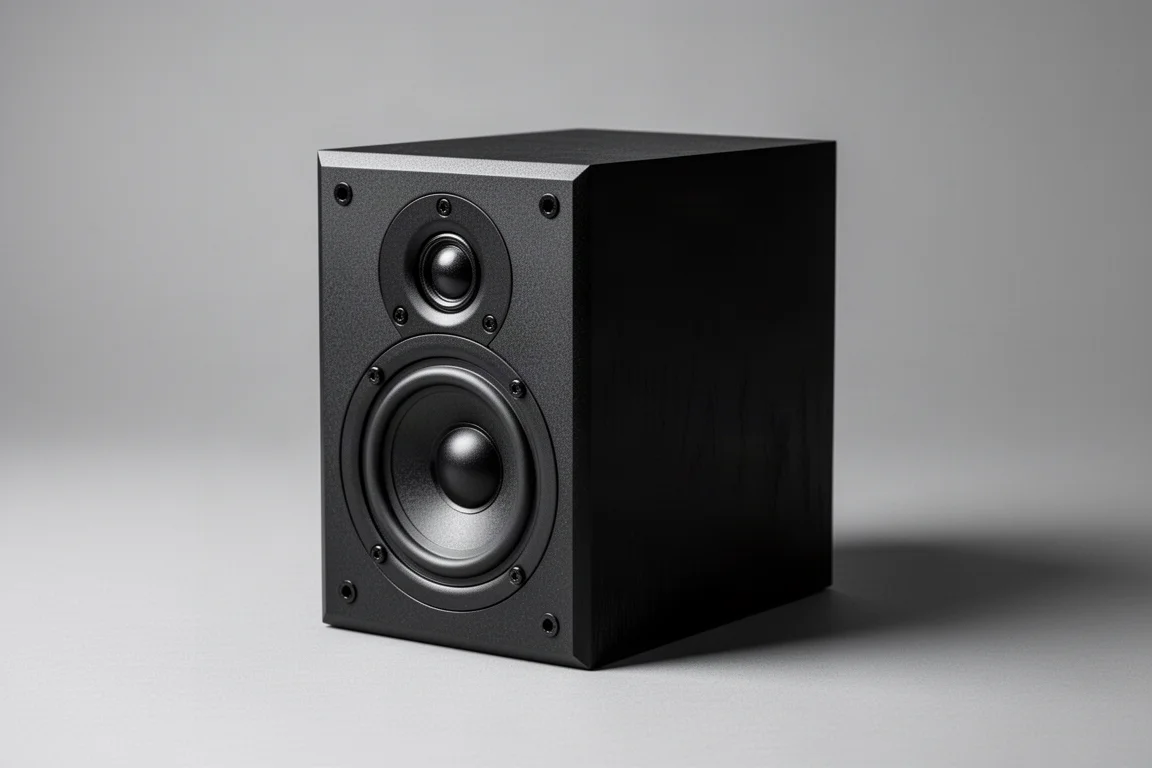
The Neumi BS5 is a long-running budget favourite. It pairs a 5.25-inch woofer in a front-ported cabinet with a 0.75-inch soft dome tweeter, and it sells for around $109. For its size it is fairly easy to drive, and the tuning is notably neutral rather than boosted, which makes it a good fit for small rooms and desktop systems where clear vocals matter more than extra bass.
Its limitations follow directly from the cabinet size. Low-frequency output is modest, so it suits nearfield listening and smaller spaces rather than a large living room. Treated as a compact, honest speaker, it is one of the strongest entry points on this list.
Neutral Desktop Option: Sony SSCS5
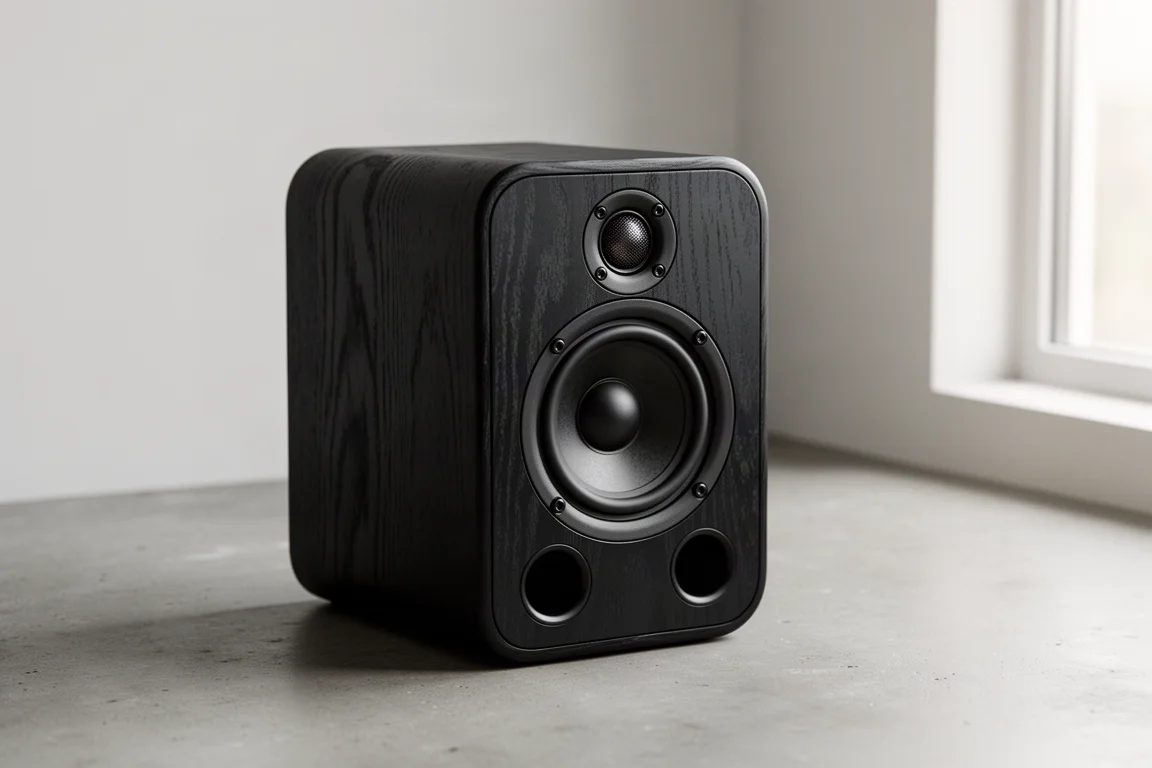
The Sony SSCS5 carries a $199 list price but is currently discounted to around $130, which brings it back inside this budget. It combines a 5.25-inch woofer with a 2.5-inch super tweeter. The midrange is slightly recessed and the top end can sound forward with certain recordings, so placement matters: keeping the tweeter below ear level or angling the speakers outward reduces that intensity noticeably.
Used as desktop speakers, they remain a dependable choice, and the current sale price is the reason they belong in a sub-$150 conversation at all. If you want a pair that stays engaging at low volumes near a monitor, this is a sensible option.
Best All-Rounder: Polk XT15
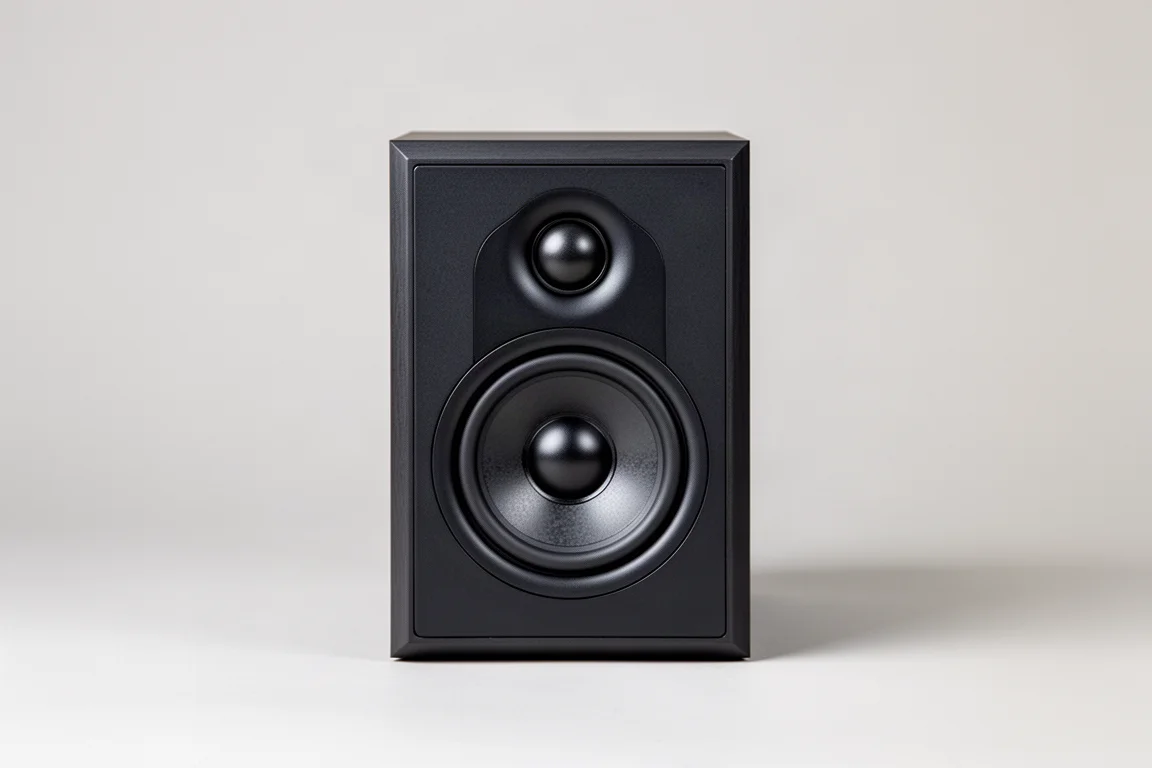
The Polk XT15 is a two-way design with a 5.25-inch woofer and a 1-inch soft dome tweeter, and it is on sale for around $139. Of the four speakers here, it is the most balanced: more neutral than the Sony and more dynamic than the Neumi, and it is also the easiest of the group to drive. For listeners who want one pair of speakers that handles a wide range of music without fuss, this is the safest pick.
Placement still pays off. A little distance from the rear wall and a slight toe-in toward the listening position will tighten the low end and sharpen the stereo image.
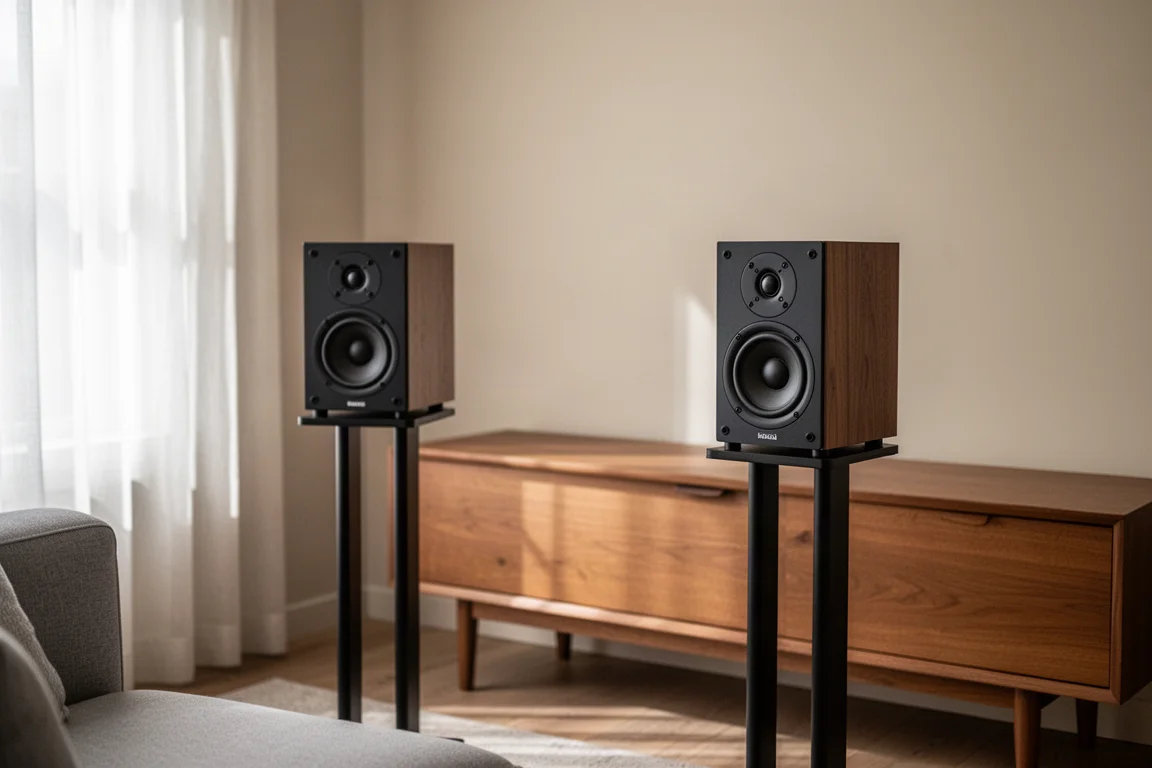
Because it is efficient and even-handed, it also pairs well with the modest amplifiers further down this list, which keeps the total system cost low without obvious compromise.
Compact and Demanding: Micca RB42
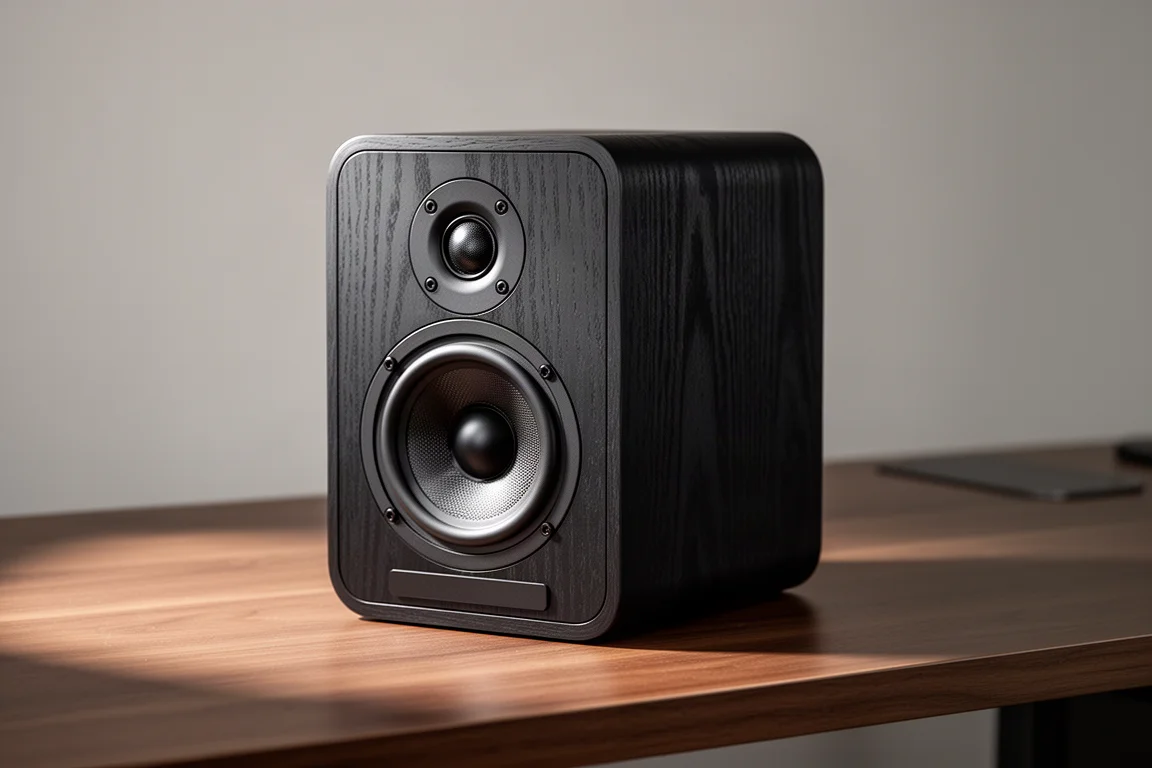
The Micca RB42 is tiny but unusually dense for its size, with a 4-inch woofer, a large surround and a 0.75-inch soft dome tweeter. It is priced at $149. Its 83 dB sensitivity is the key detail: this speaker needs real power before it comes alive and delivers meaningful output, so a low-powered desktop amplifier will leave it sounding flat.
Give it a capable amplifier and it rewards the investment with scale that belies its footprint. Plan the amplifier choice alongside the speaker rather than after it.
Flexible Amplifier: Fosi Audio ZA3
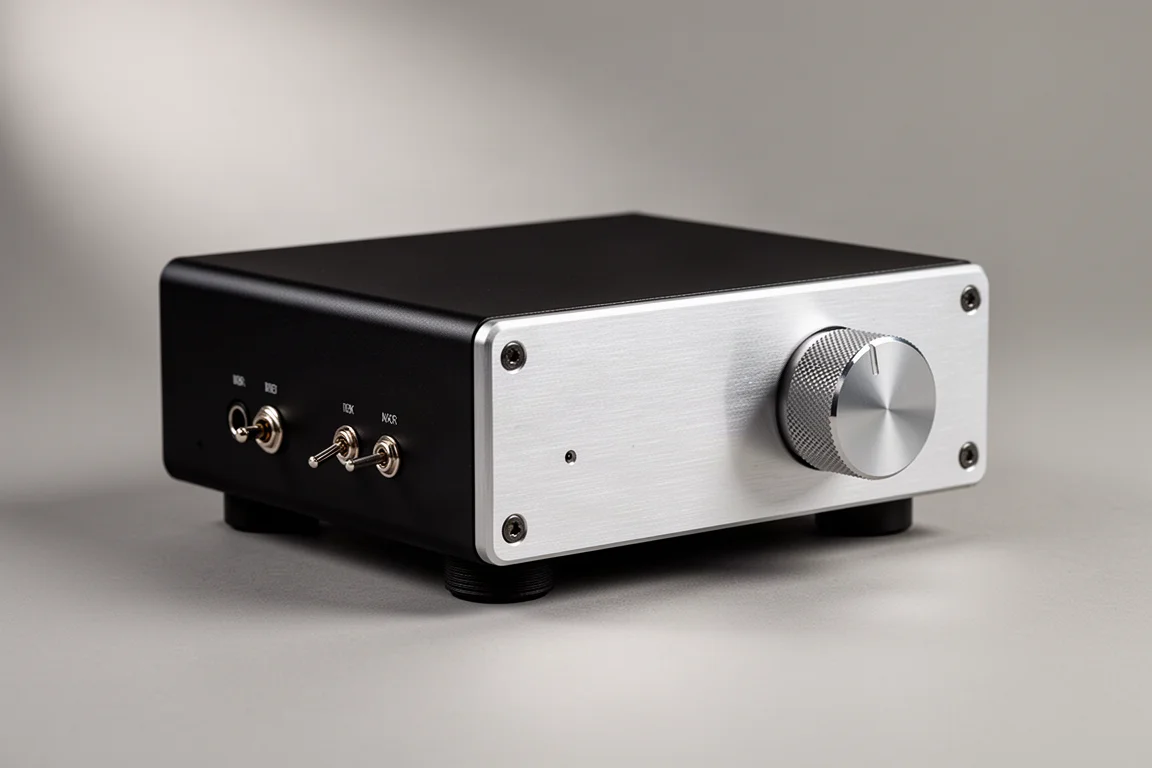
The Fosi Audio ZA3 is a compact class D amplifier built around an upgrade path. It can be bridged to run in mono, so adding a second unit later roughly doubles the power available. It also accepts user-replaceable op-amps, which lets you tune its character over time, and it offers balanced inputs alongside a single-ended RCA input.
That input arrangement effectively gives you two usable inputs, provided your sources cover both connection types. For a first amplifier that can grow into a monoblock pair, it is a smart place to start.
Tone Control on a Budget: Fosi Audio BT20A Pro
The Fosi Audio BT20A Pro is discounted to around $80 from a normal $100. It adds bass and treble tone controls plus Bluetooth, and that matters at this price point: none of the speakers here is perfect, and a little tonal adjustment often goes further toward making a budget pairing sound right in your room than any other single change.
The trade-off is a single RCA input, so it suits a simple one-source system. There is no DAC inside, so a digital source will need its own conversion. Used with care, it is one of the cheapest ways to get a tunable, pleasant-sounding system running.
Bridgeable Bargain: Aiyima A07 Max
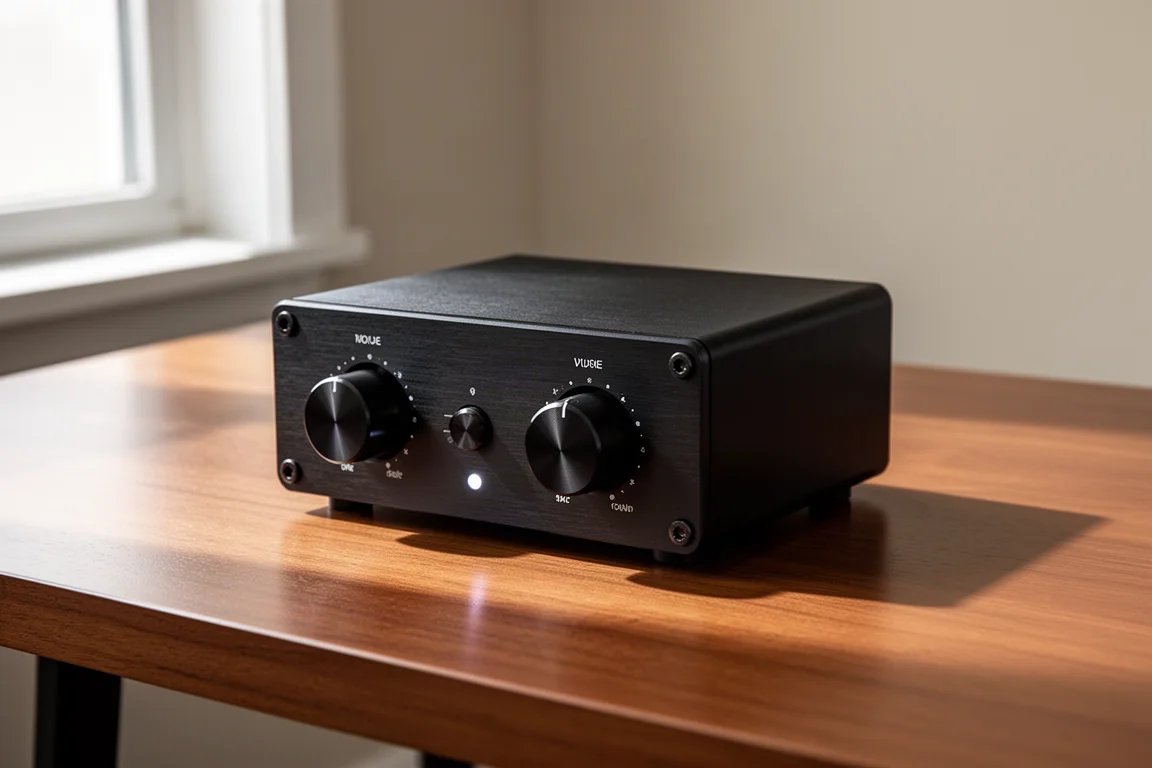
The Aiyima A07 Max costs around $74 and follows a similar philosophy to the ZA3: it can be bridged into mono. Buy one to drive a pair of speakers, then add a second later and run the two as monoblocks for more power. Two units together come to roughly $148, which puts a pair of mono amplifiers inside this budget.
In stereo mode the power per channel is limited, so it suits efficient speakers or nearfield listening. As a starting point that can be doubled later, the value is hard to argue with.
Small DAC, Strong Sound: SMSL SU-1
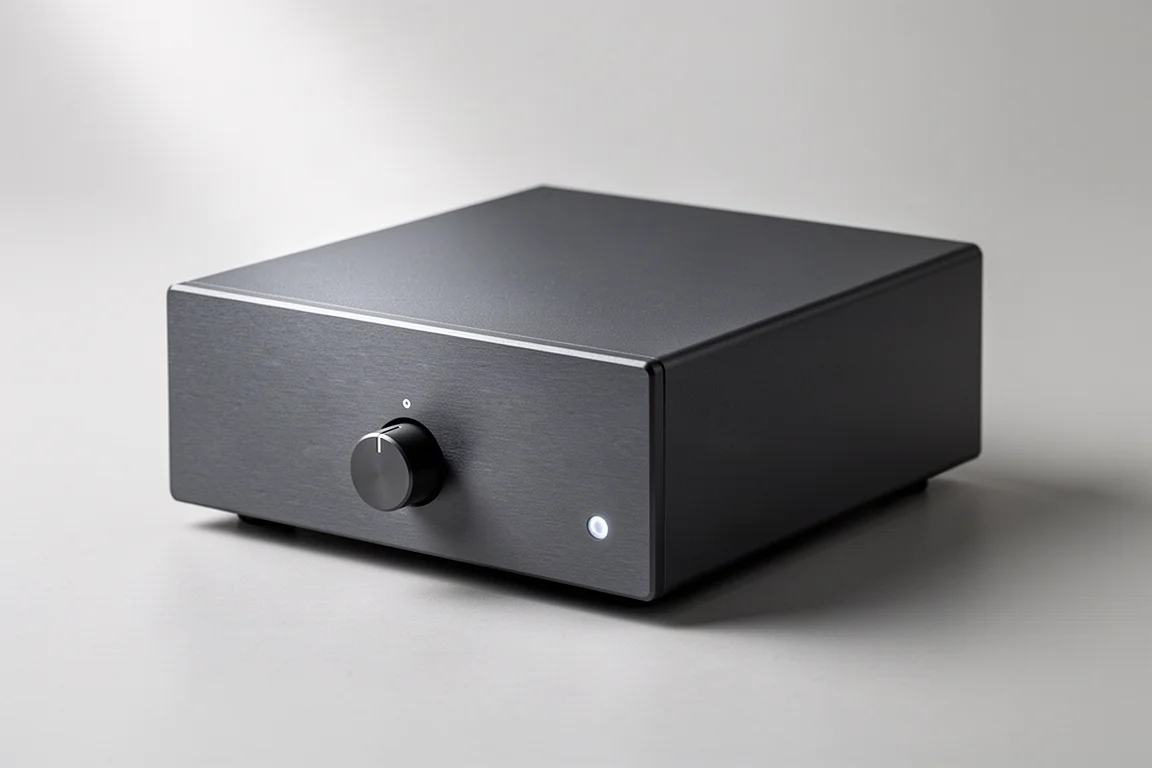
The SMSL SU-1 is on sale for around $67 to $68 and uses the AKM 4493S chipset. It offers coaxial, optical and USB inputs, and it is powered over USB, so it can draw power from a computer or from a small 5V phone charger. Adding an outboard DAC to a computer, television or disc player almost always improves the result, and this one delivers far more than its price suggests.
It also pairs neatly with an inexpensive DVD player used as a CD transport. Connect the player’s coaxial output to the SU-1 and feed the result into your amplifier, and the combined cost stays comfortably under $150 while sounding genuinely capable. For a first dedicated DAC, this is an easy recommendation.
Made in Texas: Schiit Modi
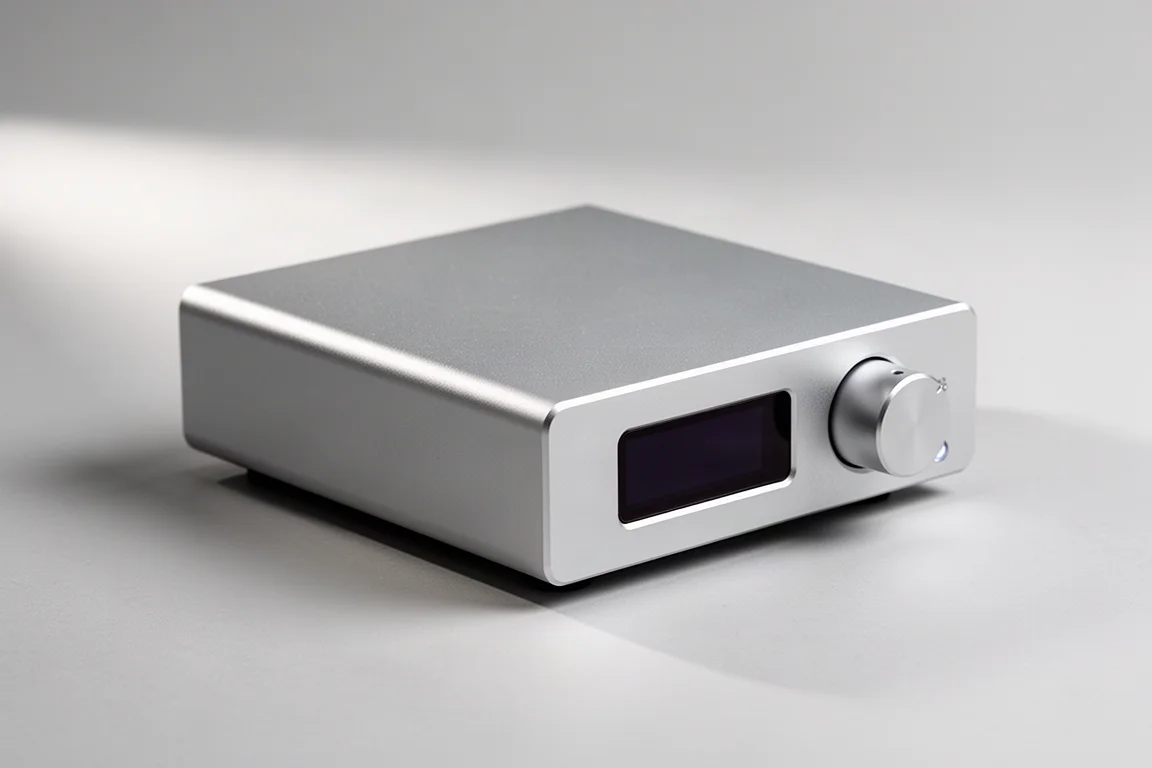
The Schiit Modi is priced at $130 and offers an input layout similar to the SU-1 with a different voicing. It is manufactured in the United States, specifically in Texas, and the company has been a fixture in affordable desktop audio for years. New units at this price are notable given how long the Modi has been on the market, and used examples can cost even less.
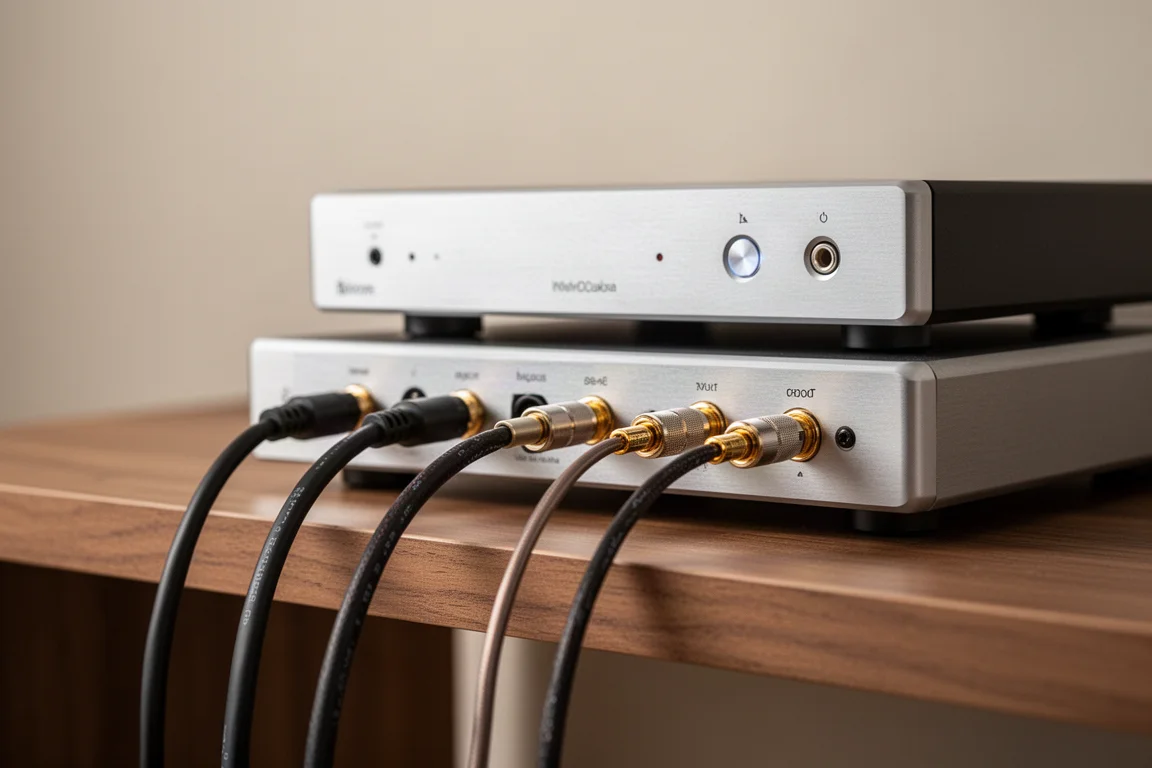
It is the choice for listeners who want a slightly different tonal character and a longer-established product line rather than the lowest possible price. Both approaches are valid; the Modi simply costs more and asks you to decide whether that difference is worth it.
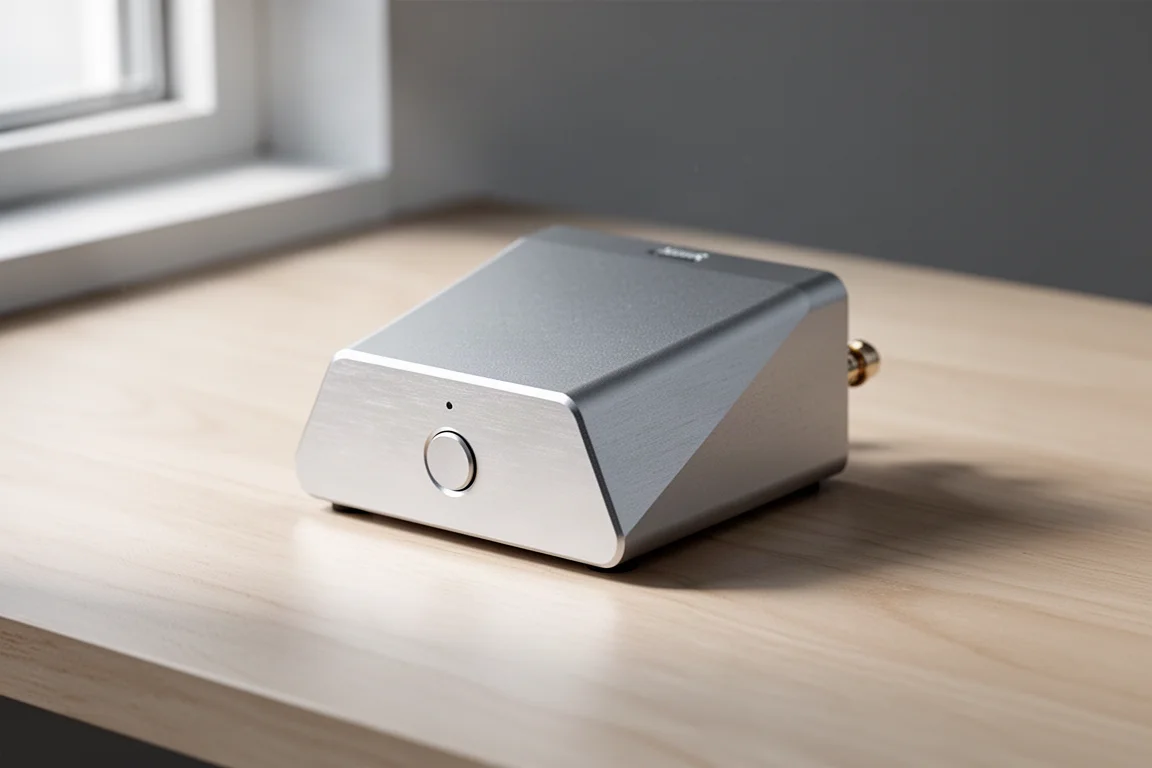
Entry-Level Vinyl: Fluance RT80
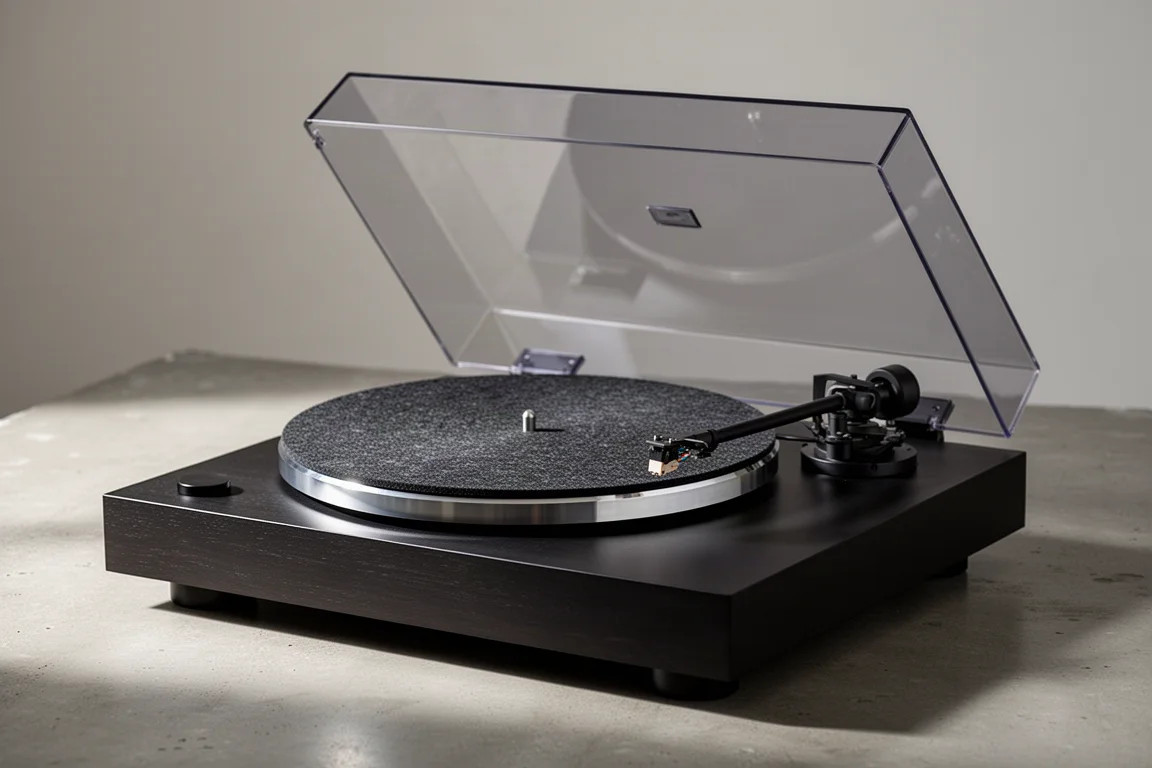
The Fluance RT80 lists at $200 but is currently around $159, which puts it just above the $150 line. It uses a different motor from the higher RT82 through RT85 models, yet as an entry-level turntable it represents strong value. A phono preamp is pre-installed, so it connects directly to small class D amplifiers such as the ZA3, the BT20A Pro or the A07 Max without extra hardware.
It also includes auto stop, and its thick plinth gives it a far more solid feel than typical entry-level decks. If vinyl is part of your plan, this is the most affordable way into a properly built turntable in this roundup.
Streaming Hub: WiiM Pro
The WiiM Pro is discounted to around $119 and works as both a streamer and a preamp thanks to its analog input, which means you can control volume directly on it. It provides an optical input, an optical output, a coaxial output and a trigger output, and it includes a 10-band parametric EQ as well as room correction.
Bluetooth and AirPlay are both supported, along with major streaming platforms including Tidal, Spotify, Qobuz, Pandora and SiriusXM. The smartest way to use it is as the heart of the system now, then add an outboard DAC later for better sound. Few components at this price offer this much functionality.
Overall Buying Advice
If you are starting from nothing, a balanced first step is a pair of efficient speakers plus a small amplifier, then a DAC or streamer once the basics are in place. Match the amplifier to the speaker’s sensitivity: the Micca RB42 in particular needs more power than its size suggests, while the Polk XT15 and Neumi BS5 are far more forgiving. If you plan to add a subwoofer or run long cable lengths, a bridgeable amplifier gives you a route to more headroom later.
Because several of these products are discounted for holiday promotions, buying now is sensible if a component matches a real need in your system. The upgrade paths are the real story here: a streamer can gain a better DAC, an amplifier can gain a second unit, and a small speaker can stay in place while everything upstream improves. Spend where it changes the sound, and leave the rest for later.
Conclusion
None of these components requires a large budget, and most of them can be improved one step at a time rather than replaced. For speakers, the Polk XT15 is the most balanced all-rounder, with the Neumi BS5 as the value pick and the Sony SSCS5 as a discounted desktop option. For amplification, the Fosi Audio ZA3 and Aiyima A07 Max offer the clearest upgrade routes, while the Fosi Audio BT20A Pro adds tone control cheaply. On the source side, the SMSL SU-1 and Schiit Modi cover digital, the Fluance RT80 covers vinyl, and the WiiM Pro ties streaming and preamp duties together. Start with the piece your system is missing, and build from there.
Further reading
Related Reviews
Hi-Fi Audio
Accuphase C-57 vs Allnic H-7000V: Two High-End Phono Stages Compared
A fully balanced solid-state phono stage with a pitch-black noise floor meets a tube design built for well-loved records. Here is how to choose between them.
Hi-Fi Audio
Active vs Passive Hi-Fi: Five Components for a Modern System
Five components that define modern active and passive hi-fi systems, with the strengths, trade-offs and setup details worth weighing before you buy.
Hi-Fi Audio
Advance Paris A10 Apex Review: A Hybrid Integrated Amplifier That Covers a Lot of Ground
A French hybrid integrated amplifier with a class A tube preamp stage, analogue power meters, and an internal DAC and phono stage good enough to make extra boxes unnecessary.