Astrophotography
Best Astrophotography Gear for Deep-Sky and Planetary Imaging
The cameras, telescopes, mounts, and filters behind a year of memorable astrophotography projects, and what each piece of gear is actually good for.
Introduction
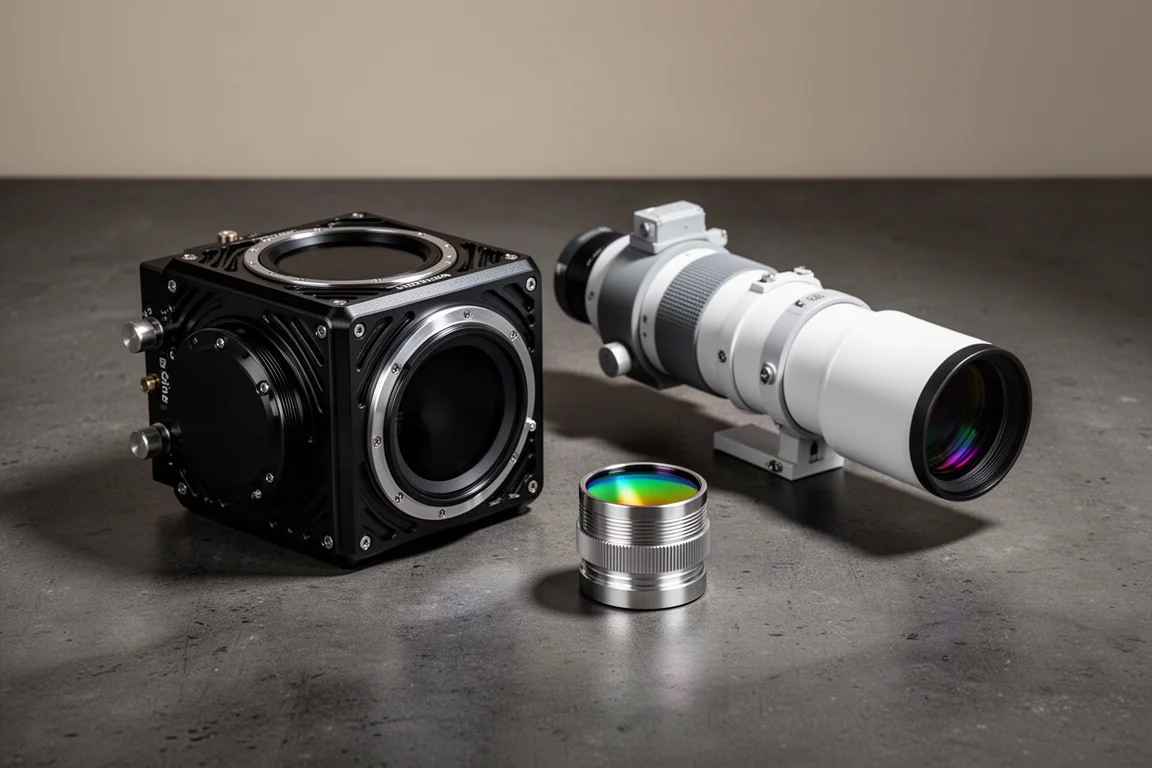
Looking back at a year of astrophotography projects is the best way to separate the gear that earns its place from the gear that just fills a shelf. From a full Hubble palette image of the Seagull Nebula to planetary imaging of Jupiter at nearly 3000mm of focal length, each project here was built around specific equipment chosen for a specific job. This guide breaks down what each camera, telescope, filter, and mount did well, where it fell short, and who it makes sense for.
The Monochrome Workhorse: ZWO ASI2600MM Pro
The ZWO ASI2600MM Pro was the camera behind some of the strongest deep-sky results of the year, including the Seagull Nebula project. For anyone who has never used a high-resolution, large-format monochrome CMOS sensor, the difference is not subtle. With plenty of exposure time through each narrowband filter, the SII and OIII signals can be pulled up to match the dominant H-alpha, which is how well-balanced Hubble palette images get their brilliant golds and deep blues. Trying to recreate that faux Hubble palette look with a one-shot color camera is the hardest way to get there; a monochrome camera with narrowband filters is the reliable path.
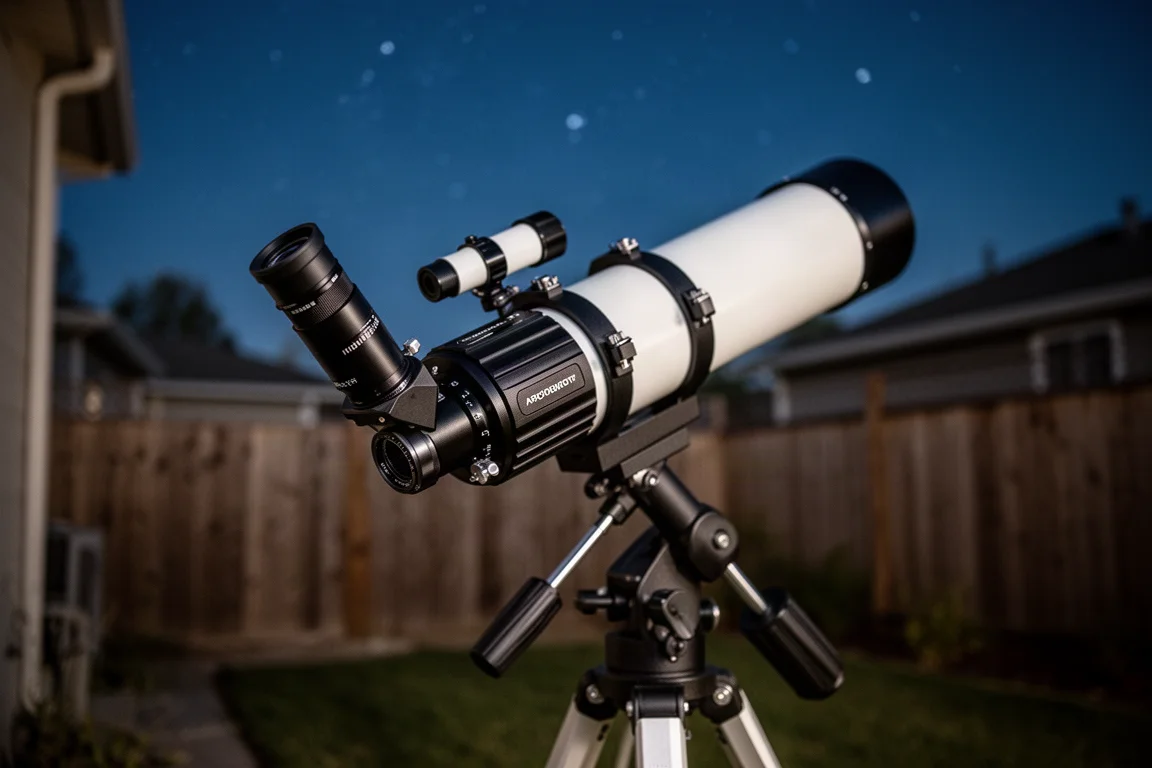
There is one caveat worth knowing before buying: this camera had an oil leak issue, common enough to be widely reported. The cleaning was straightforward and the camera was quickly back in action, but it is a known risk factor. It is still the standout camera of the year.
A Dedicated Imaging Refractor: Sky-Watcher Esprit 100
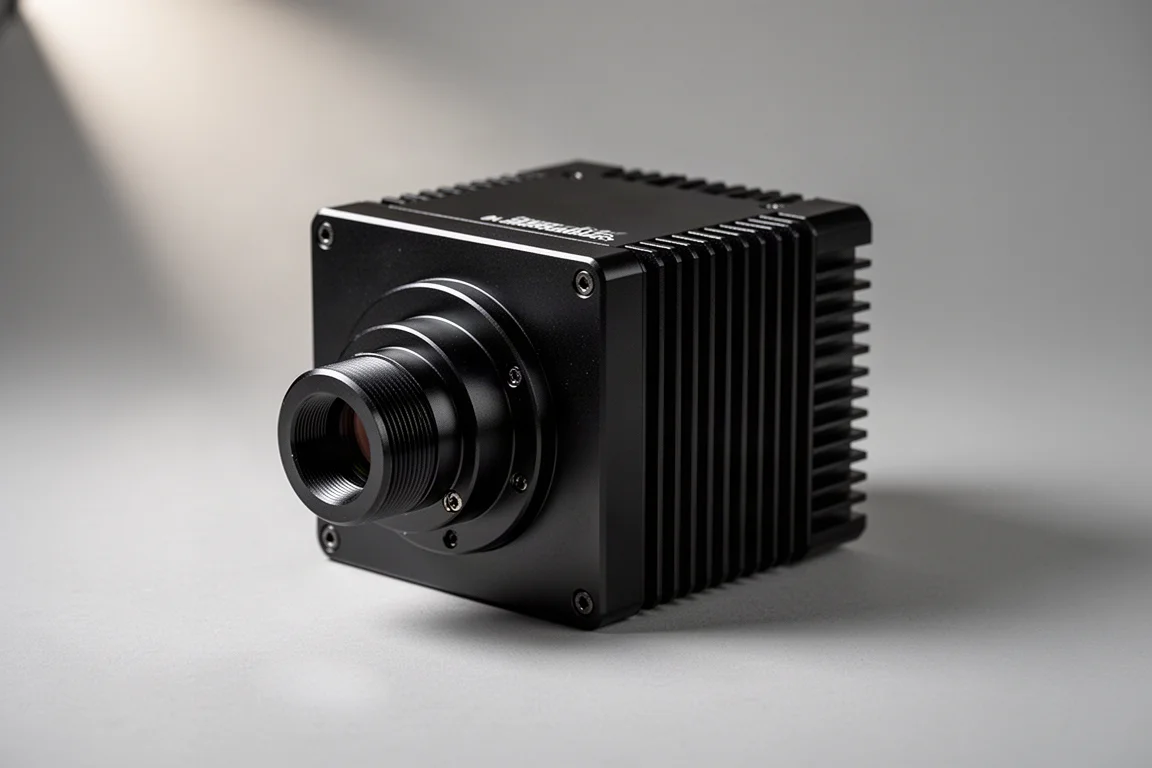
The Sky-Watcher Esprit 100 has been the telescope paired with the ASI2600MM Pro for most monochrome projects, and the pairing worked so well that the system now lives in a dedicated observatory. At 550mm of focal length, it hits a sweet spot for mid-size nebulae like the Pelican Nebula and the nearby North America Nebula, delivering the kind of crisp, tight star detail that narrowband imaging from a light-polluted city can still achieve.
Long Focal Length: Celestron Edge HD 11 and Canon EOS Ra
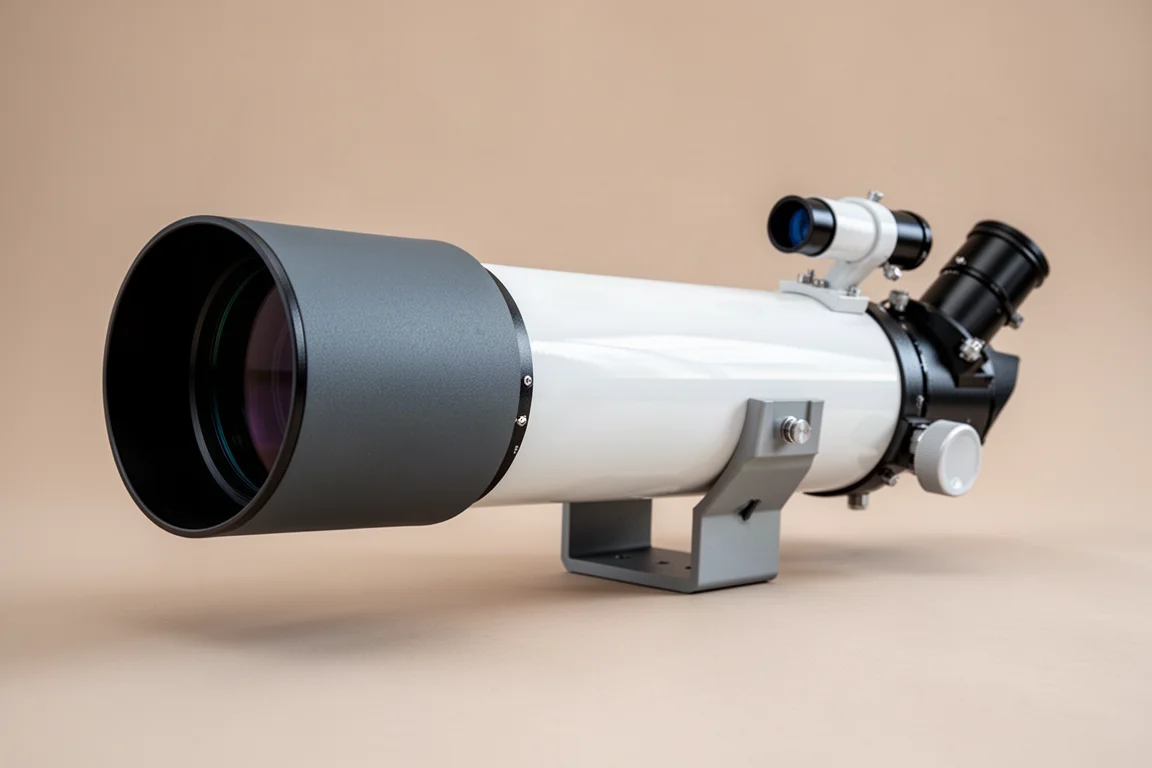
Capturing small galaxies like M106 and the Sunflower Galaxy from a backyard with poor seeing is genuinely difficult, and the Celestron Edge HD 11 is the telescope that makes it possible. Its native focal length of 2800mm is the whole point; with the 0.7x reducer bringing it down to 2000mm, light-gathering improves just enough to matter. Galaxies are broadband subjects, so LRGB filters on a monochrome camera produce full-color results, and image scale becomes increasingly important as focal length grows. Shooting bin 1x1 leaves images a little soft, so binning 2x2 on longer-focal-length setups is worth considering. The Edge HD 11 continues to deliver value as the long-reach option for small galaxies and planets.
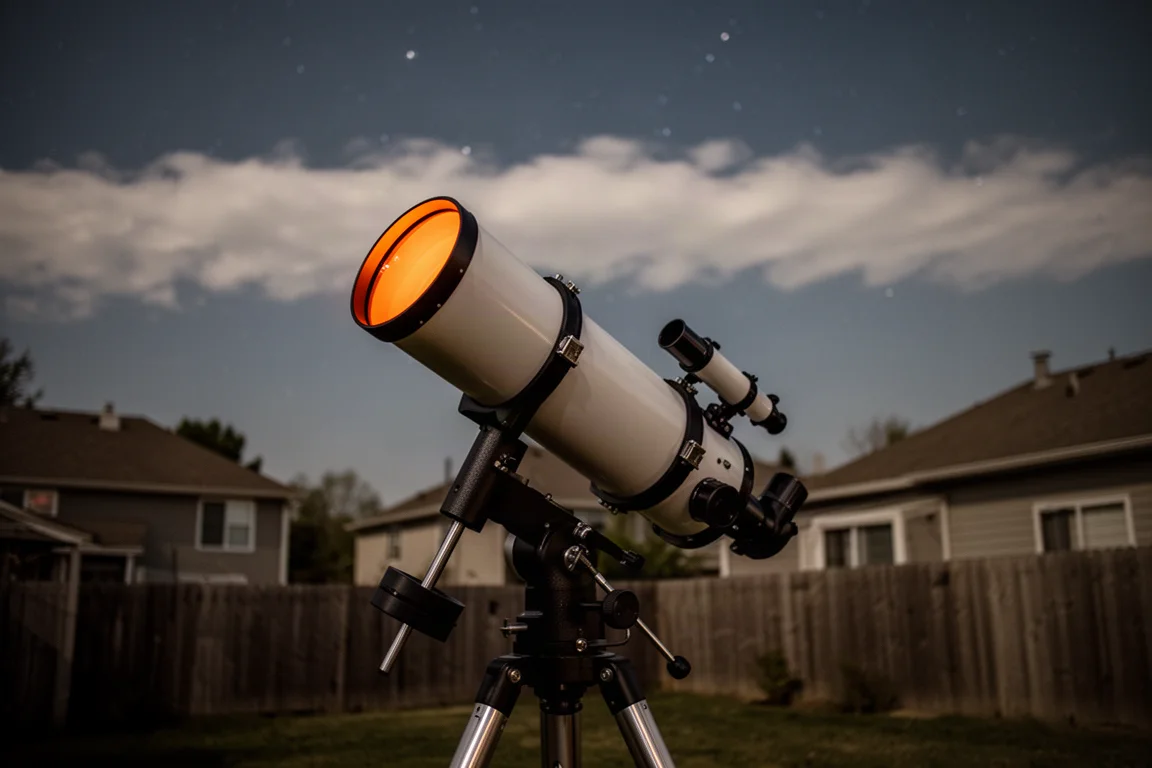
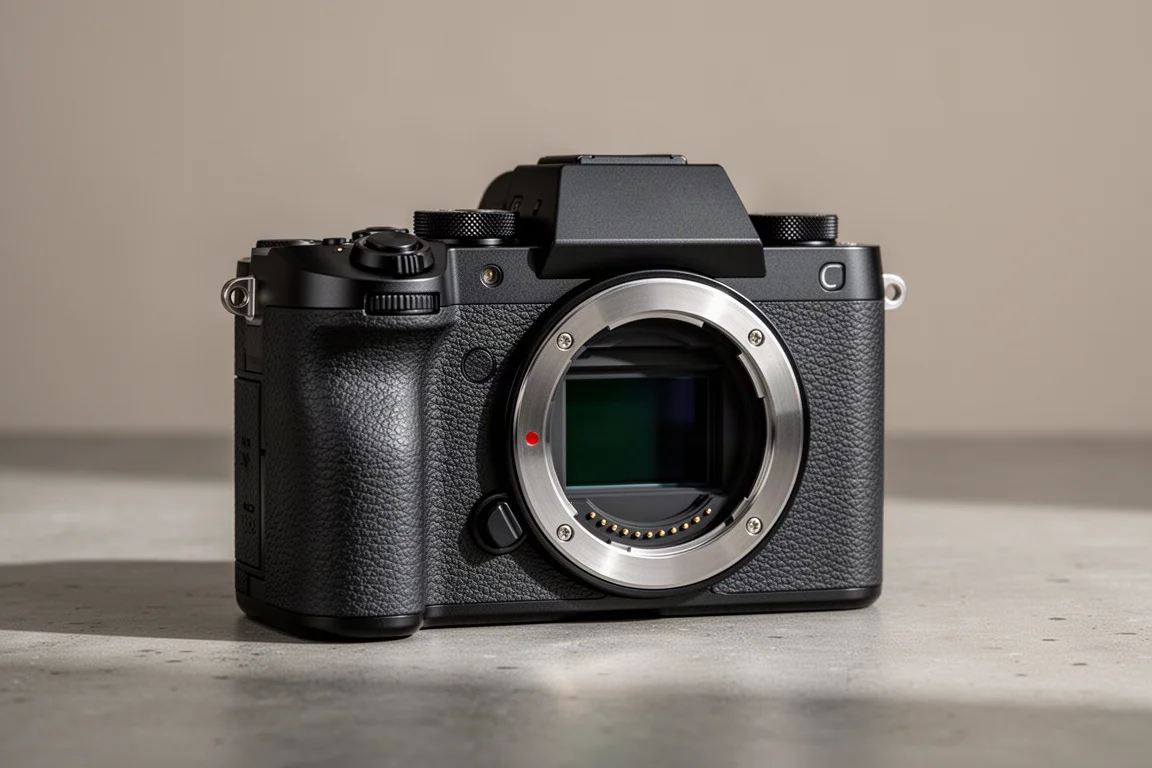
For the M106 image, the camera was the Canon EOS Ra, a full-frame mirrorless body. The image scale was slightly oversampled in this configuration, which showed up as softly rendered stars and galaxy detail. A shorter focal length refractor with cropping is a possible alternative, but the Edge HD 11 remains the natural choice for pulling small objects in for a closer look.
Ultra-Wide-Field and Light Pollution Filters
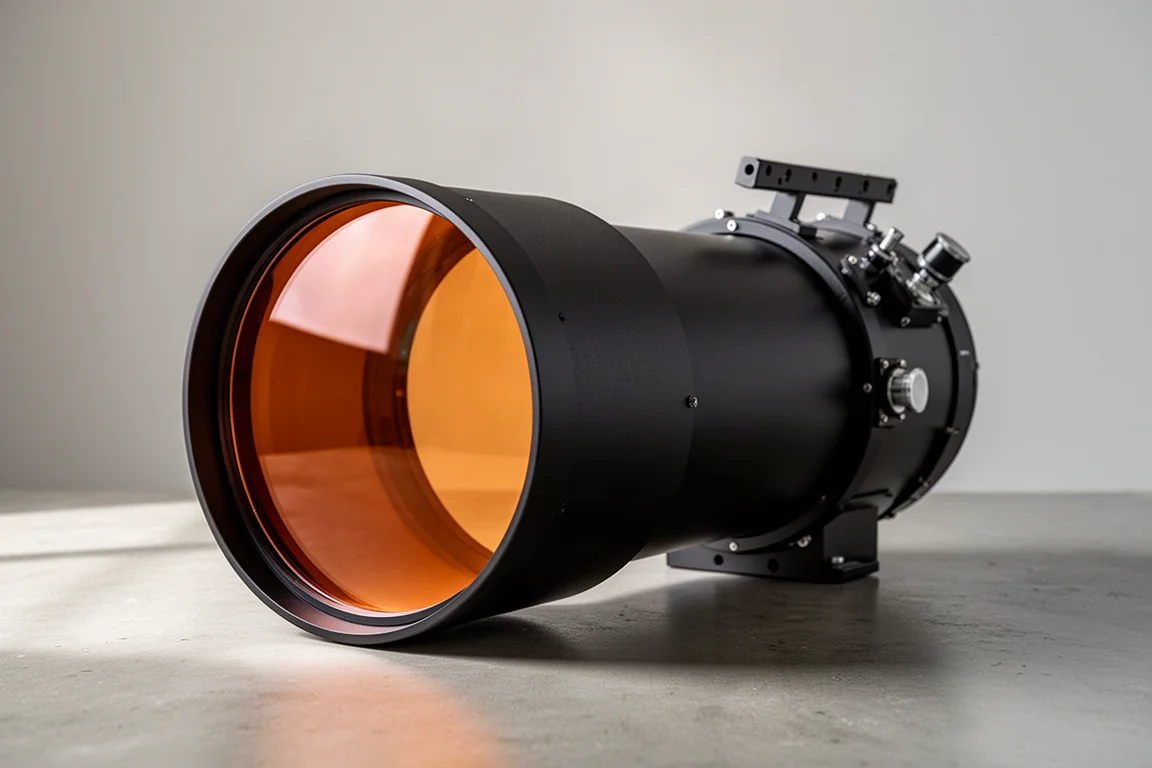
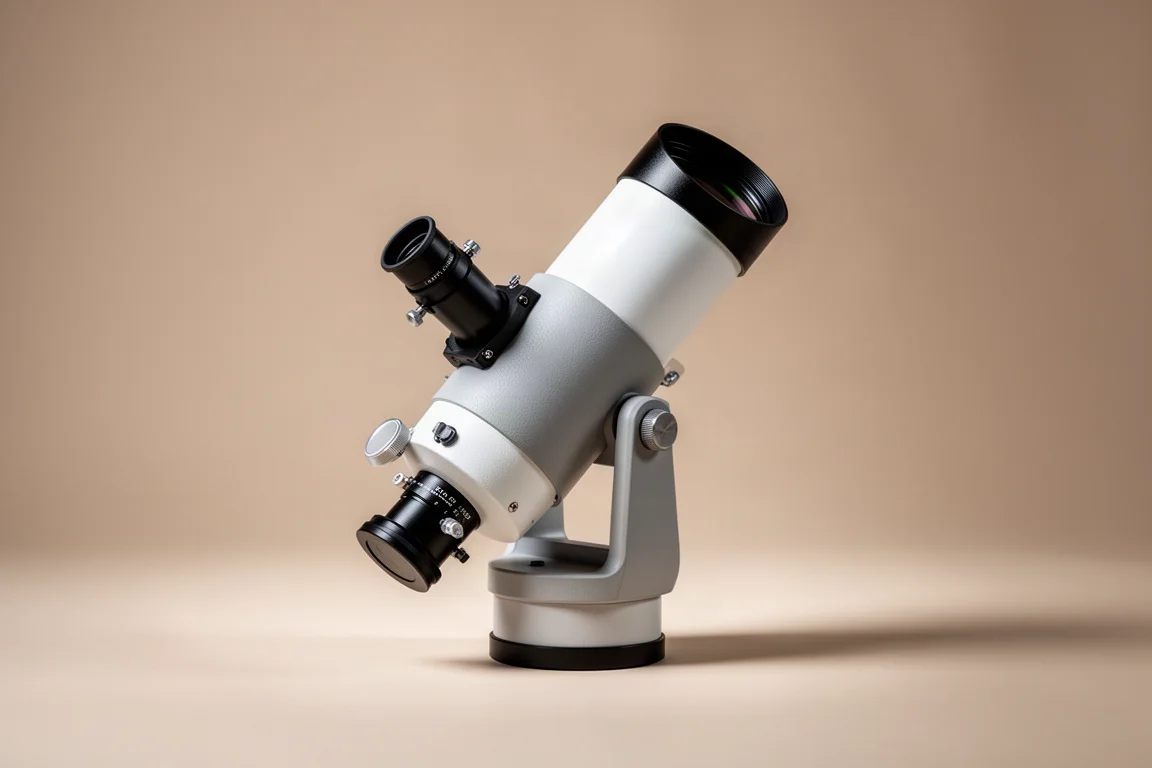
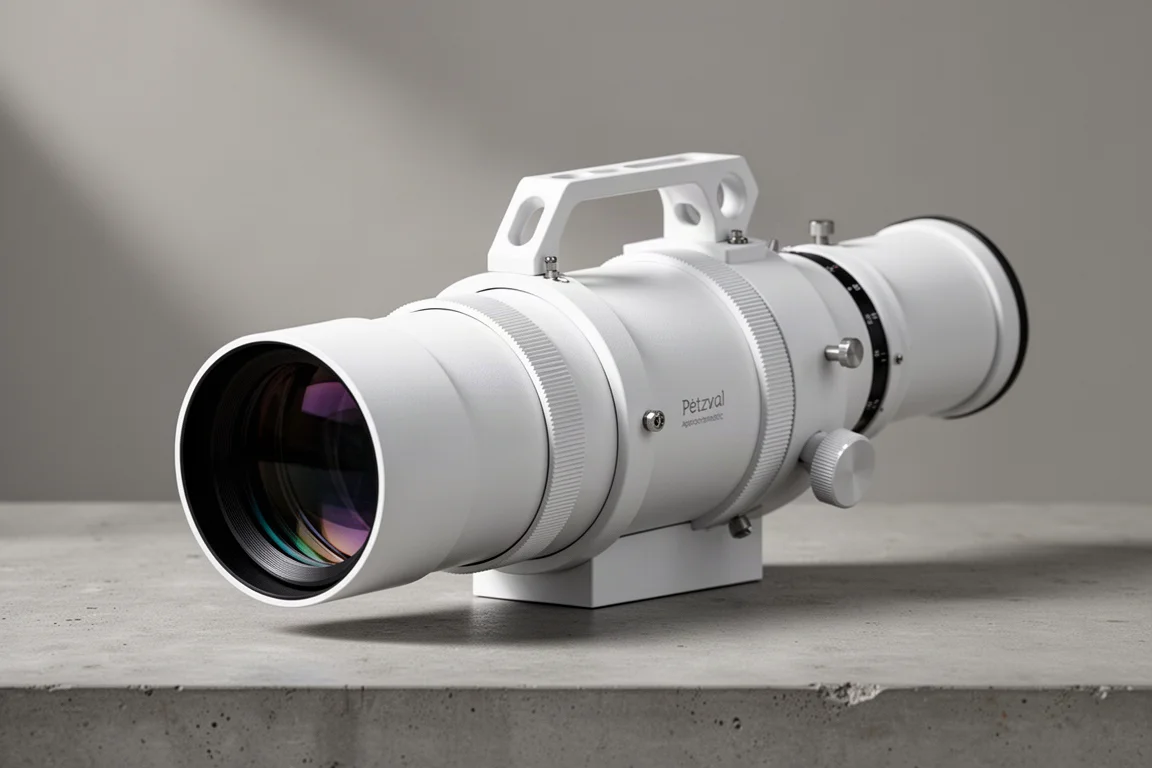
Going from deep and narrow to extremely wide, the Eagle Nebula and its surrounding emission regions in Serpens show what a full-frame sensor can do at short focal length. The Radian 61 apo refractor, at 275mm, was practically built for projects like this, pulling in a huge swath of sky in a single frame from the core of the Milky Way.
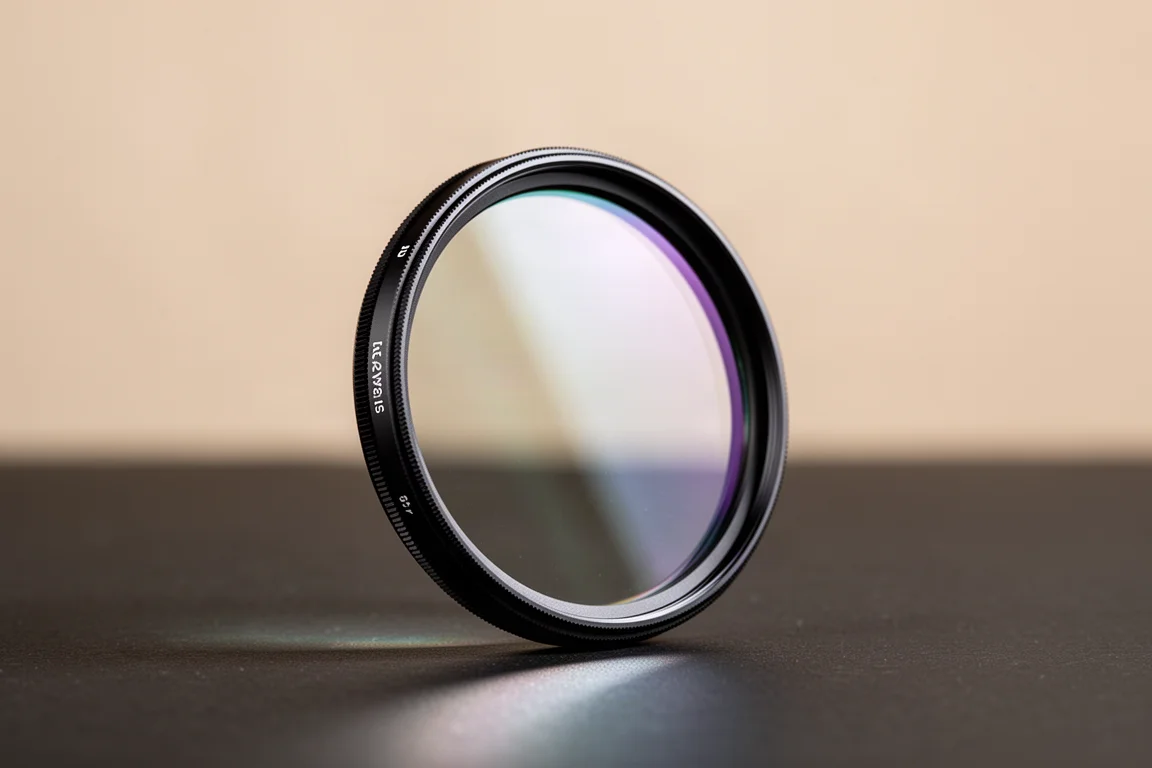
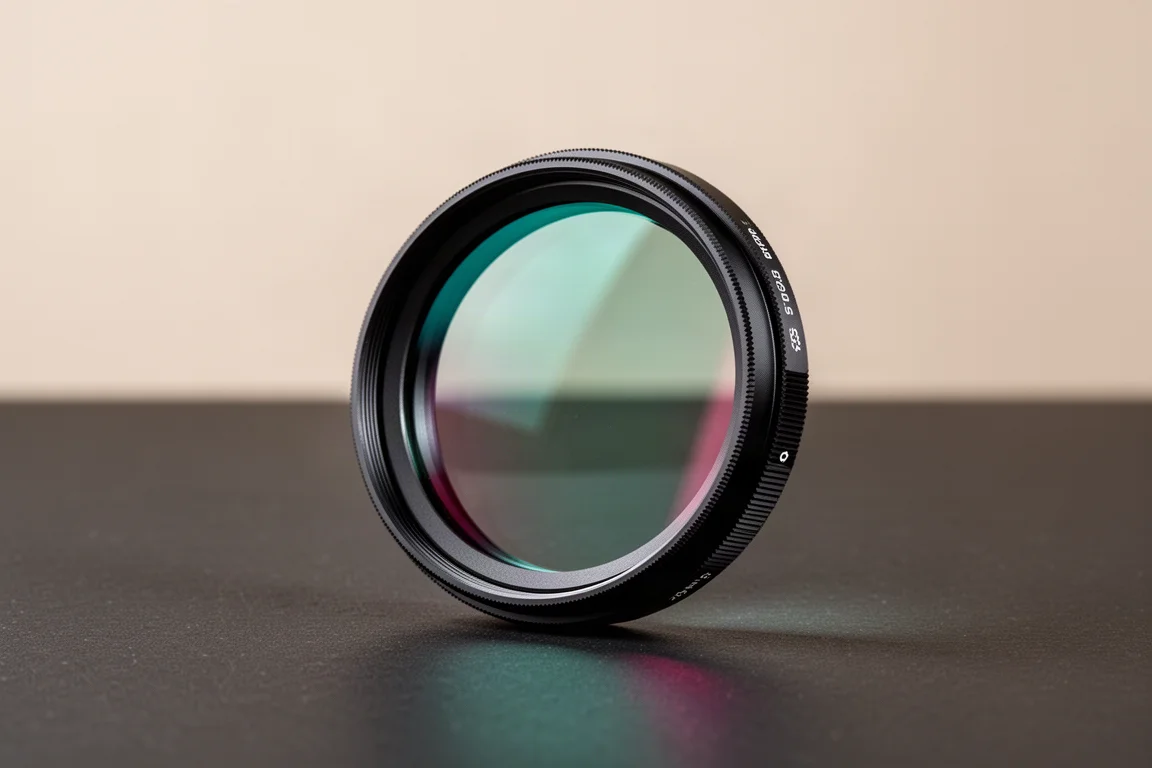
Shooting emission nebulae from a city means serious filtration is not optional. The Radian Triad Ultra did an excellent job separating nebulous regions from a light-polluted, washed-out sky. The Canon EOS Ra paired with a multi-bandpass narrowband filter is the sweet-spot configuration for this scope and the most practical way to use it. The Radian Triad Ultra and the Optolong L-eXtreme are the first filters to reach for when capturing emission nebulae and supernova remnants under city skies: small stars, punchy dynamic highlights in the hydrogen regions, and the washed-out background simply disappears.
Narrowband From the City: The Pelican Nebula in HOO
The Pelican Nebula project used the same ASI2600MM Pro and Sky-Watcher Esprit 100 combination, with only H-alpha and OIII filters to build an HOO palette, hydrogen mapped to red and OIII mapped to green and blue. The resulting details were exceptionally sharp, partly thanks to a first experiment with deconvolution in PixInsight. The look is arguably a touch too sharp, but for anyone tired of bloated stars and soft images, this workflow produces exactly that kind of crisp result. It is also proof of what narrowband filters make possible from heavily light-polluted locations.
Planetary Imaging: ZWO ASI462MC and Sky-Watcher EQ8
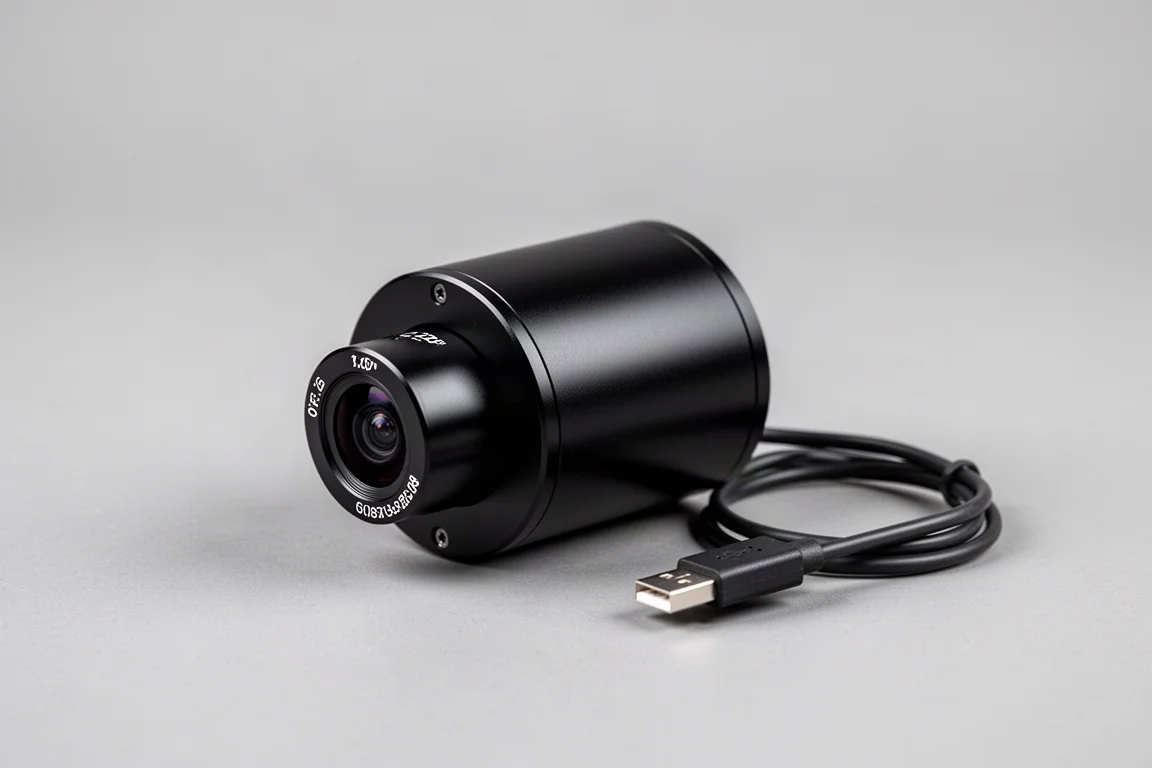
Planetary imaging is a completely different discipline from deep-sky work, even though it still involves telescopes, tracking, and cameras. Instead of long exposures, it relies on recording video files of the planet under the best seeing conditions with the best focus possible: small sensors, high frame rates, and gigabytes of data. The ZWO ASI462MC is exactly the type of camera for this job, a small uncooled planetary camera with a tiny sensor, essentially guide-camera sized. Stacking and registration are surprisingly quick to learn, and the processing is far less intense than deep-sky work. The real challenge is capturing that crisp video in good seeing.
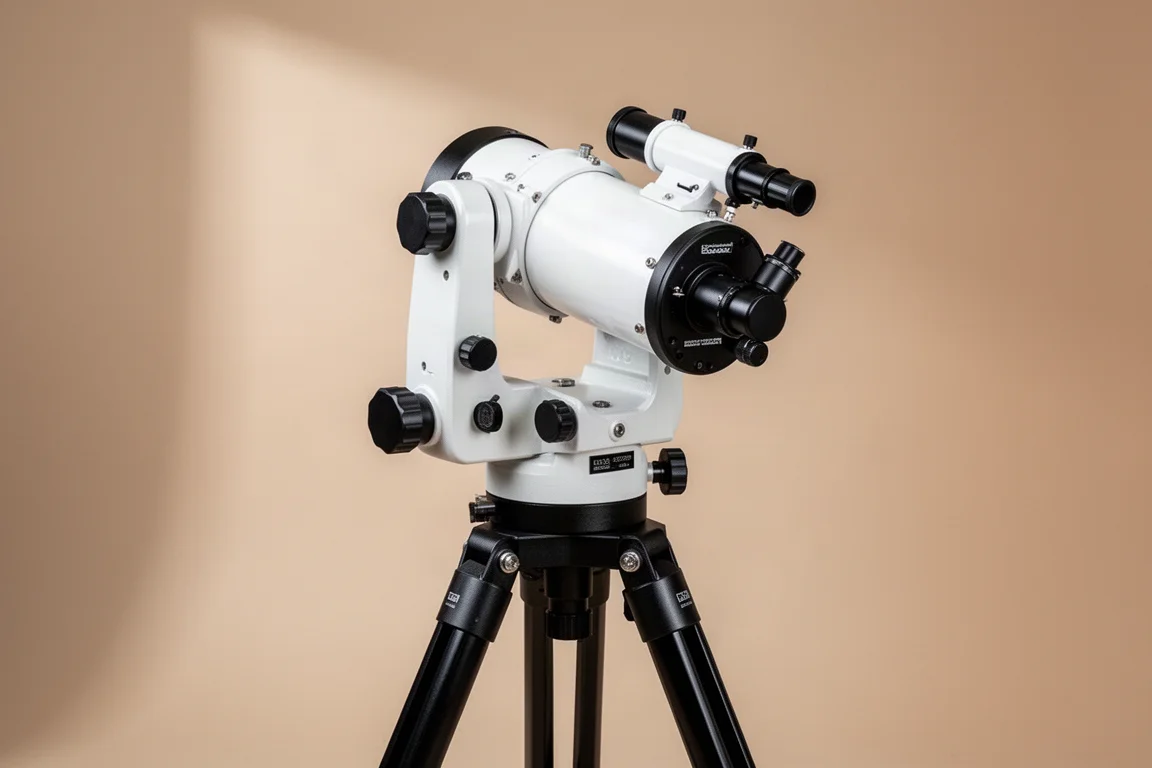
Tracking and finding planets at nearly 3000mm of focal length demands a very accurate mount, and the Sky-Watcher EQ8 handled it without complaint. It has been flawless since it arrived, and its impressive payload capacity comfortably carries a large telescope like the Edge HD 11. The only frustration is availability: these mounts are extremely difficult to find in stock.
The Go-To Rig: William Optics Redcat 71, ASI2400MC Pro and ASIAir Plus
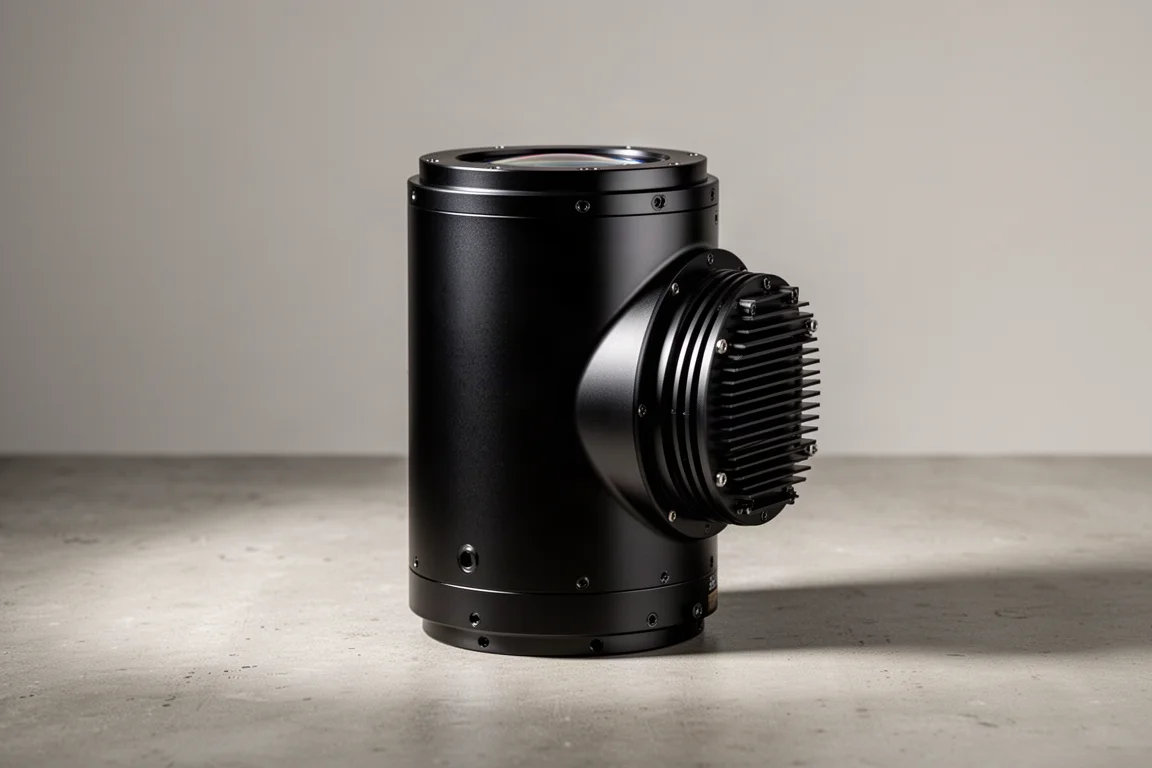
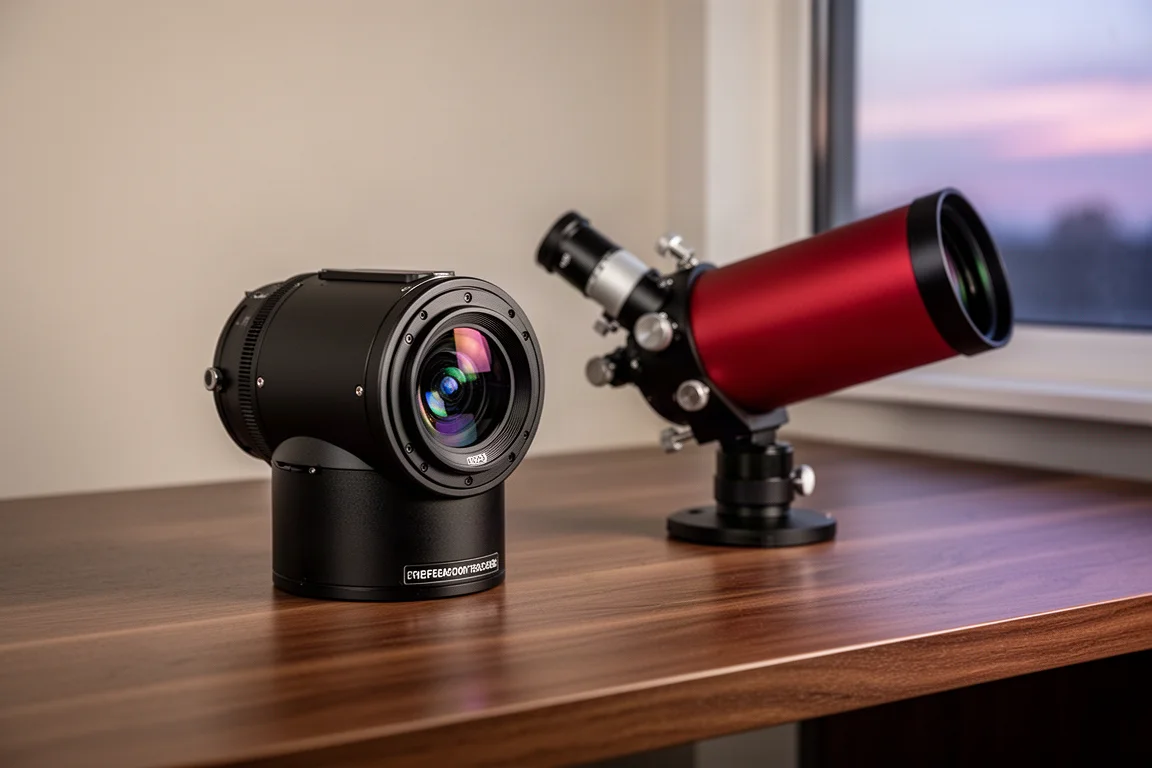
The William Optics Redcat 71 is the current favorite rig, the one that gets set up even when only 90 minutes of clear sky is forecast. It is an ultra-flat, well-corrected imaging apo designed for wide-field deep-sky projects like the Iris Nebula, with a native focal length of 350mm. Pairing it with the ZWO ASI2400MC Pro, a cooled full-frame color camera, means the full field is utilized in a single full-color shot. At this wide-field scale, gradients and light pollution can be a real pain, so careful calibration frames, particularly flats, are essential to even out the field before processing.
On the control side, the ASIAir Plus has proven too reliable and painless to ignore, and it is the go-to again. A laptop is now reserved only for sessions that need more tools, such as planetary imaging, or situations that require a non-ASI camera.
Overall Buying Advice
A few patterns emerge from this year of projects. Monochrome cameras with narrowband filters are the honest answer for anyone chasing detailed Hubble palette and HOO style images from city skies; one-shot color cameras make that look far harder to achieve. Focal length should drive telescope choice: short, well-corrected apos for wide nebula fields, and long-reach catadioptric designs for small galaxies and planets. And as focal length increases, matching the camera’s pixel size to the image scale matters more, not less. Finally, a dependable equatorial mount is the quiet foundation of everything above; it is the least glamorous purchase and the one that matters most.
Conclusion
The clear winners of the year were the ZWO ASI2600MM Pro, the Celestron Edge HD 11, and the Sky-Watcher EQ8, each of which directly enabled the best images of the year despite the camera’s known oil leak issue and the mount’s ongoing stock shortages. The Esprit 100 and Redcat 71 covered the mid-range and wide-field ends of the focal length spectrum, and the ASIAir Plus made the whole workflow more dependable. Matching each tool to the image in mind, rather than obsessing over specifications, is what turned these projects into finished photographs.
Further reading
Related Reviews
Astrophotography
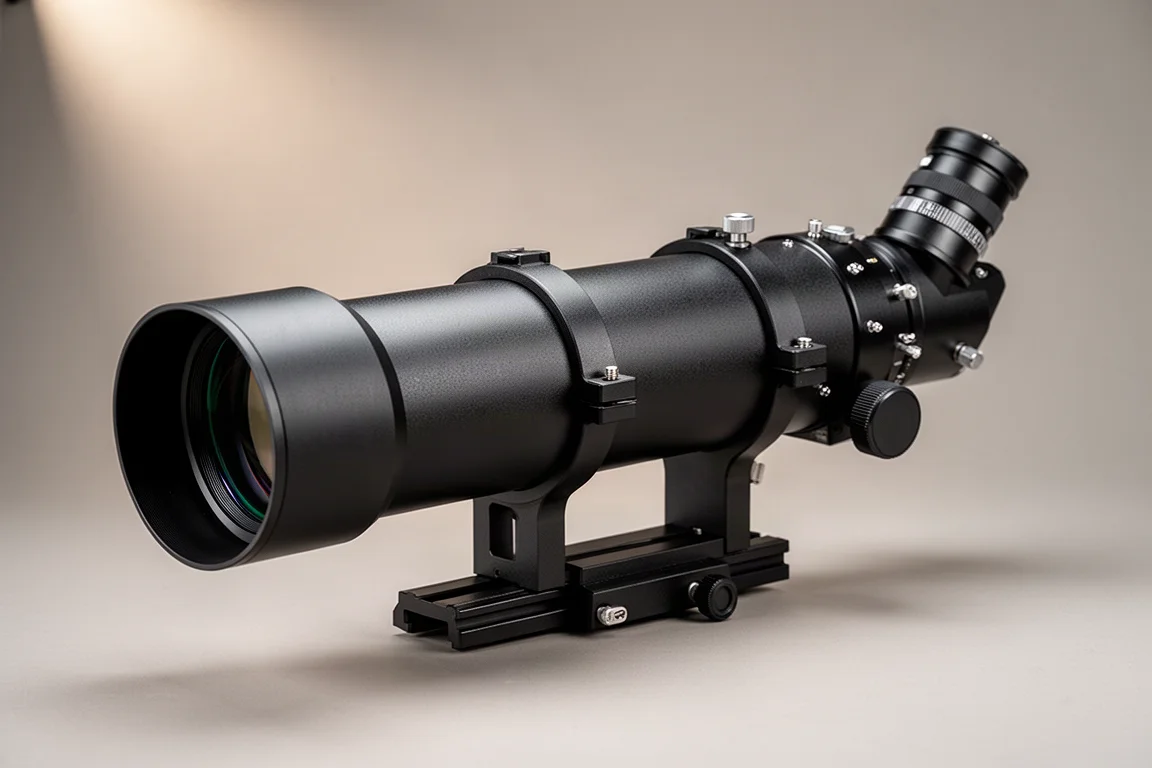
ASKAR FRA400C Review: A Versatile 400mm Refractor for Astrophotography and More
The ASKAR FRA400C is a compact 72mm refractor that balances reach, versatility, and portability for astrophotographers and visual observers.
Astrophotography
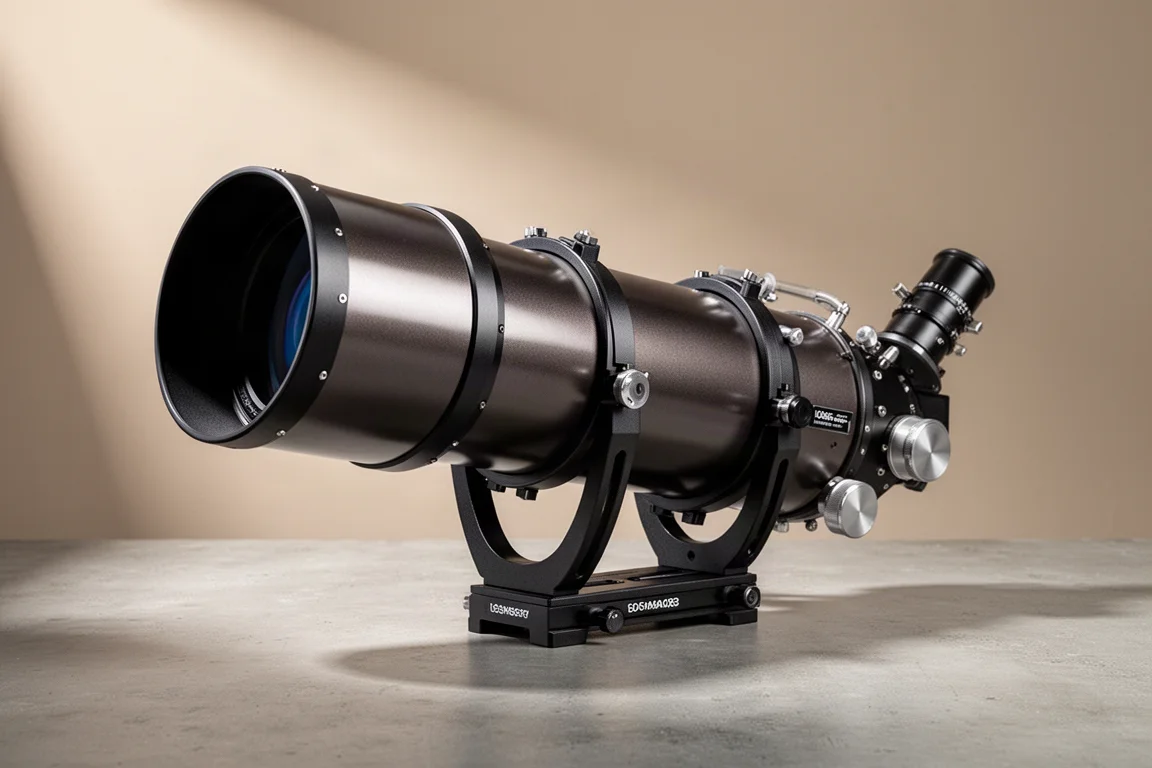
Askar SQA106 Review: A Premium 106mm Astrograph With Exceptional Optics
The Askar SQA106 is a premium 106mm quintuplet astrograph with impressive sharpness across full-frame sensors, though its price and weight demand careful consideration.
Astrophotography
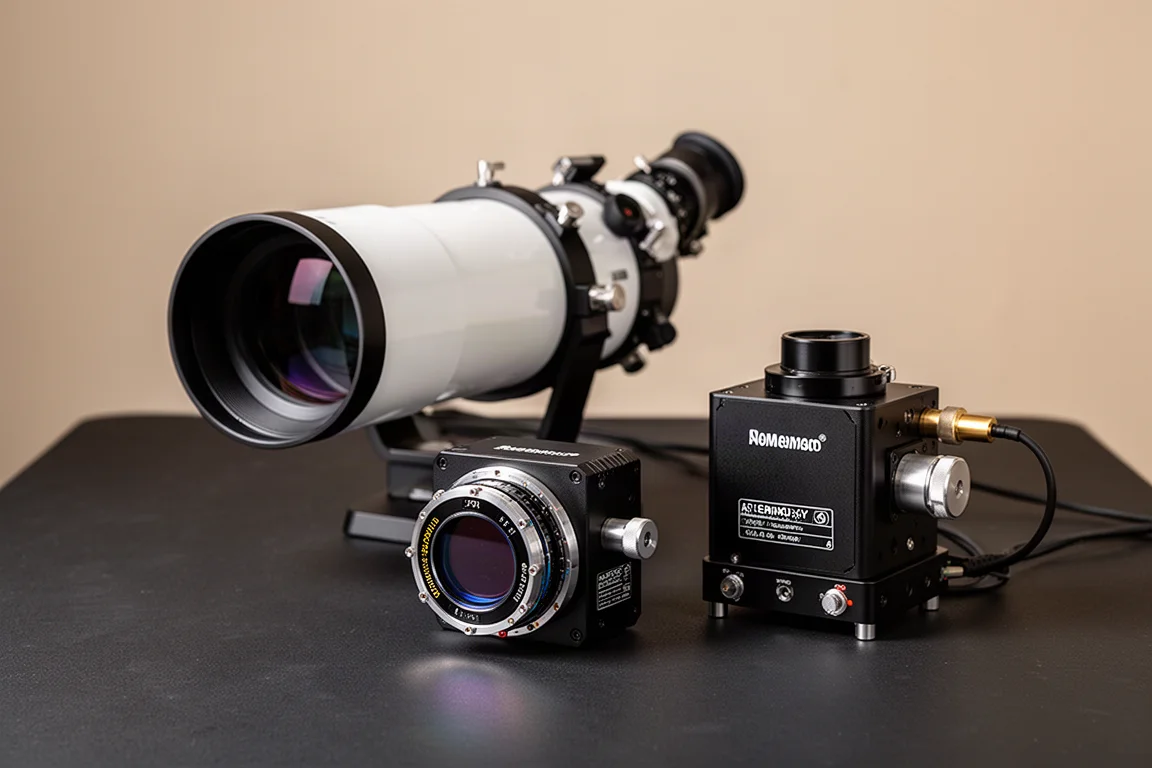
Astro Imaging Gear 2026: Eight New Products Worth Watching
A look at the most interesting new astrophotography and astronomy products announced this year, from fast telescopes to smart cameras and wireless accessories.