Art Markers
Best Art Markers 2026: Alcohol and Water-Based Winners From a 2,872-Marker Comparison
Six standout markers from a massive comparison of over 90 brands, covering blending, streaks, bleed-through, color accuracy and value.
Introduction
Markers have never had more options or more confusing claims. Alcohol, water-based, watercolor, brush, chisel, bullet: every brand promises something different, and prices range from pocket change to serious investment. To cut through it, this comparison draws on a huge hands-on testing effort covering more than 90 brands and 2,872 individual markers, put through 18 different tests measuring blending, streakiness, layering, bleed-through, smell, water resistance, lightfastness and color accuracy.
The result is a short list of genuine winners in each category. This guide highlights six of the most useful picks, from an affordable alcohol marker that outperformed far more expensive rivals to a watercolor brush pen that behaves beautifully with water.
How We Compared Them
The testing was deliberately harsh. Blending was tested with similar colors, opposite colors, and on multiple papers. Streakiness was measured on plain paper with controlled timing, because faster strokes and better paper hide streaks that cheaper markers still produce. Layer tests counted how many passes each marker could handle before damaging the page, and bleed-through tests checked whether the back of the page survived, which matters enormously for anyone using double-sided coloring books.
Other tests covered moisture content, water resistance for mixed media work, odor, and color accuracy against barrel labels. One consistent finding: no brand matched every lid color perfectly, so always swatch your own set before choosing colors rather than trusting the caps.
Ohuhu Honolulu: The Overall Alcohol Marker Winner
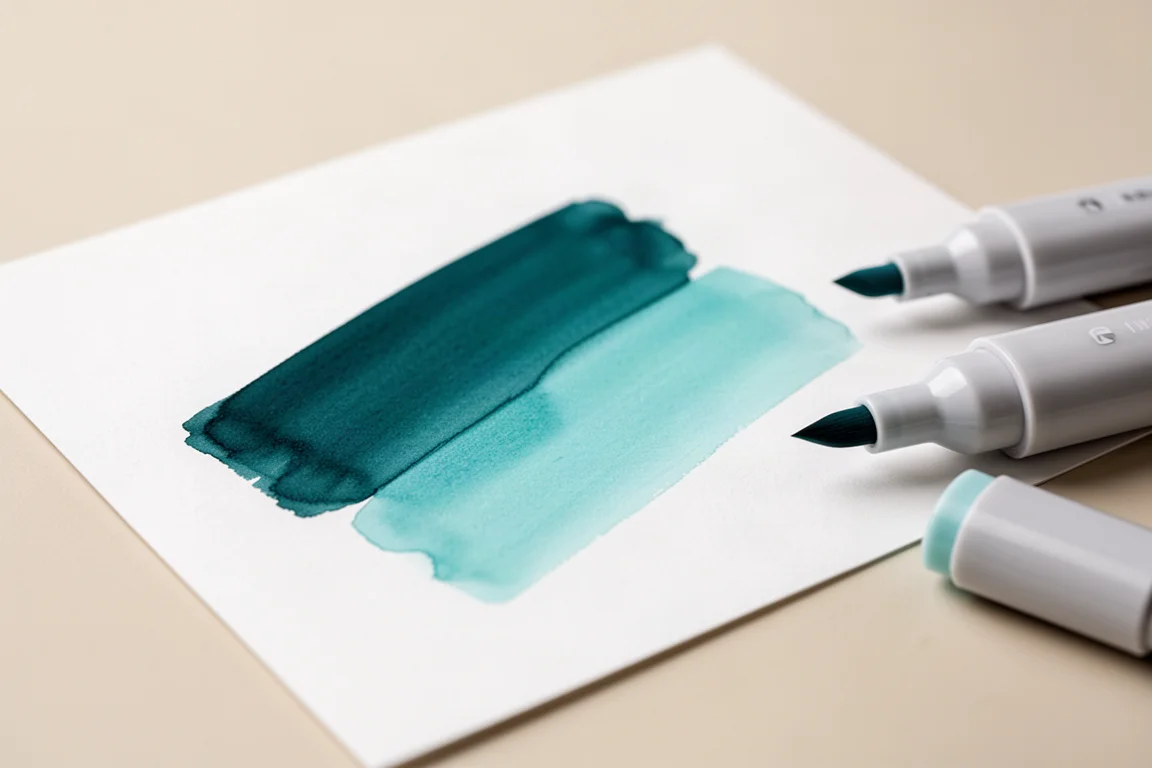
The Ohuhu Honolulu markers took the top spot in the alcohol category, and the reasoning is simple: they deliver a genuinely good marker at a much lower price than the established premium brands. The brush tip sits close to the ideal balance of firmness, easy to control in small areas yet soft enough for flicked strokes, which makes blending easier. The color range is vibrant and now broader than Copic’s, and refills are available.
For coloring and comic-book style work, these are hard to beat. They run slightly firmer and a little more moist than Olo or Copic, which can make blending marginally harder, but the saturation and value more than make up for it. Testers repeatedly described them as comparable to Copic at a fraction of the cost.
Copic Sketch: A Great Marker With One Serious Flaw
Copic Sketch remains the most popular alcohol marker in the world, and in use it is excellent: smooth flow, superb for realism and muted palettes, and a brush tip that handles beautifully. It earned a place in the top tier on quality alone.
The problem is durability. A significant portion of tested Sketch markers, around 12% of one collection, dried up not from use but from hairline splits in the chisel-end caps, and Copic acknowledges the issue in its FAQ without selling replacement caps. Once a cap splits, the marker cannot be refilled, which undermines one of Copic’s biggest advantages. Copic Ciao markers held up better in the same collection, and the Copic Classic remains a solid choice, but the Sketch’s cap issue is a genuine deal breaker for a top ranking.
Olo Markers: The Innovative Half-Marker System
Olo impressed across the board with vivid, highly saturated color and a brush tip that holds its point under pressure better than most. The unusual half-marker design means you buy only the tip you need, the small body holds even more ink than a Copic Sketch, refills are available, and storage takes less space. Where Olo truly thrives is realism and detailed, cat-style artwork where control matters.
There are trade-offs. If you want both a chisel and a brush tip in the same color, you pay twice, and there is no obviously convenient way to store them for viewing all colors at once. But as a fresh alternative to the traditional marker format, Olo is a new personal favorite for many testers.
Faber-Castell Gold Faber Aqua: Best Watercolor Marker
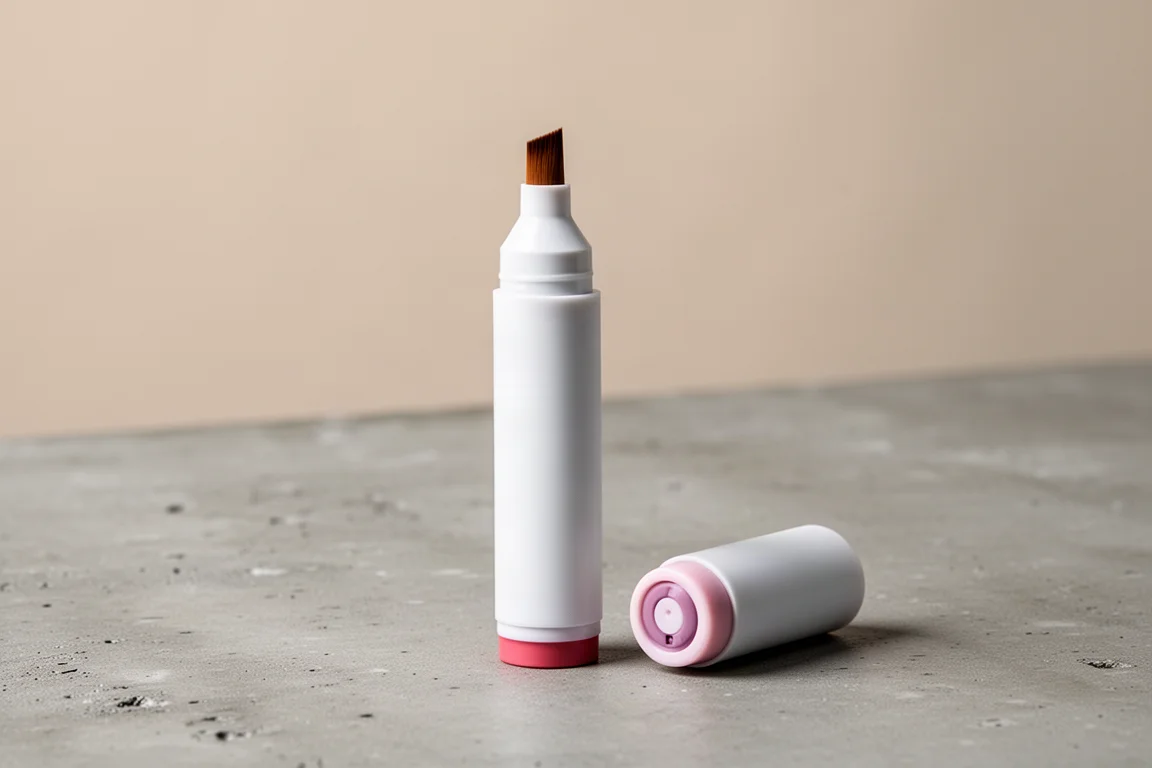
In the watercolor category, the Faber-Castell Gold Faber Aqua came out on top after difficult deliberation among an exceptionally strong field. It offers a great range of vibrant colors, works beautifully with water, and pairs a firm but pleasant brush tip with a bullet tip on the other end, making it equally useful for watercolor effects, general coloring and lettering.
If you want significantly more moisture, the Ecoline brush pens or the Karin Brush Marker Pro are strong alternatives, and the Zig watercolor markers are a more affordable route. But for an all-round watercolor marker, the Gold Faber Aqua is the pick.
Zig Clean Color Real Brush: Best Real Brush Watercolor Marker
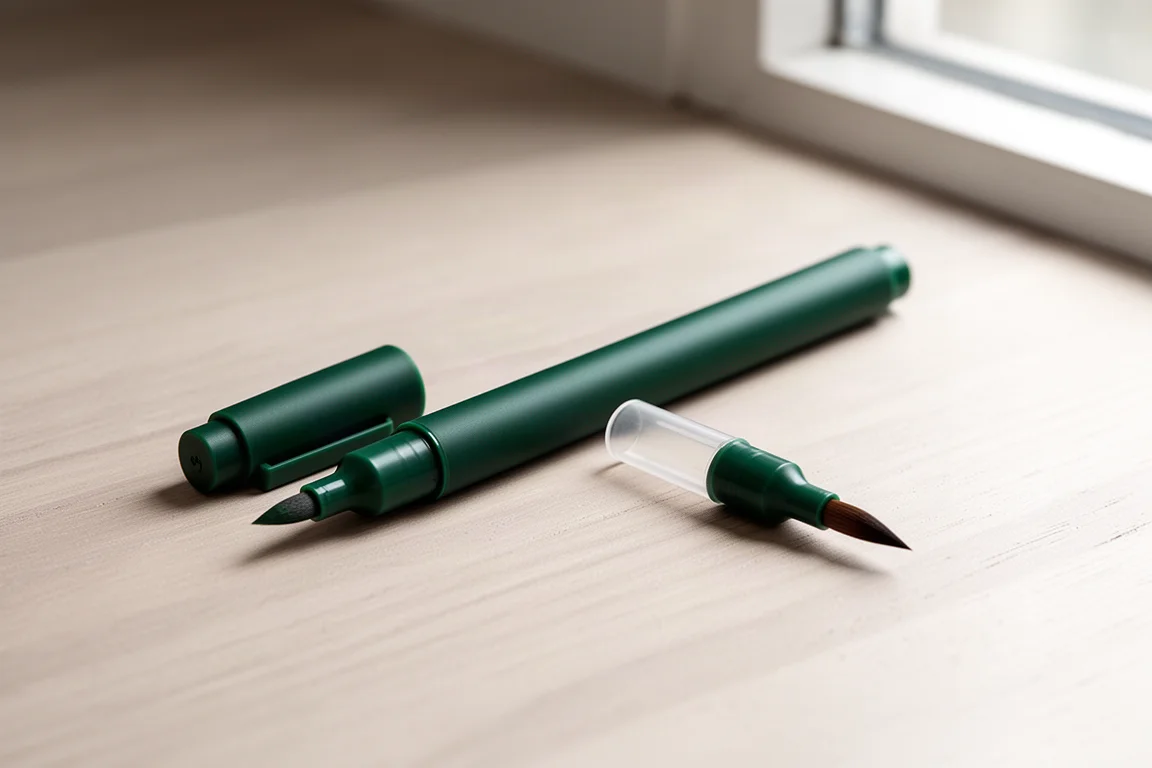
Real brush markers behave differently from felt-tip markers, and among them two stood out for vibrancy even under heavy water: the Karin Real Brush Pro and the Zig Clean Color Real Brush. Both blend easily with or without water and handle plenty of layers, but the price gap is significant and the Zig offers twice as many colors available. That makes the Zig the better value and the winner of the real brush watercolor slot.
These are a lot of fun with water but less beginner-friendly than standard markers, so they suit artists who specifically want watercolor techniques. Real brush tips also generally need a slower working pace than felt tips.
Crayola Super Tips: Best Value for Coloring Books
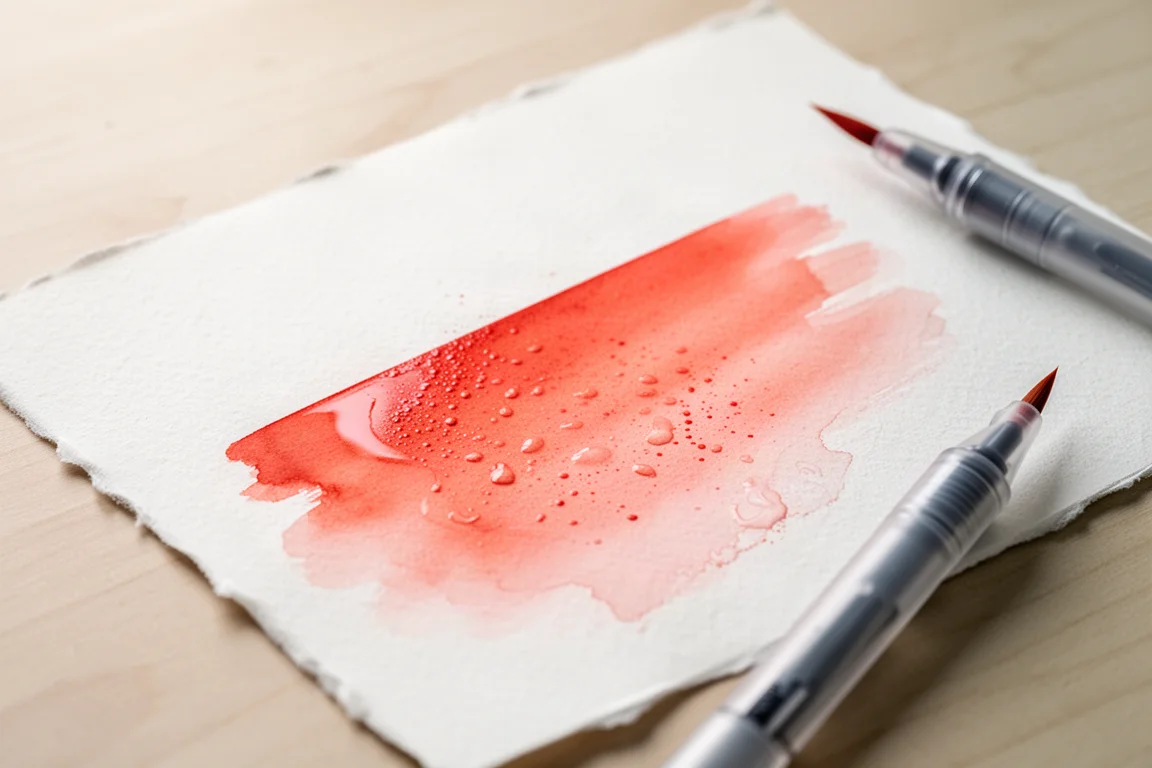
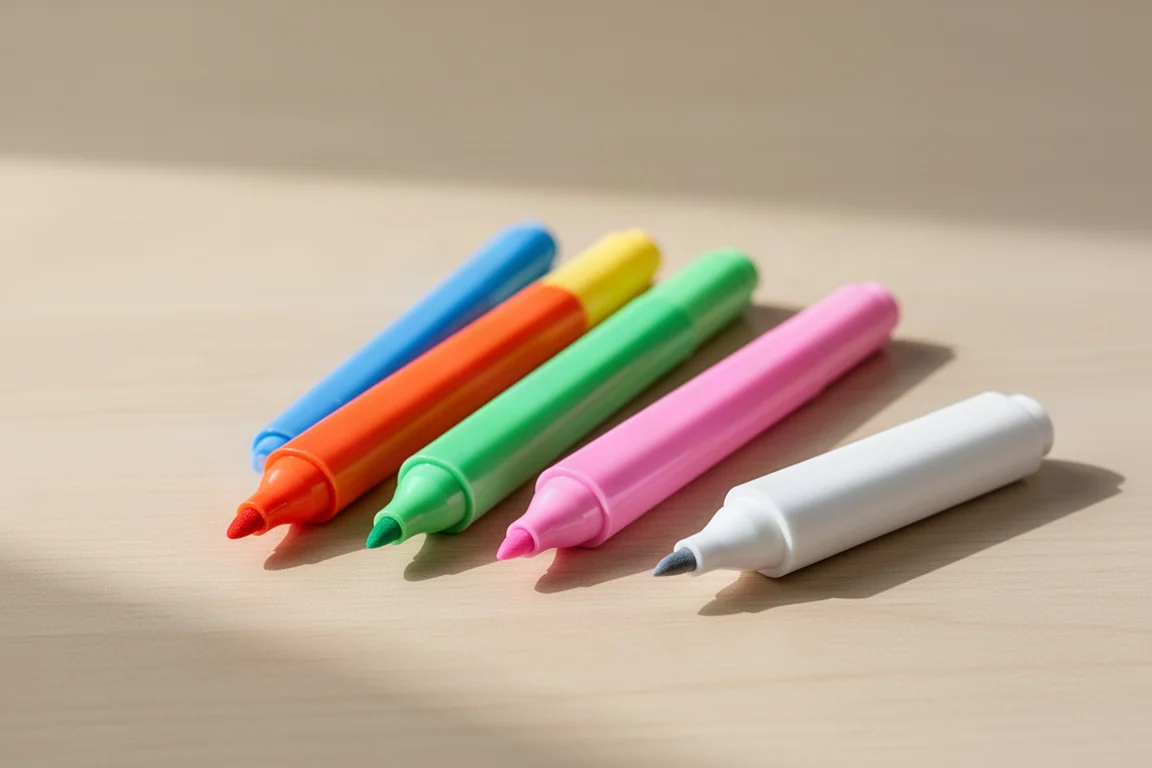
For coloring books specifically, the requirements are clear: handle several layers, survive cheaper paper, resist bleeding through the page, and stay reasonably streak-free. The Crayola Super Tips tick all of these boxes and emerged as the best value for money in the entire comparison, performing better in layering than several far more expensive adult ranges. One tester managed nine layers before the paper showed damage.
The big downside is the lack of color names or numbers on the barrels, which makes it hard to match colors across a set. If that matters to you, the Ohuhu Jewel brush pens are the best affordable alternative with proper labeling. Notably, the Faber-Castell Pitt Artist Pens, which use unique India ink and are lightfast, are a superb premium choice for coloring, though at a much higher price.
Buying Advice: Choosing the Right Marker for You
Start with the ink type. Alcohol markers blend like nothing else and are the standard for illustration and coloring, but they bleed through nearly every paper, including marker paper, so double-sided books will lose the reverse page. Water-based markers are far kinder to coloring books and budget paper, and watercolor markers add water-activated effects, though they need watercolor or mixed media paper to layer well.
Then consider your style. For realism and muted palettes, Copic Classic or Olo make sense. For coloring and comic-style vibrancy, Ohuhu Honolulu is the strongest all-round choice. For watercolor work, the Faber-Castell Gold Faber Aqua leads, with the Zig Clean Color Real Brush best if you want a true brush feel. And if you simply want an affordable, low-risk way to enjoy coloring books, Crayola Super Tips remain unbeatable on value.
Conclusion
The marker market is crowded and sometimes misleading, with inaccurate lid colors, mislabeled brands and wildly variable build quality. But clear winners do exist. Ohuhu Honolulu redefines value in alcohol markers, Olo and Copic Classic serve realism-focused artists, Faber-Castell Gold Faber Aqua rules the watercolor category, Zig Clean Color Real Brush is the real-brush pick, and Crayola Super Tips prove that the best coloring-book marker can also be the cheapest. Match the marker to your style and paper, swatch before you commit, and any of these will serve you well.
Further reading
Related Reviews

Backpacking Gear
Building a 10 lb Base Weight: An Ultralight Backpacking Gear List
A practical walkthrough of the ultralight pieces behind a 10 lb base weight, from a 765 g pack and a roomy one-person tent to a full camp chair and a dependable water filter.

Road Bikes
10 New Road Bikes Worth Watching: Aero, Titanium, Steel and Endurance Standouts
A practical roundup of 10 new road bikes, from aero flagships chasing single-watt gains to titanium, steel and endurance platforms built for real roads.
Bikepacking Gear
11 Bikepacking Essentials for Long-Distance Cycling
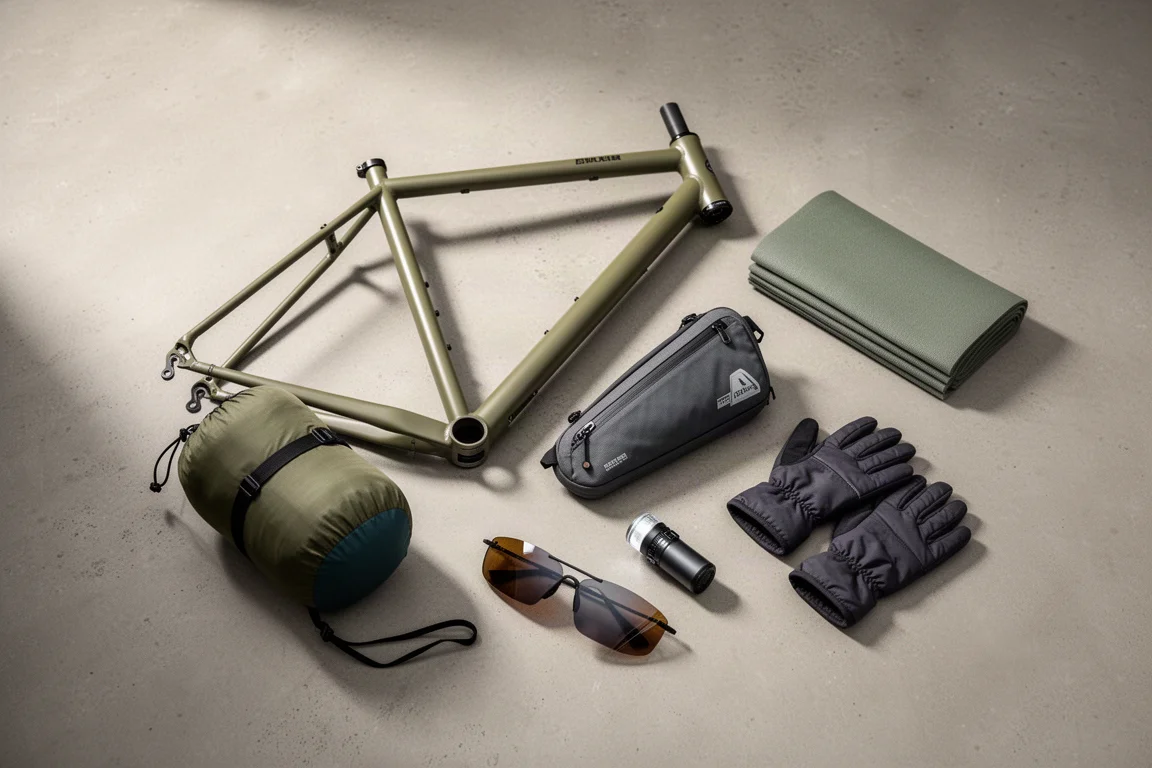
Eleven bikepacking essentials for long-distance cycling, from a steel gravel frame and a two-person tent to helmet lights, packable gloves, and a frame bag that puts weight in the right place.