Aquarium Heating
Best Aquarium Heaters and Controllers 2026: A Practical Reef Heating Roundup
Six heating options for reef and freshwater tanks, from a heavy-duty titanium element to a compact PTC heater, with notes on redundancy and replacement planning.
Introduction
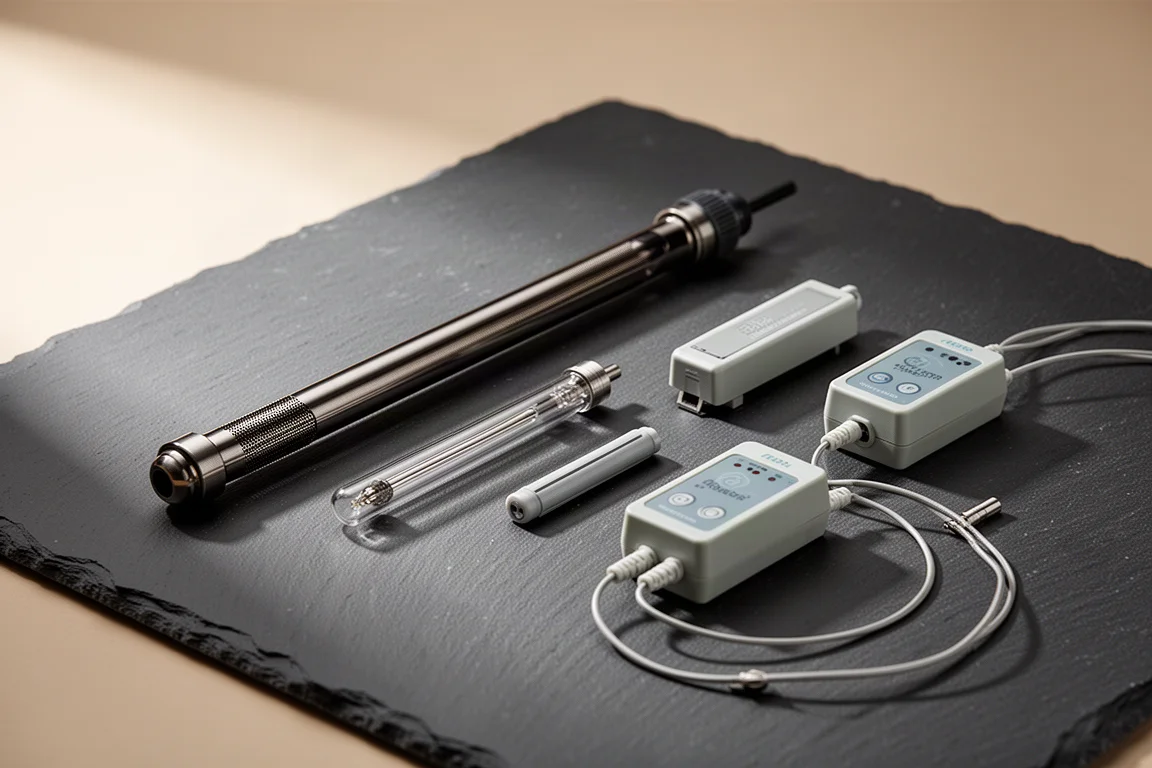
Heating runs every hour of the year and usually gets the least attention of any piece of reef equipment. The options below cover the elements and controllers that consistently come up in aquarium discussions, and they share one underlying idea: split the job between an element and a controller so that a failure is cheaper to fix and the tank keeps its temperature.
The lineup starts with a heavy-duty titanium element, moves through a two-probe Wi-Fi controller, a value glass heater, a slim-profile model and a compact PTC design, and finishes with an aquarium controller used purely as a safety layer.
What Matters Most in a Reef Tank Heater
Three factors drive most buying decisions here. The first is the durability of the element itself, because a heating element typically outlives the electronics that switch it on and off. The second is redundancy, whether that comes from two temperature probes, two outlets, or two smaller heaters instead of one large one. The third is serviceability, since heater controllers are the fastest-wearing part of a heating system and are meant to be replaced.
That last point shapes everything else. When the controller is separate, the element can keep running for years while only the inexpensive switching hardware gets swapped out.
Best Overall: BRS Titanium Heating Element
The BRS titanium element was the most recommended heater by a wide margin, and the construction explains the appeal. This is a heavy-duty titanium heater made in Germany, and the weight and feel are noticeably different from a typical glass tube. It carries a three-year warranty, which is unusual in a category where many elements are covered for far less time.
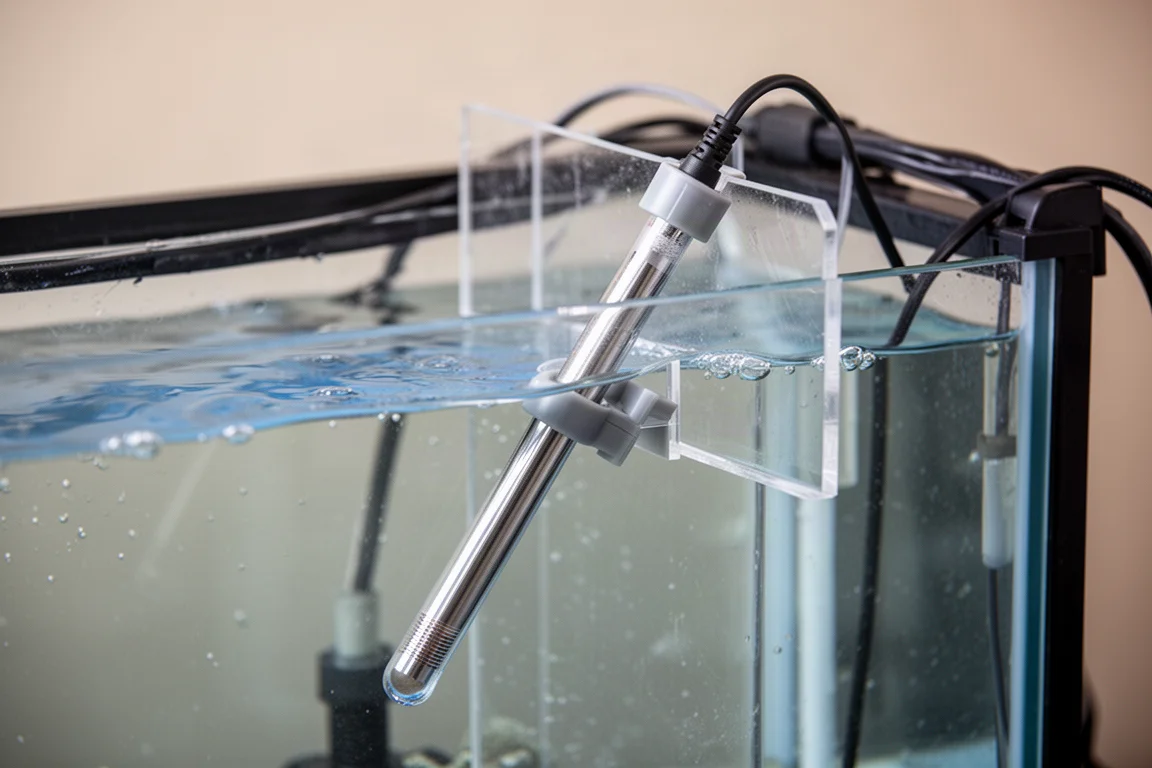
It is sold without its own controller, and that separation is a feature rather than a shortcoming. Because controllers fail long before elements do, keeping them apart means only the controller needs replacing when something wears out. The element itself is built to keep going.
Best Controller Value: Inkbird Wi-Fi Heater Controller
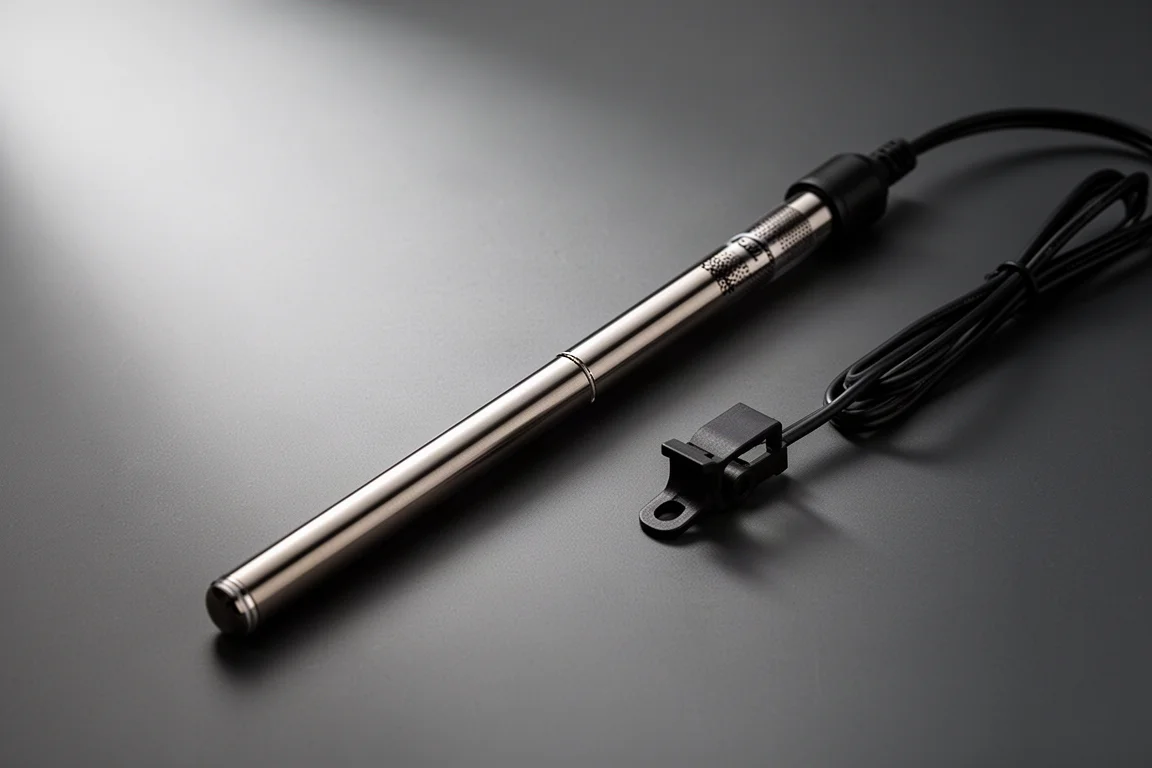
The Inkbird Wi-Fi controller was the most popular controller choice, and the design is easy to like. It uses two temperature sensors, so if one probe fails or reads incorrectly, the system still has a working reference point. It also offers two outlets, which means it can run two heaters at once.
That second outlet matters more than it first appears. Running two 250-watt heaters instead of a single 500-watt unit means that if one heater quits, the tank is not left without heat. Pairing the controller with two smaller heaters is a simple way to build redundancy without adding much complexity.
Best Budget Pick: Eheim Jager Heater
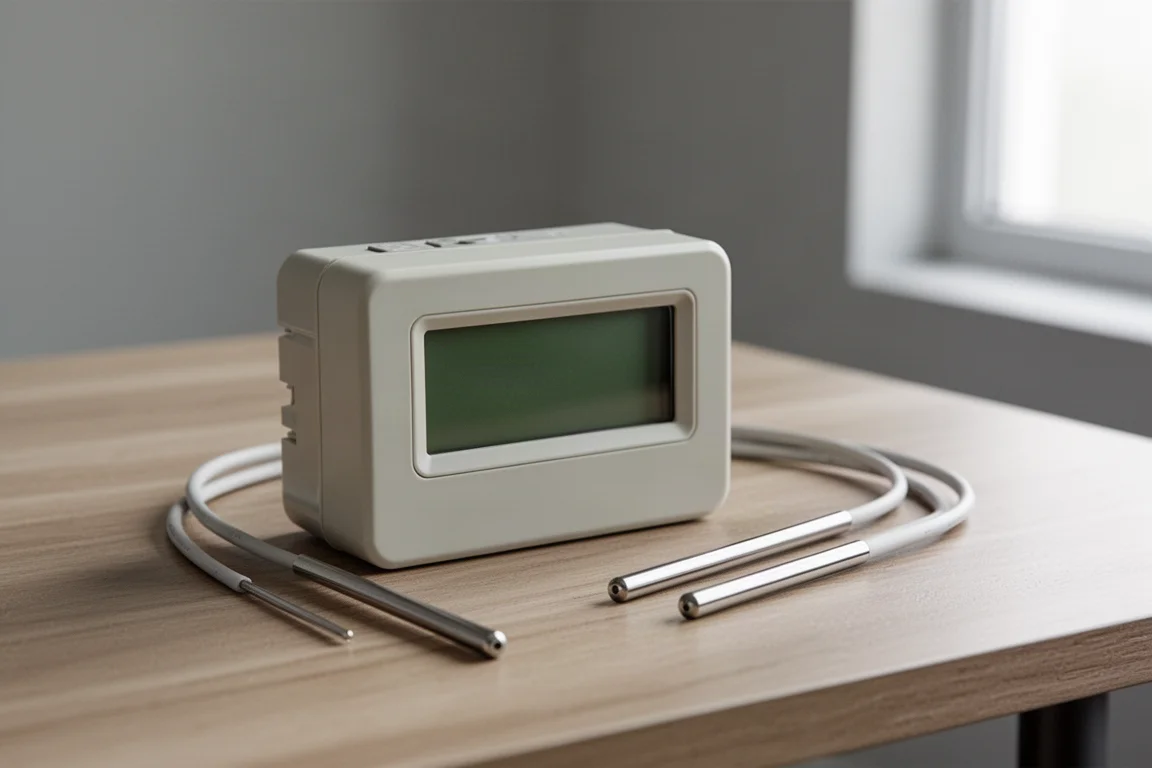
The Eheim Jager is the entry-level answer and the one people reach for when cost matters. It is a bi-metal thermostat heater, so there is very little electronics involved: the thermostat bends and opens or closes to switch the element. The glass is harder than on many competing glass heaters, which makes it less likely to break, and the thermostat can be recalibrated.
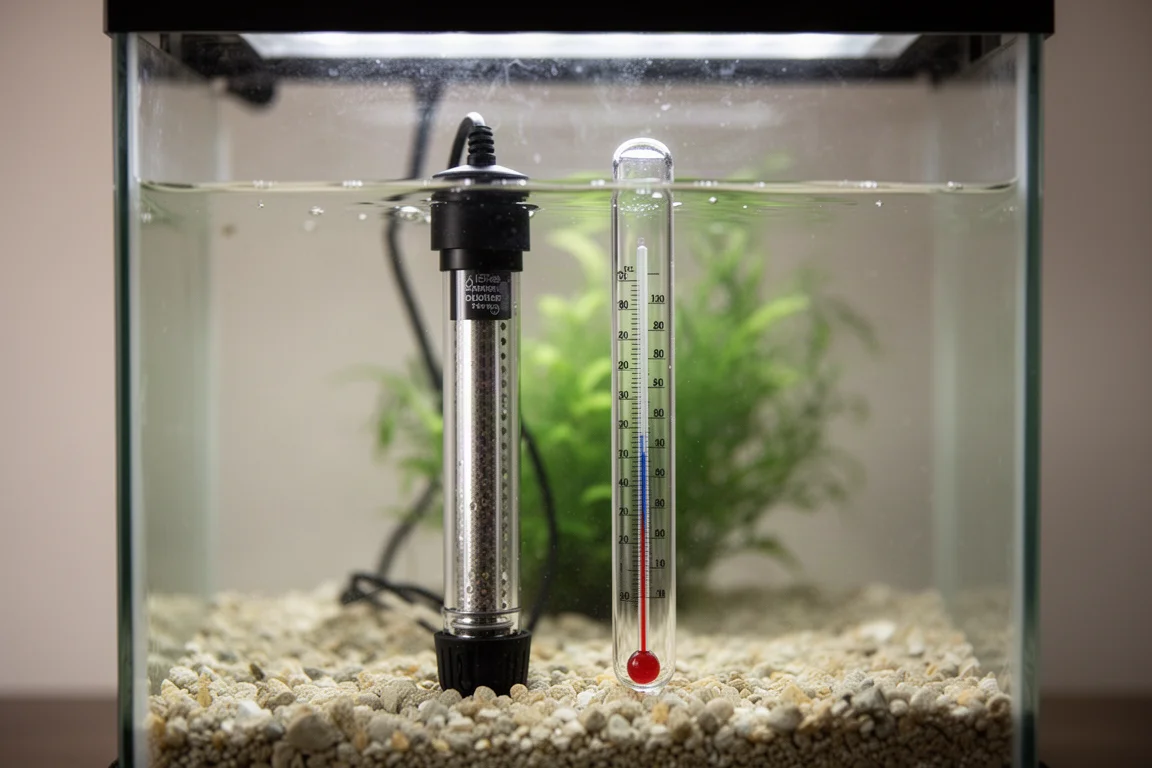
Recalibration is the important detail. These heaters tend to drift over time, so checking the set point against a separate thermometer and adjusting the calibration knob keeps the drift from becoming a problem. Treating the heater as a consumable and replacing it on a regular schedule is a reasonable strategy for anyone who would rather not rely on a monitoring setup, since respecting a finite service life often delivers results comparable to more elaborate redundancy.
Best Low-Profile Design: Cobalt Aquatics Neo-Therm
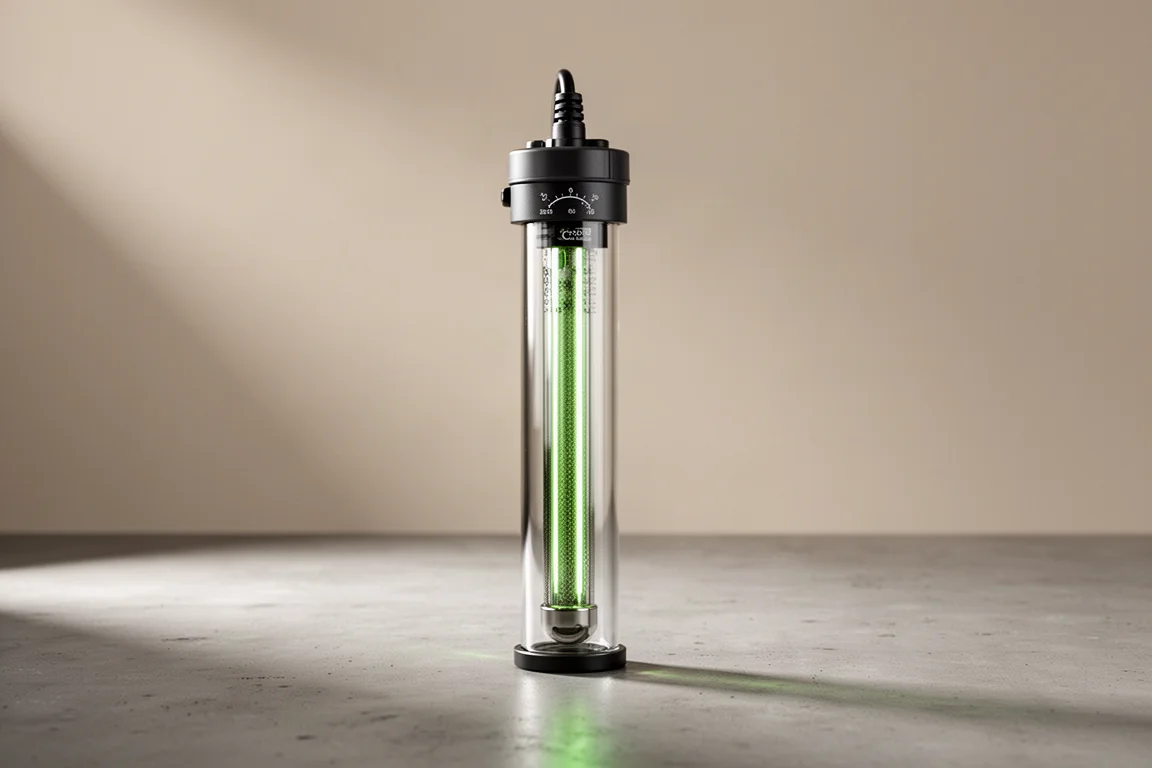
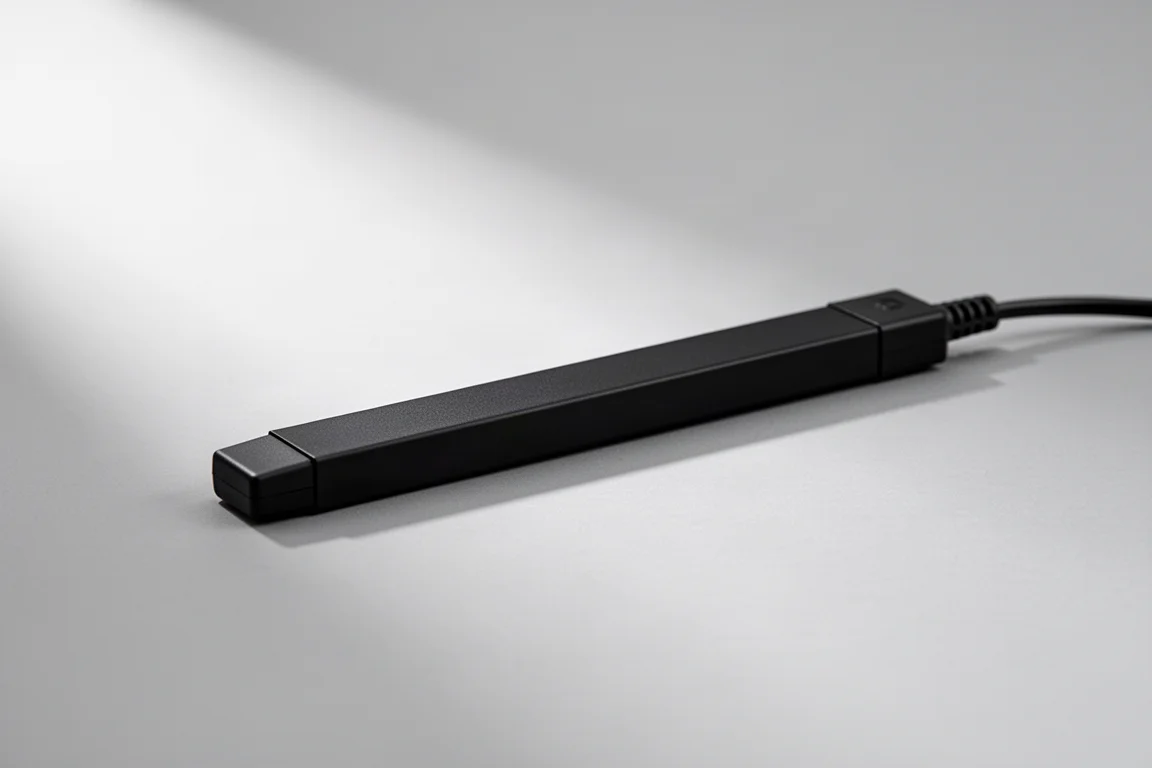
The Neo-Therm is the low-profile option, and its usefulness is easy to understand once you look at it from the side. From the front it looks fairly wide, but turned sideways it becomes very thin, which opens up mounting positions that a standard cylindrical heater simply cannot use. It has been through several generations of refinement, and it remains a strong choice when space in a sump or rear chamber is tight.
Most Innovative Technology: Innovative Marine Helio PTC
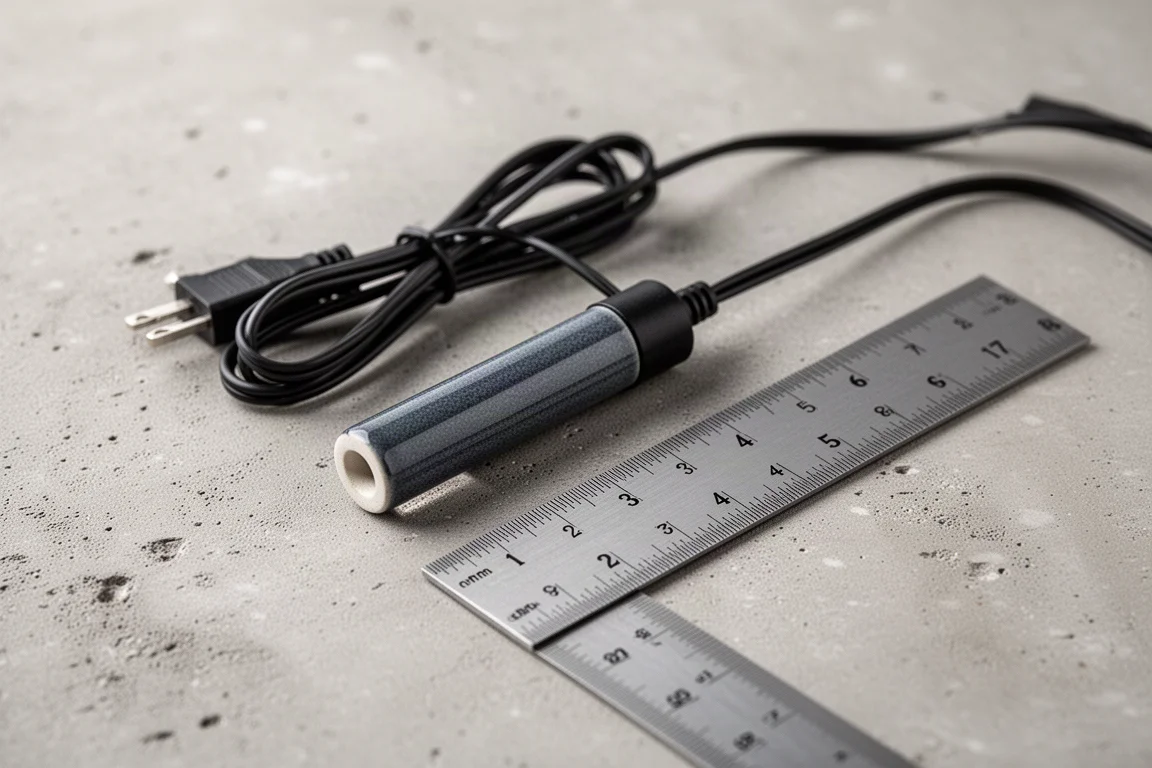
The Helio PTC brings positive temperature coefficient technology into the heating space. The element is tiny compared with conventional heaters, which is convenient on its own, but the interesting part is the self-limiting behaviour. The ceramic material increases its resistance as it gets hotter, which prevents the element from ever reaching a temperature that would destroy it. In practice that acts as built-in overheat protection.
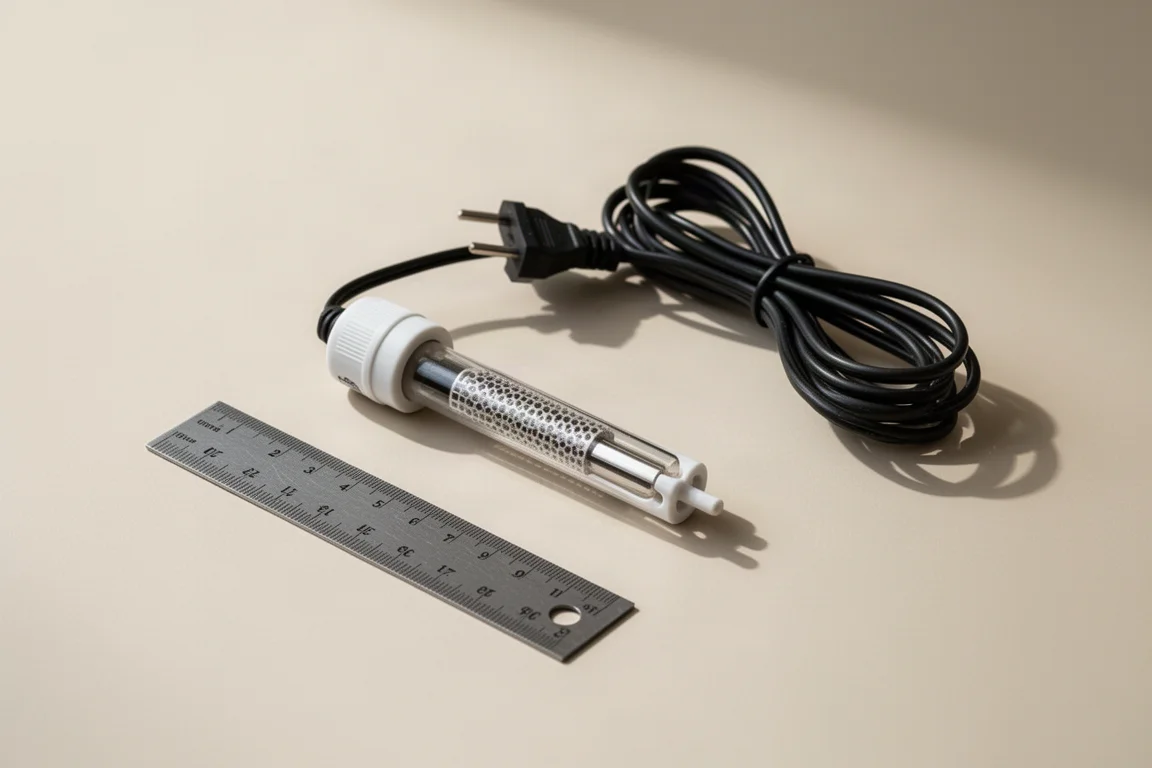
As with any new approach, there is a trade-off. Long-term durability data is still thin, and this is a trailblazer’s product rather than a proven workhorse. For a keeper who wants a very small element and is comfortable with newer technology, it is worth watching; for a tank that must run without surprises for years, the more established designs remain the safer bet.
Best Redundancy Layer: Neptune Apex
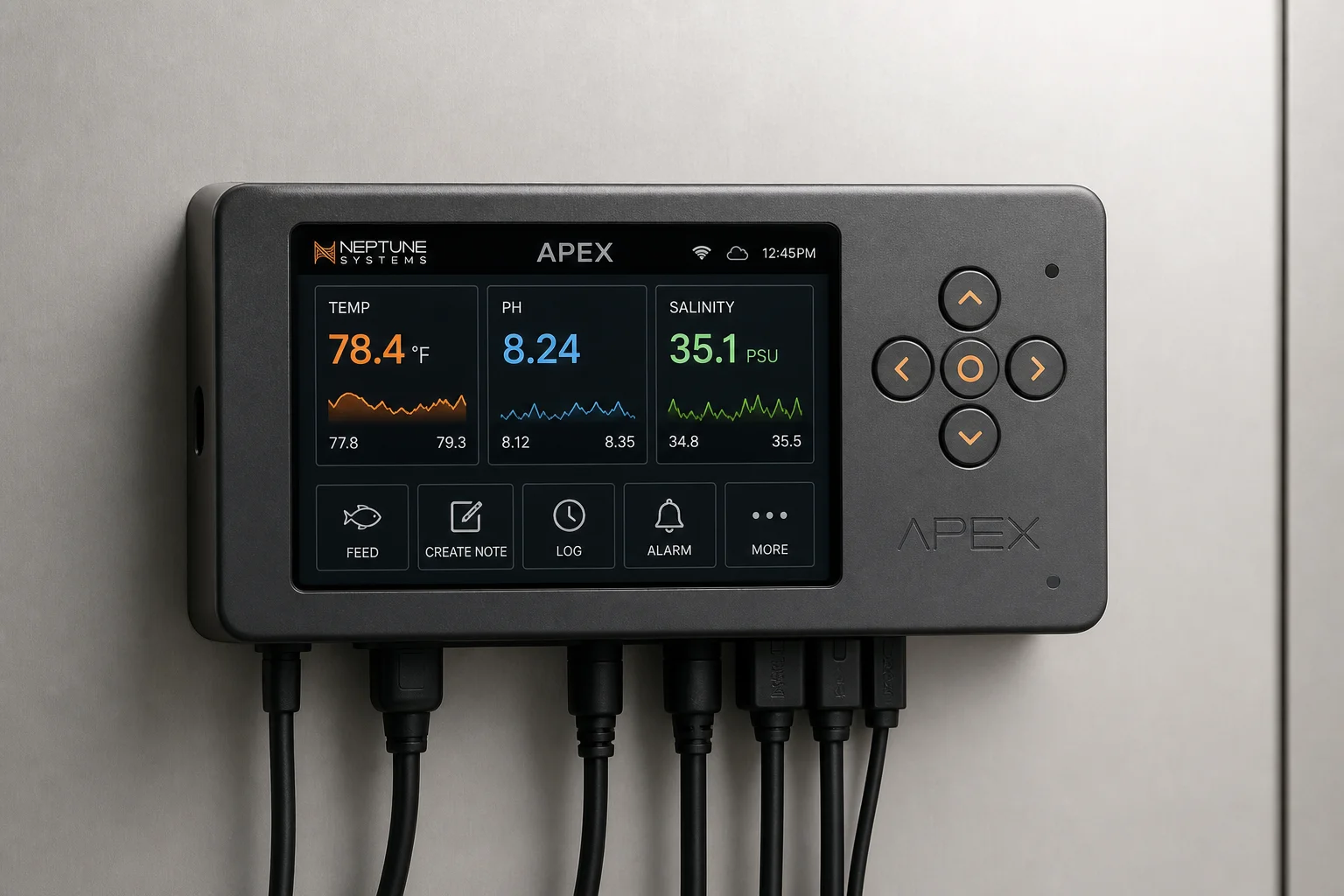
The Apex is not a heater, and it is included here for a different reason: it works as the final layer of protection above a standalone heater controller. Configured correctly, it can cut power to the heater at a higher threshold than the primary controller and send an alert when the primary controller misbehaves.
That extra layer is what turns a good heating setup into a resilient one. If an Inkbird controller sticks on, the Apex is the component that notices and intervenes before the tank overheats.
Buying Advice: How to Build a Safer Heating Setup
The order of the chain matters as much as the hardware. Put the cheaper, more failure-prone controller first and the aquarium controller behind it, so the backup is always the device left testing the primary one. A typical configuration would run the standalone heater controller at the target temperature, with the aquarium controller set a degree above it to shut the heater down and raise an alert if the first controller fails.
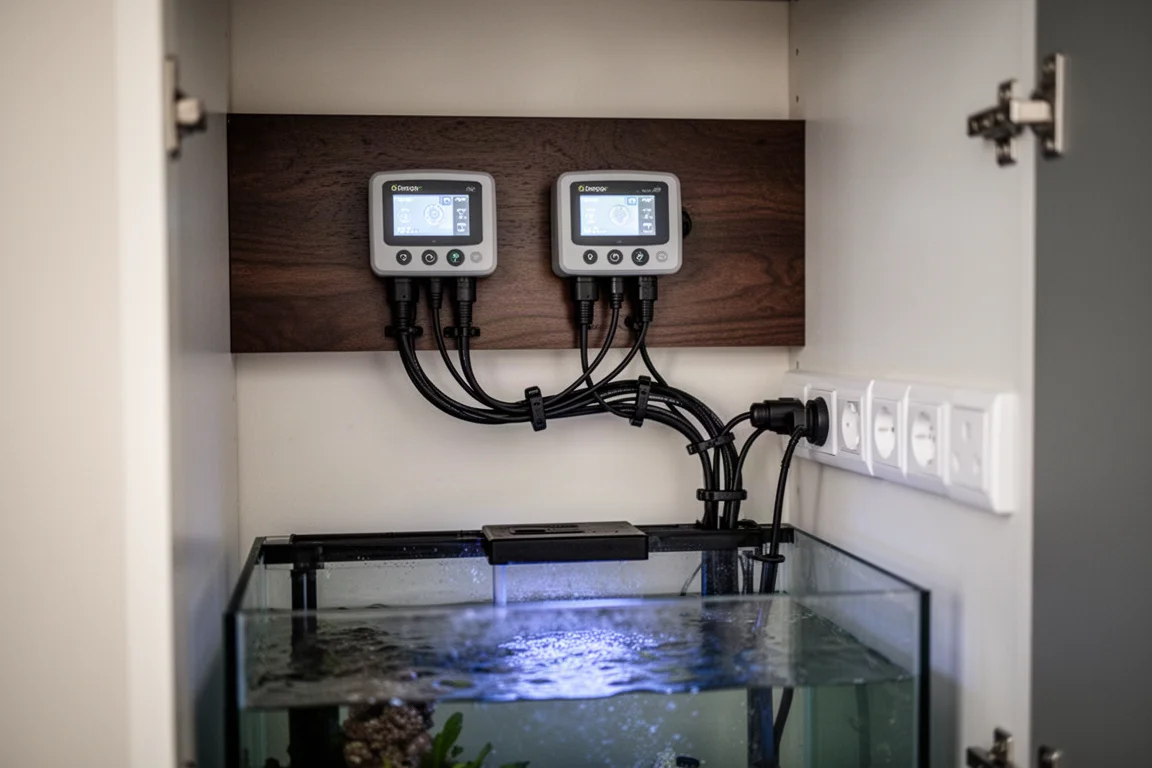
For a newer reefer on a budget, the sensible combination is the Eheim bi-metal heater plugged into any controller, since the thermostat design is simple and the controller adds a layer of control on top. For a tank where reliability is the priority, the titanium element paired with any controller and then backed by the Apex is the configuration that shows up again and again.
Whatever the combination, plan for the controller to be the part you replace. Elements last, controllers wear, and a spare controller on the shelf is one of the least expensive forms of insurance in the hobby.
Conclusion
None of these products is complicated, and the choice mostly comes down to how much redundancy a tank needs. A titanium element with a three-year warranty is the long-term foundation, a two-probe controller supplies practical redundancy at a modest cost, and the budget glass heater remains a dependable starting point when it is checked and replaced on schedule. The compact PTC heater shows where the technology is heading, while an aquarium controller quietly does the most important job of all: catching the failure nobody planned for.
Further reading
Related Reviews
Aquarium Heating
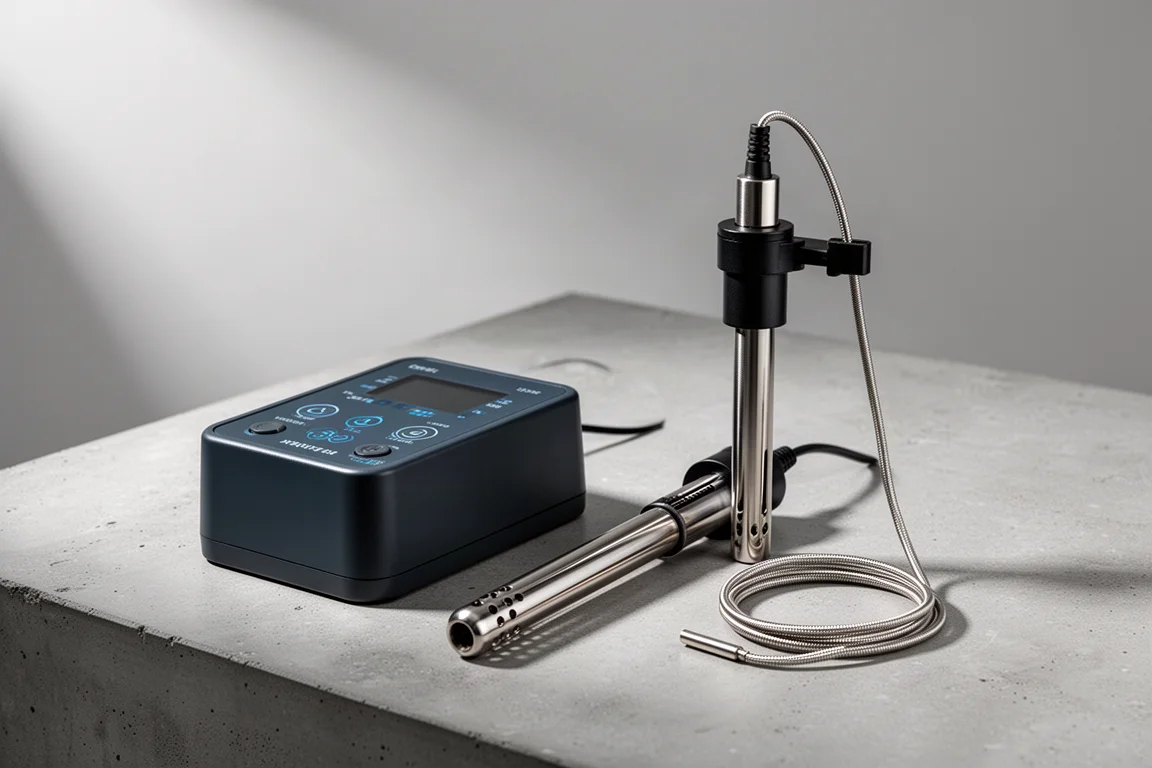
Innovative Marine Helio PTC Review: A Safer Approach to Reef Tank Heating
A self-regulating PTC titanium heating element paired with an adjustable controller that ships preset, with audible alarms and room to add a second element.

Backpacking Gear
Building a 10 lb Base Weight: An Ultralight Backpacking Gear List
A practical walkthrough of the ultralight pieces behind a 10 lb base weight, from a 765 g pack and a roomy one-person tent to a full camp chair and a dependable water filter.

Road Bikes
10 New Road Bikes Worth Watching: Aero, Titanium, Steel and Endurance Standouts
A practical roundup of 10 new road bikes, from aero flagships chasing single-watt gains to titanium, steel and endurance platforms built for real roads.