Metalworking Tools
Best Annular Cutters: 11 Brands Tested Across Aluminum, Steel, and AR500
Eleven annular cutter brands put through speed, wear, and hard-steel testing to find out which ones are worth the money.
Introduction
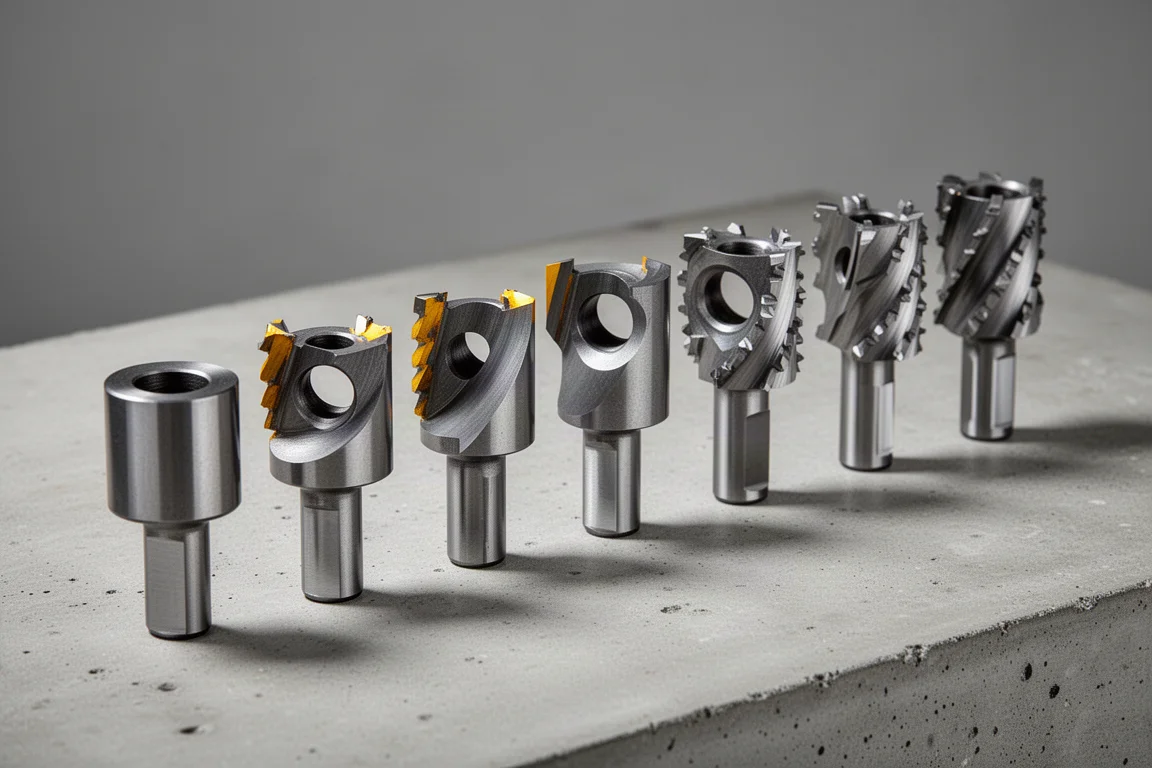
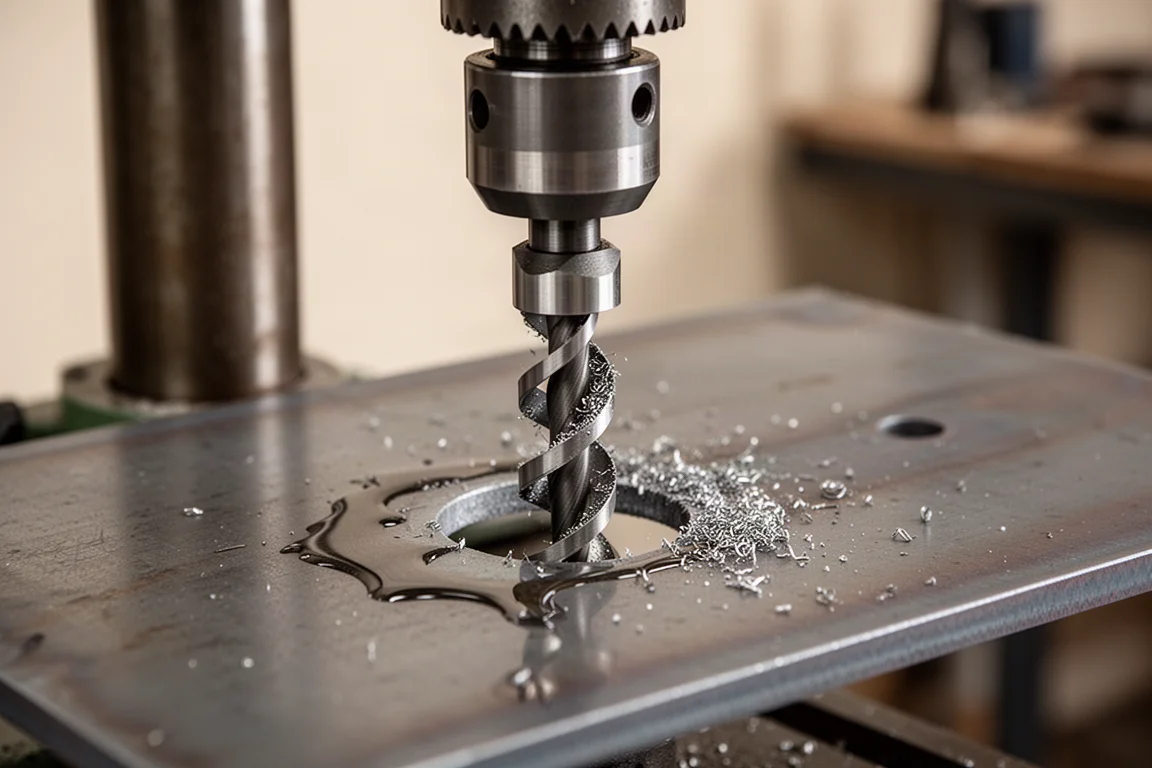
Twist drills are slow for large holes, and hole saws leave a rougher finish. Annular cutters promise something better: they cut only a ring of material, leave a smooth machine-finished hole with no reaming, and eject the slug cleanly once the cut is complete. To find out which brands actually deliver, eleven annular cutters were run through the same series of tests: speed in aluminum, endurance in mild and medium-hard steel, wear after repeated cuts, and a brutal final test on AR500 plate, a steel designed to stop bullets that work-hardens quickly and is nearly impossible to drill.
All cutters tested were 15/16 inch with a 3-inch Weldon shank, and cutting oil was used throughout.
How We Tested
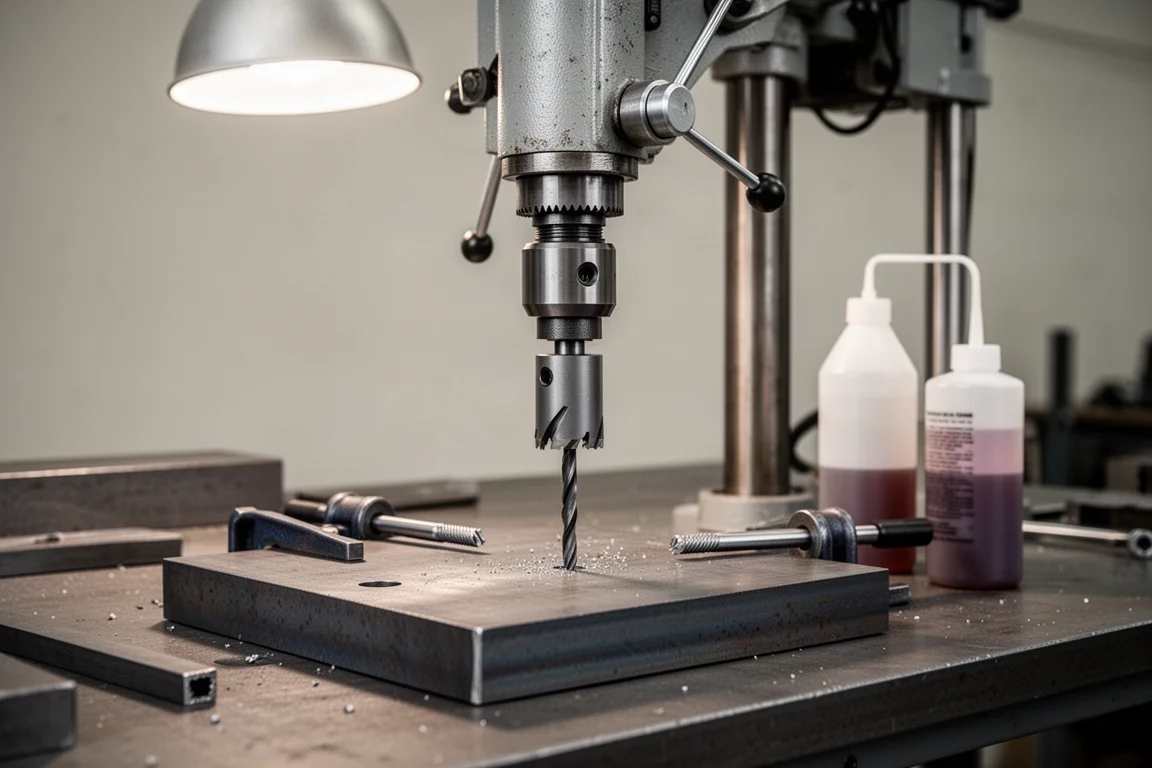
Most cuts were made on a 1-horsepower 15-inch drill press, which offers a more controlled feed than a mag drill. A wheel attached to the feed arm applied a consistent downward force, roughly 80 pounds at 10 pounds of feed-wheel weight, and RPM was slowed to 250 to suit the large cutter size. Test pieces were cooled between brands because metal temperature affects cutting speed.
One note before buying: annular cutters will not work in a regular chuck, but an annular cutter arbor is affordable and easy to find. The pilot pin matters too. It keeps the cutter centered, allows coolant to reach the cutting tip, and ejects the slug after drilling, so check whether a pin is included.
Steel Dragon
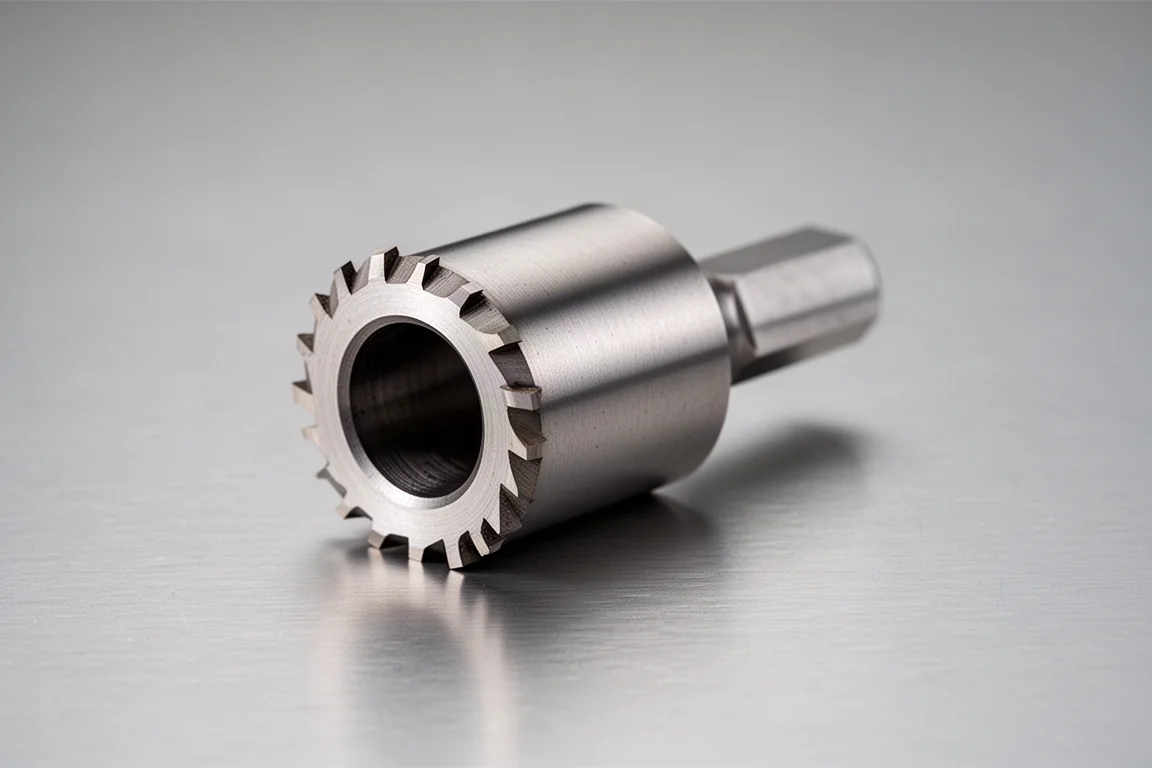
At $29, the Steel Dragon is the least expensive cutter in the lineup. It is made of high-speed steel with a 2-inch cutting depth, weighs about 131 grams, and is made in China. Notably, it does not include a pilot pin, so factor that into the real cost. In aluminum it cut in 50 seconds with excellent chip removal, and it performed well in medium-hard 4140 steel. Spring steel slowed it significantly at 42.7 seconds, with visible damage to the teeth, and in AR500 it made it about two-thirds of the way through before giving up after 40 seconds.
Evolution Cyclone
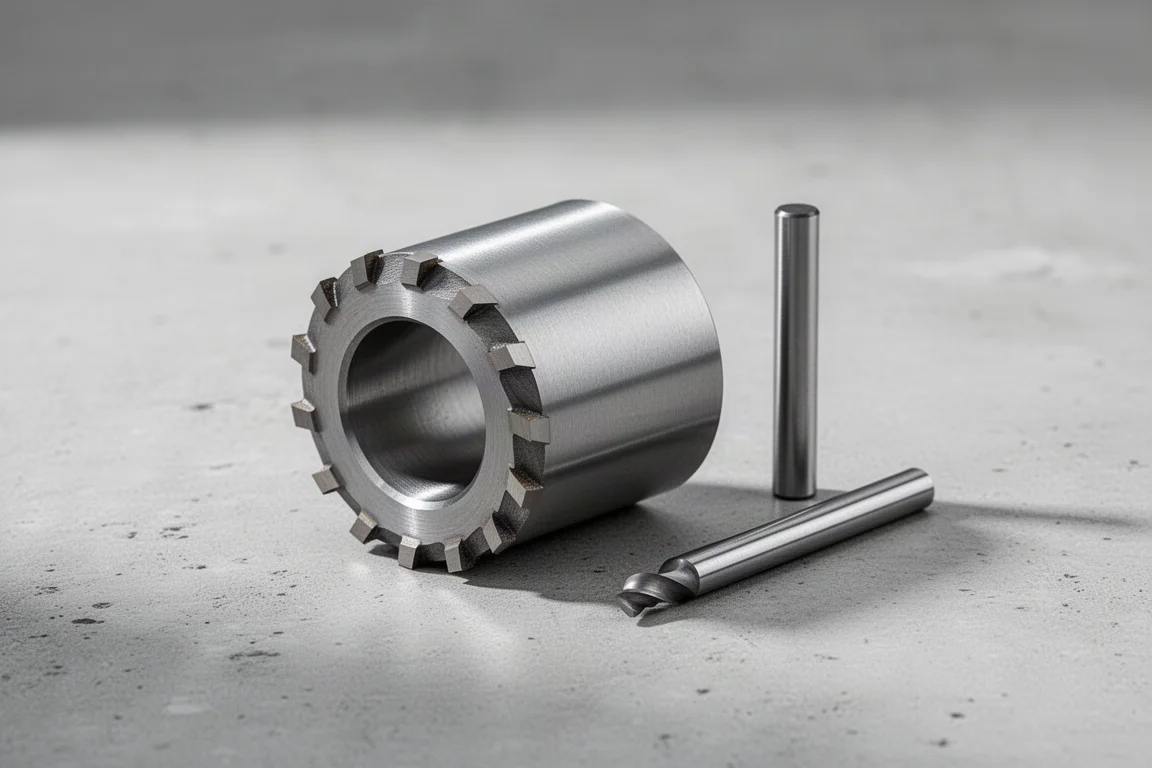
At $30, the Evolution Cyclone includes both the cutter and a pilot pin. It is made of premium high-speed steel with a 1-inch cutting depth and is made in China, weighing about 98 grams. Evolution claims its cutters last longer for more holes per dollar. It finished the aluminum test in 48 seconds, second-fastest at that point, with great chip removal. In mild steel it cut 6 seconds faster than the Steel Dragon at 25 seconds, though it picked up a couple of chipped teeth. Spring steel slowed it to 38.2 seconds, and in AR500 it progressed slightly farther than the Steel Dragon before stalling around the 40-second mark.
Unibor
At $33, the Unibor includes a pilot pin and is made in the UK from M2 high-speed steel. Its geometry is designed for faster feeds, less friction, and a smooth hole finish, aimed at mild steel, brass, and aluminum. It was the standout in the earlier tests: 35 seconds in aluminum, fastest in mild steel at 23.4 seconds with no chipped teeth, and third in 4140 at 12.5 seconds. Spring steel took a heavy toll, though, at 54.2 seconds with a lot of sharpness lost, and in AR500 the dull teeth could not bite at all. For soft metals, it remains one of the fastest and most refined options.
SNF
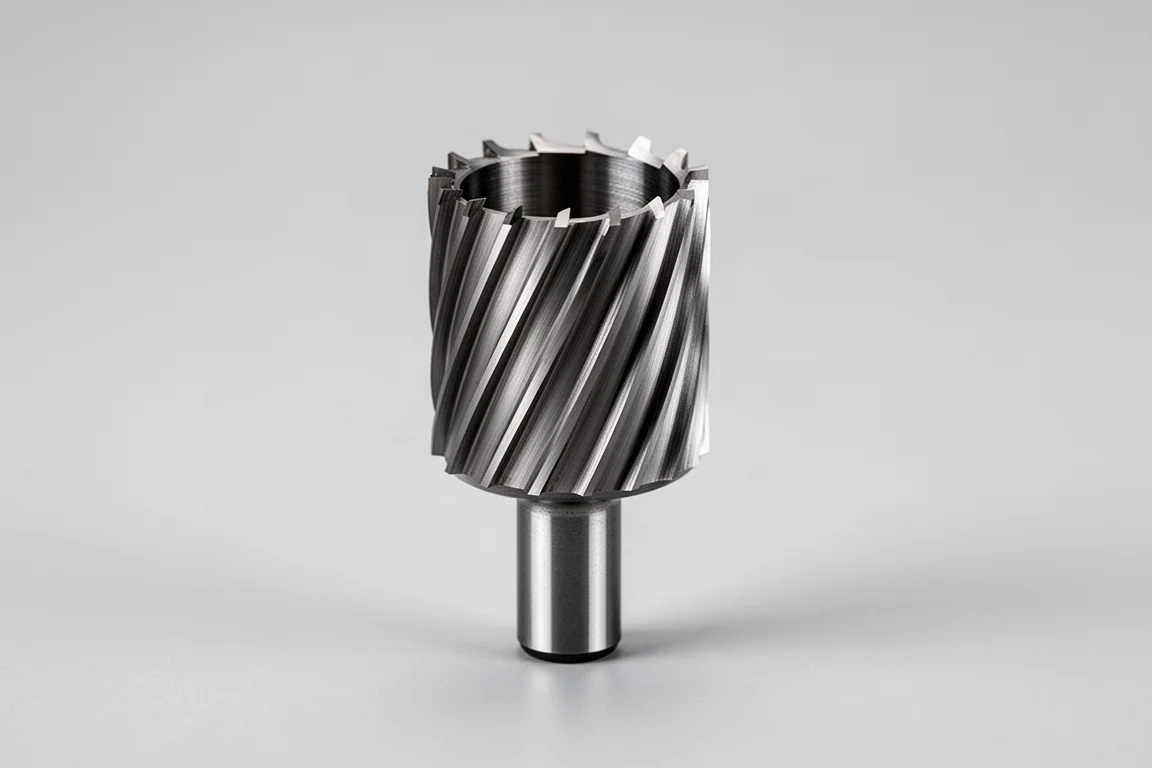
At $34, the SNF includes a pilot pin and a 1-inch cutting depth. It is made in China from what the brand describes as a super-tough high-speed steel designed for durability and wear resistance, weighing about 102 grams. Its aluminum time of 49 seconds matched the Steel Dragon and Evolution closely, and it cut mild steel in 25.9 seconds with only minor chips and sharpness loss. In 4140 it fell behind the leaders, spring steel slowed it to 51.8 seconds with visible wear, and in AR500 it barely made progress.
Hermes
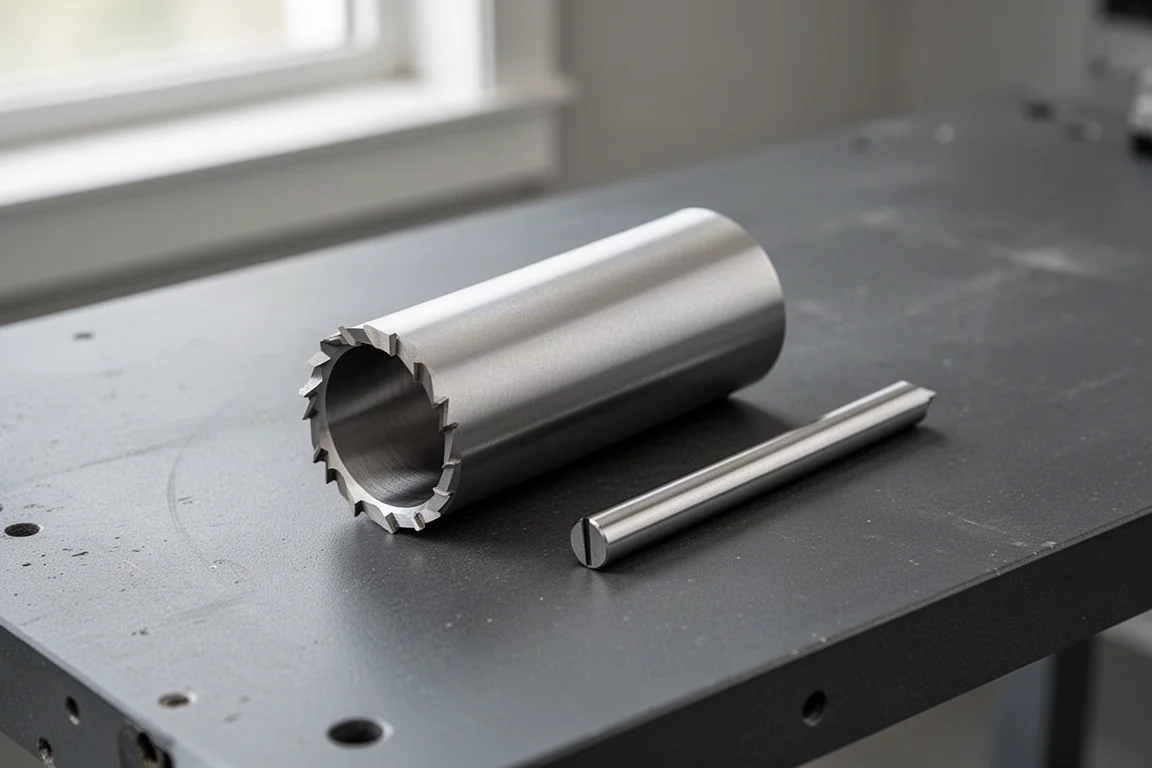
At $42, the Hermes includes a pilot pin, is made of high-speed steel, and has a 2-inch cutting depth. It weighs about 132 grams, and the packaging gives no country of manufacture. It was fast in aluminum at 36 seconds and cut mild steel in 28 seconds, though it lost some sharpness and picked up a couple of chips. In 4140 it held up well and posted 36.2 seconds in spring steel, third-fastest there. In AR500 it ran about 40 seconds before stopping, finishing third in cutting depth. A solid all-round high-speed steel option.
DeWalt
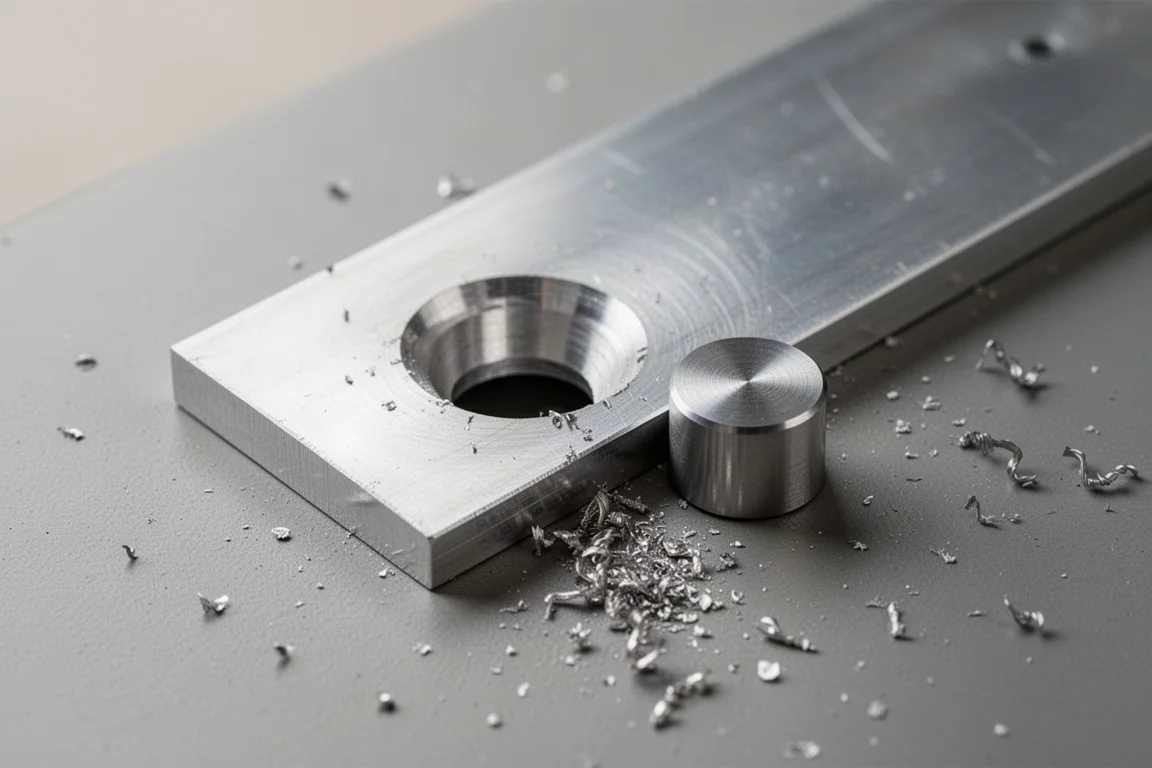
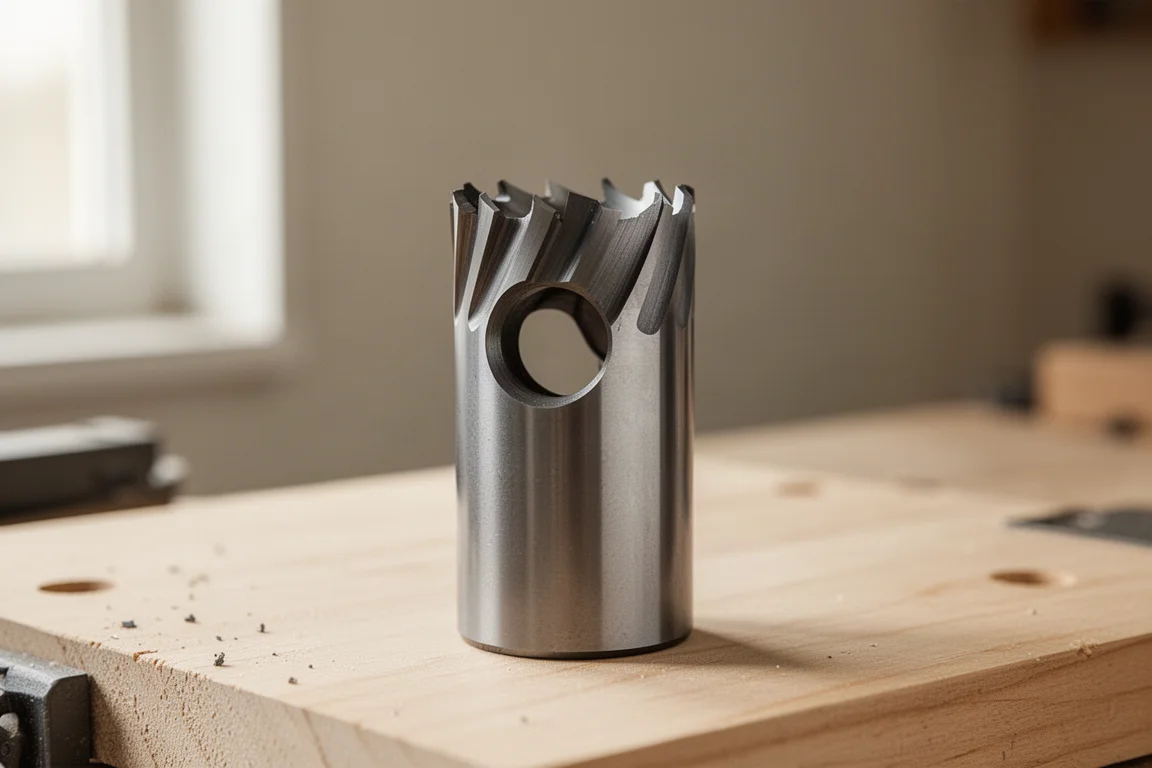
At $43, the DeWalt has no included pilot pin, drills up to 2 inches deep, and is made in China from high-speed steel, weighing about 131.6 grams. DeWalt describes it as fast, efficient, and smooth cutting. In aluminum it hit 38 seconds, and in 4140 it posted the second-fastest pass at 12.8 seconds. Mild steel was rougher: it jammed at breakthrough for 26.7 seconds with minor wear. Spring steel slowed it to 53.1 seconds, and in AR500 it could not take a bite even under heavy force.
Eurobor
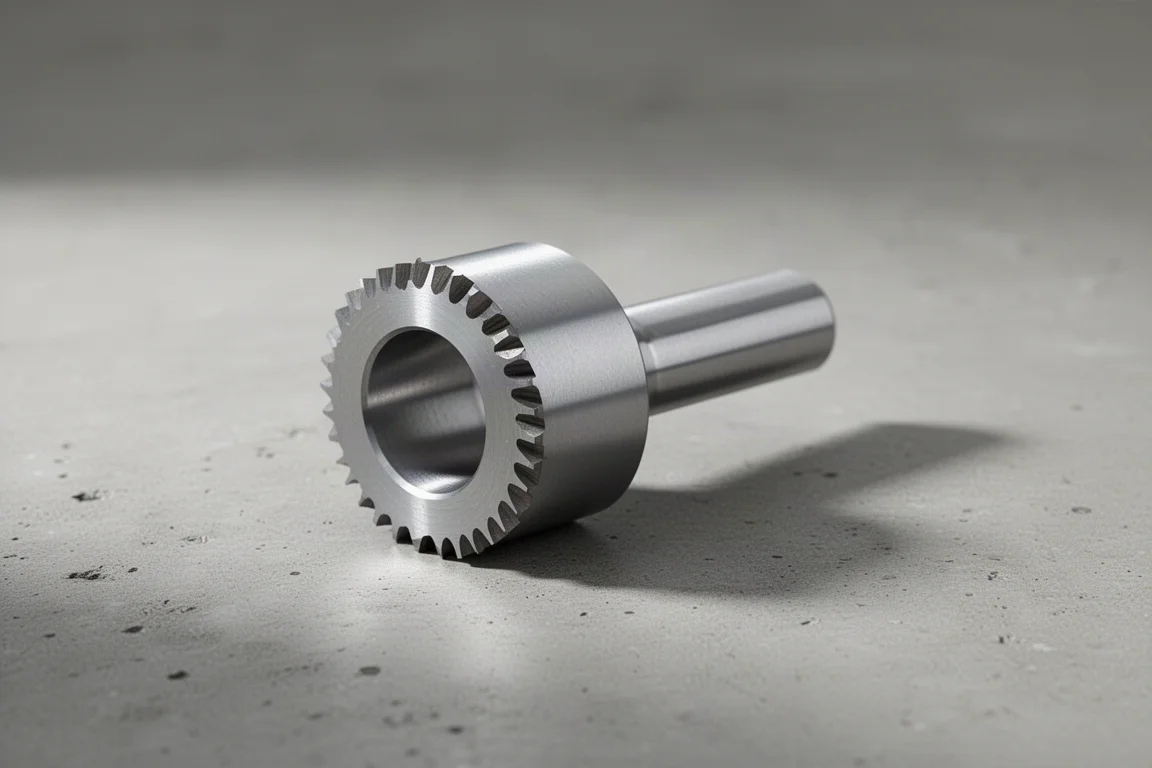
At $44, the Eurobor stands apart with carbide tips, which last longer and cut harder materials. It includes a pilot pin, is made in Holland, and weighs about 107 grams. The carbide teeth are less aggressive, so it is not the fastest in soft metals (50.5 seconds in aluminum), but durability is where it shines. It cut 4140 in 12.1 seconds, spring steel in 34 seconds with teeth still sharp and chip-free, and AR500 in 30.1 seconds. After all that, its mild-steel re-cut was only 6.48 percent slower, nearly the best durability result in the test.
Champion
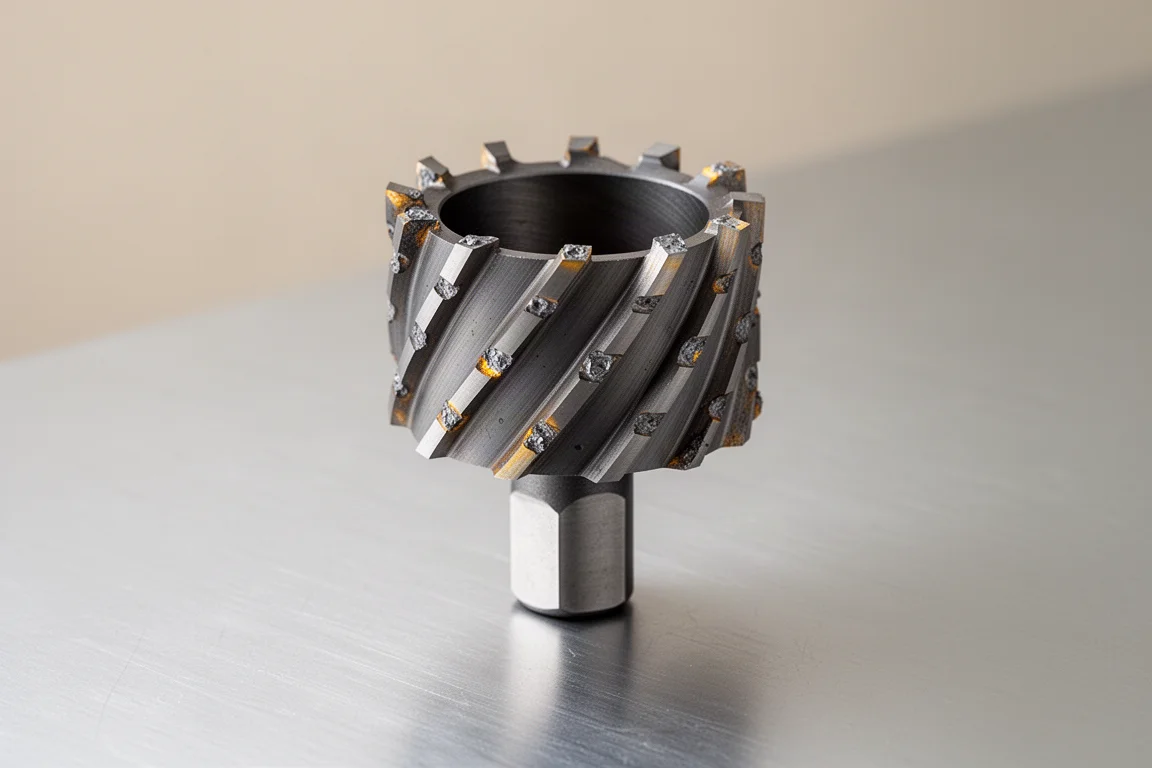
At $183 for three bits, or $61 each, the Champion set includes 13/16, 15/16, and 1-1/16 inch cutters plus a pilot pin, with a 1-inch cutting depth. Champion claims its carbide-tipped cutters last twice as long and can cut stainless steel and ultra-hard exotic alloys. The claims held up impressively. It cut 4140 fastest at 11.1 seconds, tied for first in spring steel at 31 seconds, won the AR500 test outright in 24 seconds, and showed only minor wear throughout. Its mild-steel re-cut was just 9.52 percent slower. The best overall performer, at a premium price.
Yugan Copperhead
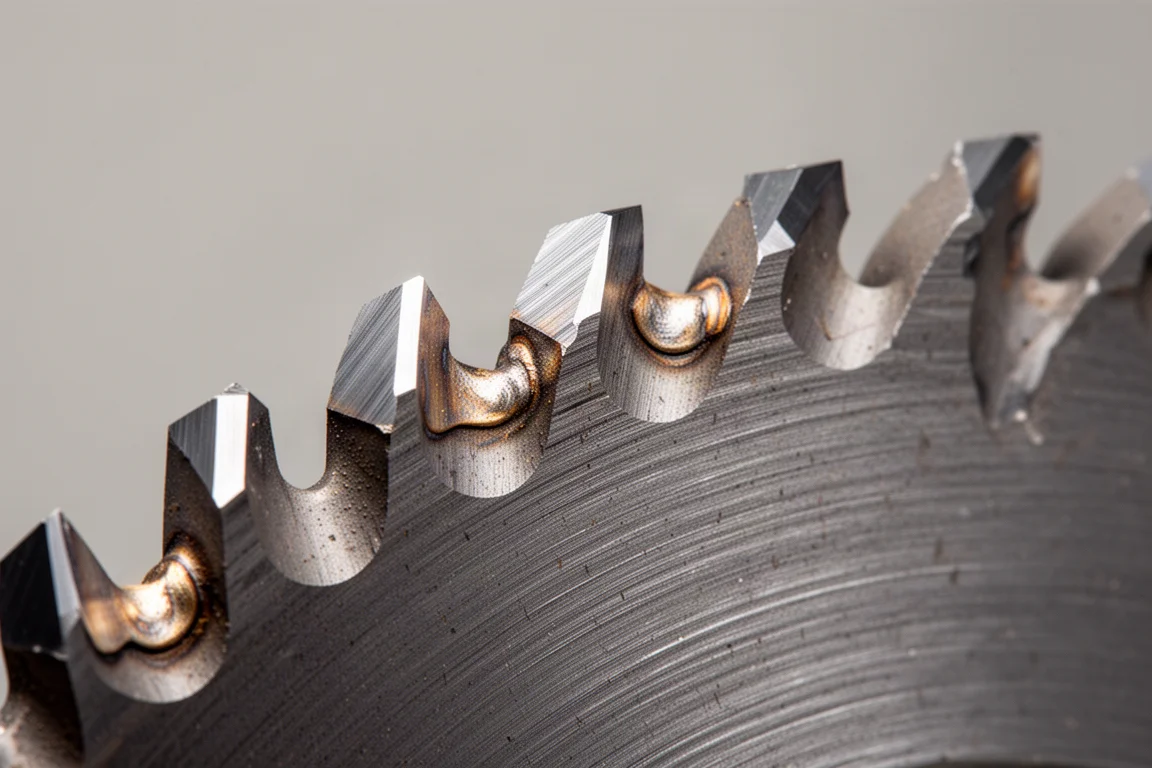
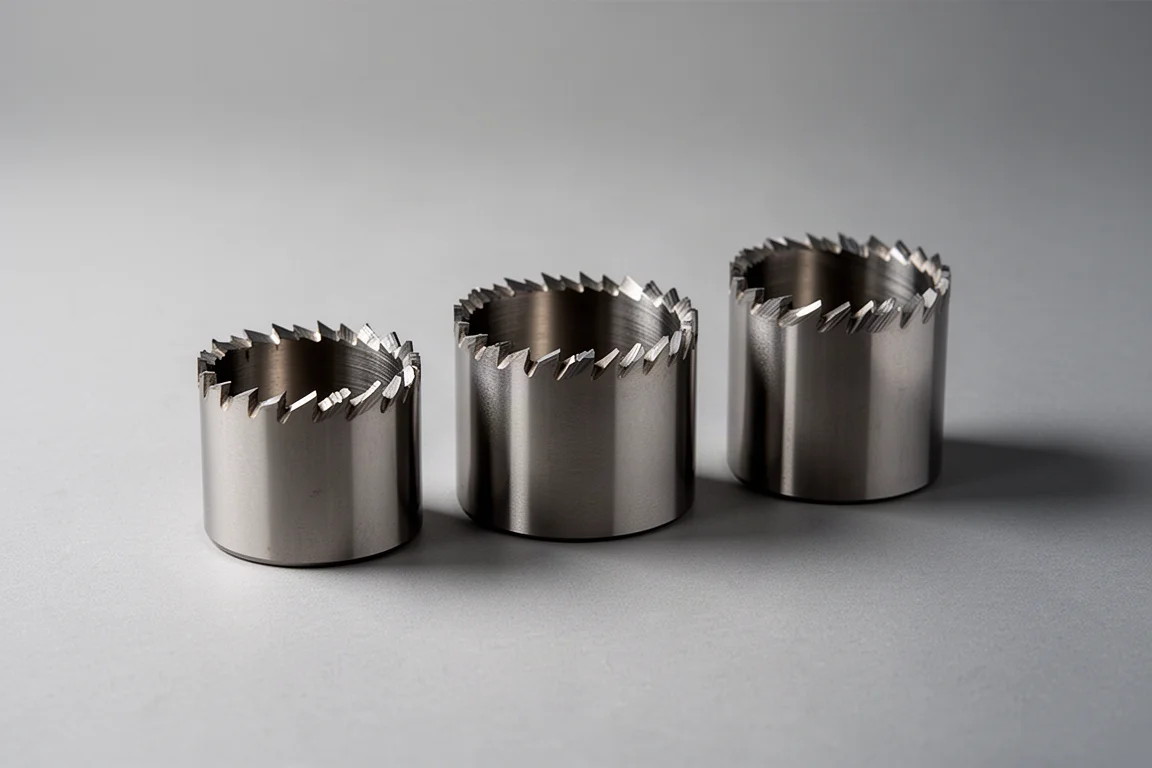
At $237 for 13 cutters, or $18 each, the Yugan kit includes two pilot pins and sizes covering 9/16 to 1-1/16 inch, with 2-inch cutting depth and dual alternating tooth geometry for aggressive cutting. It appears to be made in the USA, though the source is not certain. Despite the aggressive geometry, it was slowest in aluminum at 64 seconds and mild steel at 31.3 seconds. But its carbide inserts held up exceptionally well: it tied the Champion in spring steel at 31 seconds, cut AR500 in 34.6 seconds with minor wear, and had the lowest performance loss of all at just 5.75 percent.
Milwaukee
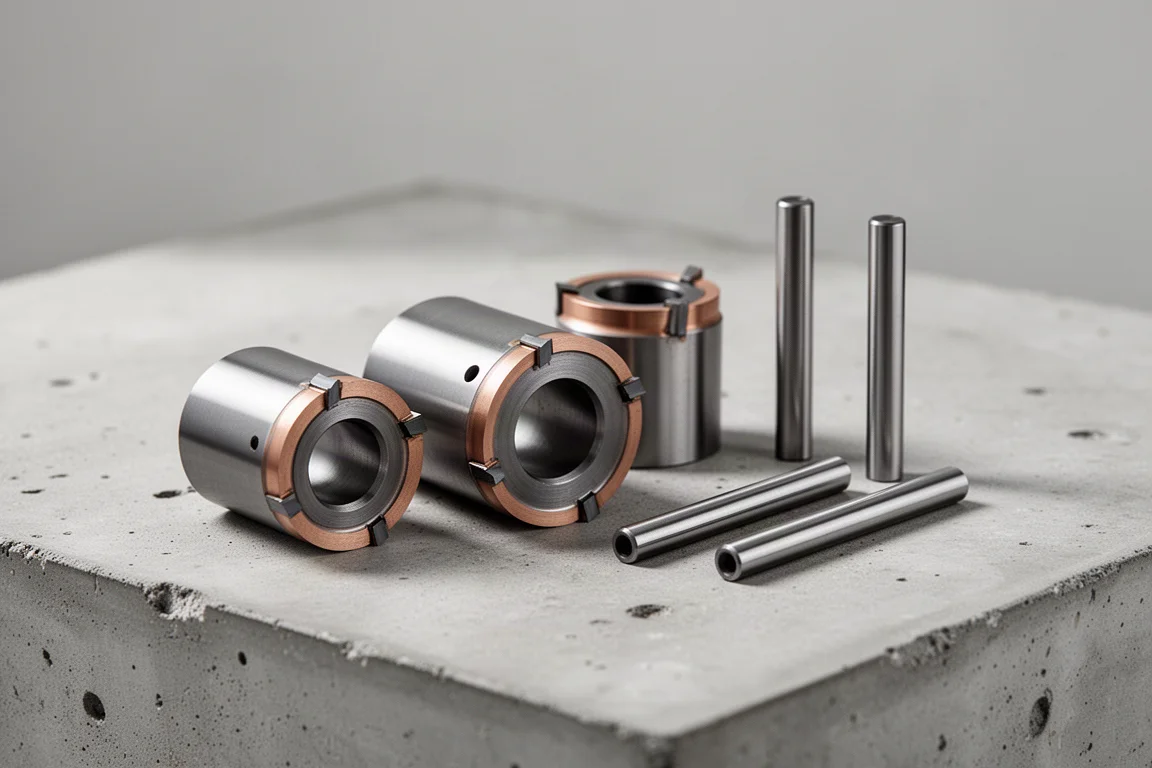
At $39 for nine cutters, or about $34 each, the Milwaukee set covers 1/2 to 1-1/16 inch, with a proprietary steel, three hardness zones, 2-inch cutting depth, and a claimed 20 percent thinner wall for faster cutting. Made in Germany, it was the clear winner in aluminum at 28.7 seconds, the fastest time of the entire test, thanks to that thin wall. But it lost steps in mild steel at 28.8 seconds with significant sharpness loss, and spring steel destroyed the teeth completely. In AR500 it could not cut at all. Brilliant for soft metals, poor for hard ones.
Fein Slugger
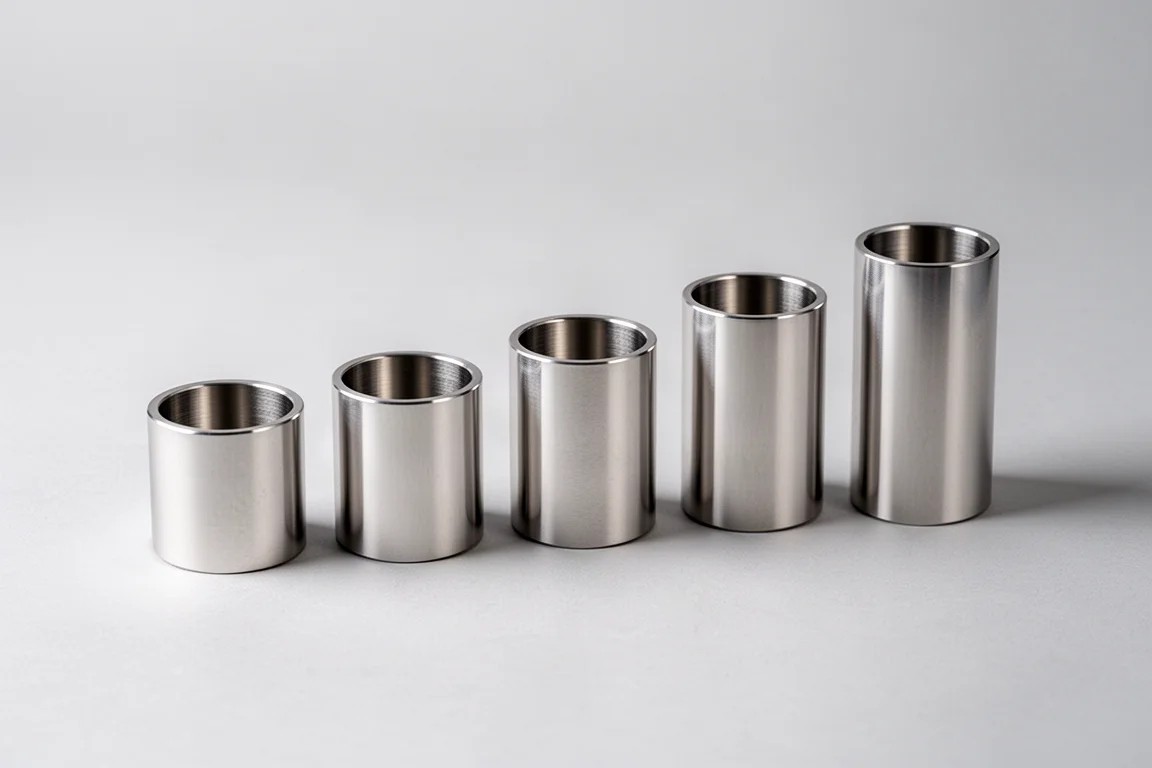
At $362 for 11 cutters, or about $33 each, the Fein Slugger covers 7/16 to 1-1/16 inch, is made in the USA, and features M2 high-speed steel with multiple cutting edges and a protective coating. Fein claims it drills holes three times faster than twist drills. In aluminum it managed 39 seconds, and in mild steel a solid 25.8 seconds. Spring steel hit it hard at 54.5 seconds with teeth in poor condition, and in AR500 the cutters walked sideways and failed entirely. The smooth hole finish across all brands was excellent by comparison to twist drills or hole saws.
What the Hard-Steel Tests Revealed
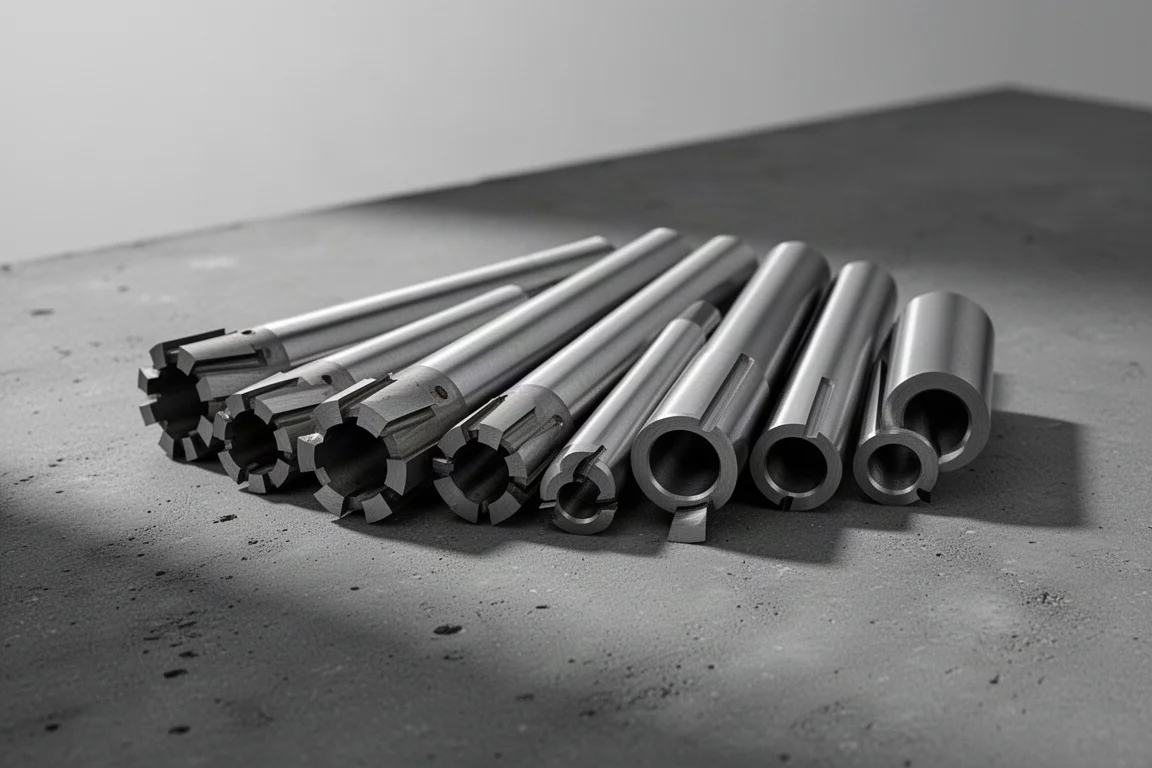
The pattern across mild steel, 4140, spring steel, and AR500 was consistent. High-speed steel cutters are perfectly fine for soft metals like aluminum and mild steel, but medium and hard steels expose them quickly, with dulling, chipped teeth, and dramatically slower cuts. Carbide-tipped cutters kept cutting long after the high-speed steel options gave up. The AR500 test made the divide stark: the Champion, Eurobor, and Copperhead cut clean holes while most of the high-speed steel field could not scratch the surface.
Final Verdict: Which Annular Cutter Should You Buy
Champion made the best cutter overall, with the fastest hard-steel times, the only clean AR500 win, and excellent wear resistance, but it is expensive. If the budget matters, the Eurobor is the smart pick: its carbide teeth delivered nearly the same durability and hard-steel performance at a fraction of the price, and it cut AR500 in 30.1 seconds. Among high-speed steel options for aluminum or mild steel, the Evolution Cyclone is the pick, with consistently strong times and a pilot pin included. If your work is mostly soft metals, the Milwaukee is the fastest there by a wide margin, just avoid hard steels with it. And if you want a cheap starting point for light work, the Steel Dragon gets you cutting for under $30.
Conclusion
Annular cutters really are a different class of tool compared to twist drills and hole saws, leaving precise, burr-free machine-finished holes in a fraction of the time. Choose carbide teeth like Champion or Eurobor if you regularly face hard or abrasive steels, and choose a high-speed steel cutter like the Evolution, Unibor, or Milwaukee if your work centers on aluminum and mild steel. Matching the cutter to your material is what separates a great purchase from a wasted one.
Further reading
Related Reviews
Metalworking Tools
xTool MetalFab 800W Laser Welder Review: A Serious Tool for Sheet Metal Work
The xTool MetalFab 800W brings laser welding, cutting, and cleaning to a more accessible price point. We tested it on stainless steel, carbon steel, and aluminum to see if it holds up.

Backpacking Gear
Building a 10 lb Base Weight: An Ultralight Backpacking Gear List
A practical walkthrough of the ultralight pieces behind a 10 lb base weight, from a 765 g pack and a roomy one-person tent to a full camp chair and a dependable water filter.

Road Bikes
10 New Road Bikes Worth Watching: Aero, Titanium, Steel and Endurance Standouts
A practical roundup of 10 new road bikes, from aero flagships chasing single-watt gains to titanium, steel and endurance platforms built for real roads.