Backpacking Gear
Best and Worst Backpacking Gear: Standout Picks and Honest Letdowns
A season of backpacking trips separates the gear that earned a permanent spot in the pack from the items that did not live up to expectations.
Introduction
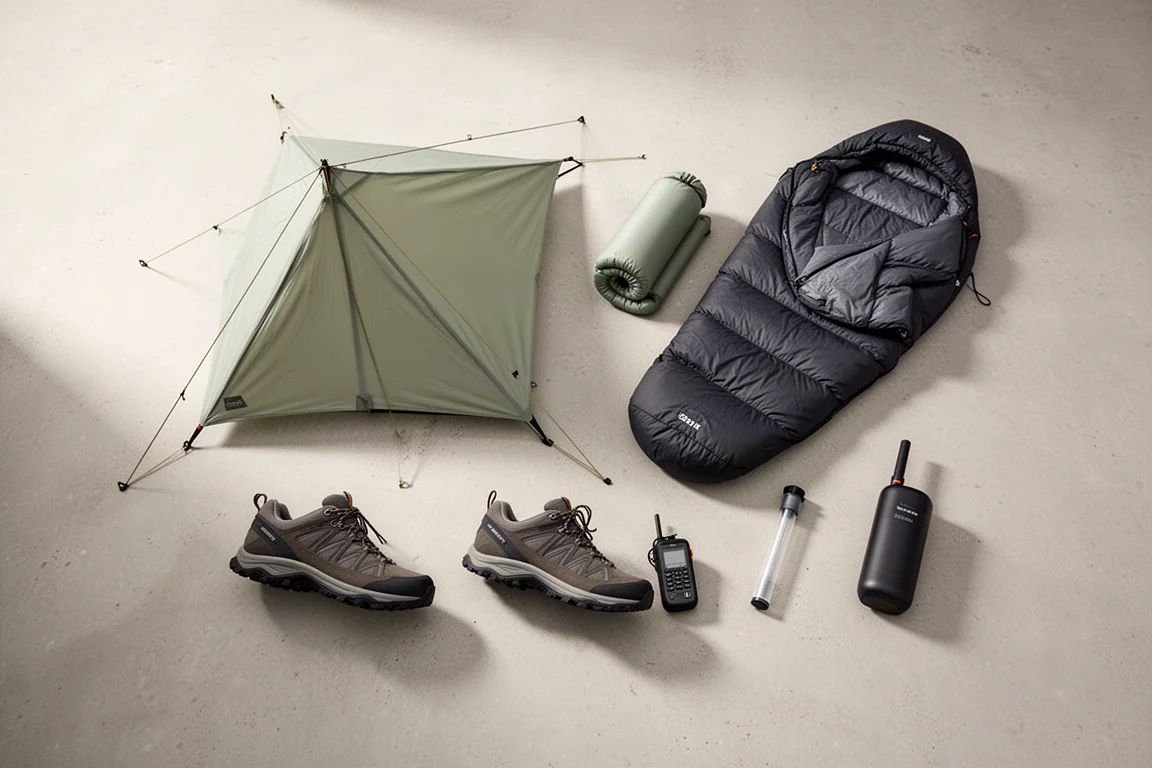
Some gear earns a permanent place in the pack, and some quietly gets sold. This roundup covers both sides of a full season of backpacking trips. On the favourites side there is a lightweight shelter, a satellite communicator, a pair of hiking shoes, a daypack, two insulation pieces and a sleeping system. On the other side there is a water filter that has been overtaken by better options, a water bag with a durability problem, and a tent that struggled in exactly the conditions where a shelter matters most.

The aim here is not to crown a single winner. It is to explain what each item does well, where it falls short, and which kind of trip it actually suits.
How These Picks Were Chosen
Every item on this list saw real use on backpacking trips rather than a short test. The criteria are the ones that matter on trail: living space and weather behaviour for shelters, comfort and packed weight for sleep systems, fit and durability for footwear, and reliability for anything that has to work the first time it is needed.
Price is part of the picture, but value is judged against how the gear performs over a full season. Items that were genuinely enjoyable to use earned a place on the favourites side. Items that created friction, failed, or were simply beaten by alternatives at a similar price landed on the other side.
Tarptent Double Rainbow Lithium: A Shelter With No Regrets
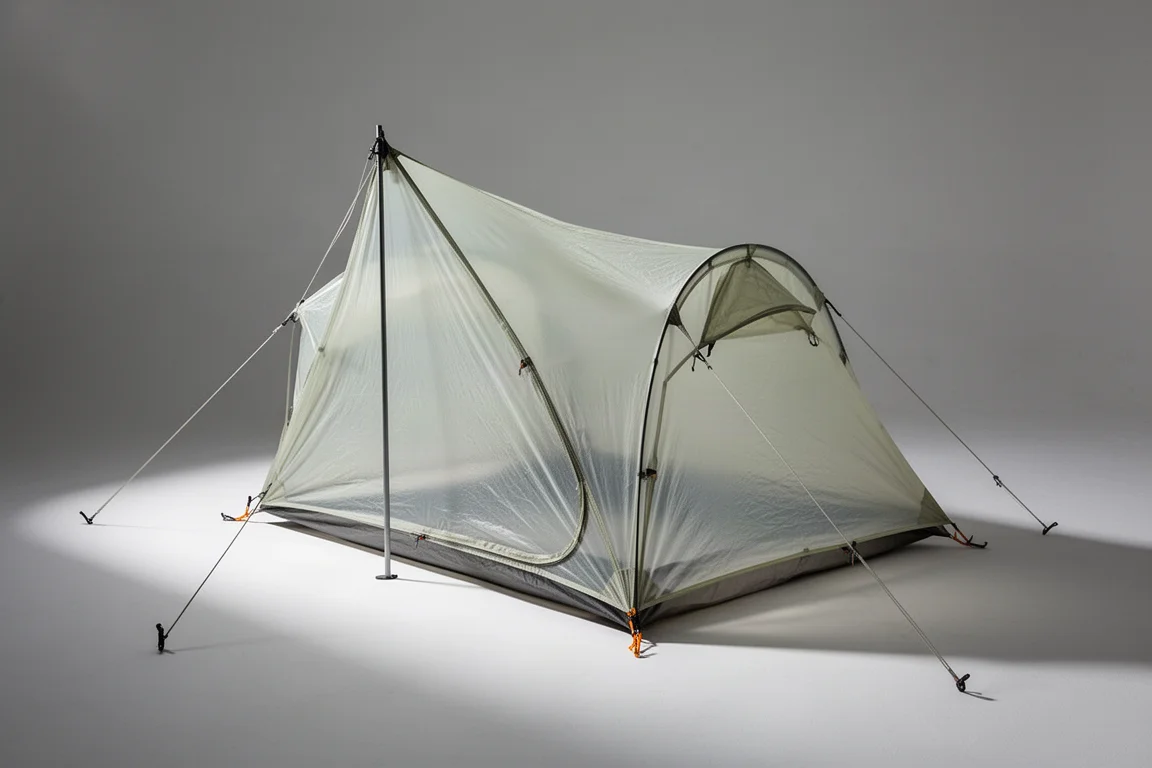
This shelter has been the most satisfying purchase of the season, and there are three reasons for that. First, it offers genuinely good living space for its design and weight class. Second, it saves meaningful weight compared with other shelters in the same role.
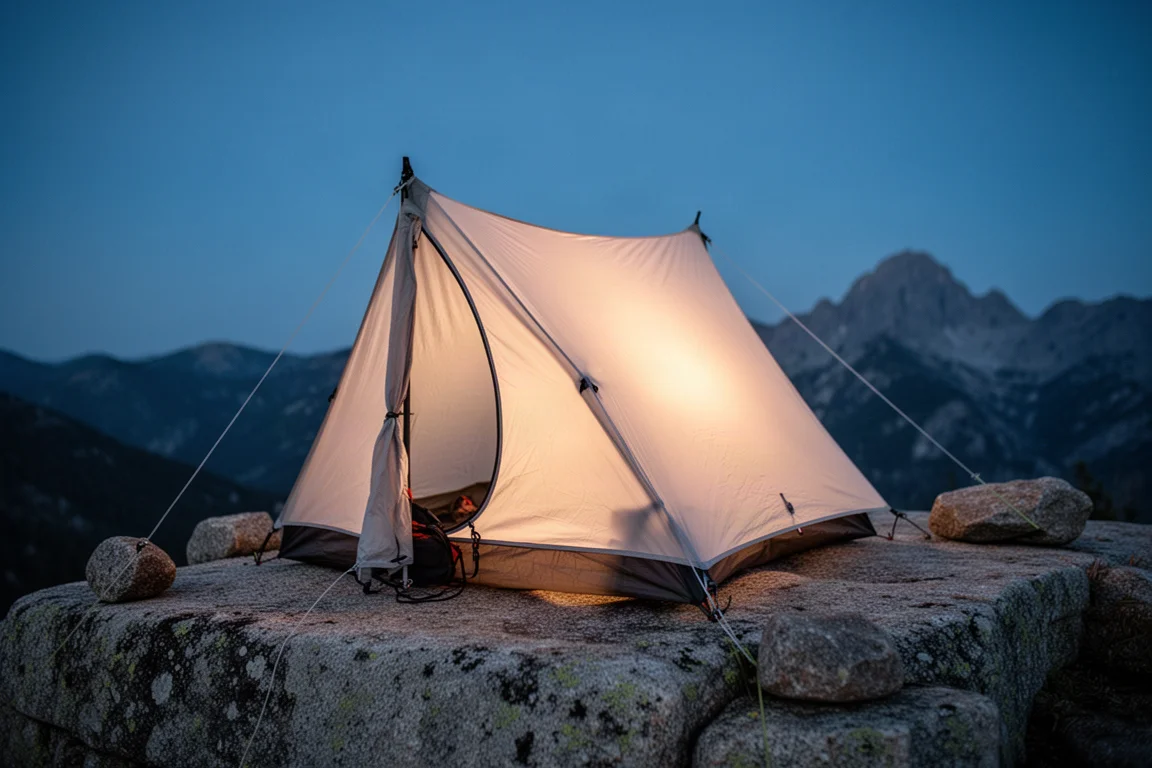
The third advantage is versatility. It pitches in a wide range of locations, so trip planning is rarely limited by where the tent can go. For anyone weighing up a lightweight shelter, this one is worth the investment.
Zoleo Satellite Communicator: Reliable Backcountry Messaging
A satellite communicator is only worth carrying if it works when nothing else does, and this one has been reliable across more than two years of use. It plays a part in trip planning, and it works in the backcountry, where it allows messages to family and friends from areas with no cell coverage.
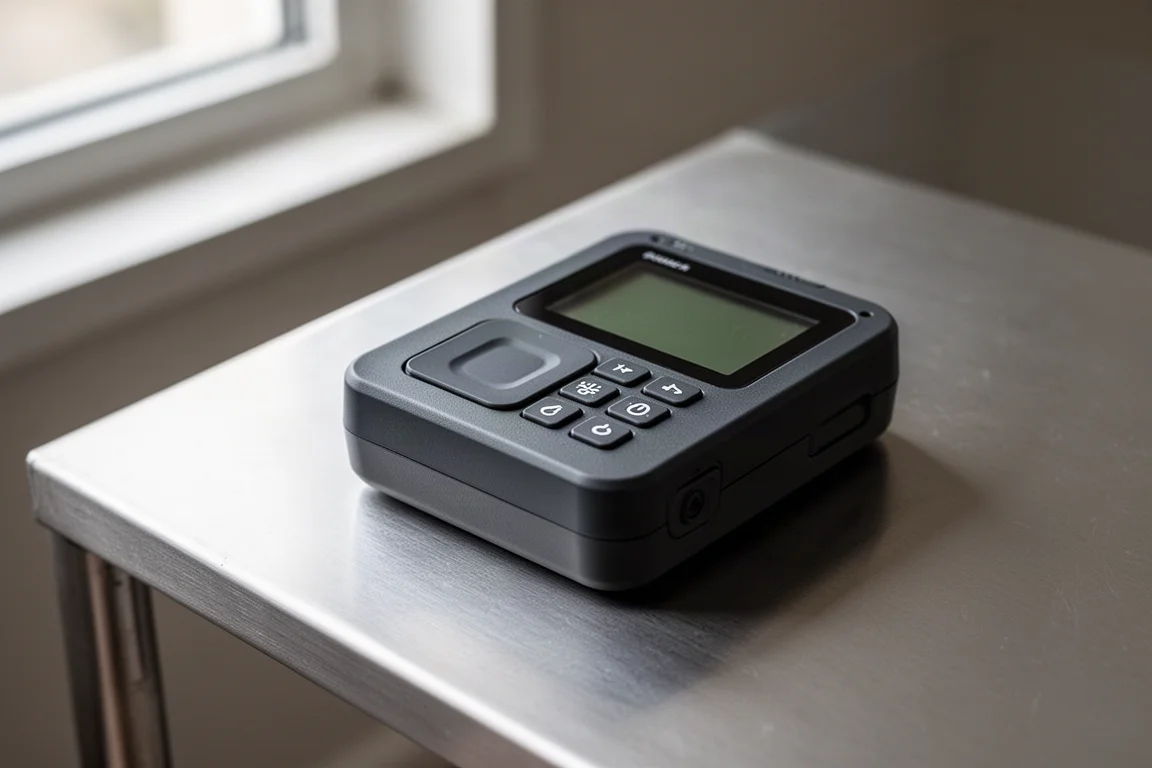
The bigger shift is behavioural. It is easy to assume that solitude in the backcountry means going without contact, but a dependable way to send and receive messages changes how trips are planned and how comfortable the people at home feel about them.
Danner Trail 2650: A New Primary Hiking Shoe
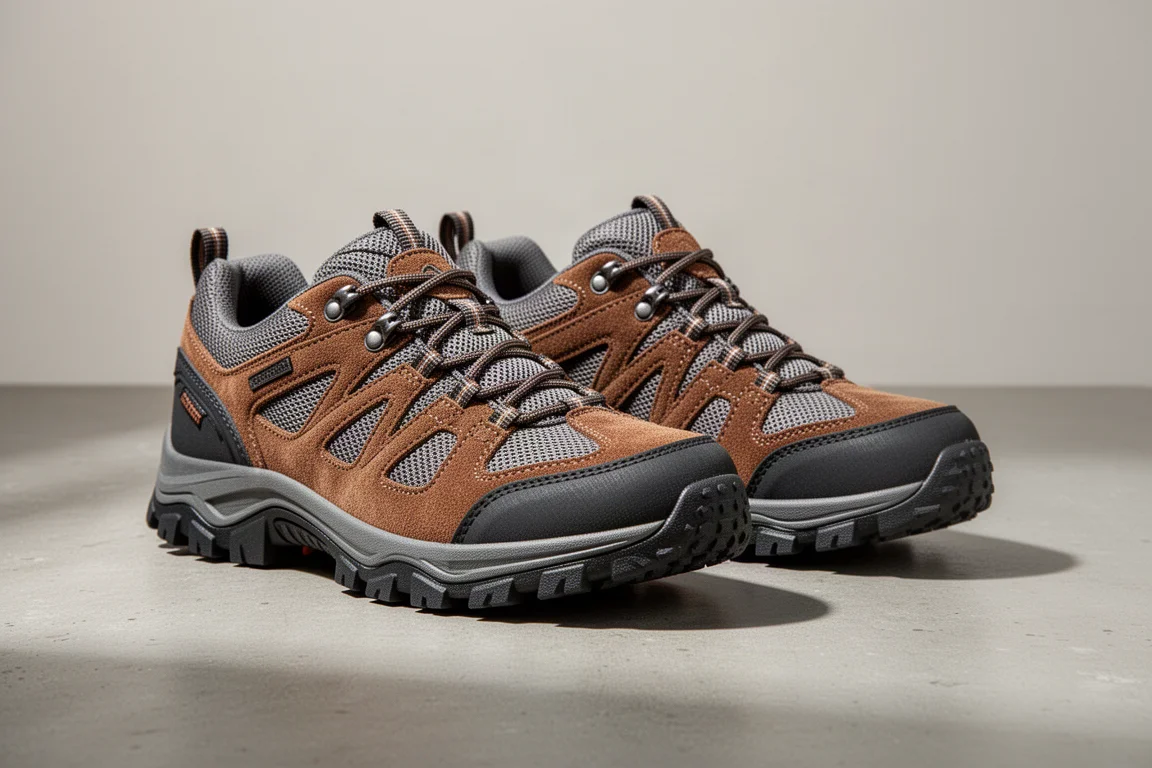
After more than a decade of wearing trail runners from another brand, this shoe became the primary hiking option for a full season, and the change paid off. The fit is the headline: a heel-to-toe drop of roughly six millimetres, plenty of room in the toe box, and a shape that still works for narrower feet instead of feeling sloppy and wide. The Vibram outsole has performed well across mixed terrain, and the shoe has been comfortable enough to keep reaching for.
Sawyer Micro: Still Works, But It Has Been Overtaken
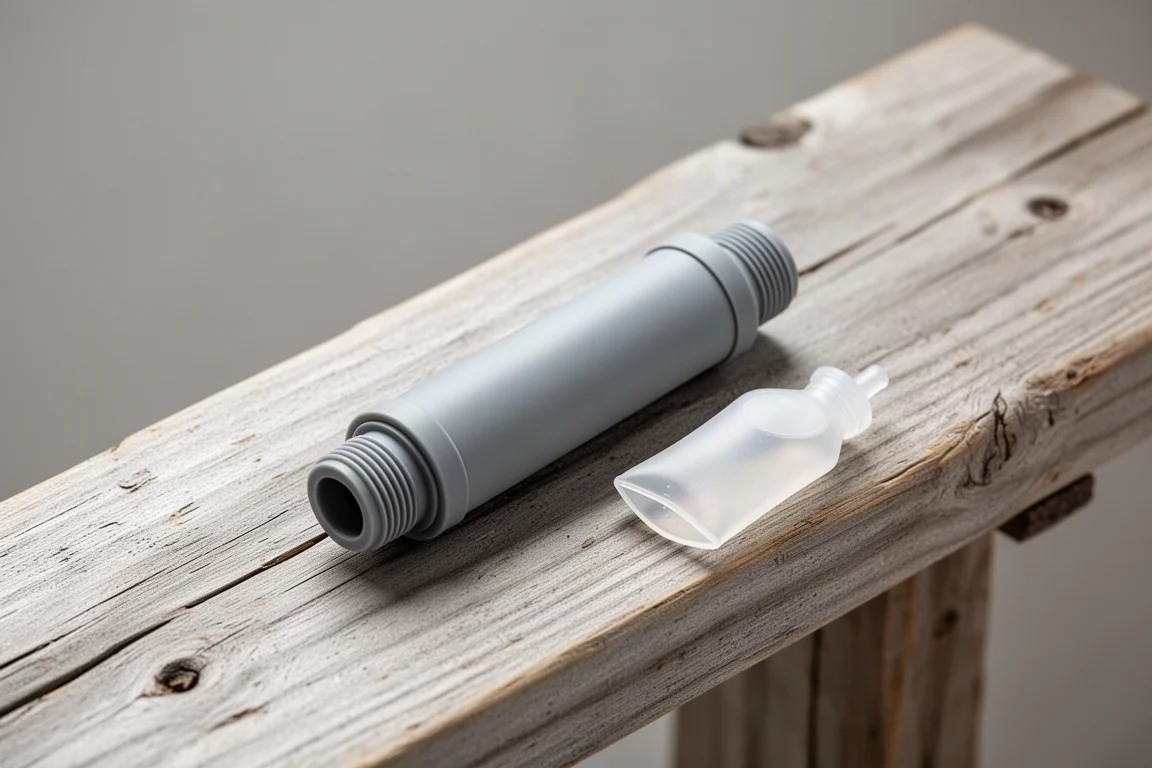
This filter has not failed. It has kept passing water since the day it arrived, and it still does. The problem is the wider market. Filters with more volume, such as the Sawyer Squeeze, move water at faster flow rates, and there are now better options at the same price. For a piece of gear that gets used every day on trail, flow rate is not a small detail, and that is enough reason to look elsewhere.
Platypus QuickDraw: Fast, Rugged Filtration
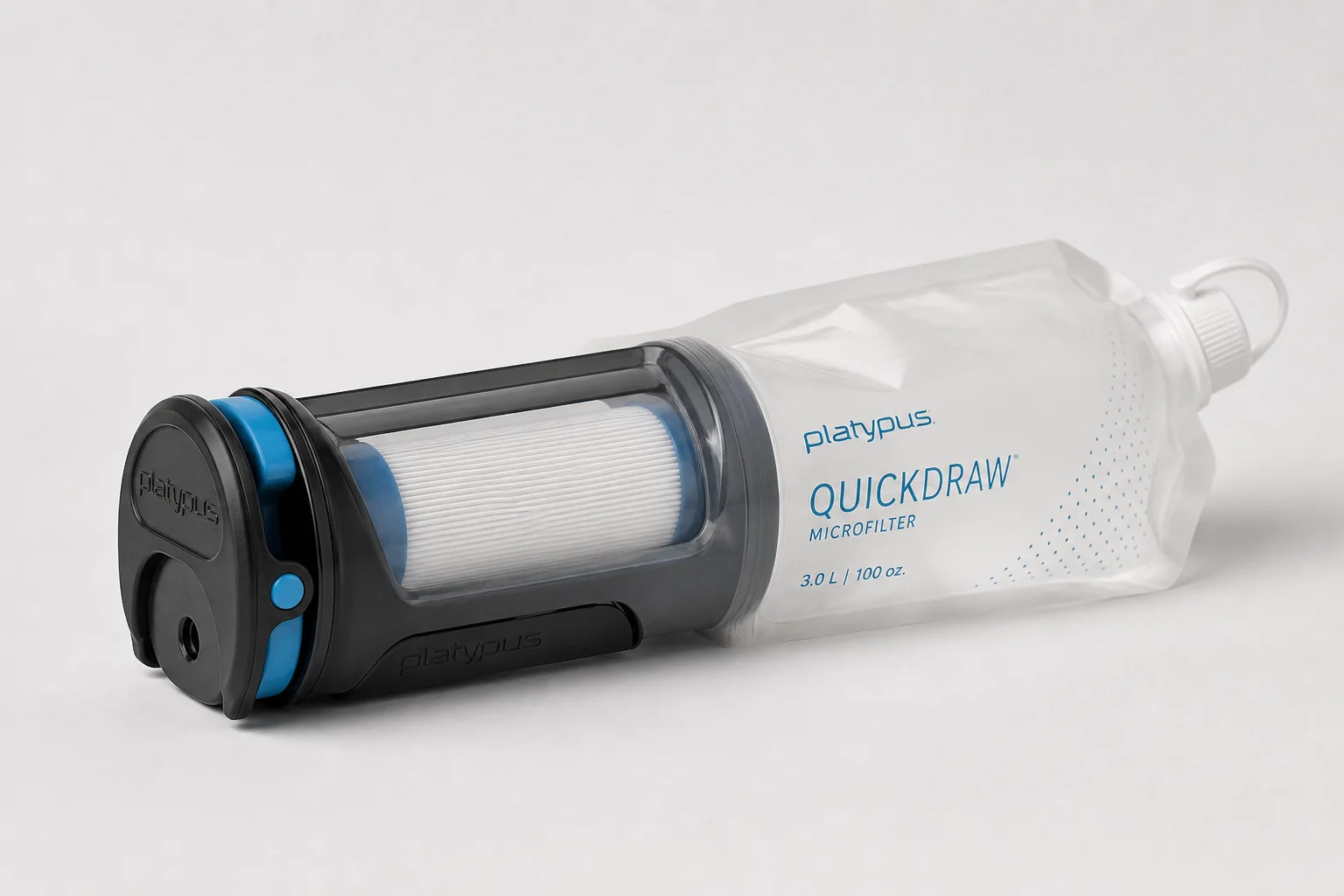
This hollow fibre filter replaced the previous filter partway through the season and quickly became the preferred option. It feels rugged and robust in the hand, the flow is strong, and it can be threaded directly onto a bottle or onto a Cnoc water bag, which makes it flexible across different setups. For a lightweight filter, that combination of durability and versatility is hard to argue with.
Cnoc Vecto: Excellent Design, Questionable Longevity
The opening system on this water bag is the best available. Nothing else competes with how easy it is to fill and use, and that is why it keeps coming back into the rotation. The frustration is durability. Several bags have developed pinhole leaks or failed outright, which is hard to accept from a bag that costs around $20 and is sold as a high-quality piece of kit. More attention to material quality and lifespan would turn this into an easy recommendation rather than a qualified one.

Waymark Gear Mile: The Daypack That Does Everything
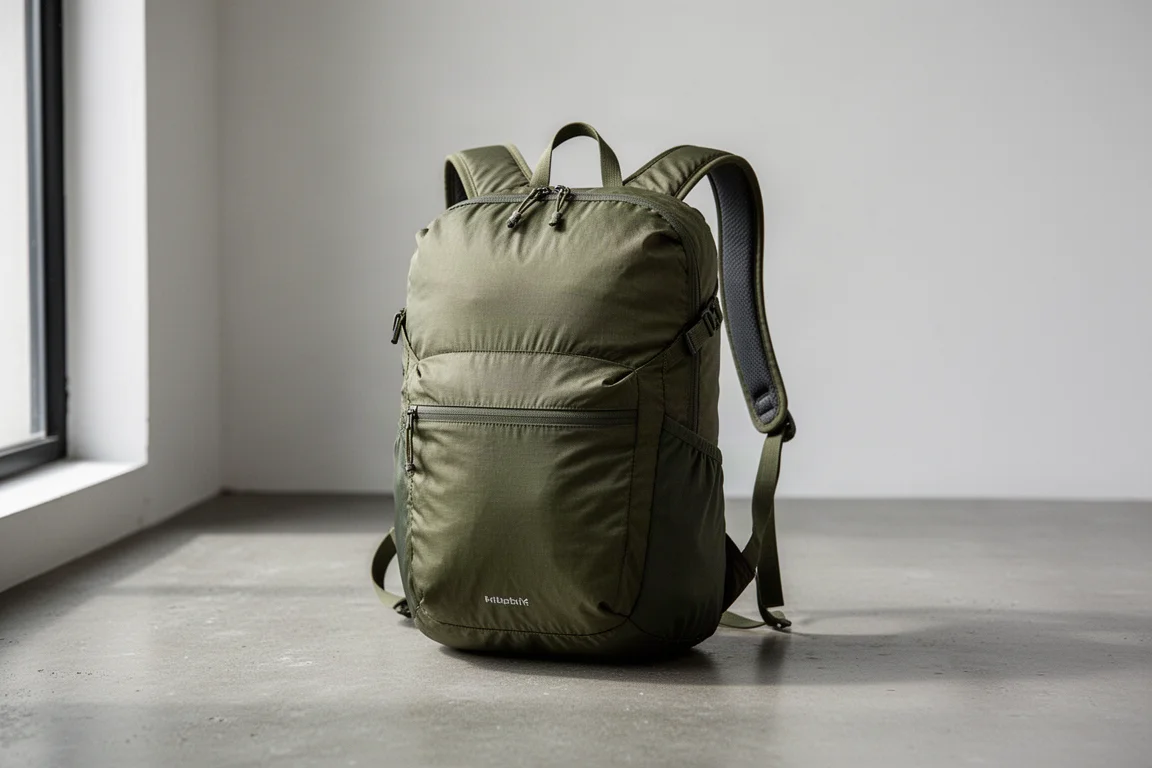
This small ultralight pack works as an overnight pack or as a daypack, and it has been the default choice for day hikes with family, solo hikes, and daily carry with a laptop and work gear. Three of them are in rotation, including an early custom prototype and a production version built from an eco pack material. That kind of duplication is the clearest endorsement a pack can get.
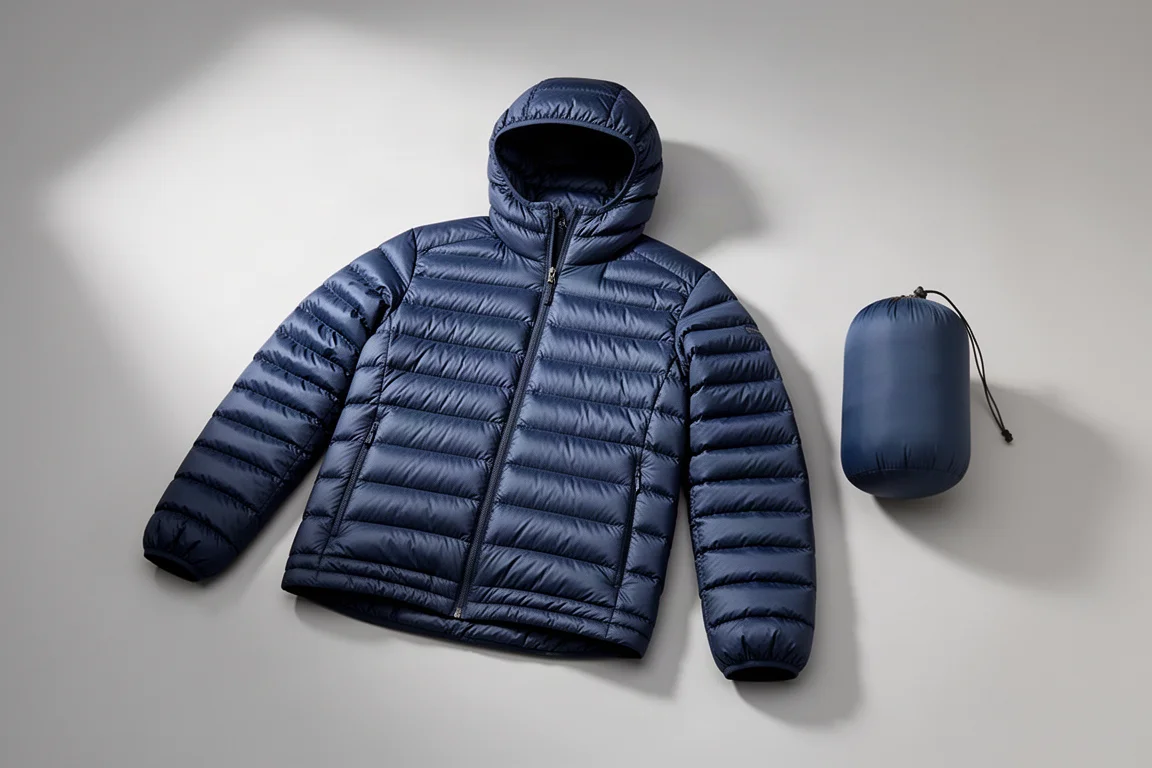
Outdoor Research Helium Down Hoodie: The Jacket That Kept Getting Packed
Of all the insulated jackets on hand, this is the one that keeps ending up in the pack. It is comfortable, the fit is right, and the performance relative to its weight is strong. There are details that could be refined, but none of them are enough to keep it out of the rotation. When a piece of gear keeps getting chosen over the alternatives, that is the useful signal, and this hoodie has been the default down insulation piece all season.
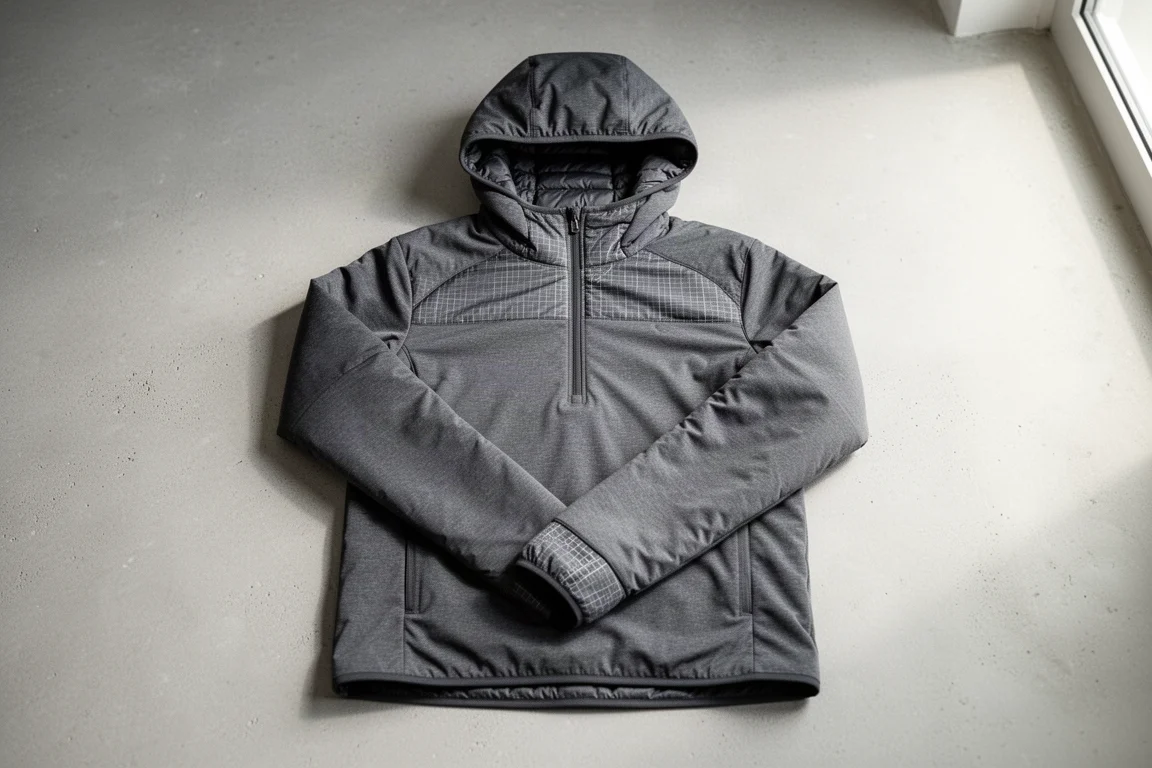
Outdoor Vitals Ventus: A Lightweight Active Insulation Standout
This synthetic hoodie or pullover has been the go-to lightweight insulation piece, used both as a mid layer and as an active layer on the move. The one change worth making is a longer front zip, which would make it easier to pull on and off for the sake of a couple of grams. Beyond that, it is an outstanding piece of insulation and a worthwhile investment.
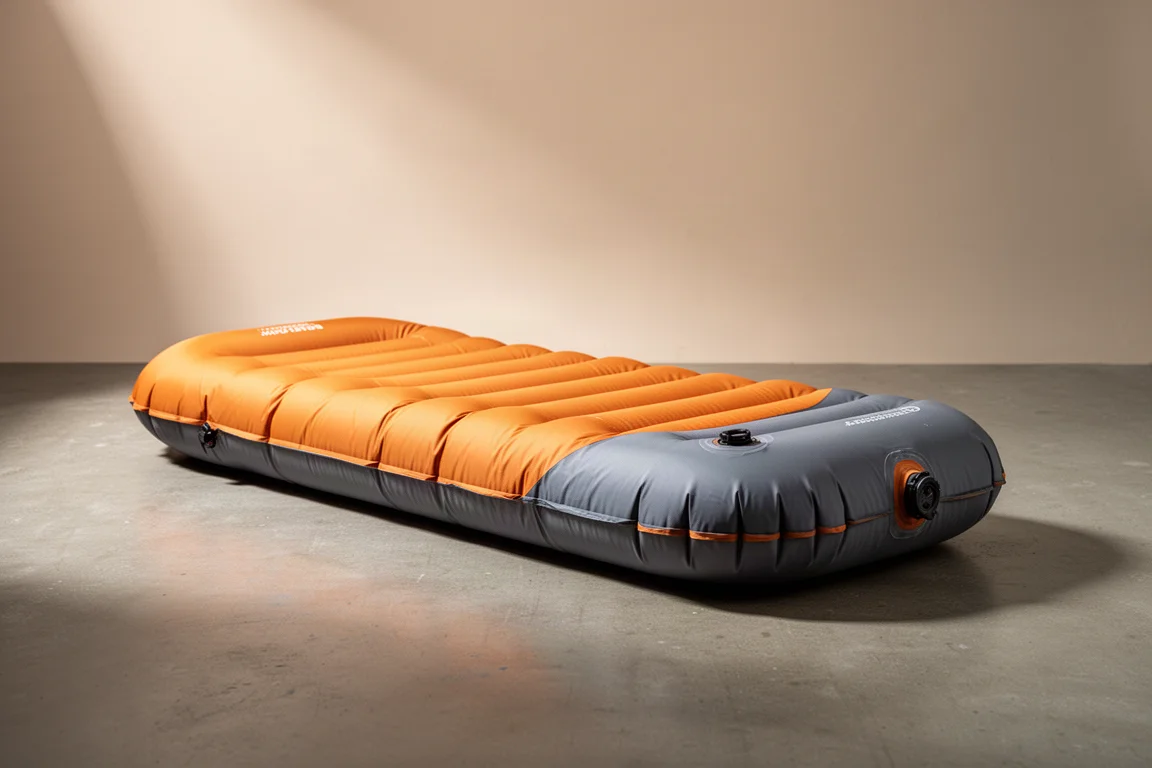
Sea to Summit Ether Light XT: The Most Comfortable Nights
Of every sleeping pad used this season, this one delivered the most comfortable nights in the backcountry. It is not the lightest pad on the market, and that is the trade-off to accept. Other pads were used alongside it during the same period, and this one still came out ahead on comfort.
For trips where sleep quality shapes how the following day feels, the extra grams are easy to justify.
Sea to Summit Spark 4: Warmth for Cold Shoulder-Season Nights
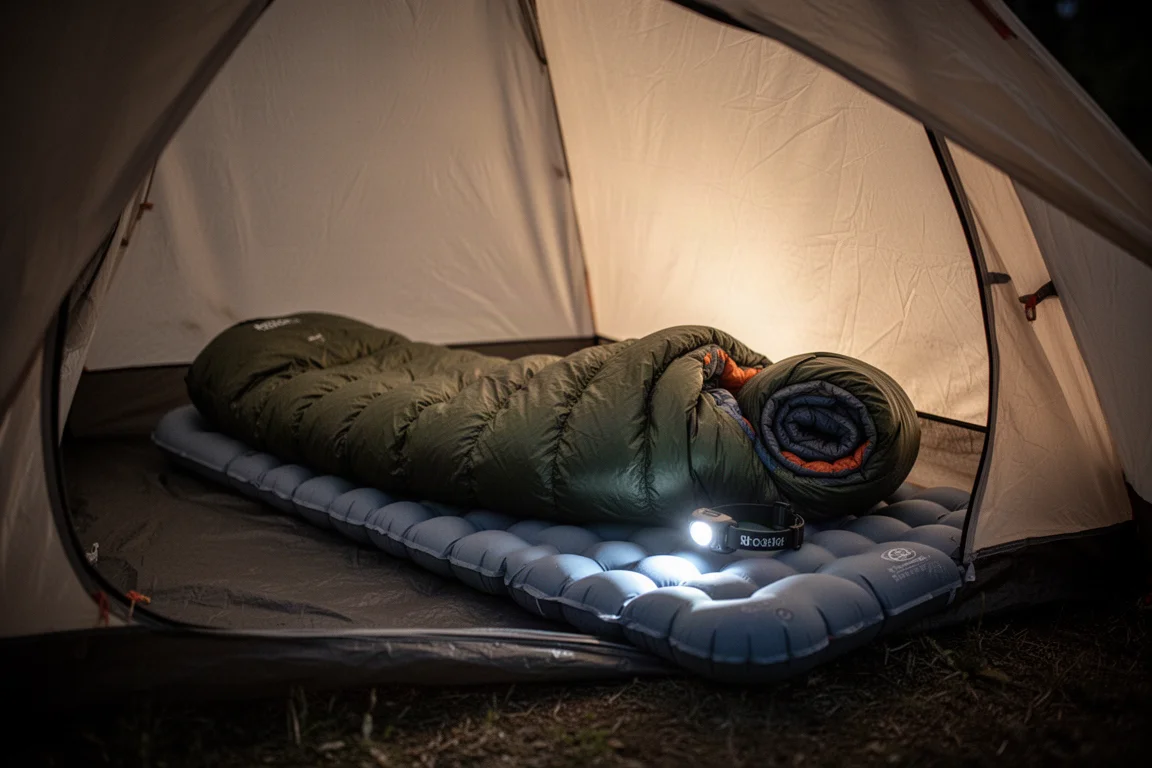
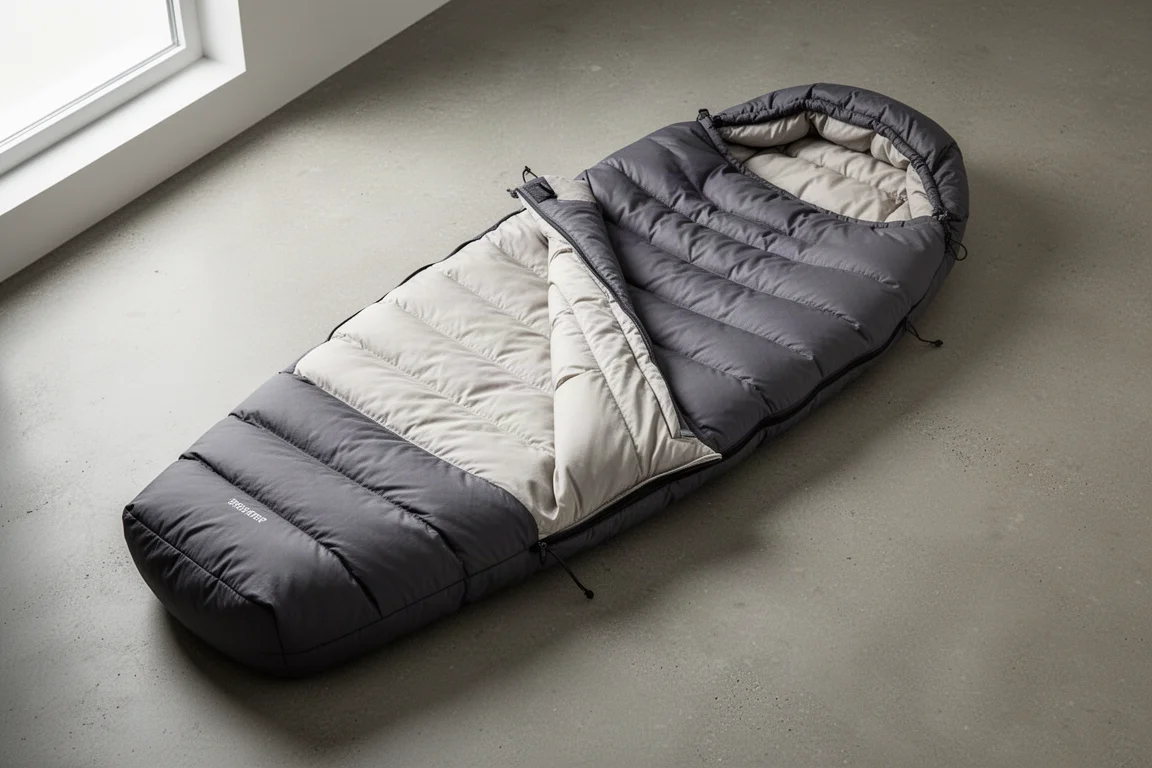
This sleeping bag comes in several temperature ratings, and the version used here is the 5 degree rating, aimed at colder conditions. It has been used mainly in the shoulder season and has covered at least a dozen nights, delivering comfortable sleep in low temperatures. It is expensive, and the zipper can be frustrating when the bag is fully zipped up, but the performance has been impressive enough to justify the cost for cold-weather trips.
Big Agnes Fly Creek 2 Solution Dye: The Disappointment
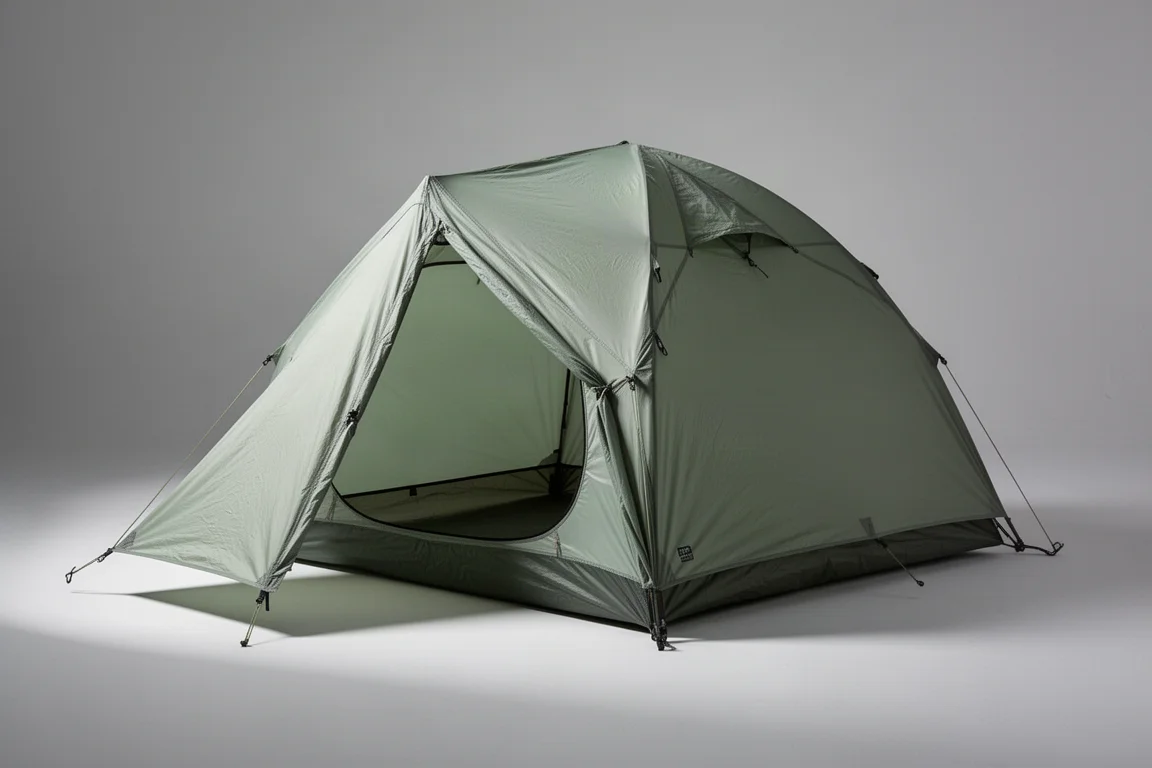
This tent did not survive the season in the pack. It was sold. The core issue is wind performance: it did not handle strong or gusty conditions well, which is precisely when a shelter needs to be at its best. The front entry also creates a squeeze that gets old quickly. A shelter with two doors and two vestibules that weighs less solves both problems, which makes this an easy one to leave behind. It is not recommended.
Buying Advice: Match Gear to the Trips You Actually Take
The pattern across this list is that the best purchases solved a specific problem. A lighter shelter that pitches almost anywhere is worth the money if you camp in varied terrain. A satellite communicator earns its place if you travel beyond cell coverage and the people at home want updates. A comfortable sleeping pad is worth extra grams if you sleep badly on thin foam. The disappointments, by contrast, were not bad products so much as products that were beaten by alternatives at a similar price, or that failed in the conditions they were bought for.
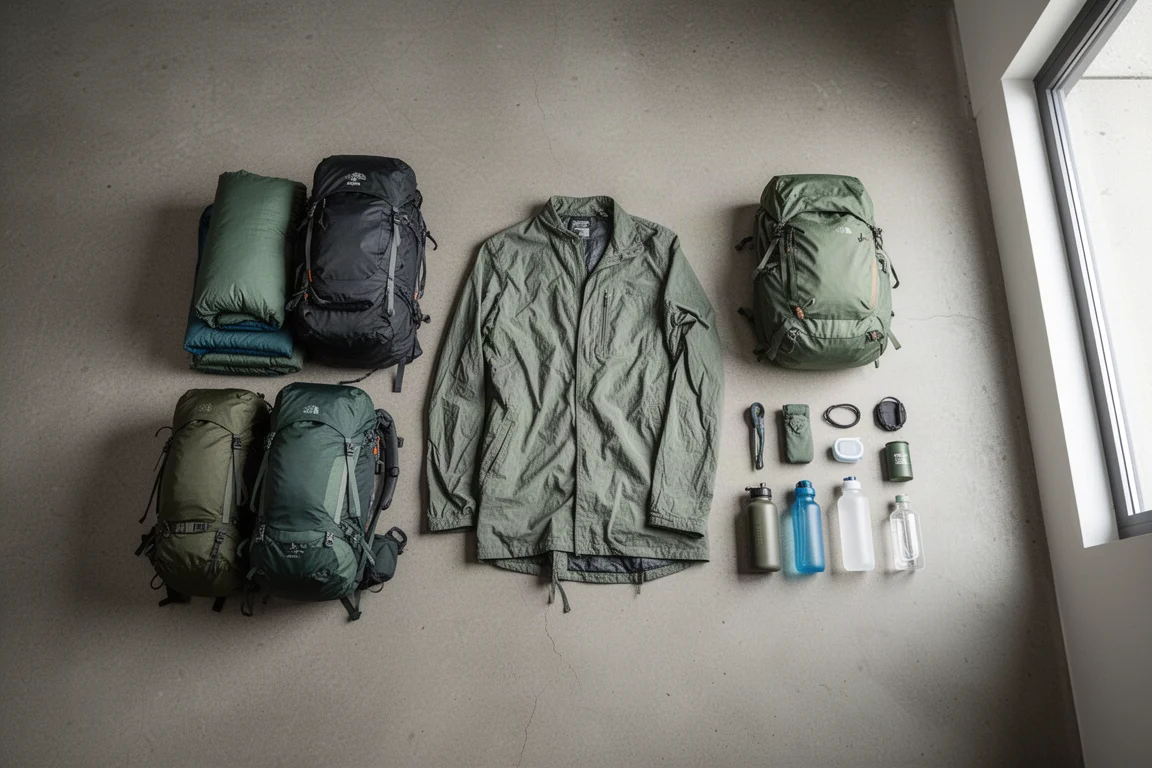
Two practical filters help. First, decide what the item must do on your worst trip of the year rather than your easiest. Second, compare it against what else is available at the same price before committing, because in several of these categories the better option costs roughly the same. Durability deserves a hard look as well: a water bag that develops pinhole leaks costs more over a season than its sticker price suggests.
Conclusion
A full season of trips makes the sorting easy. The Tarptent Double Rainbow Lithium, the Zoleo Satellite Communicator, the Danner Trail 2650, the Waymark Gear Mile, the Outdoor Research Helium Down Hoodie, the Outdoor Vitals Ventus, the Sea to Summit Ether Light XT and the Sea to Summit Spark 4 all earned their place. The Sawyer Micro, the Cnoc Vecto and the Big Agnes Fly Creek 2 Solution Dye each came with a caveat worth knowing before you buy. If something on either list matches the trips you actually take, the notes above should make the decision a little more straightforward.
Further reading
Related Reviews

Backpacking Gear
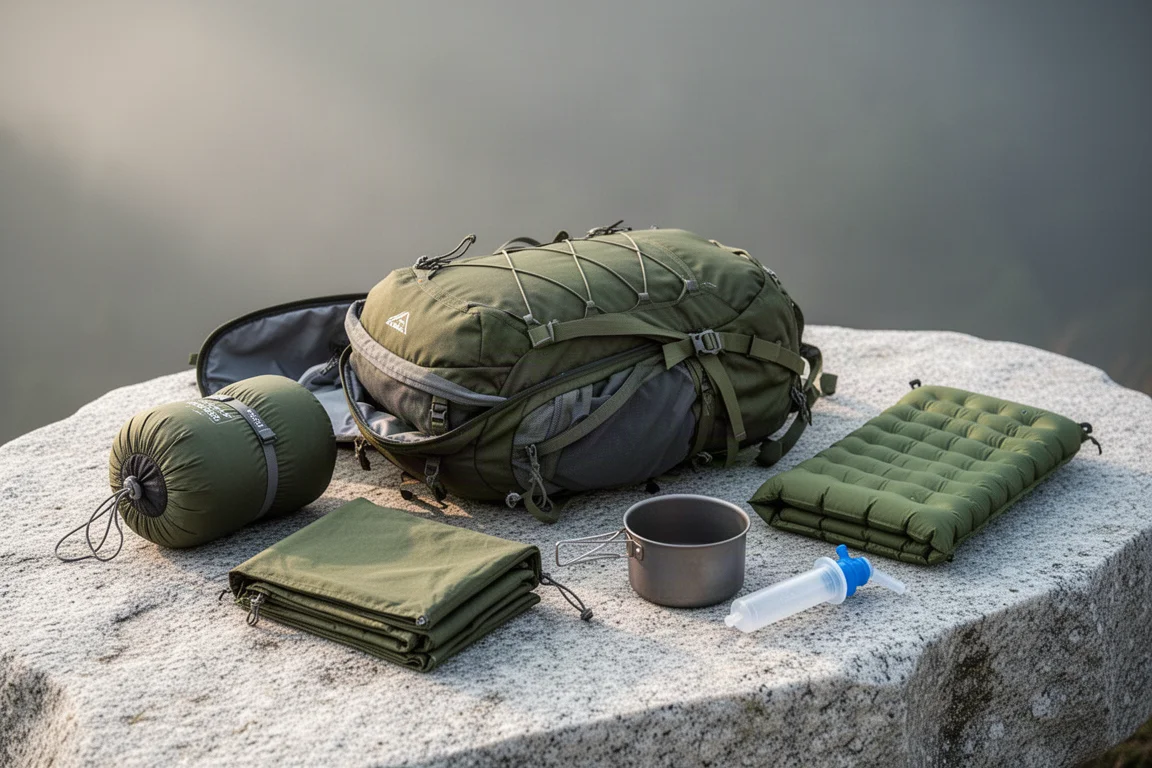
Building a 10 lb Base Weight: An Ultralight Backpacking Gear List
A practical walkthrough of the ultralight pieces behind a 10 lb base weight, from a 765 g pack and a roomy one-person tent to a full camp chair and a dependable water filter.
Backpacking Gear
A 15-Pound Lightweight Backpacking Gear List for Solo Trips
A beginner-friendly 15-pound backpacking setup built from easy-to-find gear, with notes on what each piece does, how it packs, and where to spend your attention.
Backpacking Gear
8 Ultralight Backpacking Gear Upgrades Worth Carrying
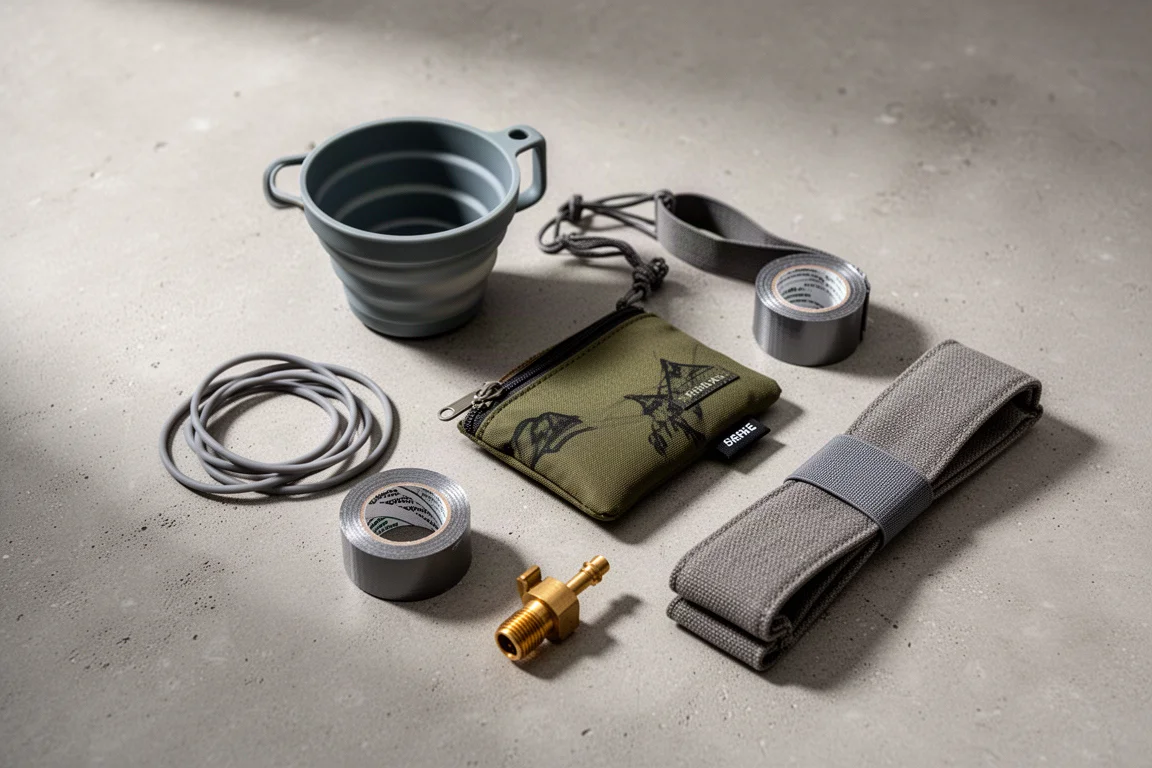
Eight small, affordable backpacking upgrades that solve real trail annoyances, from a pillow that stays put to a fuel valve that rescues leftover canister gas.