Backpacking Gear
Best and Worst Backpacking Gear 2026: 12 Pieces Worth Knowing
Twelve backpacking products from this year, covering the standouts worth buying and the designs that need a closer look before you spend.
Introduction
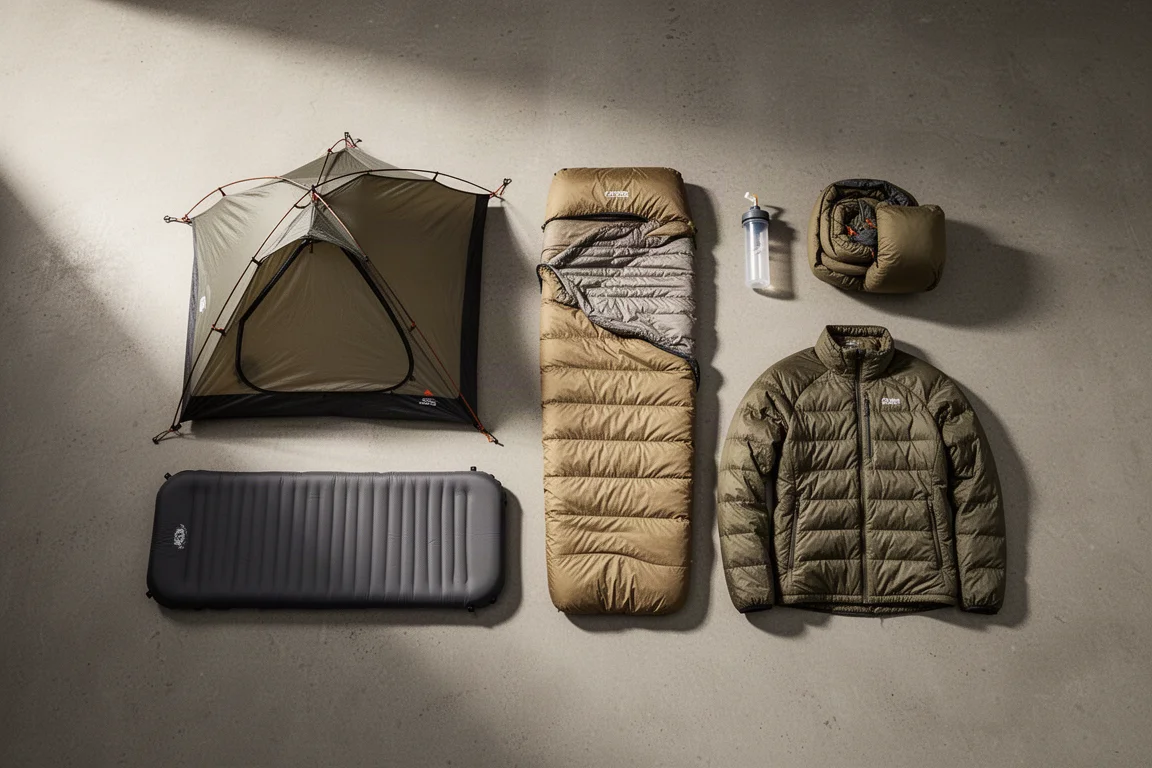
This year produced a wide spread of new backpacking gear, and the results were mixed. Some releases solved genuine problems with clean, well-considered designs. Others arrived with clever ideas that did not survive contact with a real trip. The twelve products below cover both ends of that range: the standouts worth your money, the designs that deserve a closer look before you commit, and two excellent pieces of gear that are nearly impossible to buy right now.
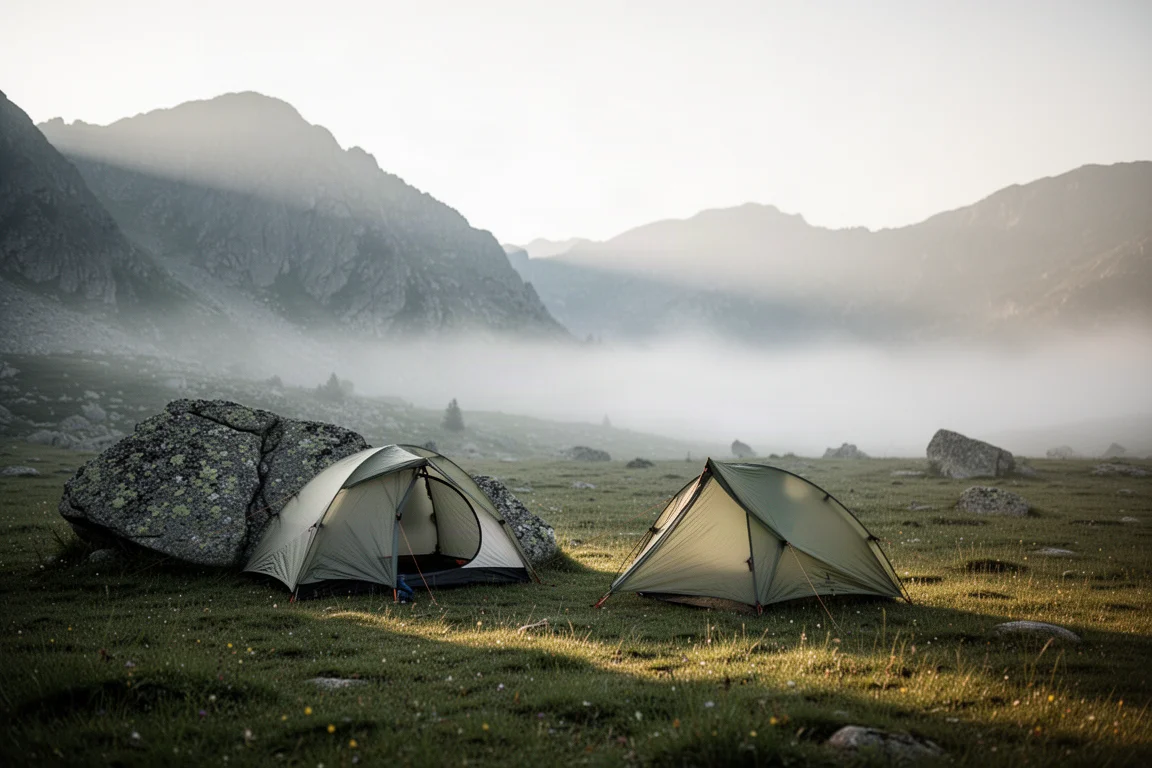
What follows is not a simple ranking. Each entry explains what the product does well, where it falls short, and who it genuinely suits, so you can judge whether it belongs in your pack for the coming season.
How These Products Were Evaluated
Every product here was judged on the things that decide whether gear stays in the pack: weight carried, comfort after a long day, protection from weather, and whether the price reflects the value delivered. Small design decisions received as much attention as headline specifications, because details like floor width, zipper placement, and frame hardware often determine whether a product works in practice. Where a competing option does the same job more reliably, it is noted in the relevant section.
Best Overall: ZPacks Plex Solo
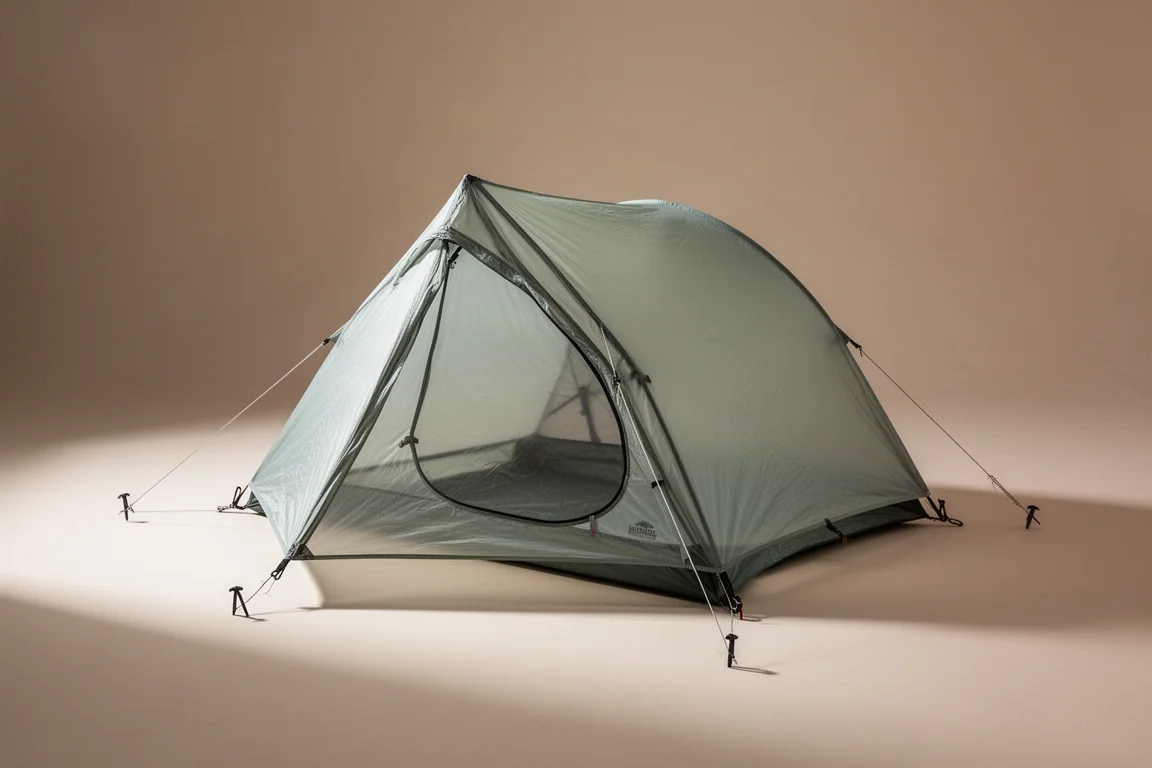
The ZPacks Plex Solo is the lightest fully enclosed tent on the market at 13.7 oz, and that figure is the heart of its appeal. It still offers enough space for one person plus gear, including a 25-inch wide sleeping pad, which is more than many shelters in this weight class manage. For solo trips where every ounce matters, it has become the default choice.
It is not inexpensive at almost $600, but tents at this weight have never been cheap, and the Plex Solo justifies its price through construction rather than marketing.
Best Sleeping Pad: Nemo Insulated Tensor
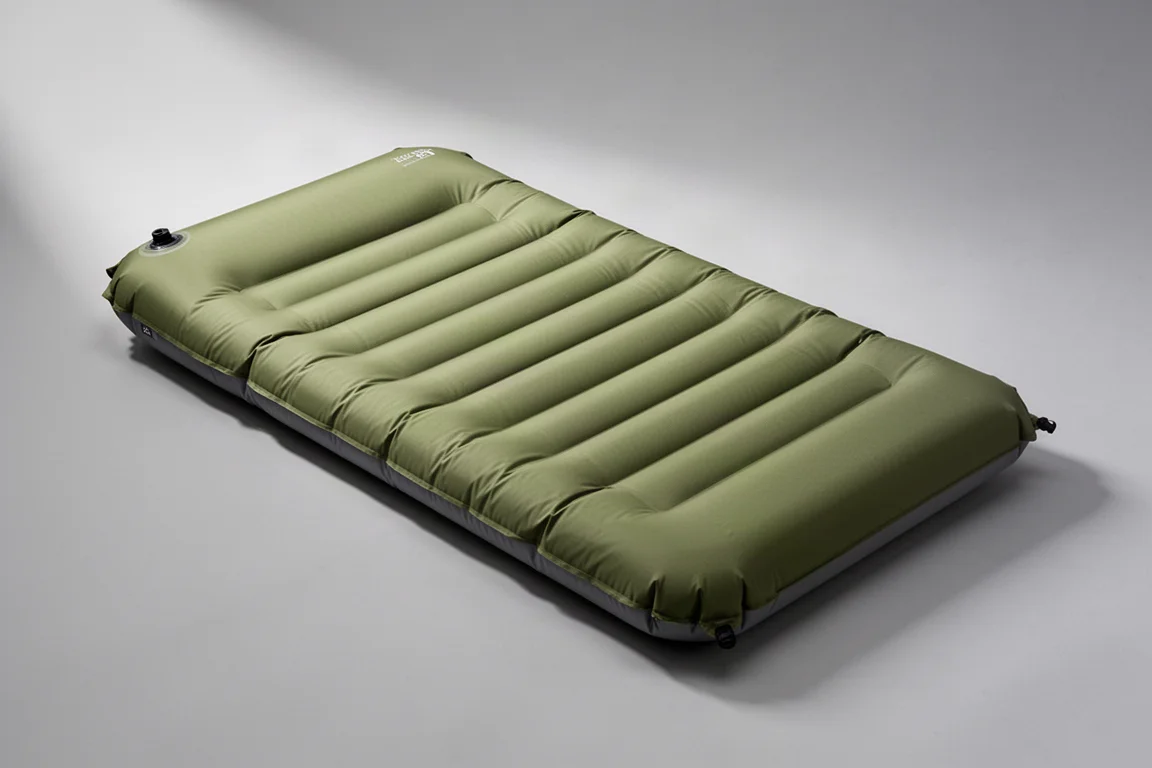
The Nemo Insulated Tensor was updated this year with a 4.2 R value, which keeps sleepers warm in all but the coldest conditions. What sets it apart is the metallic film inside the pad that reflects body heat back toward the sleeper, keeping weight low while warmth stays high. Only two companies build pads this way, and of those two, the Nemo is the more comfortable. That combination of warmth, low weight, and comfort makes it a strong choice for three-season backpacking.
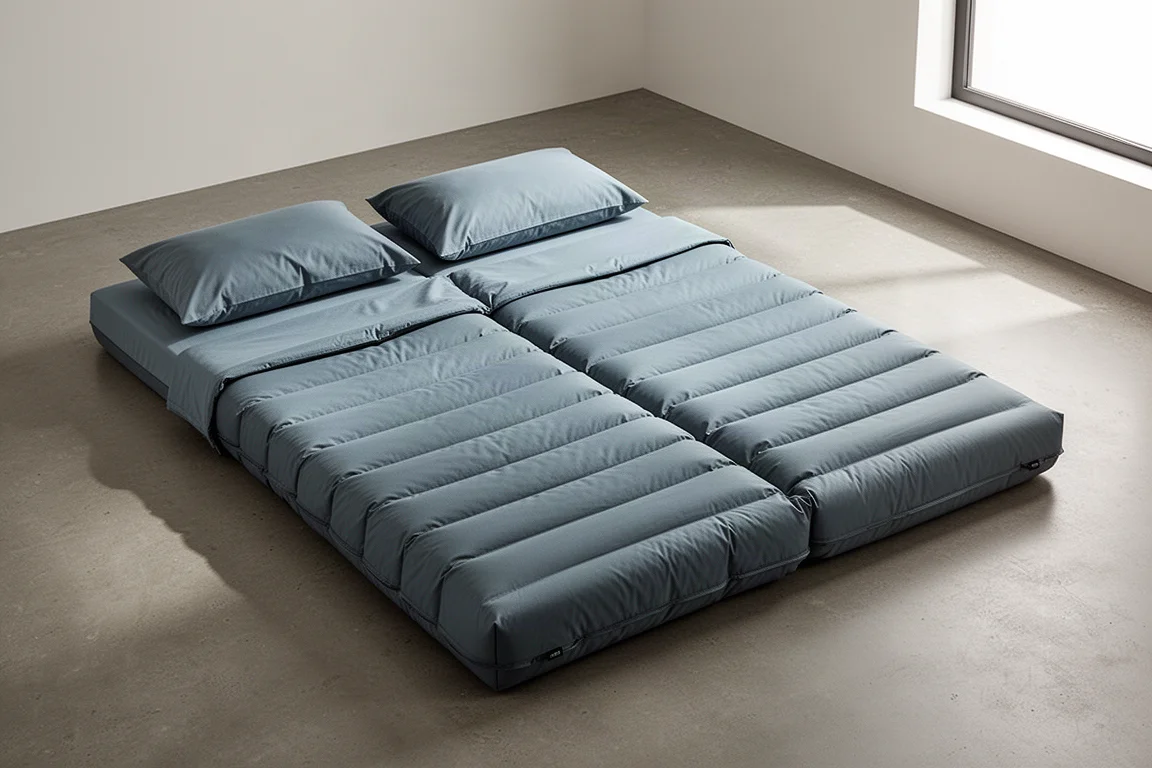
Best Two-Person Sleep System: Zenbivy Double Bed
Zenbivy’s quilt design is one of the best-performing options in this category, and the Double Bed extends it to trips where two people share a shelter. The double version works exactly as intended when two people are camping together, with the same comfort that makes the single version so well liked.
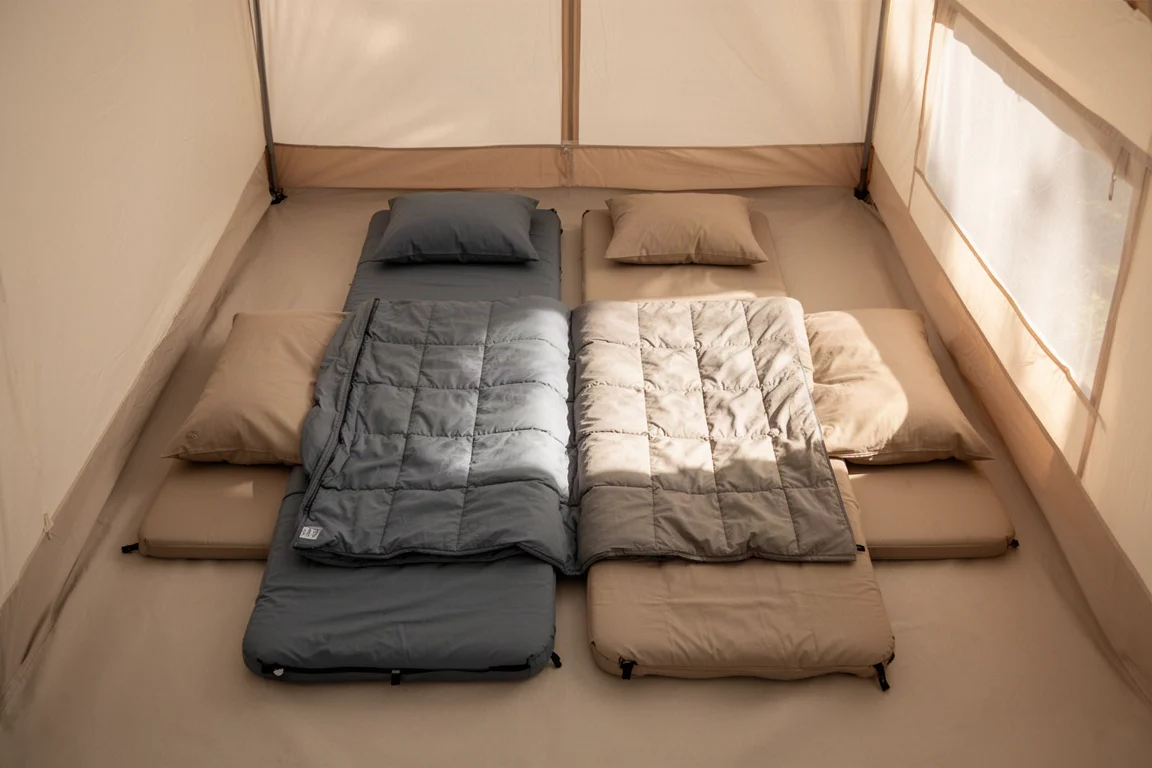
The only real limitation is situational. If you mostly hike alone, the Double Bed is a specialized purchase that will spend more time in storage than on the trail.
Best Lightweight Jacket: Outdoor Vitals Ventus
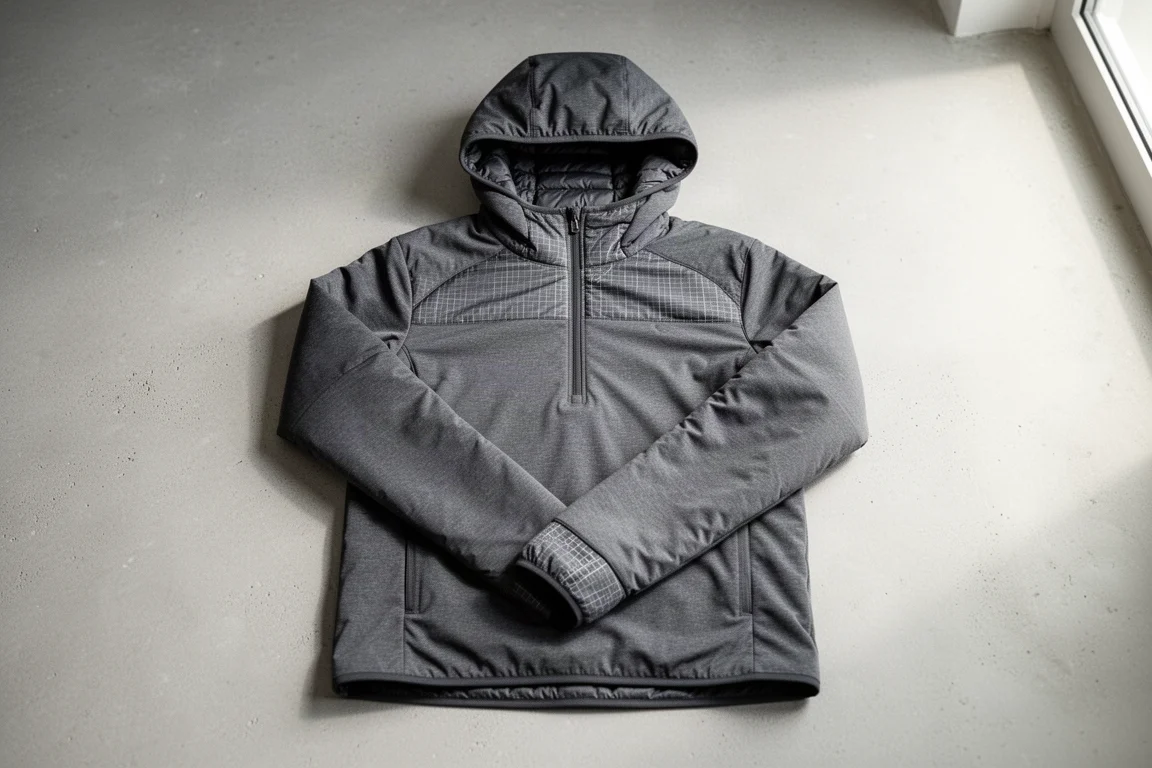
The Outdoor Vitals Ventus does not make a dramatic first impression, but it improves steadily with use. Worn regularly on the trail and around town, it turns out to be light, warm, and comfortable, and it has quietly become one of the most-worn layers in the rotation. It comes in both a pullover and a full-zip version, and the full-zip is the more convenient of the two for daily use.
Big Agnes Copper Spur: A Floor That Limits the Tent
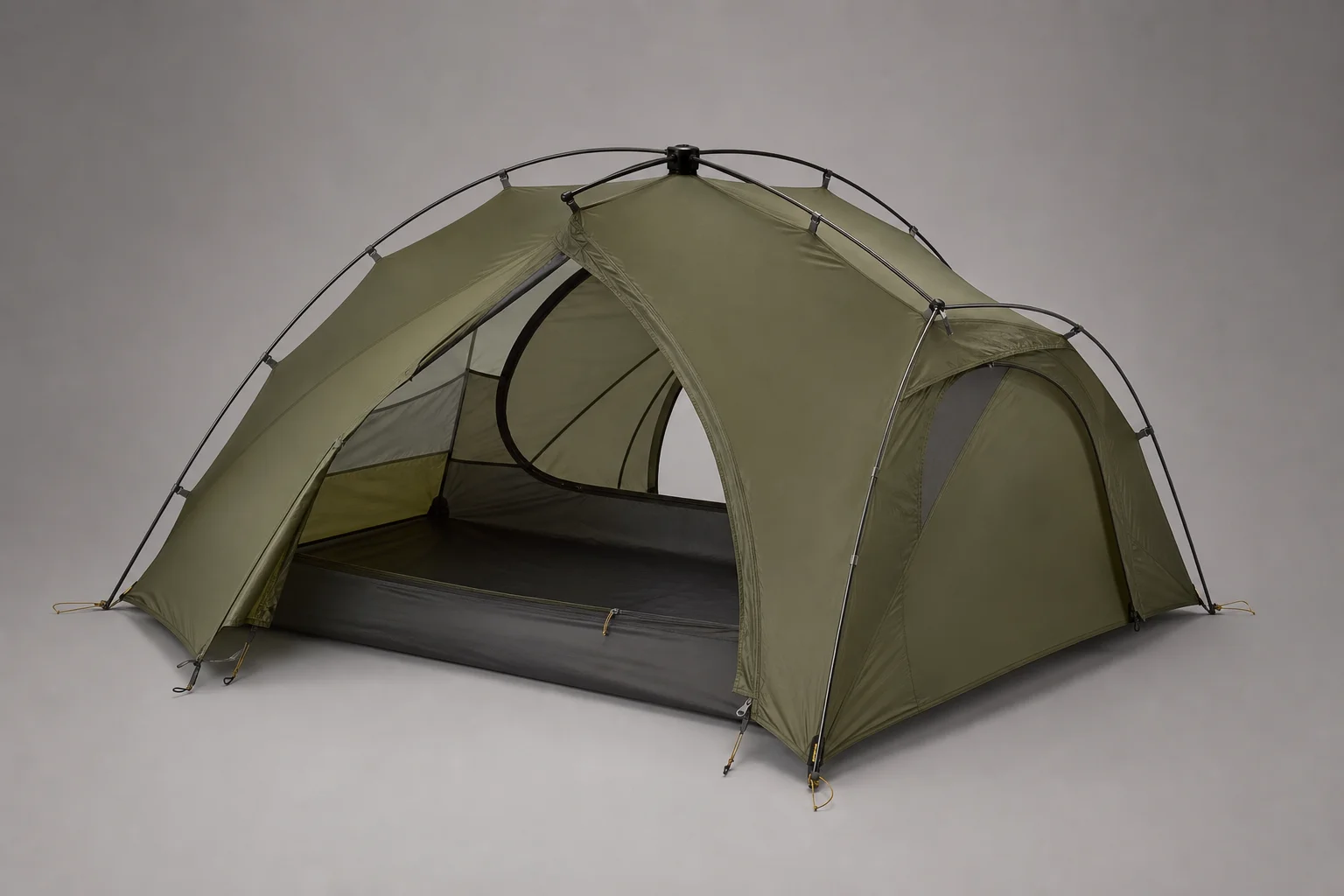
The Copper Spur was updated for 2022 and remains a nicely built tent, which is why it sits at the milder end of the concerns in this roundup. The problem is the 43-inch wide floor, which cannot accommodate two wide sleeping pads side by side. In practice, that turns a two-person tent into a one-person shelter, and a few extra inches of floor width would have resolved it entirely.
If you plan to sleep two people on wide pads, floor width is the first specification to check before ordering this one.
Big Agnes Lost Ranger: Layering With a Certification Gap
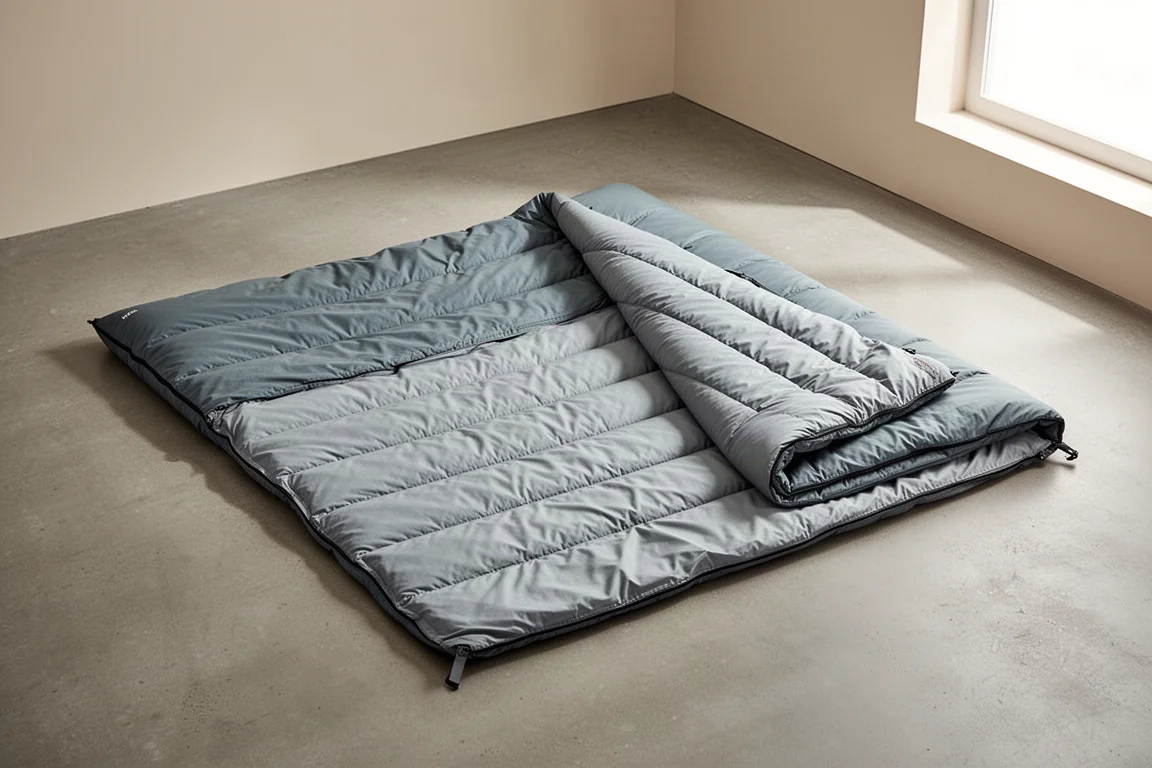
The Lost Ranger is an ultralight sleep system built around layering, offering three configurations that reach 45 degrees Fahrenheit, 20 degrees Fahrenheit, and 0 degrees Fahrenheit depending on how many layers are used. The catch is certification: only one of those configurations is ISO certified, so the other two ratings do not carry the same verification. At $650, that gap is difficult to justify, because the value of a three-in-one system depends on all three ratings being dependable.
LifeStraw Peak Series: A Filter That Needs a Rethink
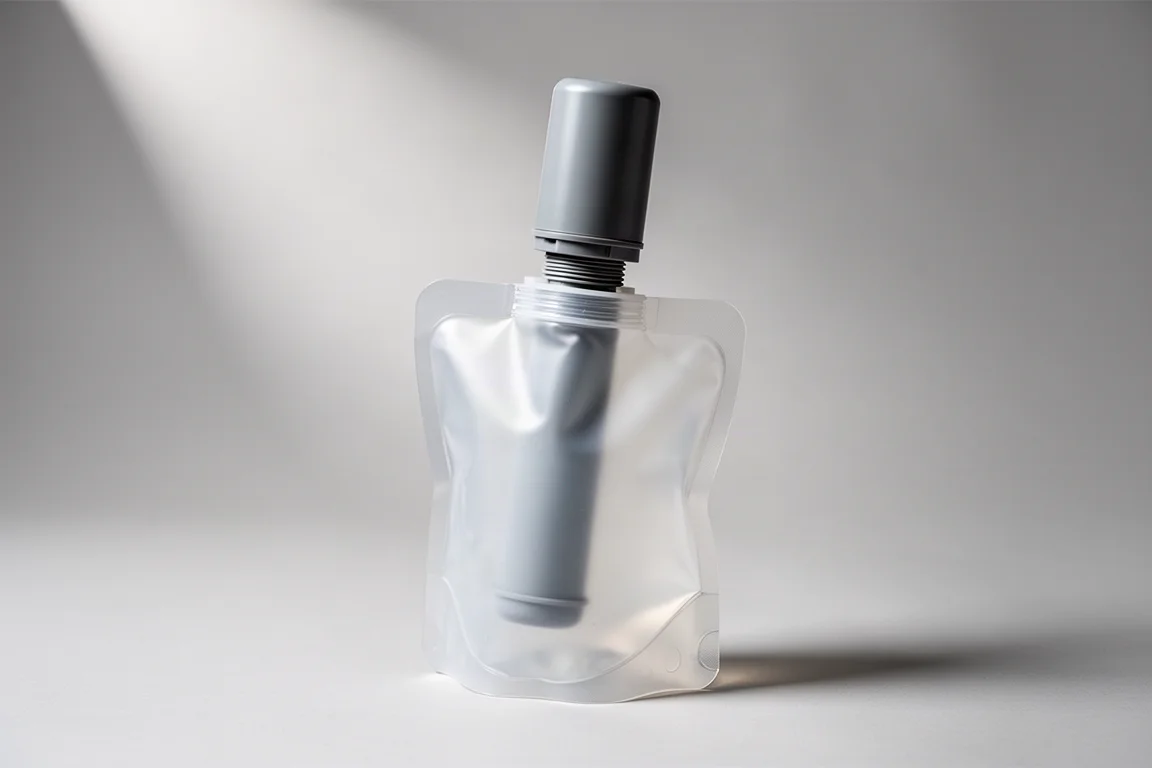
The Peak Series filter looks like a fast answer to the established squeeze filters in this category, and the details show it. Mounted inside the bag, the filter cannot pass water beyond the hole at the bottom of the filter body. Moving the filter to the outside of the bag solves that problem, but putting it back inside leaves the dirty end of the filter dangerously close to your mouth, which creates a cross-contamination risk.
The concept is not unreasonable, but the current layout needs another pass before it is ready for regular backcountry use.
MSR FreeLight: A Clever Zipper With a Water Problem
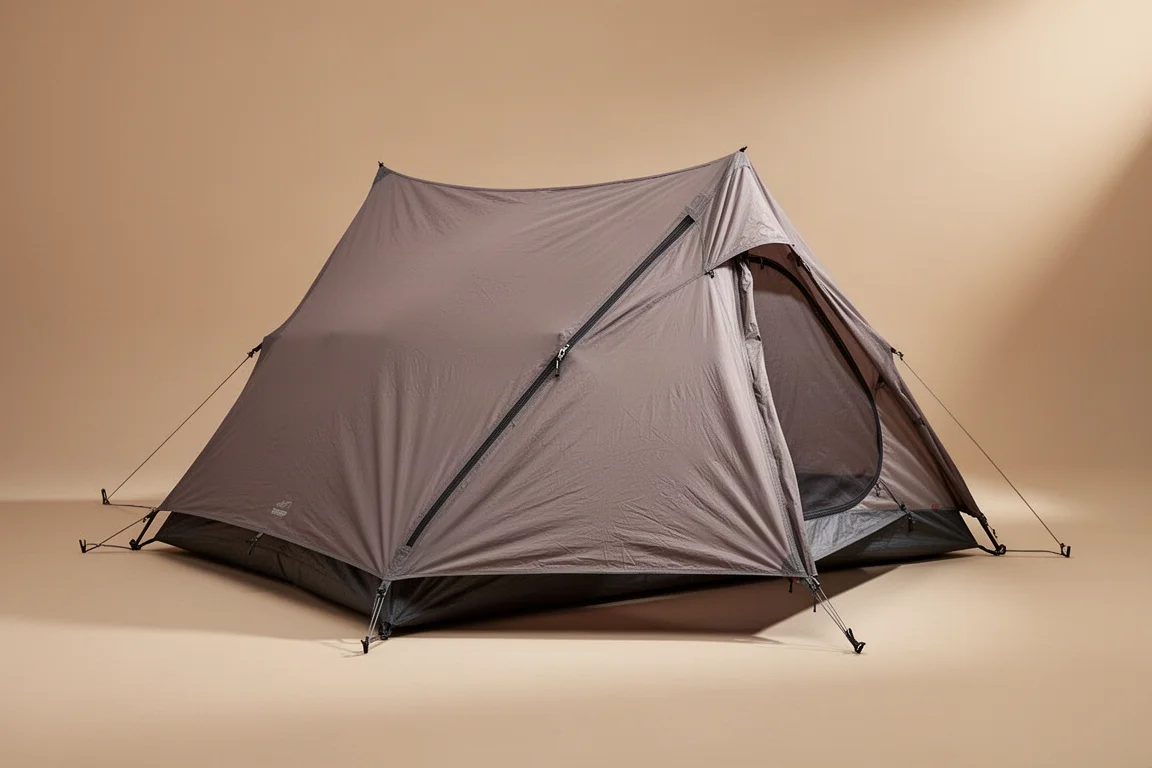
The FreeLight is lightweight at just over 2 lb and has a 50-inch wide floor, a clear advantage for two-person trips. The diagonal zipper across the fly is a genuinely thoughtful touch, because it lets you exit without folding yourself in half. The trouble is that the same diagonal zipper allows water to drip into the tent whenever the fly is wet, and water inside a tent is unacceptable.
The layout is appealing and the weight is right, but the flaw is difficult to work around in wet weather.
Get Out Gear Trek Chair: A Good Idea With a Failing Hub
The Trek Chair introduces an overdue idea to the backpacking world: using trekking poles as part of the chair frame to reduce overall weight. The execution does not hold up. The chair ends up heavier than the Helinox Chair Zero High Back, which needs no trekking poles at all, and the front pole hub keeps snapping. A replacement frame came fitted with two front pole hubs, the same component that keeps failing, and after the hubs were swapped the frame was tested three times and failed three times.
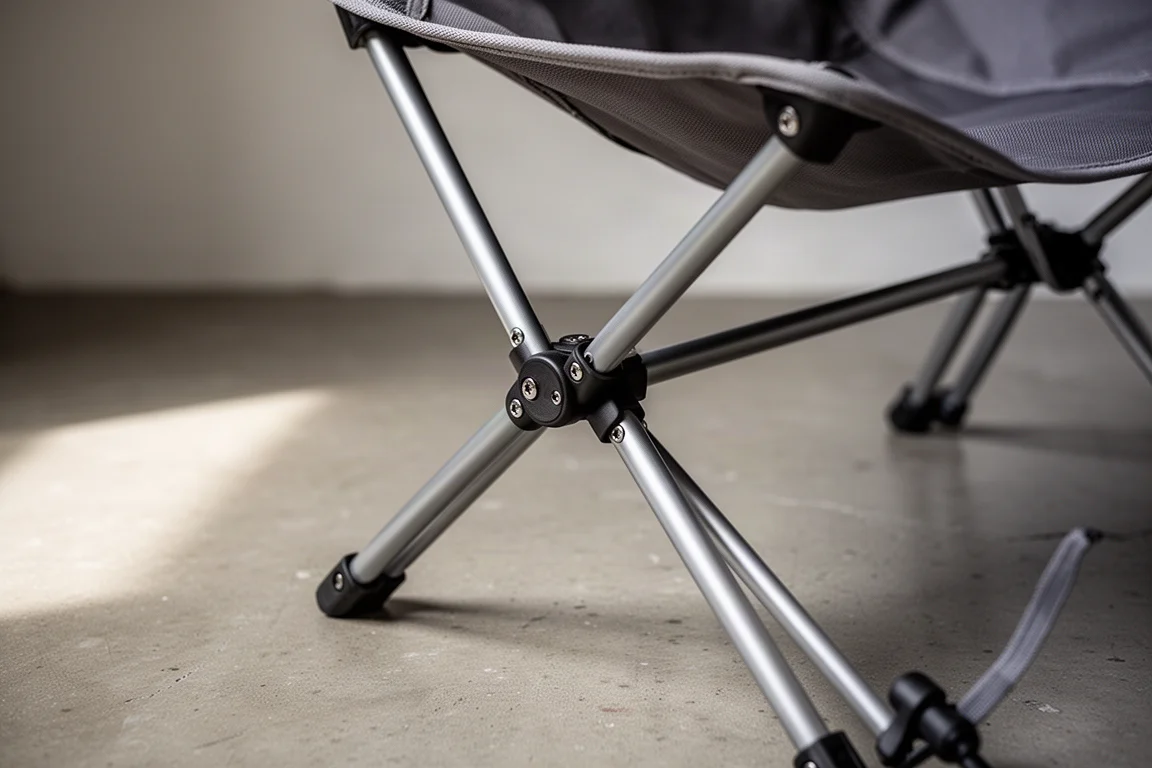
The failure tends to occur when you lean back on two legs, so very careful use on perfectly flat ground might avoid it. Realistically, though, the hub needs a redesign that can withstand lateral torque before this chair can be recommended.
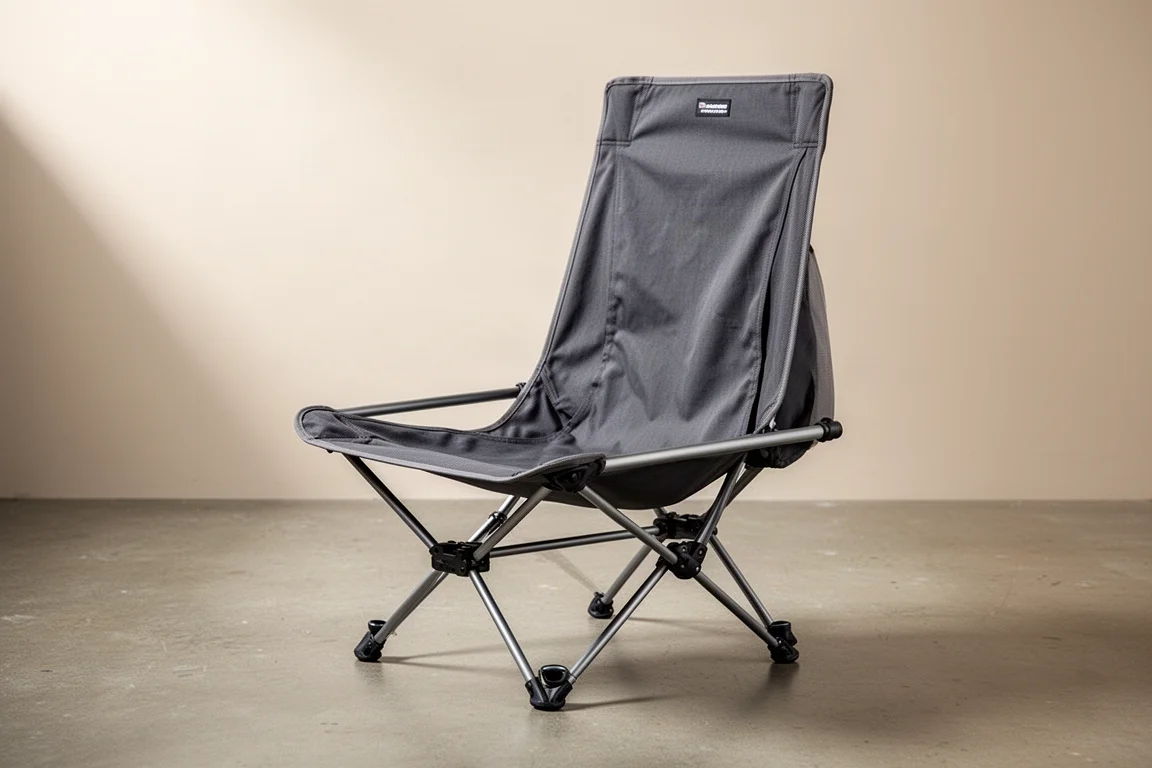
MSR Hubba Hubba: The Better MSR Choice
The Hubba Hubba shares the same diagonal zipper design as the FreeLight, but the ceiling extends further out, which pushes the zipper away from the floor and stops the dripping. For anyone set on an MSR tent, the Hubba Hubba is the version to choose: it delivers the same diagonal zipper layout without the water problem.
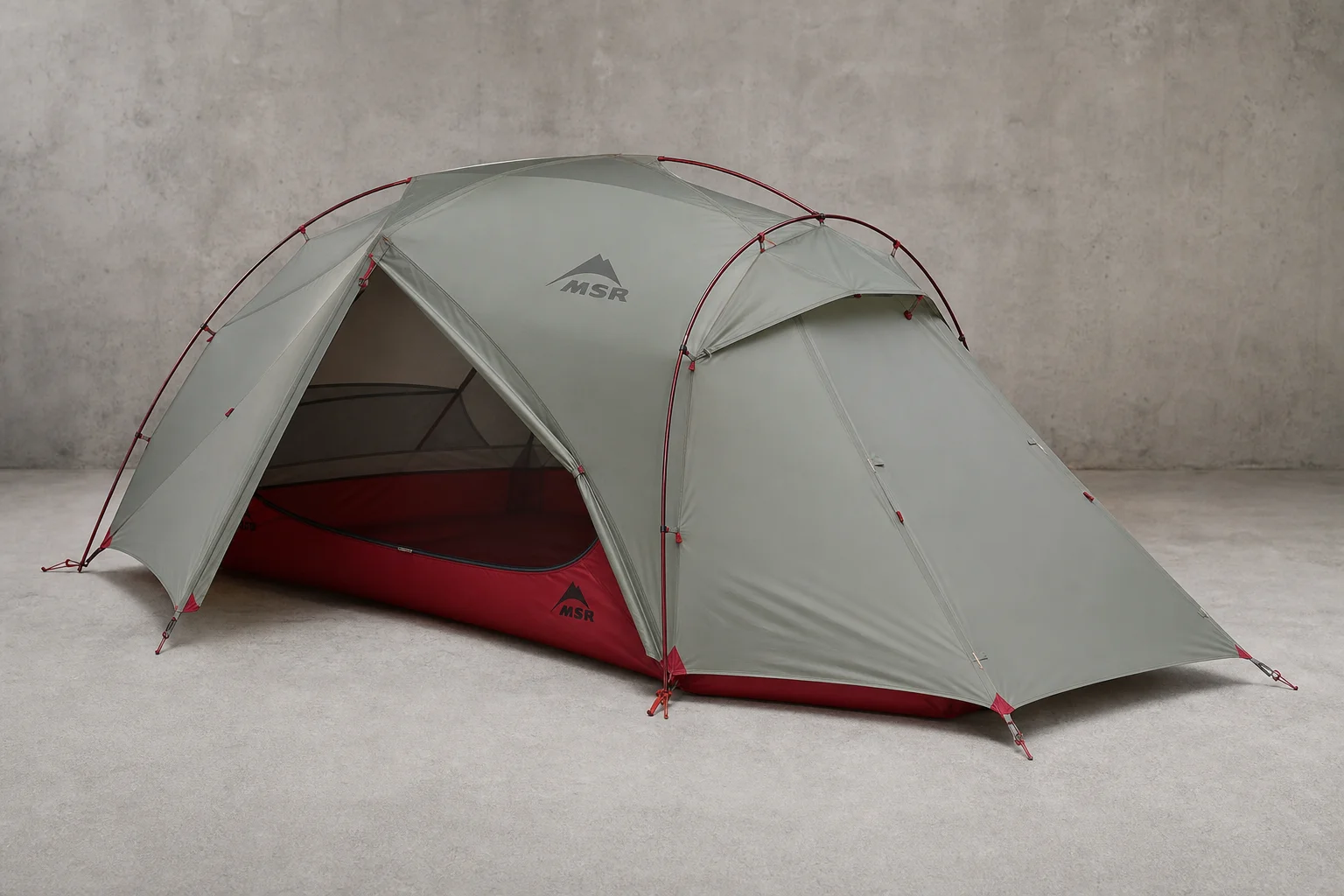
Also Worth Knowing: Durston Kakwa 40
The Kakwa 40 is the pack of choice at the moment, and the only reason it does not appear in the main list is availability. High demand and supply chain constraints mean it cannot be purchased right now, with stock not expected again until sometime next year.
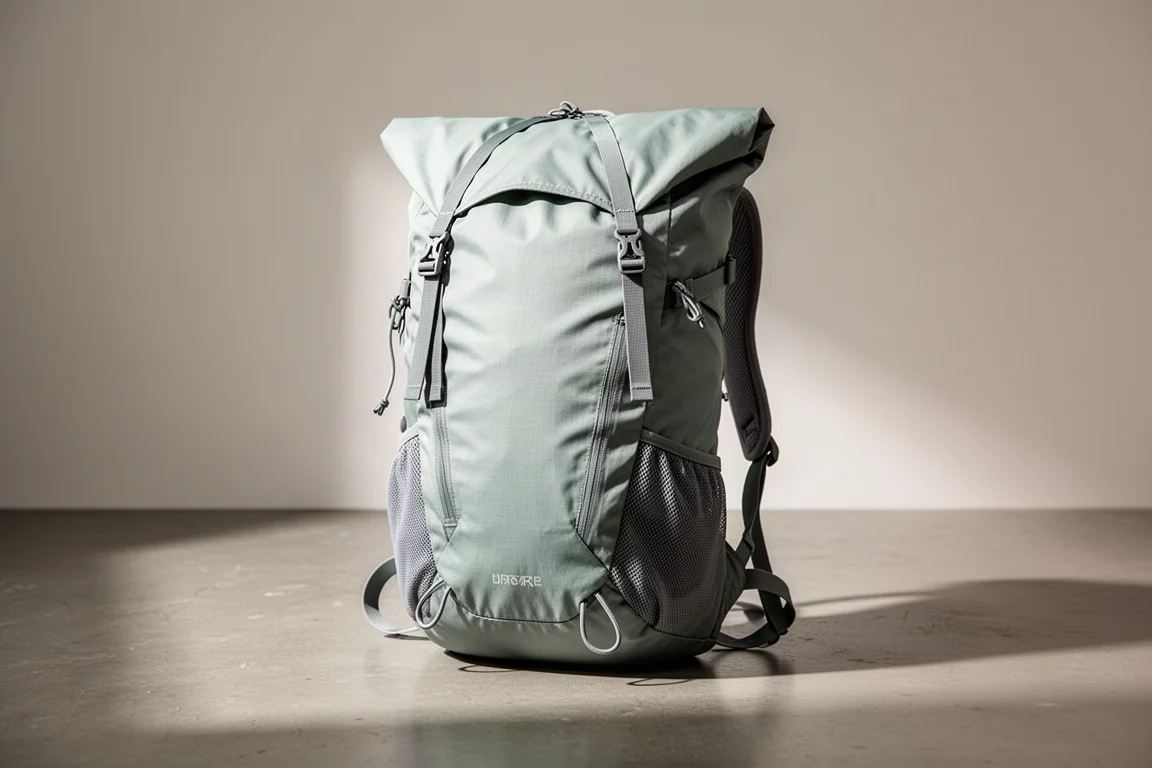
Also Worth Knowing: Durston X-Mid Pro 2
The X-Mid Pro 2 is an impressive tent built around a distinctive geometric design that separates it from conventional two-person shelters. Like the Kakwa 40, it is effectively unavailable at the moment because of demand and supply constraints, and availability is not expected until next year.
Overall Buying Advice
Start with how you actually camp rather than with the specification sheet. Solo hikers who count grams will get the most from the ZPacks Plex Solo, while anyone sleeping two to a shelter should check floor width before anything else, since the Copper Spur’s 43-inch floor will not take two wide pads. For warmth at low weight, the Nemo Insulated Tensor is the clear pick in this group.
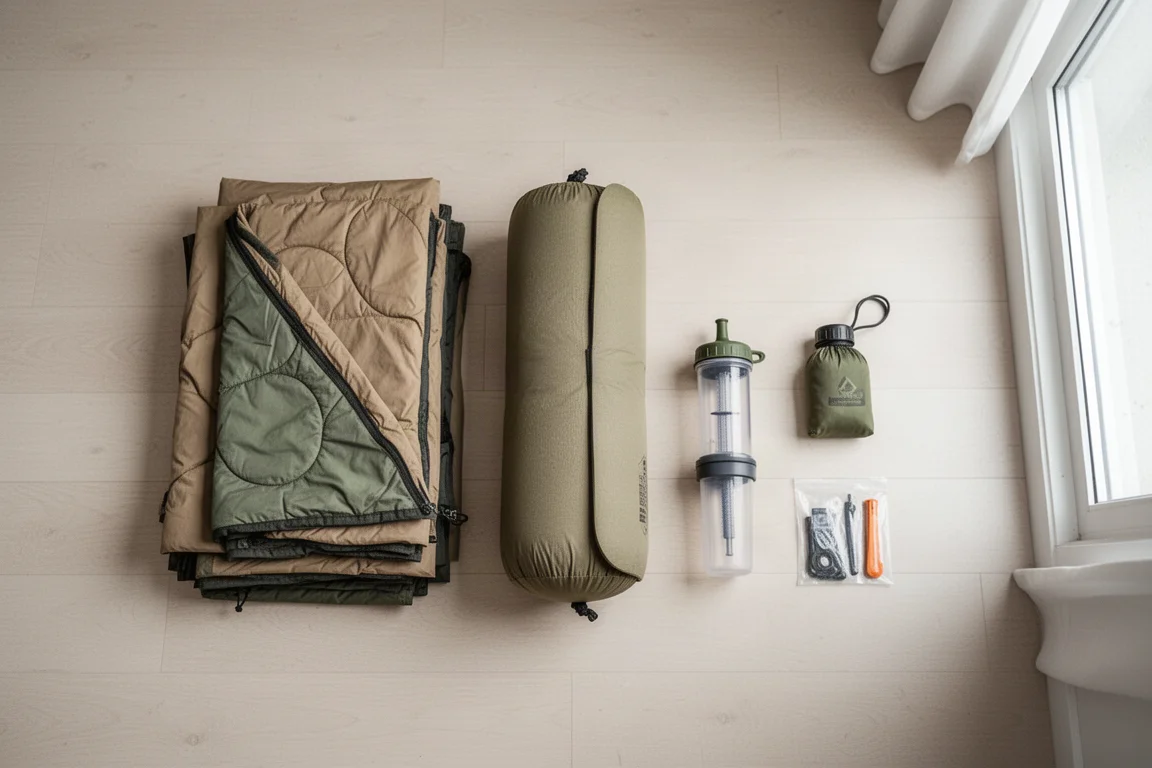
Value deserves the same scrutiny as performance. The Lost Ranger’s $650 price is hard to defend when only one of its three temperature configurations is ISO certified, while the Plex Solo’s near-$600 price is easier to accept because it buys the lightest fully enclosed shelter on the market. On the MSR side, choose the Hubba Hubba over the FreeLight and skip the tent that lets water in. The Trek Chair should stay off your list until the front hub is redesigned, and the LifeStraw Peak Series is only workable if you accept its mounting limitations. If the Kakwa 40 or the X-Mid Pro 2 interest you, waiting for a restock is the only option, and both are worth the wait.
Conclusion
This year’s gear landscape rewarded careful buyers. The strongest releases, led by the Plex Solo, the Insulated Tensor, the Zenbivy Double Bed, and the Ventus, earned their place through genuine improvements rather than marketing. The weaker ones share a common thread: a promising idea undermined by one unresolved detail, whether that is floor width, certification, zipper placement, or frame hardware. Match each purchase to the trips you actually take, and the right choice becomes much easier to see.
Further reading
Related Reviews

Backpacking Gear
Building a 10 lb Base Weight: An Ultralight Backpacking Gear List
A practical walkthrough of the ultralight pieces behind a 10 lb base weight, from a 765 g pack and a roomy one-person tent to a full camp chair and a dependable water filter.

Backpacking Gear
A 15-Pound Lightweight Backpacking Gear List for Solo Trips
A beginner-friendly 15-pound backpacking setup built from easy-to-find gear, with notes on what each piece does, how it packs, and where to spend your attention.

Backpacking Gear
8 Ultralight Backpacking Gear Upgrades Worth Carrying
Eight small, affordable backpacking upgrades that solve real trail annoyances, from a pillow that stays put to a fuel valve that rescues leftover canister gas.