Hi-Fi Amplifiers
Best Amplifiers at Every Budget: 8 Standout Picks From Budget to Vintage
Eight amplifiers spanning roughly $130 to $2,200, from a bridgeable budget class D amp to handmade Italian integrateds, high-current power amplifiers, and vintage classics that still hold their own.
Introduction
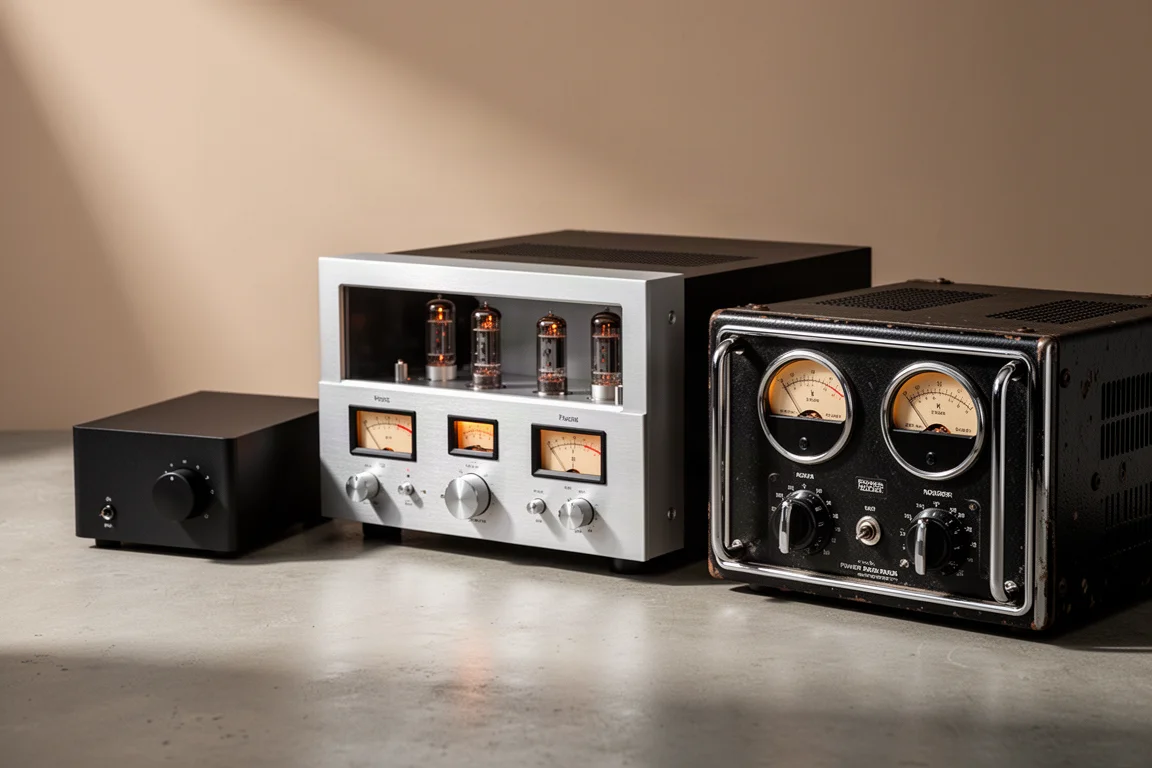
The amplifiers in this roundup cover a much wider price range than most buying guides: a budget desktop amplifier that costs less than a good pair of cables, a hand-built Italian integrated with a tube in its preamp stage, a differential power amplifier with enormous reserves, and vintage receivers and power amplifiers that still sound excellent decades after they left the factory. Some are cheap, some are expensive, and a few deliver far more than their price suggests.
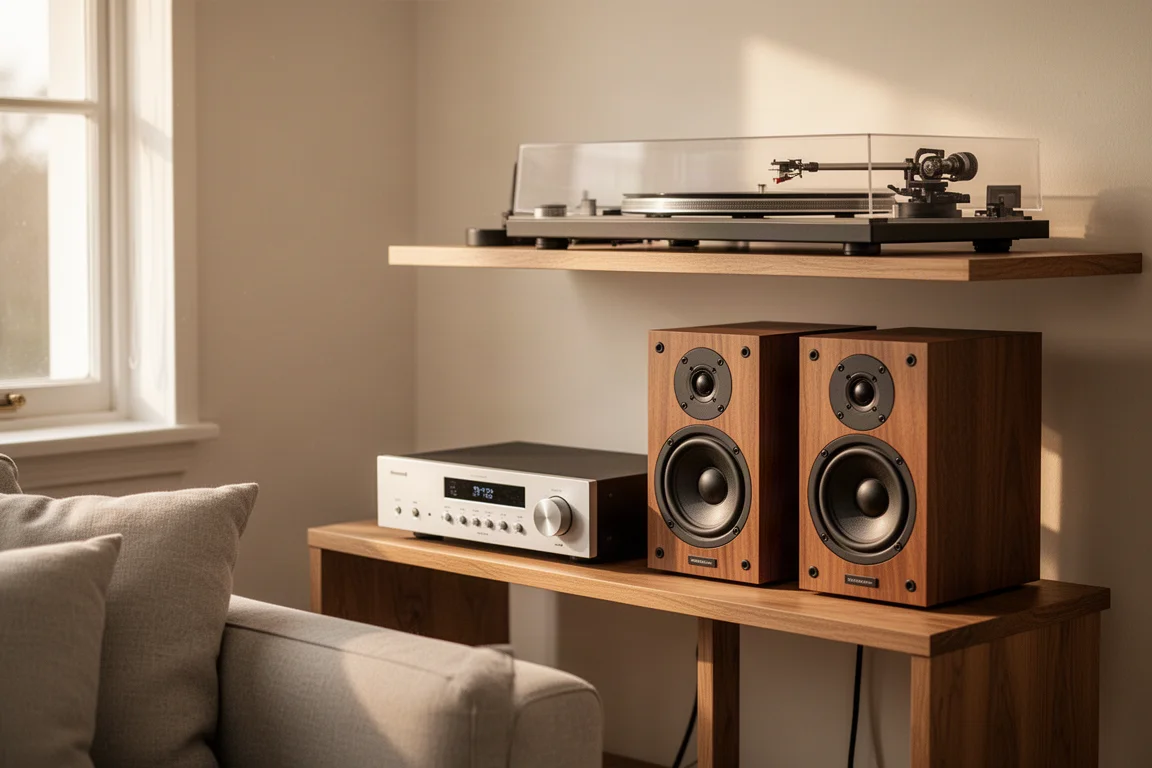
What ties them together is that each one earns its place on sound and character rather than on specifications alone. If you are starting a hi-fi journey or upgrading an existing system, the goal is to find the amplifier that suits your speakers, your room, and your budget, and then to spend your time enjoying it.
Fosi Audio ZA3
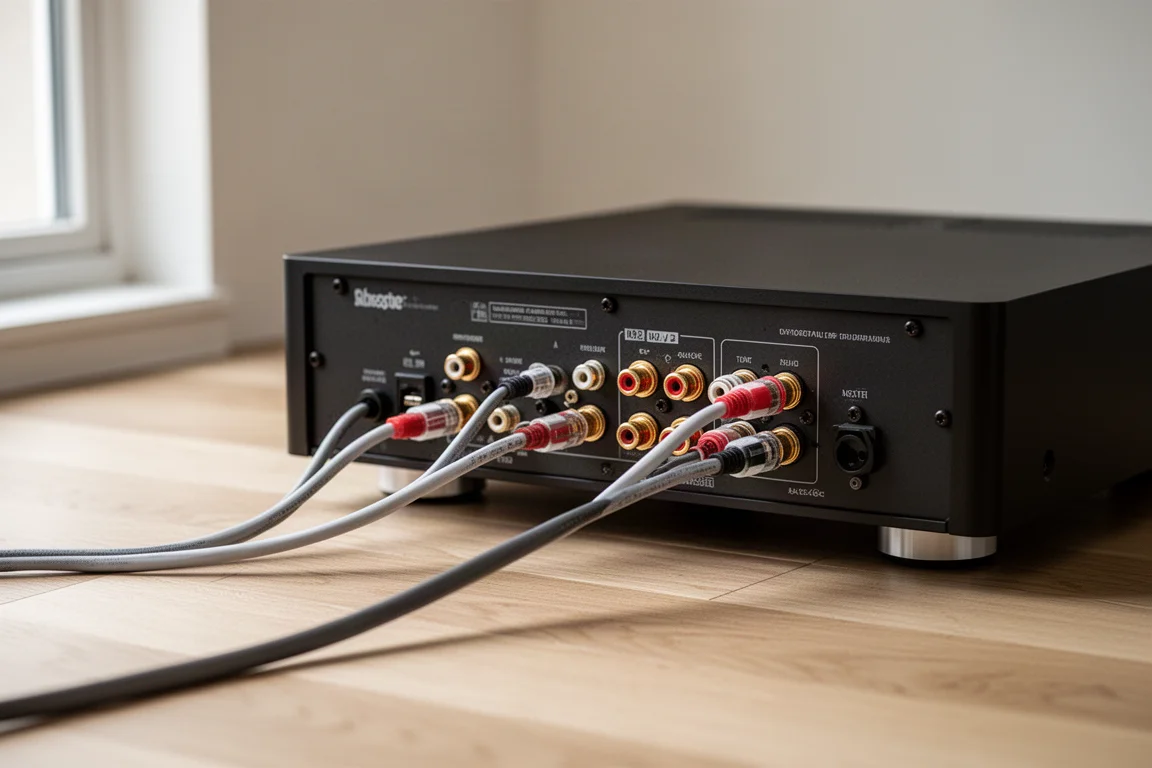
The Fosi Audio ZA3 is the least expensive amplifier here, typically around $150 and often discounted further. It uses the Texas Instruments 3255 amplifier chipset, offers balanced and single-ended inputs on the back panel, and can accept a 48-volt power supply for more output.
Its most interesting feature is that it can be bridged. You can buy one unit now and add a second later when the budget allows, which makes it a rare budget amplifier with an upgrade path built in. Sound quality is fairly dynamic for the money. It will not beat amplifiers costing around $1,000, and it does not pretend to.
Advance Paris A12 Apex
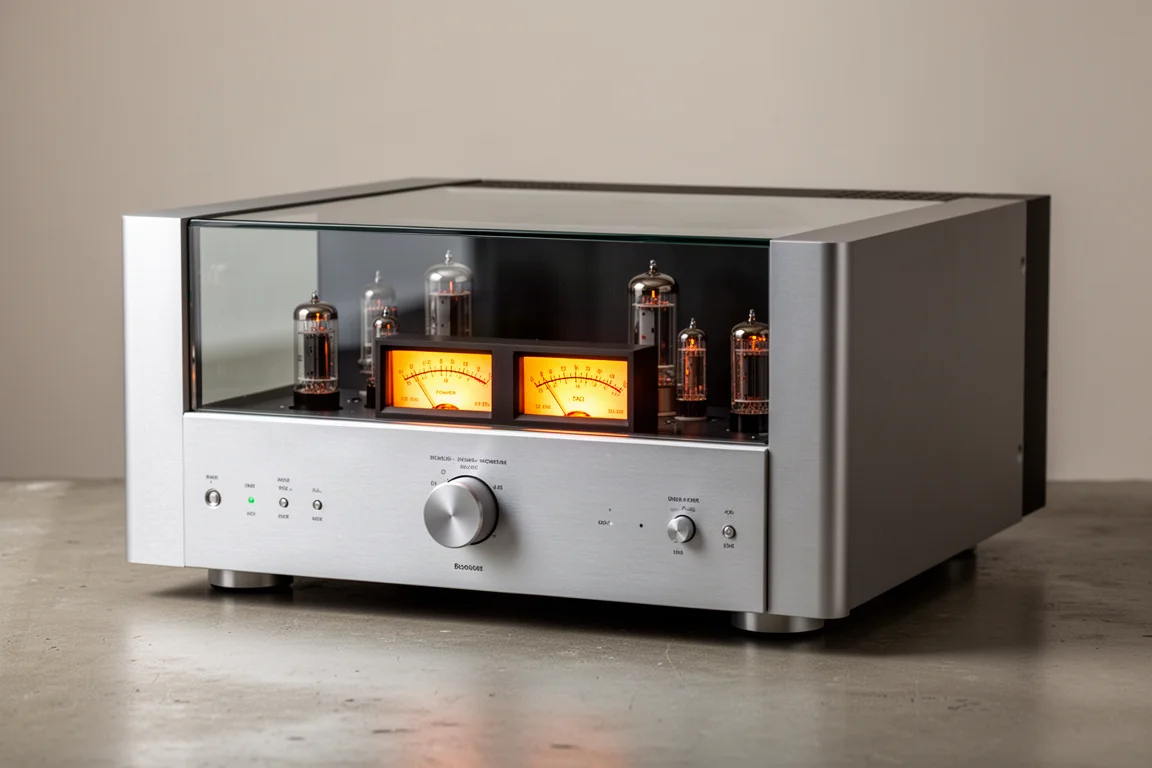
The Advance Paris A12 Apex is a dual mono design with a separate transformer for the left and right channels, and it offers more inputs than most listeners will ever use. It also carries two tubes at the front, can be run in class A bias, and puts VU power meters on a large silver front panel with plenty of glass.
That combination of meters, tubes, and finish is a large part of the appeal, and the sound quality matches the presentation. It is also very expensive, which places it firmly in big-budget territory. Listeners who want the Advance Paris character for less can look at the more affordable A10 Classic, or at the AI75 integrated amplifier, which sounds excellent but does without VU meters.
WiiM Amp Mini
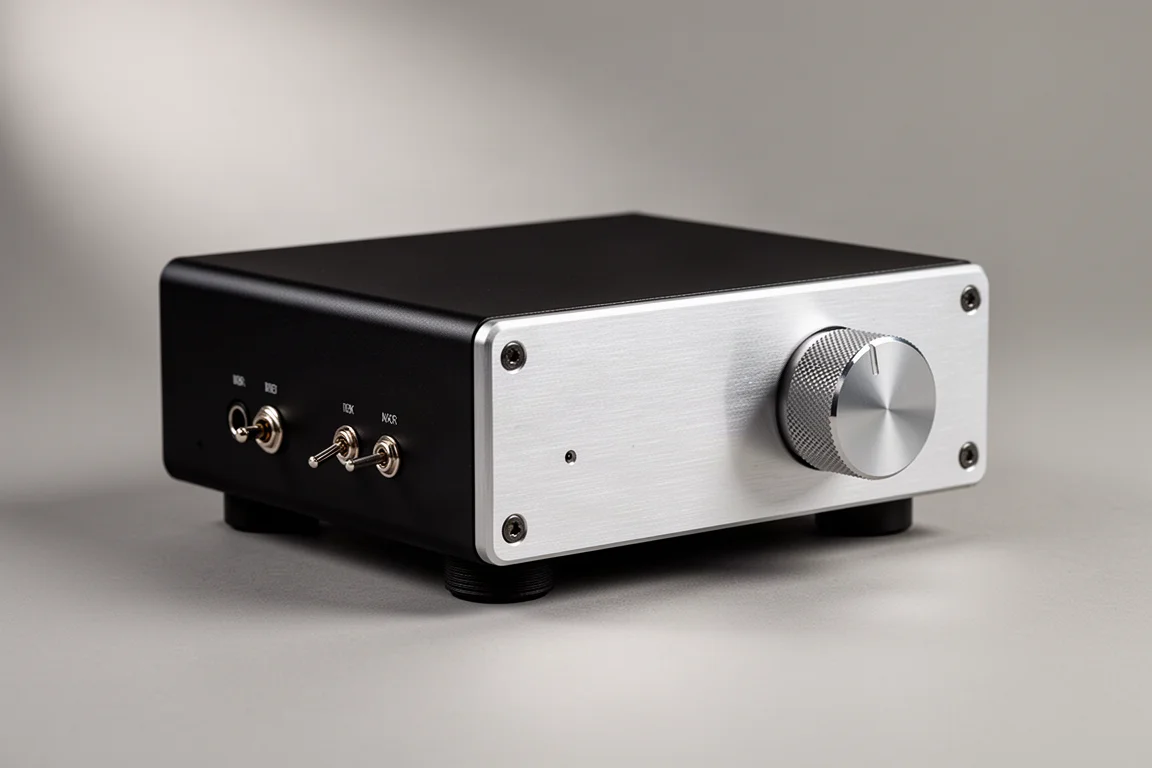
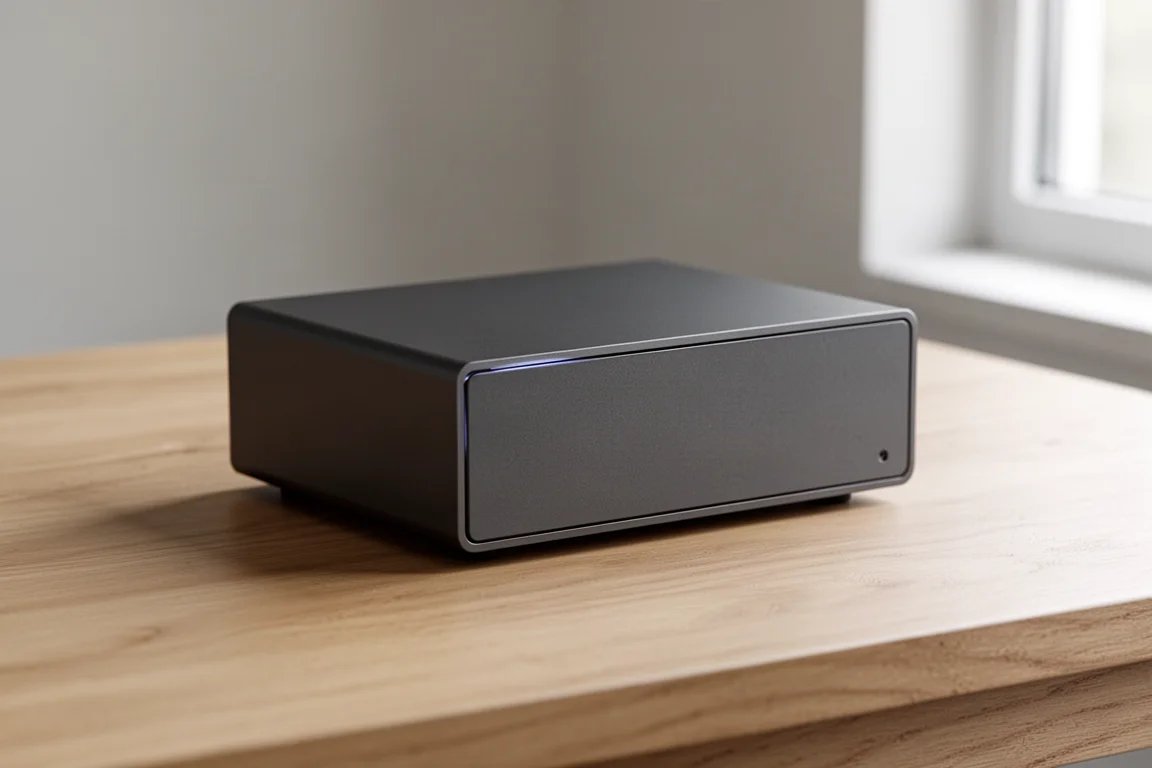
The WiiM Amp Mini sits in the $250 to $300 range and uses the same Texas Instruments 3255 chipset as the Fosi Audio ZA3, but it is voiced differently: more dynamic, with more personality, and capable of driving speakers harder than its size suggests.
On the back it has its own internal DAC with optical and coaxial digital inputs, plus a trigger input so a preamp or similar component can switch it on. It is designed to sit alongside the WiiM Ultra streamer, and the two share the same footprint. Because the power supply is internal, there is no option to add a 48-volt supply, but the amplifier still delivers plenty of current. It is not a $2,000 amplifier, and it does not claim to be.
Unison Research Unico Primo
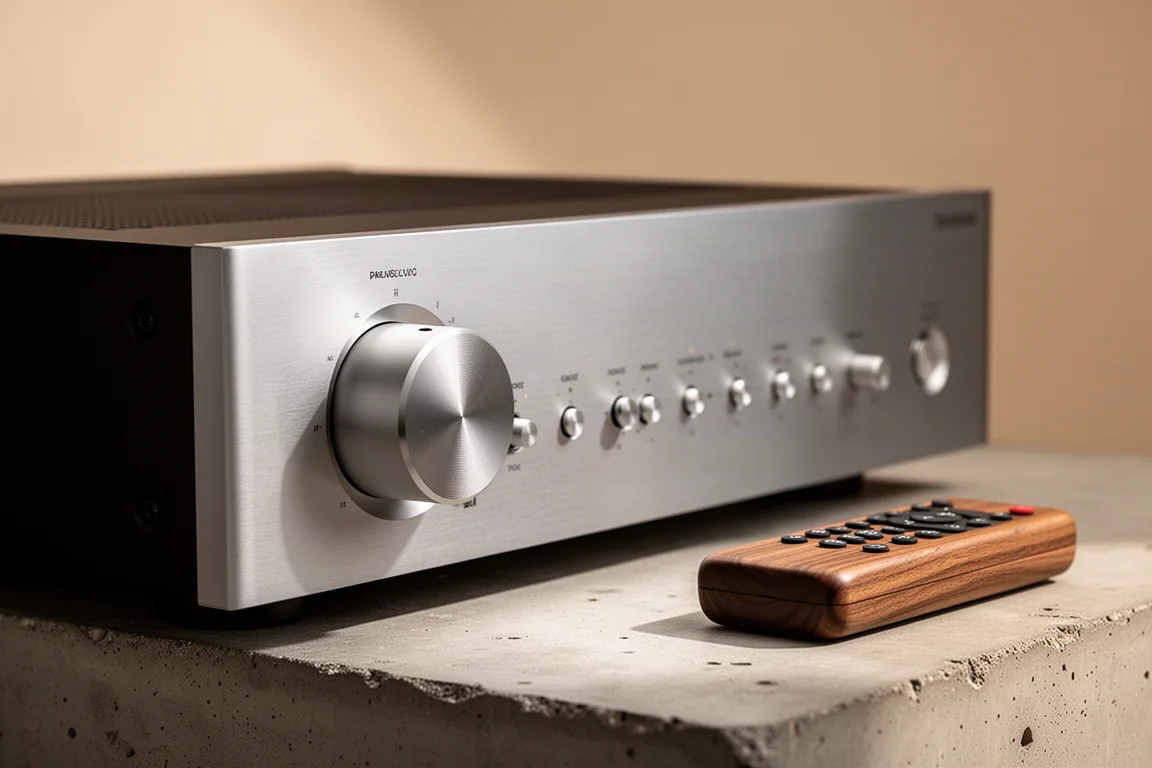
The Unison Research Unico Primo weighs around 50 lbs, thanks in part to a large toroidal transformer, and it is handmade in Italy. It now includes a phono stage on the back, and it sells for around $2,000.
A tube in the preamp stage gives it a thick, characterful sound, and the physical details support that impression: a perfectly damped volume knob, a selector knob with a satisfying click, and a remote control made from a piece of wood. It is rated at 80 watts into 8 ohms, but it delivers current in a way that makes the figure feel conservative.
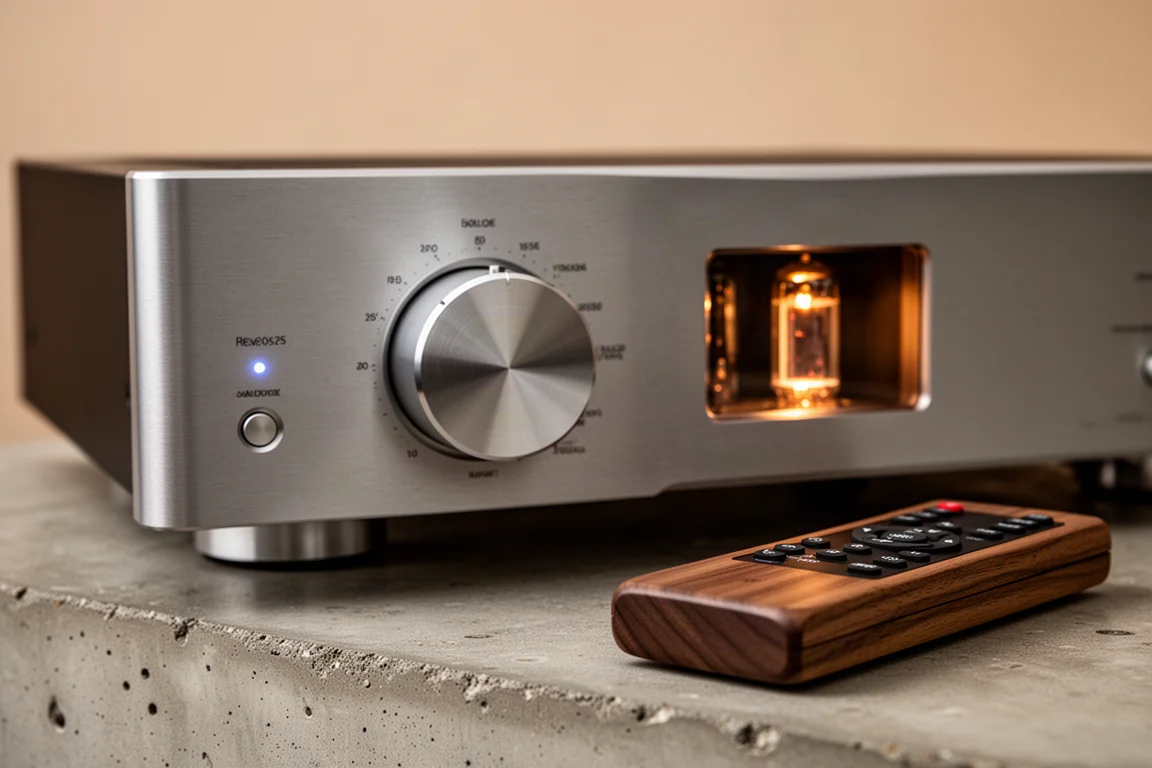
For listeners who want craftsmanship and a warm, characterful presentation, and who also need a phono input, this is one of the more distinctive options in its price bracket.
Emotiva DR2
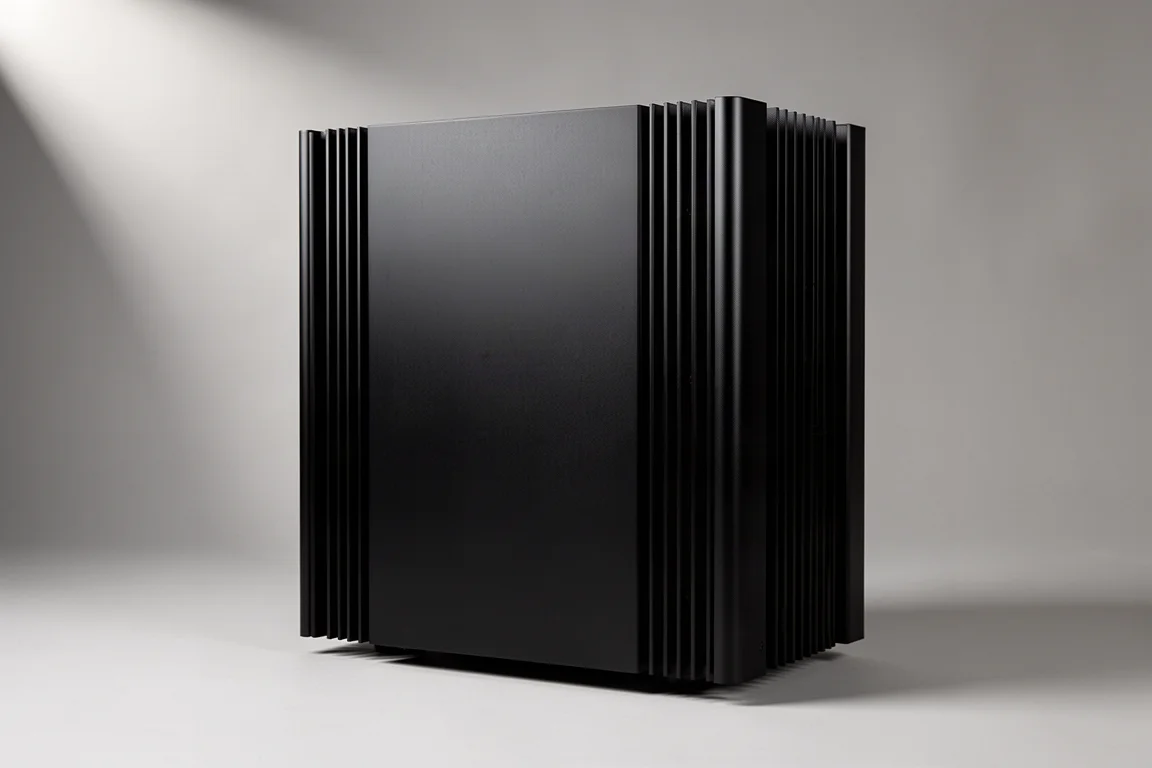
The Emotiva DR2 is a differential power amplifier priced at around $2,200. Differential operation means one module drives the positive portion of the waveform while another runs 180 degrees out of phase, effectively pushing and pulling the signal through the output stage. Emotiva also builds monoblocks, but they cost considerably more.
On paper the DR2 is rated at 550 watts RMS into 8 ohms and 800 watts into 4 ohms. Those figures matter less than the way it behaves in practice: it sounds effortless and tightly controlled, and it never appears to be working hard, even with demanding material. The trade-off is a plain front panel with no meters.
Realistic STA-2000 Series
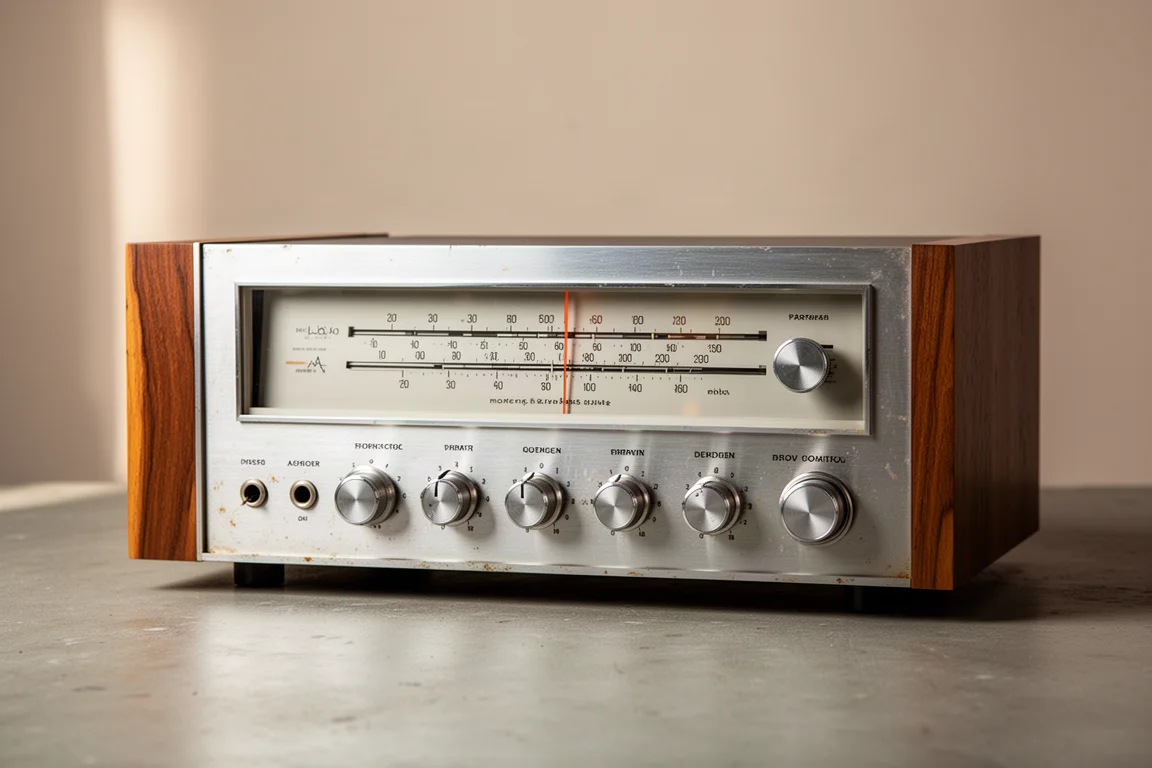
Vintage receivers from the Realistic STA-2000 series are the value play in this roundup. The early 1980s models are the ones to look for, and they can often be found for around $130. Buying gear from the 1980s carries some risk, since aging components may eventually need attention, but the sound is genuinely impressive for the money.
These receivers include useful tone controls, such as midrange adjustment and a loudness button. The STA-2270 in particular has two phono stages, which appear to be discrete designs. They are Japanese-made and they sit outside the usual collector favorites, which is exactly why prices stay reasonable.
Cambridge Audio CXA81 Mark II
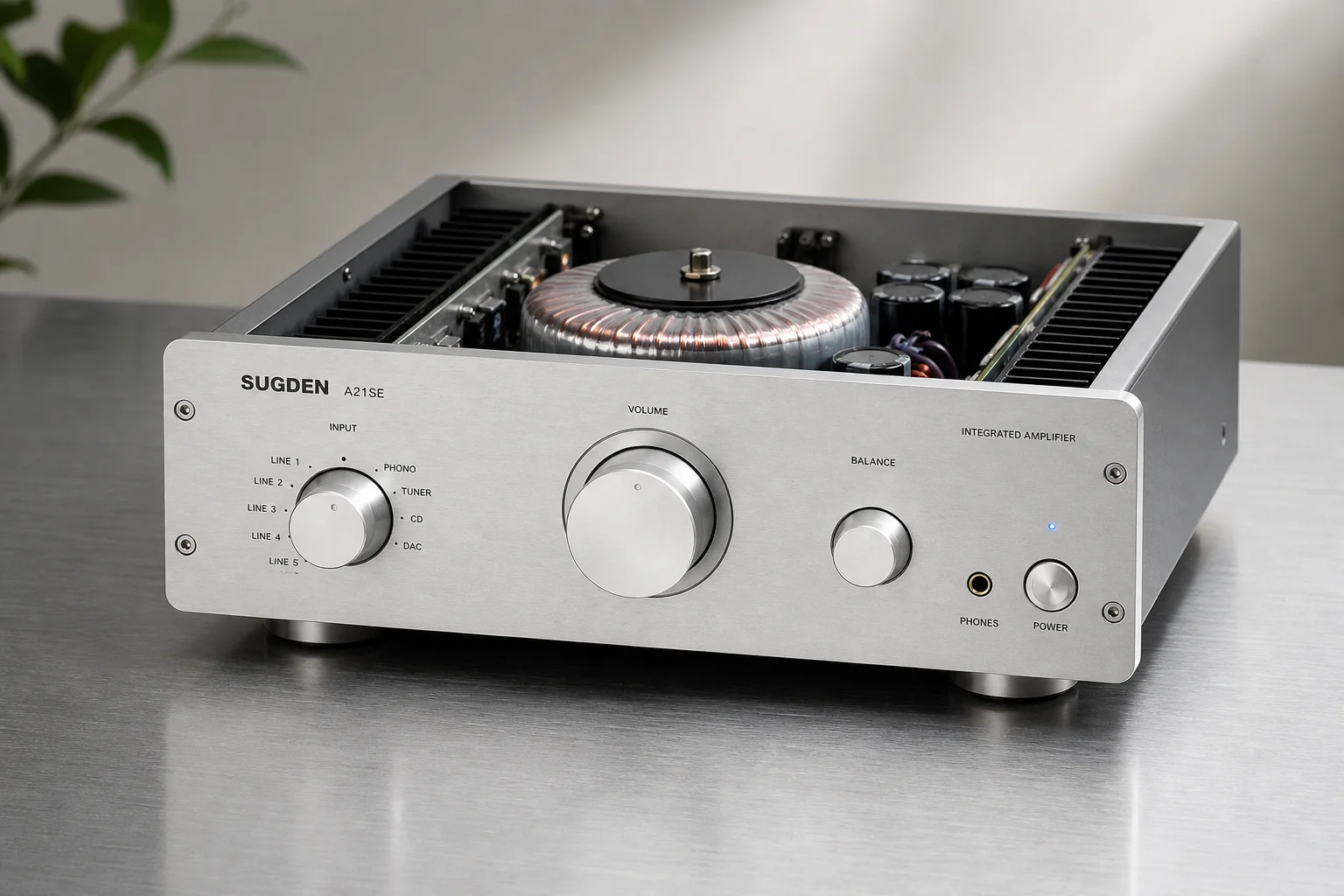
The Cambridge Audio CXA81 Mark II is a class D integrated amplifier from a brand with unusually consistent voicing. The same character runs across the range, from the more affordable MXW 70 to the more expensive EXA100: clean, slightly dynamic, and revealing through the upper midrange and top end, with bass that stays layered and controlled.
That consistency is all the more impressive given that the range mixes class D designs with the class AB designs used further up the line. The CXA81 Mark II sits above the entry models, and there are more affordable options in the same family below it.
If you want an amplifier that lets you hear what a recording is doing without adding much of its own colour, this family of amplifiers is worth a serious listen.
McIntosh MC7270
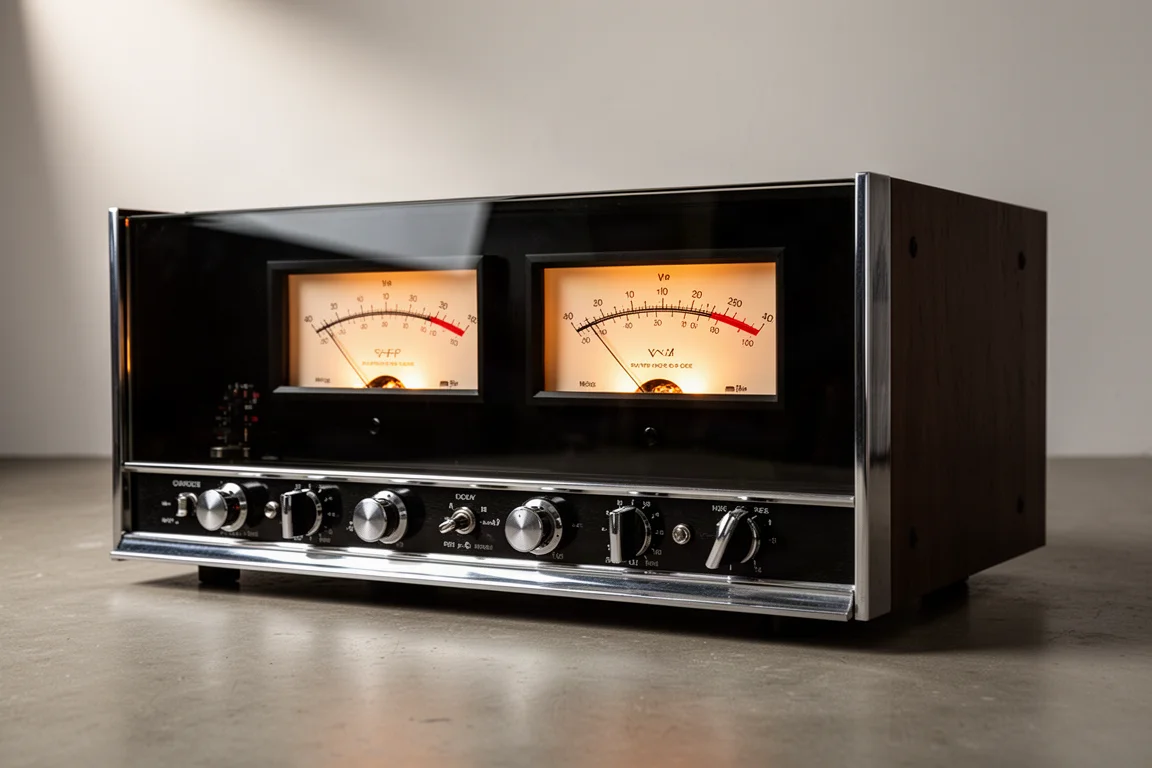
The McIntosh MC7270 is a vintage McIntosh power amplifier with the oversized VU meters and autoformer output transformers the brand was known for at the time. It sounds lush and thick, and it represents the end of an era before McIntosh moved toward a more neutral presentation.
Despite their reputation for expense, vintage McIntosh amplifiers can be surprisingly affordable once depreciation is taken into account. If you buy well and later decide to move on, you can often sell for close to what you paid, which makes the cost of ownership unusually low.
Buying Advice
Budget matters, but so does the rest of your system. A $150 amplifier like the Fosi Audio ZA3 makes sense as a first step, particularly because it can be bridged with a second unit later. Stepping up to the WiiM Amp Mini adds an internal DAC, digital inputs, and a trigger input, and it pairs naturally with a streamer that shares its footprint.
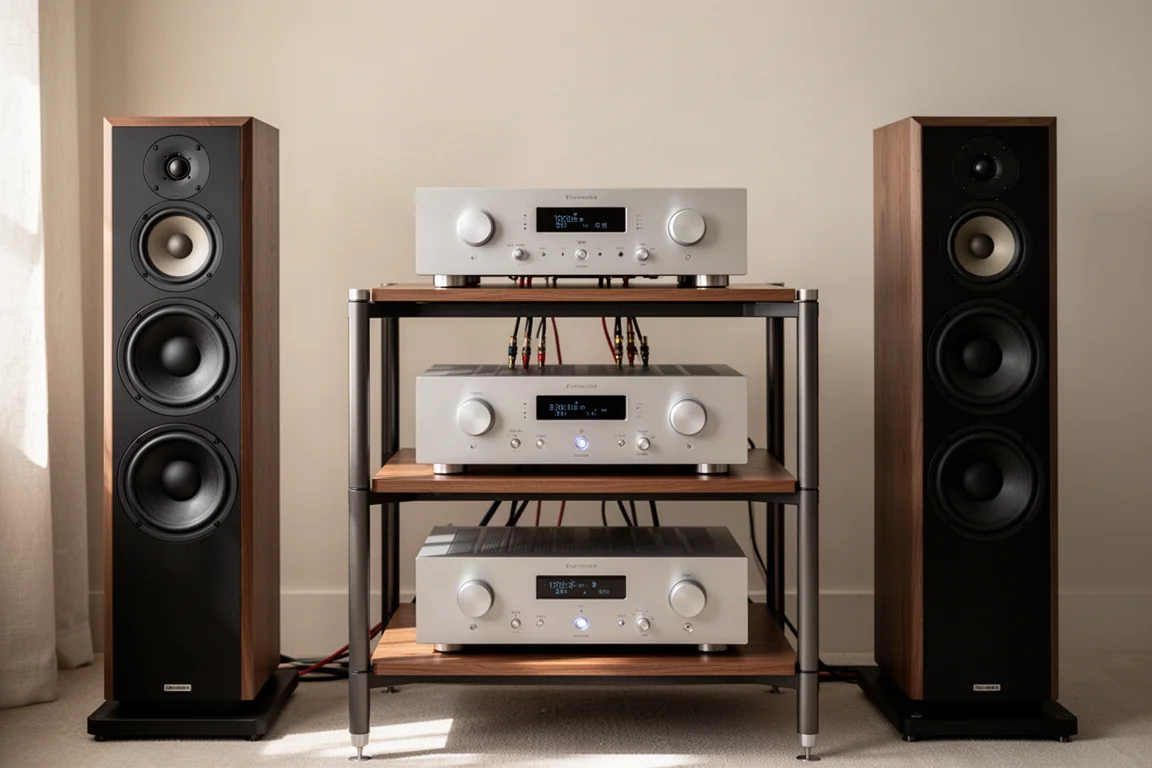
If a phono stage and a sense of occasion matter more than raw output, the Unison Research Unico Primo covers both. If you need maximum control and headroom, the Emotiva DR2 delivers it, provided you can live without meters. For listeners who enjoy vintage gear, the Realistic STA-2000 series and the McIntosh MC7270 sit at opposite ends of the used market, one cheap and cheerful, the other a long-term hold with strong resale value.
Aesthetics are a legitimate reason to choose one amplifier over another. A component with large meters and a substantial front panel can make you want to sit down and listen more often, and that matters as much as any specification on a page.
Conclusion
Eight amplifiers, eight different answers to the same question. The Fosi Audio ZA3 and the WiiM Amp Mini show that a modest budget does not have to mean a modest experience. The Unison Research Unico Primo and the Advance Paris A12 Apex show what hand-built character and big-budget presentation look like. The Emotiva DR2 and the Cambridge Audio CXA81 Mark II cover control and consistency. The vintage Realistic and McIntosh options are a reminder that excellent sound does not expire. Whichever path you take, match the amplifier to your speakers and your room, and then get on with the music.
Further reading
Related Reviews
Hi-Fi Amplifiers
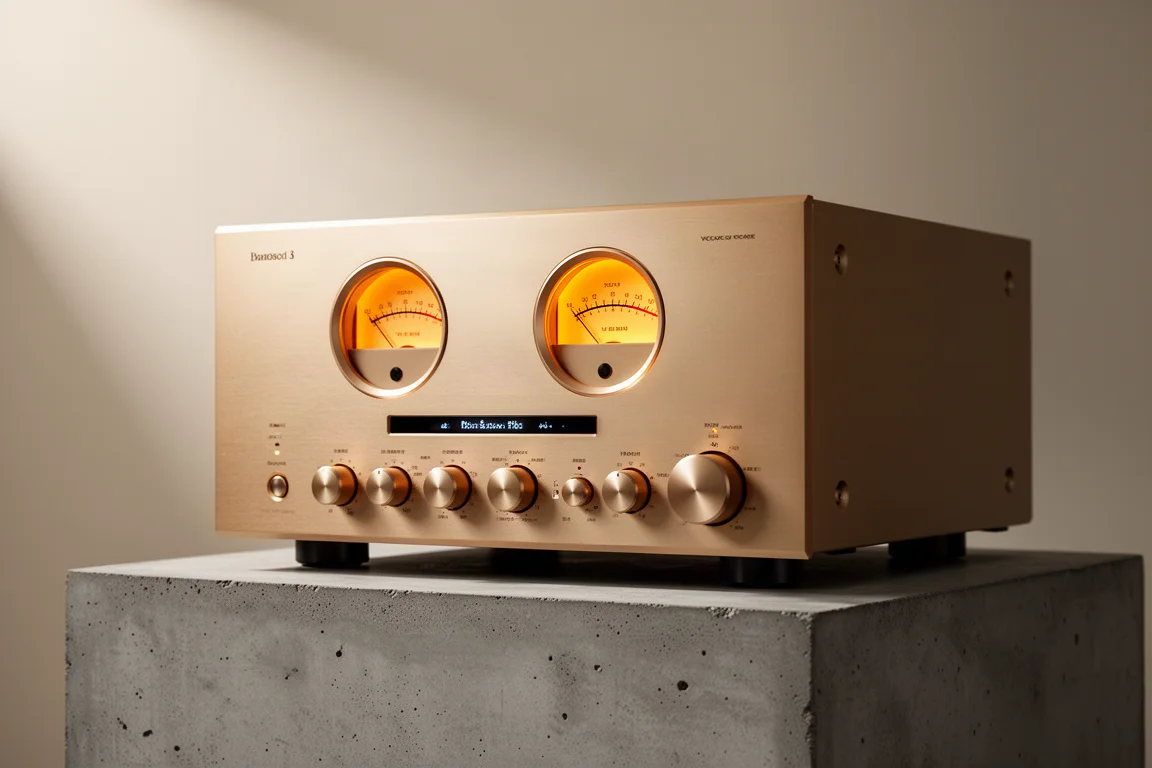
Accuphase E-280 Review: Entry-Level Accuphase With Flagship Attention to Detail
A close look at the Accuphase E-280 integrated amplifier, covering its champagne build, AAVA volume control, sound quality, and the speakers and sources that suit it best.
Hi-Fi Amplifiers
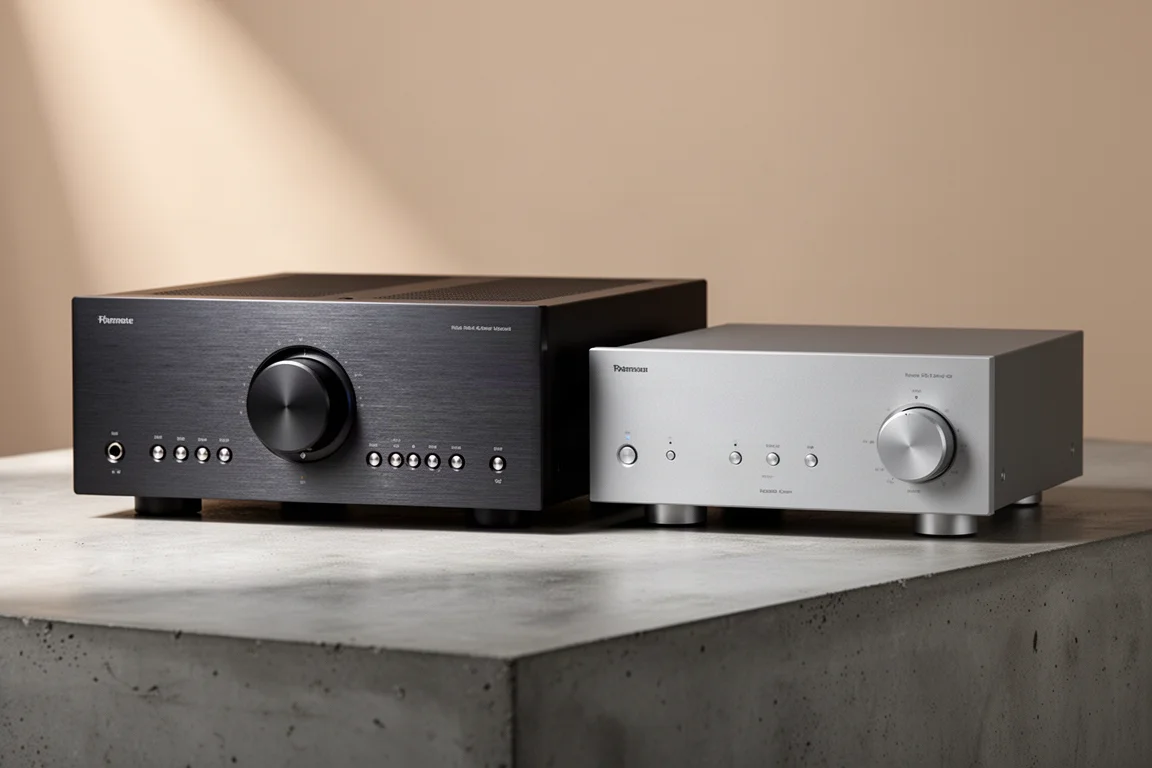
Advance Paris A10 Classic vs Yamaha A-S301: Two Integrated Amplifiers Compared
A practical comparison of a $350 integrated amplifier and a $2,500 reference model, covering the differences that matter and the ones that do not.
Hi-Fi Amplifiers
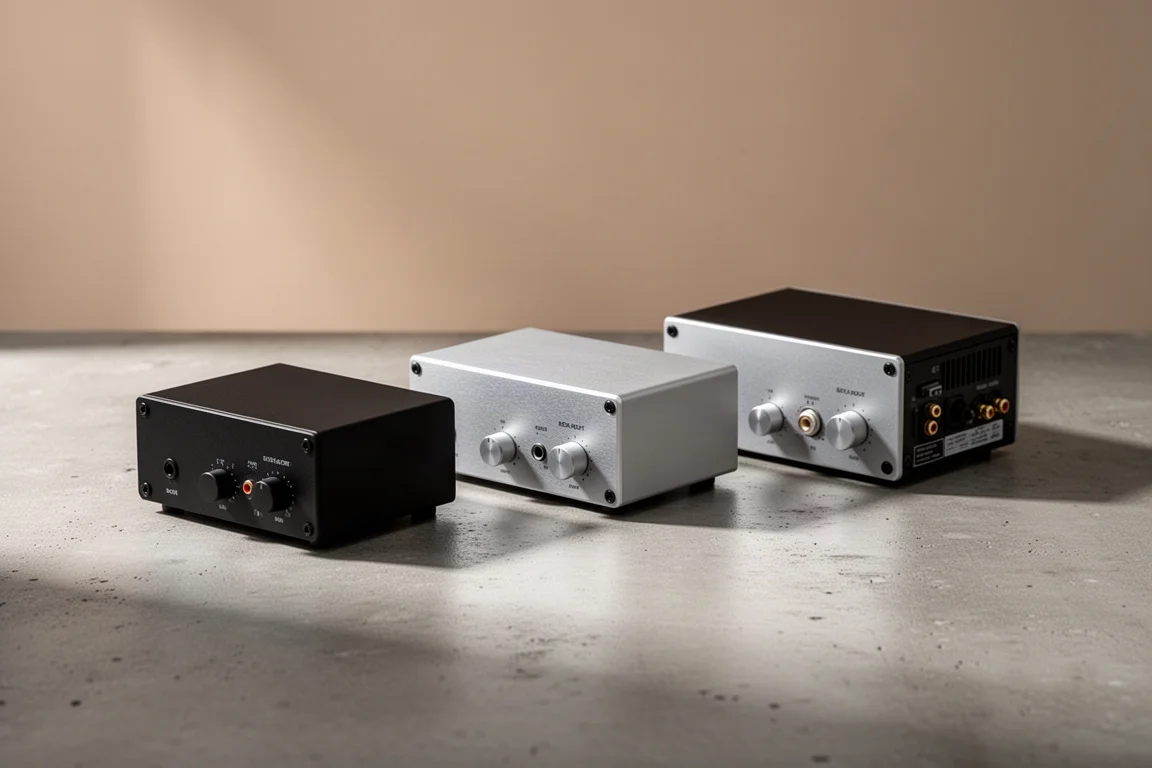
Affordable Chinese Amplifiers Worth Buying: Five Budget Hi-Fi Amps Compared
A practical look at five affordable amplifiers, what each one does well, and the trade-offs to weigh before you buy.