Hi-Fi Amplifiers
Six Standout Amplifiers Worth Knowing: Power, Integrated, and Tube Designs
Six distinctive amplifiers that stood out for build quality, circuit design, and sound character, from affordable Class AB power amps to transformerless tube designs.
Introduction
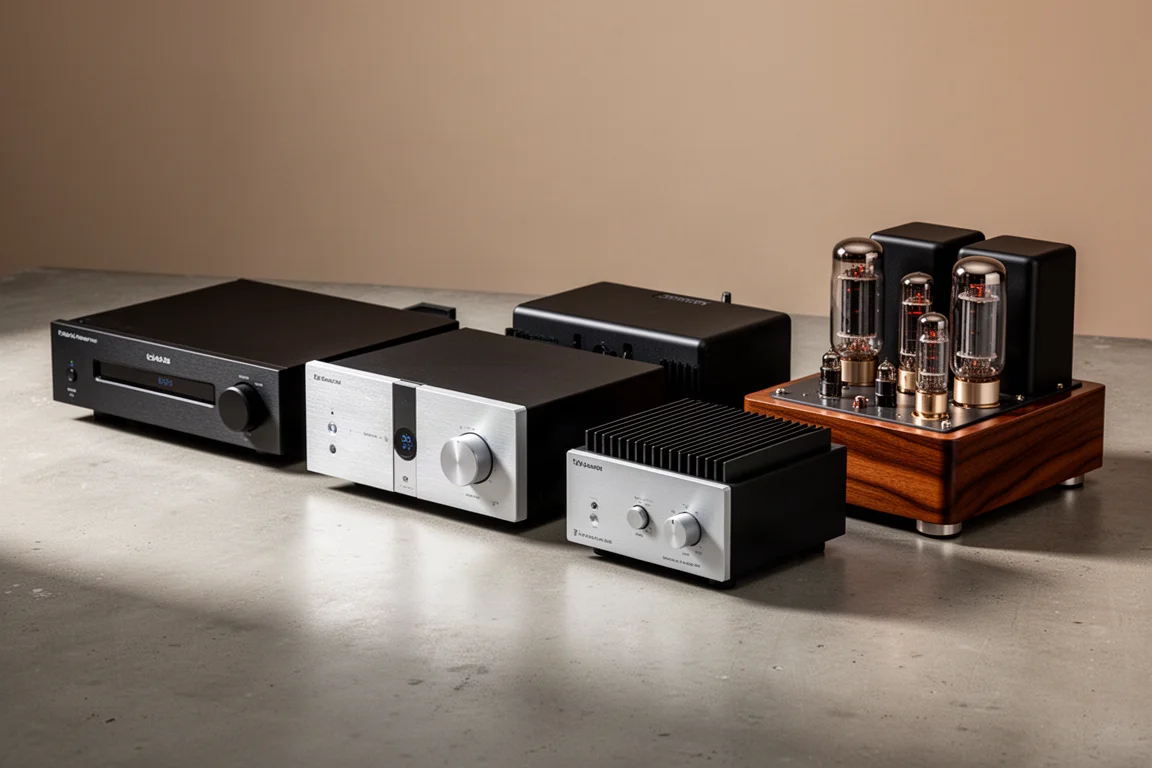
A good amplifier is easy to find. An amplifier that is genuinely interesting is much harder. Plenty of designs sound competent, but only a handful bring something distinctive to the way music is reproduced, whether that is an unusual circuit, a striking physical build, or a sound character that leaves a lasting impression.
The six amplifiers below all share that quality. Some are modestly priced, some are serious investments, and one is a pair of components that work together. What they have in common is that each one offers something beyond straightforward competence, and each one rewards the listener with a different set of priorities. Prices and availability notes are included where they are known.
Vidar 2: A High-Value Class AB Power Amplifier
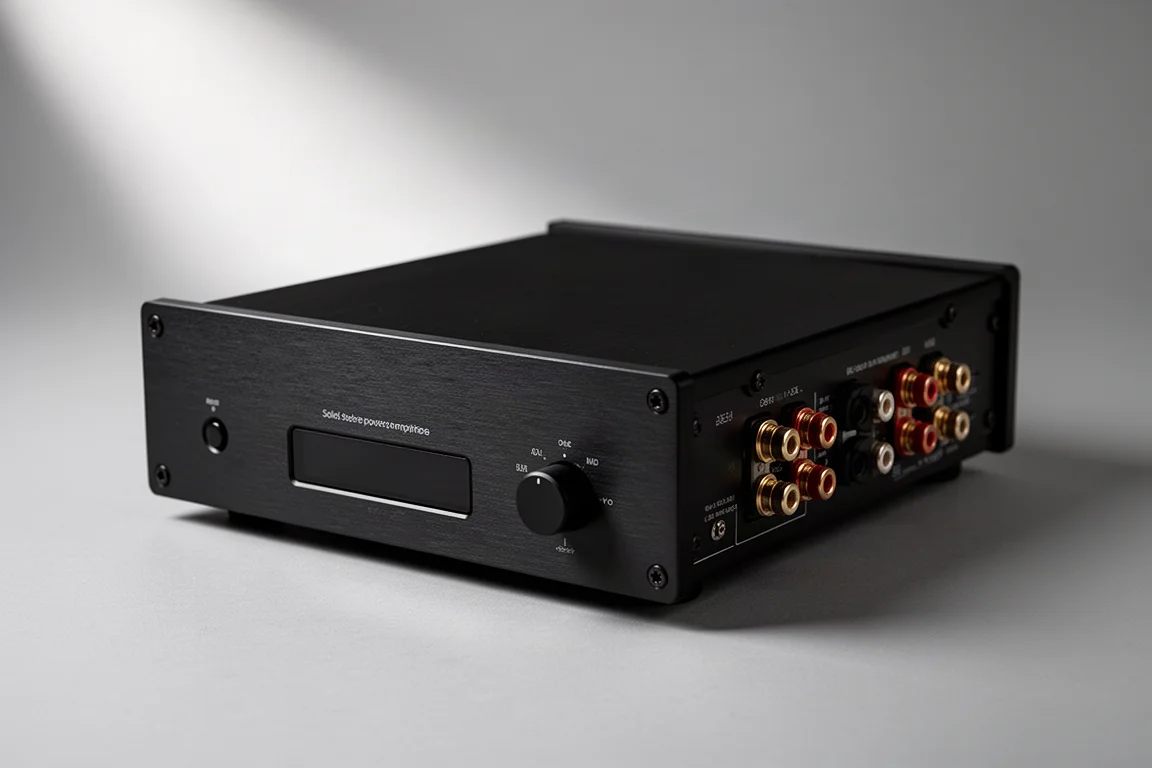
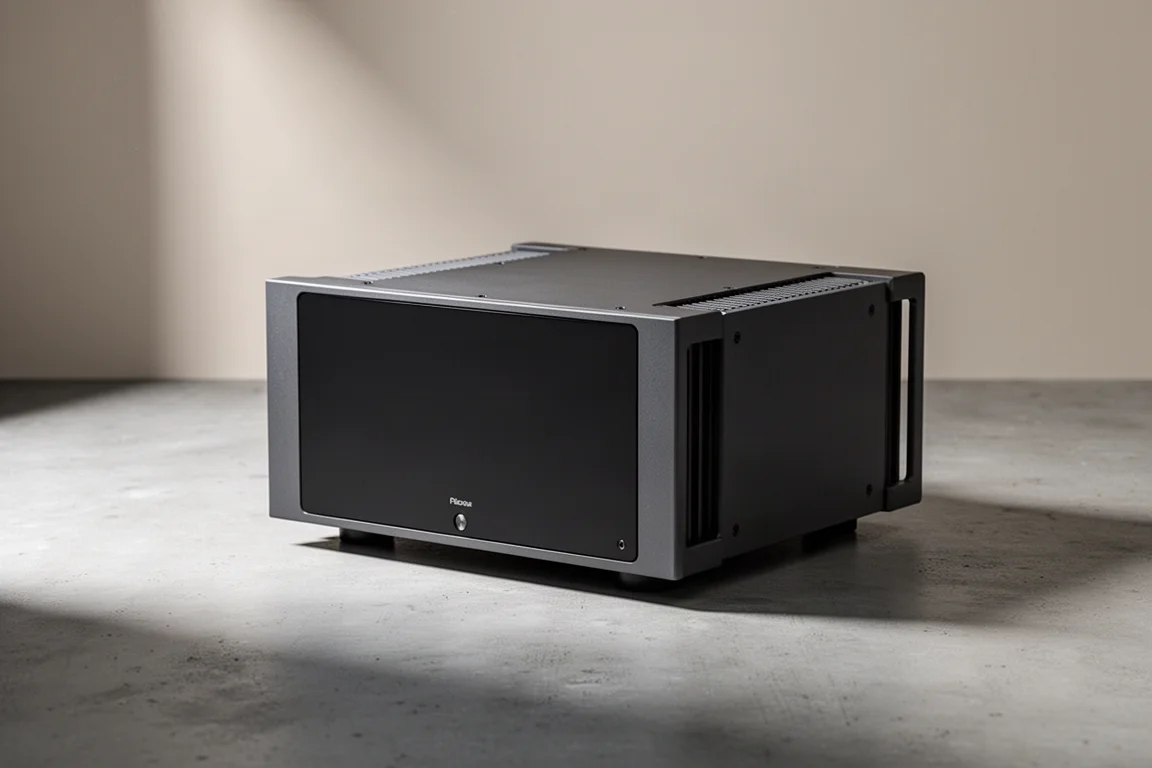
Vidar 2 is the successor to an amplifier that had already been on the market for around six years. It is a 100 watt per channel Class AB design that doubles its output into 4 ohms, delivering 200 watts per channel, and it can be bridged into a single 400 watt monoblock. It is made in the USA using mostly US-sourced parts, and the build feels solid for the money.
At $799 it is a strong value proposition, and distribution means it is available in most of the world, though regional distribution arrangements differ. For listeners who need real current delivery into demanding speakers without moving into premium pricing, this is one of the more sensible places to start.
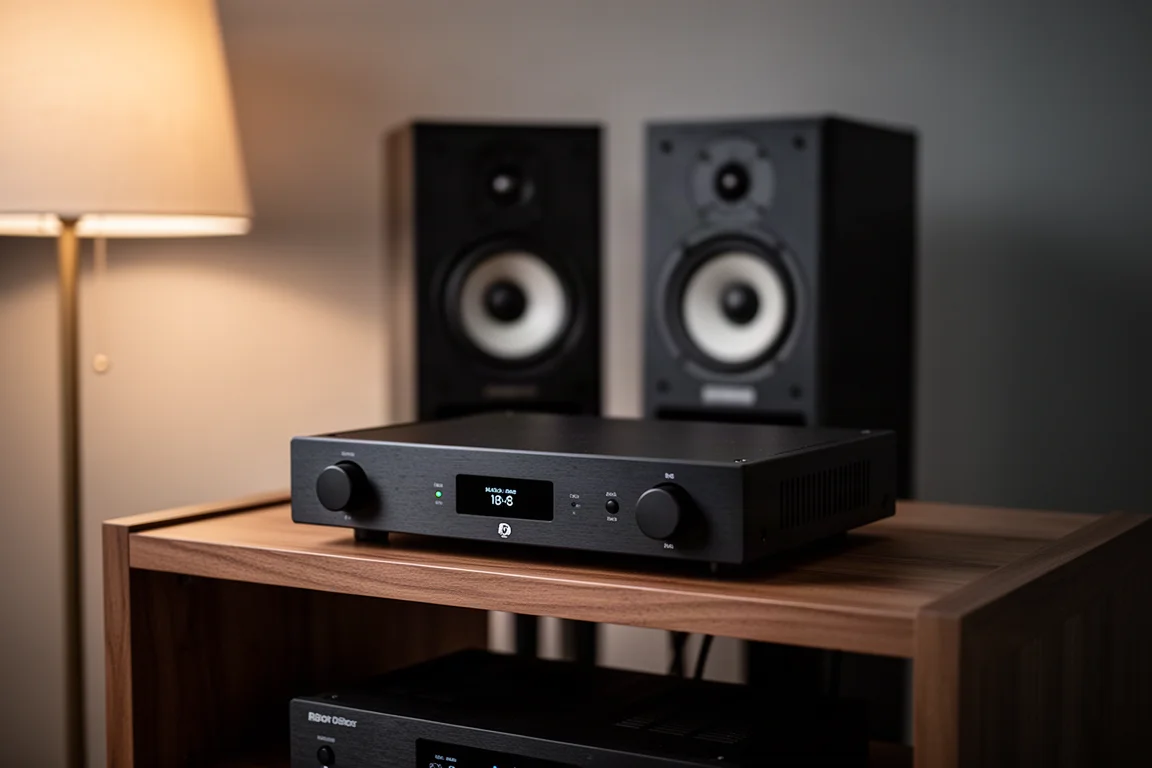
For a listener stepping up from a receiver or a small integrated, the appeal is straightforward: plenty of power, a rugged chassis, and a price that leaves budget for the speakers that will actually define the system. It pairs naturally with a separate preamplifier, which is worth factoring into the overall plan.
Decware Sarah 300B: Single-Ended Tube Character
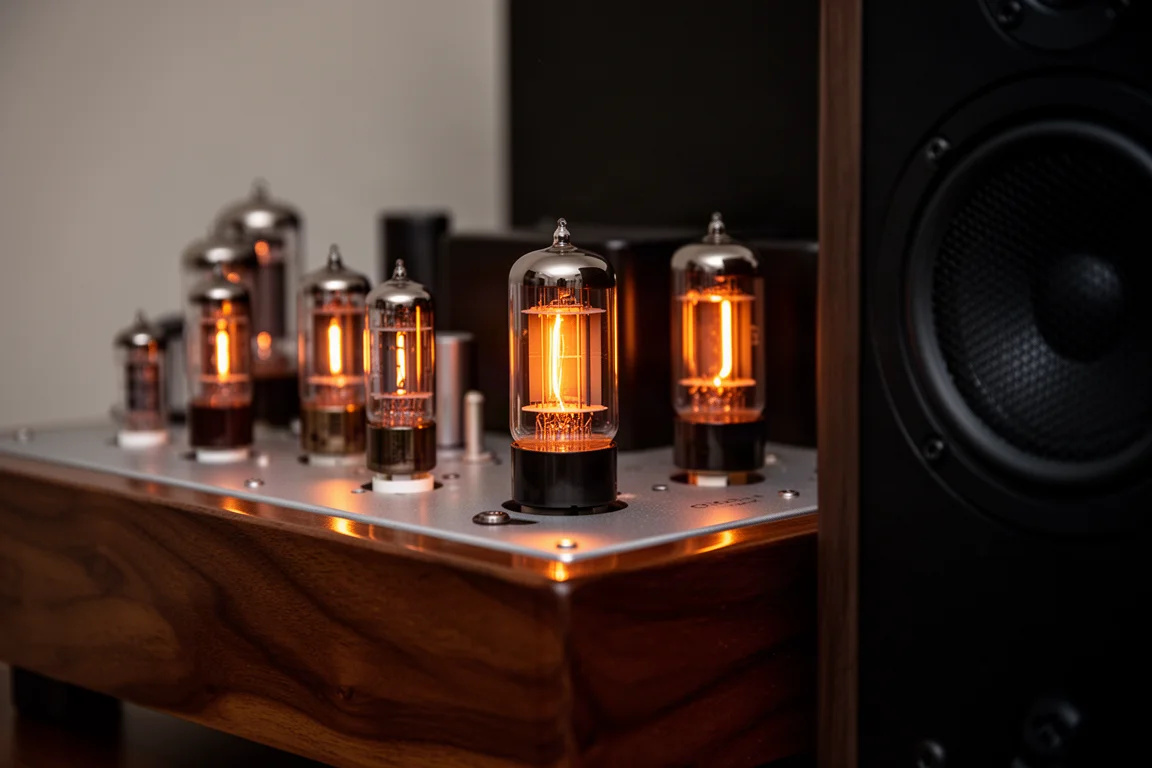
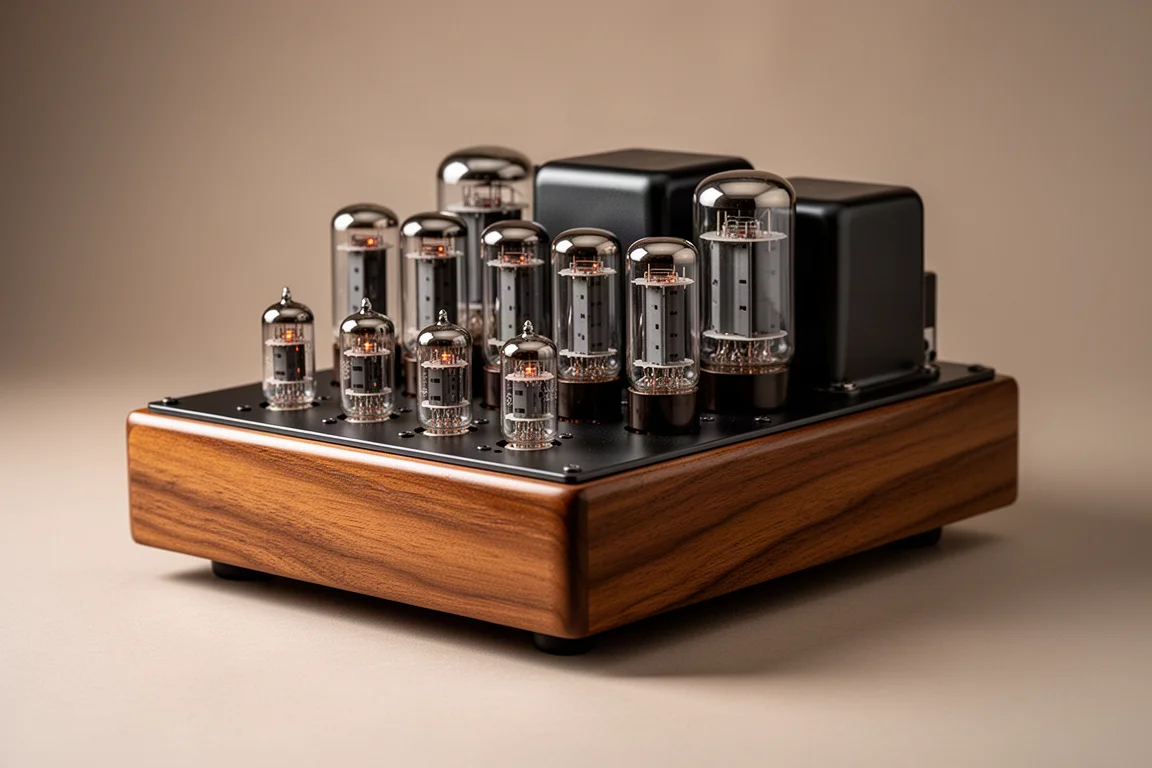
Sarah 300B is described as a power amplifier, but it includes its own volume controls, so it can be used in a quasi-integrated role. It is made in the USA, sits on a gorgeous wood base, and uses nine tubes in total. The three smaller tubes at the front are voltage regulator tubes, an unusual choice that is rarely seen on tube amplifiers, and they can change the sound significantly.
That flexibility is central to the appeal. The input tube has a very pronounced effect on the sound, the regulator tubes can be swapped, and of course the 300B power tubes themselves are a variable. It is a single-ended 300B design, so it produces only six or seven watts per channel, which means it needs high-sensitivity speakers such as horn designs, high-efficiency models, or suitable high-sensitivity floorstanders to work properly.
Kept within those expectations, it delivers a beauty to the sound that is hard to replicate elsewhere, with a sense of life force and engagement. Pricing starts at $4,500 without tubes, since some owners prefer to choose their own, and a full tube set from the maker typically starts around $500 to $600 depending on options. It carries a lifetime warranty on the amplifier, though not on the tubes. Buyers should expect a long waiting list.
Heaven 11 Billy: A Hybrid Integrated That Sounds Like Tubes
Billy is a hybrid integrated amplifier, meaning a tube preamplifier section and a solid state Class D power amplifier share one very compact chassis. It is only 17 inches wide, sleek, and genuinely pleasant to operate, which matters more than specifications suggest over years of daily use. Heaven 11 is a Canadian company, and connectivity is generous.
The interesting part is the sound. Many hybrid integrated amplifiers end up sounding like solid state designs with a hint of tube warmth, but Billy accentuates its tube character. Listening without knowing the topology, the impression is of an older tube amplifier, with the glow and three-dimensional quality associated with good tube designs. Buyers can also choose their own knobs, including solid marble knobs that feel cool to the touch or wood knobs, so the tactile experience is above average.
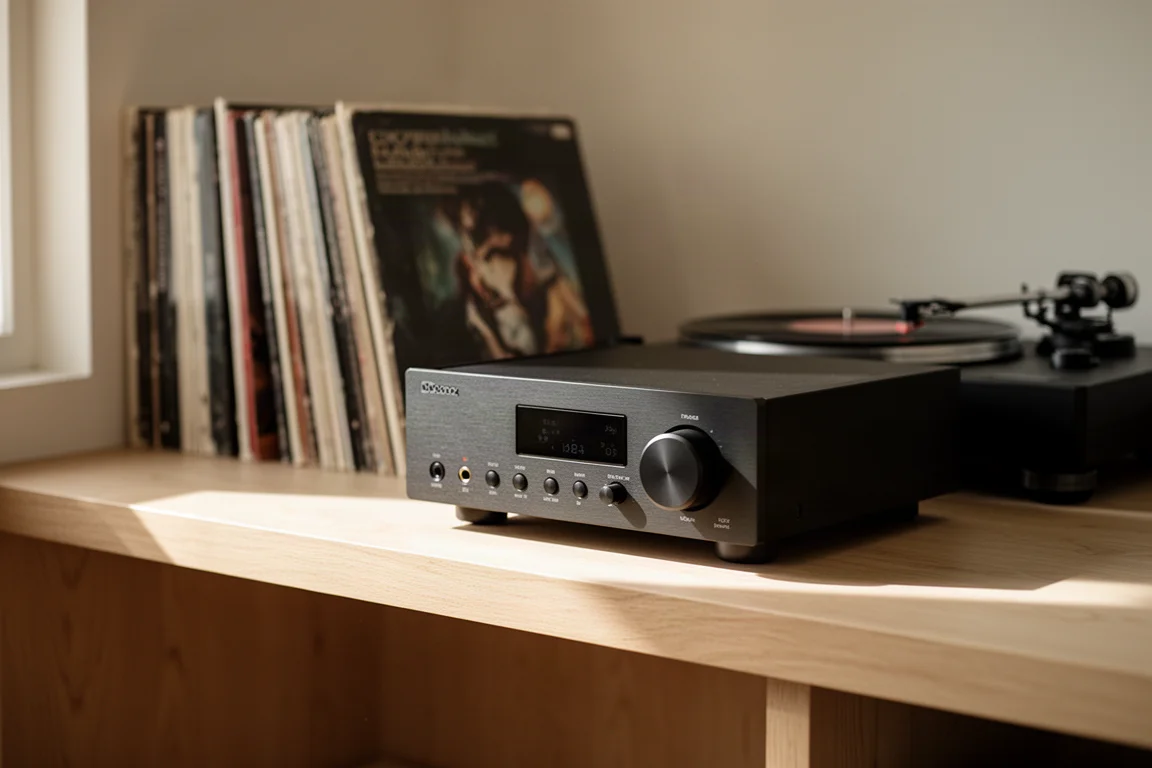
For someone who wants tube-like character without the maintenance of a full tube power stage, or who simply has limited shelf space, this combination is unusually practical. The compact footprint means it fits into small rooms and secondary systems where a full separates stack would not.
Gato PWR-222: Monoblock Power and Clarity
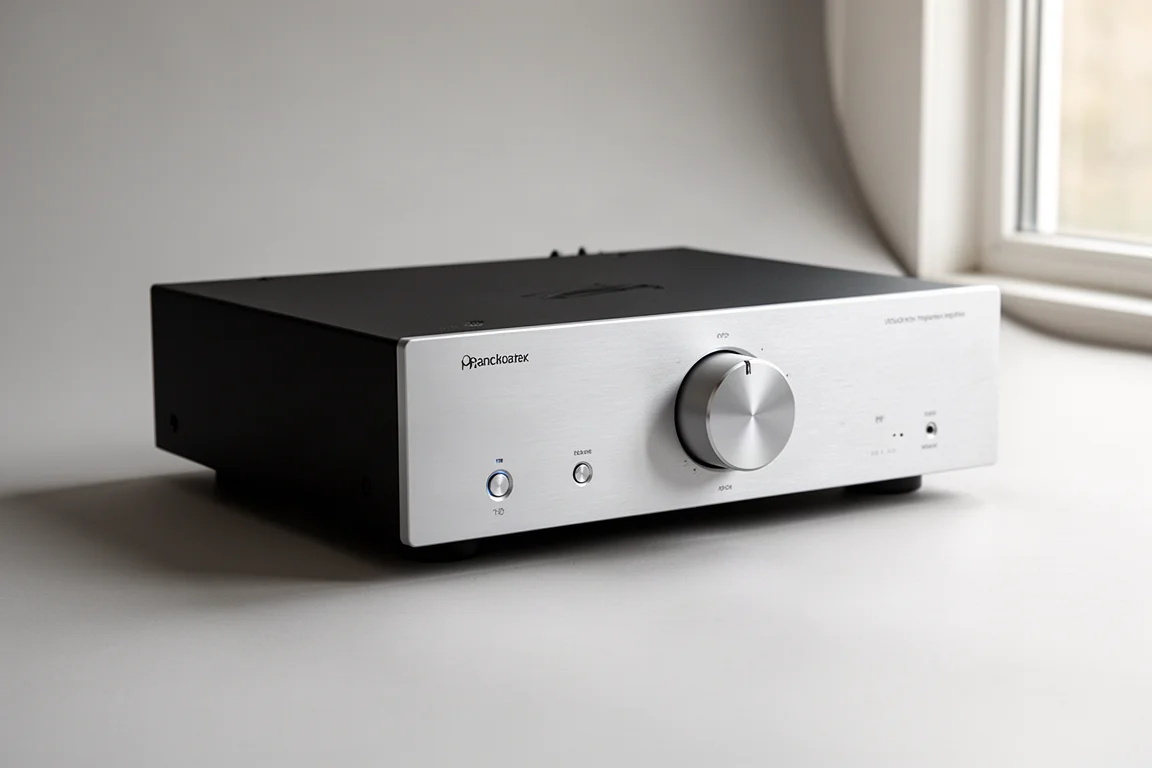
The Gato PWR-222 monoblocks deliver 250 watts into 8 ohms and 450 watts into 4 ohms, which is a great deal of power from an amplifier that is not especially large. The circuit topology is distinctive, and the design’s strength is its ability to drive difficult, power-hungry loudspeakers without strain.
In demanding use with fast, highly transparent planar magnetic speakers, the 222 shows remarkable clarity. Dense, complex mixes unravel into individual lines, and percussion in particular is rendered with a precision that is genuinely striking. Gato is a Danish company that sells direct worldwide and lists prices in euros. The PWR-222 is priced at €3,955 per amplifier, which converts to roughly $4,314 per amplifier, and monoblock operation means two are required.
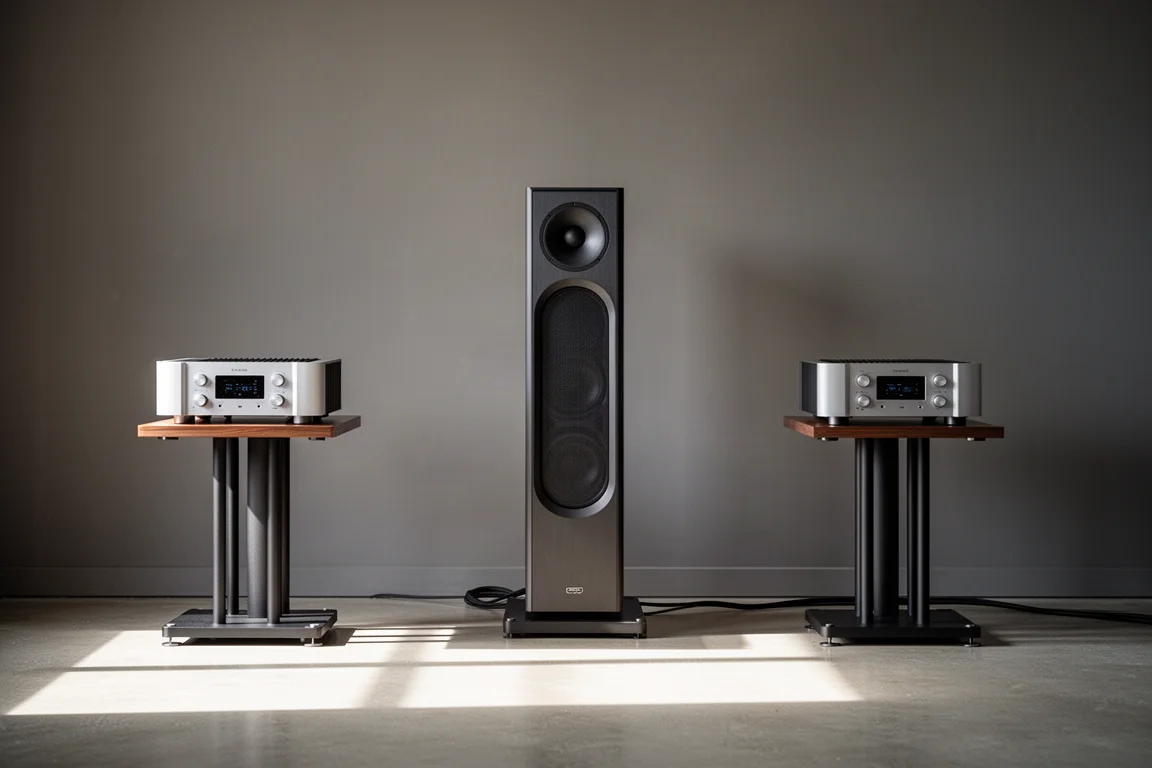
That transparency is the reason to consider it. Listeners who own speakers that demand current and who value the ability to hear into a recording will find the combination of muscle and purity hard to beat in this class. Because two units are needed, the total outlay should be planned accordingly.
Musical Fidelity A1: Class A Warmth at a Friendly Price
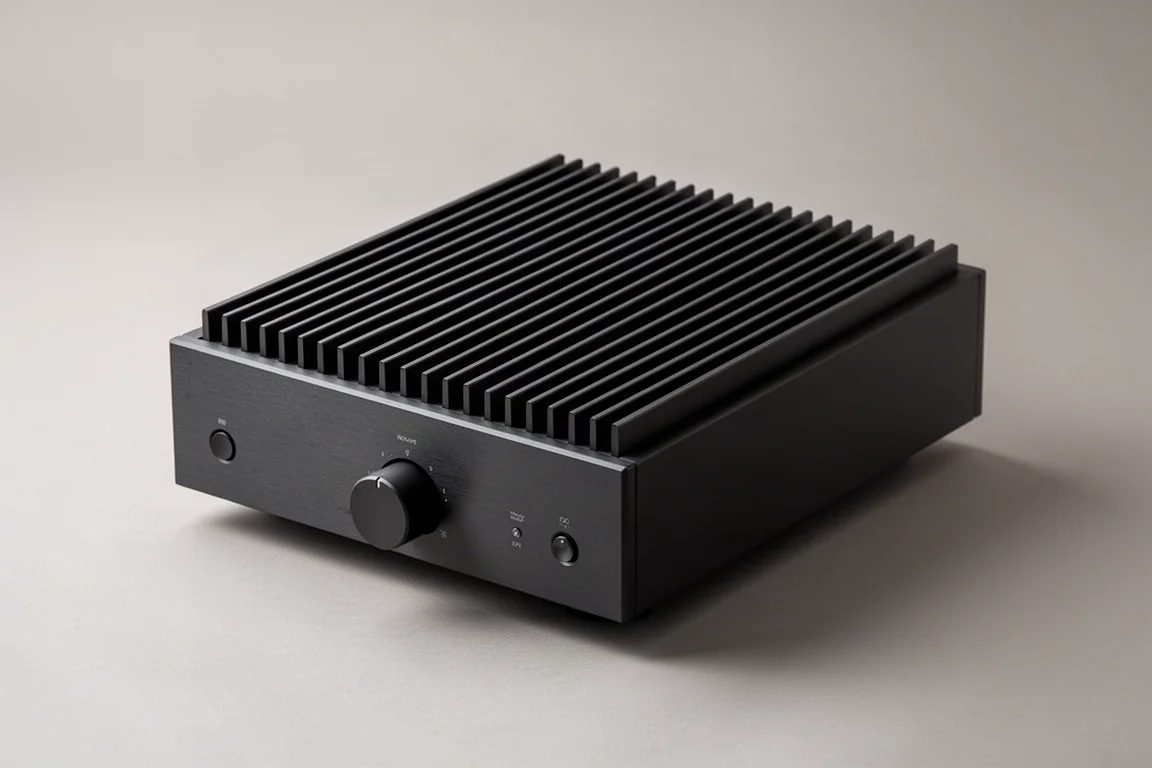
The A1 is a Class A integrated amplifier producing 25 watts per channel. The entire top panel is a heatsink, used to dissipate the considerable energy a Class A design generates, and it runs very hot to the touch. That is normal for the topology and worth planning shelf clearance for.
At $1,699 the sound is special. It is warm, inviting, and rich, and it sounds powerful for 25 watts. It does not sound like a tube amplifier, but it has juice and personality in abundance. Musical Fidelity is a UK company, and the original A1 dates to 1985 in the UK, where it sold in large numbers because nothing else at the price came close to what it delivered. This is not an amplifier bought for neutrality or accuracy. It is bought for fun, and it delivers that quality exceptionally well.
Linear Tube Audio MicroZOTL and Ultralinear Plus: A Reference Pairing
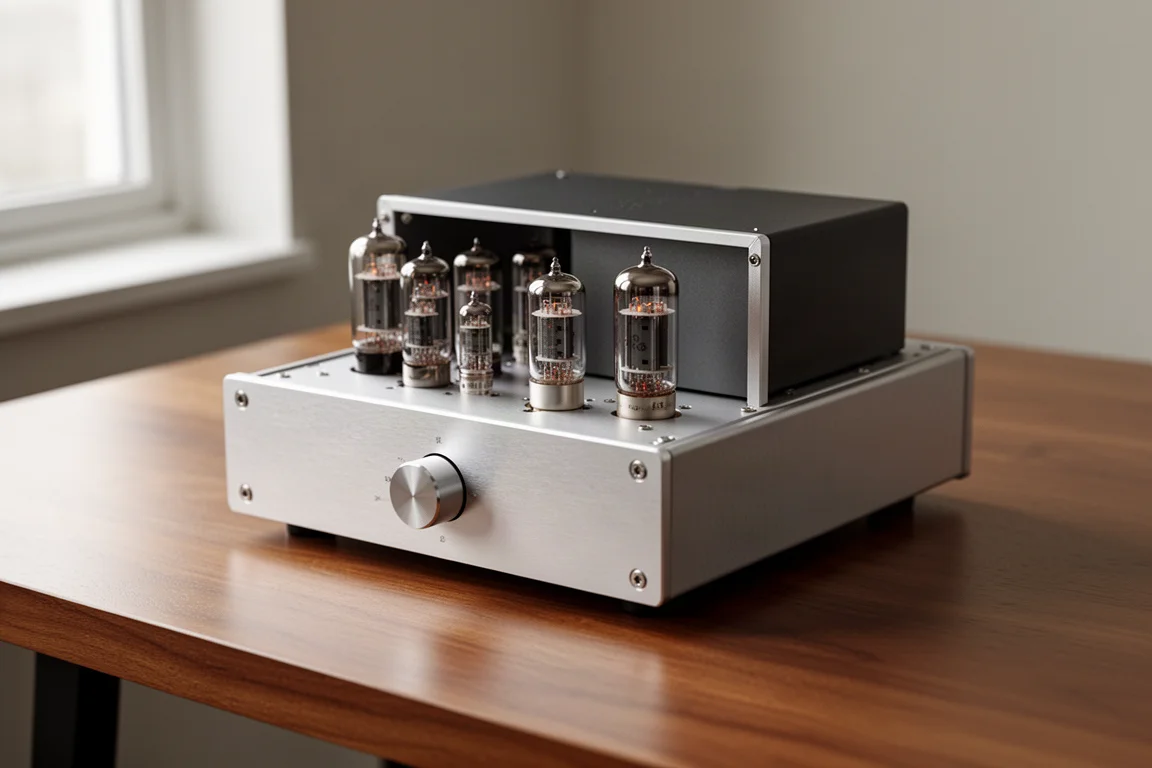
The MicroZOTL preamplifier is included here because it displaced a long-term reference preamplifier that had held the position for many years. Through extended comparison, the MicroZOTL was used more and more while the previous reference was used less and less. It is a tube preamplifier that does not sound particularly like tubes, and it does not sound like solid state either. It is its own thing: more musical, resolving detail and clarity effortlessly without being forward, lean, or warm. It simply sounds right.
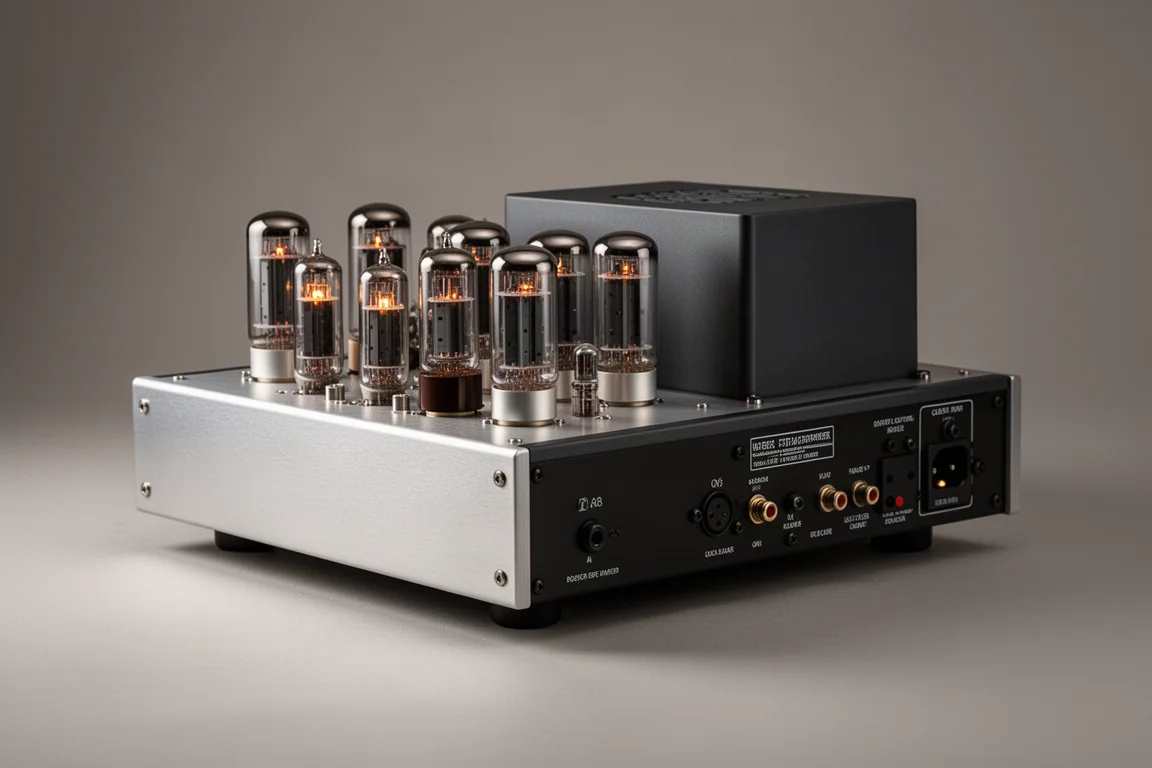
The MicroZOTL is priced at $4,450 and is made in the USA. The companion Ultralinear Plus power amplifier is a 20 watt per channel Class AB push-pull tube design priced at $6,800. Its distinction is that it does not use conventional output transformers. The large transformers found on the back of nearly every tube amplifier are absent, replaced by a unique circuit topology developed by David Berning in the 1980s and refined over a very long period. It is an all-tube amplifier that sounds neither like a typical tube amplifier nor like solid state.
Buying Advice
Matching the amplifier to the speakers matters more than any specification sheet. The Vidar 2 and the Gato PWR-222 suit demanding, power-hungry loudspeakers. The Decware Sarah 300B and the Musical Fidelity A1 both call for high-sensitivity speakers or moderate listening levels, and neither is intended for loud playback of difficult loads.
Budget and practicalities also shape the decision. The Vidar 2 and the Musical Fidelity A1 sit at accessible price points with broad availability. The Decware involves a long waiting list and tube choices to plan for. The Gato is a direct-sale monoblock pair priced per amplifier. The Linear Tube Audio pairing sits at the top of this group in cost but offers a genuinely different approach to tube amplification.
Conclusion
Each of these six amplifiers earns its place by doing something memorable rather than merely measuring well. A listener with efficient speakers and a taste for warmth has clear options. A listener with power-hungry speakers and a preference for transparency has an equally clear one. The common thread is that all of them bring character, build quality, or circuit ingenuity that makes them worth seeking out.
Further reading
Related Reviews
Hi-Fi Amplifiers
Accuphase E-280 Review: Entry-Level Accuphase With Flagship Attention to Detail
A close look at the Accuphase E-280 integrated amplifier, covering its champagne build, AAVA volume control, sound quality, and the speakers and sources that suit it best.
Hi-Fi Amplifiers
Advance Paris A10 Classic vs Yamaha A-S301: Two Integrated Amplifiers Compared
A practical comparison of a $350 integrated amplifier and a $2,500 reference model, covering the differences that matter and the ones that do not.
Hi-Fi Amplifiers
Affordable Chinese Amplifiers Worth Buying: Five Budget Hi-Fi Amps Compared
A practical look at five affordable amplifiers, what each one does well, and the trade-offs to weigh before you buy.