Food & Beverage
Best American Grocery Store Coffee: A Blind Taste Test Tournament
We ran a 32-coffee blind taste test tournament across five rounds to find the best supermarket coffee brands. Here are the winners and recommendations for light, medium, and dark roasts.
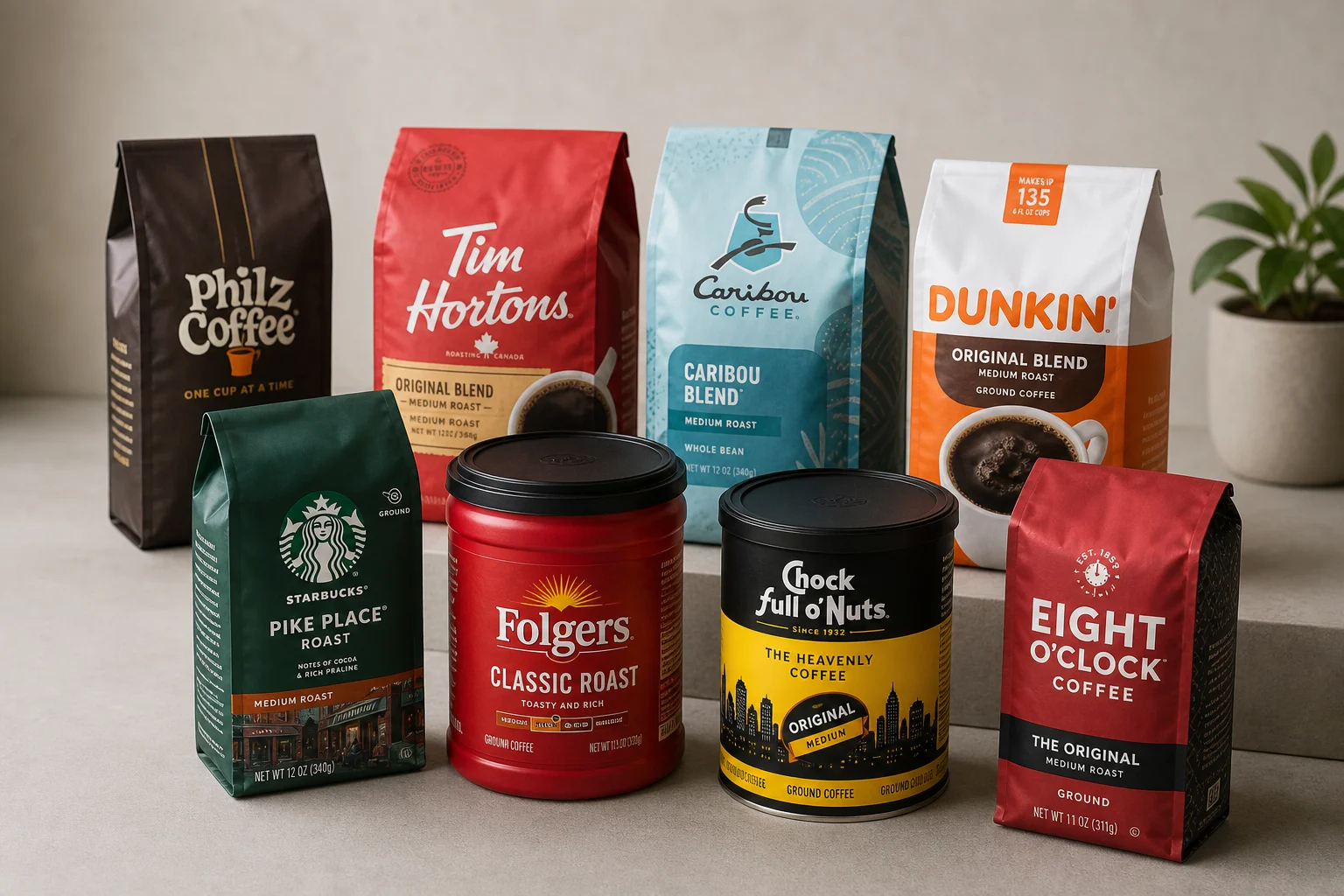
Introduction
Finding quality coffee in the supermarket can feel overwhelming. With dozens of brands competing for shelf space, how do you know which one deserves a place in your kitchen? To answer that question, we ran a comprehensive blind taste test tournament featuring 32 coffees across five competitive rounds. The goal was simple: identify which American grocery store coffee brands deliver the best flavor, complexity, and overall drinking experience.
This wasn’t a casual comparison. Each coffee was evaluated blind, meaning the taster had no idea which brand was in each cup. This approach removes brand bias and focuses purely on what matters: how the coffee actually tastes. Over five rounds of head-to-head matchups, coffees were eliminated based on flavor profile, balance, sweetness, complexity, and overall appeal.
Tournament Format and Tasting Methodology
The tournament structure was straightforward but rigorous. Thirty-two coffees entered the competition, competing across five elimination rounds until a single winner emerged. Each round featured direct comparisons between two coffees, with the more appealing cup advancing to the next round.
The tasting methodology focused on several key flavor characteristics. Good coffee, in this evaluation, exhibits natural sweetness, complexity, and minimal harsh or bitter notes. Undesirable qualities included excessive bitterness, harsh mouthfeel, rubbery or earthy flavors, and woody undertones. All coffees were brewed using consistent methods to ensure fair comparison.
One important note: most coffees were purchased pre-ground from supermarket shelves. However, one finalist arrived as whole beans and was ground to the appropriate level before brewing. This may have provided a slight freshness advantage, though the impact on the final results remains unclear.
Round One: Initial Eliminations
The first round tested 32 coffees in 16 matchups. This stage revealed significant variation in quality across brands. Some coffees displayed pleasant sweetness and balance, while others came across as harsh, bitter, or oddly flavored.
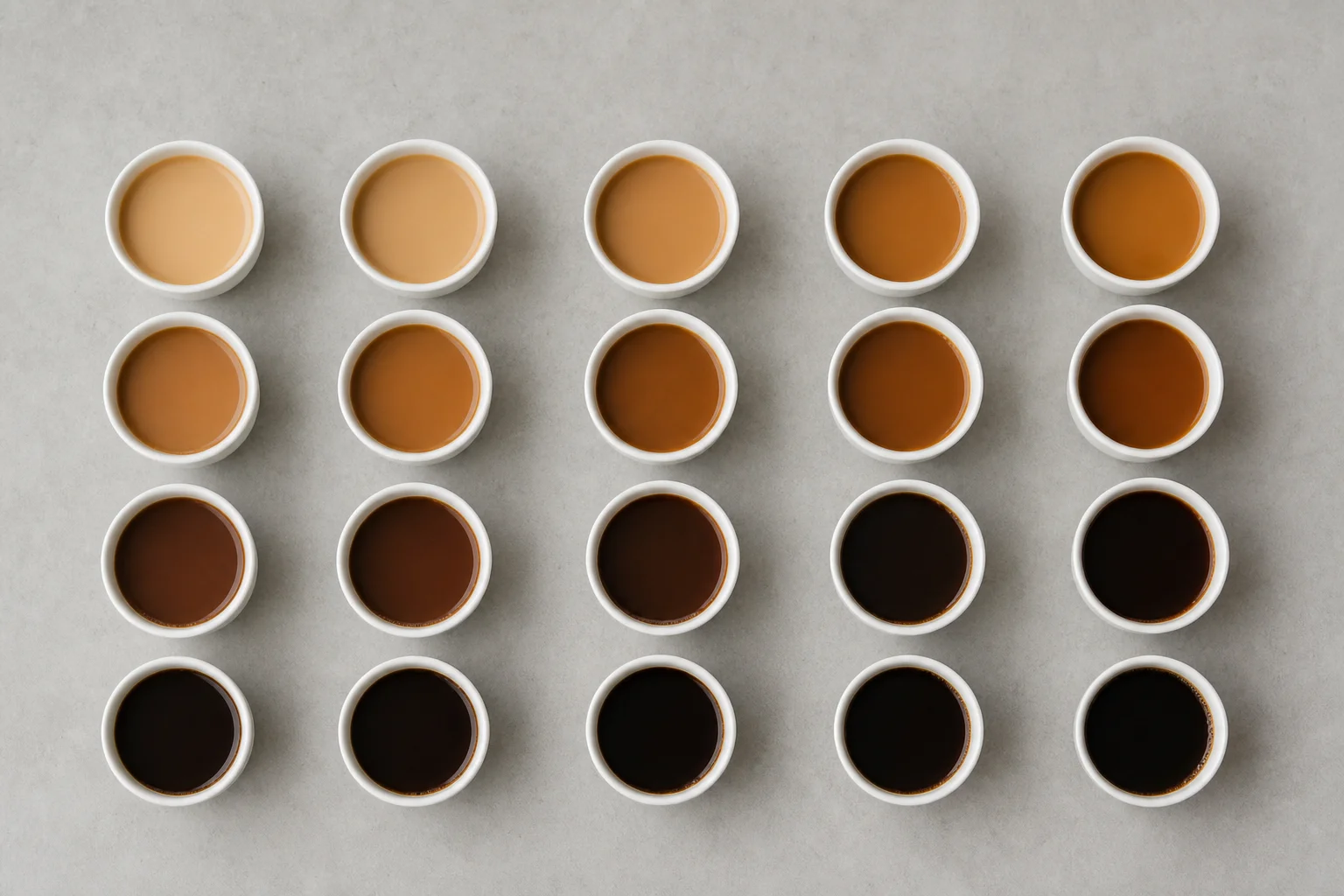
Several coffees exhibited vegetable-like or grassy notes that made them less appealing. Others were overly dark and roasty, with little flavor beyond char. A few surprised with unexpected characteristics: one tasted like burnt ice cream, another reminded the taster of vegetable soup with lemon, and one had an unusual spicy, creamy texture that was difficult to categorize.
By the end of round one, 16 coffees had advanced. The field was still large, but patterns were beginning to emerge. Coffees with natural sweetness and balanced roasting profiles performed better than those leaning heavily into dark roast bitterness or thin, underdeveloped profiles.
Round Two and Beyond
As the tournament progressed through rounds two, three, and four, the remaining coffees faced increasingly competitive matchups. Coffees that had seemed merely acceptable in early rounds now faced others with similar quality levels, making decisions more difficult.
Several coffees that advanced early surprised the taster by making it far into the competition. Others that seemed promising fell to coffees with slightly more complexity or sweetness. The comparative nature of the tasting proved crucial: how a coffee tasted depended partly on what it was being compared against.
By the semifinals, only four coffees remained. These were the most balanced, complex, and enjoyable cups from the entire field. The semifinal matchups were genuinely competitive, with only marginal differences separating the advancing coffees from those eliminated.
Semifinals and Final Rounds
The semifinals featured two critical matchups. In one, a coffee with fruity, juicy notes and caramel sweetness defeated a more roasty competitor. In the other, a balanced, complete cup with nice fruit character advanced over a lighter, slightly empty-tasting alternative.
The final matchup came down to two very different coffees. One had some acidity and caramel notes with a friendly profile. The other displayed more character, fruit notes, and complexity, though it wasn’t a perfect cup. The deciding factor was character and distinctiveness. The coffee with the most interesting flavor profile, the one that tasted like it came from somewhere specific, took the tournament.
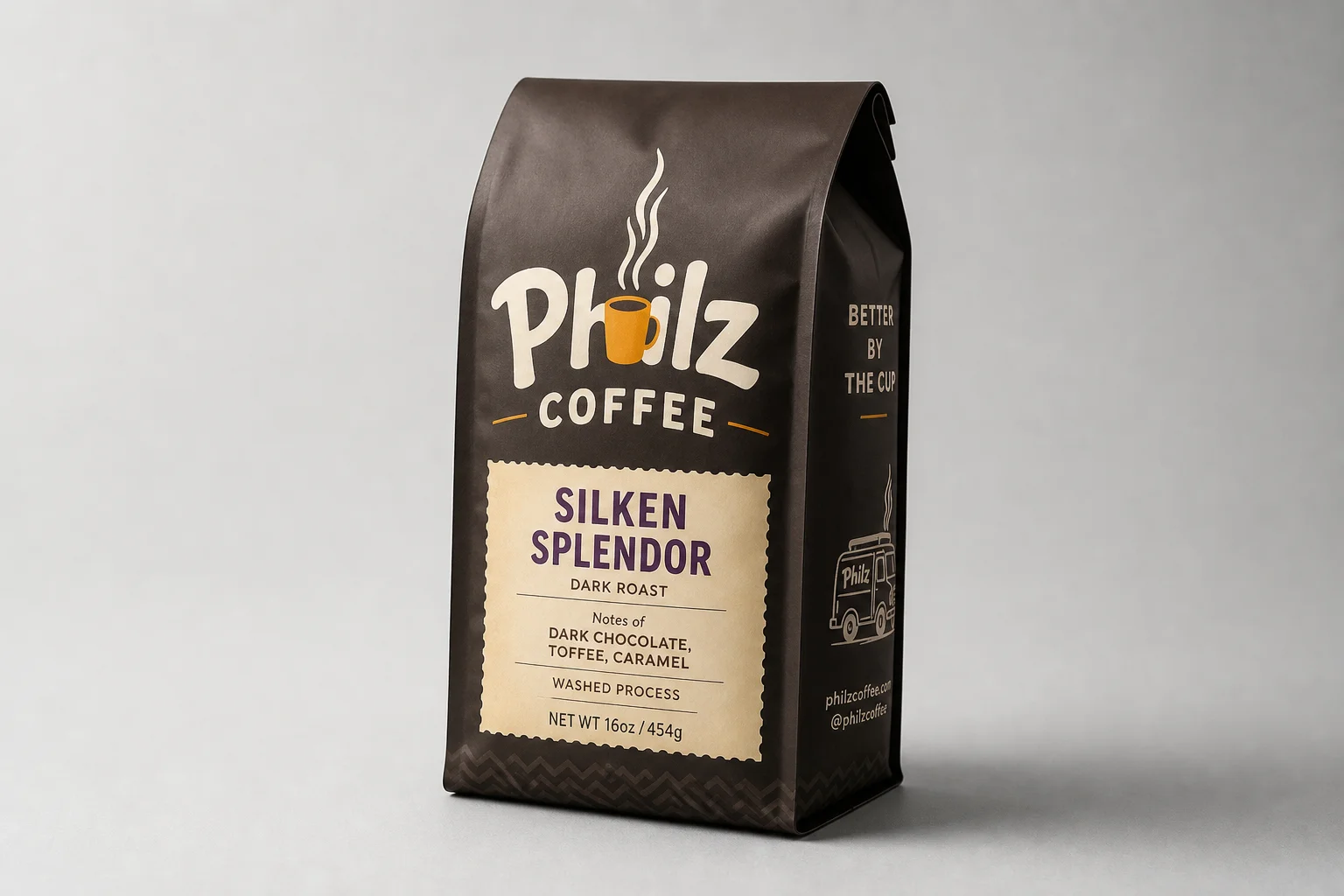
The winner was Philz Coffee’s Silken Splendor blend. This result surprised the taster, who had no prior experience with Philz coffee. The coffee’s specialty-grade character stood out among the predominantly mass-market field. Its fruit notes, balance, and complexity made it the most interesting cup of the entire tournament.
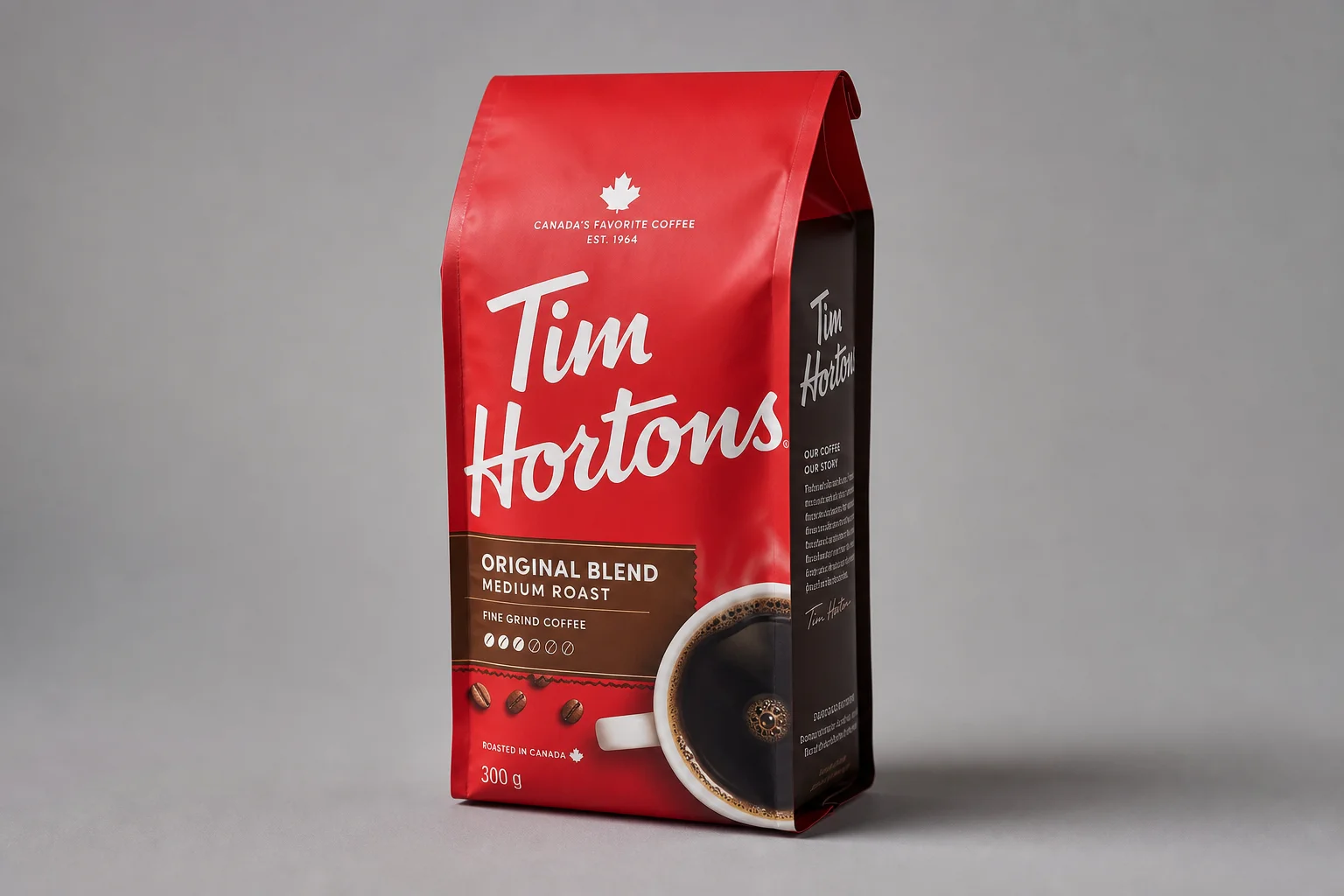
The runner-up, eliminated in the final round, was Tim Hortons Coffee. This result was equally surprising, as the taster had previously had a poor experience with Tim Hortons coffee years ago. The bagged grocery store version performed far better than expected, displaying genuine complexity and balance.
Final Recommendations by Roast Level
Beyond identifying an overall winner, the tasting revealed the best options within each roast category. These recommendations account for coffees that were eliminated earlier but excelled within their specific roast profile.
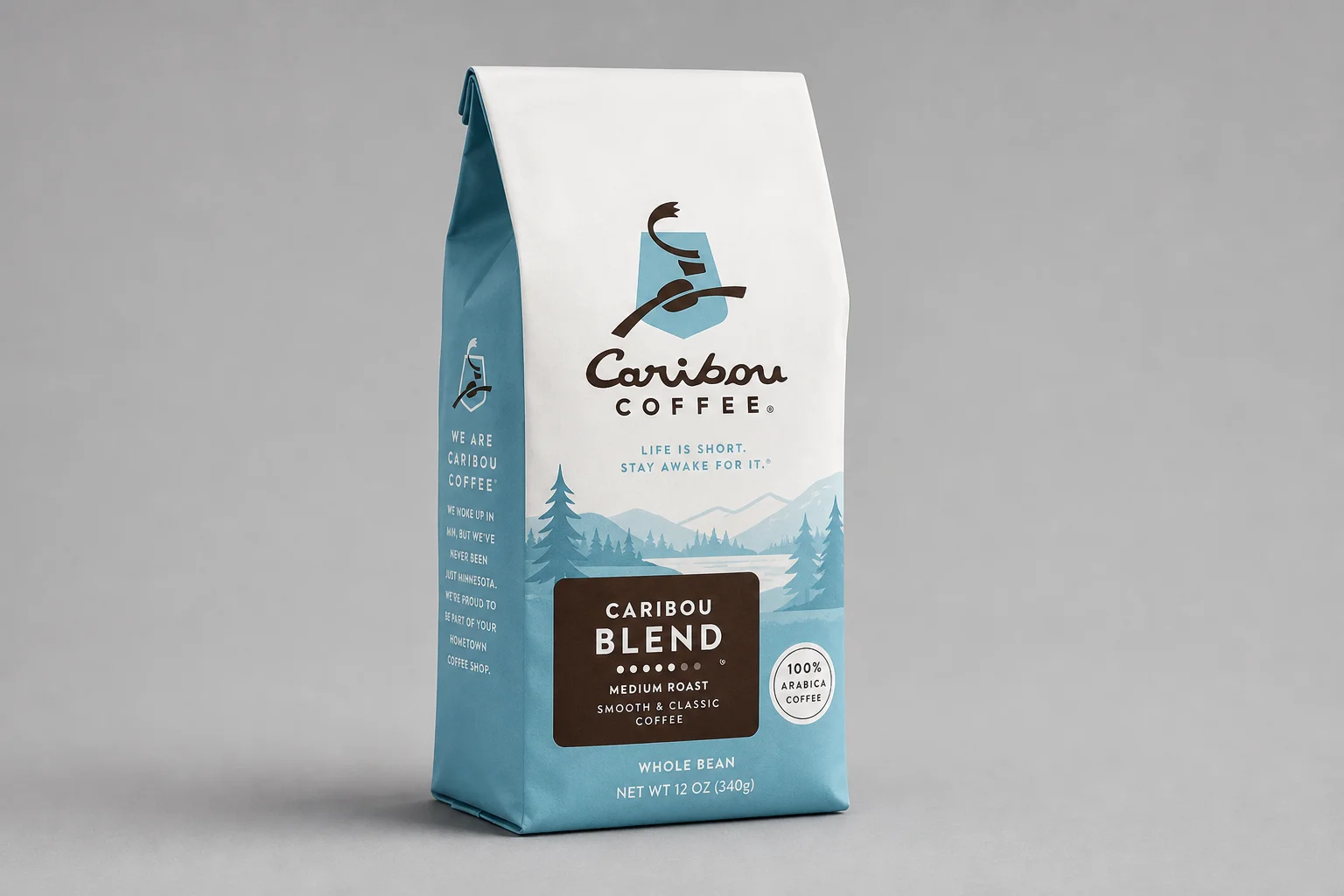
For light roast lovers, Caribou Coffee emerged as the lightest option in the entire field. While it felt slightly empty in direct comparison to medium and dark roasts, it delivered clean, bright flavors without excessive roast character. If you prefer minimal roast flavor and maximum origin characteristics, this is the supermarket choice.
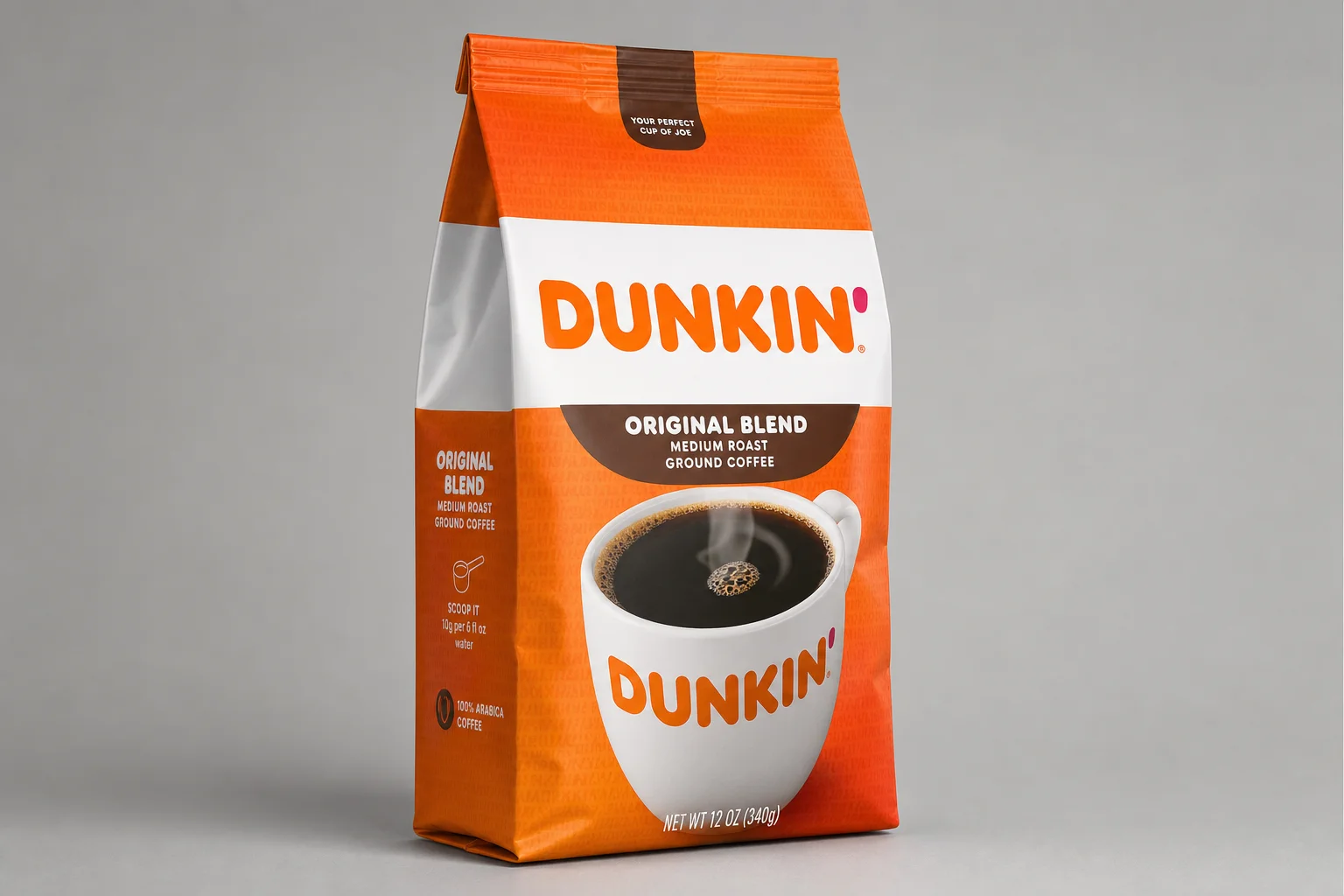
In the medium roast category, two coffees stood out: Dunkin’ Coffee and Tim Hortons Coffee. Both showed impressive complexity and balance for grocery store offerings. Dunkin’ impressed with its development and sweetness, while Tim Hortons displayed surprising sophistication. Starbucks Coffee also performed respectably as a solid, dependable medium roast with good sourcing practices.
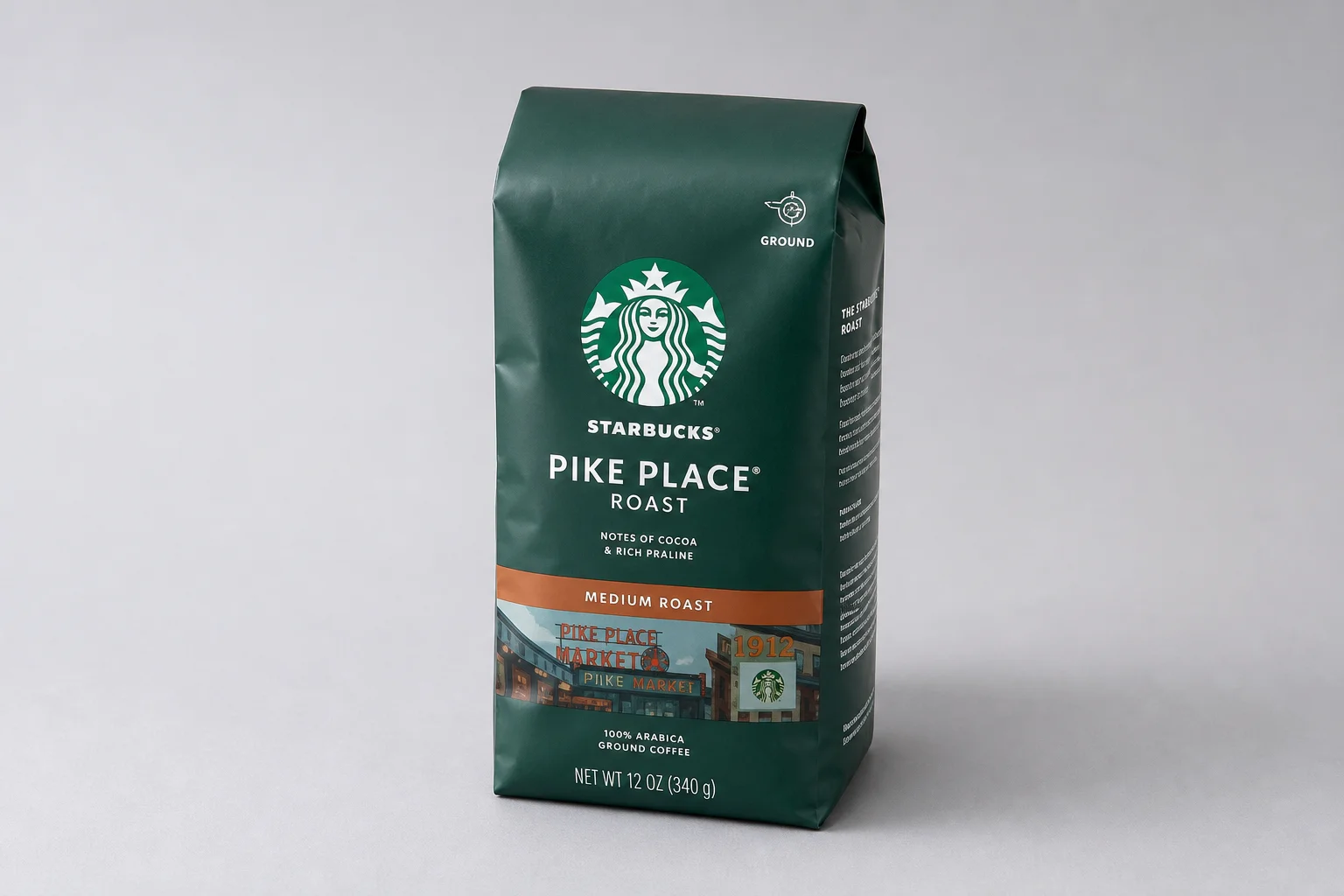
For dark roast enthusiasts, the recommendation may seem controversial. A coffee that was eliminated relatively early in the tournament actually represents the best dark roast option. While it lost head-to-head matchups by being slightly darker than its competitors, the raw coffee quality was superior. If you genuinely enjoy dark roasted coffee, this option likely offers better flavor complexity than darker competitors that advanced further.
The overall winner, Philz Coffee, stands apart as the most specialty-focused option in the field. Its character, fruit notes, and complexity exceed what most supermarket coffee brands typically deliver. The fact that it arrived as whole beans rather than pre-ground may have contributed to its freshness advantage, but the quality difference was substantial enough to be noticeable.
Conclusion
This tournament revealed that quality grocery store coffee exists, but it requires knowing where to look. Philz Coffee’s Silken Splendor blend delivered the most interesting and complex cup, while Tim Hortons and Dunkin’ surprised with respectable medium roasts. For those seeking specific roast profiles, Caribou offers the lightest option, and several dark roasts provide solid alternatives for those who prefer heavier roasting.
The key takeaway: don’t assume all supermarket coffee is mediocre. Some brands invest in better sourcing and roasting practices, and those differences are noticeable in blind tasting. Whether you prioritize light, bright flavors or prefer dark, roasty profiles, there’s a grocery store option worth trying.
Further reading
Related Reviews
Food & Beverage
Best Instant Coffee: A Blind Taste Test of 38 Products
After tasting 38 instant coffees in a tournament-style blind test, we reveal which one stands out for quality, complexity, and genuine flavor.

Backpacking Gear
Building a 10 lb Base Weight: An Ultralight Backpacking Gear List
A practical walkthrough of the ultralight pieces behind a 10 lb base weight, from a 765 g pack and a roomy one-person tent to a full camp chair and a dependable water filter.
Road Bikes
10 New Road Bikes Worth Watching: Aero, Titanium, Steel and Endurance Standouts
A practical roundup of 10 new road bikes, from aero flagships chasing single-watt gains to titanium, steel and endurance platforms built for real roads.