Automotive Accessories
70mai Dash Cam Comparison: A200 vs A510 vs A810
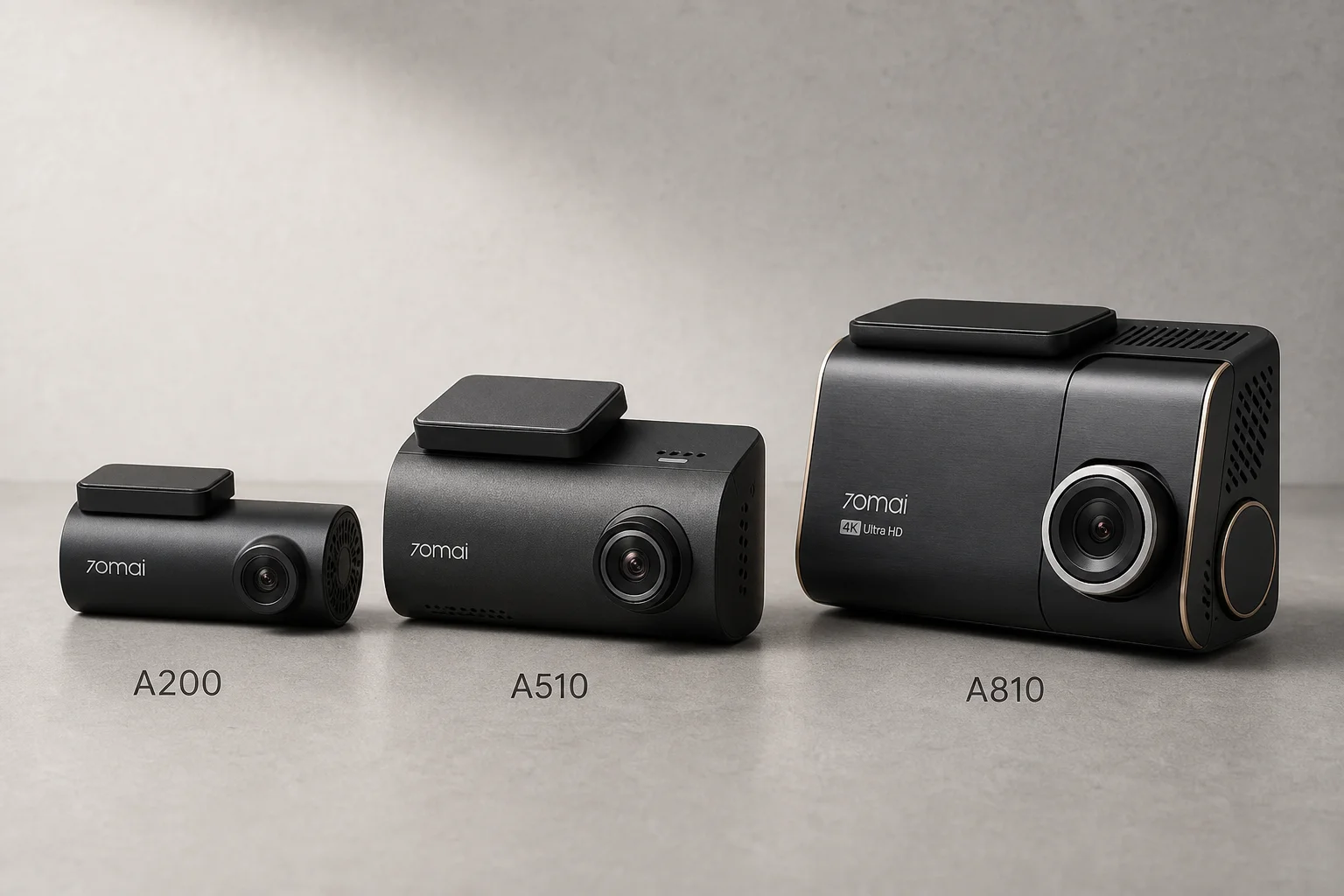
Three dash cameras from 70mai across different price points reveal how resolution and sensor quality impact real-world footage clarity, especially for number plate visibility and low-light performance.
Introduction
Choosing the right dash camera means balancing budget against the video quality you actually need. The 70mai brand offers options across multiple price tiers, each with distinct capabilities. This comparison examines three models to show how resolution, sensor quality, and processing affect real-world performance in daylight, low-light, and high-speed scenarios.
70mai A200: Entry-Level Dual-Channel Recording
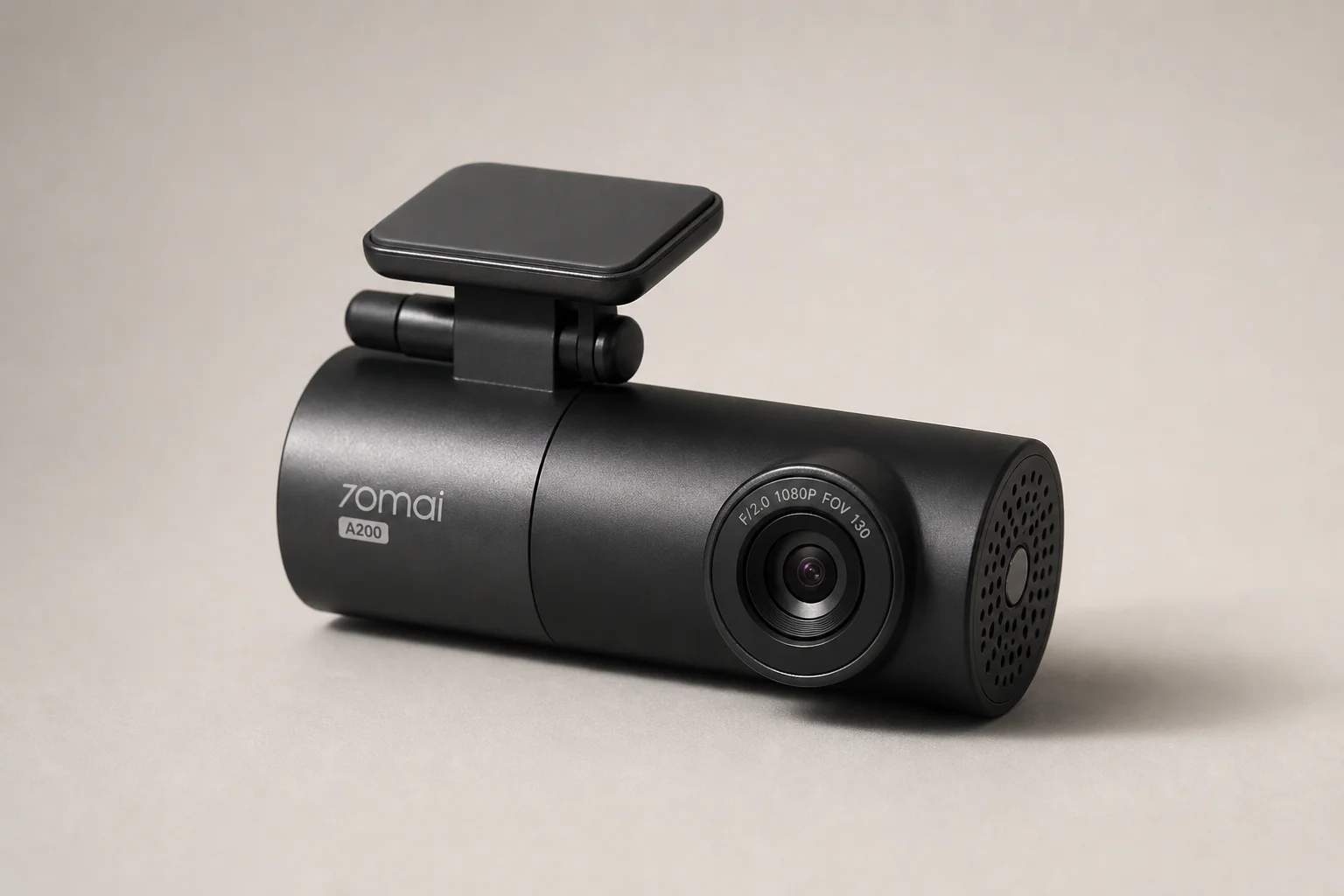
The A200 delivers dual-channel 1080p recording with an f/2.0 front lens and includes 70mai’s color and night vision processing. This entry-level model captures number plates clearly in daylight from a reasonable distance, even when the vehicle is moving at moderate speed.

The A200 handles direct sunlight well, maintaining detail in high-contrast scenes. However, the 1080p sensor shows limitations in low-light conditions. When oncoming headlights or high beams hit the front of the vehicle, number plates can wash out. The ADR (automatic dynamic range) processing helps, but the sensor’s resolution ceiling means distant vehicles at highway speeds lose plate legibility. For urban and suburban driving where speeds remain moderate, the A200 provides adequate documentation. The rear camera records at 1080p 25fps, capturing basic details but requiring vehicles to be relatively close for clear plate identification.
70mai A510: The Mid-Range Sweet Spot
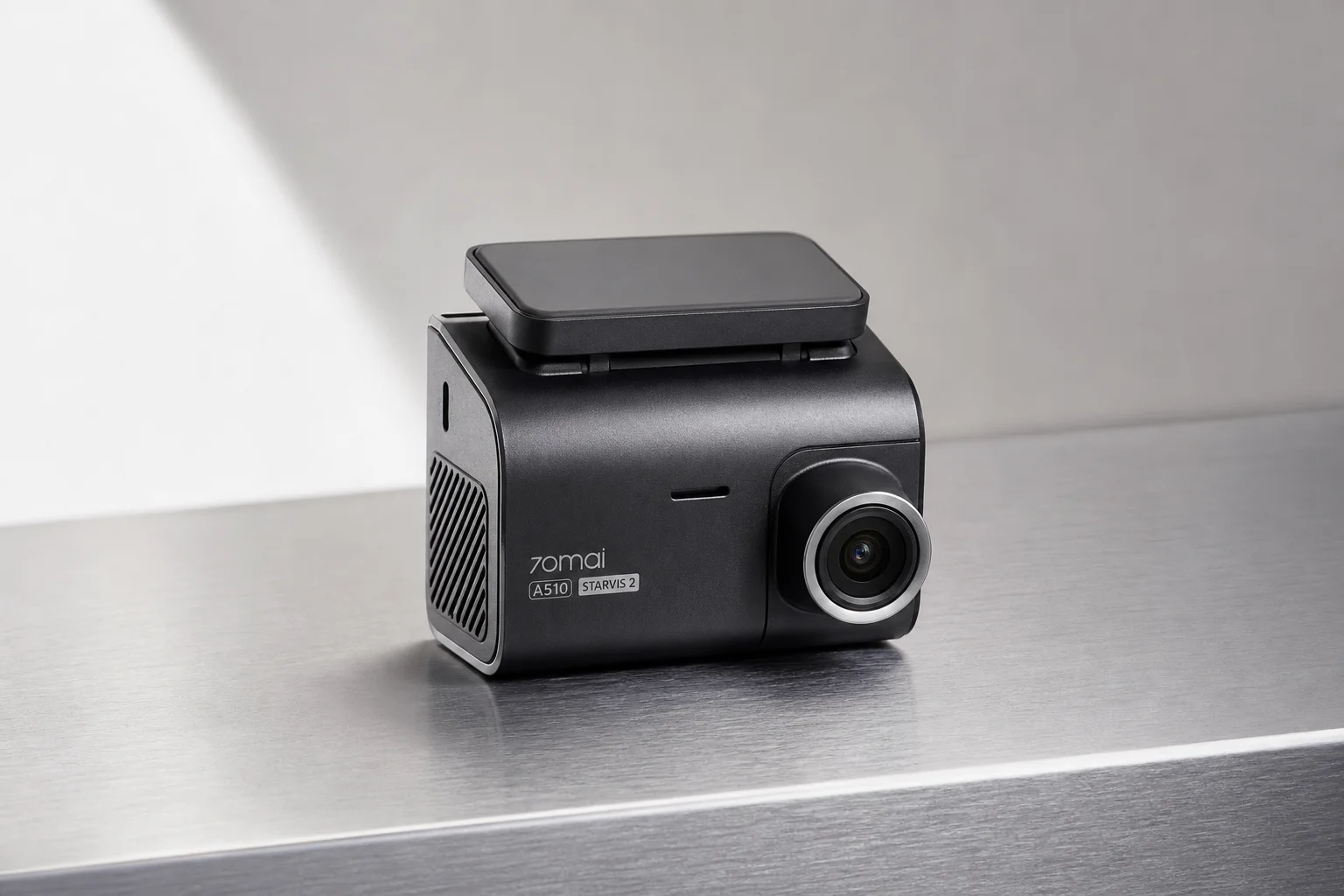
The A510 steps up to 3K resolution on the front camera, delivering noticeably sharper detail compared to the A200. In daylight, the improvement is immediate: number plates remain sharp at greater distances, and distant vehicles become legible. The 3K sensor captures more information, making it useful for highway driving where vehicles may be further away.
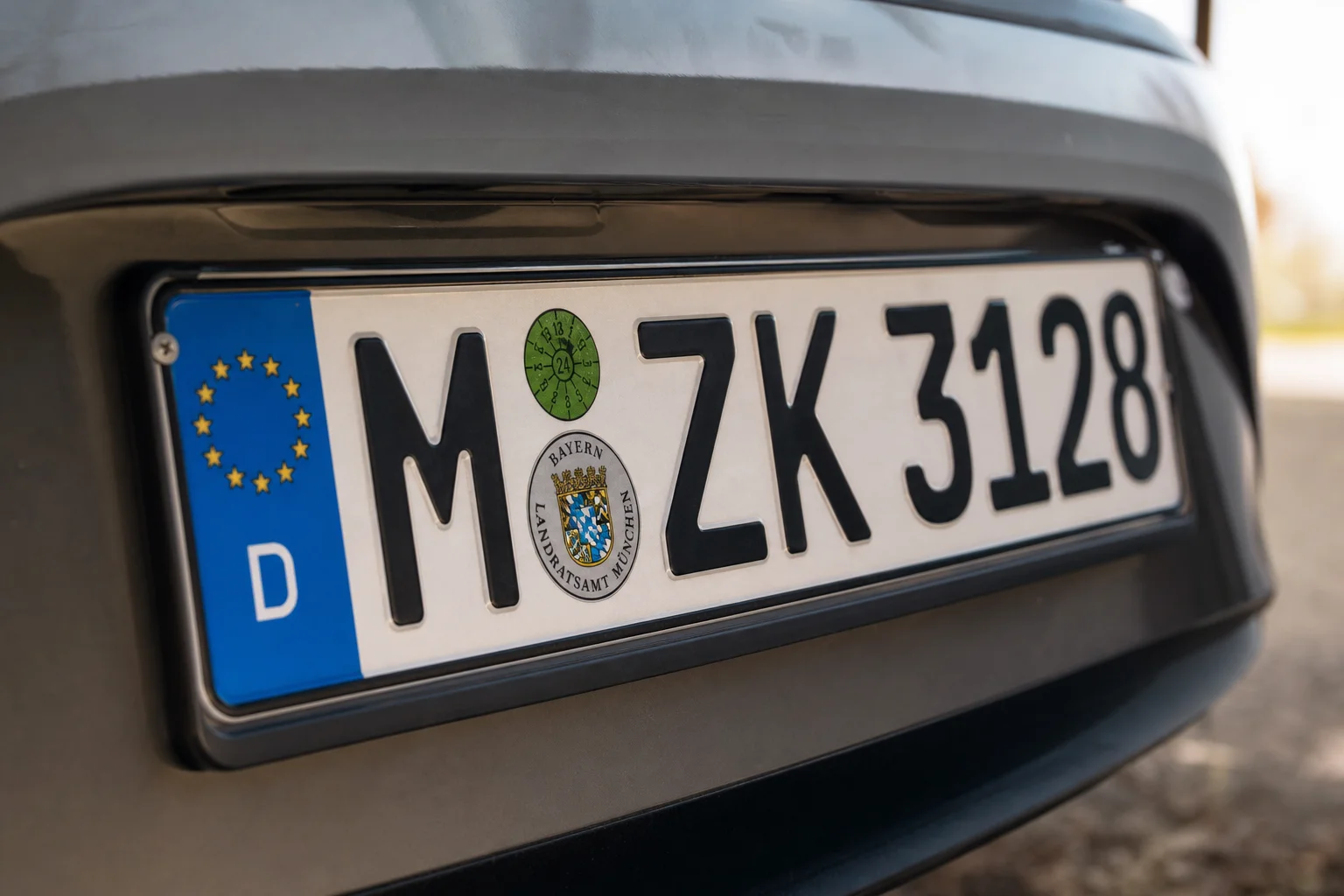
Night-time performance shows the most significant gain. The A510’s higher resolution means number plates do not wash out under high-beam glare as readily. Where the A200 struggles with oncoming headlights, the A510 maintains digit visibility and detail. The ADR processing works effectively, and the extra resolution ensures that even in lower-light conditions at slightly higher speeds, most details remain recoverable. The rear camera still records at 1080p 25fps, but the front camera’s 3K capability makes this the practical choice for drivers who spend time on highways or in mixed lighting conditions.
70mai A810: Premium 4K Resolution
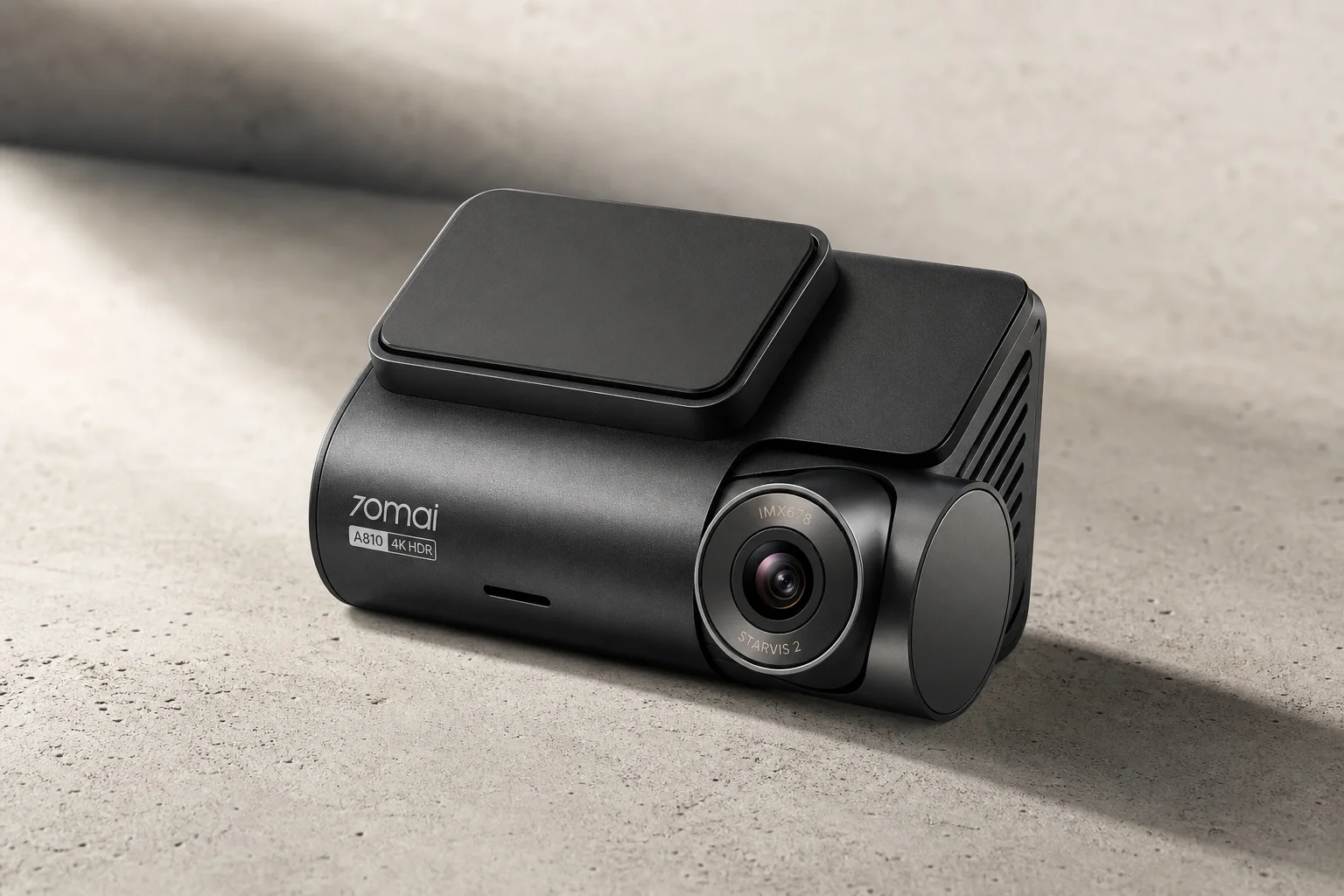
The A810 records in full 4K on the front camera using an IMX678 sensor, delivering the highest detail of the three. Compared to the A510, the A810 captures noticeably sharper footage with greater visible distance. Fine details that the A510 might miss—especially in lower-light or high-speed scenarios—appear clearly on the A810.

The rear camera on the A810 also benefits from ADR support, which the A200 and A510 lack. This means oncoming headlights are handled more gracefully, with better exposure control and less washout. In side-by-side footage, the A810’s rear camera shows superior detail recovery when facing bright light sources. The 4K resolution is not a dramatic leap from 3K in everyday use, but it provides a safety margin: if any detail is missed by the A510, the A810 will likely capture it. For drivers who want maximum insurance against missing critical information, the A810 justifies its premium price.
Key Features Across All Three Models
All three dash cameras include collision detection, which automatically saves footage to a separate emergency folder when impact is detected. This prevents the normal recording loop from overwriting critical evidence. The 70mai app, available on iOS and Android, allows easy access to footage, settings adjustment, and firmware updates. The app experience is smooth and bug-free across all three models.
Each camera supports 1080p 60fps recording, though maximum resolution (1080p for A200, 3K for A510, 4K for A810) is recommended to preserve the benefits of each sensor. The A510 and A810 include built-in GPS, which logs coordinates, latitude, longitude, and vehicle speed directly into the footage metadata. This feature is absent from the A200.
Both the A510 and A810 offer ADAS (Advanced Driver Assistance System) functionality. After calibration, the system provides audible alerts if the vehicle drifts from its lane, approaches another vehicle too closely, or nears a pedestrian. The A200 does not include this feature.
Installation and Parking Surveillance
Installation is straightforward across all three models. The box includes all necessary wiring, a 12-volt adapter, and a plastic tool for tucking wires into vehicle pillars and door panels. The front camera mounts on the windshield, the rear camera connects via cable to the front unit, and power connects via USB-C. Wire length is generous, accommodating vehicles with rear power outlets.

All three cameras support parking surveillance mode. When hardwired to the vehicle, they remain active even when the car is off. If impact or motion is detected, the sensors activate and record footage. This provides proof if another vehicle collides with or damages your car while parked. All footage is stored on a microSD card and accessible via the 70mai app.
Conclusion
The A200 suits drivers on a tight budget who need basic dash cam protection in urban environments. The A510 is the practical choice for most drivers, offering a significant jump in detail and low-light performance without the premium price of 4K. The A810 appeals to those who want maximum detail capture and are willing to pay for it. All three come with one-year warranty support through Denton, 70mai’s official partner in India, ensuring reliable after-sales service.
Further reading
Related Reviews
Automotive Accessories
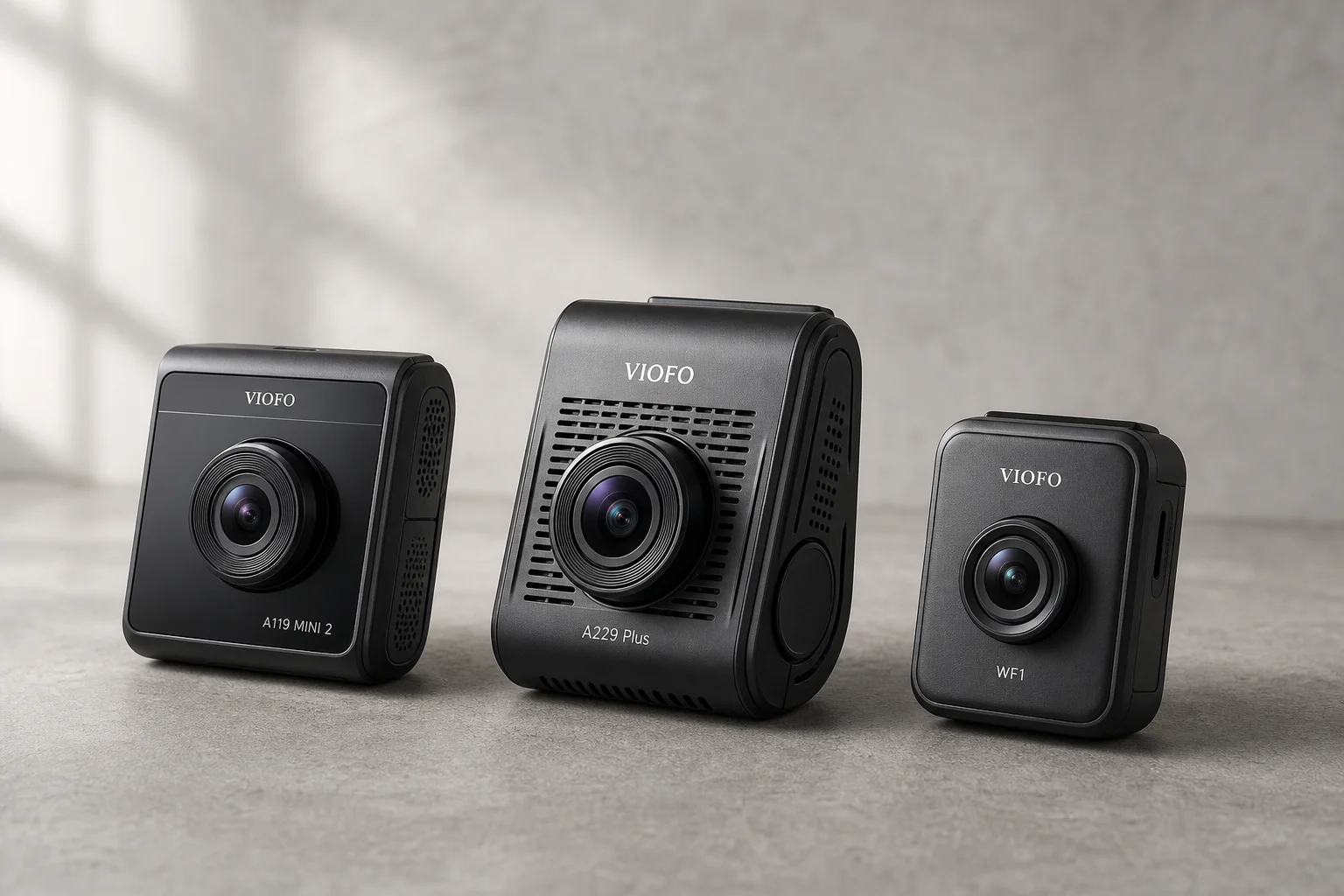
Best Dash Cams 2026: Three High-Quality Options for Evidence and Peace of Mind
Three dash cams from VIOFO that deliver reliable video evidence in good and challenging lighting conditions, with clear trade-offs between price and performance.
Automotive Accessories
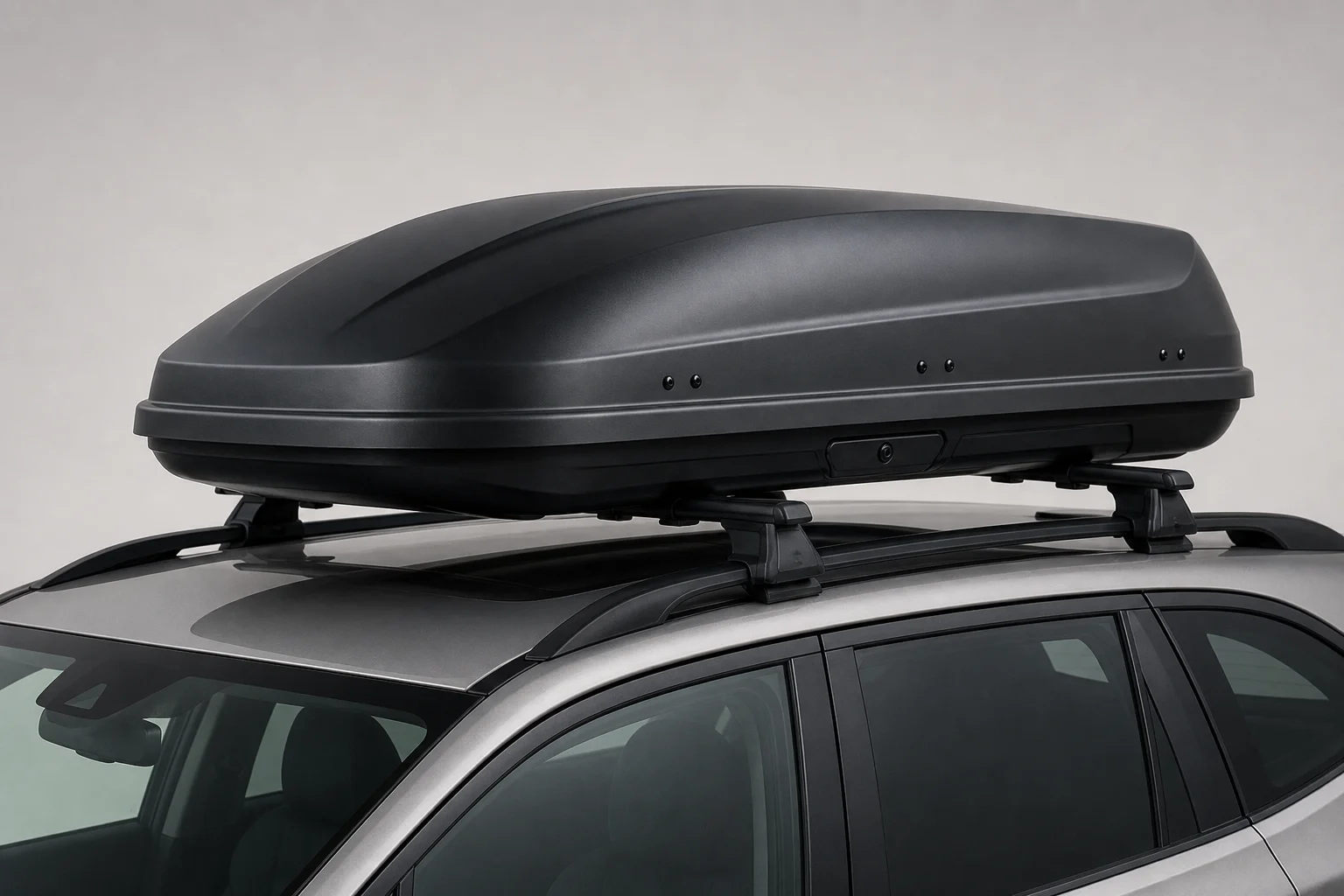
Best Rooftop Cargo Boxes 2026: Thule and Yakima Options for Every Trip
Four practical rooftop cargo boxes from Thule and Yakima, each designed for different vehicle types and packing needs. Compare sizes, mounting systems, and features to find the right fit for your next road trip.
Automotive Accessories
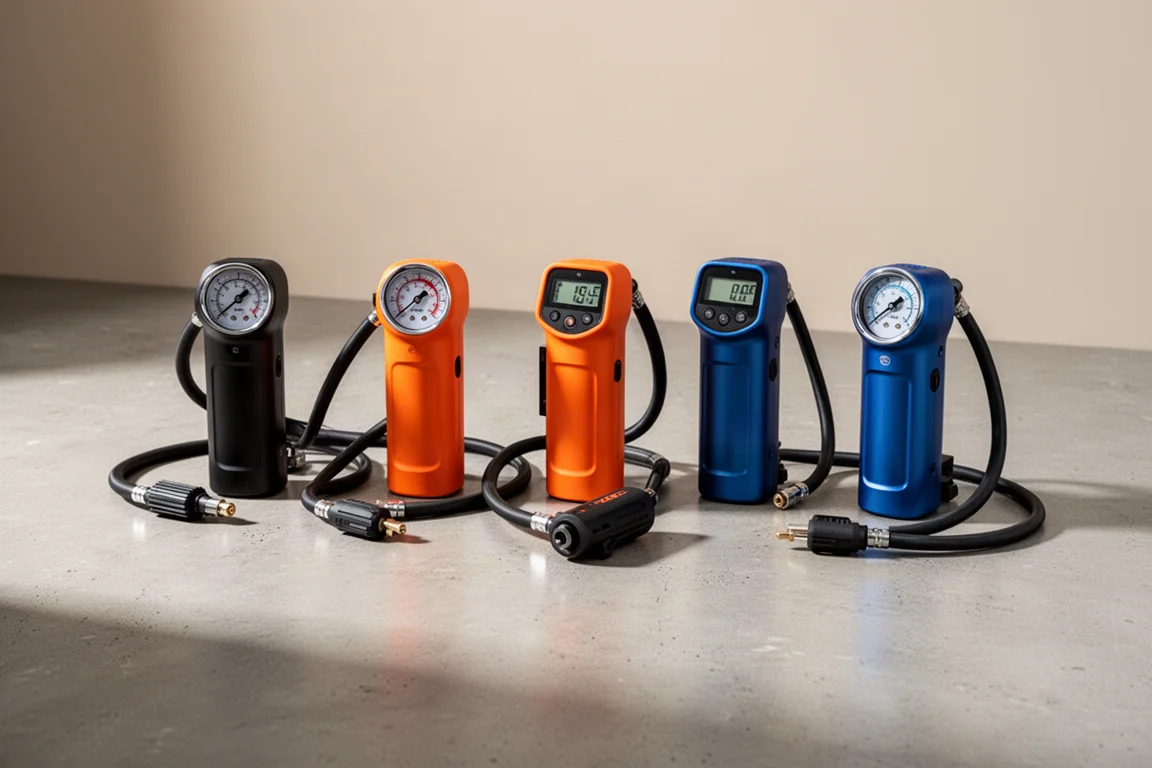
Best Tire Inflators 2026: 18 Portable Air Pumps Tested for Speed and Reliability
We tested 18 portable tire inflators to find the fastest, most accurate, and most reliable options for your car, truck, or daily commute.