Astronomy
Turning Your Telescope Into a Spectrograph: Star Analyzer 100, RSpec, and MLAstro SHG700
Three tools that bring real spectroscopy within reach of amateur astronomers: a diffraction grating, analysis software, and a dedicated solar spectroheliograph.
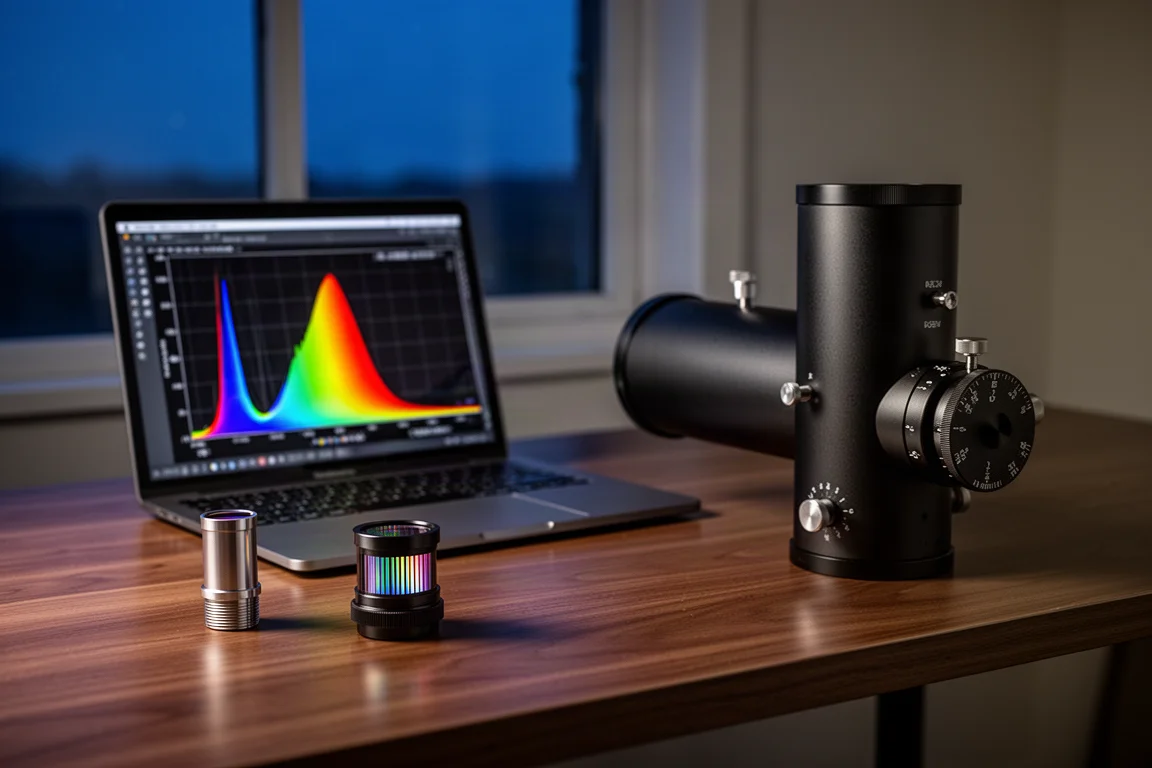
Introduction
When astronomers report the chemical makeup of an exoplanet atmosphere light years away, they are not taking direct measurements. They are reading light. Splitting light into its component colors, a technique called spectroscopy, reveals an enormous amount about whatever emitted or interacted with that light: the makeup and temperature of individual stars, the composition of nebulae, even the atmospheres of distant worlds.
Professional astronomy depends on it. What is more surprising is how accessible it has become for amateurs. There are now genuinely good products for amateur spectroscopy, both the physical accessories that turn an ordinary telescope into a spectrograph and the software needed to analyze what you capture. This guide walks through three of them: the Star Analyzer 100 diffraction grating, the RSpec analysis software, and the MLAstro SHG700 solar spectroheliograph.
What Spectroscopy Actually Shows You
The easiest entry point is a bright star. Take Vega, which appears slightly blue even in binoculars. Photograph it with red, green, and blue filters and plot the intensities, and you get a rough graph. Add a diffraction grating in front of your camera, though, and you capture all the visible colors and their intensities at once, for a far more detailed plot.
A single image taken with a stock DSLR and a 135mm lens, with the Star Analyzer 100 grating screwed onto the front, produces what spectroscopists call a low resolution spectrum. Even at low resolution, after simple calibration the resulting plot tells a real story: the dips in intensity, called absorption lines, map the Hydrogen Balmer series of an A-type star, showing electron transitions in hydrogen atoms as electrons jump between energy levels. From a calibrated spectrum like this, you can identify a star’s stellar class, which tells you about its color, surface temperature, and place in its life cycle.
The same slitless approach works on bright, compact planetary nebulae. Imaging the Little Dumbbell Nebula (M76) with a color astronomy camera and a refractor makes it immediately obvious why narrowband filters work so well on emission nebulae: the spectrum shows the object emitting almost entirely at 6,562 angstroms and 5,007 angstroms, the hydrogen alpha and doubly ionized oxygen lines familiar to any deep sky imager as 656nm and 500nm.
Star Analyzer 100: The Easiest Way In
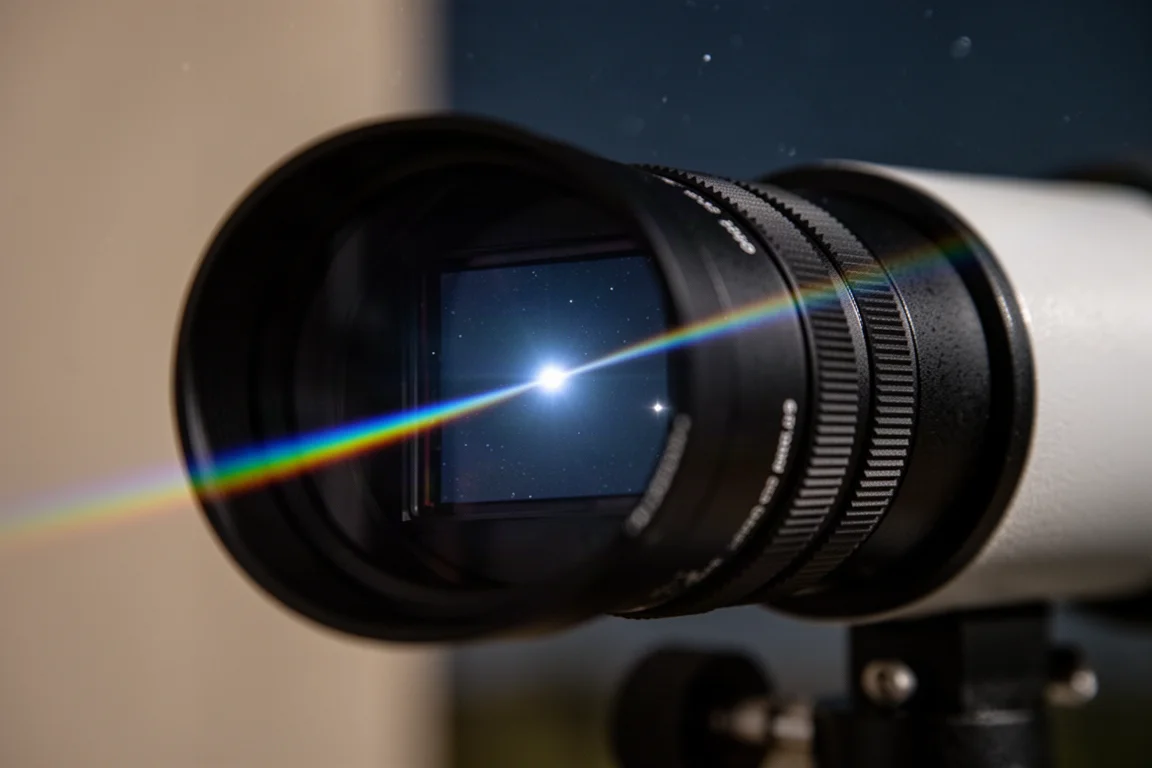
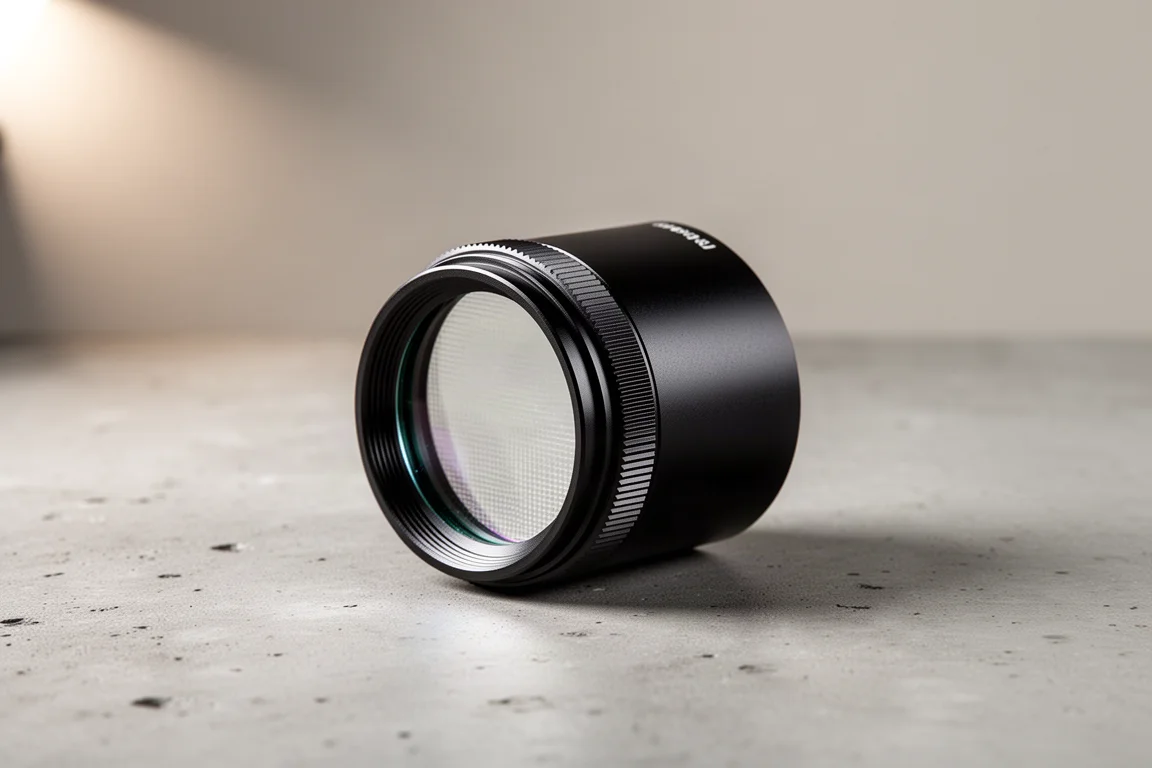
The Star Analyzer 100 is a 100 lines-per-millimeter diffraction grating that works with pretty much any telescope and camera. For very bright stars like Vega, it can even sit in front of a camera lens, though that approach felt limiting in practice. The better method is to treat it like an astronomical filter: mount it in a filter wheel or on a nosepiece attached to the camera, and use it with a telescope, which typically gathers more light than a camera lens.
One practical detail that is not obvious until you try it: even with the grating installed, plate solving still works, including with popular tools like the ASIAir. Some starlight passes straight through the grating as the zero order, while the spectra spread out on either side. That means you can slew to any target without removing the grating; hundreds of stars were still detected at 700mm focal length. It is a remarkably low-friction way to start capturing real spectra.
RSpec: Fast, Friendly Spectrum Analysis
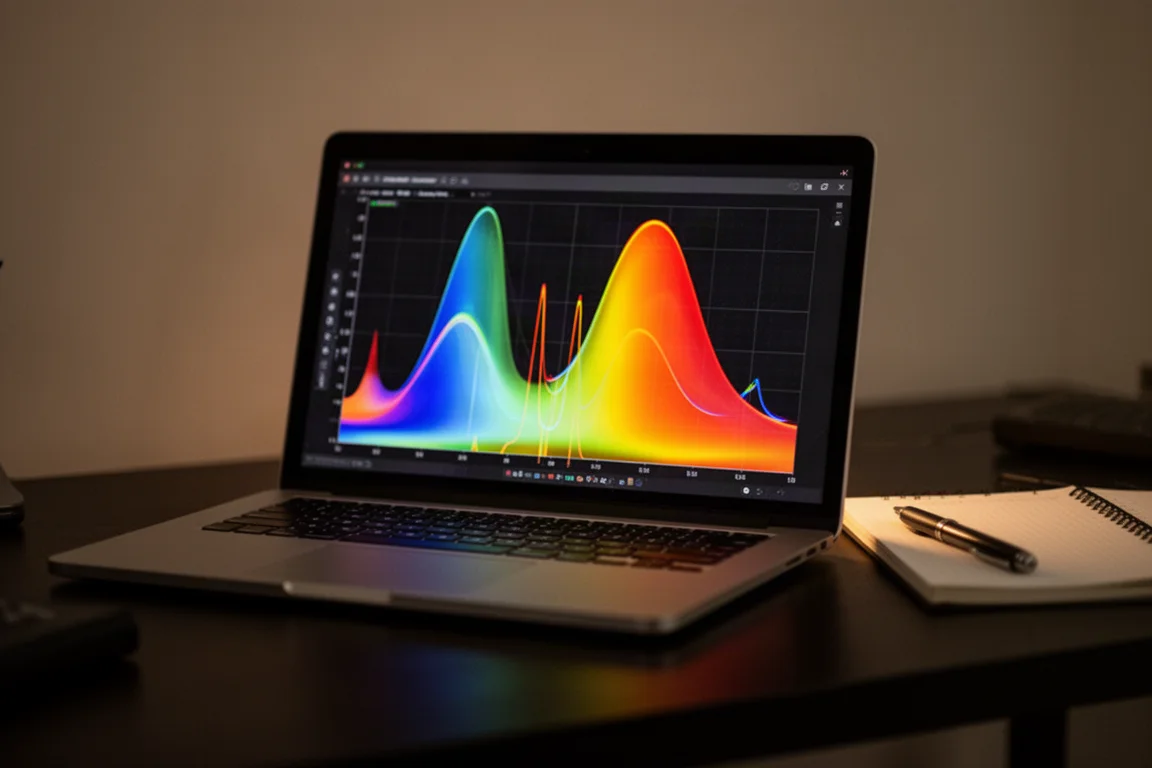
RSpec is the companion software designed to make analyzing your results genuinely fun. After a little practice, a calibrated graph takes just a few minutes, and you can even analyze spectra live if you want. Feed images from a connected camera straight into the software and use its built-in visual aids to explain what you are showing.
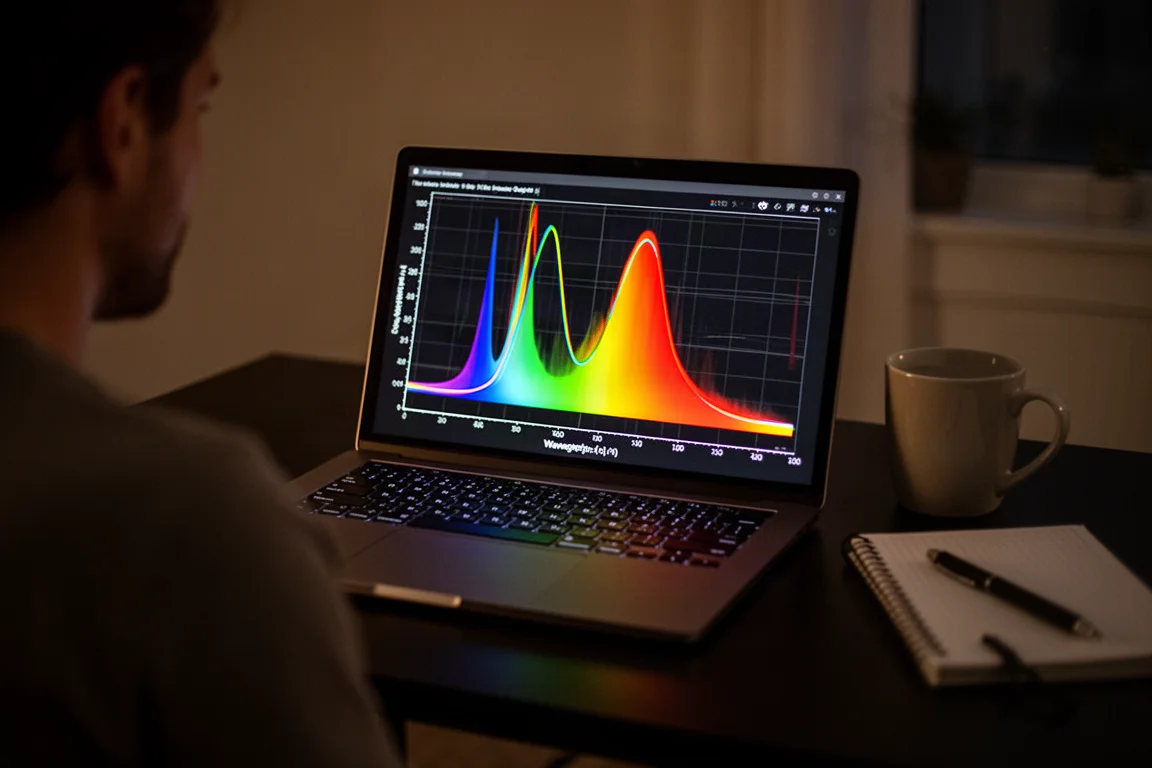
That live, visual workflow makes it a strong option for outreach. If you have a Windows laptop or mini PC attached to a larger monitor, showing a live stellar spectrum to a crowd is about as easy as amateur astronomy demonstrations get. As an educational tool for learning how spectroscopy works, the Star Analyzer 100 plus RSpec combination is well worth it.
MLAstro SHG700: Solar Imaging in High Resolution
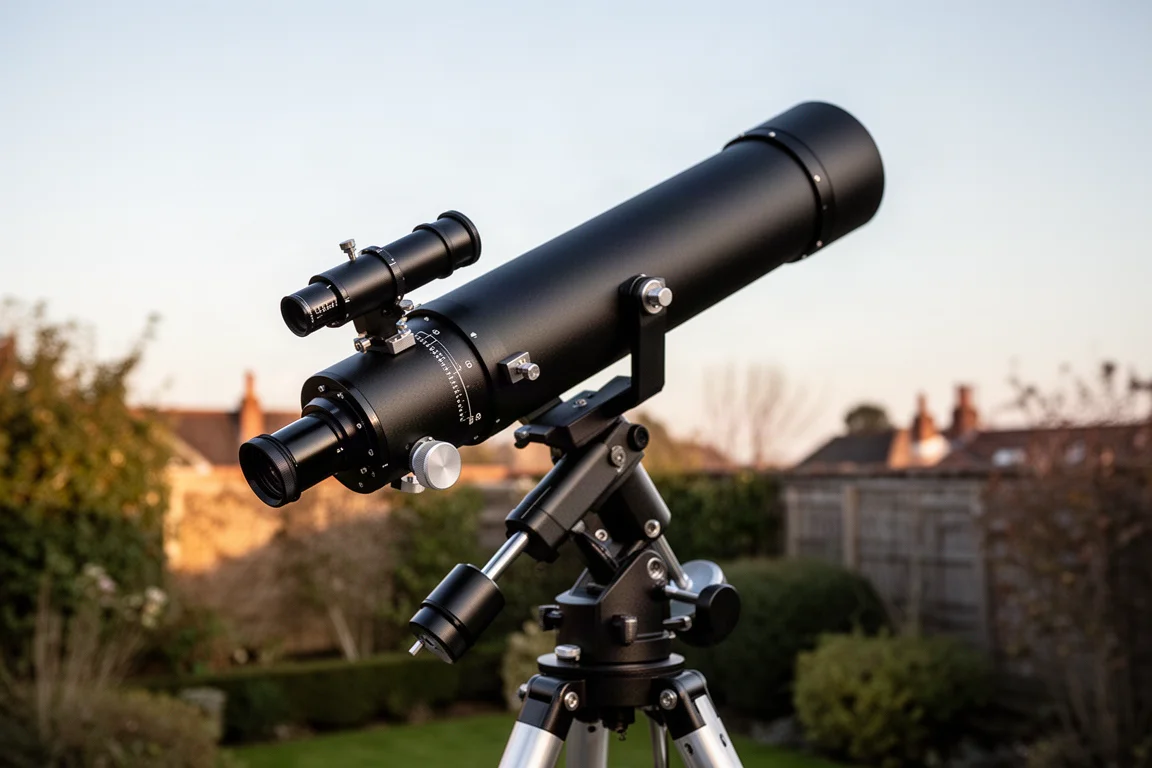
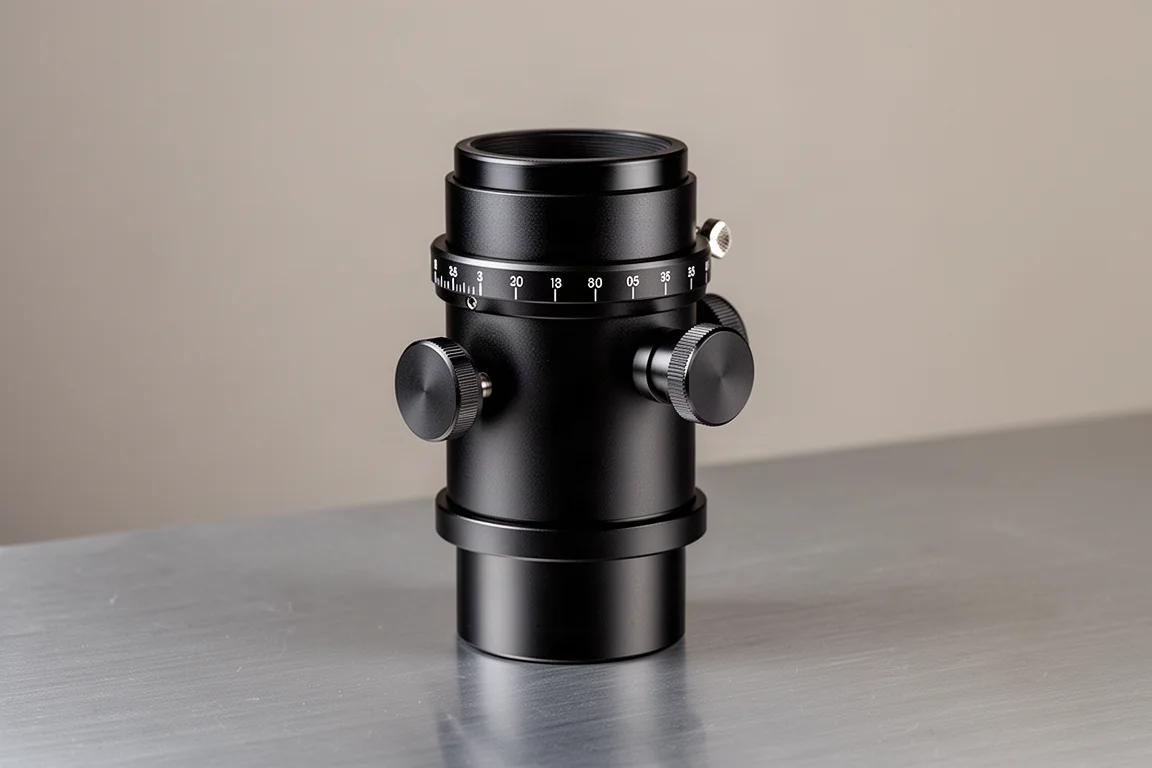
The SHG700 takes a different approach: a slit spectrograph, or more precisely a spectroheliograph, which is what SHG stands for. It refines an earlier 3D-printed design called the Sol’ex by Christian Buil and Valerie Denoux. Instead of capturing light from the whole telescope field, a slit limits the light to a very small slice. Rotating the internal diffraction grating, which ships at 2400 lines per millimeter versus the Star Analyzer’s 100, selects which narrow part of the spectrum you capture in very high resolution. The trade-off: it cannot capture the whole visible spectrum at once unless you swap to a coarser grating.
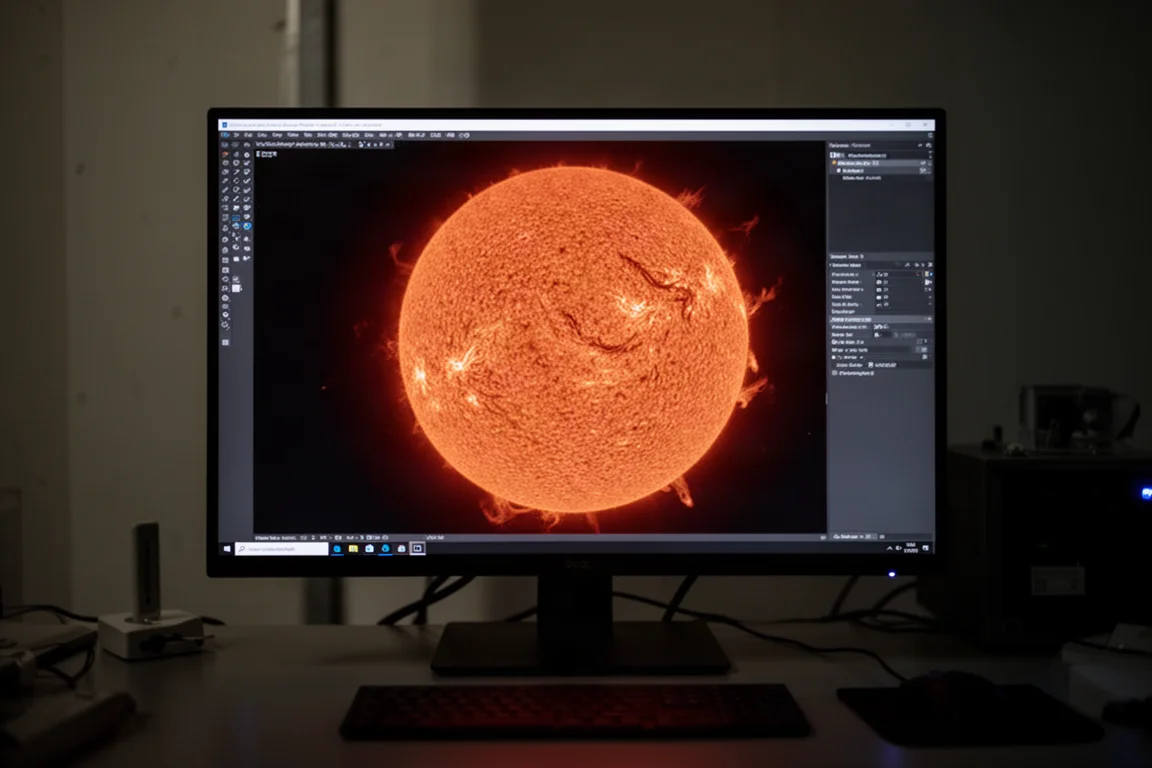
The primary use case is the sun. You target a spectral line such as hydrogen alpha using the adjustment dial, find focus in SharpCap, then scan the full solar disc by slewing the mount while capturing high frame rate video. Free software called JSol’ex by Cedric Champeau reconstructs the full solar disc from the spectral slit scans, producing images that rival a dedicated hydrogen alpha solar telescope. Tutorials and a SharpCap script that automatically scans the sun several times make the workflow very straightforward if you have some telescope experience and the right gear already.
Strengths and Limitations of Each Approach
The Star Analyzer 100’s main limitation is resolution: it will always produce fairly low resolution spectra, whether you choose the 100 or 200 model. The SHG700 is roughly three times the upfront cost once you factor in the ideal mono small-pixel camera, and it is fairly heavy, so it needs a robust focuser. Most modern imaging refractors with solid rack and pinion focusers handle it fine; it was used regularly on an Askar 71F, an affordable refractor.
Mount quality matters too. Smooth slewing is needed to avoid jagged edges in reconstructed solar images. Premium mounts and mid-range harmonics mounts both worked well in testing, but a lighter portable tracker is not recommended. And to use the SHG700 for nighttime spectroscopy, you need the optional guide camera attachment plus a second small-pixel guide camera, which is sold separately and attaches easily.
Buying Advice: Which One Fits You
If you are brand new to spectroscopy, or want to demonstrate it to others, the Star Analyzer 100 with RSpec is the ideal starting point: low cost, works with existing gear, plate solving still functions, and calibrated results arrive in minutes. If your goal is striking reconstructed full-disc solar images at multiple wavelengths, the SHG700 is the purpose-built choice, with tutorials, scripts, and software that make the solar workflow very polished. Nighttime high resolution spectroscopy with the SHG700 is a more advanced path and still maturing, but the solar side works out of the box.
Conclusion
These are both products that can turn a telescope into a spectrograph, but they serve different purposes. The Star Analyzer 100 and RSpec make stellar and nebular spectroscopy approachable, educational, and genuinely fun. The SHG700 delivers impressive high resolution solar imaging that few amateurs could achieve otherwise. Matching the tool to your goal is the key to being happy with either.
Further reading
Related Reviews
Astronomy
Astronomy Gifts for Dads: Binoculars, Telescopes and Accessories Worth Giving
A practical gift guide covering stargazing binoculars from around $50, beginner telescopes under $500, and accessories under $100.
Astronomy
Best Filters for EAA in Light Pollution: What Short-Exposure Testing Actually Showed
Five astronomy filters and two noise reduction tools tested under light polluted skies for electronically assisted astronomy, with practical results for broadband and narrowband targets.
Astronomy
Six Premium Eyepieces That Transform a Beginner Telescope
A hands-on comparison of Tele Vue Panoptic, Tele Vue Nagler, and Baader Hyperion eyepieces, and why upgrading the stock eyepieces is the best first move in stargazing.