Backpacking Gear
Best Affordable Backpacking Gear: The Big Three for Around $500
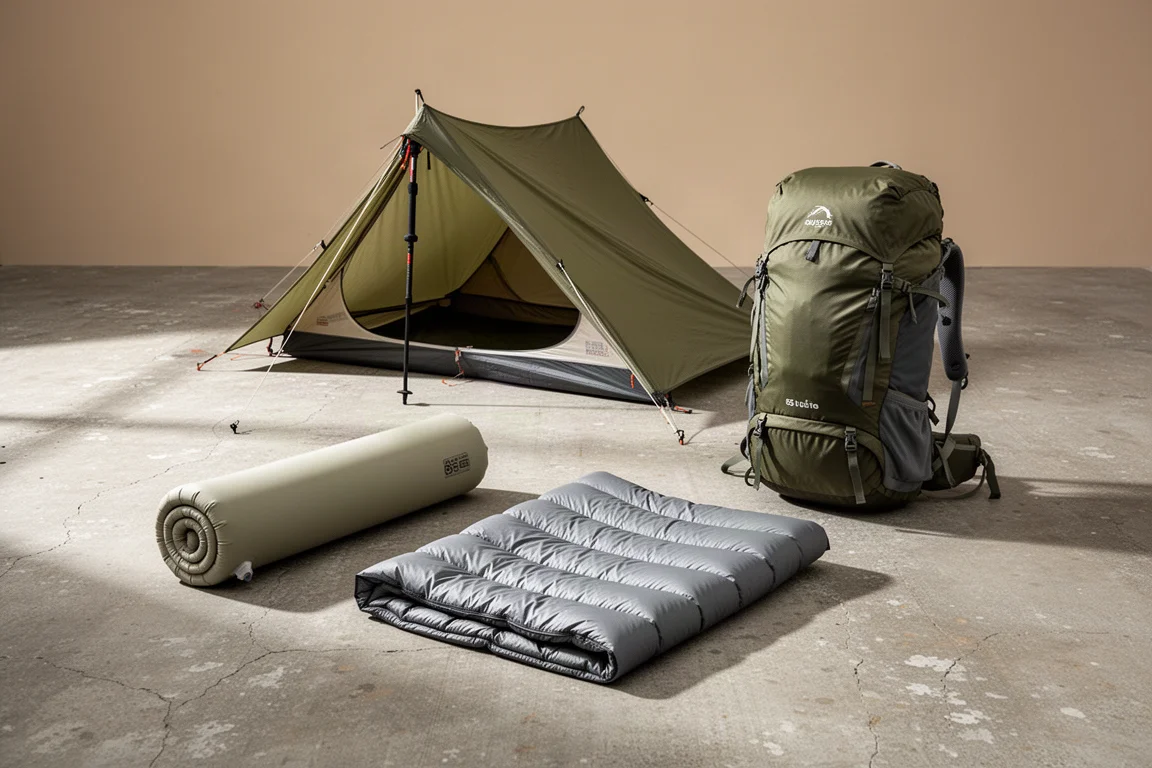
Six affordable backpacking pieces that cover the big three: two trekking pole tents, a wide sleeping pad, two down quilts, and an adjustable 65L backpack.
Introduction
Building a backpacking setup from scratch can feel expensive, but the big three (your tent, your backpack, and your sleep system) do not have to cost a fortune. The six picks below were chosen around four simple requirements: they have to work well, they have to be comfortable, they have to keep the average person warm down to freezing, and they have to be light enough to keep pack weight low. All of them can also be ordered now, without waiting for a seasonal sale or a limited release. Put together, the full setup lands at around $500 US.
What to Look For in an Affordable Big Three Setup
Your sleep system is two separate pieces: a sleeping pad and insulation, which can be a sleeping bag or a quilt. Warmth only makes sense when the pad and the insulation are considered together, because the pad controls how much cold comes up from the ground while the quilt or bag handles everything above you.
Availability matters too. A lower price is not much use if an item only ships in a limited run or carries a long custom lead time, so each pick here can be ordered today, even if one or two of them take a few weeks to arrive.
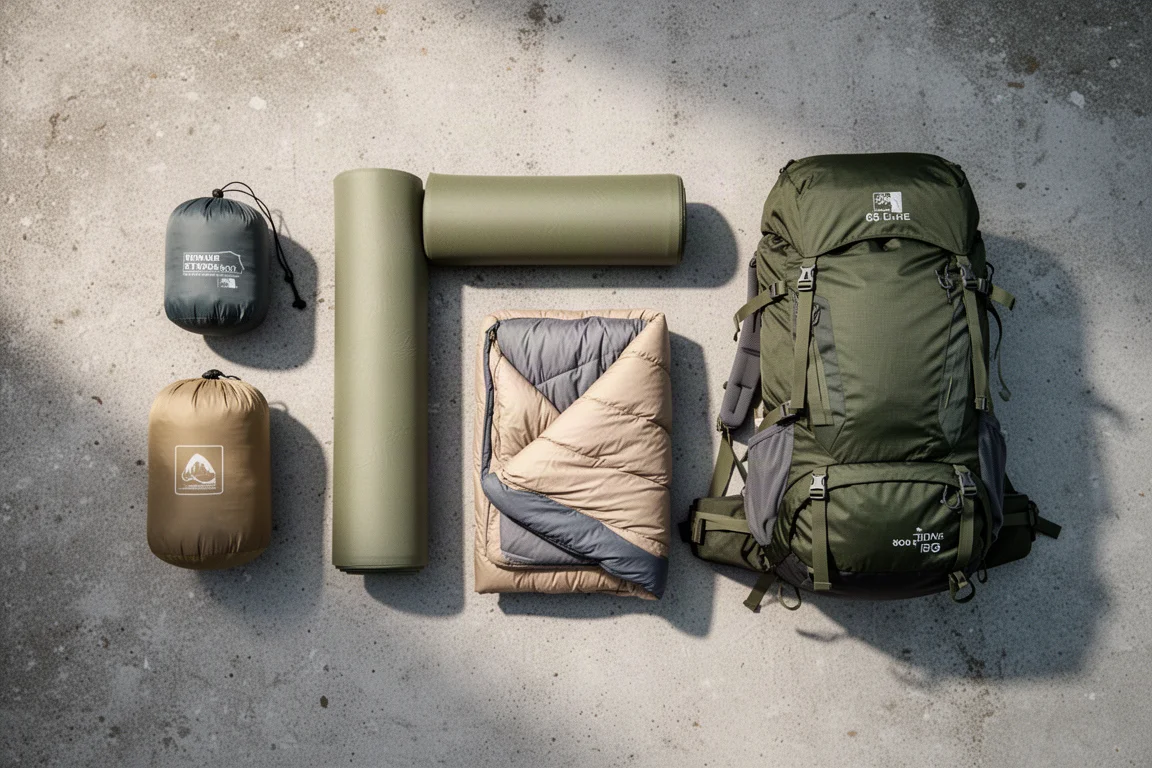
Weight adds up quickly across three items, so it is worth deciding where you want to spend it. A slightly heavier pack can be worth it if it carries well, while a lighter quilt or pad usually pays off on every trip. The balance below keeps the total at a pack weight most beginners can manage comfortably.
Lanshan 2: A Lightweight Trekking Pole Tent for Beginners
The Lanshan 2 is a trekking pole tent, which means it uses your trekking poles instead of dedicated tent poles to hold its shape. That design is easier to live with than it sounds, and it takes about as much practice as any traditional tent. The original version is the one to look at first if you are new to backpacking: it costs $150 US and still delivers all the function you need.
At 1,100 grams it is light for a two-person shelter, and light enough to take out alone on solo trips while still giving you a roomy place to sleep. The floor measures 210 centimeters long and 110 centimeters wide, which fits two 20-inch pads and is fine for sleepers up to six feet tall. It has held up in rain, snow, and very heavy wind, and in practice it does not need a ground sheet.
Availability depends on where you live. In some countries it ships quickly through Amazon, while other regions order it from AliExpress and wait several weeks.
Lanshan 2 Pro: A Wider Version of the Same Shelter
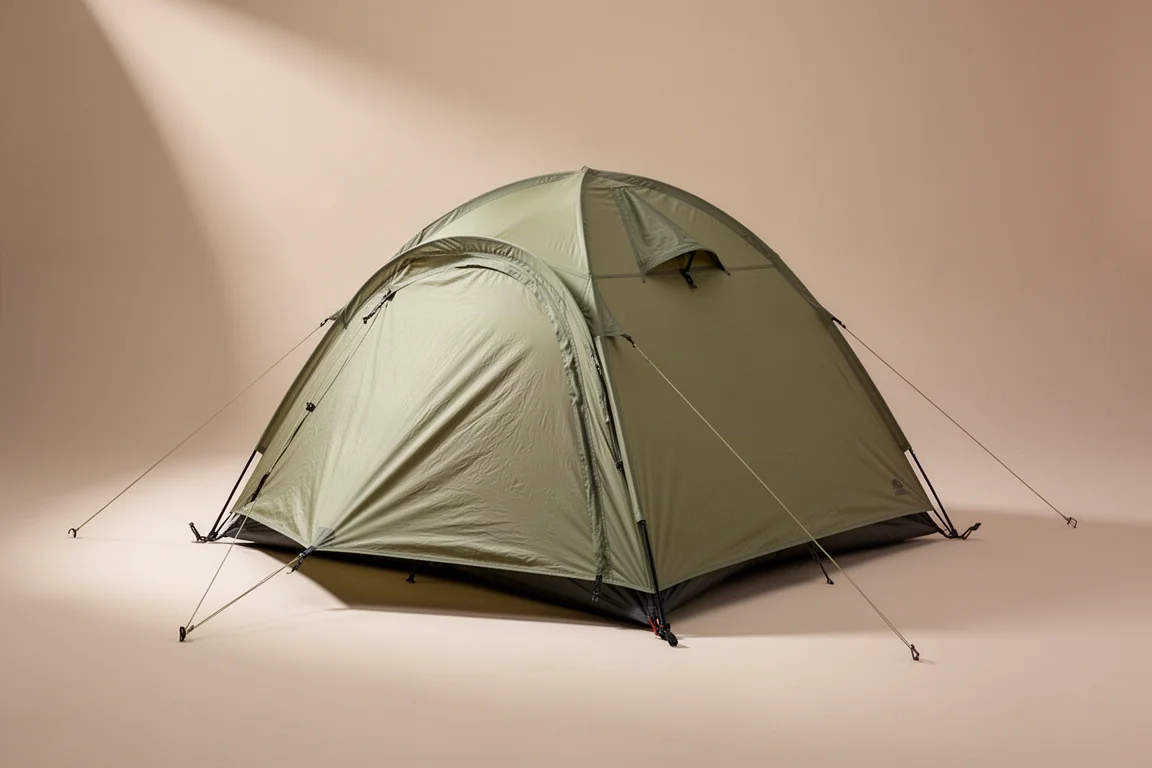
The Pro version keeps the same trekking pole design and the same weather resistance, but widens the floor. That extra width is enough to fit a 25-inch wide pad alongside a regular 20-inch pad, which makes it a better match for two people using mixed pad widths, or for anyone who simply prefers more room.
The same family also includes a Plus version, so it is worth checking which one you are buying before you order. Like the original, the Pro pitches with trekking poles and rewards a little practice.
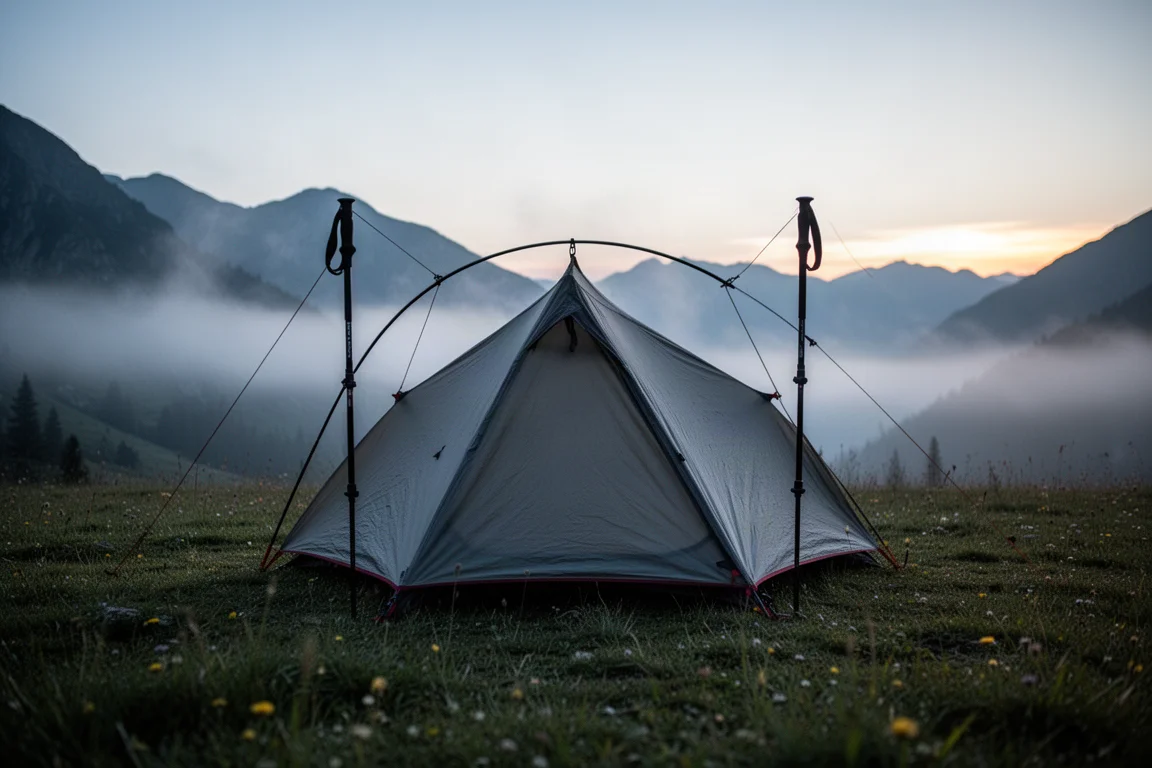
Lengthwise the shelter is comfortable for taller sleepers, and the construction has handled the same wet, snowy, and windy conditions as the original. If you already own wide pads, the Pro removes the guesswork about whether they will fit.
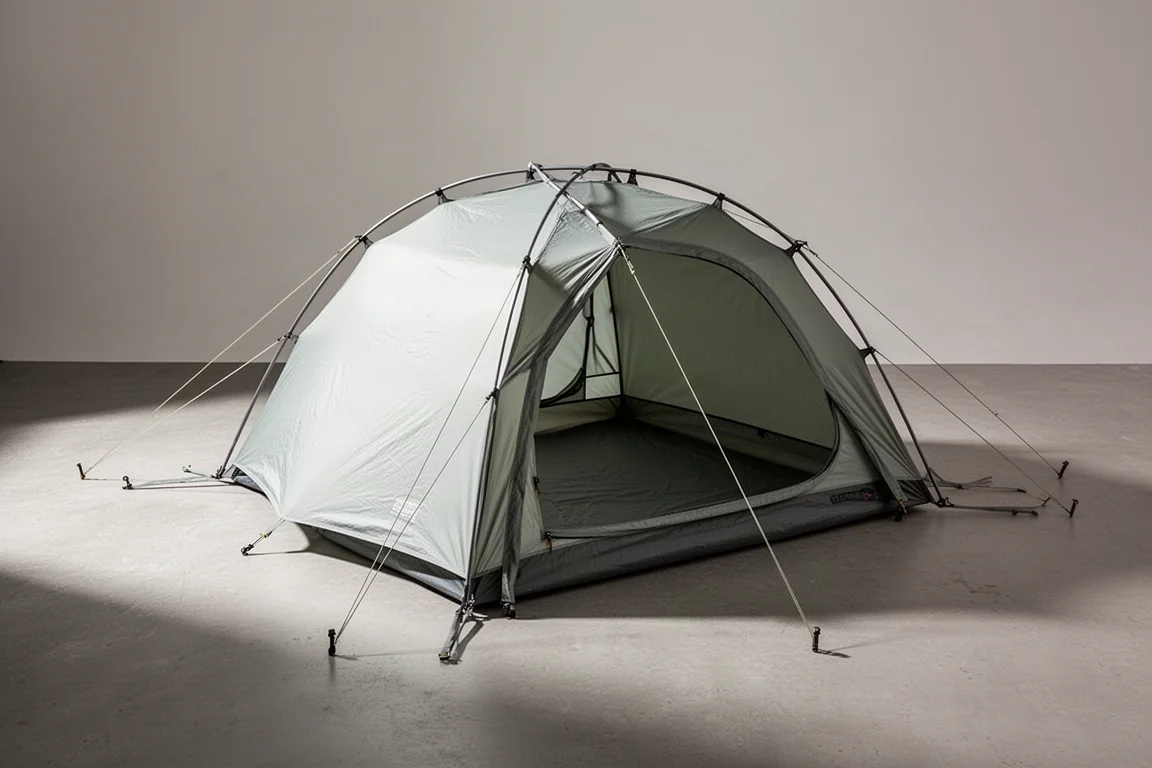
Paria Recharge XL: A Wide, Thick Sleeping Pad
The Paria Recharge XL is the value pick of the sleep system at $85. It measures 23 inches wide, three inches wider than a standard 20-inch pad, so your arms stay on the pad when you roll over. It is four inches thick, which helps side sleepers keep hips and shoulders off the ground, and 76 inches long, enough for sleepers over six feet.
At 26 ounces it is reasonably light, and the 40 denier ripstop nylon construction stands up to regular use. One thing to keep in mind is warmth: the pad is not tested to the ASTM standard, and practical warmth is closer to an R-value of 3 than the estimated 4.7 figure, which is good for summer trips down to about freezing. If you camp below freezing or sleep cold, adding a thin closed-cell foam pad underneath contributes roughly half a point to a full point of R-value and can take you down to about minus six degrees Celsius.
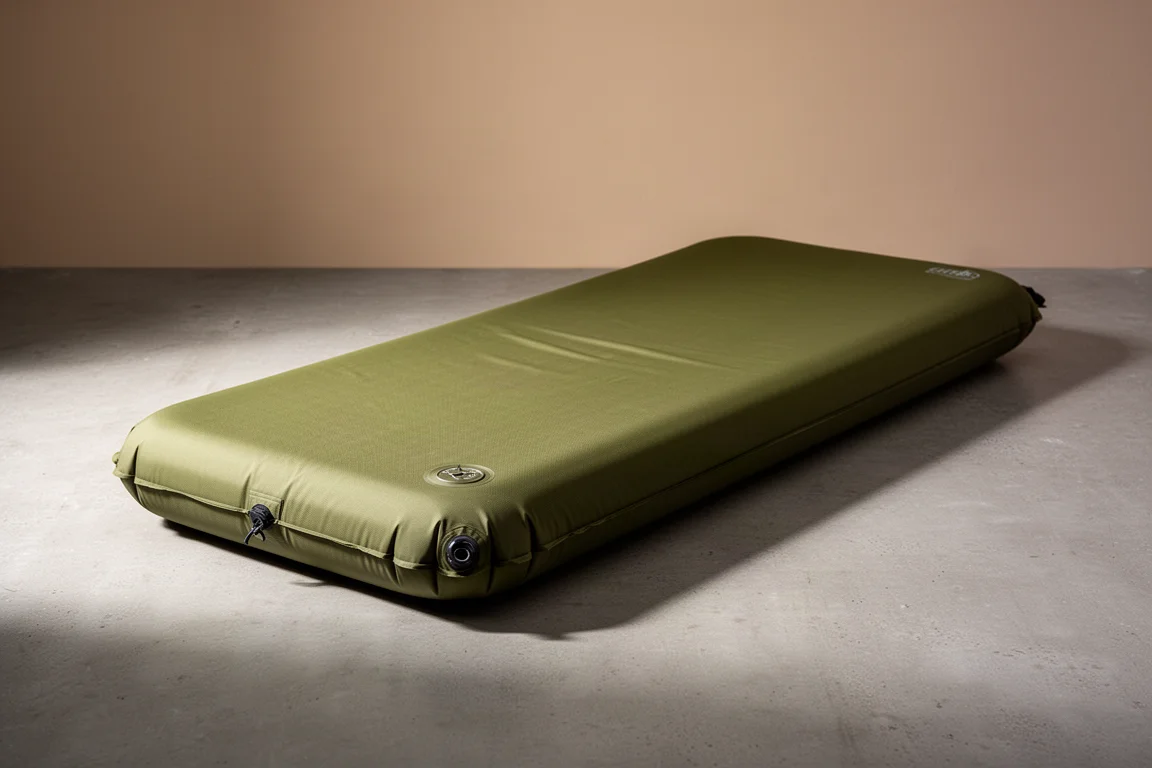
Paria Thermodown 15 Quilt: Down Insulation at a Fair Price
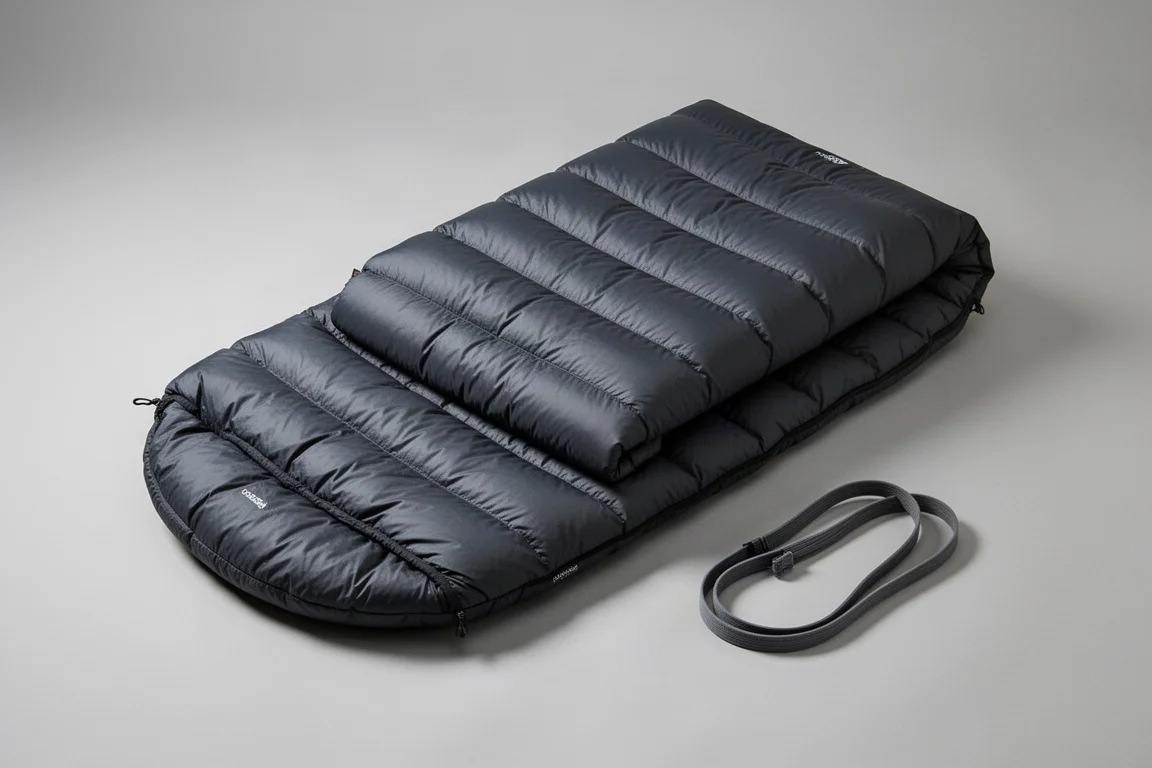
Quilts differ from sleeping bags because they leave the back of the pad exposed and rely on pad straps to stay in place. That design is flexible, comfortable, and easy to use even if you are new to backpacking. The Paria Thermodown 15 is a strong example: it uses 700 fill power down, a 20 denier ripstop nylon outer shell, and a polyester taffeta inner shell, and it weighs just 35 ounces.
It is advertised for 15 degrees Fahrenheit, but a more realistic figure in practice is just below freezing, which pairs neatly with the Recharge XL pad. The one catch is the straps. The quilt ships with a single pad strap, and it needs two to stay properly attached and to keep drafts out, so plan on ordering a second strap or making your own.
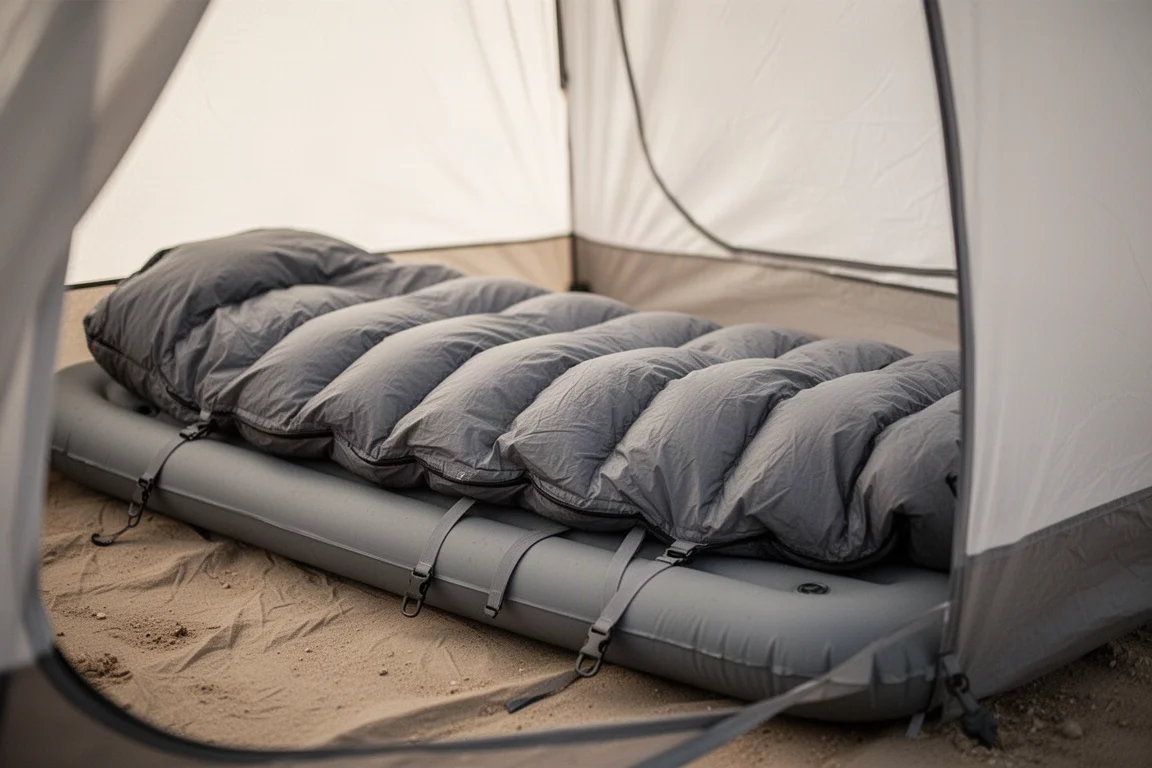
There are attachment points for more than one strap, so adding the second one is straightforward. Without it, the quilt will not hold its warmth below freezing as reliably.
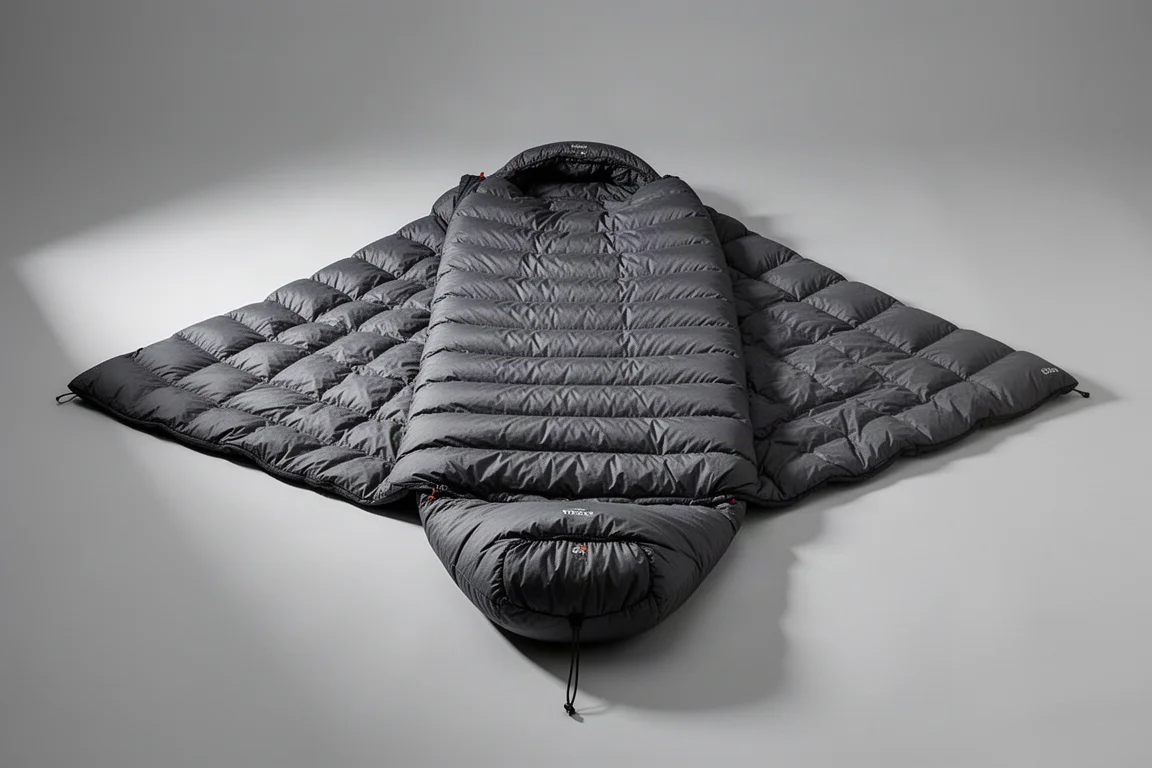
Hammock Gear Burrow Economy Quilt: Lighter, With a Longer Wait
If you can plan ahead, the Hammock Gear Burrow Economy Quilt is a lighter alternative to the Paria quilt. It costs roughly $20 to $30 more and comes with every pad strap you need, which removes the extra step of sourcing a second strap separately.
The trade-off is time. This is a custom quilt with a lead time of about seven to eight weeks, so it makes the most sense if you are ordering other gear with a similar wait, or if you are shopping well ahead of your trip. For the weight saving and the complete strap set, the extra cost is easy to justify.
Naturehike 65L Backpack: Adjustable Fit Under $100
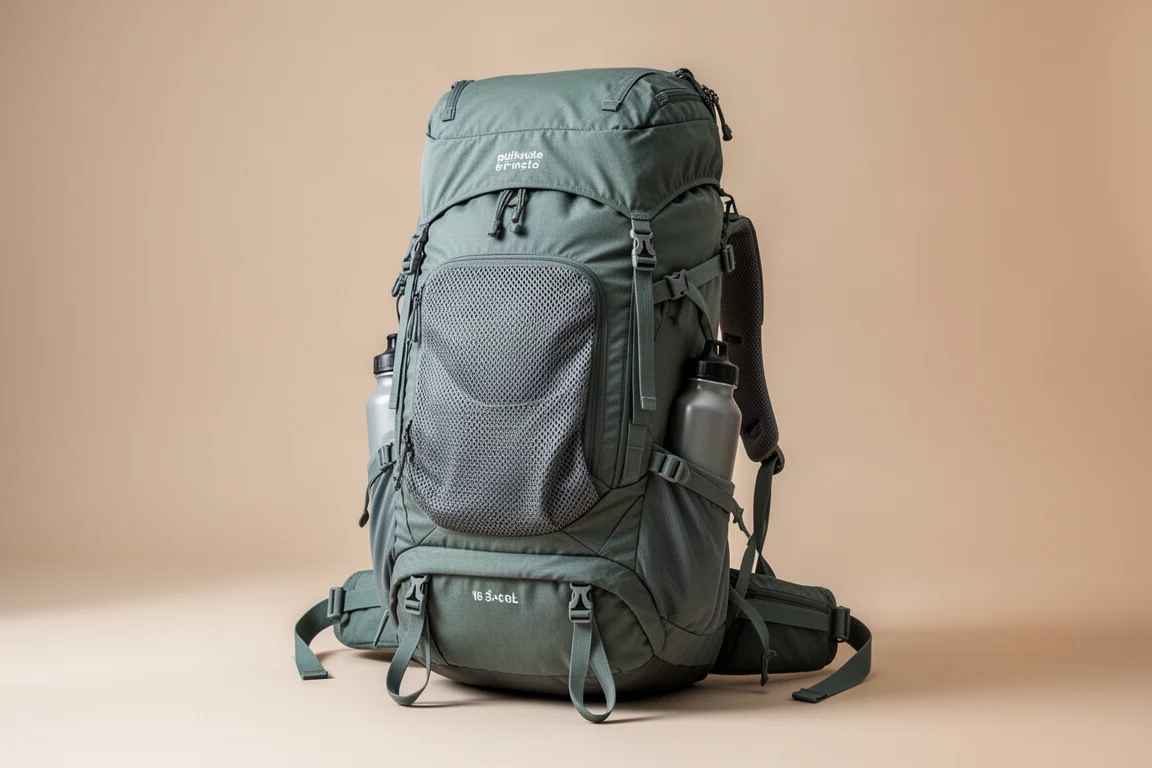
The Naturehike 65L is the pack that ties the setup together. It costs under $100, weighs 1.98 kilograms, and includes the features you would expect from a much more expensive pack: a large front stretch pocket, side water bottle pockets, a full hip belt with side pockets, compression straps, a lid with several pockets, foam backing on the hip belt, and load lifters.
Its real strength is adjustability. Both the hip belt and the torso length can be adjusted, and the torso range covers roughly 16 inches to 22 inches, which fits most people. That matters because a correctly fitted pack spreads the load across your hips, shoulders, and back instead of hanging off one spot. It carried 35 pounds without complaint.
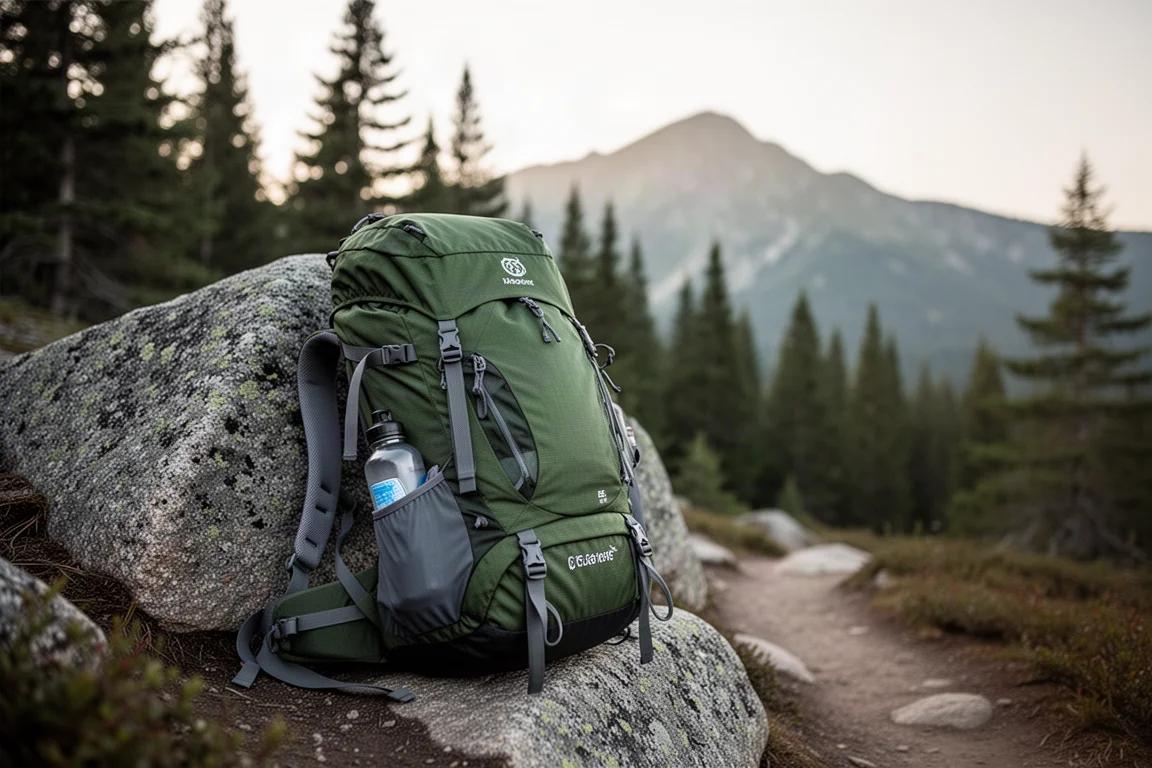
The limit is the foam. The shoulder straps and hip belt use a softer foam than firmer packs, so loads above roughly 35 pounds will not carry as comfortably. For most three-season trips, that ceiling is not a problem.
Overall Buying Advice
Start with the shelter and the pad, because they set the tone for comfort. The original Lanshan 2 at $150 is the lowest-risk starting point, and the Pro is worth the step up if you use wide pads. The Recharge XL and the Thermodown 15 quilt work well as a pair, with the quilt reaching just below freezing and the pad covering you to roughly the same point. Choose the Hammock Gear Burrow if you want a lighter quilt, can work with a few weeks of lead time, and prefer straps included.
The Naturehike 65L keeps the whole setup in budget and gives beginners an adjustable fit without sizing guesswork. Together, the six pieces come to around $500 US.
Conclusion
A functional, comfortable, and light big three does not require premium pricing. The key is matching the pieces to each other: a wide pad with a quilt that stays warm to freezing, a shelter that fits your pads, and a pack that adjusts to your torso. Get those relationships right and the setup will serve you well on three-season trips for a long time.
Further reading
Related Reviews

Backpacking Gear
Building a 10 lb Base Weight: An Ultralight Backpacking Gear List
A practical walkthrough of the ultralight pieces behind a 10 lb base weight, from a 765 g pack and a roomy one-person tent to a full camp chair and a dependable water filter.

Backpacking Gear
A 15-Pound Lightweight Backpacking Gear List for Solo Trips
A beginner-friendly 15-pound backpacking setup built from easy-to-find gear, with notes on what each piece does, how it packs, and where to spend your attention.

Backpacking Gear
8 Ultralight Backpacking Gear Upgrades Worth Carrying
Eight small, affordable backpacking upgrades that solve real trail annoyances, from a pillow that stays put to a fuel valve that rescues leftover canister gas.