Backpacking Gear
Best Affordable Backpacking Gear 2026: A Lightweight Big Three Setup
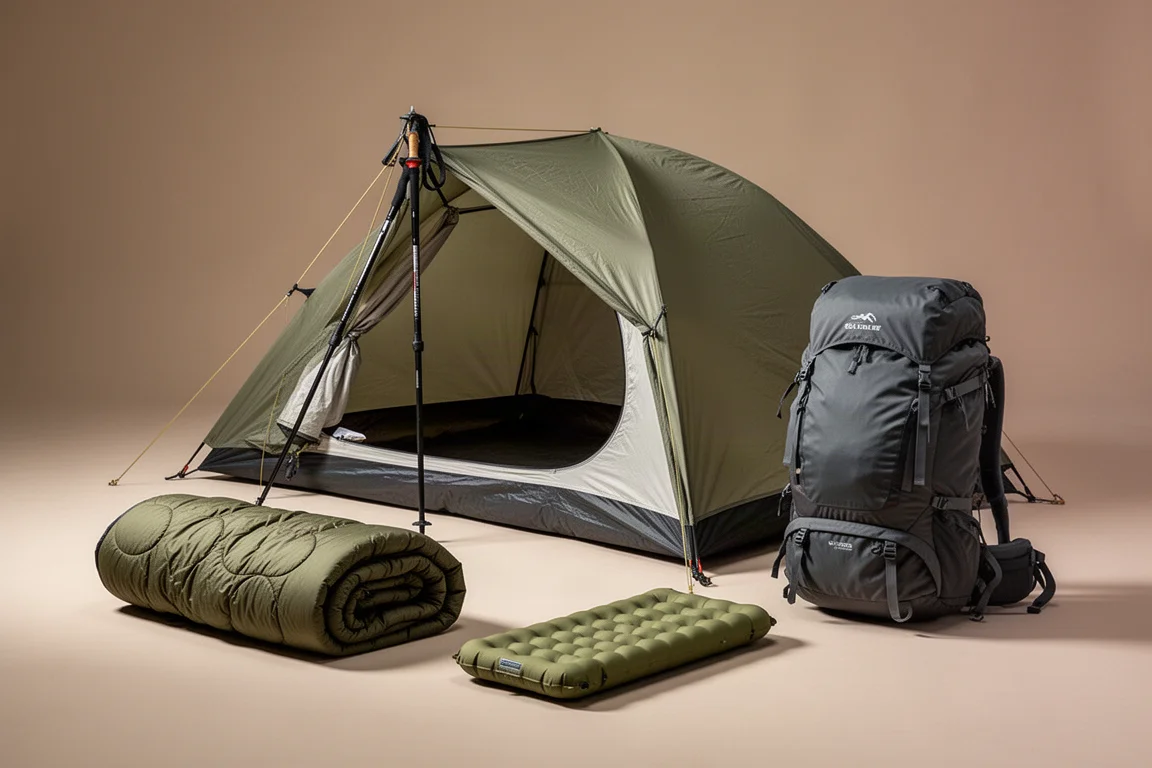
A practical guide to an affordable backpacking big three: two trekking pole tents, two down quilts, a wide four-inch sleeping pad, and an adjustable 65 litre pack.
Introduction
Getting started in backpacking usually comes down to three purchases: a shelter, a sleep system, and a backpack. Those three items carry most of the weight, most of the cost, and most of the comfort on any trip. This guide covers six pieces that together build a complete, affordable big three setup that is light enough for a low pack weight and warm enough for freezing temperatures.
Each item was selected against four practical standards. It has to work properly on trail, it has to be comfortable, it has to keep an average sleeper warm down to freezing, and it has to be light enough to keep total pack weight reasonable. Every piece here is a current production item rather than a limited release.
What to Look For in Affordable Backpacking Gear
The most useful filter for budget backpacking gear is not price alone but how well a piece performs against those four standards.
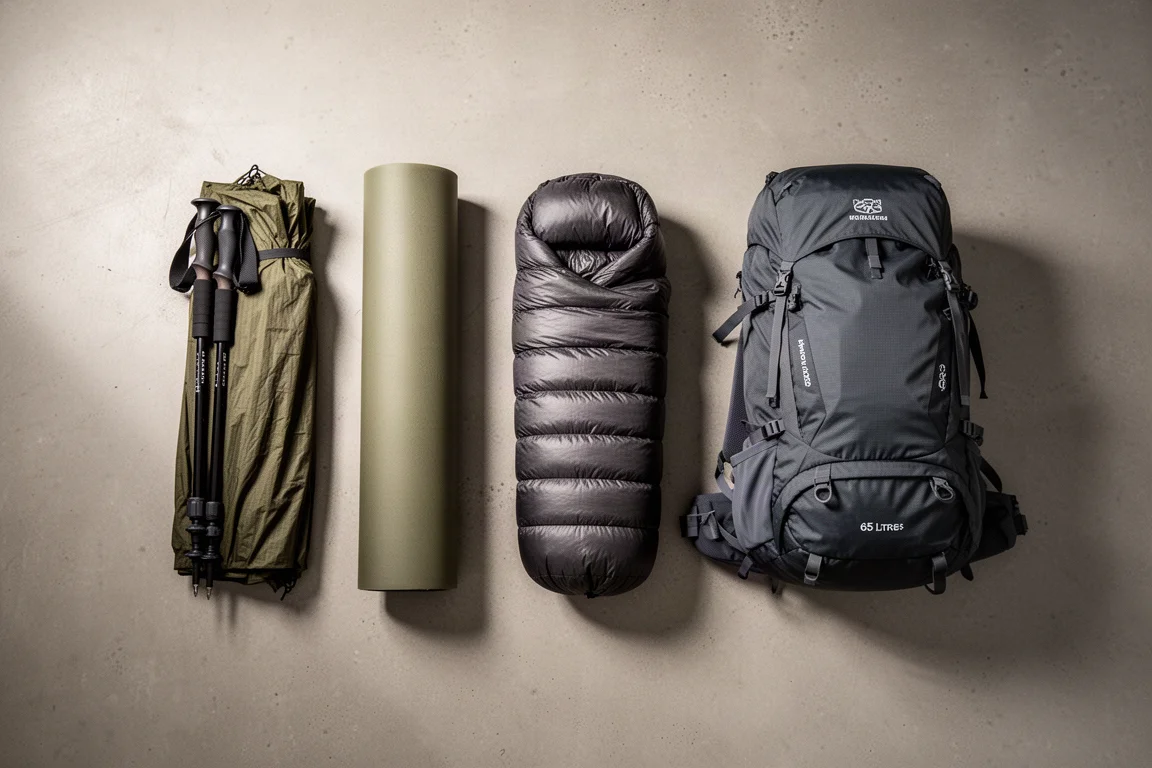
A shelter should be stable in bad weather and light enough to carry solo or split with a partner. A sleeping pad should match your sleeping position, since side sleepers need thickness and width more than they need a headline R-value. Insulation should be rated honestly for the temperatures you actually camp in, and a backpack should fit your torso length before anything else.
Together, the six items below build a complete setup for around $500 USD.
Lanshan 2: A Light Trekking Pole Tent
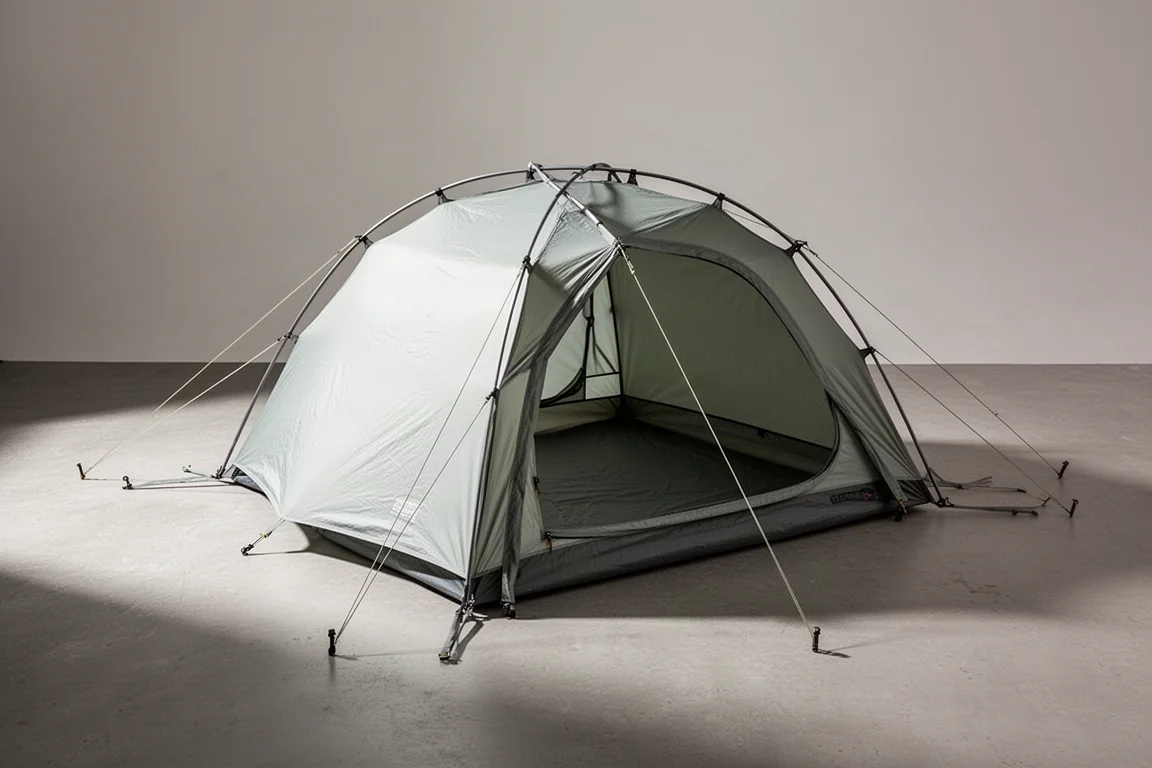
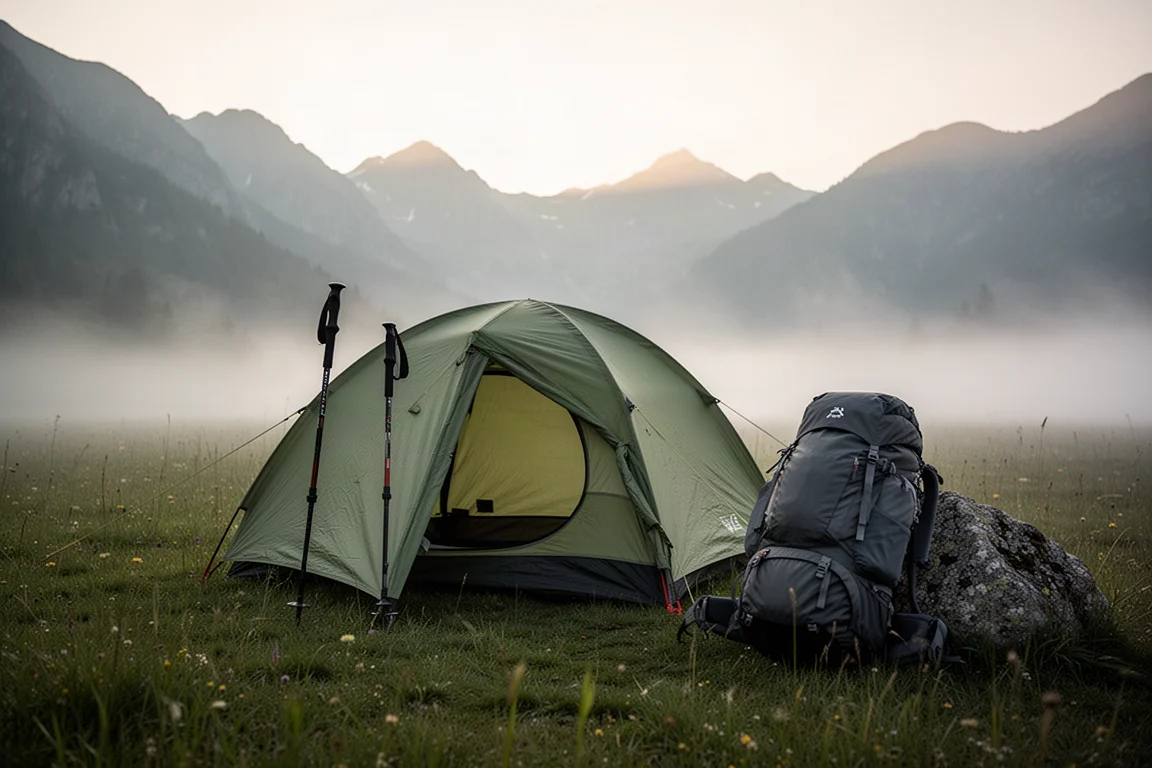
The Lanshan 2 original version is the most affordable shelter in this group at about $150 USD, and it weighs just 1,100 grams. It is a trekking pole tent, which means it uses trekking poles for structural support instead of dedicated tent poles. Setup takes a little practice, the same as any unfamiliar tent, but it is no harder to pitch than a conventional design.
The floor measures 210 cm long by 110 cm wide, which is comfortable for one person and workable for two 20-inch wide pads. Length is fine for sleepers up to about six feet tall. Weather performance is a genuine strength, and this tent has held up in rain, snow, and very heavy wind. A ground sheet is not necessary in normal conditions.
Availability varies by region. In some countries the tent ships quickly through Amazon, while elsewhere it has to be ordered through AliExpress with a wait of several weeks.
Lanshan 2 Pro: More Interior Width
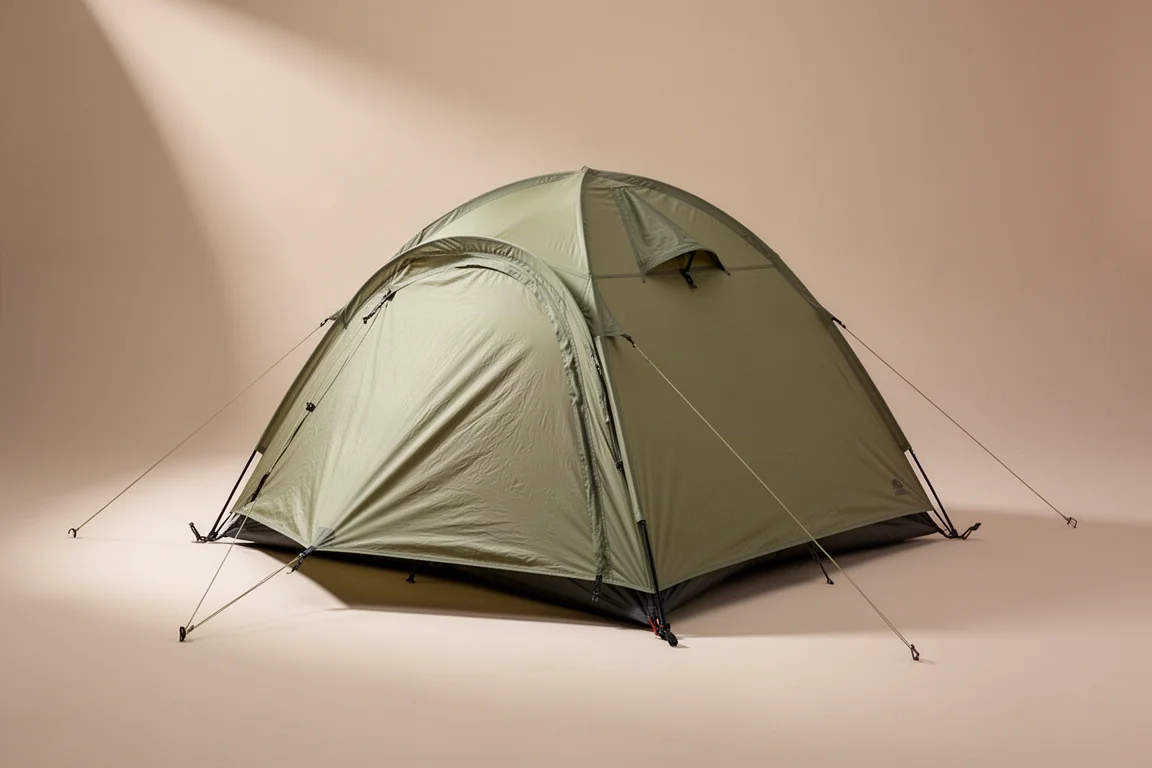
The Lanshan 2 Pro uses the same trekking pole structure and the same weather-ready build, with a slightly wider floor. That extra width is the main practical difference. The Pro fits a 25-inch wide pad alongside a standard 20-inch pad, where the original is realistically limited to two 20-inch pads.
For anyone who sleeps on a wide pad, or who wants a little more room to spread out gear, the Pro is the version to choose. For solo trips and tighter budgets, the original remains the better value.
Paria Recharge XL Sleeping Pad
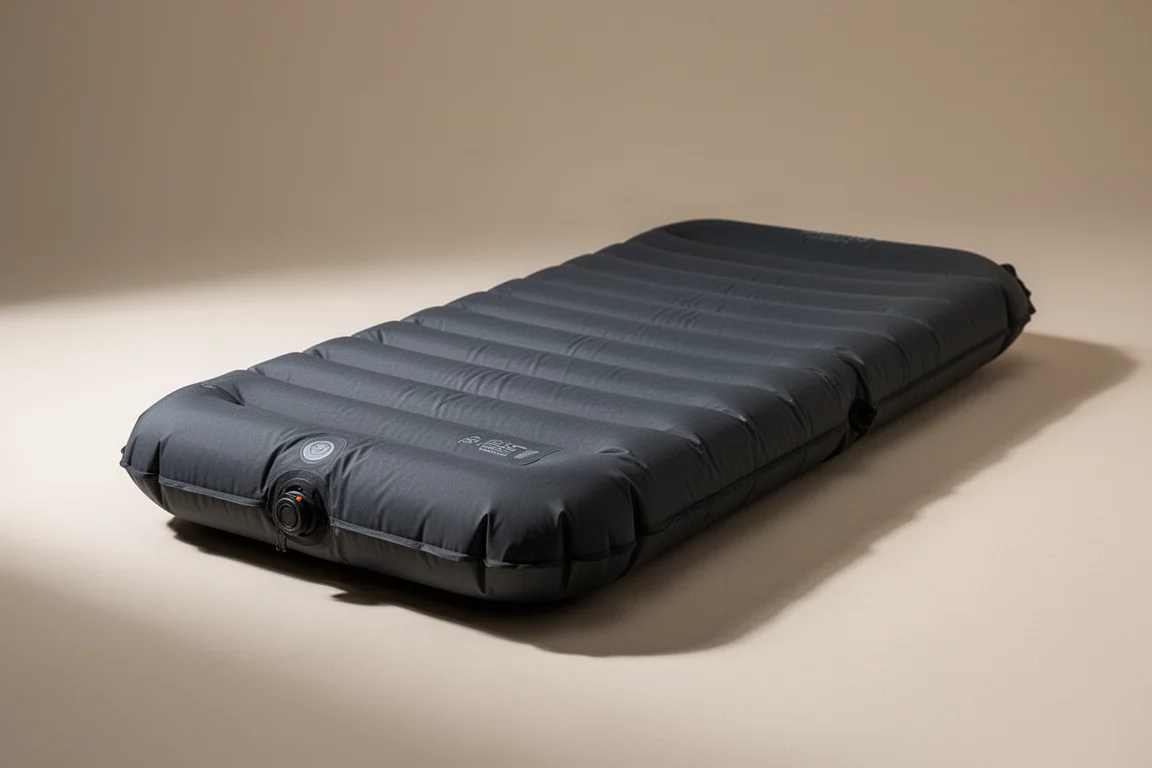
The Paria Recharge XL costs $85 USD and delivers a lot of usable comfort for the money. It measures 23 inches wide, three inches wider than a standard 20-inch pad, and that extra width matters when you roll over at night or sleep on your back with your arms out.
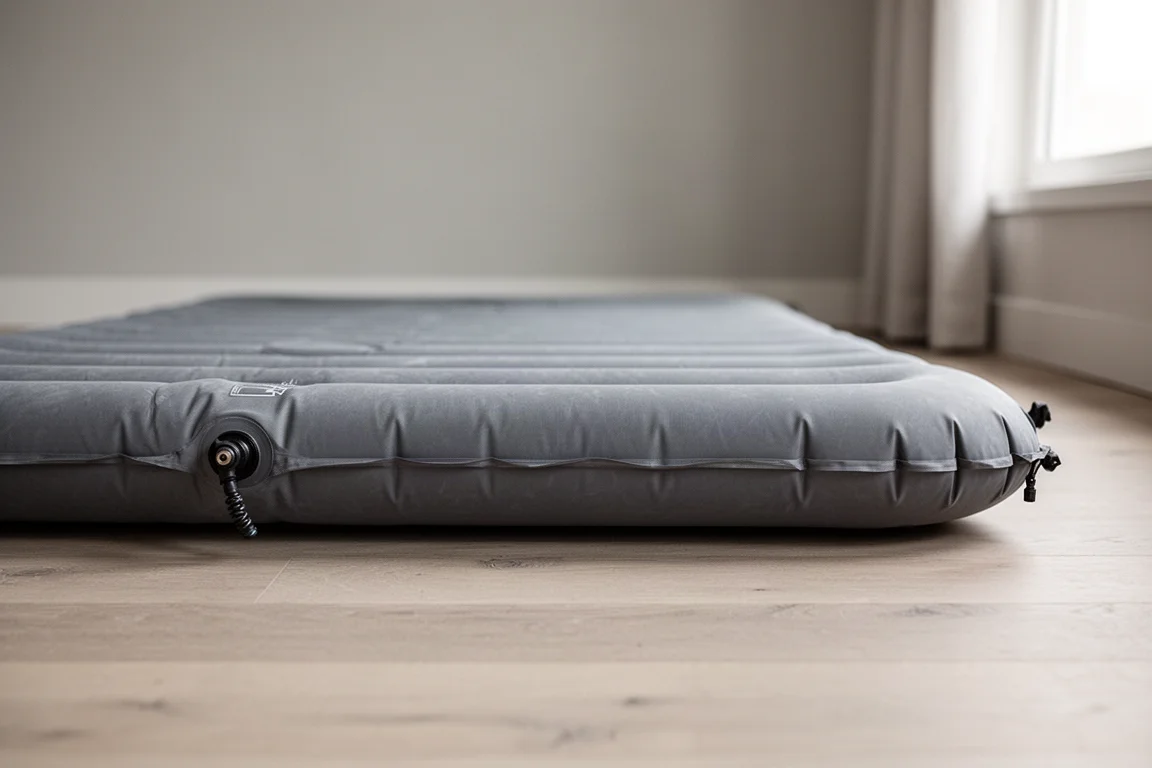
Thickness is 4 inches, which is the number that matters most for side sleepers who otherwise wake up with a hip or shoulder pressing into the ground. Length is 76 inches, enough for sleepers over six feet tall. Weight is 26 ounces, and the shell uses 40 denier ripstop nylon for durability.
Warmth needs a caveat. The manufacturer estimates an R-value of 4.7, but that figure is not measured under the standard ASTM test, and a realistic expectation is closer to an R-value of 3. An R-value of 3 will take an average sleeper down to roughly freezing in summer conditions. If you camp slightly below freezing or sleep cold, adding a thin closed-cell foam pad underneath adds roughly half to one full R-value and can extend comfortable use to about minus six degrees Celsius.
Paria Outdoors Thermodown 15 Quilt
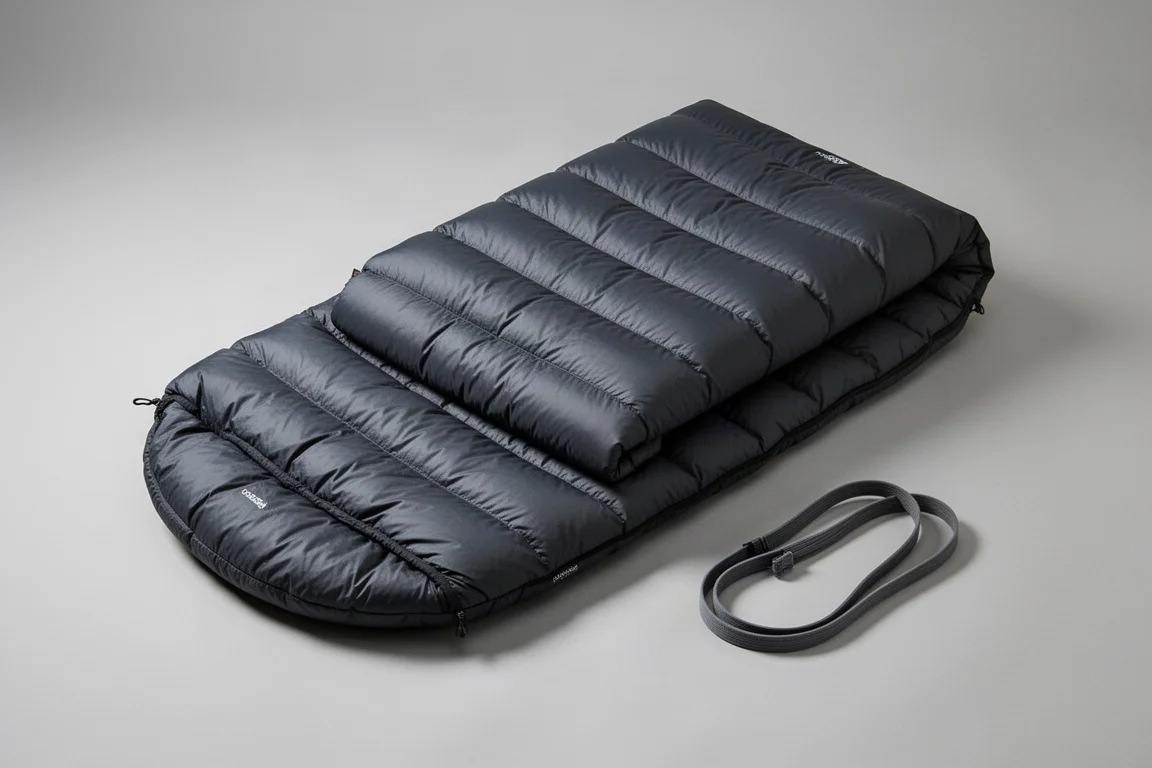
The Thermodown 15 Quilt is advertised as comfortable to 15 degrees Fahrenheit, though a realistic working range is just below freezing. That makes it a natural match for the Recharge XL pad above, since the two products share the same practical temperature window.
The fill is 700 fill power down, which keeps the quilt light for the warmth it provides at 35 ounces total. The outer shell is 20 denier ripstop nylon and the inner shell is polyester taffeta. It arrives with a single pad strap, and a second strap is strongly recommended, either from the manufacturer or made at home, because the quilt has multiple attachment points and needs both to stay sealed against drafts. Without a second strap, this quilt is not a below-freezing option.
Hammock Gear Burrow Economy Quilt
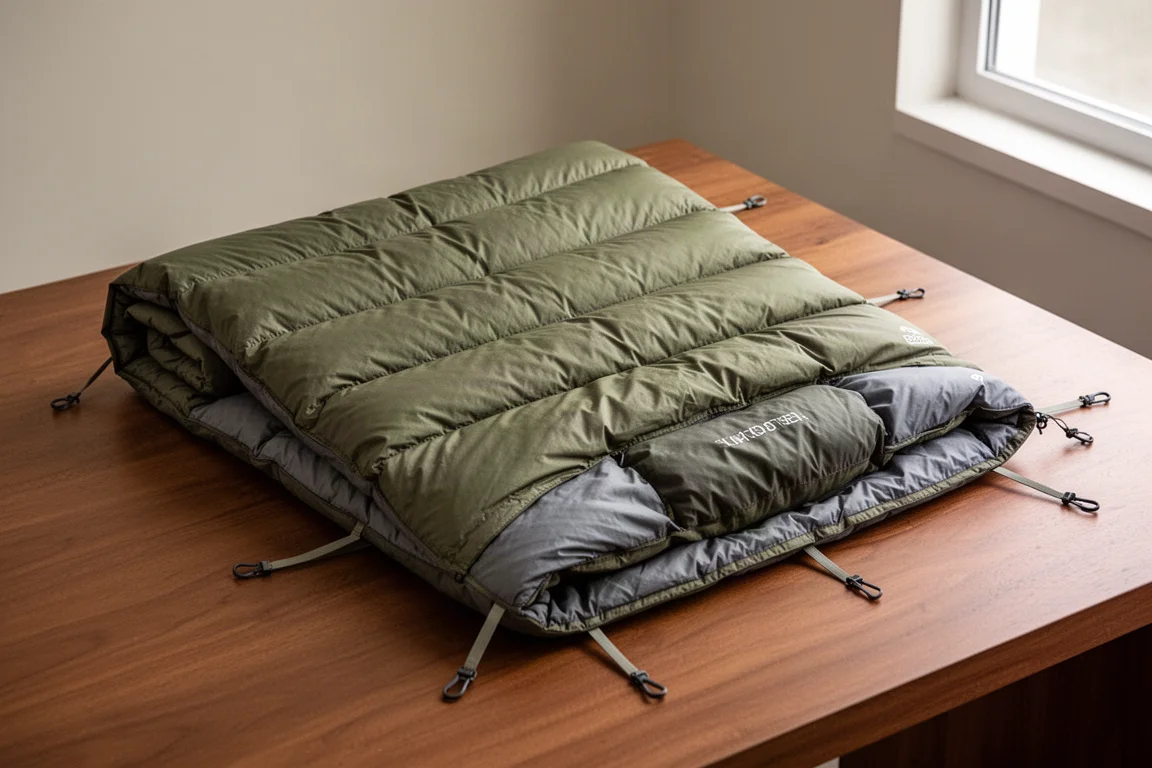
If you can accept a longer wait, the Hammock Gear Burrow Economy Quilt is a meaningful step up. It costs a bit more than the Thermodown 15 and is quite a bit lighter, and it ships with all the pad straps you need, which removes both the extra purchase and the draft risk that comes with a single-strap setup.
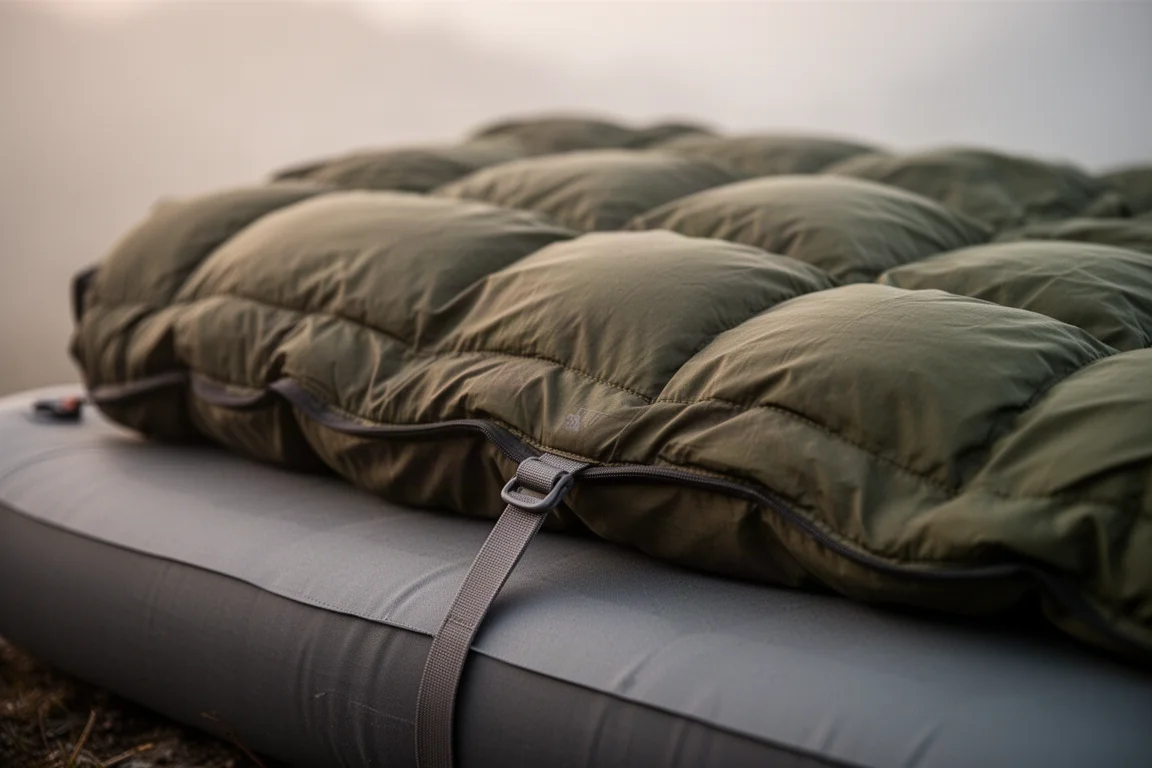
The trade-off is lead time. This is a custom quilt with a wait of roughly seven to eight weeks, which makes it a sensible pairing if you are already waiting several weeks for an imported tent. For many buyers the extra $20 to $30 over the Paria quilt is worth it for the weight saving and the complete strap set.
Naturehike 65L Backpack
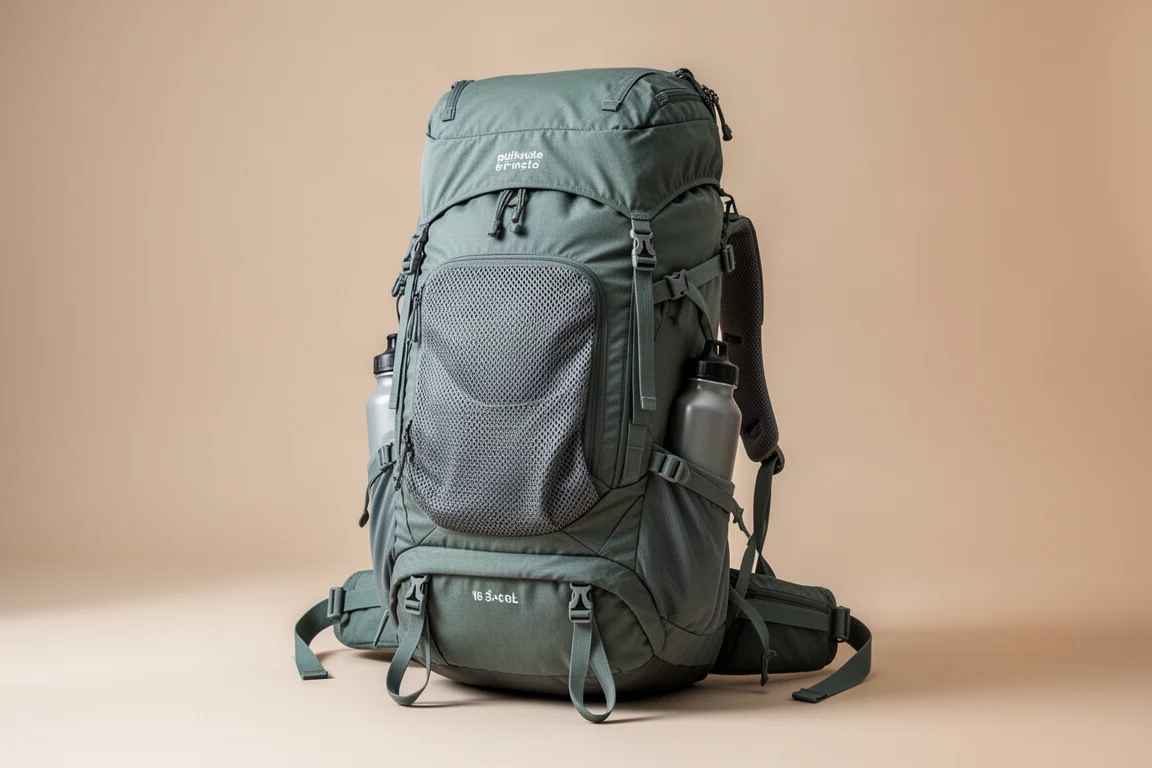
The Naturehike 65 litre pack costs under $100 USD and weighs 1.98 kilograms, which is moderate but still under the two kilogram mark. It carries a full feature set: a large stretchy front pocket, side water bottle pockets, a padded hip belt with pockets, compression straps, a top lid with several small compartments, a foam back panel, and load lifter straps.
Adjustability is the standout feature. Both the hip belt and the torso length can be adjusted, so there is no guesswork about ordering a small, medium, or large. The torso range covers roughly 16 to 22 inches, which fits a large share of the population. Proper fit is what distributes load across the hips, shoulders, and back, and this pack carried 35 pounds without complaint. The one improvement worth noting is firmer foam in the shoulder straps and hip belt, which would likely raise the comfortable ceiling to around 40 pounds.
Buying Advice: Putting the Full Setup Together
The full big three setup described here lands at roughly $500 USD. That figure covers a shelter, a sleeping pad, a quilt, and a backpack that are functional, comfortable, warm to around freezing, and light enough for a low pack weight.
The most useful pairing decision is temperature matching. The Recharge XL pad at a realistic R-value of 3 and the Thermodown 15 quilt at a realistic just-below-freezing range work as a set, and a second pad strap is what keeps that combination sealed. If you camp colder, add a closed-cell foam pad under the inflatable. If weight matters more than lead time and you can wait seven to eight weeks, the Hammock Gear quilt is the lighter option.
On the shelter side, choose the original Lanshan 2 for the lowest cost and solo-friendly weight, and the Pro if you want the wider floor. The Naturehike 65L is the piece to buy once you know your torso length falls inside its adjustable range, which covers most people.
Conclusion
An affordable backpacking setup does not have to mean heavy or uncomfortable gear. A trekking pole tent, a wide four-inch pad, a 700 fill power down quilt, and an adjustable 65 litre pack cover the full big three for around $500 USD, and each piece holds up to real trail use rather than fair-weather camping only.
Start with the shelter and the sleep system, since those determine how well you sleep, then add the pack once you know your torso measurement. Buy the second pad strap at the same time as the quilt. That is the whole setup.
Further reading
Related Reviews

Backpacking Gear
Building a 10 lb Base Weight: An Ultralight Backpacking Gear List
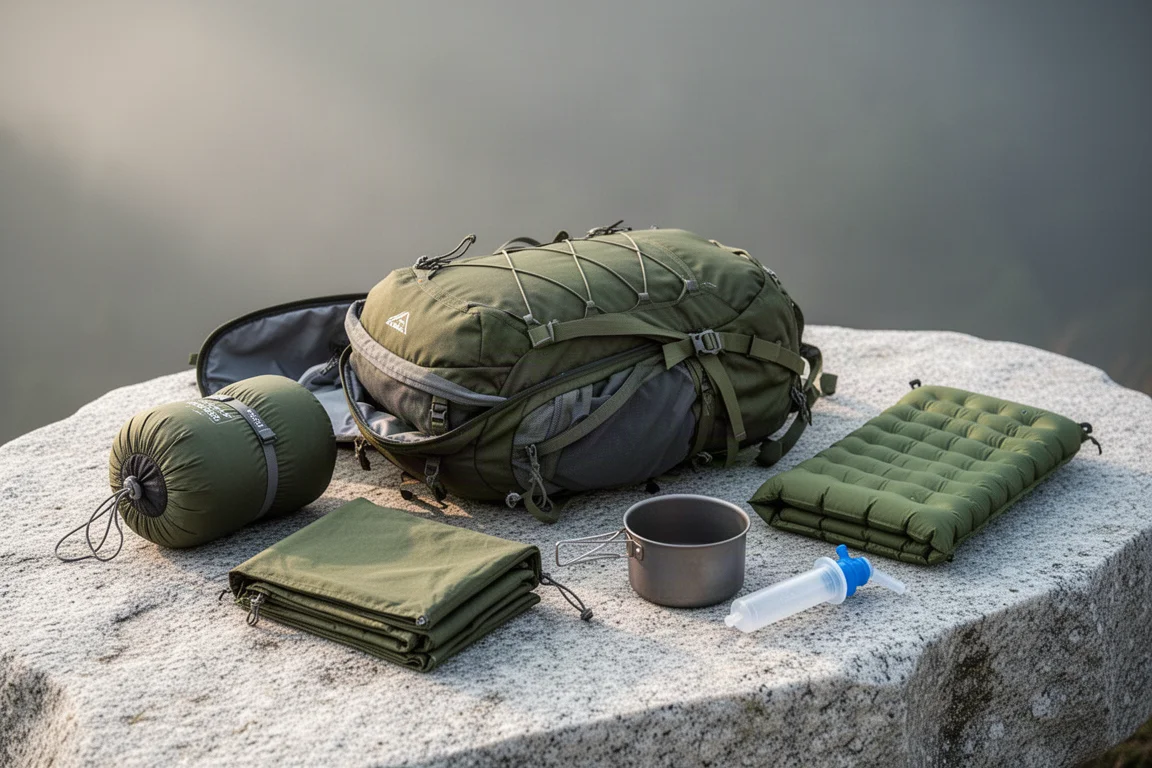
A practical walkthrough of the ultralight pieces behind a 10 lb base weight, from a 765 g pack and a roomy one-person tent to a full camp chair and a dependable water filter.
Backpacking Gear
A 15-Pound Lightweight Backpacking Gear List for Solo Trips
A beginner-friendly 15-pound backpacking setup built from easy-to-find gear, with notes on what each piece does, how it packs, and where to spend your attention.
Backpacking Gear
8 Ultralight Backpacking Gear Upgrades Worth Carrying
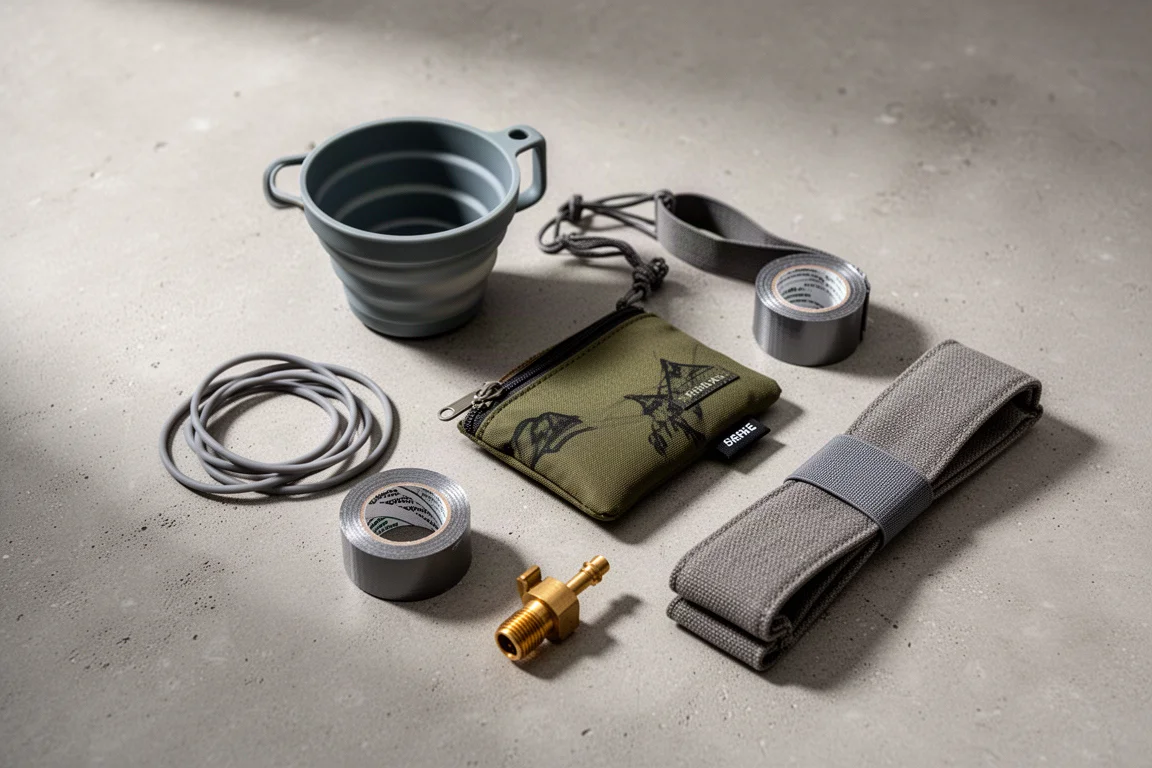
Eight small, affordable backpacking upgrades that solve real trail annoyances, from a pillow that stays put to a fuel valve that rescues leftover canister gas.