Road Cycling Helmets
Best Aero Road Helmets 2026: Six High-Performance Options Tested
Six aerodynamic road helmets that balance speed gains, comfort, and ventilation. Real-world testing reveals which models deliver on their aero claims.
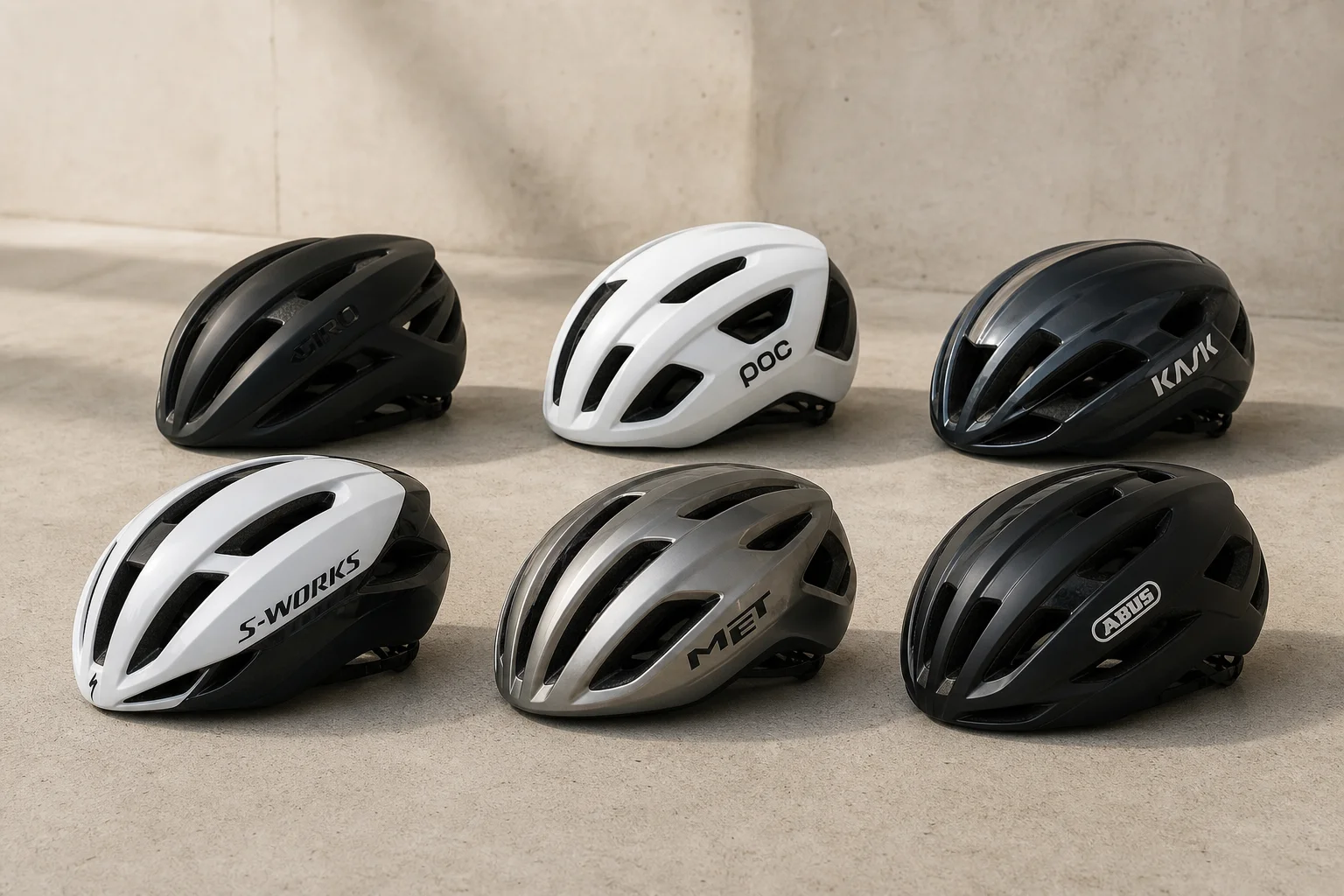
Why Aerodynamic Helmets Matter
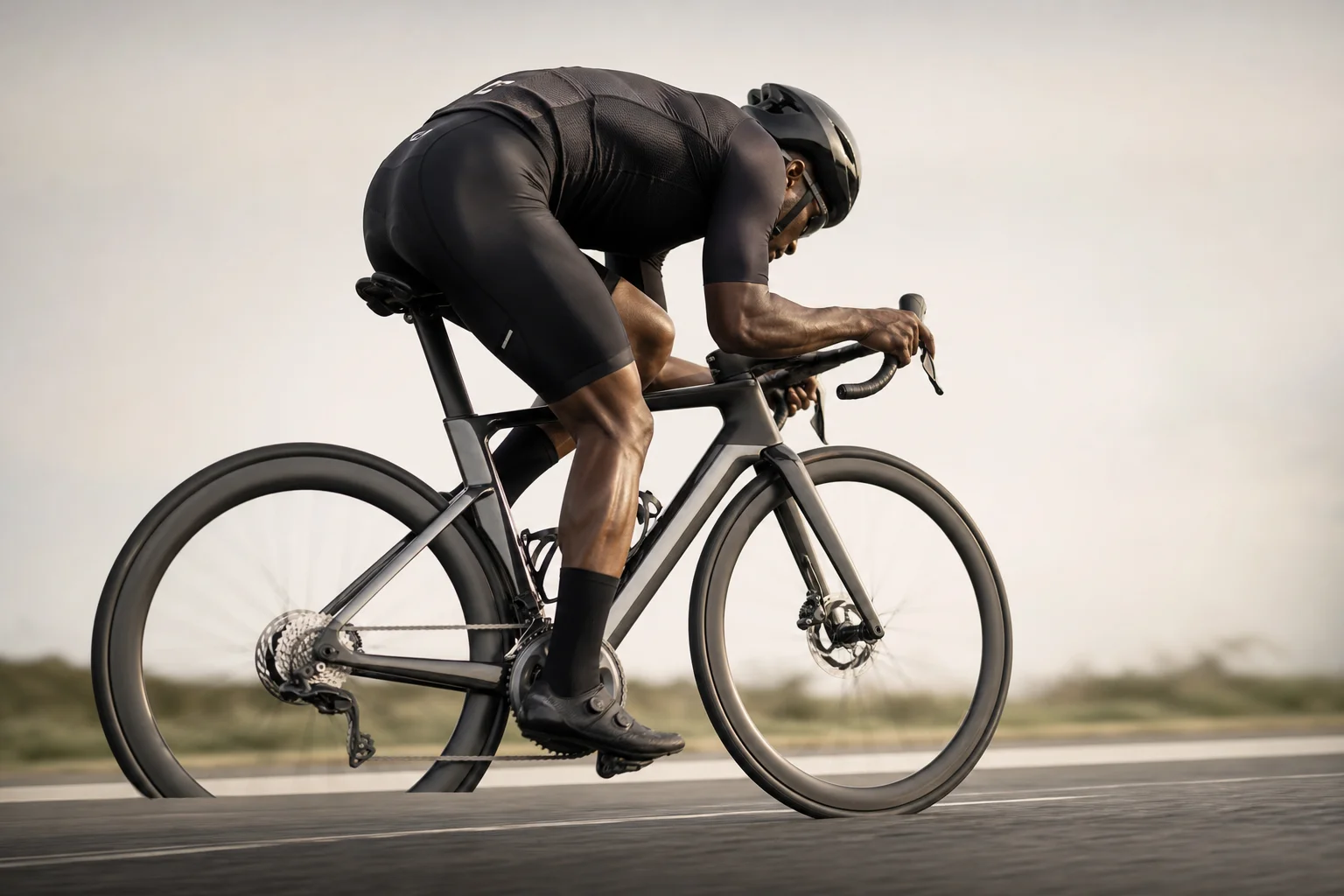
For many riders considering a new helmet, aerodynamics is a key factor. Modern aero helmets can save approximately 10 watts at 40 km/h, which is a meaningful gain that accumulates over long rides. Beyond raw speed, aero helmets offer secondary benefits including reduced wind noise and, counterintuitively, better warmth retention on winter rides due to fewer vents and less ventilation.
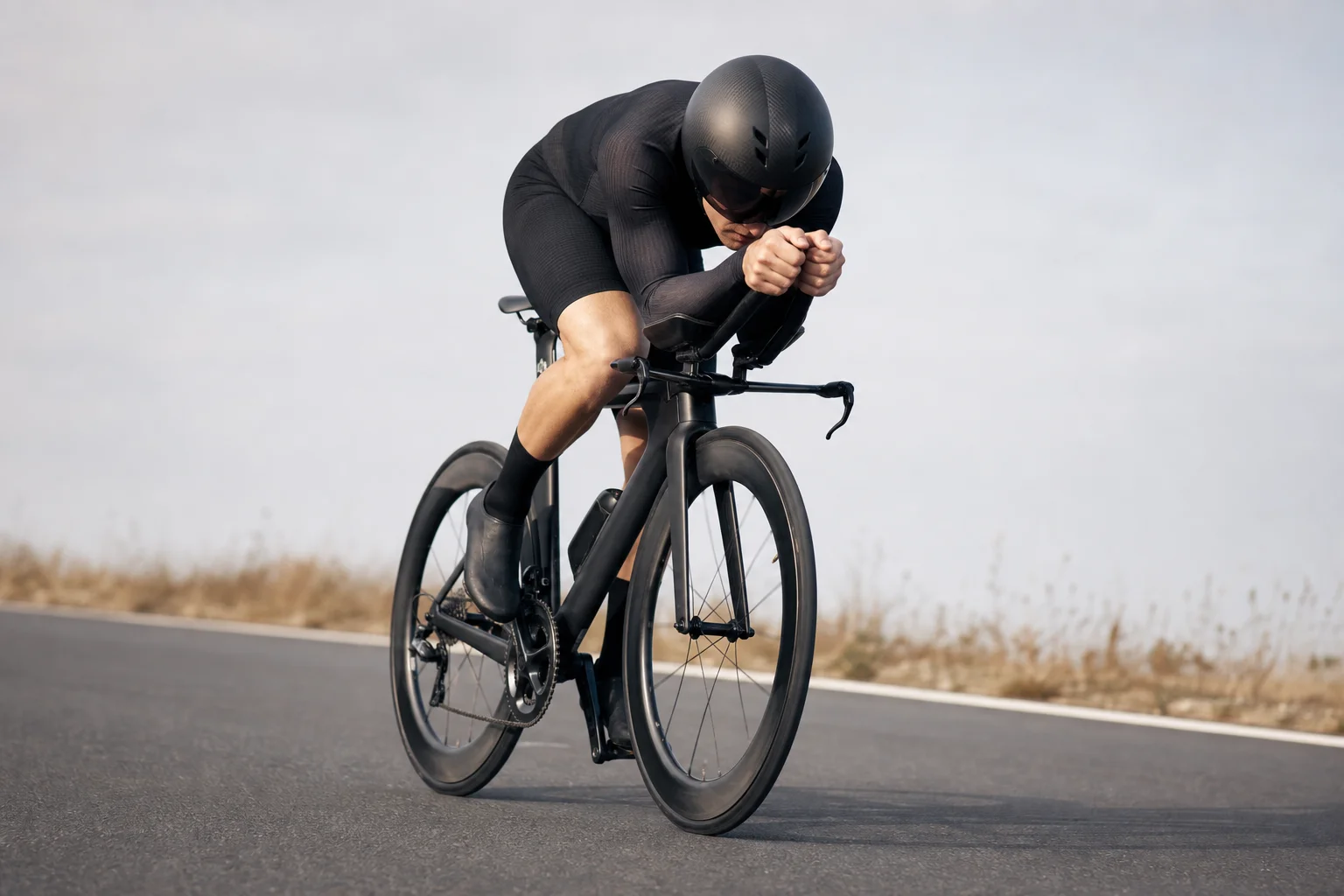
The trade-off between aerodynamics and ventilation is real, but modern designs have narrowed this gap considerably. The helmets tested here represent the current state of aero helmet technology, balancing speed claims with practical comfort and safety features.
Specialized S-Works Evade 3
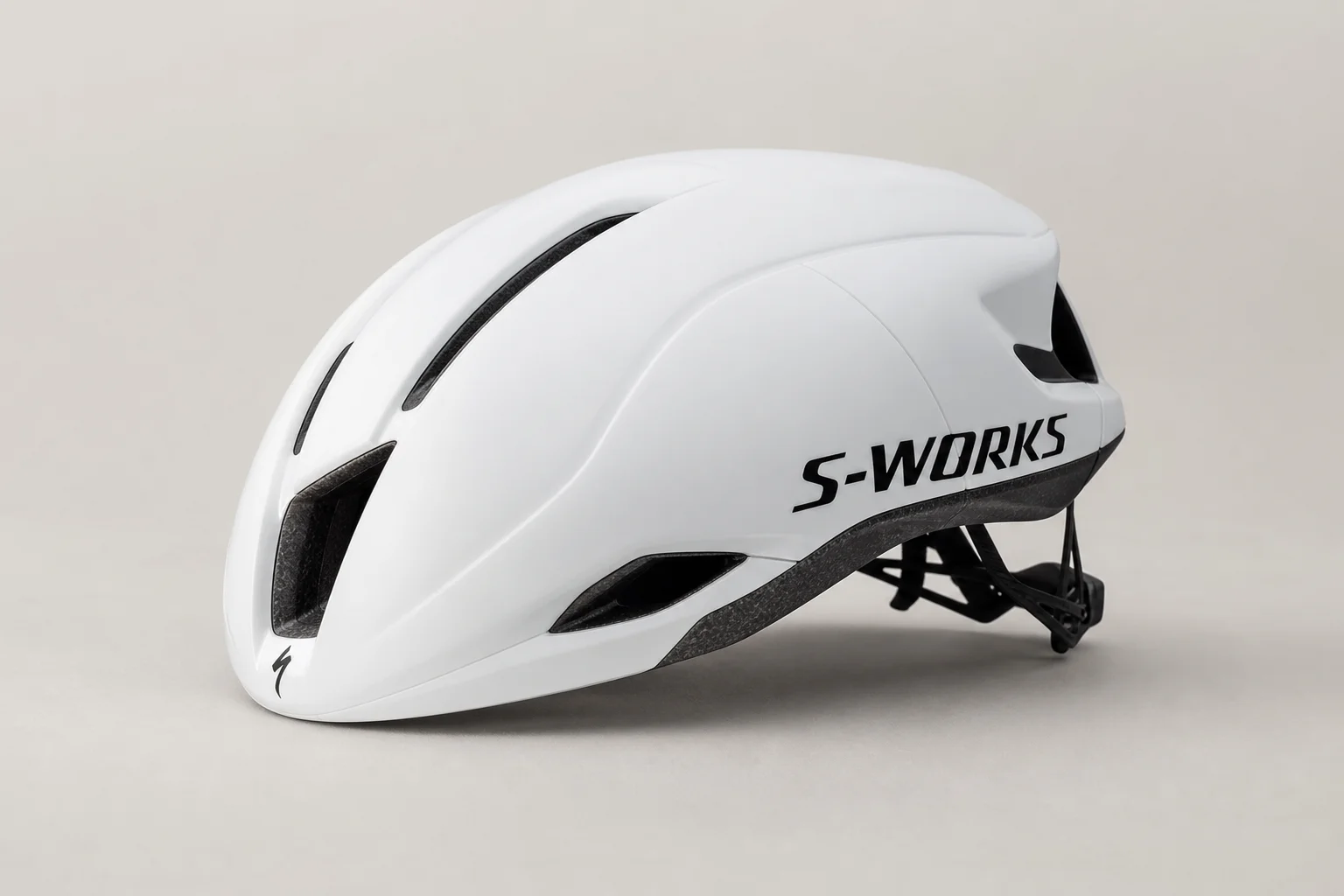
The Specialized S-Works Evade 3 is one of the most common helmets seen in professional pelotons, though this owes more to Specialized’s extensive team sponsorships than to it being the fastest helmet on the market. In testing, the Evade 3 proved to be an impressively cool-feeling helmet despite its minimal vent count, and it delivers strong comfort on all but the hottest days or steepest climbs.
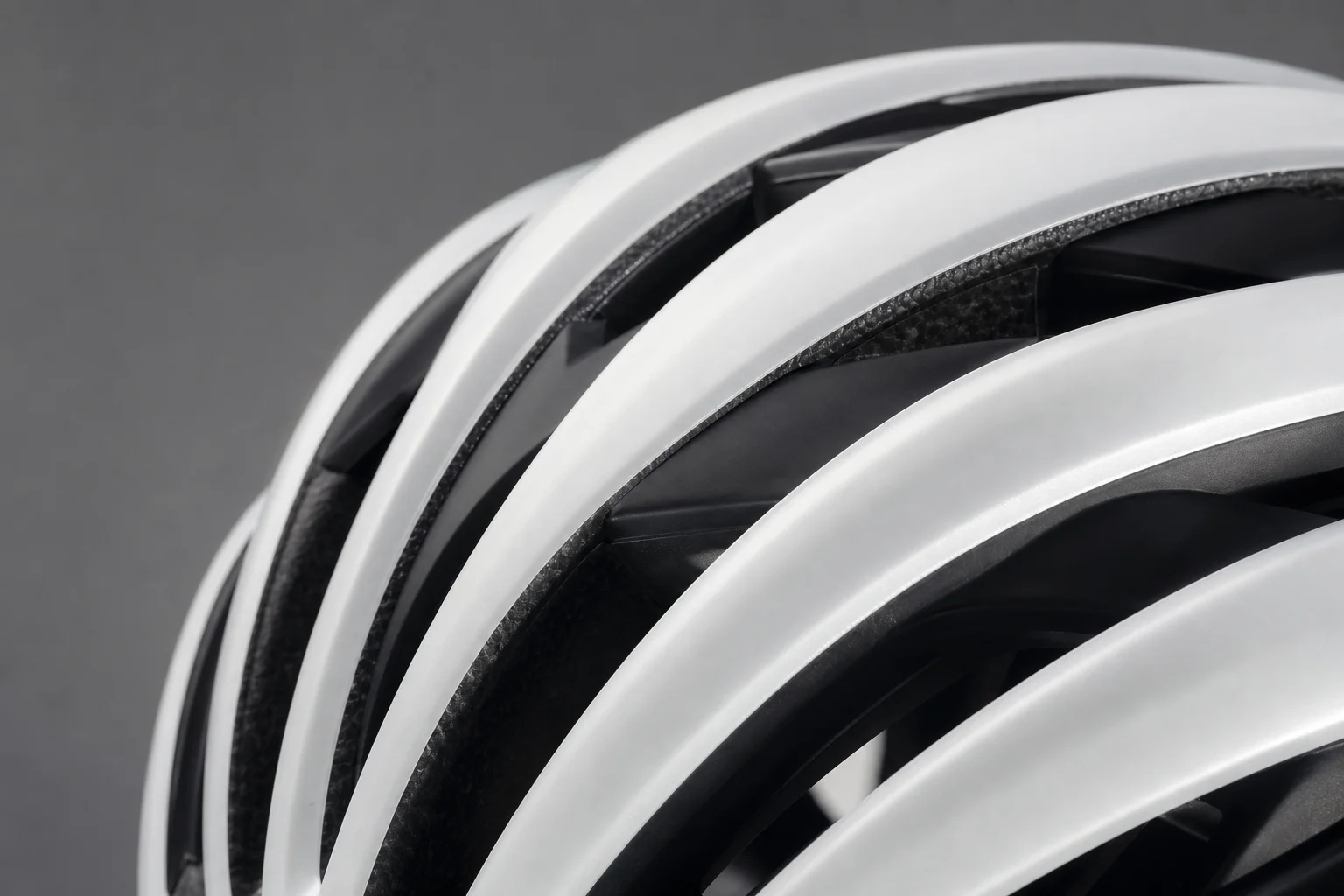
Compared to the Evade 2, this version draws 10% more air across the head. Notably, Specialized has not attached specific aerodynamic time-saving claims to this model, which is unusual for the brand. The helmet excels at managing airflow, with testers reporting clear air entry at the front and smooth exit at the rear.
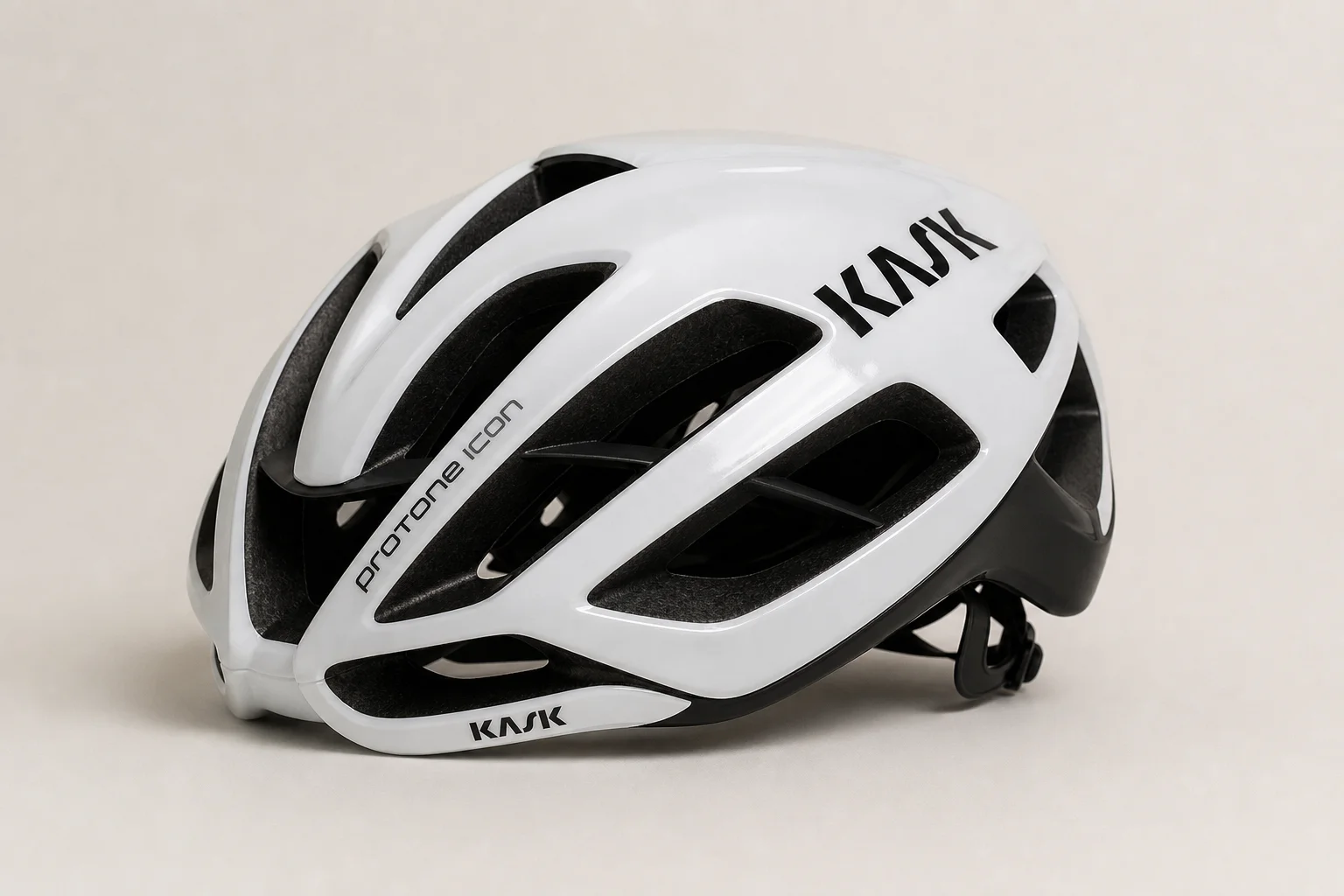
Kask Protone Icon
The Kask Protone Icon is an evolution of the Protone helmet, claimed to improve on its predecessor in every way. Kask makes bold technical claims: the Protone features an aerodynamic shell tested in a wind tunnel, and the company states that in any head position, airflow will be perfectly aligned with the helmet geometry.
In practical testing, the Protone Icon emerged as exceptionally comfortable, with one tester calling it the most comfortable aero helmet he has ever ridden. The price is high, but the quality justifies the investment.
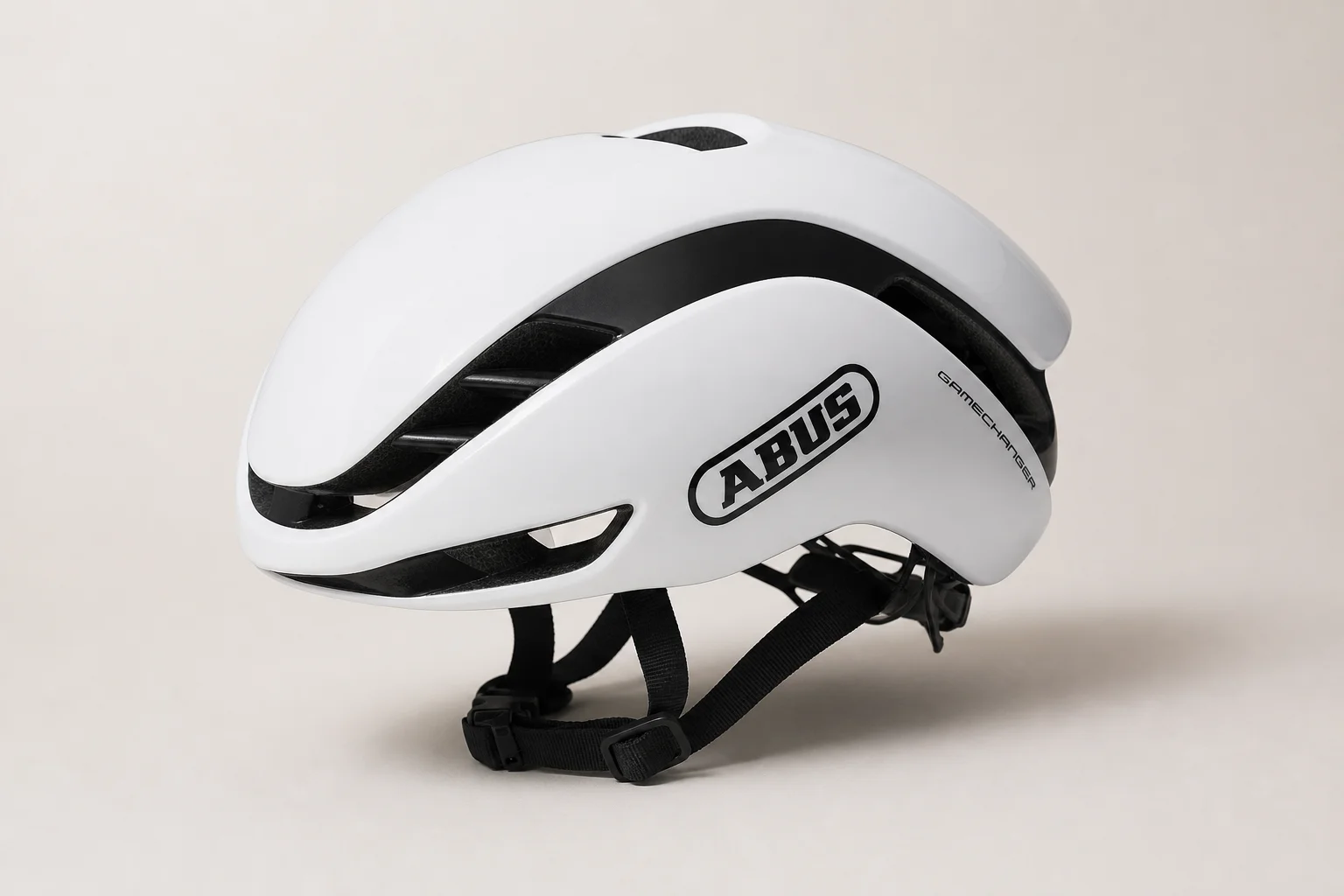
Abus GameChanger
The Abus GameChanger is one of the most refined aero helmets available, and one of the few aero models that appeals to riders who typically avoid aggressive aerodynamic designs due to fit concerns. Abus claims this is the ultimate aerodynamic helmet for performance road cycling, developed in partnership with Team Mistral.
The multi-position design optimizes airflow for real race conditions. The aerodynamic flutter-free side straps feature a special profile to maintain aerodynamic efficiency, and rear ports securely hold sunglasses. The sleek fit and refined aesthetics make this a standout choice for riders who want speed without sacrificing style.
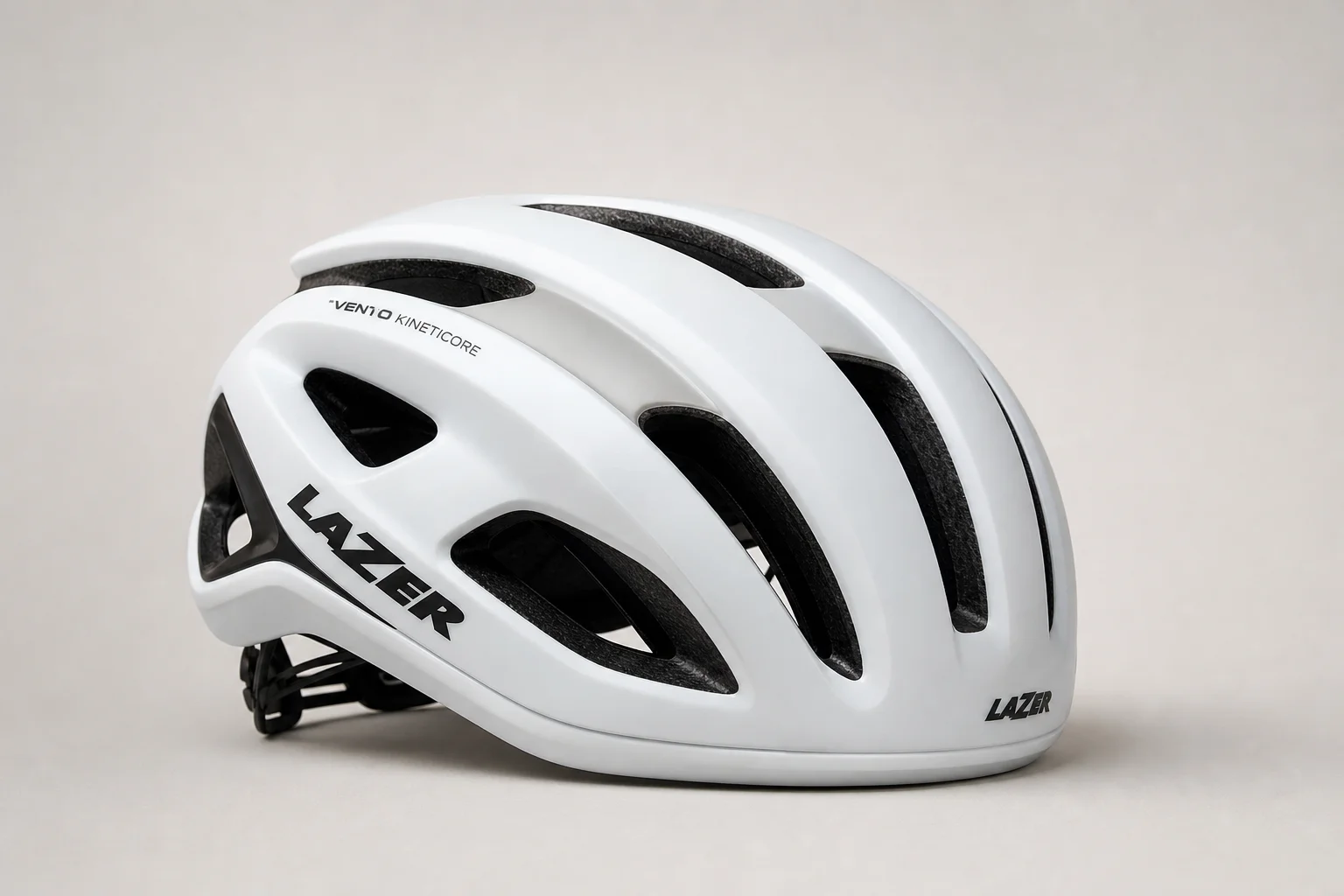
Lazer Vento KinetiCore
The Lazer Vento KinetiCore combines decent airflow with an innovative fitting system and distinctive aesthetics that avoid the mushroom-head look common to many aero helmets. Lazer designed this helmet to be fastest in a sprint position at 15 degrees, with optimized airflow to help increase speed.

Beyond speed claims, the Vento KinetiCore delivers genuine comfort through soft straps and well-positioned pads that dry quickly and resist sweat absorption. One practical feature is the vent docking system, which securely stores sunglasses when removed during climbs. A minor consideration: the wide straps can occasionally interfere with glasses, so trying before purchase is recommended. Lazer also claims to use 90 grams less plastic than the Bullet 2.0, a meaningful weight reduction.
MET Trenta
The MET Trenta is a helmet that commands respect from serious riders. Both professional and amateur cyclists choose this model, and it is frequently spotted on riders who win across all race types, from classics to mountaintop finishes. The distinctive look, with hair often visible through the top vents, has become iconic in professional cycling.
MET recently added MIPS technology to the Trenta without adding significant weight. A size small weighs just 223 grams, lighter than many non-aero helmets and approximately 25% lighter than many competitors here. The carbon fiber elements are structural rather than purely aesthetic, helping keep weight down. A non-carbon version is available at a lower price point with the same aerodynamic claims, safety, and ventilation, though slightly heavier. Sunglasses storage is secure on this model as well.
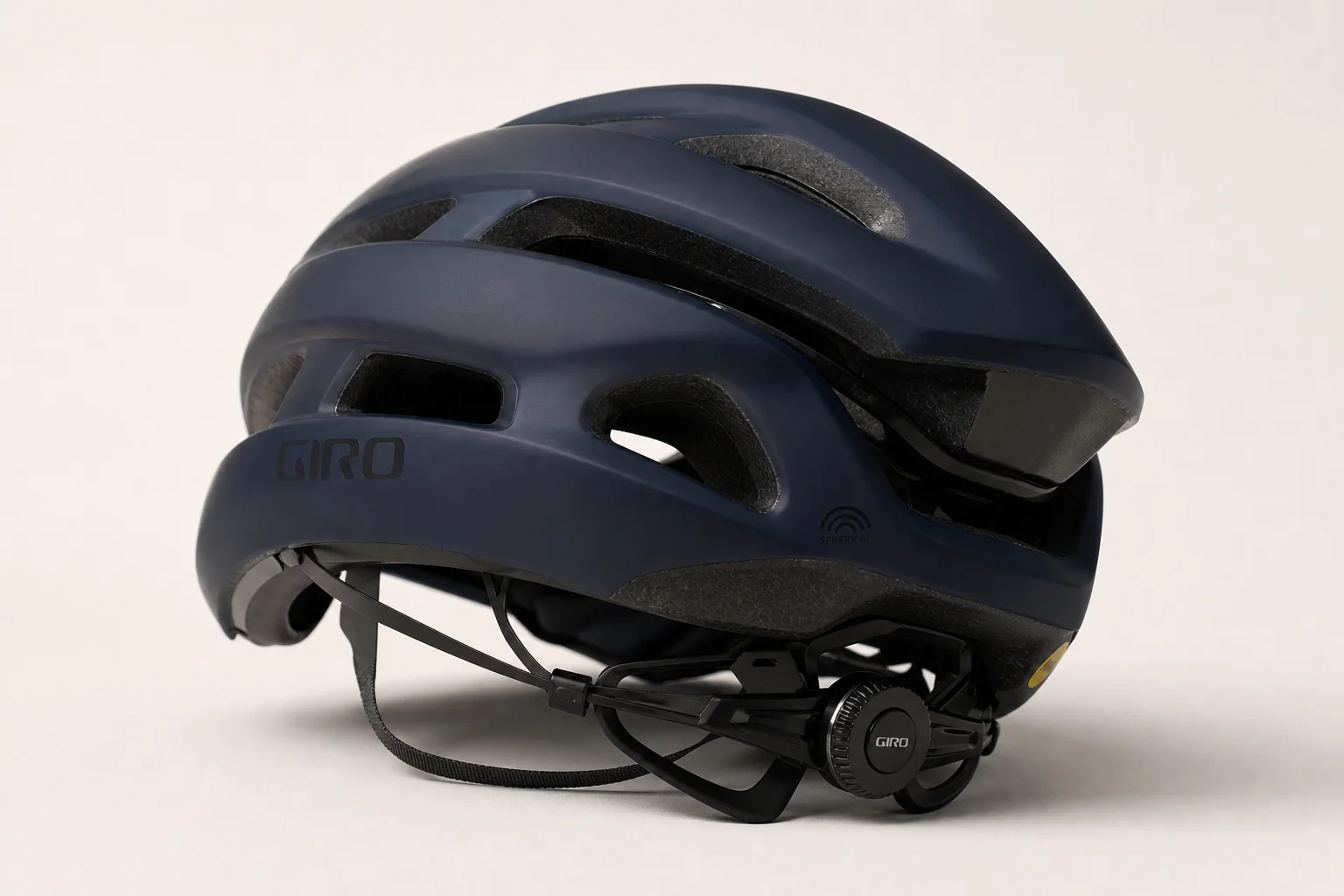
Giro Eclipse
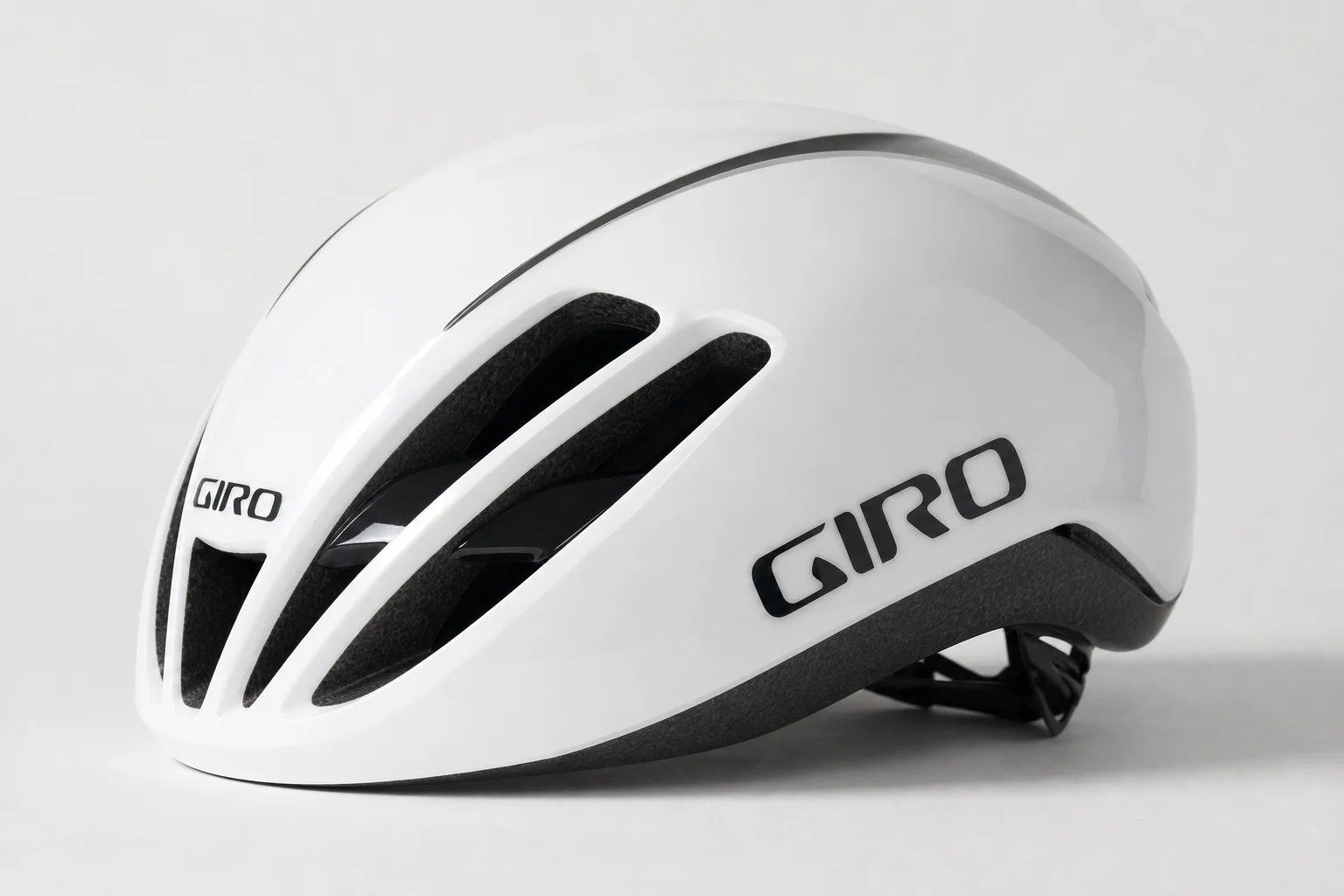
The Giro Eclipse first appeared in the WorldTour in 2021, and the manufacturer claimed it is 163.5 seconds quicker than a non-aero helmet over 100 miles at 25 mph. While such claims are most relevant to professional riders, the Eclipse performs exceptionally well in real-world conditions.
Unlike many aero helmets that suffer from poor ventilation, the Eclipse performs well thanks to large front vents and the RockLock 5 retention system, which holds the helmet slightly above the skull for comfort. One minor compatibility issue: some long-armed sunglasses may interfere with the fit, though this is not a universal problem. Overall, the Eclipse is an excellent choice for riders seeking a genuinely fast helmet with strong ventilation.
Conclusion
Modern aero helmets have evolved significantly, offering meaningful speed gains without sacrificing comfort or ventilation. Whether you prioritize raw aerodynamic claims, comfort, weight, or distinctive aesthetics, one of these six helmets will match your priorities. Consider your typical riding conditions, budget, and personal fit preferences when choosing.
Further reading
Related Reviews

Backpacking Gear
Building a 10 lb Base Weight: An Ultralight Backpacking Gear List
A practical walkthrough of the ultralight pieces behind a 10 lb base weight, from a 765 g pack and a roomy one-person tent to a full camp chair and a dependable water filter.
Road Bikes
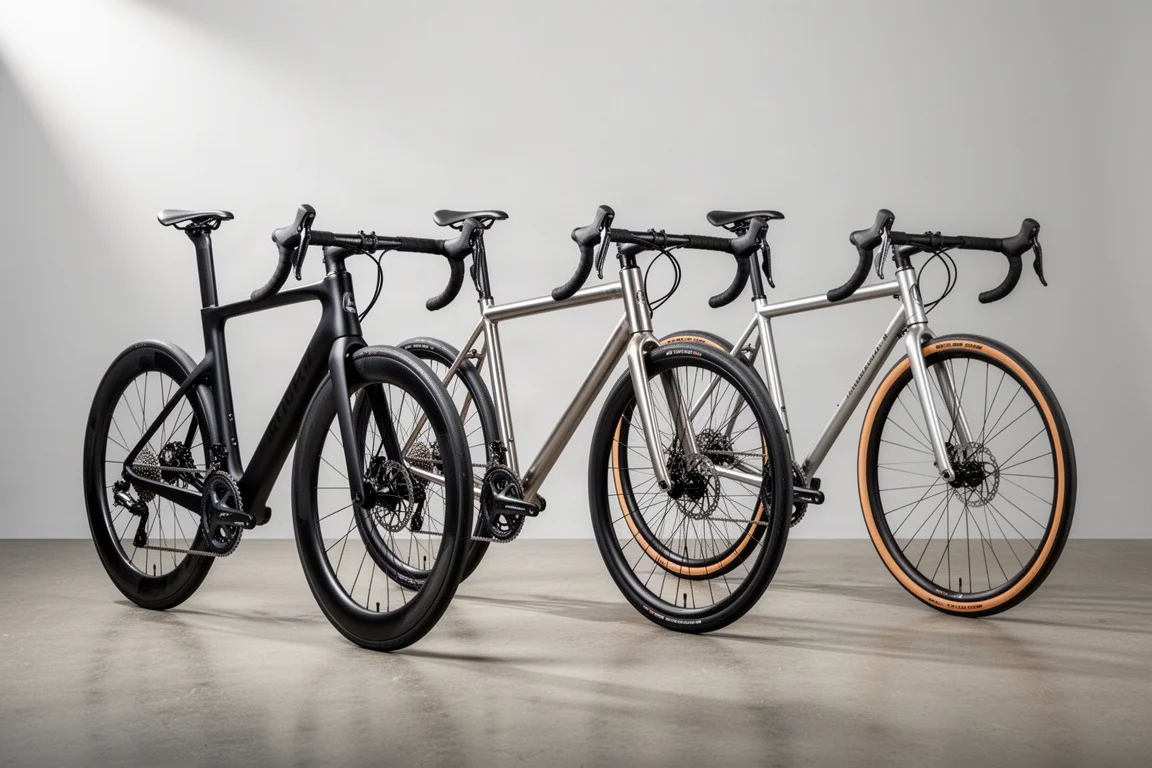
10 New Road Bikes Worth Watching: Aero, Titanium, Steel and Endurance Standouts
A practical roundup of 10 new road bikes, from aero flagships chasing single-watt gains to titanium, steel and endurance platforms built for real roads.
Bikepacking Gear
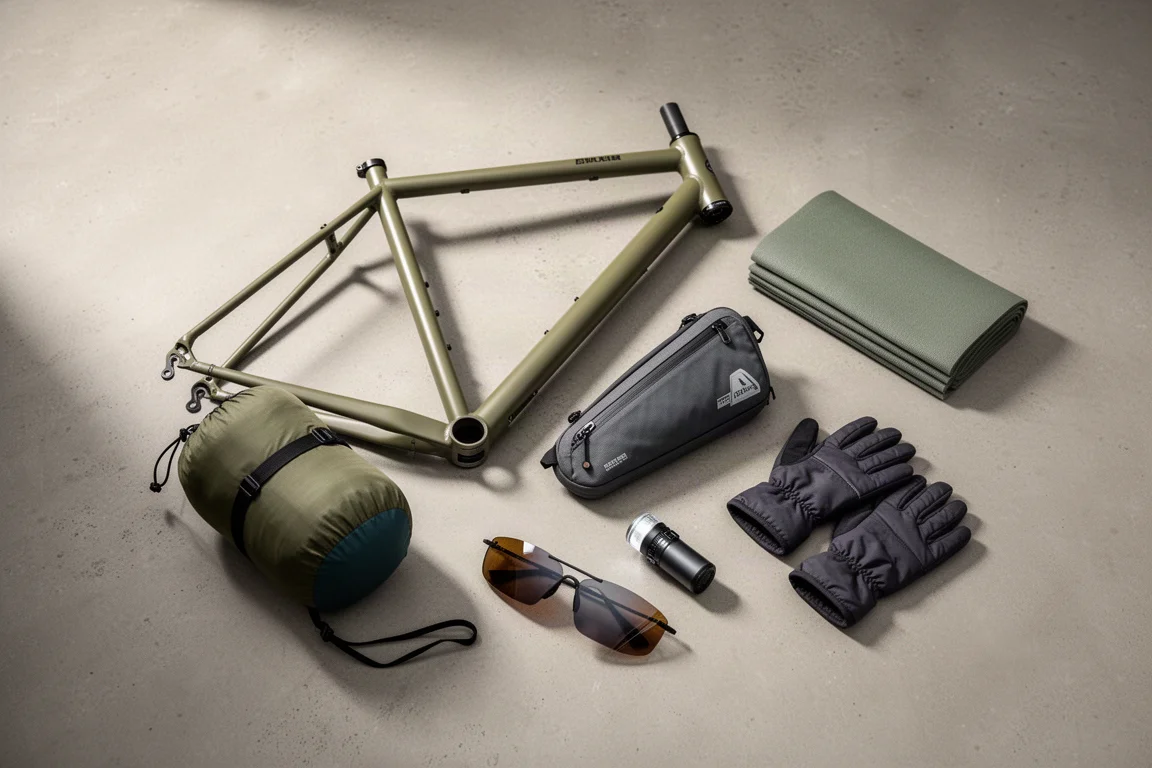
11 Bikepacking Essentials for Long-Distance Cycling
Eleven bikepacking essentials for long-distance cycling, from a steel gravel frame and a two-person tent to helmet lights, packable gloves, and a frame bag that puts weight in the right place.