Coffee Gear
AliExpress Coffee Gear Review: Five Products Worth Testing
A practical look at five coffee tools from AliExpress, including a sand heater, automatic brewer, latte art printer, espresso machines, and home roaster.
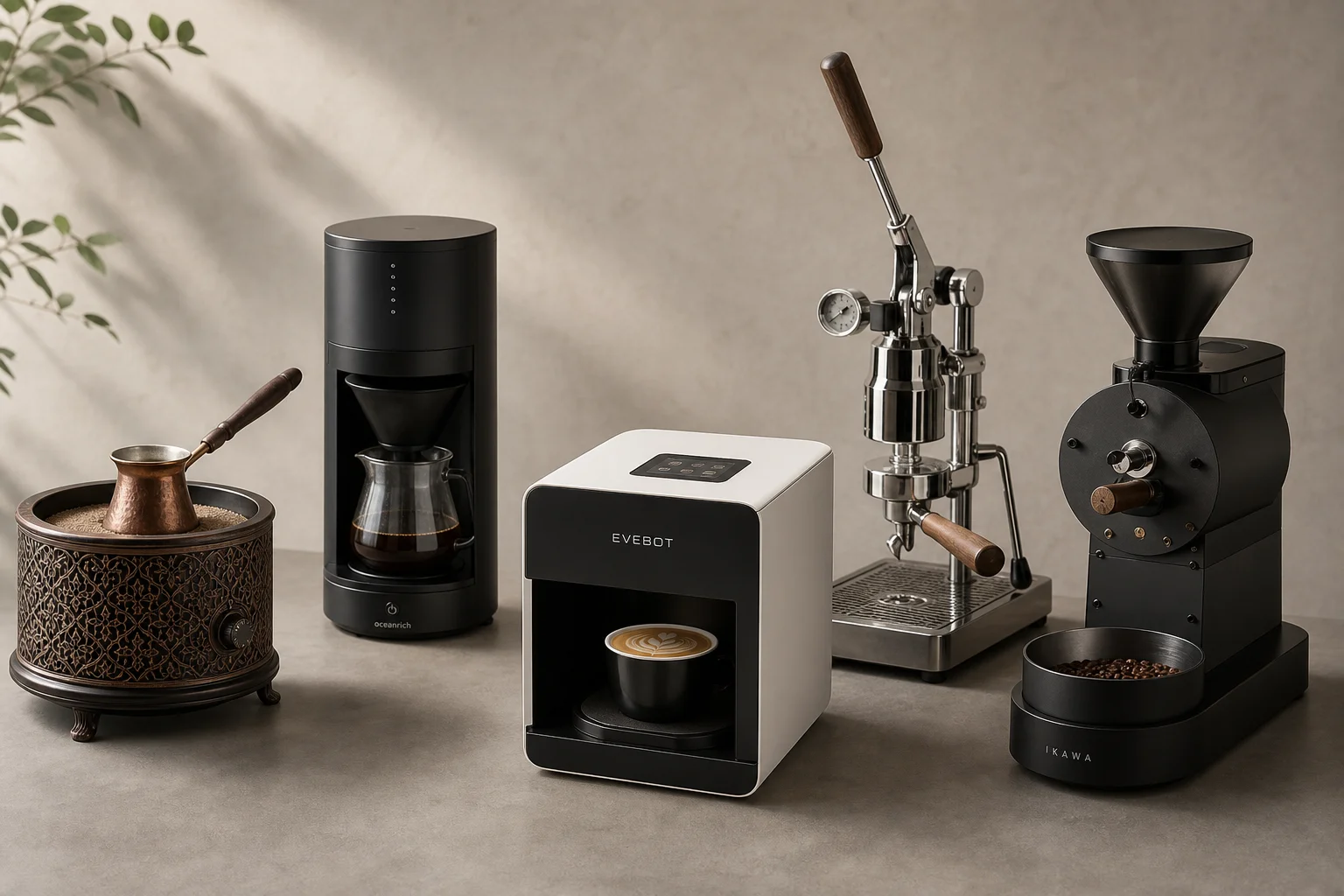
Introduction
Buying coffee equipment from AliExpress presents a genuine puzzle. The sticker prices look attractive, but shipping, customs, and delivery fees often shift the final cost closer to mainstream retailers. Yet some items do offer real value, and a few prove genuinely useful. This review covers five categories of coffee gear purchased from the platform: brewing methods, milk steaming, espresso machines, and home roasting.
Turkish Sand Heater: Traditional Brewing Method
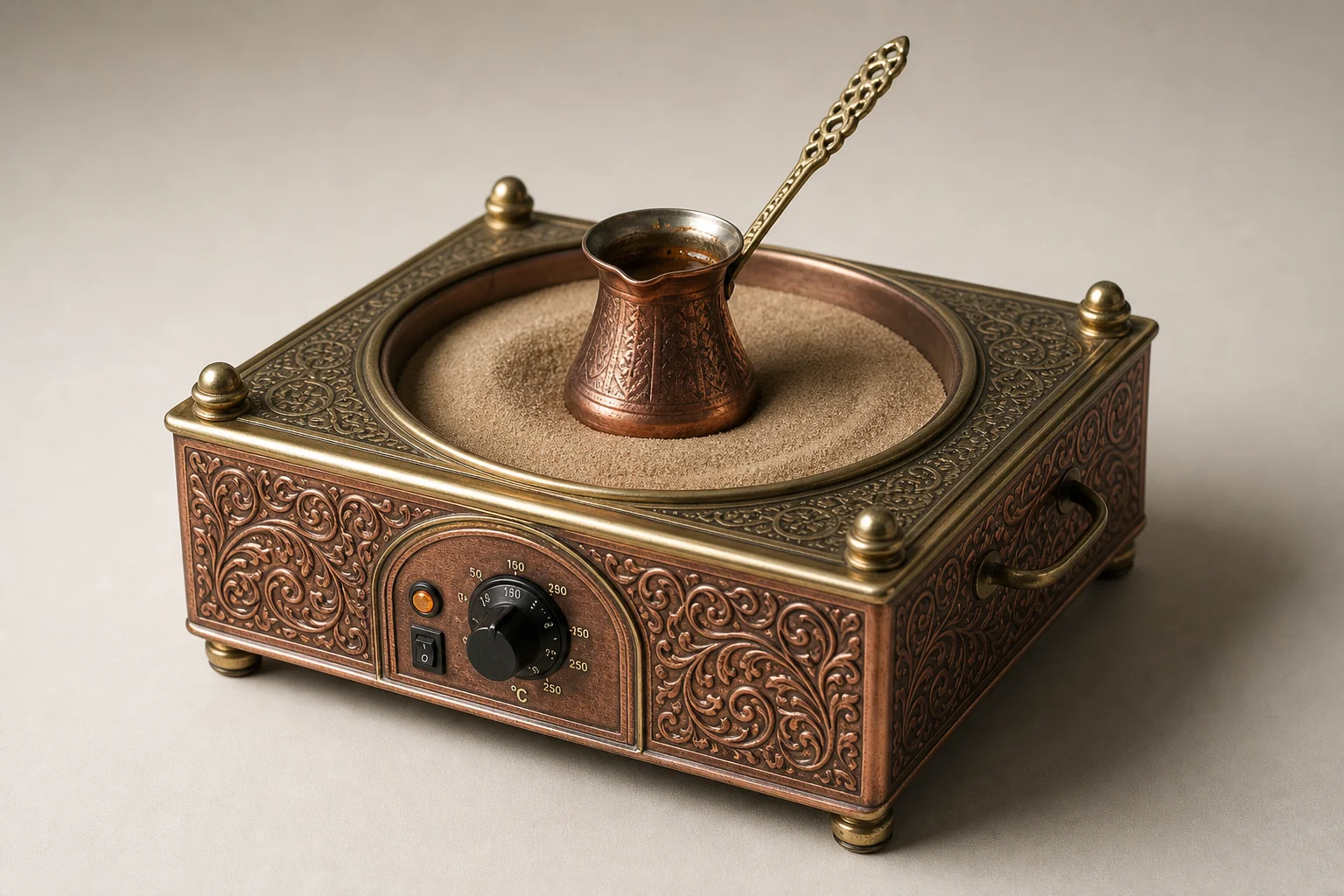
The sand heater caught attention as a genuinely different approach to Turkish coffee brewing. Rather than heating from the base alone, this device surrounds the brewing pot with hot sand, creating even heat distribution all around the vessel. The concept is traditional and theoretically sound.
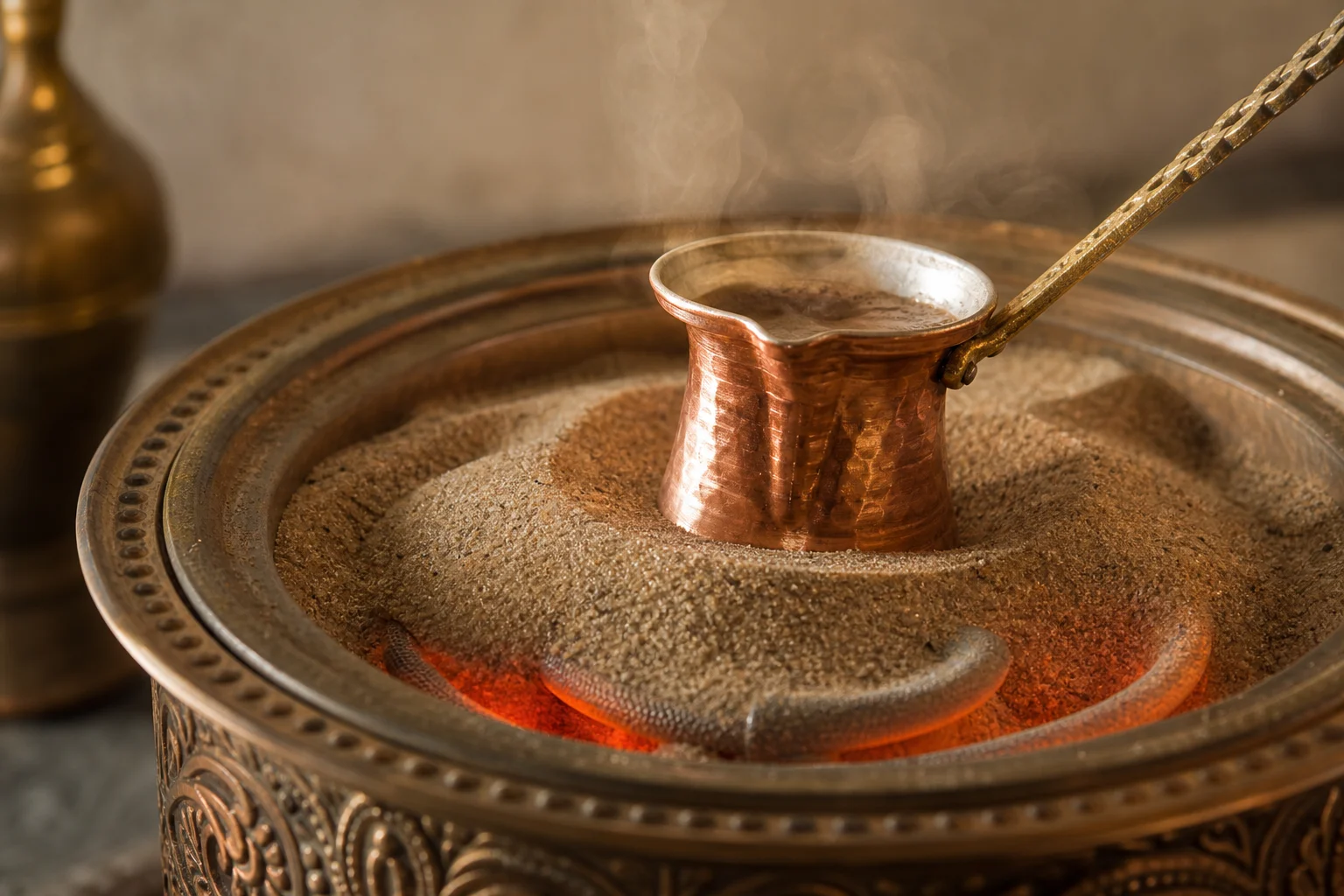
In practice, the sand heater reaches deep-frying temperatures quickly, around 150-170 degrees Celsius within minutes. The heating element works, but the smell during initial use is unpleasant, and the safety profile raises concerns. At approximately GBP 130 delivered, the value proposition weakens when considering the cost of a conventional stovetop method. The coffee itself, brewed at a 10:1 ratio with a two-minute brew time, tasted unremarkable. Without proper technique training, this device feels more like a novelty than a practical upgrade.
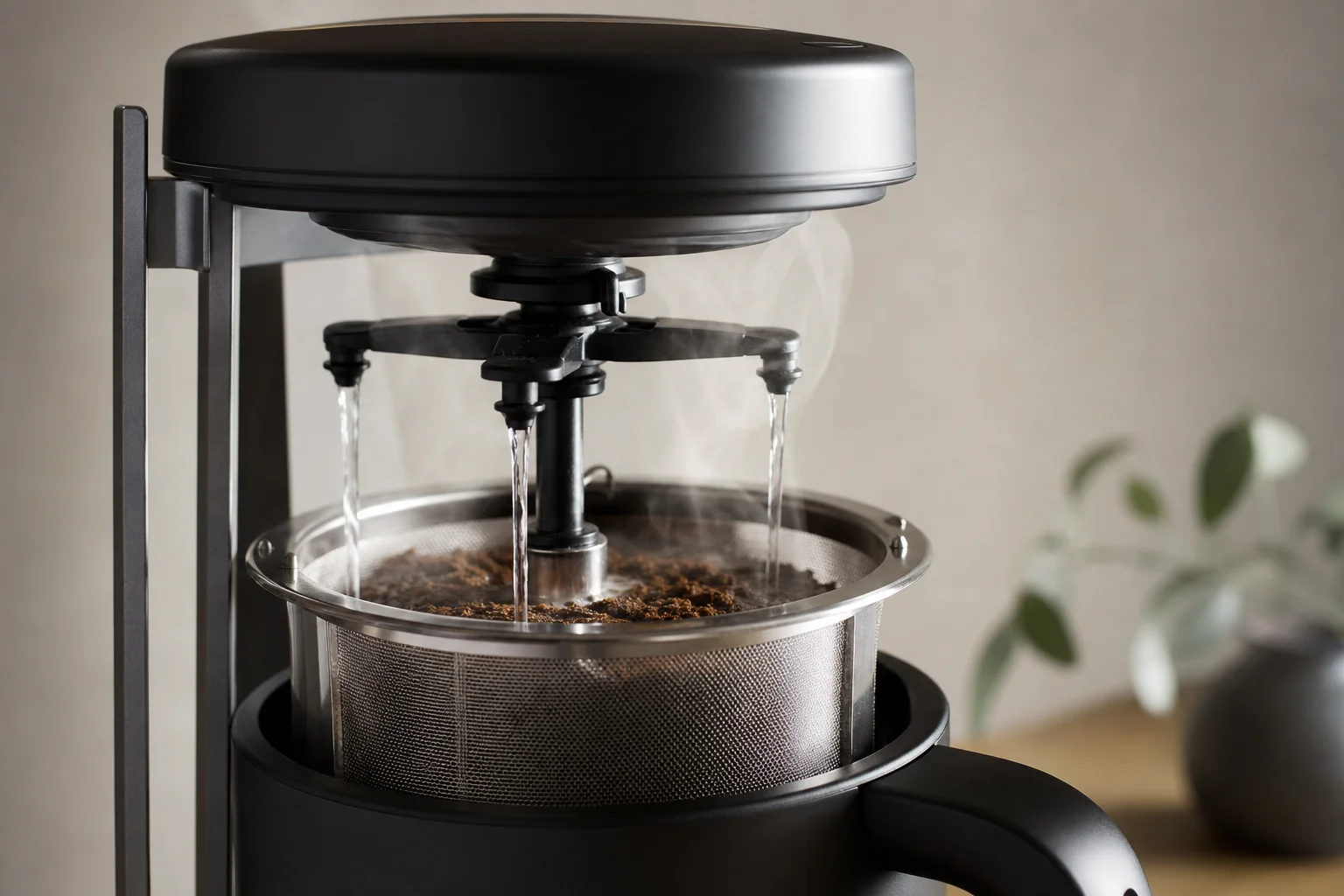
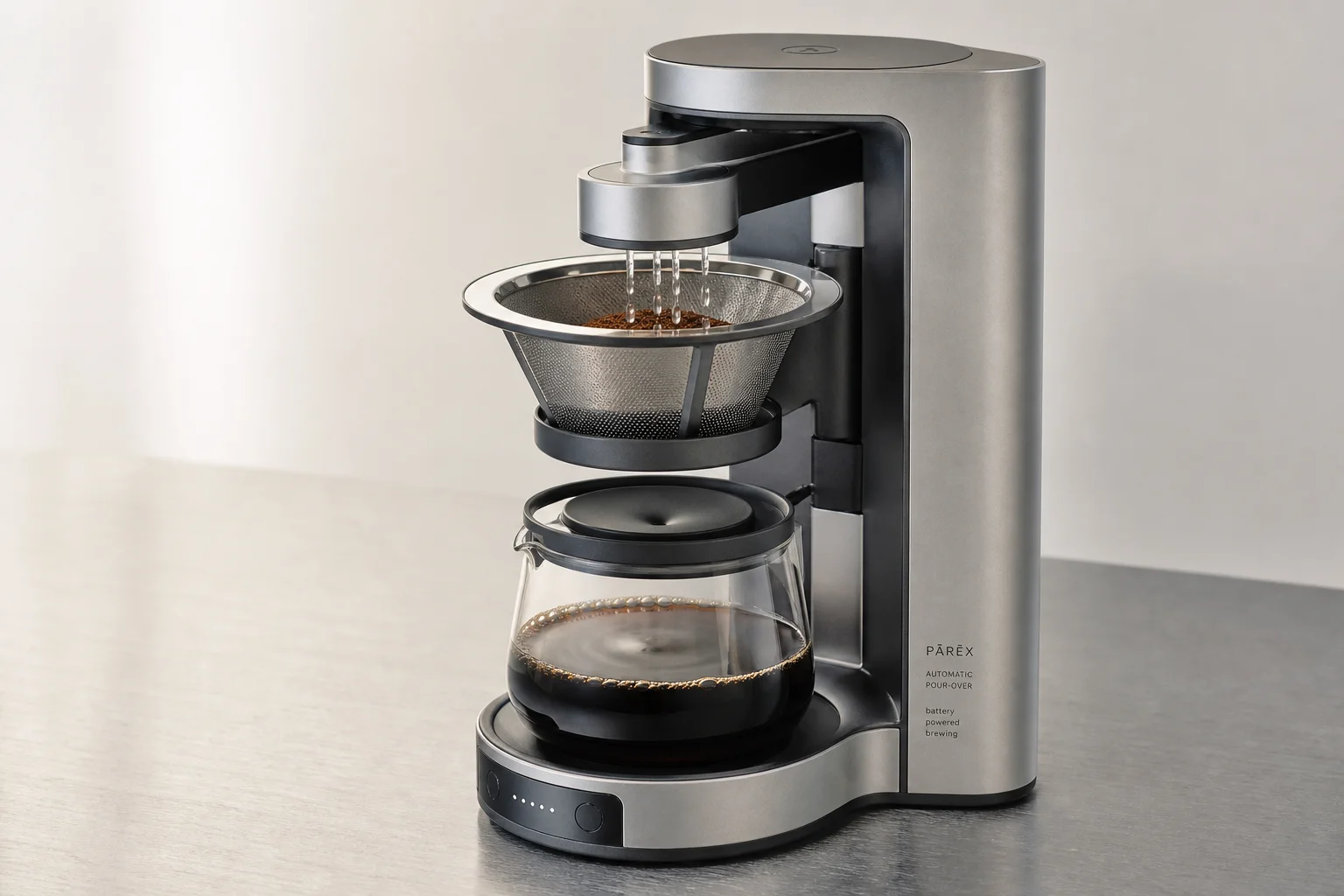
Automatic Pour-Over Brewer: Battery-Powered Convenience
This battery-powered brewer uses a rotating mechanism to deliver water slowly over coffee grounds in a metal filter basket. The concept appeals to anyone interested in hands-off brewing. Two AA batteries power the motor, which gently spins the water dispenser for approximately two minutes.
The collapsible kettle that arrived with it presented a different problem: at GBP 100 delivered, it was overpriced for what amounts to a basic electric kettle with a detachable base. The short power cord and inconvenient design made it awkward to use. The brewer itself, however, showed promise. It produced a clean cup with a flat bed of grounds, though the brew temperature ran slightly cool, favoring darker roasts over lighter ones. For the price, it represents a middle ground between manual and fully automatic brewing.
Evebot Latte Art Printer: Full-Color Coffee Canvas
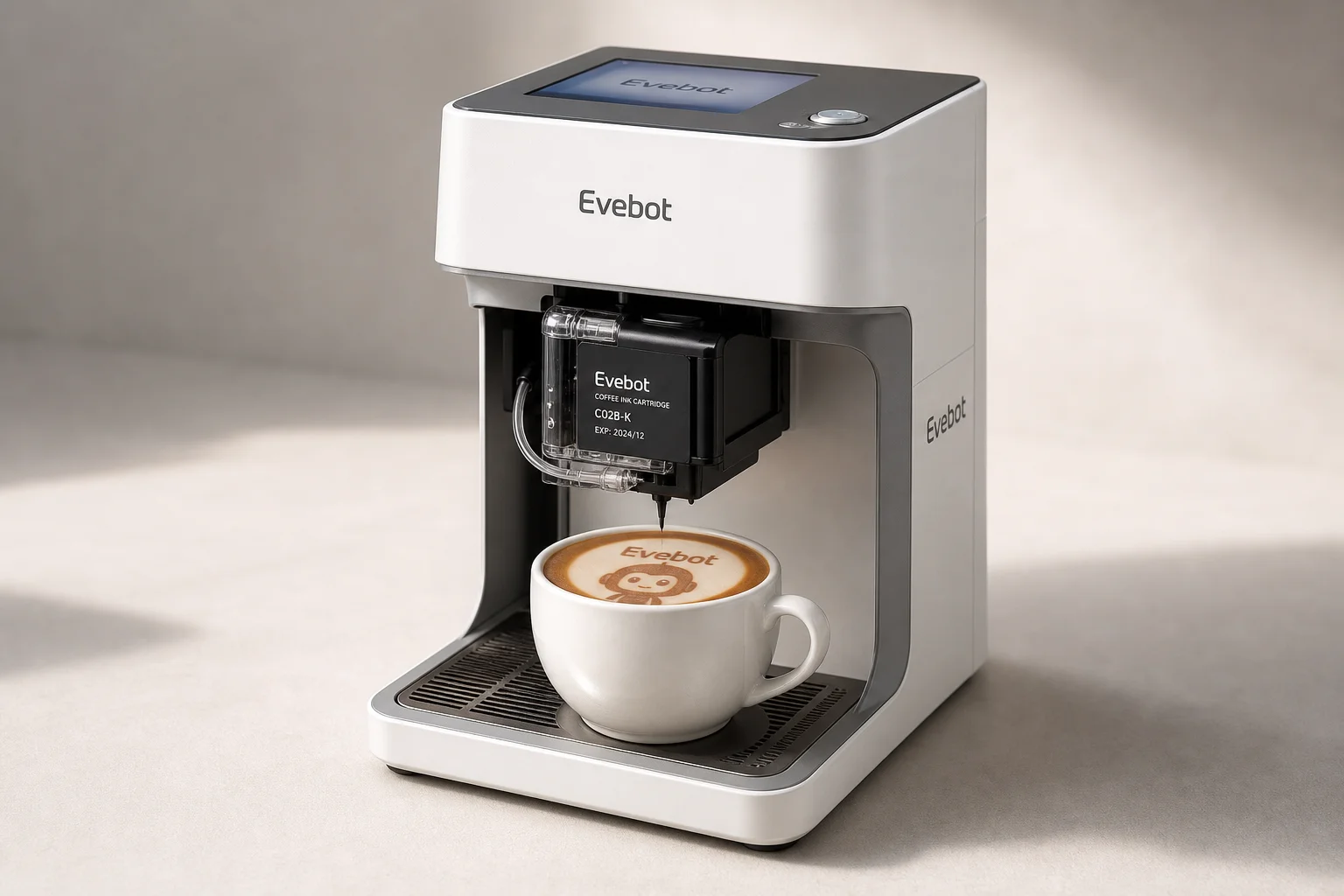
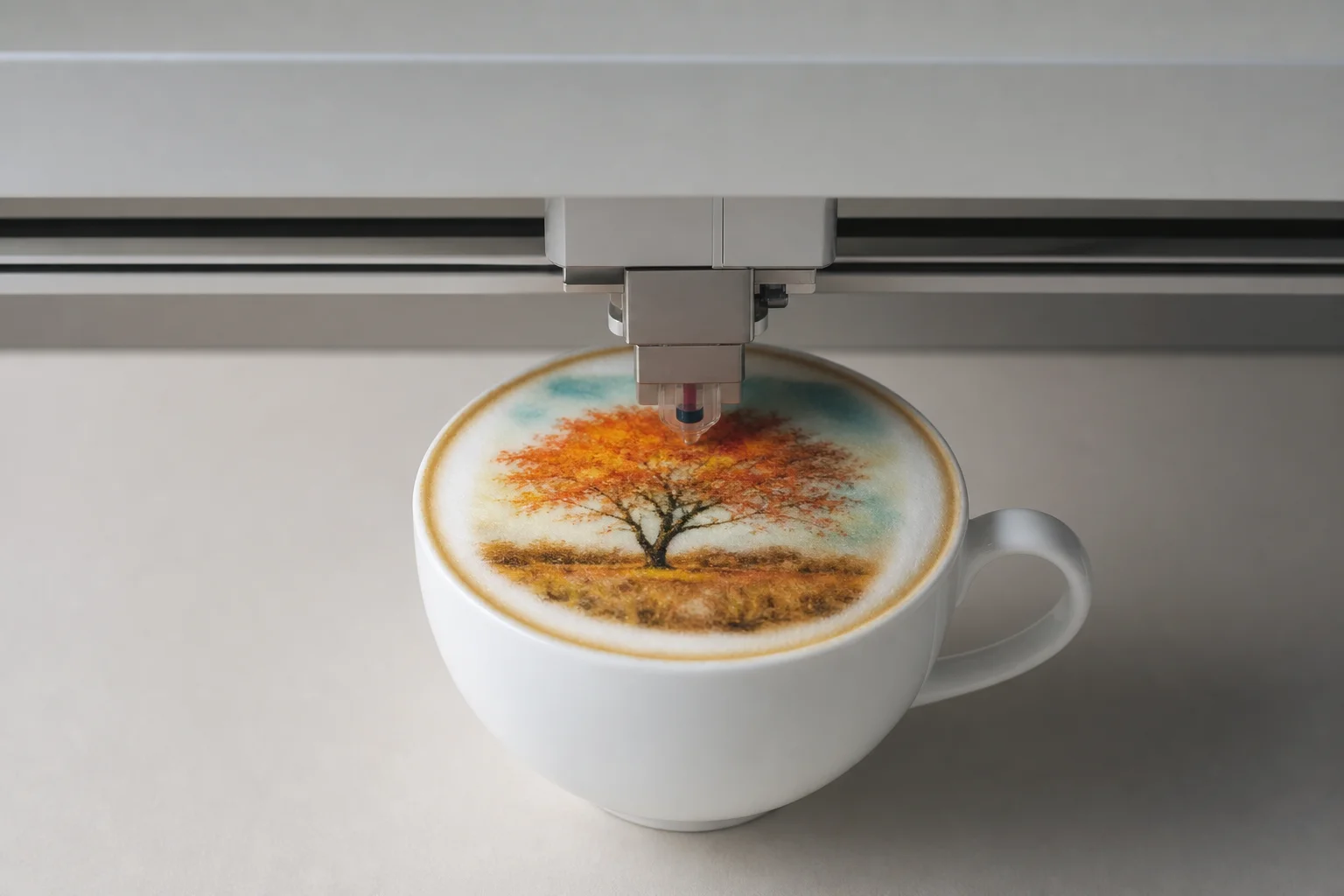
At GBP 1,500 delivered, the Evebot latte art printer is by far the most expensive item reviewed. It prints full-color images directly onto espresso and milk using food-safe ink cartridges. The workflow is straightforward: upload an image via QR code, select print settings, and press a button. The printer handles the rest.
The results are visually striking, though the cartridge performance showed slight color inconsistency, skewing toward green with incomplete magenta output. The ink itself is genuinely food-safe and flavorless. The device works as advertised, but the practical use case remains unclear. Serving someone a printed photograph on their coffee is more novelty than hospitality. For home use, it occupies an expensive middle ground between a fun gadget and a serious tool.
Manual Lever Espresso Machines: Hands-On Brewing
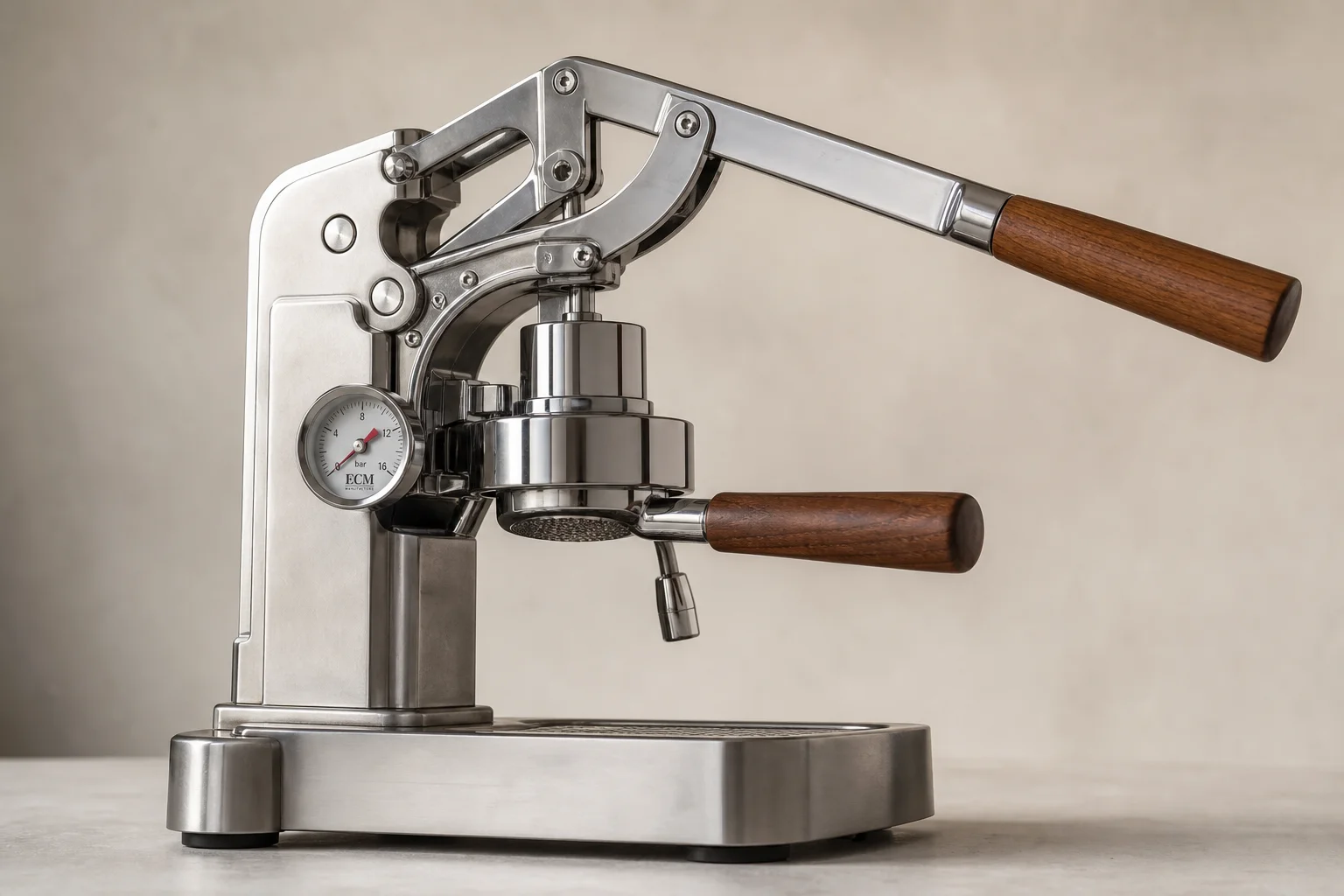
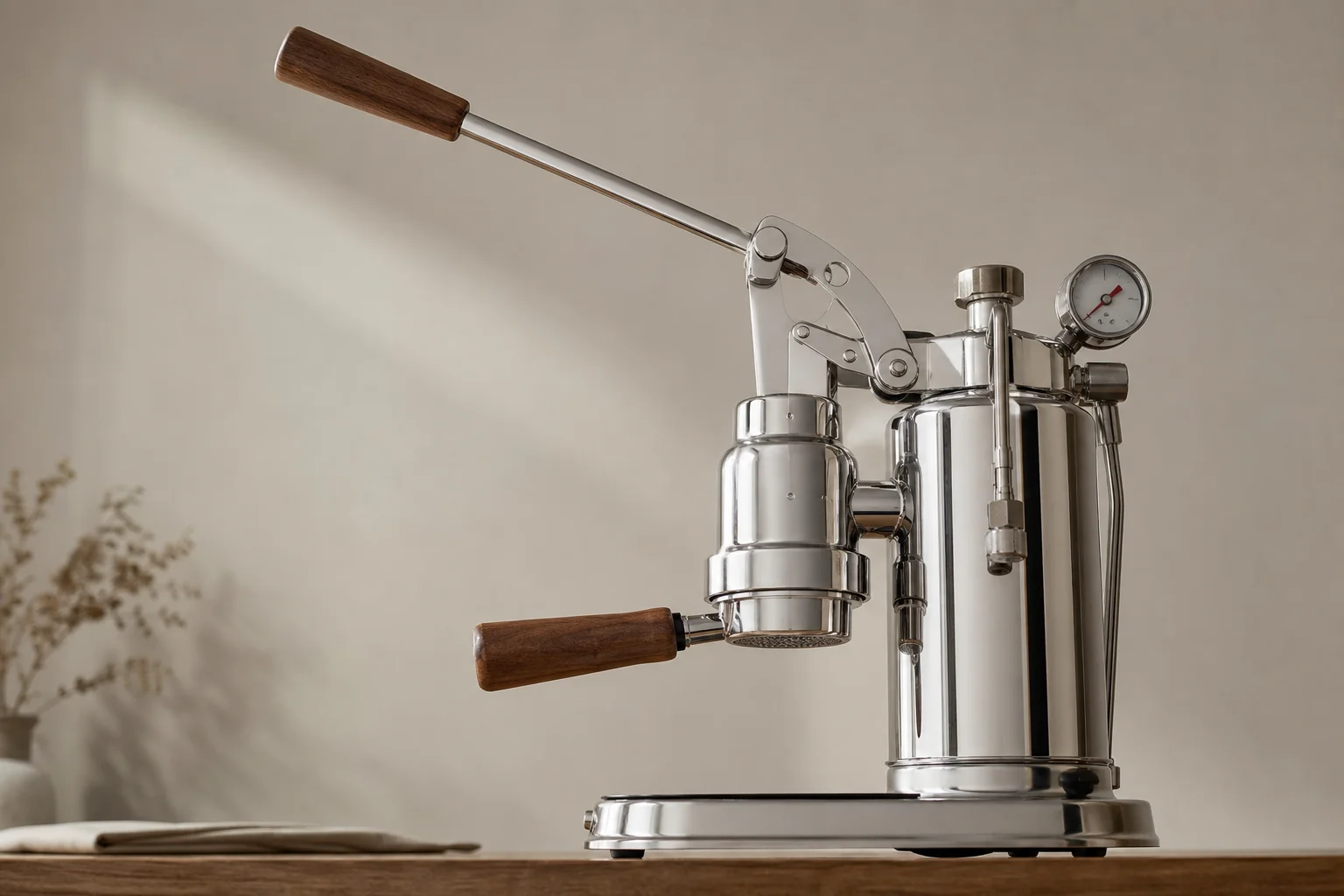
Two manual lever machines were tested, both large, chunky devices with 58mm portafilters and substantial metal bodies weighing around 1.2 kilograms. The appeal lies in their mechanical simplicity and low electrical requirements. The reality is more complicated.
Both machines suffer from inadequate thermal mass management. The large metal body, when cold, absorbs heat from the hot water used for brewing, pulling the brew temperature well below the ideal 93-94 degrees Celsius. Multiple preheating cycles are necessary, which feels wasteful and tedious. The first machine produced pale, wispy crema and sour, underextracted espresso. The second machine, after three preheating rounds, performed slightly better but still struggled with temperature consistency.
Design choices compound the problem. One machine has a lever that sits awkwardly in the chamber, making it difficult to remove the portafilter. The locking mechanism feels unintuitive. The pressure gauge on both machines reaches 25 bars, which exceeds typical espresso specifications. Neither machine feels like it was designed with real coffee knowledge in mind.
Home Coffee Roaster: Learning Curve Ahead
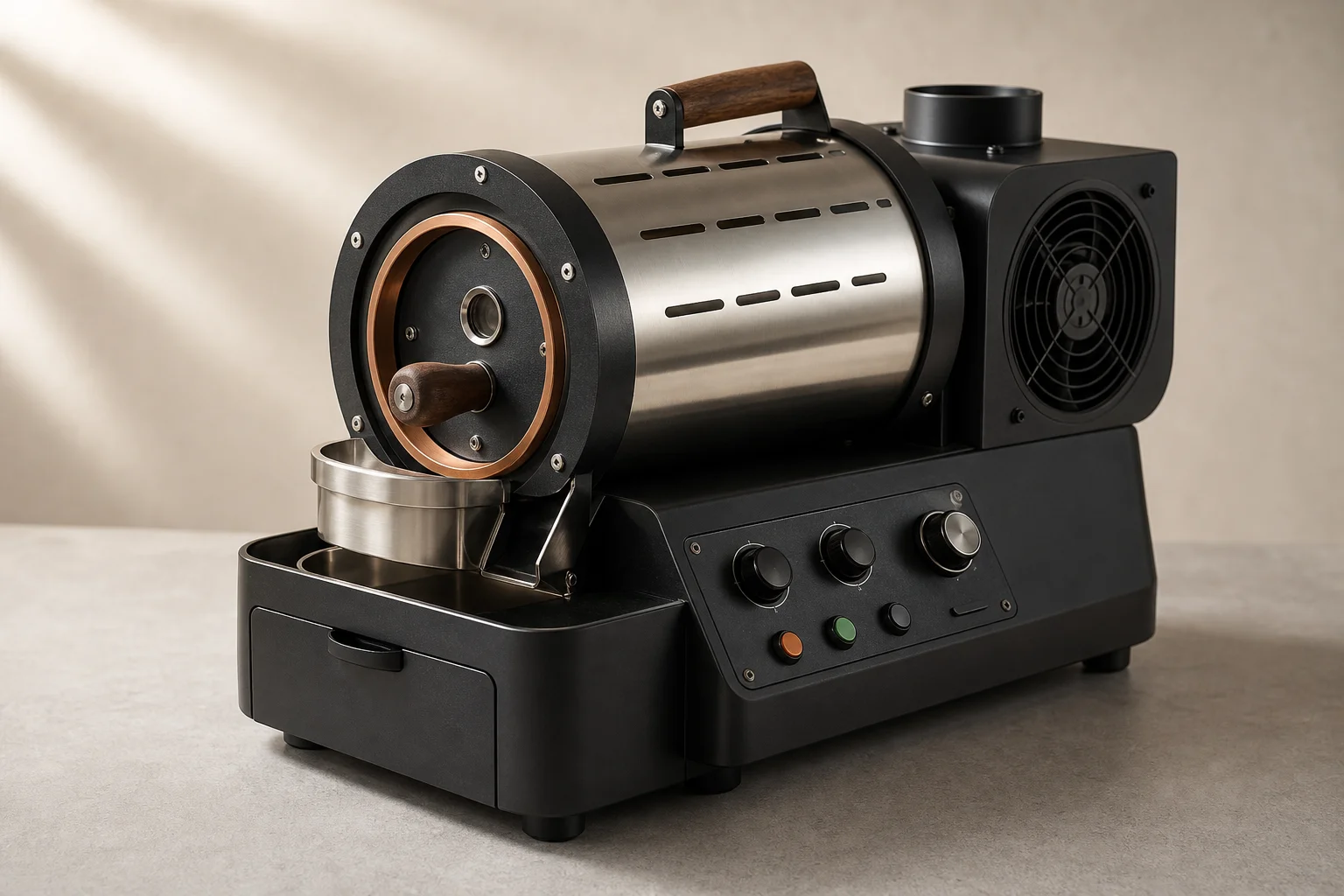
The home roaster features a fan and heating element controlled by a simple interface. The 100-gram capacity (80-gram recommended) is practical for experimentation. The automatic mode runs a 10-minute program that proved too aggressive, roasting the beans too quickly and unevenly.
Manual mode offered more control, though dialing in the right settings requires multiple roasts and patience. The first roast pulled too light and uneven. The second roast was worse. The third roast, finally drinkable, still showed signs of underdevelopment and excessive darkness. The mixing mechanism, relying on small holes in the roasting chamber, doesn’t distribute heat evenly to all beans.
Home roasting demands a genuine commitment. Expect 20-30 roasts before understanding the machine’s behavior and limitations. The learning curve is steep, and mistakes are frequent. If that prospect doesn’t appeal, skip home roasting entirely. For those willing to invest time, finding a roaster model with an established community provides invaluable guidance.
Buying Advice
AliExpress works best when you have a specific tool in mind and can identify a reputable seller. The platform hosts quality products alongside mediocre ones, just like any other marketplace. The real cost of any purchase includes shipping, customs clearance, and delivery fees, which often eliminate the apparent bargain.
Some items here proved genuinely useful: the automatic brewer showed promise, the amber glass carafe offered excellent value at GBP 11.20, and the tamping station felt solid and well-made. Others, like the sand heater and manual espresso machines, felt more like expensive lessons than practical tools.
The latte art printer exists in a category of its own: expensive, impractical, and utterly fascinating. It does exactly what it claims, but the practical application remains elusive.
Conclusion
Buying coffee equipment from AliExpress requires realistic expectations. The platform offers genuine value for specific tools and accessories, but shipping costs and customs fees often eliminate the price advantage. Some products deliver on their promise; others disappoint. Approach each purchase with a clear use case in mind, and verify seller reputation before committing. The best purchases are those that solve a real problem, not those that simply offer the lowest sticker price.
Further reading
Related Reviews
Coffee Gear
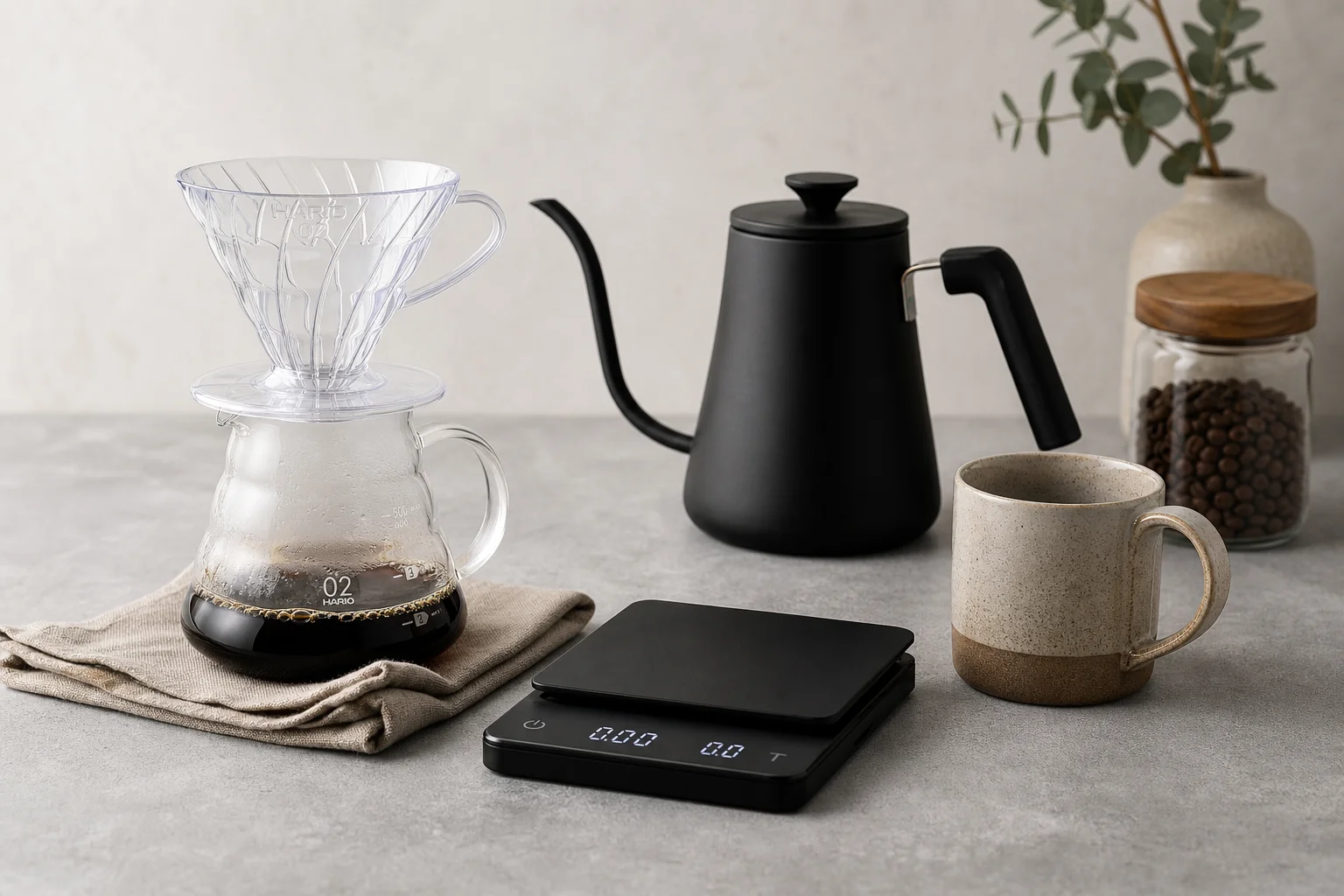
Coffee Gear Pourover Review: Three Budget Tiers for Every Brewer
A practical guide to building a pourover coffee setup at three price points: under $50 for beginners, under $200 for enthusiasts, and $500+ for serious home brewers.
Coffee Gear
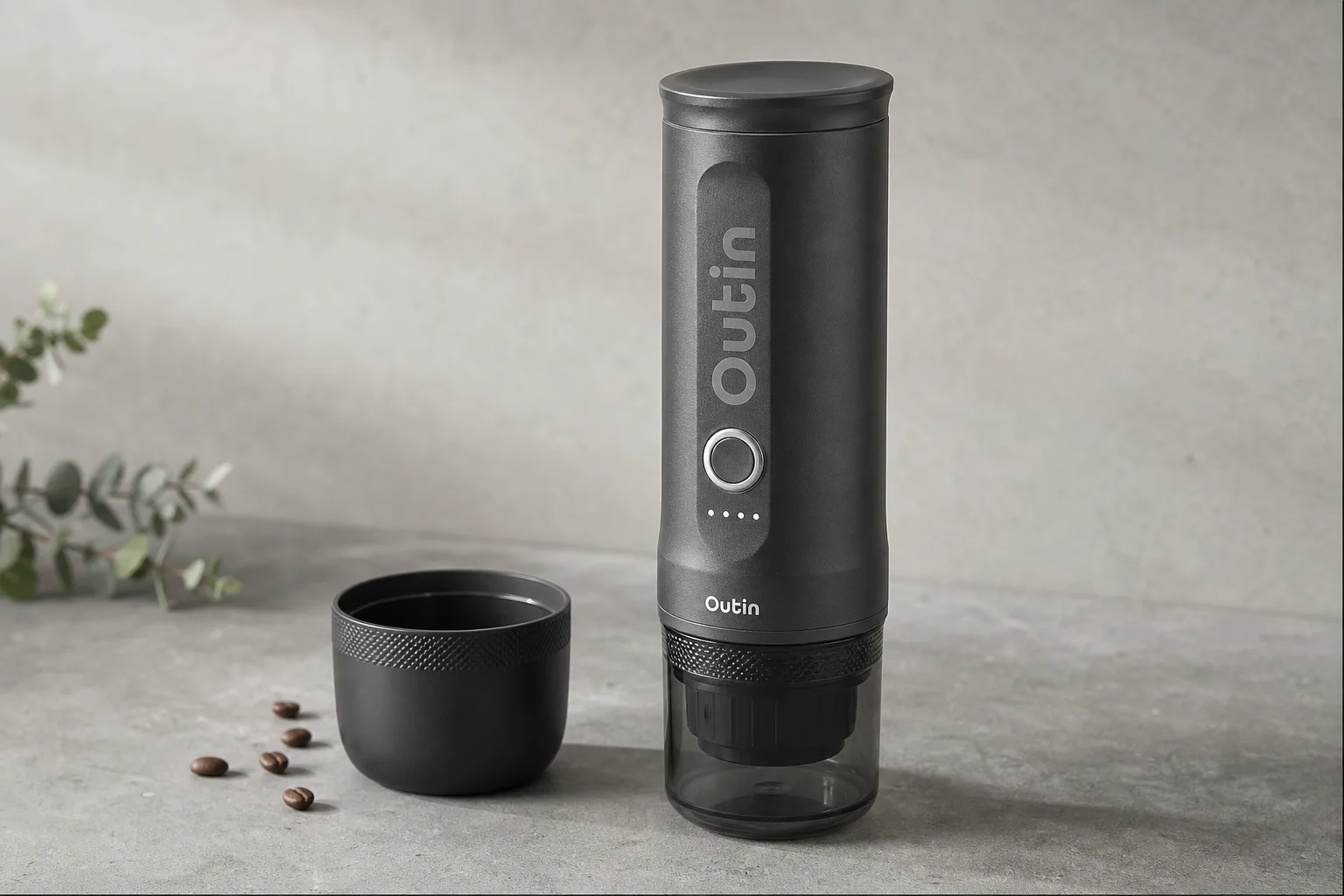
Outin Nano Portable Espresso Maker Review: Travel Coffee That Falls Short of Promise
The Outin Nano promises all-in-one espresso brewing with built-in heating, but temperature control issues and inconsistent extraction undermine its appeal as a travel companion.
Coffee Gear
Pakt Coffee Kit Review: All-in-One Travel Brewing with Real Trade-offs
A compact, well-designed travel coffee system that combines a kettle, thermos, and brewer. Thoughtful engineering meets practical limitations and durability concerns.