Hi-Fi Amplifiers
Best Accessible Integrated Amplifiers 2026: Seven Picks Worth Shortlisting
A practical roundup of seven integrated and streaming amplifiers at the accessible end of the market, from pure analogue designs to a compact streaming powerhouse.
Introduction
Integrated amplifiers have improved more than almost any other part of hi-fi over the past few years. What the accessible end of the market delivers today is dramatically better than what the same money bought a decade ago, and that holds true whether you want a simple analogue amplifier with a good phono stage or a compact streaming unit that disappears onto a shelf.
This roundup covers seven amplifiers worth shortlisting right now. Some are pure analogue designs built around a turntable, others add a DAC, and one brings a complete streaming platform with it. Prices have moved on most of these models, so it is worth confirming the current figure before you commit.
How We Chose These Amplifiers
The focus here is the accessible end of the market, roughly £400 to £800, with one streaming amplifier included because its usability alone justifies the price. Every model listed is a current product that can be bought today, and each one has been judged on how it behaves in a real system rather than on a specification sheet.
Priority went to amplifiers that are flexible with speakers, quiet in operation, and straightforward to live with. A good phono stage, a capable built-in DAC, or a genuinely mature control app counted for more than an extra input or a slightly higher power figure.
It is also worth being realistic about price movement. Several of these amplifiers have risen in cost recently, and in some markets British-made products have become noticeably more expensive. The recommendations below hold up regardless, but the value calculation shifts a little depending on where you are buying and when.
IOTAVX SA3: A Rock-Solid Budget All-Rounder
At £399 direct from the manufacturer, the IOTAVX SA3 is one of the easiest recommendations at this price. The list price is shown as reduced from £449, and that reduction appears to be a permanent fixture rather than a seasonal promotion, so the effective price has been stable for a long time.
What the SA3 does well is the fundamentals. It is dynamic, it has good clarity, and it includes a built-in DAC. That internal converter is adequate rather than exceptional, and a dedicated external DAC will do better, but there is genuinely nothing to complain about at this price. Its tonal balance leans slightly cool and analytical, which makes it a natural partner for warmer, fuller sounding speakers.
NAD C316BEE V2: Quiet Confidence and a Standout Phono Stage
The C316BEE V2 has been on sale for a long time, and that is part of the appeal. It has been consistently good for its entire life cycle, which is a harder achievement than a single strong launch. It is a typical NAD design in the best sense: it sounds more powerful than its specifications suggest, it is well built, and it stays quiet in use.
The moving magnet phono stage is the standout feature. It has handled a wide range of turntables and it overachieves significantly for the money, which makes the C316BEE V2 an obvious candidate for anyone whose main source is vinyl. The overall presentation is mature rather than showy, with none of the boosted bass and lifted treble that budget amplifiers sometimes use to sound impressive. It is slightly warm through the midrange and it works happily with a very broad range of speakers.
Price is the one moving target. It sat at slightly under $500 and has since risen by at least $50, so check the current figure rather than relying on older numbers.
Cambridge Audio AXA35: Warmth on a Budget
The AXA35 is a genuinely good budget integrated and the warmest sounding amplifier in this group. Compared directly with the NAD, it is the softer and more relaxed listen, though the two are very comparable in most other respects: both have decent phono stages, both include an internal headphone amplifier, and both offer a similar set of inputs.
Cambridge Audio has had a strong run of late, and its amplifiers appear repeatedly on best-of lists, which is not an accident. The company has clearly found a formula that works at this price, and the AXA35 is a good example of it.
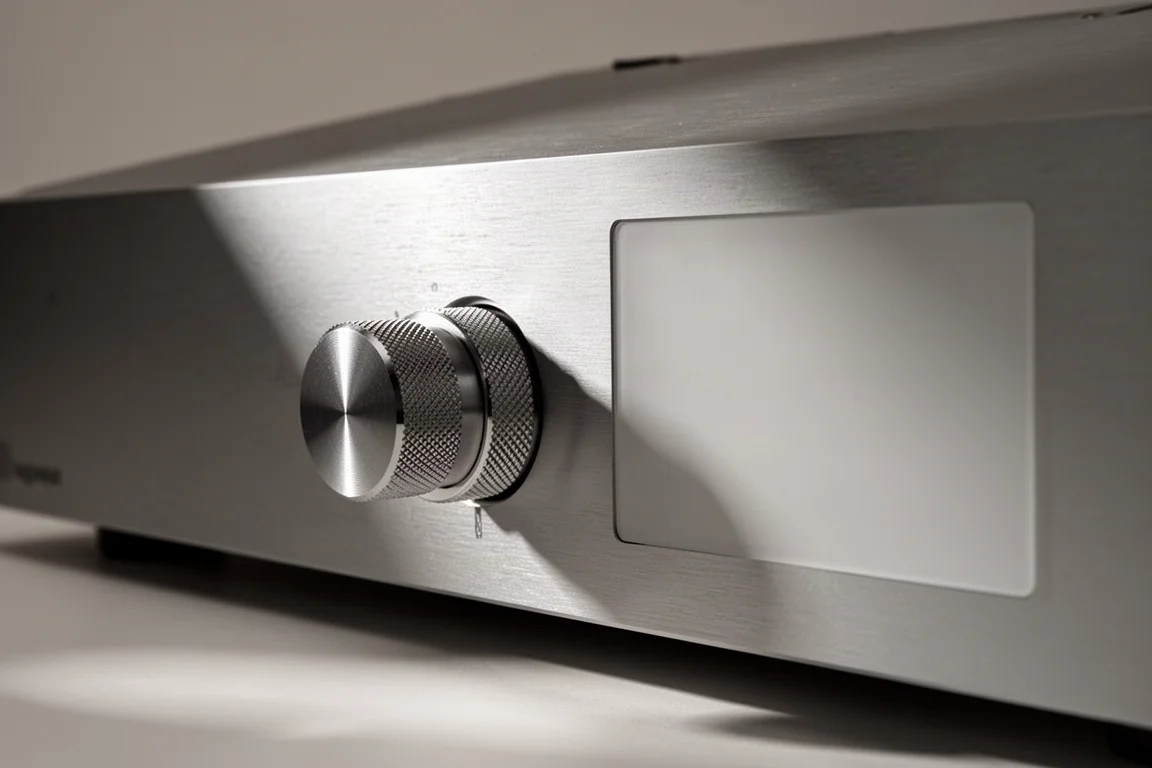
This is the pick if you want an affordable amplifier that takes the edge off a forward or unforgiving system rather than adding to it. Pair it with neutral or slightly bright speakers and the result is easy to listen to for hours, which is exactly what a budget amplifier should deliver.
Rega io: Compact, Competent, Restrained
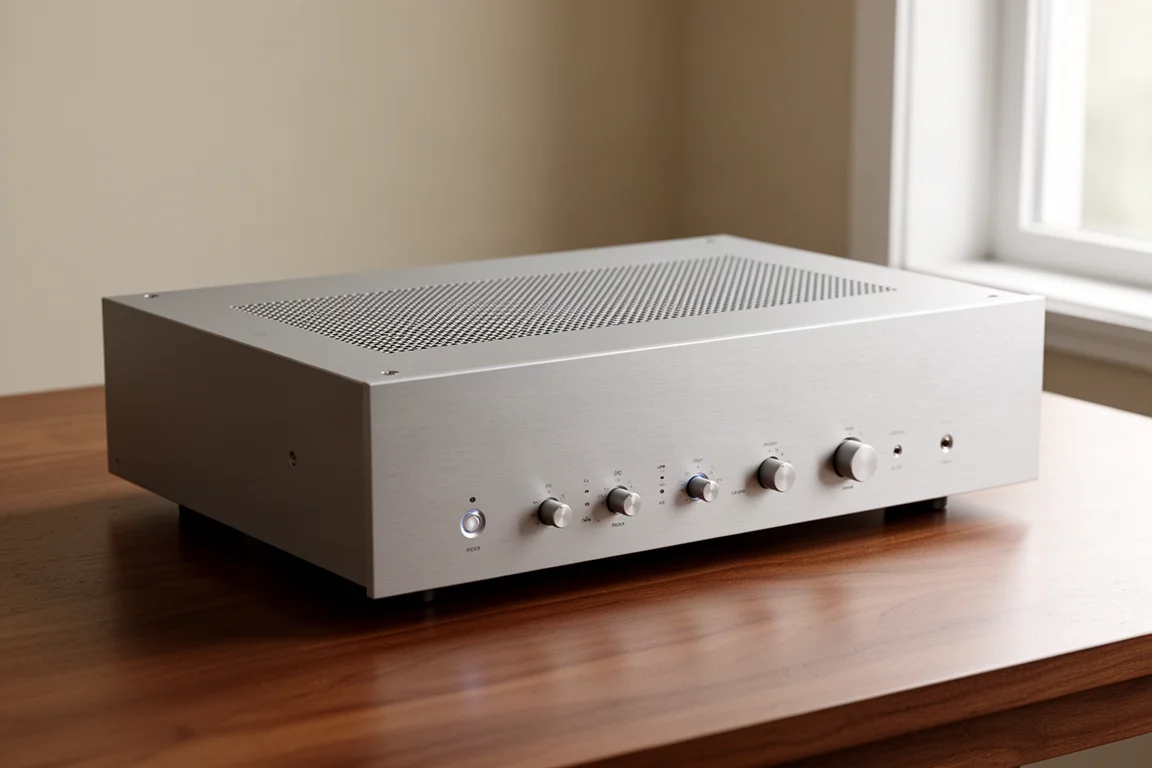
The Rega io is a compact, quiet and thoroughly competent amplifier in the classic Rega mould. It is grouped here with the budget picks because that is how it competes in the UK, where it represents better value than it does in North America. In the US it sits at almost $700, which is a harder proposition.
Power output is modest. It does not sound as muscular as the Cambridge Audio or the NAD, and it will not flatter difficult speakers. What it does offer is a really decent phono stage and the kind of unfussy, unflappable character Rega is known for across its range. With the right pair of speakers it is a genuinely nice little amplifier, and it behaves like a lighter, simpler take on the Rega Brio.
Audiolab 6000A: Versatility and a Better DAC
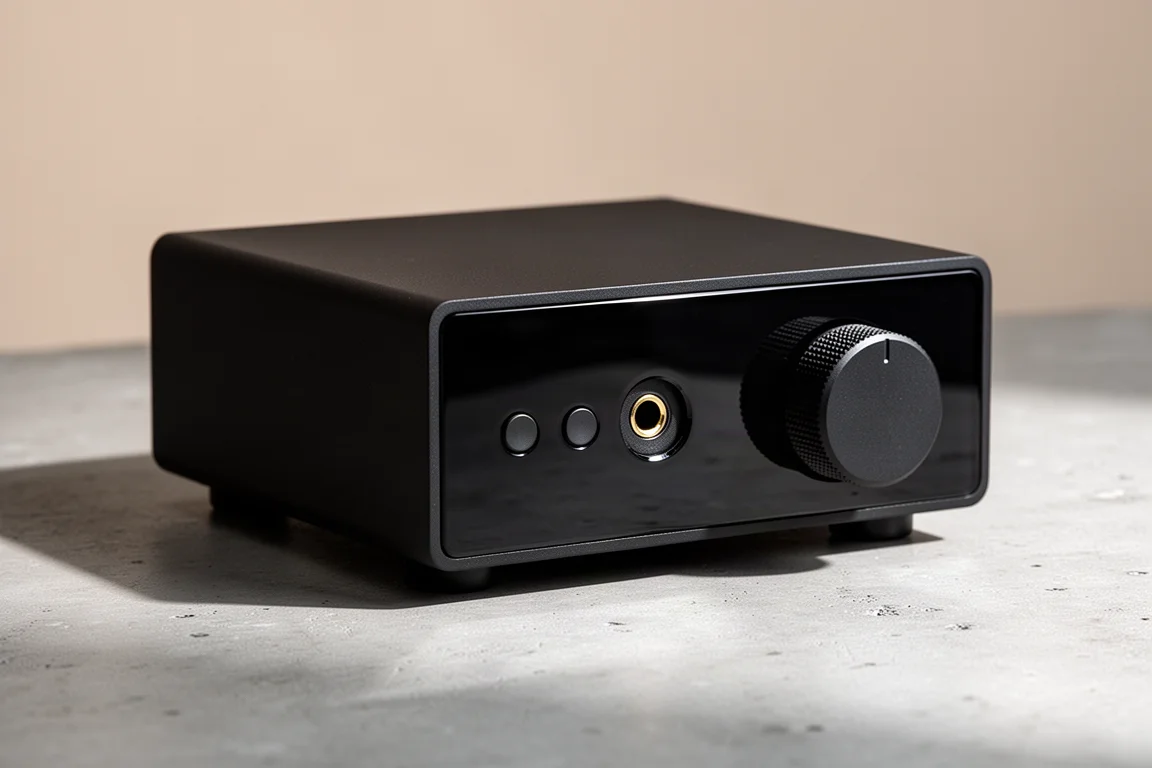
The 6000A takes the same basic concept as the IOTAVX and adds a considerably better DAC along with a little more overall refinement. The digital section is excellent for the money, and that is essentially what you are paying for over a cheaper all-rounder. Power output is similar between the two, so this is not an upgrade in muscle.
Tonally it is a little lean, and it rewards warmer, darker sounding speakers. Paired with a bright system it can come across as cool and analytical. The digital inputs are coaxial and optical only, with no USB, which is worth knowing if your streamer outputs USB and you would rather use its clock than the one inside your source.
The stronger argument for the 6000A is flexibility. A front-panel button switches it between integrated amplifier, preamplifier and power amplifier, which is rare at this price and makes it a component you can build a system around, whether that means adding a bigger power amplifier later or feeding active speakers directly. It also pairs visually and sonically with the matching Audiolab CD transport, which makes for a very tidy two-box system.
If you prefer a more organic, slightly less detailed presentation with a natural tonality, the Rega Brio is the alternative to consider around this price. It is a step up in sound quality over the NAD C316BEE V2 in some respects, and a different flavour rather than a straightforward winner.
Rotel A11 Tribute: The Purist’s Integrated
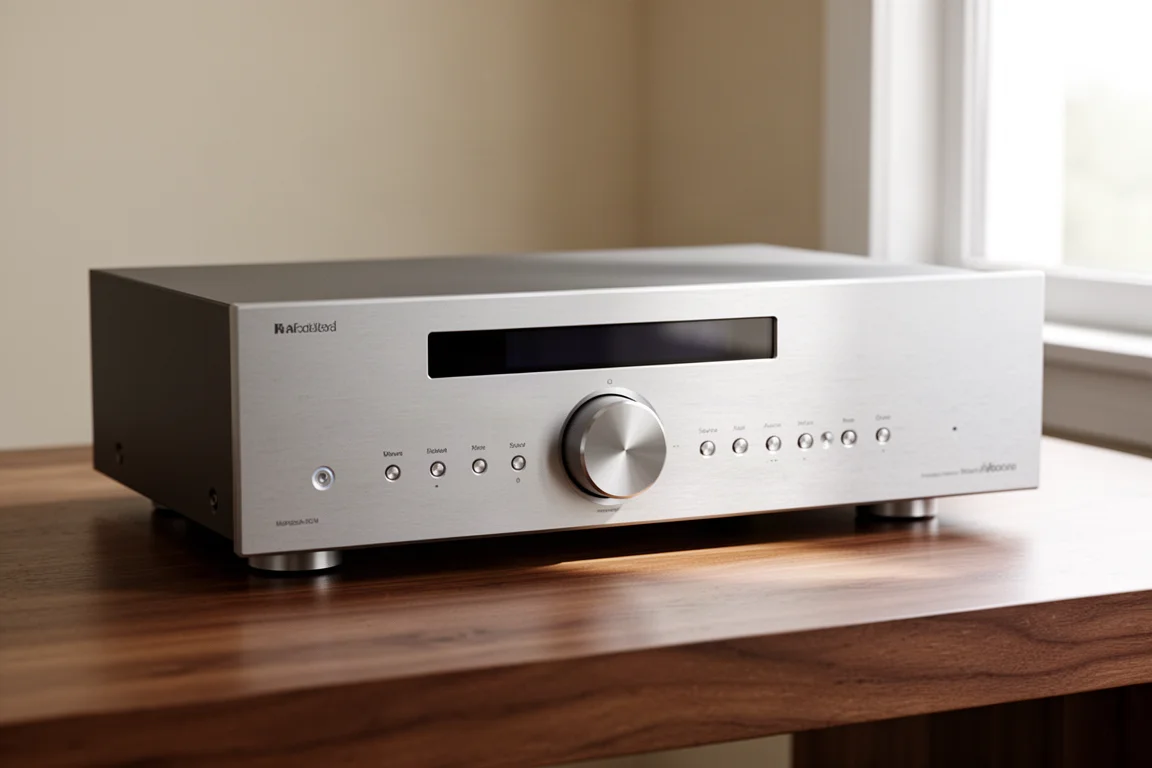
The A11 Tribute is a stripped-down pure integrated amplifier, with far fewer features than Rotel’s A12 and A14, both of which add their own DACs and target listeners who want to connect a streamer straight into a digital section. What the Tribute gives up in connectivity it makes up for in sound. It was one of the last products designed by the late Ken Ishiwata, and it has a lovely, engaging character as a result.
At around $795 it sits at the top of this group on price, and it will not suit anyone who wants to plug a streamer into a digital input. Run a decent turntable and a streamer through its analogue inputs, though, and it outperforms a great deal of what else lives in this category.

This is the pick for listeners who would rather have a simple, well-executed analogue amplifier than a box full of features they will never use. It asks you to bring your own sources, and in return it gives you a cleaner signal path and a more refined sound than its price and feature list suggest.
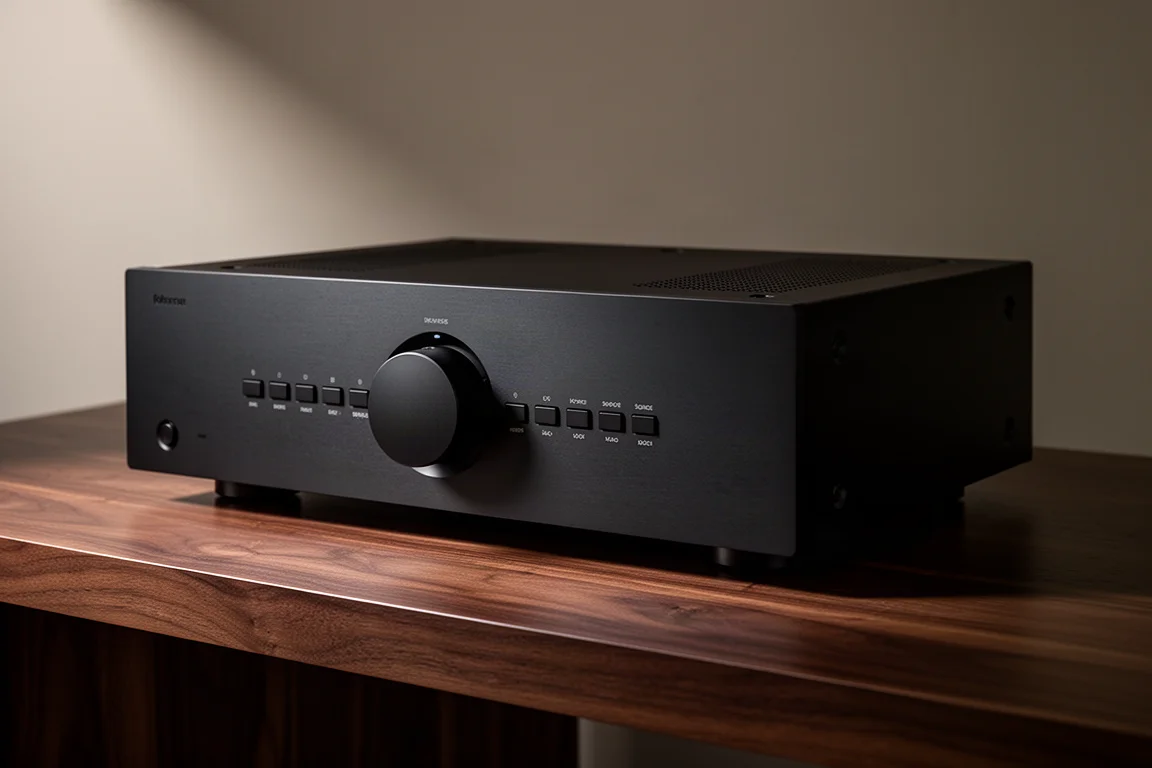
Bluesound POWERNODE: The Streaming Amplifier to Beat
Streaming amplifiers are the fastest-growing part of this market, and the POWERNODE is the most obvious recommendation for most people. It is effectively a powered version of the Bluesound Node network player, with a Hypex UCD Class D amplification module inside doing the work.
The practical advantages matter more than the specification. There is an analogue input, so an external phono stage can be connected directly without any extra box. BluOS has matured into a genuinely reliable platform that receives firmware updates a couple of times a year, and it is the main reason every Bluesound product represents good value. Setup takes minutes from a phone, and the app works well on a computer and in a browser as well as on mobile.
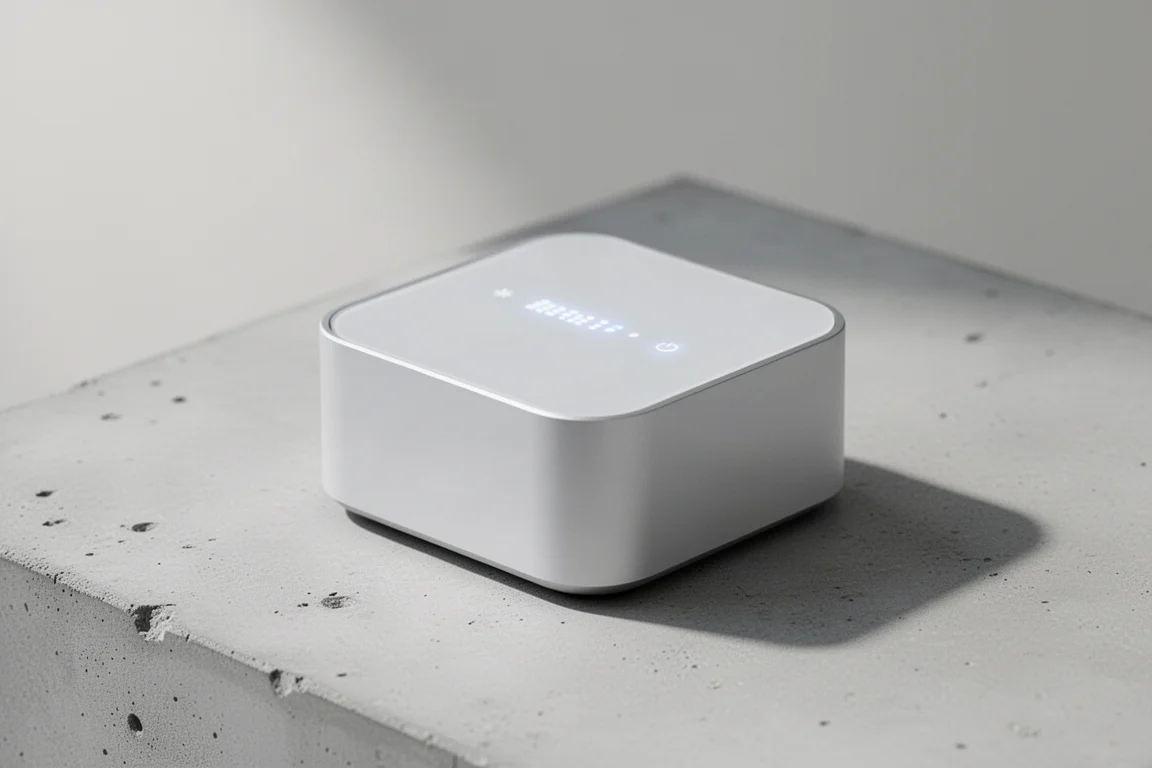
Format support is broad, covering Spotify Connect, Tidal Connect, Roon Ready devices and Apple AirPlay 2. The hardware itself is compact, roughly shoebox sized, with a touch-sensitive top panel, and it can be connected over Ethernet or run wirelessly. It also slots neatly into a multi-room setup alongside other Bluesound wireless speakers and PSB speakers, with the app controlling different sources in different rooms at the same time.
That ease of use is what wins people over. A network amplifier that takes five minutes to set up and then simply works is worth more in daily use than one with a longer feature list and a temperamental app. For anyone new to serious audio whose main source is streaming, this is the frictionless route into a proper system.
Buying Advice
Start with your sources. If a turntable is central to your setup, the NAD C316BEE V2, the Rega io and the Cambridge Audio AXA35 all include phono stages, and the NAD’s is the strongest of the three. If you need a DAC built in, the IOTAVX SA3 covers the basics and the Audiolab 6000A does considerably better. If streaming is your primary source, the Bluesound POWERNODE removes most of the friction before you have even opened the box.
Then think about tonal balance. The NAD and the Cambridge Audio are the warmer pair, the Rega io is neutral and unfussy, and the IOTAVX and the Audiolab lean cooler and more analytical. Matching the amplifier to the character of your speakers matters more than any single figure on a specification sheet at this price.
Plan for the long term as well. The Audiolab 6000A can be switched to preamplifier or power amplifier duty later, which makes it unusually flexible for the money. The Rotel A11 Tribute goes the other way, offering fewer features but a more refined analogue sound, and it rewards buyers who already own their sources.
Availability is worth checking before you decide. The Yamaha WXA-50, once a compact £450 streaming amplifier with MusicCast multi-room and a USB input, has been discontinued and is no longer listed, which shows how quickly this category shifts. Prices have also moved on most of the amplifiers here, so confirm the current figure rather than relying on coverage from a year ago.
Conclusion
None of these amplifiers is a compromise in the way budget hi-fi used to be. The IOTAVX SA3 and the NAD C316BEE V2 cover the essentials with real competence, the Cambridge Audio AXA35 adds welcome warmth, the Rega io trades power for character, the Audiolab 6000A brings flexibility and a strong DAC, the Rotel A11 Tribute delivers a purer analogue sound, and the Bluesound POWERNODE makes streaming effortless.
Pick the one whose priorities match your system, and any of them will serve you well for years.
Further reading
Related Reviews
Hi-Fi Amplifiers
Accuphase E-280 Review: Entry-Level Accuphase With Flagship Attention to Detail
A close look at the Accuphase E-280 integrated amplifier, covering its champagne build, AAVA volume control, sound quality, and the speakers and sources that suit it best.
Hi-Fi Amplifiers
Advance Paris A10 Classic vs Yamaha A-S301: Two Integrated Amplifiers Compared
A practical comparison of a $350 integrated amplifier and a $2,500 reference model, covering the differences that matter and the ones that do not.
Hi-Fi Amplifiers
Affordable Chinese Amplifiers Worth Buying: Five Budget Hi-Fi Amps Compared
A practical look at five affordable amplifiers, what each one does well, and the trade-offs to weigh before you buy.