Batteries
Best AA Batteries: 28 Cells Tested for Capacity, Cold Weather and Longevity
We compare alkaline, lithium and rechargeable AA batteries on measured capacity, high-drain performance, cold-weather output and 7-year rechargeable durability.
Introduction
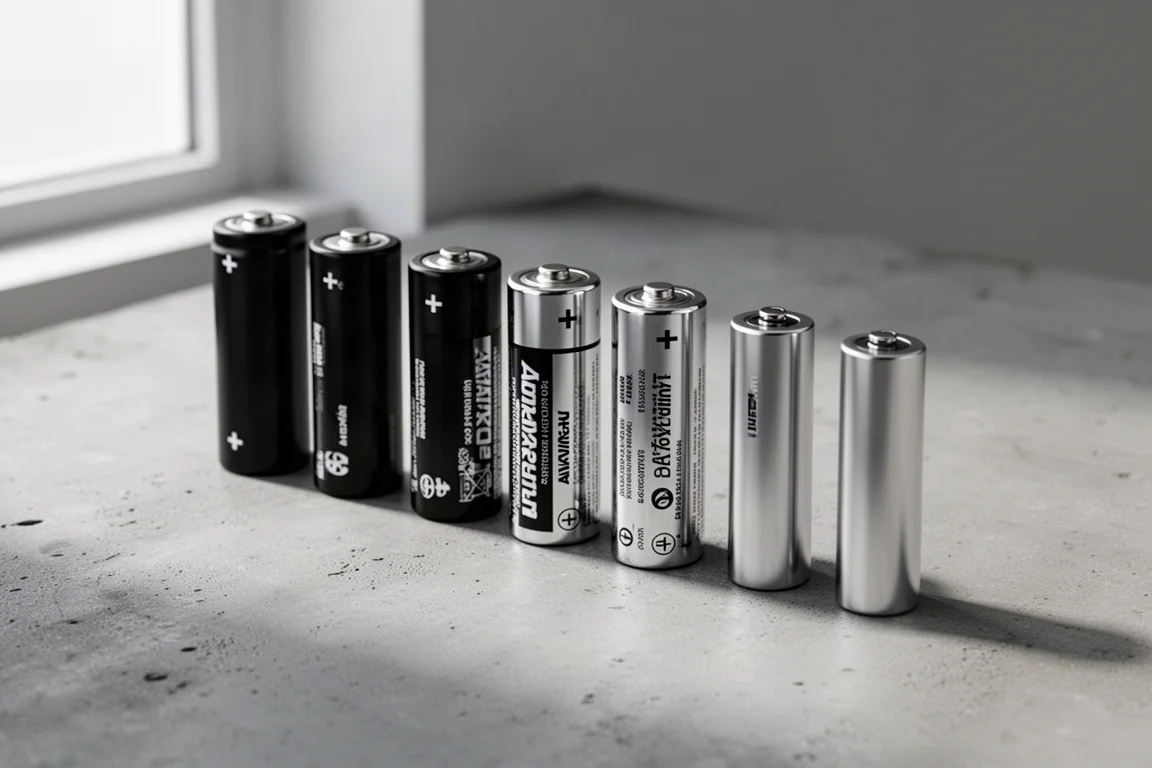
Almost every gadget in the house runs on AA batteries, so choosing the right cell matters more than most people realize. This comparison covers budget alkalines, premium name-brand alkalines, non-rechargeable lithiums and long-term rechargeables, with each battery measured under identical conditions rather than judged on marketing claims.
The short version: lithium batteries beat alkaline cells in every performance test, and the gap is not close. But the best pick for you depends on how you use your devices, what you are willing to pay per cell, and whether rechargeables fit your routine.
How the Batteries Were Tested
Each battery was drained at a controlled 300 milliamps on a capacity analyzer that tracks total energy delivered in milliamp hours. Open-circuit voltage and internal resistance were recorded for every cell, since lower internal resistance generally means better performance under load. A separate high-drain test pushed each battery at 1.25 amps to see which cells hold their voltage when a device demands serious current.
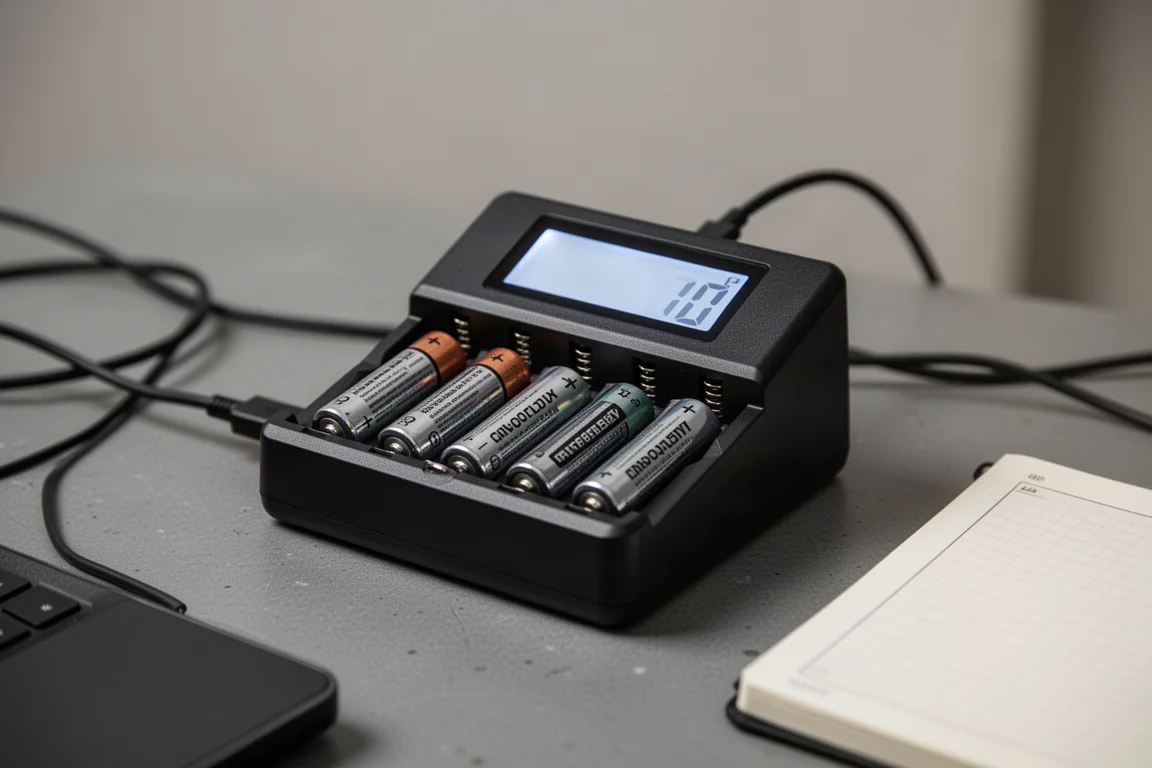
Prices ranged from 16 cents per cell for budget alkalines up to $2.50 each for premium lithium, so the value picture varies widely across the field.
Alkaline Results
The budget alkaline field turned in some surprises. Thunderbolt Magnum, sold for about 33 cents per cell, delivered the best alkaline capacity at 2,368 milliamp hours, while the much cheaper Varta still managed a respectable 2,053 milliamp hours at only 16 cents each. Amazon Basics Industrial landed at 2,309 milliamp hours.
Among the mid-priced alkalines, Amazon Basics high performance took the lead at 2,436 milliamp hours, with Thunderbolt Edge close behind at 2,367. EBL also impressed at 2,333 milliamp hours for 35 cents per cell.
In the premium alkaline group, Energizer Max posted the highest alkaline capacity overall at 2,584 milliamp hours, followed by Duracell at 2,465. Maxell trailed at 2,147. Under the 1.25-amp high-drain test, Duracell came out on top among alkalines at 1.27 volts, showing it handles sudden power demands better than most.
Best Premium Alkaline: Energizer Max
Energizer Max claims a 15-year shelf life and up to 50% longer runtime than everyday gold AA cells. In testing it backed that up with the highest alkaline capacity measured, 2,584 milliamp hours, and a solid 1.12 volts under the 1.25-amp load. At roughly 85 cents per cell it is not cheap, but it is the strongest all-around alkaline in the field.
Best High-Drain Alkaline: Duracell
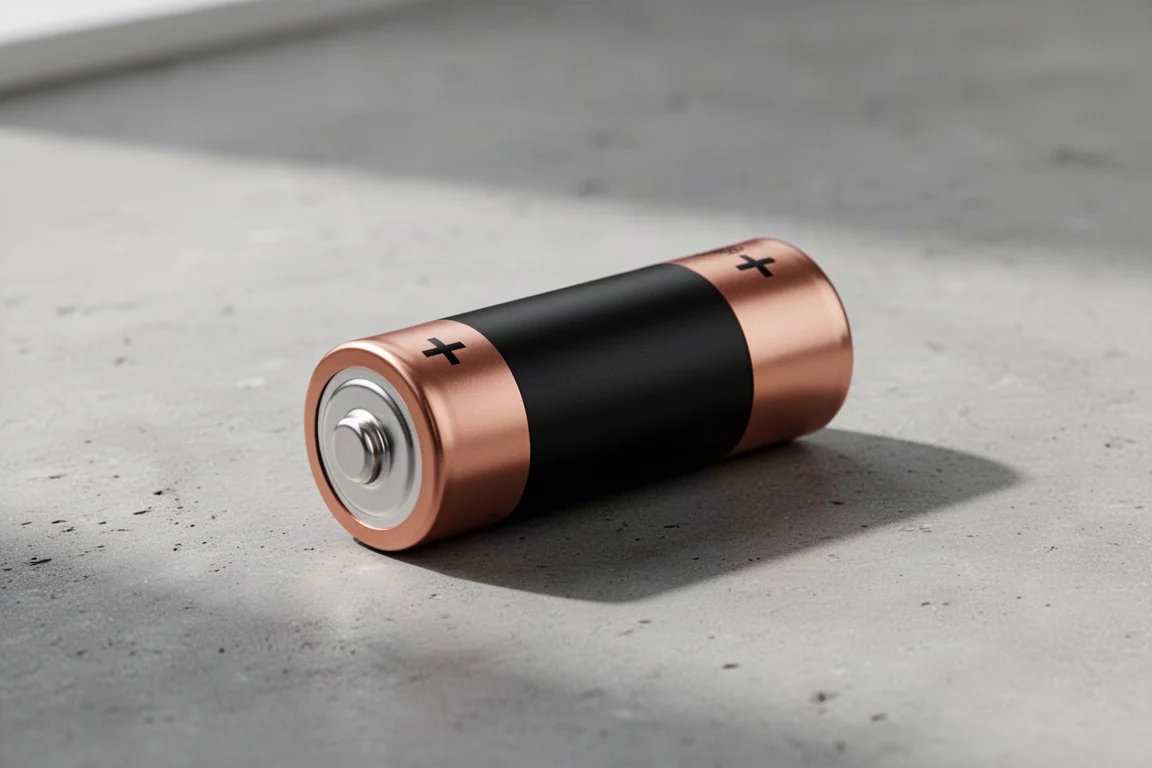
Duracell claims leak-proof construction for up to 12 years, and while reader reports of leaks exist, the measured numbers are strong: 2,465 milliamp hours of capacity and the best alkaline result under high drain at 1.27 volts at 1.25 amps. It also held 0.97 volts in the freezer test, tying for the best alkaline cold performance. At about 85 cents each, Duracell makes sense for devices that briefly demand bursts of power.
Lithium Results
Every non-rechargeable lithium tested ran circles around every alkaline. Lithium cells are also far lighter, typically around 15 grams versus 23 grams for alkalines, which matters for travel gear and anything handheld.
PKCELL delivered 3,513 milliamp hours at $1.33 per cell. Bavaria Ultra edged it at 3,552 milliamp hours, Allmax hit 3,451, and Rayovac lithium posted 3,492. Power Owl reached one of the best results at 3,514 milliamp hours, and Philips did even better at 3,529. The standout was Energizer Ultimate Lithium at 3,635 milliamp hours, the highest capacity of any battery tested.
Lithium cells also maintain a steadier voltage as they discharge, which is why devices keep working at full performance for longer instead of fading gradually the way alkaline-powered gadgets do.
Cold Weather Performance
Batteries were chilled below zero for several hours and retested at a 1.25-amp draw. Alkalines struggled badly, with the best alkaline cells, including Thunderbolt Edge, Energizer, Panasonic, Duracell and Maxell, reaching only 0.97 volts.
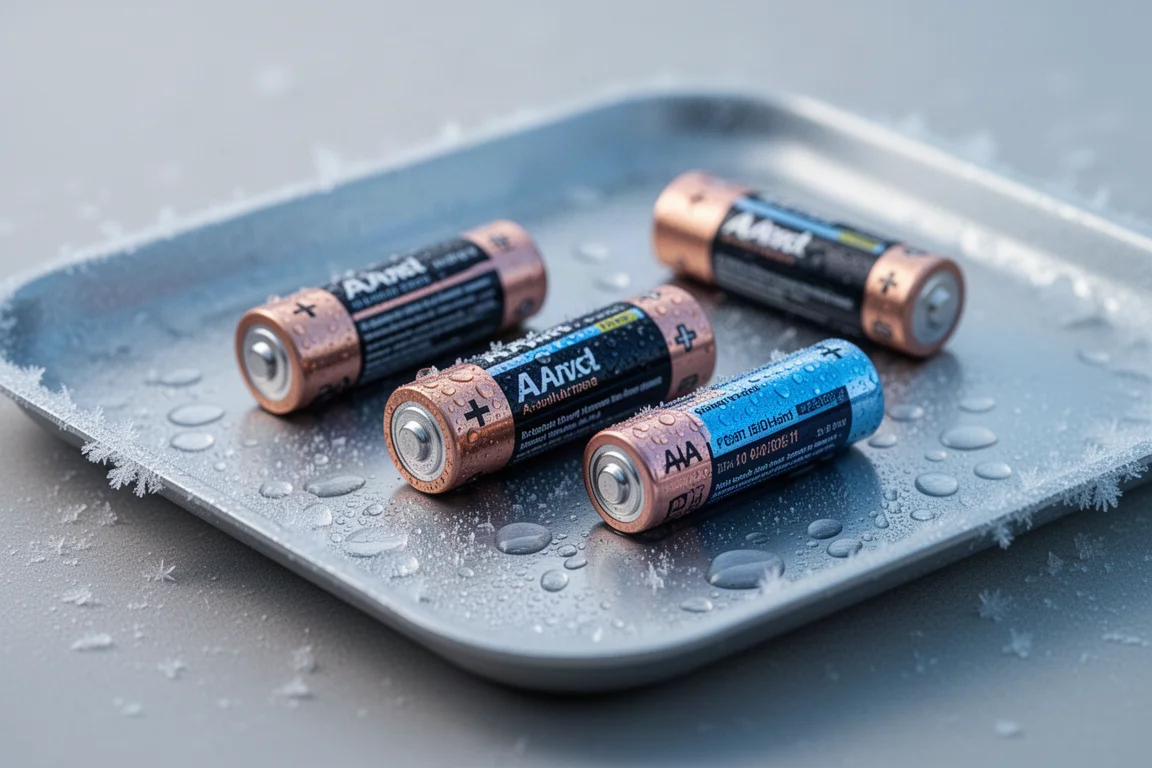
The lithiums were a different story. Power Owl and Philips managed 1.05 volts, better than any alkaline. Rayovac lithium hit 1.12 volts, and Energizer Ultimate Lithium topped the entire field at 1.2 volts in freezing conditions. If cold-weather reliability matters, the top four batteries are all lithium.
Flashlight Brightness Test
Single-AA flashlights revealed how each battery performs in a real device over hours. Varta and Duracell started brightest at 48 lumens, but the advantage was temporary. By 30 minutes, the top nine flashlights were all running on lithium cells.
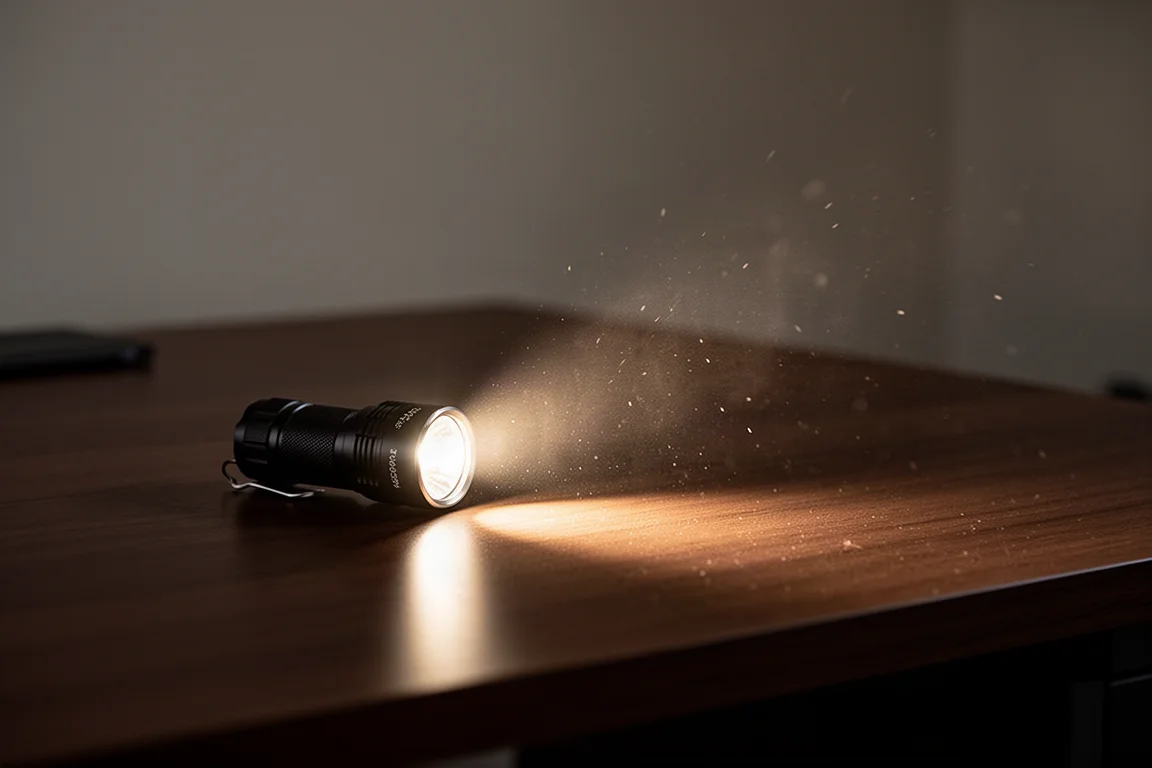
By the three-hour mark, five lithiums were still holding 40 lumens while every alkaline had fallen below 30 lumens and three were already dead. At 4.5 hours, every alkaline was finished, yet all the lithiums were still running. The worst-performing lithium outlasted the best alkalines by an hour and a half while delivering brighter light throughout. This steady output is exactly why alkaline cells are increasingly obsolete for modern electronics.
Best Overall: Energizer Ultimate Lithium
Energizer Ultimate Lithium won the overall ranking with an average finish of 2.3, performing extremely well in every single test: the highest capacity at 3,635 milliamp hours, the best cold-weather voltage, and long, bright flashlight runtime. It claims up to 25 years of storage life and is rated good into the 2050s. The catch is price: at $2.50 per cell it is the most expensive battery tested, so reserve it for devices where failure is not an option.
Best Value Lithium: Power Owl
Power Owl finished second overall with an average finish of 3.5 and delivered 3,514 milliamp hours, one of the best results of the entire test. At around $1.50 per cell it performs close to the Energizer lithium for a meaningfully lower price, and it also posted the joint-best cold-weather lithium result at 1.05 volts. It claims a three-layer safety and leak-proof design.
Strong Alternative: PKCELL
PKCELL took third place overall with an average finish of 4.0 and 3,513 milliamp hours of measured capacity, plus a solid 1.12-volt result under high drain. It claims 3,400 milliamp hours, 20-year storage and a high-drain focus, all at the lowest lithium price in the field at $1.33 per cell. Either Power Owl or PKCELL is a sensible buy; pick whichever costs less on the day.
Rechargeable Batteries After 7 Years of Daily Use
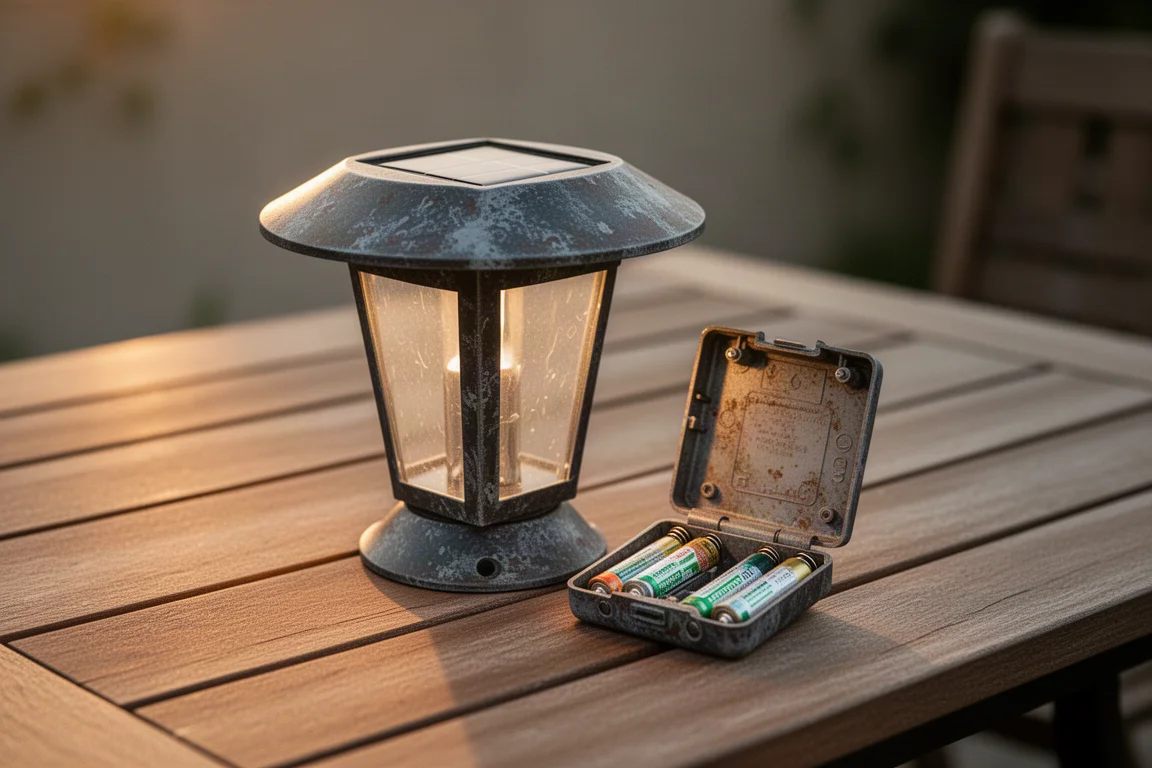
A separate long-term group of rechargeable AAs spent seven years in solar-powered outdoor lights, charged and discharged around 2,500 times. The results varied dramatically. Several brands were effectively dead: Amazon Basics silver, PowerX and Duracell rechargeables could no longer hold a usable charge, and Rayovac measured over 1,000 milliohms of internal resistance.
Others aged gracefully. Varta held the most remaining capacity at 2,277 milliamp hours, IKEA managed 2,094, and EBL reached 1,813. But the standout was Eneloop: with only 48 milliohms of internal resistance after 2,500 cycles, it delivered 0.9 volts under a 1.25-amp load, by far the best result, and 1,688 milliamp hours of capacity. In power terms it was the strongest cell in the group at 1.13 watts.
Best Rechargeable: Eneloop
Eneloop is the rechargeable to buy. After seven years of daily solar-light duty and roughly 2,500 charge cycles, it still had the lowest internal resistance in the entire comparison and powered through loads that left other brands struggling. Capacity alone is only part of the story; the ability to still deliver current after years of abuse is what makes Eneloop the dependable choice.
Buying Advice
If you only use batteries occasionally in low-drain devices, a budget alkaline such as Varta at 16 cents per cell is hard to argue with. For high-drain devices, cold climates, expensive electronics you want to protect from leaks, or anything where fading performance annoys you, a lithium AA is worth the premium. Power Owl and PKCELL offer most of the Energizer lithium performance for around 60% of the price, while Energizer Ultimate Lithium remains the benchmark if budget is secondary.
If you go through lots of batteries in devices you use daily, quality rechargeables pay for themselves quickly. Just buy the ones with proven long-term durability, because the seven-year data shows several rechargeable brands simply do not survive real-world cycling.
Conclusion
The testing makes one thing clear: for anything that matters, lithium AA batteries have effectively replaced alkaline. Energizer Ultimate Lithium is the overall winner, Power Owl and PKCELL are the smart-value picks, Eneloop is the rechargeable worth investing in, and Energizer Max and Duracell remain the best alkaline options if you want to keep costs down.
Further reading
Related Reviews

Backpacking Gear
Building a 10 lb Base Weight: An Ultralight Backpacking Gear List
A practical walkthrough of the ultralight pieces behind a 10 lb base weight, from a 765 g pack and a roomy one-person tent to a full camp chair and a dependable water filter.

Road Bikes
10 New Road Bikes Worth Watching: Aero, Titanium, Steel and Endurance Standouts
A practical roundup of 10 new road bikes, from aero flagships chasing single-watt gains to titanium, steel and endurance platforms built for real roads.

Bikepacking Gear
11 Bikepacking Essentials for Long-Distance Cycling
Eleven bikepacking essentials for long-distance cycling, from a steel gravel frame and a two-person tent to helmet lights, packable gloves, and a frame bag that puts weight in the right place.