Sleeping Bags
Best 3-in-1 Sleeping Bags: The North Face One Bag vs Big Agnes Lone Ranger Ultralight
A practical comparison of two modular three-in-one sleep systems, covering weight, insulation, certification, price, and a budget-friendly layered quilt alternative.
Introduction
For most campers the sleeping bag decision comes down to a single number. A 45°F bag handles summer nights in the mountains. A 20°F bag extends trips into spring and fall. Picking one means giving up either warm-weather comfort or shoulder-season range, and buying both is more than most people want to spend.
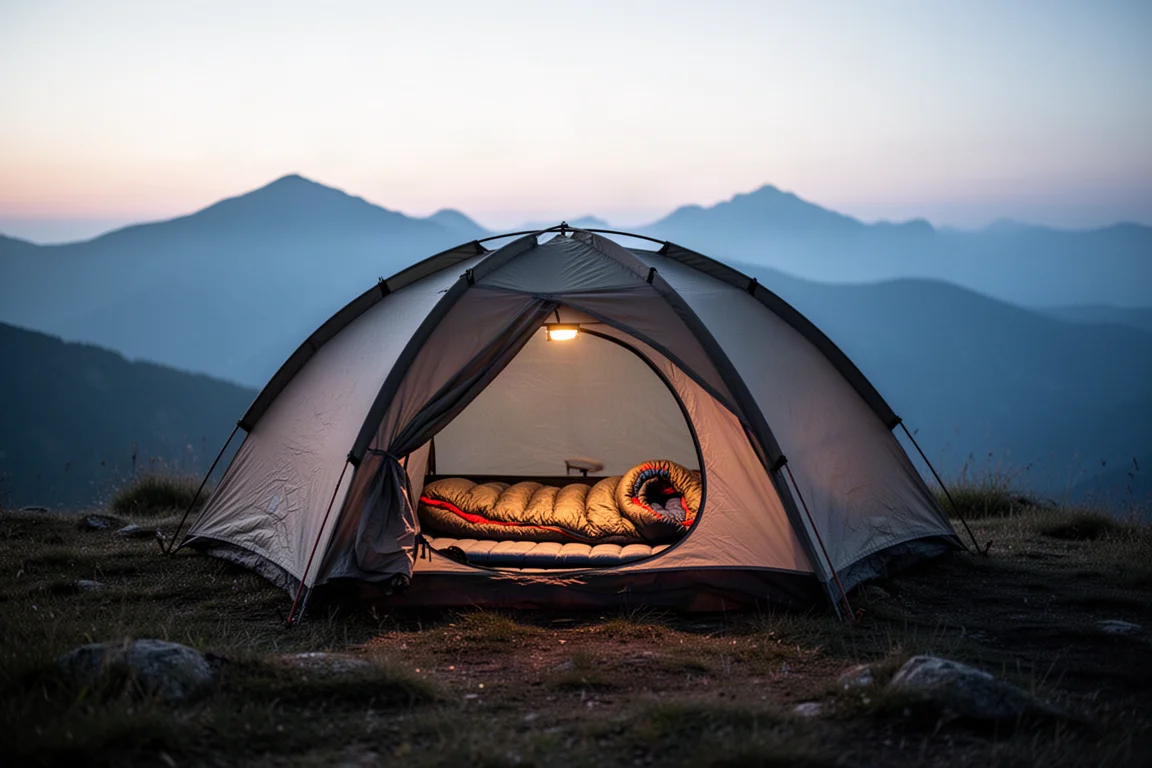
Three-in-one sleep systems offer a different answer. Instead of committing to one rating, they layer insulation so a single purchase covers a much wider temperature span. Two designs lead this category right now, and they solve the same problem in noticeably different ways.
Both trace their layout to the modular layering concept used in military sleep systems. Where they diverge is weight, insulation material, price, and how much of each claimed rating has actually been verified.
What Makes These Systems Different
A three-in-one system splits a sleeping bag into parts. One part is a lightweight base or sheet. The others are insulating layers that can be used alone or combined.
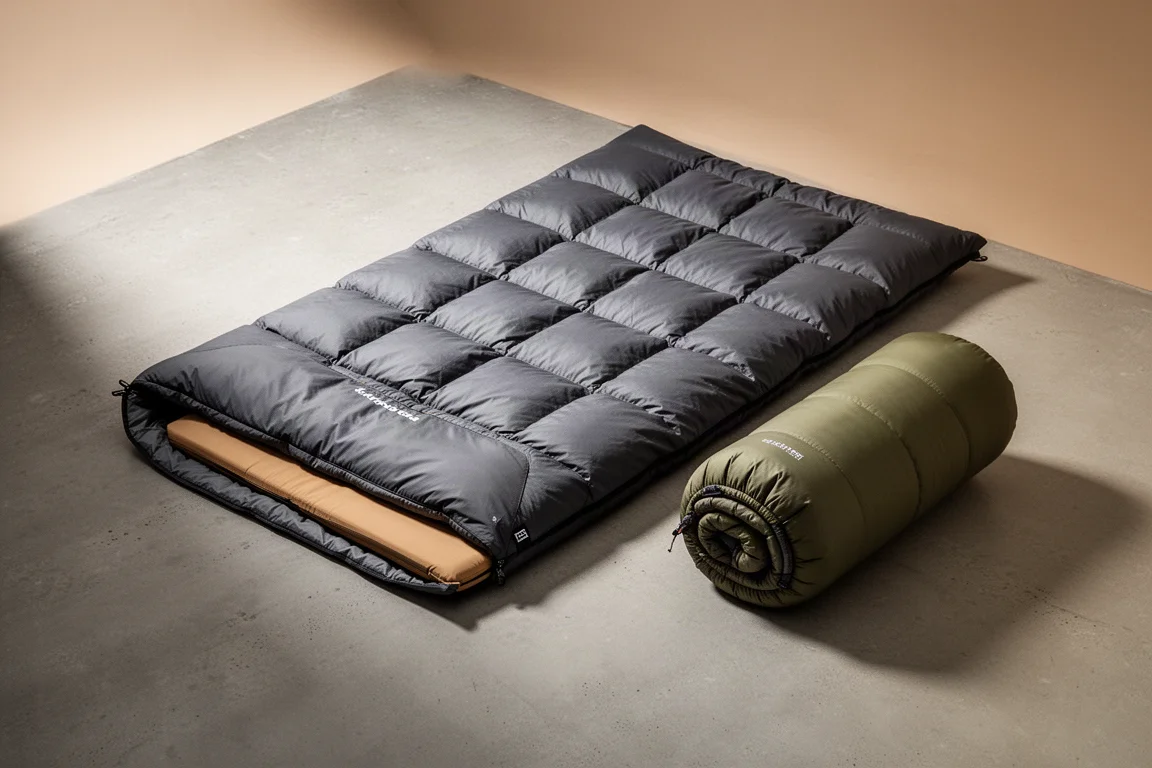
The appeal is straightforward. Rather than owning three bags or quilts, a single system covers summer, shoulder season, and cold weather. The North Face approach pairs a thin synthetic base with switchable insulating layers. The Big Agnes approach attaches a quilt-like down blanket to a sheet that wraps around a sleeping pad, then adds a separate sleeping bag that can be used on its own or nested inside.
When comparing systems like these, four things matter most: the packed weight of each configuration, whether individual layers can stand alone, how the temperature ratings were verified, and the total price.
The North Face One Bag: Layered Synthetic Versatility
The One Bag uses a common thin synthetic base with interchangeable insulating layers, producing three configurations: 40°F, 20°F, and a combined 5°F. All three ratings carry ISO certification, so there is reasonable confidence about how the bag performs in each setup.
Weight is the trade-off. Even in its lightest 40°F configuration, the One Bag weighs more than 2 lb. That is heavy for a 40°F bag, and the reason is built into the design: the insulation is synthetic, which is heavier than down, and the heaviest components travel with you no matter which configuration you assemble. The zippers for the 20°F layer ride along even when that layer stays behind.
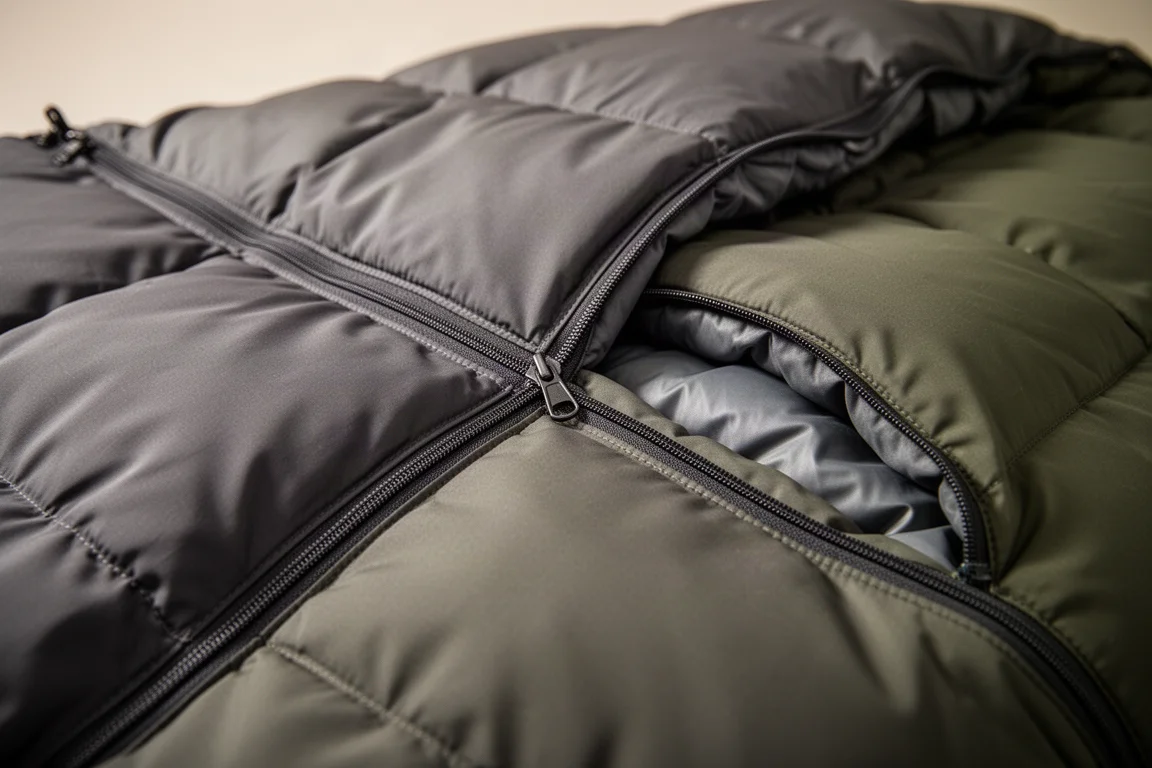
The weight climbs from there. In 20°F mode the bag weighs a little more than 2.5 lb, and in the warmest 5°F configuration it comes in a little over 3.5 lb. The layers also cannot be used at the same time by two people, since the system is assembled as one bag.
Price is where the One Bag makes its case. It costs roughly half of what the Big Agnes system costs, and all three of its ratings are certified rather than estimated.
Big Agnes Lone Ranger Ultralight 3-in-1: Down Layers and a Pad Sheet
Big Agnes redesigned the layering idea around a sheet that wraps over a sleeping pad, similar in concept to a Zen Bivy sheet. The sheet adjusts to either a 25-inch or a 20-inch pad by tightening a drawstring. Sewn to the top of the sheet is a quilt-like down blanket rated to 45°F, which suits summer nights in the mountains.
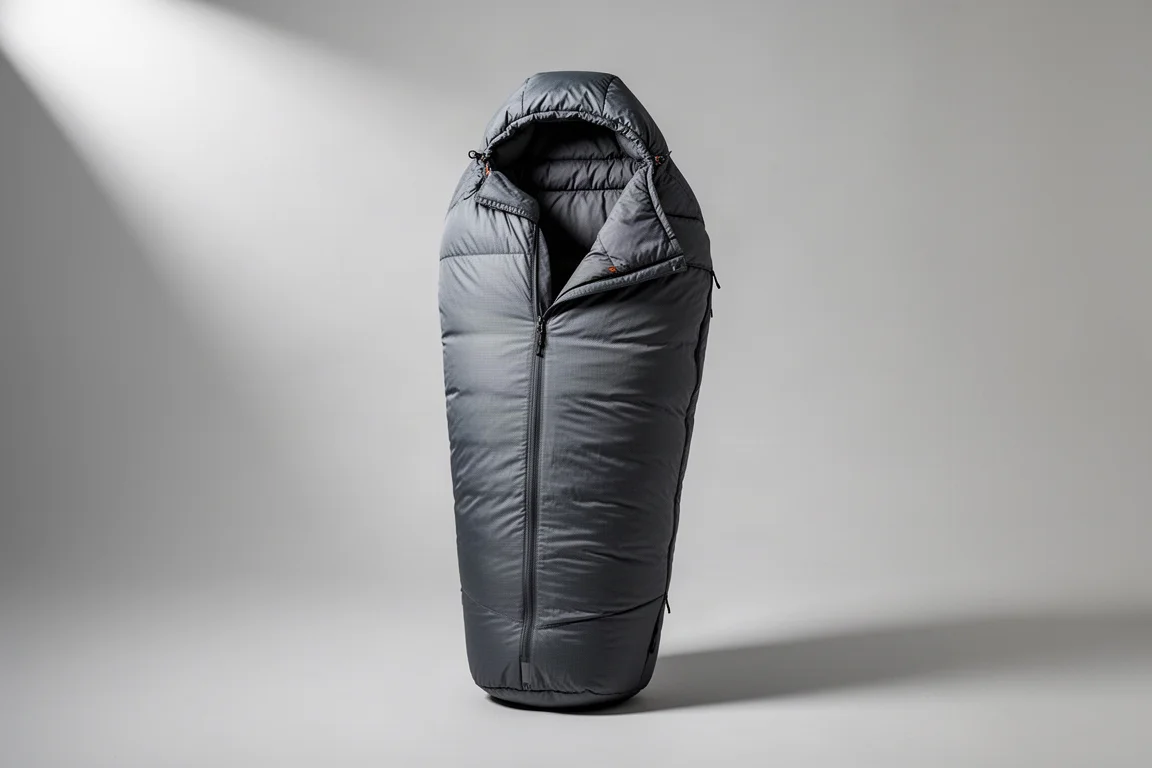
The system also includes a completely separate 20°F sleeping bag. That bag works on its own, or you can place it inside the 45°F bed to create a 0°F system. Every layer uses lightweight down, and the 45°F configuration leaves out insulation on the back, since flattened insulation under your body cannot keep you warm anyway.
The weight savings are real. Using just the 45°F layer, the long version of the system weighs around 1.25 lb, compared with over 2 lb for the North Face bag in its lightest setup. The 20°F bag weighs less than 2 lb on its own, and the warmest 0°F configuration lands around 3.25 lb. Those figures come from the long version, which runs slightly heavier than the standard size.
Versatility is the other advantage. Both layers double as stand-alone sleeping bags, so the top layer can be loaned to a friend while the bottom layer still works on its own.
Two things deserve attention before buying. The ultralight 0°F system runs close to $650, more than twice the price of the One Bag, which undercuts the main reason to buy a single multi-rating system. Big Agnes also certifies only the coldest configuration, so the 20°F bag used alone and the 45°F system used alone rest on the brand’s own judgment rather than independent verification. The top layer uses sewn-through construction, a design that can create cold spots even with adequate insulation, though that is rarely a problem for a summer-rated layer.
Temperature Ratings: What the Certifications Actually Cover
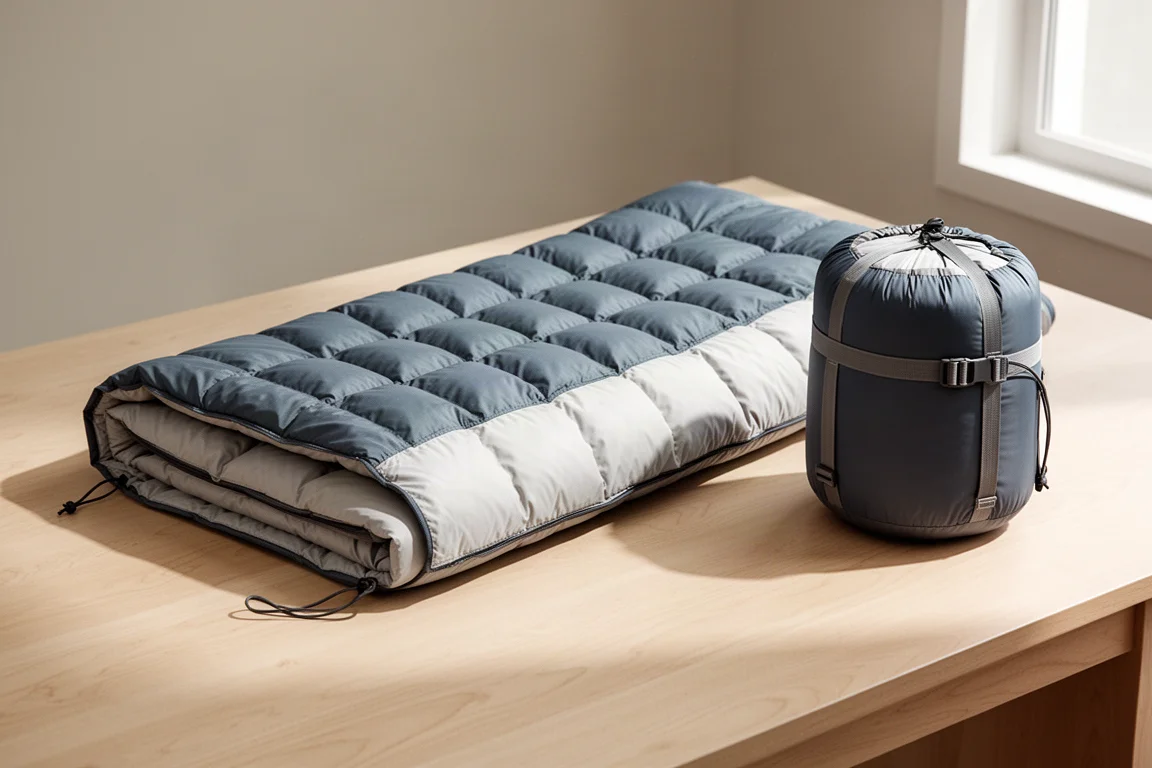
ISO certification is the clearest signal of how a sleeping bag will behave in the cold. The North Face certifies all three configurations of the One Bag. Big Agnes certifies only the coldest setup of the Lone Ranger, leaving the two warmer configurations unverified.
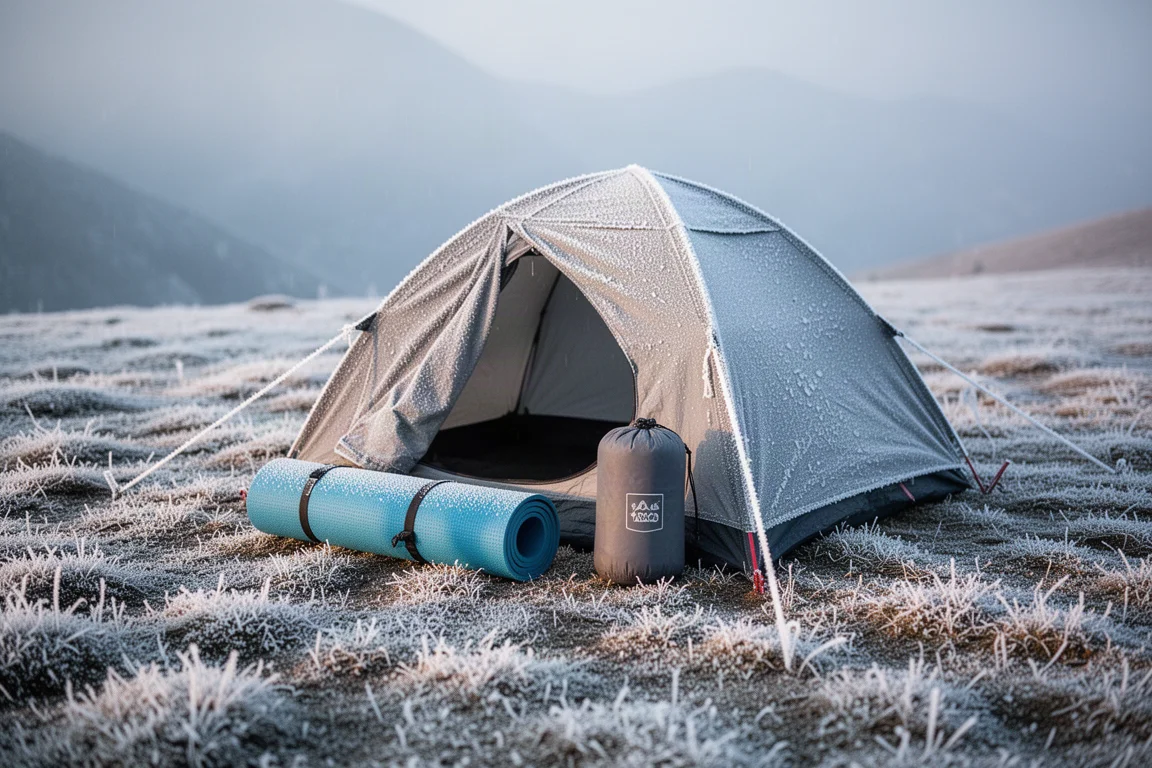
The certified numbers are also more conservative than the marketing numbers. The published ISO figures indicate the Big Agnes system will feel cold at 4°F, and the North Face system will feel cold at 8°F, even though the two systems are presented as 0°F and 5°F designs. Treating the headline rating as the coldest temperature you can comfortably sleep at is optimistic in both cases.
Construction adds another variable. Measuring loft at home gives a rough sense of whether a rating is realistic, but it does not account for differences between sewn-through and box baffle construction. The top layer of the Big Agnes system is sewn-through, which is usually acceptable at summer temperatures and harder to assess without a certified rating.
A Lower-Cost Alternative: Layering Two Quilts
You do not need a purpose-built three-in-one system to get the same flexibility. Campers have layered quilts for years to push temperature ratings lower, and the math works out well.
A 20°F quilt layered with a 40°F quilt insulates down to roughly -10°F. Two 20°F quilts layered together reach about -20°F. A pair of quilts bought for roughly the cost of the Big Agnes system would deliver two capable quilts for their own temperature ranges plus a much warmer combined setup.
Three cautions apply. Do not try this with sleeping bags, because the narrow interior crushes the insulation of the inner bag and reduces its warmth. Make sure the sleeping pad is rated for the same cold as the combined quilts. And order the quilt that goes on top slightly wider, so it covers all the way to the edge of the bottom quilt.
Buying Advice
Start with the coldest night you realistically expect and work back from there.
The North Face One Bag suits campers who want three certified configurations at a lower price and can accept the weight penalty, particularly the more than 2 lb carried in the lightest setup. It is a reasonable choice for car camping, short approaches, and anyone who values verified ratings over pack weight.
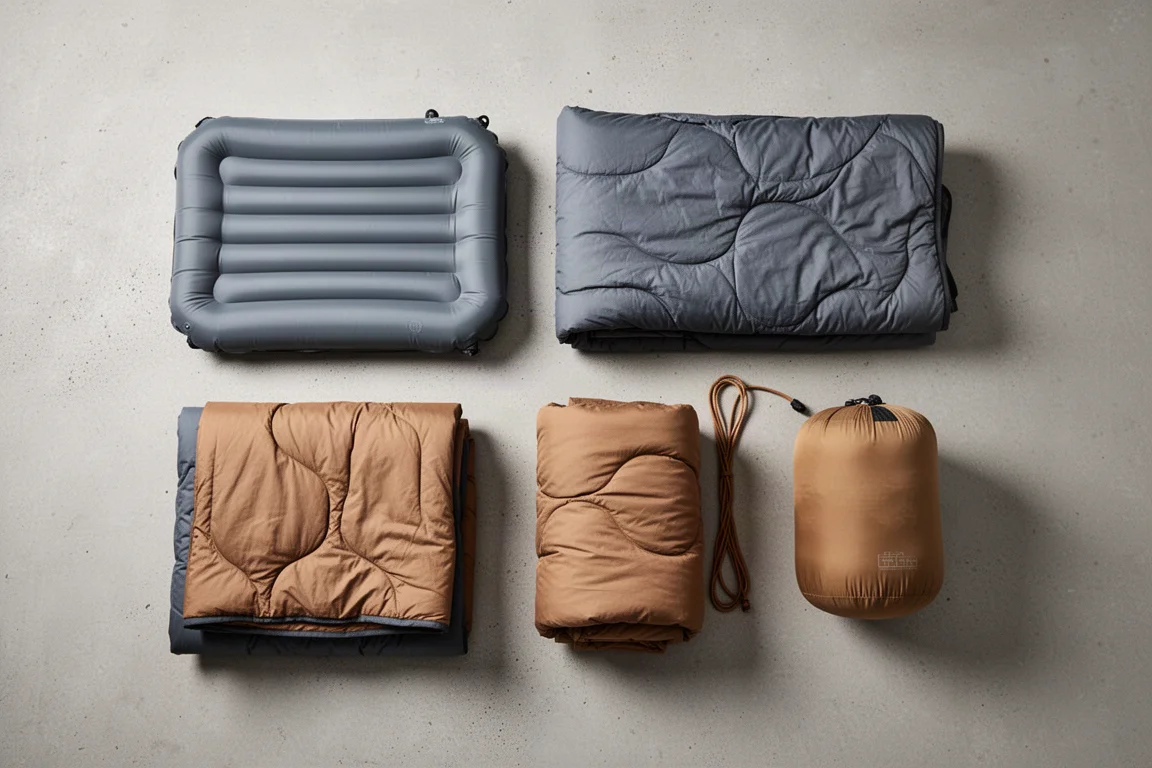
The Big Agnes Lone Ranger Ultralight 3-in-1 suits backpackers who prioritize low packed weight and down insulation, and who want layers that work as stand-alone bags. It costs roughly twice as much, and only the coldest configuration carries certification, so it rewards buyers who mainly use the system as a 0°F setup.
If budget is the deciding factor, two layered quilts remain the most flexible and most affordable route to the same temperature range. Whichever path you take, match the sleeping pad to the coldest conditions you expect, since the pad carries as much of the warmth equation as the bag does.
Conclusion
Three-in-one sleep systems solve a genuine problem: one purchase, a wide temperature range, and no shelf full of bags you only use twice a year. The North Face One Bag delivers three certified ratings at a lower price, with weight as the clear compromise. The Big Agnes Lone Ranger Ultralight 3-in-1 delivers lighter down layers and stand-alone components at roughly twice the cost, with certification limited to its coldest configuration. Layered quilts remain the budget-friendly alternative that covers much of the same ground.
Further reading
Related Reviews
Sleeping Bags
Best Down Sleeping Bags Under $300: Four Backpacking Options Worth a Look
Four down sleeping bags that stay under $300, compared on fill power, baffle design, hood comfort, and packed size.
Sleeping Bags
Best Sleeping Bags and Sleep Systems: Five Premium Down Picks Compared
Five premium down sleeping bags and sleep systems compared on warmth, weight, construction, and value.
Sleeping Bags
Big Agnes Lost Ranger UL 3-in-1 Sleeping Bag System Review: One Bag, Three Setups
A practical look at the Big Agnes Lost Ranger UL 3-in-1 Sleeping Bag System, covering how the three configurations work, where it shines, and the details worth weighing before buying.