Camping Tents
Best 2-Person Tents: Nine Picks for Ultralight, Freestanding, and Family Camping
A category-by-category guide to nine two-person tents, from a 515 g trekking-pole shelter to a 2,200 g family model, with the trade-offs that matter on trail.
Introduction
A two-person tent earns its place by doing more than sleeping two people. It has to pitch quickly when the weather turns, hold its shape when the wind picks up, and leave enough floor space for two adults to lie down without a fight. Weight matters, but it is only one part of the equation.
The nine tents below cover the categories that matter most for two-person trips: ultralight, roomy ultralight, budget, all-around, freestanding, roomy freestanding, and family. Each one is here because it does a specific job particularly well, and each comes with a trade-off worth knowing before you buy.
How These Picks Were Chosen
Five things separate a tent worth carrying from one that stays in the closet: weight, ease of use, interior space, weather performance, and price. A shelter that is light but fiddly, or affordable but cramped, rarely gets packed a second time.
Fabric choice matters as much as the number on the scale. Sil poly and hybrid fly materials hold their shape when wet, while nylon flies tend to stretch and sag, which costs structural stability in wind and rain. The picks below lean heavily toward fabrics that stay taut.
Floor dimensions matter just as much as headline weight. A 46 in floor handles two tapered 25 in pads when the sleepers lie head to foot, while anything narrower usually means one pad, or two very committed partners. Footprint size is the other half of that equation, because a wide floor is harder to squeeze into a tight tent site.
Best Ultralight Tent: Durston X-Mid Pro 2
The Durston X-Mid Pro 2 is the pick for backpackers who count grams without giving up livable space. It weighs 515 g and uses a 46 in floor, which is wider than most tents in this weight class.
Attention to detail is what sets it apart. Magnetic door toggles sit exactly where you reach for them, and the corner guy lines are cut to the right length, long enough to pitch the shelter properly and short enough to stay out of trouble.
The compromise is width for couples. Two 25 in pads fit only when they are tapered and the sleepers lie head to foot, so partners who want to sleep side by side on wide rectangular pads will find it tight.
Ultralight Alternative: Zpacks Duplex
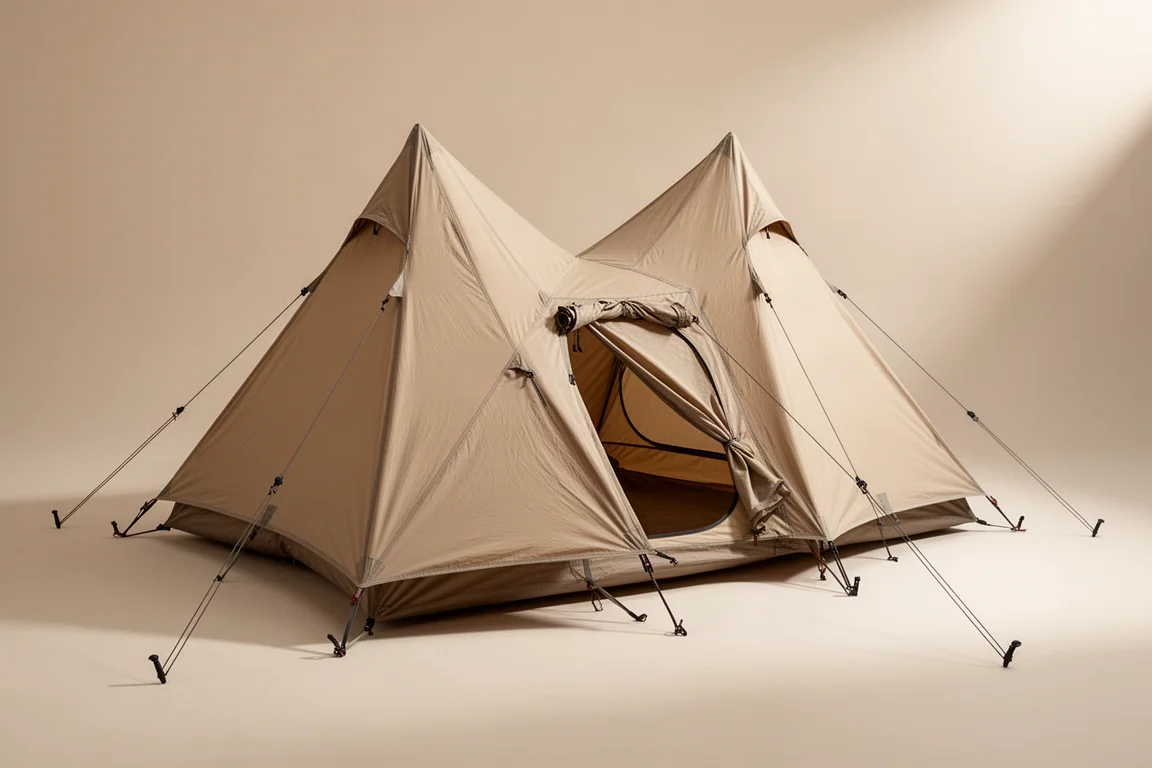
The Zpacks Duplex is a long-standing thru-hiking favourite and the obvious alternative if the X-Mid Pro 2 is not quite right. It is a touch heavier and narrower at 40 in across, which makes it a better match for solo trips or for two sleepers who do not mind a snug fit.
Best Roomy Ultralight Tent: Zpacks Offset Trio
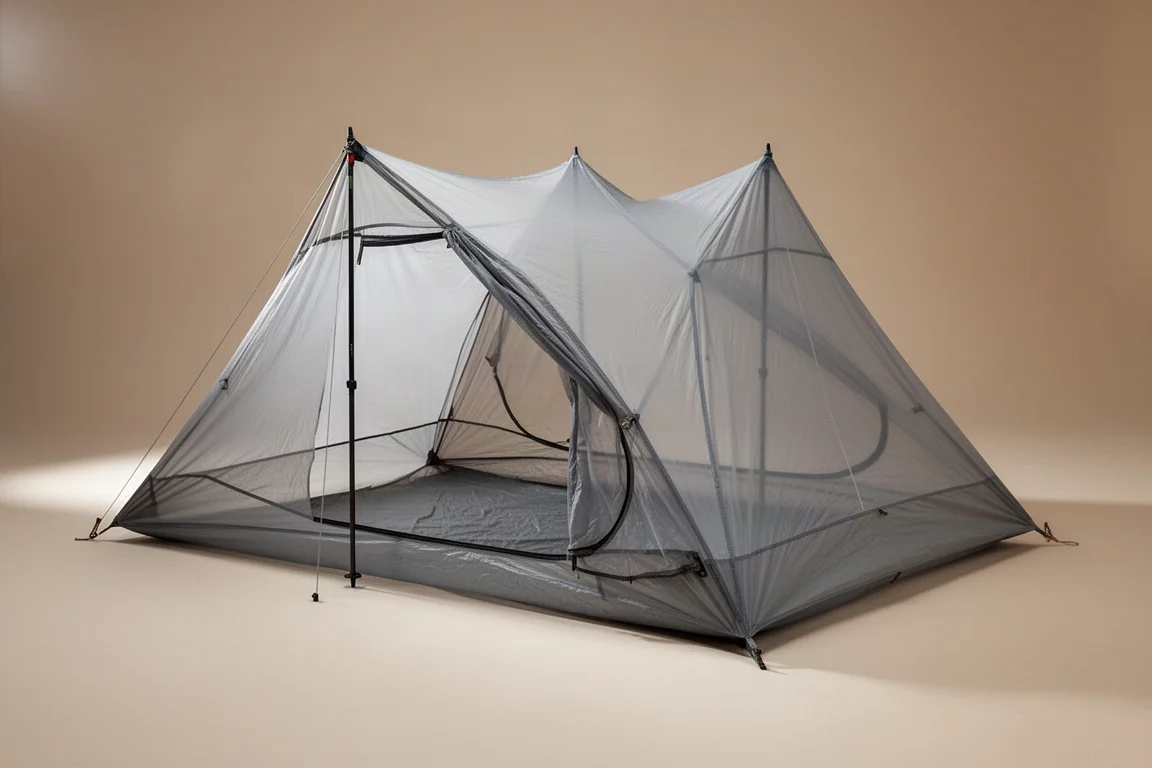
The Zpacks Offset Trio is for campers who want a palace that still weighs just over 600 g. Two people get a huge amount of interior room, and there is enough space left over to bring a pet or a child along.
The trick is the extra poles at the head and foot. They pull the walls out and away from where your head and feet sit, creating vertical walls that open the interior up considerably.
The trade-off is wind performance. This is a shelter for sheltered ground, so plan on pitching below the tree line rather than on exposed ridges.
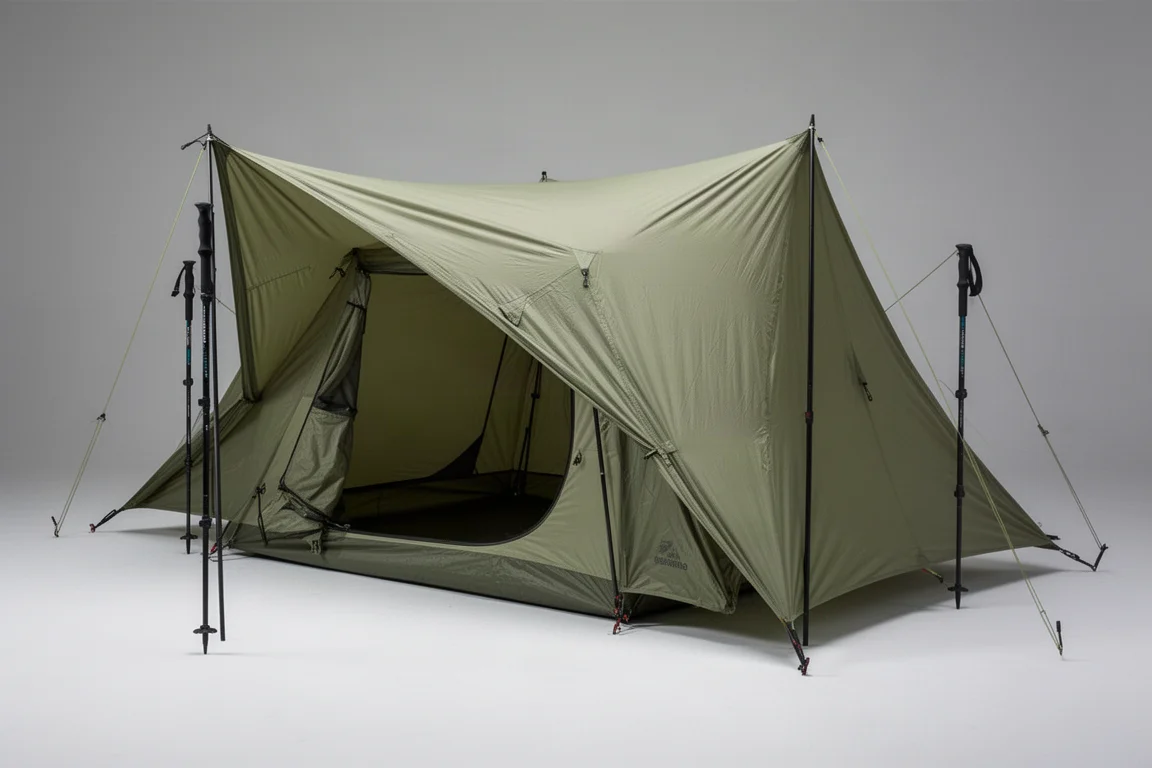
Best Wide-Floor Ultralight Alternative: Durston X-Mid Pro 2 Plus
The Durston X-Mid Pro 2 Plus takes everything that works about the Pro 2 and widens it. Two 25 in wide sleeping pads fit easily, which solves the head-to-foot compromise for couples, and the weight penalty is only around 35 g.
That extra width costs footprint. The Plus needs a bigger patch of ground, and if your trips regularly involve squeezing into small tent sites, the standard Pro 2 will be easier to place.
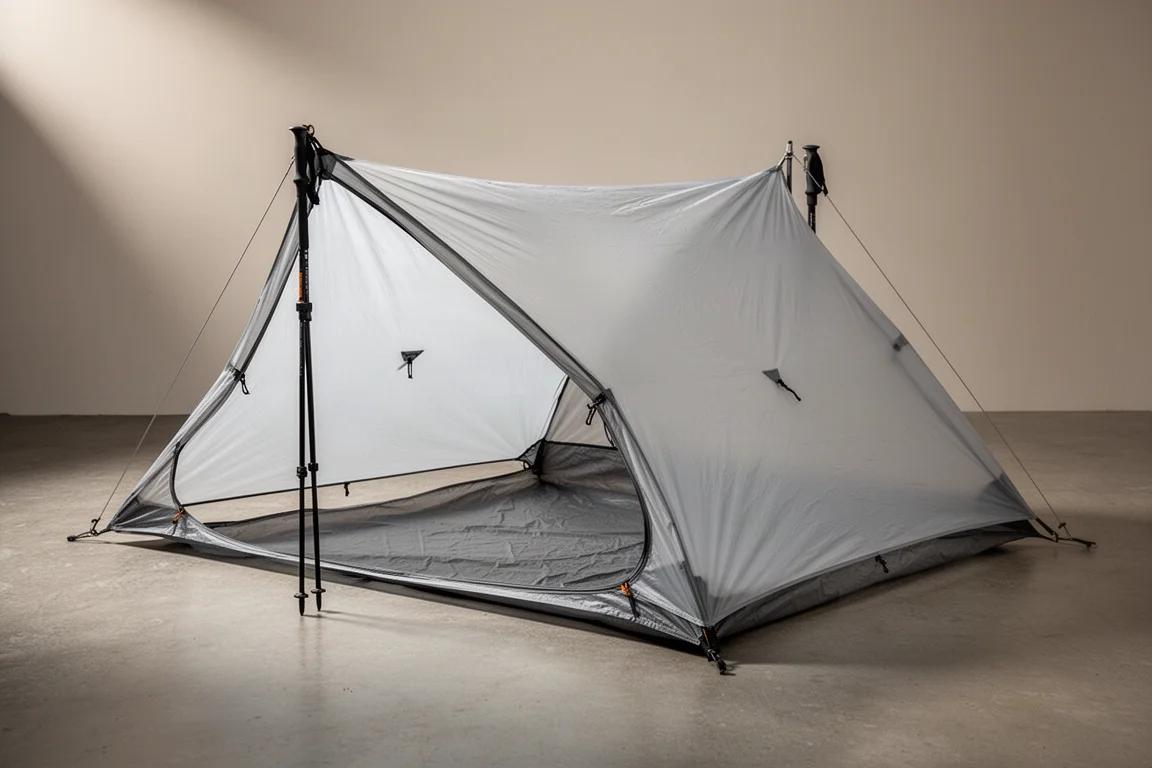
Best Budget Tent: Naturehike Mongar 2
The Naturehike Mongar 2 is the value pick at under $200 and under 2 kg. Setup is intuitive and quick, which matters more than most spec sheets suggest when you are pitching in fading light.
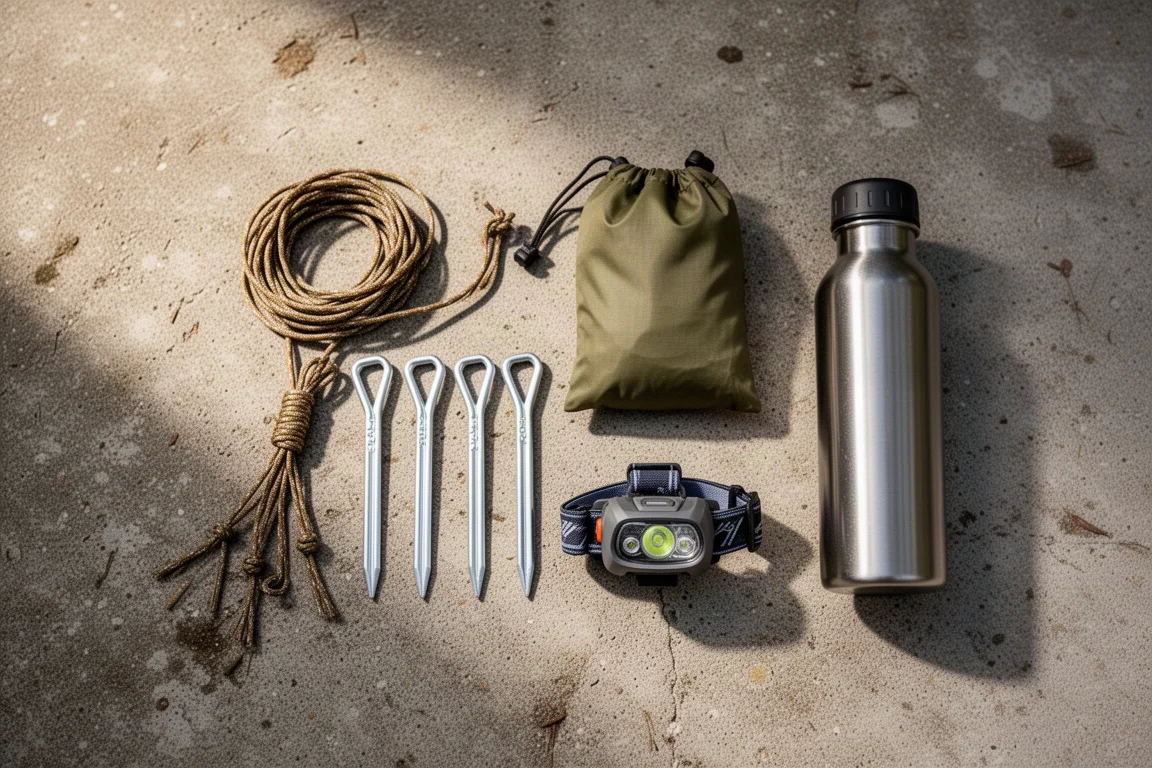
Inside, two 25 in wide square pads fit with plenty of room to spare, so it works as a genuine two-person shelter rather than a squeeze.
The compromise is packed bulk. The tent body takes up noticeable space in a pack, though that is a reasonable price for a solid, easy-to-use shelter at this price point.
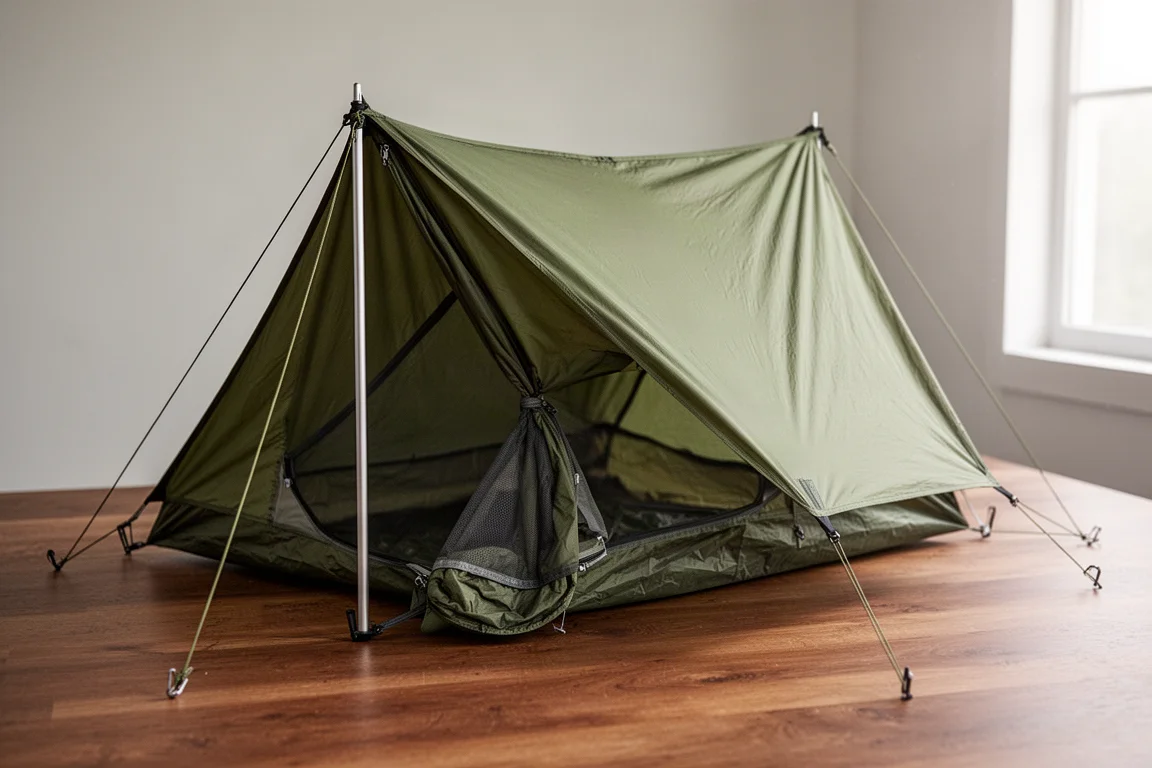
Best All-Around Tent: Durston X-Mid 2
The Durston X-Mid 2 is the tent to recommend to most people. It is a double-wall design in Sil poly, costs $280, and weighs just over a kilogram, which is a difficult combination to beat.
Sil poly brings practical benefits beyond weather resistance. You can stuff the tent into a stuff sack instead of folding and rolling it, and the fly separates from the mesh inner so a wet fly can be stored apart from a dry inner. It also pitches as an all-in-one, with the fly protecting the inner during setup on rainy days.
The downside is the trekking-pole format. First-time users will find it less intuitive than a freestanding tent, and uneven ground takes practice to pitch cleanly.
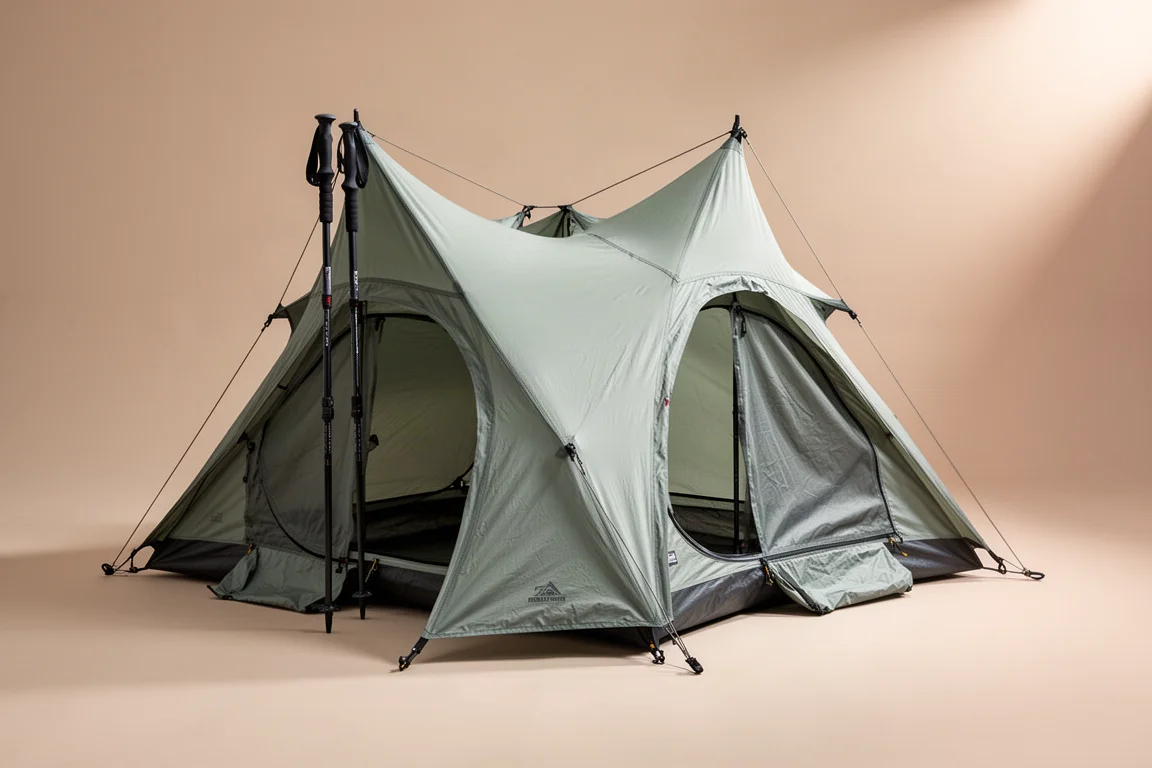
Best Freestanding Tent: Nemo Dragonfly 2P
The Nemo Dragonfly 2P is the best freestanding option, meaning it stands up without stakes and can be picked up and moved before you anchor it. It weighs 1,200 g and costs $500.
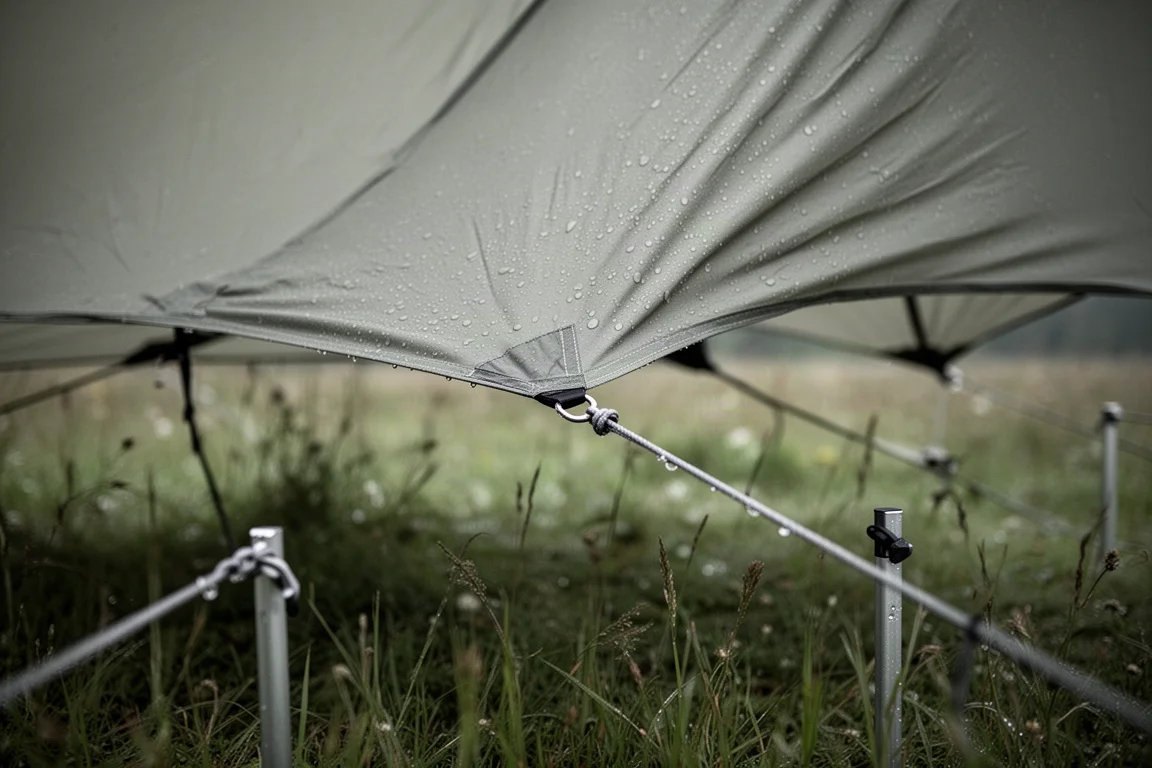
The Osmo fly is the standout feature. It is durable and, unlike a nylon fly, it does not stretch or sag when wet, which preserves structural stability in stormy, windy conditions.
Storm worthiness is the other strength. The Dragonfly has plenty of stake-out and guy-out points, and it has shrugged off significant wind on exposed coastal ground. It also fits two 25 in wide pads, which is unusual at this weight.
The catch is stake count. Setup calls for eight stakes, two more than most tents in this category.
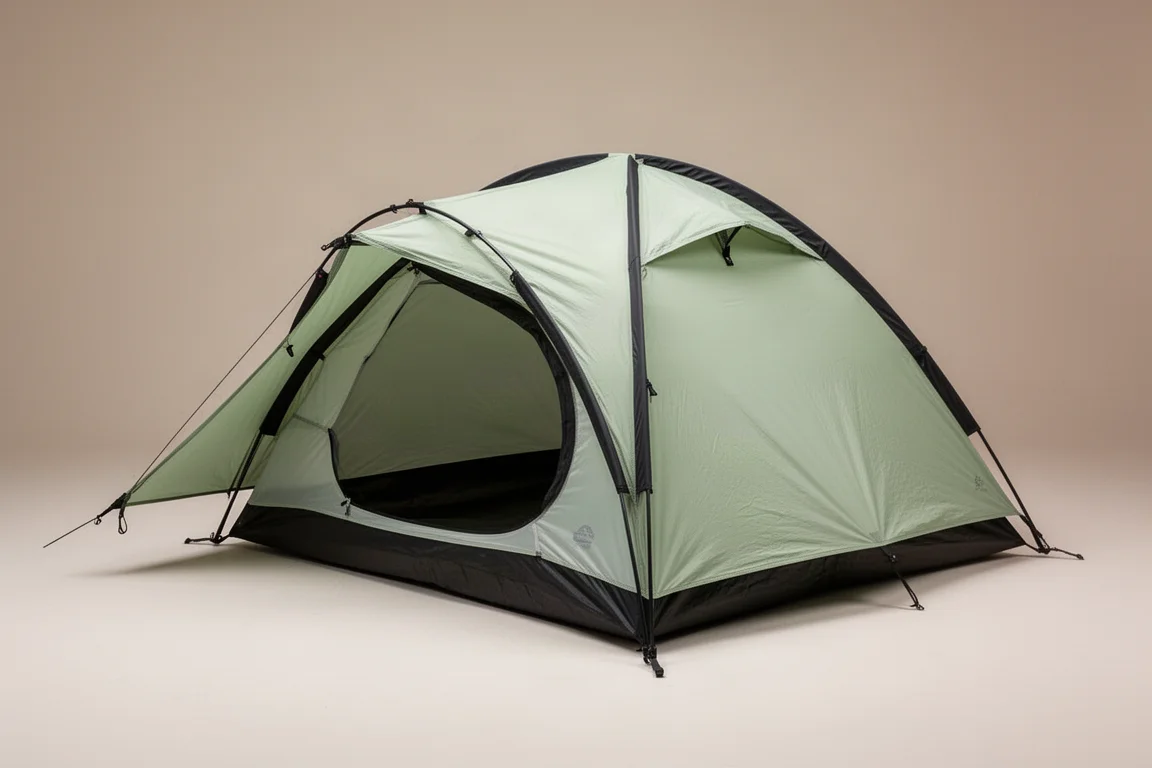
Best Roomy Freestanding Tent: Marmot Tungsten Ultralight 3P
The Marmot Tungsten Ultralight 3P is the freestanding choice for campers who want space. It weighs 1,700 g, uses a Sil poly fly that resists sagging when wet, and offers a very generous interior for the weight.
Ventilation is where it quietly excels. The tent manages condensation better than most shelters in its class, which keeps the interior drier on cold, still nights. It also compresses down to a reasonably compact package.
The compromise is pitching sequence. There is no all-in-one or fly-first option, so the inner goes up first and the fly goes over the top, which is awkward in the rain.
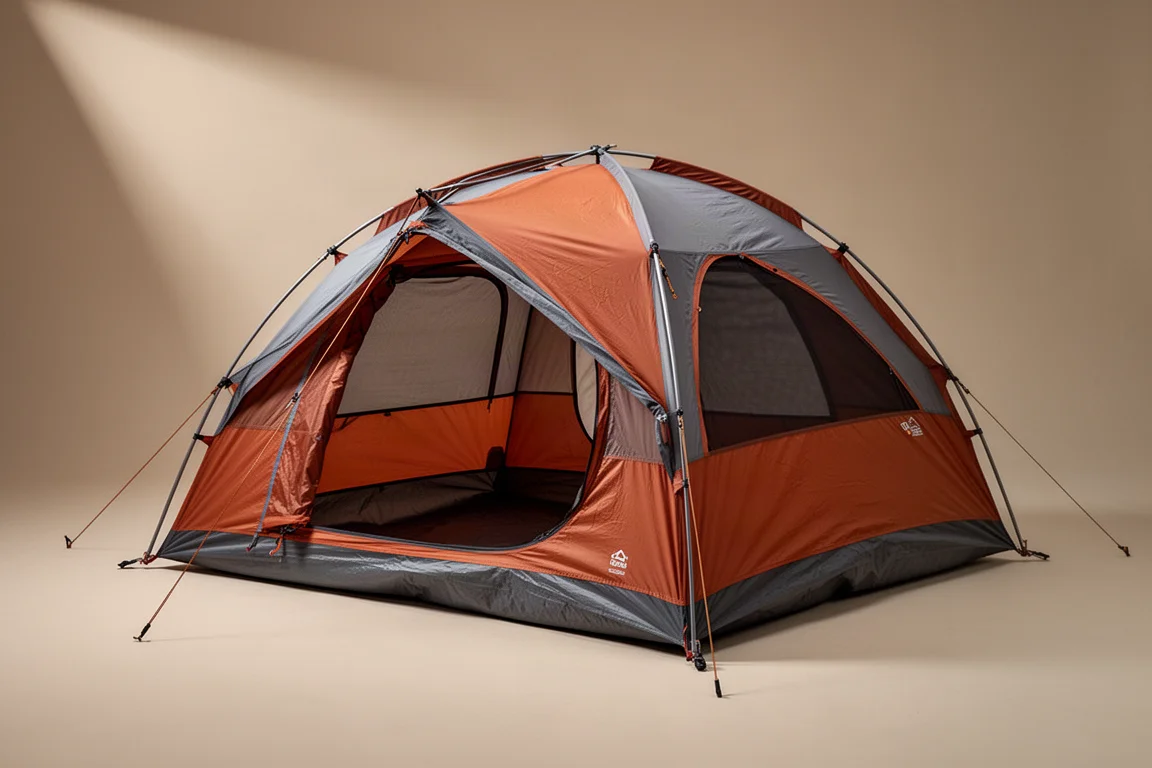
Best Family Tent: REI Half Dome SL 3+
The REI Half Dome SL 3+ is the pick for backpacking with a partner and a couple of kids or dogs. It fits two 25 in wide sleeping pads plus two 20 in wide pads with room left over, at a trail weight of 2,200 g that splits comfortably between two adults.
It is versatile beyond family trips. The same shelter works well as a car camping tent for two and as a base camp for longer outings.
Two things to weigh up. It packs bulky, and it uses a nylon fly, which will stretch and sag when wet. That nylon fly makes it the outlier on this list, where most picks use Sil poly or a hybrid fabric.
Buying Advice: Matching a Tent to Your Trip
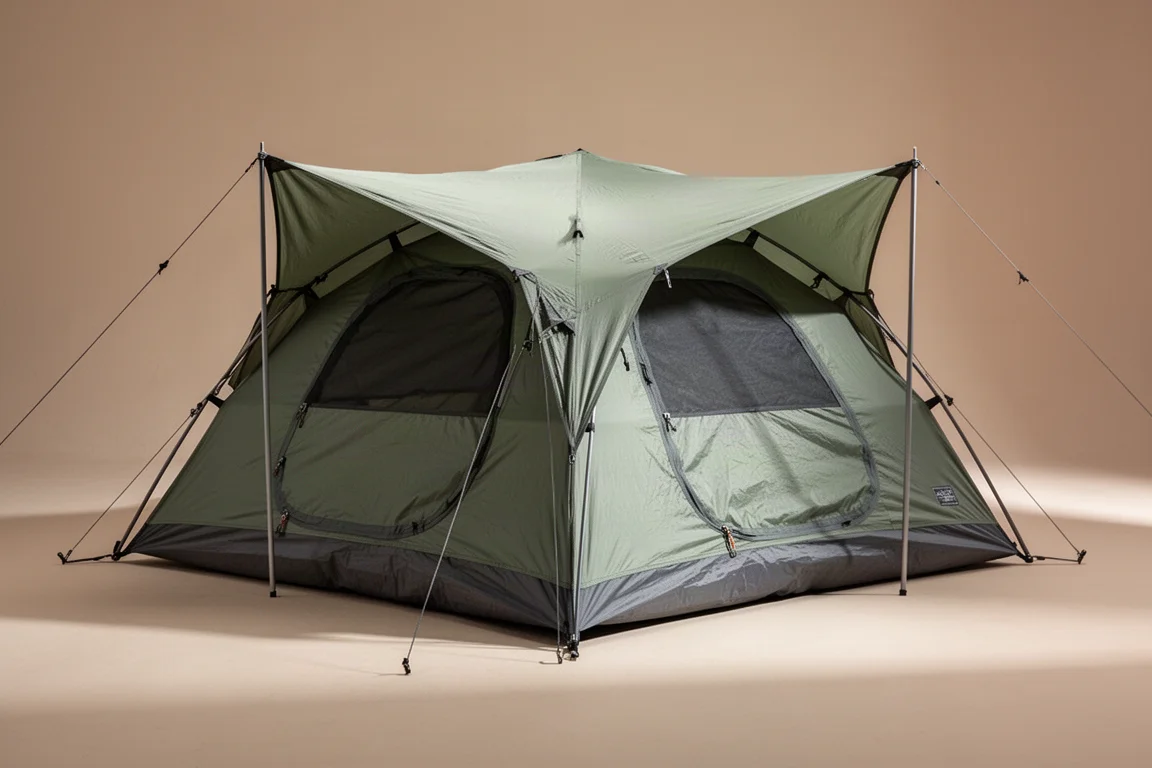
Start with structure. Freestanding tents set up without stakes and can be repositioned before anchoring, which suits rocky, sandy, or hard ground. Trekking-pole shelters are lighter for the same interior space but take practice and demand good stake placement.
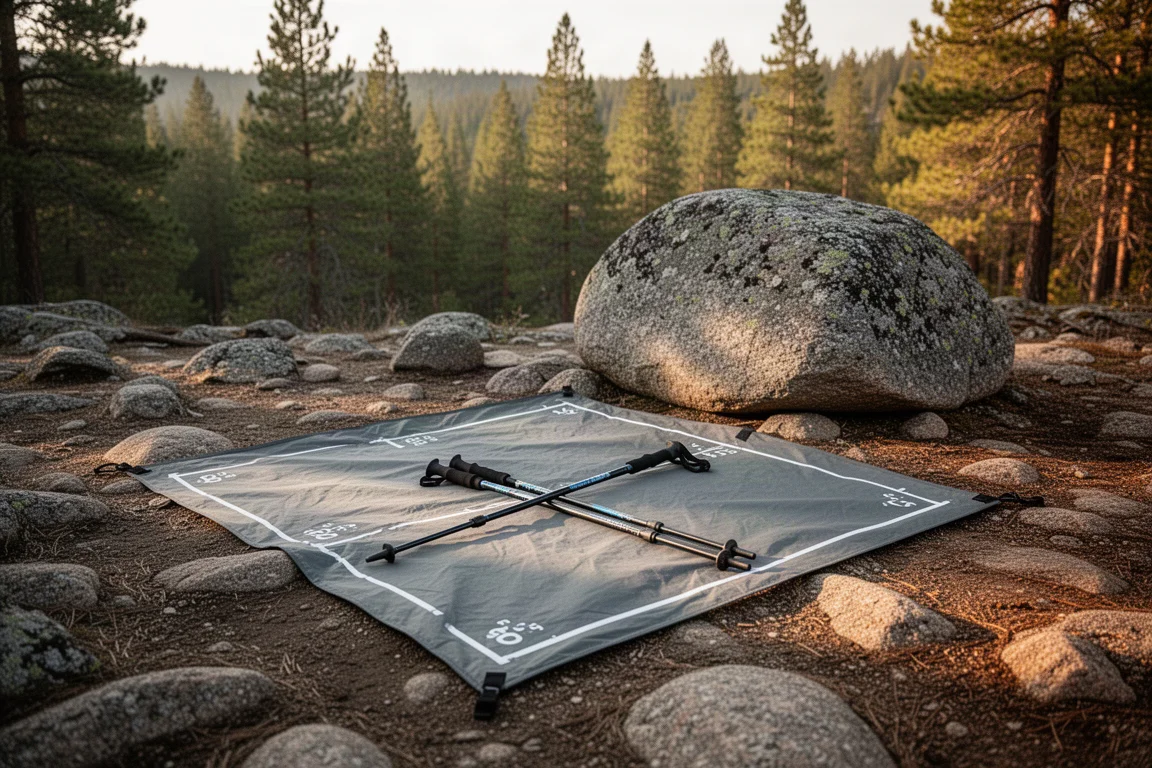
Then look at fabric and footprint. A fly that stays taut when wet holds the tent’s shape in wind, and a smaller footprint opens up more campsites. Packed bulk is the quiet third factor, since a bulky tent changes how you load a pack.
Finally, consider how your group splits up. Two two-person tents often work better than one large shelter, because it lets you divide kids and adults however suits the trip and keeps each load smaller.
Conclusion
The right two-person tent depends on the trip. The Durston X-Mid Pro 2 wins on weight and detailing, the Zpacks Offset Trio wins on livable space, the Naturehike Mongar 2 wins on price, the Durston X-Mid 2 wins as the all-around choice, and the Nemo Dragonfly 2P and Marmot Tungsten Ultralight 3P cover freestanding needs. Match the shelter to the ground you actually camp on, and the rest gets easy.
Further reading
Related Reviews
Camping Tents
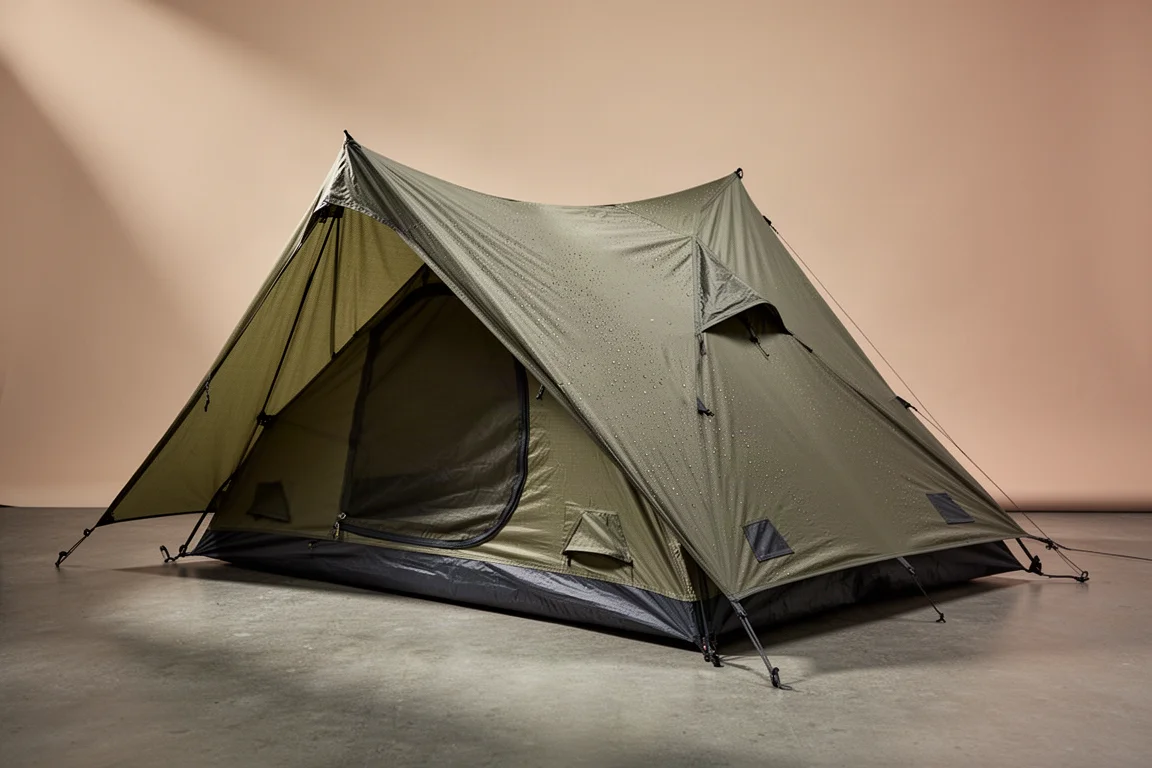
3F UL Gear Taiji Two-Person Tent Review: Field Waterproofing Results and Buying Advice
The Taiji pairs an attached fly with a removable inner, but sustained rain exposed untaped vent seams that need sealing before this shelter can be trusted.
Camping Tents
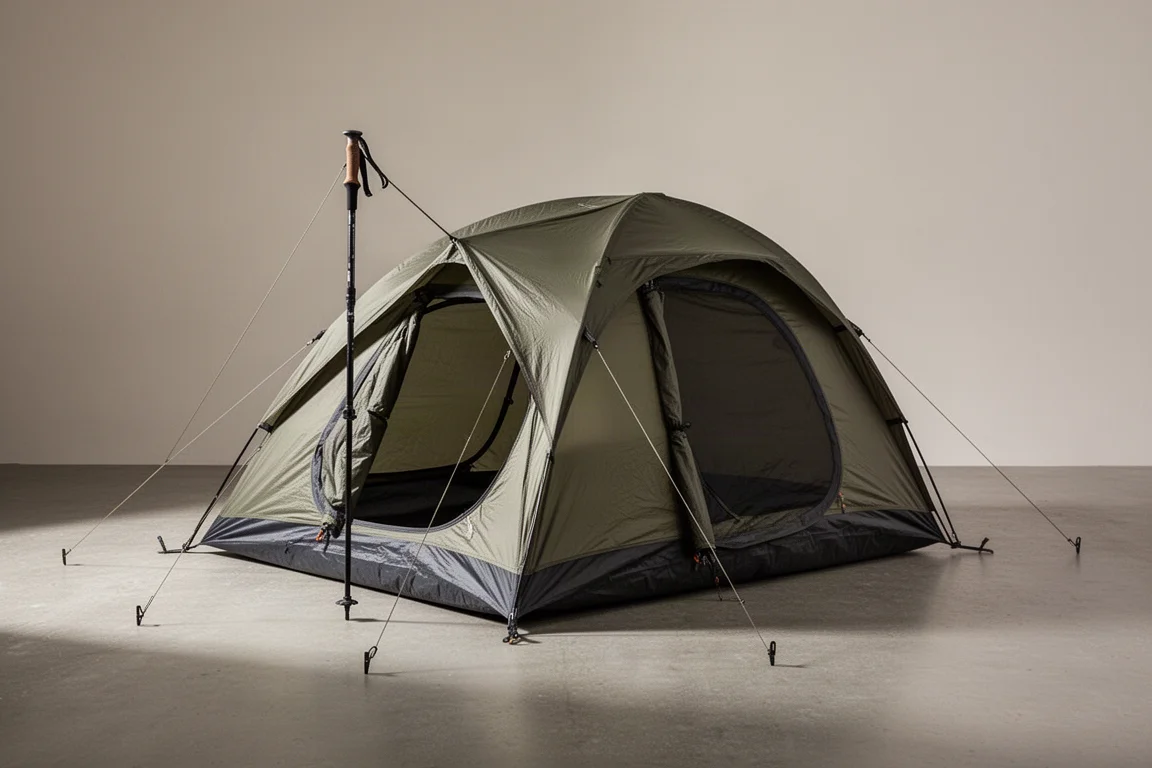
3FUL Gear Lanshan 2 Pro 4-Season Review: A Sub-$200 Single-Wall Trekking Pole Tent
An early look at the 3FUL Gear Lanshan 2 Pro 4-Season, covering its straightforward pitch, generous interior space, and the condensation and seam-sealing questions that come with any single-wall shelter.
Camping Tents
Alps Mountaineering Lynx 1-Person Tent Review: Big Value in a Small Budget Tent
A close look at the Alps Mountaineering Lynx 1-Person Tent, covering real interior dimensions, materials, setup time, ventilation limits, and who should buy it.