Premium Audio
Bang & Olufsen Beolab 8 vs Beolab 28, KEF LS60, and Formation Duo: Premium Powered Speakers Compared
A practical look at the Beolab 8 and the premium powered speakers it is measured against, including the Beolab 28, KEF LS60, and Bowers & Wilkins Formation Duo.
Introduction
The Bang & Olufsen Beolab 8 is one of those products that divides a room before anyone has heard it. A compact powered speaker at a price that sits well above most of the category, it invites strong opinions about value, design, and what a hi-fi purchase is supposed to be. That reaction says less about the speaker than about the two very different kinds of listeners who end up looking at it.
If your enjoyment of the hobby comes from choosing components, matching amplifiers to speakers, and building a system piece by piece, a fully integrated powered speaker removes the part you like most. If your enjoyment comes from having music ready at any moment and being nudged to listen more rather than to judge what you are hearing, the same speaker does the opposite: it removes the work. Both positions are reasonable, and the Beolab 8 makes more sense once you know which one you occupy.
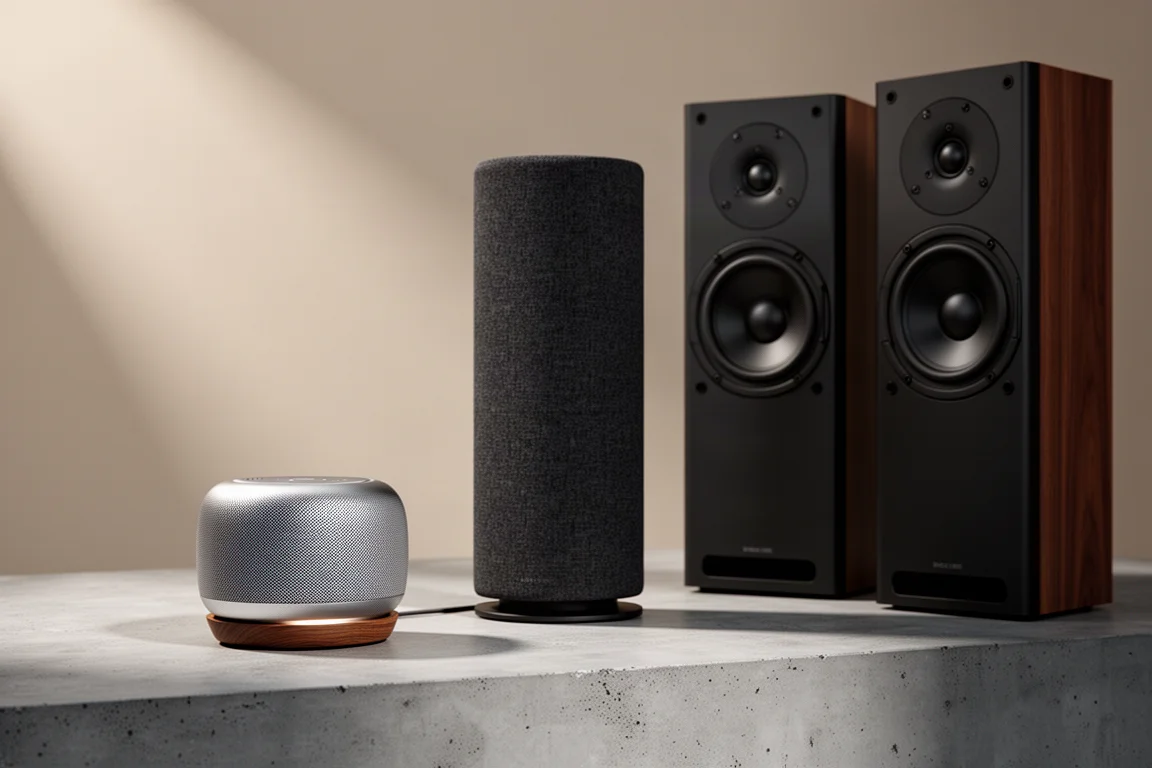
This guide looks at the Beolab 8 alongside the three speakers it is most often measured against: the Beolab 28, the KEF LS60, and the Bowers & Wilkins Formation Duo. Each one solves the premium powered speaker problem differently.
What to Weigh Before Buying a Premium Powered Speaker
Price is the first thing most people bring up, and it is worth being clear-eyed about it. Bang & Olufsen has always been a premium-priced brand, and a compact speaker at a premium price is the normal shape of its catalog rather than a recent development. What has changed is how loudly that pricing gets debated. Even so, a price objection is a personal budget question, not a verdict on what a product can do.
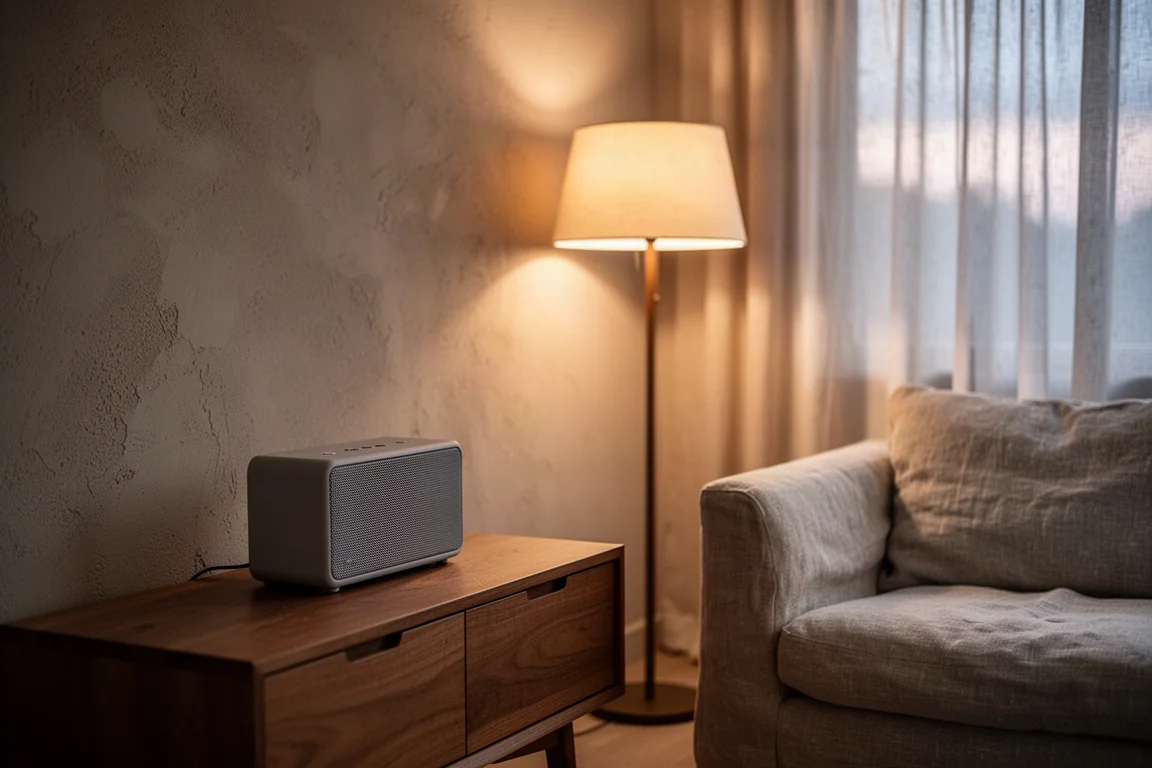
Placement matters more than most buyers expect. A speaker that sounds thin against one wall can sound remarkably large when it is set up properly and room correction is run. The Beolab 8 was underwhelming in an initial placement that was never intended to be ideal, and it took roughly an hour of positioning plus automatic room correction before it revealed what it could do. That is a strong argument for not writing off any of these speakers after a single listening session, whether that session happens in a store or at home.
Longevity is the other recurring worry with powered speakers. Anything with an app and firmware will eventually be asked to keep up with protocols and features it was not designed around. Two things soften that risk. First, Bang & Olufsen has kept a line-level input path on its products, which means they can be used as conventional powered speakers with an external streamer or DAC that has preamp outputs and variable volume. Second, the brand’s support for its powered products has a long track record, and older models such as the three-decade-old Beolab 4000 still work and can be brought onto the app with an accessory box.
Finally, be honest about audition access. Bang & Olufsen retail spaces are far fewer than they once were, and dealers carry the cost of stocking and demonstrating expensive products. If you cannot hear a speaker before buying, the flexibility of the app and the strength of the support matter more than they would otherwise.
Bang & Olufsen Beolab 8: Flexible, App-Tuned, Wall-Friendly
The Beolab 8 is best understood as three speakers in one. It works on its own, it can be stereo paired, and it can serve as surround and effects channels in a Bang & Olufsen home theater setup with larger models. That expandability is the main reason to choose it over a simpler wireless speaker at a similar size, because it lets a small system grow into a larger one without replacing the speakers you already own.
It is also designed to be wall mounted, with a wall mount available as an option from a dealer, so it can sit flush where a freestanding speaker would be intrusive. On a table stand and placed close to a wall, it can sound far larger than its dimensions suggest.
Setup is app-driven. There is a loudness control in the app, enabled by default, and it can be toggled off; listening at low volume keeps a surprising amount of bass weight, which is one of the more striking things about the speaker. The tuning is deliberately neutral out of the box, and some listeners will want to adjust it. Auto room correction and a bit of patience do most of the work.
The one clear limitation is low-end extension. The Beolab 8 can be augmented with a subwoofer, and a Beolab 19 can be brought into the system, though that may involve cabling or an accessory box depending on the rest of the setup. Even with a subwoofer, it will not deliver the complete experience of the larger Beolab 28.
Connectivity is broader than the app-first design suggests. An Apple TV can see the speaker over AirPlay, which means the only cable needed is power, and the television’s volume defaults to the speakers for TV, music, and movies. For other sources there is the option of an accessory box, proprietary Power Link connections, and USB-C, which with a dealer-specified adapter becomes a line-level input for a preamp, AV receiver, or processor. One compatibility note: the Beolab 8 cannot be added to the Beosound Stage soundbar, which is a self-contained product.
Bang & Olufsen Beolab 28: The Reference Point
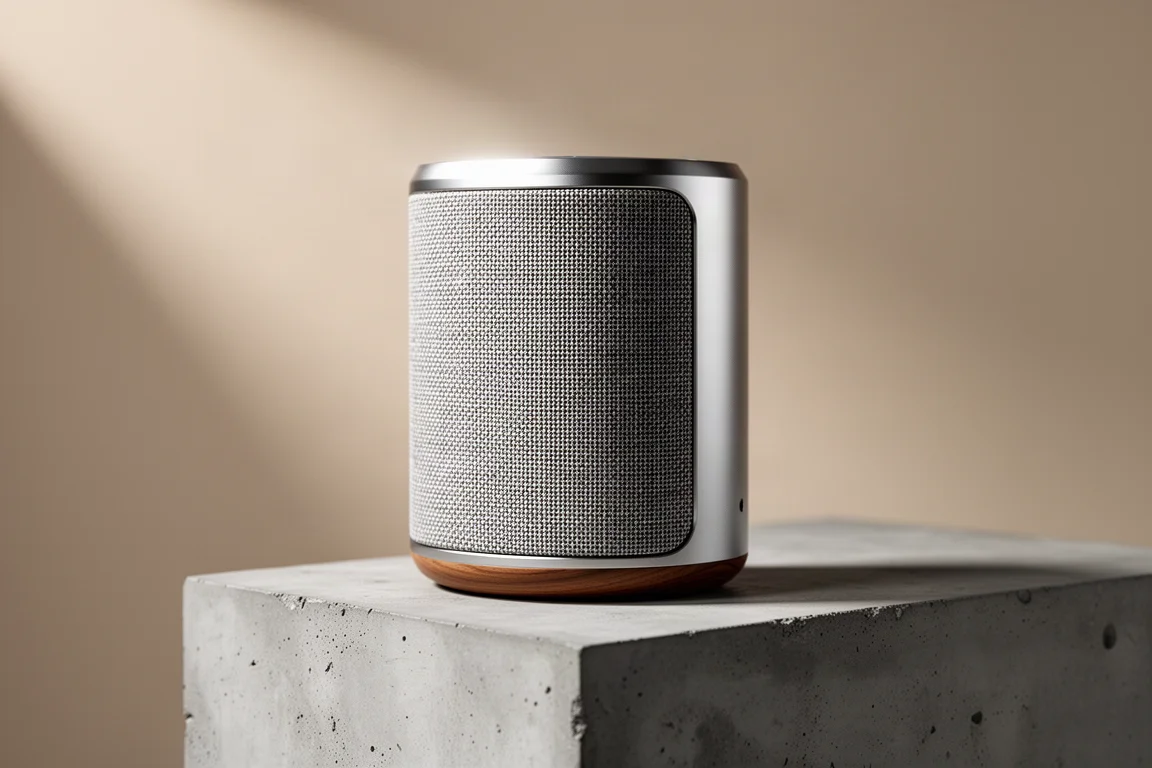
The Beolab 28 is the speaker the Beolab 8 gets compared to most often, and the comparison is not especially fair to either one. The 28 is a larger, more expensive design with a fuller low end, and it reached an enjoyable, emotionally engaging sound far more quickly than the alternatives in this group. Where other speakers needed measurement and repeated adjustments to come good, the 28 got there with far less effort.
Part of that is voicing. Bang & Olufsen speakers are not simply neutral; they make deliberate choices about output at different volume levels so that music stays satisfying as you turn it up or down. That character is difficult to replicate with another brand, and it is the honest answer to the question of whether a rival can be tuned to sound identical. Comparable is realistic. Identical is not.
The main caveat is price movement. The Beolab 28 has become more expensive over time, and buyers who hesitated when it was first available have watched the gap widen. If this is the speaker that clicks for you, the practical advice is to plan the timing and the budget rather than settle for something that only approximates it, because a near miss tends to stay a near miss.
It is also the natural anchor for a larger Bang & Olufsen system, pairing with the brand’s theater components and larger models. Buyers who want one integrated system that arrives finished, with no interest in swapping components later, are the ones who get the most from it.
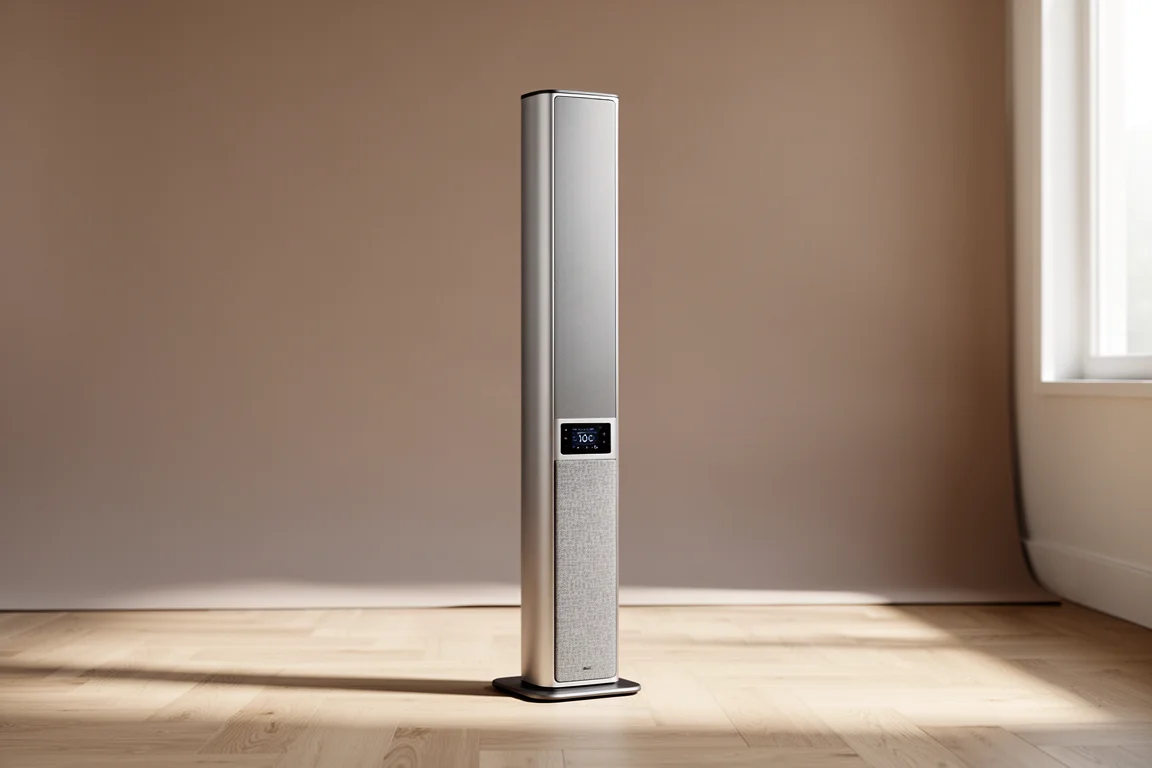
KEF LS60: Flexible and Rewarding of Patience
The KEF LS60 is the most tunable speaker in this group and also the one that asks the most of its owner. Out of the box it did not sound as convincing as it eventually did. Getting the best from it meant working inside the app and taking consistent measurements with room correction software and a calibrated microphone, walking the speaker toward a sound that felt right rather than accepting the default.
Once that work is done, the LS60 is a genuinely special speaker, and its flexibility is the reason. It can be shaped to suit a room and a taste in ways that a more opinionated design cannot. The trade-off is time and a willingness to measure, adjust, and listen again.
It is worth setting expectations about comparisons. The LS60 cannot be made to sound exactly like a Beolab 28, because the voicing decisions behind each speaker are different. It can be comparable, and for some listeners it may be preferable. What it will not do is reproduce another brand’s character on demand.
The other lesson from the LS60 is about demos. A single session in a dealer’s room, with unfamiliar placement and default settings, is a poor predictor of what the speaker can do at home. If the LS60 disappointed you once, that result says more about the setup than about the speaker.
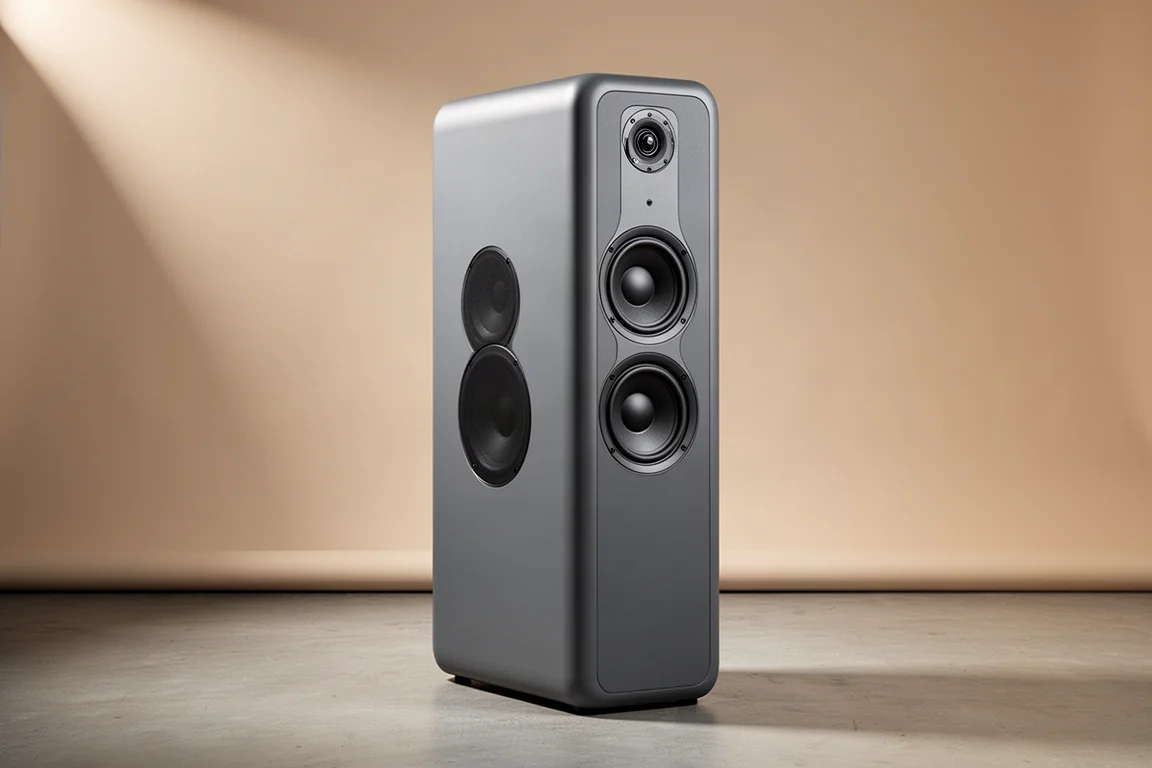
Bowers & Wilkins Formation Duo: More Output, More Bass
The Formation Duo is the loudest and most physically substantial option here. Against the Beolab 8 it wins on three straightforward counts: it plays louder across the range, it produces more bass with less limiting, and it takes up considerably more space, which is either the price of admission or a dealbreaker depending on the room.
It is also likely to be the least expensive of the group, and it is an older design that may be harder to find as stock runs down. That combination makes it an interesting value proposition for buyers who prioritize output and low-end weight over integration.
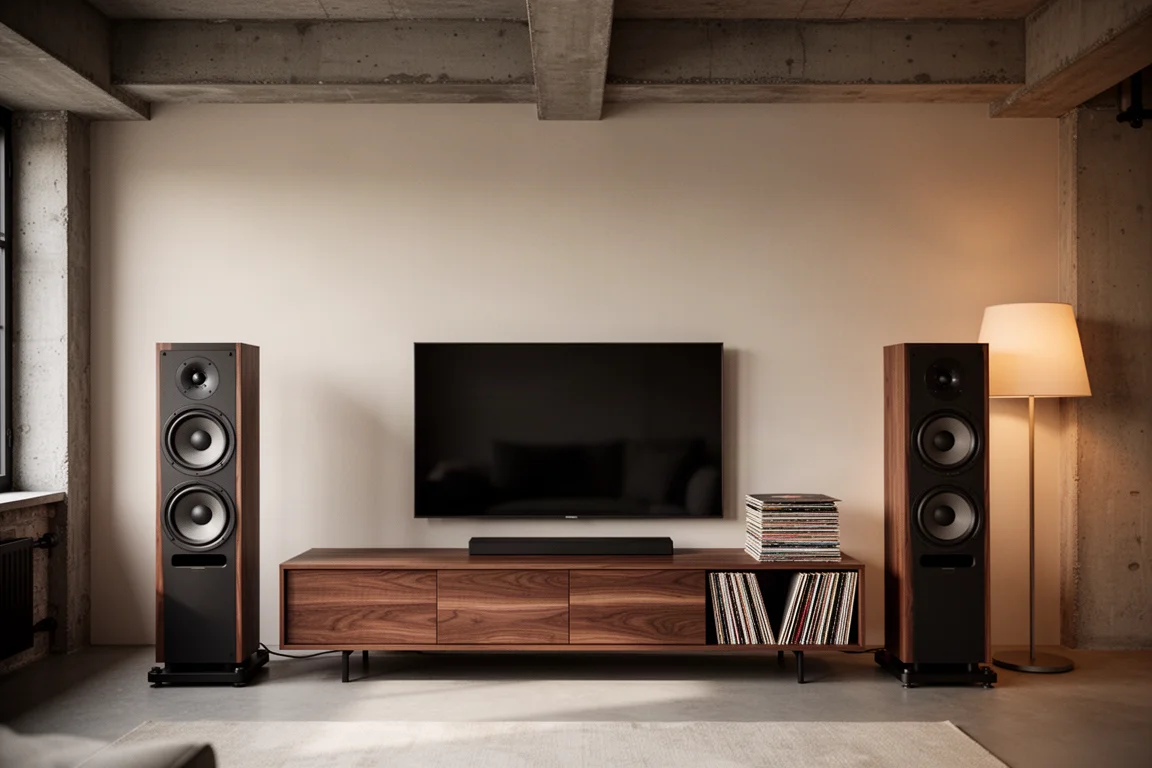
Where it falls short is the software experience. The app is functional and the speaker is capable of excellent sound, but the control, tuning, and support behind it never reached the level of what Bang & Olufsen offers. If you want to connect it to a television over HDMI ARC, you also need an additional outboard box from the same series, which adds cost and clutter to an otherwise simple setup.
For a buyer who wants maximum output per dollar and does not mind a less polished app, the Formation Duo is a strong candidate. For a buyer who wants the system to feel finished and effortless, it is the weaker choice of the four.
Buying Advice: Matching the Speaker to the Listener
Start with the question of what you actually enjoy. If the pleasure is in the gear, in choosing and matching components, and in the possibility of changing something later, an all-in-one powered speaker takes away the part of the hobby you value. If the pleasure is in having music available and being drawn into listening, the integration is the whole point, and paying for it is reasonable.
Second, decide how much of the low end you need and whether you are willing to add a subwoofer. The Beolab 8 is the most flexible small option, but it needs augmentation to approach the weight of the Beolab 28, and it will not fully match it even then. If the 28 is the speaker that moved you, waiting and budgeting for it is usually better than buying something that merely gets close.
Third, think about expansion. The Beolab 8 can become part of a home theater system with the brand’s theater products, while the Beosound Stage soundbar cannot be expanded at all. If surround sound is a future goal, that difference matters more than any single specification.
Fourth, weigh stealth against simplicity. A properly installed in-wall system can disappear completely and can cost less than freestanding speakers, but it needs amplifiers, cabling, source control, and somewhere to house all of it. The Beolab 8 and its rivals trade that infrastructure for a power cable and an app.
Finally, treat the app and the firmware as part of the product. All four speakers depend on software for tuning and features, and all four will eventually face protocols and services that did not exist at launch. The mitigating factor is the line-level input path that lets these speakers be used with whatever streamer or DAC comes next.
Conclusion
The Beolab 8 is not for every listener, and that is not a flaw. It is a compact, flexible, wall-friendly powered speaker that can stand alone, form a stereo pair, or slot into a larger home theater system, with app tuning and a low-volume character that is genuinely enjoyable once it is placed properly. Its weakness is the deepest bass, and the honest fix is a subwoofer or a step up to the Beolab 28.
Around it, the alternatives each make a clear case. The Beolab 28 is the reference for effortless integration, the KEF LS60 rewards owners who are willing to measure and tune, and the Bowers & Wilkins Formation Duo offers the most output and bass for the least money if you can find one and can live with a less polished app.
Pick the speaker that matches how you listen, budget for it honestly, and give it a proper setup before deciding what it can do.
Further reading
Related Reviews

Backpacking Gear
Building a 10 lb Base Weight: An Ultralight Backpacking Gear List
A practical walkthrough of the ultralight pieces behind a 10 lb base weight, from a 765 g pack and a roomy one-person tent to a full camp chair and a dependable water filter.

Road Bikes
10 New Road Bikes Worth Watching: Aero, Titanium, Steel and Endurance Standouts
A practical roundup of 10 new road bikes, from aero flagships chasing single-watt gains to titanium, steel and endurance platforms built for real roads.

Bikepacking Gear
11 Bikepacking Essentials for Long-Distance Cycling
Eleven bikepacking essentials for long-distance cycling, from a steel gravel frame and a two-person tent to helmet lights, packable gloves, and a frame bag that puts weight in the right place.