Hi-Fi Amplifiers
Bel Canto C6i Review: A Compact Class D Integrated With Real Character
The Bel Canto C6i pairs a narrow Class D chassis with a capable phono stage and DAC. Here is how it sounds, what it does well, and how it compares with the Electrocompaniet ECI 80d.
Introduction
Class D amplification is usually chosen for practical reasons: efficiency, low heat, and a small footprint. The common complaint is that the sound can be clean but short on character, pleasant enough without ever pulling you forward in your seat. The Bel Canto C6i integrated amplifier sets out to answer that complaint, and it does so more convincingly than most.
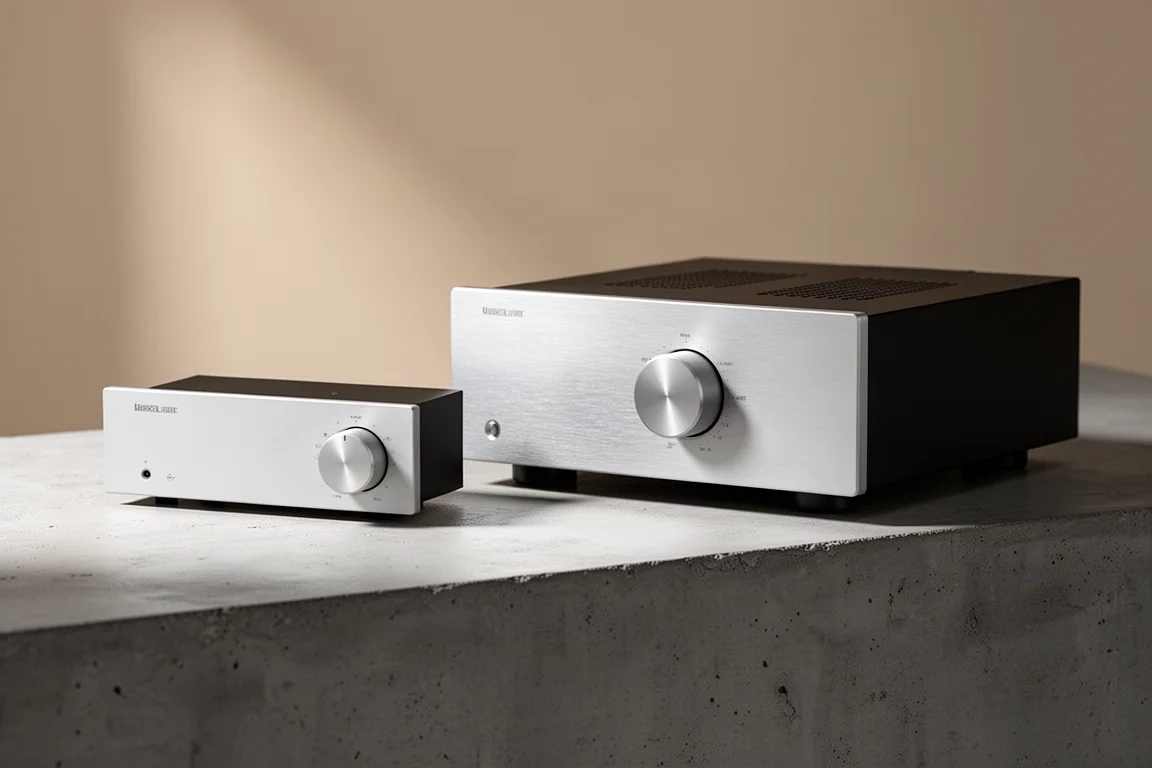
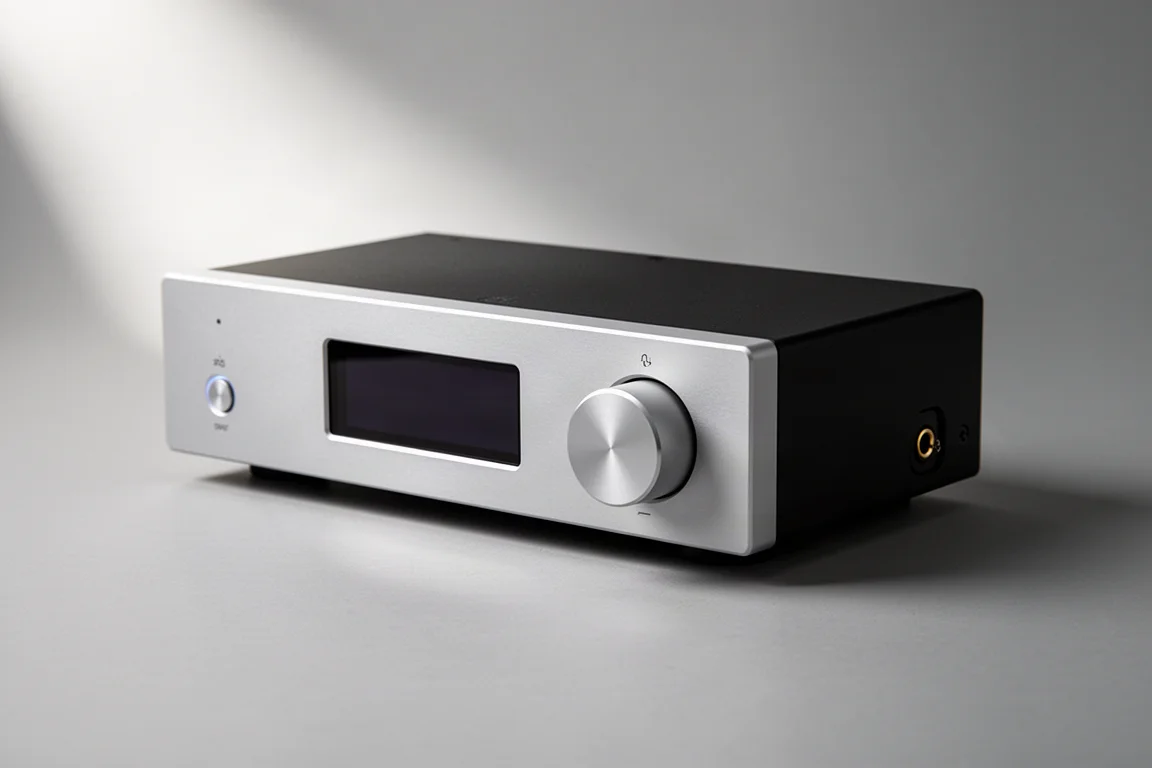
The C6i is a Class D integrated that measures less than nine inches across, so it does not follow the wide, rack-filling format of most integrated amplifiers. It sits easily on a desktop or a shelf, and it runs barely warm to the touch, which keeps ventilation requirements modest. It is priced at $3,195 and carries a two-year warranty.
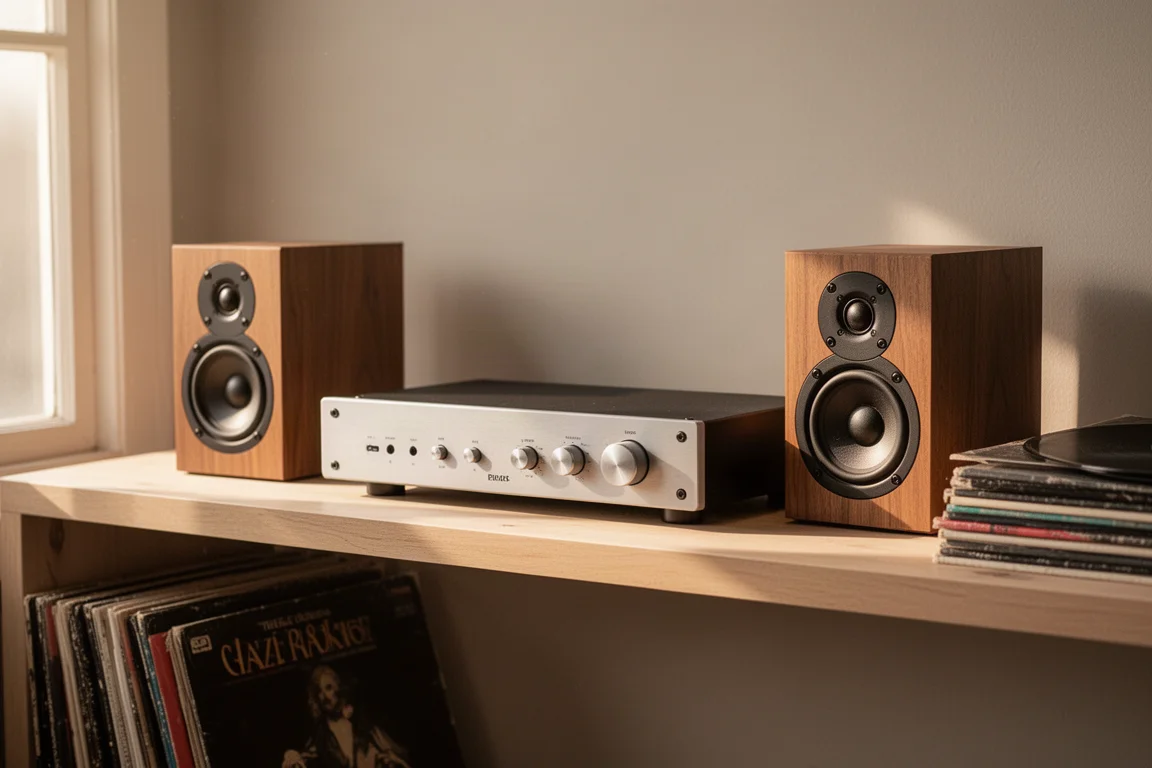
Under the lid it delivers 125 watts per channel, with a moving magnet phono stage and a digital section on board. Over a long stretch of listening across three very different pairs of speakers, the C6i held its composure and, more importantly, kept the music engaging.
Compact Design and Everyday Usability
The narrow chassis is the first thing you notice. At under nine inches wide, the C6i takes up roughly the space of a small desktop component rather than a traditional amplifier, and the heat output matches that impression. It stays barely warm in use, so it can live in a closed shelf or on a desk without the usual concerns about airflow.
The front panel is simple and legible. There is an easy-to-read display, a 6.3 mm headphone jack, and a volume control with an unusually smooth action, among the best you will handle. The same knob handles input selection and drives the menu system.
The menus themselves are the weak point. They are limited in scope and feel dated, and navigating them is not especially intuitive. In practice they are rarely needed, so the clumsiness costs little. The supplied remote control has a plasticky feel but gets the job done.
Connectivity and the Internal DAC
The rear panel covers the essentials well. There is a moving magnet phono input, a preamplifier output that can also be used to drive a subwoofer, and one set of analog RCA inputs. Digital connectivity is more generous: two optical inputs, one coaxial input, and USB. The internal DAC handles DSD128 and PCM up to 192 kHz / 24-bit.
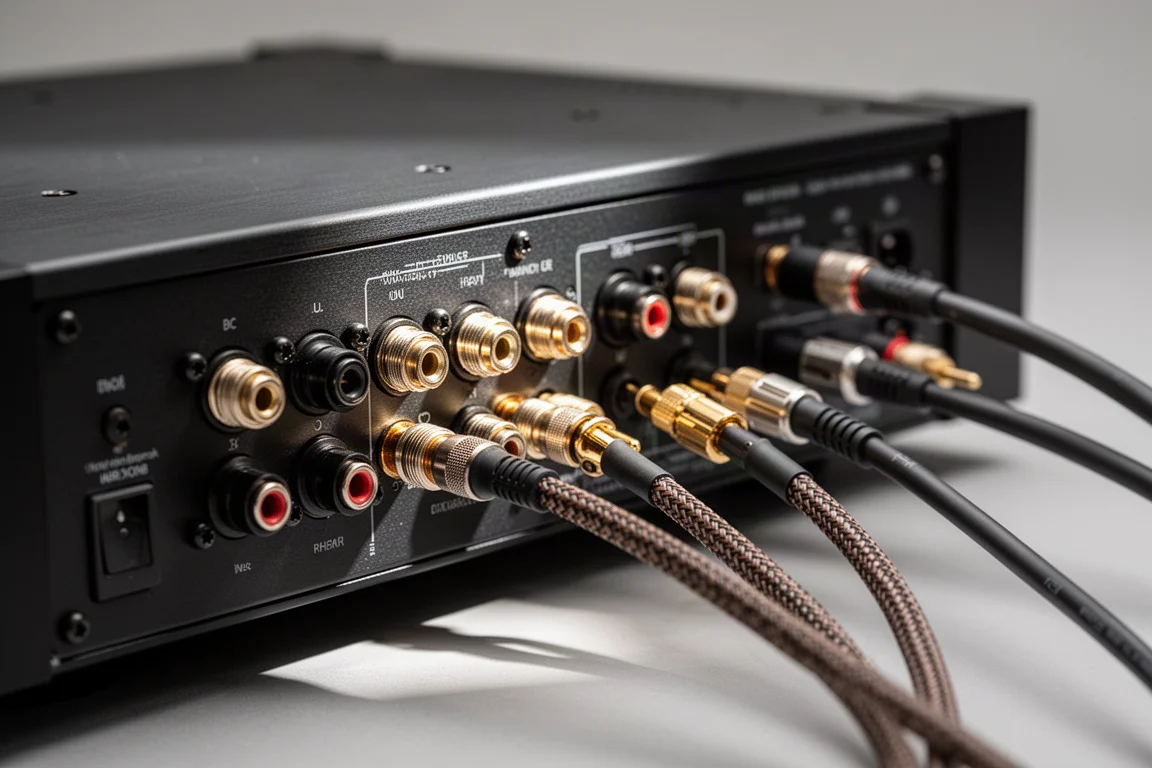
The speaker binding posts are WBT units, a genuinely high-quality choice at this level, and they accept a firm connection without fuss. Between the digital inputs, the single line-level analog input, and the phono stage, the C6i can anchor a complete system with a turntable, a disc transport, and a computer attached at once.
That preamplifier output deserves particular attention. It makes subwoofer integration straightforward, which turned out to matter a great deal with one of the speaker pairings used during listening.
Sound Quality Across Three Speaker Pairings
The first pairing used a small two-way bookshelf speaker with a 5.25-inch concentric driver. On a solo piano recording, the C6i communicated the dynamic shading of the player’s touch, and the left hand carried real weight. Even through a speaker that is not a bass powerhouse, the overall balance had weight and scale.
Switching to a dense, intricate small-group jazz record showed off the amplifier’s strongest quality. Drumming arrived with speed, clarity, and shading, and the layered arrangements held together with a clear sense of space and depth. Imaging focus was locked in, with a centre image that stayed firmly in place.
Planar magnetic speakers came next, and they are a demanding load. The C6i drove them with transparency and clarity, but the result was a touch lightweight. Bringing in a small subwoofer through the preamplifier outputs solved it cleanly, smoothing the tonal balance and making the speakers sound bigger and more dynamic. The subwoofer does not turn a transparent planar into a rock speaker, and it is not meant to; it simply fills in the leanness.
The most impressive result came with an open-baffle speaker built around a 15-inch woofer. Here the amplifier took charge of the woofer completely. Bass was fast and grippy, impact was strong, and the power delivery felt effortless even at high volume in a large room.
Phono Stage and Headphone Output
Integrated amplifiers at this price often treat the phono stage as an afterthought. The C6i does not. Paired with a high-output moving iron cartridge on a direct-drive turntable, the moving magnet section was remarkably quiet, dynamic, and spacious. It communicated power well and never sounded thin or apologetic.
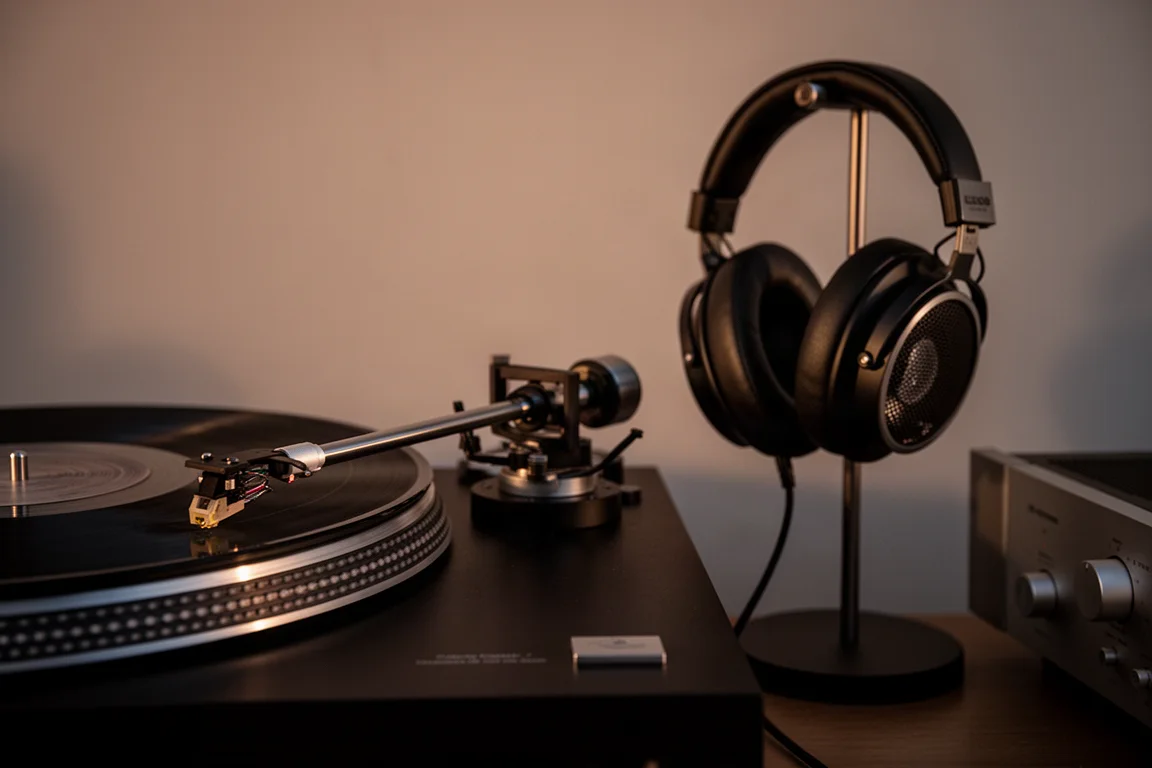
The headphone output is equally credible. Through the front-panel 6.3 mm jack, listening on open-back headphones revealed the same qualities as the speaker outputs: a big, spacious presentation with genuine drive and low noise.
For many buyers, that combination removes two separate purchases from the equation. A dedicated phono preamplifier is not necessary here, and neither is a separate headphone amplifier.
How the Electrocompaniet ECI 80d Compares
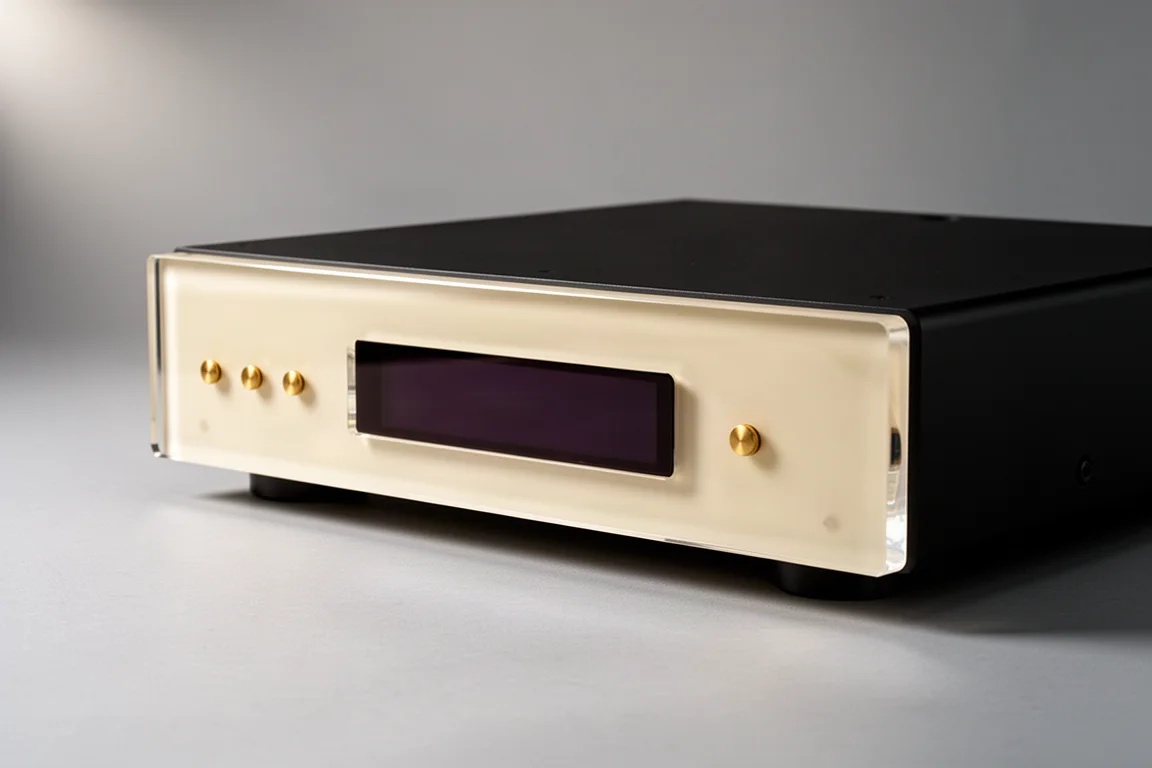
A Class A/B integrated amplifier makes a natural comparison point, and the Electrocompaniet ECI 80d is the obvious candidate. On a compressed, bright recording, the ECI 80d laid every flaw bare. The C6i took just enough edge off to make the same track enjoyable while still sounding detailed, and it filled out the bottom end more. By comparison, the ECI 80d was a touch lean in the low frequencies.
Reverse the material and the picture shifts. On a well-recorded large-ensemble album, the ECI 80d was more transparent and more three-dimensional, with more inner detail and clarity on offer. The C6i answered with a low end that had more drive and a greater sense of solidity, making the ensemble feel weightier.
Both amplifiers presented space convincingly, and neither embarrassed itself against the other. The ECI 80d leans toward transparency and detail retrieval; the C6i leans toward a slightly sweeter tonal balance with a more grounded low end.
Buying Advice
The C6i makes the most sense for listeners who want a compact, cool-running integrated amplifier with a full feature set and a sound that avoids the blandness often associated with Class D. At $3,195 it is a serious purchase, and the two-year warranty is worth factoring in. The dated menu system and the plasticky remote are the compromises, and neither affects everyday listening much.
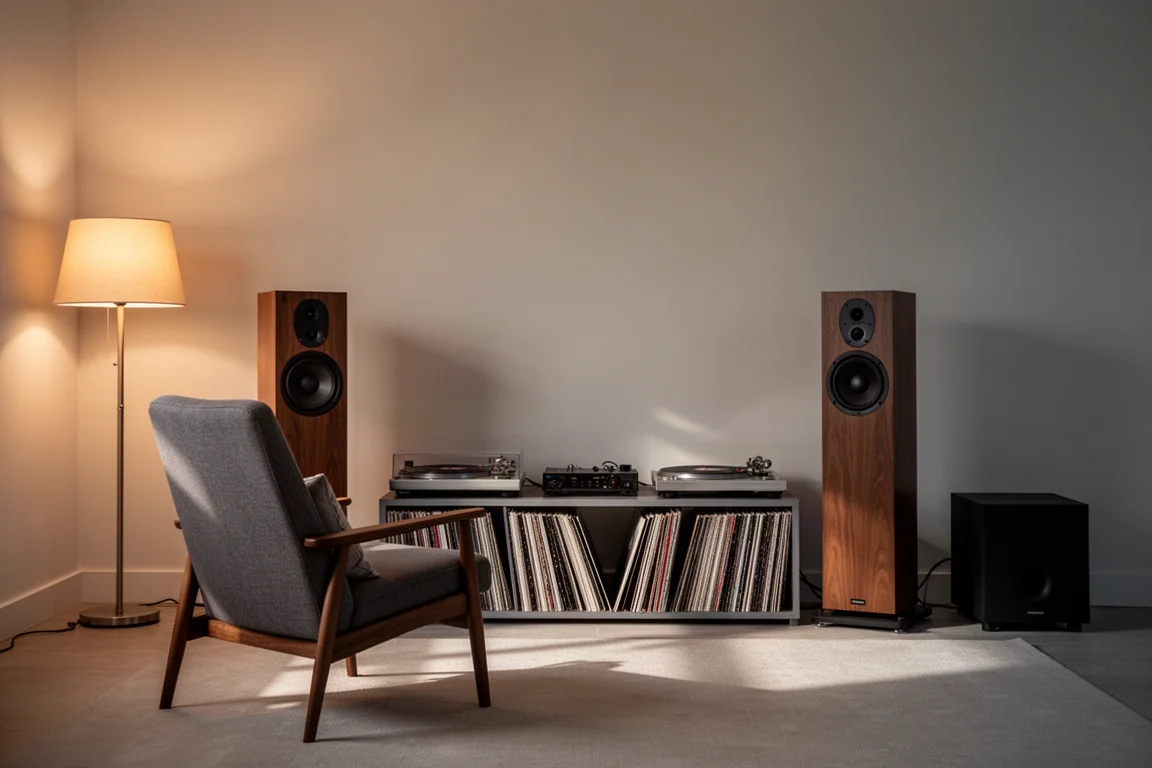
Speaker matching matters. With power-hungry planar designs, plan on using the preamplifier output to bring in a subwoofer, which made a clear and worthwhile difference. With conventional dynamic speakers, the C6i needs no help at all. If transparency and inner detail are the priority, the ECI 80d is the stronger performer. If you want a touch of warmth, a more solid low end, and a footprint that fits almost anywhere, the C6i is the more satisfying choice.
Conclusion
The Bel Canto C6i is a Class D integrated amplifier that earns genuine enthusiasm. It is small, runs cool, offers a properly capable phono stage and headphone output, and it kept firm control of every speaker it was paired with, including a large open-baffle design. Its imaging focus is a standout strength, and its low end has real push.
The caveats are minor and easy to live with: menus that feel a generation behind and a remote that feels its price. Against the Electrocompaniet ECI 80d, it trades a little ultimate transparency for a sweeter balance and a fuller bottom end, which many listeners will prefer. For anyone building a compact high-end system around one box, the C6i deserves a serious look.
Further reading
Related Reviews
Hi-Fi Amplifiers
Accuphase E-280 Review: Entry-Level Accuphase With Flagship Attention to Detail
A close look at the Accuphase E-280 integrated amplifier, covering its champagne build, AAVA volume control, sound quality, and the speakers and sources that suit it best.
Hi-Fi Amplifiers
Advance Paris A10 Classic vs Yamaha A-S301: Two Integrated Amplifiers Compared
A practical comparison of a $350 integrated amplifier and a $2,500 reference model, covering the differences that matter and the ones that do not.
Hi-Fi Amplifiers
Affordable Chinese Amplifiers Worth Buying: Five Budget Hi-Fi Amps Compared
A practical look at five affordable amplifiers, what each one does well, and the trade-offs to weigh before you buy.