Ski Tuning and Waxing
Beginner Ski Waxing and Tuning Setup: Seven Pieces Worth Buying
A practical beginner ski waxing and tuning setup, from a starter kit that covers most of the job to the stone, brushes, scraper, and vise grip that finish it off.
Introduction
Beginner ski waxing kits tend to look more complete than they are. Most of them cover the obvious parts, an iron, a scraper, a stick of wax, and then leave out the pieces that make the job actually work. Others pad the box with items that rarely leave the drawer.
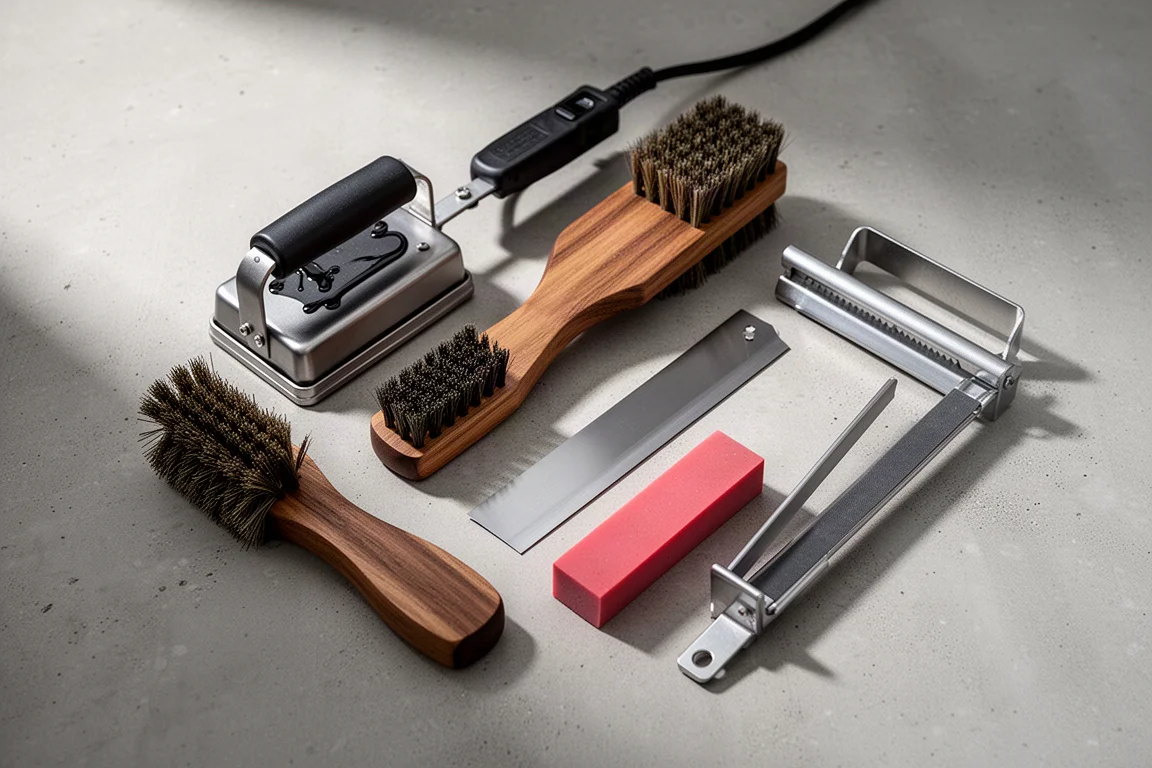
This is a setup built around what the job requires rather than what looks good on a product page. It starts with one kit that covers roughly three quarters of the work, then adds the specific tools that close the gap: a gummy stone for edge cleanup, a brass brush for wax removal, a horsehair brush for the final pass, a scraper and a sharpener for cleaner scraping, and a vise grip for holding the ski steady. Each piece is here because it does something the others cannot.
What a Beginner Waxing Setup Actually Needs
Waxing and tuning comes down to a short list of jobs. You need to heat wax so it drips evenly, spread it, scrape it off, brush the base clean, and keep the edges in shape. That translates into a waxing iron, a file guide with a side guide for edge work, a base guide, wax to start with, a scraper, a brass brush, and a horsehair brush. A gummy stone handles detuning and edge cleanup, and some way to hold the ski steady makes all of it easier.
The reason a single kit rarely finishes the job is that these items come from different places. Irons and file guides tend to be bundled, while brushes, stones, and clamping hardware usually are not. Most starter kits stop at the iron and a small file guide, which is why the pieces below are bought separately.
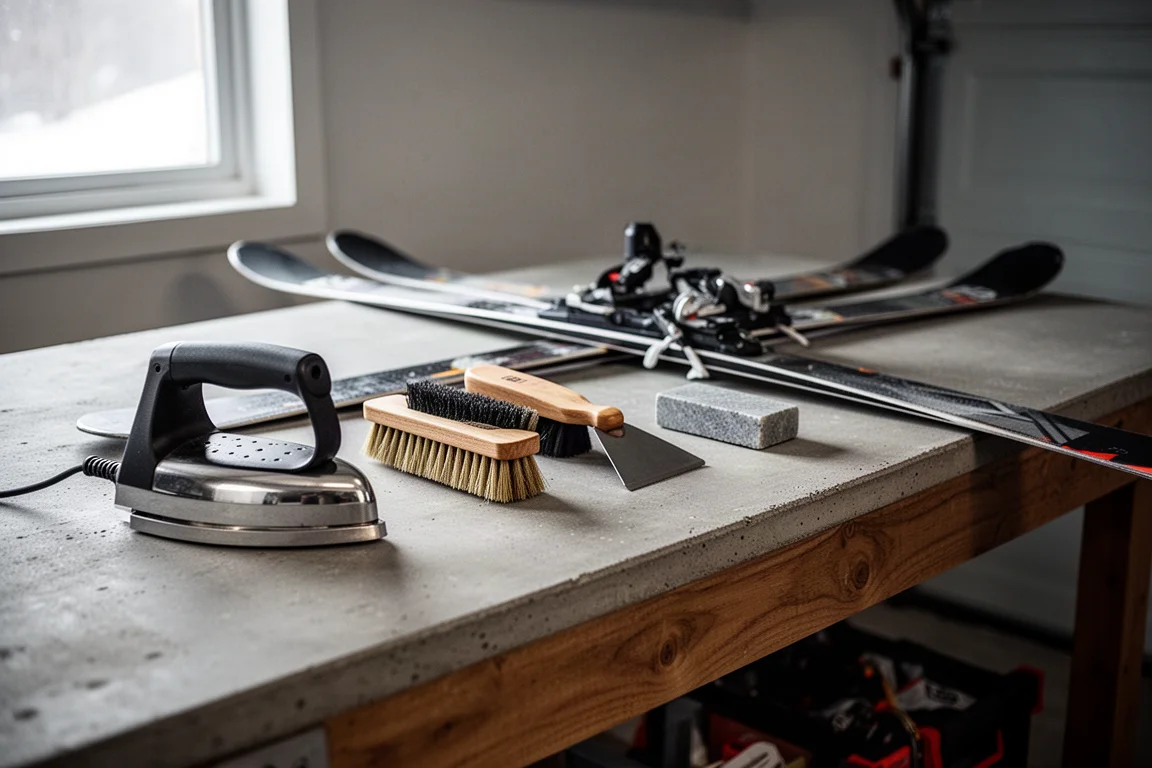
The order that follows matches the way the tools get used: heat and spread wax, scrape it off, brush the base clean, then finish the edges. Buying in that order means the setup stays usable at every stage, even before it is complete.
Dakine Super Tuning Kit as the Foundation
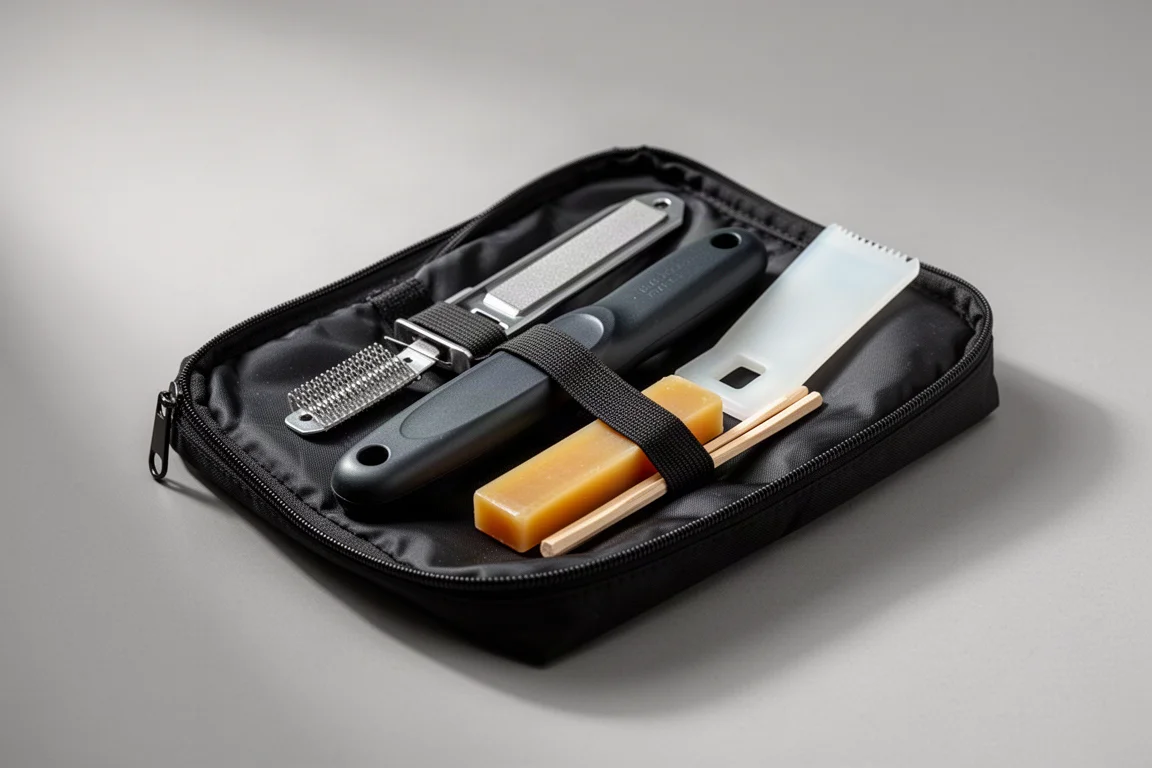
The Dakine Super Tuning Kit is the closest thing to a one-box start. Its largest component is a waxing iron with a plastic handle and a drip pan, and it feels sturdy enough for regular use. The kit arrives in a bag sized to hold the iron plus everything else, with a strap that cinches the iron down so it does not rattle around in storage.
Inside, you get two sticks of PEX wax, a small block of wax, a stone for edge cleanup, a scraper, a metal scraper for PEX, a 2° (88°) file guide with a file already fitted and a spare file in its own sleeve, a small brass brush, and a pad. The file guide is the strongest part of the package. Buying a comparable clamp, side guide, and file separately adds up quickly, and this one clamps down easily and arrives ready to use. Some skiers prefer a 3° side edge, but dedicated guides for that angle cost considerably more.
It is worth being clear about the gaps. There is no gummy stone and no base guide, and the brass brush is far too small to be useful. Between the iron, the bag, the file guide, and the scraper, the kit covers roughly three quarters of a beginner setup, which is why the rest of this list exists. It sells for around $145.
Swix Gummy Stone for Edge Cleanup
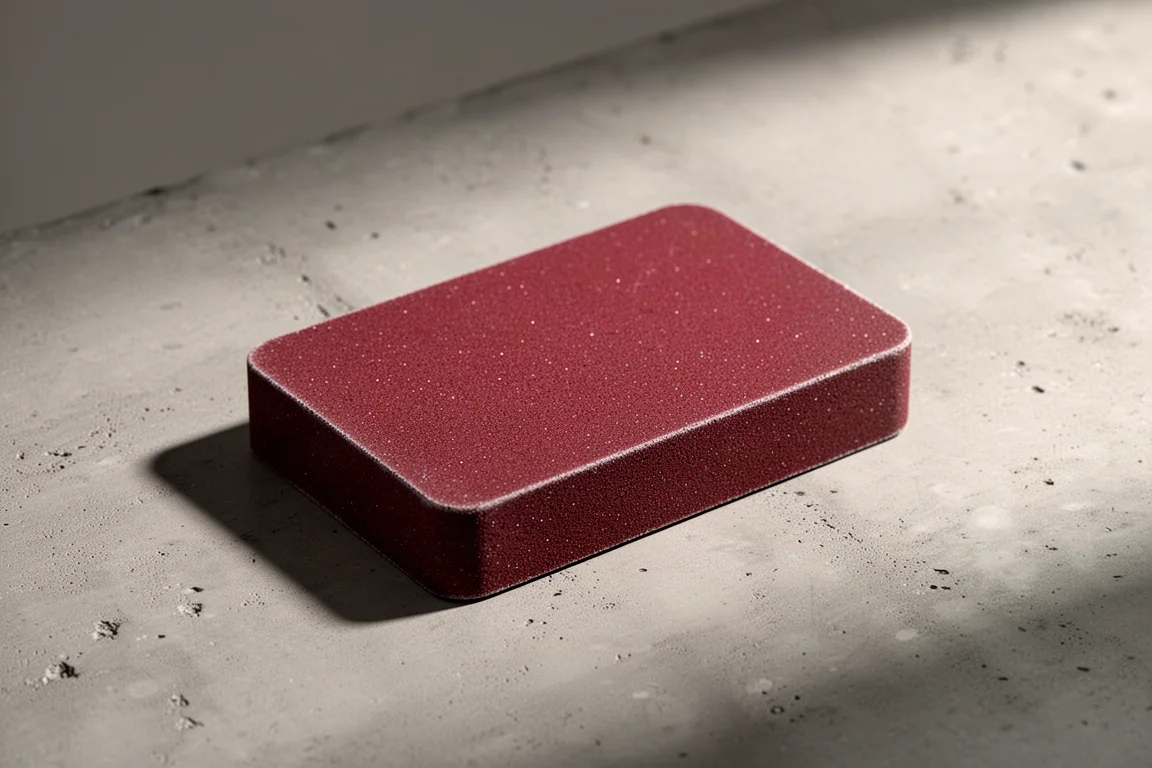
The gummy stone is one of the least expensive items here and one of the most useful. Its distinct red colour makes it easy to spot in a toolbox, and it does two jobs well: detuning tips and tails, and cleaning up edges that have rusted or that were stored without much care. A little WD-40 or water keeps it lubricated while you work along the edge. It runs around $15.
Dakine Brass Brush for Wax Removal
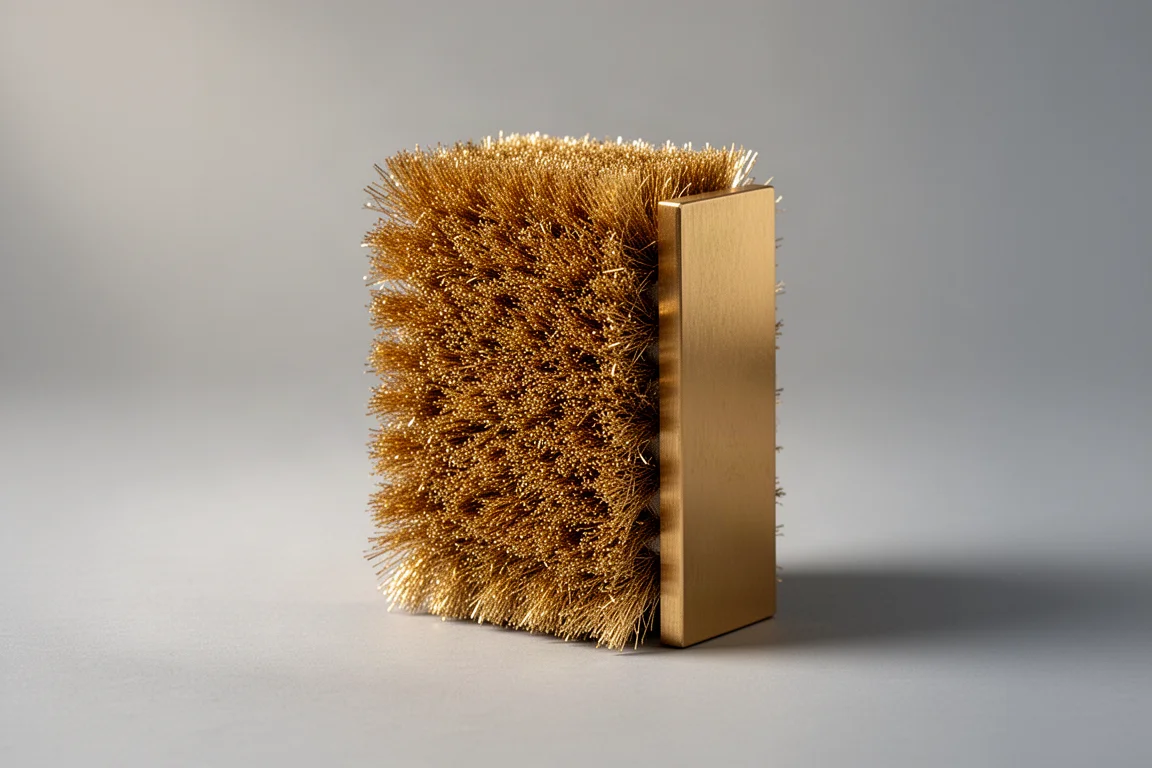
After scraping, a brass brush does the heavy lifting. It clears the larger chunks of wax and pulls the excess out of the pores of the base, which is what separates a base that looks waxed from one that actually holds wax. Brushes in this category commonly sell for $40 to $60, and the Dakine brass brush comes in around $20, which makes it the value pick in the group.
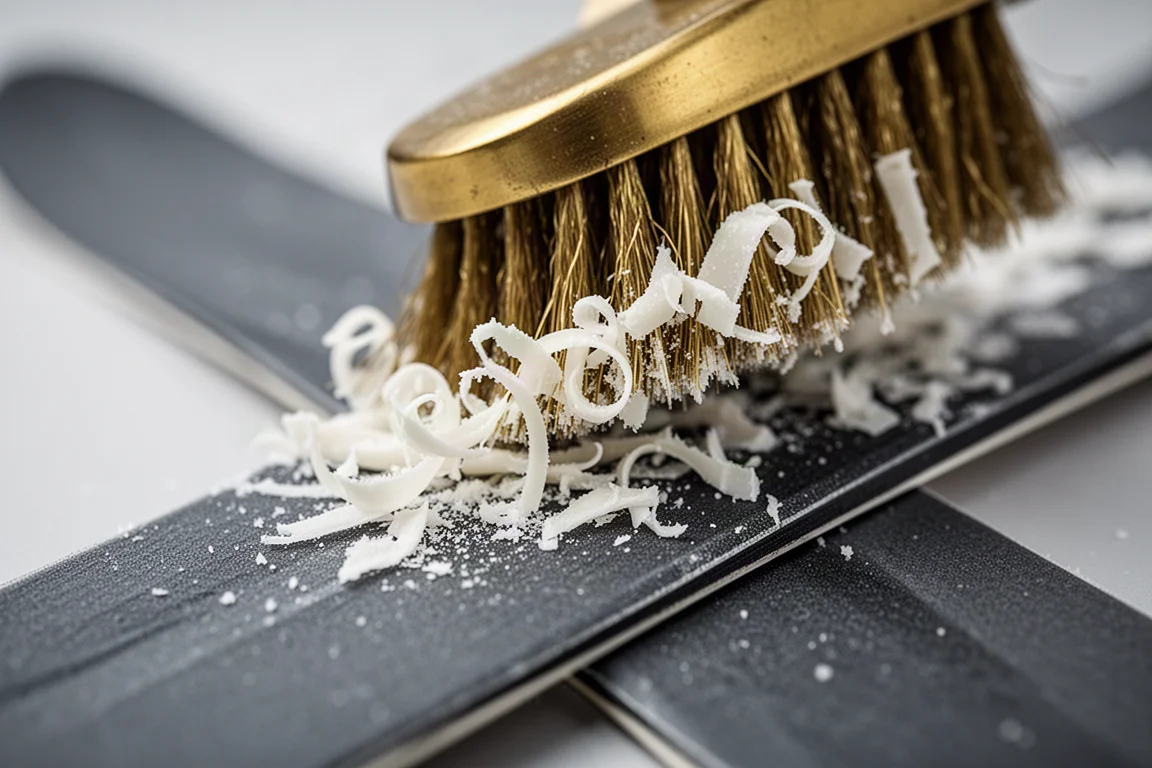
The trade-off is the square handle, which is not as comfortable as a shaped grip. In practice that matters less than it sounds, because a couple of passes is usually all it takes to move the bulk of the wax. If you are buying only one brush to start with, this is the one.
Toko Horsehair Brush for the Final Pass
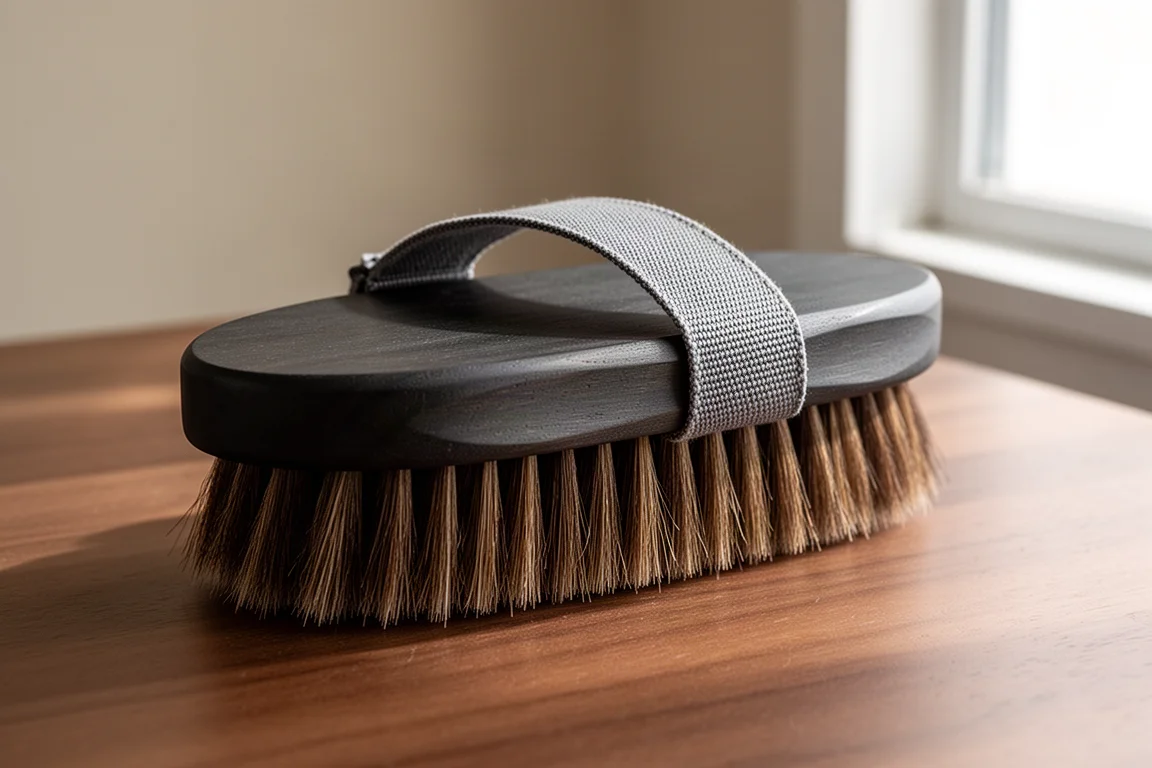
The horsehair brush is the final and most important pass. After the brass brush has removed the bulk of the wax, a horsehair brush gives the base a clean, consistent finish. A large oval head is worth seeking out, because it gives you room to sweep across the whole base rather than working in narrow strips.
The Toko horsehair brush is the ergonomic option, with a shaped body and a strap that keeps your hand in place when you are putting in mileage. It came in around $45, and the build quality is on par with other premium brush brands. It is the piece most likely to still be in your kit years from now.
Swix Scraper for Cleaner Scraping
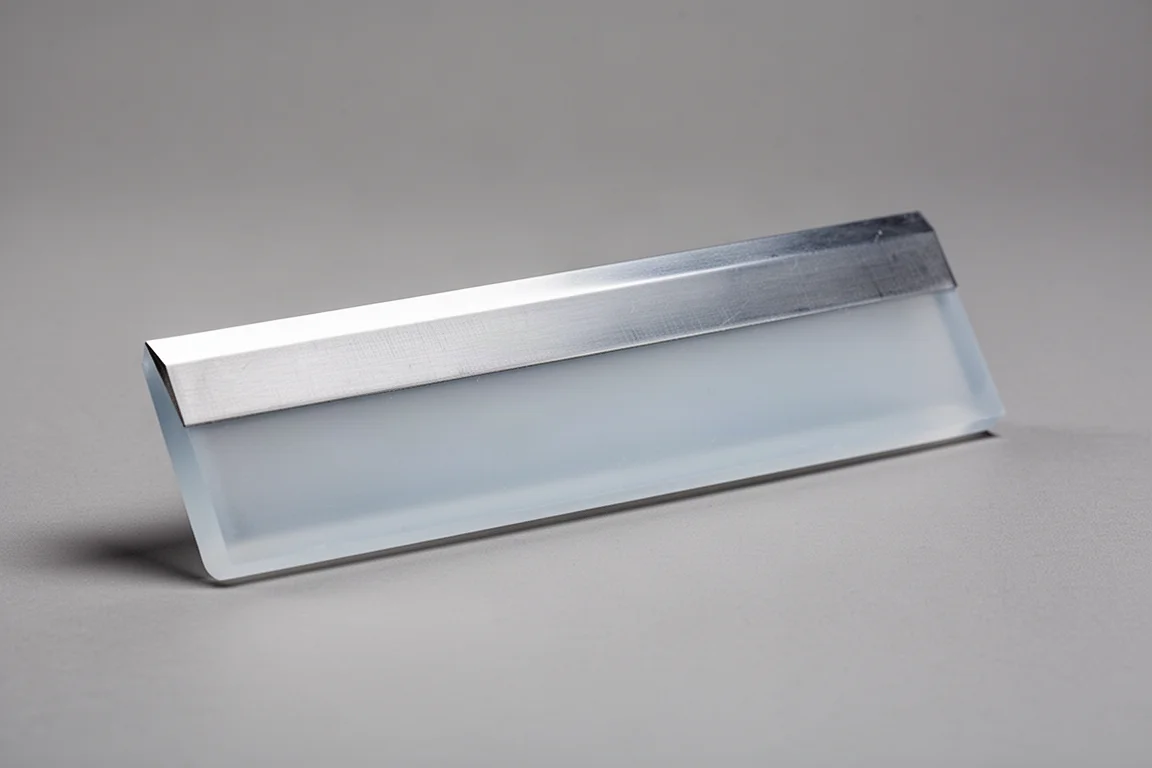
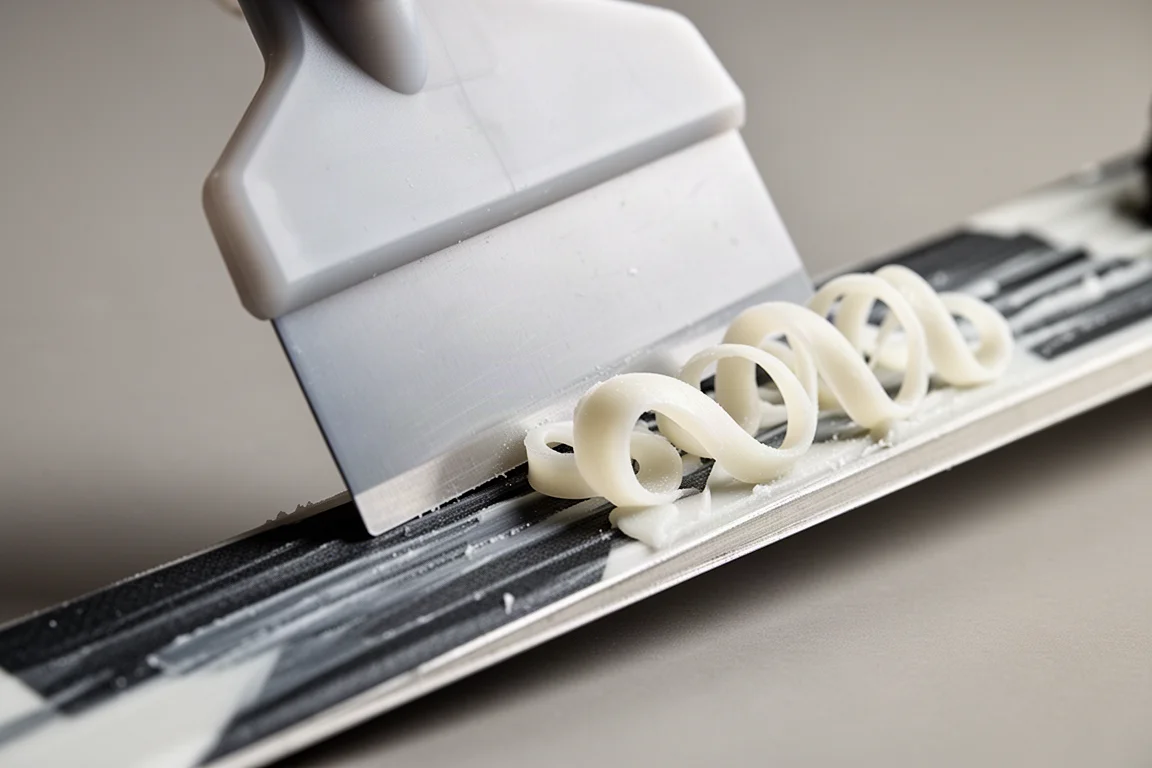
The scraper that comes in a kit works, but a dedicated scraper is a small upgrade with an outsized effect. Sharp edges give a clean scrape, and a clean scrape makes every brushing step afterward easier. Buying a spare so you are never caught without one is cheap insurance, particularly if you wax more than one pair of skis.
Swix Scraper Sharpener for Long Term Use
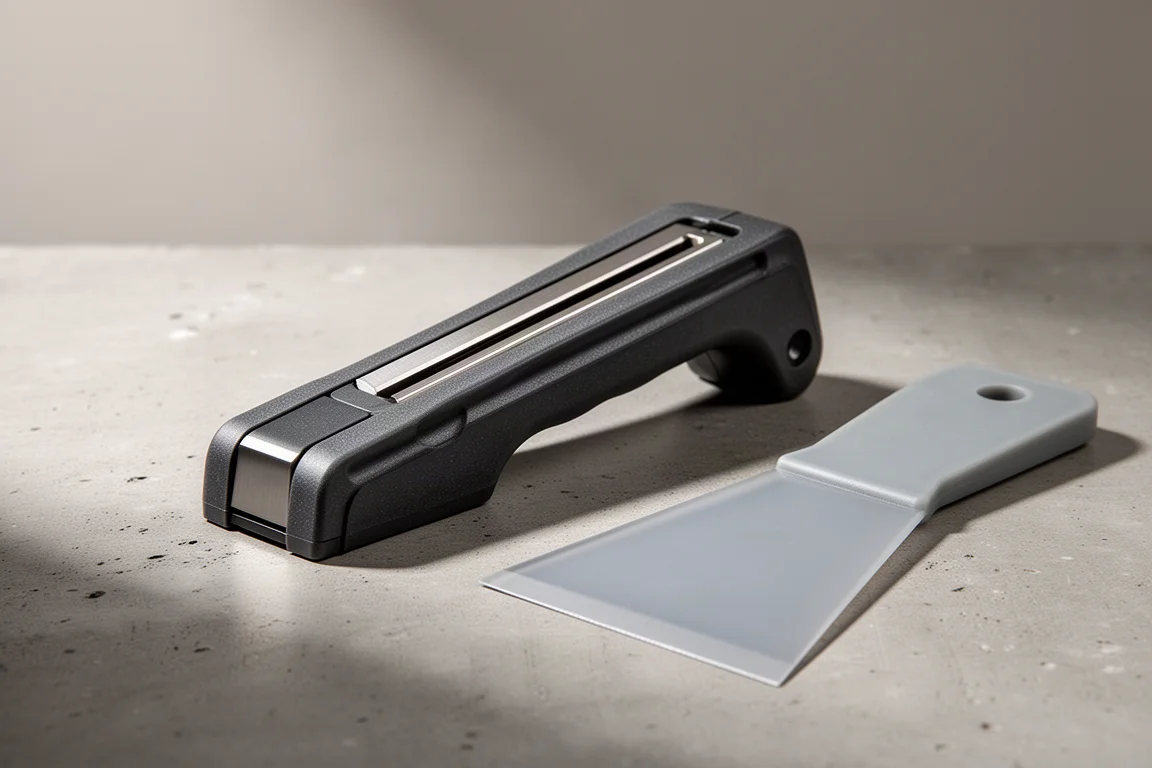
Scrapers round off with use. The edge that gave you a clean pass early in the season will be dull by the end of it, and a dull scraper turns a quick job into manual labor. A sharpener restores that edge, which makes scraping feel easier and shortens the time you spend bent over the bench.
This is not a piece anyone needs in their first season. It becomes worthwhile once waxing is a regular habit rather than an occasional chore, and it is the kind of tool that pays for itself by keeping the scraper you already own in service.
Toko Vise Grip for a Stable Base
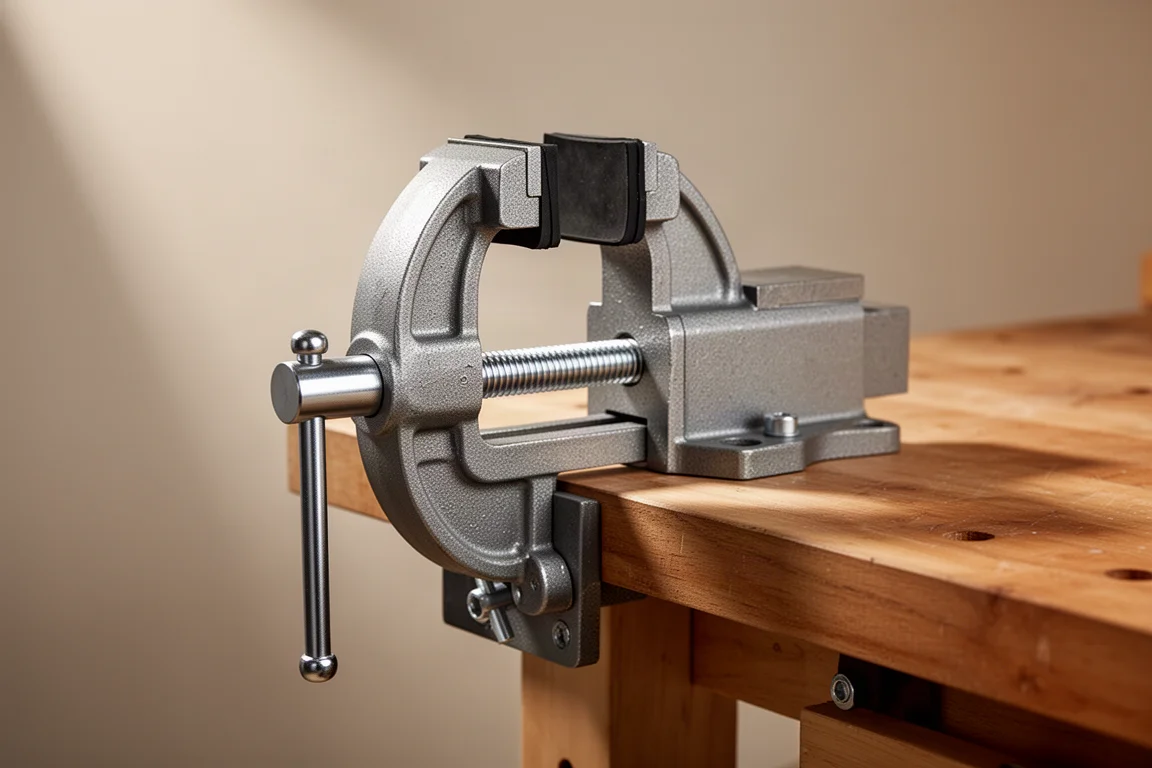
A vise grip matters most if you are working on a plain bench with nothing to hold the ski in place. The type matters as well: you want a wide clamp that lets you hold the ski flat, since a flat position suits waxing and brushing, while a clamp that only holds the ski on its side is better suited to edge work.
Toko’s vise grips cost less than many alternatives while still feeling premium, and they have held up without failing over long use. They are not strictly required. A round trash can with rubber bands around the brakes works as a workaround, and a folding table can serve as a bench. If you want a proper setup and do not already have a large bench vise, this is the piece to add.
Buying Advice for a Complete Setup
Start with the kit if you want one box and do not mind adding to it. From there, the gummy stone and the brass brush are the first two additions, because edge cleanup and wax removal are the steps a starter kit handles worst. The horsehair brush comes next, followed by a base guide, which the kit does not include.
The scraper and the sharpener are long-term purchases. They make each session easier, but they do not change what the setup can do. All-temperature wax is a sensible pickup once the wax included with the kit runs out, which will not take many sessions. The vise grip is the one item that depends entirely on your workspace. If you have a large bench vise already, you can work around it; if you have a bare table, it is the difference between a stable ski and a frustrating afternoon.
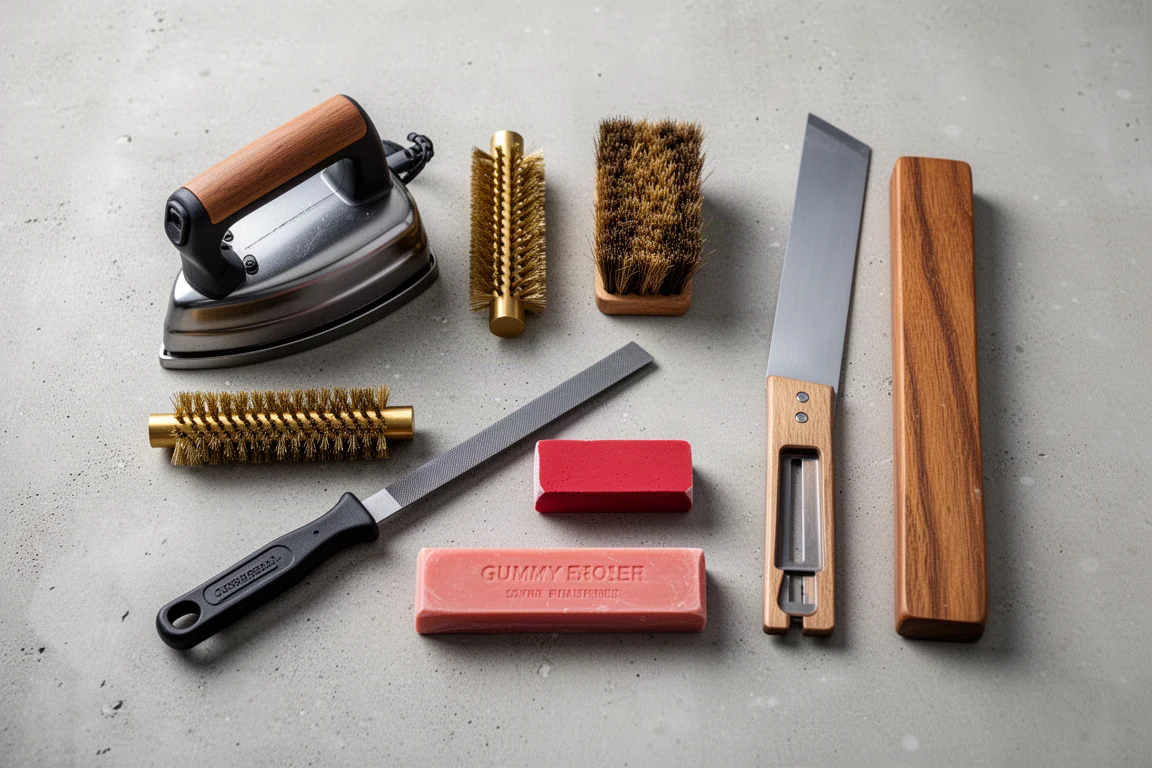
None of this has to happen at once. Buy the kit, add the stone and the brass brush immediately, and let the remaining pieces follow as waxing becomes part of your routine rather than a project you keep postponing.
Conclusion
A complete beginner setup does not have to come from a single box, and in practice it rarely does. The Dakine Super Tuning Kit supplies the iron, the bag, and the file guide that make the biggest difference, while the gummy stone, brass brush, horsehair brush, scraper, sharpener, and vise grip fill in the rest. Buy the kit first, add the stone and the brass brush straight away, and let the remaining pieces arrive as waxing becomes a regular habit.
Further reading
Related Reviews
Backpacking Gear
Building a 10 lb Base Weight: An Ultralight Backpacking Gear List
A practical walkthrough of the ultralight pieces behind a 10 lb base weight, from a 765 g pack and a roomy one-person tent to a full camp chair and a dependable water filter.

Road Bikes
10 New Road Bikes Worth Watching: Aero, Titanium, Steel and Endurance Standouts
A practical roundup of 10 new road bikes, from aero flagships chasing single-watt gains to titanium, steel and endurance platforms built for real roads.
Bikepacking Gear
11 Bikepacking Essentials for Long-Distance Cycling
Eleven bikepacking essentials for long-distance cycling, from a steel gravel frame and a two-person tent to helmet lights, packable gloves, and a frame bag that puts weight in the right place.