Birding
Beginner Birding Gear Guide: What to Buy First and What to Skip
From binoculars and the Merlin Bird ID app to spotting scopes and long lenses, here is the gear that actually helps new birders, and what can wait.
Introduction
Getting into birding raises an obvious question: what gear do you actually need to start? Binoculars, a spotting scope, a fancy camera, a backpack full of expensive gadgets? The honest answer is that you can absolutely start birding with zero gear, just your eyes, ears, and curiosity. But the right tools will help you spot more birds, identify them faster, and have far more fun along the way.
This guide breaks down what beginners actually need, what is nice to have once you are hooked, and what you can safely skip for now.
Why Gear Matters, and Why It Can Wait
Gear should serve your birding, not the other way around. The list below is ordered by how much each item changes the experience: a good pair of binoculars is the single most impactful purchase, while scopes and cameras are upgrades for later. Start small, learn your local birds, and add equipment as your interest grows.
The One Purchase That Matters: Binoculars
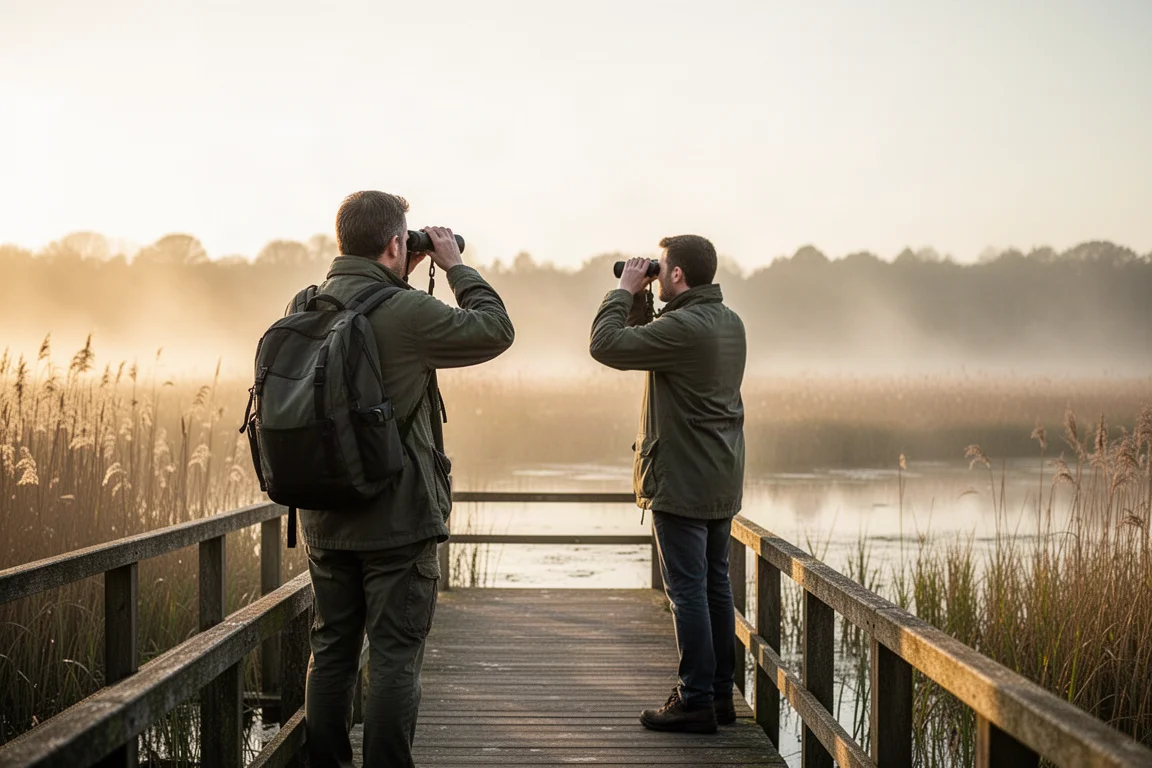
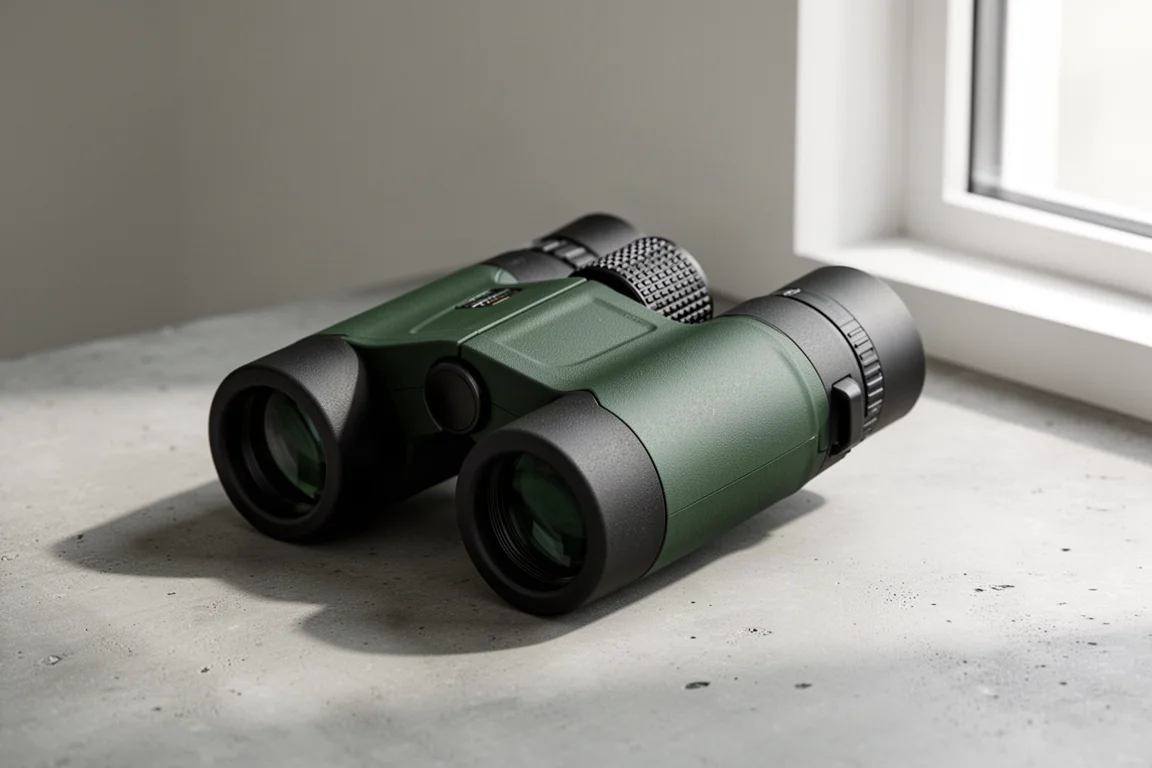
Binoculars are the number one piece of gear birders use, and for good reason. They let you see birds clearly from a distance, pick out field marks, and enjoy birds without disturbing them. You do not need to spend a fortune to get a solid pair.
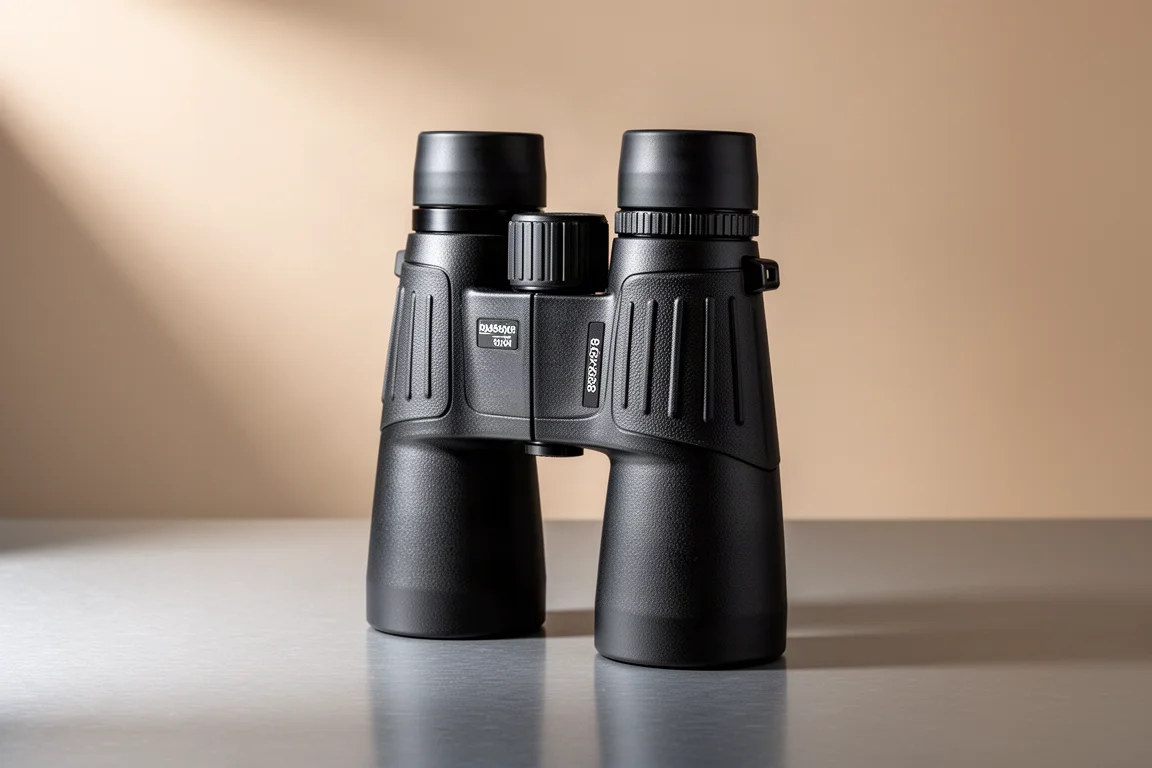
The sweet spot for beginners is 8x42: eight times magnification with 42mm objective lenses. That combination gives you a wide enough field of view to find birds quickly, plus enough zoom to actually see them. What you want to avoid is the tiny travel binoculars. They are hard to use and simply not birding friendly.
Two models come up again and again for new birders. The Celestron Trailseeker 8x42 is sharp, comfortable, and currently sells for around $350. If you want something a little cheaper, the Vortex Diamondback HD is widely regarded as another solid beginner choice, offering strong optics at a friendlier price.
The Free Essential: Merlin Bird ID App
If you do not have it already, the Merlin Bird ID app is the free, always-with-you field guide and sound ID tool made by the Cornell Lab. It identifies birds by sound in real time with impressive accuracy, and it can also identify a bird from a photo.
For step-by-step ID, Merlin suggests birds in your area based on size, shape, behavior, and color, then filters results by your region and the season. That means you are not scrolling through species that are not even around you. It is free, easy to use, and genuinely helpful, which makes it the easiest recommendation on this list.
A Notebook or Birding Journal
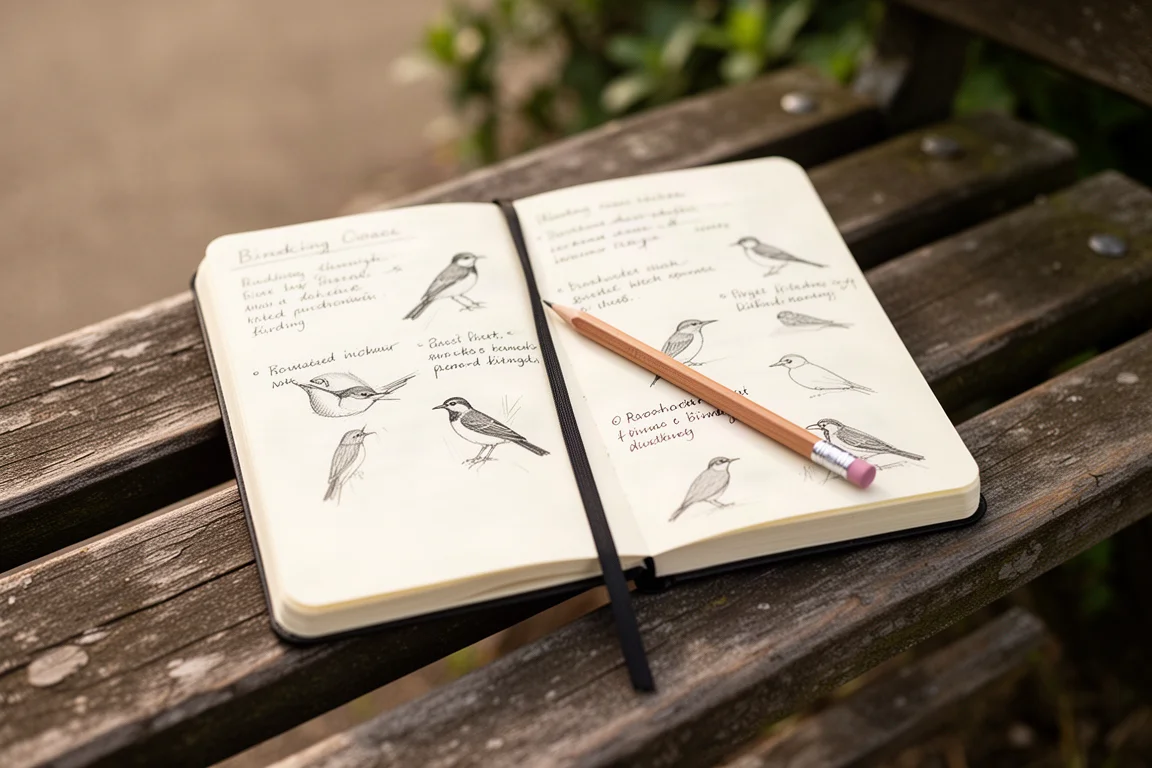
This one is underrated. Keeping track of what you see helps you remember new species, notice patterns such as when your first barn swallow of the year shows up, and stay motivated as you build your life list.
You can use a pocket notebook, your phone’s notes app, or log your sightings directly in Merlin. Many birders also log sightings in eBird, which is a great way to keep a long-term record of everything you find.
Nice to Have: A Spotting Scope
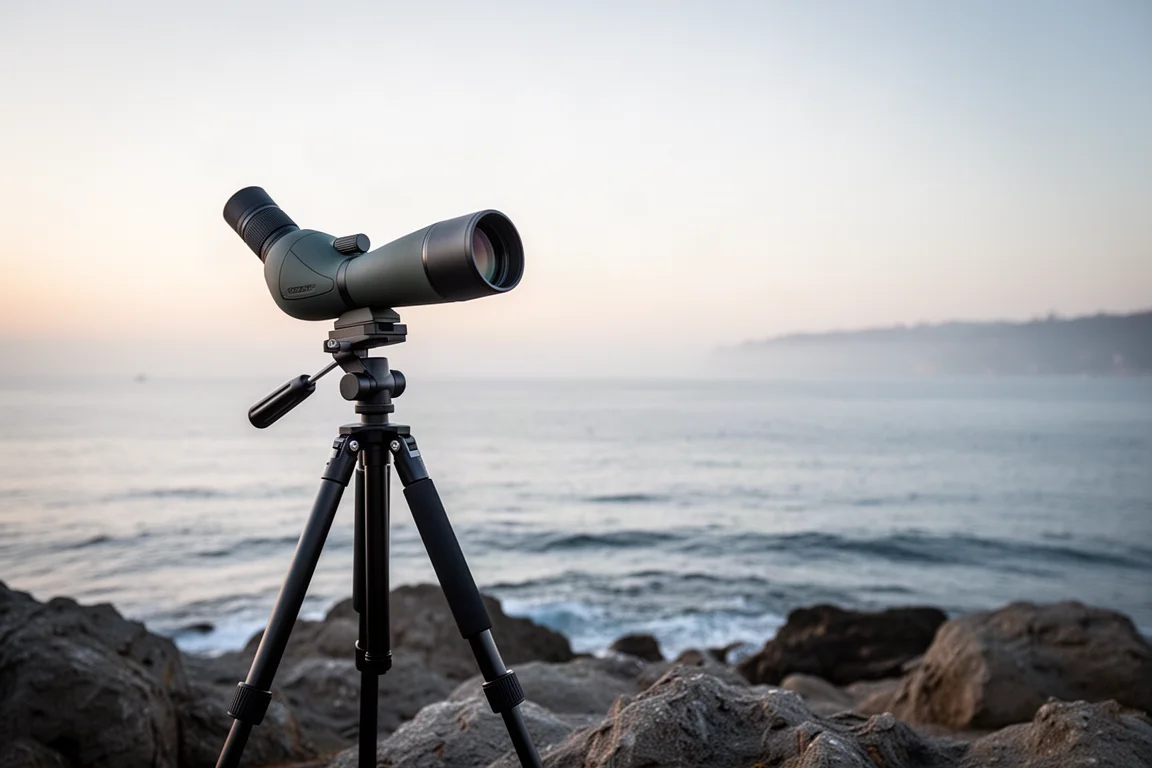
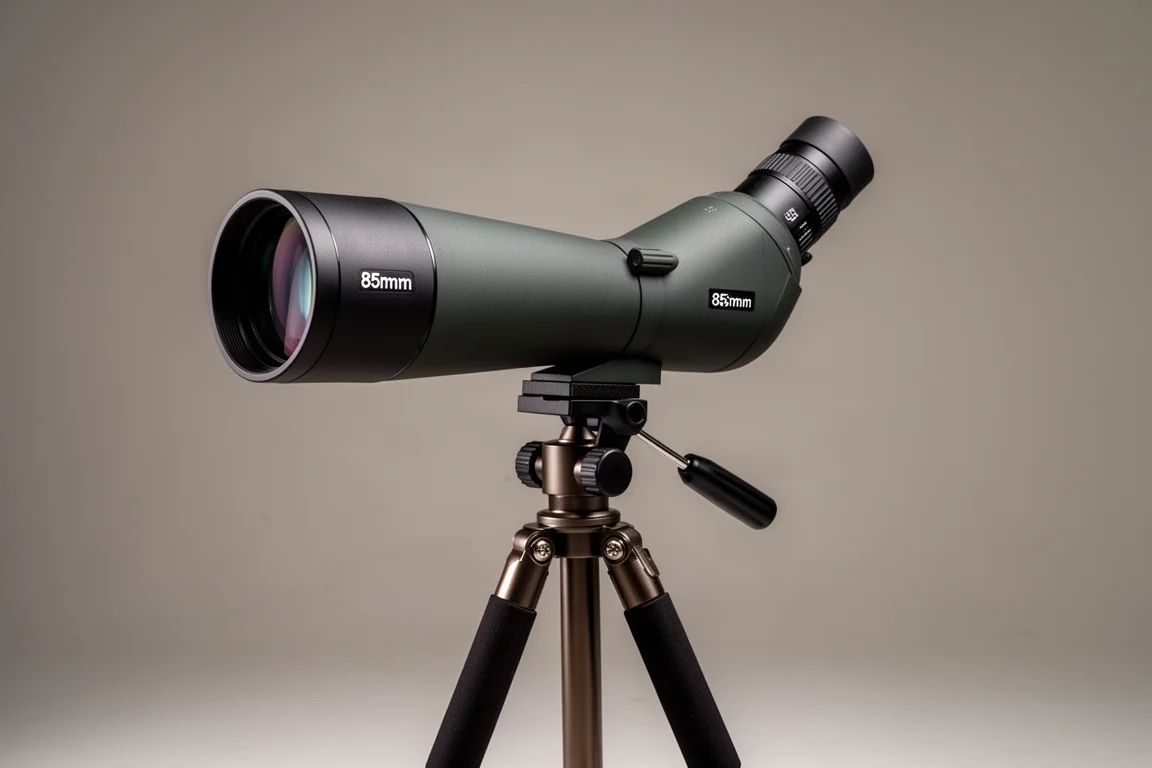
Once you have your binoculars and want to take the next step, a spotting scope is where to go. Scopes help you see birds that are very far away, which makes them ideal for sea watching, shorebirds, and anything that involves serious distance. They are not forest tools: binoculars or a camera are much better suited to that. But if you are birding over a mud flat or the ocean, a scope gets you far more reach than binoculars ever will.
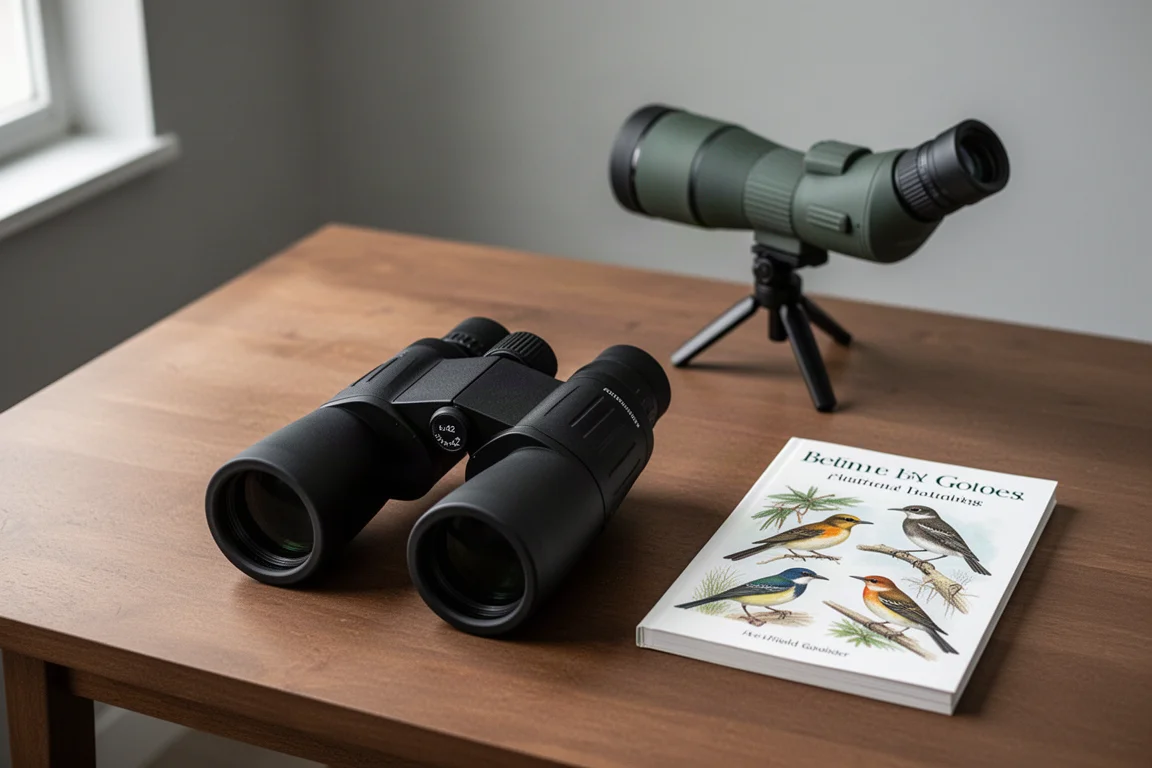
The Hawke Endurance ED 85mm is a well-regarded pick with plenty of reach for distant waterbirds. It is definitely not necessary for beginners, but it is a lot of fun once you have it.
Nice to Have: A Camera for a Photo Life List
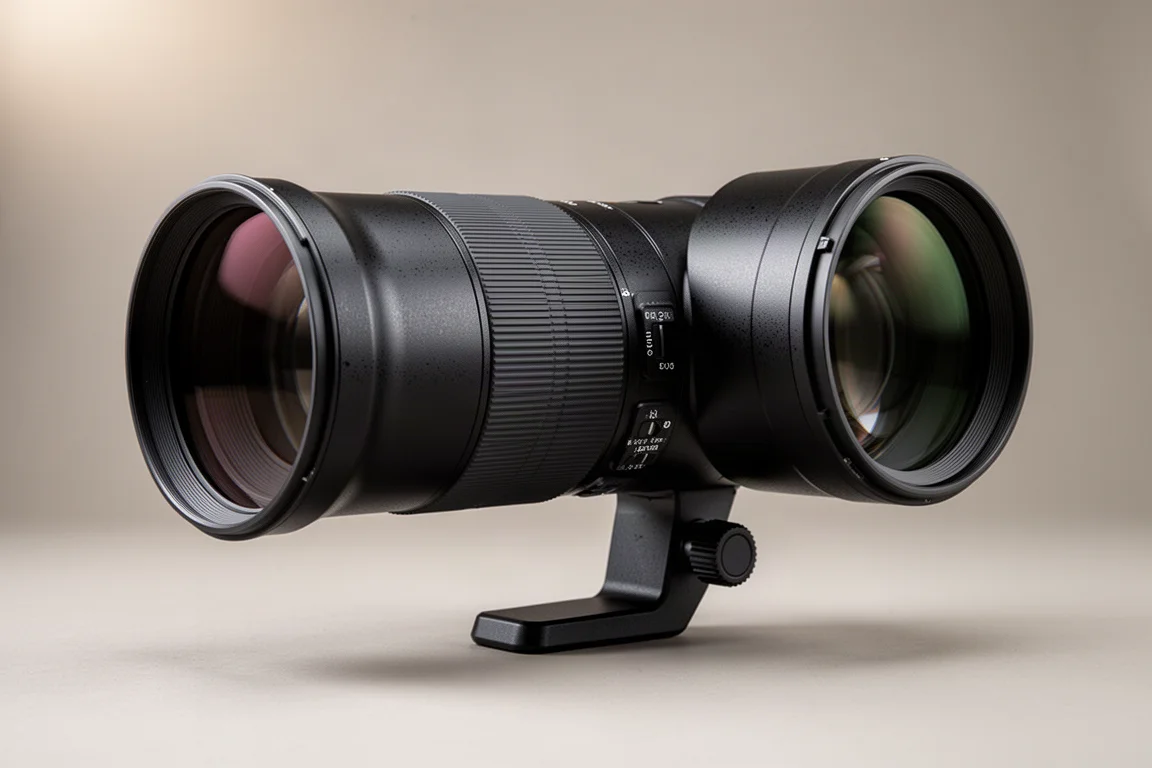
A camera is not essential, but it is a lot of fun to snap photos and start building a photo life list. The key requirement is reach. At minimum, look at something like a 70-300mm lens, though something closer to 400-600mm is the better target for good bird photos.
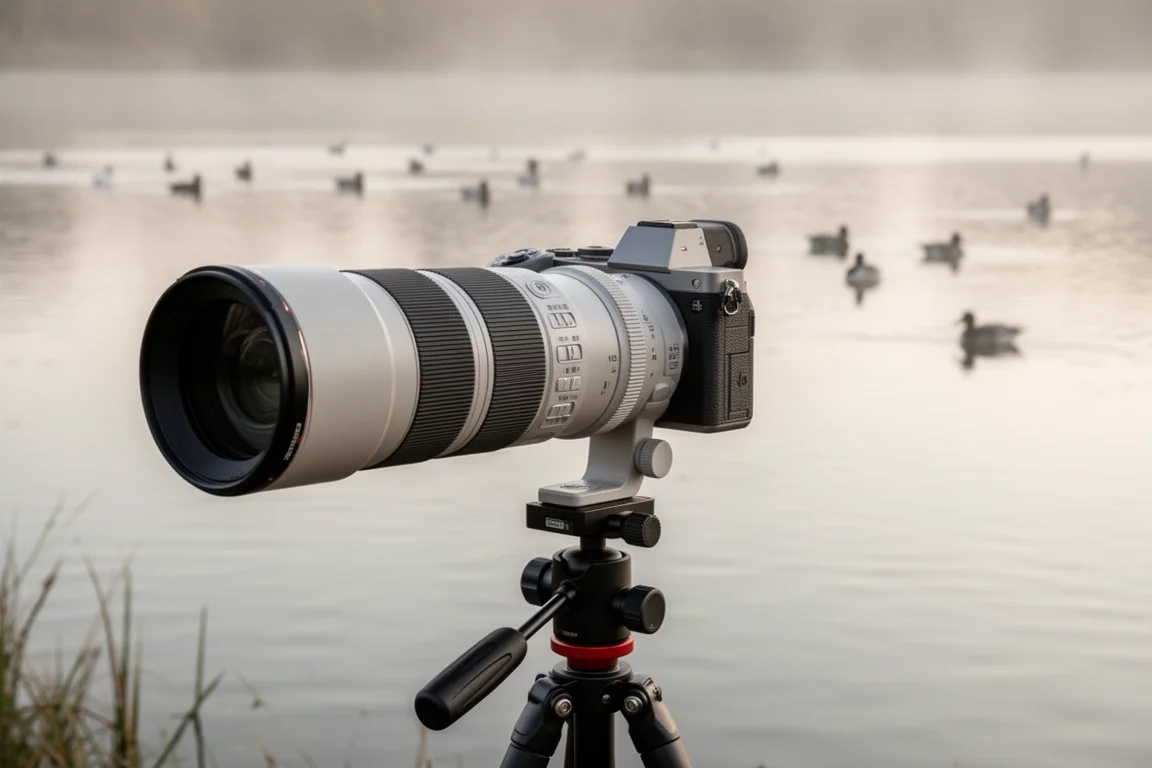
The Sigma 150-600mm lens is a popular choice for exactly this reason: it delivers a lot of reach without requiring a professional budget, making it one of the most approachable ways into bird photography.
Nice to Have: A Printed Field Guide
A printed field guide is great if your phone runs out of battery, or if you simply want to flip through pages and learn about the different birds in your area. The Sibley field guide is a favorite among birders and works well as a companion to the Merlin app rather than a replacement for it.
Overall Buying Advice
If you buy just one thing, make it a pair of 8x42 binoculars, and download Merlin for free while you are at it. A journal costs almost nothing and pays off quickly. Scopes, cameras, and long lenses are genuinely rewarding, but they are upgrades, not requirements. Matching your spending to how often you actually get outside is the smartest path.
Conclusion
You do not need a backpack full of expensive gadgets to enjoy birding. Start with sharp 8x42 binoculars like the Celestron Trailseeker or Vortex Diamondback HD, keep Merlin and a simple journal on hand, and add a spotting scope or a long camera lens only when distance and photography become part of your regular routine. The birds are out there either way; the gear just helps you see them better.
Further reading
Related Reviews

Backpacking Gear
Building a 10 lb Base Weight: An Ultralight Backpacking Gear List
A practical walkthrough of the ultralight pieces behind a 10 lb base weight, from a 765 g pack and a roomy one-person tent to a full camp chair and a dependable water filter.

Road Bikes
10 New Road Bikes Worth Watching: Aero, Titanium, Steel and Endurance Standouts
A practical roundup of 10 new road bikes, from aero flagships chasing single-watt gains to titanium, steel and endurance platforms built for real roads.
Bikepacking Gear
11 Bikepacking Essentials for Long-Distance Cycling
Eleven bikepacking essentials for long-distance cycling, from a steel gravel frame and a two-person tent to helmet lights, packable gloves, and a frame bag that puts weight in the right place.