Backpacking Gear
Beginner Backpacking Gear List: 10 Pieces Worth Buying First
A practical beginner backpacking kit built around comfort, ease of use and reasonable weight, with ten pieces of gear that earn their place.
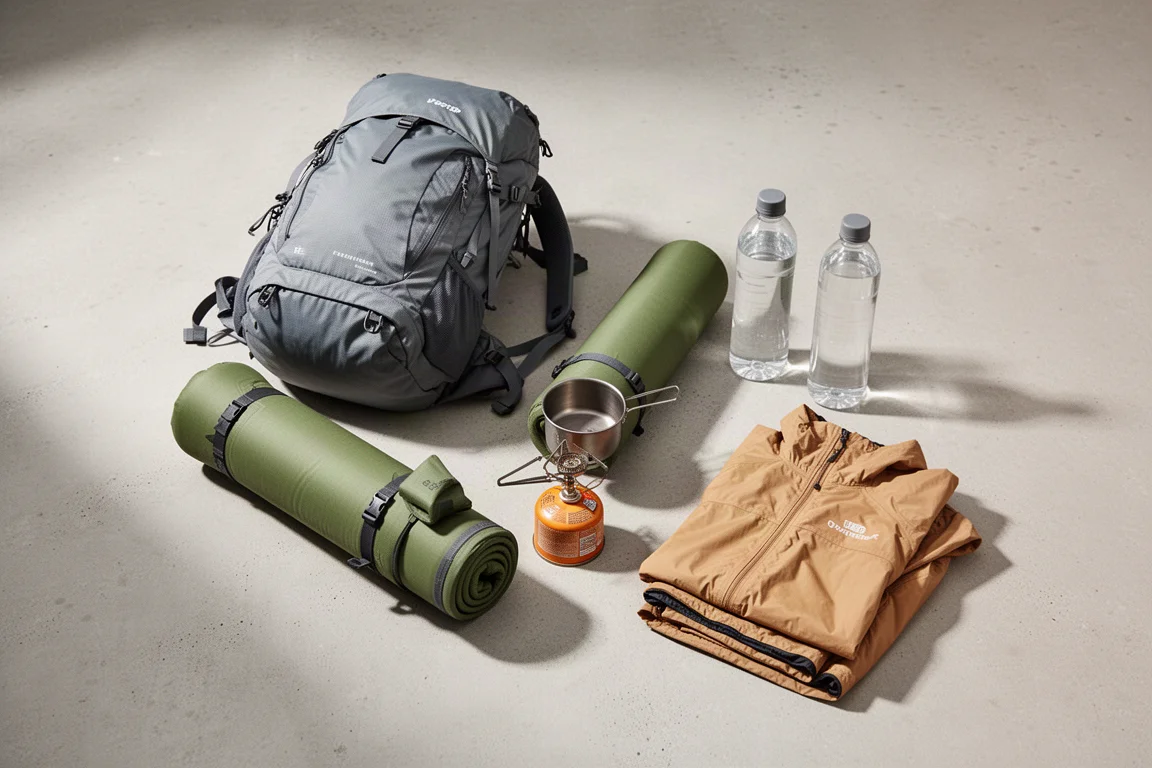
Introduction
Getting into backpacking is mostly a gear problem at the start, and it is easy to spend a lot of money on the wrong things. The goal for a first kit is simple: stay safe, stay comfortable, and keep the load light enough that walking still feels good at the end of the day. The ten pieces below are chosen for that balance of price, comfort, ease of use and weight.
This is not a list of the cheapest possible options, and it is not an exotic ultralight list either. It is gear you can buy with confidence, use for several seasons, and adjust as you learn what your own body wants on the trail.
What Matters Most in a Beginner’s Kit
Three things matter more than anything else when you are starting out. The first is the big three: your pack, your shelter and your sleep system. They account for most of the weight and most of the money, and they decide whether you actually sleep at night.
The second is adjustability. New backpackers rarely have their kit fully dialled in, and a pack that can be tuned to different torso lengths forgives a lot of early mistakes. The third is honest weight. A beginner’s load often sits around 30 to 40 pounds while the gear list is still being refined, so the pack needs to carry that weight properly rather than just feel light in the shop.
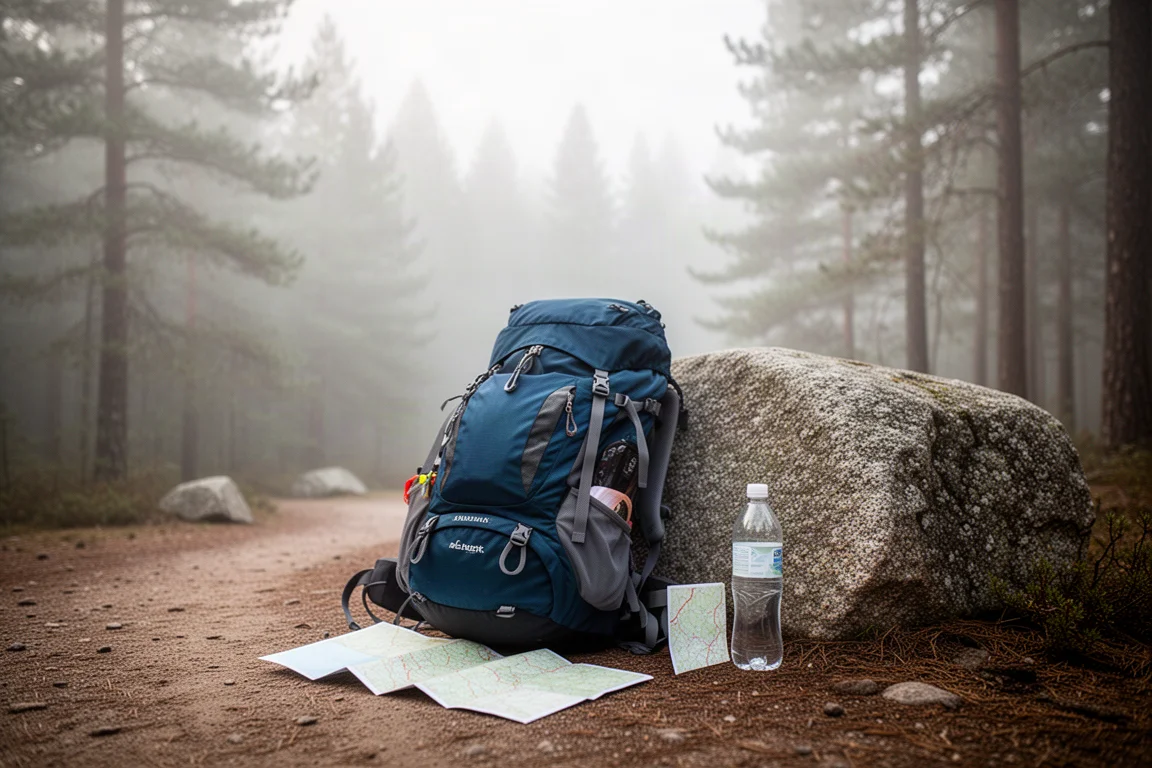
Cost is the last piece, and it deserves a deliberate approach. There is real value in mid-priced gear that simply works, and real money wasted on premium gear bought before you know what you like.
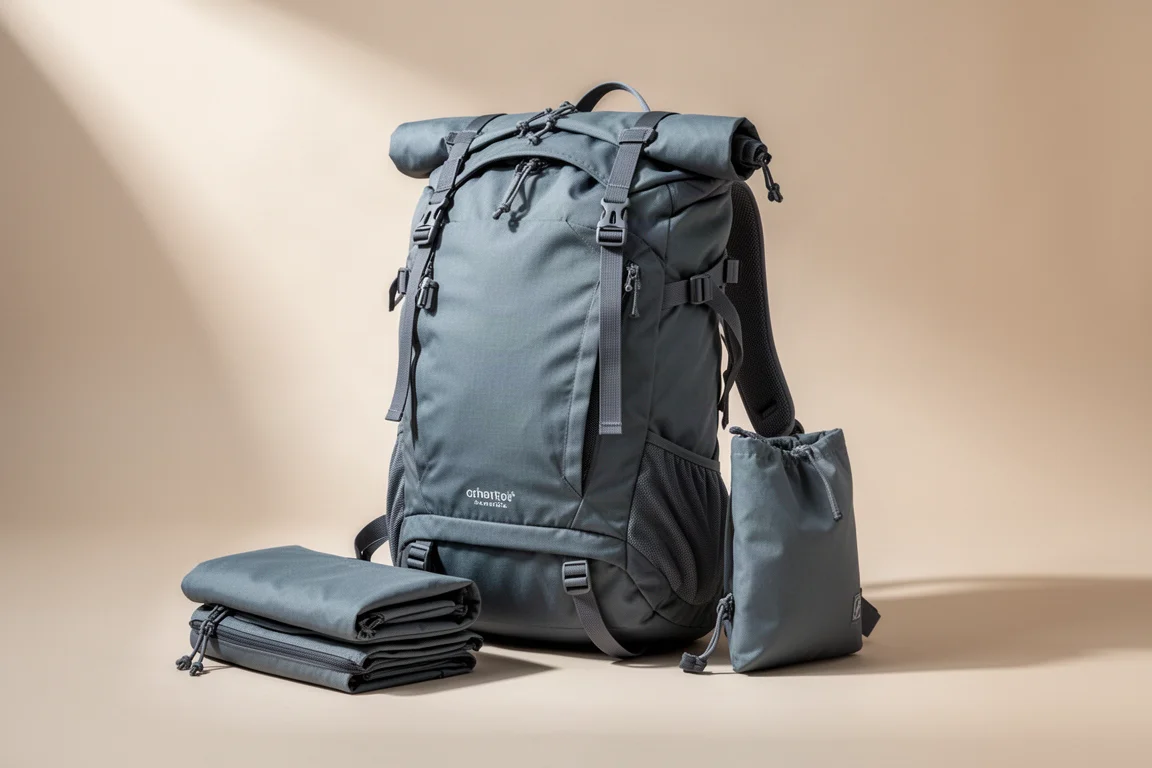
The Backpack: REI Flash 55
The REI Flash 55 weighs just over 1.2 kilograms, which is light for a pack of this capacity, and it carries weight well. That combination matters when your kit is still heavy: a 30 to 40 pound load sits comfortably instead of pulling at the shoulders.
The feature that makes it especially useful as a first pack is the adjustable torso. The shoulder straps move up and down to suit different torso lengths, so you have some leeway with fit while you are still working out what you need. The regular price is around $200, and it is frequently discounted to roughly $140 to $160.
The Shelter: Naturehike Mongar 2
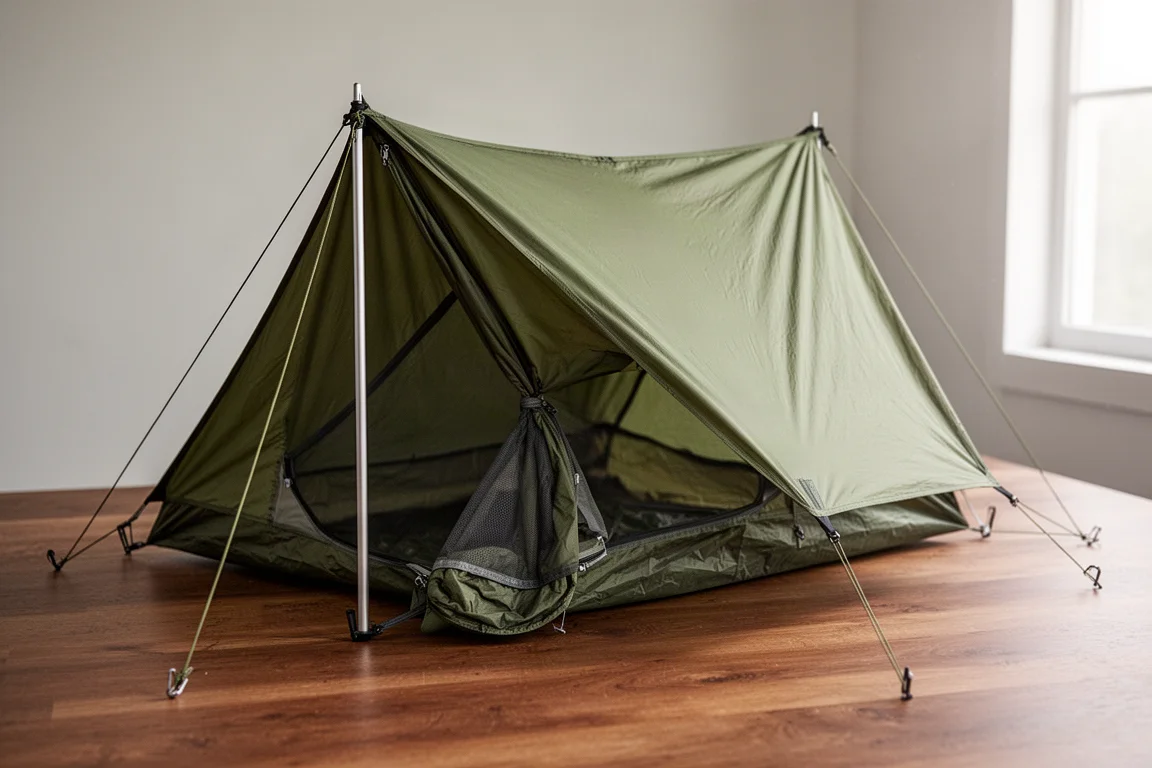
The Naturehike Mongar 2 is a two-person tent at around $200 that weighs under four pounds. It is roomy enough to fit two 25-inch wide sleeping pads side by side, so two people can share it without getting in each other’s way.
Used solo, it is light enough that the extra space does not feel like a penalty, and you get a generous amount of room inside for your gear. For a beginner who wants one tent that covers both shared and solo trips, that flexibility is hard to beat at this price.
The Sleeping Pad: REI Helix
The REI Helix is a strong all-rounder. It costs $160 across all sizes, which is meaningfully less than many high-end pads that run past $200, and it is fairly light: the regular wide version, 25 inches wide and six feet long, weighs 737 grams.
Warmth is where it stands out. The R-value is 4.9, which makes it a genuine three-season pad, and the dimpled baffle construction is comfortable. Each dimple acts a little like a spring in a mattress, which helps relieve pressure points through the night.
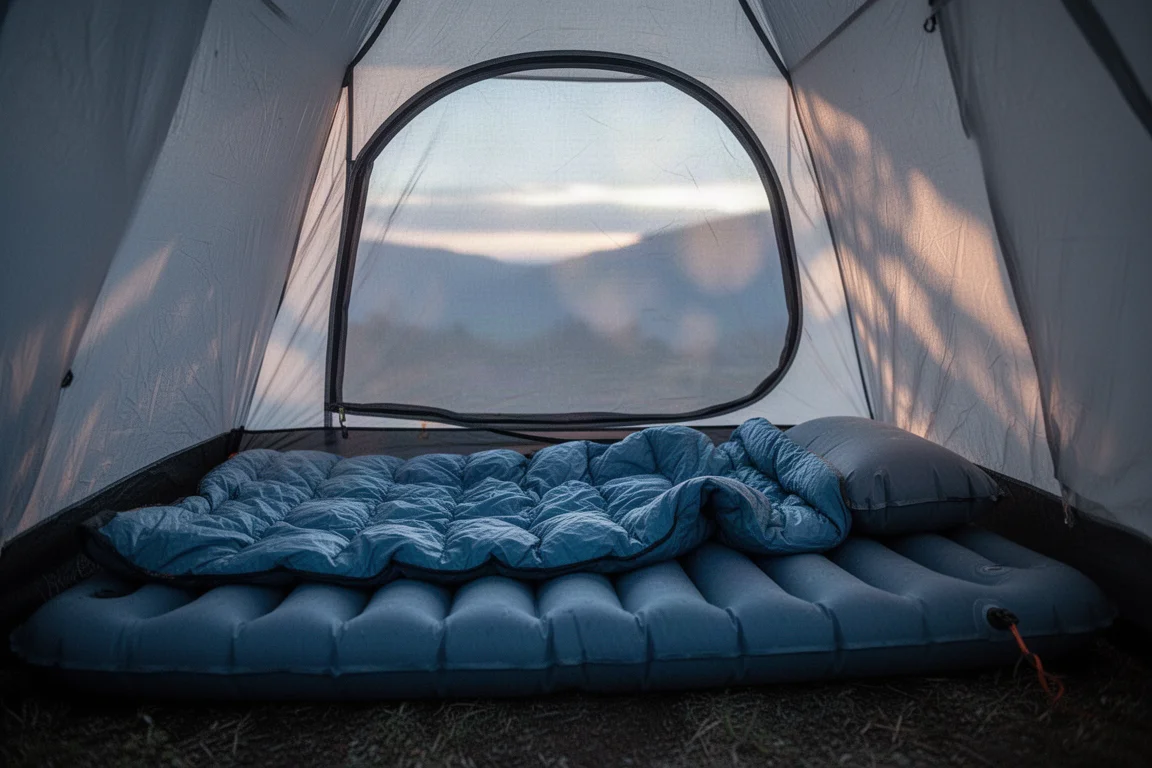
If you sleep cold, or you camp in shoulder-season conditions, that combination of warmth and comfort is the part you will notice most. A sleeping pad is not the place to save weight at the expense of sleep.
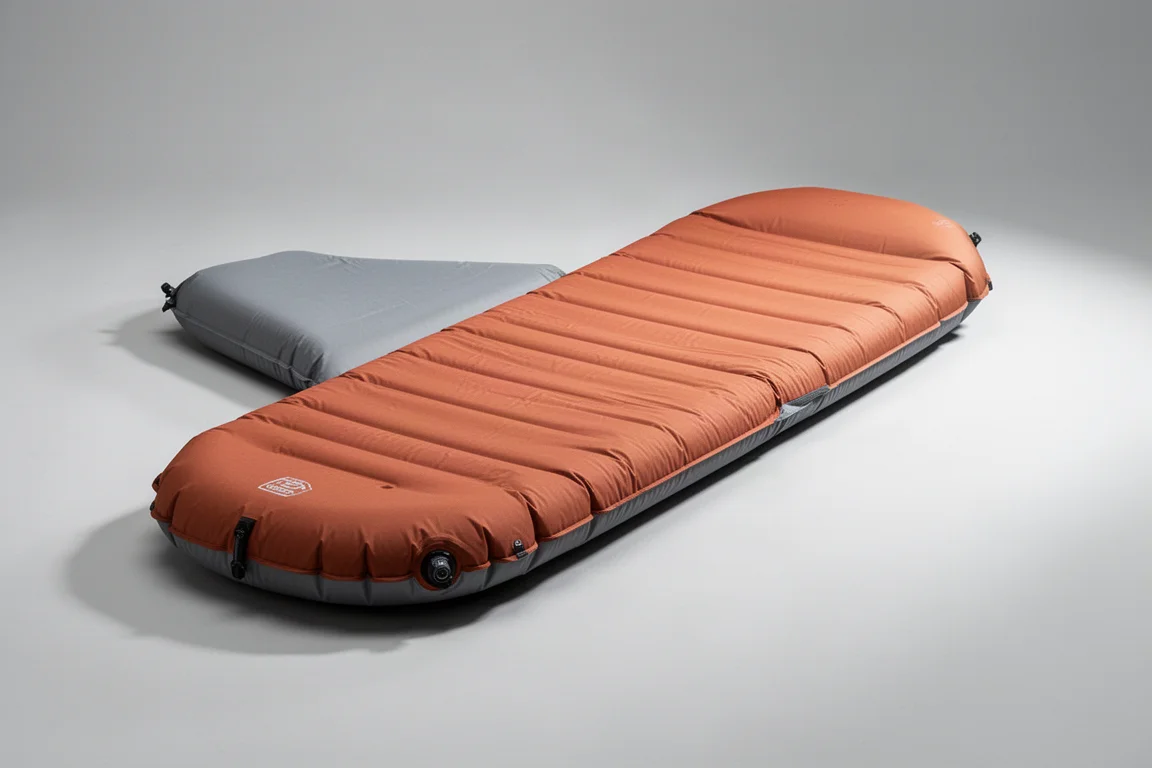
A Budget Sleeping Pad: Paria Recharge XL
If $100 or more is out of reach for a sleeping pad, the Paria Recharge XL is a quality option under $100. It is a little less warm and a little less comfortable than the REI Helix, which is the honest trade-off at this price.
For fair-weather summer trips, that trade-off is often perfectly reasonable, and it leaves more of the budget for the pack and the shelter, which are harder to substitute later.
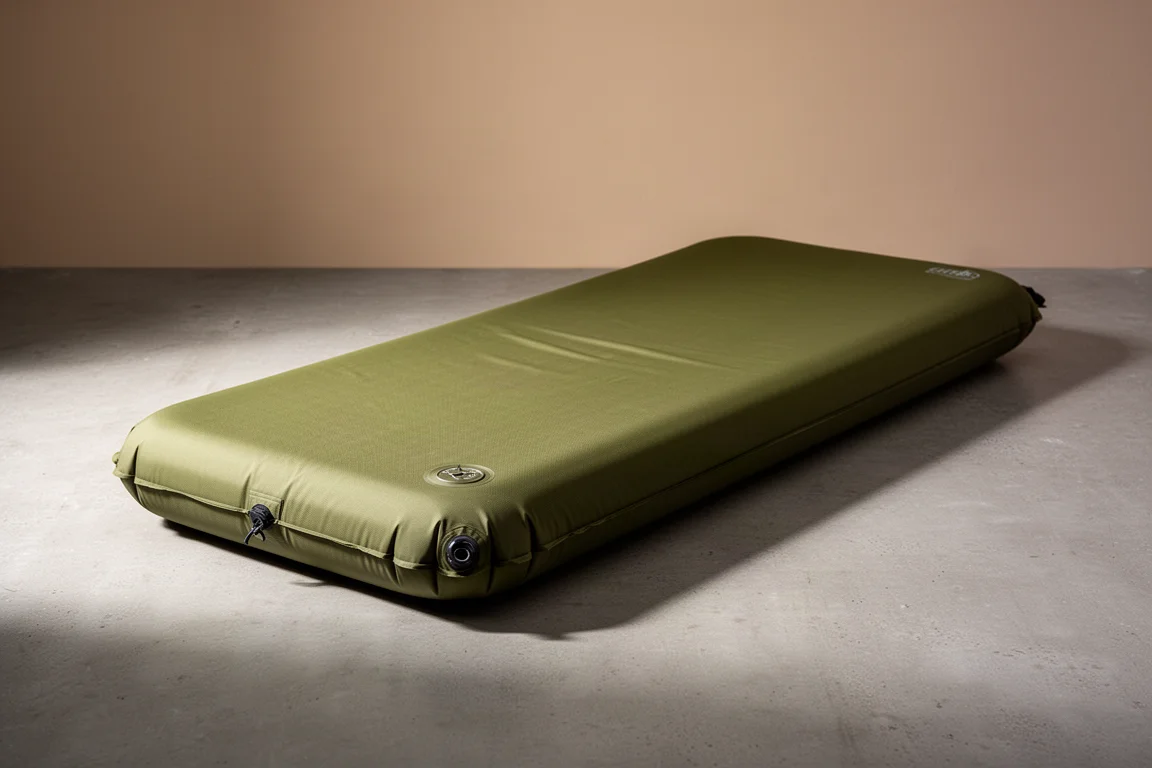
Sleep Insulation: Kathon MT-900
Sleeping bags can be frustrating if you move around at night, because you end up tangled in them, and they are not especially versatile in warm weather. A backpacking quilt solves both problems: the foot box is enclosed like a bag, the top half opens up like a blanket, and there is no insulation underneath you, because the pad is already doing that job. Insulation compressed under your body adds weight without adding much warmth.
If you would rather stay with a sleeping bag, the Kathon MT-900 is a solid down option. It is very lightweight for the price and very warm, with a comfort rating at freezing. In practice it has kept a warm sleeper comfortable down to around minus four degrees Celsius.
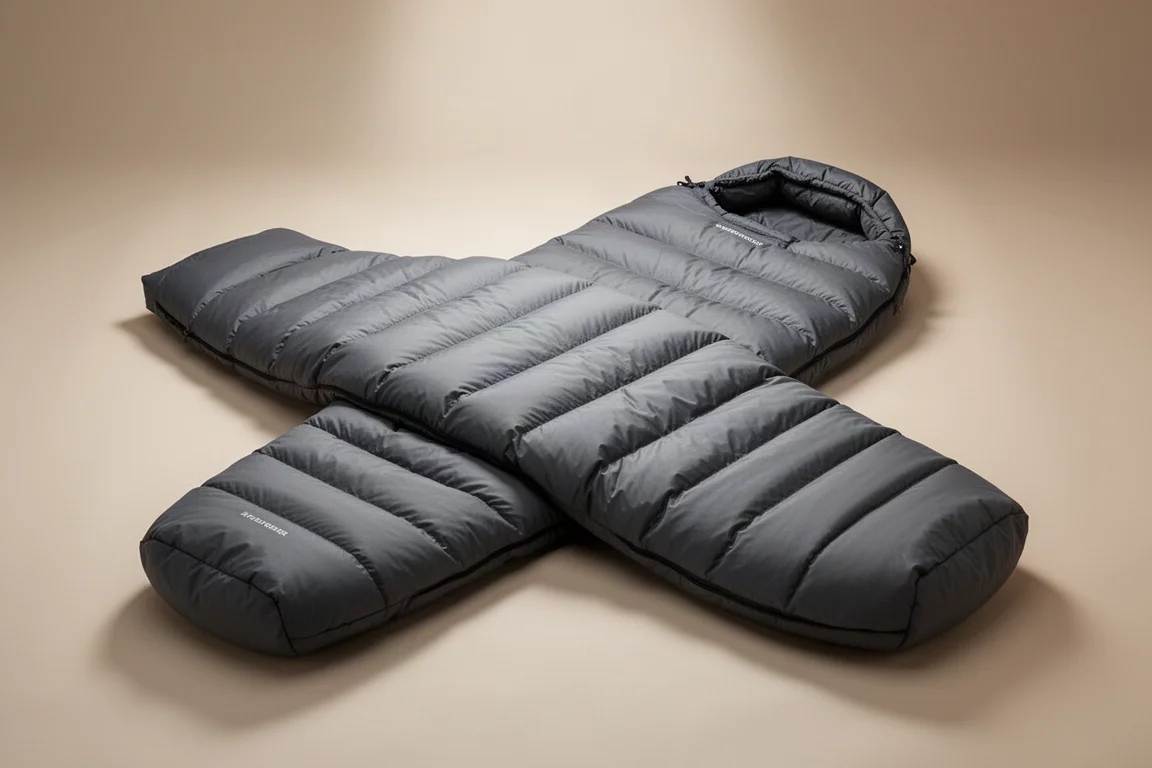
Staying Connected: Garmin inReach
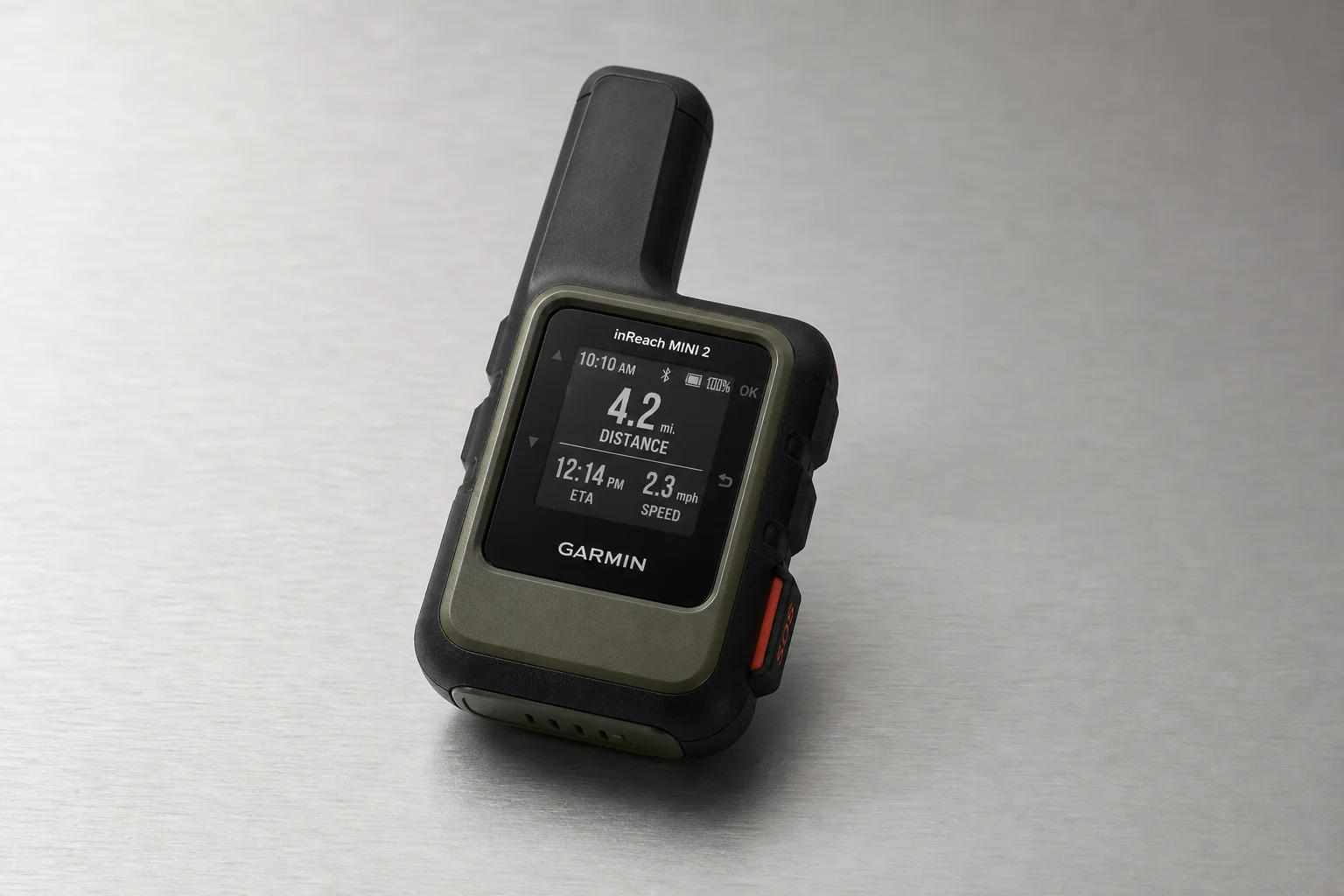
A satellite communicator is the piece of safety gear that is easy to postpone and hard to replace when you actually need it. The Garmin inReach allows you to call for help in an emergency, and it also lets you stay in touch with people at home while you are out.
It lives in a side pocket of the pack, which keeps it accessible without adding clutter to the main compartment. For anyone hiking alone, or hiking where phone coverage is unreliable, this is the item that changes how a trip feels.
Water Treatment: Platypus QuickDraw
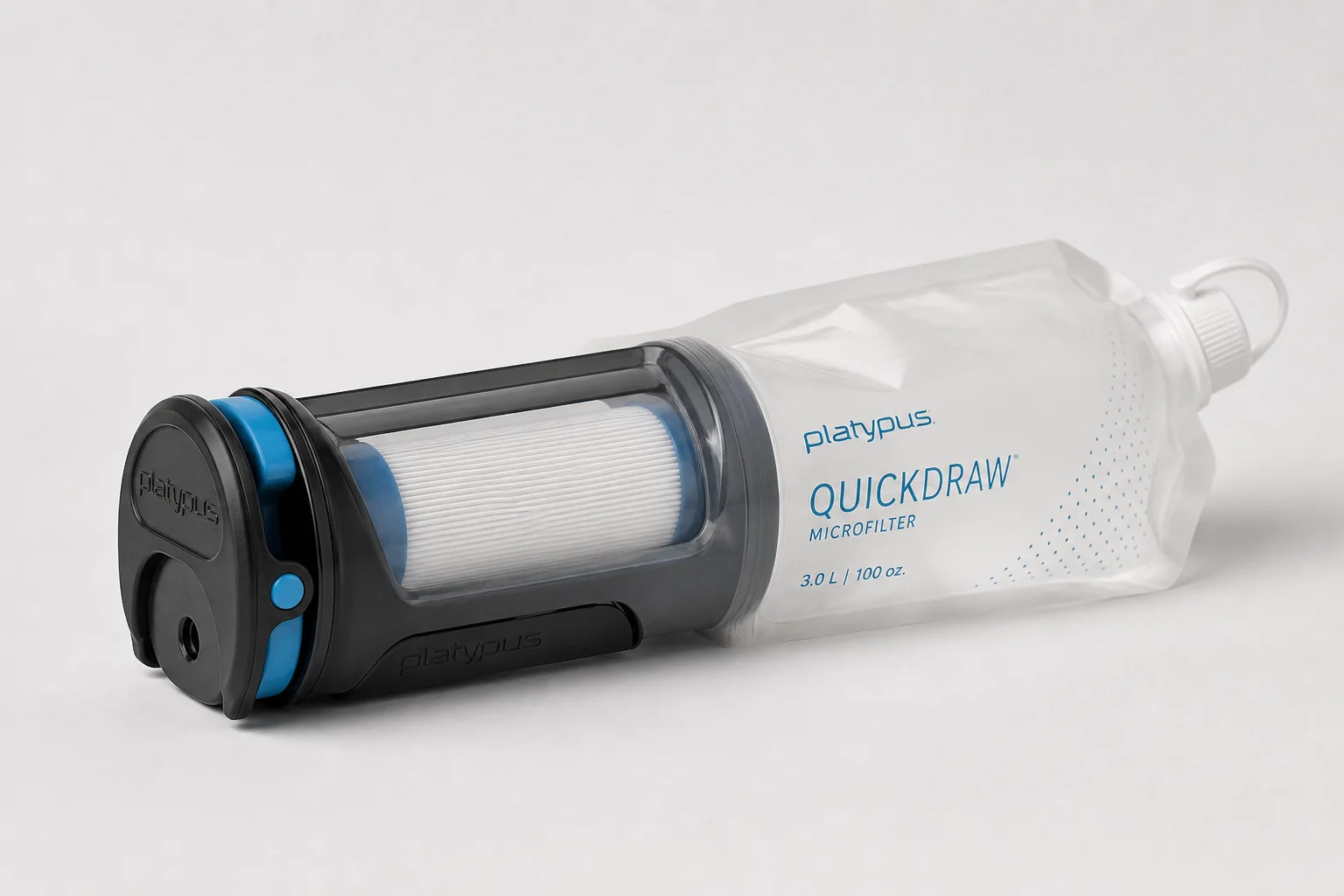
The Platypus QuickDraw is a squeeze filter system: you fill the included bag with water, screw the filter onto it, and squeeze clean water into your bottles. It is quick, simple and effective, which is exactly what you want when you are tired and thirsty.
One detail that matters in cold conditions is that it has caps for both ends. If temperatures drop below freezing, you can cap the filter and tuck it into the bottom of your sleeping bag or quilt so it does not freeze overnight.
Rain Protection: Frog Toggs
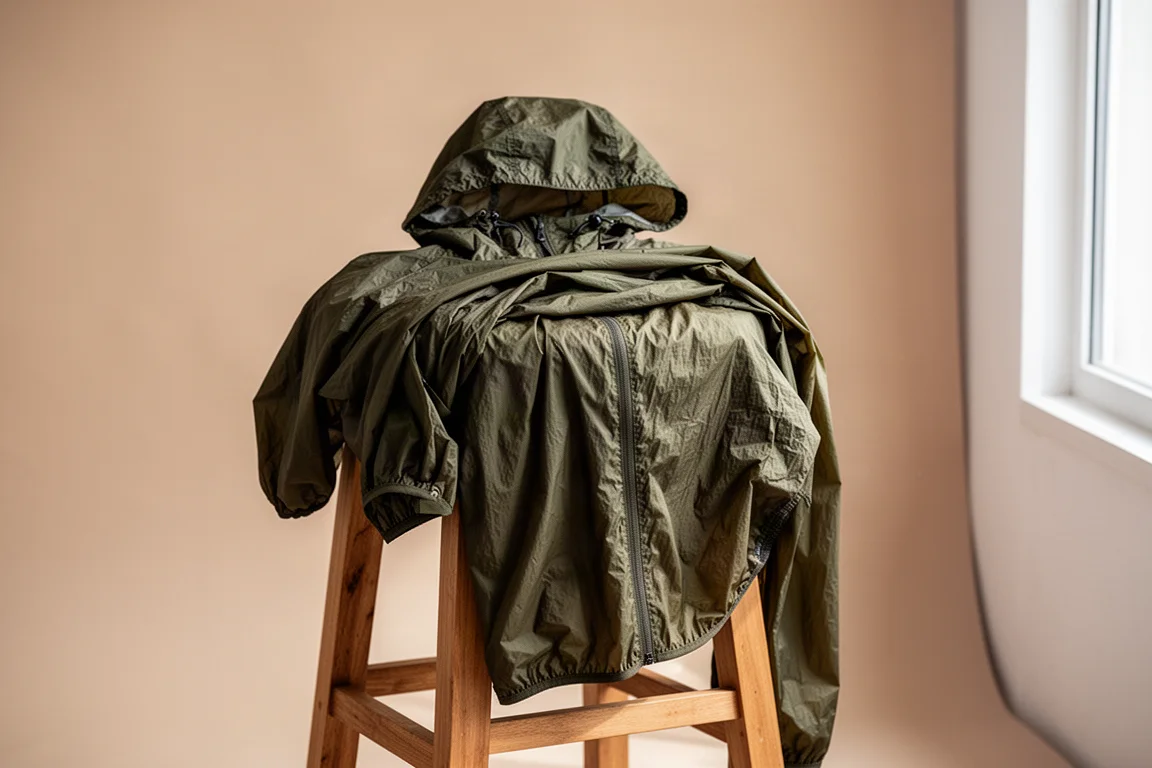
Most backpacking trips are planned around decent weather, but rain gear still has to work when the forecast is wrong. A Frog Toggs rain jacket is very affordable and gets the job done.
It is not as breathable as the higher-end jackets, and that is the trade-off. For a beginner who needs dependable protection from rain without spending a large part of the budget on it, the value is clear.
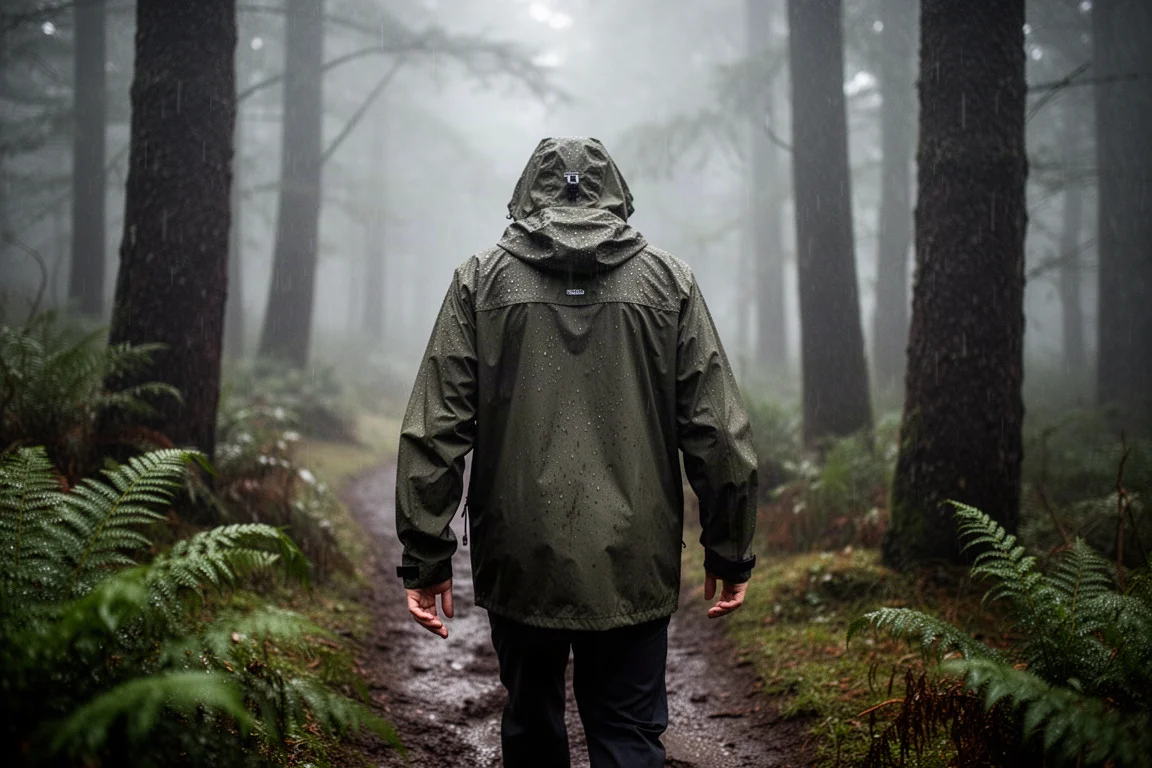
Keep the jacket in the front pocket of your pack so it is the first thing you can reach when the weather turns, and use a heavy-duty pack liner for everything that has to stay dry.
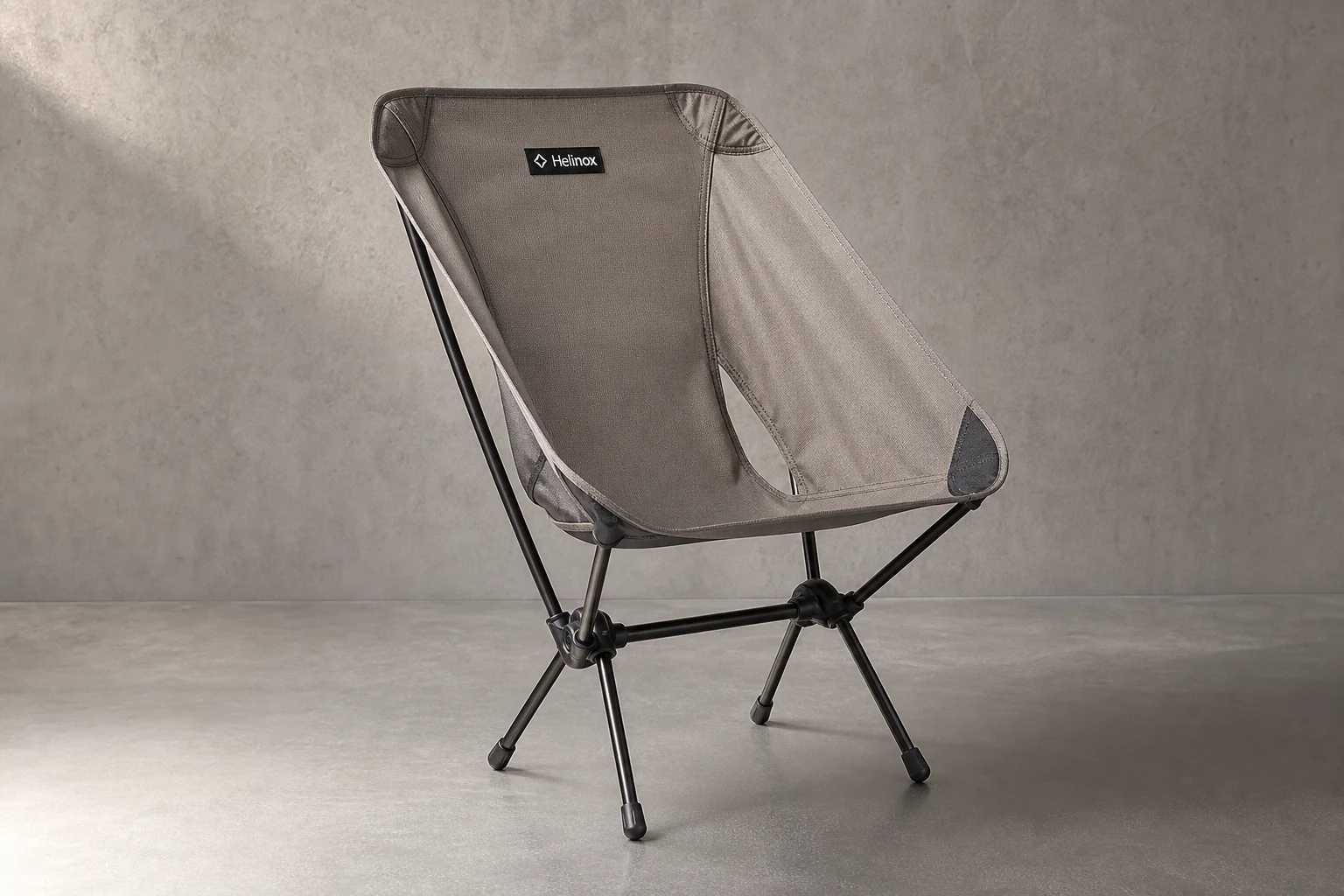
Camp Comfort: Helinox Chair Zero
The Helinox Chair Zero weighs about a pound, and it changes the mood of an evening in camp. Instead of balancing on a stump or a rock, you sit properly, put your camp slippers on and relax.
It is not cheap, and it is not essential. It is, however, a worthwhile investment if you expect to keep backpacking, and it stays useful for car camping, festivals and days at the lake if you decide backpacking is not for you.
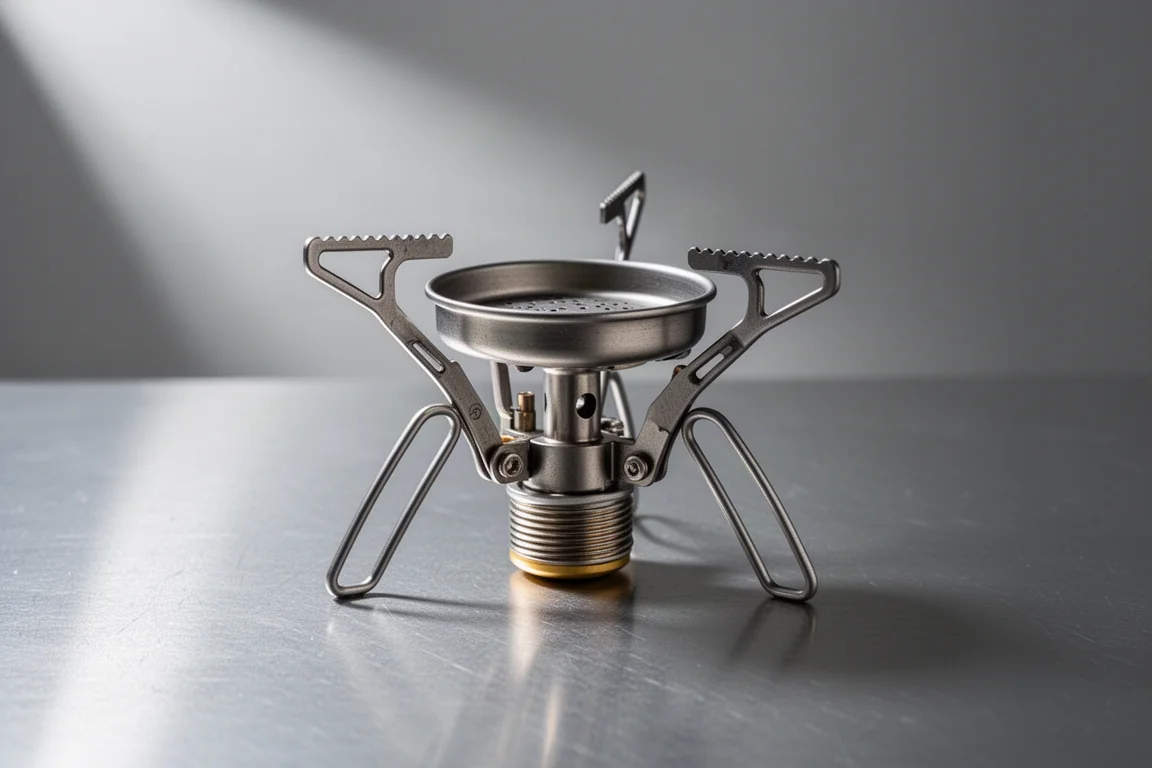
The Cook Kit: BRS 3000 Stove
The BRS 3000 is a tiny canister stove that costs about $20 and weighs 25 grams. It does not look especially robust, but it has a long record of reliable use over thousands of miles, which makes it the best value in a lightweight stove.
Paired with a lightweight titanium pot, the whole cook kit comes to roughly 100 grams. That is far lighter than an all-in-one stove system, and far cheaper: this combination costs under $50, while an all-in-one system typically runs over $100. A small lighter, a titanium spoon and a few freeze-dried or supermarket meals complete the setup.
Overall Buying Advice
Buy the big three first: pack, shelter and sleep system. Those decisions set your base weight and your comfort, and everything else is easier to change later.
For a first season, a small thermometer is a genuinely useful addition to your toiletries bag. It tells you what overnight temperatures you actually slept through, so you learn whether your sleep system was comfortable at freezing or whether you needed more insulation. That turns guesswork into a decision for the next trip.
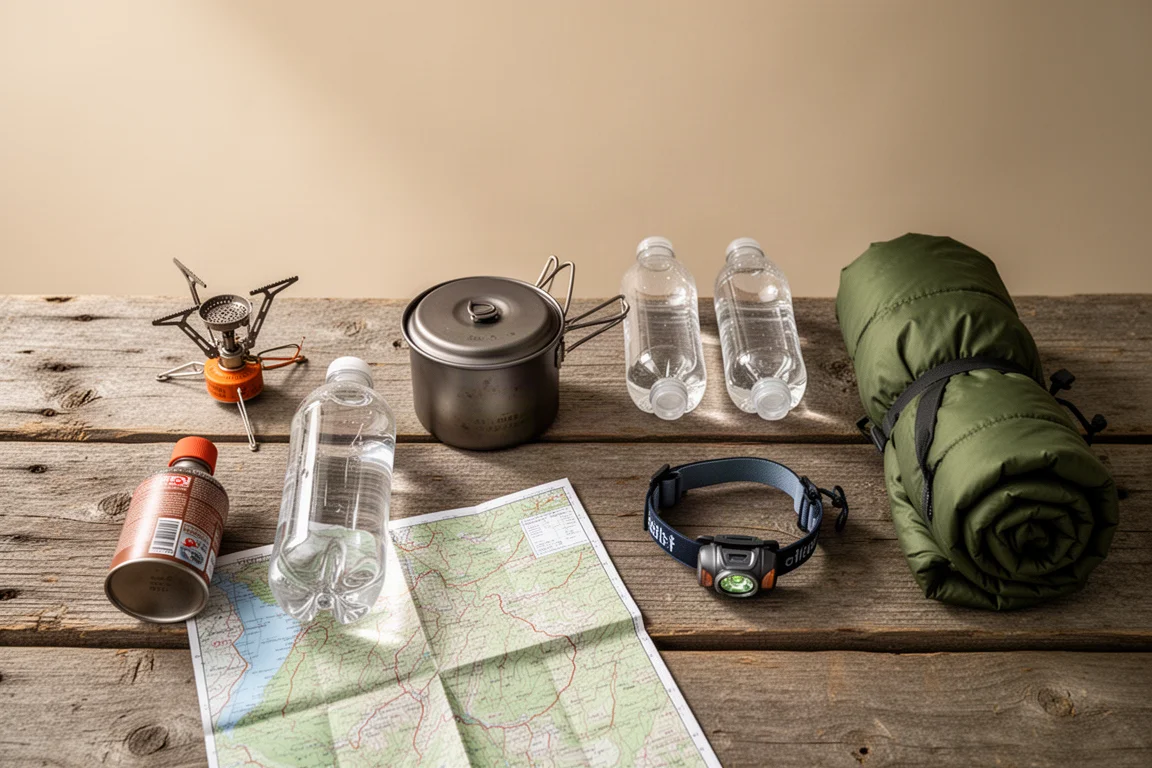
Then fill the remaining gaps gradually. A pack liner, a first aid kit with blister tape, a trowel for cat holes, hand sanitiser, a headlamp and a basic ditty bag cover most of what is left, and none of them need to be expensive.
Conclusion
A beginner’s kit does not have to be the cheapest gear available or the lightest gear on the market. It has to be comfortable, easy to use and light enough to carry, and the ten items above are chosen for exactly that balance.
Start with the big three, add safety and water treatment, and keep the rest simple. The kit will change as you learn what you like, and that is normal. What matters is getting out on the trail with gear you trust.
Further reading
Related Reviews

Backpacking Gear
Building a 10 lb Base Weight: An Ultralight Backpacking Gear List
A practical walkthrough of the ultralight pieces behind a 10 lb base weight, from a 765 g pack and a roomy one-person tent to a full camp chair and a dependable water filter.

Backpacking Gear
A 15-Pound Lightweight Backpacking Gear List for Solo Trips
A beginner-friendly 15-pound backpacking setup built from easy-to-find gear, with notes on what each piece does, how it packs, and where to spend your attention.
Backpacking Gear
8 Ultralight Backpacking Gear Upgrades Worth Carrying
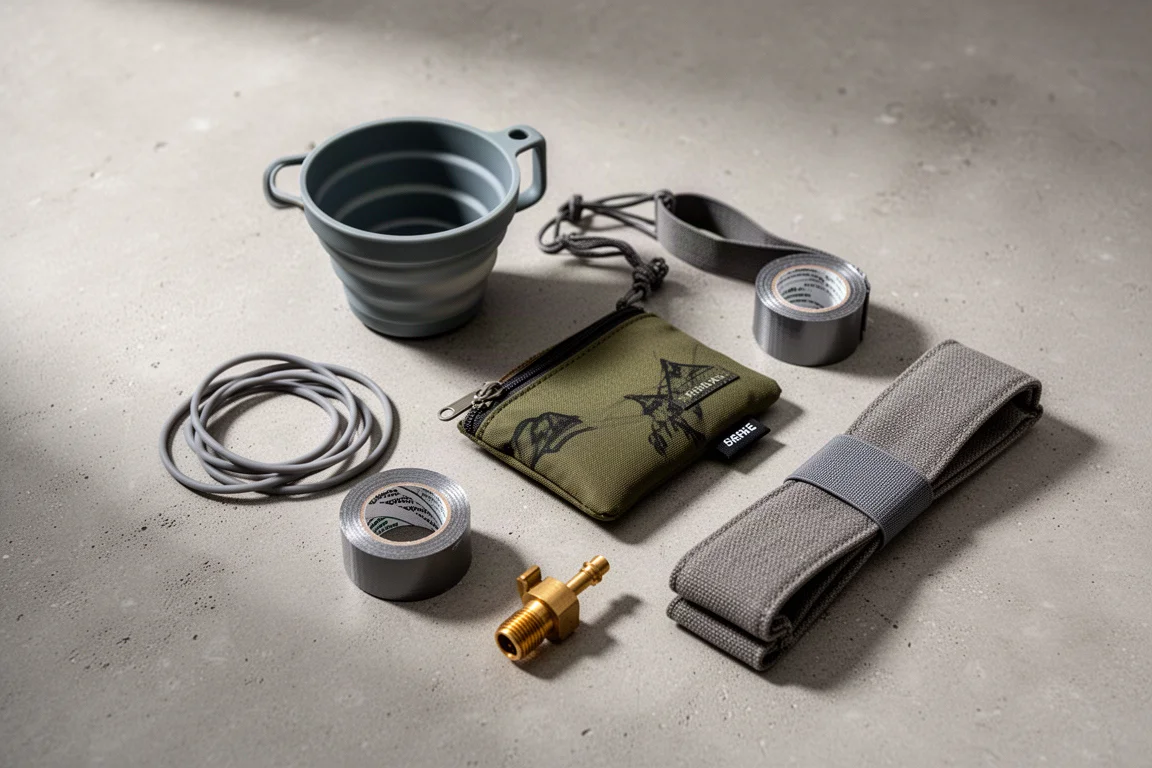
Eight small, affordable backpacking upgrades that solve real trail annoyances, from a pillow that stays put to a fuel valve that rescues leftover canister gas.