Backpacking Gear
Beginner Backpacking Gear: The Core Kit Worth Buying First
A practical first-kit guide for new backpackers, covering packs, water treatment, camp kitchen, sleep systems, shelter, and safety, with clear reasons behind each pick.
Introduction
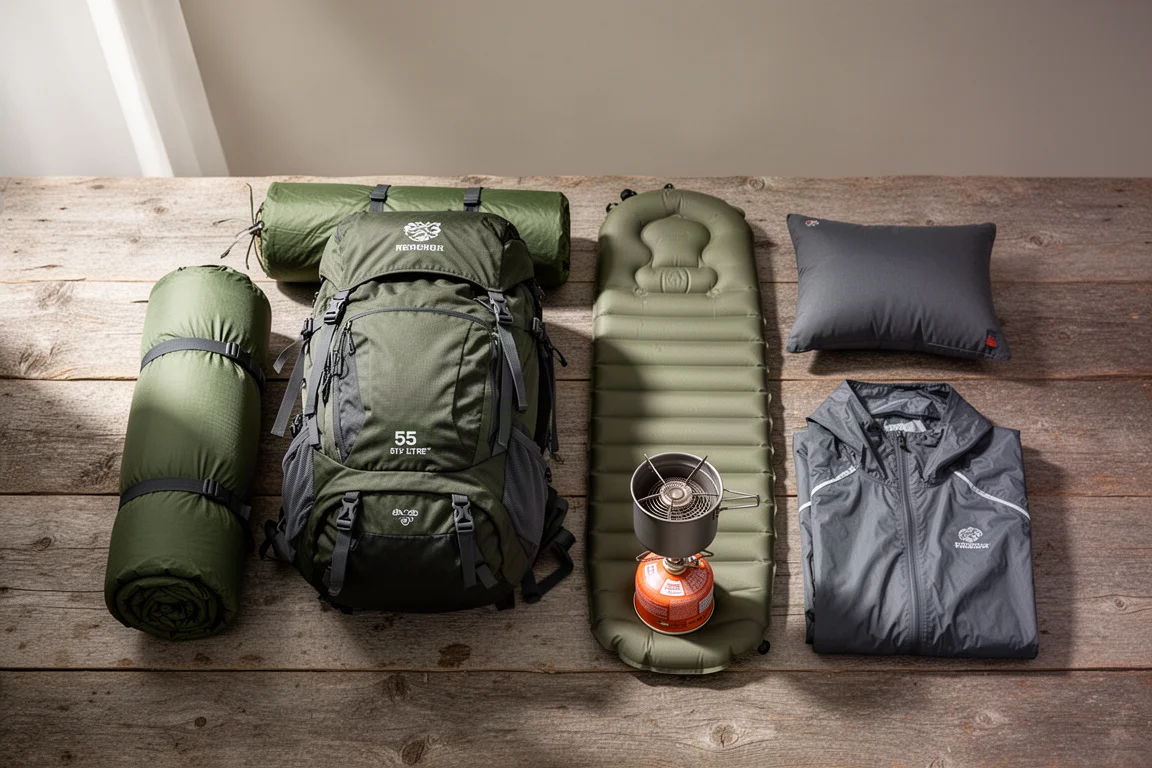
Building a backpacking kit from scratch feels overwhelming for one simple reason: the list of possible purchases is long, and the price differences between similar items are wide. A dependable beginner setup does not require the most expensive option in every category. It requires gear that fits properly, carries weight comfortably, and covers the essentials: shelter, sleep, water, food, insulation, and safety.
The items below are the ones worth putting at the top of a first shopping list. Each earns its place for a specific reason, whether that is adjustability, cold-weather reliability, or a low price for the performance on offer. Where a category has a strong alternative, we note it so you can match the choice to your budget.
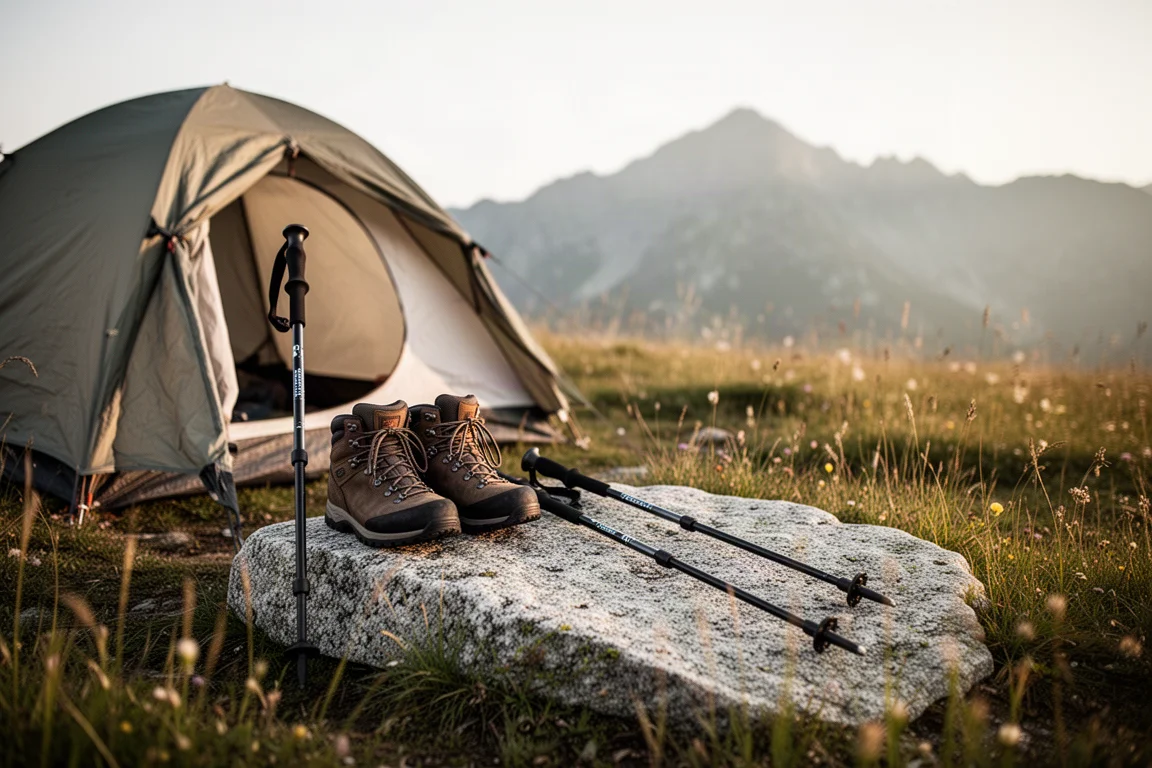
Every pick here is chosen for a first kit rather than a finished one. The goal is gear that is easy to use, forgiving of inexperience, and inexpensive enough that you can still afford to get out on the trail and learn what you actually want.
The Pack: Gregory Stout
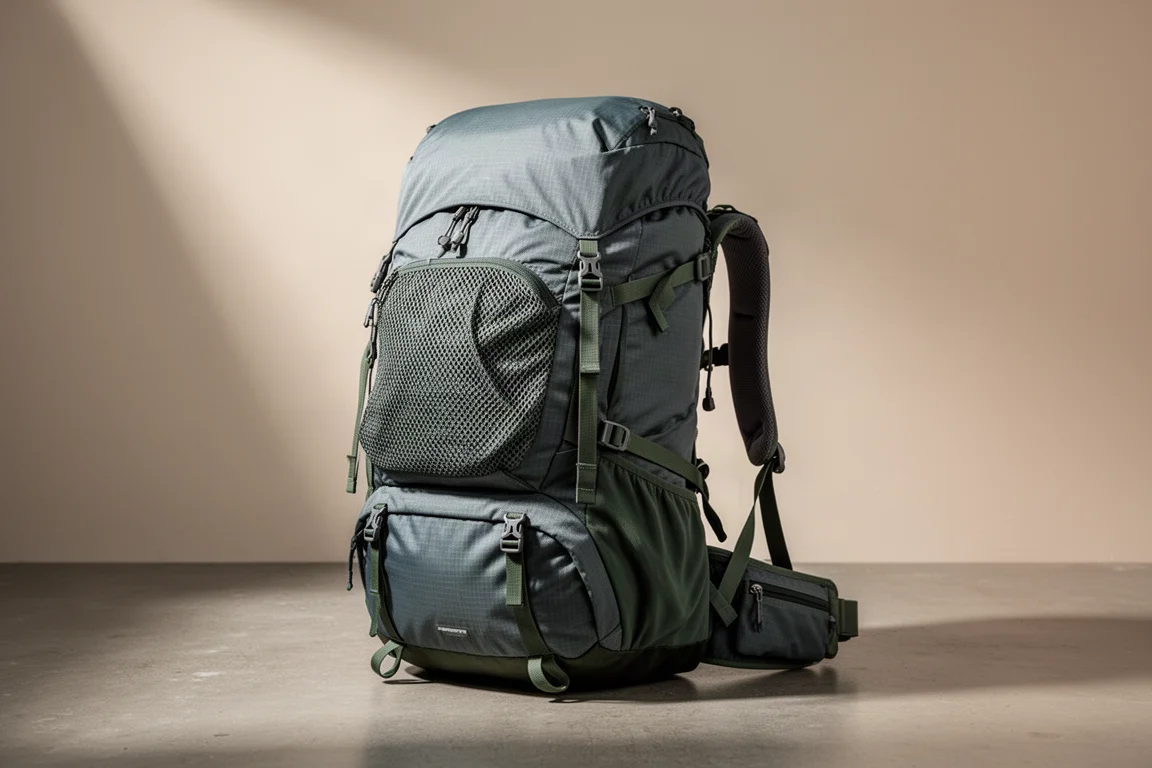
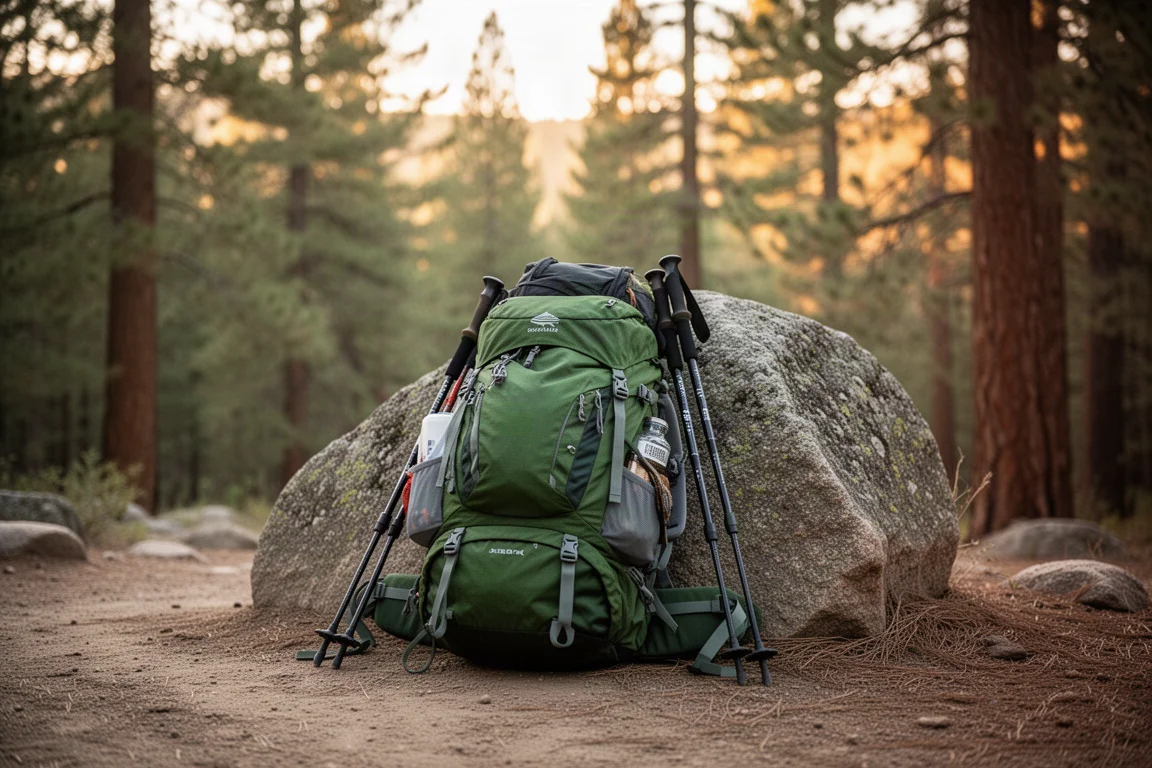
The pack touches everything else in your kit, so it is worth getting right first. The Gregory Stout is a strong starting point because it is highly adjustable: torso length and hip belt width can both be tuned, which means it fits a wide range of body sizes. Gregory also builds the pack in plus size models, so a comfortable fit is realistic for most people.
Weight carrying is the other reason it stands out. It handles up to about 40 pounds comfortably, which is enough to cover the gear, food, and water needed for trips of up to a week. The trade-off is that the pack is a little on the heavy side, and that is the price you pay for the adjustability and the stable carry. A women’s version of the same design is sold as the Gregory Amber.
Water Treatment: Platypus QuickDraw Filter
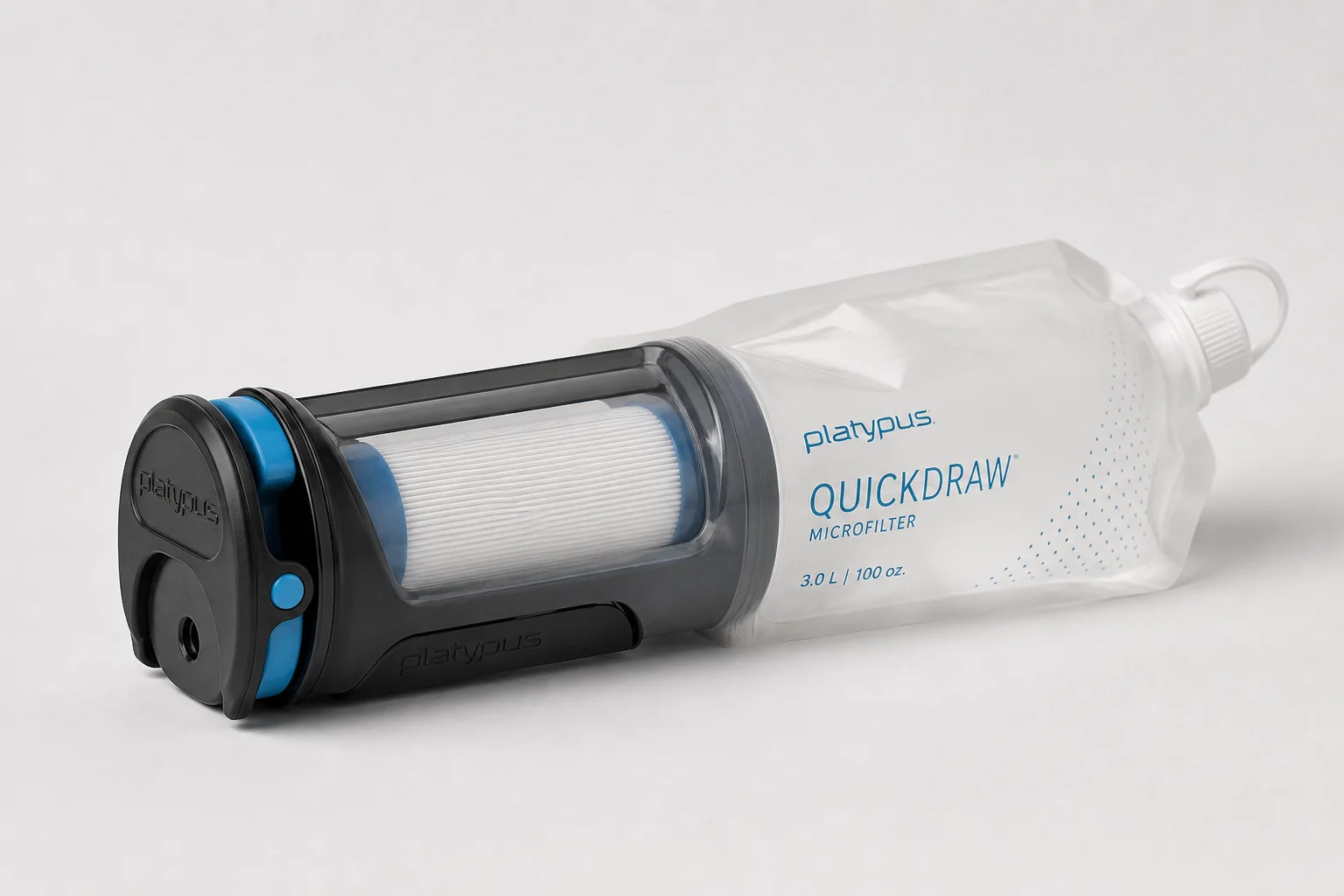
Filtering water is non-negotiable on most trips, and a squeeze setup is the simplest place to start. The Platypus QuickDraw pairs a scoop bag with a filter. You fill the bag from a stream or lake, screw the filter on, and push clean water into your bottle.
Three details make it a good beginner choice. It is durable, it has a good flow rate so refilling bottles does not become a chore, and it comes with two caps so the filter can be sealed and stored inside a sleeping bag on cold nights.
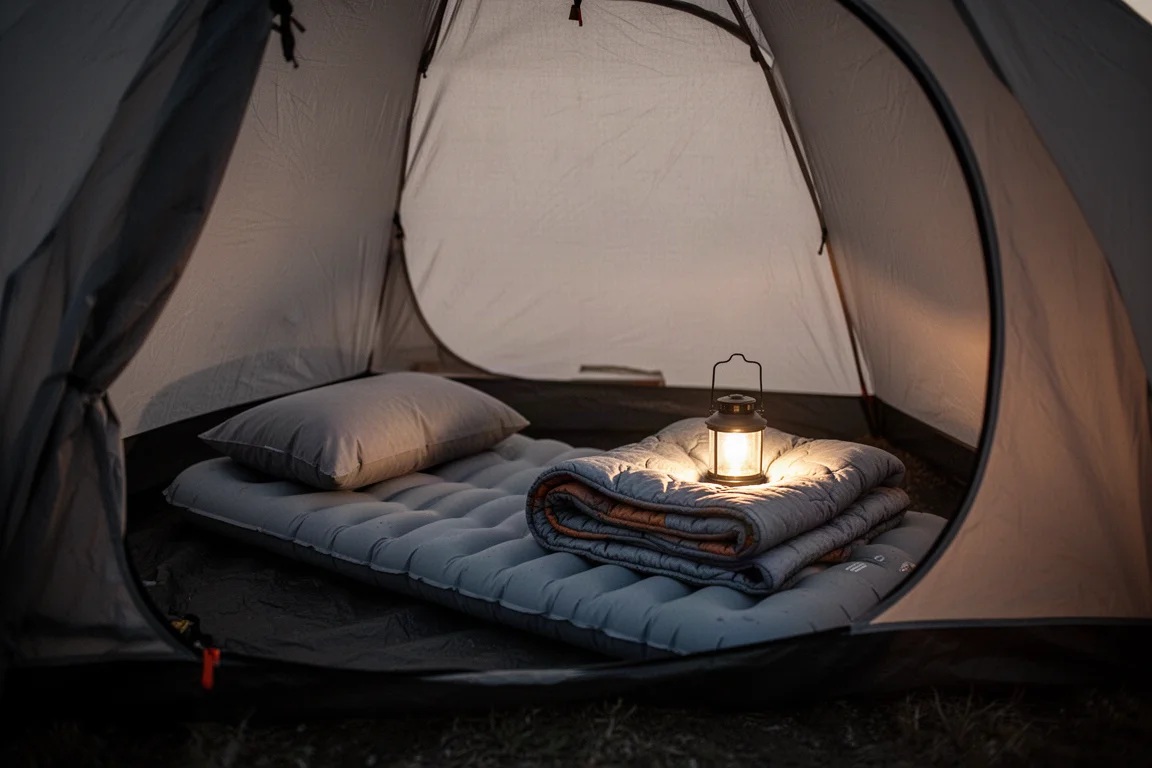
That last point matters more than it sounds. If a filter freezes, the membranes inside are ruined, so keeping it warm inside your sleep system overnight protects the whole setup. The same caution applies during the day: keep the filter accessible, but never let it sit through a hard freeze.
Camp Kitchen: MSR PocketRocket 2
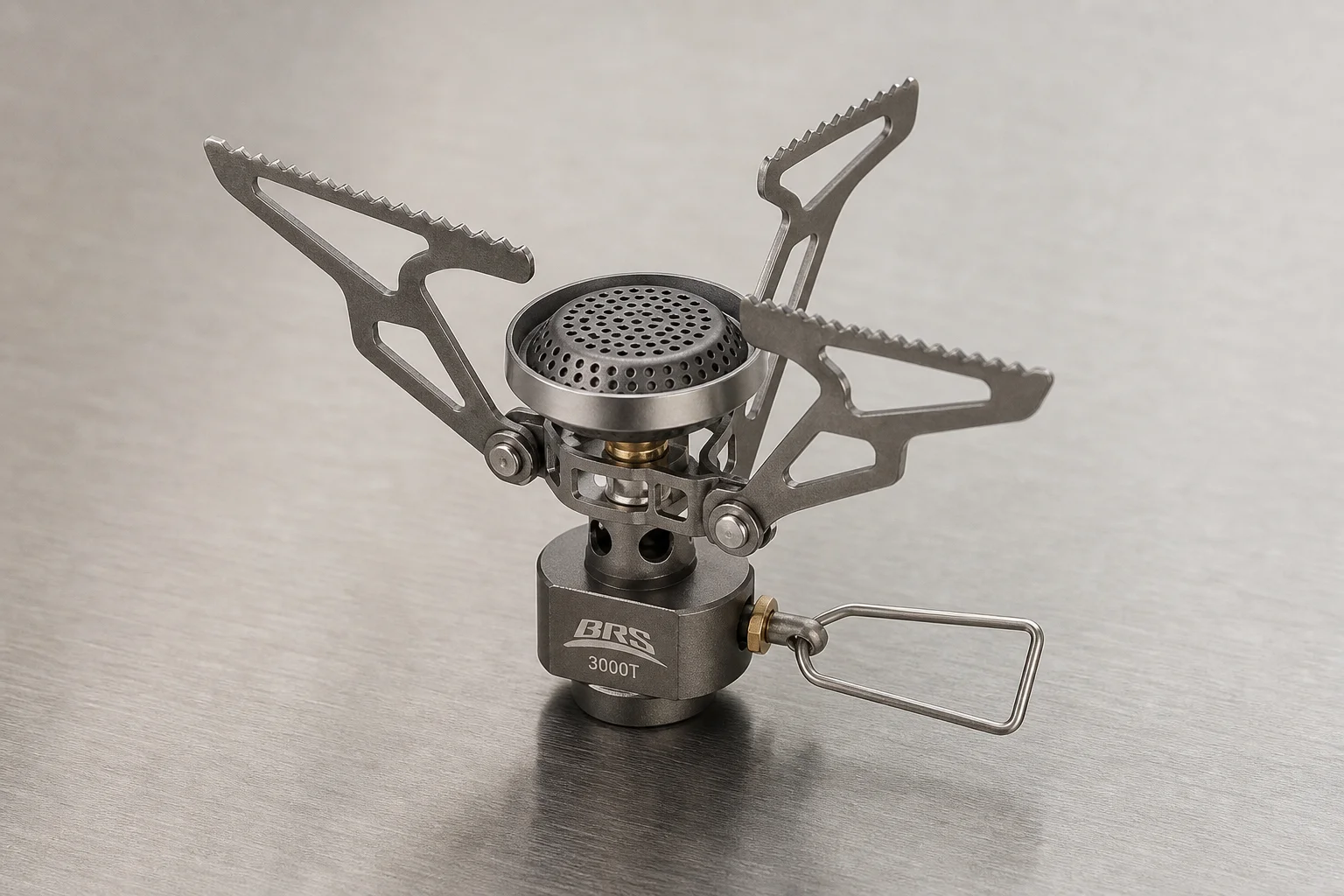
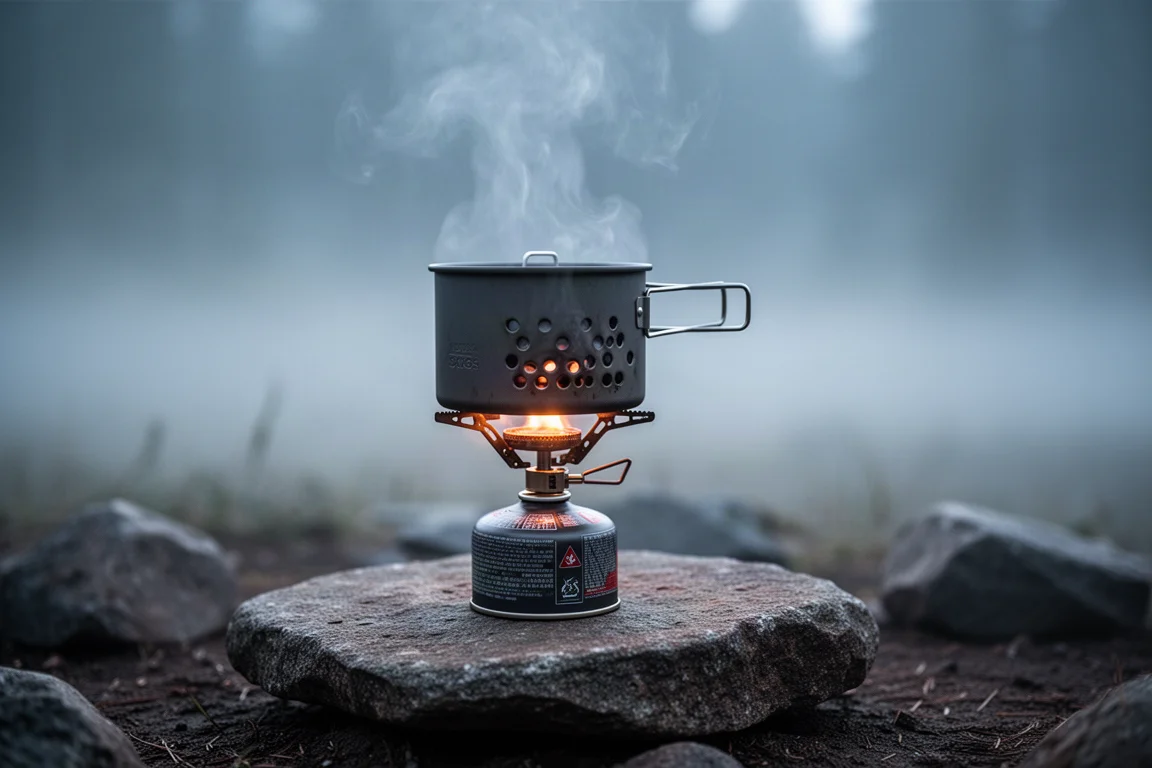
For a stove, a long-proven canister design is hard to beat. The MSR PocketRocket 2 screws directly onto an isobutane canister, which keeps the setup small and simple, and it has been in use for many years with a reputation for reliability.
It works well in wind and boils water quickly, which is what most backpacking meals actually require. Lighting it takes seconds with a mini lighter: open the valve, light the gas, and adjust the flame to the level you want. There is very little to go wrong, and that simplicity is the point.
Cookware: Toaks 750ml Titanium Pot
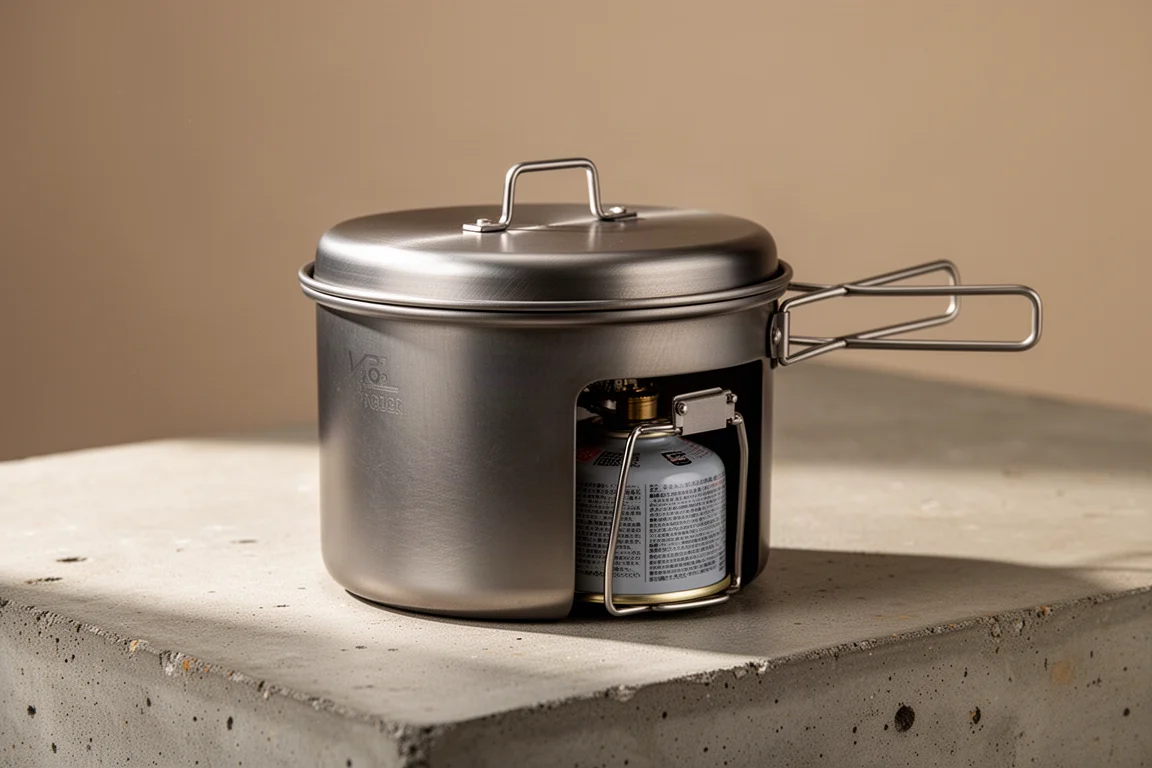
If you are boiling water for one person, the Toaks 750ml titanium pot is a sensible match. Titanium keeps the weight down, and the pot is affordable for the material.
Size is the main thing to weigh. It is well suited to freeze-dried meals and hot drinks for a single hiker, but it is not the right pot for a group or for cooking a meal inside the pot. A long-handled titanium spoon is a useful companion, since freeze-dried meal bags can be deep and a longer handle reaches the bottom cleanly. If you regularly boil water for three or four people, a larger boiler pot is the better choice.
Insulation: Decathlon Trek 100 Down Jacket
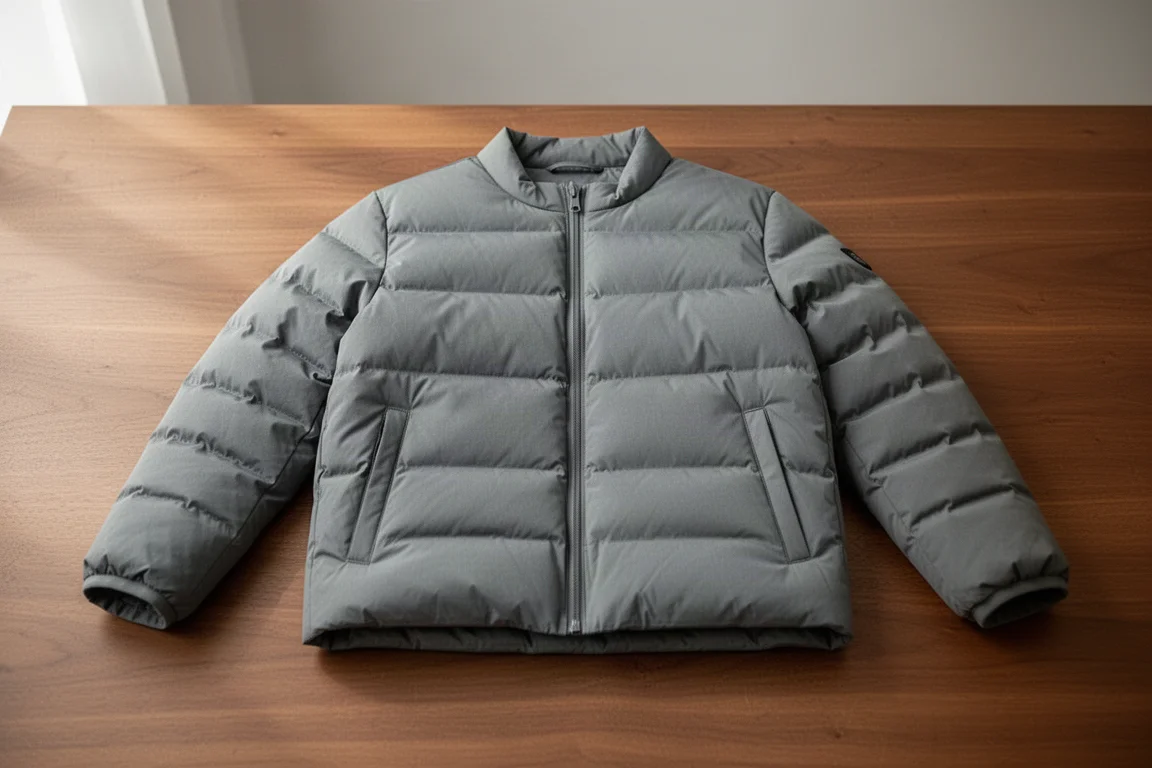
A puffy jacket is the layer that keeps a trip comfortable when temperatures drop, and it doubles as emergency insulation if the weather turns colder than expected or a sleep system underperforms. The Decathlon Trek 100 is a lightweight down jacket that is well put together and warm for its class.
At around $80 it is also one of the most affordable ways to add real warmth to a beginner kit, which makes it an easy recommendation for a first setup.
Socks: Injinji Toe Socks
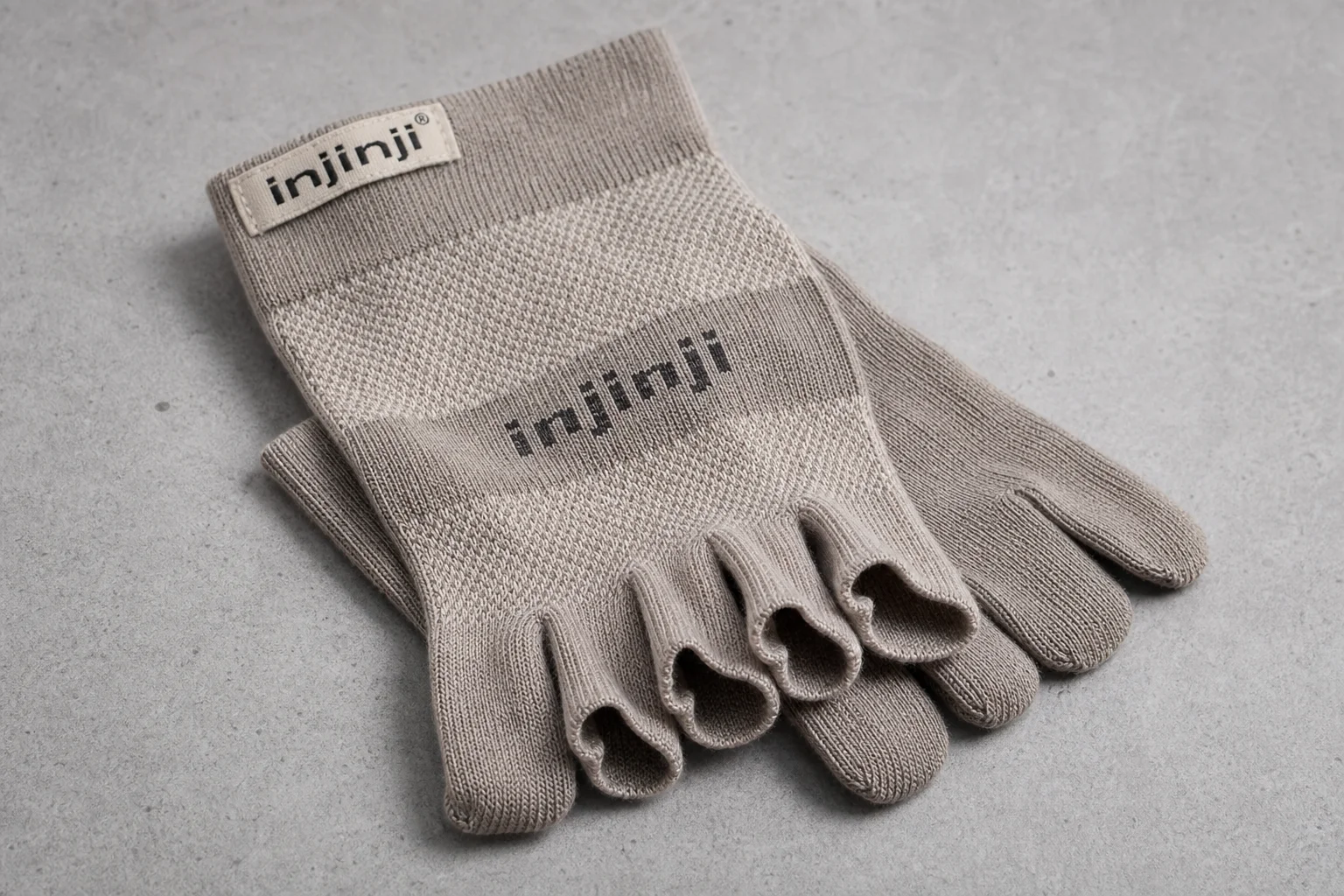
Blister prevention comes down to managing moisture and friction, and toe socks address the friction directly. Injinji toe socks are synthetic and include a small separate sleeve for each toe, which reduces the rubbing that happens when toes press against one another.
Synthetic materials dry faster and hold up better through repeated washing, which matters because a simple routine works well: carry two pairs, rotate them, and wash one pair each day so it can dry on the outside of your pack. Two pairs of socks and two pairs of underwear are enough for an overnight trip and for a multi-week thru-hike alike.
Sleep System: Nemo Tensor Sleeping Pad
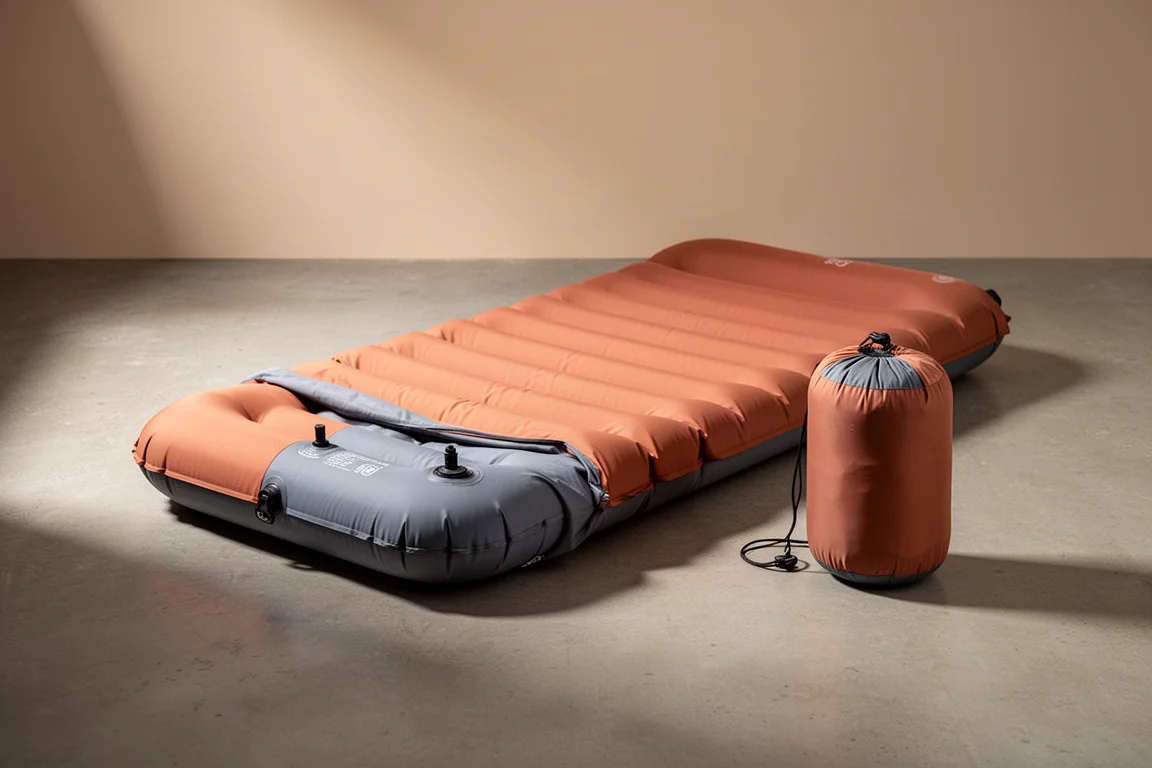
The sleeping pad decides how warm you sleep and how well you sleep. The Nemo Tensor, in its 2022 version, has an R-value of 4.2. R-value is a measure of how much warmth a pad holds, and 4.2 is a good match for spring, summer, and fall trips for the majority of people.
It is a practical middle ground: warm enough for three-season use without the cost or bulk of a dedicated winter pad.
If you sleep cold, or you plan to push into colder shoulder-season conditions, look for a higher R-value. For most beginner trips in the warmer half of the year, 4.2 covers what you need.
Sleep System: Trekology 2.0 Pillow
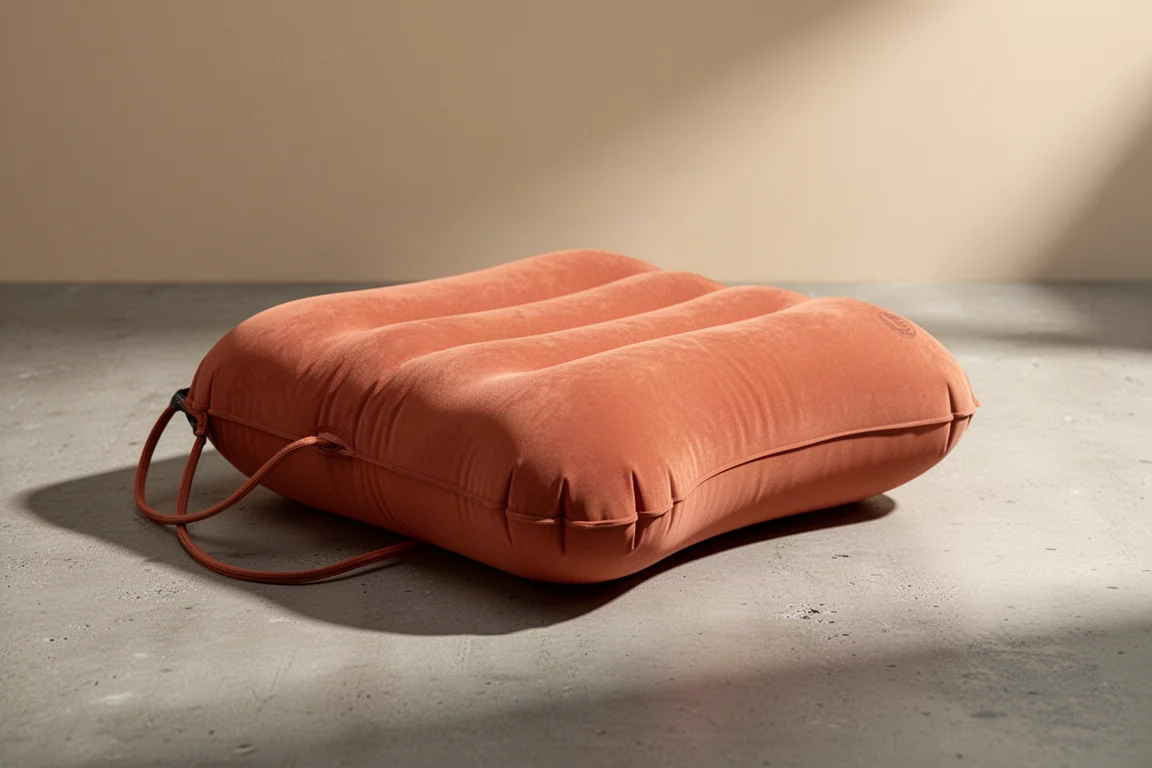
A pillow is a small item with an outsized effect on how a trip feels, because sleeping well makes the next day of hiking far more enjoyable. The Trekology 2.0 costs under $20, uses a soft stretchy fabric, and its baffled construction gives it support without the balloon-like feel of a basic inflatable.
Its best feature is the strap that locks the pillow onto the sleeping pad. Instead of chasing a pillow around the tent overnight, you can roll over and stay comfortable.
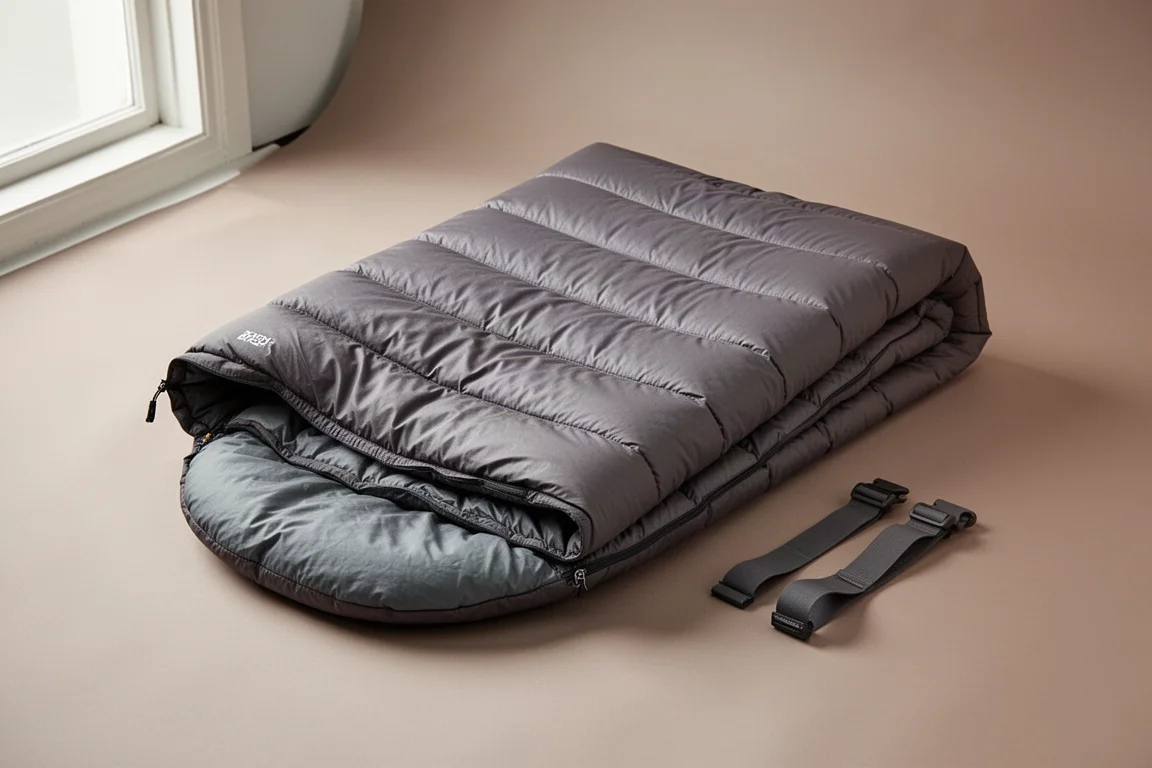
Sleep System: Hammock Gear Econ Burrow Quilt
A quilt rather than a sleeping bag is worth considering for a first kit. Quilts are lighter than comparable bags, and they are comfortable because you can move around without getting tangled. Most people who make the switch tend to stay with quilts.
The Hammock Gear Econ Burrow is a good entry point: affordable, easy to use, and well made. It is warm enough for most people in typical three-season conditions, and it trims weight that a full sleeping bag would add.
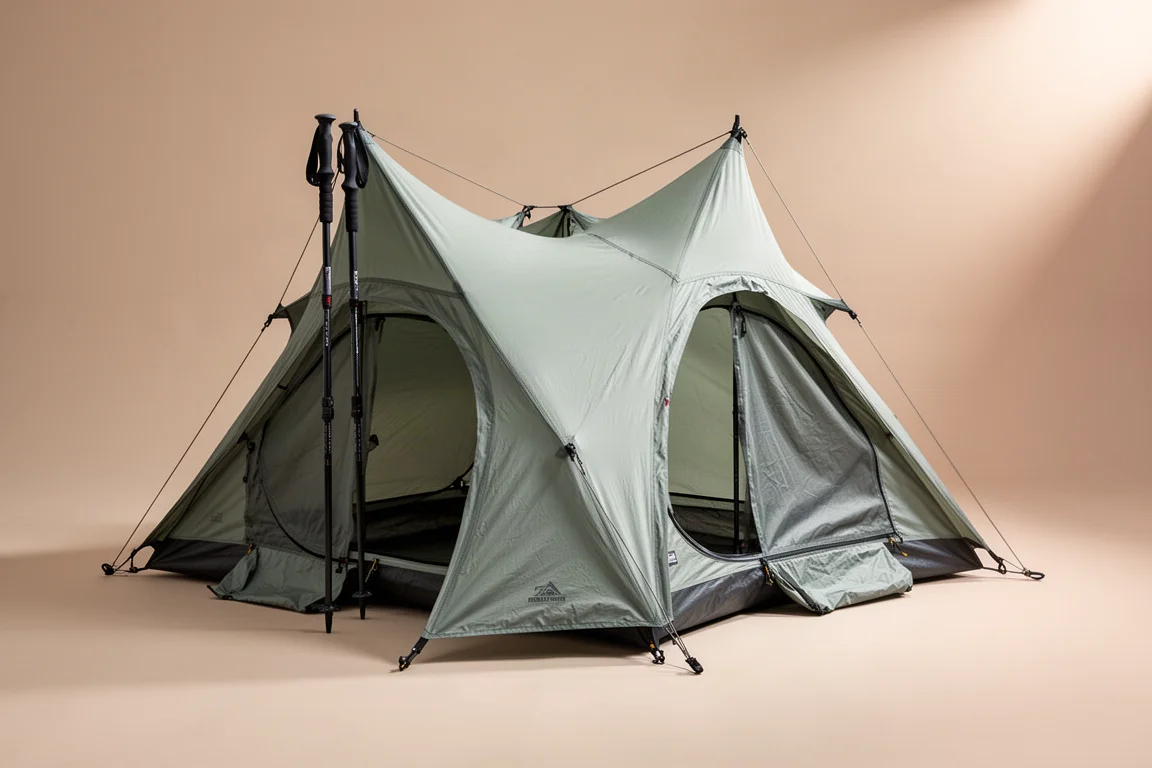
Shelter: Durston X-Mid 2
The Durston X-Mid 2 looks unusual at first, because it does not use dedicated tent poles. It is pitched with trekking poles instead, and that design choice brings several real benefits.
Setup is quick. Four stakes are enough, two at one end and two at the other, and then you insert the trekking poles and raise them. Trekking pole tents also give your poles a second job, which saves the weight of a separate pole structure. The X-Mid 2 is roomy for its weight and can fit two 25-inch wide sleeping pads, something many two-person tents cannot manage.
The other advantage shows up in rain. It is a double-wall tent with a mesh inner and a silpoly outer fly, and it pitches as one unit. Because the inner stays protected by the fly while you set it up, it does not end up soaked the way an inner-first tent can.
The main drawback is availability. The X-Mid 2 is out of stock much of the time, so decide in advance whether you are willing to wait. If you would rather buy now, the Naturehike Mongar 2 is a reasonable option at a very accessible price, while the Big Agnes Tiger Wall 2 suits a larger budget and offers a strong balance of weight, price, durability, and function.
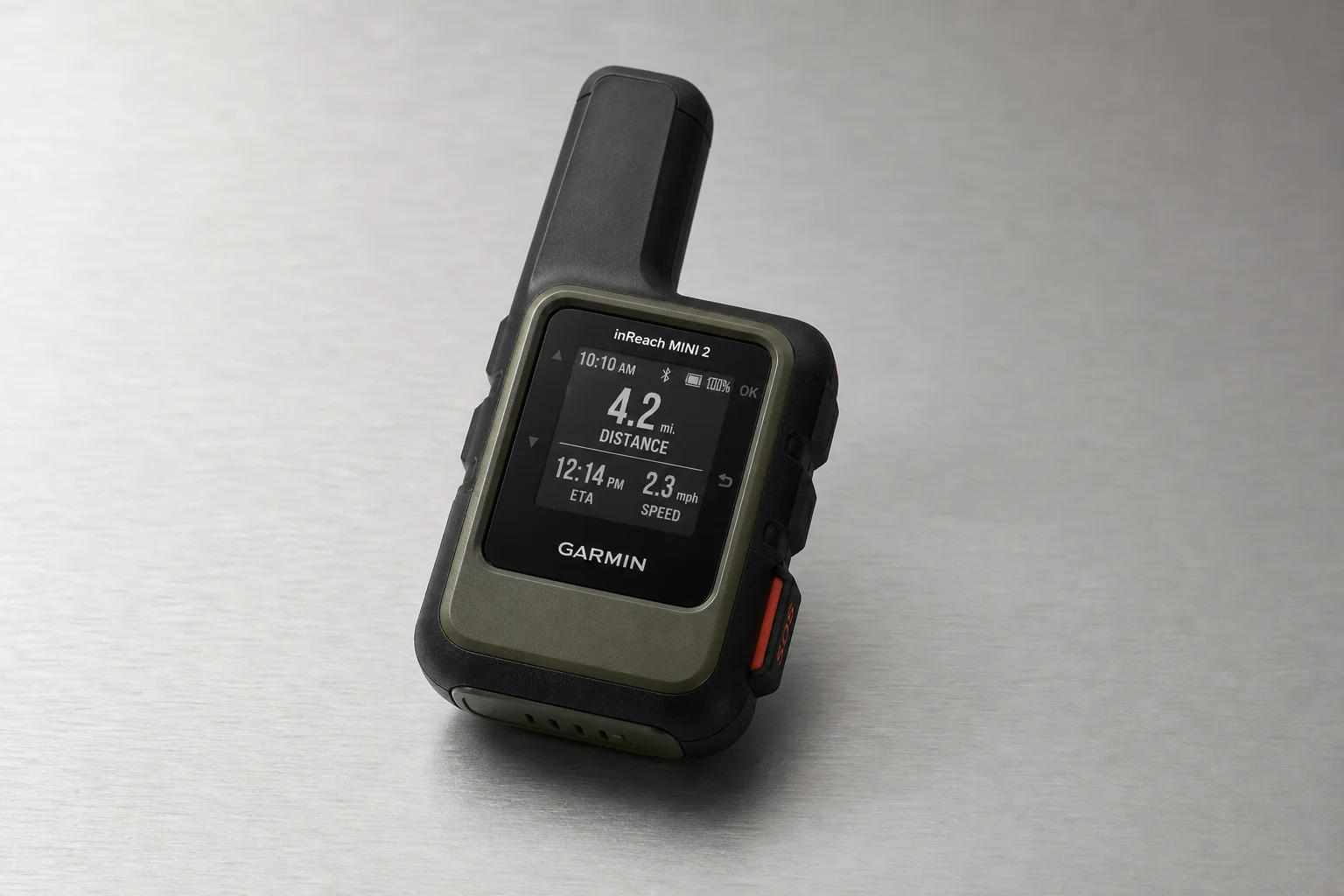
Navigation and Safety: Garmin inReach
A satellite communicator is not the first purchase most beginners make, but it changes what happens when something goes wrong. The Garmin inReach is an SOS and satellite communication device: pressing the SOS button connects you with search and rescue so help can be sent.
It is useful in ordinary conditions too. It lets you check in with people at home and send messages to any email address or phone number, which is reassuring on longer or more remote trips.
Overall Buying Advice
Buy in order of impact. Fit comes first, because a pack that carries well makes every other item easier to live with, and the adjustability of the Gregory Stout makes a good fit easier to reach. Sleep comes second, since a warm and comfortable night is what allows you to keep hiking day after day. Water treatment and a simple cook setup come next, and insulation and safety gear round out the essentials.
There are also places to save money. You do not need a collection of dry bags and stuff sacks, because they add weight quickly. A single pack liner, such as a trash compactor bag or a nyloflume liner, keeps everything dry when you twist the top closed and tuck it down the side. A lightweight foam sit pad, a pair of simple camp sandals, and a first aid kit you assemble yourself cover comfort and safety without much cost.
A few habits matter as much as the gear. Carry only two pairs of socks and two pairs of underwear regardless of trip length, rotate them, and wash one set each evening so it can dry on your pack the next day. In bear country, carry bear spray where you can reach it, and keep hygiene items such as soap, hand sanitizer, wet wipes, and a trowel together so they are easy to find when you need them.
None of these choices require top-tier spending. They require matching each item to the conditions you actually hike in, and then getting out on a short trip to learn what you would change.
Conclusion
A first backpacking kit comes together fastest when you buy for fit, sleep, water, food, insulation, and safety in that order. The Gregory Stout, Platypus QuickDraw, MSR PocketRocket 2, Toaks 750ml pot, Decathlon Trek 100, Injinji toe socks, Nemo Tensor, Trekology 2.0 pillow, Hammock Gear Econ Burrow, Durston X-Mid 2, and Garmin inReach each solve one of those problems without asking you to overspend. Start with the pieces that match your conditions, keep the system simple, and upgrade only when a specific trip tells you to.
Further reading
Related Reviews

Backpacking Gear
Building a 10 lb Base Weight: An Ultralight Backpacking Gear List
A practical walkthrough of the ultralight pieces behind a 10 lb base weight, from a 765 g pack and a roomy one-person tent to a full camp chair and a dependable water filter.

Backpacking Gear
A 15-Pound Lightweight Backpacking Gear List for Solo Trips
A beginner-friendly 15-pound backpacking setup built from easy-to-find gear, with notes on what each piece does, how it packs, and where to spend your attention.
Backpacking Gear
8 Ultralight Backpacking Gear Upgrades Worth Carrying
Eight small, affordable backpacking upgrades that solve real trail annoyances, from a pillow that stays put to a fuel valve that rescues leftover canister gas.