Astrophotography
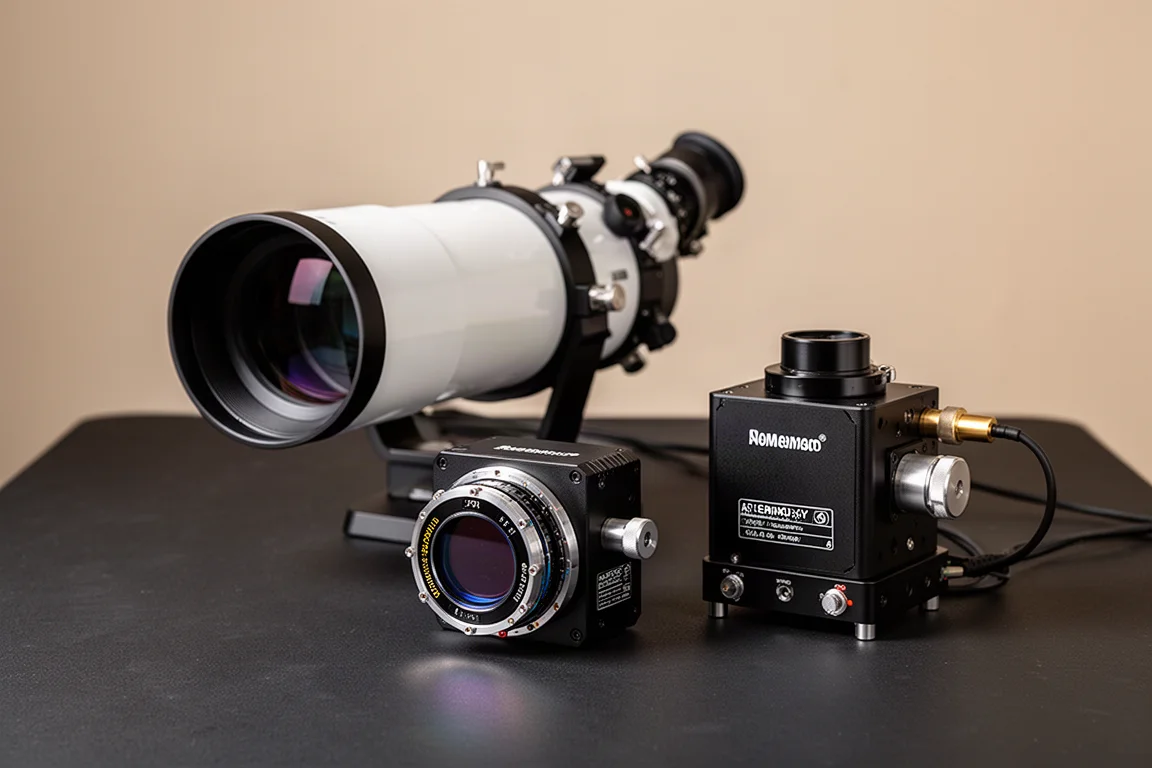
A Complete Beginner Astrophotography Rig: 10 Pieces of Gear That Work Together
A realistic deep sky astrophotography kit built around a compact refractor, a dedicated camera, and a travel mount, with prices and trade-offs explained.
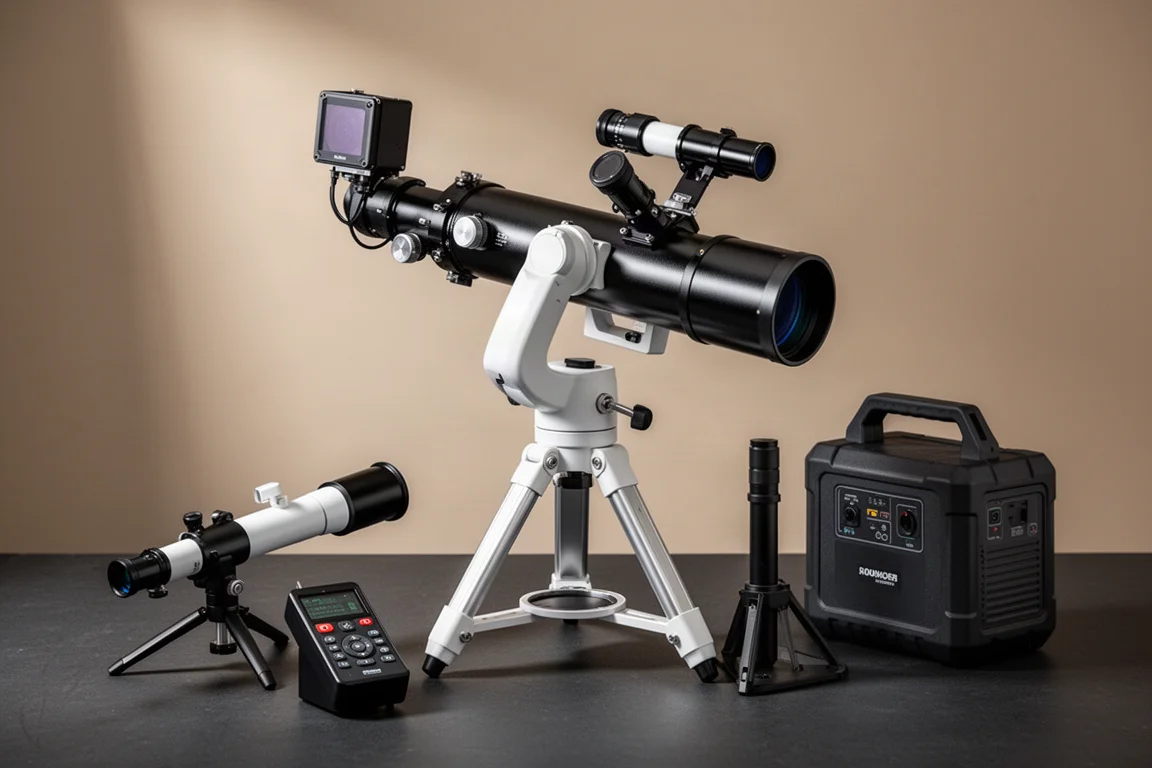
Introduction
Starting deep sky astrophotography from scratch is easier when you know which gear actually matters. Many of the most beautiful targets, like M31 and the North America Nebula, are simply too large to fit in the field of view of a typical telescope, which is why so many people recommend starting with a DSLR and a star tracker. But there is a strong case for a kit built around a real telescope that also works visually, a dedicated astronomy camera, and a go-to mount you can use for regular observing. This roundup covers the ten pieces that make up exactly that kind of system, including where each one fits and what it costs.
Why Start With a Small Refractor
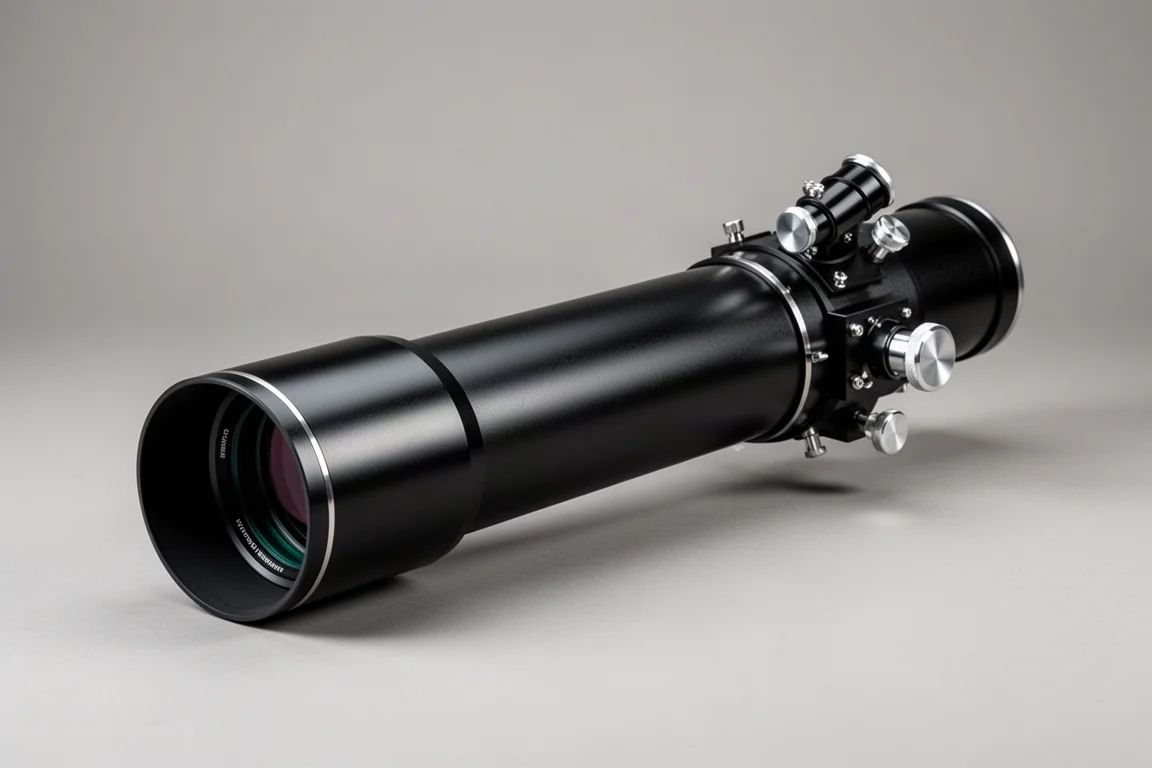
A small, fast refractor is the heart of this rig. Popular wide-field targets barely fit into the field of view of larger telescopes, so a short focal length instrument gives you far more framing flexibility from night one. It is also light enough to run on a portable mount, which keeps the whole system travel-friendly.
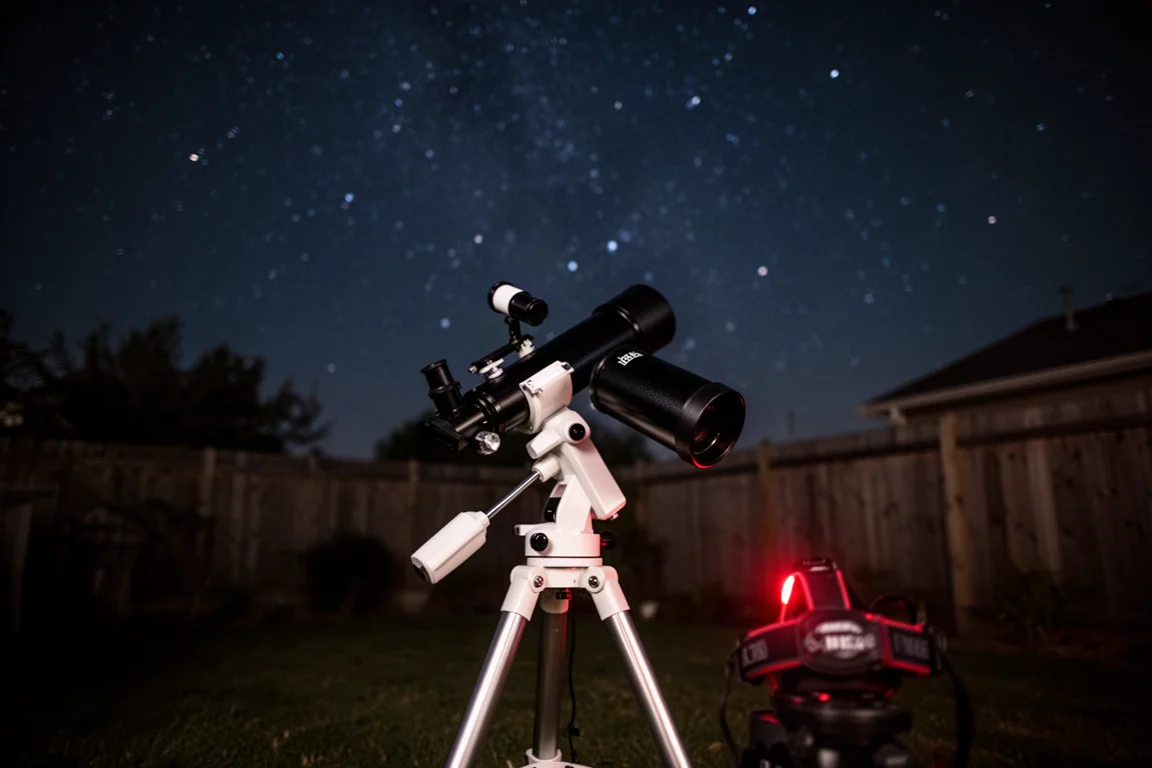
Sharpstar 61
The Sharpstar 61 is a compact refractor that delivers wide-field images at a current price of about $699, plus roughly $199 for the field flattener you will want alongside it. It is best understood as a more affordable take on the Radian Raptor formula.
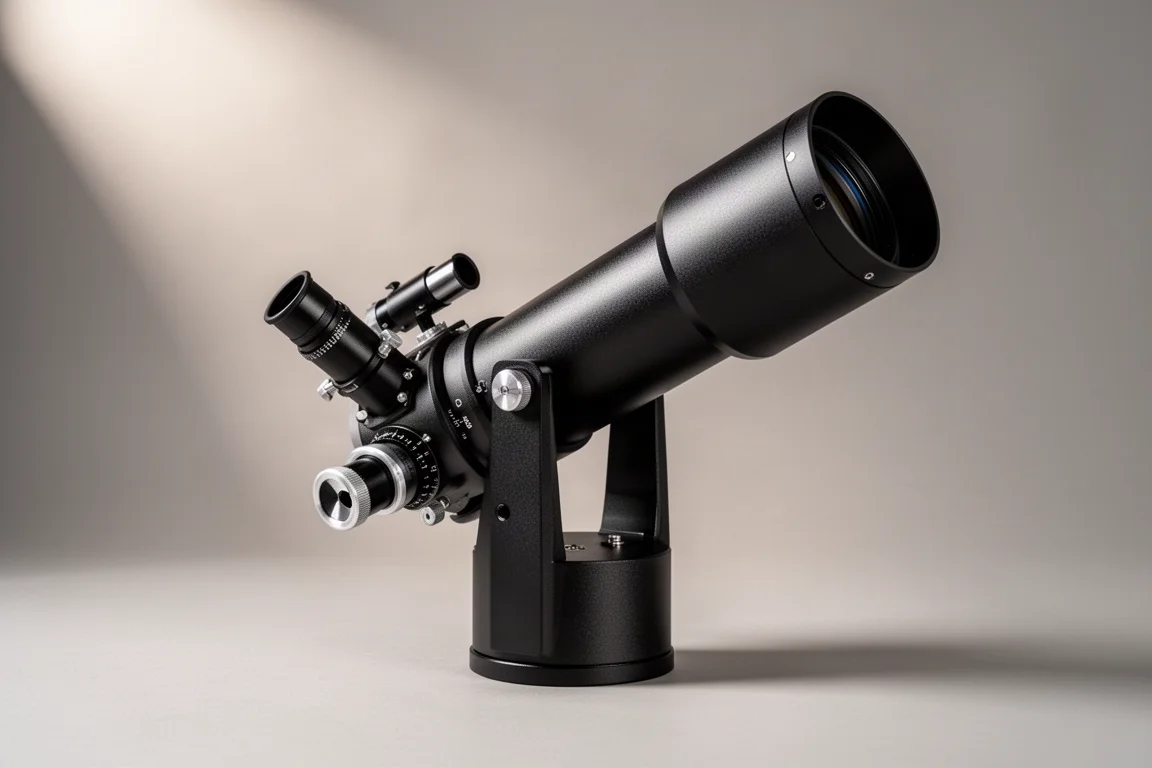
Radian Raptor
The Radian Raptor costs about $999 and includes a built-in field flattener with a nicer focuser, which removes one accessory from your shopping list. If you want the simplest optical path, it is the more convenient option.
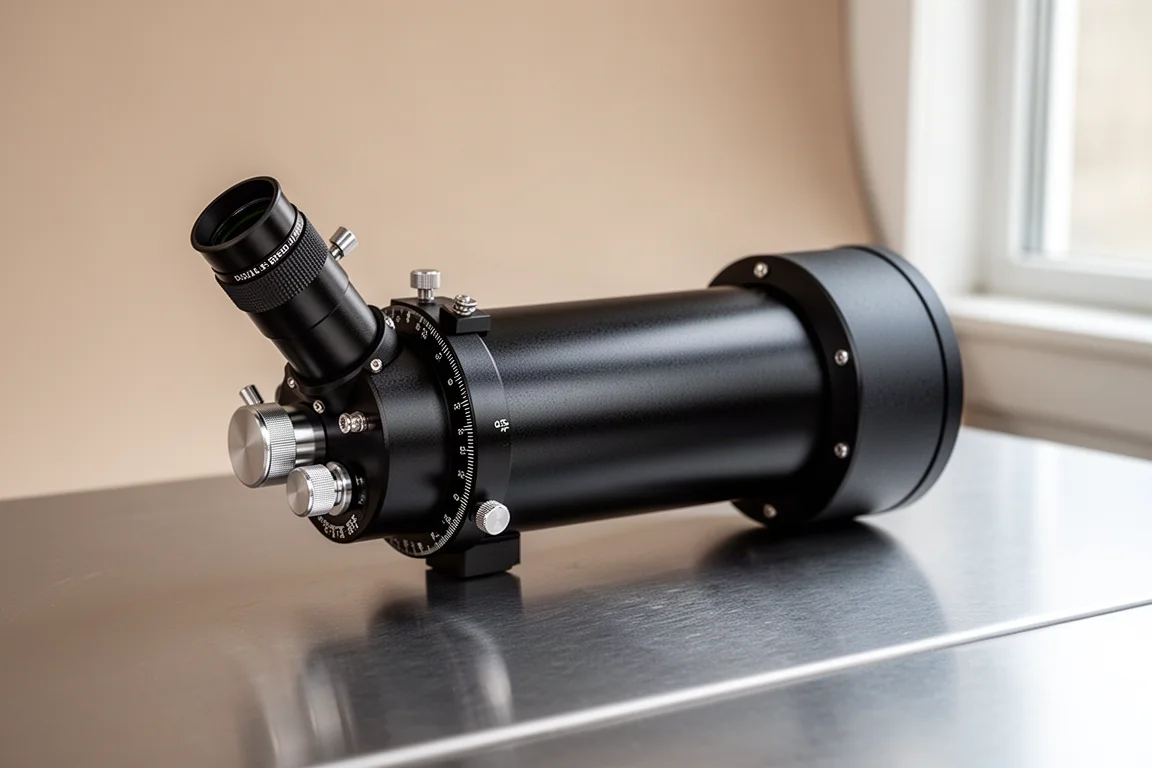
Explore Scientific 102 Triplet
The Explore Scientific 102 Triplet is a step up in aperture and a proven deep sky refractor, used here with a field flattener and focal reducer. It rewards you with sharper, better-corrected images, but its weight pushes you toward a heavier mount.
The Camera: ZWO ASI294 MC Pro
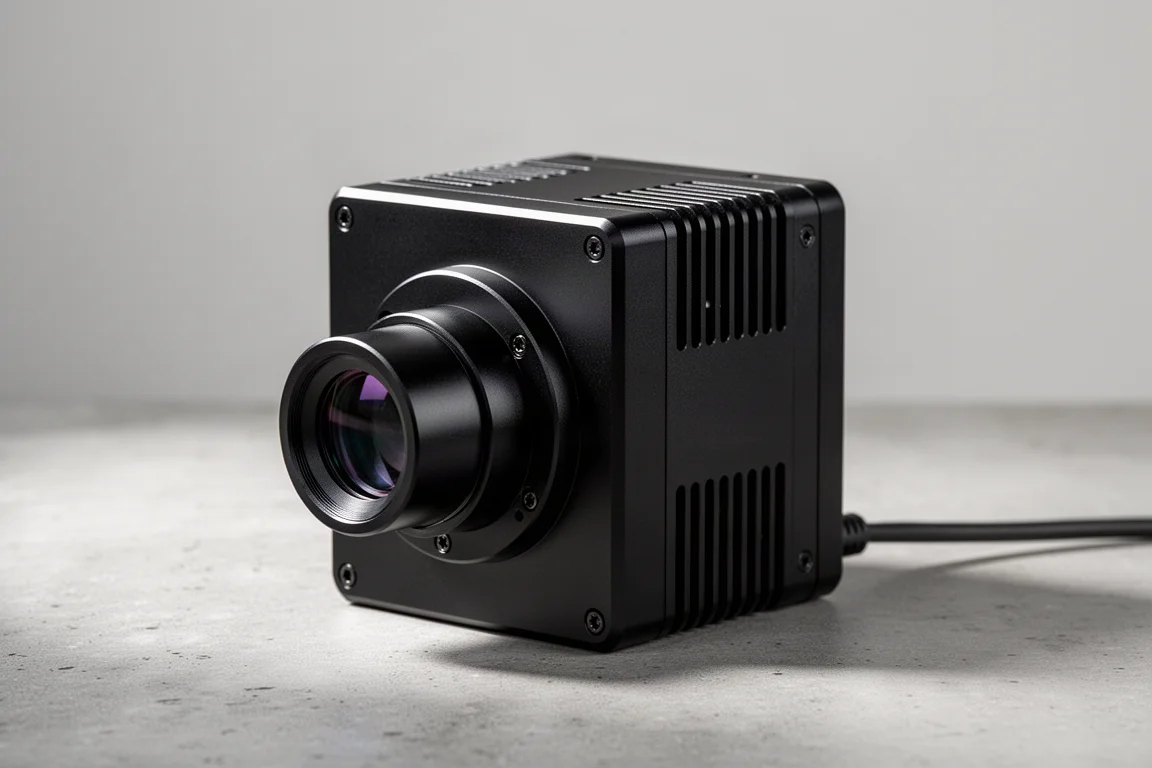
A dedicated astronomy camera is what turns long exposures from a struggle into a routine. The ZWO ASI294 MC Pro costs about $999 and captures a wider range of wavelengths than a typical DSLR, which makes a visible difference on nebulae when paired with a light pollution filter. Alongside it, a flat panel box for taking calibration flats is a small addition that pays off in every image.
Guiding: ZWO ASI120MM Mini
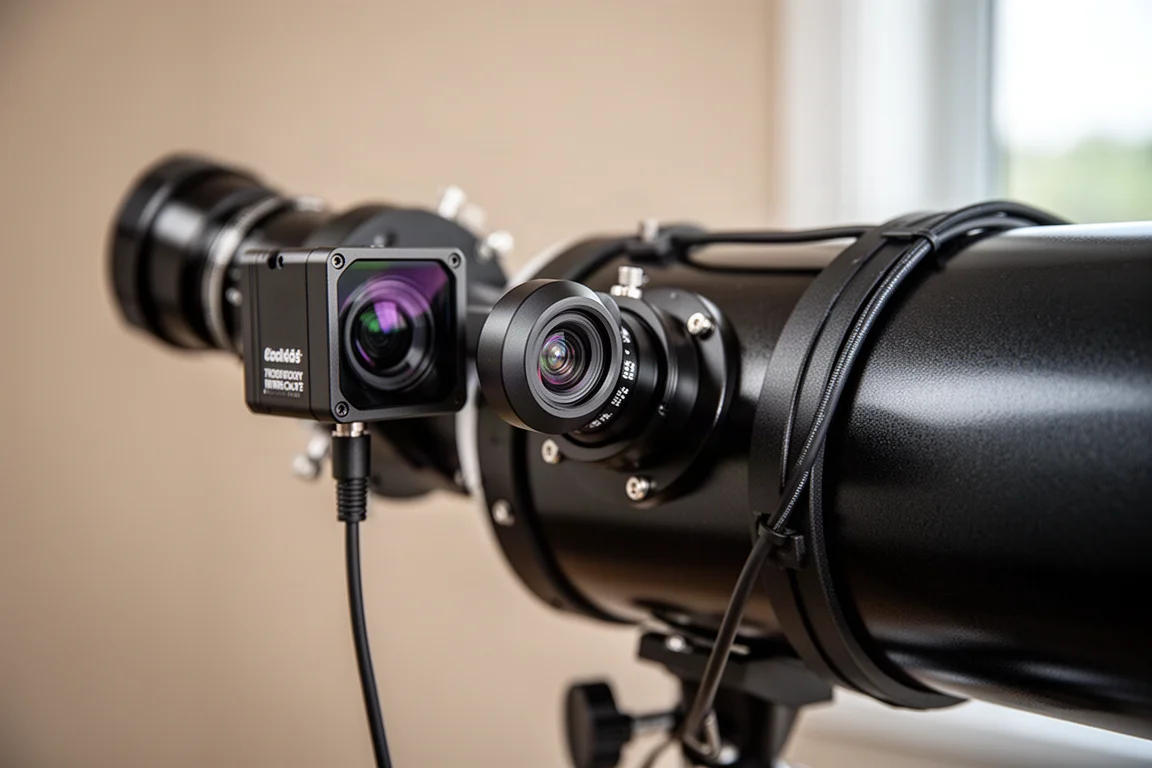
Long exposures only work if the mount tracks precisely, and a guide scope plus guide camera handle that job. A 50 to 60 millimeter guide scope of any brand, around $200, paired with the ZWO ASI120MM Mini at about $149, is a proven combination for this class of setup.
The Mount: Sky-Watcher AZ-GTi
The surprising centerpiece of this kit is a travel mount. The Sky-Watcher AZ-GTi costs about $400 and, with a few modifications, carries the small refractor in equatorial mode. You need the Sky-Watcher Star Adventure equatorial wedge base at about $65, an extra M8 bolt for about $2, a counterweight bar with a recommended 1 kg counterweight at about $17.99, and an M8 to M12 adapter for around $10. It may also work with other star trackers, though that is worth testing yourself.
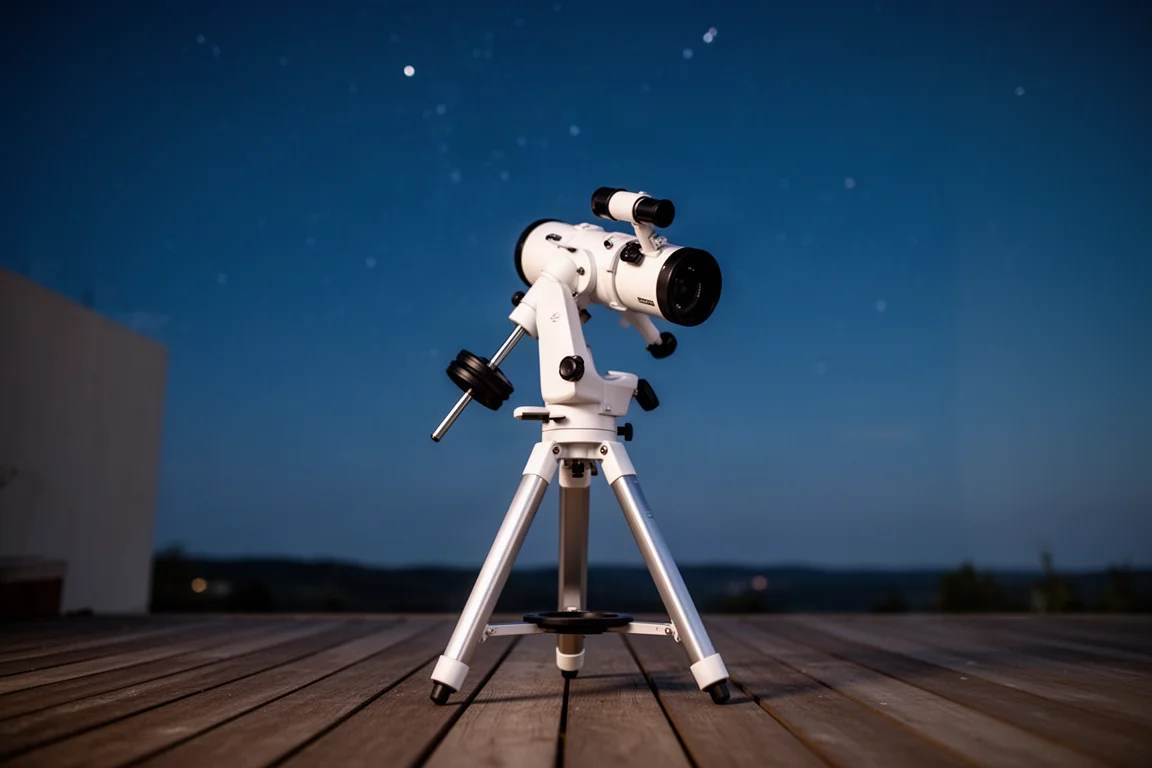
One honest caveat: using this mount in equatorial mode is still technically in beta, and you will need to install a few pieces of software to make it work. Once configured, the setup has been largely flawless.
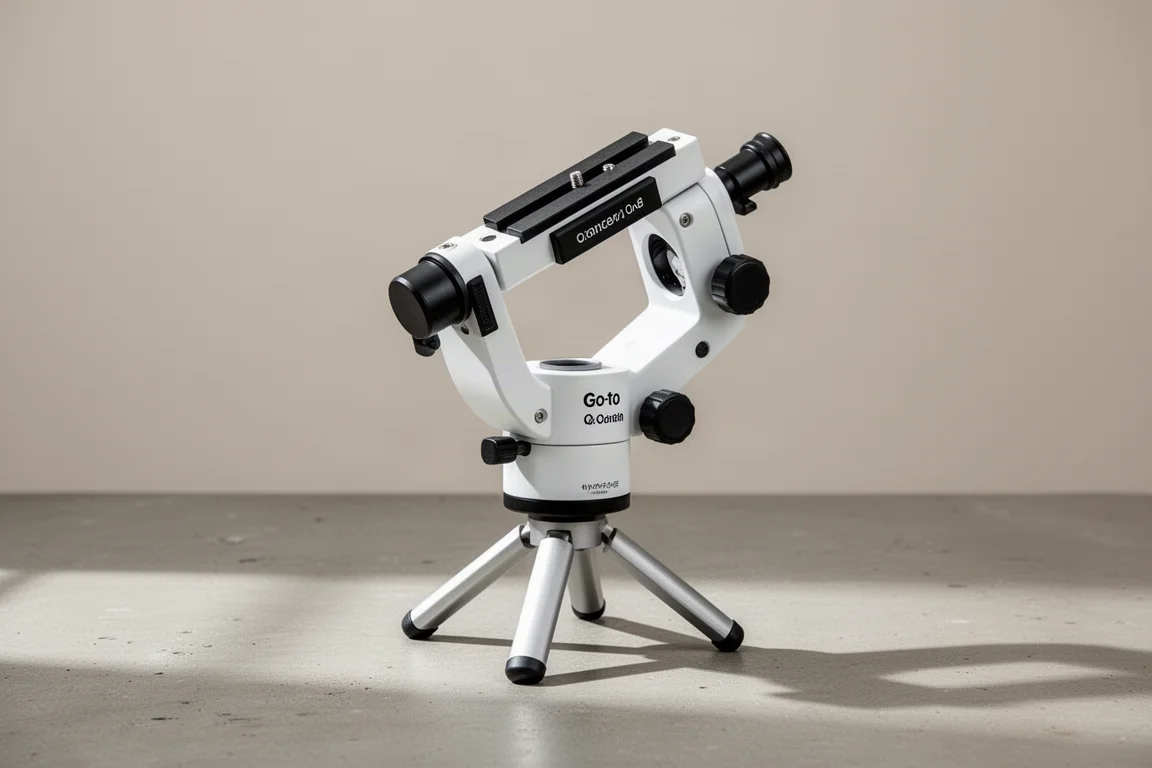
The Bigger Mounts: EQ6-R Pro and Celestron AVX
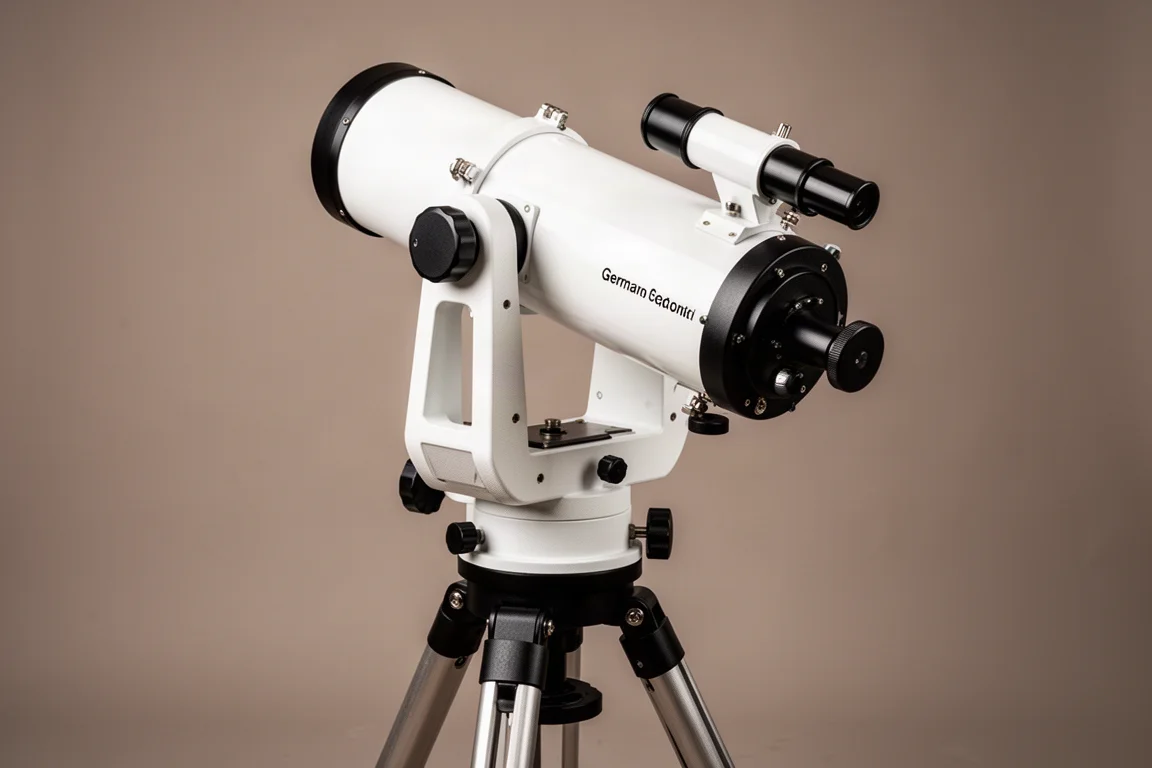
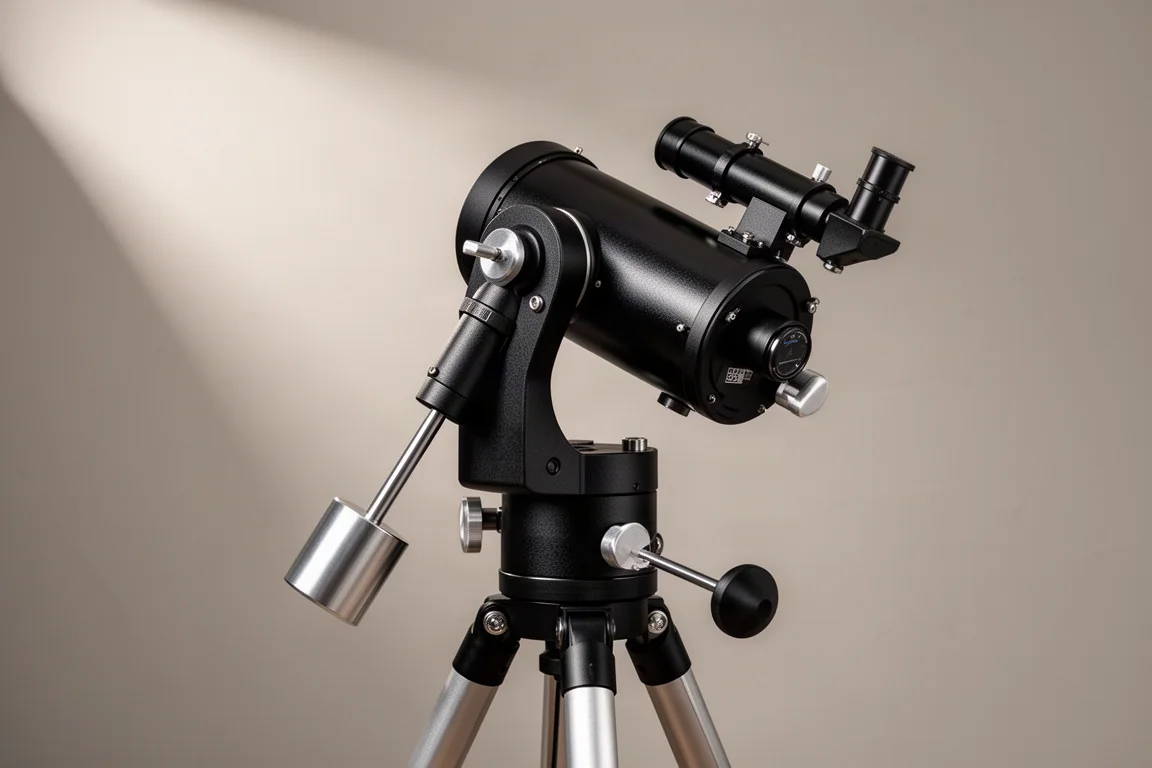
If you would rather skip the tinkering, a heavier-duty mount is the alternative. The Sky-Watcher EQ6-R Pro handled the small refractor effortlessly and also carried an 8-inch Newtonian and an older 8-inch Schmidt-Cassegrain with marginal success. The Celestron AVX is a capable equatorial mount and a common first serious mount, but it can be a little finicky for astrophotography, which is what pushed the upgrade to the EQ6-R Pro.
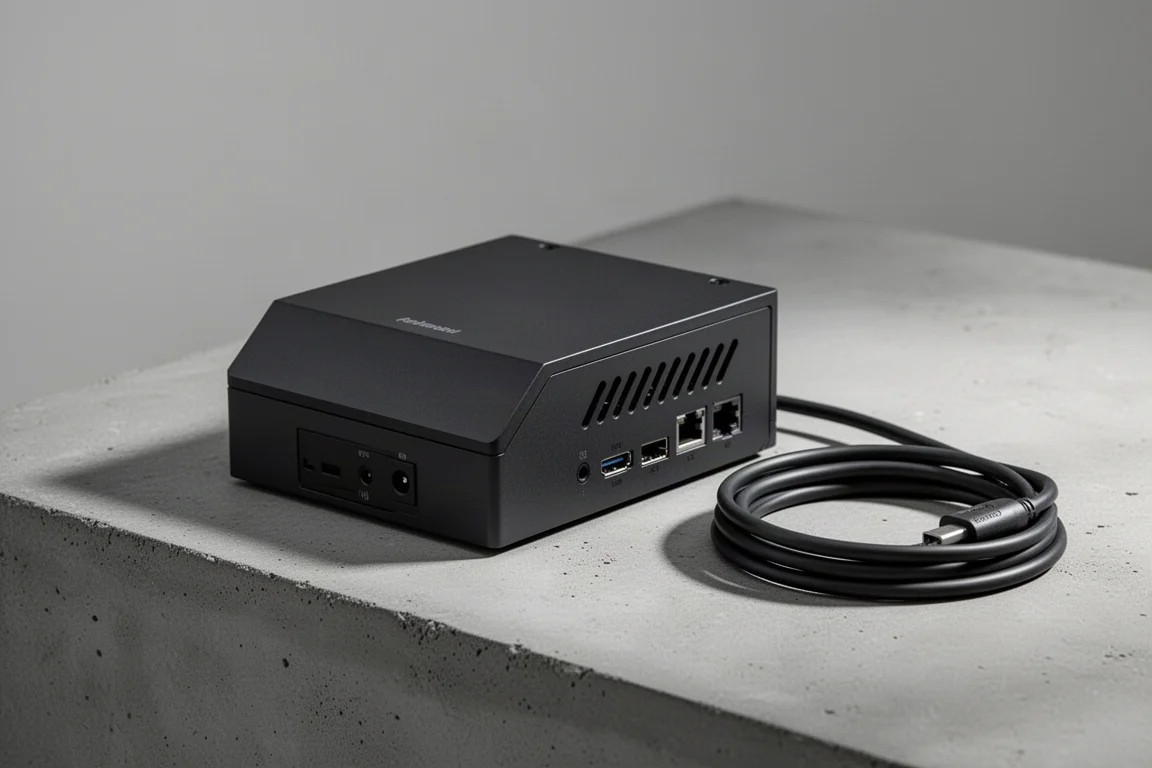
Control: ZWO ASIAir Plus
The ZWO ASIAir Plus, at about $299, is the hub that ties the camera and mount together and lets you run the whole session from a phone. Focusing on a bright star, plate-solving, polar alignment, guiding, and shooting calibration frames all happen inside one app, which removes most of the technical friction beginners face.
Power and the Full Kit Cost
Nothing in this rig runs without clean portable power, and a Celestron Power Tank at about $80 covers a full night of imaging. Add an L-Enhance light pollution filter at roughly $229 to cut through suburban skies, and the complete system comes to just over $3,000 before tax. That sounds steep, but it is on par with similar hobbies: a full-frame mirrorless camera body plus a lens, or even some premium camera bodies alone, reach the same figure.
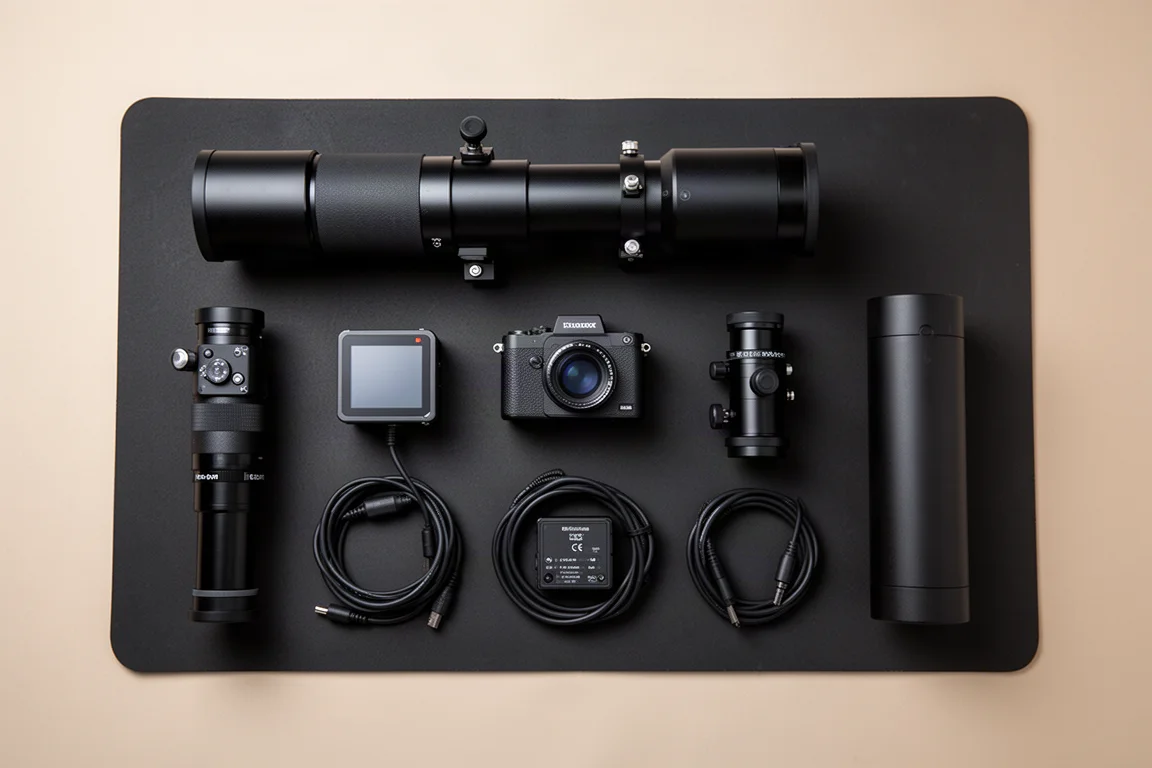
Most parts are available from telescope and photo retailers, though holiday periods and supply issues can put popular items out of stock, so patience may be part of the purchase.

Buying Advice
If budget is tight, start with the Sharpstar 61 plus flattener, the ASI294 MC Pro, the AZ-GTi with the wedge and counterweight parts, the ASI120MM Mini with a small guide scope, and the ASIAir Plus. If you value simplicity over savings, swap in the Radian Raptor for its built-in flattener. If you plan to grow into larger telescopes, put your money into the EQ6-R Pro mount instead. Above all, resist buying gear you will not actually use; a dining room full of unused equipment is the most common regret in this hobby.
Conclusion
A well-matched small refractor, dedicated camera, portable go-to mount, and a phone-based control hub form a complete deep sky rig that travels in a single box and produces genuinely impressive images. Get the pairing right, learn the polar alignment and calibration workflow, and this setup will carry you from your first nebula shots well into serious imaging.
Further reading
Related Reviews
Astrophotography
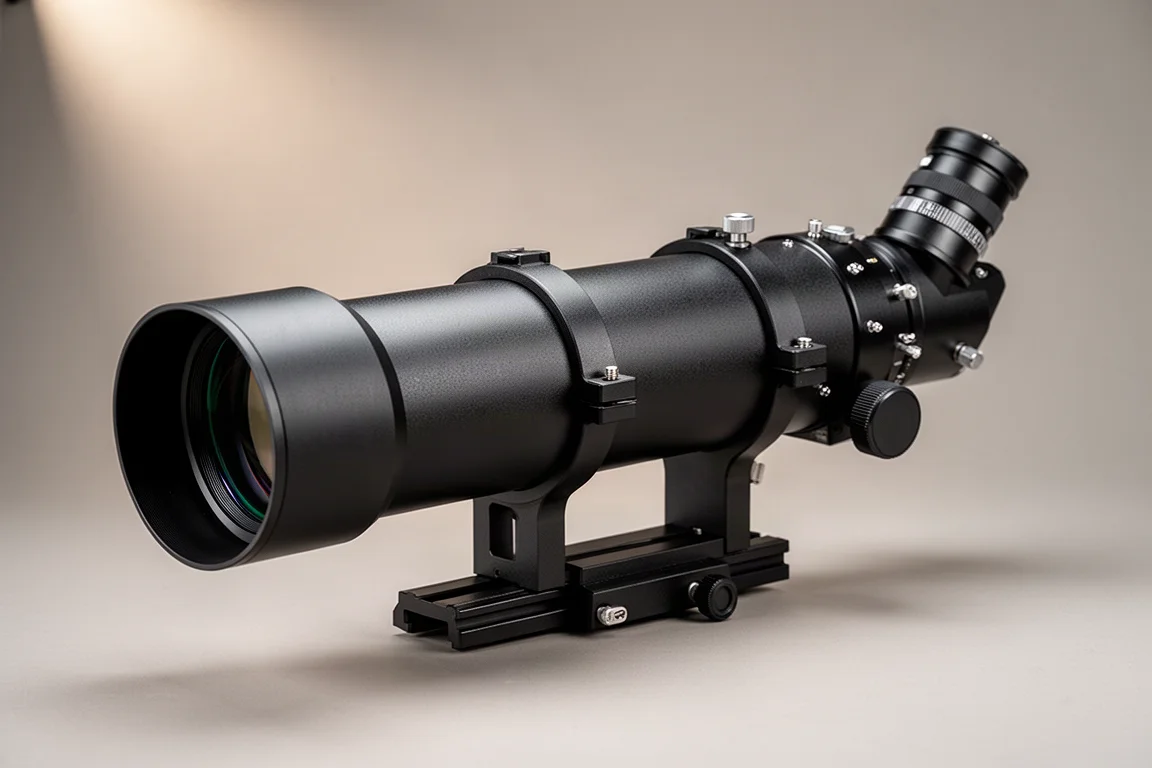
ASKAR FRA400C Review: A Versatile 400mm Refractor for Astrophotography and More
The ASKAR FRA400C is a compact 72mm refractor that balances reach, versatility, and portability for astrophotographers and visual observers.
Astrophotography
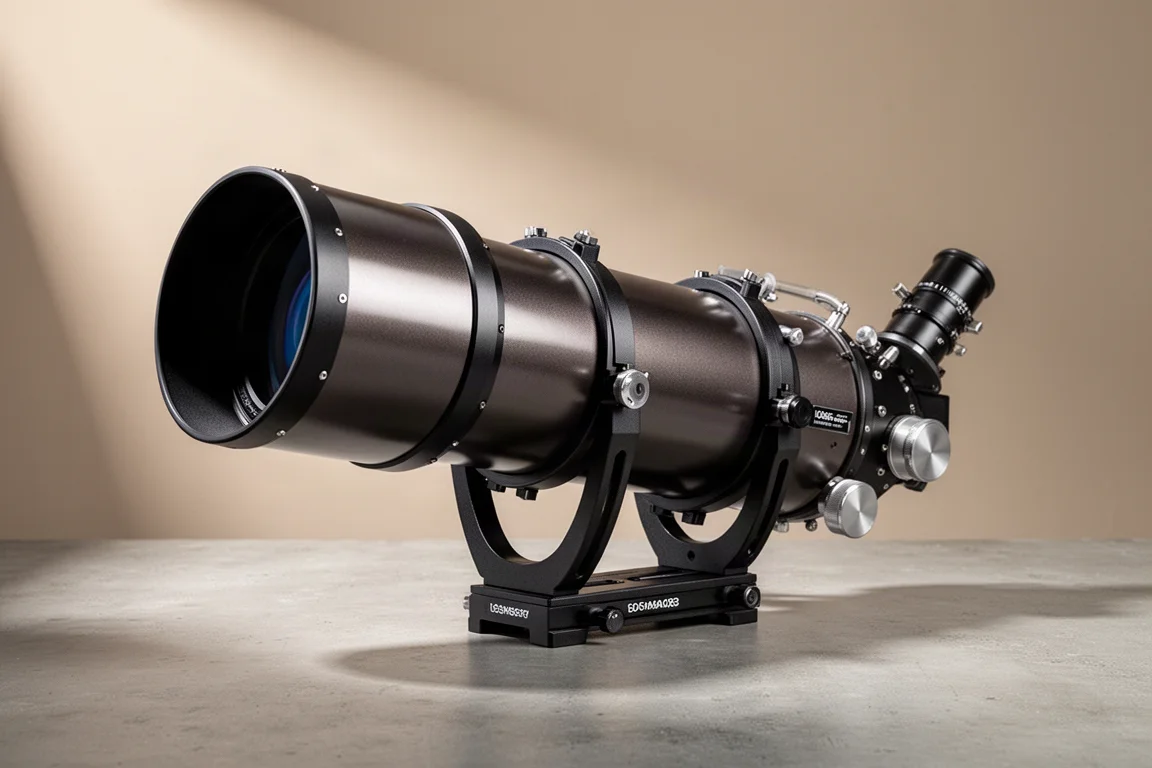
Askar SQA106 Review: A Premium 106mm Astrograph With Exceptional Optics
The Askar SQA106 is a premium 106mm quintuplet astrograph with impressive sharpness across full-frame sensors, though its price and weight demand careful consideration.
Astrophotography
Astro Imaging Gear 2026: Eight New Products Worth Watching
A look at the most interesting new astrophotography and astronomy products announced this year, from fast telescopes to smart cameras and wireless accessories.