Bear Canisters
BearVault Bear Canister Comparison: BV425, BV450, BV475 and BV500
How the four BearVault bear canisters differ in real food capacity, packability and ease of use, and which trips each one suits.
Introduction
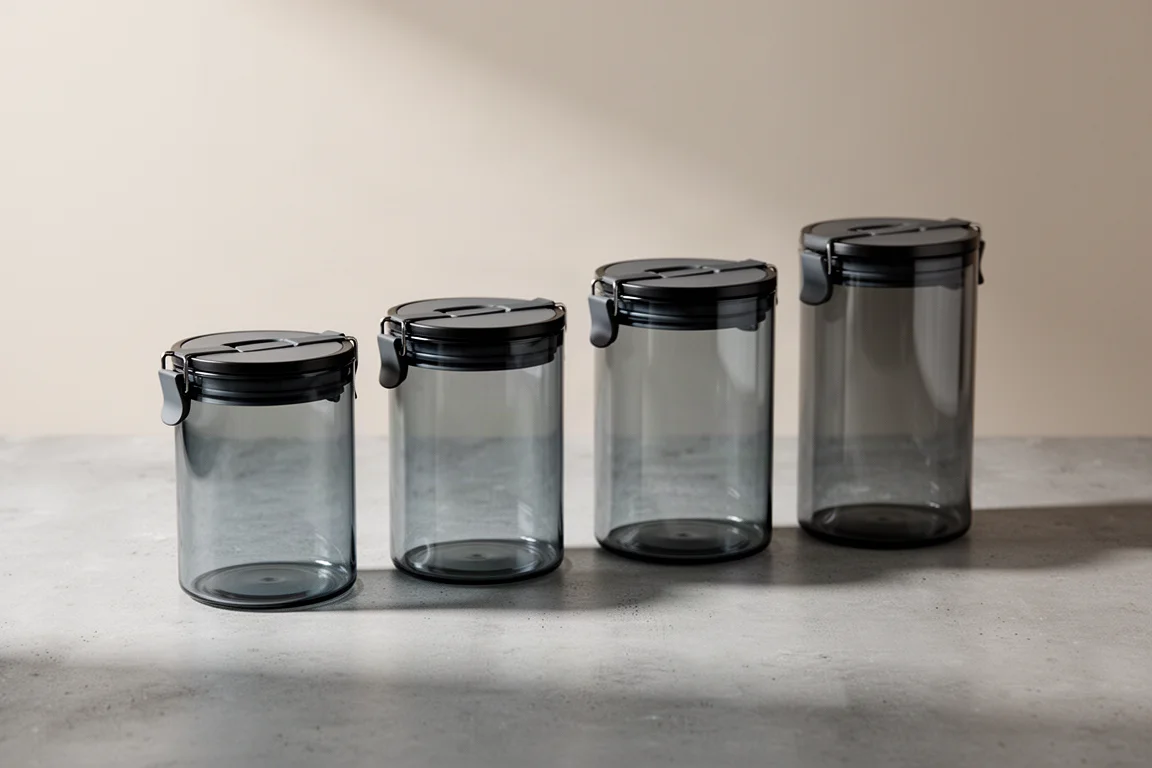
Bear canisters are one of the few pieces of backpacking gear that are both a convenience and, in many places, a requirement. BearVault builds four hard-sided models: the BV425, BV450, BV475 and BV500. The BV450 and BV500 have been the two most widely used options in the lineup for years, while the BV425 and BV475 are newer additions that fill out the smaller and mid-sized ends of the range.
All four are approved for use in national parks and park-managed areas across the United States, so you can carry them where a hard-sided canister is required without worrying about a fine.
The awkward part of shopping for one is capacity. Volume is usually listed in litres, and a litre figure does not tell you how many two-serving dehydrated meals and snack bars will actually fit inside. The more useful questions are how much real food goes in, and how much room the canister takes up in a pack.
What to Look For in a Bear Canister
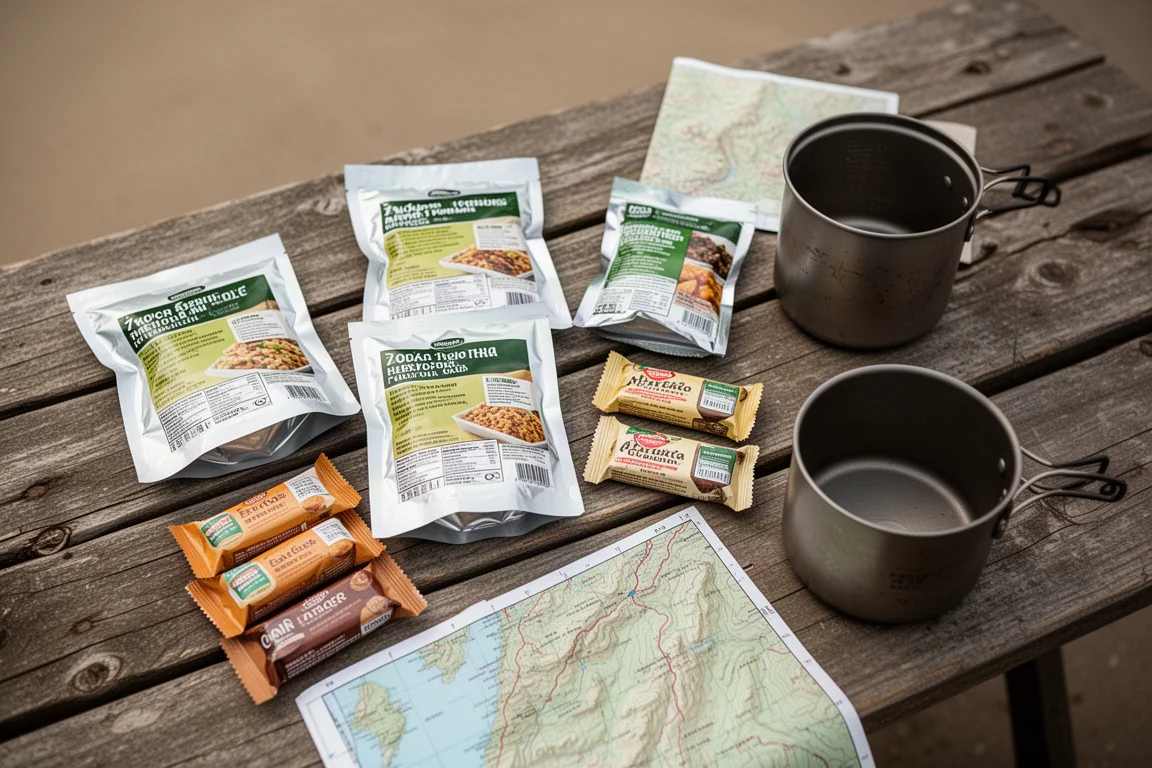
How much food it actually holds is the number that matters most. The practical measure is how many standard two-serving backpacking meals and how many snack bars you can drop in without repackaging anything. A canister that swallows a full weekend of meals in their original pouches is far easier to live with than one that forces you to decant everything at home.
Approval matters too. Hard-sided canisters are required in a growing number of national parks and park-managed areas, and all four BearVault models are approved for those areas. That takes legality off the table and leaves size and fit as the real decision.
How it carries is the next consideration. A canister is a rigid cylinder, so it occupies space in a pack in a way that soft gear does not. Smaller models slip into a compact overnight pack, while larger ones are a better match for a full-size backpacking pack.
Ease of use around camp is the last piece. A hard-sided canister needs no tree branch and no hanging line. You load it, close it, use it as a seat while you are around camp, and then move it away from your campsite at night.
One practical note before the model-by-model breakdown: you can always fit more food into any of these by emptying meals into zip-top bags and flattening the contents. Most backpackers, including regular weekenders, simply drop the pouches in as they come. This comparison assumes that simpler approach.
BearVault BV425: The Compact Option
The BV425 is the smallest canister in the BearVault range, and it is the one that changes how a canister feels to carry. It fits inside a smaller overnight pack, which makes it a realistic option for trips where a full-size canister would eat most of the available space.
It is a little heavier than a soft-sided food bag, but it is much easier to use. There is nothing to tie to a tree and nothing to hang, so camp setup is quicker. It can double as a seat while you are around camp, and at night you simply move it away from your sleeping area.
For shorter trips of one or two nights, the BV425 covers the food you need without the bulk of a larger canister. It is approved for national parks and park-managed areas, so it works wherever a hard-sided canister is required.
BearVault BV450: The Long-Standing Standard
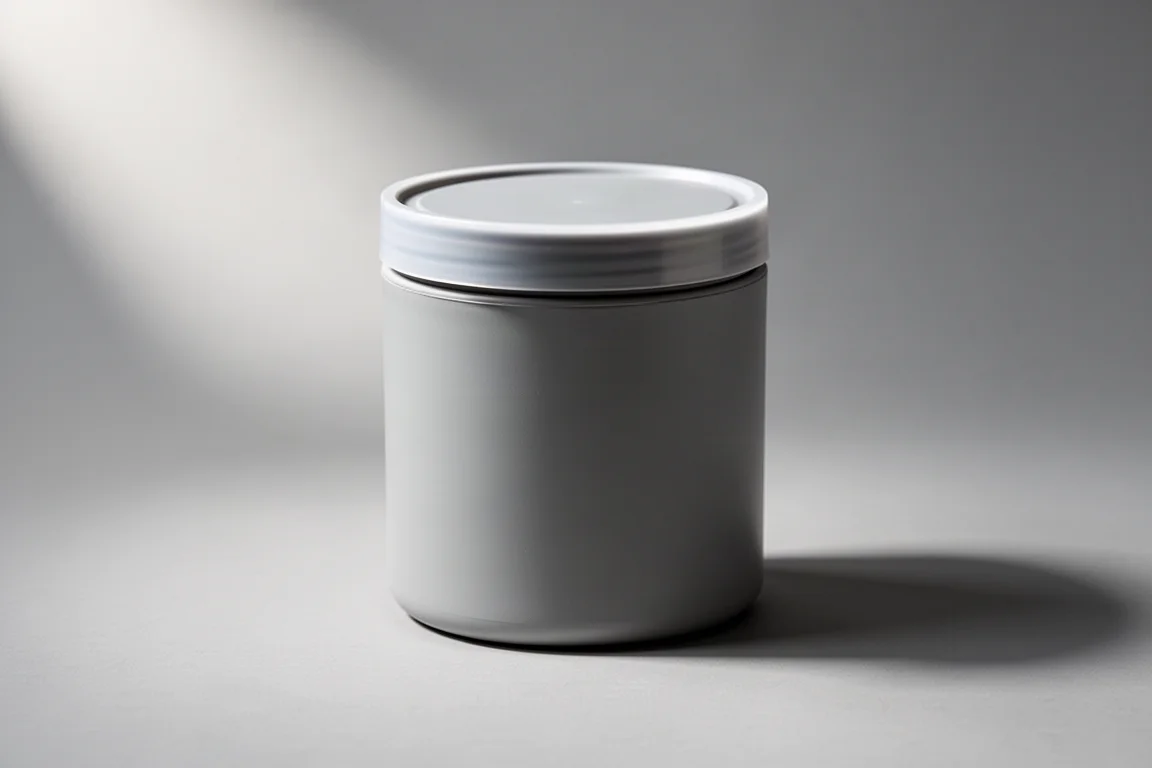
The BV450 has been the default hard-sided canister for a lot of backpackers for years. It is one of the two most popular BearVault models and sits in the middle of the range: more food capacity than the BV425, in a body that still fits comfortably in a standard backpacking pack.
If your trips run longer than a single night but you do not want to carry the largest canister available, the BV450 is the natural middle ground. It takes two-serving meals and snack bars in their original packaging, and it needs no special handling at camp beyond closing it and storing it away from where you sleep.
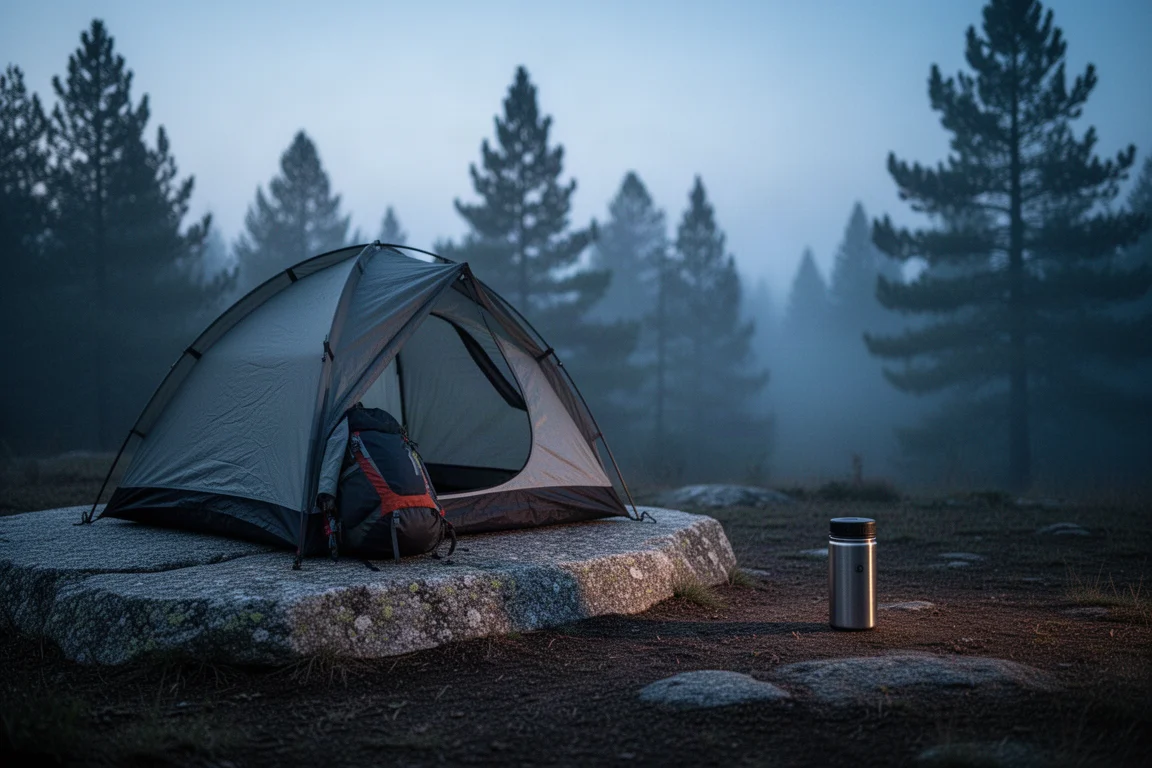
The trade-off is weight. A hard-sided canister is heavier than a soft-sided food bag, and that difference is the price of not hunting for a tree branch or a suitable rock every evening. For backpackers who would rather skip the hanging routine altogether, the BV450 remains a straightforward answer.
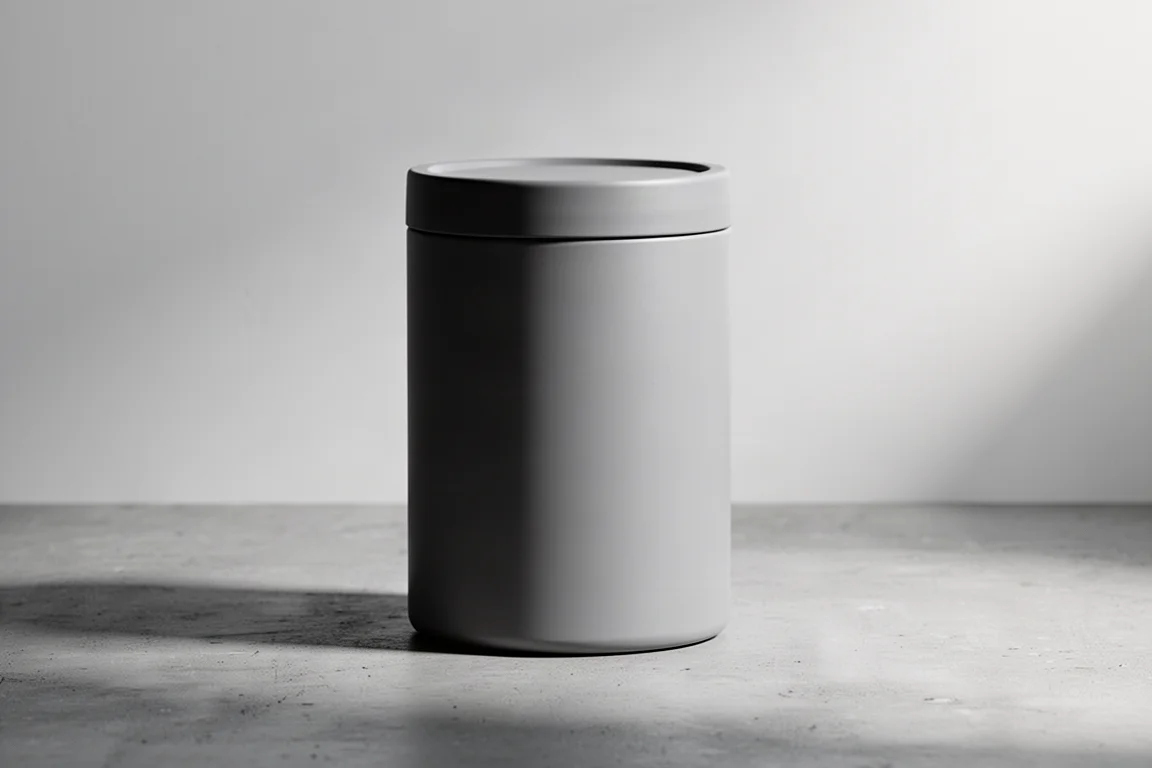
BearVault BV475: More Room, Same Approach
The BV475 is one of the two newer additions to the lineup, and it slots in between the BV450 and the BV500. It uses the same hard-sided approach as the rest of the range: load it, latch it, and leave it away from your campsite overnight.
The extra room over the BV450 matters when you are packing more meals or bulkier snacks. If you have found that a mid-sized canister runs out of space on longer trips, the BV475 gives you more capacity without stepping all the way up to the largest model. It is approved for national parks and park-managed areas, as are the other three models.
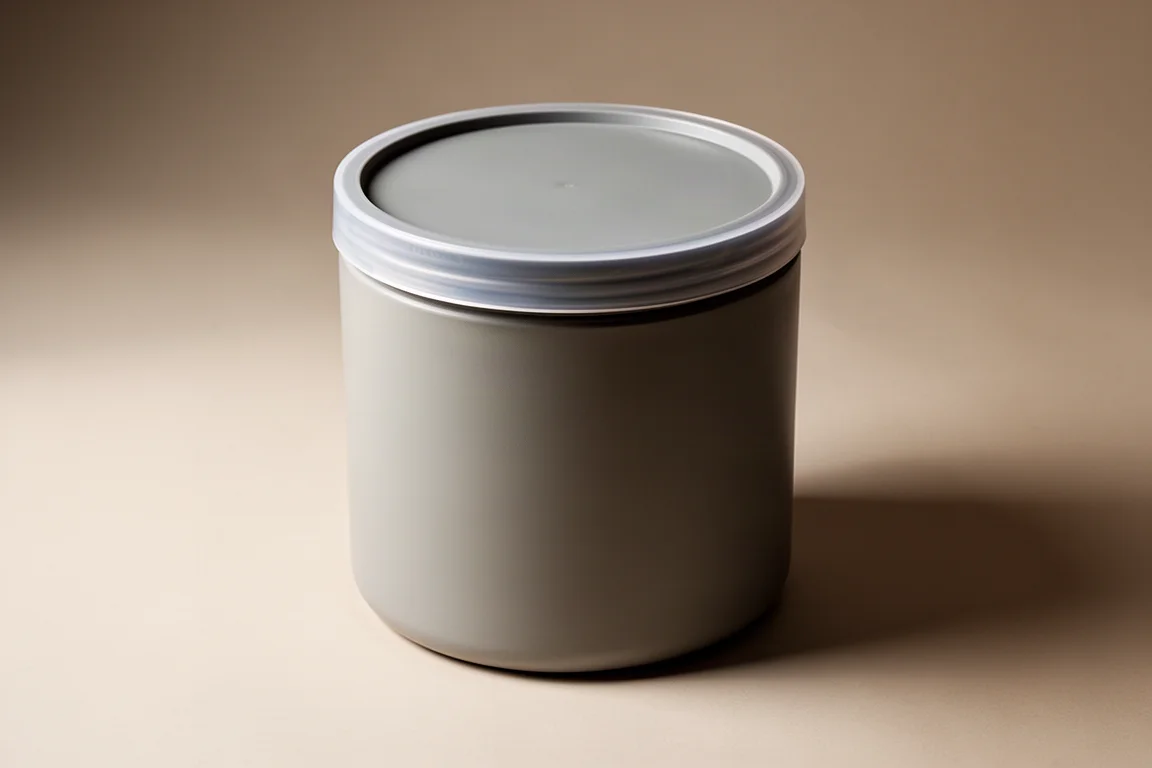
BearVault BV500: The Largest Capacity
The BV500 is the biggest canister in the BearVault range and, alongside the BV450, one of the two most widely used models. It is built for trips where food volume is the limiting factor and you would rather carry a larger canister than plan around a smaller one.
The extra capacity comes with extra bulk in your pack. The BV500 is a better match for a full-size backpacking pack than for a compact overnight pack, so it makes the most sense when you are already carrying a larger load.
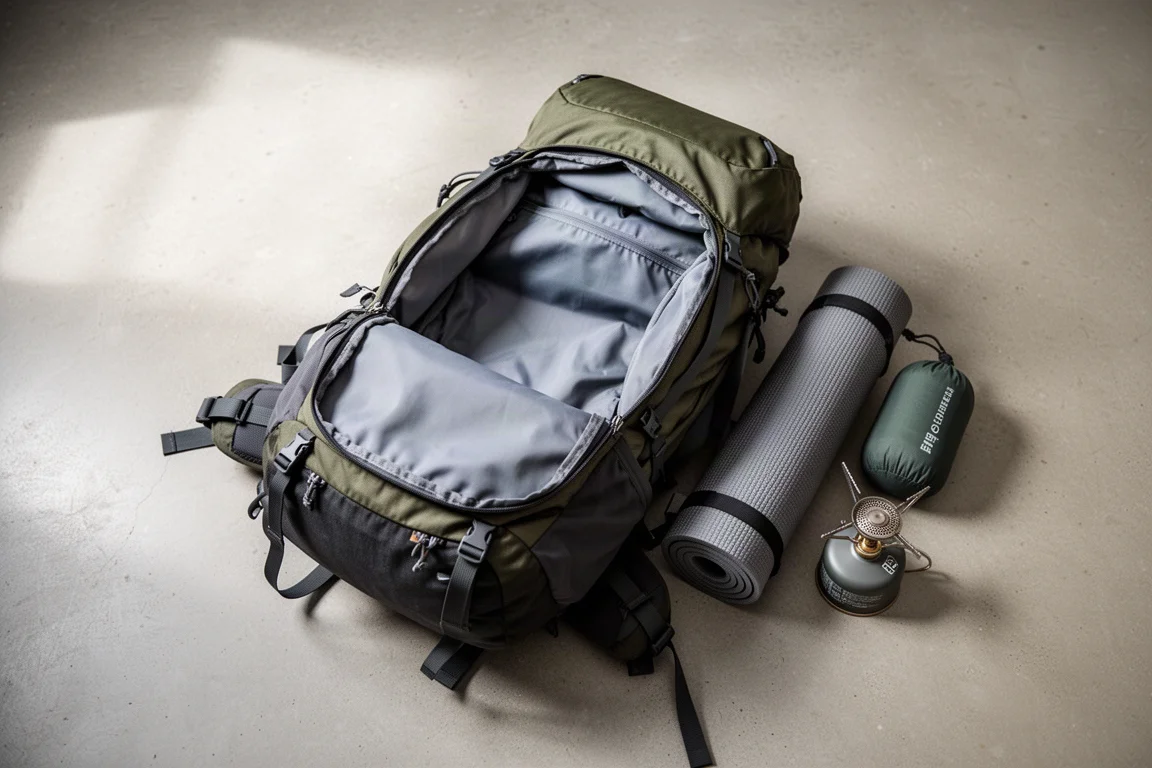
Like the rest of the range, it is approved for use in national parks and park-managed areas. If you regularly pack several days of two-serving meals, this is the model that keeps everything in one place.
Packing and Carrying a Bear Canister
A bear canister is a rigid cylinder, so how it packs matters almost as much as how much it holds. The BV425 is small enough to fit inside a compact 30-litre overnight pack, which makes it a practical choice for quick trips. The larger models take up a meaningful share of a pack’s main compartment and are easier to manage in a full-size backpacking pack, where they can sit vertically against your back or horizontally across the base.
Whichever model you choose, packing the canister first and building the rest of your load around it is easier than squeezing it into a pack that is already full. Keeping food in its original pouches uses more space than repackaging, but it also means less preparation at home and less mess on the trail.
Buying Advice
Choose based on the length of your typical trip and the size of your pack, not on the largest capacity you can find. The BV425 suits short overnights and smaller packs, and it makes the lightest demand on space. The BV450 is the middle ground that has worked for years for a reason: enough room for most trips without the bulk of the biggest canister. The BV475 adds capacity for backpackers who keep running out of room in the mid-sized model. The BV500 is for longer trips and larger packs, where carrying the biggest canister is a fair trade for not worrying about food volume.
All four are approved for national parks and park-managed areas in the United States, so the decision is about fit and capacity rather than where you are allowed to use them.
If you are replacing a soft-sided food bag, expect a weight penalty and a simpler evening routine in return. If you are replacing an older hard-sided canister, the main question is whether your current model has ever felt too small or too bulky. That answer usually points to one model in the range.
Conclusion
BearVault’s four canisters cover the full span of hard-sided food storage, from the compact BV425 for one or two night trips up to the BV500 for longer outings with a full-size pack. All four are approved for national parks and park-managed areas, so the decision comes down to how much food you need to carry and how much room you are willing to give up in your pack.
For shorter overnight trips, the BV425 is the model that fits easily and keeps camp setup simple. For everything else, the BV450, BV475 and BV500 scale up in capacity so you can match the canister to the trip rather than the other way around.
Further reading
Related Reviews

Backpacking Gear
Building a 10 lb Base Weight: An Ultralight Backpacking Gear List
A practical walkthrough of the ultralight pieces behind a 10 lb base weight, from a 765 g pack and a roomy one-person tent to a full camp chair and a dependable water filter.

Road Bikes
10 New Road Bikes Worth Watching: Aero, Titanium, Steel and Endurance Standouts
A practical roundup of 10 new road bikes, from aero flagships chasing single-watt gains to titanium, steel and endurance platforms built for real roads.
Bikepacking Gear
11 Bikepacking Essentials for Long-Distance Cycling
Eleven bikepacking essentials for long-distance cycling, from a steel gravel frame and a two-person tent to helmet lights, packable gloves, and a frame bag that puts weight in the right place.