Backpacking Gear
Bear-Resistant Food Storage: Three Options Compared
Three bear-resistant food storage options, from hard-sided canisters to a Kevlar bag, and how to decide which one belongs in your pack.
Introduction
Most hikers are working on carrying less, not more, and that instinct is usually right. It is also the reason a few genuinely important items get left at home. Food storage sits at the top of that list, because the consequences of skipping it reach well beyond a missed meal.
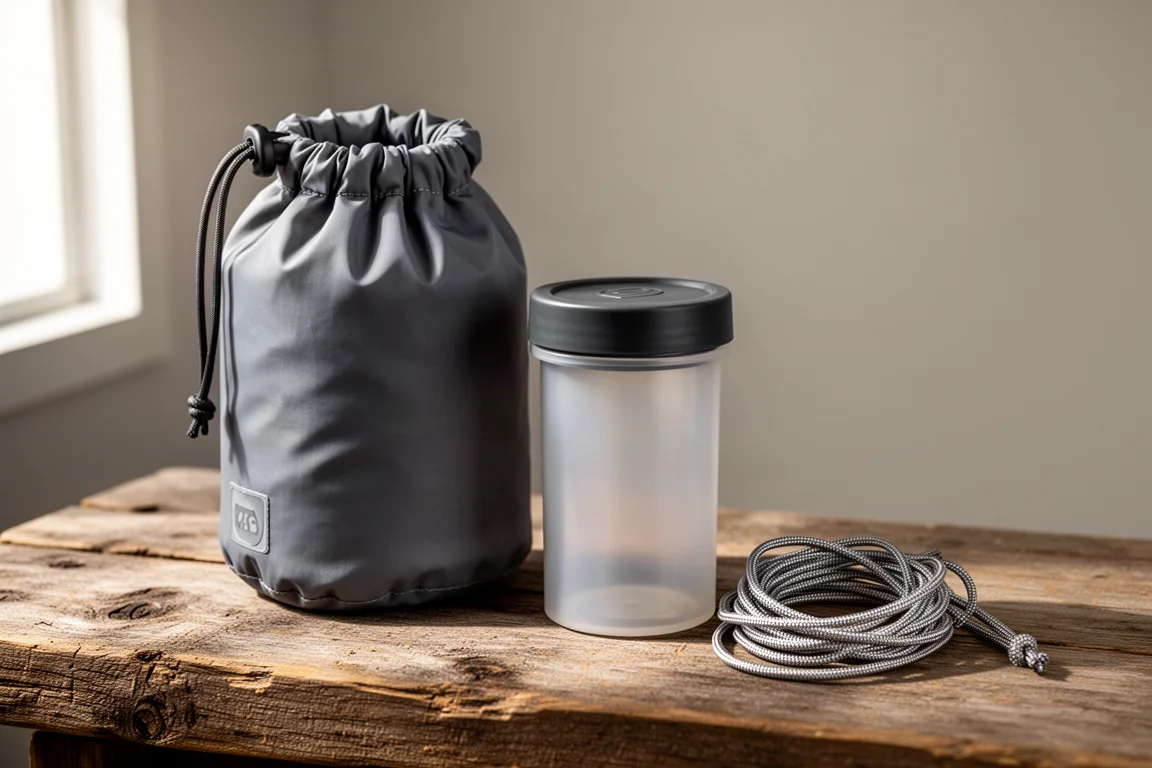
Backup water treatment, a spare pair of socks and a trowel for burying waste all belong to the same category of small, easily skipped gear. This guide focuses on the three bear-resistant food storage options that cover the realistic choices for most backpackers: the Bear Vault 450, the Backpacker’s Cache and the Ursack.
Why Bear-Resistant Food Storage Belongs in Every Pack
Food storage is the foundation of bear etiquette in the backcountry. Where that etiquette is followed, the animals stay wild. Black bears that have not become accustomed to humans remain afraid of people and can be scared away without much effort. Once a bear links campsites with easy calories, that distance disappears.
In places such as Yosemite National Park, the rules reflect that logic. A hard-sided bear canister like the Bear Vault 450 or the Backpacker’s Cache is required, even though the park does have bears. The reasoning is straightforward: with proper food storage in place, bear spray is not part of the equation.
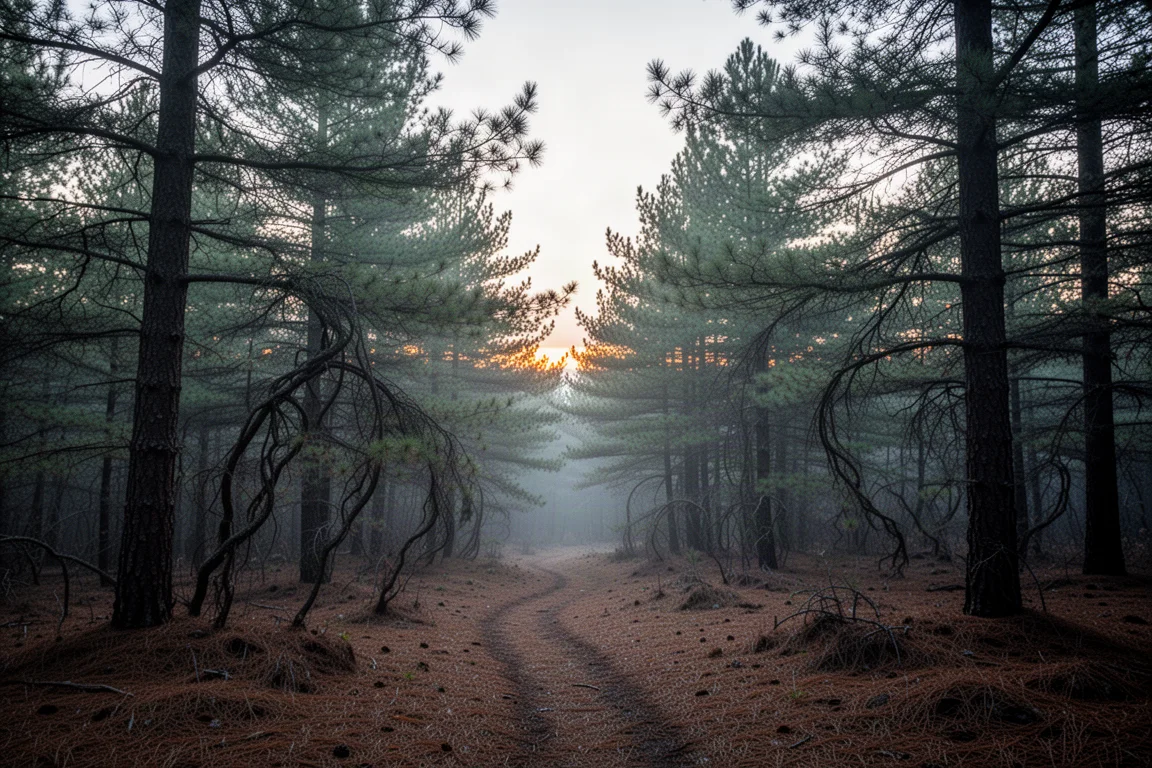
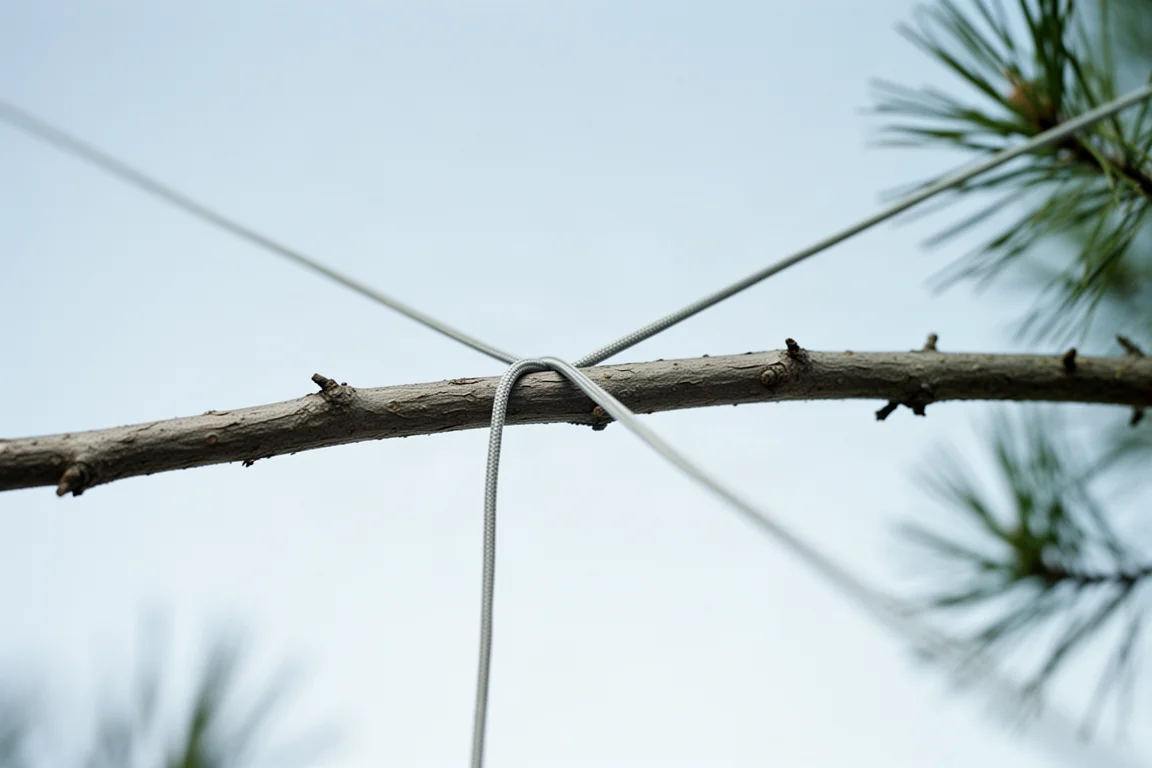
Outside of parks with canister requirements, hanging food is common practice. It works, but it depends on finding the right tree, throwing a line accurately and trusting that the hang stays out of reach all night. A canister or a bear-resistant bag removes those variables.
Whichever system you choose, the goal is the same. Your food stays yours, and the wildlife stays wild.
What to Look For in Bear-Resistant Storage
Four questions do most of the work when comparing options.
- Where you plan to hike. Regulation comes first. Some areas require a hard-sided canister, which settles the decision before anything else does.
- Hard-sided or soft. A canister holds a fixed shape and a fixed volume in your pack. A bear-resistant bag is flexible and conforms to the space you have left.
- Proven resistance. The Ursack is a Kevlar bag that has been shown to be adequately bear resistant. The Bear Vault 450 and the Backpacker’s Cache are the canister models named as satisfying canister requirements in places such as Yosemite.
- What you will actually carry. The best system is the one that goes on every trip rather than the one that stays in the car.
Bear Vault 450: The Hard-Sided Standard
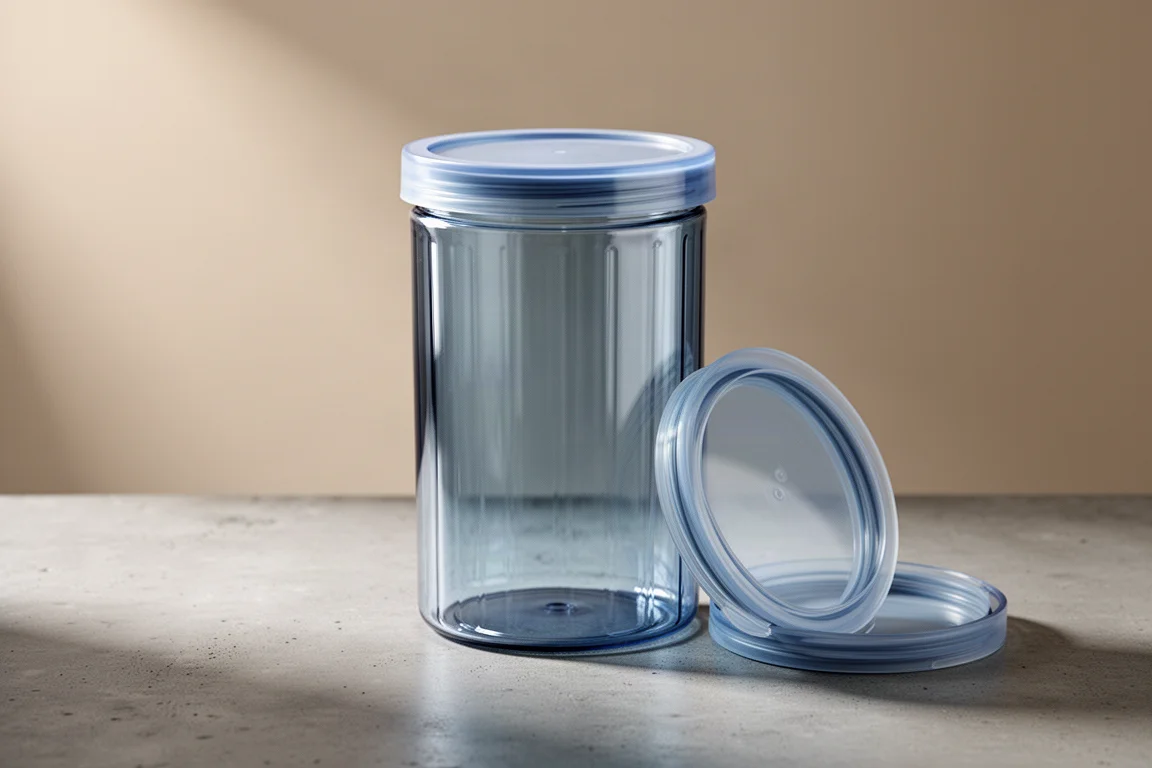
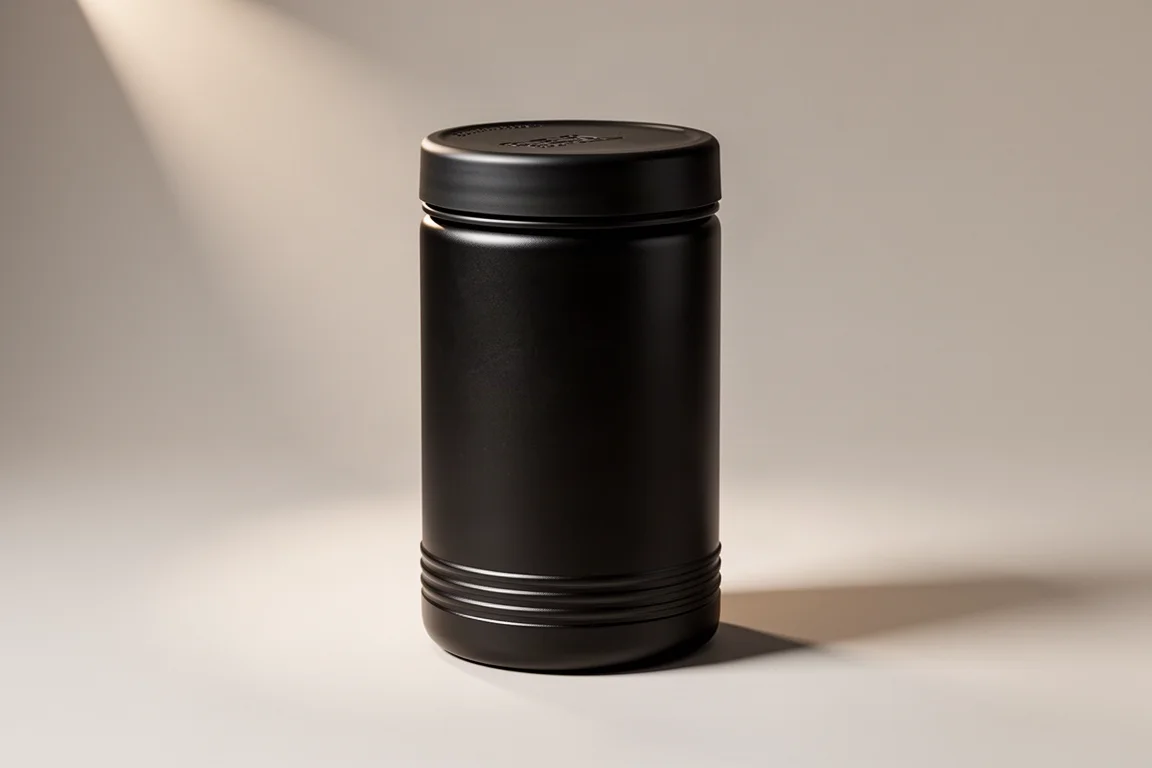
The Bear Vault 450 is one of the two canisters named as meeting the storage requirement in places like Yosemite National Park. It is a hard-sided design, which is exactly what those rules are built around: a rigid container that keeps food sealed and separated from everything else in your pack.
Parks require a canister because that is the storage method their bear etiquette rules are written for. The Bear Vault 450 satisfies that requirement, which makes it the straightforward answer for trips into Yosemite and similar areas.
If your plans include a park with a canister requirement, this is the category to buy from. The choice between models then comes down to how the container fits the way you pack and how much room you are willing to give up. Where a canister is required, a soft bag will not take its place.
Backpacker’s Cache: A Familiar Backcountry Companion
The Backpacker’s Cache is the other canister named alongside the Bear Vault 450 as an example of what parks such as Yosemite require. Like the Bear Vault 450, it is a hard-sided container, and it fills the same role: a rigid, dedicated place for everything a bear would be interested in.
Because both models meet the same requirement, the decision between them is practical rather than technical. Think about how each one loads into your pack, how much volume you are handing over, and which shape you will still be happy to carry on the fourth day of a trip.
Ursack: Bear-Resistant Protection in a Soft Package
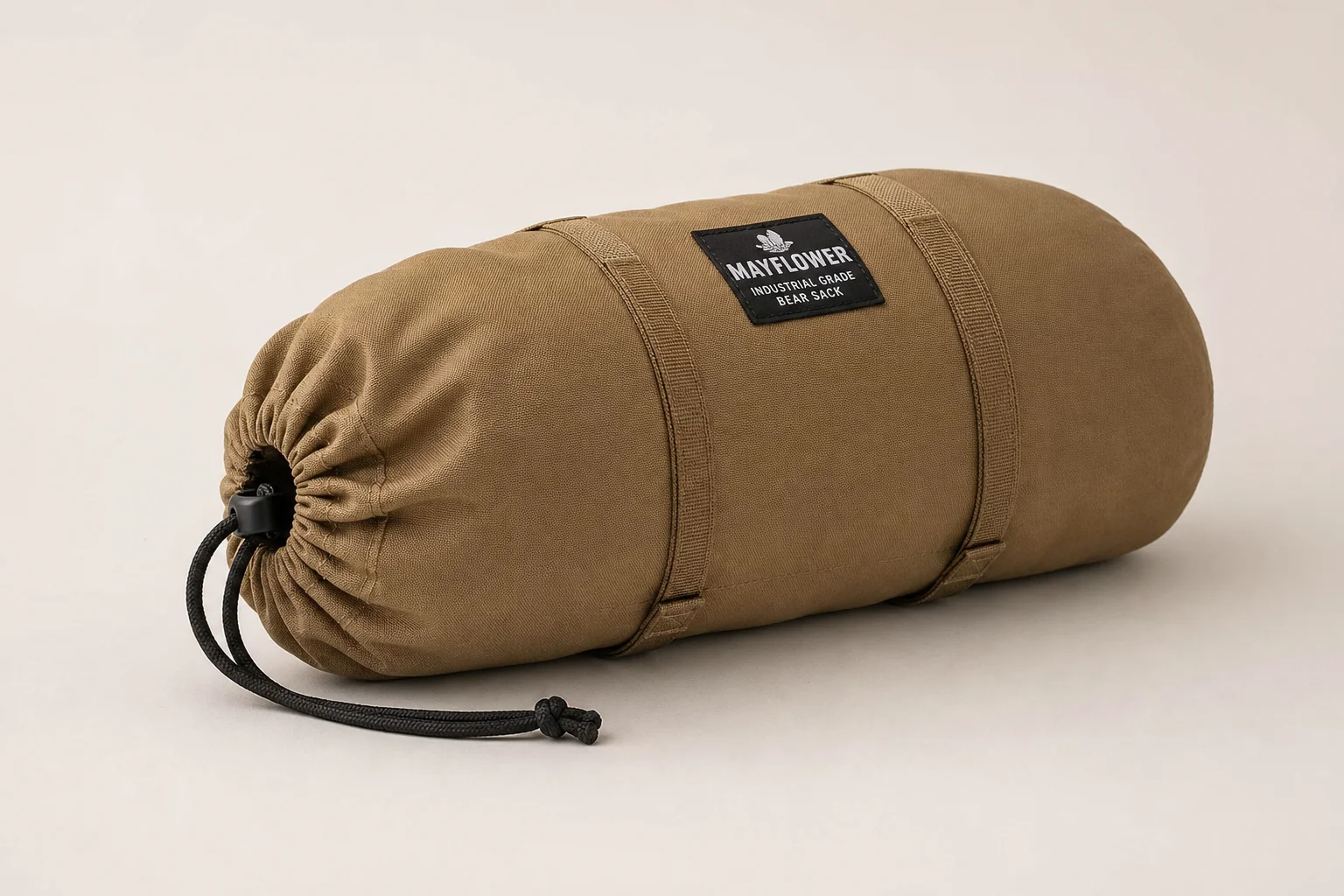
The Ursack takes a different approach. It is essentially a Kevlar bag that has been shown to be adequately bear resistant, which makes it a flexible alternative to a rigid canister.
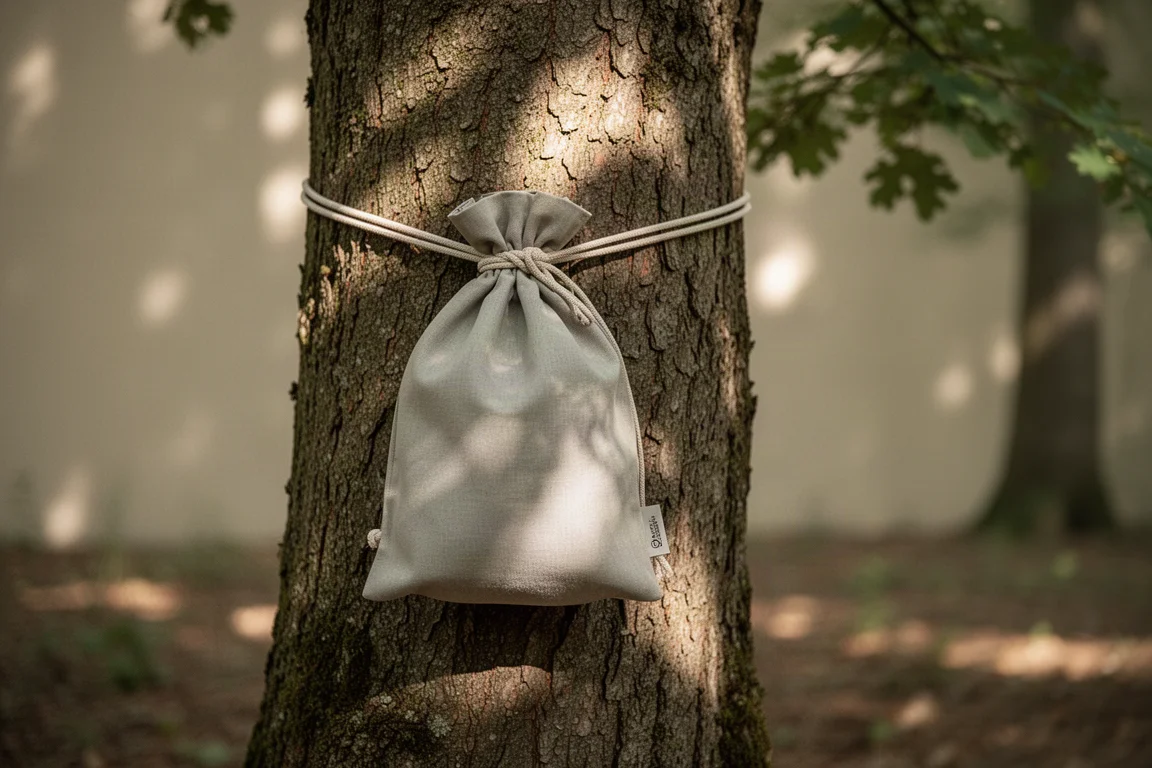
Where hanging food is the common practice, the Ursack is a practical substitute for a rope and a well-chosen branch. It removes the guesswork from the evening routine: no throw, no perfect limb, no wondering whether the line held overnight.
It is worth being clear about where it fits. In parks that require a hard-sided canister, the Ursack is not the item that satisfies the rule, so a canister still needs to come along. Outside those areas, it is a genuinely useful way to protect your food without carrying a rigid container.
If you split your trips between regulated parks and more open country, an Ursack covers the second half of that calendar well.
Which Option Fits Which Trip
Start with the regulation, then work backwards from there.
If your trip is inside a park that requires a canister, choose between the Bear Vault 450 and the Backpacker’s Cache. Both are hard-sided and both are named as meeting that requirement, so pick the one that packs best for you.
If you are hiking where hanging food is the norm, the Ursack is the option that takes the hang out of your evening routine.
If you hike in both kinds of places, owning a canister and an Ursack is not redundant. They solve the same problem under two different sets of rules.
Overall Buying Advice
Check the rules for your specific destination before you buy. A canister requirement is the one detail that can rule an option out entirely, and it is far easier to confirm in advance than to solve at a trailhead.
Whichever system you choose, the principle stays the same: protect your food. A proper food hang, a hard-sided canister or a bear-resistant bag all do the job when they are used correctly and used every night.
Treat this as one item on a short list rather than the whole list. Backup water treatment, a spare pair of socks and a trowel for burying waste are the same kind of purchase: small, easy to overlook, and genuinely missed when the situation calls for them.
Conclusion
The Bear Vault 450 and the Backpacker’s Cache are the hard-sided canisters that satisfy canister requirements in places like Yosemite. The Ursack is the Kevlar bag that covers the trips where hanging food is the norm. Match the option to the rules of the place you are hiking, and food storage stops being the gear you leave behind.
Further reading
Related Reviews

Backpacking Gear
Building a 10 lb Base Weight: An Ultralight Backpacking Gear List
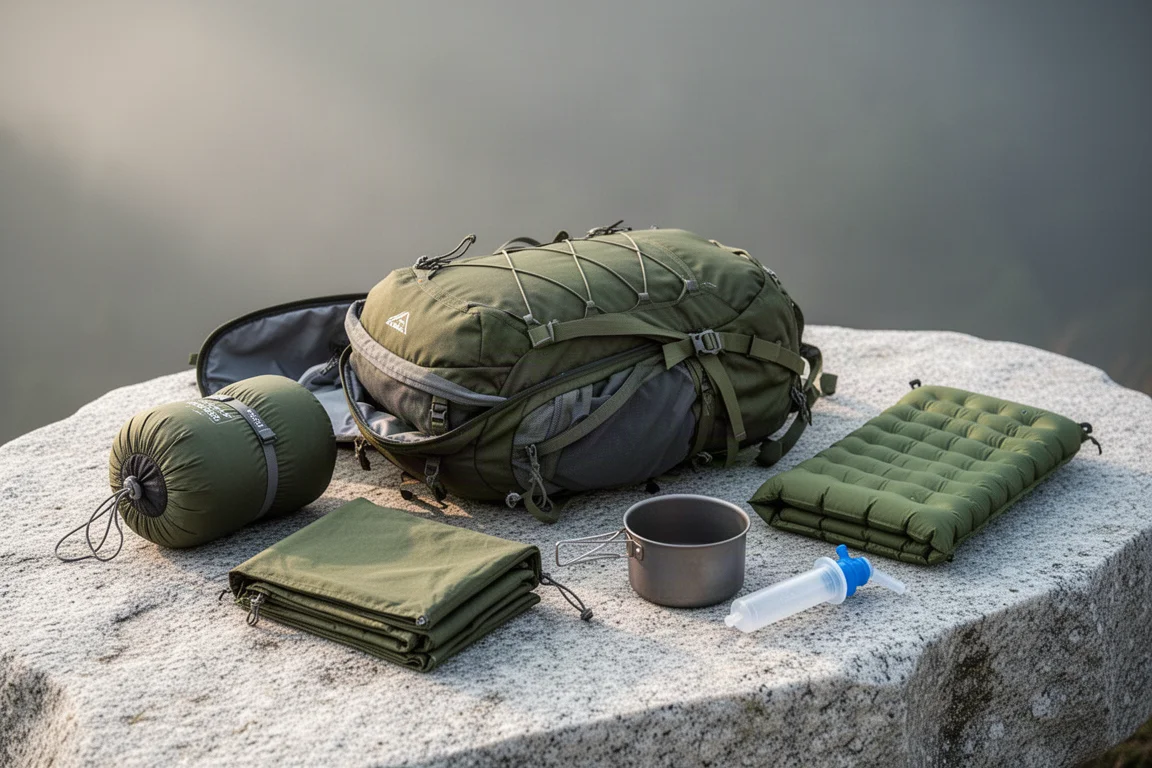
A practical walkthrough of the ultralight pieces behind a 10 lb base weight, from a 765 g pack and a roomy one-person tent to a full camp chair and a dependable water filter.
Backpacking Gear
A 15-Pound Lightweight Backpacking Gear List for Solo Trips
A beginner-friendly 15-pound backpacking setup built from easy-to-find gear, with notes on what each piece does, how it packs, and where to spend your attention.
Backpacking Gear
8 Ultralight Backpacking Gear Upgrades Worth Carrying
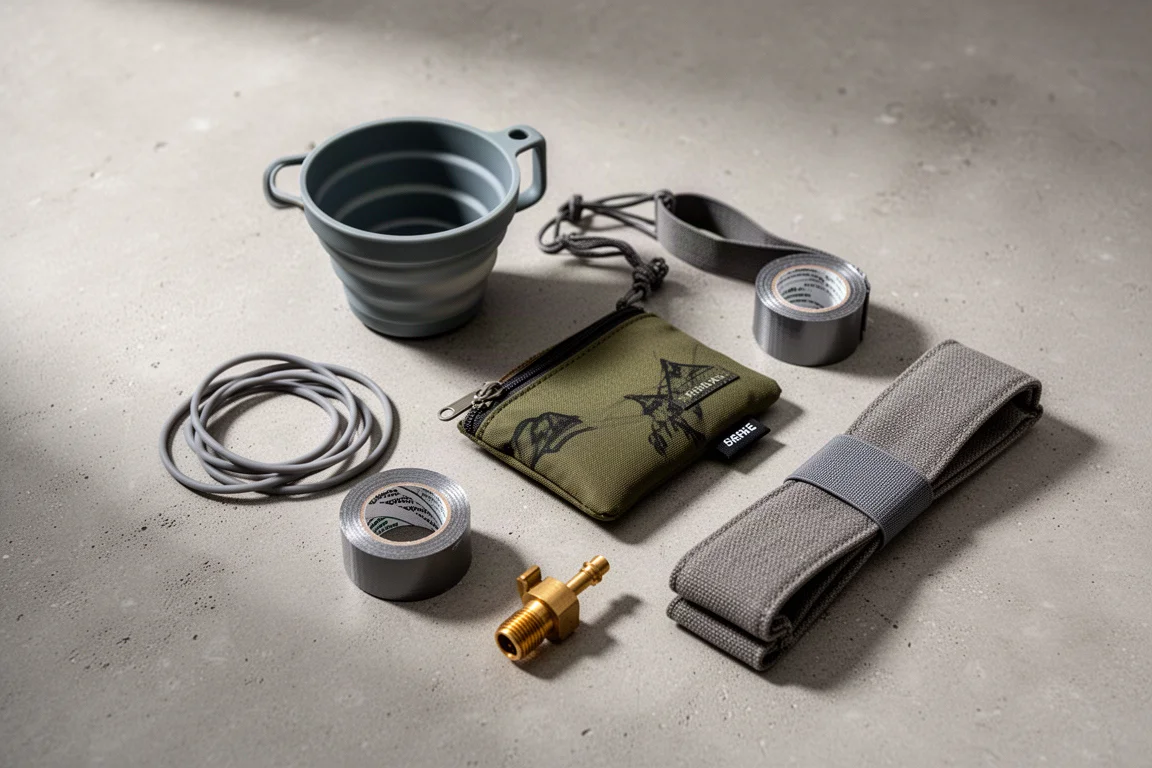
Eight small, affordable backpacking upgrades that solve real trail annoyances, from a pillow that stays put to a fuel valve that rescues leftover canister gas.