Backpacking Gear
Bear-Proof Food Storage Methods: A Complete Guide to Backpacking Food Protection
Explore seven proven methods for protecting your food from bears and smaller wildlife while backpacking, from hard-sided bear cans to specialized desert rat sacks.
Introduction
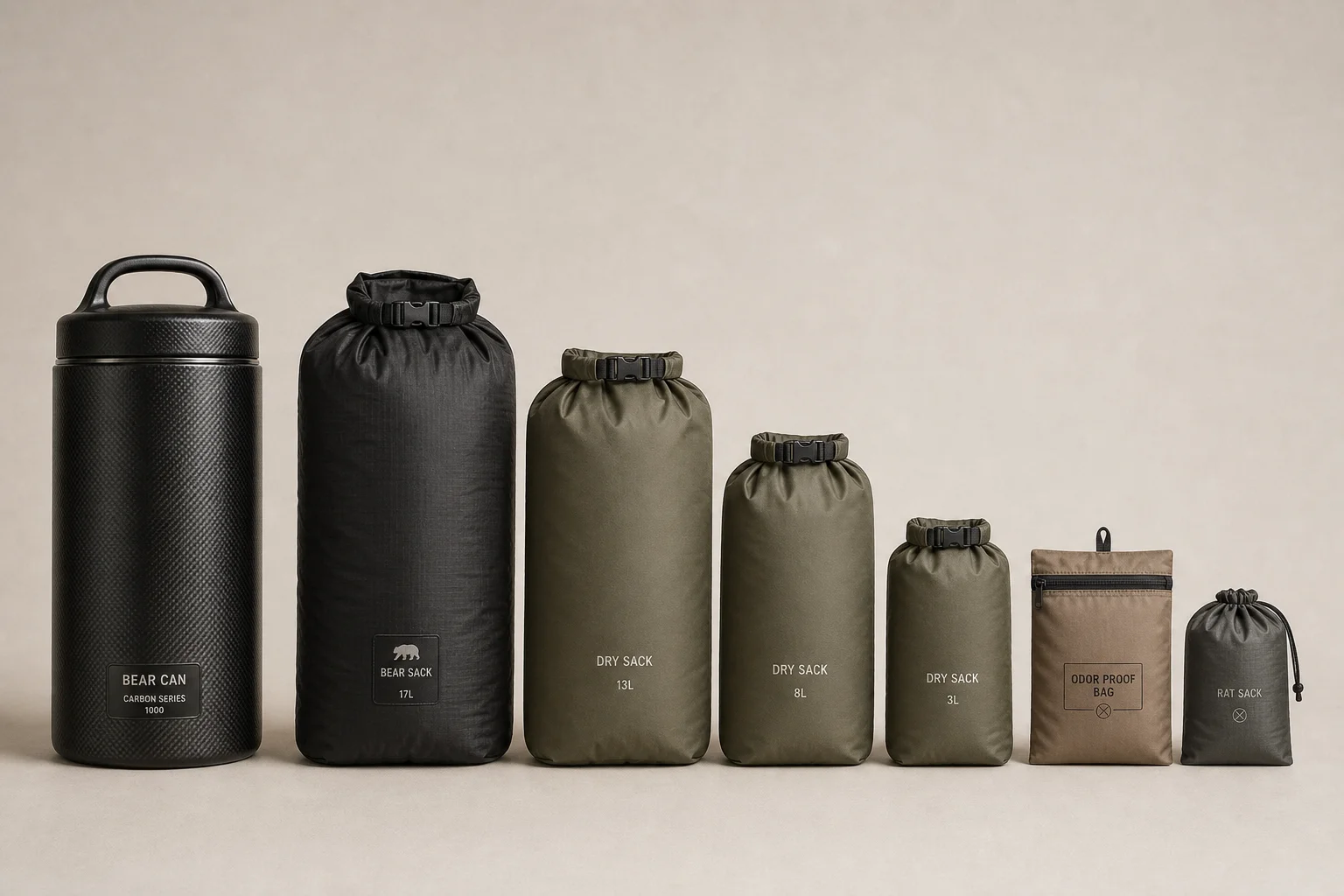
Protecting your food while backpacking is essential for both your safety and the wellbeing of wildlife. The method you choose depends on where you’re backpacking, what regulations apply, and how much weight you’re willing to carry. This guide covers seven proven food storage solutions, from the most robust hard-sided options to specialized gear for desert environments.
Hard-Sided Bear Cans: Maximum Protection
Hard-sided bear cans are the most foolproof way to store your food in bear country. They are extremely robust and difficult to open, typically requiring a tool to access the contents. The design prevents bears from reaching food, which is critical in areas where bears can become habituated to human food and may be euthanized as a result.
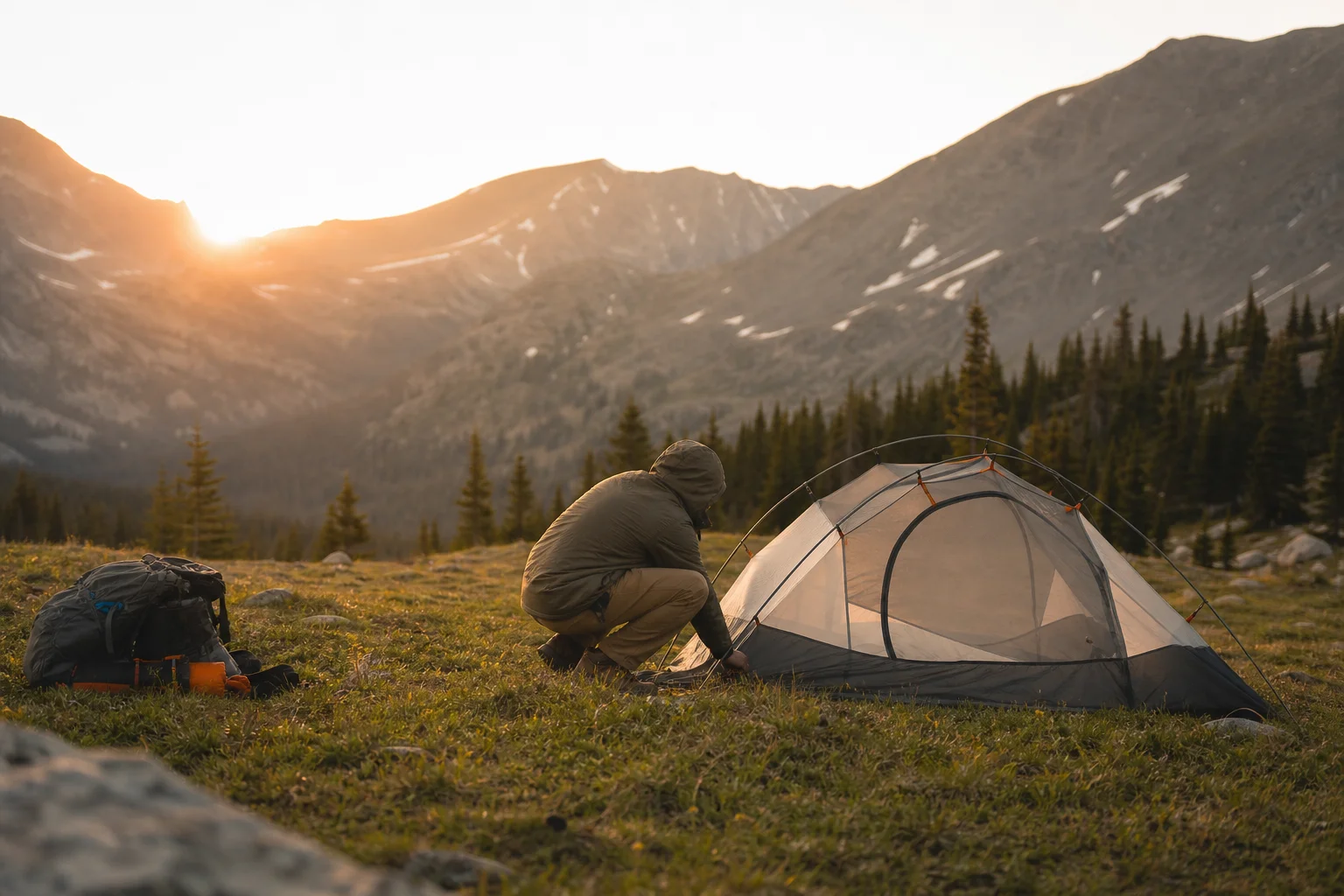
The Bearikade Weekender is the lightest bear can on the market at just 31 ounces, making it the premium choice for weight-conscious backpackers. Most other bear cans weigh significantly more, typically in the 3-pound range. Hard-sided bear cans are required in many wilderness areas, particularly in grizzly country and regions with strict bear safety regulations.
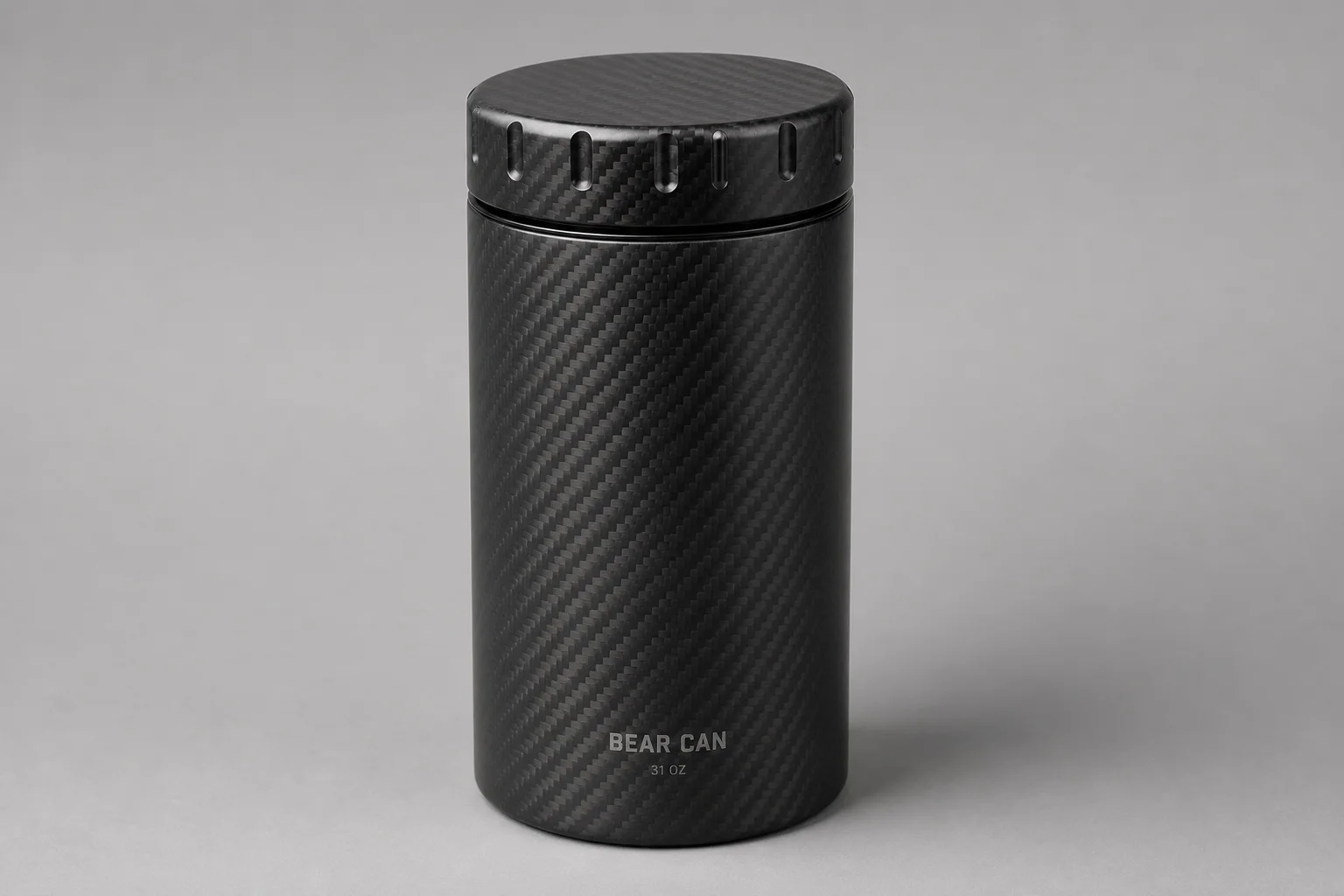
However, bear cans have notable drawbacks. They are heavy and bulky, taking up significant pack space and potentially not fitting in some backpacks. They are also inconvenient to use repeatedly throughout the day, as opening and closing them becomes tedious, especially when you forget items or need to retrieve something while managing camp activities.
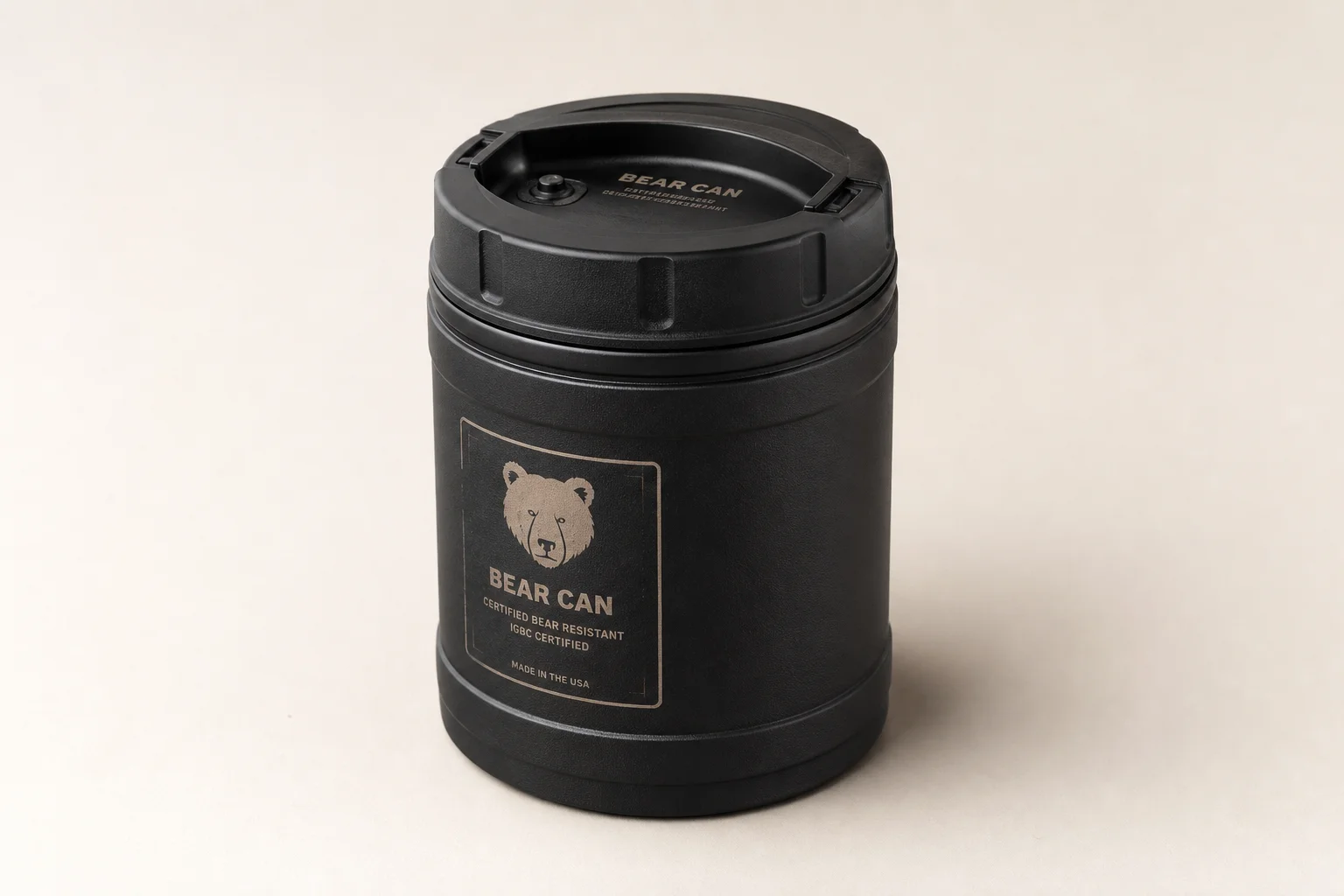
Bear cans are best reserved for areas where they are required or where you primarily backpack in grizzly country. If you only occasionally visit regulated areas, renting or borrowing a bear can is a practical alternative to purchasing one.
Bear Sacks: A Lighter Alternative
Bear sacks offer a middle ground between hard-sided cans and lighter options. These industrial-grade sacks use a special knot system to cinch down and are tied around a tree. The Adotec Grizzly Bear Locker weighs only 7 to 8 ounces, making it significantly lighter than bear cans while still providing meaningful protection.
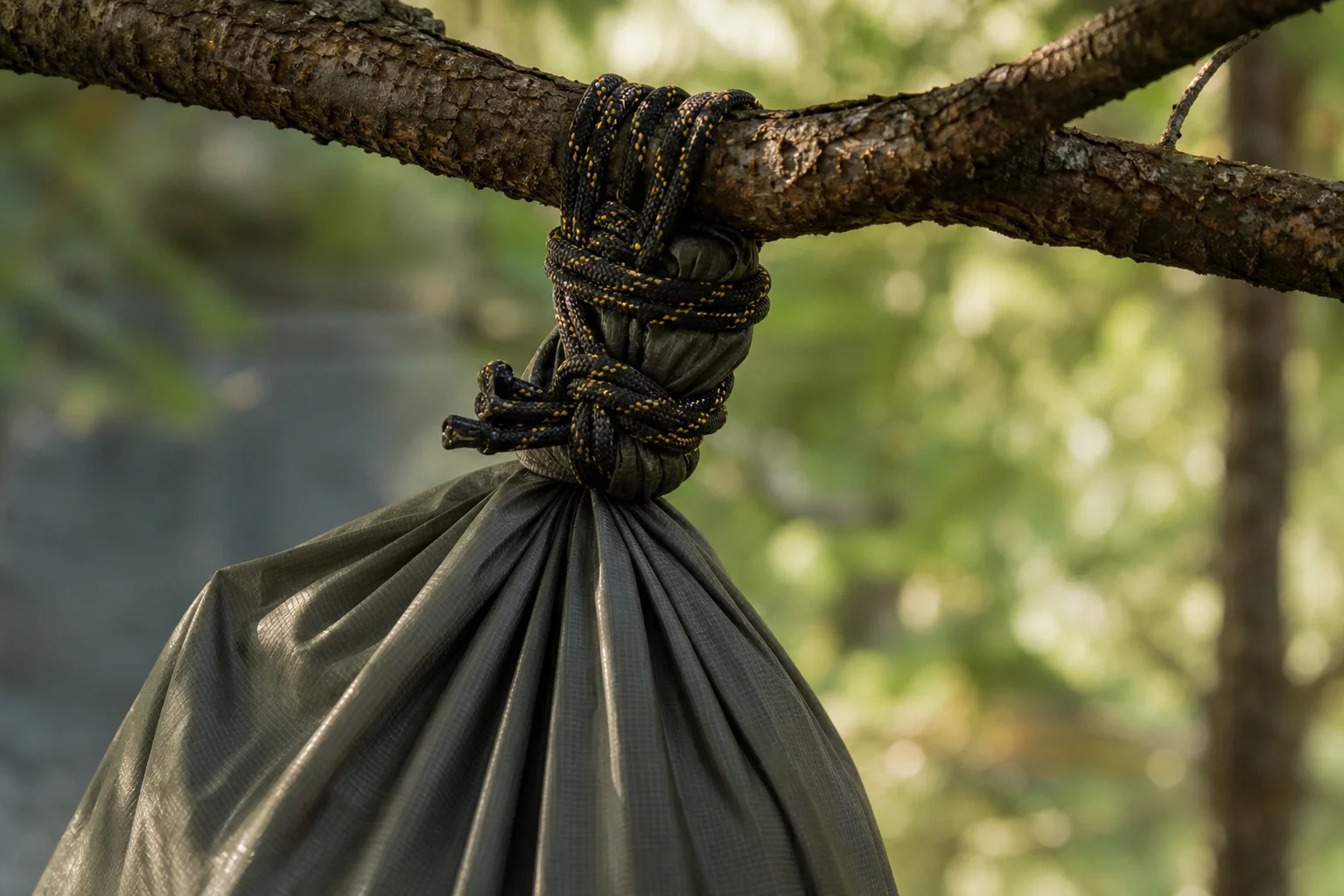
A bear sack can hold 3 to 4 days of food comfortably, though experienced backpackers can fit a week’s worth with difficulty. The system works by tying a special knot that cinches the sack closed, then securing it to a tree. This protects bears from accessing your food, which is the primary goal, as bears that become food-habituated often face euthanasia.
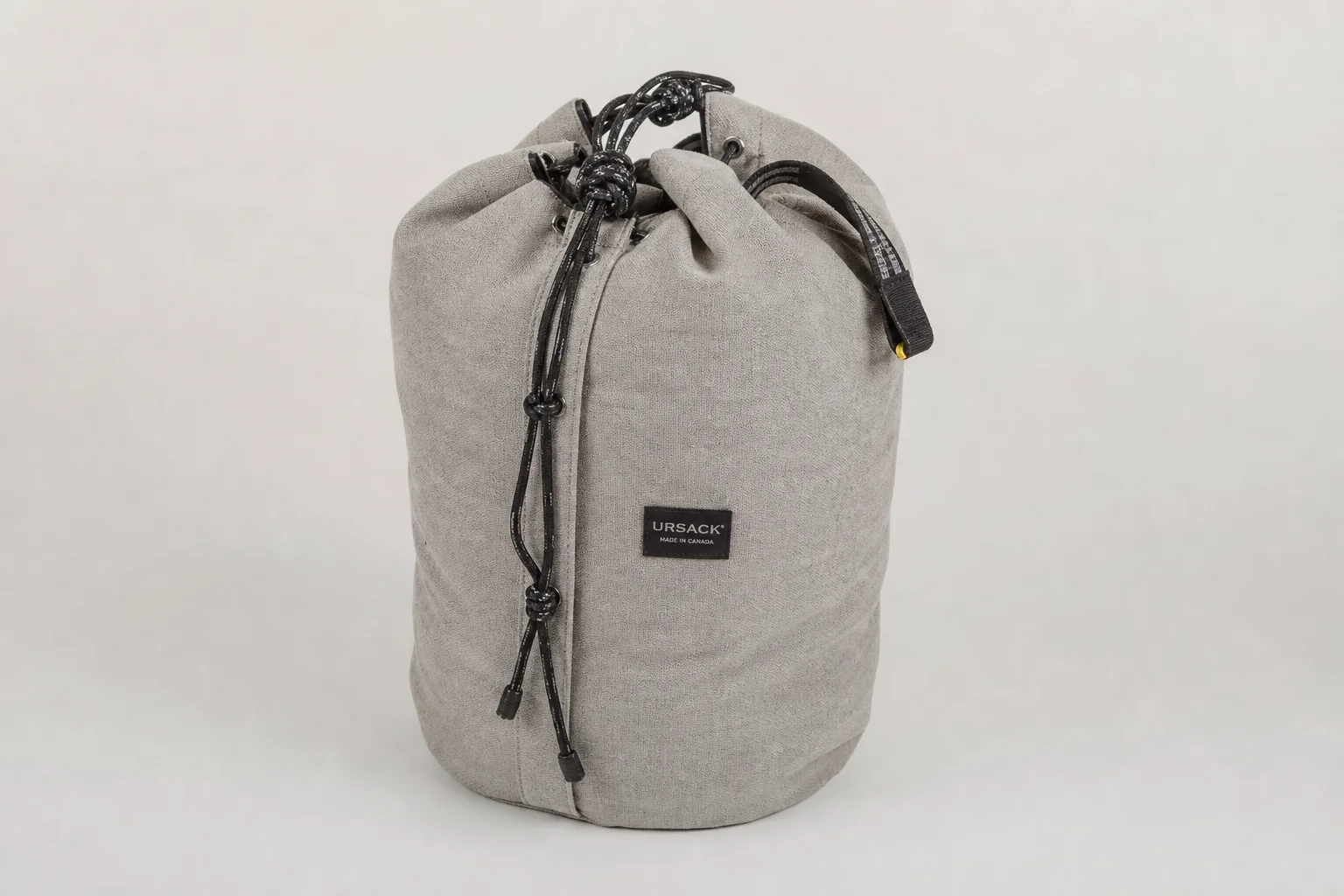
One important limitation is that bear sacks do not protect your food from damage. If a bear encounters the sack, they will squeeze and crush the contents, leaving you with mush. The International Grizzly Bear Committee certifies these sacks and allows them to have puncture wounds, emphasizing that the protection is for the bear’s safety, not your food’s integrity. Additionally, the exterior is waterproof, but the top opening can allow water to seep in when hanging in rain.
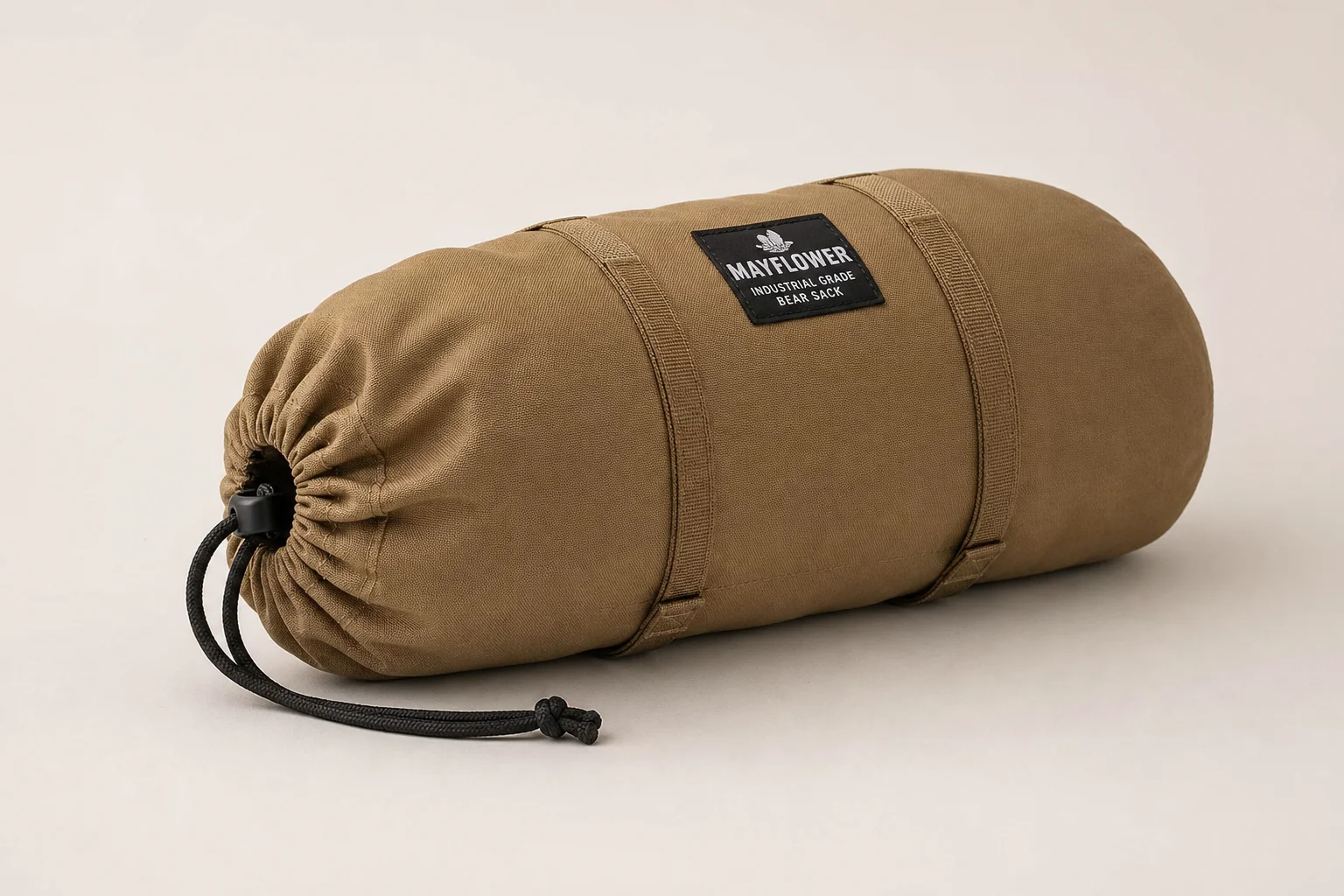
To address these issues, many backpackers pair bear sacks with odor-proof bags. The Loksak Opsak comes in packs of two and is highly cost-effective. These bags are odor-proof, meaning smells do not escape once zipped, and they protect food from moisture. Many backpackers use one for trash and one for food, then place both inside the bear sack.
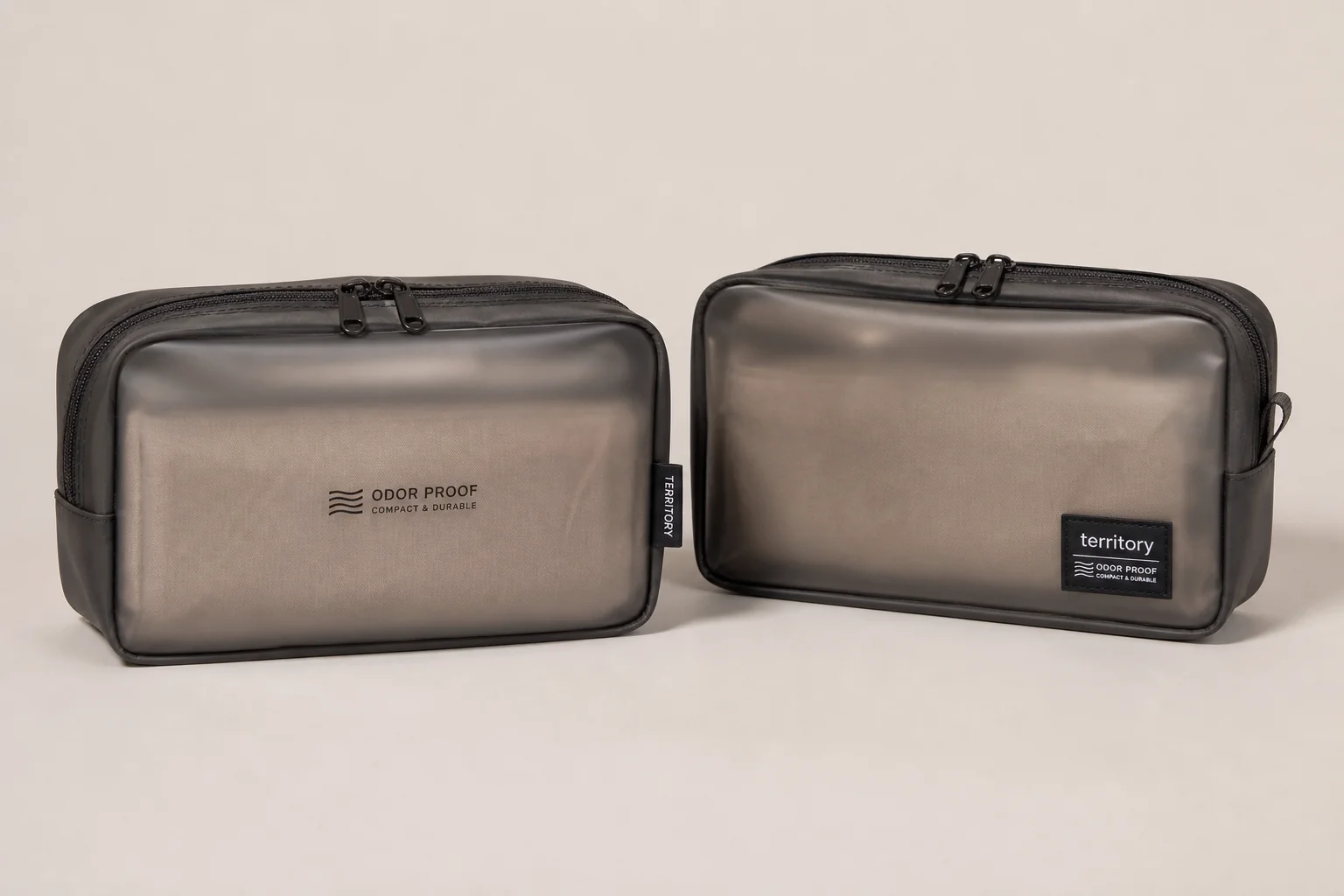
Bear sacks pack much more efficiently than hard-sided cans, allowing you to fit your food and still have room for other gear in most backpacking packs.
Dry Sacks and Odor-Proof Bags: Lightweight Protection
For areas where bears are unlikely to be encountered, a dry sack paired with odor-proof bags offers the lightest and cheapest option. A 20-liter Osprey dry sack combined with a Loksak Opsak inside provides protection from smaller wildlife like mice, rodents, foxes, and raccoons, which are far more common nuisances on the trail than bears.
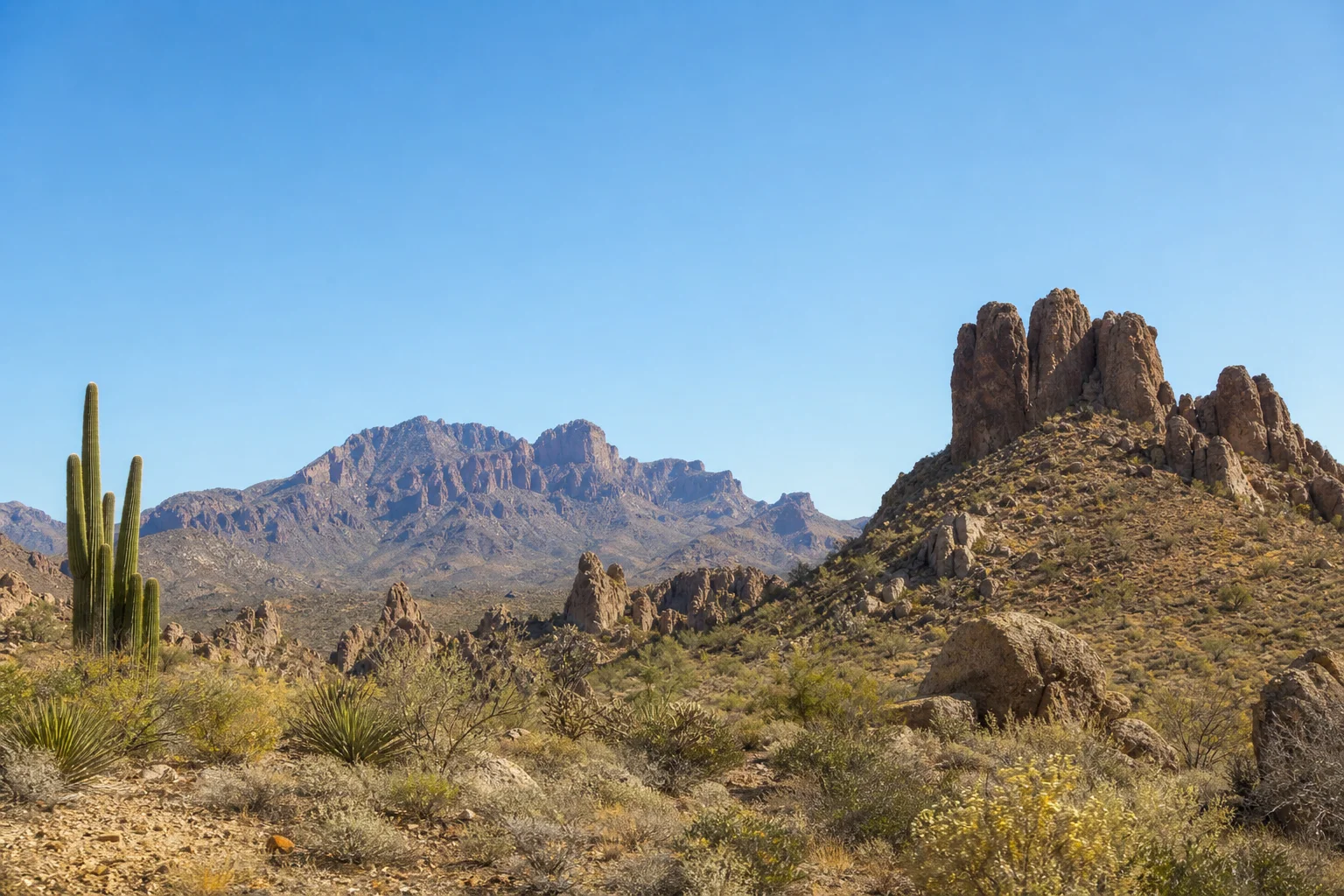
This system works well above tree line in areas like Colorado where bear encounters are rare. The dry sack keeps food dry and organized, while the odor-proof bag prevents smells from attracting wildlife. The main risk is that this system offers no protection from actual bears, so it should only be used in areas where bears are genuinely not a concern.
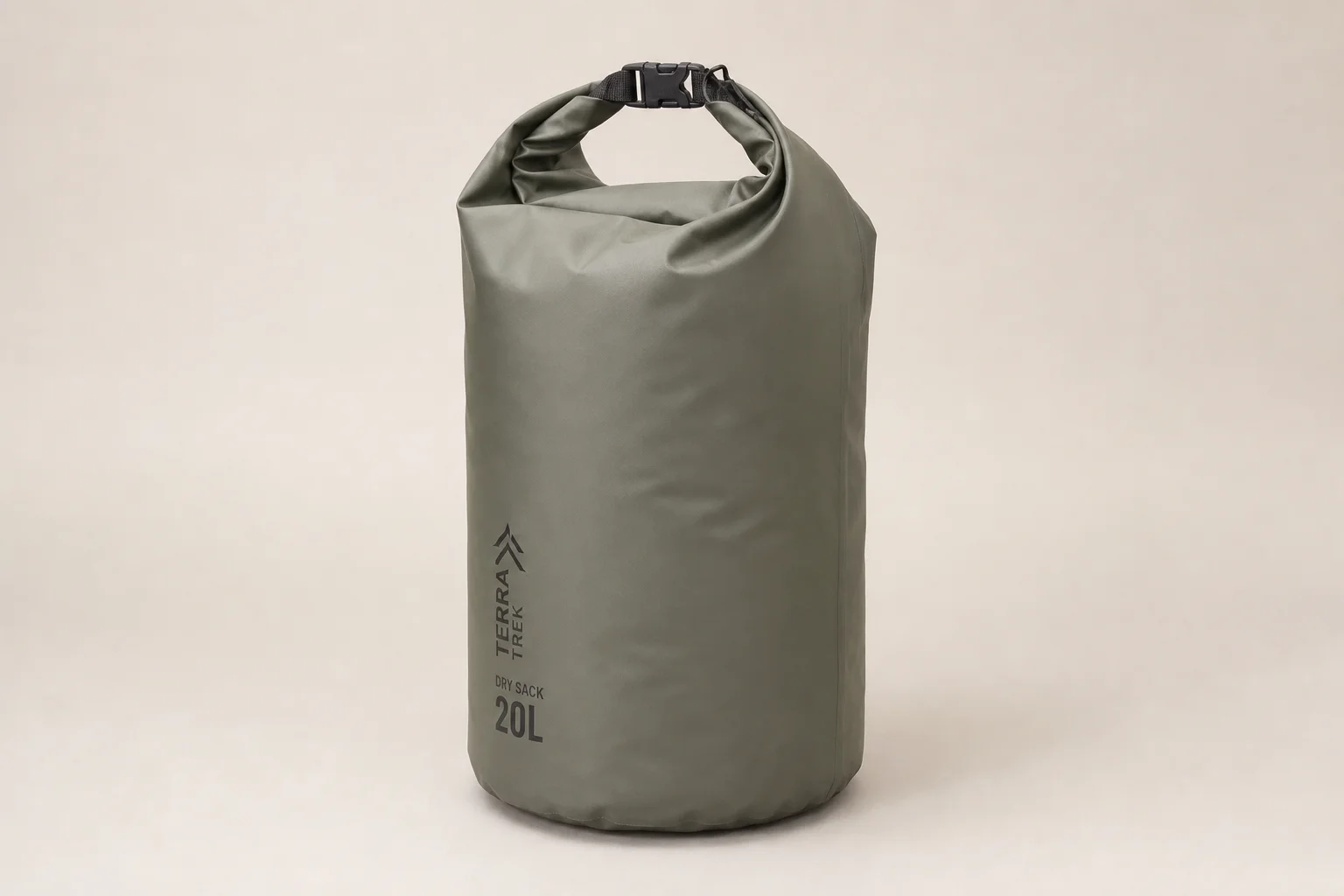
The system has failed only when a pinhole leak developed in the odor-proof bag. To prevent this, always check the integrity of your Loksak before heading out. You can do this by blowing a small amount of air into it, zipping it closed, and pressing on it to listen for holes. Alternatively, submerge it underwater with air inside to check for leaks.
Some backpackers also use a bear hang technique with this system, rolling up the dry sack, clipping it, and suspending it from a tree using cordalette. A proper bear hang is effective but difficult to execute in many areas, particularly in the Mountain West where suitable trees are scarce.
Specialized Desert Protection: The Ratsack
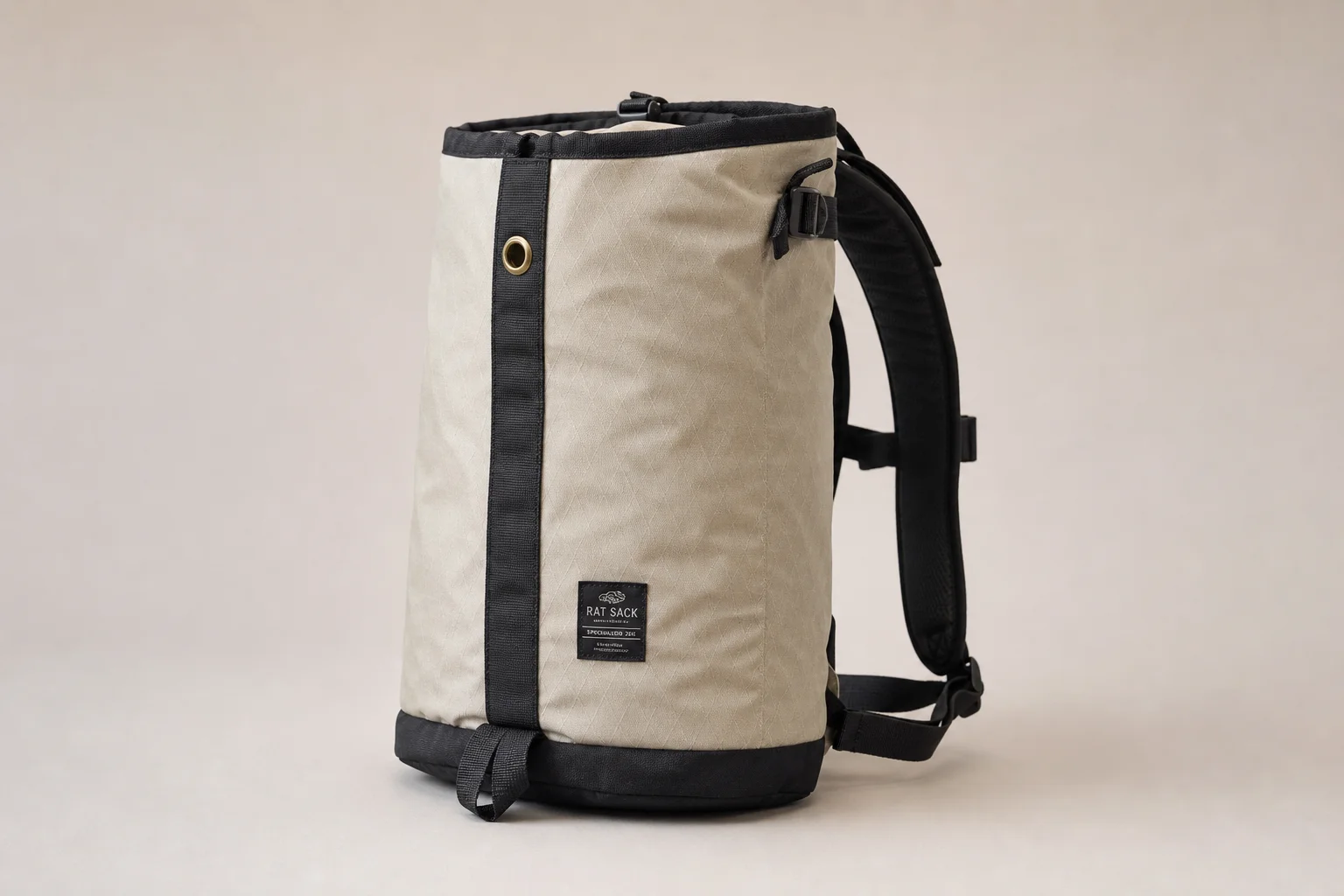
In desert environments, the primary food threats come from pack rats, ravens, and mice rather than bears. Ravens are particularly problematic because they can open zippers. The Ratsack, a 20-liter specialized sack weighing about 8 ounces, is designed specifically for desert backpacking.
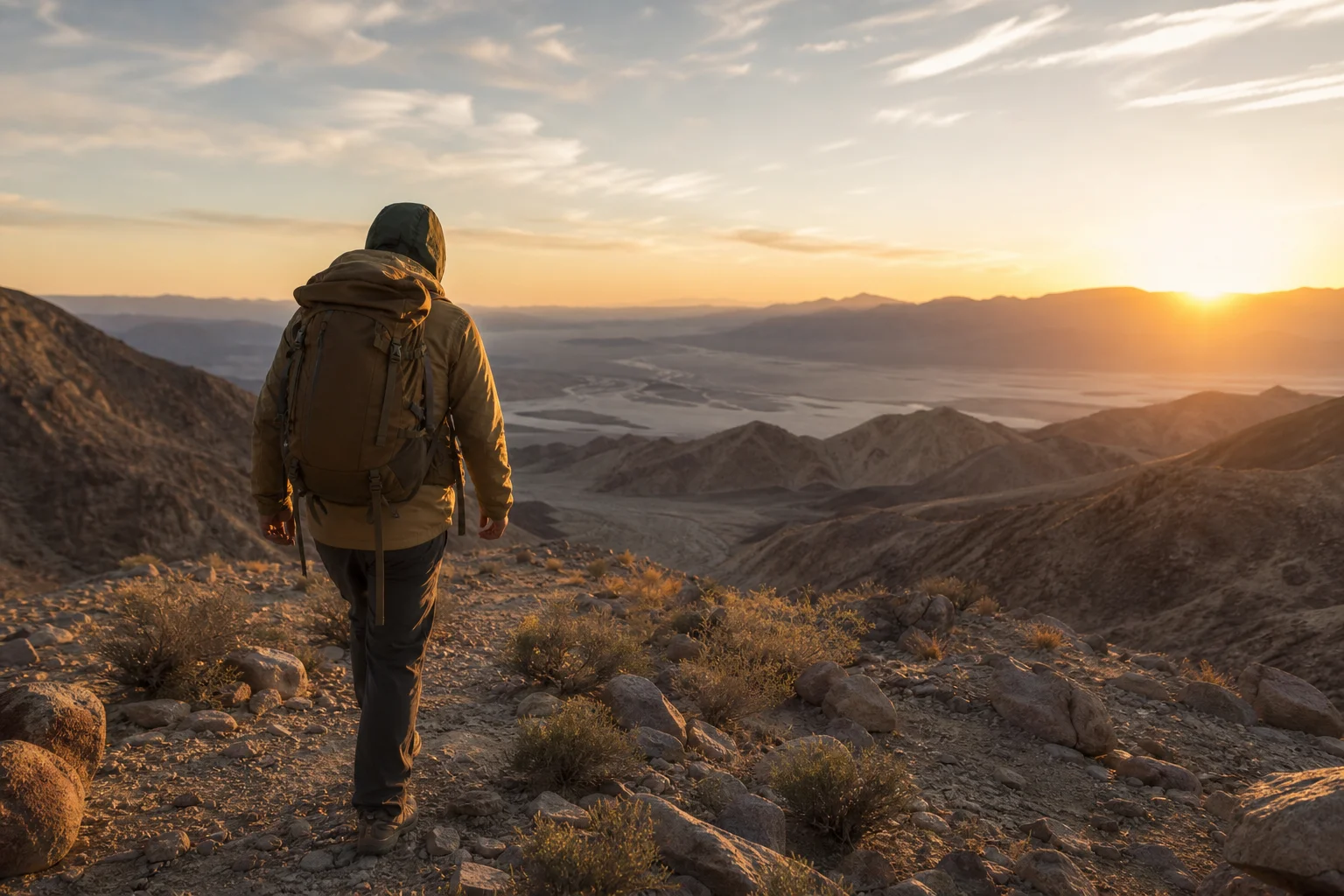
The Ratsack works exceptionally well for protecting food from mice, ravens, and rats in arid regions. It includes a grommet for hanging, allowing you to suspend it from a tree or rock formation. In theory, you could pair it with an odor-proof bag for a system similar to the dry sack approach, though it weighs slightly more and offers no bear protection.
Choosing the Right System for Your Needs
The best food storage method depends on where you spend most of your backpacking time. If you primarily backpack in the desert with occasional mountain trips, a Ratsack combined with a rented or borrowed bear can for mountain adventures is practical. If you live in grizzly country or backpack in areas with strict bear safety regulations, a bear can is necessary. For areas with bears present but no grizzlies and no bear can requirements, a bear sack is typically the best option.
Many experienced backpackers use multiple systems depending on their destination. The Adotec Grizzly Bear Locker has become the preferred choice for mountain backpacking in non-grizzly areas due to its light weight and reasonable packing efficiency. When bear cans are required, the Bearikade Weekender stands out for its minimal weight penalty, though its high cost makes borrowing a practical option for occasional users.
Conclusion
Food storage is a critical component of responsible backpacking. Whether you choose a hard-sided bear can, a bear sack, a lightweight dry sack system, or a specialized ratsack, the key is matching your protection method to the actual wildlife threats and regulations in your area. Start with the lightest option appropriate for your destination, and upgrade to more robust protection as needed for safety and wildlife conservation.
Further reading
Related Reviews
Backpacking Gear
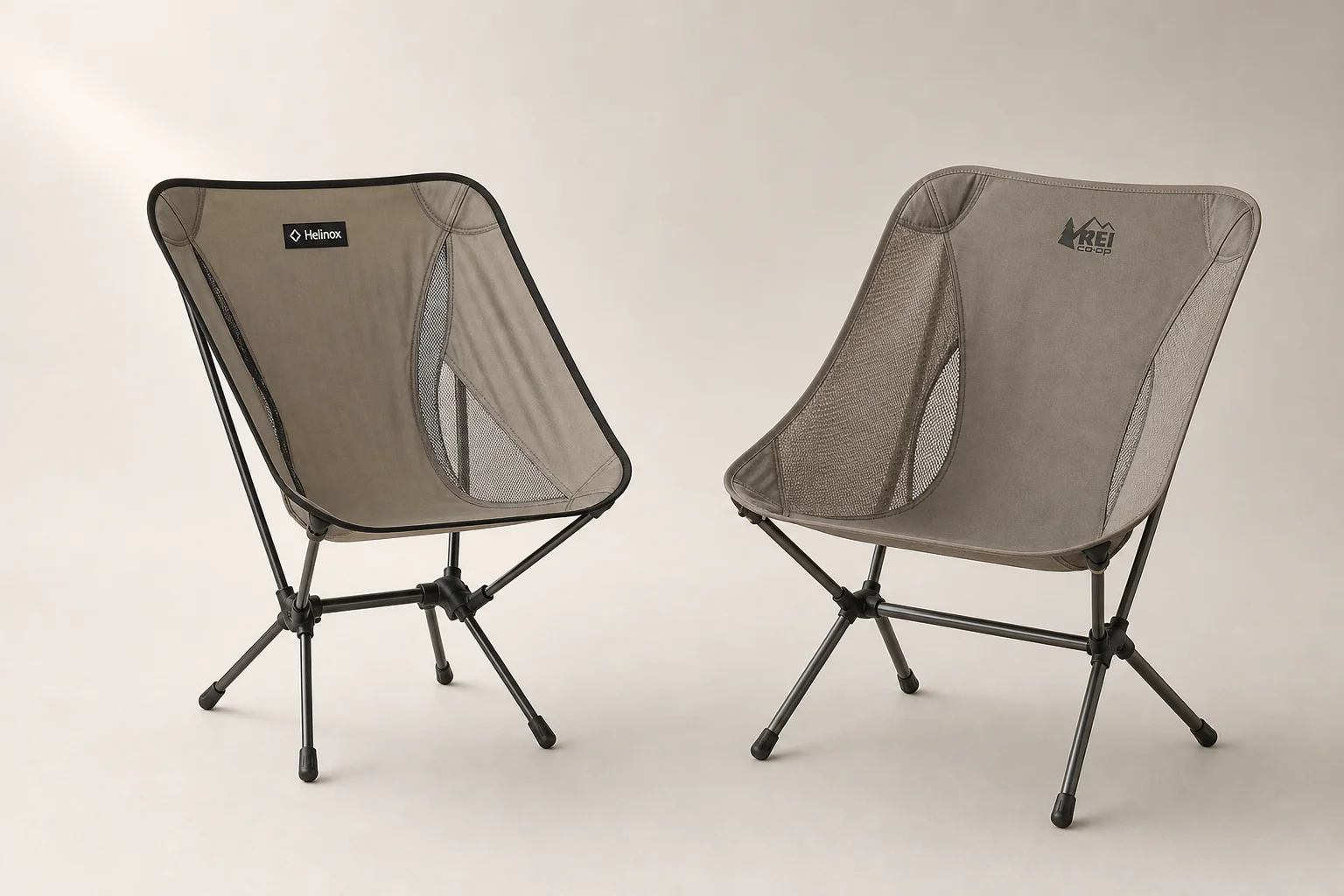
Best Backpacking Chairs: Helinox Chair Zero vs REI Co-op Flexlite Air
Two lightweight backpacking chairs compared side by side. One is a proven classic; the other offers surprising comfort at half the price.
Backpacking Gear
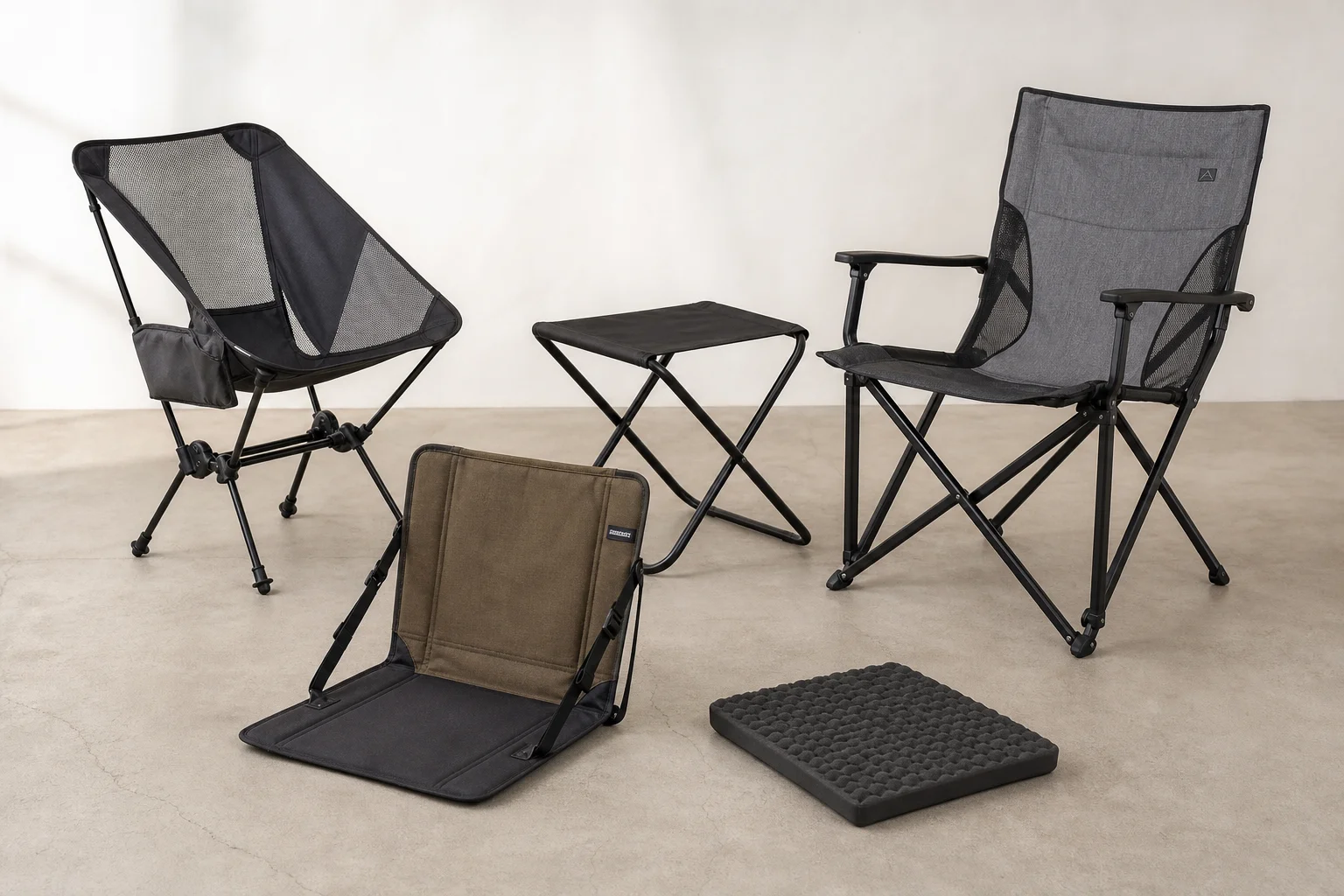
Best Backpacking Chairs Tested: Five Options From Luxury to Budget
Five backpacking chairs tested on real trips. One is a gold standard, one is an underdog bargain, one is a classic, one is essential minimalism, and one to avoid.
Backpacking Gear
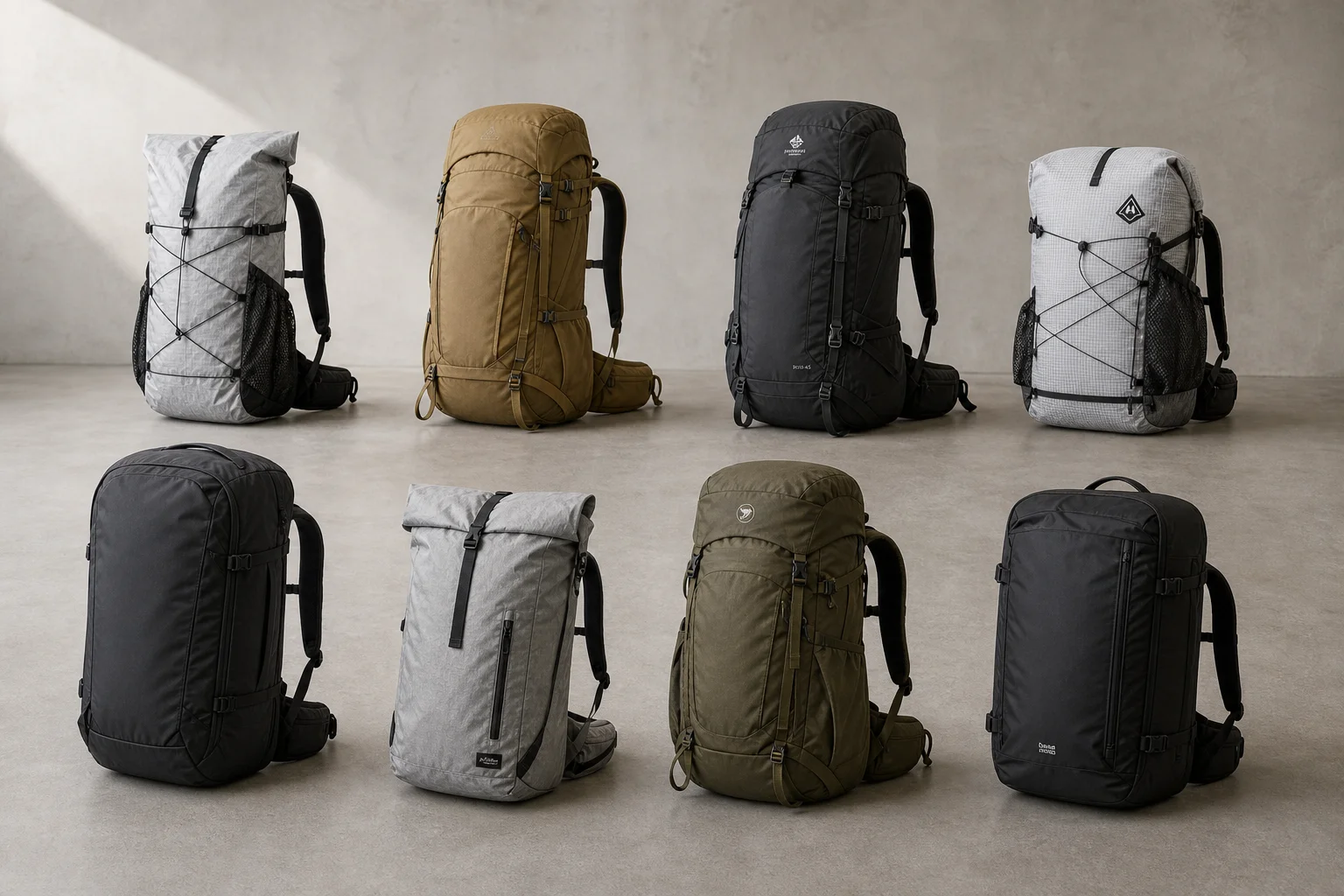
Best Backpacking Packs 2026: Eight Tested Options for Every Trip Type
Eight backpacking packs tested on a 5-day trip in Southern Utah, covering ultralight, budget, organizational, and versatile options for different backpacking needs.