Backpacking Gear
Bear Bag vs Bear Canister vs Ursack: Three Backcountry Food Storage Options Compared
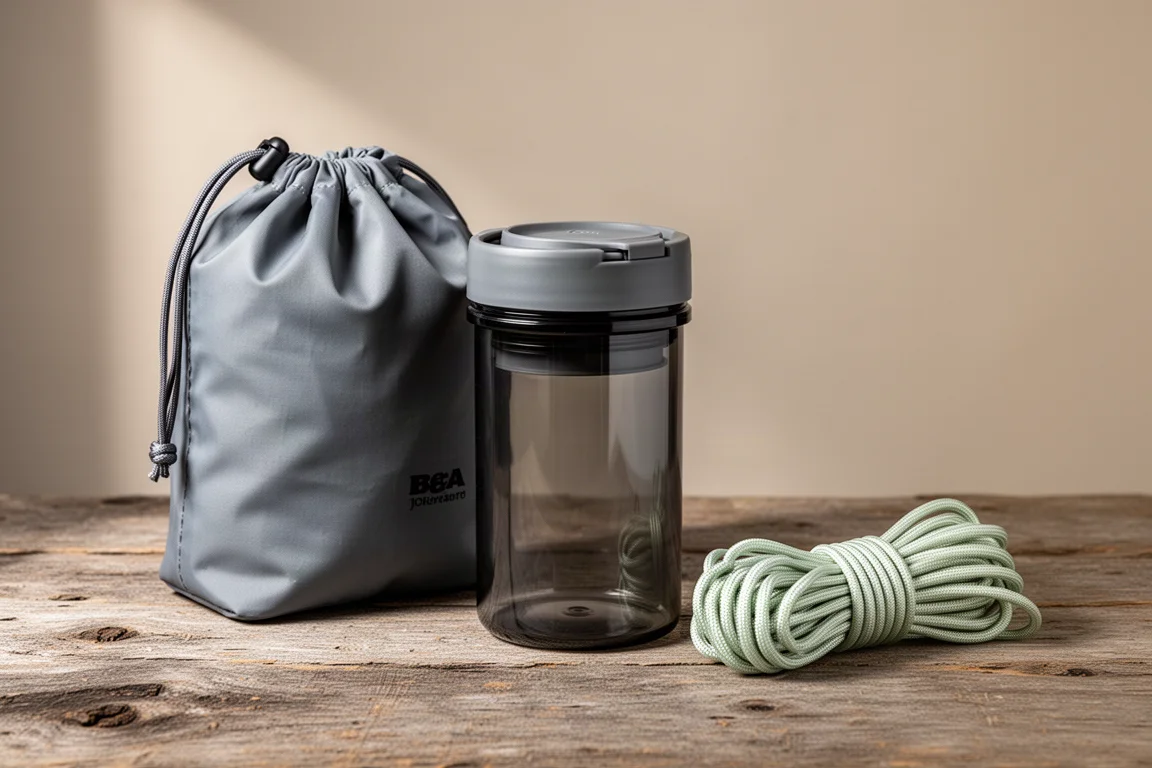
A practical comparison of three ways to store food in bear country: the Ursack Major fabric bag, the hard-sided Bear Vault 450 canister, and Ultraglide bear line for traditional hangs.
Introduction
Hanging a bear bag is one of those backcountry skills that sounds straightforward until you try it in real terrain. A proper hang calls for a tall tree with a clean, unobstructed horizontal branch at least 17 feet off the ground, positioned so the bag ends up roughly 12 feet off the ground, 5 feet below the branch, and 5 feet out from the trunk. Trees that meet those numbers are rare. Across much of the American West the forest is pine, spruce, and fir, with short dense branches that seldom offer a clean line. Above tree line, in the desert Southwest, or in many alpine basins, there may be no suitable tree at all.
Even when a candidate tree exists, the process is slow. Searching can consume a large part of an evening, and the throw itself often takes 15 to 30 minutes with practice, assuming nothing goes wrong. Lines miss the branch, snag, or snap. A single determined attempt can stretch past three hours, and a bag that finally goes up may still sit too low to do any good. Plenty of people give up and store nothing at all, which is where the real danger starts. Bears that learn to associate camps with food become bold, lose their fear of people, and will go to considerable lengths for a meal.
There is no perfect answer, but there are three practical directions: a bear-resistant fabric bag, a hard-sided canister, and better line for a traditional hang. Each one solves a different part of the problem.
What to Look For in Bear Food Storage
Four things separate these options in practice: how well they protect food, how much weight and bulk they add to your pack, how much time and skill they demand at camp, and whether they are accepted in the area you plan to visit. A fifth consideration matters just as much over the long term. When a method fails, it should fail in a way that does not teach a bear that human food is worth seeking.
Weight and bulk are felt on every climb, while time and skill are felt at the end of the day when you want to eat and sleep rather than throw a rope. The balance between those two costs is what makes each option suitable for a different kind of trip.
It also helps to think about what each method does when a bear actually finds your food. A hang that ends up too low or too close to the trunk offers almost no protection, while a properly sealed hard-sided container simply keeps the animal out. A bear-resistant fabric bag sits somewhere between the two, protecting the food from being carried off while still allowing the animal to work at the bag itself. Understanding those differences makes the trade-offs much easier to judge.
Ursack Major: A Lighter Bear-Resistant Bag
The Ursack Major takes a different approach to the whole problem. It is a bear-resistant bag made from Spectra, a fiber very similar to Kevlar, and it has been extensively tested and shown to be reasonably bear-resistant. Instead of hoisting food high out of reach, you carry the bag to a tree and tie it off at head height. The fabric does the work, not the quality of your throw, so a perfect branch is no longer part of the equation.
In daily use, the Ursack Major sits between the extremes. It is lighter than a hard-sided canister, heavier than a typical line and food bag combination, and easier and more secure than a badly hung bag. For backpackers who want to cut camp chores short, that combination is the appeal.
It is not foolproof. A bear that finds the bag can gnaw on it, crush the contents, and leave you eating a flattened dinner for the rest of the trip. What the bag does prevent is the bear learning that human food tastes good, which is the outcome that creates problem animals in the first place. The Ursack Major is also not approved in every area and is not bear proof, so it makes the most sense where bears are not habituated to people and the odds of an encounter are slim.

Bear Vault 450: Hard-Sided Protection You Can Rely On
Hard-sided canisters are the most likely of the three options to keep food safe, and they are the least time-consuming to use. There is no tree to find, no line to throw, and no sag to account for. You pack food in, seal the lid, and place the canister away from your sleeping area. The Bear Vault 450 is a widely used example of the format, and it removes almost all of the skill from the equation.
The cost is weight and bulk. A canister is the heaviest and most awkward item on this list to carry, and it takes up pack space that food or clothing would otherwise use. For some trips that is a fair trade, because the time and frustration saved at camp can be worth more than the weight saved on the trail.
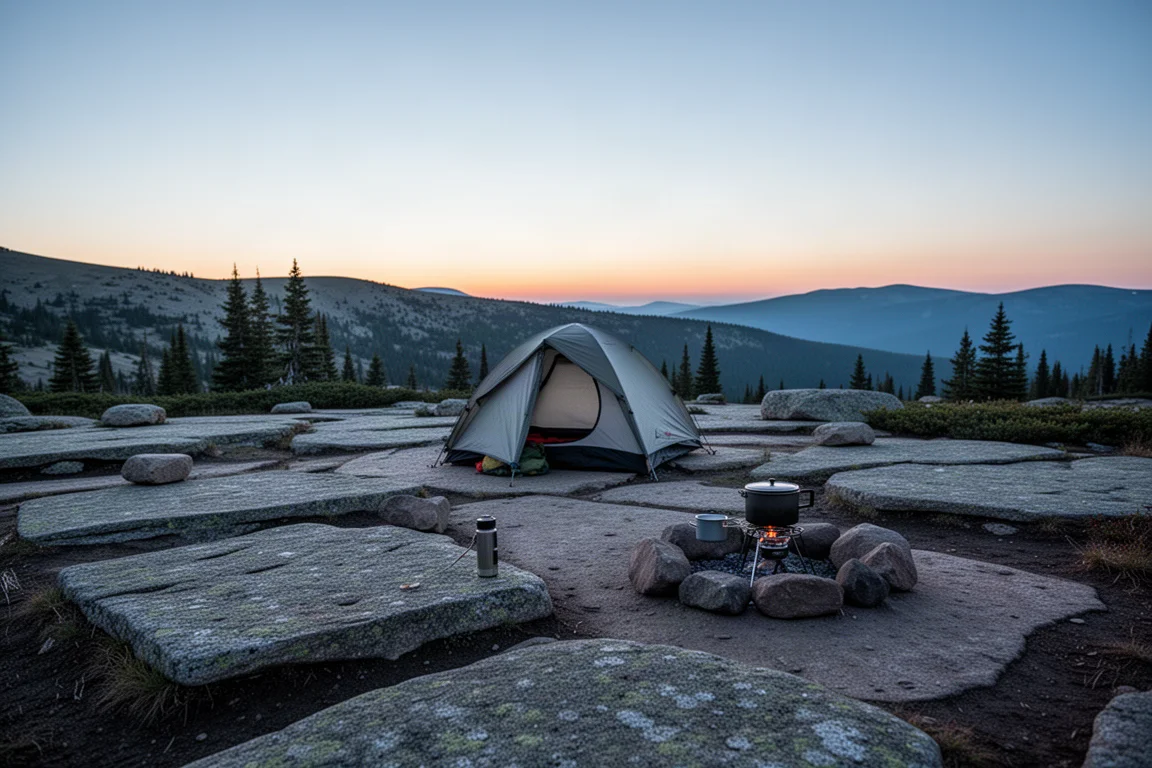
Where canisters are required, the decision is made for you, and the simplicity is a genuine relief at the end of a long day. Where they are optional, they remain the safest bet for anyone who wants the highest likelihood of keeping their food and the lowest chance of a ruined trip.

Ultraglide Bear Line: Smoother Traditional Hangs
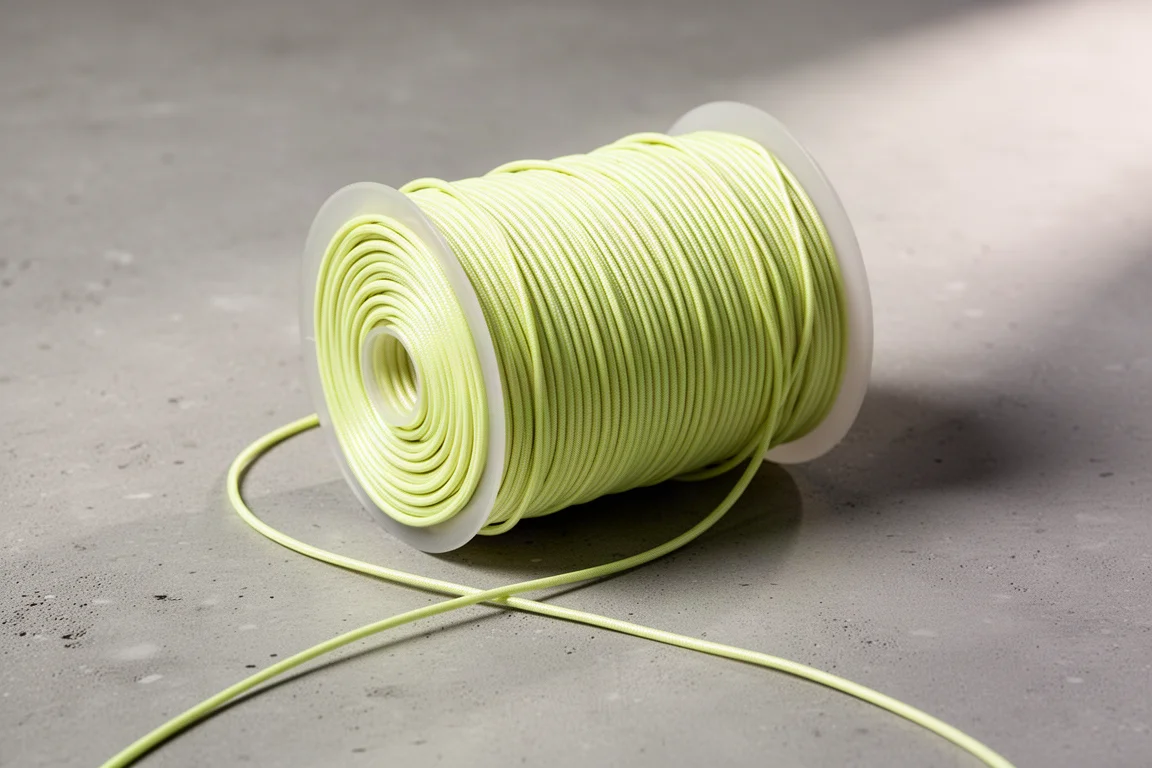
The traditional hang is still the lightest and cheapest way to store food, and it is also the most time-consuming and the most skill-dependent. Line choice makes a measurable difference here. Ultraglide bear line slides easily over branches, which is far easier than working with paracord, and a slicker line means fewer snags and less friction during the throw.
There are two common alternatives when the ideal branch is not available. The two-tree method needs two trees with short branches roughly 20 feet apart and two 50-foot lengths of cord. One cord is strung between the trees like a high clothesline, and the second cord suspends the bag from the middle of that line. It works, but dense branches above and below the line can catch the throw, the process has to be repeated on both trees, trees set too far apart leave a cord end out of reach, and the weight of the food causes sag. Friction between the two lines can even wear through one of them.
The single-tree pulley method is neater. It needs one tree with a single branch about 18 to 20 feet off the ground. The line goes over the branch, and the bag and line are joined with a carabiner so they slide along it, letting you hoist the load like a makeshift pulley until the bag sits around 12 feet off the ground and 5 feet from the trunk. Even a clean first attempt can take 30 to 45 minutes from start to finish.
Whichever method you choose, practice in a backyard or a local park before you rely on it in the backcountry. Skill is the one piece of equipment a hang cannot replace.
How the Three Approaches Compare
Seen side by side, the three options trade safety against time and weight.
The Ursack Major is the best compromise between time and safety. It is quicker than a hang, lighter than a canister, and almost certainly better at protecting food than a hang that was rushed or ended up too low. Its limits are real: it is not bear proof, it is not approved everywhere, and a bear can still destroy the food inside it.
The Bear Vault 450 is the most reliable at keeping food away from animals and the simplest to use, at the cost of carrying a heavy, bulky container. The traditional hang with Ultraglide line is the lightest and least expensive route, but it demands the most time, the most practice, and the most cooperation from the terrain.
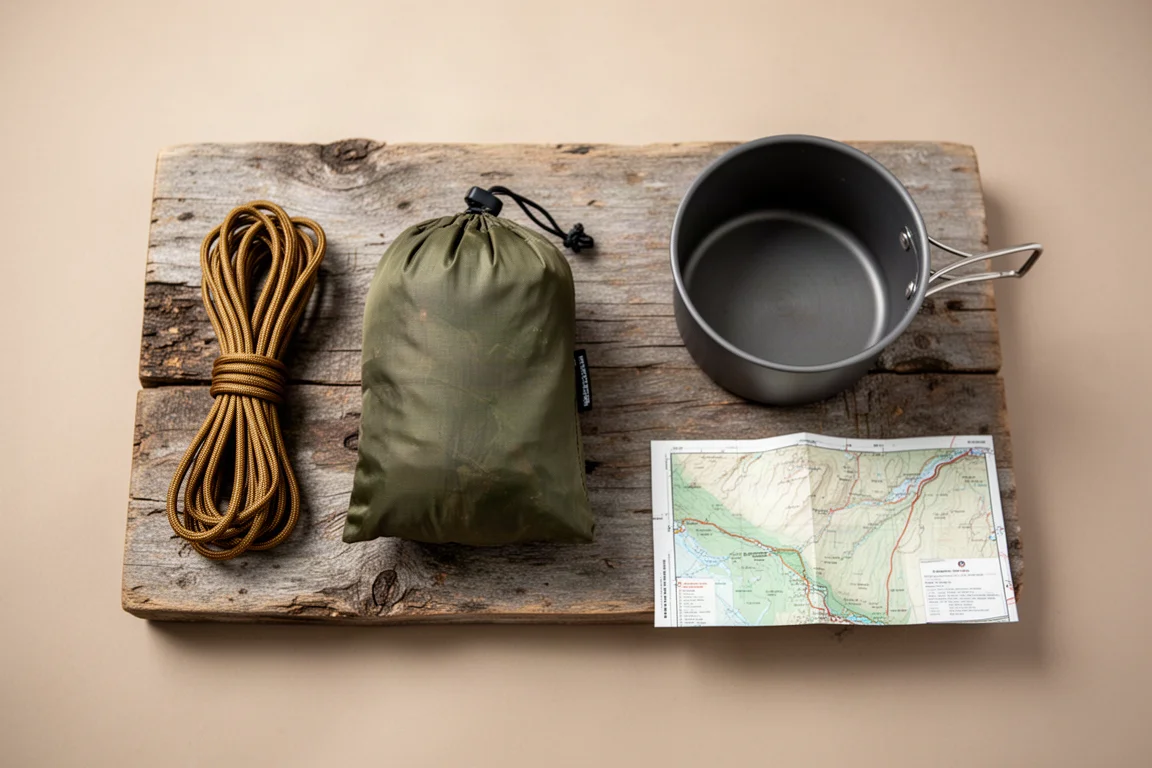
One point applies to all three. Even a textbook hang can be defeated by a determined bear, so no method should be treated as a guarantee. In practice the decision usually comes down to terrain and temperament: a rocky alpine route with no usable trees pushes you toward a canister, while a forest trip with low bear pressure makes a lighter option entirely reasonable.
Field Notes: Time, Weight, and Peace of Mind
The trade-offs are easier to judge once you separate the two costs involved: what you carry, and what you do at camp.
A canister is heavy on the trail but almost free at camp. A hang is nearly weightless on the trail but can consume an entire evening, and the result depends on your aim and the trees you find. The Ursack Major sits in the middle, adding some weight while removing most of the camp work.
There is also a psychological cost to a bad hang. A bag that ends up too low, too close to the trunk, or not hung at all is a risk to you, to the campers who follow, and to the bears themselves. A storage method you will actually use correctly every night is worth more than one that is theoretically lighter.
Practical Buying Advice
Choose the Ursack Major if you want to cut camp chores and carry less than a canister, and you are travelling where bears are not accustomed to people and encounters are unlikely.
Choose the Bear Vault 450 if the area requires a hard-sided canister, or if you want the highest likelihood of keeping your food and the simplest possible routine. Accept the weight and bulk as the price of that certainty.
Choose Ultraglide bear line if you are committed to traditional hangs and want line that slides over branches more easily than paracord. Practice the single-tree pulley method and the two-tree method at home first, and treat the line as one part of a skill rather than a shortcut.
If you are unsure which method an area requires, check the rules before you go. Approval status varies between locations, and a method that is acceptable in one park may not be in the next.
Conclusion
There is no perfect way to store food in bear country, only trade-offs. Canisters offer the most protection with the least effort at camp and the most weight in your pack. The Ursack Major splits the difference, trading a little weight for a much shorter evening routine and protection that beats a poorly executed hang. Traditional hangs with slick line remain the lightest and cheapest option, provided you have the patience to find the right tree and the skill to use it.
Pick the method that matches your terrain, the local rules, and your willingness to spend an hour at camp working with a rope. Then practice it before your trip, so the only thing on your mind at the end of a long day is dinner.
Further reading
Related Reviews

Backpacking Gear
Building a 10 lb Base Weight: An Ultralight Backpacking Gear List
A practical walkthrough of the ultralight pieces behind a 10 lb base weight, from a 765 g pack and a roomy one-person tent to a full camp chair and a dependable water filter.
Backpacking Gear
A 15-Pound Lightweight Backpacking Gear List for Solo Trips
A beginner-friendly 15-pound backpacking setup built from easy-to-find gear, with notes on what each piece does, how it packs, and where to spend your attention.
Backpacking Gear
8 Ultralight Backpacking Gear Upgrades Worth Carrying
Eight small, affordable backpacking upgrades that solve real trail annoyances, from a pillow that stays put to a fuel valve that rescues leftover canister gas.