Camping Tents
Bass Pro Shops and Cabela's Hiker Biker Tent Review: A Budget Solo Shelter That Struggles in Wet Weather
A field test of the Bass Pro Shops and Cabela's Hiker Biker one-person tent, covering its low price and small packed size alongside the condensation, leaking, and interior space problems buyers should know about.
Introduction
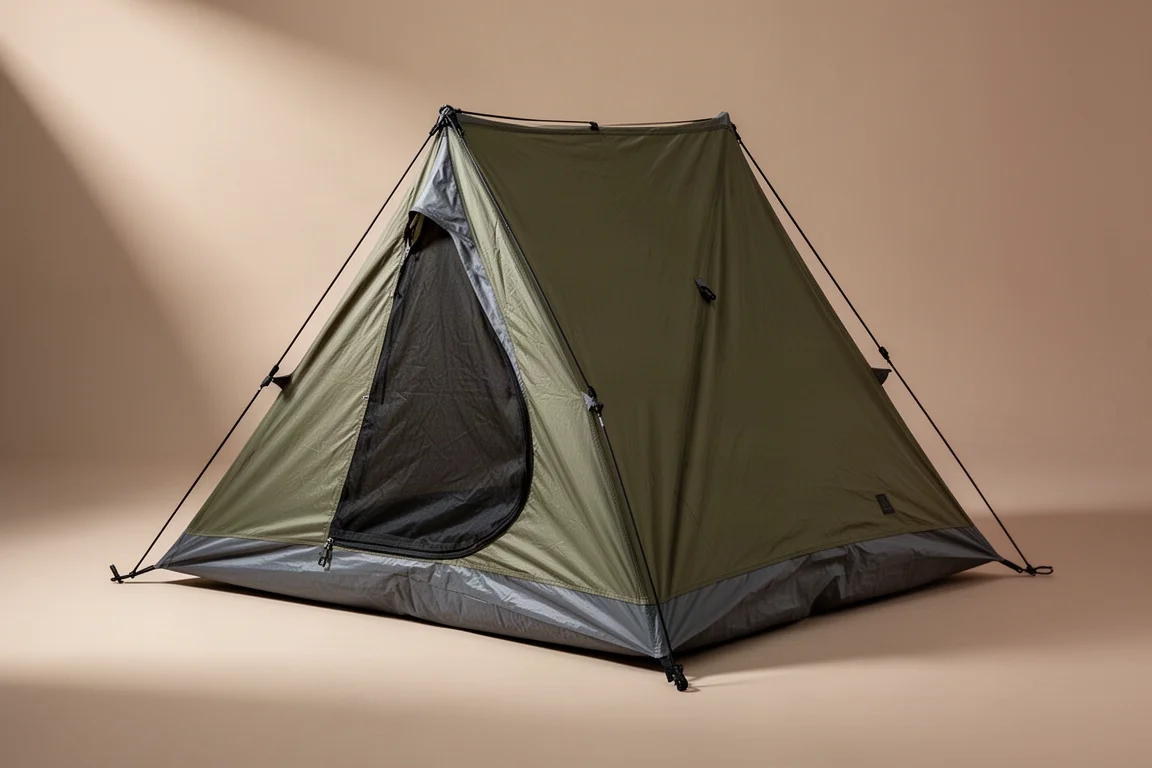
The Hiker Biker one-person tent is the least expensive shelter in the Bass Pro Shops and Cabela’s lineup. It packs down small, sets up in minutes, and lists for $35, with sale pricing bringing it to $29.99. For a first solo camping trip, that combination looks like a low-risk way to get outside.
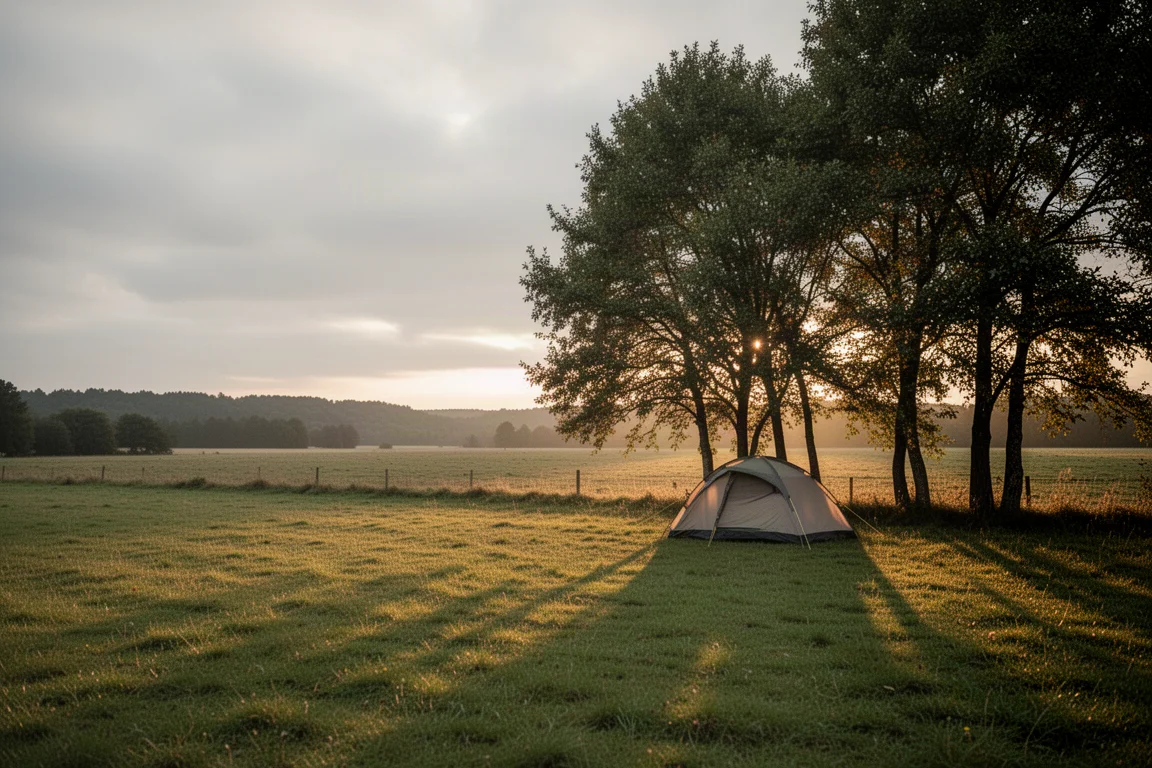
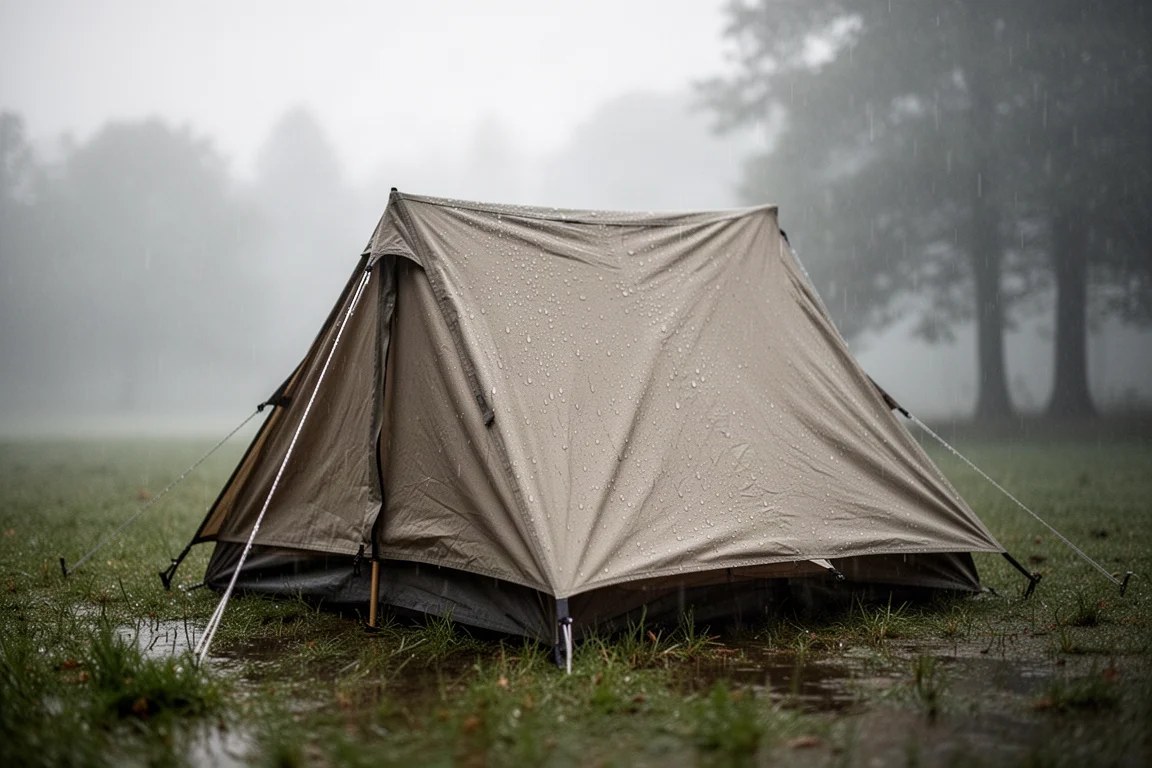
Field use told a different story. Across a night with roughly 45 minutes of light rain and temperatures in the upper 30s, the interior collected condensation on every surface, the side walls sagged inward, and a puddle formed at the foot of the sleeping area. The tent is marketed as a lightweight and protective solution for solo backpacking adventures, so those results matter a great deal.
This review covers what the shelter does well, where the design breaks down, and who should think carefully before ordering one.
Who This Tent Is For
The tapered A-frame shape is genuinely tiny. The claimed interior length of 6 feet 11 inches measured close to 6 feet 10 inches, which is accurate enough. The claimed 4-foot width is where the numbers stop being useful. Because the walls slope steeply inward, the usable width near the top is closer to 2 feet 8 inches, and an average adult cannot lie inside without the body pressing against fabric on both sides.
That makes the tent a poor match for adult backpacking, and it is worth being direct about it. It suits a small-framed sleeper or a child, and it can serve as a fair-weather shelter for a single overnight trip when no rain is forecast. It is not a shelter to rely on in cold, wet, or windy conditions.
Main Strengths: Light, Compact, and Inexpensive
Price is the headline. At $35 retail and $29.99 on sale, this is about as inexpensive as a branded solo tent gets, and the packed size reflects that. The package is small enough to disappear into a backpack side pocket, and setup is quick thanks to lightweight shock-corded fiberglass poles.
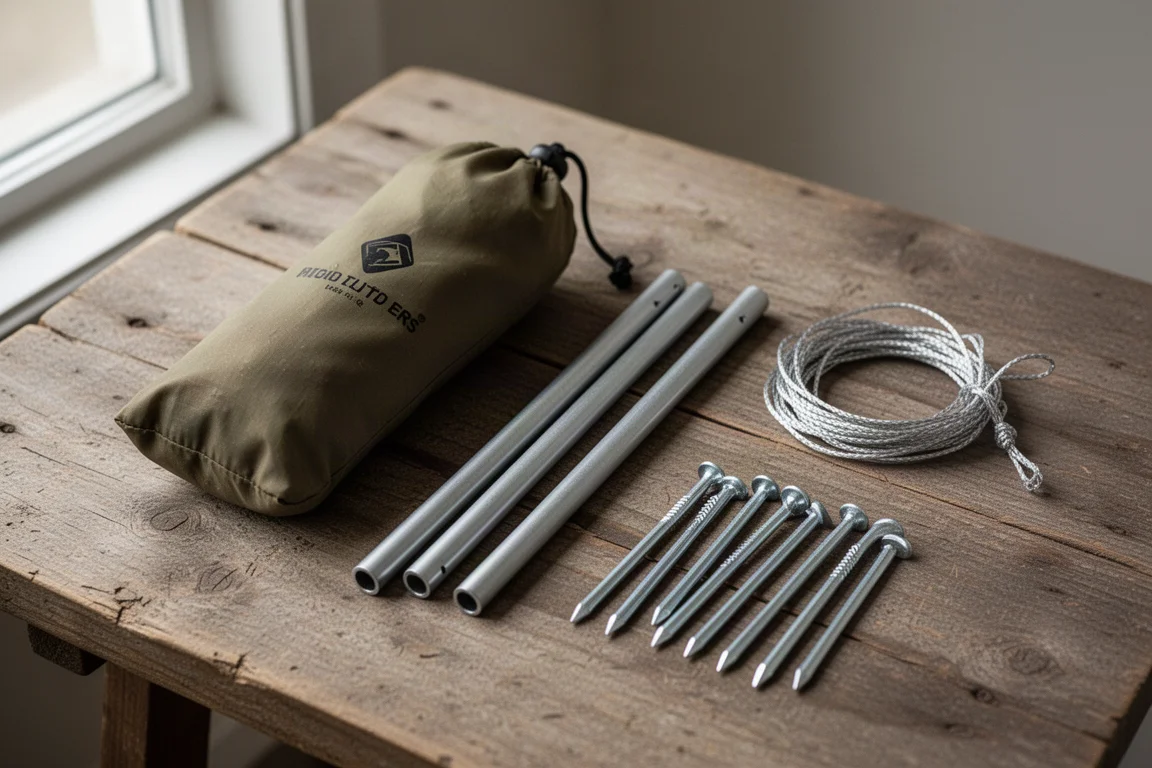
The kit includes a duffel-style carry bag, eight tent stakes, and reflective guy-out ropes. The unit tested arrived with one guy-out rope rather than the two listed, and the short rope that was included carries a tensioner on a line only a few inches long, which limits how much it can actually do.
The fabric is 68 denier 190T polyester taffeta with a 1,200 mm polyurethane coating. That specification sits on the light side for a shelter expected to handle sustained rain, though it does help keep weight and packed volume down.
Design Details and Build Quality
Some seams are taped: the side seams, the floor seams, and the top seam. Others are not. The door seam and the seams at the back of the tent are left raw, and light passes through the stitching at the rear. Partial seam sealing on a single-wall tent is difficult to justify, since the untaped seams are the ones most likely to let water through.
The poles are fiberglass, in three sections: two of equal length and one short section. They assemble quickly and hold the A-frame shape, but the structure offers no way to pull the body out or tension the side panels. As moisture builds overnight, the walls stretch and move inward, which is exactly what happened during testing.
Ventilation is limited to a small rear vent and the door. With the door closed, air movement is minimal, and interior temperatures climbed well above the outside air even in cool conditions.
Condensation and Wet-Weather Performance
This is where the tent fails. Single-wall construction, poor airflow, and a warm sleeper inside cool damp air add up to condensation, and the tent delivered on that in full. Within an hour of rain starting, the walls were soaked on the inside, the floor was covered in moisture, and water had pooled near the foot of the sleeping area.
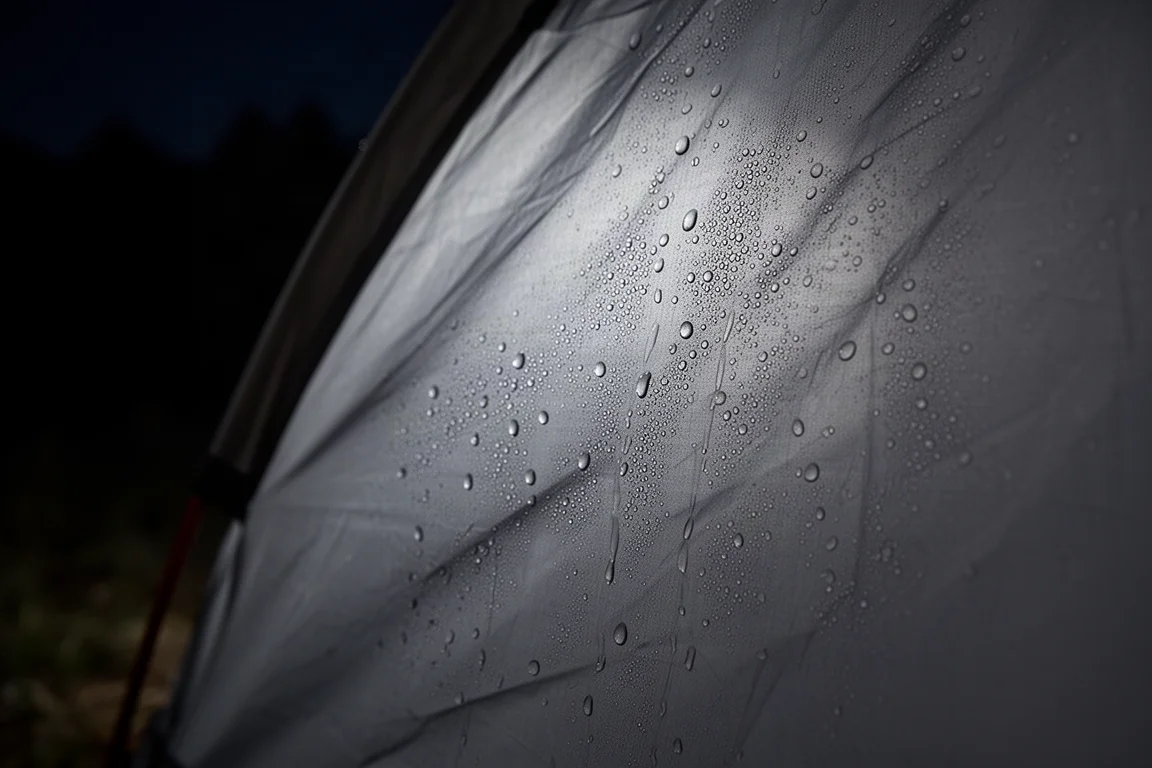
The water at the foot came from leaking rather than condensation. A mesh vent at the bottom was wet from drops running down from the seam above it. The ground outside never formed a puddle, so the rain involved was modest: about 45 minutes of light rain produced that much water inside the tent.
Once the sleeping bag and clothing began absorbing water in temperatures in the upper 30s, staying inside stopped being a reasonable option. Wet fabric plus cold air is a genuine safety problem, and this shelter does not provide the margin needed to manage it.
Things to Consider Before Buying
There are several practical points worth weighing before ordering.
The tent cannot keep an adult dry through a wet night. The floor, walls, and seams all allowed moisture through during light rain, and condensation alone was enough to saturate a sleeping bag and clothing.
Ventilation is not adjustable in any meaningful way. A small rear vent exists, but there is no cross-flow design, so humid air has nowhere to go.
The stated width is optimistic. Interior width tapers sharply, and the practical sleeping space is far narrower than the 4-foot figure suggests.
Dimensions and included accessories vary between versions of this tent, and the guy-out rope count in the tested unit did not match the listed contents.
Customer feedback on the retailer’s product page is mixed, with complaints about missing instructions, missing guy ropes, fabric that does not breathe, and soaked ground sheets after nights with no rain at all.
Buying Advice
At $29.99 to $35, the Hiker Biker tent is inexpensive, and that price is the strongest argument for it. For a child’s backyard sleepover, a fair-weather rest shelter, or a strictly emergency backup that lives in a vehicle, the low cost and small packed size make a certain amount of sense.
For anyone planning overnight backpacking trips, the calculation changes. A tent that leaks in light rain and saturates from condensation will not keep a sleeper warm or dry when temperatures drop, and replacing it after one bad night costs more than buying a properly sealed shelter in the first place. Spending more on a tent with fully taped seams, a double-wall design, and genuine cross-ventilation is the better path for anyone heading into the backcountry.
Conclusion
The Hiker Biker one-person tent gets the price and the packed size right, and little else. It is extremely small for an adult, it offers almost no usable ventilation, and it lets both rain and condensation into the sleeping area. For fair-weather, casual, low-stakes use by a small sleeper, it can work. For backpacking in real weather, it is not a shelter to depend on.
Product link
View more details for Bass Pro Shops and Cabela's Hiker Biker One-Person Tent
This product is mentioned in the review. Check the specifications, options, and compatibility before buying.
View more details for Bass Pro Shops and Cabela's Hiker Biker One-Person TentFurther reading
Related Reviews
Camping Tents
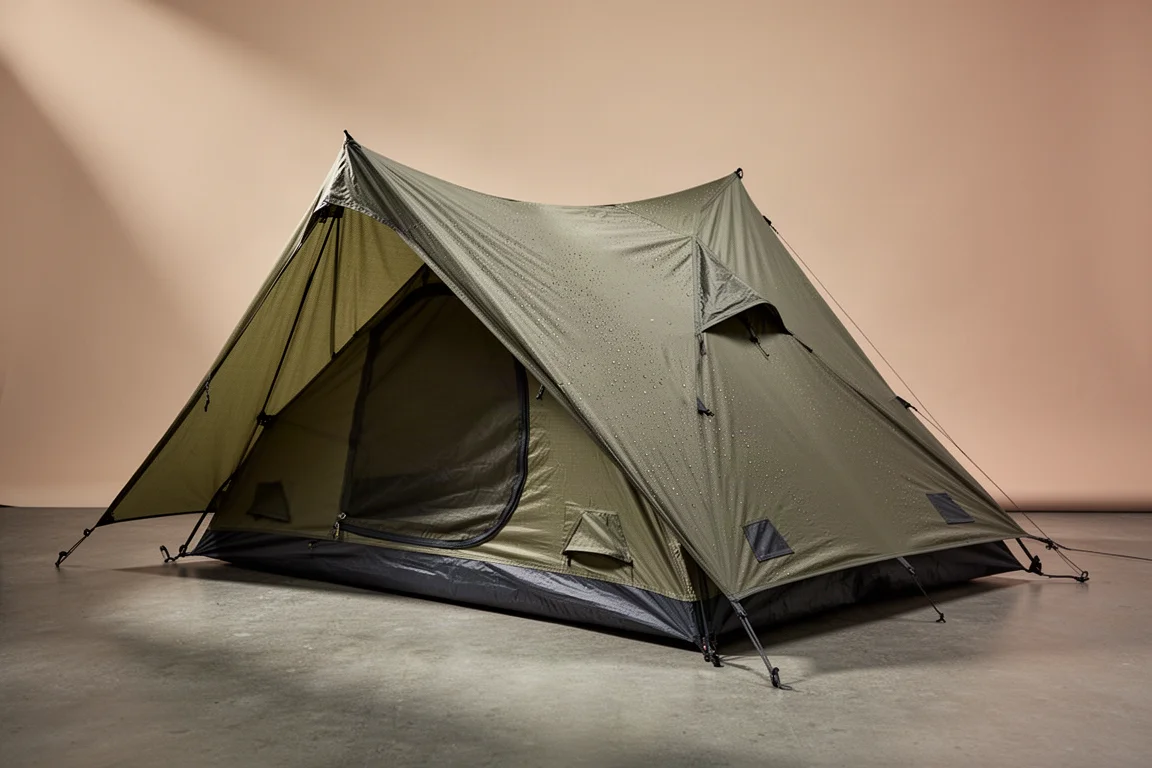
3F UL Gear Taiji Two-Person Tent Review: Field Waterproofing Results and Buying Advice
The Taiji pairs an attached fly with a removable inner, but sustained rain exposed untaped vent seams that need sealing before this shelter can be trusted.
Camping Tents
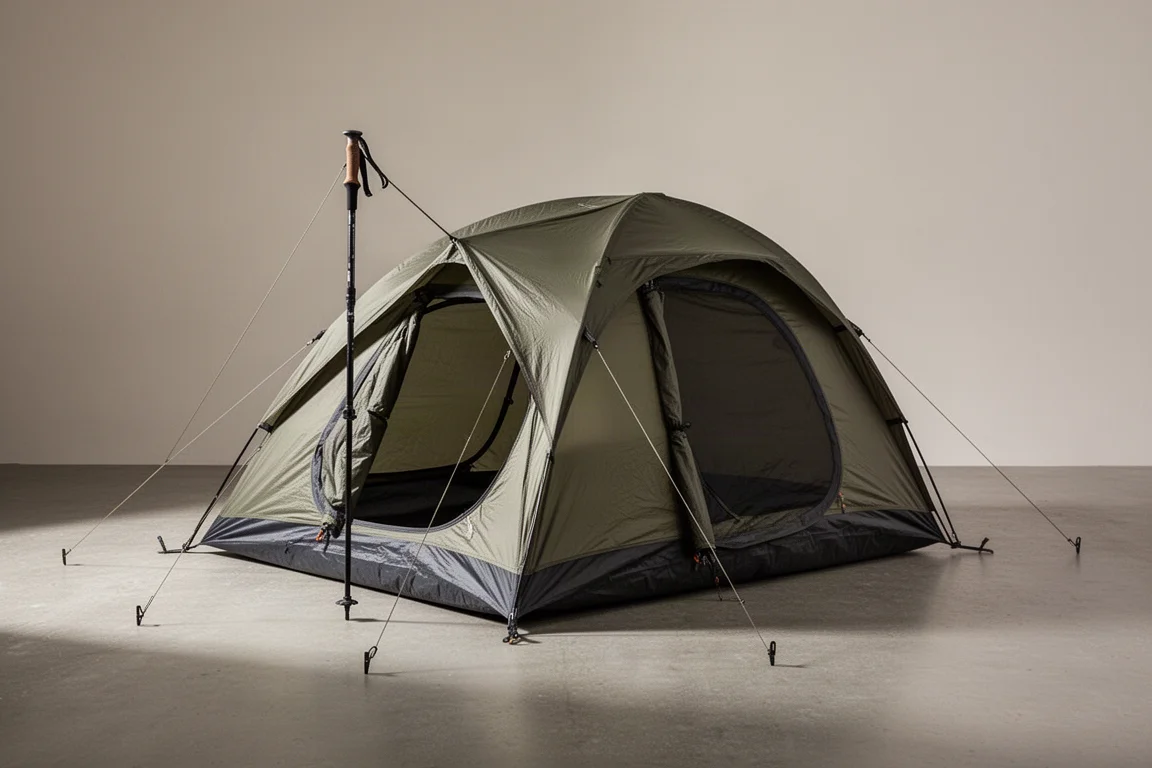
3FUL Gear Lanshan 2 Pro 4-Season Review: A Sub-$200 Single-Wall Trekking Pole Tent
An early look at the 3FUL Gear Lanshan 2 Pro 4-Season, covering its straightforward pitch, generous interior space, and the condensation and seam-sealing questions that come with any single-wall shelter.
Camping Tents
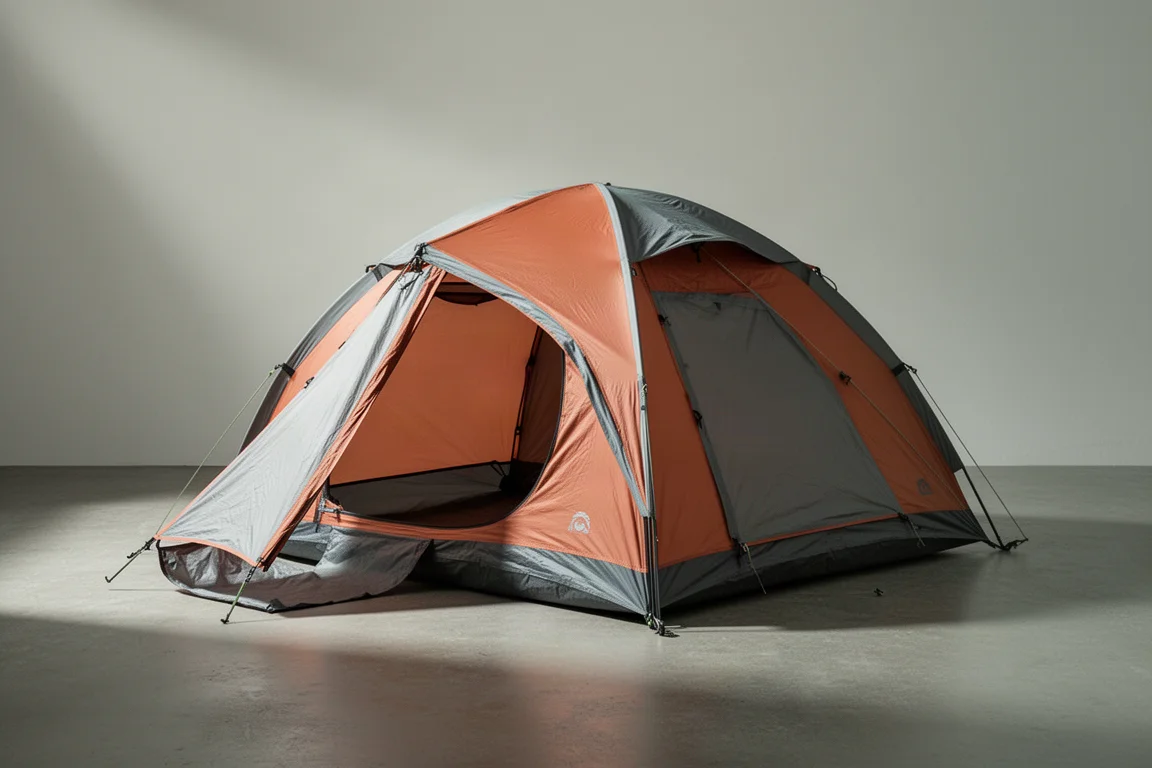
Alps Mountaineering Lynx 1-Person Tent Review: Big Value in a Small Budget Tent
A close look at the Alps Mountaineering Lynx 1-Person Tent, covering real interior dimensions, materials, setup time, ventilation limits, and who should buy it.