Astronomy Optics
Barlow vs Powermate vs Telecentric: 7 Optical Amplifiers for Solar, Lunar, and Planetary Work
A practical look at Barlow lenses, Tele Vue PowerMates, telecentrics, and solar-specific amplifiers, with seven products worth considering for visual and imaging use.
Introduction
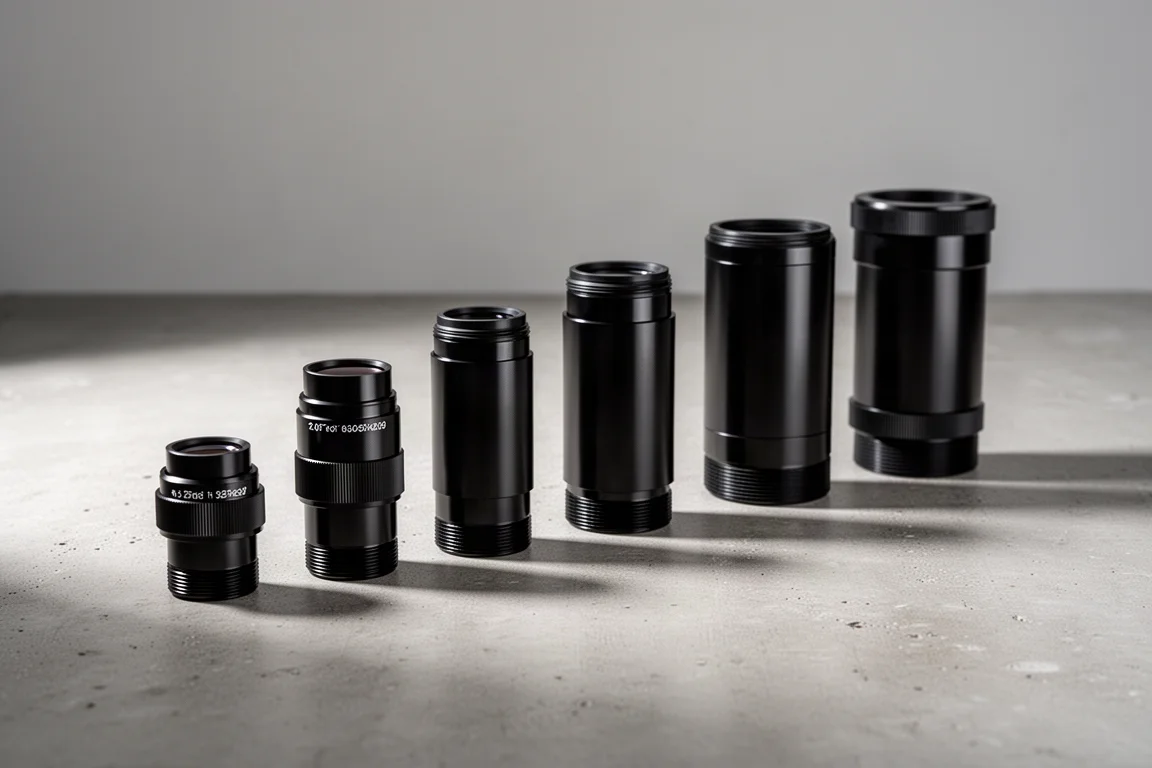
Barlow lenses, telecentric systems, and PowerMates all do the same basic job: they change your telescope’s effective focal length and magnify the image. Using a 10 mm eyepiece with a 2.5x PowerMate, for example, creates the effect of a 4 mm eyepiece. These devices typically come in 1.25-inch and 2-inch sizes, and if you image with a large-sensor camera, a 2-inch amplifier can help prevent vignetting, where the center of the image is brighter than the periphery.
Which one is right for you depends heavily on what you observe and image. Double stars, planets, the Moon, and the Sun are where these products shine; none of them are suitable for deep sky imaging. Below is a rundown of seven amplifiers and solar accessories worth knowing, based on how each is actually used in the field.
Barlow Lenses: Simple, Affordable Magnification
Named after its inventor Peter Barlow, the Barlow lens is an optical system that increases the effective focal length of your telescope, which means inserting one in front of an eyepiece magnifies the image. Most Barlows contain a two-element negative doublet that produces diverging rays toward the eyepiece. They work best with short-to-medium focal length eyepieces and can improve eye relief distance.
The catch is that magnification is not free. A 2x Barlow doubles magnification and a 4x quadruples it, but the image will not be as bright or sharp as it was before. Basic Barlows are relatively simple and inexpensive designs, and they can introduce vignetting, edge field aberrations, and pupil movement when paired with long focal length eyepieces.
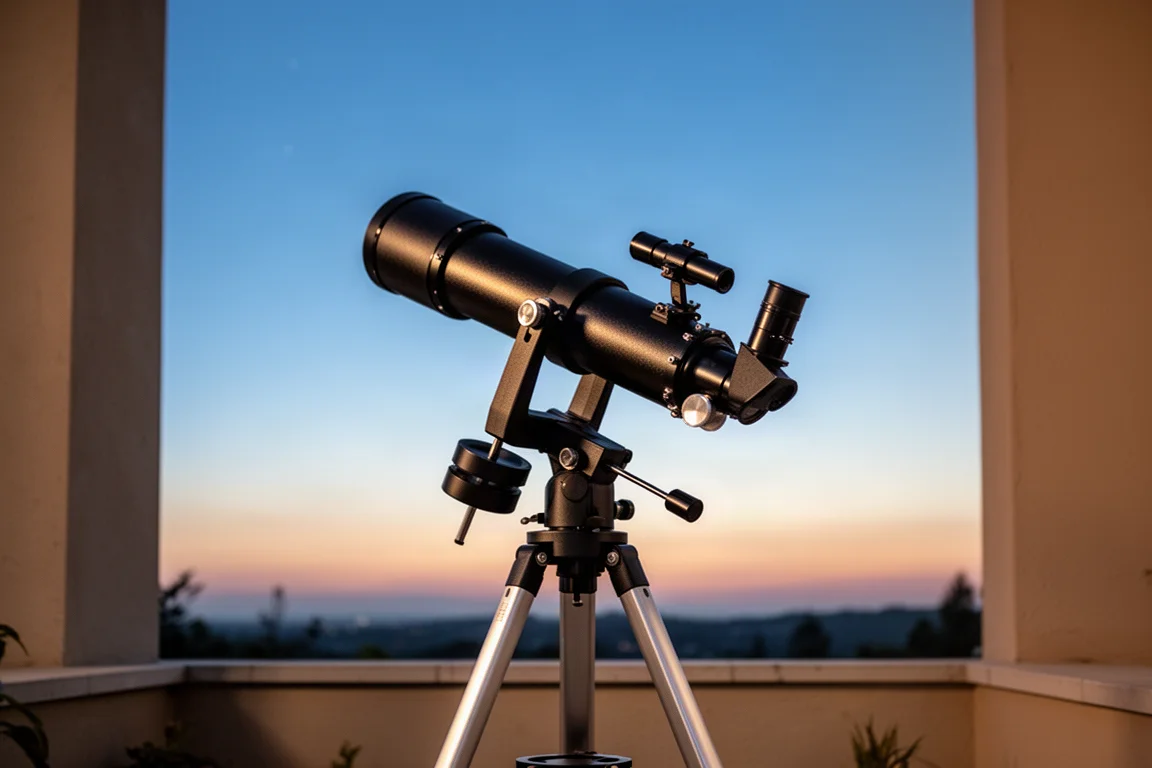
A good quality Barlow is genuinely fine for visual work on double stars, planets, and lunar close-ups. Just remember that your eyepiece and Barlow should be matched in quality; there is no point adding a great Barlow to a cheap eyepiece, or vice versa.
Tele Vue PowerMates: Barlow Function Without the Limits
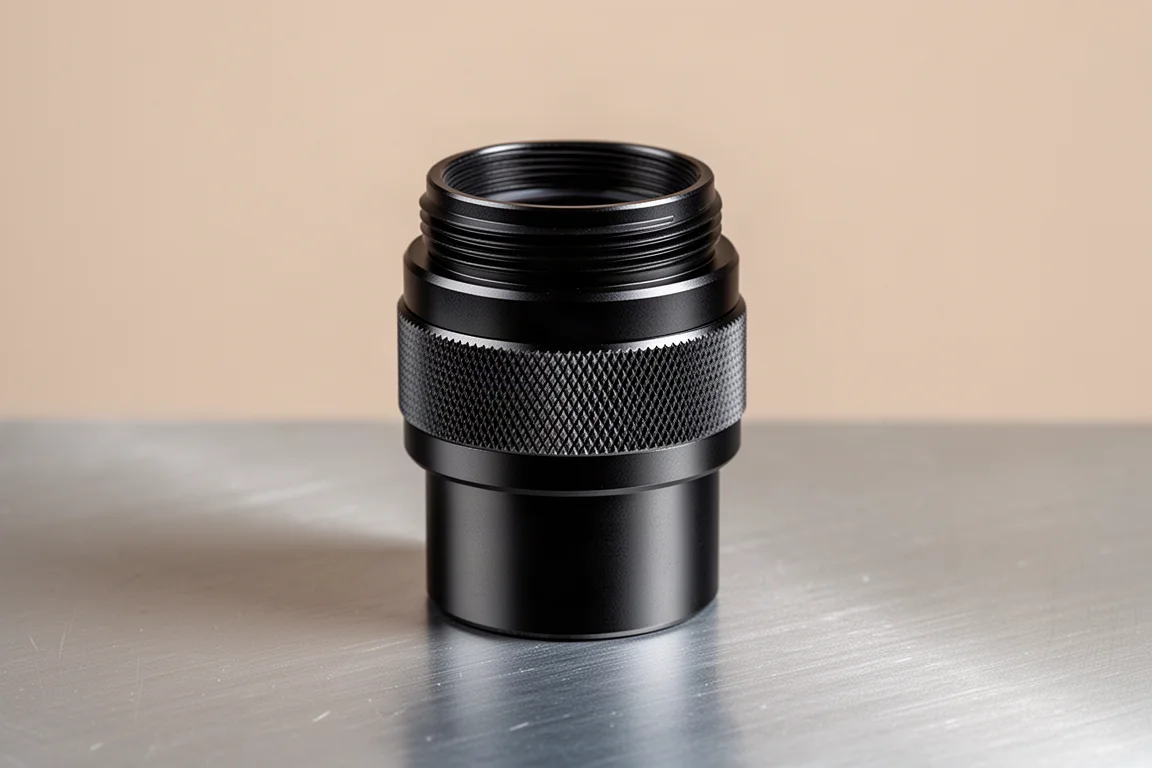
PowerMates are Tele Vue’s telecentric amplifier series. According to Tele Vue, they are designed to provide the same magnifying function as a Barlow without the limitations, using a four-element system: a negative doublet plus a positive pupil doublet that restores field rays to their original direction. The result is a much flatter field than Barlows deliver, which is preferred for imaging.
The reality is that PowerMates are excellent and popular products for good reason, though they are not completely telecentric and do not provide perfectly parallel exit rays. Tele Vue’s own data shows magnification does vary a little with distance from the lens. They remain a strong choice for broadband solar work, hydrogen alpha visual use with a pressure or tilt-tuned etalon, and general planetary and lunar observing and imaging.
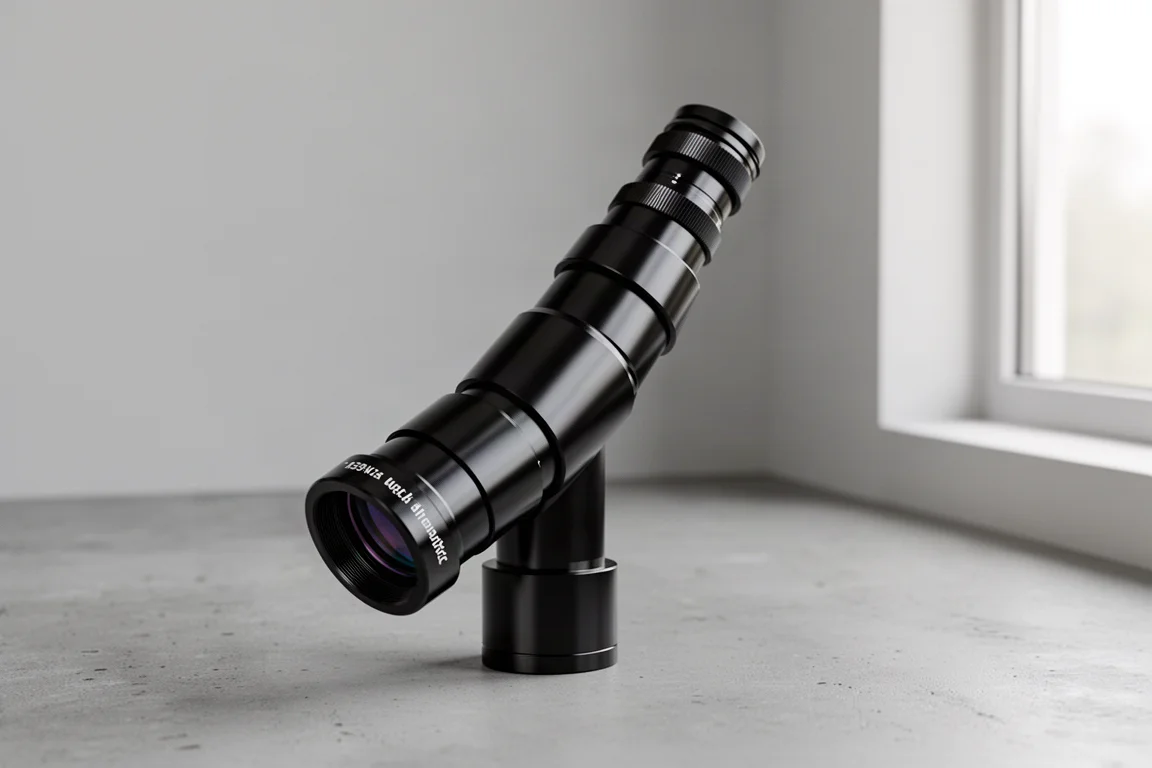
The 5x PowerMate pushes magnification dramatically further. On a typical f/7 refractor it is genuinely too much magnification unless seeing conditions are extremely good, so it suits setups with long focal ratios or exceptionally steady skies.
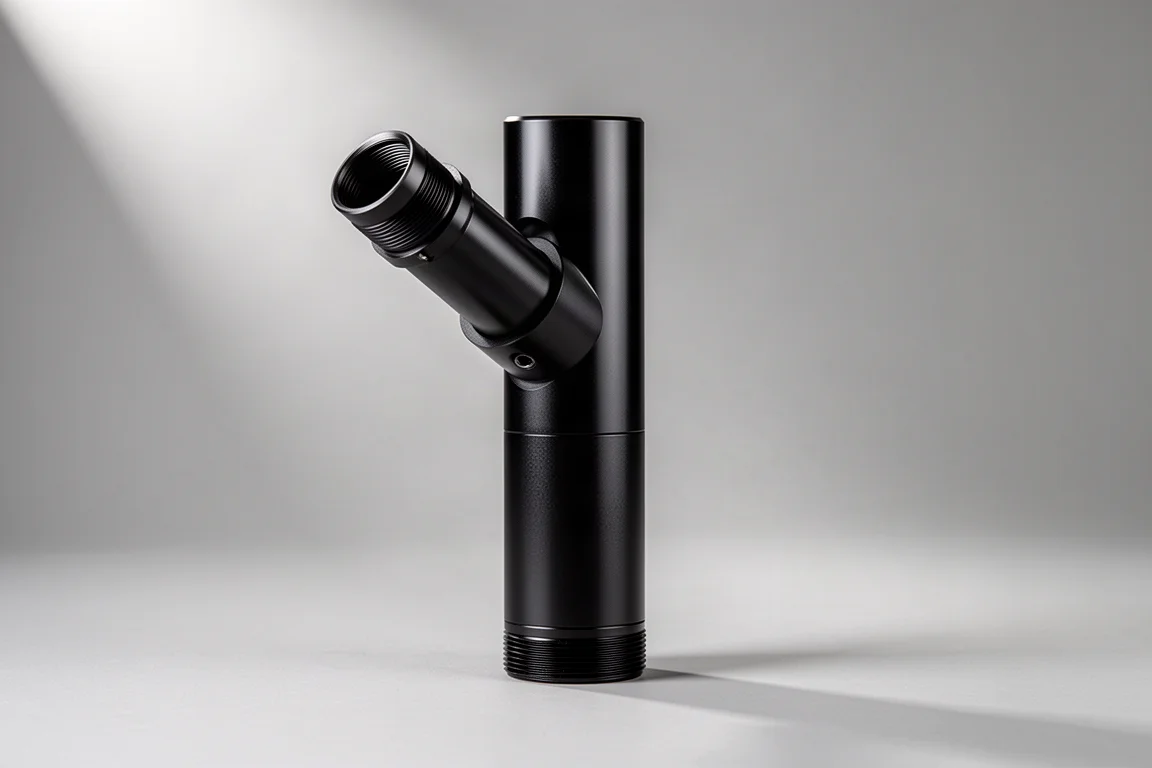
The 4x PowerMate is available in a 2-inch configuration. On an f/7 telescope it takes the system to f/28, which is a practical reach for planetary and solar imaging with a dedicated camera. For 2-inch use, you remove the 1.25-inch to 2-inch adapter from the diagonal, insert the PowerMate, and add the camera on top.
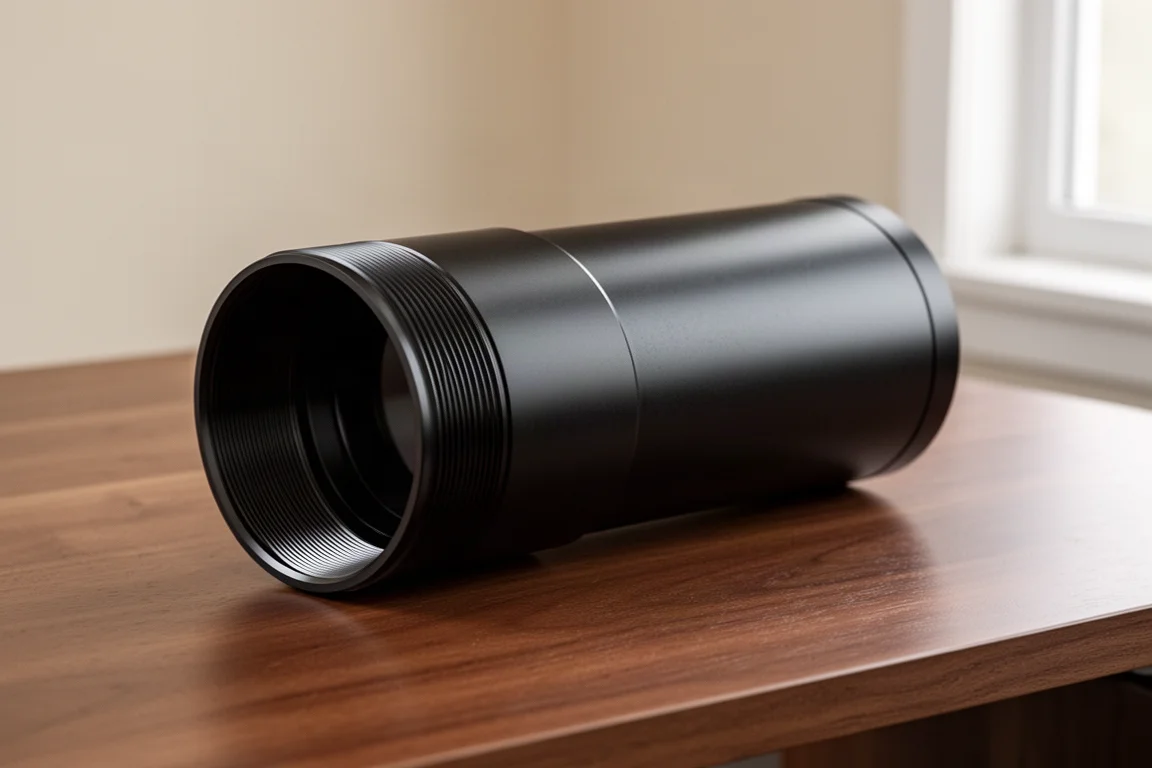
Baader Telecentric: True Parallel Beams for H-Alpha Filters
Telecentrics are often confused with Barlows, but they are designed so the exit pupil lies at infinity. That means the center ray from any point appears to come from infinity and is therefore perpendicular to the image plane and parallel to the optical axis. In practice, this delivers a plane-parallel beam of light and a magnification factor that stays nearly constant regardless of camera or eyepiece position.
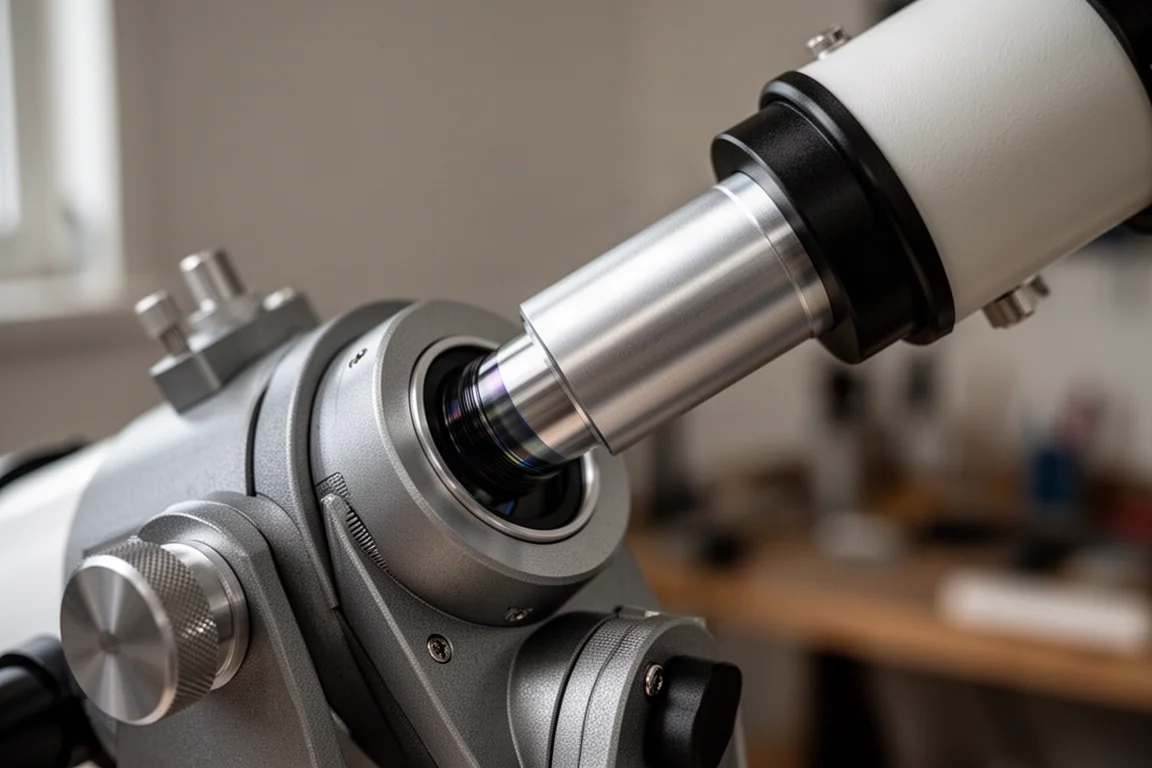
The Baader telecentric is designed specifically for H-alpha and calcium K etalon filters, and it is a true telecentric lens system. If you own a mica-based etalon, such as a Solar Spectrum unit, a telecentric is the preferred amplification option, and Solar Spectrum specifically recommends Baader products like the TZ4S.
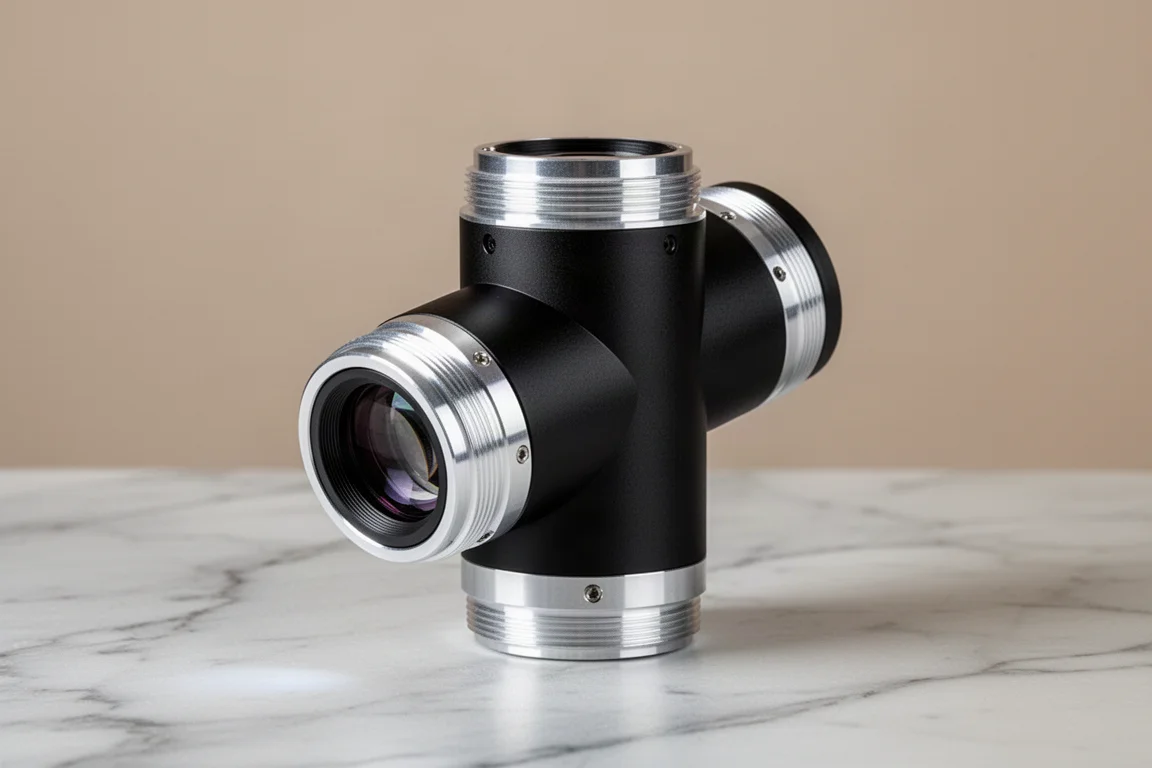
DayStar Quark: Built-In Telecentric Convenience
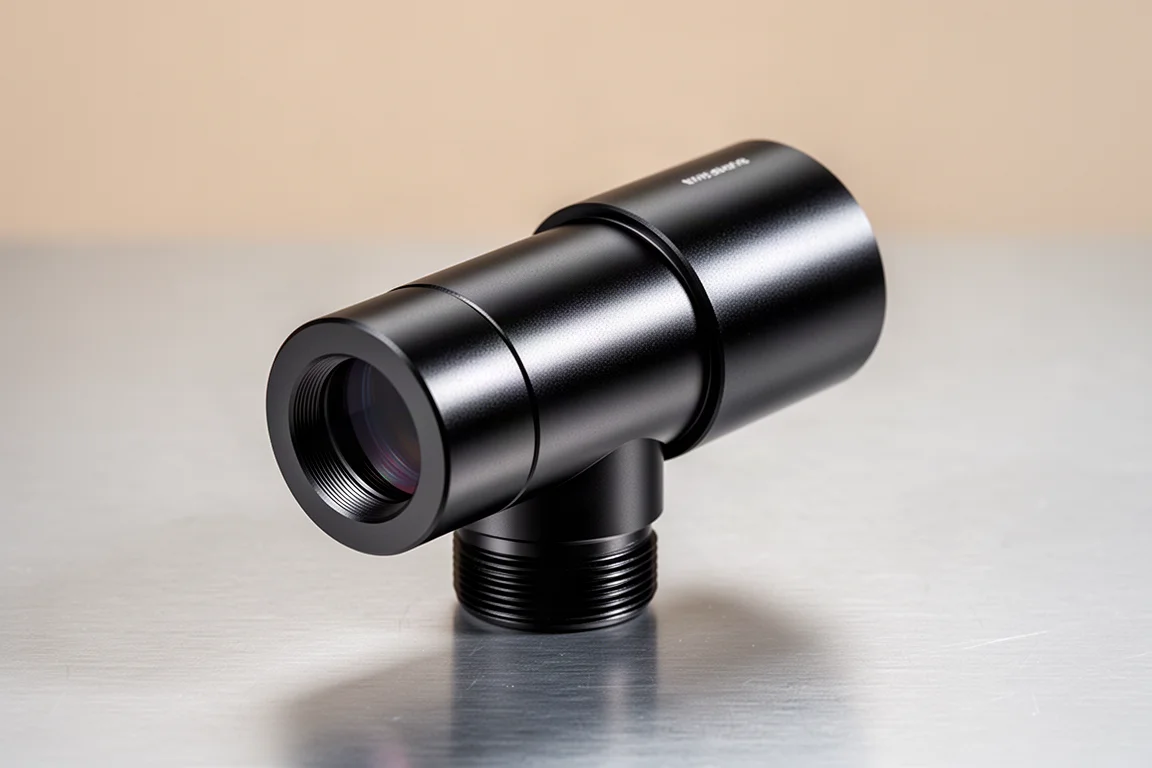
The DayStar Quark has a built-in telecentric within its metal housing, so you should not add a separate telecentric in front of it. That makes it a streamlined option for hydrogen alpha solar observing: one compact unit that combines amplification and filtering without extra stacking.
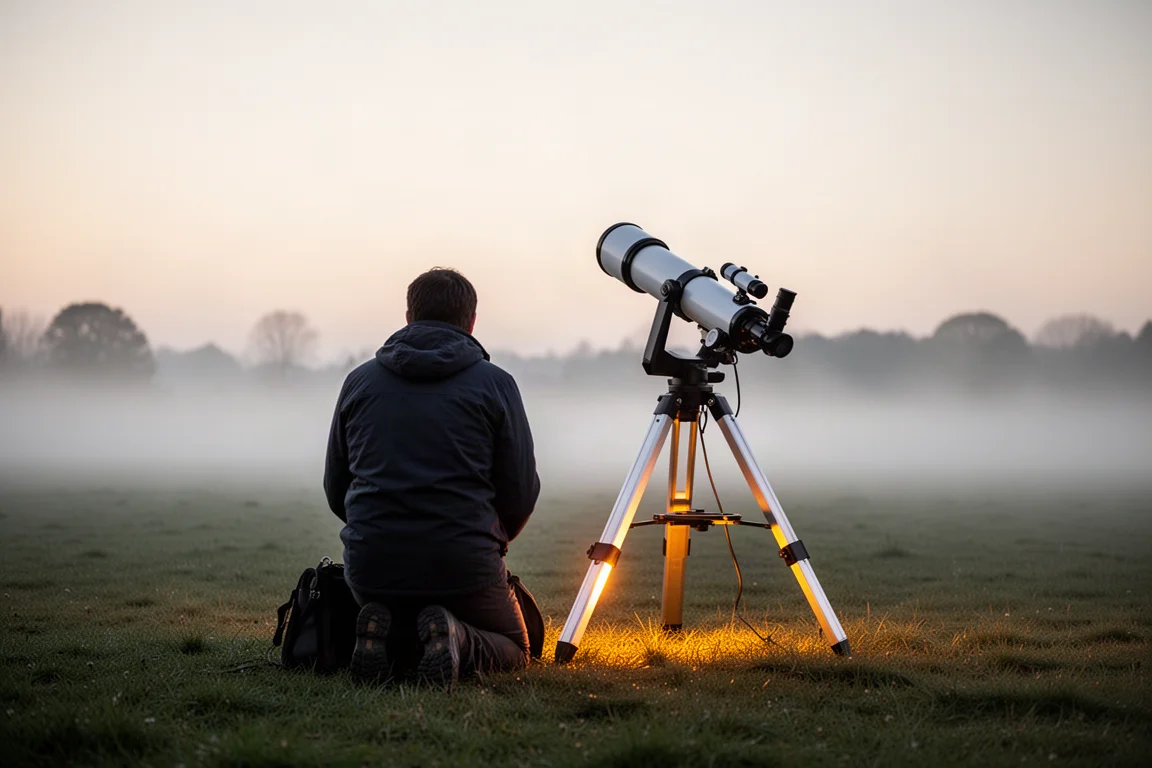
For anyone building a dedicated solar setup, that integrated design removes a layer of configuration decisions and keeps the optical train shorter.
Lunt Solar Systems Herschel Wedge: Safe White-Light Solar Viewing
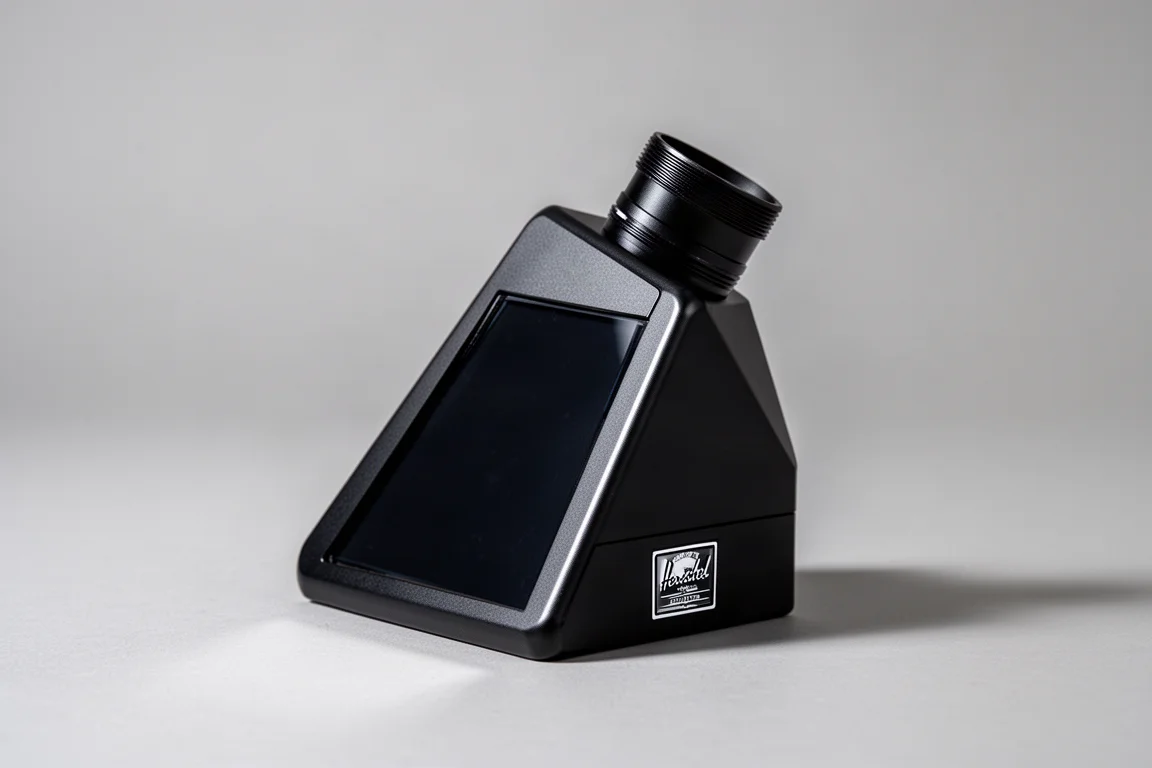
For white-light solar work with a refractor, a Herschel wedge is the tool of choice. It allows you to safely view the Sun through a refractor and see the photosphere in detail, making it a natural companion to any of the amplifiers above when you want higher magnification on sunspots and granulation.
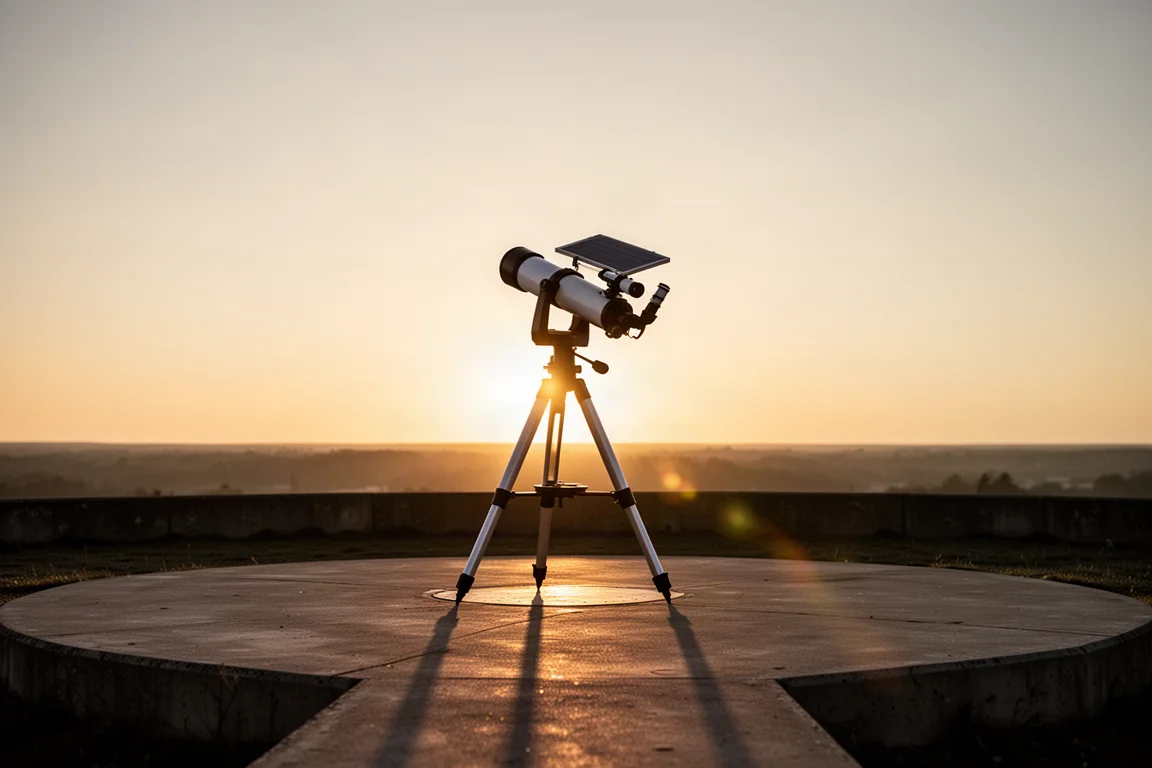
Wedges are strictly a solar accessory, and they pair with the same visual and imaging workflows described earlier: amp up the focal ratio, use short focal length eyepieces or a small camera, and keep expectations aligned with bright-target observing rather than deep sky work.
How to Choose
For visual use on double stars, planets, and lunar close-ups, a good quality Barlow is perfectly adequate. For the same applications and especially for solar work, a PowerMate is the better choice, and PowerMates can be used for broadband solar work either visually or for imaging. A PowerMate can also be used for hydrogen alpha visual work if you are using a pressure or tilt-tuned etalon. If you have a mica-based etalon, specifically Solar Spectrum, a telecentric is preferred.
Whatever you choose, match the quality of the amplifier to the quality of your eyepiece, and keep in mind that all of these devices are invaluable for solar, lunar, planetary, and binary star observing and imaging, but not for deep sky targets.
Conclusion
Barlows, PowerMates, and telecentrics each occupy a clear niche. Barlows are simple and affordable for visual magnification, PowerMates offer flatter fields and more consistent performance for imaging and solar work, and true telecentrics like the Baader unit are the go-to for H-alpha and calcium K etalons. Solar-specific options like the DayStar Quark with its built-in telecentric, and the Lunt Herschel Wedge for white-light viewing, round out a complete solar and planetary toolkit.
Further reading
Related Reviews

Backpacking Gear
Building a 10 lb Base Weight: An Ultralight Backpacking Gear List
A practical walkthrough of the ultralight pieces behind a 10 lb base weight, from a 765 g pack and a roomy one-person tent to a full camp chair and a dependable water filter.

Road Bikes
10 New Road Bikes Worth Watching: Aero, Titanium, Steel and Endurance Standouts
A practical roundup of 10 new road bikes, from aero flagships chasing single-watt gains to titanium, steel and endurance platforms built for real roads.

Bikepacking Gear
11 Bikepacking Essentials for Long-Distance Cycling
Eleven bikepacking essentials for long-distance cycling, from a steel gravel frame and a two-person tent to helmet lights, packable gloves, and a frame bag that puts weight in the right place.