Barefoot Shoes
Barefoot and Minimal Hiking Shoes: 8 Options Across the Transition
A practical look at eight minimal and barefoot-style hiking shoes, from supportive entry points to the thinnest everyday options, with the trade-offs that matter.
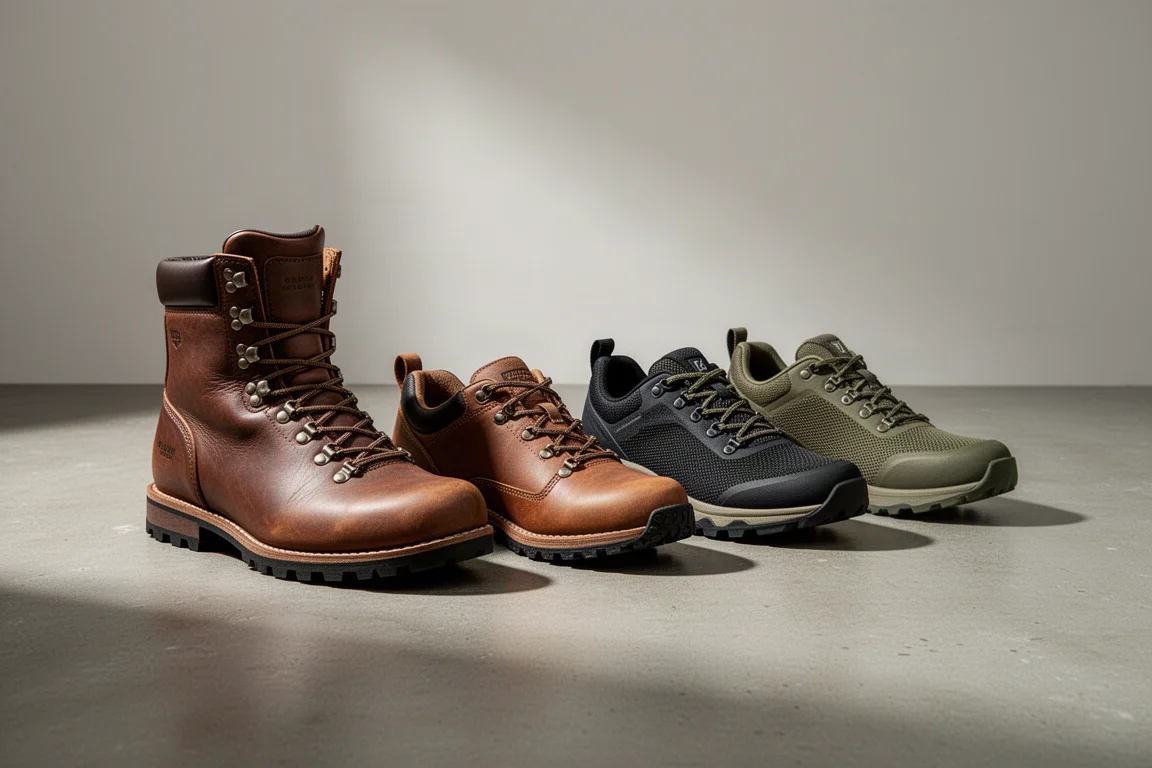
Introduction
There is no single shoe that works for every hiker in every situation. Terrain, foot structure, hip mechanics, arch height and foot width all change what a shoe needs to do, and the shoe that feels perfect on a smooth day trail can feel entirely wrong on a rocky alpine route. What follows is a broad look at footwear that covers the whole spectrum, from a supportive, wide-based trail shoe to the thinnest minimal option, so you can see where your own transition might reasonably start.
The most sensible place to begin a transition is not on the trail. Barefoot at home, minimal shoes around the city, and easy walks in parks build tolerance before any barefoot hiking enters the picture. From there the practical route is gradual: start with something wider and more supportive than what you wear now, then step down in stack height and stiffness as your feet and hips adapt.
Best Entry Point: Merrell Long Sky 2
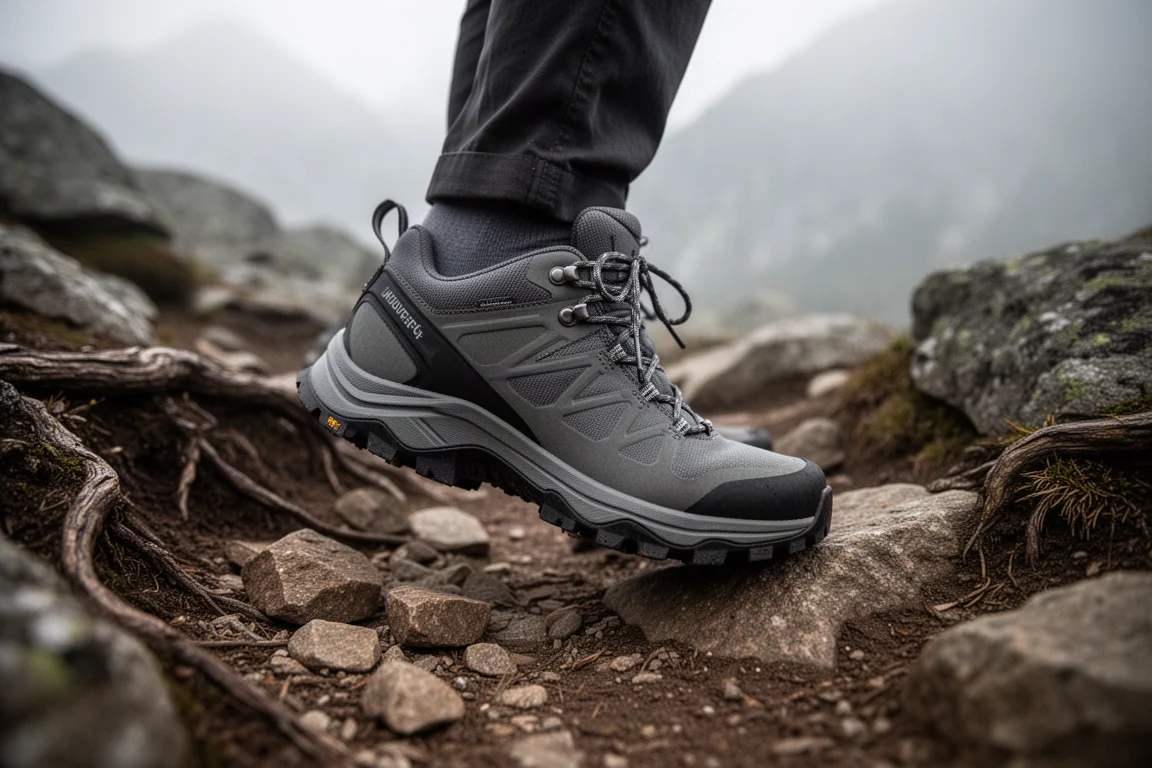
The Long Sky 2 is a wide-based, supportive shoe, and it is one of the easiest places to start. It is light, capable on the trail, and sits somewhere between a trail running shoe and a hiking boot: plenty of stack height, a broad platform underfoot, and Vibram rubber on the outsole, which carries a strong reputation for traction and endurance. There is also a gaiter trap at the heel with a velcro patch and a hook at the front for anyone who uses gaiters.
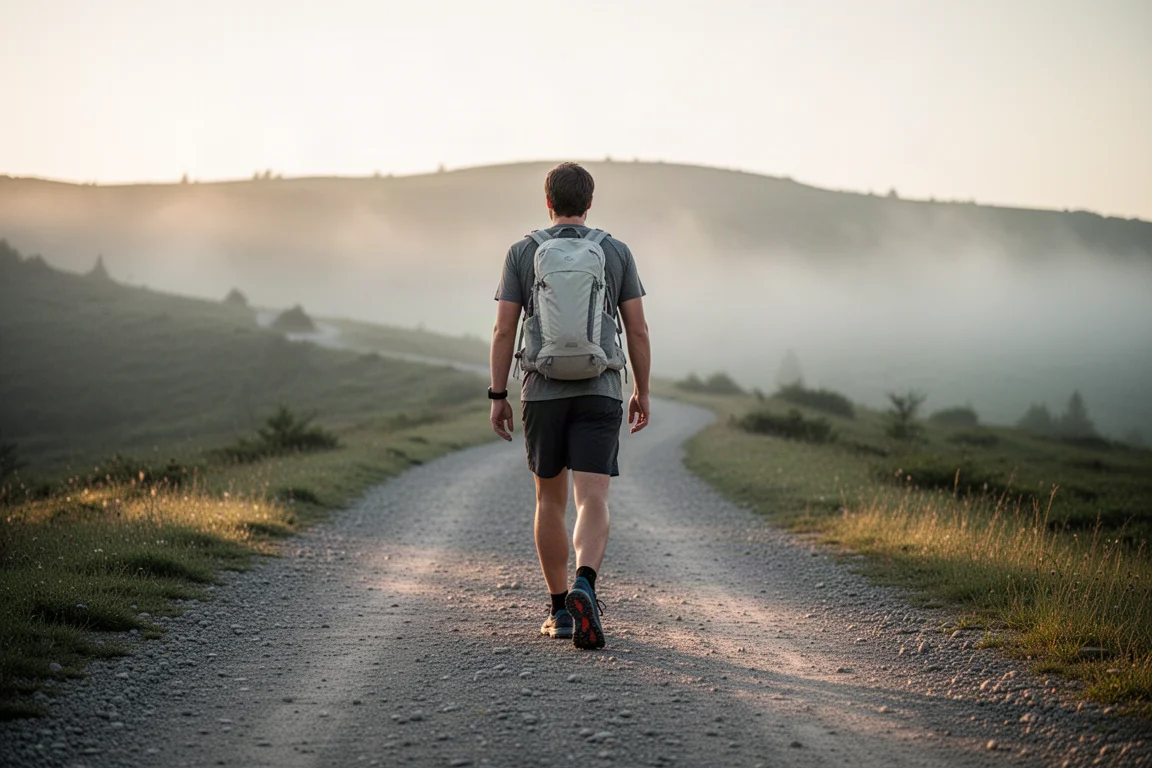
The catch is width. The toe box is still not wide enough for the toes to spread properly, and it will not comfortably accommodate toe spreaders, which matters if years of narrow shoes have compressed your toes together. For anyone with a low arch who wants a little support underfoot before moving to something flatter, this is a sensible first step. Treat it as a starting point rather than a destination.
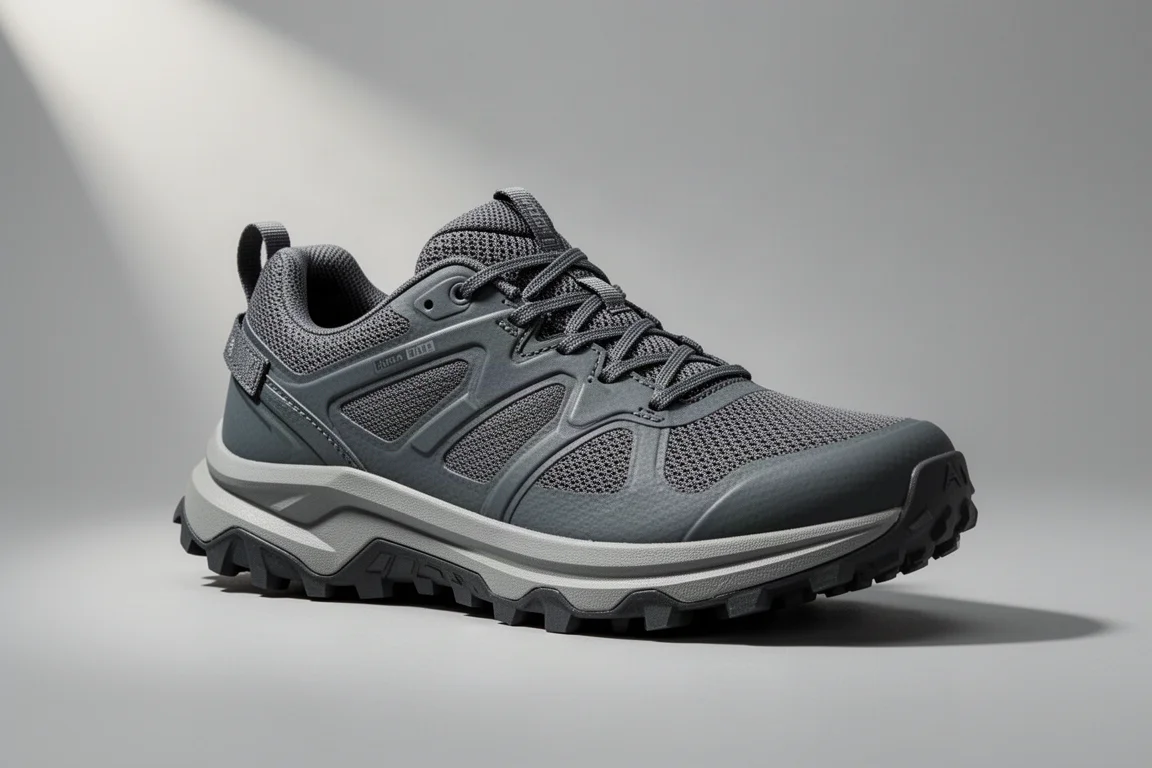
Altra Olympus 4: Wide Cushioning for Long Distances
Altra takes a different route to the same problem. The Olympus 4 pairs a very wide toe box with a high stack height and generous cushioning, which makes it a strong option for bunions, squished toes, and anyone who needs room for toe spacers or an insert. It has covered an 800 kilometre thru-hike, which says a good deal about how it handles long days under load.
The trade-off is durability. Altra models tend to fall apart quickly, and the Olympus is no exception. For hikers who value comfort and width over longevity, that can still be a worthwhile exchange, and it is the reason many people keep coming back to the brand.
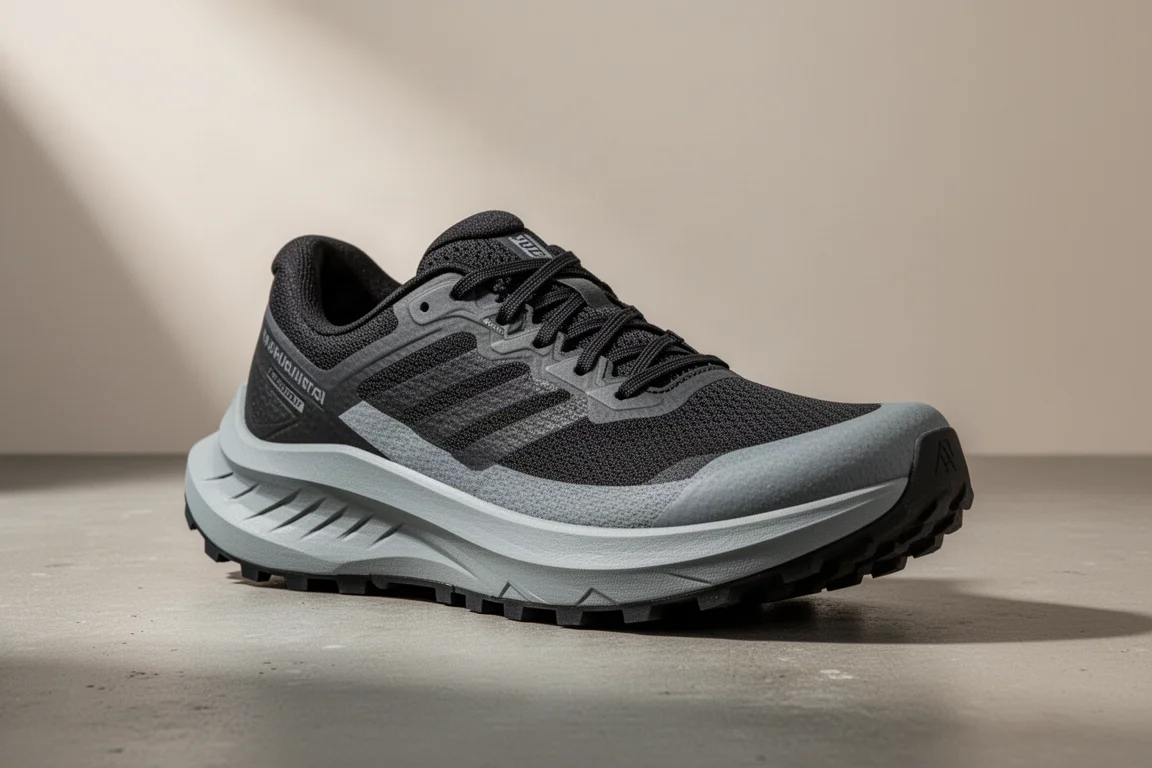
Altra Superior 5: Wide Fit With an Optional Rock Plate
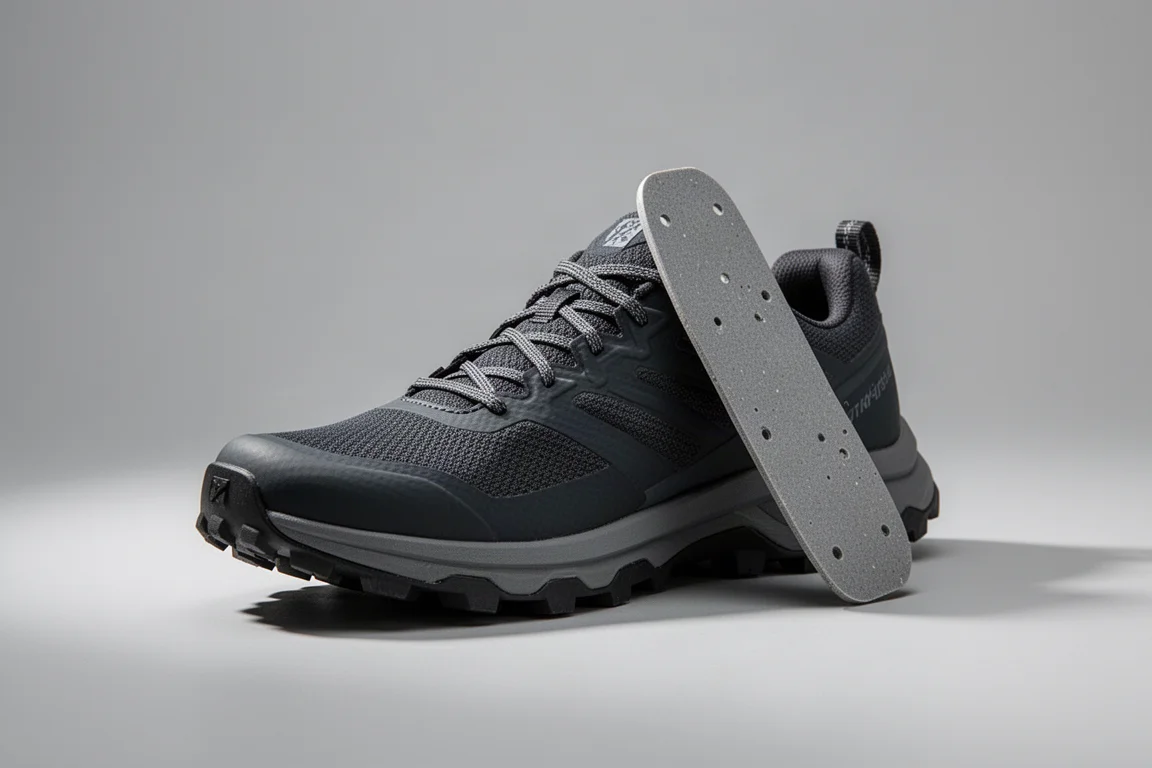
The Superior 5 follows the same wide, foot-shaped last, with a decent stack height and plenty of cushioning underfoot. It is still not a barefoot shoe in the strict sense, but it is a genuine step down from a traditional boot. An optional rock plate is available, and it can be used if sensitivity to rocks and roots becomes a problem. In practice it has handled eight-day hiking trips and most of a summer of walking.
Two things to plan for: these shoes wear out quickly, and they are not cheap. Expect to pay around 140 EUR, and expect discounts to be rare.
If a rock plate comes with the pair you buy, it is worth carrying on rough ground. On smoother trails the shoe is comfortable enough without it.
Vivobarefoot Magna Forest ESC: Leather Durability for Cold Weather
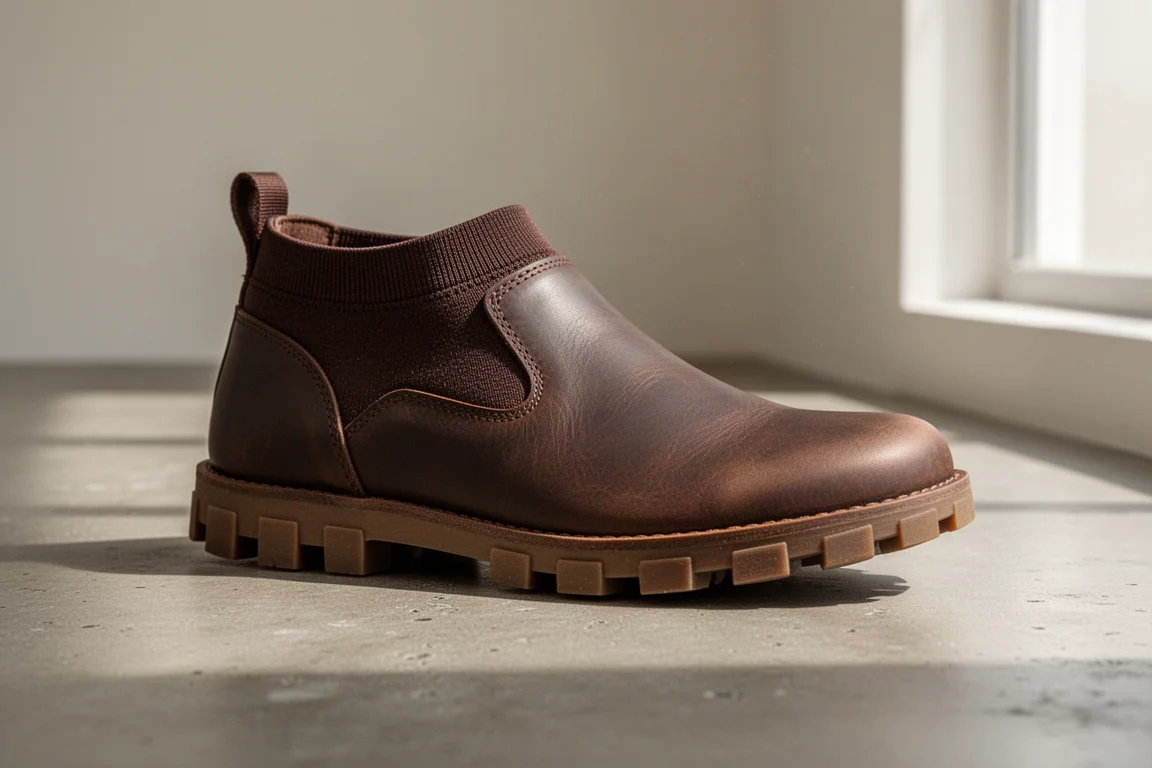
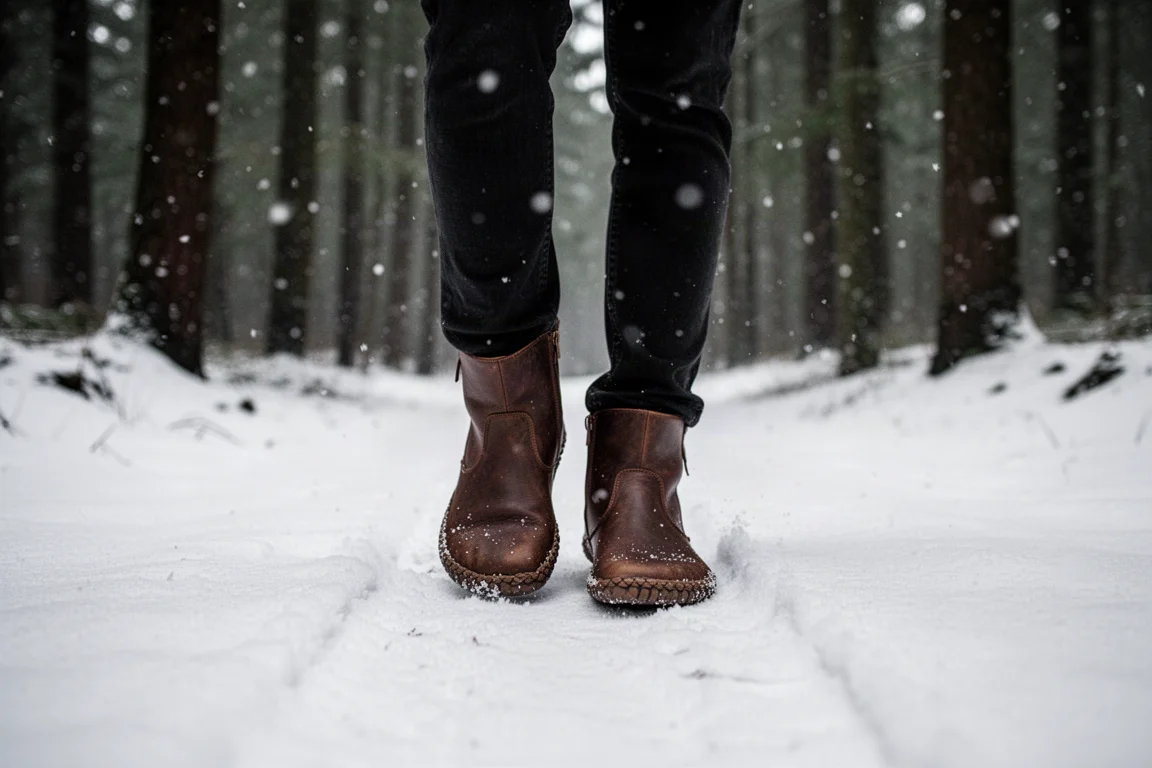
Where the Altra models give you width with cushioning, the Magna Forest ESC gives you a genuinely minimal platform wrapped in leather. It is zero drop, very flexible and wide through the toe box, and the upper is built from a small number of large leather panels rather than many stitched pieces. In cold and wet conditions, including snow, it has proven waterproof to the standard you would expect from a leather hiking boot.
The Michelin rubber outsole is a highlight: large, wide lugs with excellent grip, and the shoe stays light despite the aggressive tread. The structure is deliberately minimal, with a stretchy, sock-like collar that wraps the ankle rather than bracing it. After heavy seasonal use the leather does show wear.
Vivobarefoot Forest ESC: A Higher-Cut Leather Boot
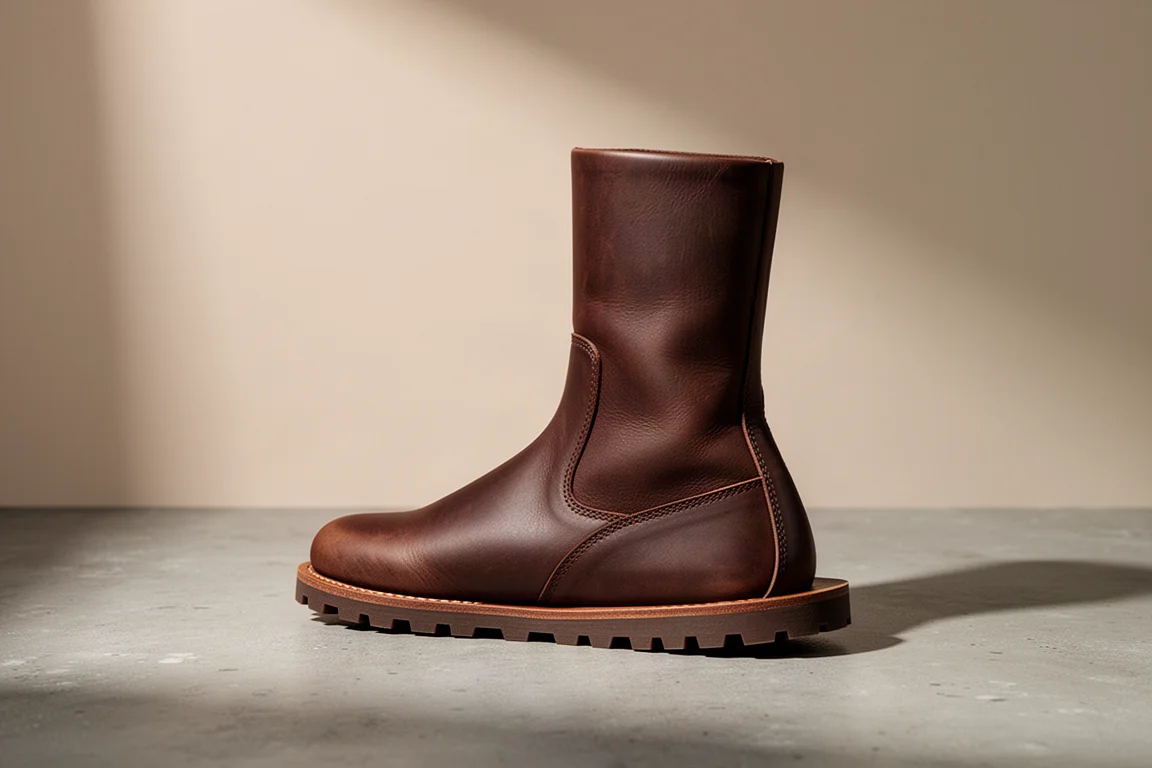
The Forest ESC looks far more like a conventional hiking boot. The leather runs higher up the ankle, past the ankle bone, and the sole is Michelin rubber again. It is warm and waterproof, which makes it a winter and early spring boot rather than a year-round option, and the whole shoe remains flexible and twistable so the foot can still move naturally.
The main reservation is weight. It is heavier than the Magna, and the high ankle cut will not suit everyone. On ankle support more generally, the case for tall leather collars is weak: a little leather above the ankle will not stop a sprain when body weight and momentum are driving the ankle into a position it cannot handle. Building strong ankles is the more useful investment.
Vivobarefoot Magna FG Men’s: Refined Leather With Michelin Rubber
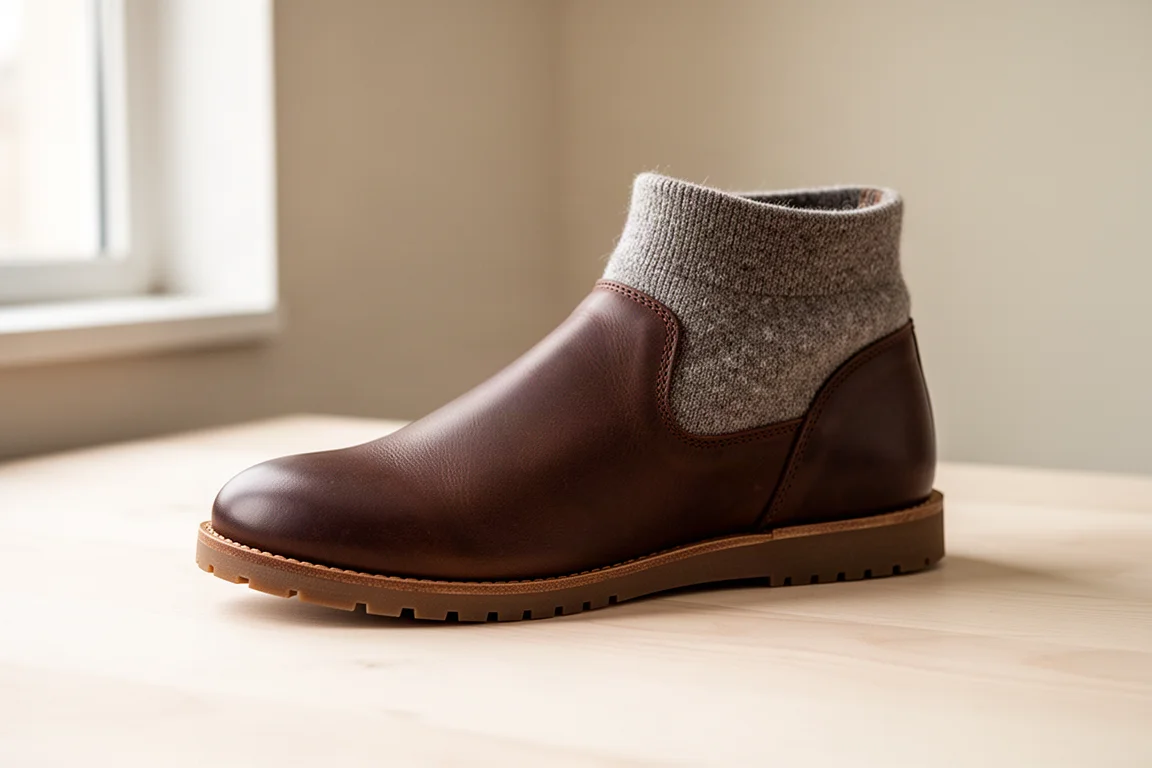
The Magna FG Men’s is a newer, cleaner take on the Magna. It keeps the wool-blend stretch collar that cinches around the ankle, a leather mid-upper and the Michelin rubber outsole. It also adds a thermal insole from Outlast, with only three millimetres of rubber underfoot and a claimed 300 percent more thermal protection, which is a meaningful upgrade for cold-weather walking.
The earlier Magna uses a standard trail sole rather than Michelin rubber, and it has already proven itself through a full winter with no complaints about cold feet. The FG variant looks like the more polished everyday option of the two.
Vivobarefoot Primus Trail Firm Ground: Everyday Minimalism
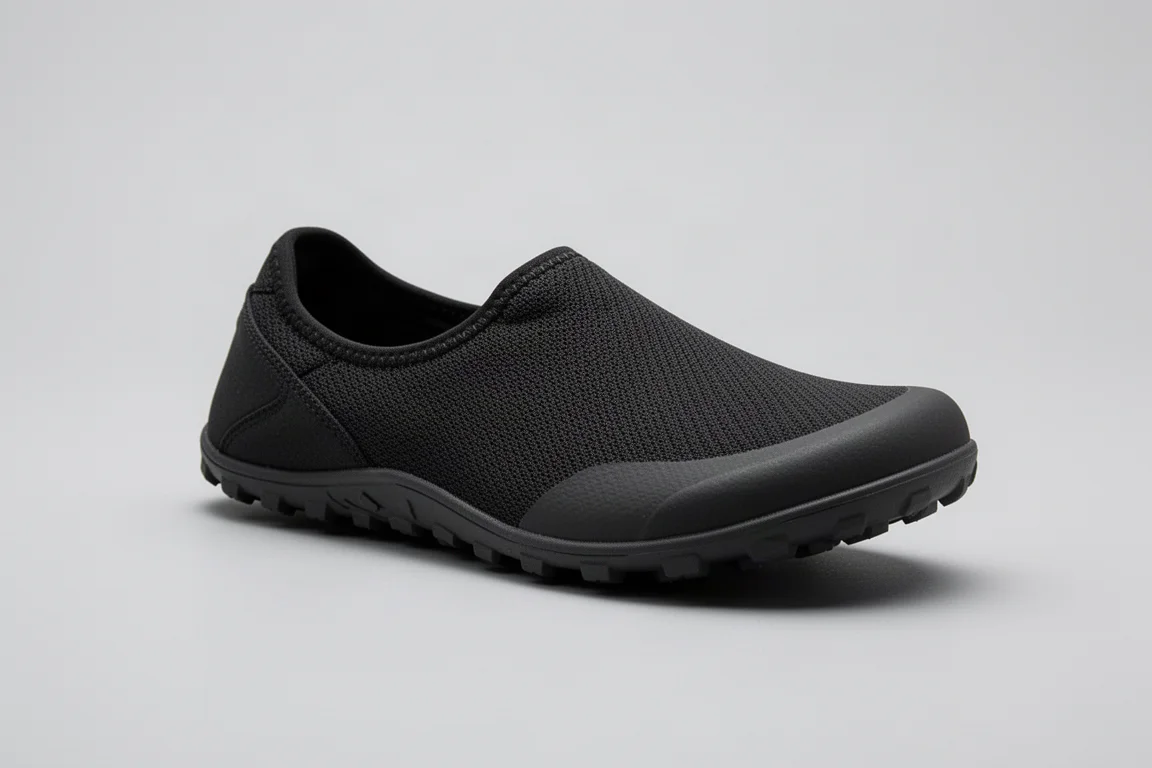
For the thinnest end of the everyday range, the Primus Trail Firm Ground is the shoe that ends up being worn for almost everything: trail running, city walking, training and hiking. The difference from the standard Primus is the outsole, which has a proper trail pattern with decent lugs and a slightly thicker sole that lasts longer under constant use.
That extra material turns it into a genuine hiking shoe. It handles multi-day trips comfortably with a pack up to around 10 to 15 kilograms. Above that weight, more cushioning makes sense, and a cushioned shoe such as an Altra becomes the better choice. The standard Primus, with its thinner sole, is best kept to short day hikes rather than serious trail use.
Vivobarefoot Primus: The Thinnest Option in the Range
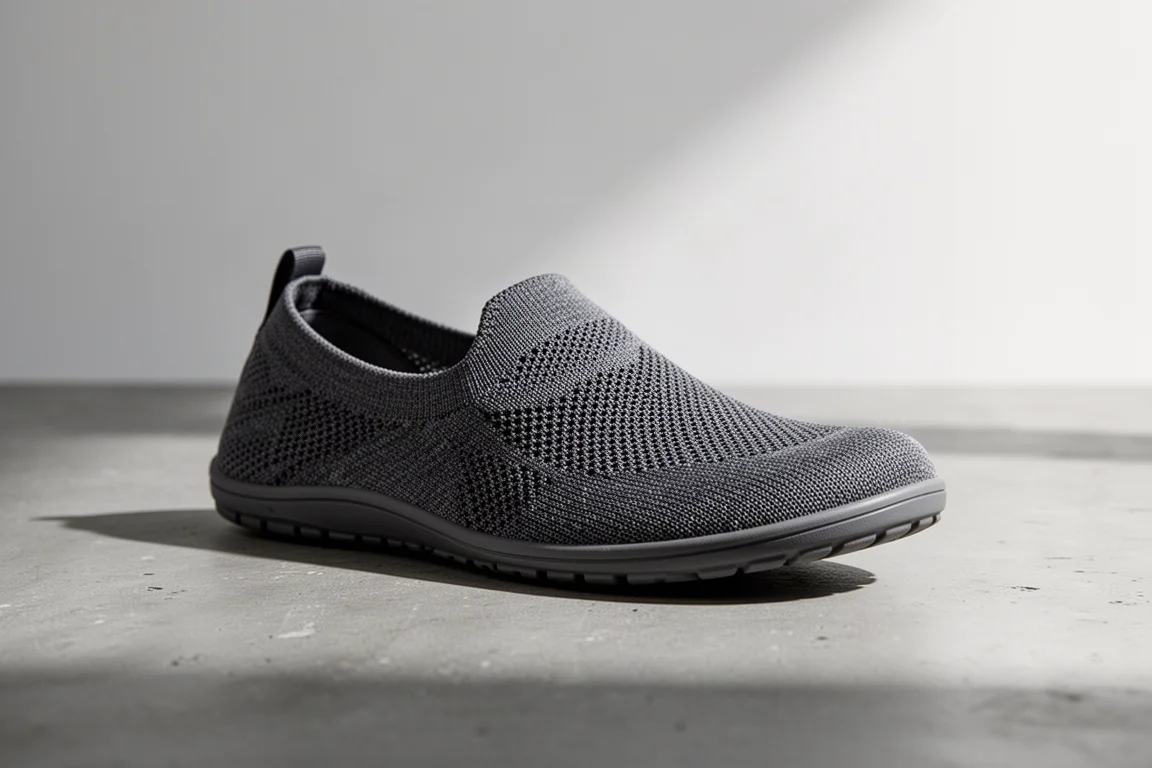
The original Primus sits below the Trail Firm Ground in the lineup, with a thinner sole and a less aggressive tread pattern. It is the lightest and most minimal option here, and it suits city walking, easy paths and day-to-day wear where ground feel matters more than grip.
The limitation is the outsole. With constant daily use it can wear smooth over time, which reduces traction on anything loose or wet. Treat it as a minimal everyday shoe rather than a trail shoe, and expect to replace it sooner if it becomes your only pair.
Overall Buying Advice
Match the shoe to the terrain and the load rather than to a philosophy. Extreme environments change the equation: in places like Tasmania or Alaska, or in snow where you may need to cut steps or fit crampons, a more rigid shoe with a hard edge is the safer choice, and a traditional boot may be the right answer.
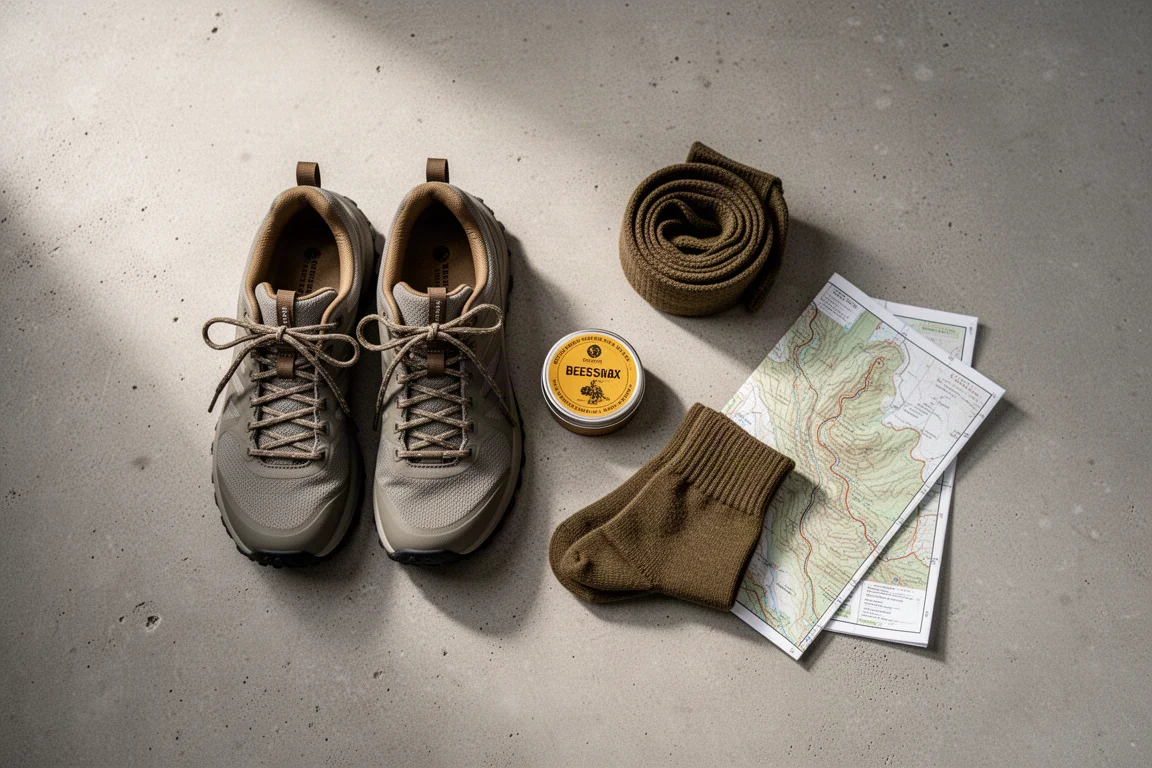
For everything else, the sequence matters more than any single purchase. Begin with a wider, more supportive shoe such as the Merrell Long Sky 2, move to a wide cushioned shoe when you want more room for your toes, and step into a minimal option such as the Magna Forest ESC or the Primus Trail Firm Ground once your feet and hips have adapted. Leather models benefit from occasional beeswax treatment to keep them water-resistant.
It also helps to look beyond footwear. Sitting in one position for eight hours a day, combined with very supportive shoes, desensitises the foot and stops it from building its own arch, spreading the toes and flexing as it should. Foot, knee and ankle pain is common, and the feet are robust enough to tolerate a great deal of discomfort before they send a clear signal. Changing sitting positions through the day, varying the stimulus to the hips and reducing support gradually is a more complete approach than buying one pair of shoes and hoping it solves everything.
Conclusion
There is no single best hiking shoe, and that is the useful takeaway. A wide, supportive trail shoe, a cushioned wide-fit trail runner and a minimal leather boot all solve different problems, and the right order to move through them depends on your feet, your terrain and how much of the day you spend sitting still. Start where you are comfortable, reduce support gradually, and let the body adapt at its own pace.
Further reading
Related Reviews

Backpacking Gear
Building a 10 lb Base Weight: An Ultralight Backpacking Gear List
A practical walkthrough of the ultralight pieces behind a 10 lb base weight, from a 765 g pack and a roomy one-person tent to a full camp chair and a dependable water filter.

Road Bikes
10 New Road Bikes Worth Watching: Aero, Titanium, Steel and Endurance Standouts
A practical roundup of 10 new road bikes, from aero flagships chasing single-watt gains to titanium, steel and endurance platforms built for real roads.
Bikepacking Gear
11 Bikepacking Essentials for Long-Distance Cycling
Eleven bikepacking essentials for long-distance cycling, from a steel gravel frame and a two-person tent to helmet lights, packable gloves, and a frame bag that puts weight in the right place.