High-End Audio
Bang & Olufsen Beolab 90 Review: A Sculptural Flagship Loudspeaker
A close look at the Bang & Olufsen Beolab 90, from its 18-driver array and room calibration to the finish options and setup details that shape ownership.
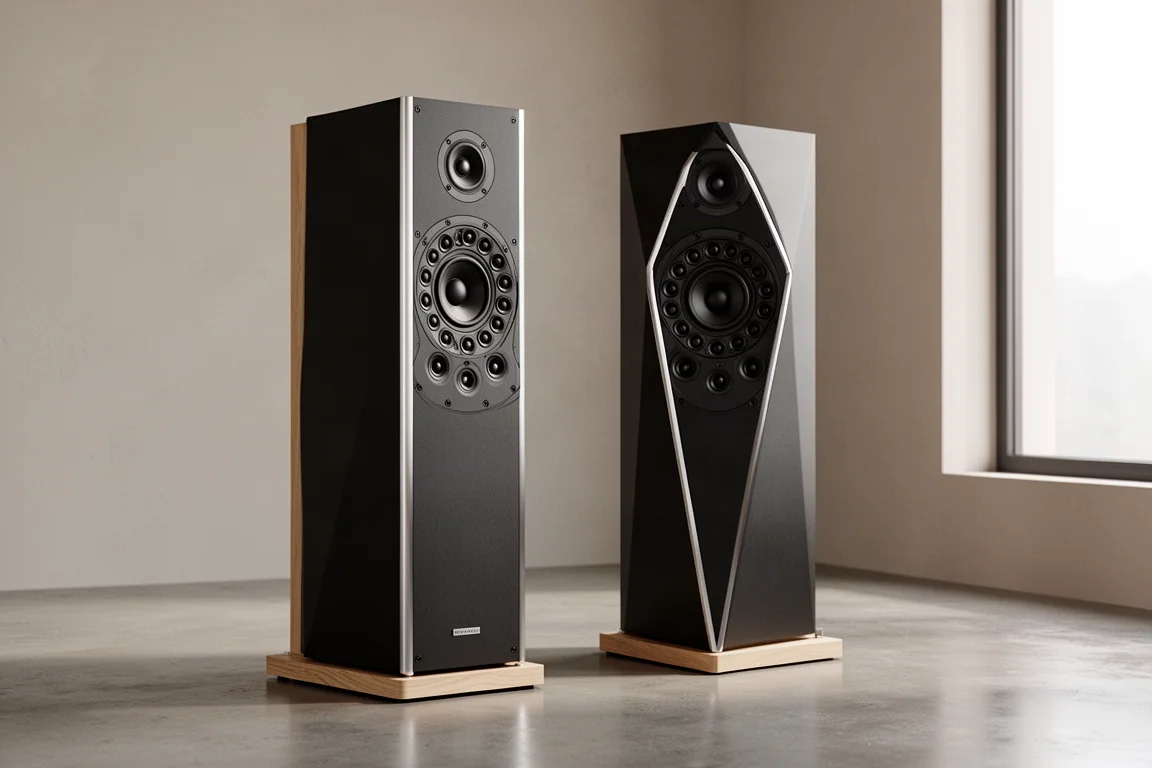
Introduction
There is a particular kind of audio product that stops behaving like equipment and starts behaving like furniture, sculpture, or both. The Bang & Olufsen Beolab 90 sits firmly in that category. It is the brand’s flagship floorstanding loudspeaker, and even after a decade on the market it still looks and behaves unlike almost anything else in a living room.
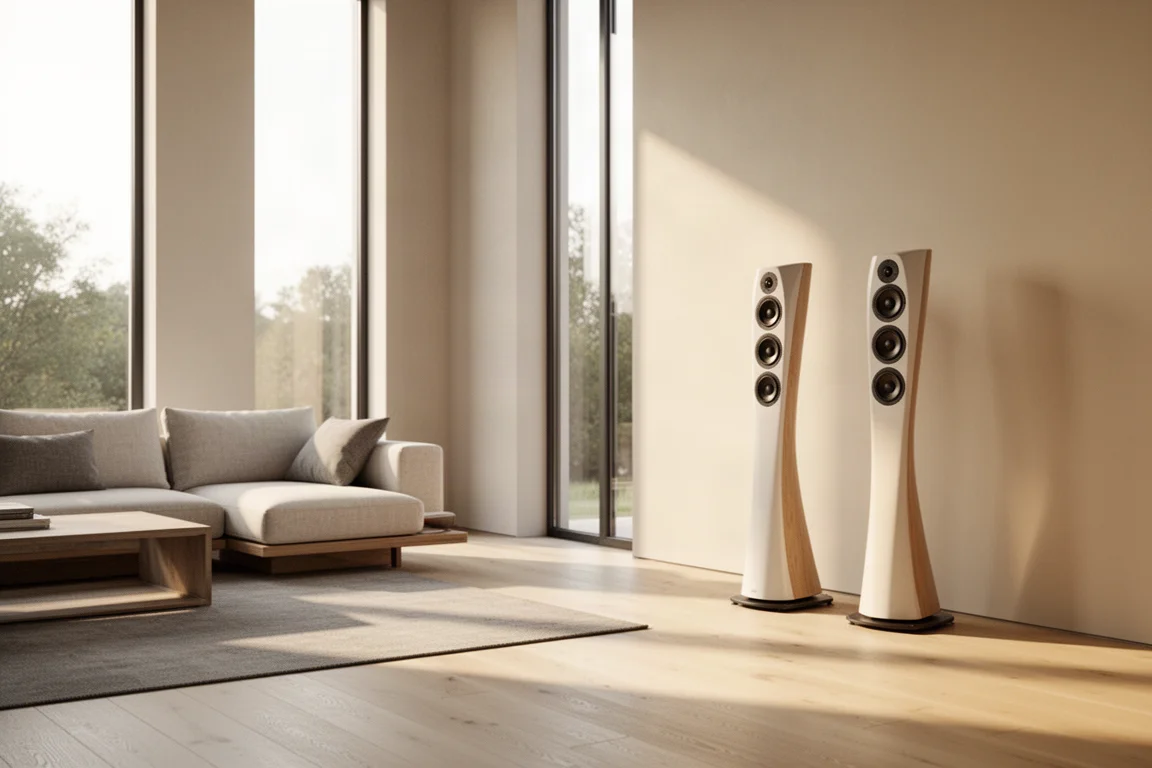
Under the customizable aluminium, fabric, and wood exoskeleton, the Beolab 90 carries 18 Scan-Speak drivers: seven one-inch tweeters, seven 4.5-inch midrange drivers, three ten-inch woofers, and a single 13-inch front-firing woofer. Fourteen ICEpower amplifiers drive them, with each tweeter and midrange driver receiving its own amplifier and each of the four woofers paired with a 1,000-watt class D amplifier. The reported frequency response spans 12 Hz to 43 kHz, with output up to 126 dB.
Specifications like these are easy to list and harder to interpret. What matters more is that everything needed to play music is already inside the cabinet. There is no separate amplifier to choose, no subwoofer to integrate, and no rack of components to cable together before the first note.
Who This Speaker Is For
The Beolab 90 is aimed at listeners who want one complete system rather than a chain of separate components. Because amplification and low-frequency output are built in, the speaker removes the usual upgrade questions about power, matching, and subwoofer placement.
It also suits homes where a loudspeaker has to earn its place visually. Buyers who care about finish, proportion, and how a large object sits in a room will find more to work with here than with a conventional black box.
It is equally relevant for mixed use. The same pair can handle careful stereo listening and movie playback, and it does so without surround processing tricks or additional speakers.
That said, this is a substantial purchase and a substantial object. It rewards buyers who plan the room around it rather than treating it as an accessory.
Design That Becomes Part of the Room
The most distinctive thing about the Beolab 90 is how it changes as you move around it. Its faceted fabric skin catches light differently through the day, so the shape appears to shift depending on the angle and the hour. Even standing still, the speaker reads as something in motion.
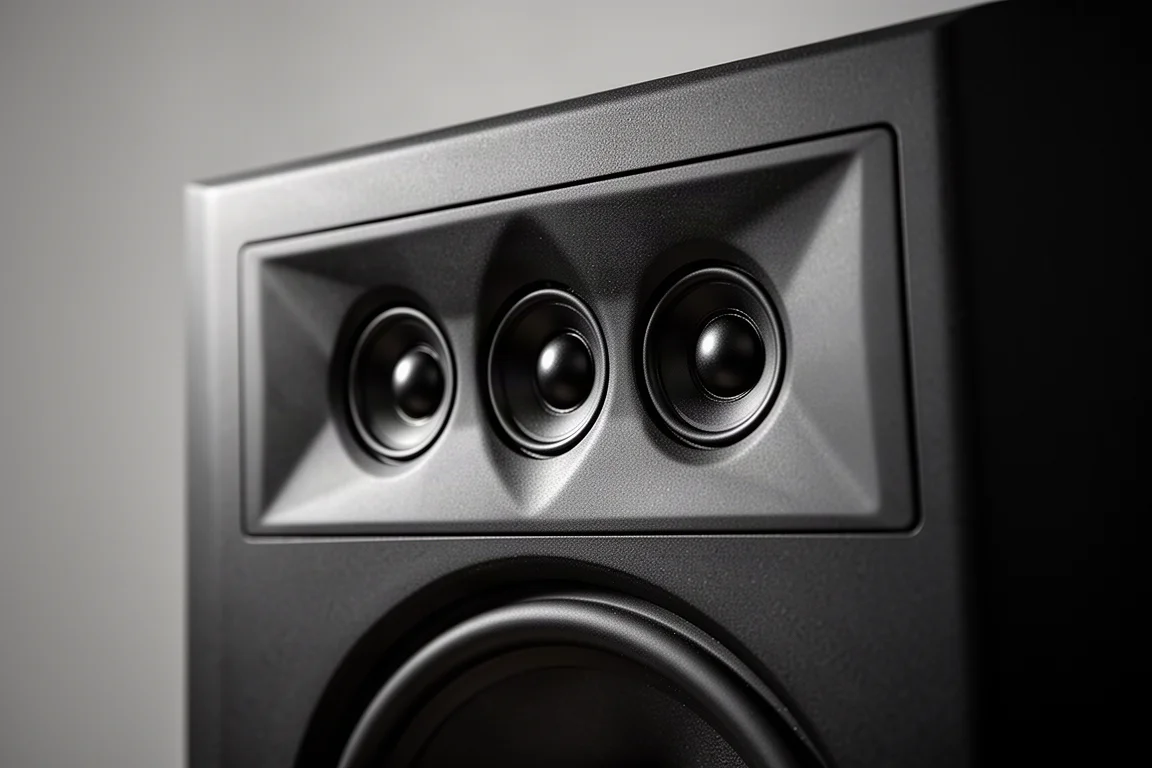
Customization is a genuine part of the product. There are six fabric and metal combinations and five wood options to choose from, and the standard finish pairs black fabric with a natural aluminium frame and light oak trim. Buyers who want something unique can work with a dealer on a bespoke version.
Placement is unusually forgiving for a speaker of this size. The drivers are arranged in a 360-degree pattern, which lets the speaker draw on side and rear drivers as needed to deliver accurate stereo performance even when the listening position is well off axis.
Sound: Neutral, Flexible, and Effortless
Measured performance places the Beolab 90 among the more linear and neutral loudspeakers in its class. From roughly 200 Hz to 20 kHz the response stays close to reference, and the bulk of the range between 200 Hz and 5 kHz falls within 3 dB of the reference level. A gentle rise in bass appears between 100 and 200 Hz, and the speaker rolls off naturally from around 5 kHz. In-room extension reaches down to 10 Hz, with 20 Hz reproduced at 17 dB above reference and less than 1% distortion.
Three dispersion modes change how the speaker behaves in the room. Wide mode is the natural choice for most listening. Narrow mode tightens focus, which can help dialogue and lyrics without artificial processing, because the change is achieved acoustically and the speaker keeps its inherent tone. Omni mode uses every driver under the fabric shell to fill the room, yet it still maintains a sense of stereo imaging and instrument placement rather than dissolving into noise.
The headroom is the part that shapes daily use. There is enough output and enough control to correct for room deficiencies and to shape the sound to taste, and the low-frequency capability is strong enough that a separate subwoofer becomes unnecessary. Even at high volume levels the presentation stays clean and free of strain.
Setup, Calibration, and App Control
Setup is handled by professionals. The Beolab 90 arrives fully assembled inside two large wooden crates, each weighing around 300 lb, and a team of two spent roughly 90 minutes unboxing and positioning the pair before calibration even began. That level of service is a standard inclusion with purchase, not an optional extra.
Calibration uses test tones and a calibrated microphone to measure how the speaker behaves in the room, and the response is adjusted automatically. Each measurement takes about 15 minutes, and different seating positions can be measured and saved separately, so a favourite chair and a secondary spot elsewhere in the home can each have their own correction profile.
Beyond automatic correction, a configure submenu in the app gives experienced users a multiband parametric EQ for finer adjustments. That opens the door to profiles such as more bass, less bass, or enhanced dialogue, and it is a level of control that few products in this category offer.
The Beoconnect Core, a compact device roughly the size of a media streamer, acts as a bridge that adds HDMI connectivity and access to newer app features. On its own, the Beolab 90 offers two pairs of analog inputs, one balanced and one unbalanced, plus optical and coaxial inputs that accept high-resolution signals, USB, several digital Power Link connections, a microphone input for room tuning, and an Ethernet port for wired networking.
Things to Consider Before Buying
The Beolab 90 does not run on the brand’s newest platform, so it will always depend on add-on hardware such as the Beoconnect Core to take advantage of HDMI, wireless connectivity, and the latest app functionality. Buyers who want those features should plan for the Core as part of the system.
There are no physical touch controls for volume or presets, which is a difference from newer models in the range. Control happens through the app and connected sources instead.
Size and weight are practical considerations. The speaker is imposing, the crates are heavy, and moving the pair is a job best left to professionals.
Finally, this is a flagship product at a flagship level of investment. The relevant question is not whether it competes on price, but whether the all-in-one approach matches how you actually listen.
Buying Advice
The Beolab 90 makes the most sense for buyers who want a complete, finished system rather than an ongoing project. Because amplification, bass output, and room correction are built in, there is no equipment roulette to play: the speaker arrives capable of everything it promises.
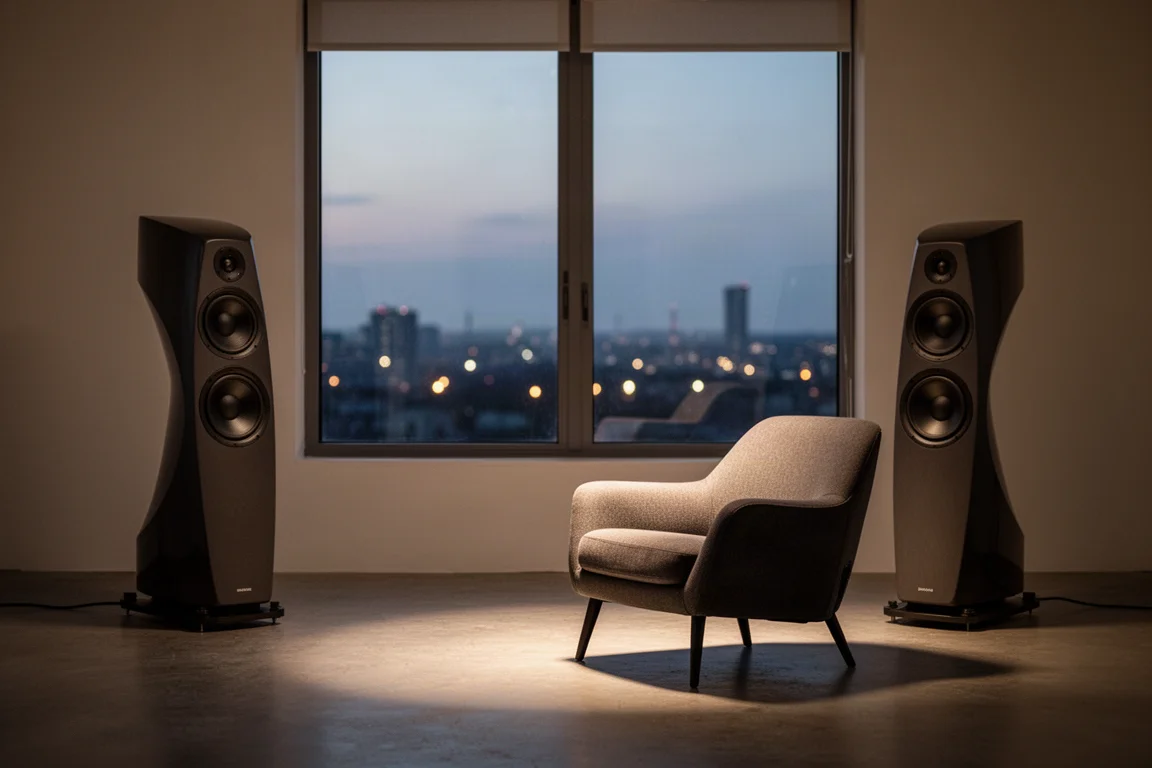
If you are considering a pair, decide on the finish early. The fabric, metal, and wood combinations are part of the ownership experience, and a bespoke option through a dealer is worth discussing before delivery.
Plan the calibration around the seating positions you actually use, and add the Beoconnect Core if HDMI and the newest app features matter to you. It is also worth thinking about long-term satisfaction rather than chasing incremental upgrades, since the speaker already covers the ground that most separate components are bought to address.
For buyers who value neutrality, flexibility, and the freedom to stop thinking about gear, the Beolab 90 delivers all three in a single package.
Conclusion
The Bang & Olufsen Beolab 90 remains a rare object: a loudspeaker that behaves like a piece of design while doing the work of an entire system. Its 18 drivers, dedicated amplification, 360-degree layout, and app-based room correction give it unusual flexibility, and its finish options let it fit a room rather than fight it.
The trade-offs are clear. It depends on the Beoconnect Core for HDMI and newer app features, it has no physical touch controls for volume or presets, and it demands professional handling. For the right buyer, those points are easy to accept. For everyone else, they are simply honest reasons to look elsewhere.
Product link
View more details for Bang & Olufsen Beolab 90
This product is mentioned in the review. Check the specifications, options, and compatibility before buying.
View more details for Bang & Olufsen Beolab 90Further reading
Related Reviews
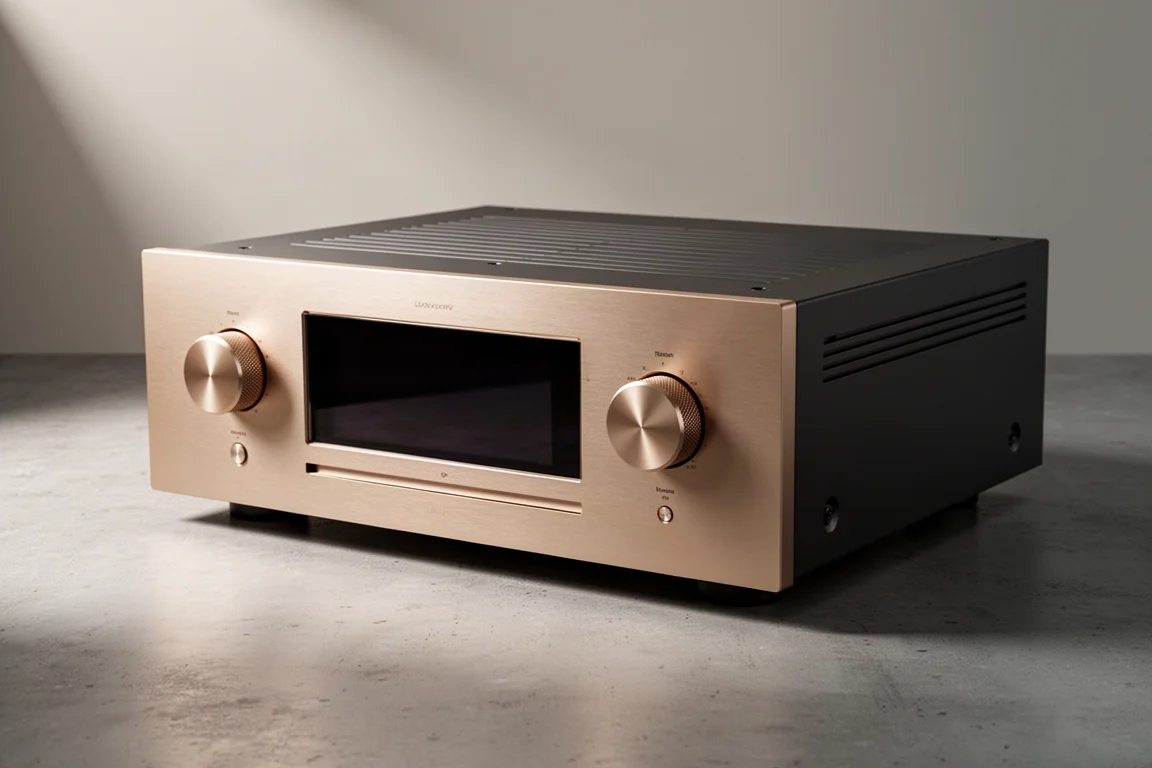
High-End Audio
Accuphase E-3000 Review: A Class AB Integrated Amplifier Built to Last
The Accuphase E-3000 is the entry point into a legendary Japanese high-end line. Here is how it sounds, how it is built, and who should consider it.
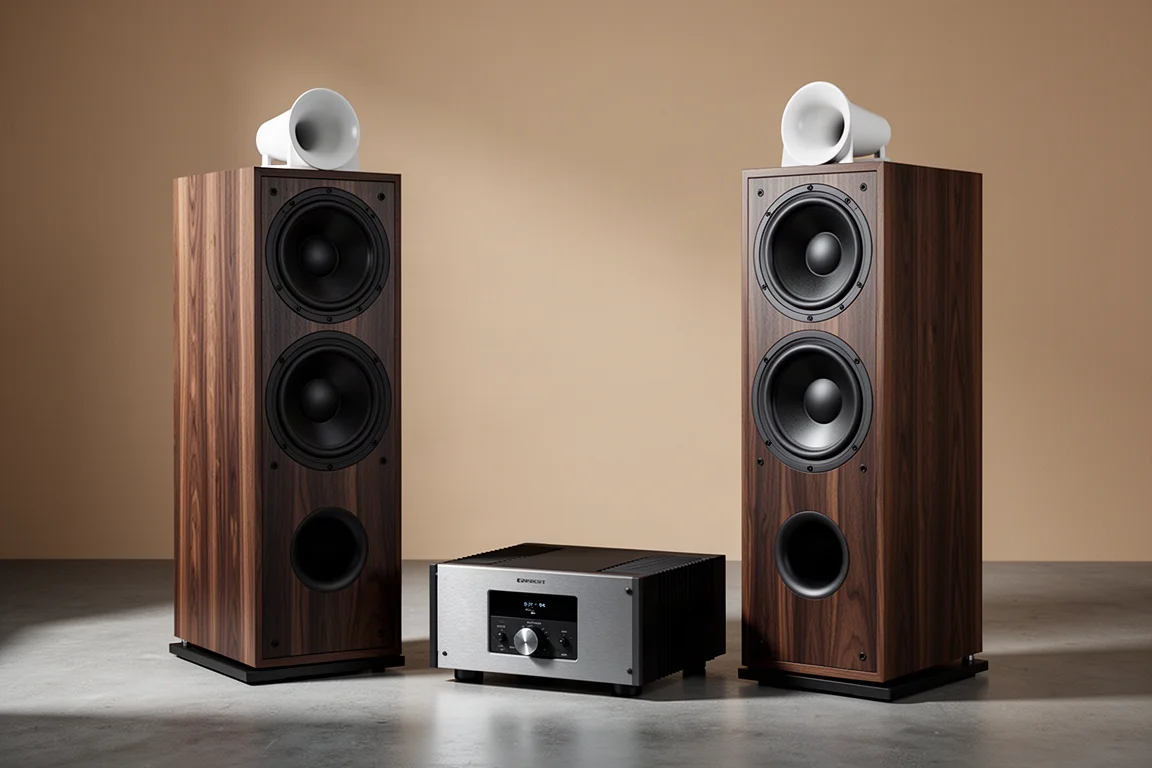
High-End Audio
Arreté Floorstanding Speakers and Benchmark HPA2: A Premium Pairing Worth Hearing
A close look at how Arreté floorstanding speakers and Benchmark HPA2 power amplifiers pair up, what each component contributes, and what to weigh before buying.
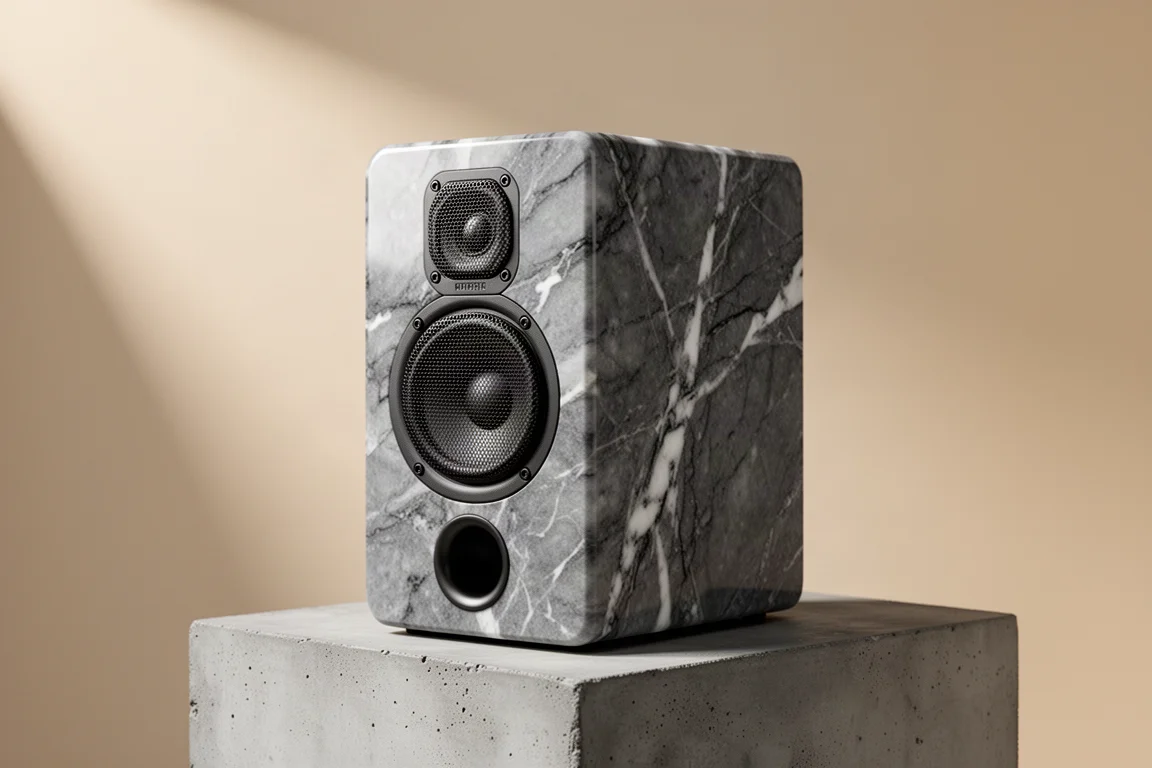
High-End Audio
Aurelia Acoustics MRB1 Review: Marble Cabinets and a Big, Lively Sound
The Aurelia Acoustics MRB1 pairs a marble cabinet with Accuton ceramic drivers and a lively, spacious sound that stays easy to listen to. Here is what to know before buying.