Home Audio
Bang & Olufsen Beolab 50 Review: An Eight-Year-Old Speaker That Still Holds Up
A closer look at the Bang & Olufsen Beolab 50, a full-range active loudspeaker with switchable wide and narrow modes, deep bass without a subwoofer, and a finish you can specify to suit the room.
Introduction
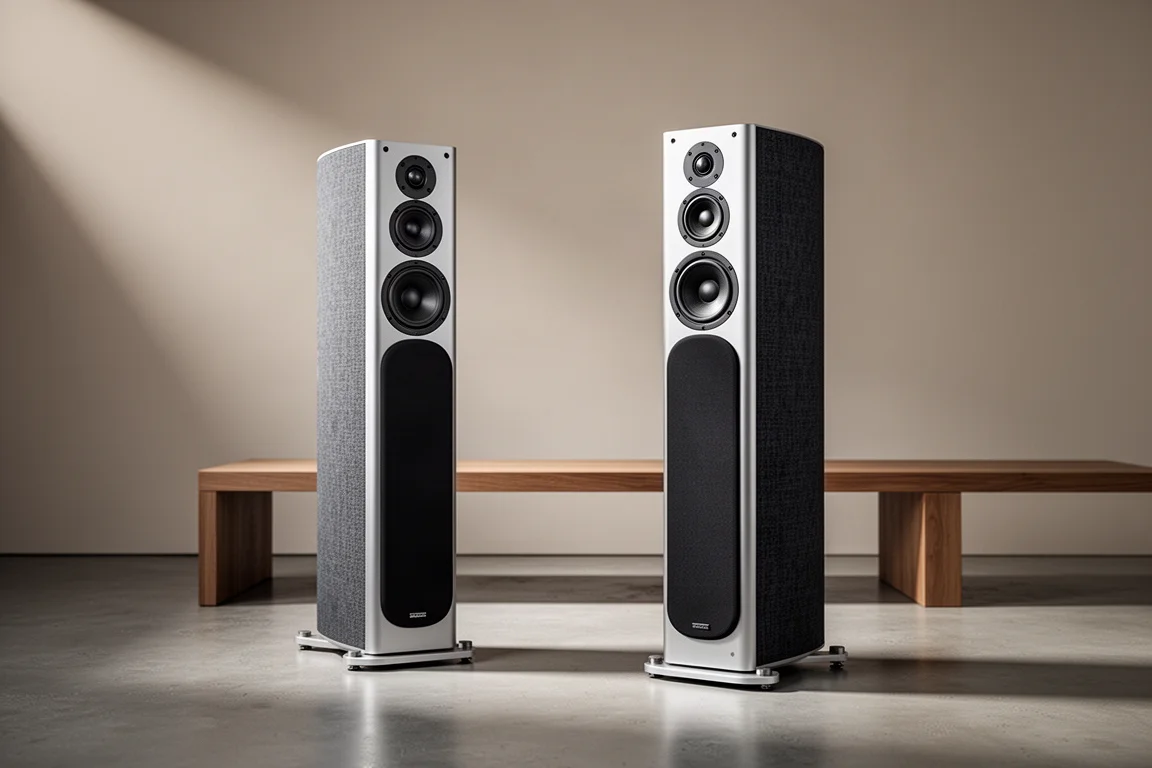
The Bang & Olufsen Beolab 50 has been on the market for eight years, and it still looks like nothing else in a living room. That is unusual in a hi-fi market that leans heavily on nostalgia, and it says something about how the speaker was conceived. It is an active, full-range loudspeaker: amplification, input switching, and control are all built in, so the only thing an owner needs to add is a source.
For anyone weighing a long-term purchase, the interesting question is not whether the Beolab 50 impresses in the first week, but whether it still makes sense years later. On that measure, the speaker has a strong case.
Who the Beolab 50 Is For
This is a speaker for listeners who want a finished instrument rather than a component in a chain. There is no amplifier matching to plan, no separate DAC to choose, and no rack of electronics to hide. A phone, a CD player, a turntable with a phono preamp, or a streamer is enough, and the speaker handles everything downstream.
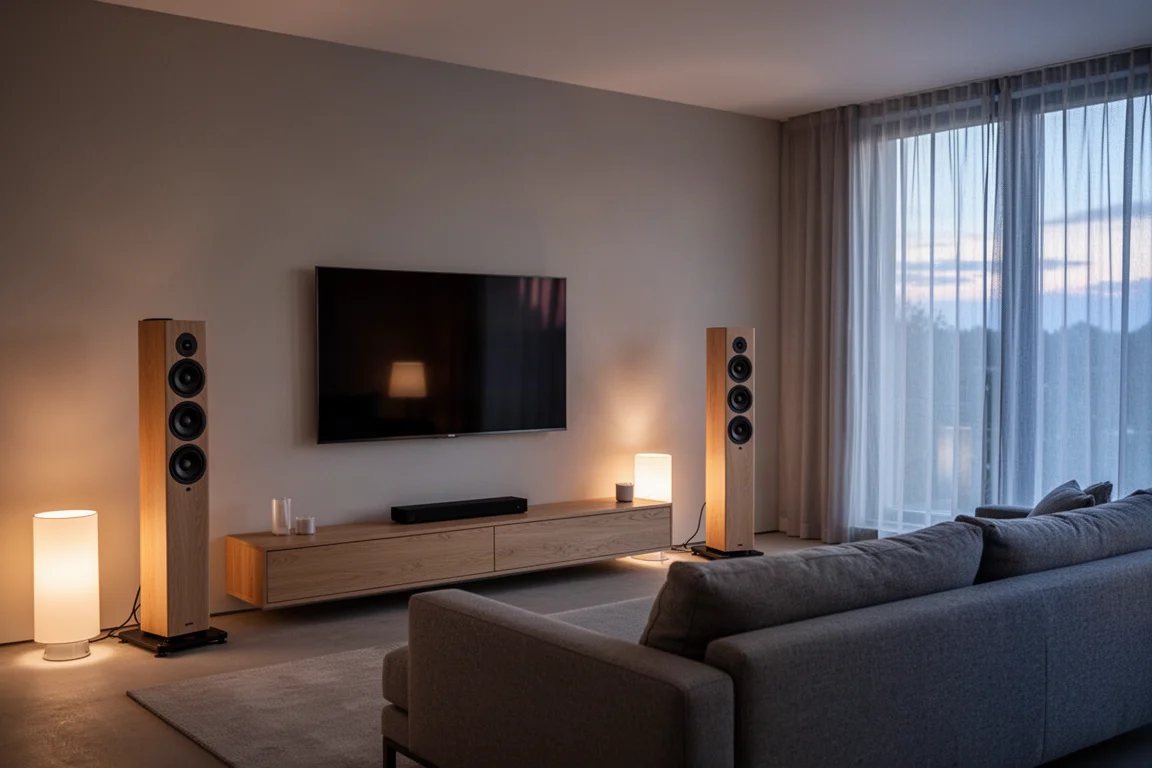
It also suits buyers who care about how a system looks. Each pair is specified at dealer level, from the color of the metal exterior to the fabric that wraps the frame, and the Atelier program opens up hundreds of color, fabric, and material combinations. That means the speaker can be ordered to match a room, and its look can be changed later if the room or the owner’s taste changes. For a purchase intended to last a decade, that flexibility is a genuine part of the value.
Main Strengths
The Beolab 50’s central argument is completeness. Seven drivers, 2,100 watts of total amplification per speaker, and a broad set of connections mean there is very little left to think about once the speakers are in place.
Connections and Control
The connection list is generous for a speaker of this age: analog RCA, optical and S/PDIF digital inputs, dual USB inputs, the digital Power Link connection, and Ethernet. Wireless Power Link and WiSA are supported as well. What the Beolab 50 does not have is the built-in wireless streaming found on newer models in the range, so AirPlay, Bluetooth, high-resolution streaming, and HDMI ARC come by way of the Beoconnect Core. Adding the Core also brings fuller app control, which makes streaming, adjustments, and day-to-day listening manageable from one place.
A Neutral, Full-Range Sound That Works at Any Volume
Inside each cabinet sit a 3/4-inch tweeter, three 4-inch mid-range drivers, and three 10-inch woofers, each driven by its own 300-watt amplifier. The result is a frequency response of roughly 15 Hz to 43 kHz, which places the Beolab 50 firmly in full-range territory: deep bass arrives without a subwoofer.
Tonally, the speaker stays neutral across the range, and the top end remains light, airy, and extended without ever turning harsh. That balance matters more than it might sound. Many speakers only come alive once the volume rises, and some create that liveliness with a treble lift that becomes tiring over a long session. The Beolab 50 stays articulate and easy to follow at background levels and keeps its composure when pushed harder, so it is just as enjoyable during a quiet evening as it is at volumes that invite a knock on the wall.
Wide and Narrow Modes Change the Presentation
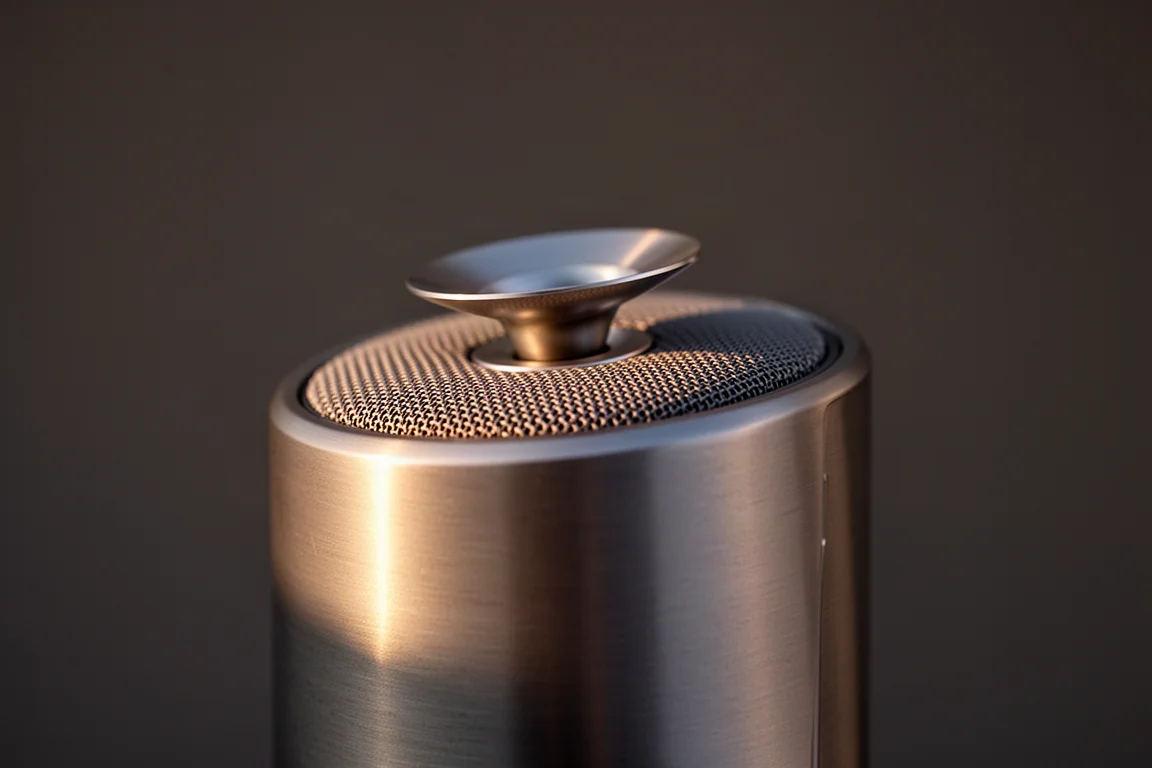
When the speaker powers up, its top-mounted tweeter rises slowly and settles at the preset volume level. It fires upward into a disc-shaped lens, a design first used on the Beolab 5, and acoustic curtains around the lens open and close to adjust directivity.
Wide mode produces a more ambient, spacious presentation. Narrow mode tightens the focus, making individual instruments and vocals easier to locate in the soundstage. The shift carries through the mid-range as well: in narrow mode, voices and instruments feel close and physical, while wide mode moves that perspective back several rows and gives the same recording a different character. Bass changes with the mode too, and narrow tends to suit low frequencies best, with kick drum and floor tom hits landing with real punch and a natural decay that blends into the low mid-bass.
Bass Depth and a Disappearing Soundstage
In a room with the speakers set roughly ten feet apart, about four feet from the sidewalls, and with around eighteen inches of clearance behind them, the Beolab 50 reached below 20 Hz and held 20 Hz at volumes well above normal listening levels. Active room compensation, carried out during installation with a custom microphone, leaves the speaker sounding notably neutral across the range. Custom parametric EQ filters can also be loaded for additional control, although most listeners will never need them.
Soundstage is where the Beolab 50 justifies its price. It disappears in a way that very few designs manage, and its focus and placement are precise: individual instruments and voices stand out with clear contrast. It does not match the scale of the larger flagship model in the range, which throws a wider, taller image and a near 360-degree sound field, but it comes close enough that the room can seem to vanish entirely. For listeners who value pinpoint imaging over sheer size, the smaller speaker can be the more satisfying choice.
Design and Long-Term Ownership
The Beolab 50 is bought through a dealer rather than a checkout page. That process allows the finish to be specified top to bottom, and the speakers are built to order, with delivery from Denmark taking around two months in some cases. Installation is handled by a trained team who manage placement, room tuning, and the final voicing of the speaker with the owner’s input, and the physical setup takes a few hours once any wiring work is done.
Things to Consider Before Buying
The Beolab 50 is not a casual purchase, and a few points are worth weighing before committing.
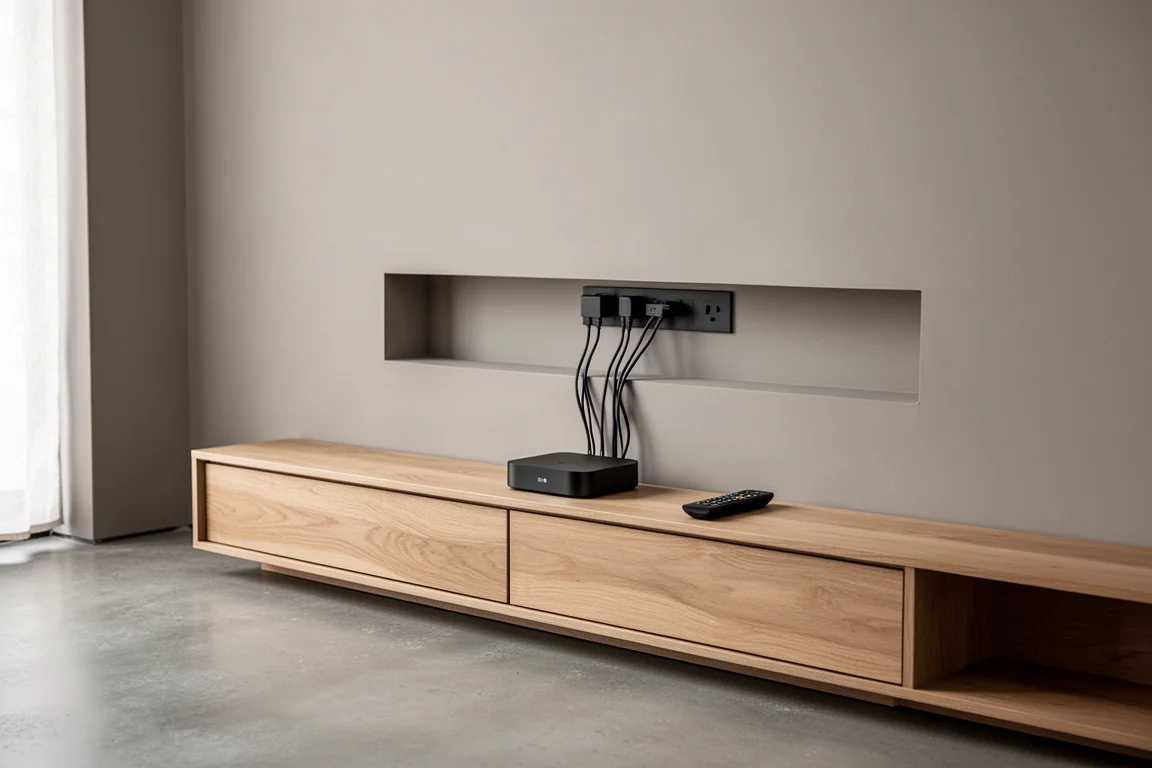
First, the wireless gap. Without the Beoconnect Core, there is no built-in AirPlay, Bluetooth, or HDMI ARC, so anyone who wants to stream from a phone or connect a television should plan for that addition.
Second, price. Over eight years the Beolab 50 has only become more expensive, and it sits firmly in premium territory. It is an investment rather than an impulse buy, and the dealer-led purchase and professional installation are part of that package.
Third, longevity questions. Active speakers raise fair concerns about apps, connectors, and future service. No manufacturer can anticipate every scenario, but the Beolab 50 has an eight-year record of working with a wide range of sources, which is a reasonable indication of how it ages.
Fourth, expectations about scale. The Beolab 50 cannot match the raw power and finesse of the larger flagship model note for note. With real-world music and film material it comes surprisingly close, and the difference in size and price makes the trade-off easy to accept, but buyers who want the biggest possible image should know the ceiling is lower here.
How the Beolab 50 Fits a Larger System
The Beolab 50 is also a strong starting point for a multi-channel setup. Used as left and right mains, it can be joined by a Beosound Theatre as a center channel and a pair of Beolab 8 speakers as surrounds, with the Theatre acting as a preamp processor as well as a speaker. Its True Image processing spreads a stereo or multi-channel signal across however many speakers are connected, blending them so the result feels natural rather than assembled.
In a five-speaker arrangement, dialogue stays crystal clear and direct, even without voice enhancement, and the system can be reconfigured quickly from the app or a remote. Presets make it easy to try a layout, keep it if it works, and discard it if it does not. For anyone planning a whole-home Bang & Olufsen system, this is the most practical place to begin.
Buying Advice
The Beolab 50 makes the most sense for buyers who want a complete, full-range active speaker and intend to keep it for years.
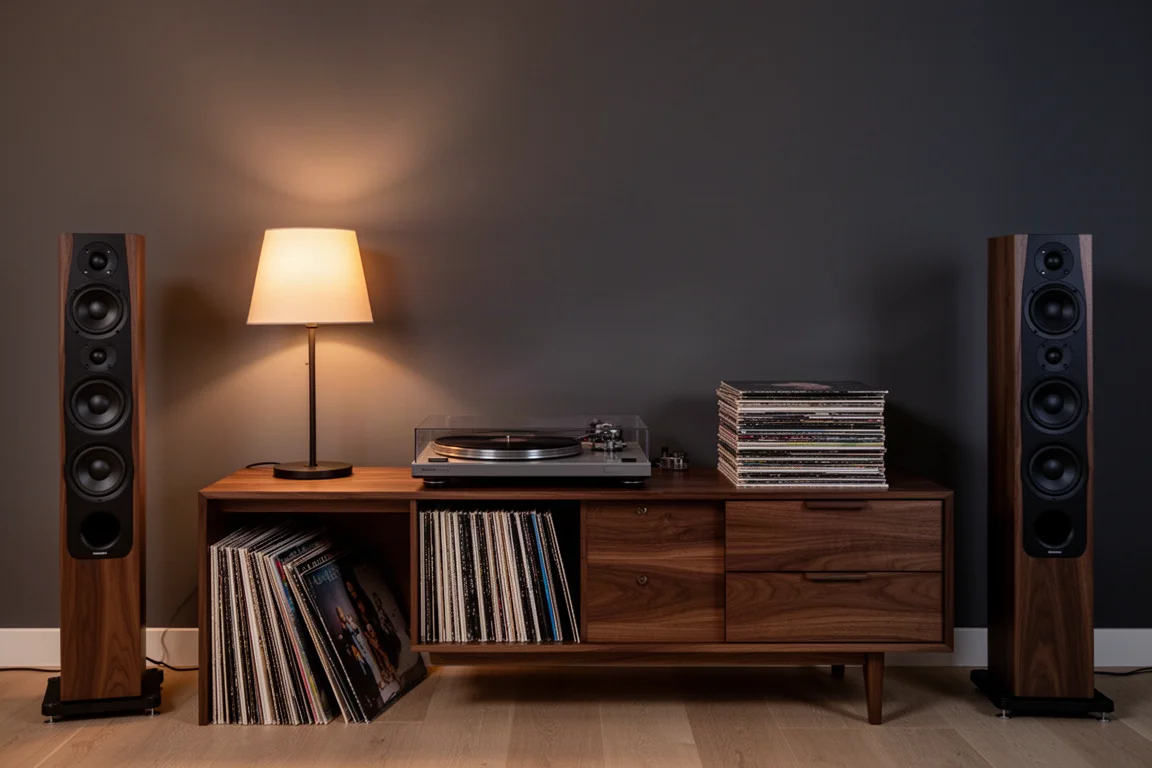
Before ordering, it is worth auditioning a pair at a dealer, since the wide and narrow modes produce genuinely different presentations and personal preference decides which one suits a room. It is also worth planning the installation early: running network and Power Link cabling before the speakers arrive keeps the finished setup tidy, and deciding on the Beoconnect Core at the same time avoids revisiting the system later.
Finish selection deserves real thought as well. Because the look can be changed down the road, there is no need to treat the first choice as permanent, but ordering a configuration that suits the room from the start makes the speakers easier to live with. Above all, this is a purchase to make for personal reasons rather than practical ones. If the sound and the design matter enough to justify the outlay, the Beolab 50 is built to reward that decision for a long time.
Conclusion
Eight years after launch, the Bang & Olufsen Beolab 50 still holds up. Its active design removes the usual system-building work, its full-range performance means no subwoofer is required, and its wide and narrow modes give owners a genuine choice in how music is presented. The wireless gap and the premium price are real considerations, and the larger flagship model still wins on sheer scale. What remains is a speaker that sounds neutral and effortless at any volume, disappears into the room, and can be customized and upgraded over time. For the right buyer, that combination is difficult to beat.
Product link
View more details for Bang & Olufsen Beolab 50
This product is mentioned in the review. Check the specifications, options, and compatibility before buying.
View more details for Bang & Olufsen Beolab 50Further reading
Related Reviews
Home Audio
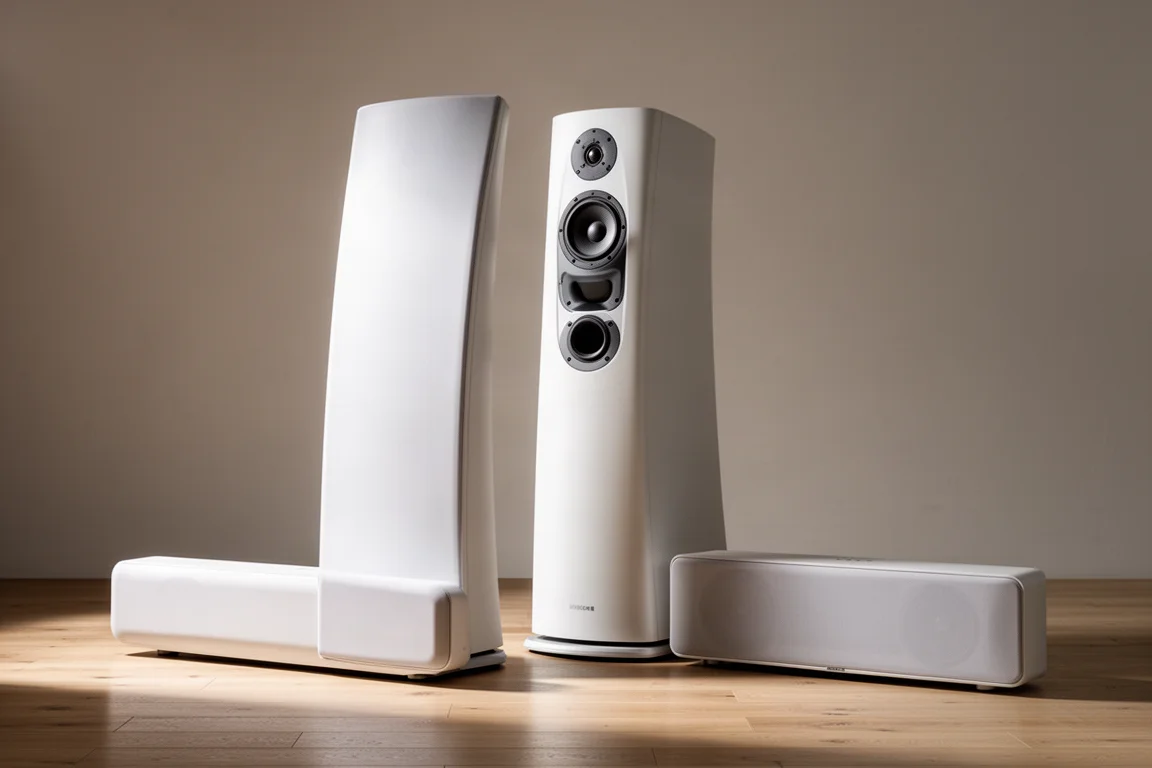
Aperion Novus Tower and Center Review: Punchy Home Theater Sound With Real Refinement
A close look at the Aperion Novus tower and center speakers, from their layered paint finish and punchy bass to the 4-ohm load and what the price actually buys.
Home Audio
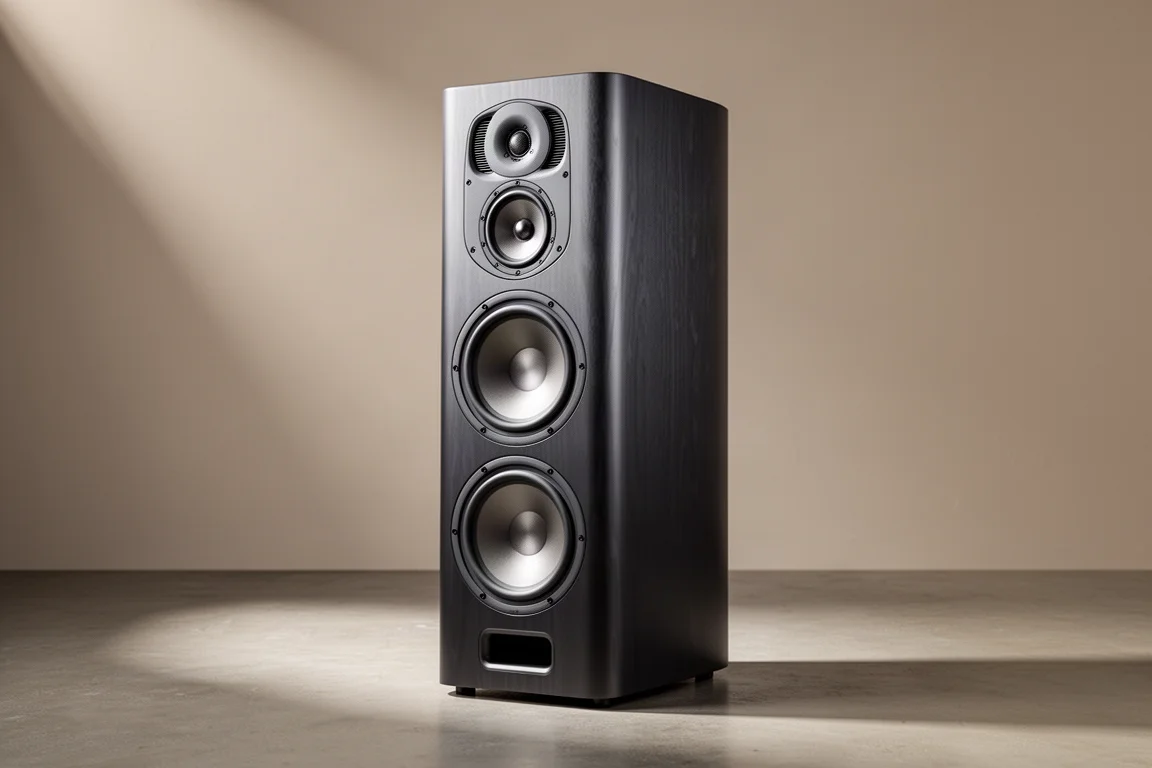
Arendal 1610 Tower Review: Flagship Dynamics in a Room-Friendly Tower
A compact floorstanding tower with three 8-inch aluminium woofers, a 5-inch carbon midrange, and the kind of bass heft usually reserved for much larger speakers.
Home Audio
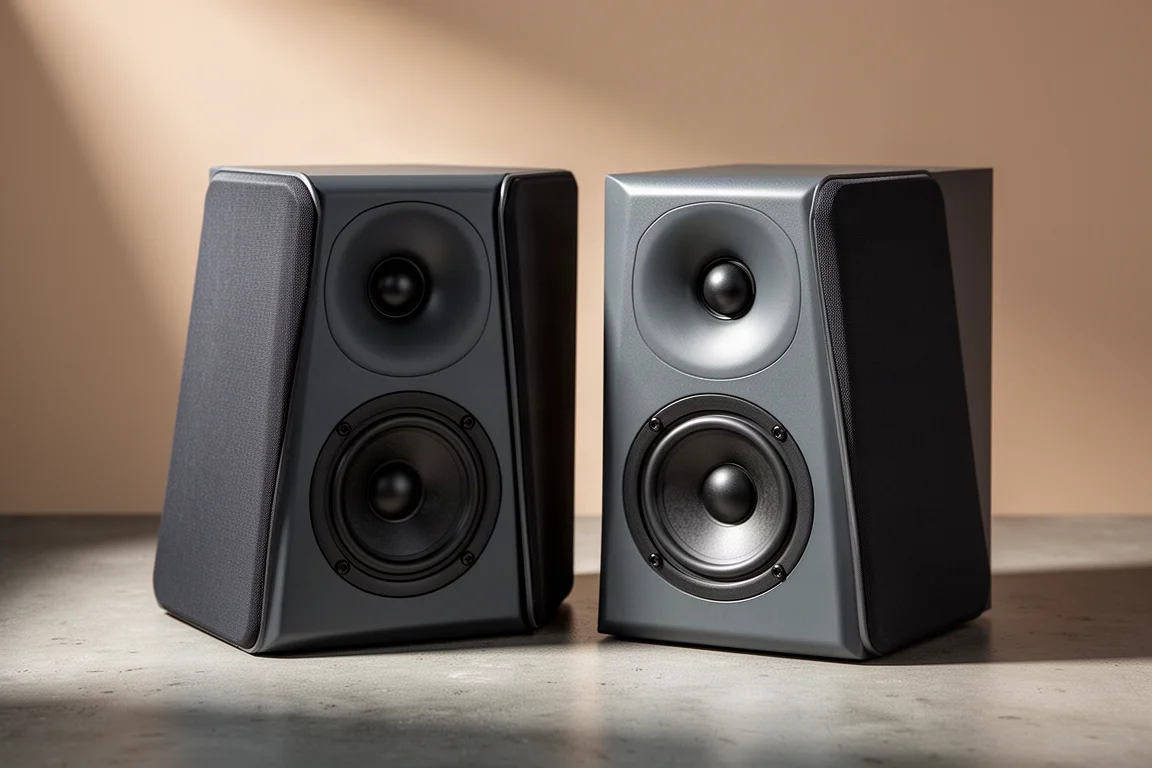
Arendal 1723 S THX Review: A Reference Speaker Built Like a Tank
A practical look at the Arendal 1723 S THX, a sealed, THX-certified speaker with exceptional build quality, a very flat top end, and a midrange that responds beautifully to EQ.