Smart Home
Baldr Solar Bluetooth Thermo-Hygrometer and Smart Hub: Simple Home Climate Monitoring
A solar-assisted thermo-hygrometer and a smart hub with three remote sensors that make monitoring temperature and humidity around the house refreshingly simple.
Introduction
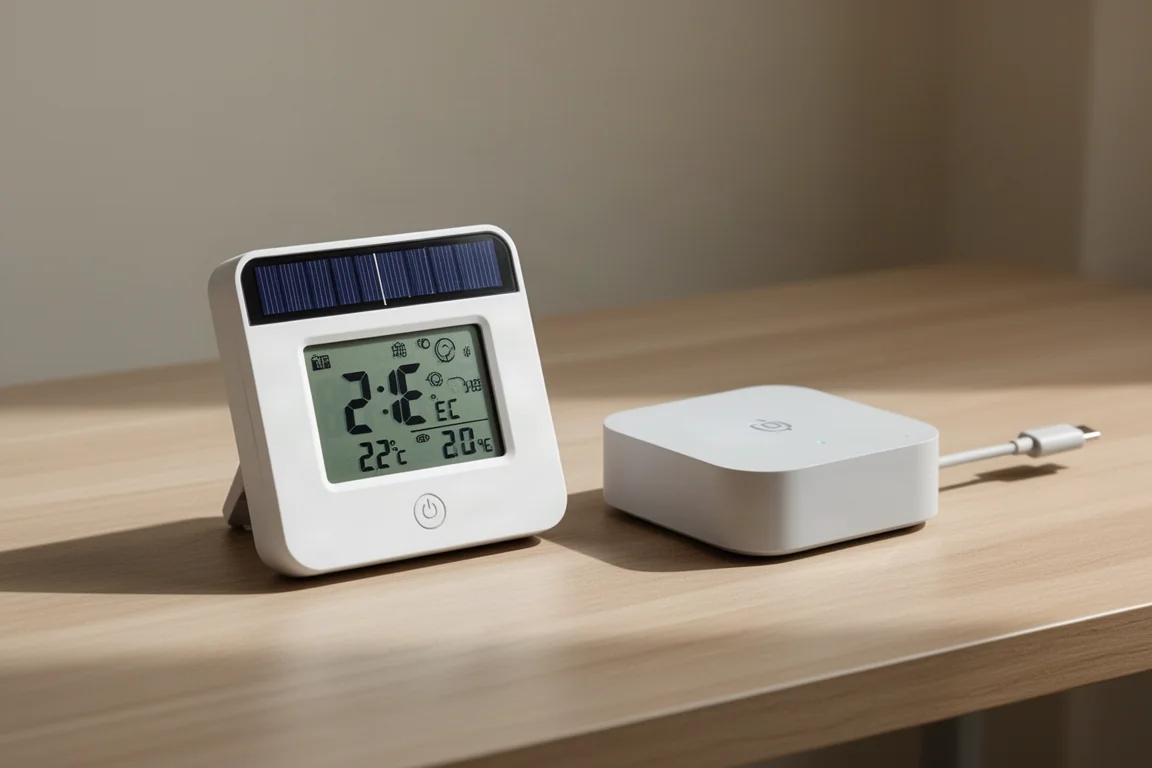
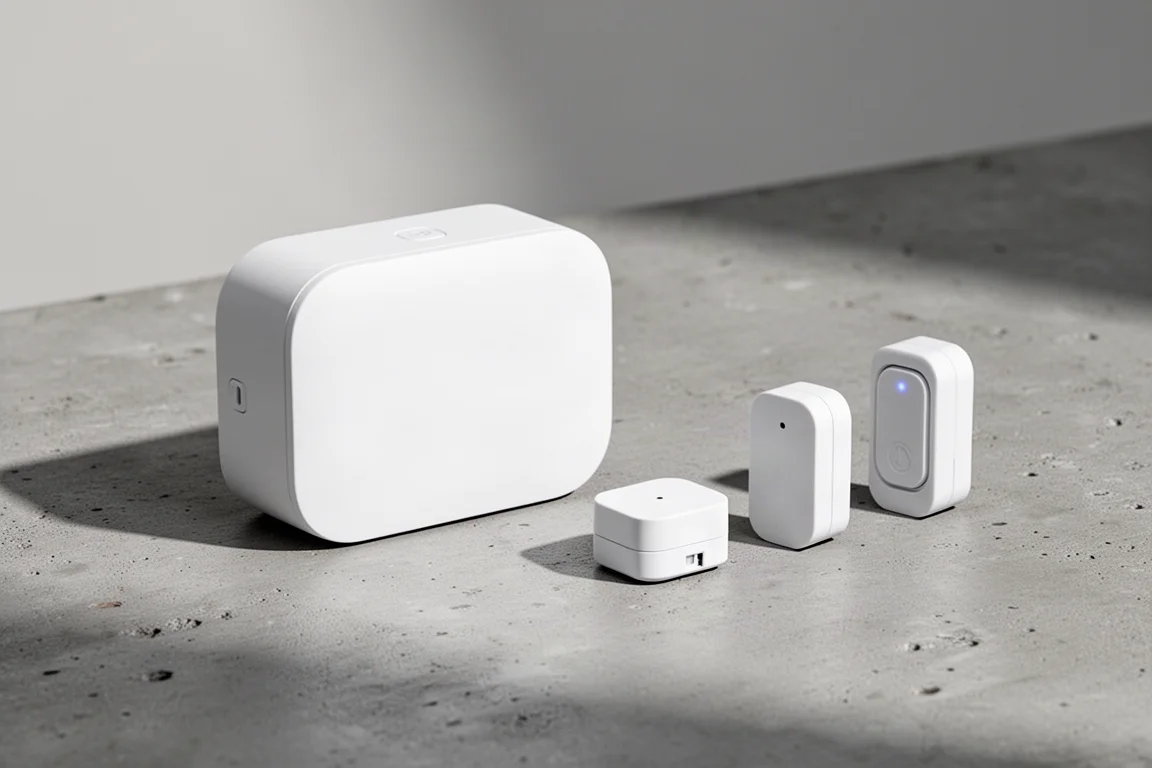
If you have ever dealt with an older, non-smart thermometer, you know the routine: squinting at a tiny display, walking over to read it, and replacing batteries every few months. Baldr’s new kit aims to fix all of that. The pairing here covers two devices: a solar-assisted Bluetooth thermo-hygrometer and a smart hub that works with three remote temperature sensors, all managed from one app.
The idea is straightforward. You get real-time temperature and humidity readings from multiple spots around your home, viewable from anywhere, with battery life measured in months rather than weeks. Everything here is affordable and genuinely easy to set up, which makes this a practical starting point for anyone curious about home climate monitoring.
Baldr Solar Bluetooth Thermo-Hygrometer
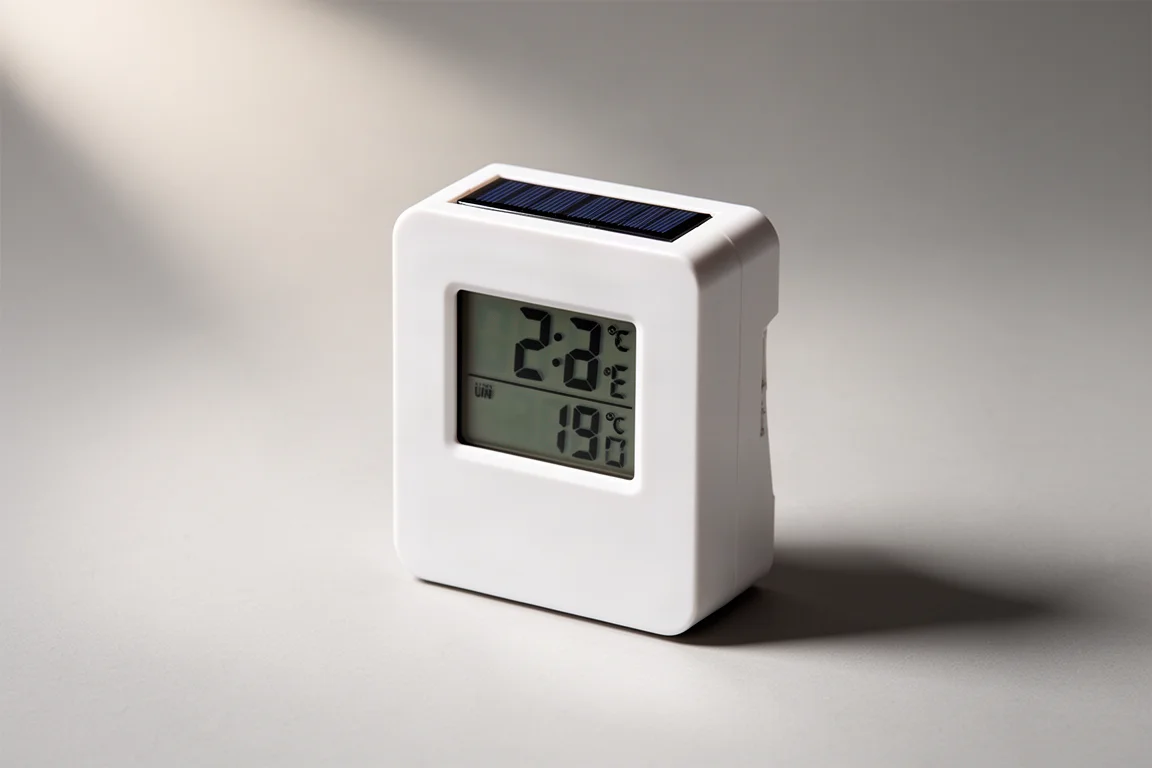
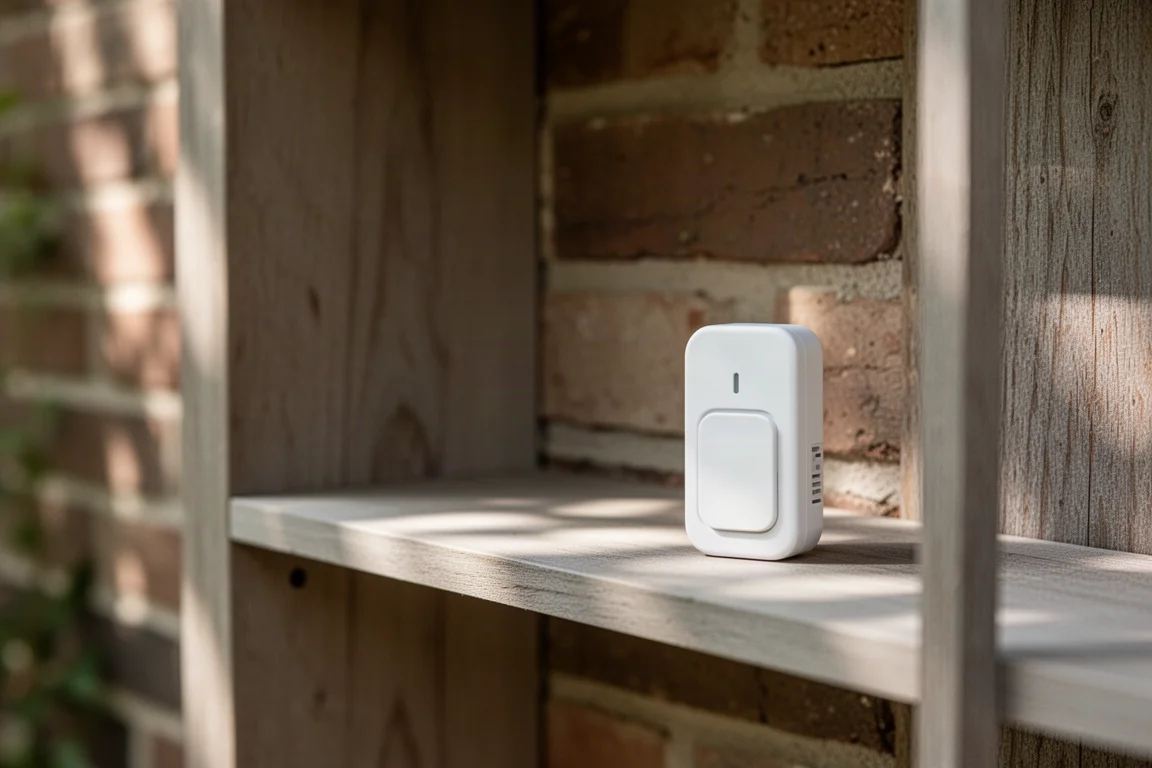
This is the simpler of the two devices, and arguably the more interesting one. It is a Bluetooth thermo-hygrometer with a solar panel on top that supplements its AAA batteries. Baldr claims around 12 months of battery life thanks to that solar boost. In practice, it appears to run on solar power during the day and fall back to battery at night, which is a clever way to stretch battery changes out to roughly once a year.
Setting it up took seconds: snap off the back cover, insert the included AAA batteries, and it was live, showing a reading of 68.2°F and 72% humidity right away. The window near an office or living space is a natural placement, and since it connects over Bluetooth, readings are accessible without any extra hardware.
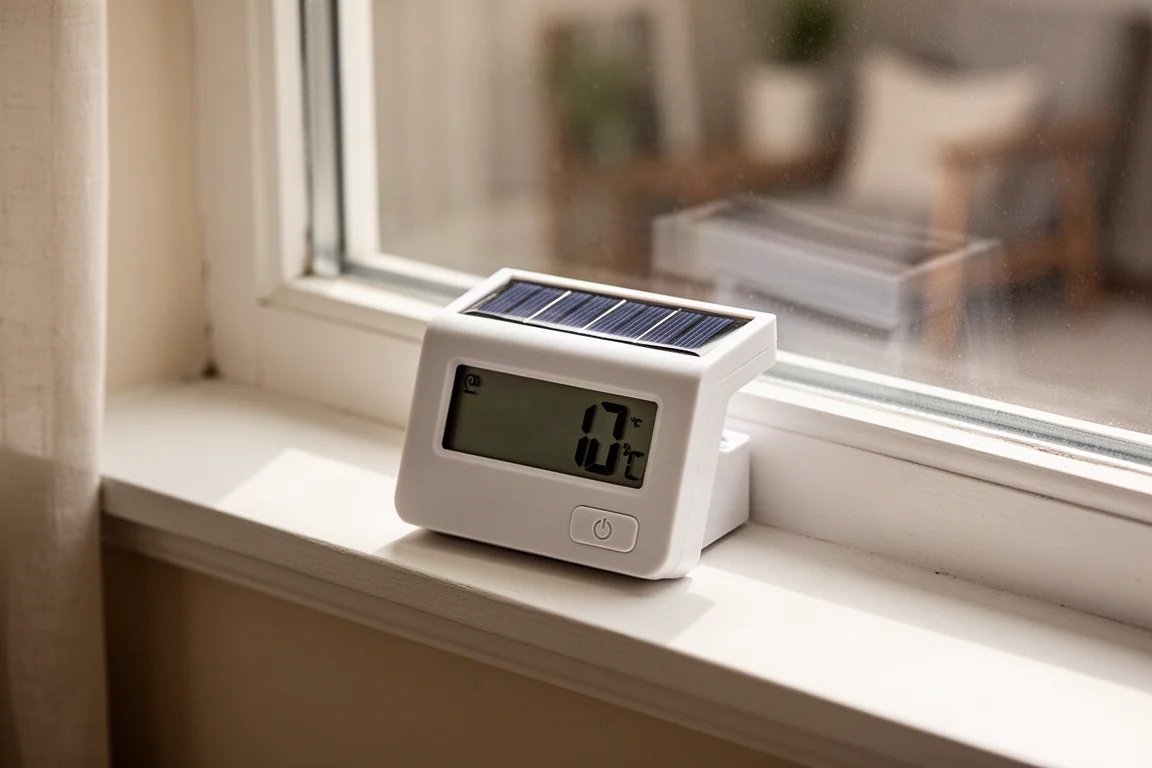
Anyone tired of buying batteries for a dumb thermometer will appreciate the design here. The previous generation of basic thermometers often needed fresh batteries every three to five months, so a year of life with a solar top-up is a meaningful improvement.
Baldr Smart Hub with 3 Remote Temperature Sensors
The smart hub is the piece that turns this from a single-room gadget into a whole-home monitoring system. The hub plugs in over USB-C, which is a nice touch given how many of those cables most households already have lying around, and it connects to Wi-Fi so readings can be checked remotely rather than only over Bluetooth.
The box includes three remote temperature sensors, each activated by pulling a battery tab. A flashing red light tells you the sensor is ready to pair. Placement is flexible: one worked well in a garage near the chargers to keep an eye on how cold that underpowered AC space gets, another tucked into a covered outdoor nook away from rain, and a third near a pool room window.
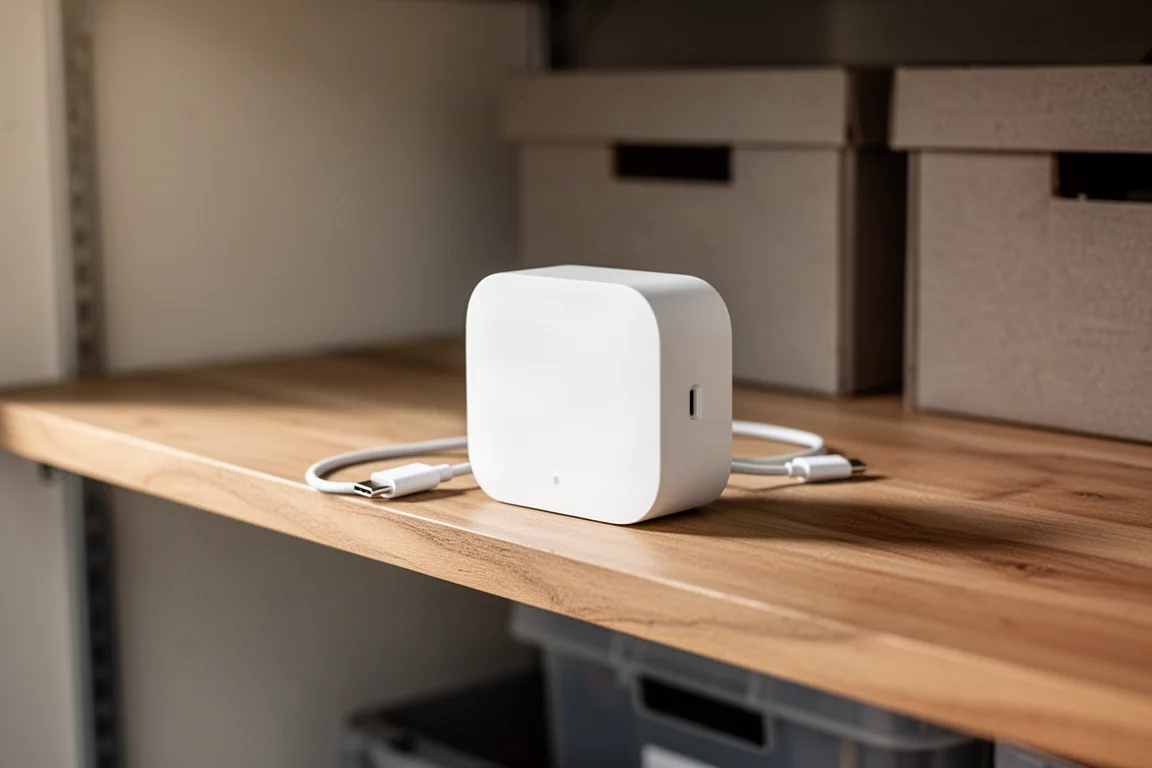
The hub was placed in the garage, where a good Wi-Fi connection made sense. Once everything was powered up, all five devices total were added to the app at the same time, which is far less tedious than the one-at-a-time pairing process many smart home ecosystems force on you. Firmware updates are handled in the app just as easily.
Everyday Use and App Experience
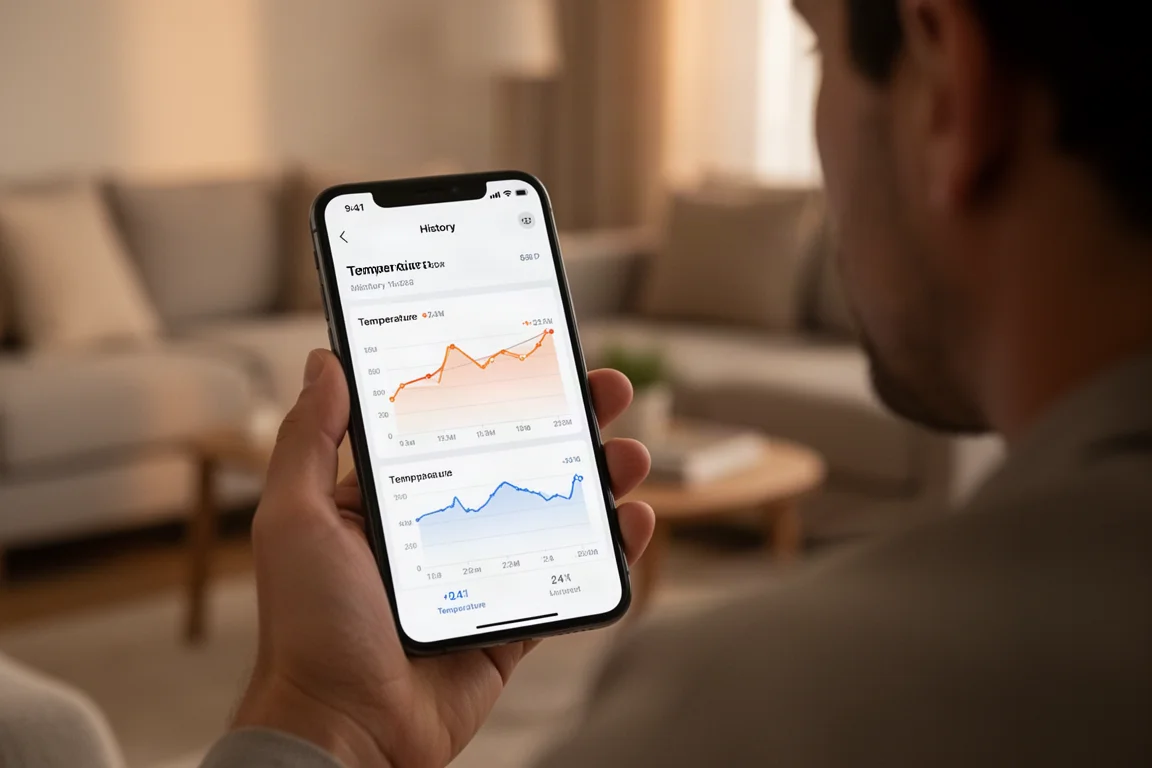
The companion app is the strong point of the whole package. It is simple in the best sense: current readings front and center, history charts one tap away, and a 24-hour or 30-day view of temperature trends for each sensor. Setup from unboxing to fully connected took about a minute, which is rare for smart home gear.
Because everything runs over both Wi-Fi and Bluetooth, the setup is approachable for anyone in the family. It is also easy to share, making it a good fit for someone who likes keeping an eye on weather and temperature conditions around the house without needing to learn anything technical.
Buying Advice
Between the two devices, you can track temperature from four different locations at once, all visible in one app. The solar thermo-hygrometer works well as a standalone upgrade if you only want one reliable indoor reading. Add the hub and sensors if you want to monitor specific problem areas like a garage, a covered porch, or a basement where temperature swings matter.
Both products are affordable, and the practical battery life story is what sets them apart. If you want to track weather and humidity around your home without the recurring hassle of battery changes, this combination covers the basics very well.
Conclusion
Baldr’s solar thermo-hygrometer and smart hub kit deliver exactly what they promise: easy setup, dependable readings across multiple locations, and long battery life with a solar assist. For anyone replacing aging non-smart thermometers or wanting remote visibility into rooms like a garage, this is a low-cost, low-friction way to do it.
Further reading
Related Reviews
Smart Home
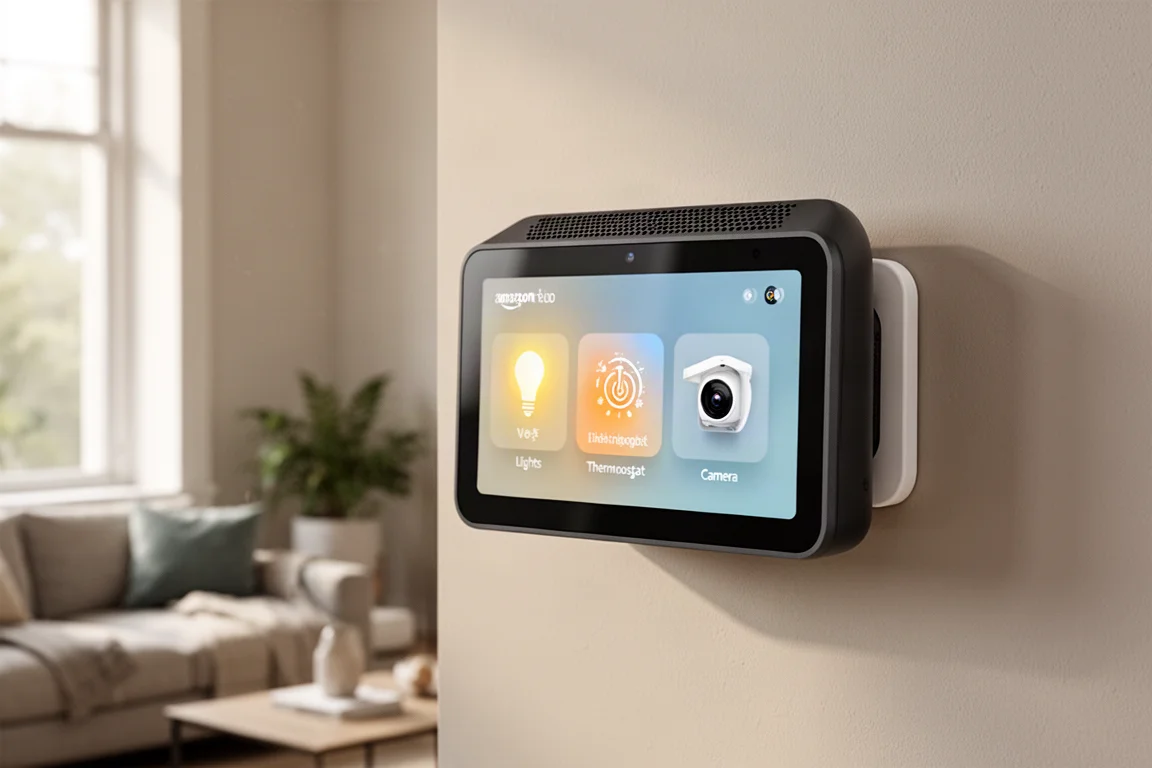
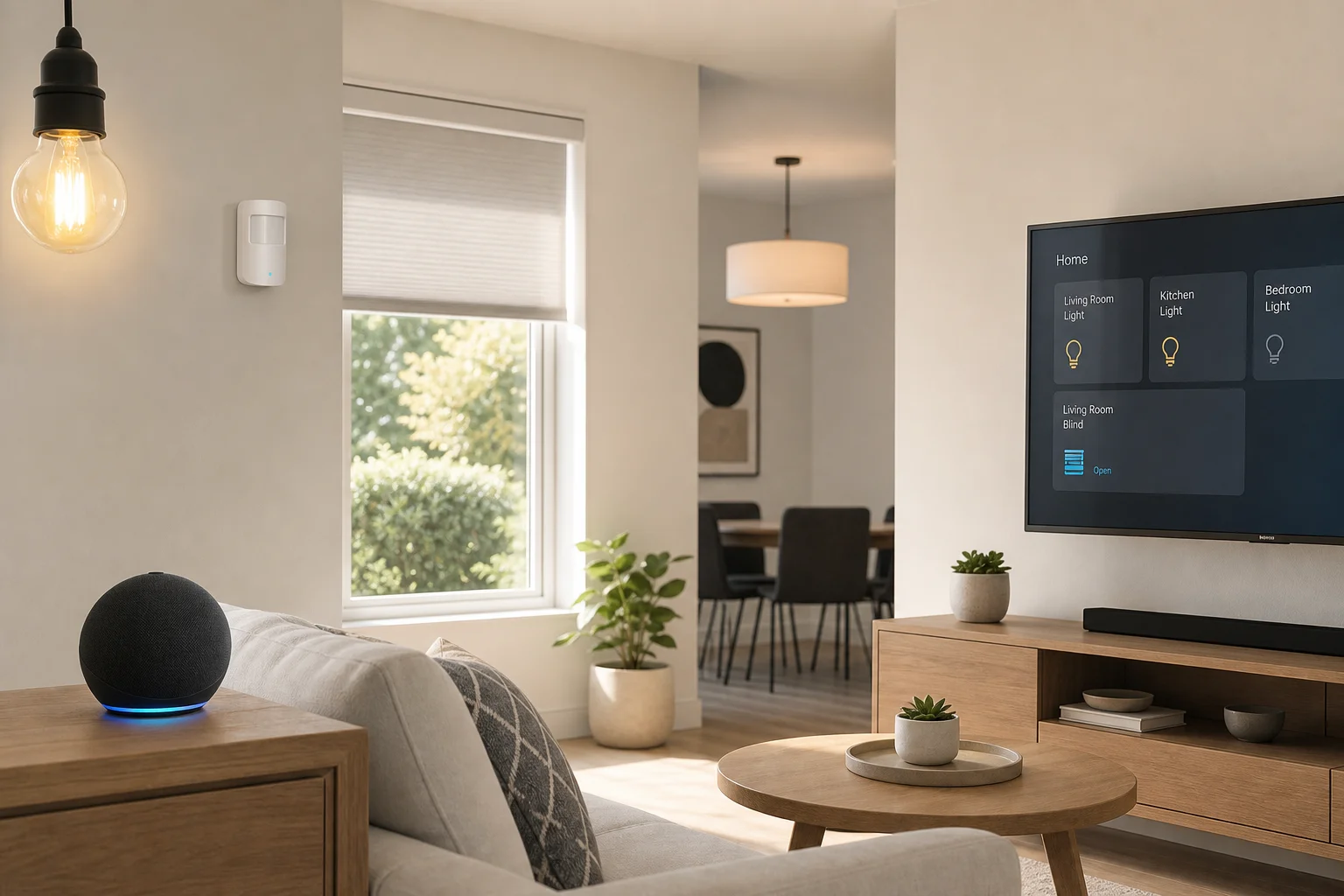
Amazon Echo Hub Review: A Smart Home Dashboard That Finally Gets It Right
The Amazon Echo Hub puts smart home controls front and center with a fast, simple interface. Here is how it performs as a family-friendly dashboard.
Smart Home
15 Amazon Smart Home Automations: Practical Ideas for Every Room
Fifteen practical Amazon Alexa routines and automations that solve real household problems, from pet care to security and entertainment.
Smart Home
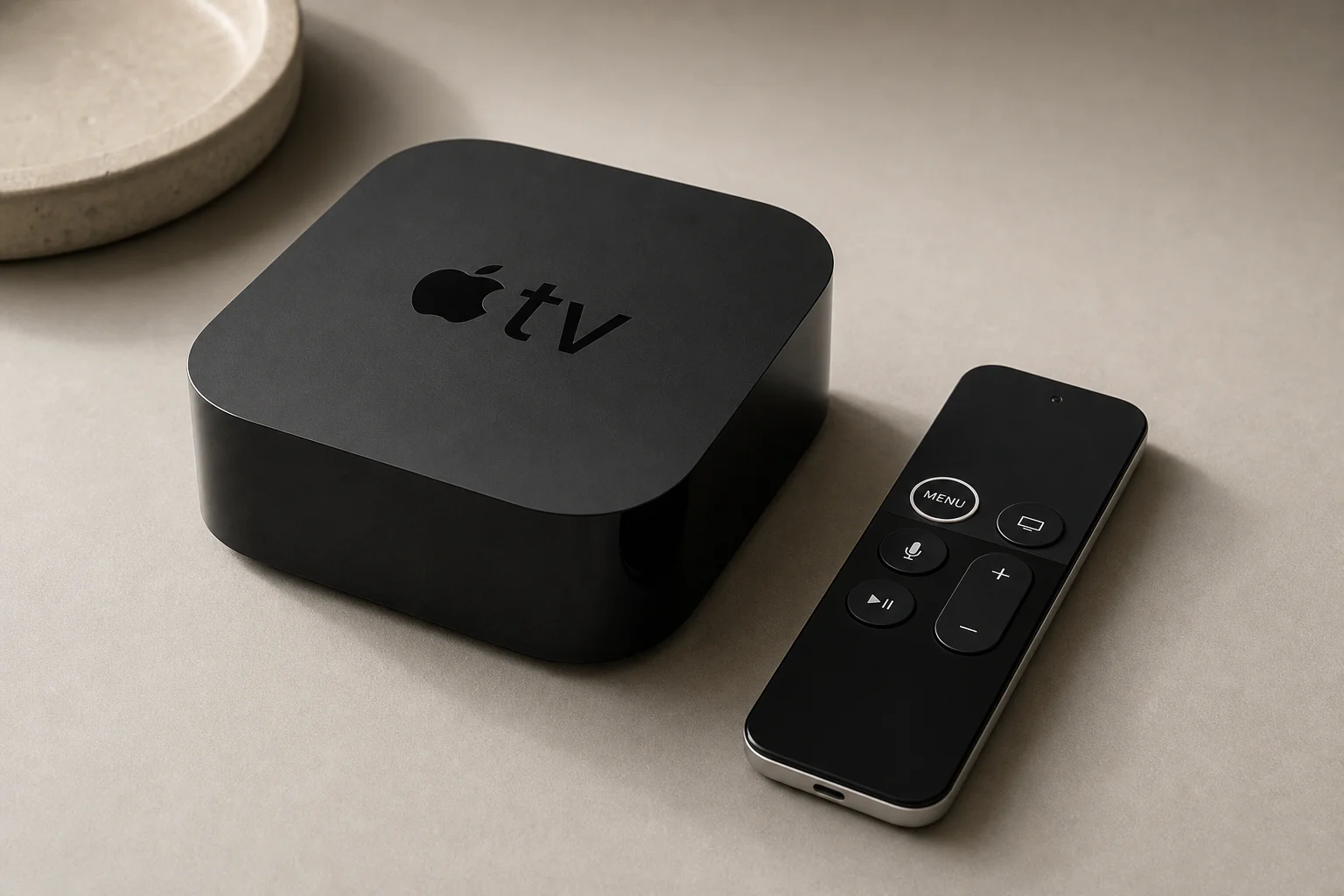
Apple TV as HomeKit Hub: Why It's Your Best Choice for Home Automation
The Apple TV combines HomeKit hub functionality with a display, camera viewing, and local automation control. Here's what makes it stand out from iPad and HomePod Mini alternatives.