Cycling Components
Built for Badlands: The Components Behind an 800 km Bikepacking Race Setup
A component-by-component look at a gravel bike assembled for an 800 km unsupported race with roughly 16,000 m of climbing, and what each choice means for ultra-distance riders.
Introduction
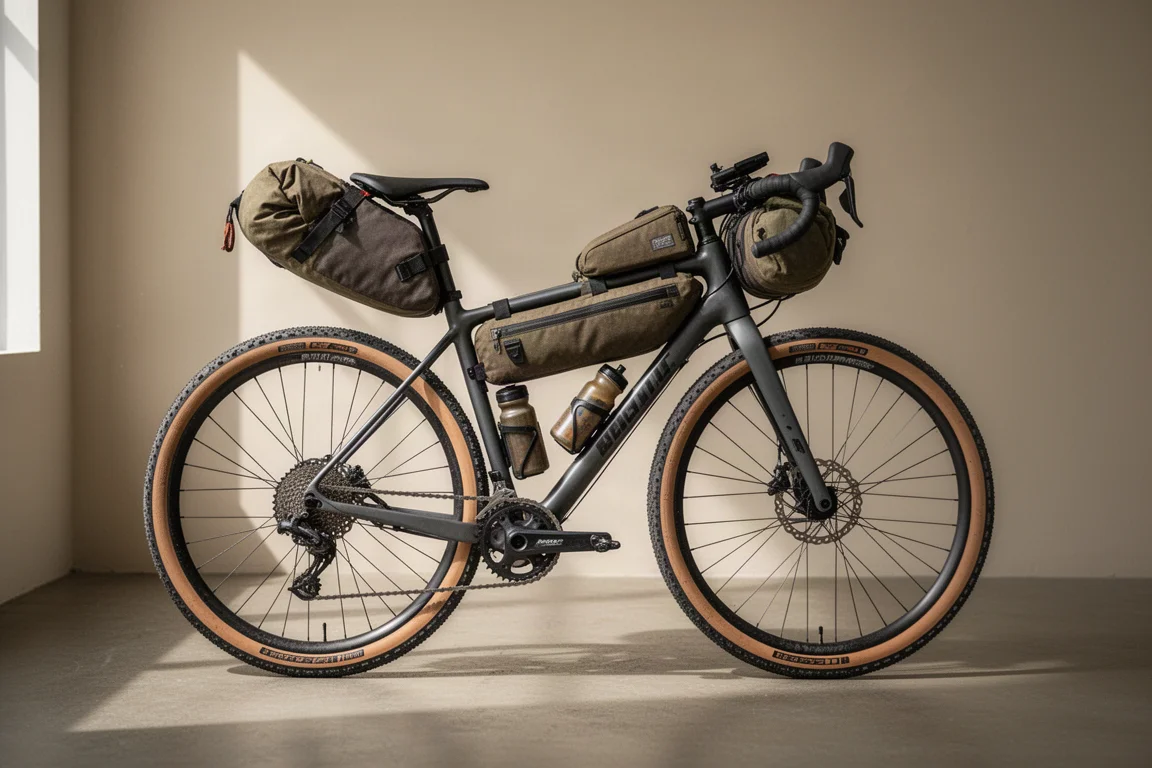
An 800 km unsupported bikepacking race across southern Spain, with roughly 16,000 m of climbing and no outside assistance, changes how a bike should be specified. Finishing becomes the objective, and every component decision gets weighed against reliability, comfort and how easy it is to repair at the side of a road in the early hours of the morning.
This build is a useful case study because the frameset at its centre was developed with exactly this kind of event as its reference point. What follows is a component-by-component look at the setup, why each part was chosen, and which trade-offs are worth understanding if you are putting together a bike for long, unsupported riding.
How This Build Was Put Together
Three priorities shaped this build. The first is reliability: parts that are unlikely to fail and that can be repaired without a workshop. The second is comfort over multi-day distances, including suspension and multiple hand positions. The third is cargo and water capacity, because an unsupported race means carrying everything needed for several days.
That hierarchy explains several choices which look unusual next to current gravel racing trends. Weight and aerodynamic efficiency take a back seat to serviceability, and the build deliberately avoids fully integrated cockpits and hard-to-access internal cable runs that are difficult to work on in remote places.
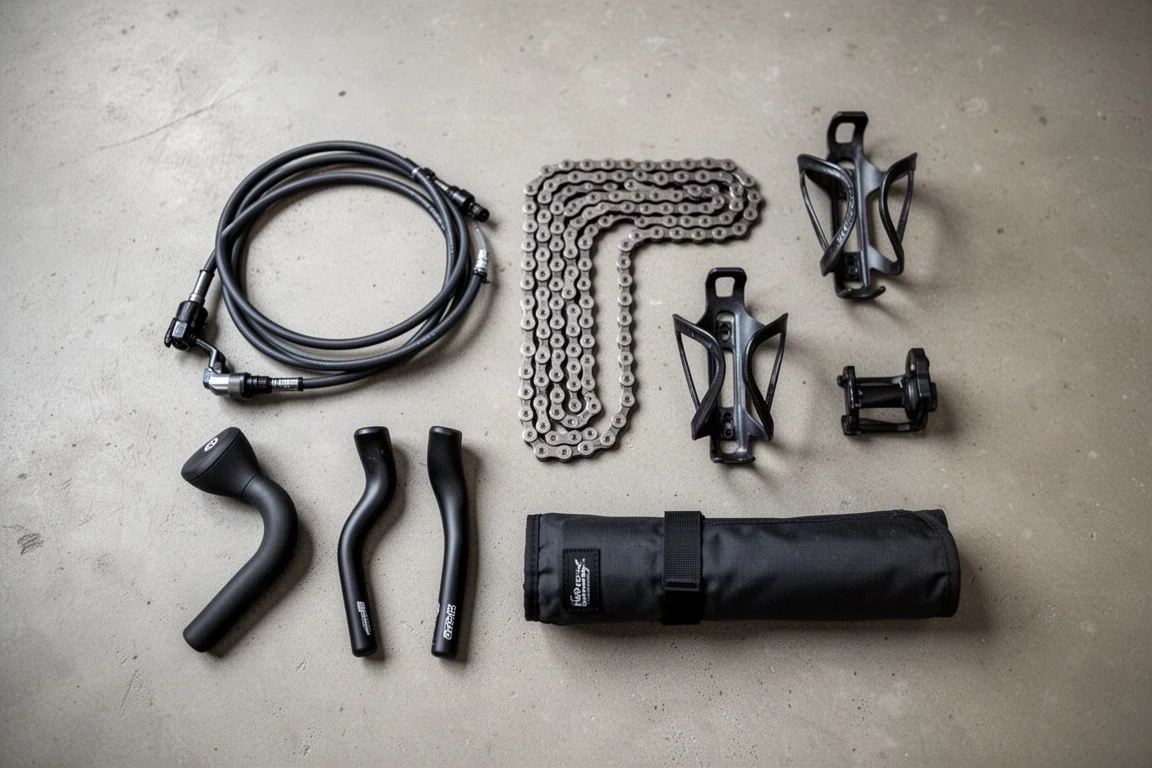
The result is a bike that is heavier and less aerodynamically optimised than a race-focused gravel setup, but considerably better suited to an event where the priority is reaching the finish rather than recording the fastest possible time.
The Frameset: 51 Assassin
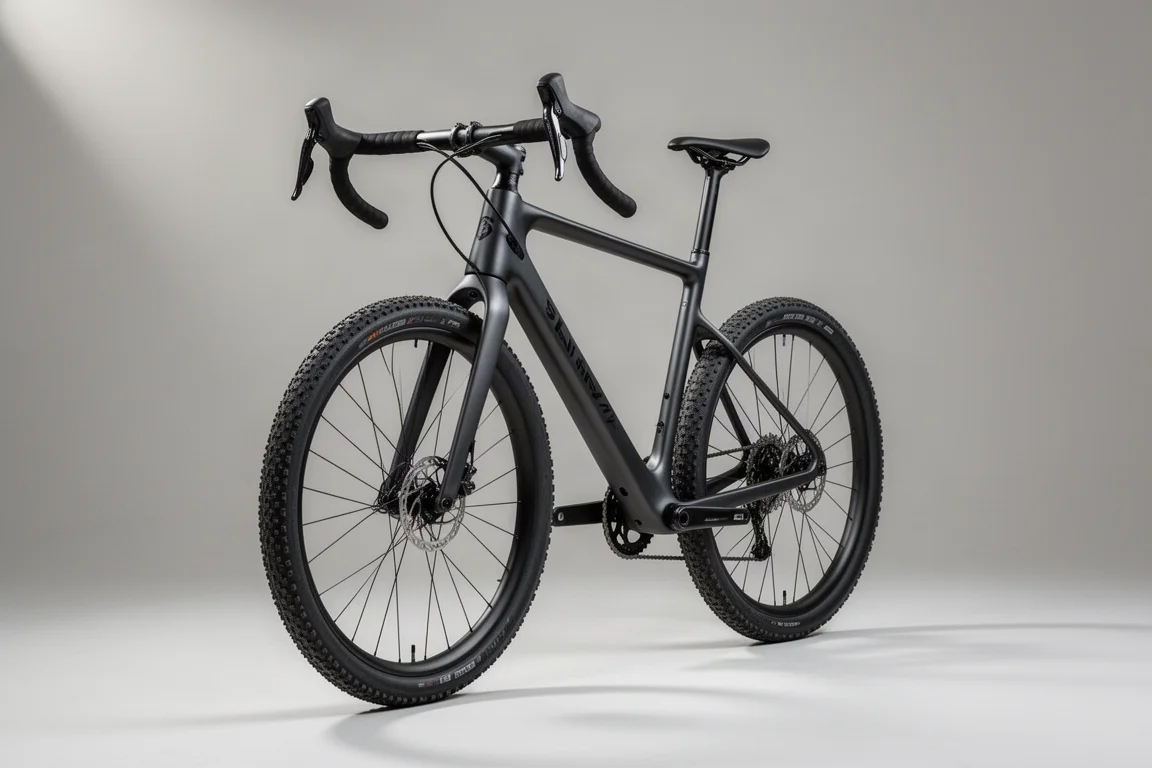
The 51 Assassin is a full carbon frame and fork with geometry that is longer and slacker than most adventure or road-based gravel bikes. Its defining feature is adjustable geometry: flip chips in both the rear dropouts and the fork dropouts allow the wheelbase and fork trail to be changed, which alters how the bike behaves without swapping any components.
In the shorter setting the bike feels more road-like and responsive, which suits everyday riding and mixed local terrain. In the longer setting the wheelbase and trail increase, adding stability and comfort over very long days. The thinking is closer to choosing a touring motorcycle for a long-distance trip than a track machine for a short, fast session.
Cargo capacity is another deliberate design goal, with mounts for bottles and bags across the frame and fork, and a stated capacity of around 30 kg. Cable routing is external and the handlebar uses a conventional stem rather than an integrated cockpit, which makes fitting lights, computers and extensions straightforward and keeps cables accessible for roadside repairs.
The Wireless Drivetrain: Shimano GRX
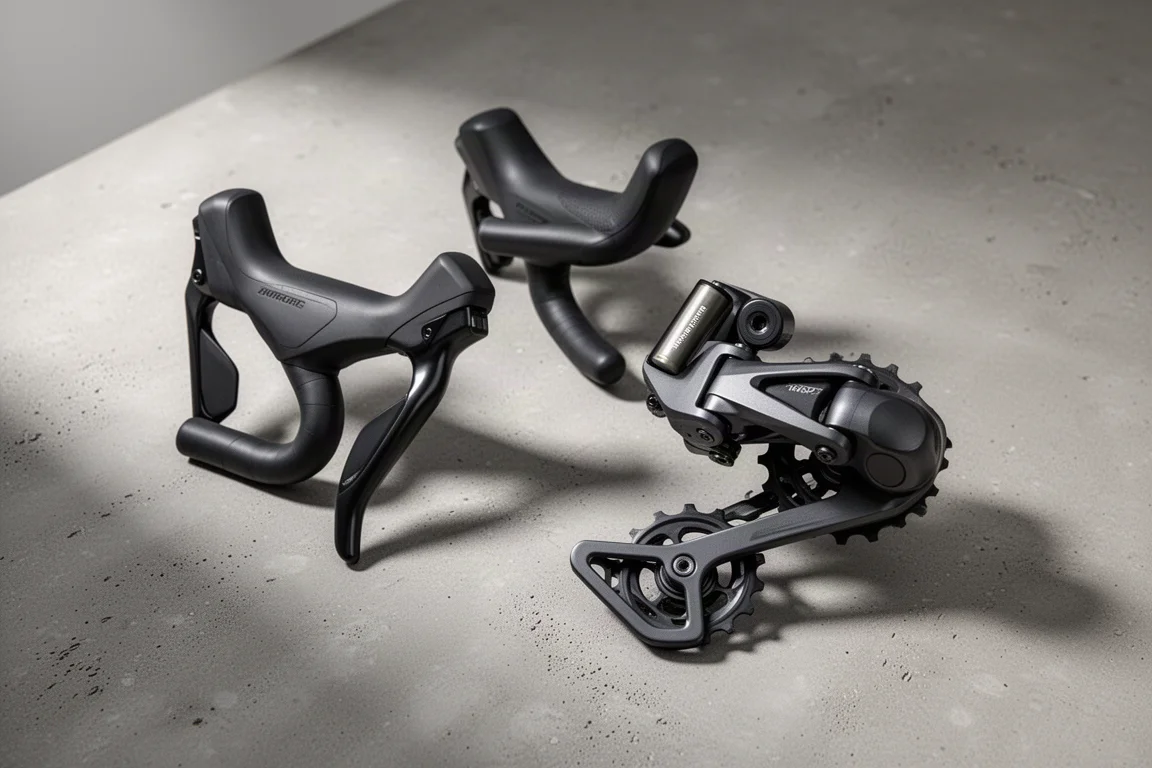
The drivetrain is the fully wireless version of Shimano GRX, which keeps the 12-speed layout and the shifter shape of the existing GRX Di2 groupset but removes the wires between the levers and derailleurs. The rear derailleur is a substantial unit, and the system is built around Shimano mountain bike components rather than road-specific ones.
Installation is straightforward precisely because there are no shift cables to route. The main complication is the brake hose, which still runs from the rear caliper through the frame up to the lever.
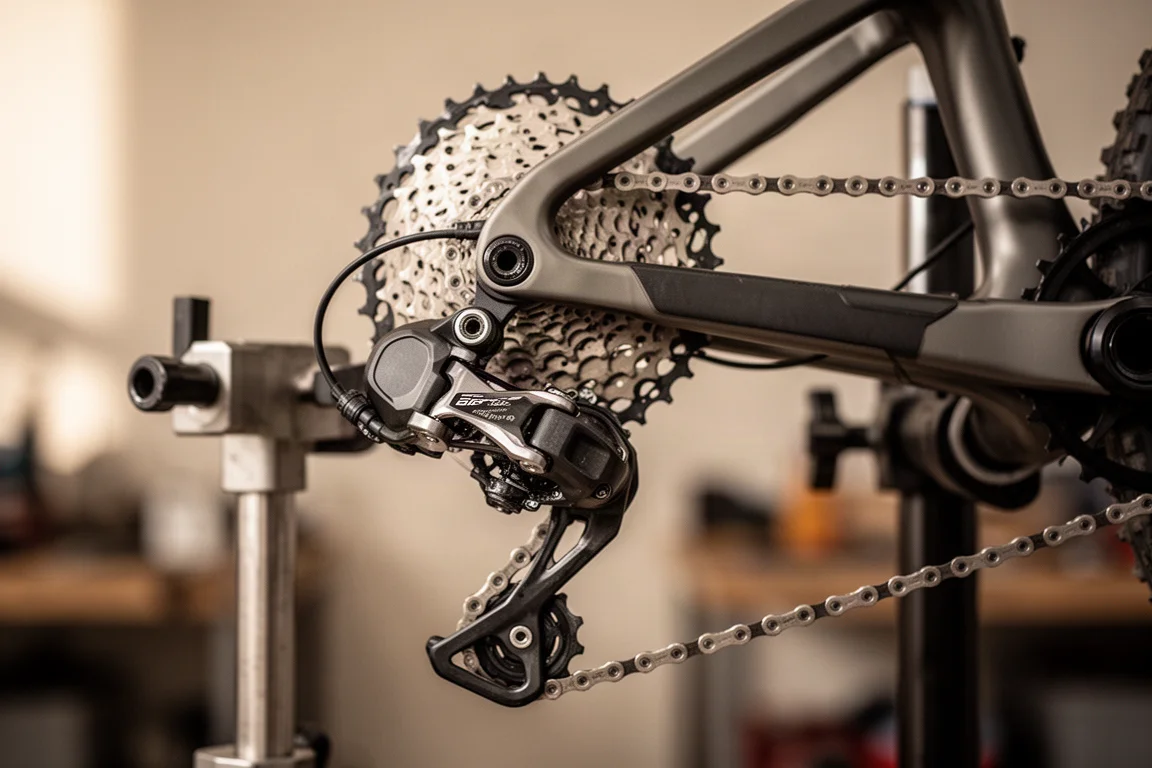
The build runs a 1x setup, with a 42-tooth chainring fitted at the time of assembly and a swap to a 40-tooth ring planned before the race. The logic is simplicity: fewer parts means fewer things that can go wrong over several days of riding.
The Cassette: Shimano XTR
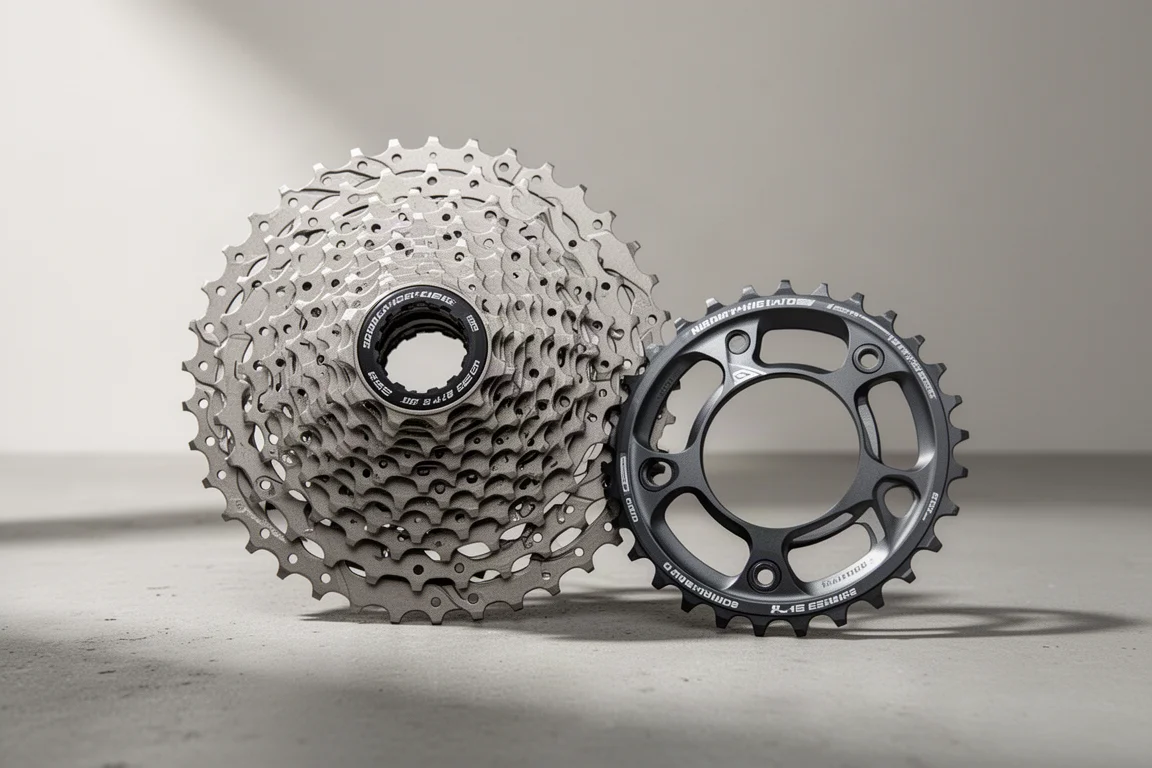
Behind the wireless derailleur sits a wide-range Shimano XTR cassette. It is a large unit, and the range is the point: with roughly 16,000 m of climbing on the route, low gearing matters far more than closely spaced ratios.
Pairing a mountain bike cassette with a gravel groupset is a common approach on bikes intended for steep, sustained climbs, and it is one of the clearest examples here of a component chosen for the course rather than for outright speed on flatter ground.
The Wheelset: ENVE SES 3.4
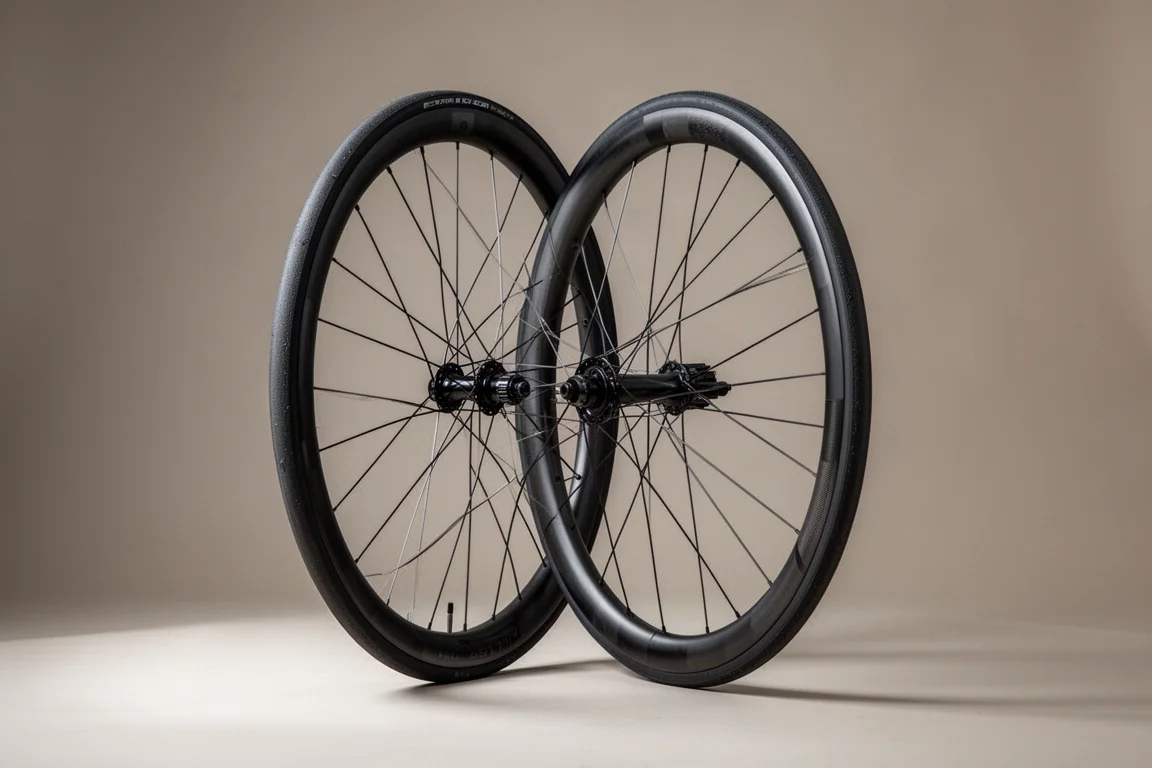
The wheels are an ENVE SES 3.4 set: light, tough, and built around a shallow rim profile that is nonetheless wide. That combination is aimed at surviving rough terrain without adding unnecessary rotating weight, and it sits at the expensive end of the market.
On an event where a wheel failure can end the ride, a durable rim and a robust build are worth more than a marginal aerodynamic gain. The trade-off is straightforward: this is a premium wheelset rather than a value option, and the cost reflects that.
The Tires: Maxxis Reaver
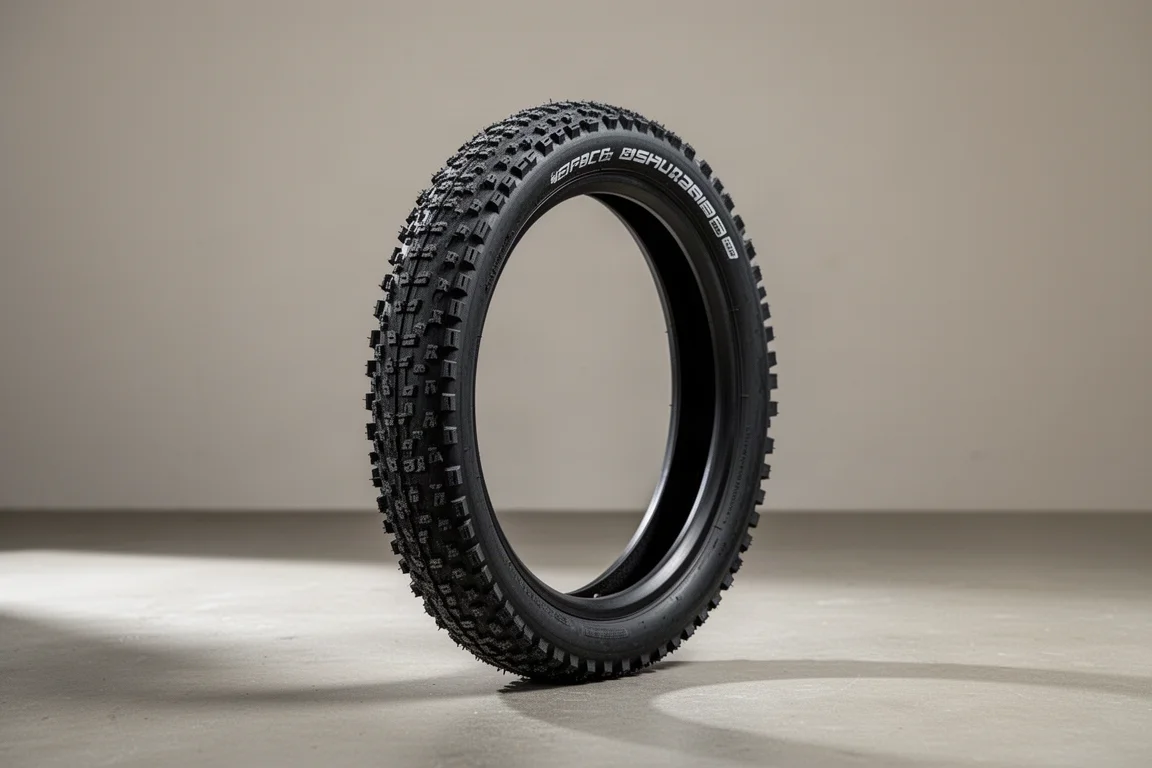
Tire choice is arguably the single most consequential decision on a course like this, and this build uses the Maxxis Reaver. It is a semi-slick with EXO sidewall protection carried over from the brand’s mountain bike tires, and it measures 45 mm on the bike.
The tread pattern is new and is described as faster rolling and more durable than what came before. The reasoning behind a semi-slick is that a large proportion of the route is fast, rolling surface, so a quick centre tread is more valuable than aggressive knobs. The counterargument is width: some riders would go to 50 mm or wider, or even fit a mountain bike tire, for the rougher opening sections.
The Alternative Tire: Challenge Getaway XP
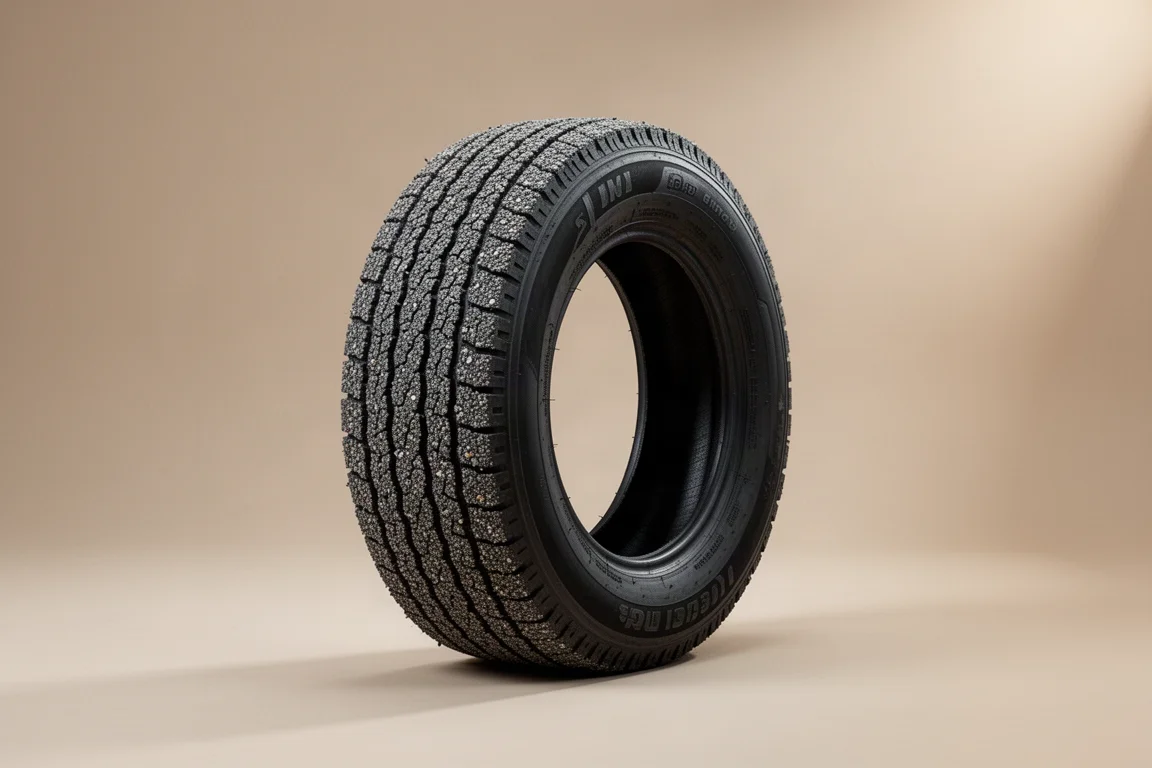
An alternative approach on the same course is the Challenge Getaway XP, which prioritises toughness over weight. It uses a very robust sidewall and casing, while a raised ridge running down the centre of the tread keeps rolling resistance low on asphalt. At around 40 PSI the contact patch is small, which makes it a genuinely fast tire on road.
The penalty is weight, at roughly 560 to 600 g per tire. For long unsupported events that is often an acceptable trade, because the alternative is repairing a puncture or a torn sidewall in the dark, far from help. This build also avoids tire inserts for much the same reason: they add protection, but they are difficult to remove when a repair is needed at the roadside.
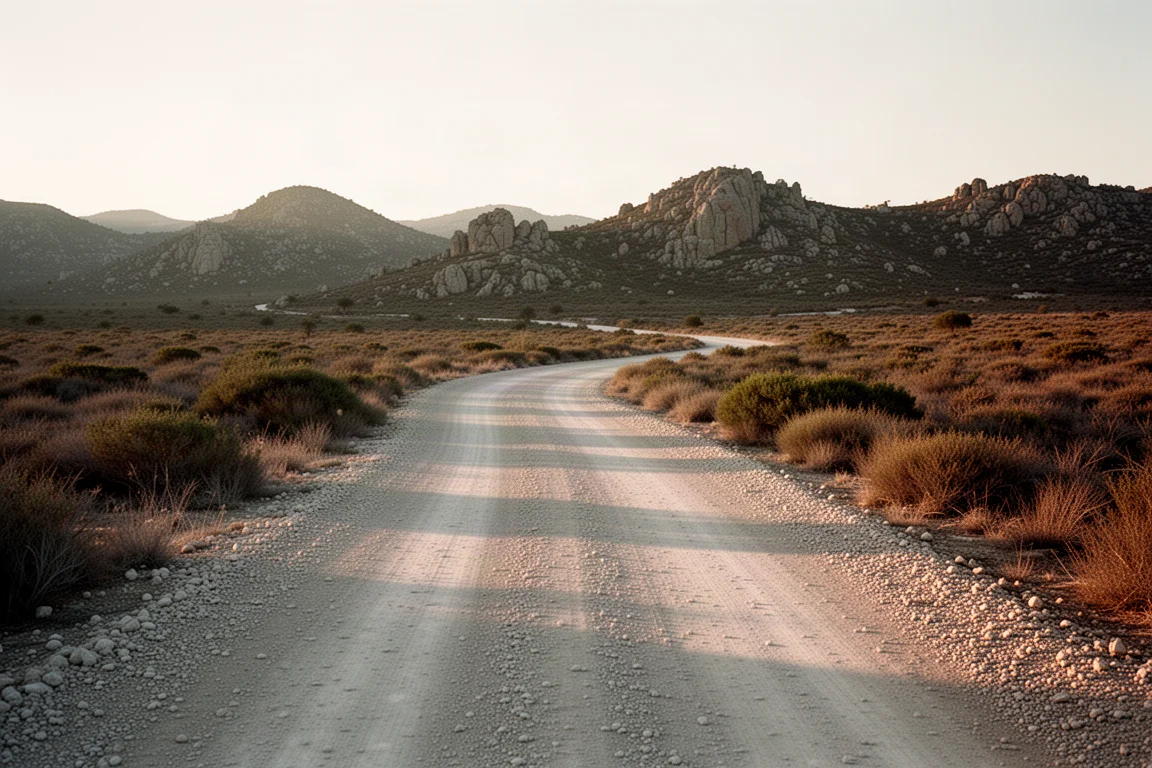
For riders whose route mixes long asphalt stretches with rough, rocky sections, that combination of a tough casing and a fast centre ridge is a rational compromise rather than a compromise in the negative sense.
The Power Meter: Favero Assioma Pro MX
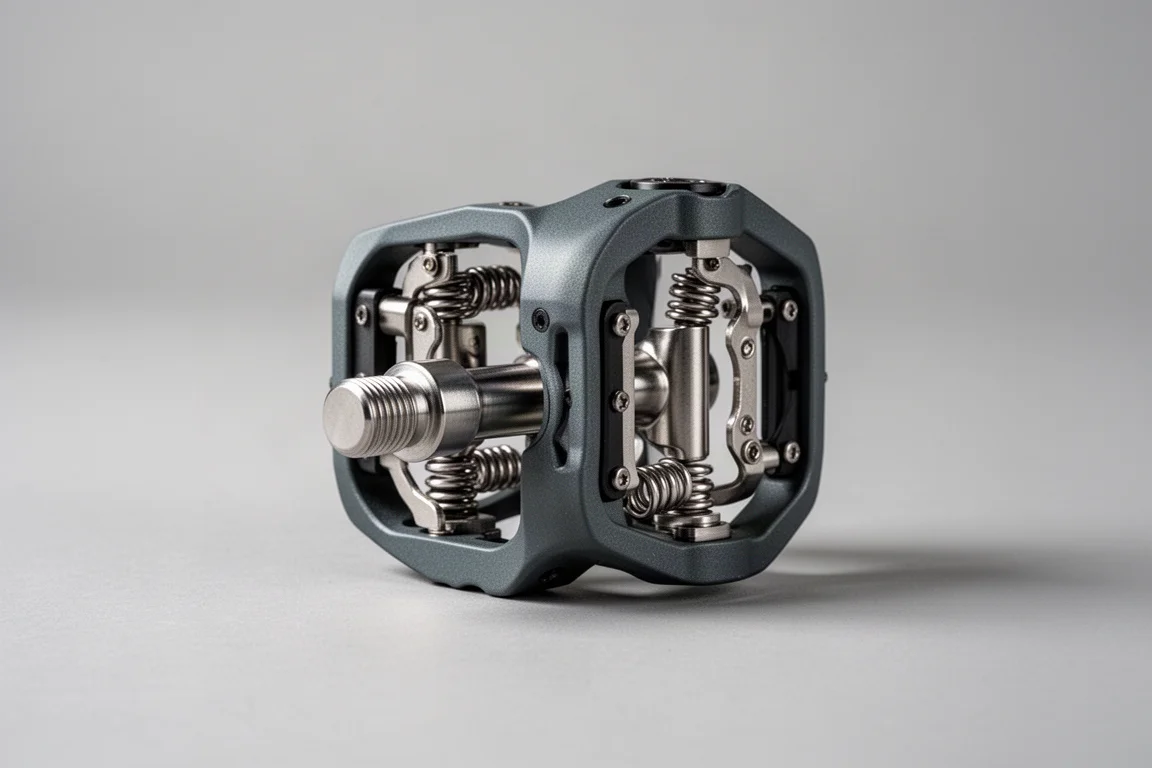
The build includes Favero Assioma Pro MX power meter pedals. On an event like this, power data is a pacing tool rather than a performance necessity: it can be used alongside heart rate to keep effort sustainable over several days, particularly on long climbs where it is easy to go too hard early and pay for it later.
Whether it earns its place depends on how the rider uses it. Those who already train and pace by power will find it useful; those who ride primarily by feel may not miss it at all.
Comfort and Cargo: The Rider-Facing Details
Away from the headline components, several choices are aimed squarely at surviving several days in the saddle. A suspension seatpost and a suspension stem add weight and cost some aerodynamic efficiency, but they reduce the cumulative fatigue that builds over an 800 km route. On a multi-day event, comfort is not a luxury; it is what keeps a rider moving. Hands, feet and lower back take a cumulative beating over that kind of distance, and minimising it is a legitimate performance strategy.
Tri-bar extensions are fitted for a different reason. They are not there to save watts. They provide an additional hand and body position that takes weight off the shoulders and lower back, which matters when a single day can run from 15 to 25 hours. Opinions on extensions are split, with some riders using them and others not, so they are best treated as a personal comfort choice rather than a requirement.
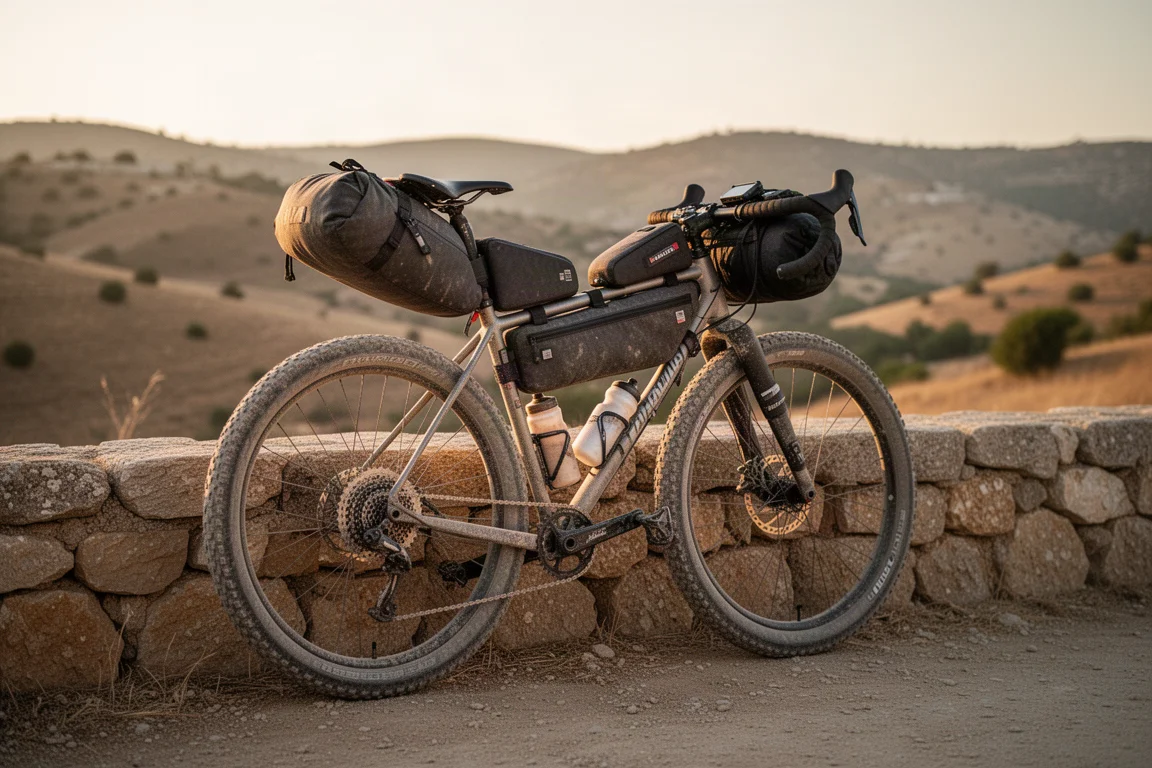
Carrying capacity is handled with a carbon cargo bag with mesh pockets positioned for snacks and items needed on the move, plus a frame bag and a top tube bag. Water capacity is around 5 litres in total, using two bottles mounted on the frame with a third cage planned on the down tube, supplemented by a hydration pack.
Overall Buying Advice
The clearest lesson from this build is that component choices should follow the event, not the current racing trend. A bike that wins short, fast gravel races is not automatically the right bike for an 800 km unsupported route, and the equipment that dominates race coverage does not always translate into what a long-distance rider actually needs.
For ultra-distance events, prioritise in this order: reliability, serviceability, cargo and water capacity, then comfort, and only then weight and aerodynamics. External cables and standard stems may look less clean than fully integrated cockpits, but they can be fixed at the roadside, which is where it counts.
It is also worth being realistic about the challenge itself. Many riders who gain an entry never reach the start line, and only a portion of those who start reach the finish. Going in with a clear sense of what you want from the event, and resisting the urge to race the first few kilometres, matters more than any single component choice.
Conclusion
A build like this is less about any single standout component and more about how the parts work together towards one goal: reaching the finish of an 800 km unsupported race. The frameset’s adjustable geometry and mounting options provide the platform, the wireless drivetrain and wide-range cassette handle the climbing, the wheels and tires are chosen for durability, and the suspension, extensions and luggage make the days survivable.
If you are planning something similar, the same framework applies. Decide what the event actually demands, accept the weight penalty that reliability brings, and choose components you can service yourself. That is a more useful standard than what is fastest on paper.
Further reading
Related Reviews
Cycling Components
A 20,000-Mile Budget Race Bike Build: Five Parts Worth Knowing
A rim brake race bike assembled from low-cost components and ridden for 20,000 miles. Here is what delivered real speed, what caused problems, and what to weigh before copying the formula.
Cycling Components
7 Bike Fit Products Fitters Avoid: What to Check Before You Buy
Seven bike components that regularly cause knee, foot and saddle problems, with the specific concerns behind each one and what to look for instead.
Cycling Components
Four Affordable Bike Upgrades That Improve Ride Feel
Four low-cost cycling products that make a real difference to ride feel, plus the free setup changes worth trying first.